
The Bridal Dress in Balance
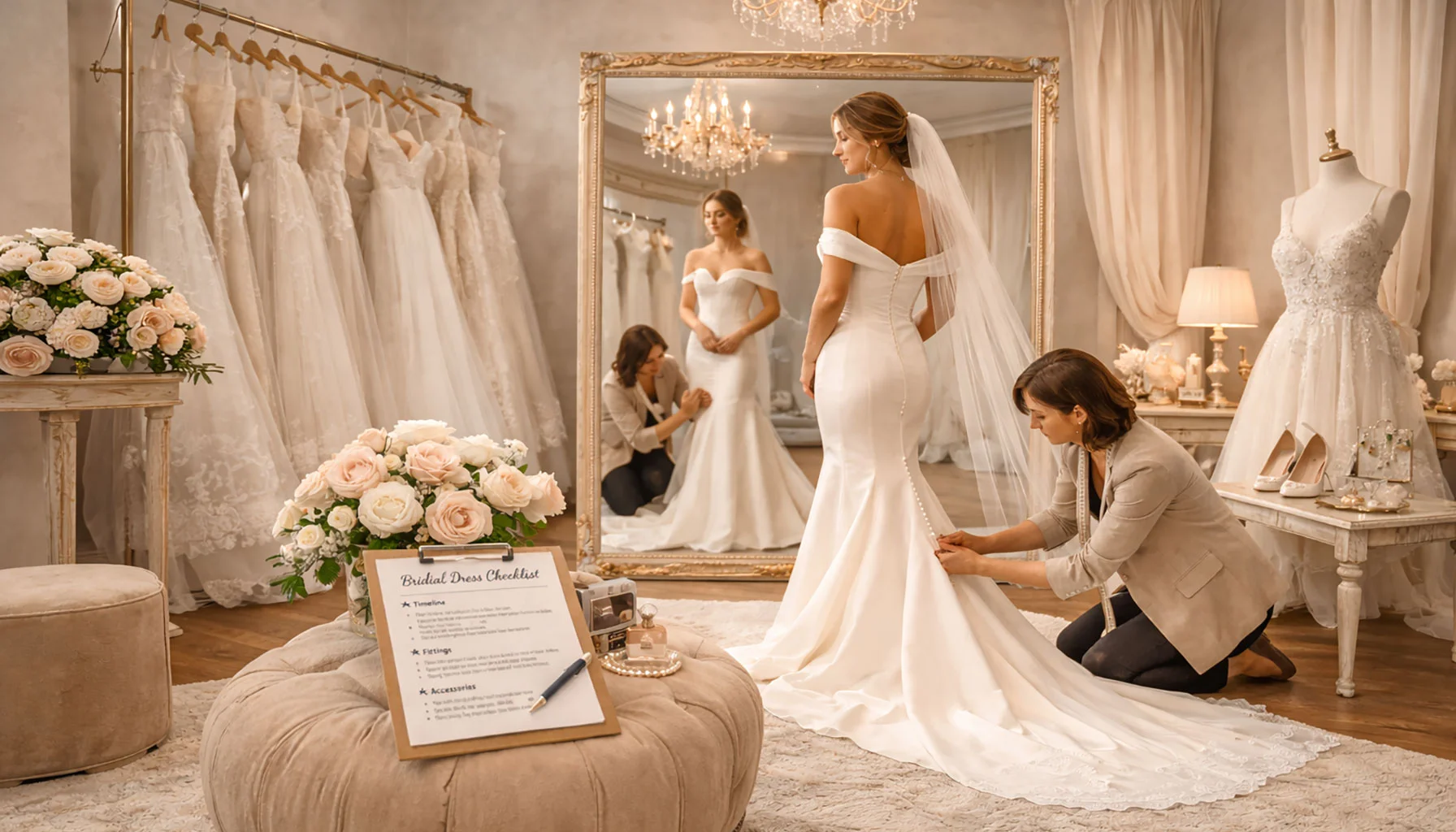
Bridal Dress Checklist: From First Appointment to Final Fitting
A wedding dress is often described as emotional. In practice, it is also precise work. Decisions are layered over months. Fabric, cut, timing, and movement slowly come together. What looks effortless on the wedding day is usually the result of many quiet adjustments made long before.
This checklist reflects how bridal dresses are actually chosen and prepared. Not in theory. In fitting rooms, ateliers, and final rehearsals. It follows the process from early appointments through fittings and finishing details, focusing on what consistently matters in real conditions.
Timeline and Order of Decisions
Most dresses are chosen earlier than expected. Ten to twelve months before the wedding is common. Venues, seasons, and ceremony formats already influence the decision at this stage. Heavy fabrics behave differently than light ones. Long trains ask for space. Outdoor settings demand flexibility.
Appointments usually lead to clarity through movement rather than mirrors. Sitting. Walking. Turning. Many final decisions are made after feeling how a dress behaves, not how it photographs in stillness.
Production and Alteration Windows
- Production times often range from several months to longer for custom work
- Alterations typically require multiple sessions
- Final fittings work best weeks, not days, before the wedding
- Climate and season influence fabric behavior more than expected
Dress Trends in Practice
Trends appear differently once worn for hours. Minimal designs depend heavily on tailoring. Structured bodices replace undergarments but must remain comfortable. Transformable dresses offer flexibility but add technical complexity. These elements succeed when tested early and thoroughly.
The Fitting Process
Early fittings focus on structure and balance. Length is estimated. Support is adjusted. Later fittings refine details. Final fittings confirm stability. Walking, sitting, and stairs reveal more than standing still ever will.
“Once I could sit and breathe comfortably, I knew it was right.”— Bride
Comfort and Body Interaction
- Support without pressure
- Ease of movement over extended time
- Stable fit while walking and turning
- No friction or heat build-up
Fabric and Construction
Fabrics respond differently to light, motion, and touch. Some crease quickly. Others reveal underlayers outdoors. Internal construction matters quietly. Boning, seams, closures, and buttons do their work without being seen when done well.
Accessories and Final Coordination
Shoes determine length. Veils must match tone, not just color. Jewelry interacts with necklines and lace. These elements are best introduced early enough to adjust the dress, not force alignment later.
Movement and Real Conditions
The most revealing test is simple. Walk quickly. Sit down. Hug someone. Turn suddenly. These moments expose issues fittings alone do not.
Logistics and Wedding Day Handling
- Allow calm time for dressing
- Ensure space for the gown
- Prepare a small emergency kit
- Assign one experienced helper
Emotional Readiness
Once chosen, most brides stop searching. Confidence tends to grow with familiarity. Comfort settles. The dress becomes known. This steadiness often matters more than novelty.
“By the final fitting, it felt like mine.”— Bride
Conclusion
A bridal dress is not only chosen. It is prepared. Through timing, testing, and quiet refinement, it becomes reliable. When that work is done well, the wedding day feels lighter. The dress no longer asks for attention. It simply supports the moment.
Related Articles

The Groom’s Suit Guide: Planning, Fittings, Trends & Timeline
A wedding suit does not come from a single decision, but from alignment over time. Cut, fabric, and fit develop in relation to occasion, movement, and personality. When these elements settle into place, the suit supports the day quietly and allows the groom to remain fully present.

Backup Checklist for Outdoor Weddings: Shade, Wind, Cold, and the Things People Forget
Outdoor wedding backup plans are not only about rain. This article looks at shade, wind, cold, ground conditions, paths, loose details, guest comfort, and the small weather traces that shape how an outdoor celebration is remembered.
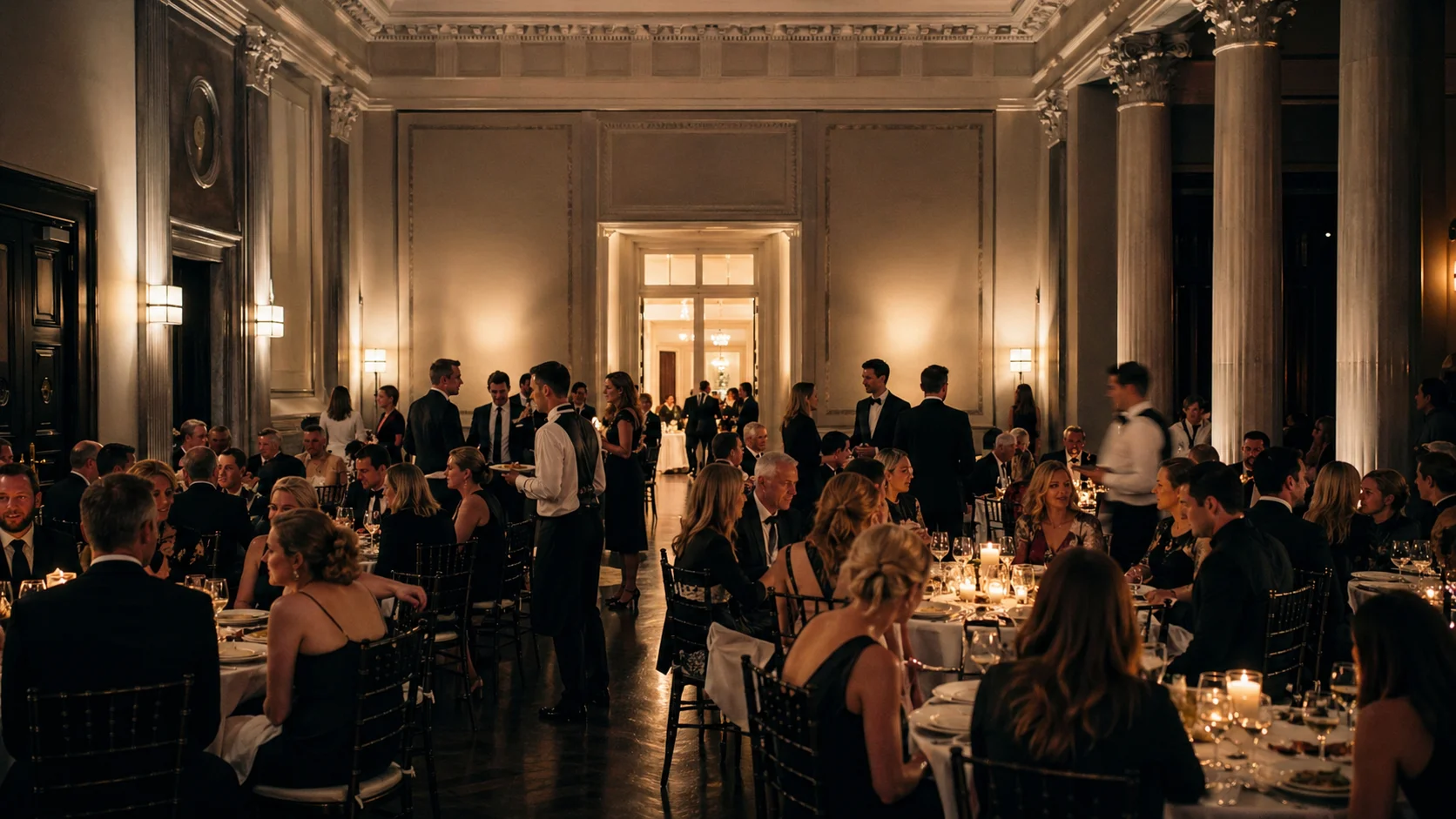
Wedding Dinner Flow Checklist: What Keeps the Room Together Between Courses
Wedding dinners usually drift or hold together in the moments between courses, not during the food itself. This article looks at service rhythm, guest movement, music, speeches, and the small in-between conditions that keep the room socially connected.
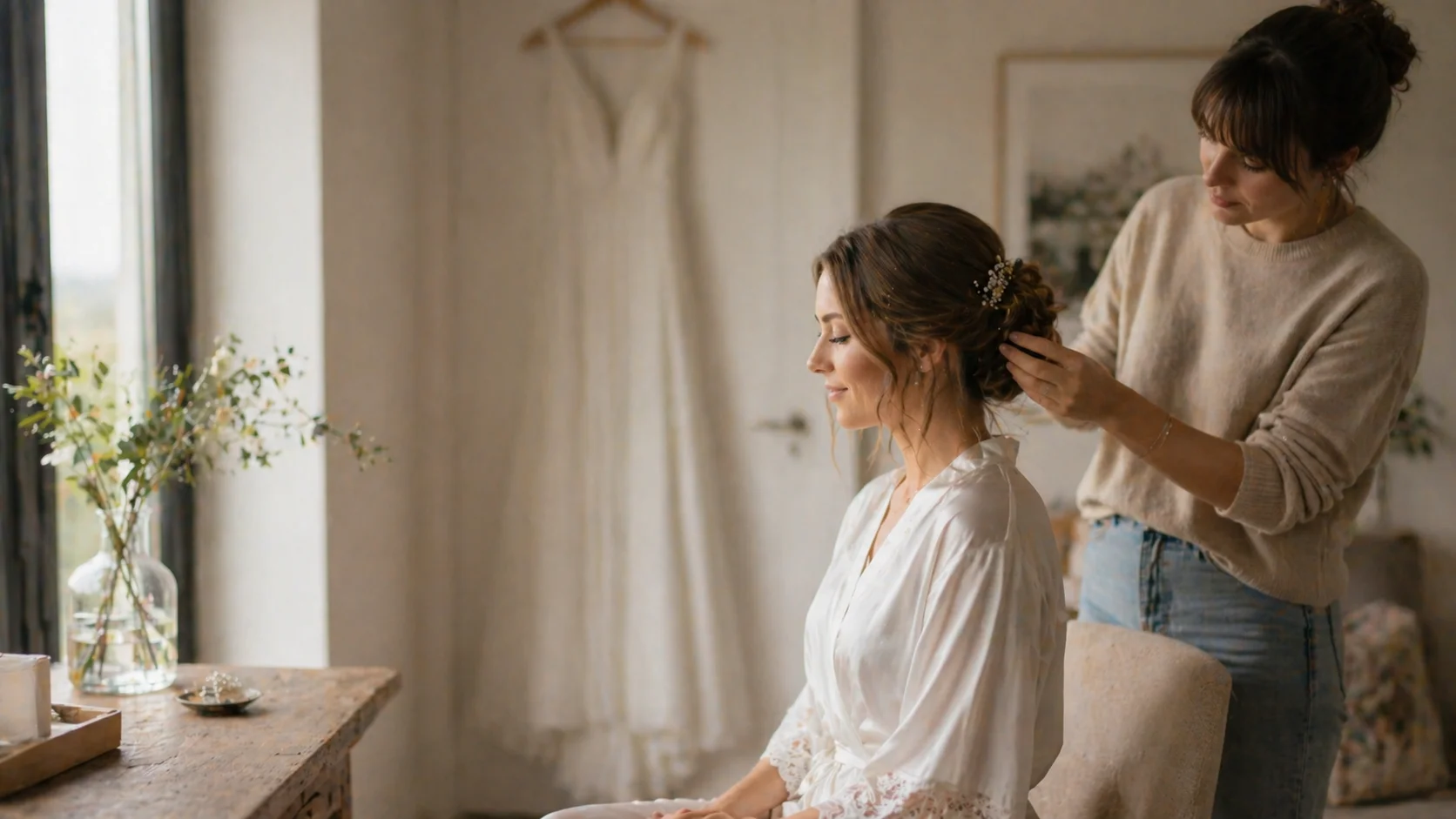
Bridal Getting-Ready Room Checklist: Light, Surfaces, Noise, and Movement
A bridal getting-ready room does more than hold hair, makeup, and dresses. This article looks at light, surfaces, noise, movement, privacy, and the quiet traces the room leaves on the morning before the ceremony.

Wedding Transport Checklist: Arrivals, Transfers, Parking, and Late-Night Returns
Wedding transport is rarely remembered when it works, but it shapes the day long before the ceremony begins and long after the central moment has passed. This article looks at what still needs to be planned around arrivals, transfers, parking, and late-night returns, and why movement and waiting belong more closely together than many couples expect.

Wedding Website Checklist: What Guests Actually Need, and What They Ignore
Wedding websites work best when they reduce uncertainty instead of filling space. This article looks at what guests actually need to find quickly, what they usually ignore, and which unspoken questions a good website can answer before they become messages to the couple.
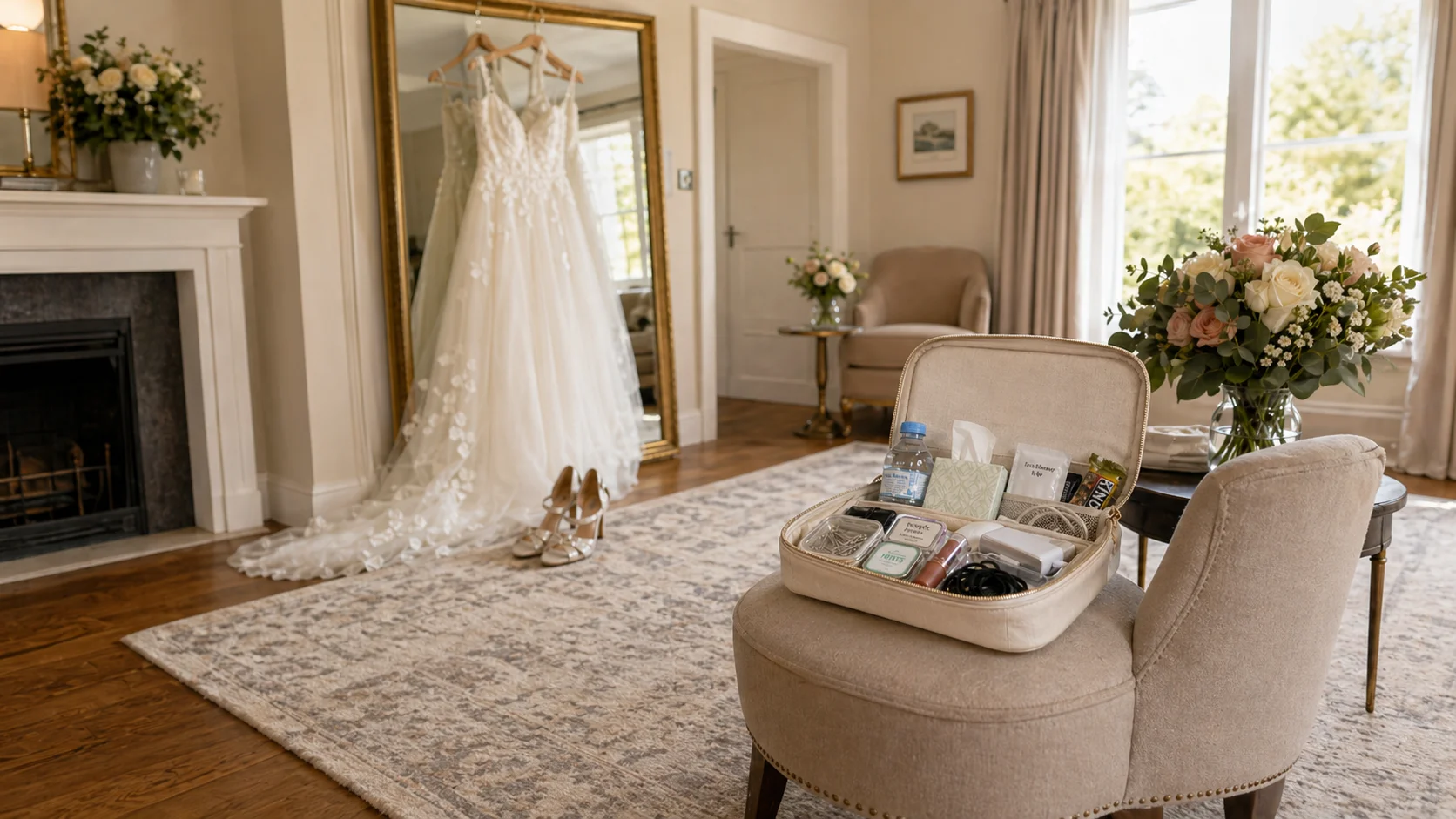
Wedding Bag Checklist: The Small Things That Quietly Save the Day
Wedding bags rarely draw attention, but they often carry the small items that keep the day from tightening around minor problems. This article looks at what to pack, who should hold it, and why the most useful things often matter most only in hindsight.
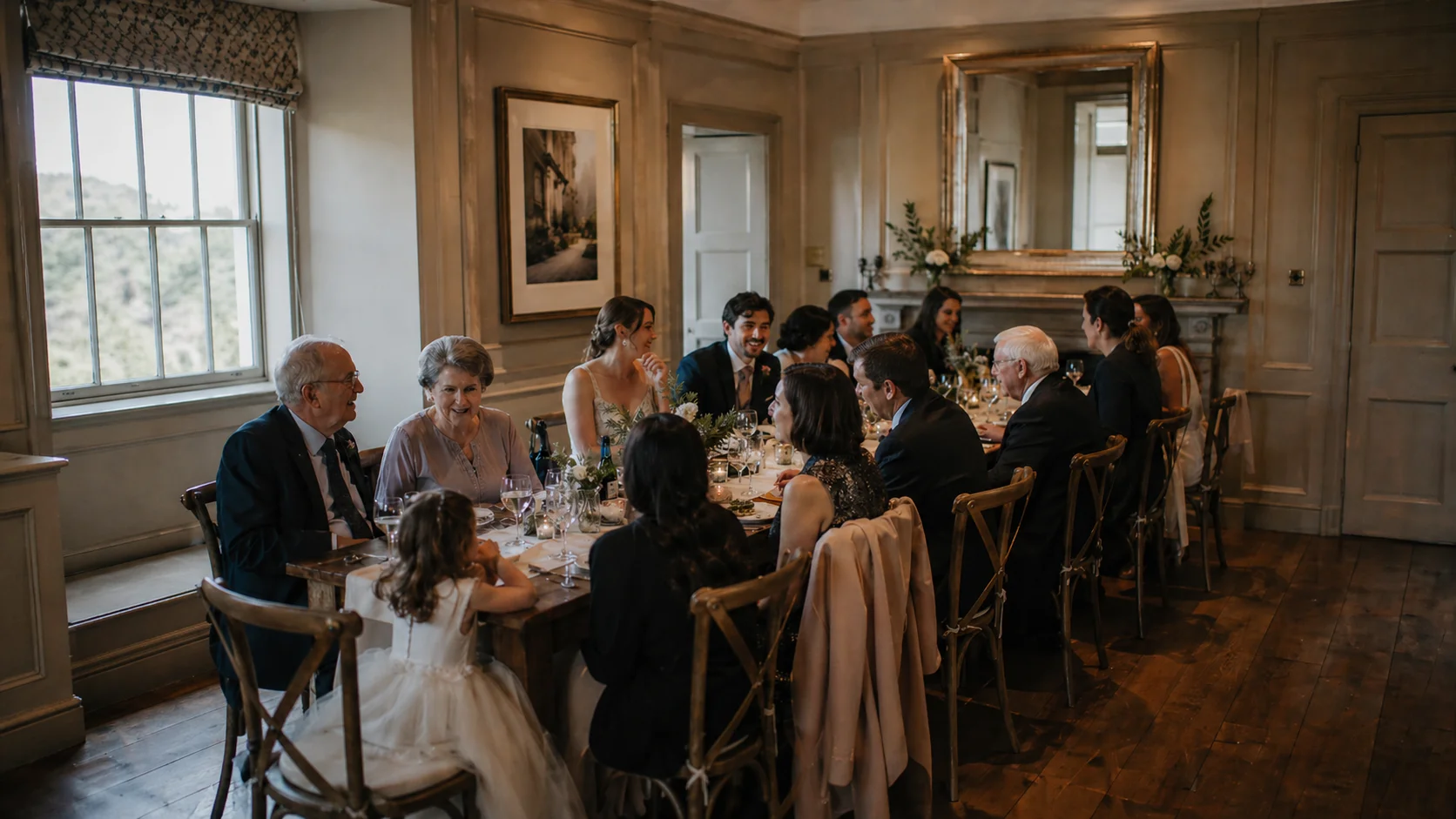
Family Table Checklist: What Helps Mixed Generations Sit More Easily Together
Family tables at weddings rarely depend on seating order alone. They work better when physical comfort, conversational balance, newer relationships, and older family stories are all considered before dinner begins.
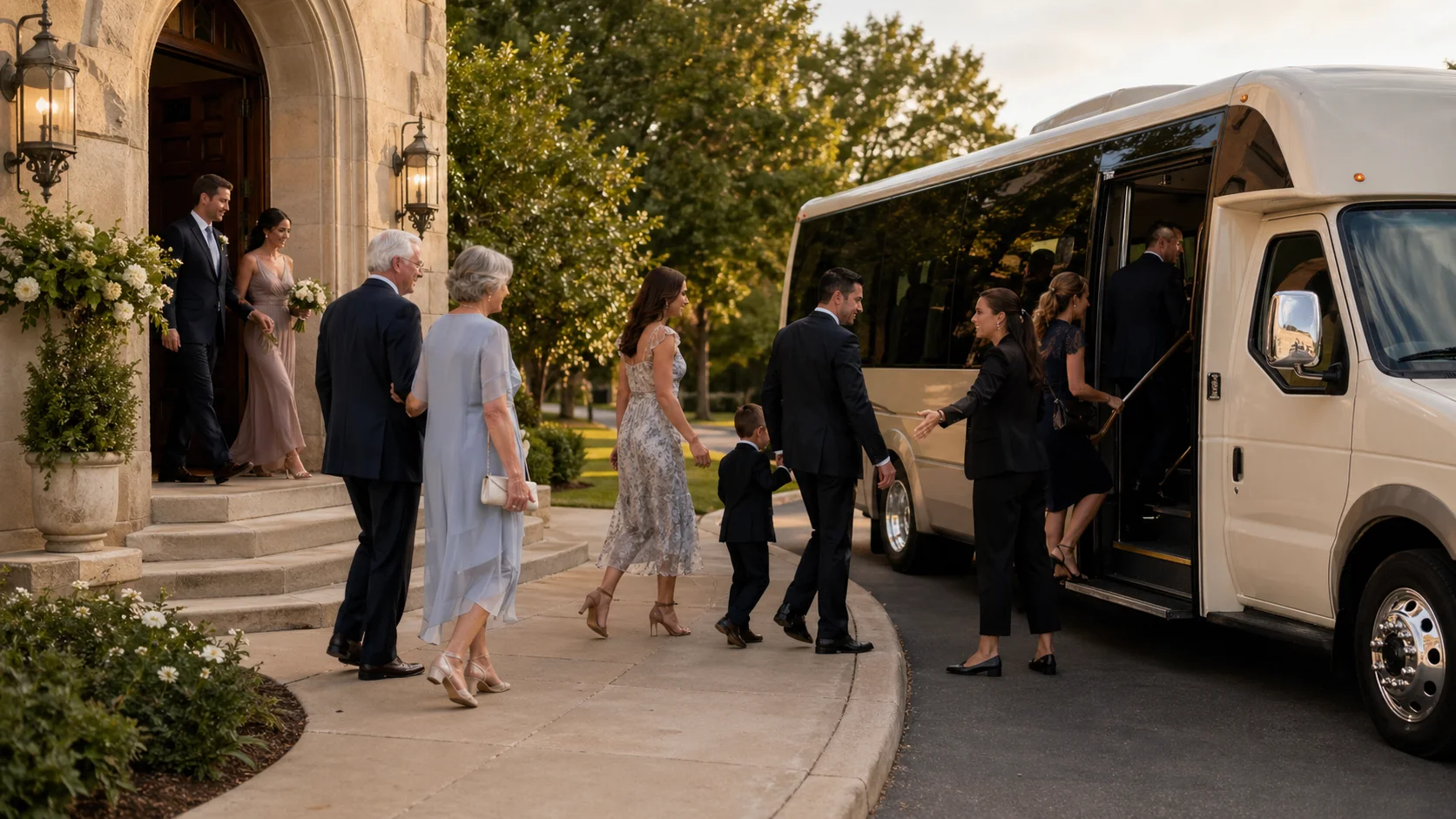
Transportation Checklist: How Not to Lose Time Between Wedding Locations
Wedding transportation is rarely only about the drive. This article looks at pickup points, buffers, driver contacts, guest movement, accessibility, and the pause between locations that either keeps the day together or quietly costs time.
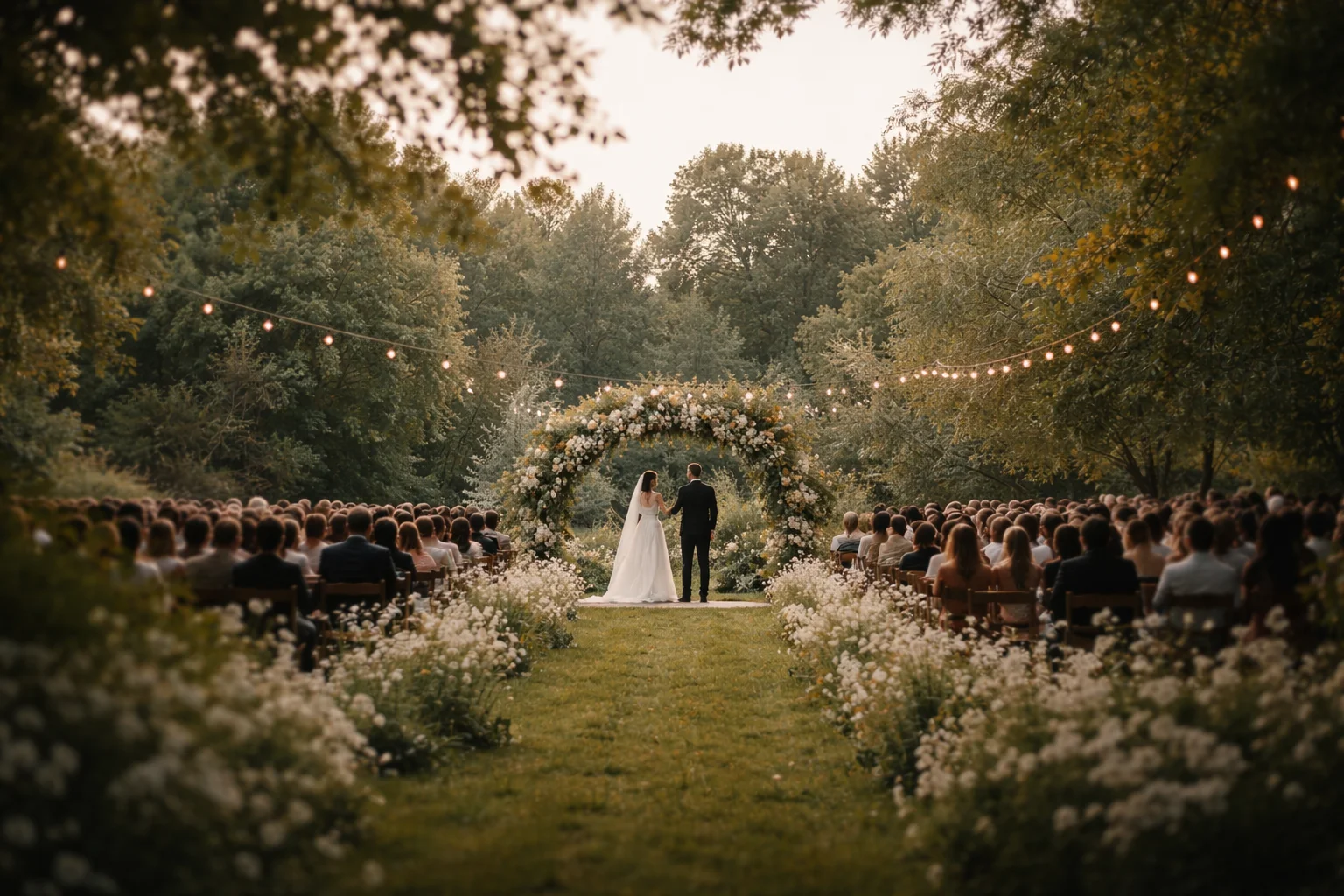
The Quiet Structure of a Wedding: How Checklists Become Rituals
Behind every calm, meaningful wedding lies a structure that no one notices. This piece explores how practical checklists and deeply felt rituals are not opposites, but partners in shaping a ceremony that feels grounded, intentional, and real.

A Timeline Holds the Day, Silence Holds the Meaning
A wedding timeline organizes what happens. But what shapes the experience often lives in the pauses, the unspoken moments, and the space between events.

A Love Made Official: A Bridal Look for the Civil Ceremony
Civil ceremonies tend to be focused and quiet. The setting is smaller, the attention sharper. In this context, the bridal look does not perform. It supports. Fabric, cut, and proportion matter more than embellishment. What remains is a look that fits the moment, allows presence, and feels appropriate long after the ceremony ends.