
How the Groom Look Becomes Part of the Ceremony
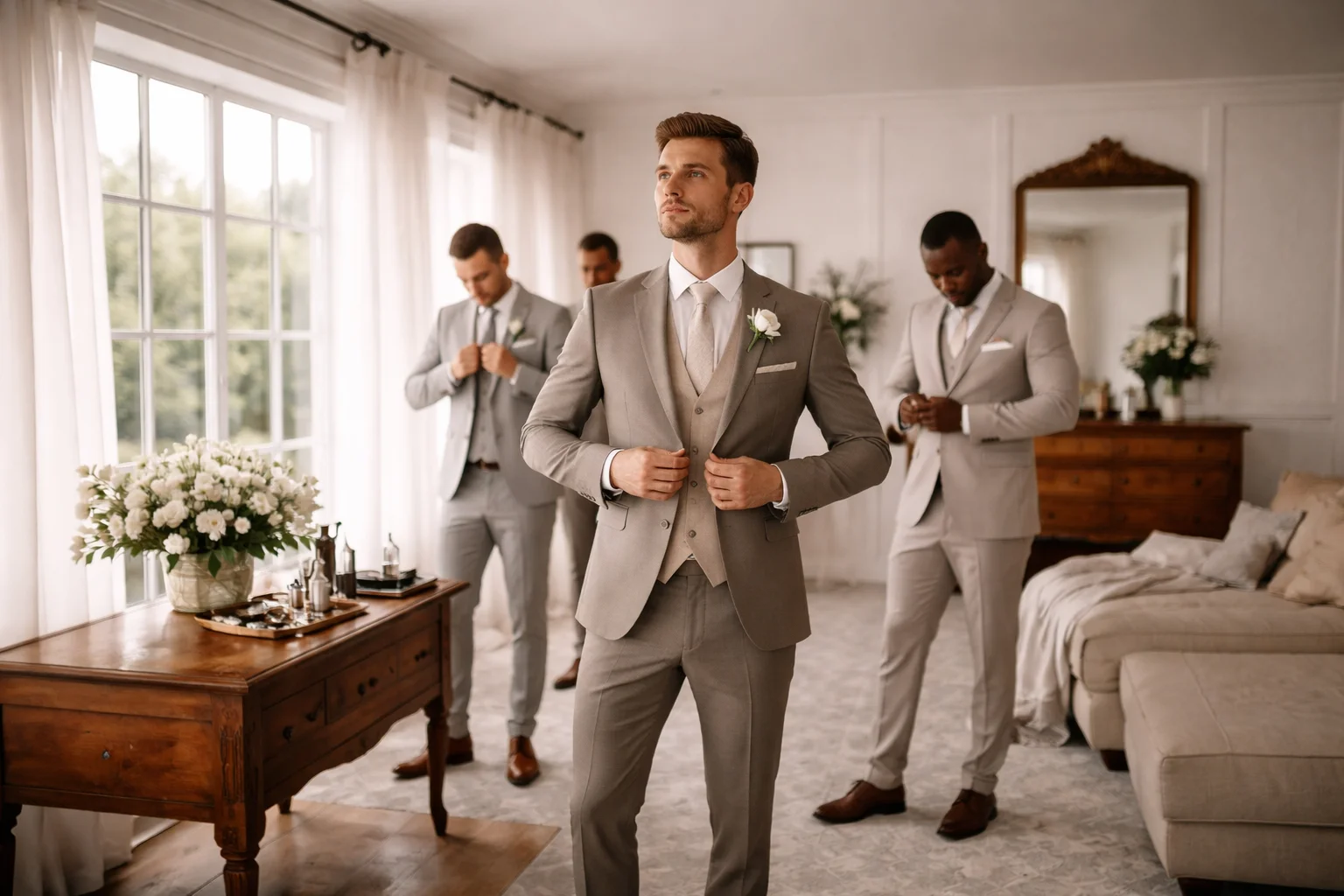
What the Groom Wears Is Part of the Ritual
Clothing is not separate from the ceremony. It participates in it. The way a jacket is adjusted before walking forward, the presence created by a well-fitted suit, the quiet preparation before the moment begins. These are not details outside the ritual. They are part of it.
Groom LookGuidance and inspiration for choosing suits, styling, and details that shape the groom's appearance.
Wedding RitualsAn overview of the rituals that structure and give meaning to a wedding ceremony.
Definition
The groom look refers to the overall appearance of the groom, including attire, fit, accessories, and grooming, all of which contribute to how he is perceived within the ceremony.
Preparation as a Quiet Ritual
Long before the ceremony begins, there is a moment of preparation that often goes unnoticed. Adjusting cuffs, fastening buttons, standing still for a second longer than necessary. These actions are simple, but they mark a transition from everyday presence into something more deliberate.
Fit Changes Presence
A well-fitted suit does more than look appropriate. It shapes posture, movement, and how a person occupies space. Within a ceremony, this becomes visible. The way someone stands or walks is not only personal. It becomes part of the shared experience.
Style Within Structure
While there is room for individual style, the ceremony itself provides a framework. Choices in color, texture, and detail often respond to that structure. A more formal setting suggests restraint, while a relaxed environment allows variation. In both cases, the look is not independent.
Coordination Without Uniformity
The groom look rarely exists alone. It is seen in relation to others, the partner, the setting, the overall tone of the event. Coordination does not mean matching everything exactly. It means creating a balance that feels coherent without becoming rigid.
What Remains After the Ceremony
After the day ends, details of clothing are rarely remembered in isolation. What stays is how the presence felt. The way someone stood, the way they moved, the sense of being part of something structured and meaningful. The look contributes to that memory without needing to stand apart.
Conclusion
The groom look is not only a visual decision. It is part of the ritual itself. By shaping presence, movement, and perception, it becomes integrated into the ceremony in ways that are often subtle but essential.
Related Articles
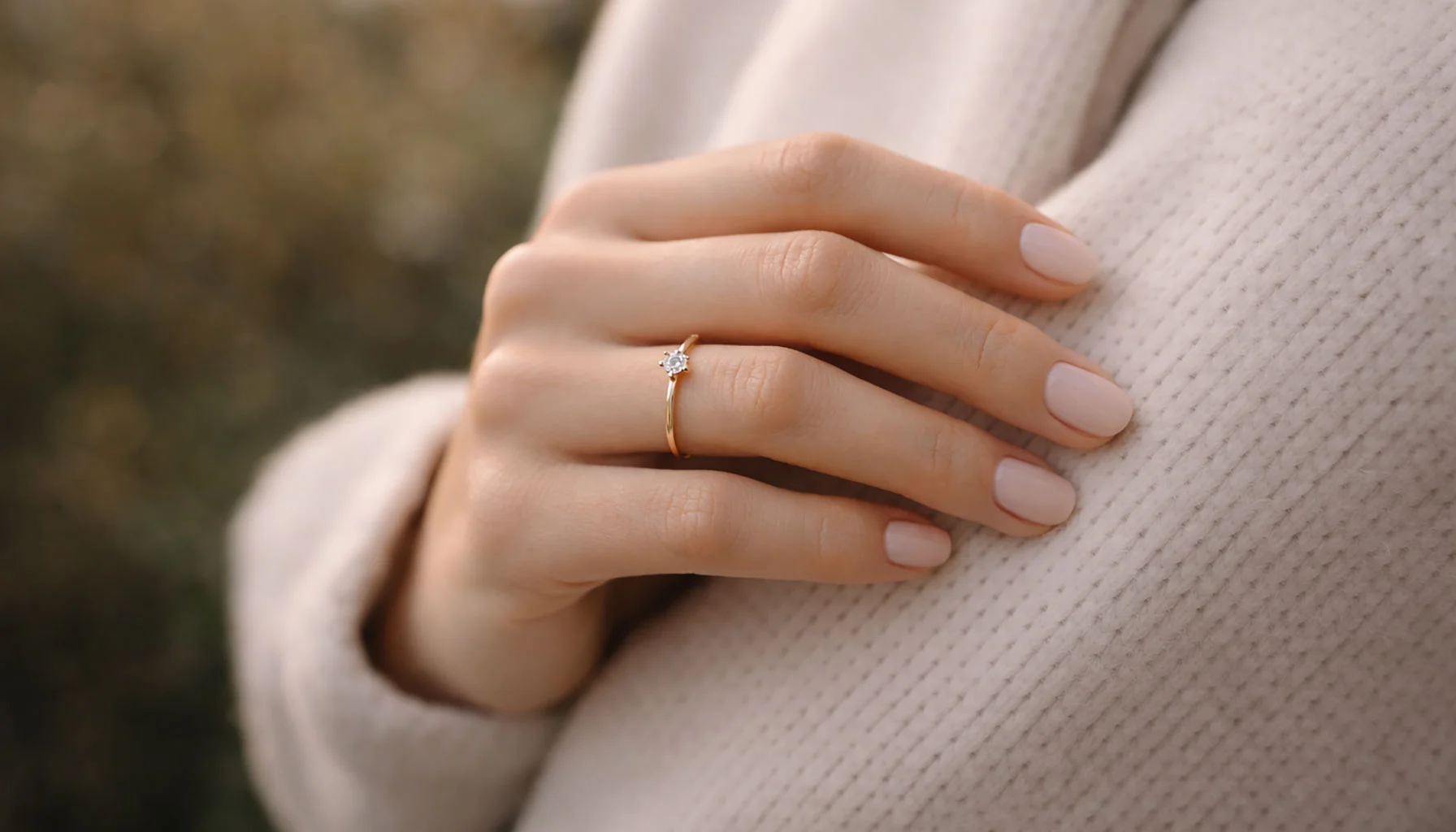
The engagement ring as a sign of a decision
The engagement ring stands on the edge of a big moment and remains present for a long time afterwards. It is part of everyday life, not just a memory of a proposal. This text describes what makes an engagement ring, how it is selected, and why decisions regarding shape, material, ring size, and wearing style mostly arise from observation. It is about common variants, the handling of diamonds and alternatives, as well as developments that have quietly established themselves. In the foreground are experiences, voices from practice, and the question of how a ring fits a person without defining them.
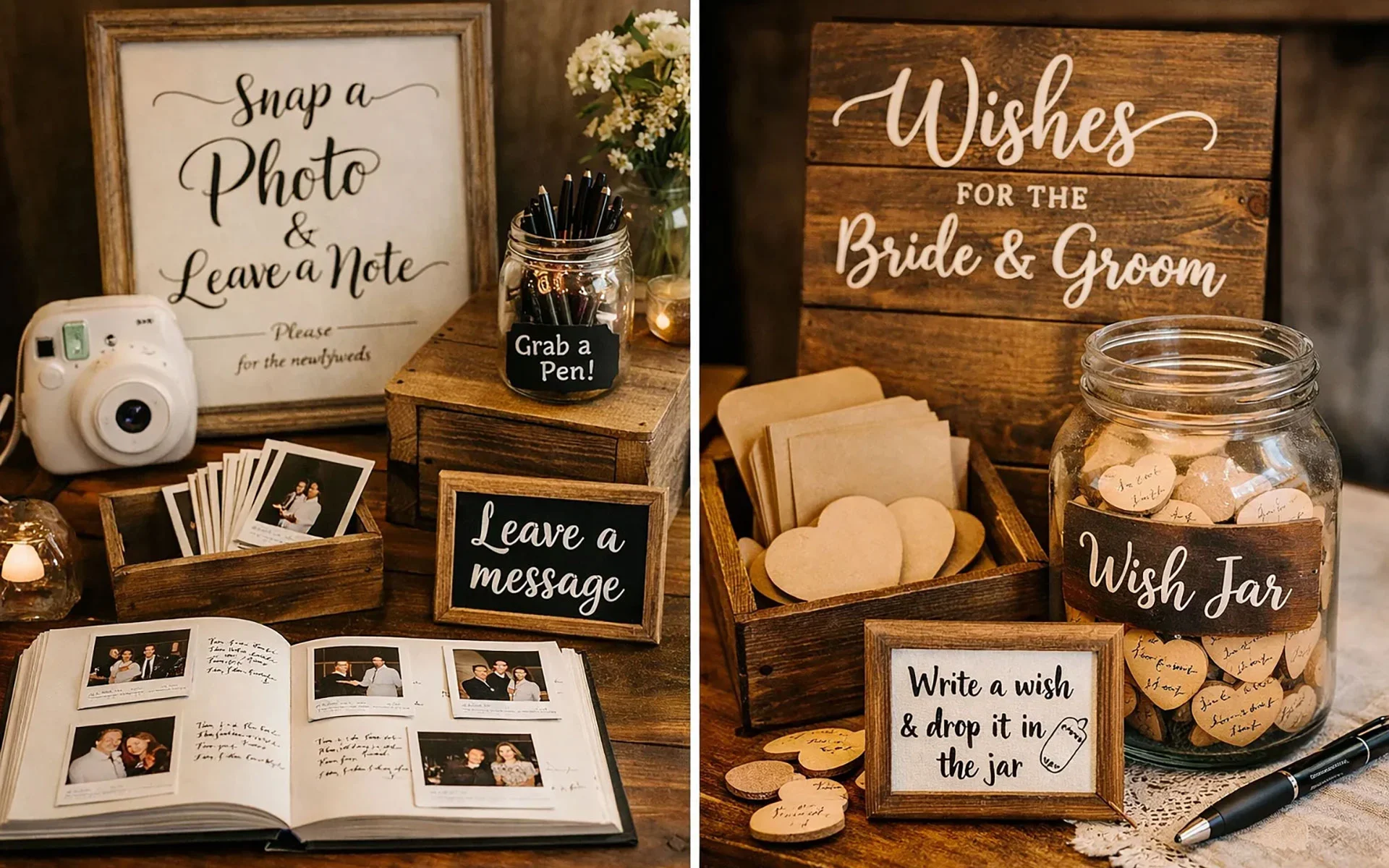
Small Wedding Ideas with Big Impact
The details guests remember from a wedding are rarely the largest ones. More often, they are the quieter things that changed how the room felt, how people moved, or how participation became natural without being managed. This article looks at small wedding ideas that leave a larger trace because they work like subtle rituals inside the day.
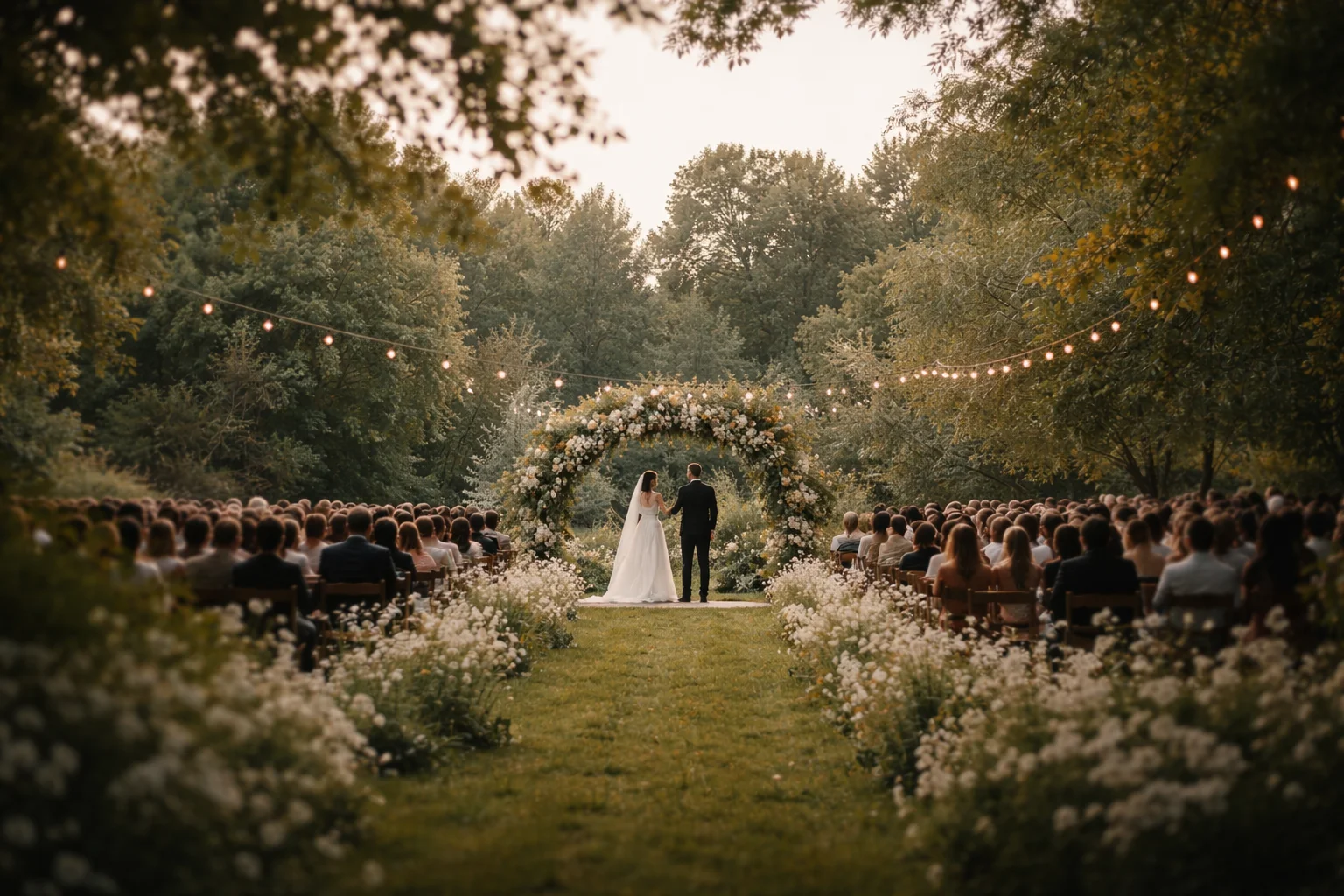
The Quiet Structure of a Wedding: How Checklists Become Rituals
Behind every calm, meaningful wedding lies a structure that no one notices. This piece explores how practical checklists and deeply felt rituals are not opposites, but partners in shaping a ceremony that feels grounded, intentional, and real.
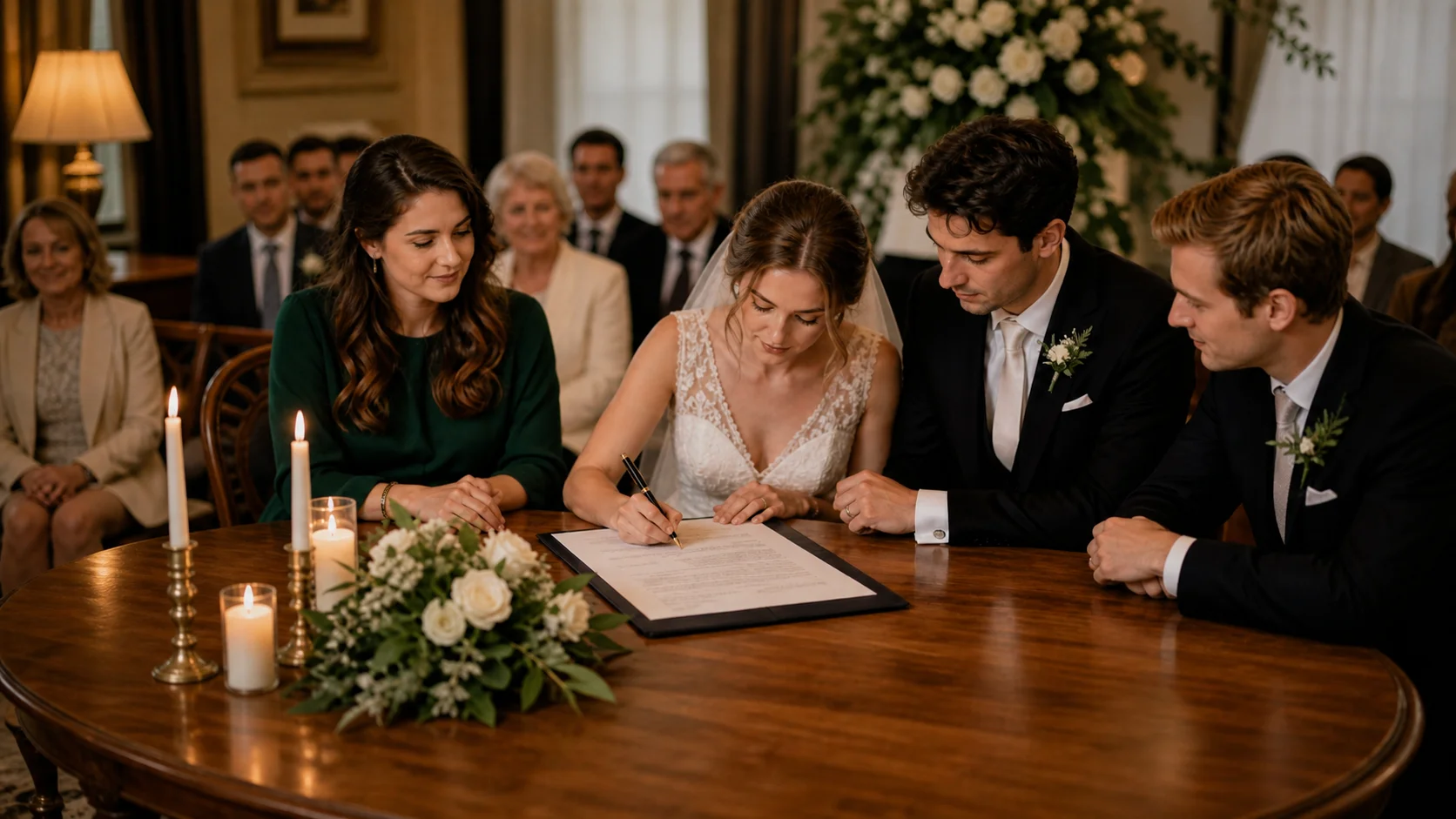
Witnesses and Signatures: The Small Legal Moment Guests Often Misunderstand
The signing moment at a wedding can look like a brief pause, but it carries both legal and symbolic weight. This article looks at witnesses, document requirements, signing tables, visibility, ceremony flow, and how a small official act can quietly become a ritual.
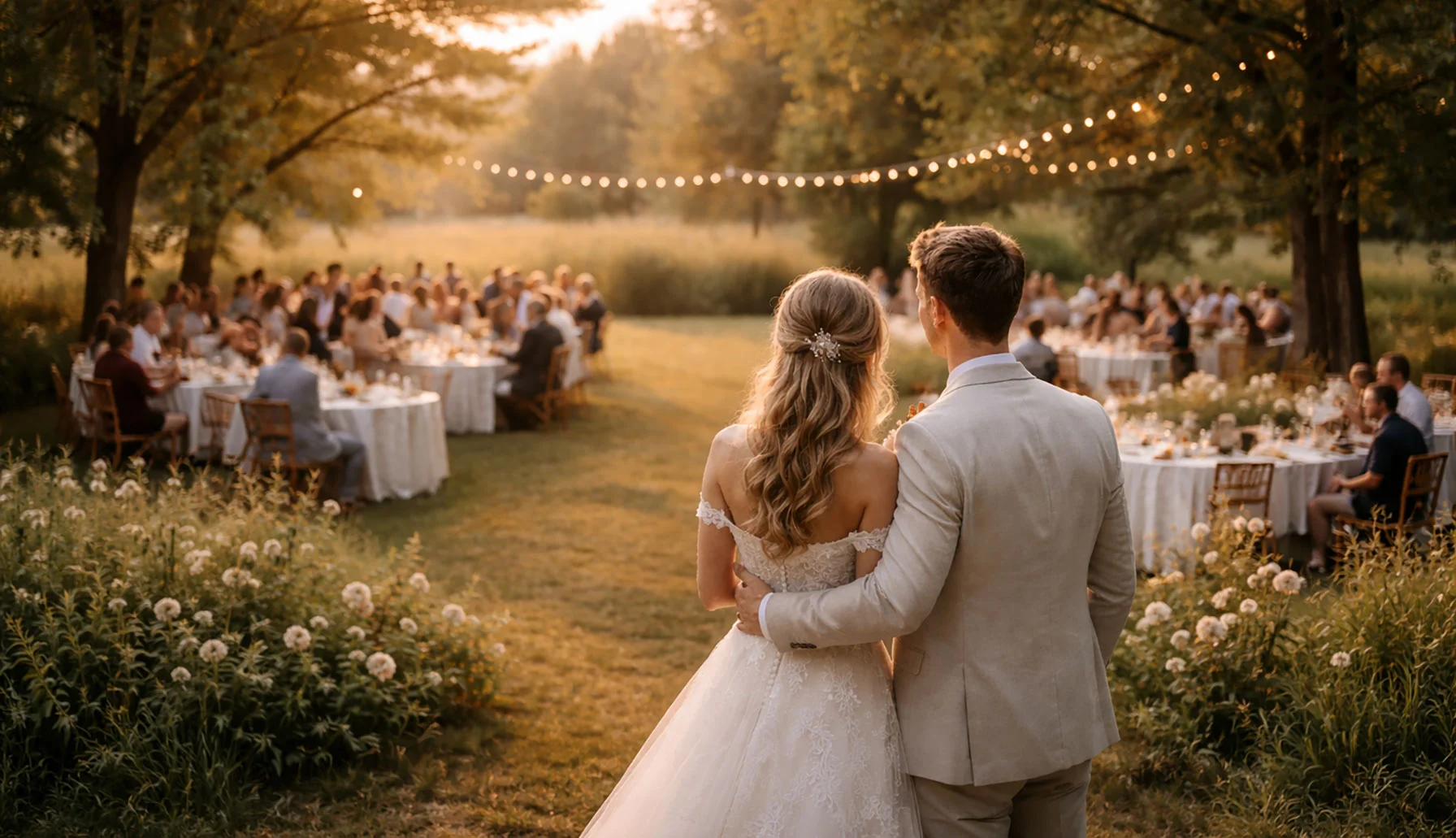
Looking good on the wedding day – quiet preparation, visible effect
A good appearance on the wedding day rarely arises spontaneously. It is the result of time, attention, and recognizability. This text collects observations concerning bride and groom, without ideal images or instructions. It's about skin, hair, and posture, about preparation instead of change. And about what remains when nothing needs to be explained.

Bachelor Party – A Day Between Everyday Life and Wedding
A bachelor party is not a loud statement, but a quiet transition. People come together who have accompanied them on their journey so far. For a limited period, nothing is on the agenda except shared time. Planning provides stability, openness creates space. Whether for men or women: What's crucial is that the occasion suits the person. Then something unique emerges. Understated. Enduring.
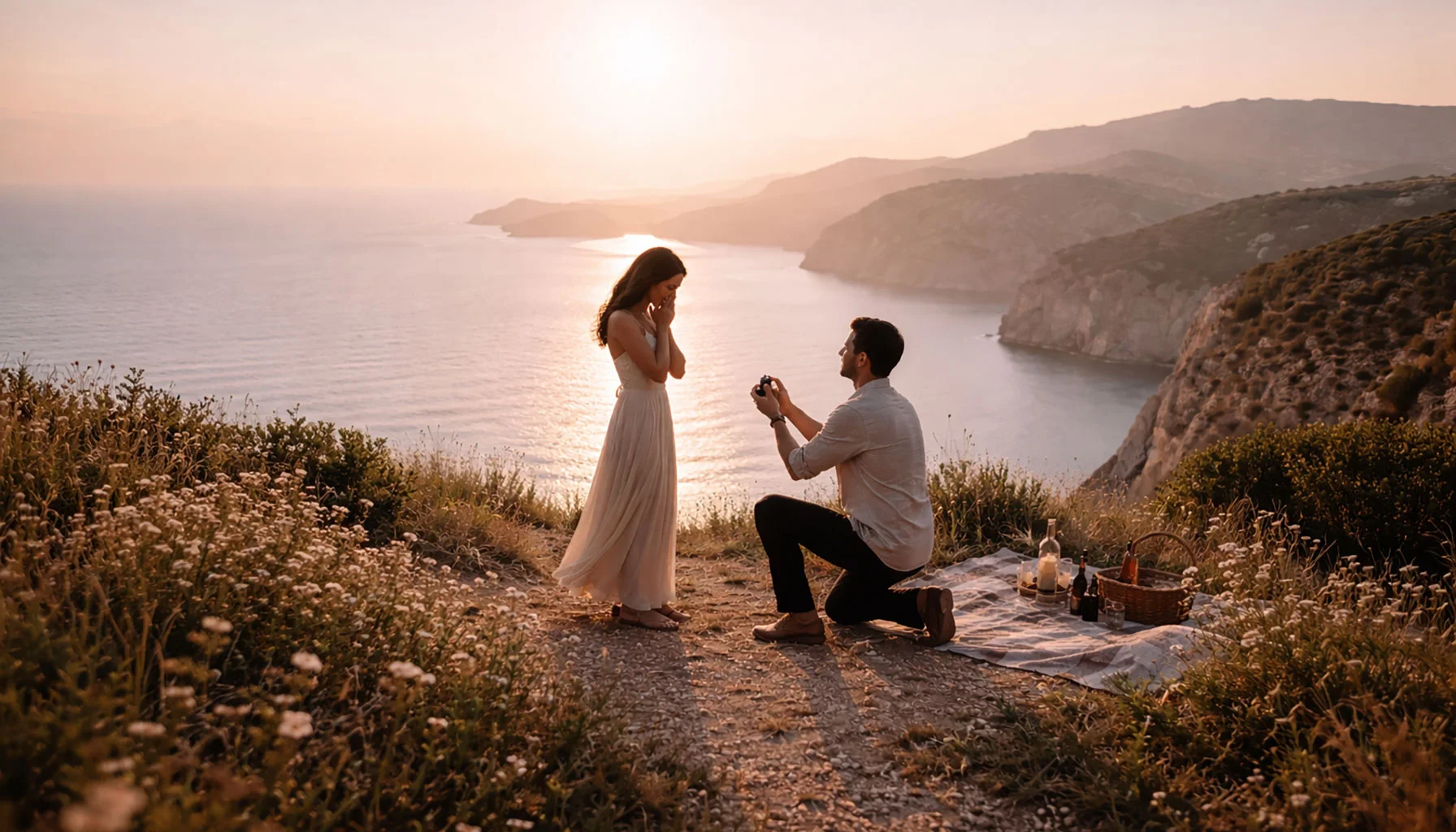
The Marriage Proposal: A Moment between Decision and Trust
A marriage proposal is rarely only a surprise. More often, it gathers what has already grown in conversations, decisions, and quiet alignment. This article looks at the proposal as a visible threshold between decision and trust, while keeping close to lived experience, ring choice, gesture, timing, and the open reality of what may follow.
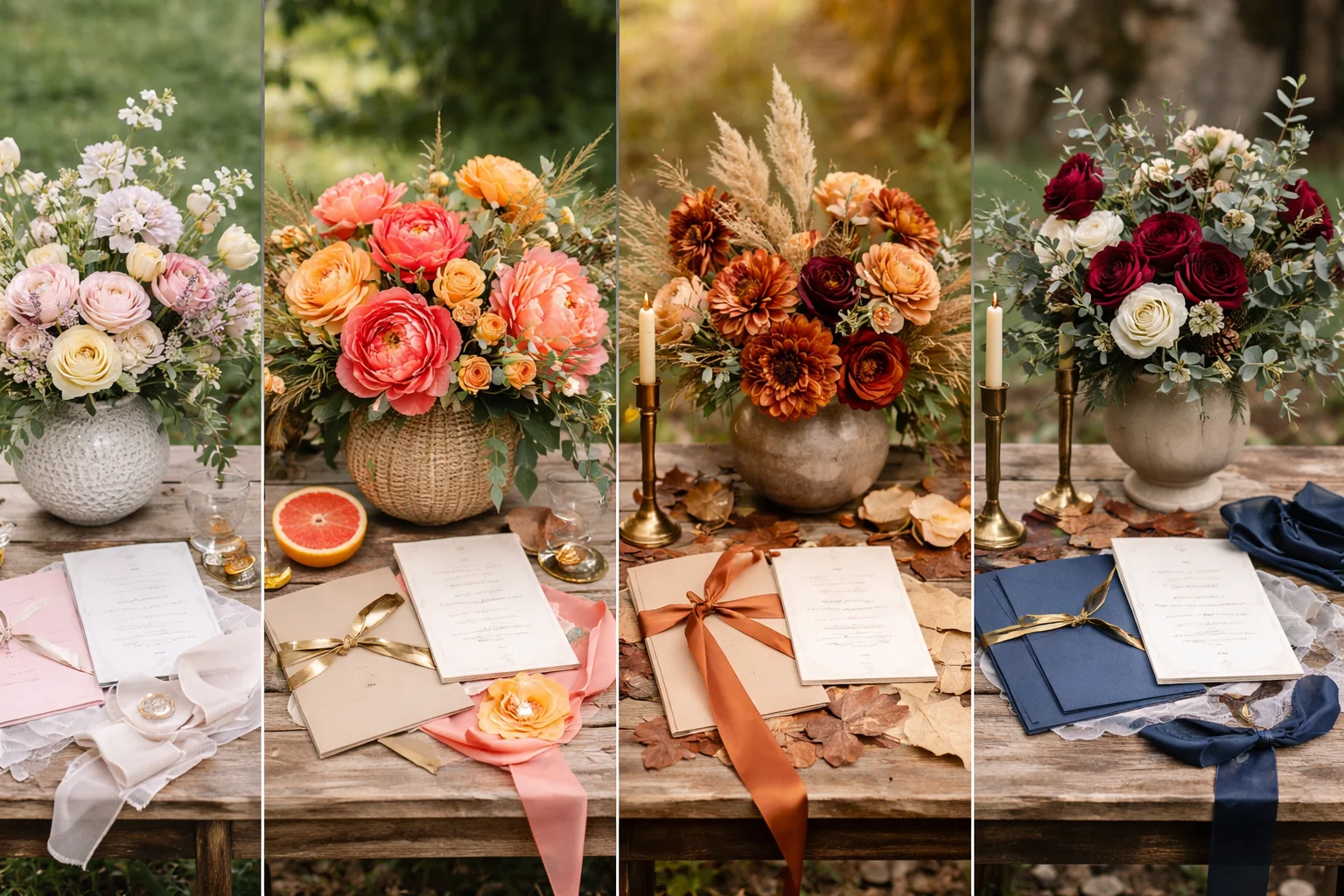
Seasonal Wedding Colors in Practice
Color at weddings often moves with the season. Not strictly planned that way. It just happens when looking across many events over time. A wedding in May rarely looks the same as one in October. The difference sits quietly in the palette.
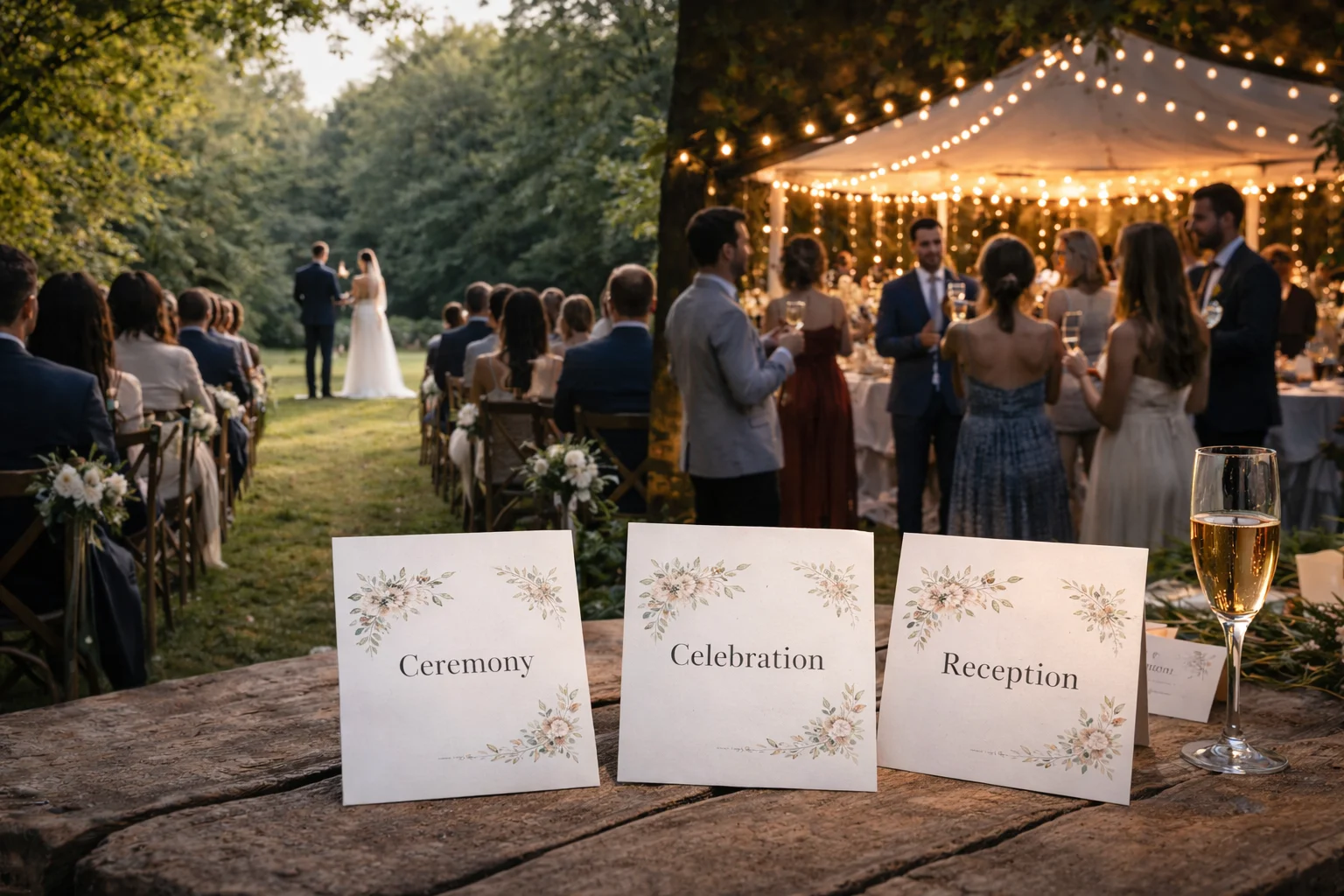
Who Is Invited to the Ceremony and Who Only to the Celebration
Not every wedding invitation has to include every part of the day. But the difference between being invited to the ceremony and being invited only to the celebration carries more meaning than many couples first assume. This article looks at how to make that distinction clearly, gracefully, and in a way that fits both the ritual weight of the ceremony and the social reality of the celebration.
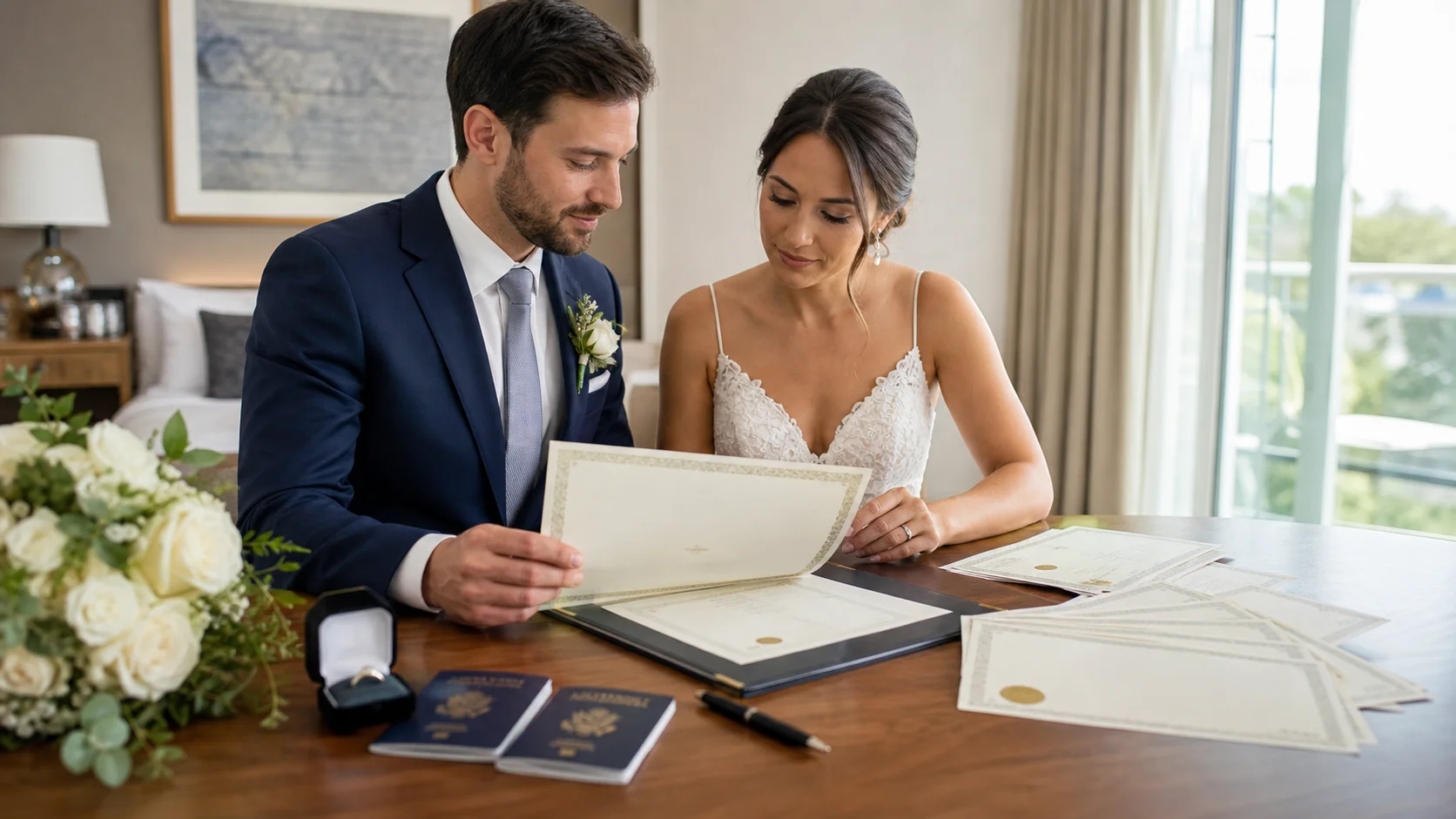
Marriage Certificate Checklist: Why One Document Keeps Returning After the Wedding
A marriage certificate often feels like the final paper of the wedding, but it keeps returning in ordinary life. This article looks at certified copies, scans, translations, apostilles, name changes, travel, banking, insurance, and the quiet imprint one document leaves after the celebration.

Conversations Before Marriage – Life Questions That Clarify the Relationship
A marriage is not just about feelings, but also expectations, imprints, and ideas about everyday life. This text compiles central life questions that couples should clarify with each other before saying 'I do': regarding money, family, children, conflicts, division of tasks, and personal values. Grown from observations, objectively considered, and close to lived everyday life. Conversations that make differences visible – and thereby strengthen connection.
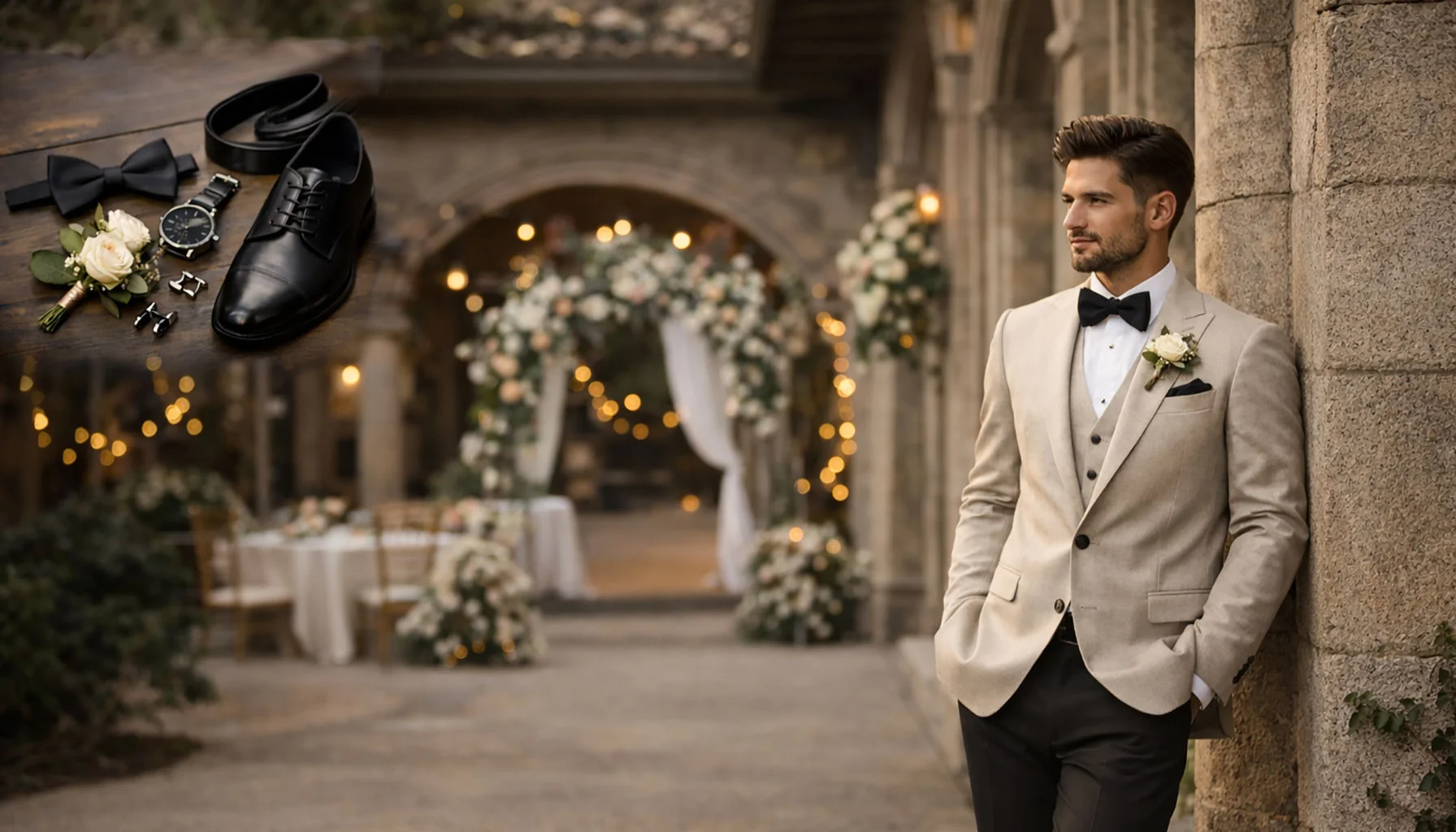
The Art of Groom’s Style – Timeless Elegance, Modern Trends & Personal Expression for an Unforgettable Wedding Day
Groom’s style has become a stable part of modern wedding design. It no longer follows a fixed formula, yet it also avoids constant reinvention. This article looks at groom style as a form of visual presence shaped by fit, material, context, and the ritual structure of the wedding day.