
The Wedding Ring – A Quiet Companion in Everyday Life
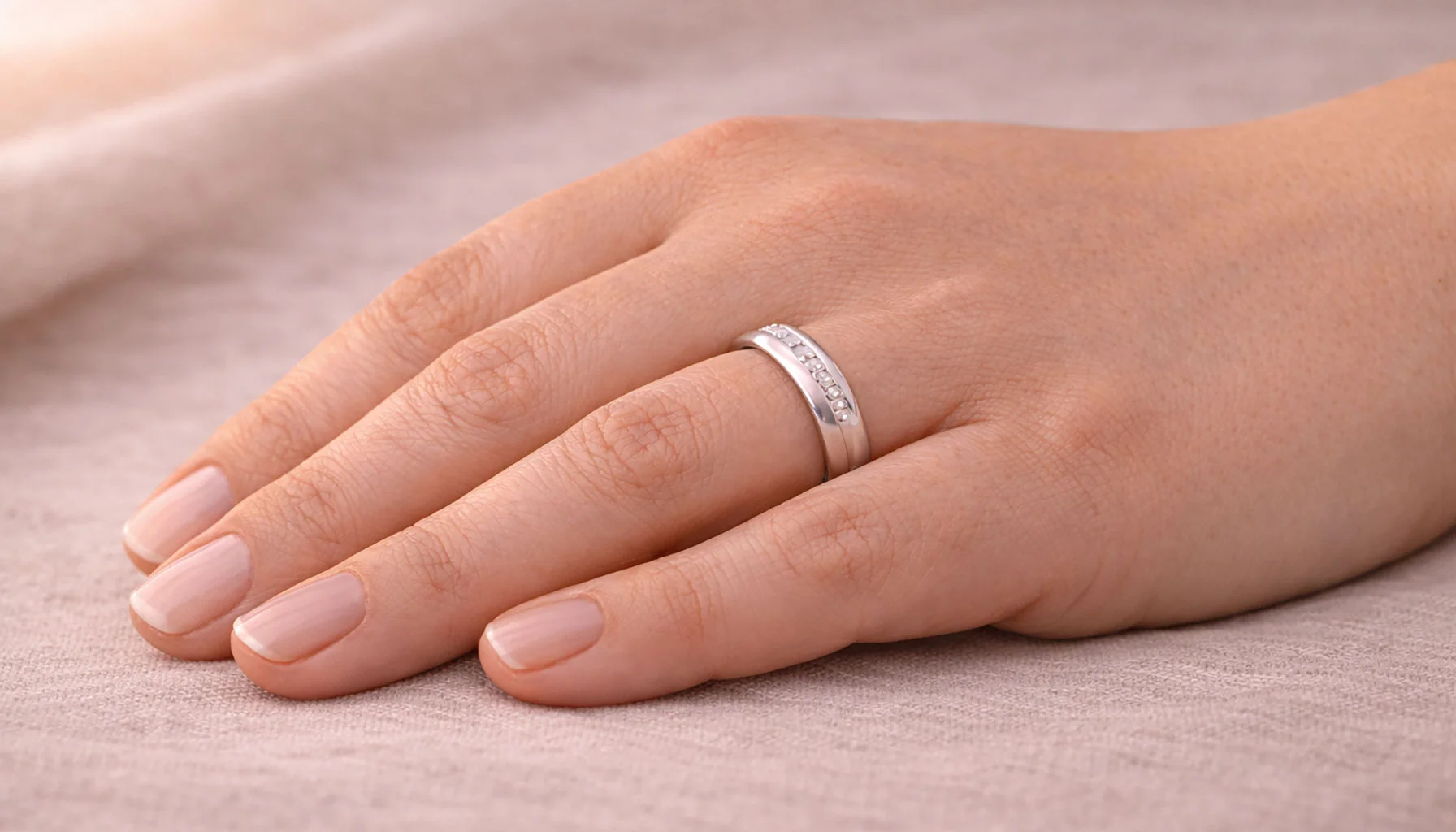
A wedding ring is not chosen for a single moment. It enters daily life quietly. It is worn in ordinary hours, during work, movement, pauses, repetition. Over time, it becomes familiar. The weight is noticed at first, then trusted. What matters is not how it looks on the day, but how it behaves afterward. Consistency, comfort, presence.
The Wedding Ring: Meaning, Form, Continuity
Across cultures and centuries, the wedding ring has remained a simple object with sustained meaning. The form has changed little. The intention even less. It marks commitment without explanation. It signals belonging without display. Its relevance comes from repetition rather than symbolism alone.
Modern wedding rings are shaped by craft and restraint. Precision matters. Proportion matters. What lasts is not ornament, but balance. Rings that age well tend to begin quietly.
Why the Ring Holds Particular Weight for the Bride
For the bride, the ring often becomes the most constant object after the wedding. It must sit naturally next to the engagement ring. It must feel correct on the hand. Over time, it becomes part of routine gestures. Writing. Holding. Touching. The right ring does not interrupt these movements.
I stopped noticing it after a few weeks. That was when I knew it was right.— Bride testimonial
Timing the Decision
- Early phase: conversations about material, surface, daily wear
- Mid phase: testing widths, confirming proportions, adjusting expectations
- Final phase: sizing, engraving, surface finish
- Closing weeks: confirmation rather than change
Width, Shape, and Daily Contact
Narrow rings tend to disappear quickly on the hand. They suit wearers who prefer lightness and minimal presence. Precision in execution becomes essential.
Medium widths offer balance. They remain visible without dominance. Over time, they feel stable and predictable.
Wider rings are felt more clearly. When shaped well, they settle into the hand. When shaped poorly, they remain noticeable. Comfort here is a technical outcome, not a preference.
Material Choices and Their Behavior
- Yellow gold: stable, warm, consistent over time
- White or grey gold: restrained, adaptable, neutral
- Rose or red gold: softer tone, noticeable warmth
- Platinum: dense, durable, understated
- Palladium: light, modern, discreet
- Carbon combinations: technical, contemporary
- Multi-tone designs: measured contrast rather than decoration
Rings With and Without Stones
Stone-free rings rely on surface and form. Rings with stones introduce rhythm and reflection. In both cases, longevity depends on setting quality and daily tolerance.
The best setting is the one you forget about after the first year.— Jeweler observation
Observed Directions in Contemporary Wedding Rings
- Muted surfaces paired with subtle polish
- Reduced profiles with refined edges
- Private engravings not intended for display
- Balanced asymmetry
- Designs that align visually with engagement rings without merging into them
The Role of the Partner in the Choice
The partner’s role is less about decision-making and more about attentiveness. Observing what feels natural. Supporting pauses. Allowing certainty to arrive without pressure.
Once we stopped trying to decide, the decision came on its own.— Partner testimonial
Conclusion
A wedding ring succeeds when it remains quiet over time. When it supports movement. When it does not demand attention. Chosen with care, shaped with skill, it becomes part of life rather than a reminder of an event. That is where its value settles.
Related Articles
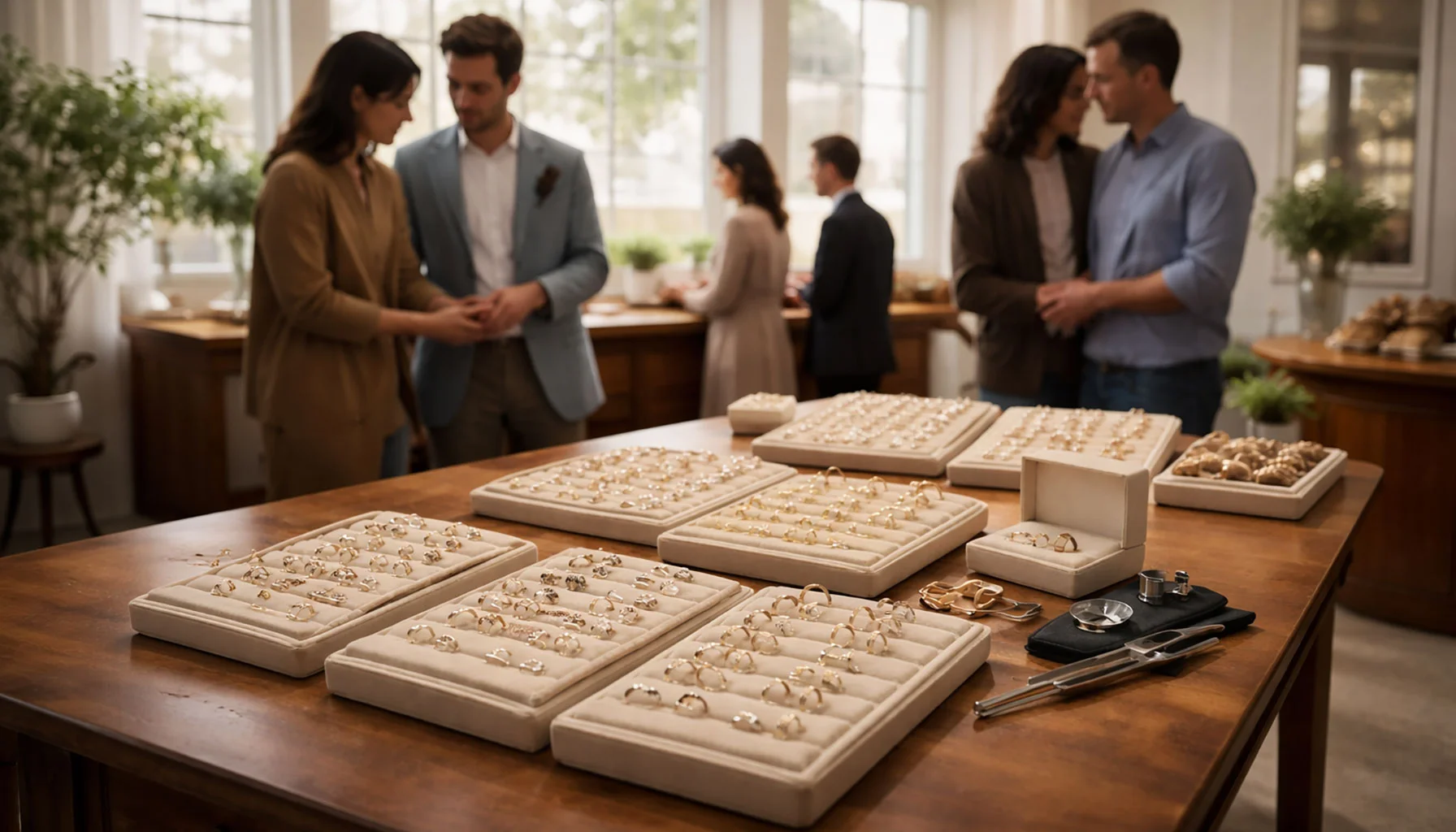
Wedding Rings Between Decision and Everyday Life
Wedding rings are rarely chosen as display objects. They are chosen for repetition, for wear, for the fact that they will remain present long after the ceremony itself has passed. This article looks at wedding rings through width, material, setting, and everyday use, while connecting them to the quieter emotional state of waiting that often surrounds such decisions.
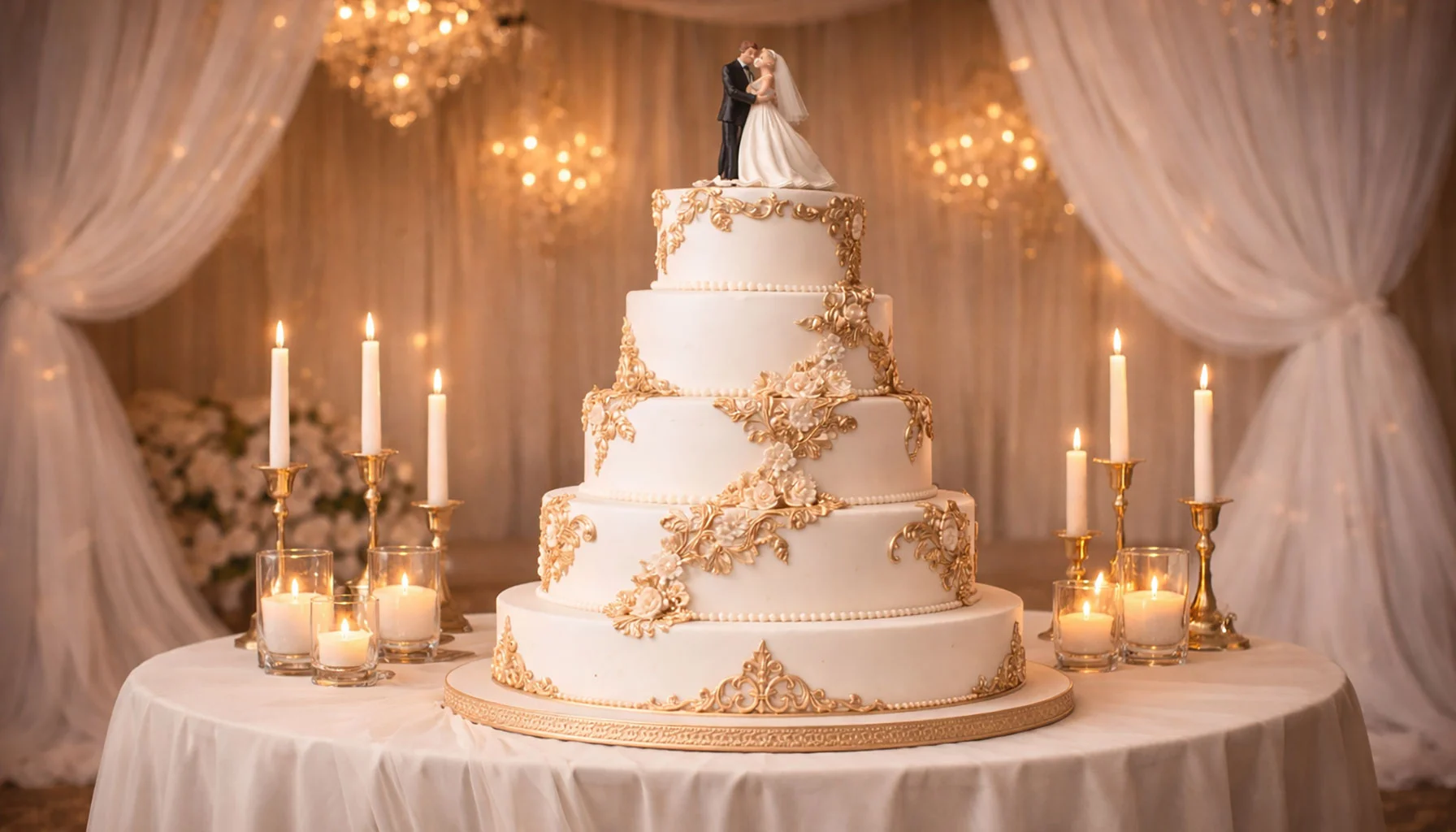
The Wedding Cake – Where Romance, Craftsmanship and Love Meet
The wedding cake is rarely the loudest element of a celebration, yet it often becomes one of the most shared moments. It appears later in the day, when guests have settled, conversations have softened, and attention can gather without effort. More than a dessert, it marks a pause in the rhythm of the wedding. Its presence is quiet, its impact collective. When design, taste, and timing align, the cake becomes part of the experience rather than a separate program point.
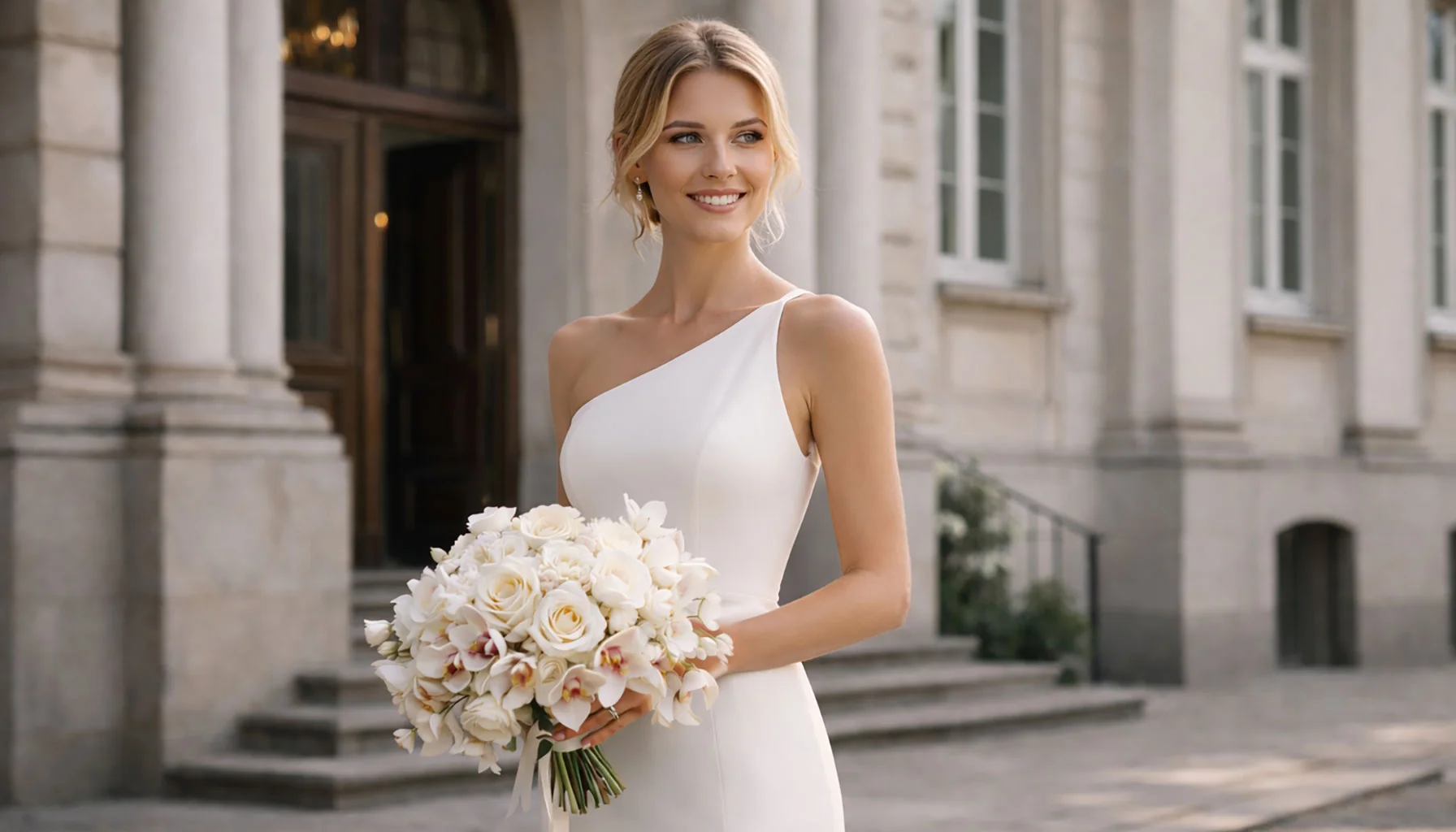
A Love Made Official: A Bridal Look for the Civil Ceremony
Civil ceremonies tend to be focused and quiet. The setting is smaller, the attention sharper. In this context, the bridal look does not perform. It supports. Fabric, cut, and proportion matter more than embellishment. What remains is a look that fits the moment, allows presence, and feels appropriate long after the ceremony ends.
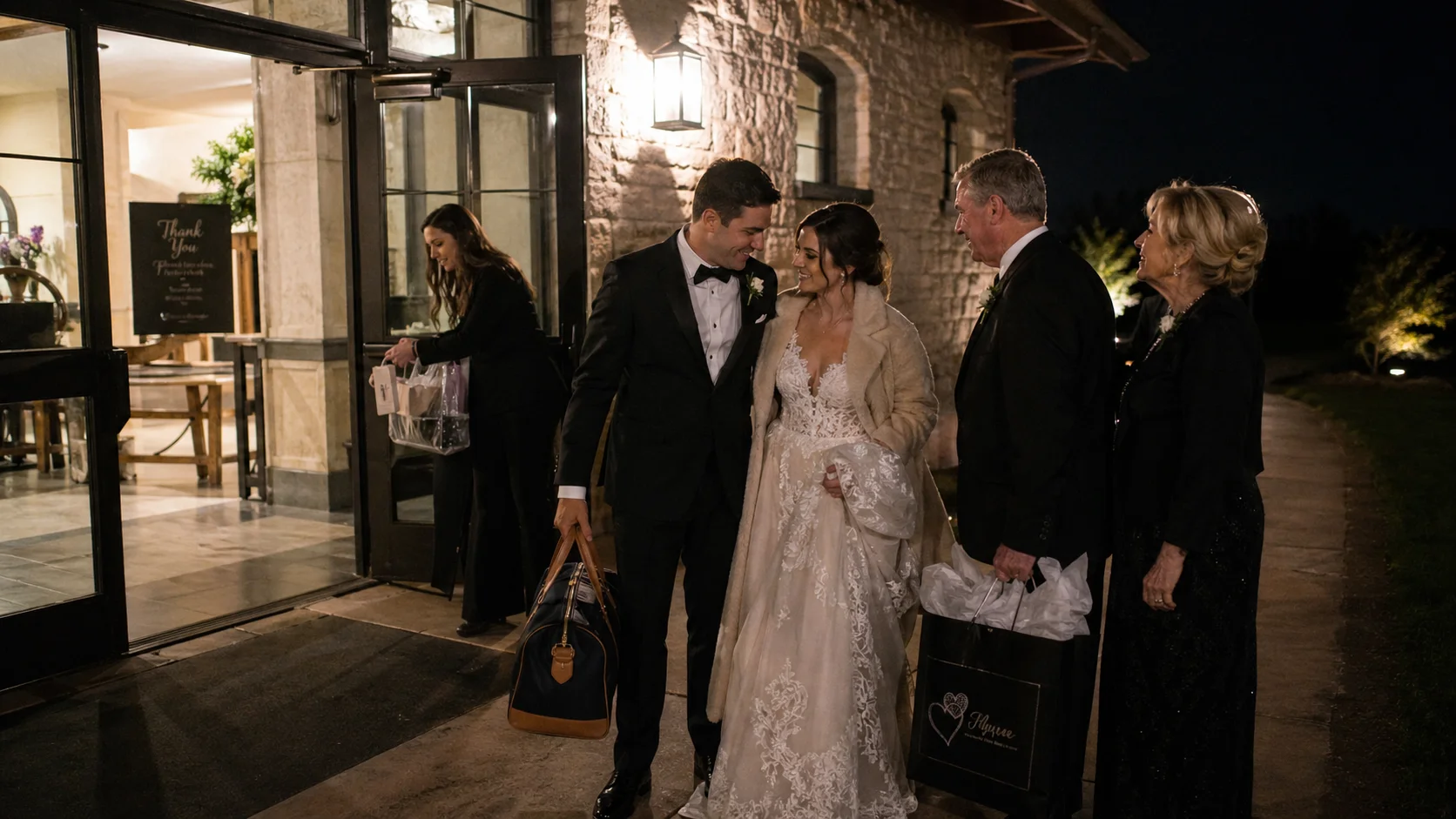
Exit Checklist: What Matters in the Last Thirty Minutes of a Wedding Night
The end of a wedding rarely happens in one clean moment. This article looks at the last thirty minutes of the night, from transport and personal items to final goodbyes, vendor handovers, and the quiet beginning of what comes after.
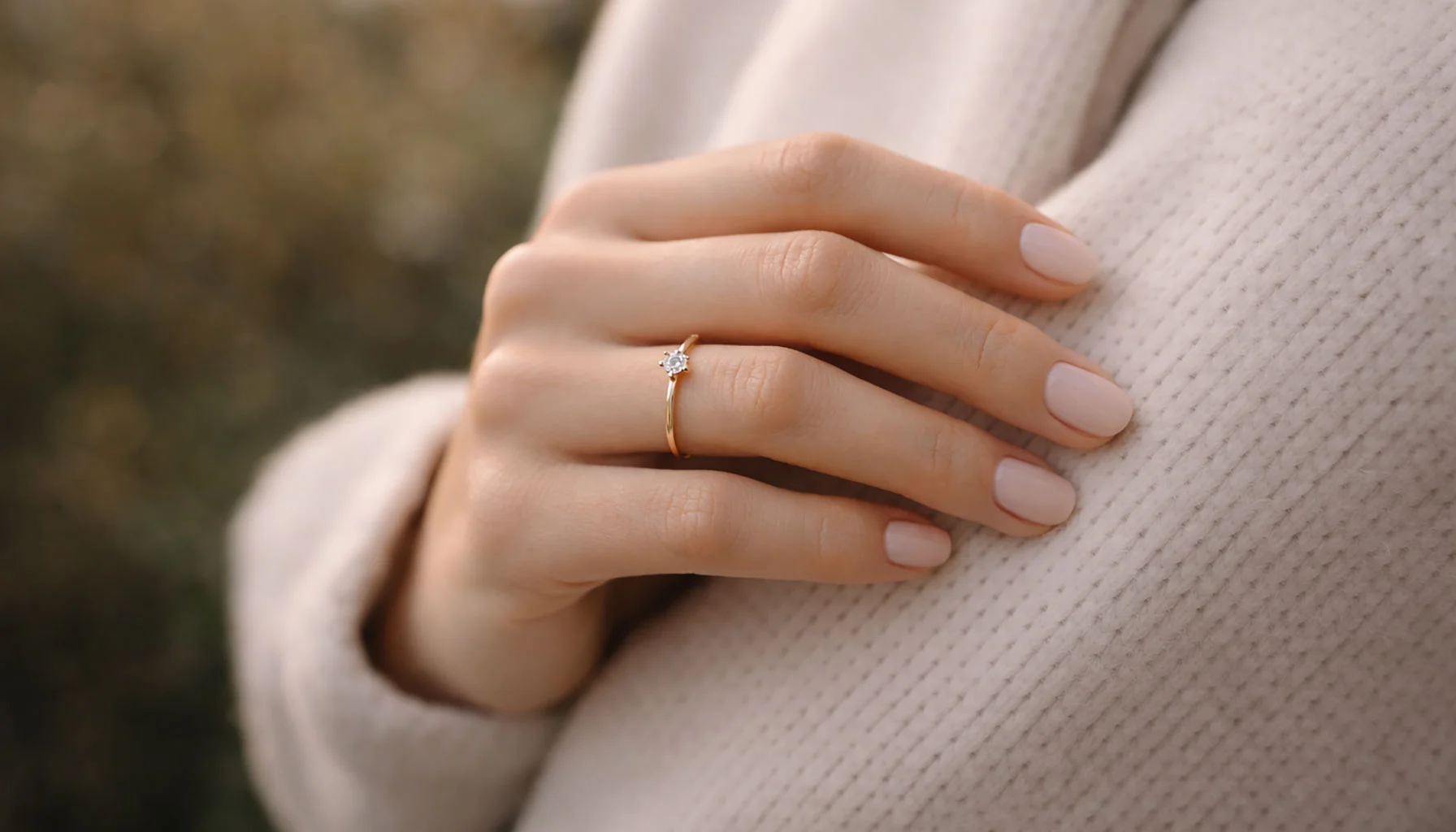
The engagement ring as a sign of a decision
The engagement ring stands on the edge of a big moment and remains present for a long time afterwards. It is part of everyday life, not just a memory of a proposal. This text describes what makes an engagement ring, how it is selected, and why decisions regarding shape, material, ring size, and wearing style mostly arise from observation. It is about common variants, the handling of diamonds and alternatives, as well as developments that have quietly established themselves. In the foreground are experiences, voices from practice, and the question of how a ring fits a person without defining them.
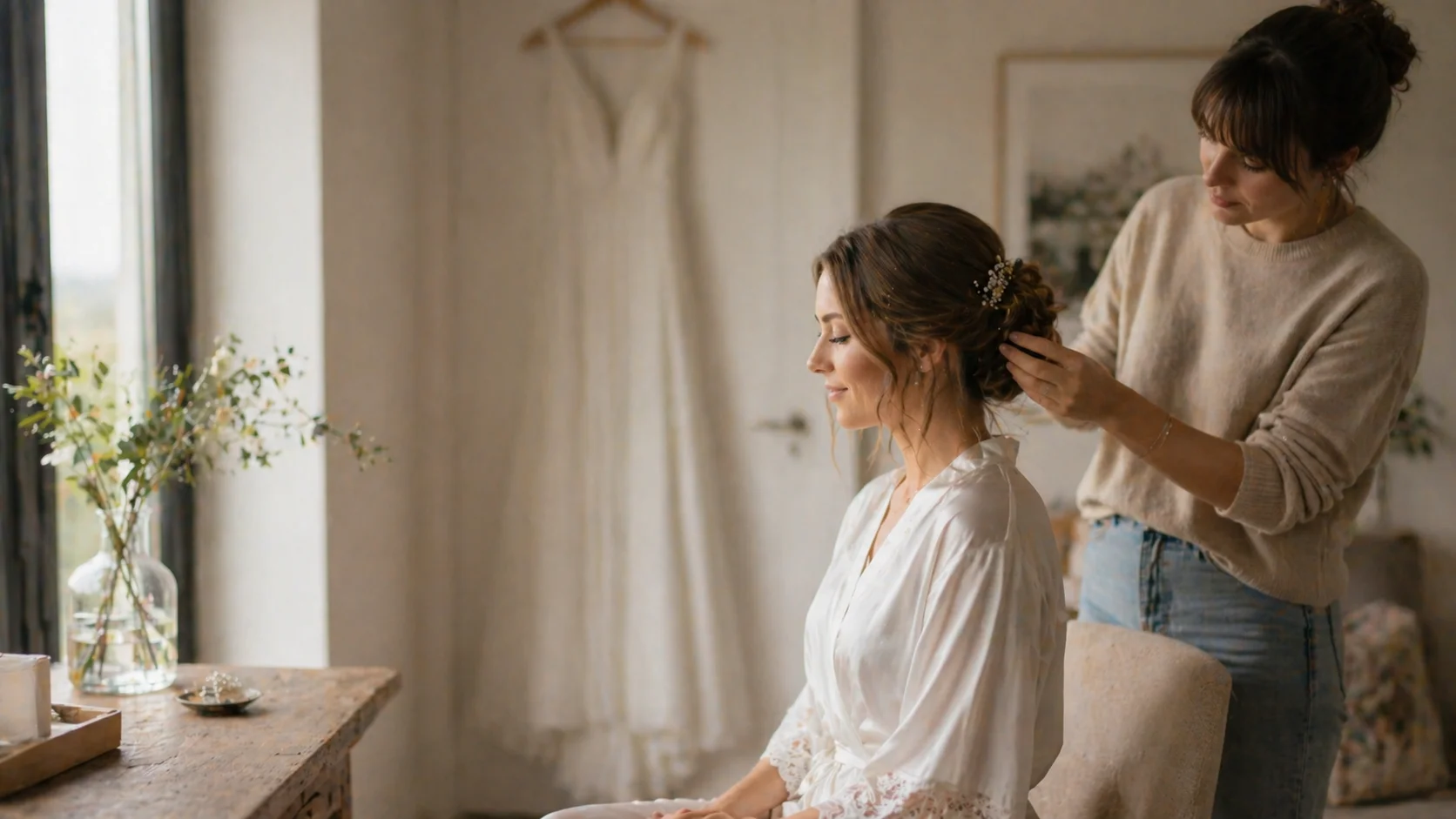
Bridal Getting-Ready Room Checklist: Light, Surfaces, Noise, and Movement
A bridal getting-ready room does more than hold hair, makeup, and dresses. This article looks at light, surfaces, noise, movement, privacy, and the quiet traces the room leaves on the morning before the ceremony.
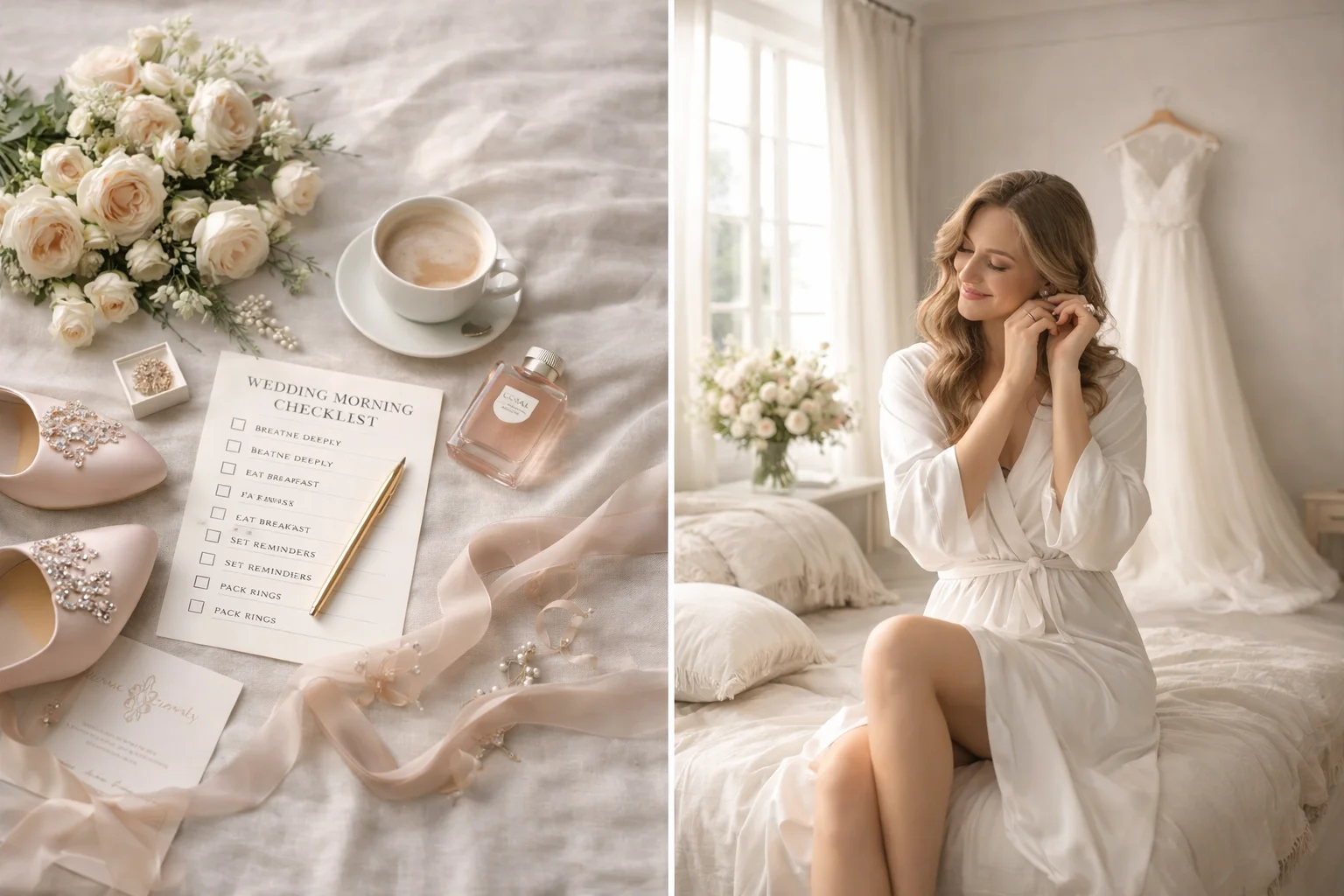
Wedding Morning Checklist: What Helps the First Hours Stay Calm
A wedding morning checklist helps protect the first hours of the day from avoidable stress. It keeps essential items, timing, room atmosphere, and communication clear, while leaving enough space for the morning to still feel calm and human.

The Marriage Proposal: A Moment between Decision and Trust
A marriage proposal is rarely only a surprise. More often, it gathers what has already grown in conversations, decisions, and quiet alignment. This article looks at the proposal as a visible threshold between decision and trust, while keeping close to lived experience, ring choice, gesture, timing, and the open reality of what may follow.
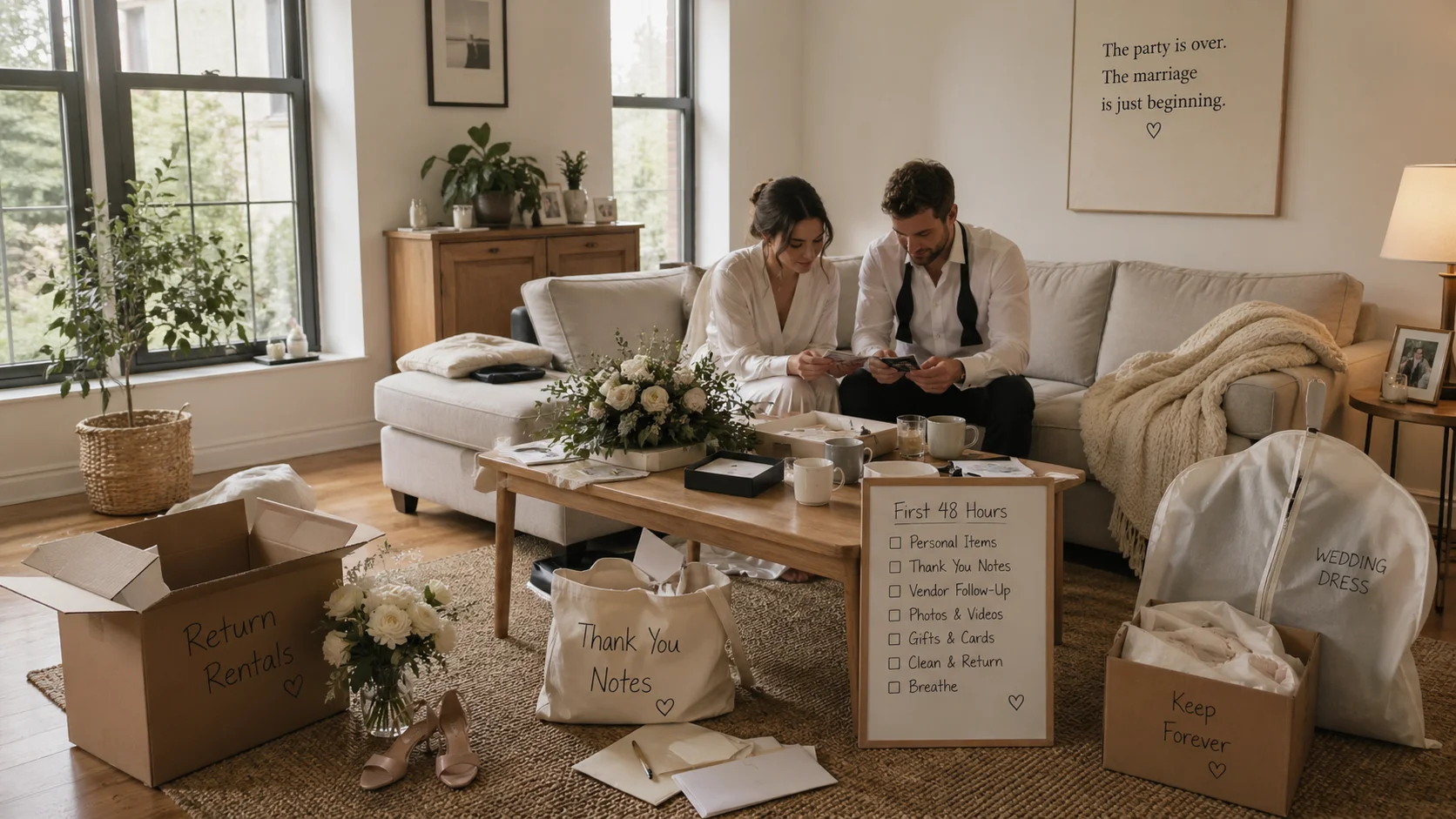
After-the-Wedding Checklist: What Needs Attention in the First 48 Hours
The first 48 hours after a wedding are quiet, practical, and easy to underestimate. This article looks at personal items, gifts, clothing, vendor closure, early photos, and the small tasks that help the after feel lighter instead of turning into scattered errands.
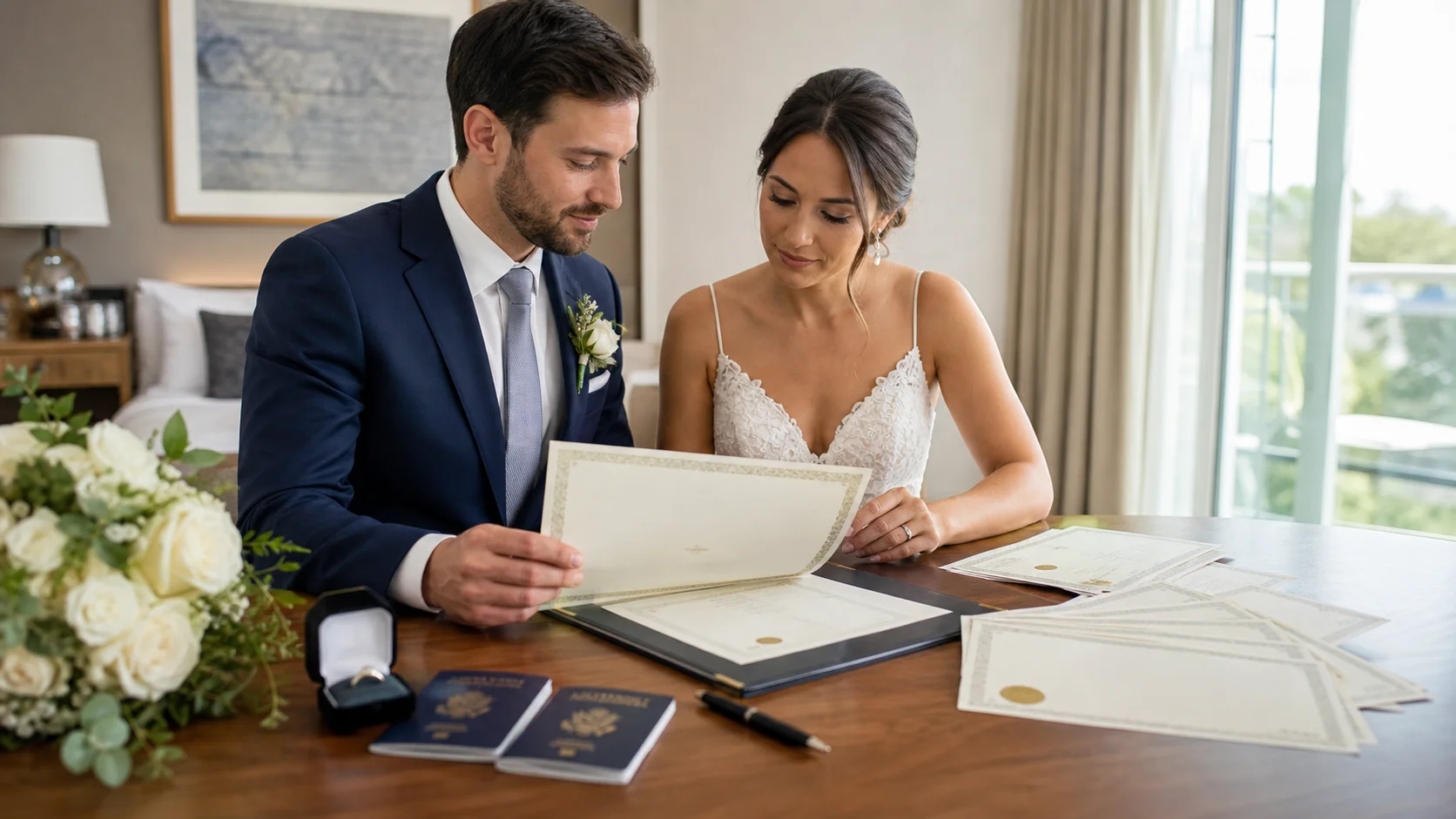
Marriage Certificate Checklist: Why One Document Keeps Returning After the Wedding
A marriage certificate often feels like the final paper of the wedding, but it keeps returning in ordinary life. This article looks at certified copies, scans, translations, apostilles, name changes, travel, banking, insurance, and the quiet imprint one document leaves after the celebration.

Bachelor Party – A Day Between Everyday Life and Wedding
A bachelor party is not a loud statement, but a quiet transition. People come together who have accompanied them on their journey so far. For a limited period, nothing is on the agenda except shared time. Planning provides stability, openness creates space. Whether for men or women: What's crucial is that the occasion suits the person. Then something unique emerges. Understated. Enduring.
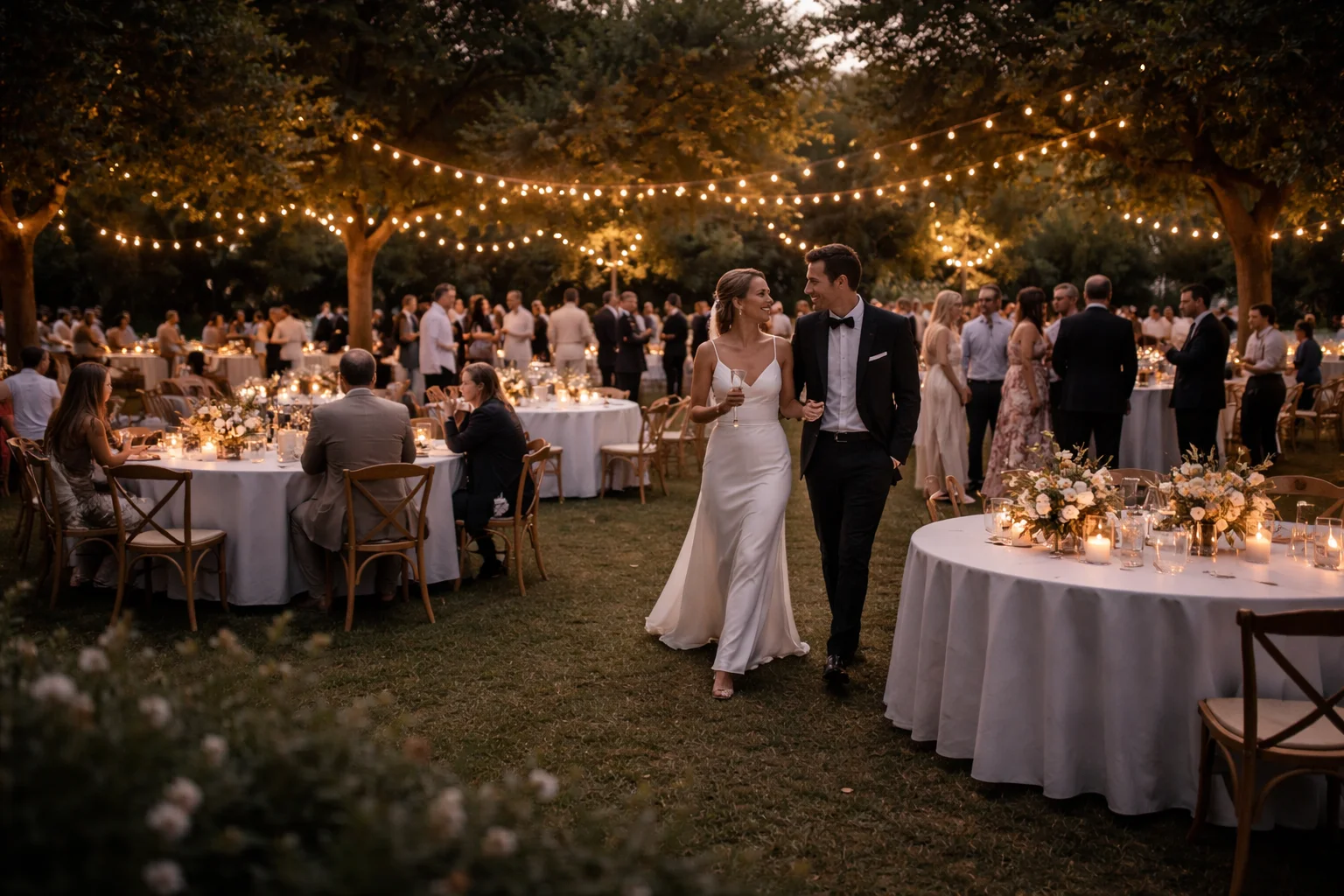
Second Dress for the Wedding Reception
At many weddings the clothing does not stay the same from start to finish. After the ceremony and formal photographs, a quiet shift sometimes happens. The bride disappears for a short time and later returns wearing something different. Guests notice it in small ways. A lighter fabric. Shorter hem. Movement that feels easier during the evening.