
Wedding Morning Checklist: What Helps the First Hours Stay Calm

Wedding Morning Checklist: What Helps the First Hours Stay Calm
The wedding day does not begin with the ceremony. It begins much earlier, usually in a room that still feels half-ordinary for a short while. Someone is looking for a charger. Someone else is checking a dress bag again, even though it was already checked the night before. Messages arrive. Time feels slow for a moment and then suddenly much faster. A wedding morning checklist does not exist to control every feeling. It exists to protect the first hours from becoming unnecessarily chaotic.
This is also why the topic belongs close to Stories. The morning of a wedding is not just a sequence of tasks. It has tone, rhythm, pauses, and small shifts in attention. But it also belongs to Checklist, because calm rarely appears by accident. In practice, it is often created through small preparations that remove friction before it starts.
Wedding Morning – Checklist
A wedding morning checklist is a simple working list for the first hours of the day. It helps reduce avoidable stress, keeps essential items visible, and creates enough structure so the morning can still feel human. It is not about perfection. It is about keeping the day from losing energy too early.
Clothing and Personal Items
- Wedding dress or suit laid out and easy to access
- Shoes checked and placed nearby
- Rings packed and assigned to one responsible person
- Veil, tie, cufflinks, belt, jewelry, or hair accessories ready
- Undergarments and backup items not forgotten
- Invitation details or printed schedule available if needed
Beauty, Grooming, and Getting Ready Flow
- Hair and makeup timing confirmed in advance
- Enough mirror space and light in the room
- Skincare, cosmetics, and grooming items placed in one area
- Water, coffee, or tea available before the pace increases
- A chair, table surface, and power outlets within reach
- A small buffer built in in case one step takes longer than expected
Room Atmosphere and Practical Calm
- Room aired out and reasonably tidy before people gather
- Music chosen carefully, if music is wanted at all
- Phones charged or charging in one visible place
- Bags and boxes kept out of the main walking area
- Snacks available that do not create mess or stress
- One quiet corner left free for a short pause if needed
This part is often underestimated. The morning mood is shaped by very small conditions. Too many loose objects, too many voices, too much rushing from one corner to another, and the room starts pulling attention apart. A calm setup supports people without announcing itself.
Coordination and Communication
- One person knows the basic timeline for the morning
- Key contacts saved and easy to reach
- Transport timing checked one last time
- Photographer or videographer arrival time confirmed
- A simple decision made about who answers messages
- No unnecessary last-minute errands left open
Emotional Pressure Points
- Enough time to get dressed without being rushed
- Not too many people in the room at once
- Someone present who calms rather than intensifies stress
- Space for silence without treating silence as a problem
- No avoidable discussions saved for the last hour
- Permission to slow one moment down when it matters
What makes the wedding morning memorable is often not the dramatic part, but the texture of these hours: the quiet before movement, the small routines, the way people speak to each other, the feeling that something important is approaching. That is why this kind of checklist can also live near Stories. It does not only organize tasks. It preserves conditions in which a morning can still be felt.
At the same time, it clearly belongs inside Checklist. The practical side is real. Missing rings, delayed transport, too many people in one room, or a broken rhythm early in the day can change the tone of everything that follows. Structure is not the opposite of atmosphere here. It is often what protects it.
Stories | Loving RocksMoments, atmosphere, pauses, and the human texture around weddings and relationships.
Checklist | Loving RocksA practical wedding checklist area for structure, timing, and overlooked details.
A useful wedding checklist does not need to become bigger and bigger. It only needs to notice what tends to go wrong when no one notices it early enough. The morning of a wedding carries more weight than people sometimes expect. If the first hours remain clear, the rest of the day usually follows with less force and more presence.
Related Articles

Wedding invitation online – Clearly organized, personally connected
Digital wedding invitations have established themselves in practice as a reliable organizational tool. They consolidate information, facilitate feedback, and connect guests regardless of their location. A wedding website provides clarity, reduces coordination effort, and allows for flexible adjustments to the schedule. Key are clear content, an uncluttered design, and a personal approach. This turns a technical solution into a fitting start for a shared day.
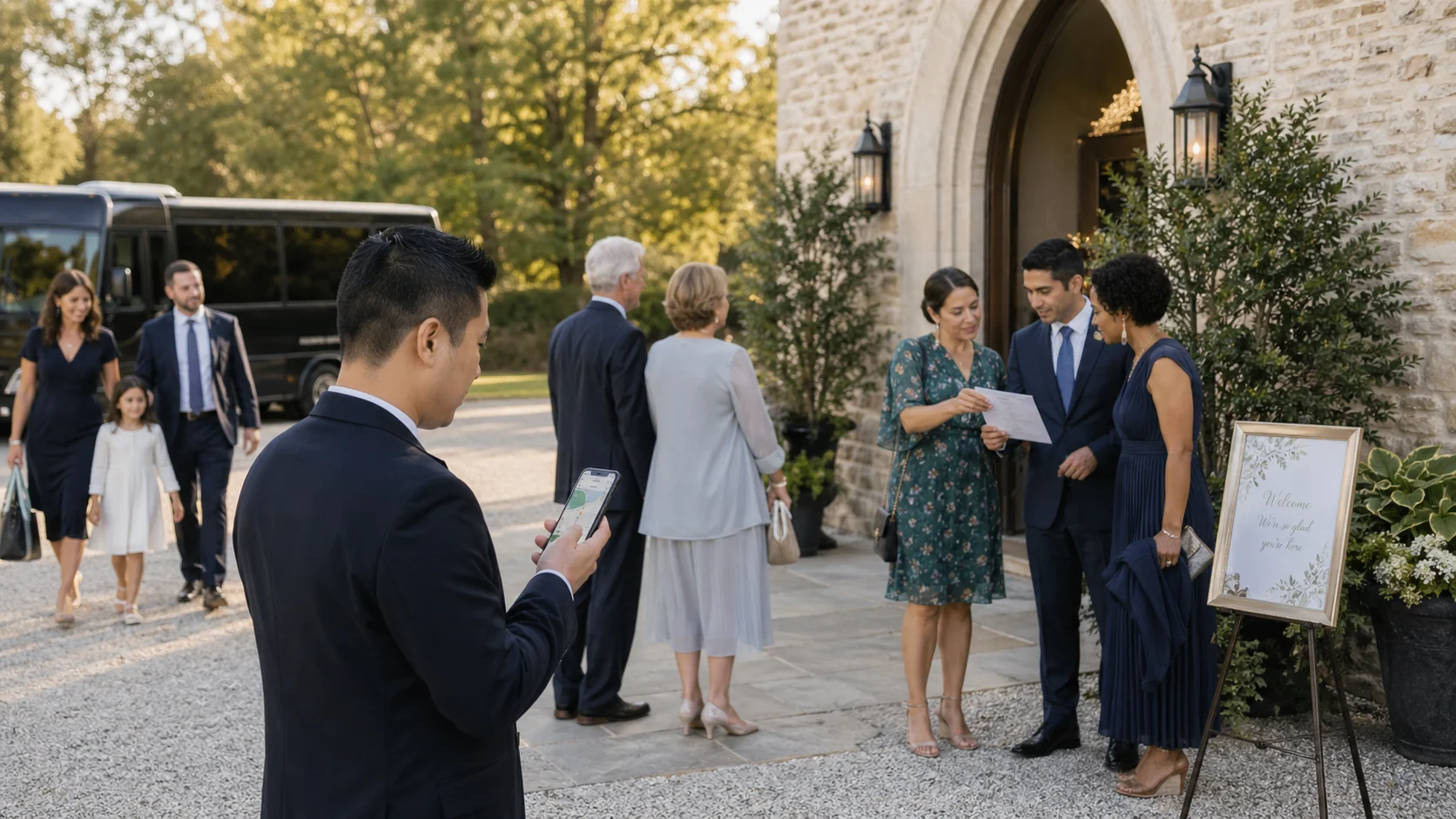
Wedding Website Checklist: What Guests Actually Need, and What They Ignore
Wedding websites work best when they reduce uncertainty instead of filling space. This article looks at what guests actually need to find quickly, what they usually ignore, and which unspoken questions a good website can answer before they become messages to the couple.

Beyond the Wedding Dress: What Truly Defines the Bridal Look and Experience
The bridal look is shaped long before the wedding day itself. It is created through thoughtful preparation, careful attention to detail, and a sense of inner calm that carries the bride through every moment. When styling, timing, and presence align naturally, beauty feels effortless rather than staged. Hair, makeup, accessories, and posture work together to support the bride rather than overshadow her. Yet what truly defines her appearance is how grounded and supported she feels. A bride who trusts her choices and releases the need for perfection radiates authenticity and quiet confidence. In this balance between outer expression and inner state, the bridal look becomes more than an image. It becomes an atmosphere — one that is felt, remembered, and carried far beyond the day itself.

Bachelor Party – A Day Between Everyday Life and Wedding
A bachelor party is not a loud statement, but a quiet transition. People come together who have accompanied them on their journey so far. For a limited period, nothing is on the agenda except shared time. Planning provides stability, openness creates space. Whether for men or women: What's crucial is that the occasion suits the person. Then something unique emerges. Understated. Enduring.

AI Wedding Planning in 2026: What to Delegate, What to Verify, What to Keep Human
AI can organize checklists, compare vendor offers, summarize contracts, draft messages and model budgets—but not every wedding decision should be delegated. This guide defines a practical boundary between useful AI assistance, facts that require verification, and decisions that should remain human.
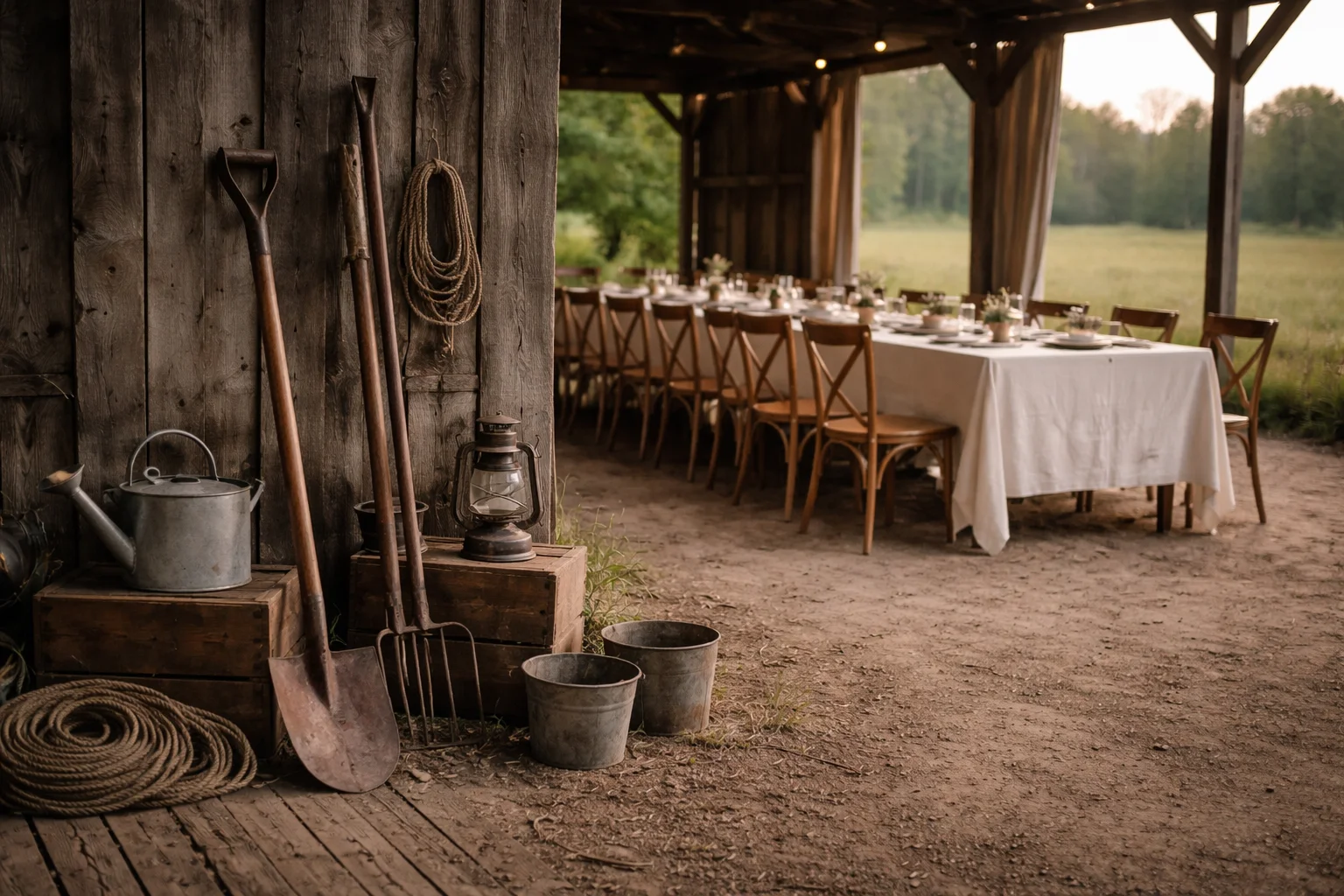
Vintage Tools as Static Objects in Rustic Weddings
Old tools can strengthen a rustic wedding space without ever becoming formal decor. This article looks at how leaving them quiet, slightly uneven, and largely untouched can preserve the character of a venue while adding depth, history, and a more believable sense of place.
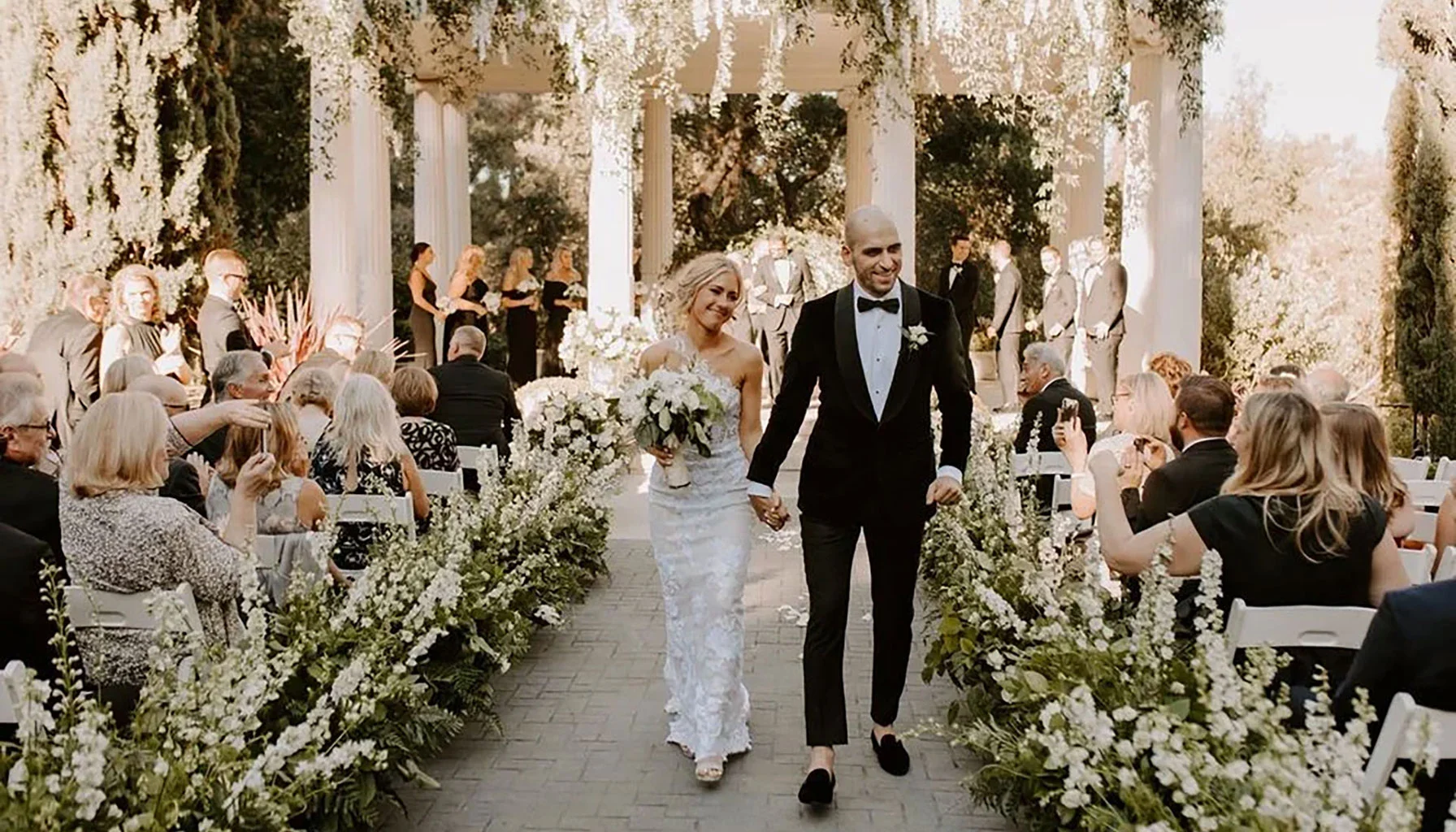
A Calm Structure for Wedding Planning
The text follows wedding planning as it usually takes shape. Not in a straight line, but with continuity. Decisions emerge, shift, and settle. The overview provides a calm structure that supports the process without directing it, leaving room for individual choices.

The Wedding Dress During Pregnancy
A wedding dress chosen during pregnancy follows different rules, even when no one names them. The body leads. The day sets limits. Decisions are shaped by comfort, timing, and how the dress behaves over hours rather than moments. This text looks at maternity wedding dresses as they appear in fittings, ceremonies, and recollections afterward. Not as ideals, but as garments that had to work. The focus stays on what proved suitable, calm, and lasting, without dramatizing the process or framing it as exception.

Conversations Before Marriage – Life Questions That Clarify the Relationship
A marriage is not just about feelings, but also expectations, imprints, and ideas about everyday life. This text compiles central life questions that couples should clarify with each other before saying 'I do': regarding money, family, children, conflicts, division of tasks, and personal values. Grown from observations, objectively considered, and close to lived everyday life. Conversations that make differences visible – and thereby strengthen connection.
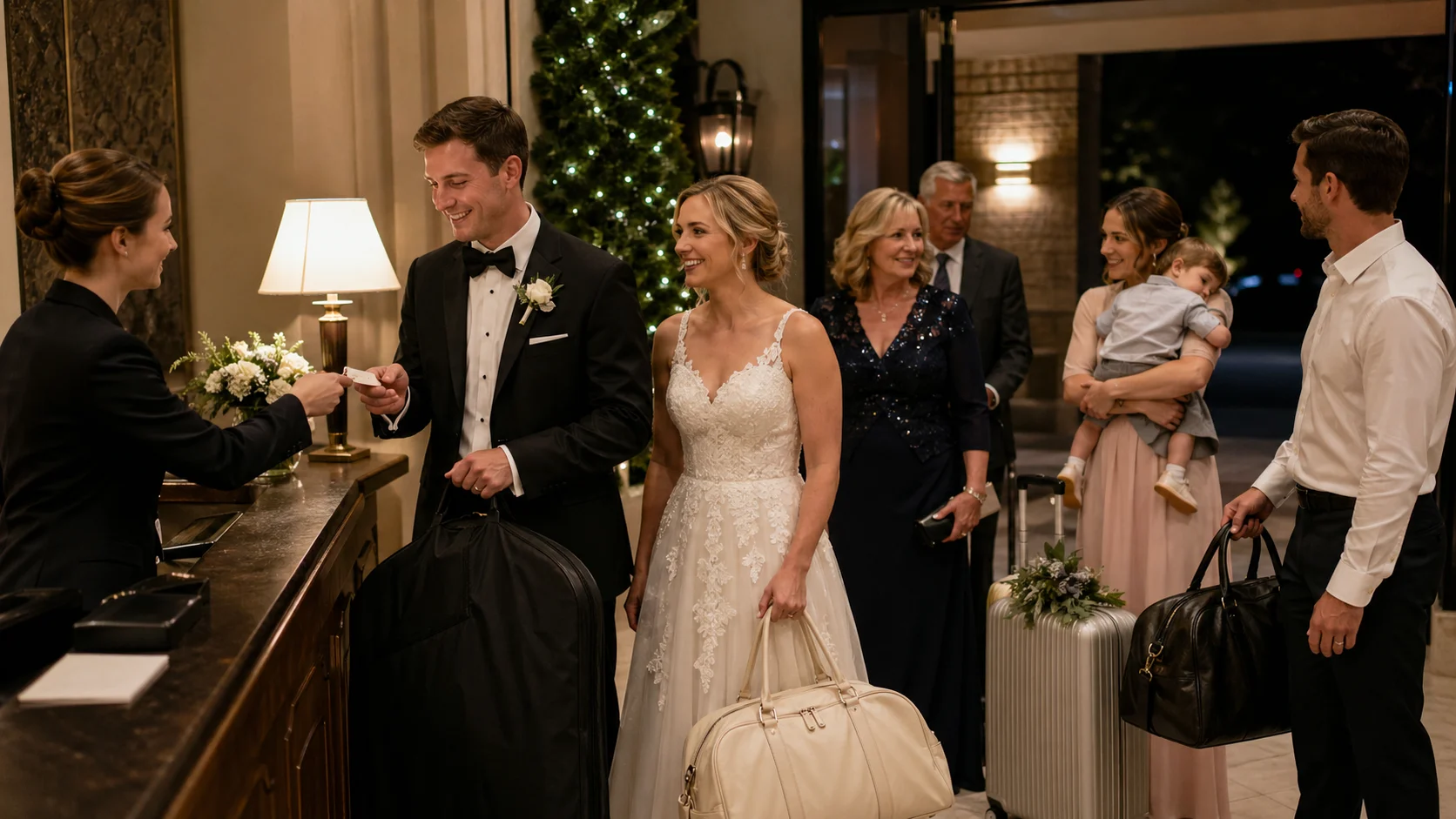
Overnight Stay Checklist: What Couples and Guests Often Realize Too Late
Overnight stays around weddings often seem solved once rooms are booked. This article looks at room access, bags, keys, transport, breakfast, checkout, and the late-night waiting moments couples and guests usually notice too late.

Before Wedding Planning Takes Over: An Engagement Checklist for the Things That Actually Change
An engagement can turn into a wedding project surprisingly fast. Before venues, guest counts and timelines take over, there are quieter things worth checking together: expectations, family pressure, money, symbols, privacy and what the promise has actually changed between you.

Wedding Transport Checklist: Arrivals, Transfers, Parking, and Late-Night Returns
Wedding transport is rarely remembered when it works, but it shapes the day long before the ceremony begins and long after the central moment has passed. This article looks at what still needs to be planned around arrivals, transfers, parking, and late-night returns, and why movement and waiting belong more closely together than many couples expect.