
Backup Checklist for Outdoor Weddings: Shade, Wind, Cold, and the Things People Forget

Outdoor weddings usually have one obvious backup question: what happens if it rains? That question matters, but it is not the whole plan. Many outdoor wedding problems arrive without rain at all. The sun sits too hard on one side of the ceremony. Wind lifts paper menus and moves hair into faces. A warm afternoon turns cold after dinner. Grass gets soft under chairs. Guests stand longer than expected because the shaded area is smaller than it looked during the site visit. Nothing dramatic has to happen for the atmosphere to change.
A good outdoor wedding backup checklist is not a pessimistic document. It is a way of protecting the ease of the day. Couples often imagine the outdoor setting as a fixed background, but it keeps moving. Light changes, wind changes, temperature changes, insects appear, paths become busier, and small objects behave differently outside than they do on a table plan. The best backup decisions are made before the weather becomes the mood.
Definition
An outdoor wedding backup checklist covers the practical conditions that can affect an open-air ceremony, cocktail hour, dinner, or reception. It includes shade, wind, cold, heat, rain, ground conditions, lighting, sound, guest comfort, loose objects, accessibility, vendor setup, and the small details people often forget until they are already outside.
Shade Needs To Be Planned For The Actual Hour, Not The Site Visit
Shade changes faster than many couples expect. A ceremony spot that feels comfortable at 11:00 in the morning may be exposed at 3:30. One table may sit in soft light while another gets direct sun across half the seats. A practical checklist should ask where the sun will be during the ceremony, cocktail hour, dinner, and speeches, not just whether the venue has trees or umbrellas. Guests rarely complain immediately. They squint, move chairs slightly, drink faster, grow quiet, and remember the heat more clearly than anyone planned.
Wind Is Usually A Detail Problem Before It Becomes A Weather Problem
Wind does not need to be strong to interfere with an outdoor wedding. It only needs to be persistent. Paper signage turns, veils pull, candles fail, napkins lift, place cards move, microphones catch noise, and flowers lean in one direction all afternoon. A florist once said that wind is the guest who touches every table. That is close to the truth. Weighted paper, stable vessels, lower arrangements, clipped menus, sheltered sound positions, and a clear decision about candles can prevent the room from looking as if it is slowly coming undone.
Checklist – CategoryA wedding checklist helps you stay organized and ensures that no important detail is overlooked. From early planning steps to last-minute preparations, it provides a clear overview of what needs to be done and when. With a well-structured checklist, you can plan your wedding with confidence, reduce stress, and enjoy the journey toward your big day.
Cold Arrives Quietly, Especially After Dinner
Cold rarely announces itself at an outdoor wedding. It shows first in posture. Shoulders lift, hands disappear into sleeves, guests stop leaning back, older relatives look for indoor seats, and people begin leaving the conversation to find jackets. If dinner or dancing stays outside, warmth needs a real plan: heaters placed where people actually gather, blankets that are easy to reach, a clear indoor option, and honest timing. A beautiful outdoor setting loses some of its hold when everyone is privately calculating how long they can stay comfortable.
Ground, Paths, And Shoes Decide More Than The Decor Does
Outdoor weddings often fail in the feet before they fail in the styling. Gravel, damp grass, soft soil, steps without railings, long walks between spaces, and uneven paths all change how guests move. This matters for older relatives, children, anyone in heels, anyone carrying gifts, and vendors moving equipment. A backup plan should include walkway mats if needed, a dry route, closer drop-off access, clear lighting after dark, and a decision about where guests can wait without blocking service paths. Movement is part of comfort. It should not be left to improvisation.
Outdoor Conditions Leave Imprints In The Day And In The Pictures
The connection to imprints is visible in outdoor weddings because weather leaves traces. Hair shifts in the wind. Light cuts across faces. Guests hold programs over their eyes. A shawl appears in every later photo. Grass stains the hem of a dress. A napkin weight becomes part of the table. These traces are not always bad. Some make the day feel real and alive. But a backup checklist decides which imprints are welcome and which ones are simply the result of forgetting something ordinary.

Some moments do not pass. They settle. Imprints are the emotional traces left by rituals, decisions, and answers that continue shaping relationships long after the moment is gone.
Conclusion
A backup checklist for outdoor weddings is not only a rain plan. It is a way of reading the setting before the guests have to live inside it. Shade, wind, cold, paths, ground, loose details, sound, and comfort all shape the day in small but persistent ways. When these things are handled early, the outdoor setting can stay generous rather than demanding. The wedding still belongs outside. It just has enough support to remain there well.
Related Articles

Marriage Certificate Checklist: Why One Document Keeps Returning After the Wedding
A marriage certificate often feels like the final paper of the wedding, but it keeps returning in ordinary life. This article looks at certified copies, scans, translations, apostilles, name changes, travel, banking, insurance, and the quiet imprint one document leaves after the celebration.
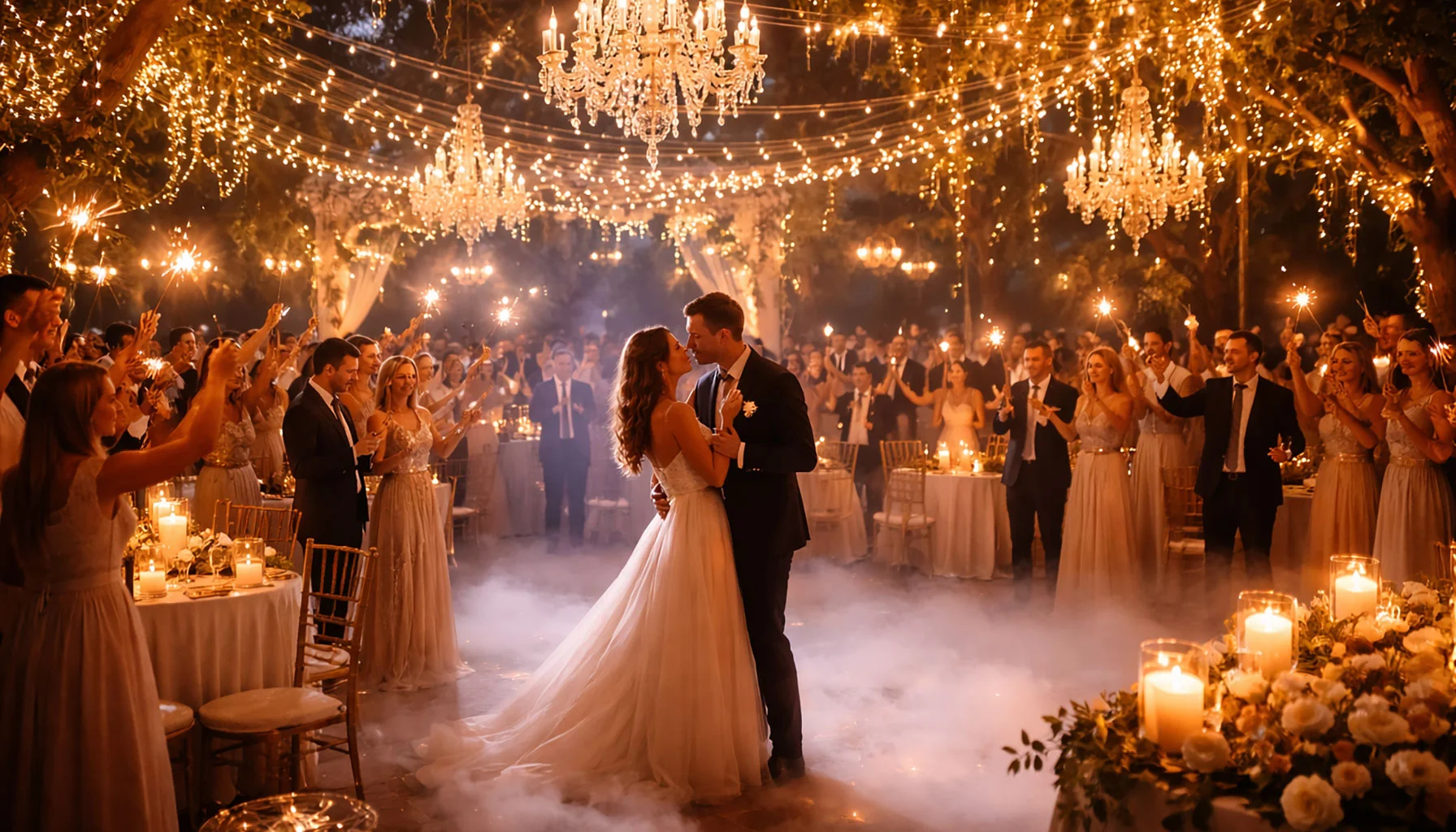
Wedding Lighting: Creating Atmosphere That Lasts
Wedding lighting is rarely remembered as equipment. What remains is how a room felt when people entered it, how the evening softened, and how different parts of the celebration seemed to belong together without visible effort. This article looks at wedding lighting as a quiet structure that shapes atmosphere and leaves a lasting imprint.
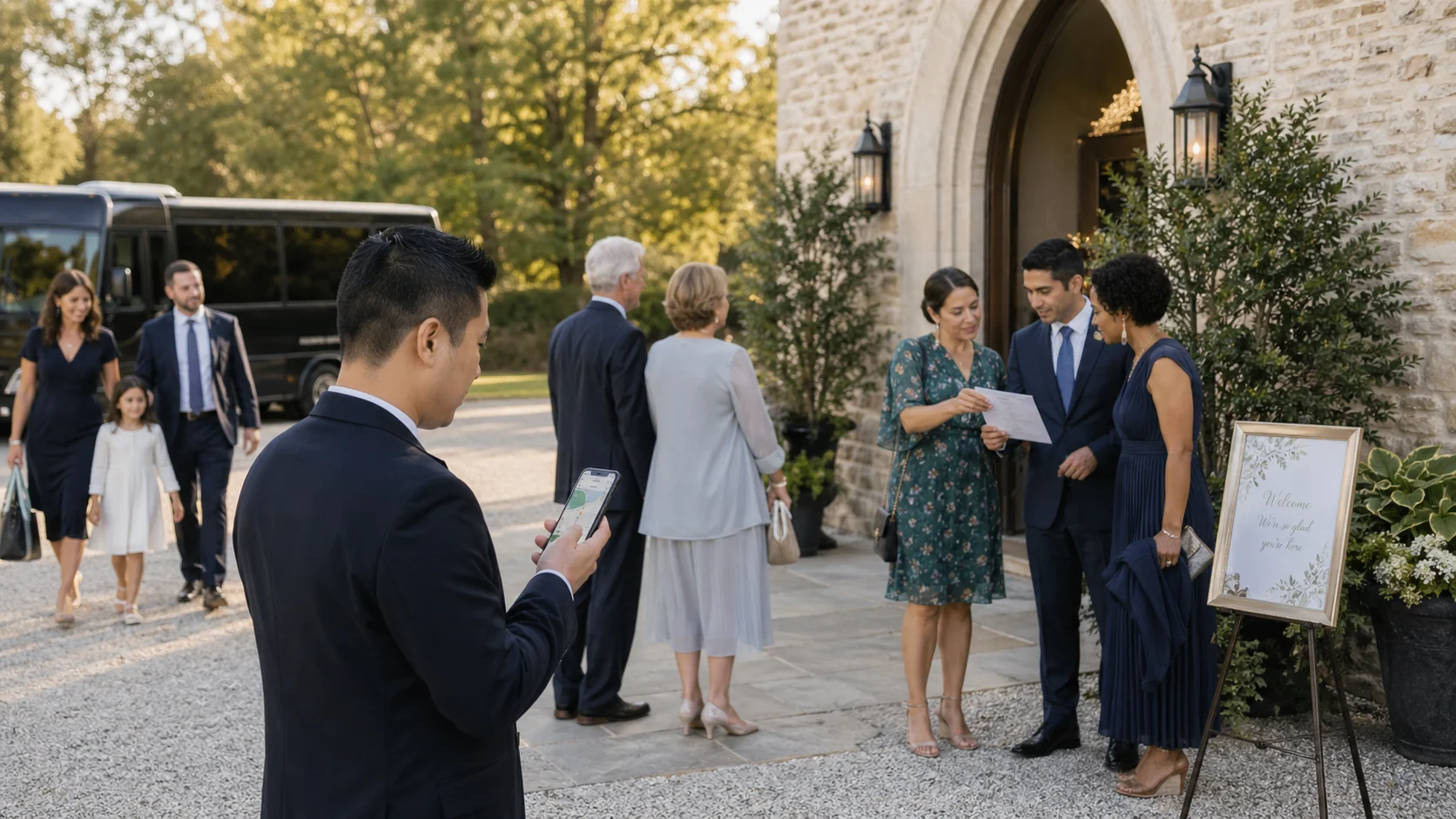
Wedding Website Checklist: What Guests Actually Need, and What They Ignore
Wedding websites work best when they reduce uncertainty instead of filling space. This article looks at what guests actually need to find quickly, what they usually ignore, and which unspoken questions a good website can answer before they become messages to the couple.
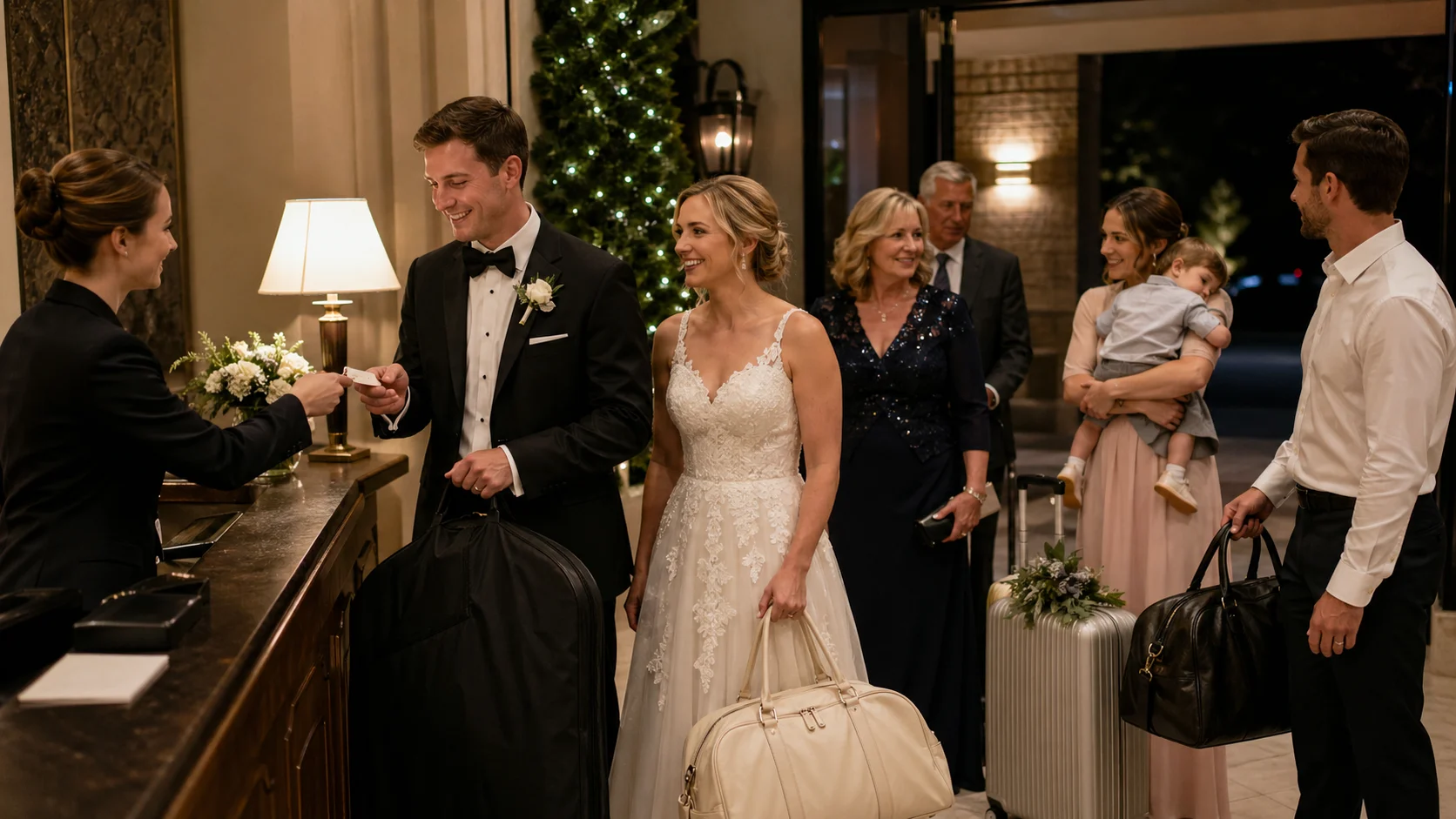
Overnight Stay Checklist: What Couples and Guests Often Realize Too Late
Overnight stays around weddings often seem solved once rooms are booked. This article looks at room access, bags, keys, transport, breakfast, checkout, and the late-night waiting moments couples and guests usually notice too late.

After-the-Wedding Checklist: What Needs Attention in the First 48 Hours
The first 48 hours after a wedding are quiet, practical, and easy to underestimate. This article looks at personal items, gifts, clothing, vendor closure, early photos, and the small tasks that help the after feel lighter instead of turning into scattered errands.
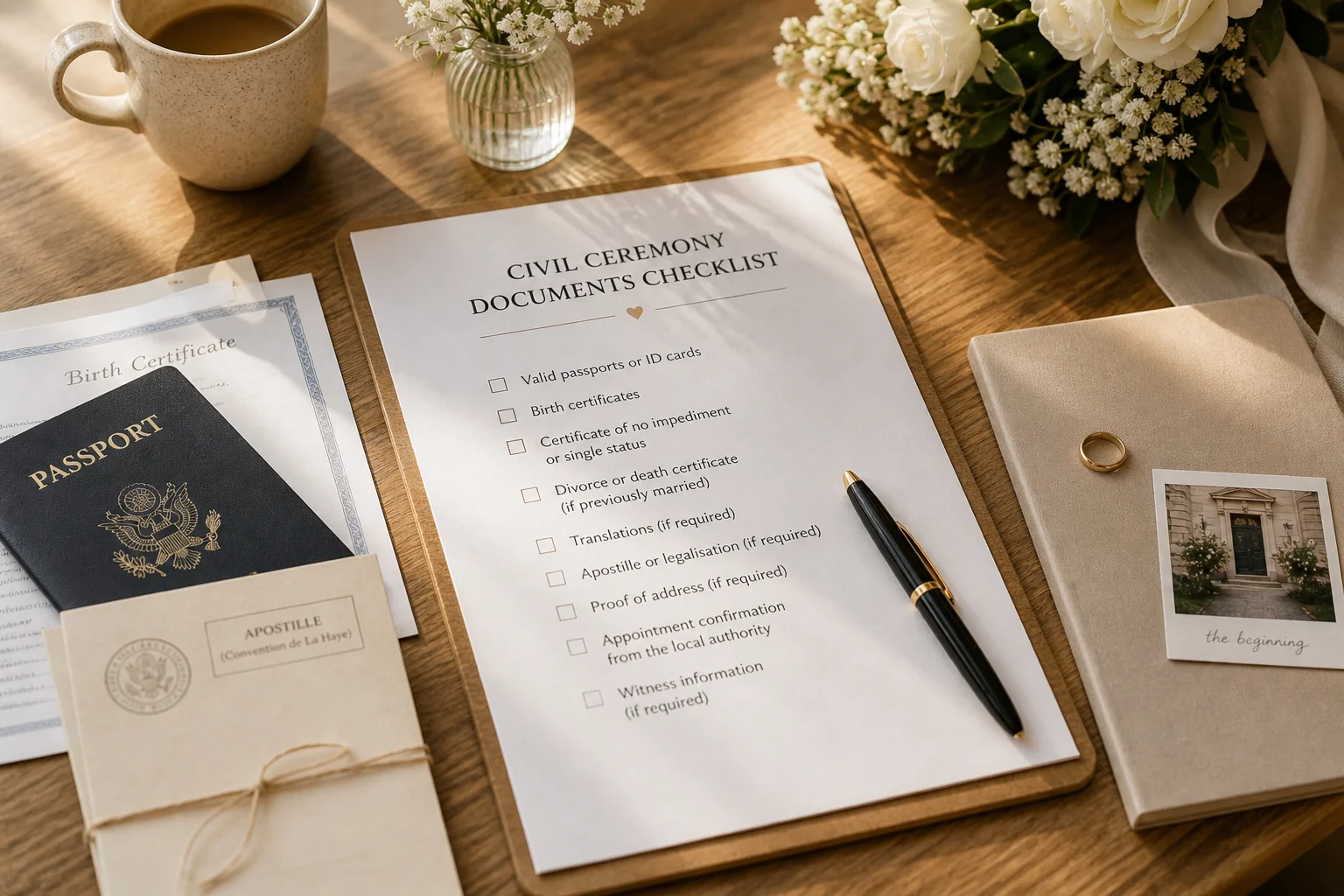
Civil Ceremony Documents Checklist: What Couples Usually Need Before the Wedding Can Happen
A civil ceremony may look simple, but it depends on documents being accepted before the public moment can begin. This article looks at identity records, marital status proof, translations, apostilles, witnesses, appointment rules, and the quiet legal threshold before the ceremony.

Engagement Ring and Wedding Ring: Two Moments, One Commitment
Engagement ring and wedding ring mark different stages of the same decision. One appears at the beginning, often tied to a single moment. The other enters daily life and stays there. Their forms, materials, and proportions follow different needs, yet they are meant to exist together. Understanding how they differ helps explain why both matter, and why their combination often says more than either ring alone.

The Bridal Hairstyle as a Quiet Part of the Whole
A bridal hairstyle supports the entire look. It frames the face, works with the dress, and needs to hold throughout the day. In practice, the most convincing results come from aligning hair texture, proportion, and the flow of the wedding day. Less display. More coherence.
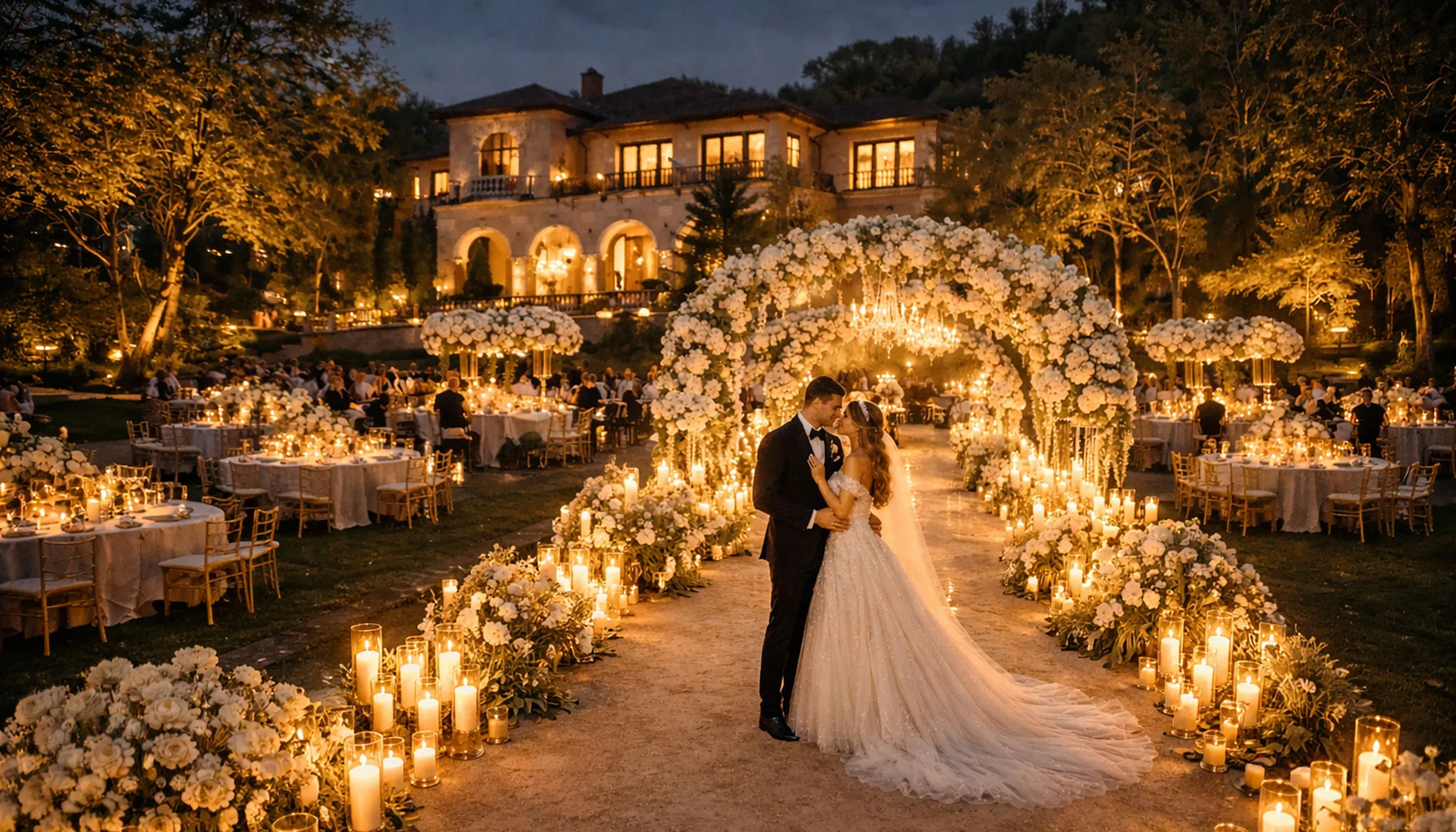
A day, carried by closeness
This wedding thrived on closeness and attention. Everything quietly intertwined and created a framework in which guests felt safe, welcome, and connected. From arrival to departure, a shared flow emerged that left room for conversations, laughter, and quiet togetherness. What remained was a feeling of warmth and cohesion that outlasted the day.
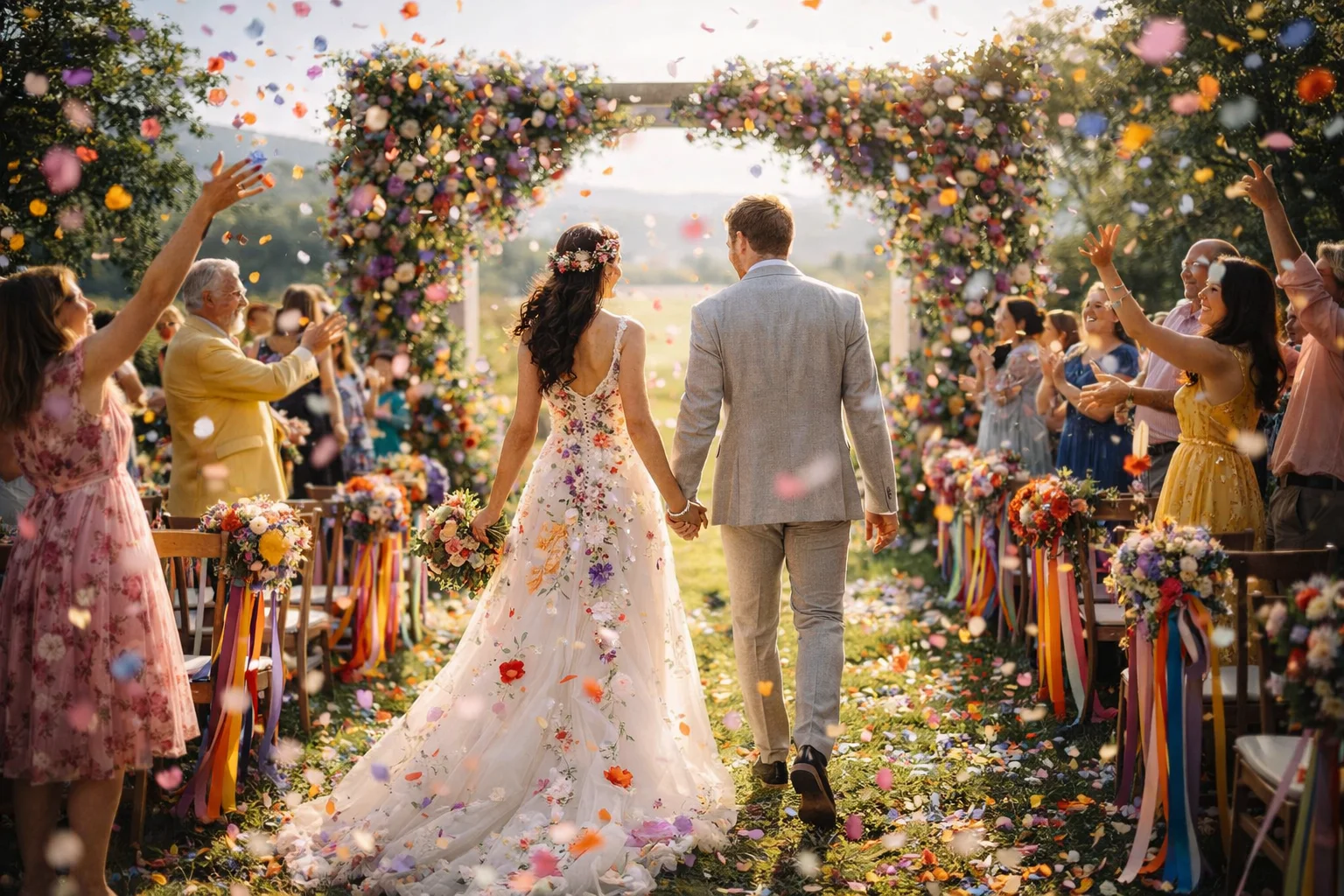
What Wedding Colors Leave Behind
Wedding colors are usually chosen for beauty, balance, or season. But they also leave a trace. Long after flowers fade and fabrics are packed away, certain tones remain attached to a promise, a room, a feeling. This article looks at wedding color not only as styling, but as part of the emotional imprint a ceremony leaves behind.

Guest Comfort Checklist: Small Conditions That Change the Entire Atmosphere
Guest comfort at weddings is shaped by small conditions long before anyone complains. This article looks at temperature, seating, sound, waiting areas, access, and quiet spaces of relief that change how the whole room feels.
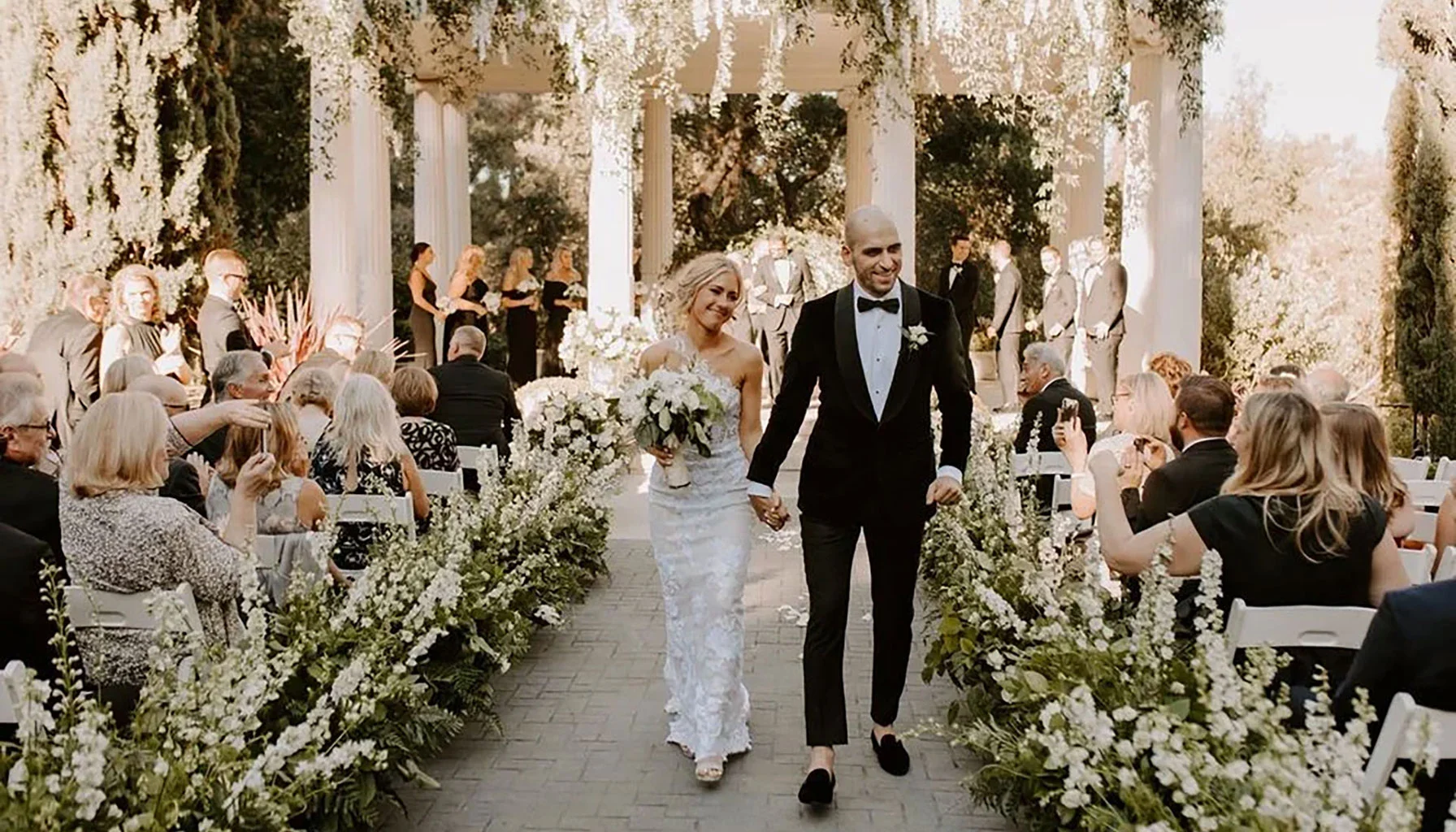
A Calm Structure for Wedding Planning
The text follows wedding planning as it usually takes shape. Not in a straight line, but with continuity. Decisions emerge, shift, and settle. The overview provides a calm structure that supports the process without directing it, leaving room for individual choices.