
Wedding Venue Visit Checklist: What to Observe During a Location Tour

Wedding Venue Visit – Checklist
A venue visit checklist is simply a list of points observed during a walk through the location. It is not a complicated planning document. Mostly it records practical impressions: capacity, logistics, timing, and conditions that shape the wedding day. Nothing mysterious about it. Just a structured way to look carefully at a place.
General Impression of the Venue
- First impression when arriving at the venue
- Condition of the building and surrounding area
- Atmosphere of the main rooms and outdoor spaces
- Natural light during the time of the visit
- Cleanliness of floors, tables, and restrooms
- Noise level from nearby streets or neighboring buildings
- Accessibility for guests with limited mobility
Space and Capacity
- Maximum guest capacity for a seated dinner
- Standing capacity for reception or cocktail hour
- Possible table arrangements and dance floor placement
- Available ceremony space if the wedding takes place on site
- Indoor alternatives in case weather changes
- Areas where guests can step aside for quiet conversation
Logistics During the Wedding Day
- Arrival routes and parking possibilities for guests
- Distance between ceremony area, dining space, and restrooms
- Access points for vendors and delivery vehicles
- Preparation rooms for the couple
- Storage options for decorations or personal items
- Time windows for setup and later breakdown
Catering and Kitchen Facilities
- Presence of an on-site kitchen or external catering requirements
- Space available for catering staff to prepare and serve food
- Possible buffet or service areas
- Location of bar and drink service points
- Policies regarding outside caterers or food vendors
Technical and Practical Details
- Existing sound system or microphone availability
- Electrical outlets for DJs, lighting, and equipment
- Lighting conditions later in the evening
- Wi-Fi access if coordination tools are used
- Heating or cooling depending on the season
Communication With Venue Staff
- Clarity of explanations during the tour
- Openness when answering logistical questions
- Information about contracts and payment structure
- Contact person responsible for coordination
- Experience of the venue team with wedding events
Venue visits rarely unfold in a perfectly structured way. Notes are written while walking through rooms or standing in a hallway for a moment. Sometimes a small detail stays in mind longer than expected: the view from a window, the distance between tables, the quiet corner near the garden. A checklist keeps these impressions organized. After visiting several locations the notes begin to resemble each other, and that comparison slowly makes the decision clearer.
Related Articles

Conversations Before Marriage – Life Questions That Clarify the Relationship
A marriage is not just about feelings, but also expectations, imprints, and ideas about everyday life. This text compiles central life questions that couples should clarify with each other before saying 'I do': regarding money, family, children, conflicts, division of tasks, and personal values. Grown from observations, objectively considered, and close to lived everyday life. Conversations that make differences visible – and thereby strengthen connection.
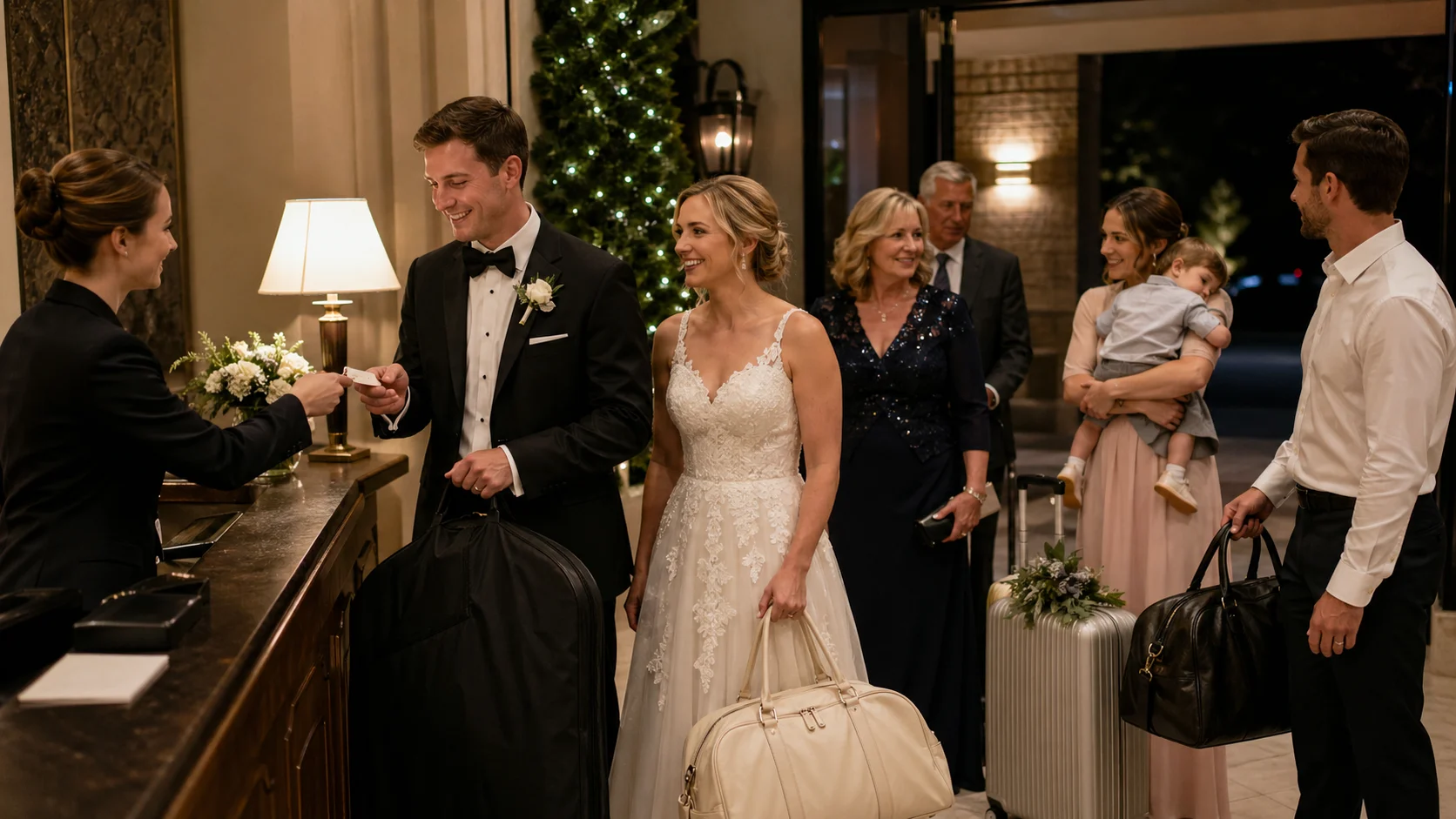
Overnight Stay Checklist: What Couples and Guests Often Realize Too Late
Overnight stays around weddings often seem solved once rooms are booked. This article looks at room access, bags, keys, transport, breakfast, checkout, and the late-night waiting moments couples and guests usually notice too late.
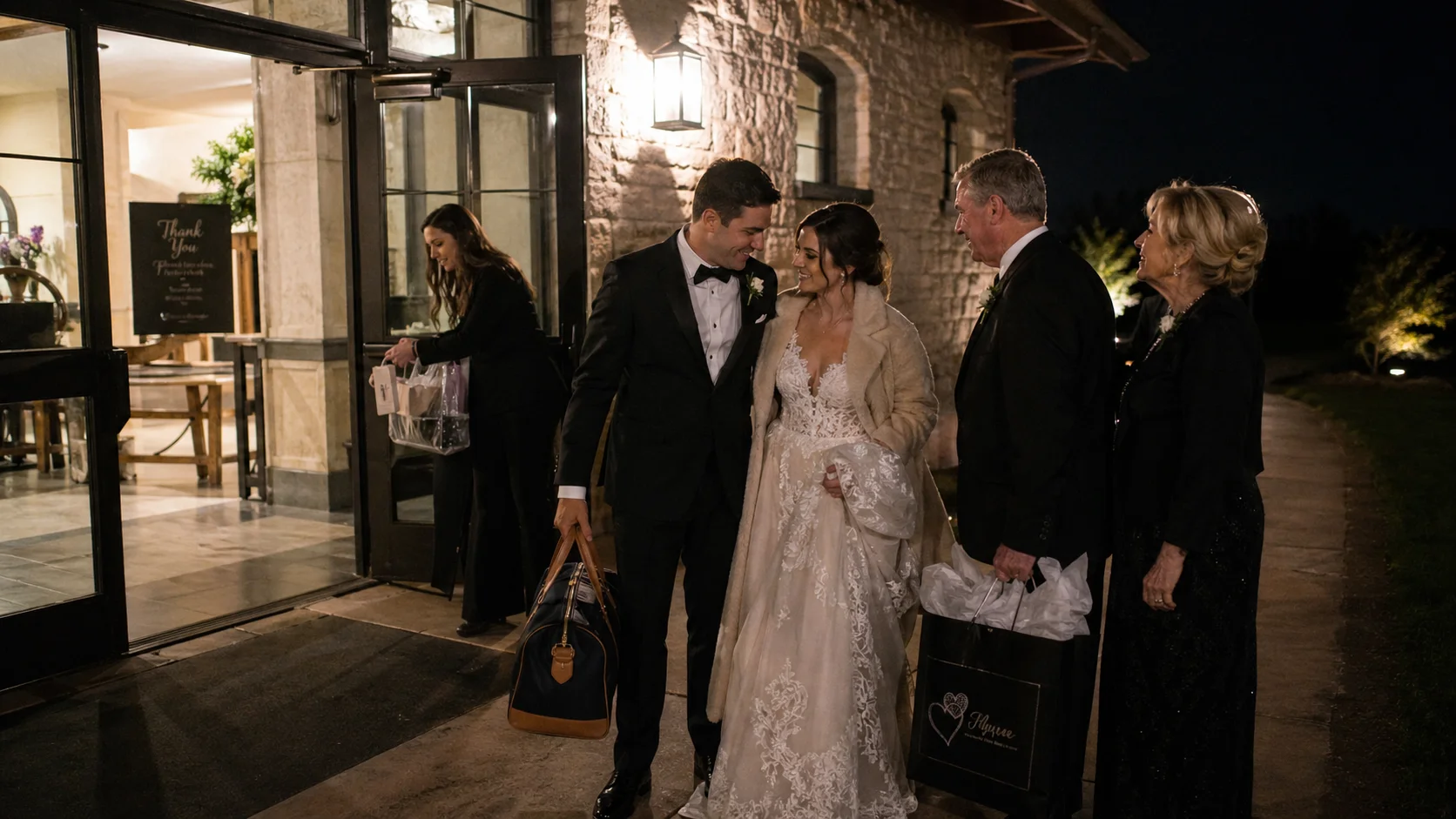
Exit Checklist: What Matters in the Last Thirty Minutes of a Wedding Night
The end of a wedding rarely happens in one clean moment. This article looks at the last thirty minutes of the night, from transport and personal items to final goodbyes, vendor handovers, and the quiet beginning of what comes after.

The Groom’s Suit Guide: Planning, Fittings, Trends & Timeline
A wedding suit does not come from a single decision, but from alignment over time. Cut, fabric, and fit develop in relation to occasion, movement, and personality. When these elements settle into place, the suit supports the day quietly and allows the groom to remain fully present.
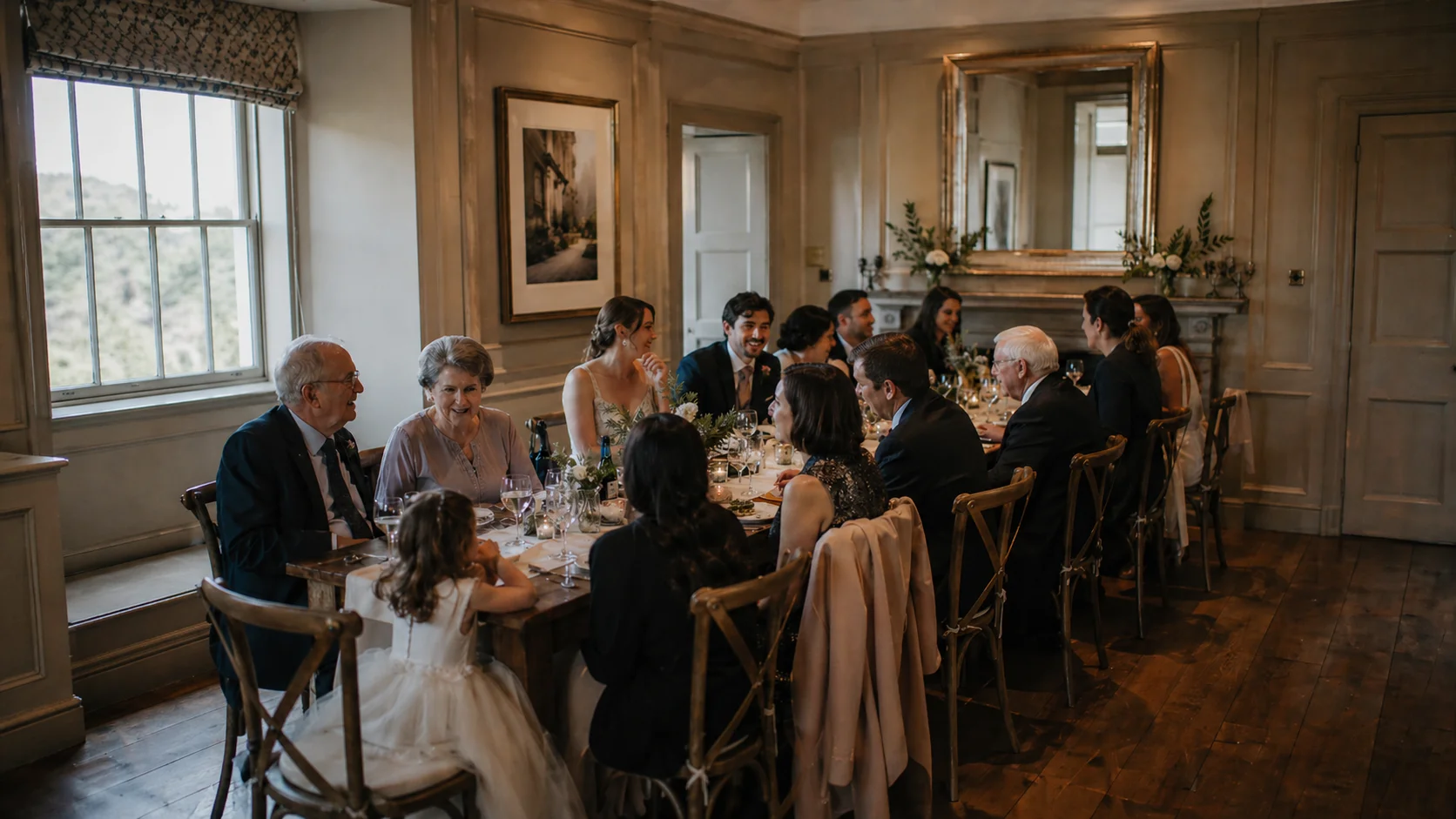
Family Table Checklist: What Helps Mixed Generations Sit More Easily Together
Family tables at weddings rarely depend on seating order alone. They work better when physical comfort, conversational balance, newer relationships, and older family stories are all considered before dinner begins.
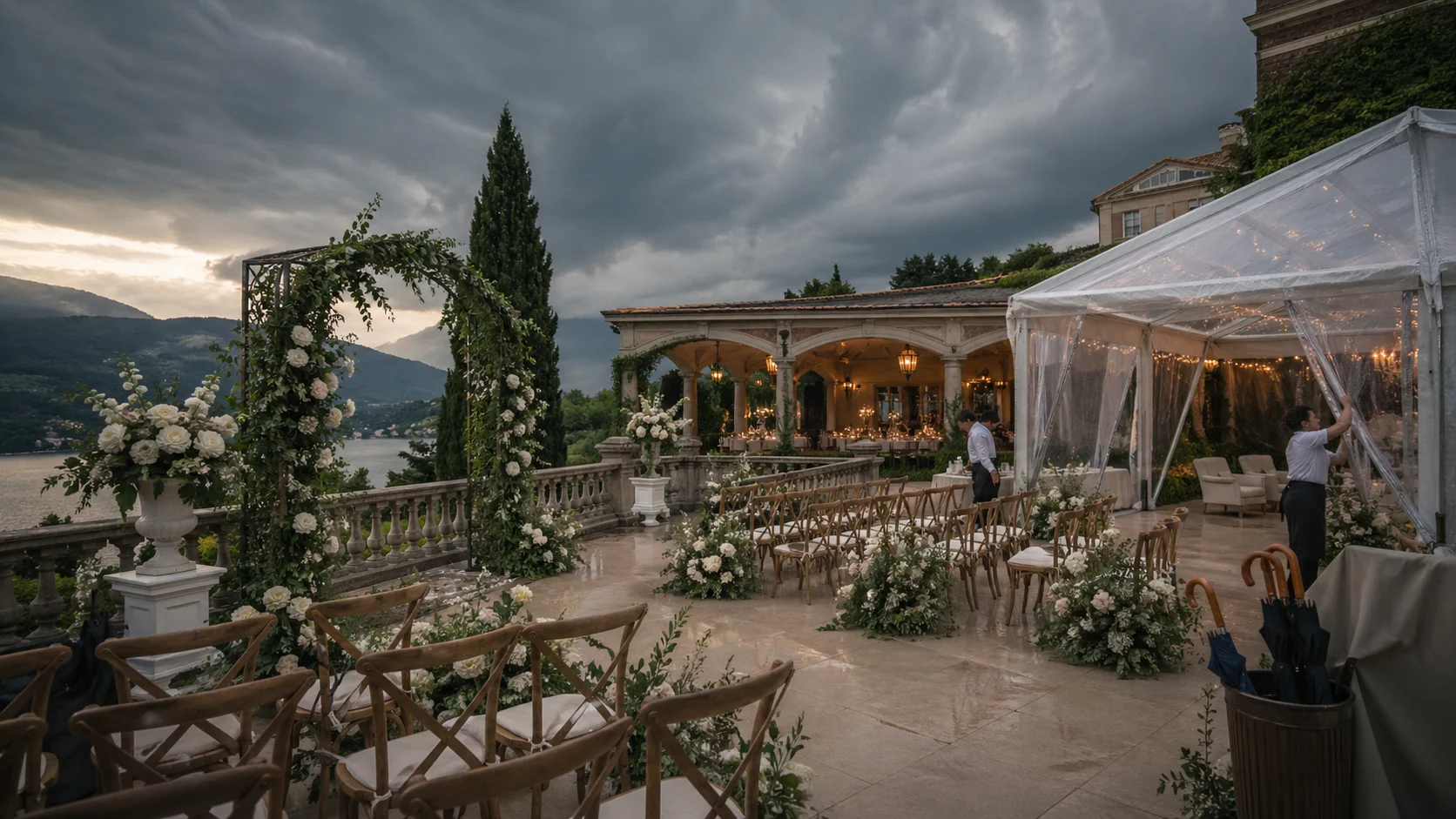
Rain Plan Checklist: What Needs Deciding Before Weather Becomes the Mood
A wedding rain plan is rarely just a backup for logistics. It also shapes whether weather stays manageable or quietly takes over the emotional tone of the day. This article looks at what needs to be decided early, so rain changes the setting without deciding the atmosphere.

Wedding Morning Checklist: What Helps the First Hours Stay Calm
A wedding morning checklist helps protect the first hours of the day from avoidable stress. It keeps essential items, timing, room atmosphere, and communication clear, while leaving enough space for the morning to still feel calm and human.
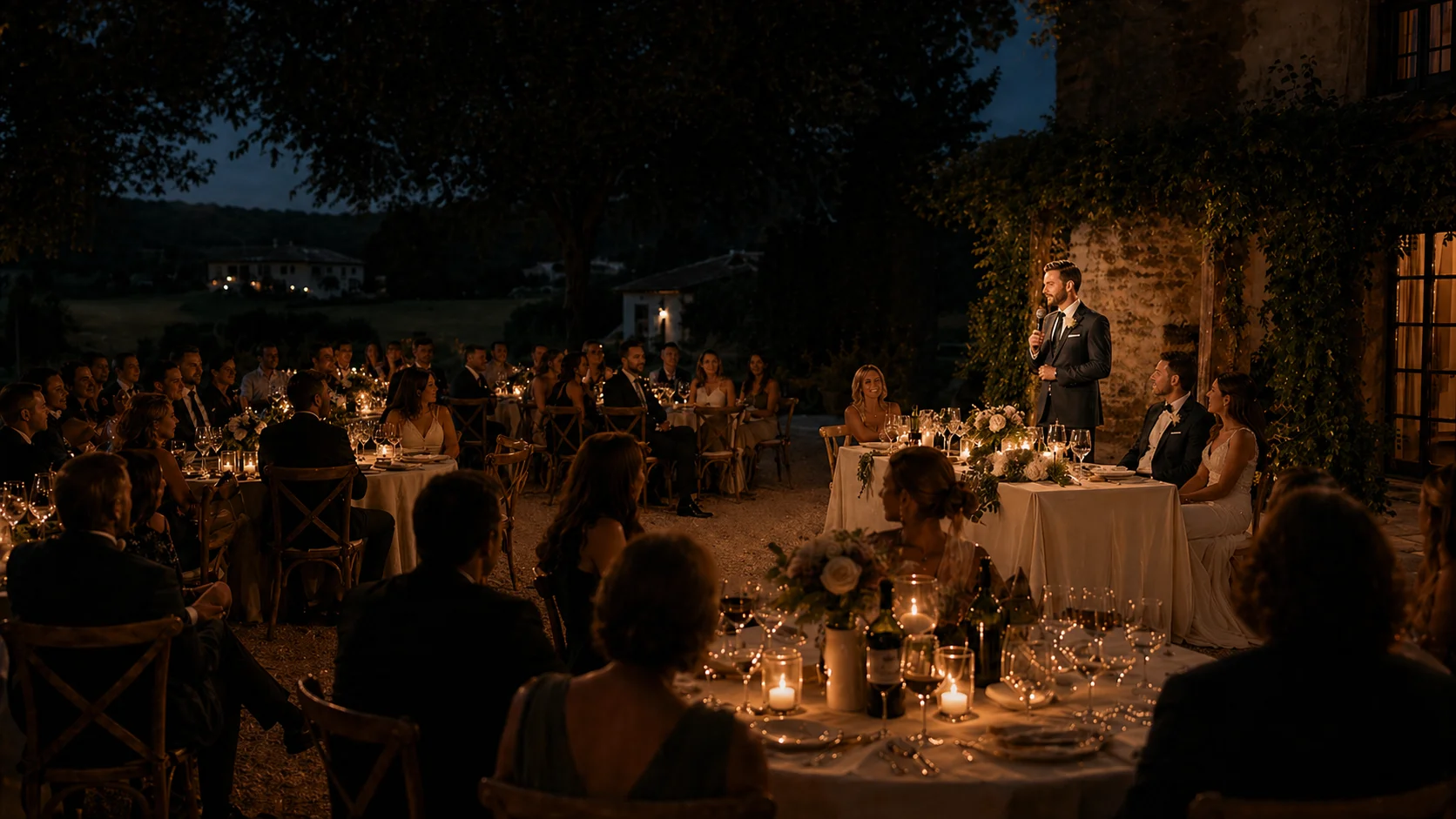
Speech Moment Checklist: What Makes a Toast Feel Held, Not Exposed
A wedding toast depends on more than good writing. It lands differently depending on attention, sound, timing, room tone, and the unspoken signals that tell a speaker whether the moment is carrying them or leaving them alone.

The Wedding Cake – Where Romance, Craftsmanship and Love Meet
The wedding cake is rarely the loudest element of a celebration, yet it often becomes one of the most shared moments. It appears later in the day, when guests have settled, conversations have softened, and attention can gather without effort. More than a dessert, it marks a pause in the rhythm of the wedding. Its presence is quiet, its impact collective. When design, taste, and timing align, the cake becomes part of the experience rather than a separate program point.

Wedding Guest Communication Checklist: What Guests Need to Know and When
Good wedding communication is not about sending guests everything at once. It is about giving the right information at the right moment, so the day feels clear without becoming overexplained. This article looks at what guests actually need to know, when they need to know it, and why silence still has a place in wedding planning.
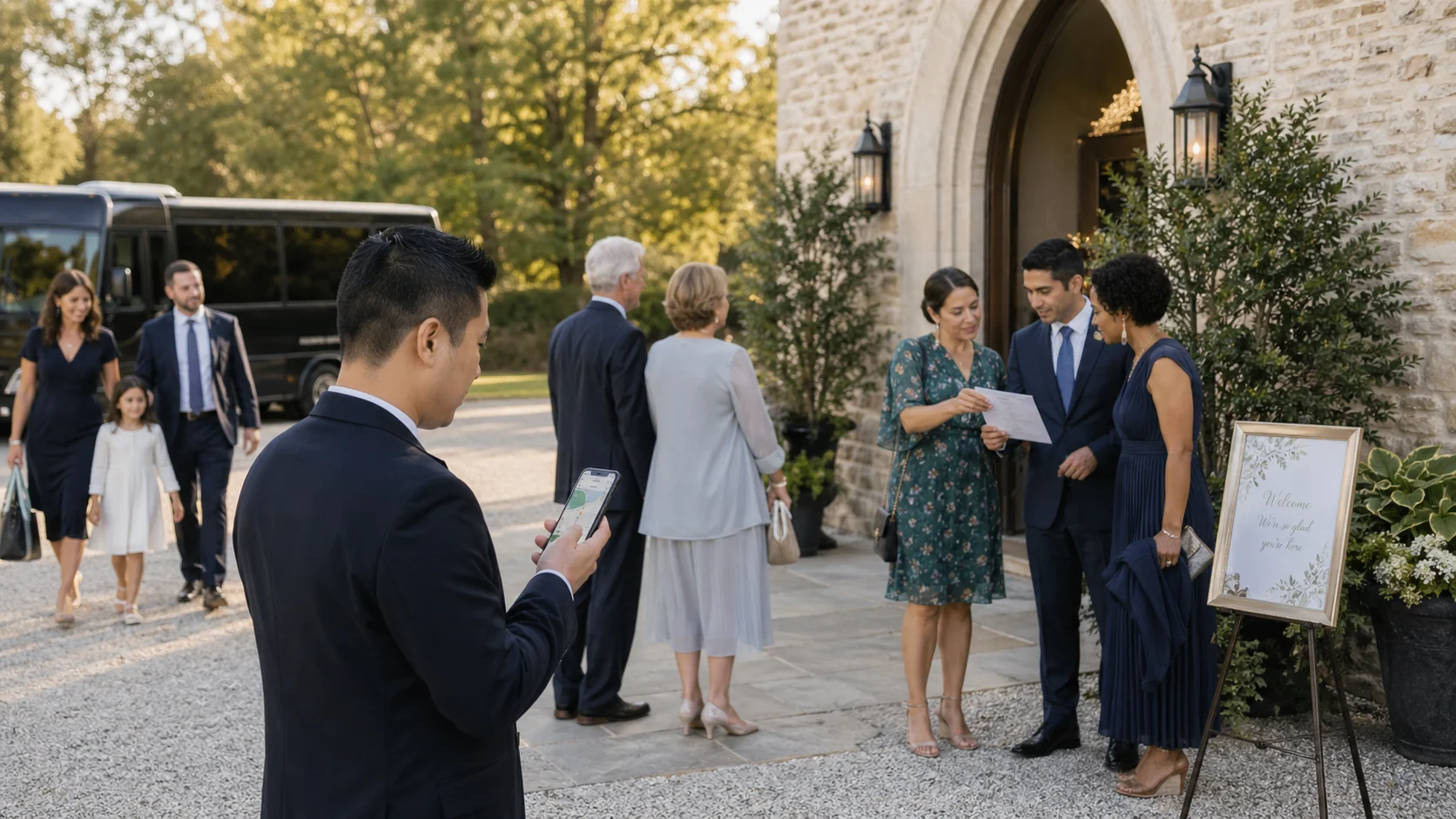
Wedding Website Checklist: What Guests Actually Need, and What They Ignore
Wedding websites work best when they reduce uncertainty instead of filling space. This article looks at what guests actually need to find quickly, what they usually ignore, and which unspoken questions a good website can answer before they become messages to the couple.

Backup Checklist for Outdoor Weddings: Shade, Wind, Cold, and the Things People Forget
Outdoor wedding backup plans are not only about rain. This article looks at shade, wind, cold, ground conditions, paths, loose details, guest comfort, and the small weather traces that shape how an outdoor celebration is remembered.