
Wedding Website Checklist: What Guests Actually Need, and What They Ignore
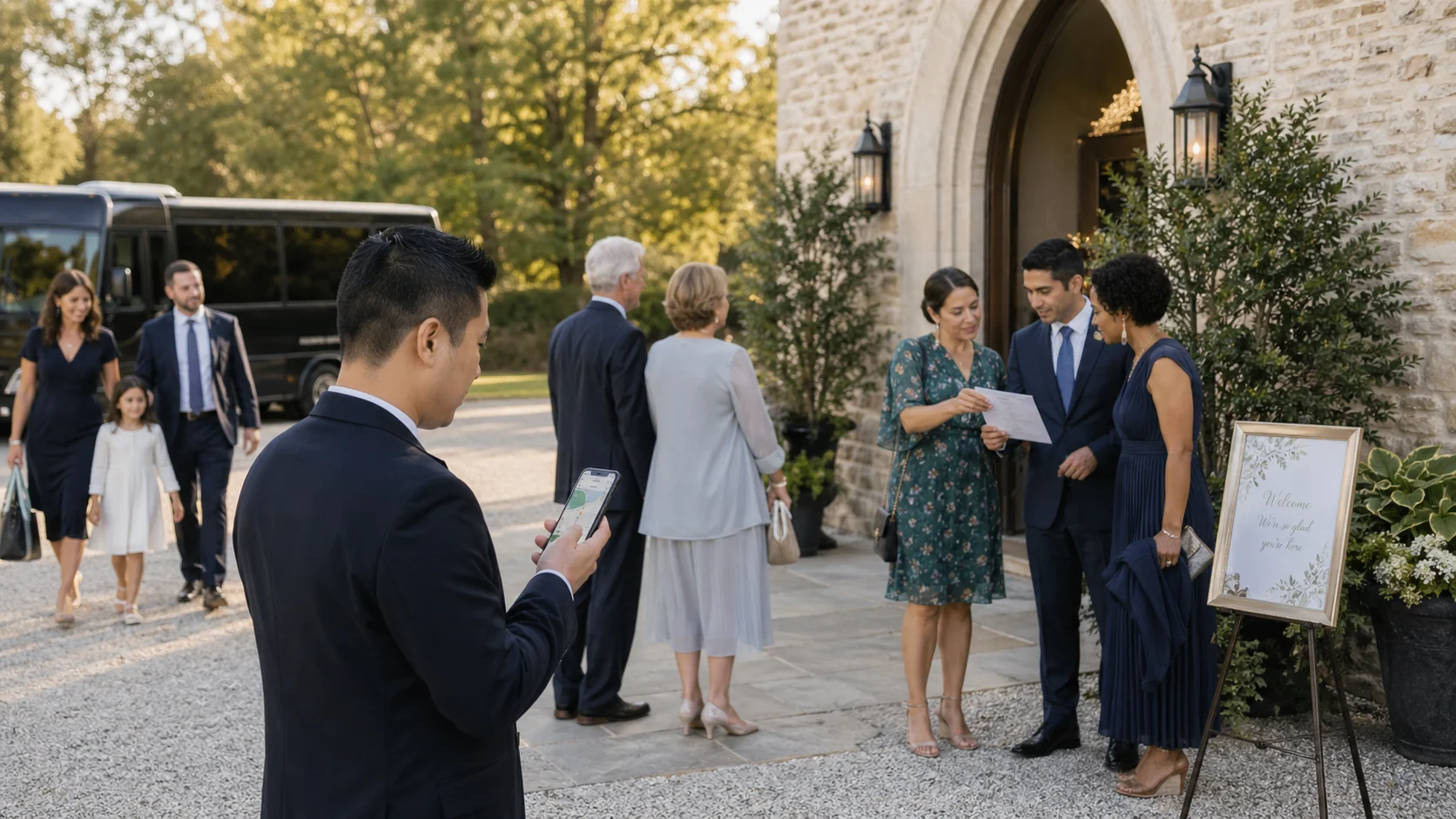
Wedding websites often begin with good intentions and too much space. There is room for the story, the schedule, photos, travel notes, registry links, dress code explanations, FAQs, maps, hotel blocks, shuttle details, RSVP forms, and a few sentences that sound helpful mostly because there is a page waiting for them. Guests do not read all of it. Not because they are careless, usually. They read under pressure, on phones, between other things, often looking for one answer at a time.
A good wedding website checklist starts from that reality. It does not ask what a couple could include. It asks what guests will need when they are tired, traveling, unsure, late, overdressed, underinformed, or trying not to bother the couple with a question. The best wedding websites are not the longest ones. They are the ones that make quiet uncertainty smaller.
Definition
A wedding website checklist is a practical filter for deciding which information guests need before and during a wedding. It covers timing, locations, travel, accommodation, dress code, RSVP details, children, gifts, contact routes, accessibility, and the unspoken questions guests may hesitate to ask directly.
The First Screen Should Answer The Questions Guests Ask Most
The top of the website should not make guests search for the basics. Date, ceremony time, venue name, full address, city, and the clearest next action should appear quickly. If the wedding has several locations, the order needs to be obvious. If transport matters, it should not be buried under decorative copy. A strong checklist treats the first screen like a small information desk: not charming first, useful first. Charm can come later, once no one is lost.
Travel And Timing Need More Precision Than Couples Expect
Guests rarely need poetic location descriptions. They need to know where to park, whether taxis are realistic, when shuttles leave, how long transfers take, whether the venue is hard to find, and what time arrival actually means. A ceremony at 4:00 does not tell guests whether they should be seated by 3:45, whether the gates open at 3:30, or whether there is a walk from parking to the entrance. These details feel too practical until someone is standing outside in formal shoes, checking the website again.
ChecklistEditorial planning pieces on the practical structures that quietly hold a wedding day together.
Dress Code Should Reduce Guessing, Not Create A Mood Board Problem
Dress code pages often become more confusing when they try to sound elegant. Guests usually want enough direction to avoid feeling wrong. Formal, cocktail, garden party, black tie optional, beach formal, or relaxed dinner all need a short practical translation. Mention surfaces, weather, ceremony setting, and footwear if they matter. Say if jackets are expected. Say if the ceremony is outside. Say if there is a color request, but do not turn the page into a test. The goal is not styling control. It is social relief.
Guests Ignore Long Stories But Remember Useful Context
A couple’s story can belong on the website, but it should not block functional information. Most guests will skim it once, smile, and move on. What they return to is context: why one location matters, why the ceremony starts early, why children are included or not, why travel needs planning, why the reception ends at a certain time. Short human notes work better than long polished narratives. They make decisions feel less arbitrary without asking guests to read a full chapter.
What Is Not Said Often Becomes The FAQ
The deeper link to what is not said is where wedding websites become most useful. Guests often hesitate to ask certain questions directly. Can I bring my child? Is there a plus-one? Are gifts expected? Is cash acceptable? Will there be food for dietary needs? Is the ceremony religious? Can I leave early? Who do I contact if something changes? A website can answer these quietly without turning every topic into a formal announcement. That is one of its strongest roles: giving language to the questions people are already carrying but may not want to place on the couple.
What Is Not SaidA reflective perspective on implicit expectations, quiet questions, and the unspoken parts of wedding communication.
Conclusion
A wedding website checklist is not about filling pages. It is about removing avoidable uncertainty before it reaches the couple, the planner, or the morning of the wedding. Guests need timing, routes, expectations, contact paths, and a few honest answers to questions they may never ask out loud. They will ignore plenty, and that is fine. The important information should still be easy to find when it matters.
Related Articles

Wedding Venue Visit Checklist: What to Observe During a Location Tour
Before a wedding location is booked, couples usually visit the place in person. These visits are often short, sometimes just an hour between other appointments. During that time many practical details appear: distances, lighting, sound, room flow, the way staff answer questions. Notes taken during such visits tend to be uneven. Some things seem obvious on site and disappear from memory later. A checklist helps structure the visit so that small but relevant observations are not lost.
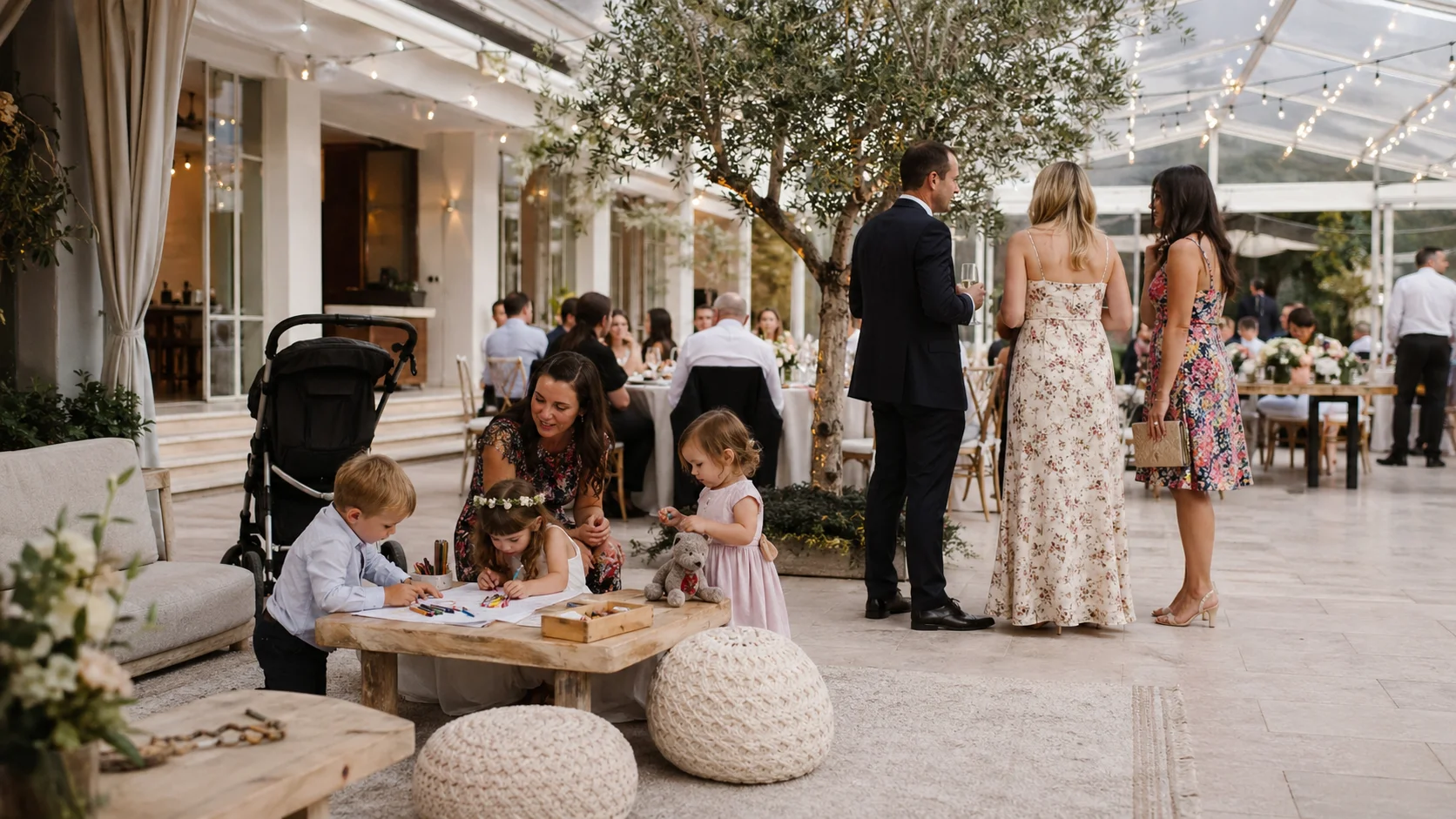
Kids at Weddings Checklist: What Helps Families Stay Longer Without Strain
Families with children usually leave weddings early for a series of small reasons rather than one big one. This article looks at what helps them stay longer with less strain, from food timing and retreat spaces to quieter transitions and the simple need for relief.
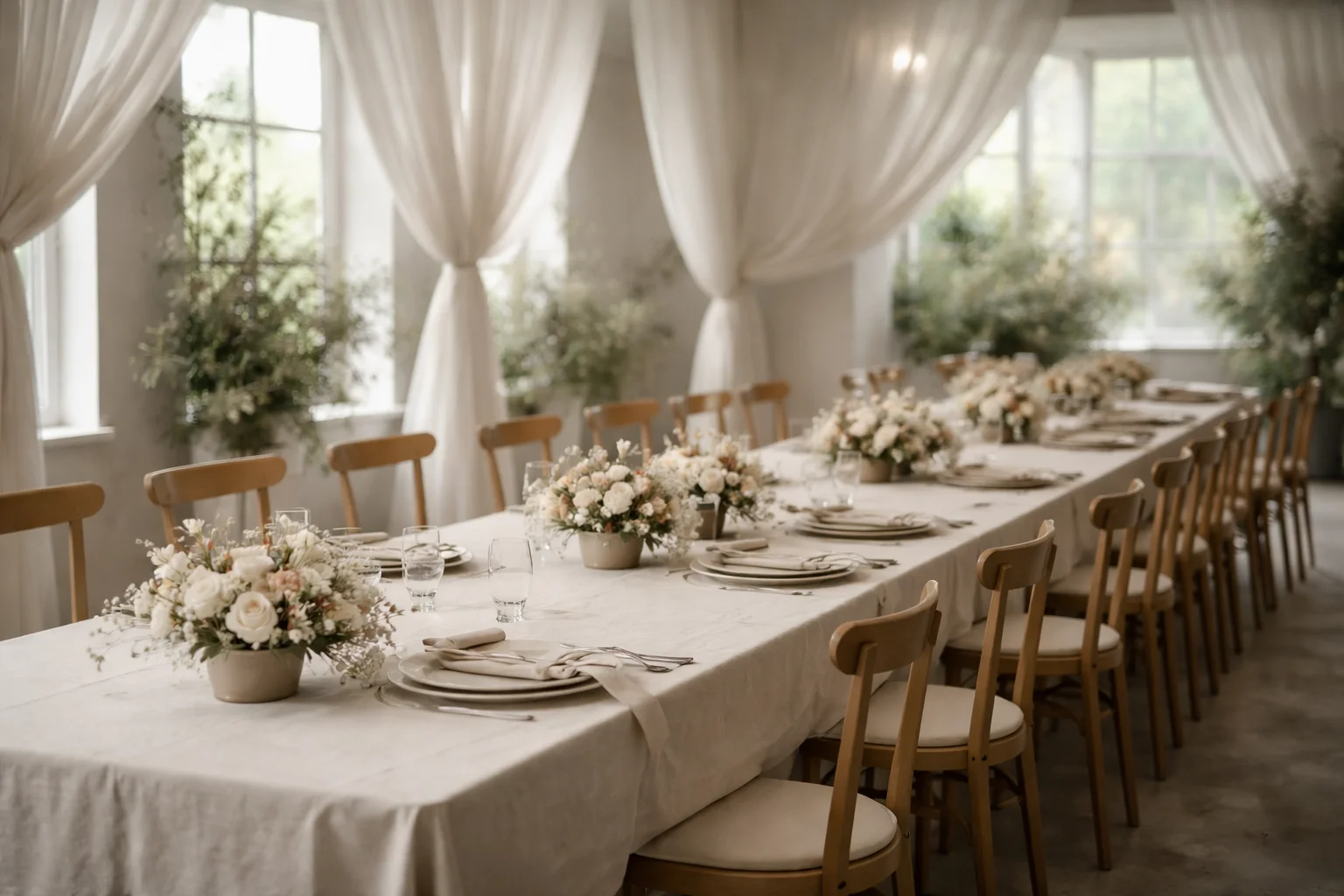
When Wedding Decoration Says What People Leave Unspoken
Wedding decoration is often discussed through color palettes, florals, table settings, and style references. Those things matter, but they are rarely the whole story. The room also carries what has not been fully explained: family tensions handled with grace, private histories that shape a couple's choices, or a shared wish for the day to feel calm rather than spectacular. In that sense, decoration is not only visual. It becomes part of the emotional architecture of the ceremony.
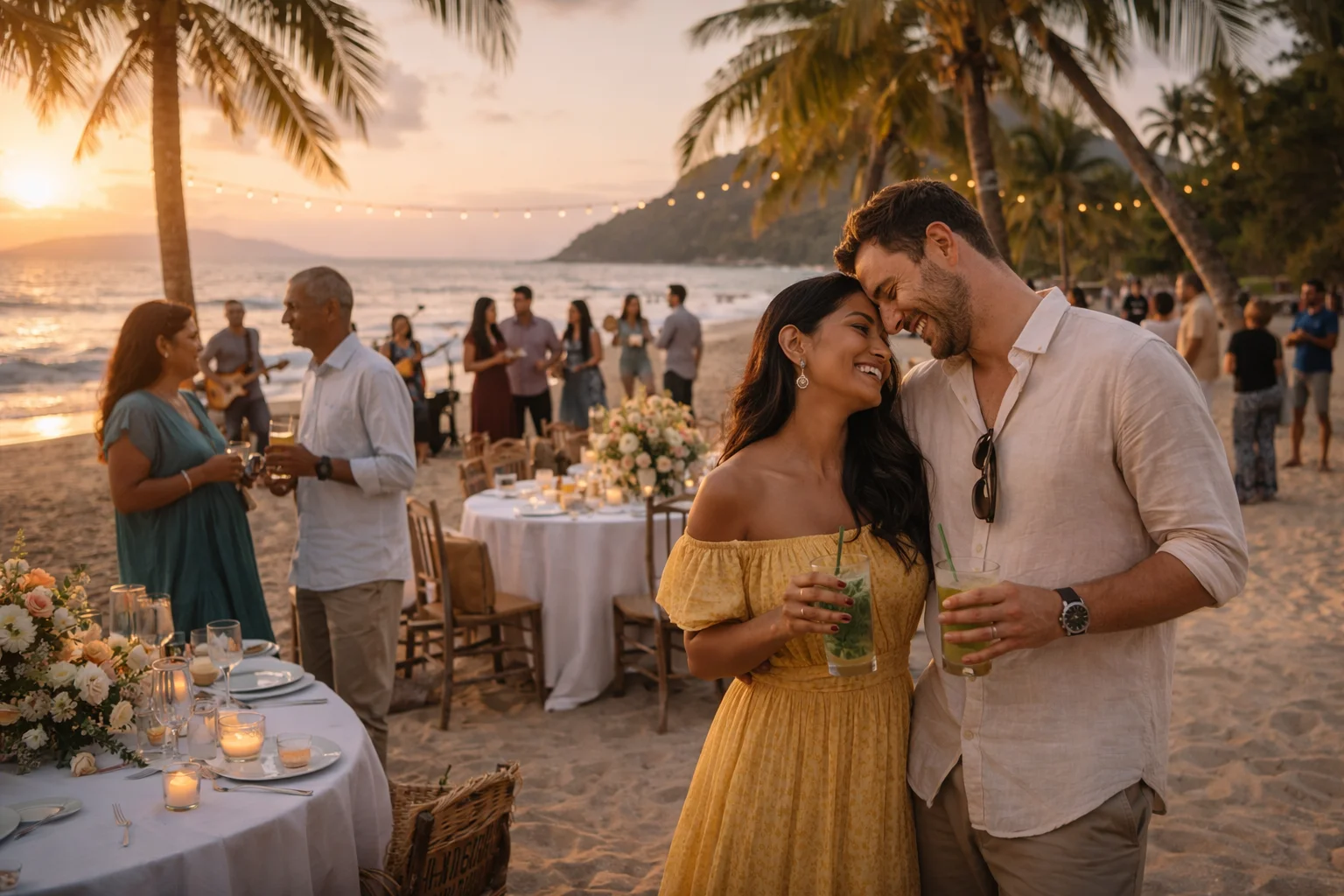
Post-Wedding Gatherings Across Countries: When the Celebration Continues Elsewhere
Some weddings do not end when the official day is over. They continue in another city, another country, another family home, or another social circle that could not be present the first time. This article looks at what post-wedding gatherings across countries actually mean and why they are often less like an encore than a second form of the wedding itself.

Wedding Morning Checklist: What Helps the First Hours Stay Calm
A wedding morning checklist helps protect the first hours of the day from avoidable stress. It keeps essential items, timing, room atmosphere, and communication clear, while leaving enough space for the morning to still feel calm and human.
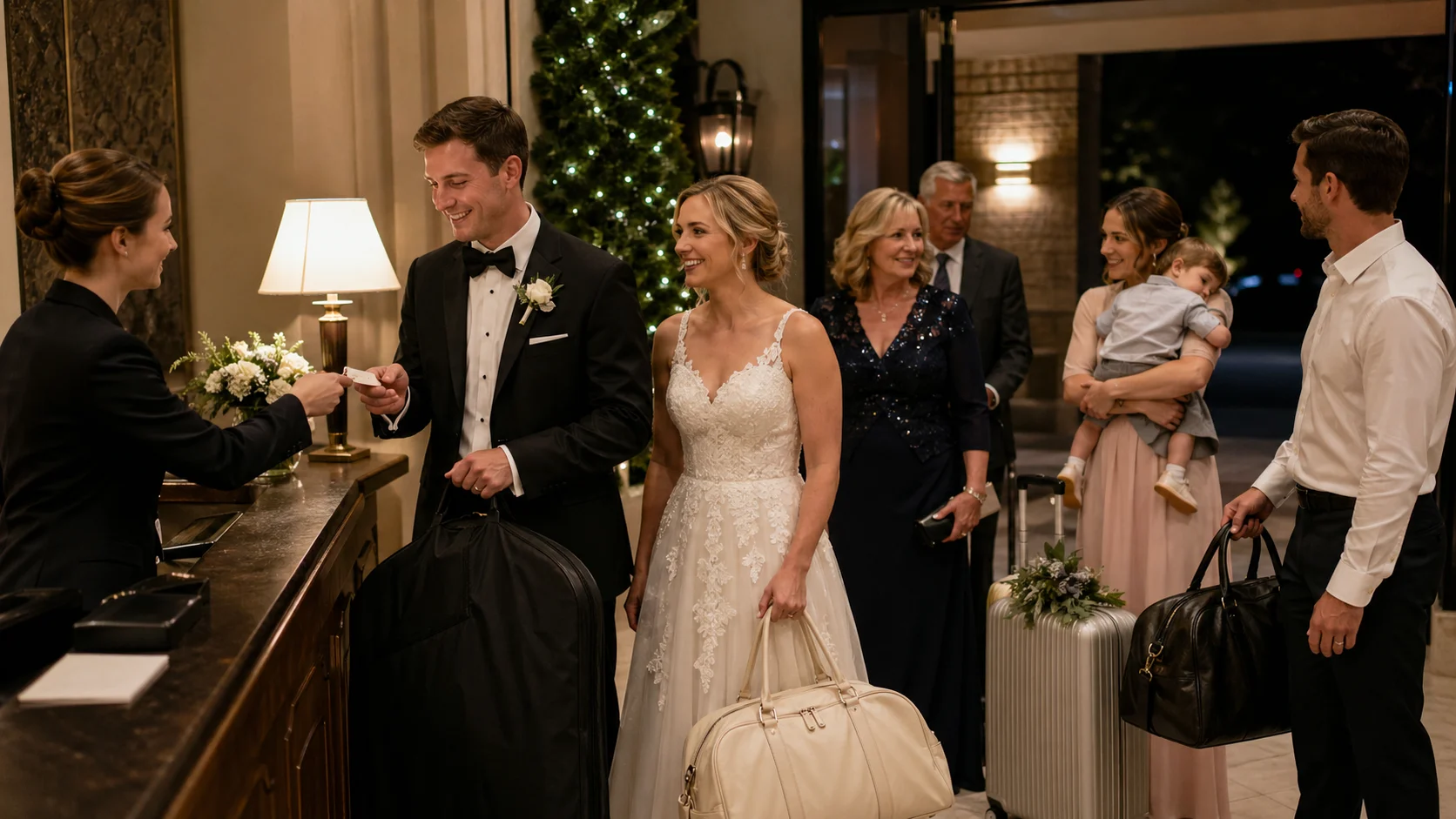
Overnight Stay Checklist: What Couples and Guests Often Realize Too Late
Overnight stays around weddings often seem solved once rooms are booked. This article looks at room access, bags, keys, transport, breakfast, checkout, and the late-night waiting moments couples and guests usually notice too late.

After-the-Wedding Checklist: What Needs Attention in the First 48 Hours
The first 48 hours after a wedding are quiet, practical, and easy to underestimate. This article looks at personal items, gifts, clothing, vendor closure, early photos, and the small tasks that help the after feel lighter instead of turning into scattered errands.
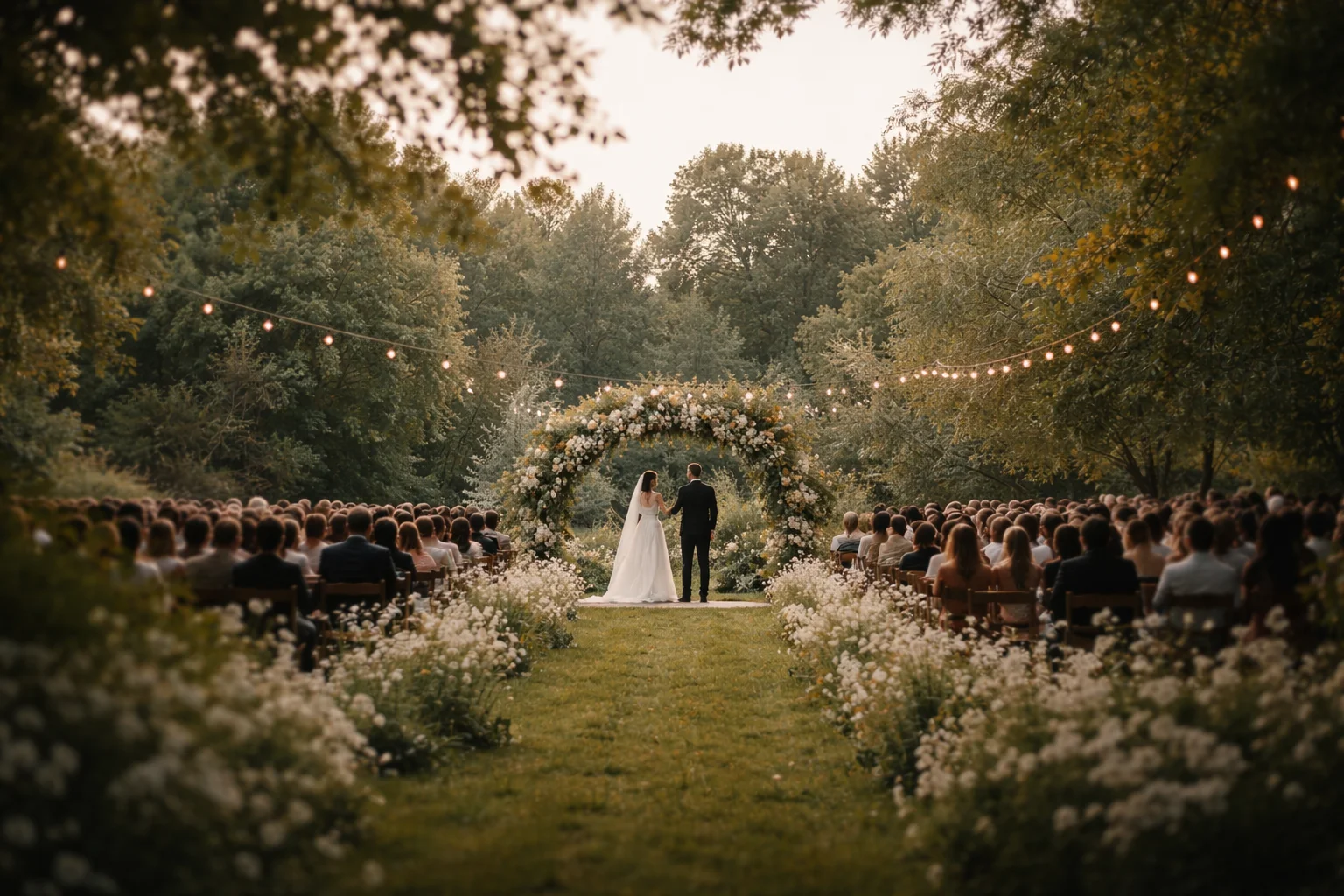
The Quiet Structure of a Wedding: How Checklists Become Rituals
Behind every calm, meaningful wedding lies a structure that no one notices. This piece explores how practical checklists and deeply felt rituals are not opposites, but partners in shaping a ceremony that feels grounded, intentional, and real.
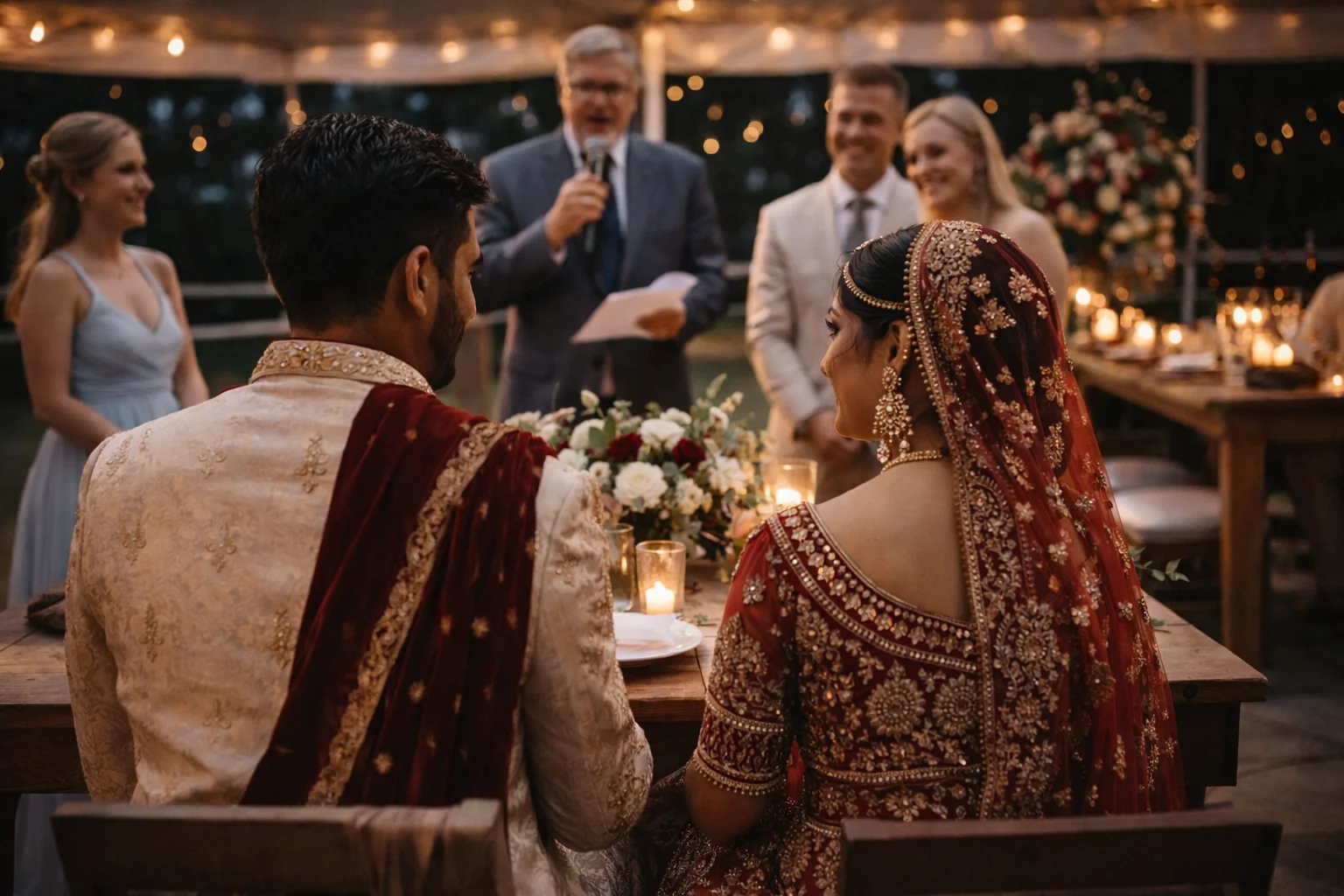
International Weddings and the Meaning of What Is Not Said
An international wedding brings visible complexity, but its deeper challenge often lives in the quiet layer beneath logistics. Between cultures, traditions, and expectations, what remains unspoken can shape the ceremony as much as anything that is formally planned.
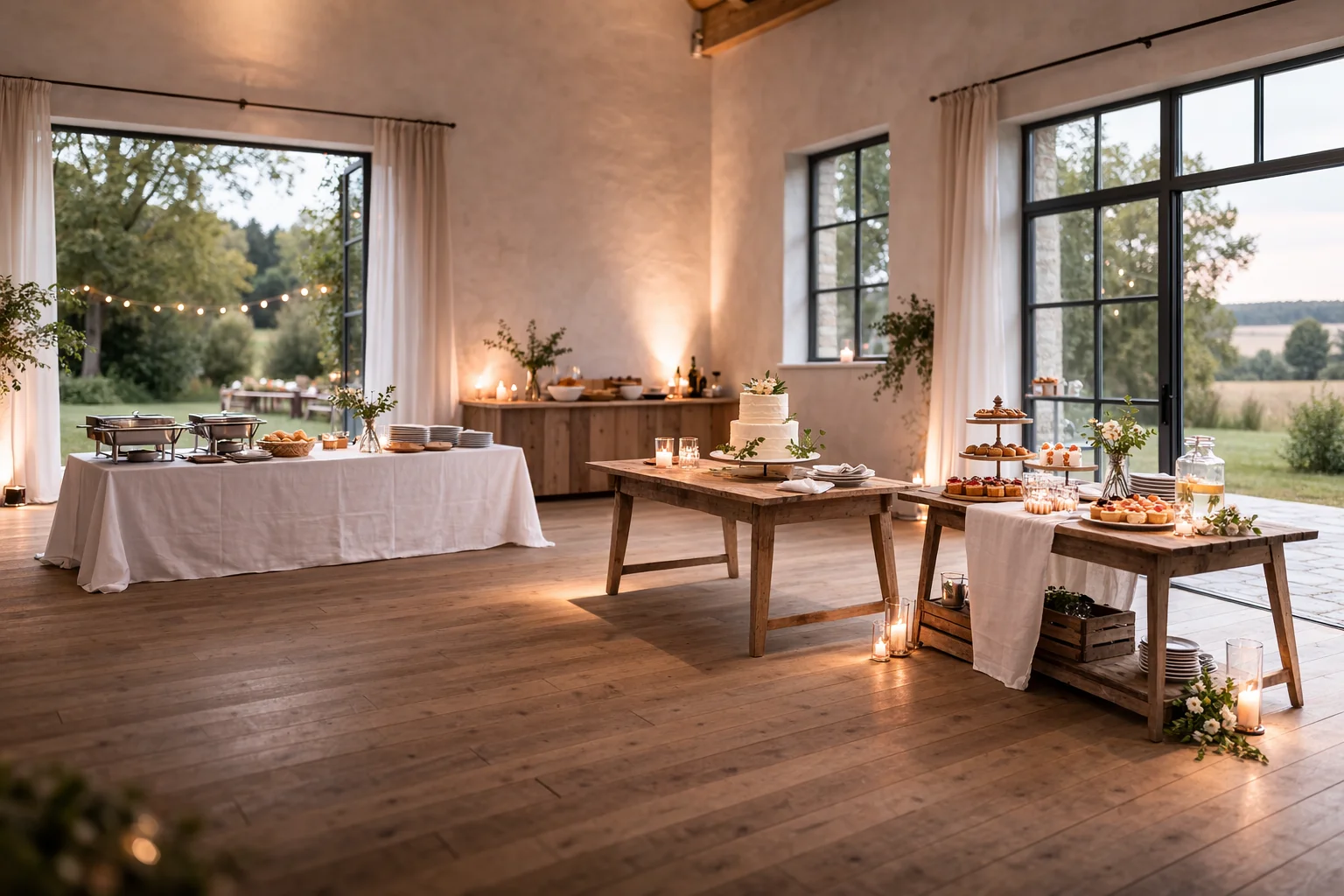
Flowers Near Food at Weddings: Buffet and Dessert Table Placement
Flowers sometimes end up close to food. Not always by clear decision. More because the rest of the room is already filled, and these zones remain. Then something gets added there too. It does not look unusual once it is in place.
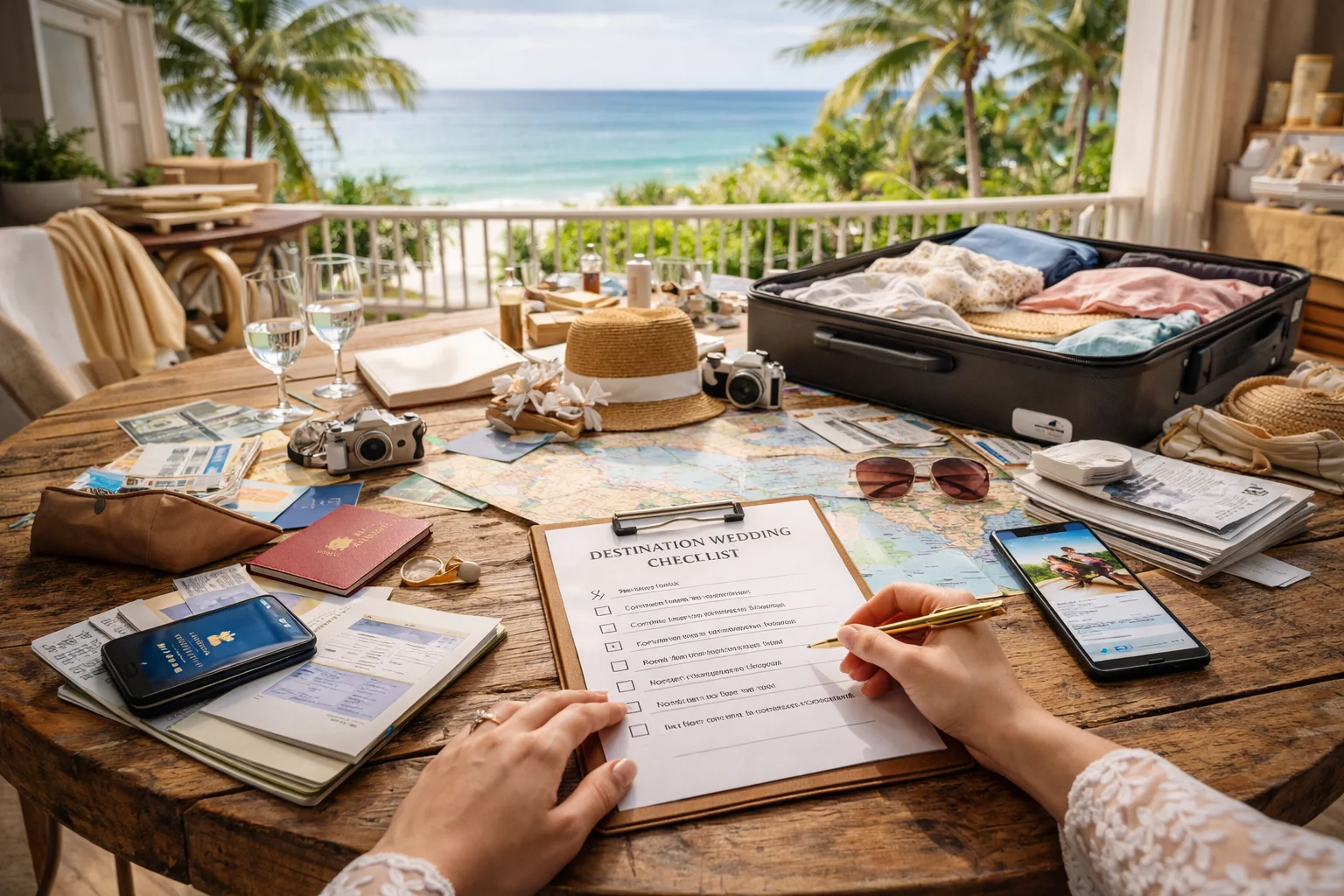
Destination Wedding Checklist: What Changes When Travel Becomes Part of the Plan
A destination wedding is never only a wedding in another place. The moment travel becomes part of the plan, the guest list, the schedule, the budget, the emotional pressure, and even the meaning of attendance begin to change. This article looks at what a destination wedding checklist really needs to cover and why travel turns a wedding into a lived story long before the ceremony begins.
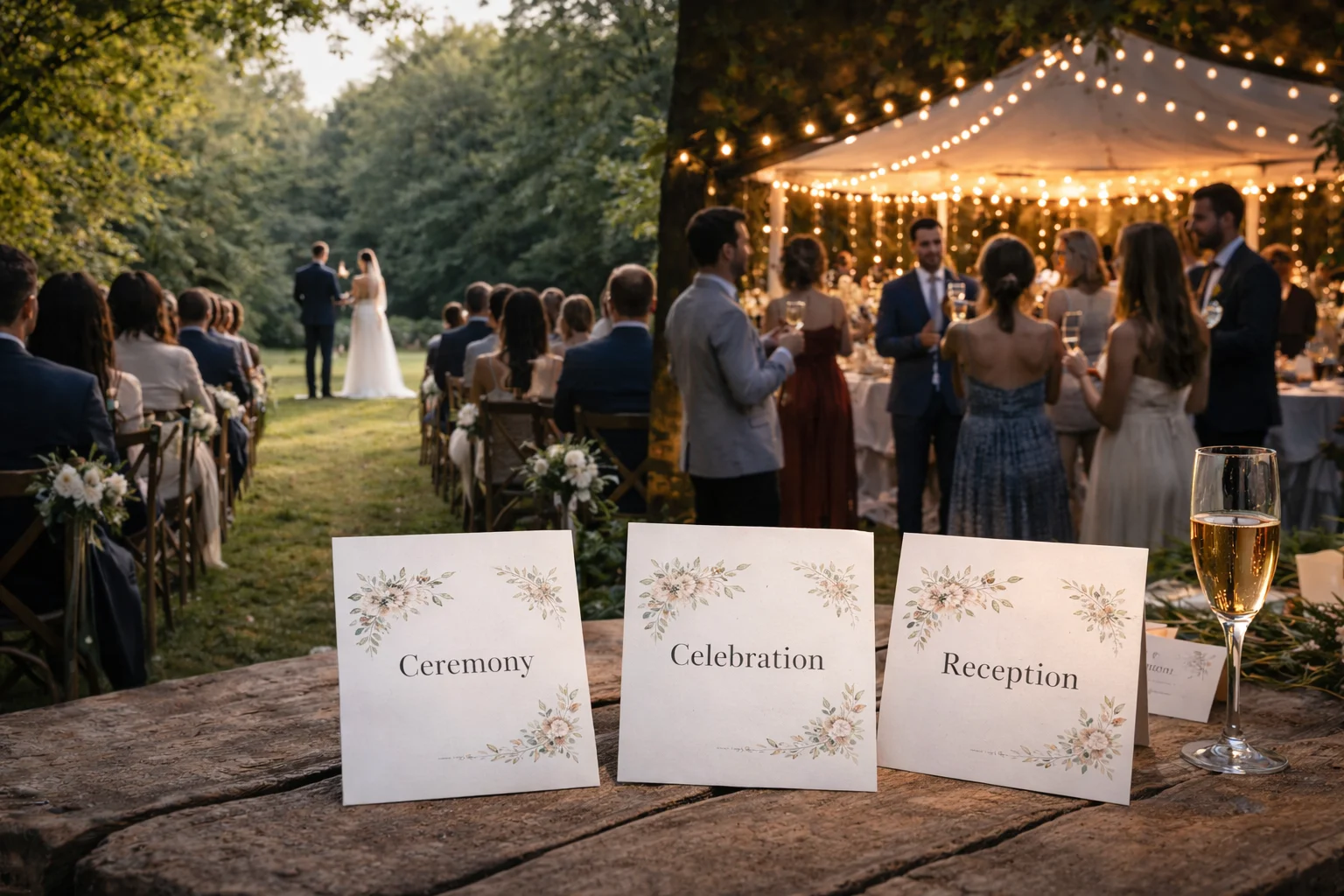
Who Is Invited to the Ceremony and Who Only to the Celebration
Not every wedding invitation has to include every part of the day. But the difference between being invited to the ceremony and being invited only to the celebration carries more meaning than many couples first assume. This article looks at how to make that distinction clearly, gracefully, and in a way that fits both the ritual weight of the ceremony and the social reality of the celebration.