
Post-Wedding Gatherings Across Countries: When the Celebration Continues Elsewhere

International weddings often refuse to stay inside one date, one room, or one country. A legal ceremony may happen first, then a larger family celebration later. One side of the family may witness the wedding directly, while the other gathers weeks later in another place where attendance becomes possible. Sometimes this second gathering is treated like a practical substitute. More often, it becomes something more complex. It is not simply the wedding repeated. It is the wedding translated into another social world.
This is exactly why the subject belongs naturally to both international weddings and after. Loving Rocks describes the after as the place where ritual ends but meaning keeps moving through memory, habit, and lived reality. Post-wedding gatherings across countries are one of the clearest examples of that movement. The public event may be finished, but the social life of the marriage is still catching up, especially when geography has divided who could be present at the beginning.
International WeddingsWhat to Know When Love Crosses Borders bring together different cultures, traditions, and legal systems. Planning an international wedding often involves additional considerations such as legal requirements, documentation, cultural customs, language differences, and travel logistics for you and your guests. With the right preparation and understanding, international weddings can become a deeply meaningful celebration that reflects both your backgrounds and creates a truly unforgettable experience.
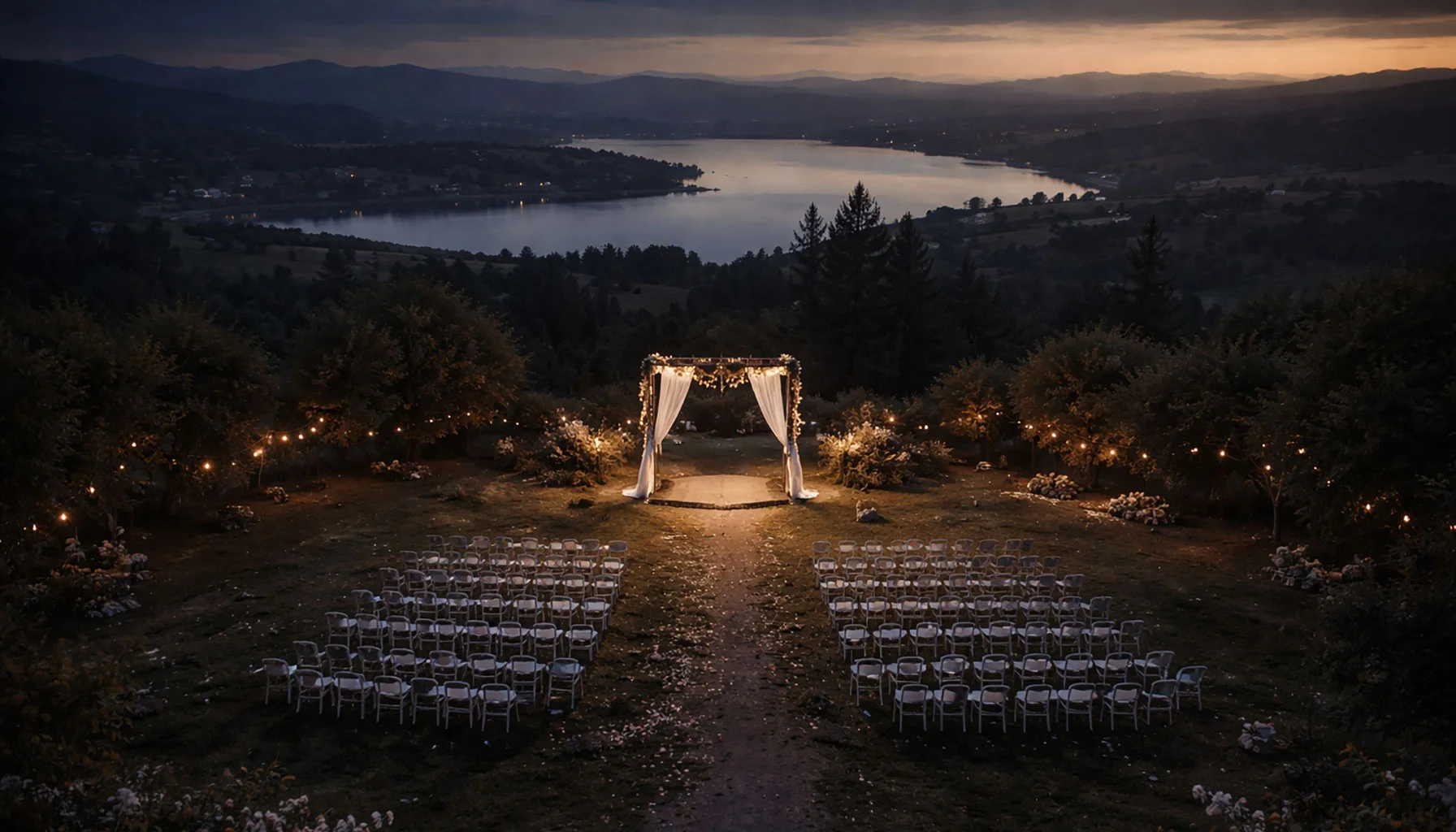
After the ritual ends, life begins again. What remains is not ceremony, but habit, memory, and the quiet work of living with what was promised.
Definition
Post-wedding gatherings across countries are celebrations, meals, receptions, or family events that take place after the official wedding in another national or social setting. They are not only logistical follow-ups. They are often the way marriage becomes visible to people who could not witness the original ceremony directly.
A Second Gathering Is Often Socially Necessary, Not Symbolically Redundant
Couples sometimes worry that a second celebration will feel inauthentic because the marriage has already happened. In practice, that fear is usually misplaced. For the people gathering later, the event is not empty simply because the legal or ceremonial threshold came earlier. It may be the first moment in which the marriage becomes socially real in their own environment. This is especially true when one country, one family, or one generation could not be physically present the first time.
Different Countries Often Hold Different Wedding Functions
In international weddings, one country may hold the administrative or ritual center while another holds the deeper family acknowledgment. A registry office, a ceremony abroad, a destination celebration, or a small first event may satisfy one layer of the wedding. A later gathering elsewhere may satisfy another: parental presence, extended family hospitality, community recognition, or cultural continuity. The mistake is assuming only one of these layers is the real wedding.
The Atmosphere After the Wedding Is Different by Nature
A post-wedding gathering usually carries a different emotional temperature. The pressure of the main day is lower, but the meaning can be strangely concentrated. There is often more ease, but also a sharper awareness that the marriage is no longer anticipated. It has already begun. This changes how people speak, bless, host, and remember. The gathering belongs fully to the logic of the after, where commitment is no longer being announced for the first time, but lived into a wider circle.
What Couples Need to Clarify
The practical side matters more than many couples expect. Guests need to understand what the later event is, what level of formality it carries, whether gifts are expected, how it relates to the first wedding, and whether it functions as a reception, a family meal, a blessing, or something looser. Ambiguity can make the second event feel secondary in the wrong way. Clarity gives it dignity.
When the Celebration Moves, Meaning Moves Too
A wedding that continues elsewhere is not only extending its logistics. It is extending its audience, its emotional recognition, and its cultural translation. What happens after the official day changes the story people carry about the marriage. That is why these gatherings matter. They are not leftovers from the wedding. They are one of the ways the marriage becomes socially distributed across the places that shape it.
Conclusion
Post-wedding gatherings across countries are not just extra celebrations for people who missed the first one. They are often part of how an international marriage becomes fully visible across borders, families, and different ideas of what recognition requires. Once the wedding day ends, the after begins. And sometimes the after still needs its own room, its own guests, and its own form of welcome.
Related Articles
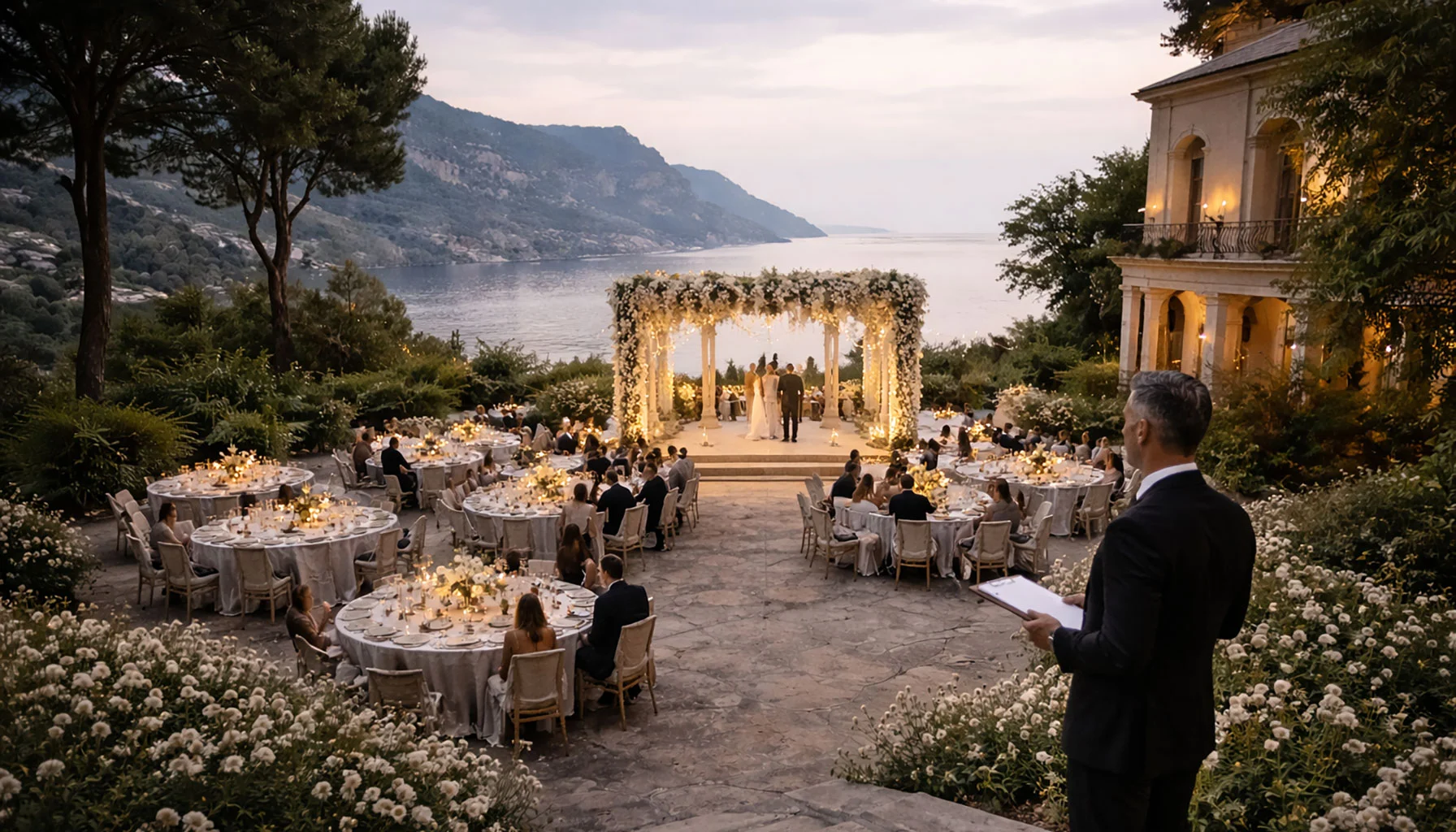
A Wedding Shaped by Quiet Alignment
This wedding was defined not by individual highlights, but by its steady flow. Planning, design, and service worked together without drawing attention to themselves. For guests, the day unfolded naturally and remained consistent, carried by a sense of calm, closeness, and continuity throughout.

Weddings in Comparison
This text brings together impressions from weddings in different countries and social settings. It describes how rituals, timing, and atmosphere appear in practice, without explanation or judgment. The focus is on closeness, structure, and the way community becomes visible during a public moment.
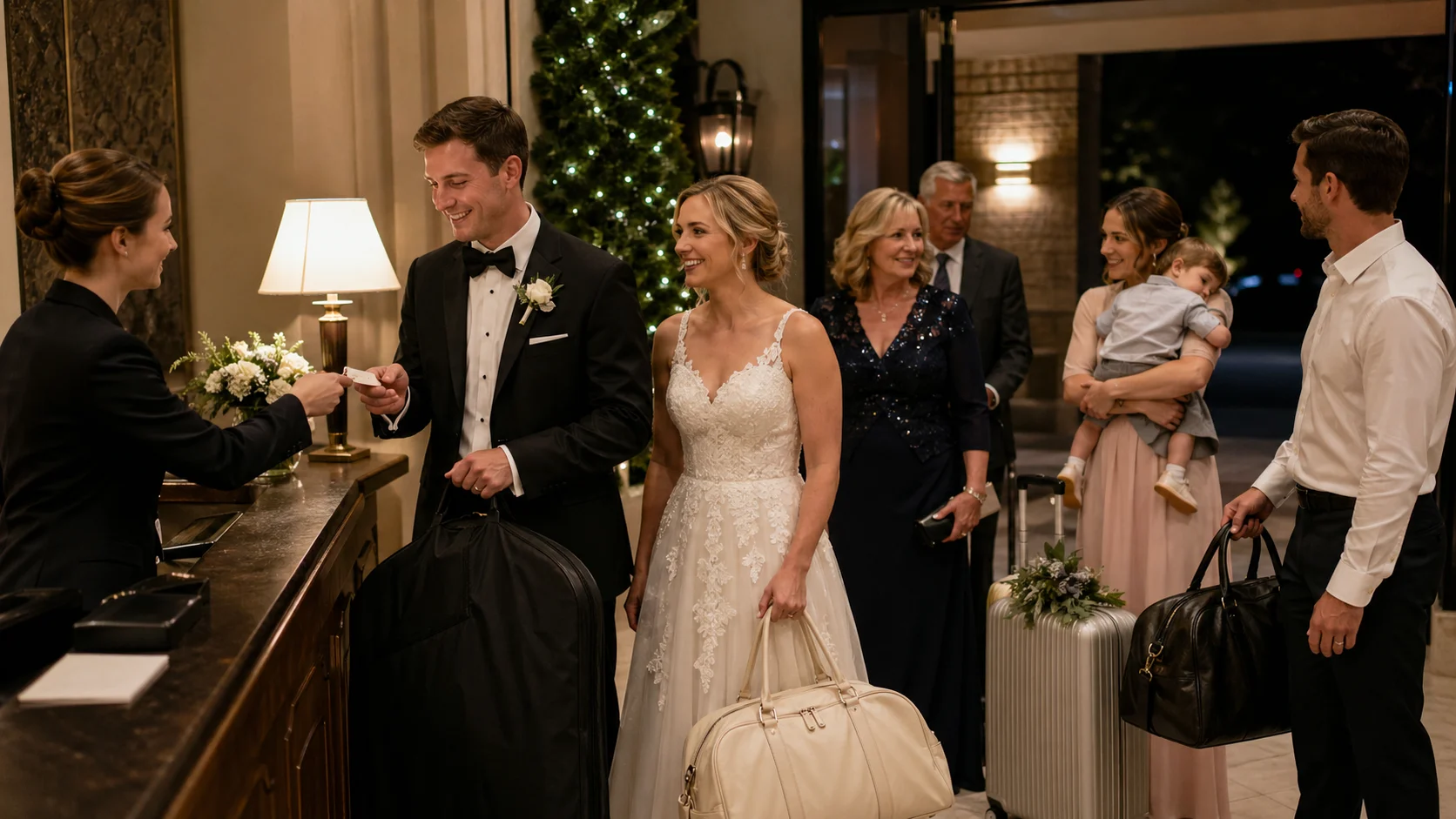
Overnight Stay Checklist: What Couples and Guests Often Realize Too Late
Overnight stays around weddings often seem solved once rooms are booked. This article looks at room access, bags, keys, transport, breakfast, checkout, and the late-night waiting moments couples and guests usually notice too late.
Europe Destination Weddings in 2026: What EES and ETIAS Mean for Your Guests
European destination weddings now have a new travel-planning layer. EES is already operational, while ETIAS is expected later in 2026. This guide explains what couples actually need to communicate to international guests without turning the wedding website into an immigration authority.
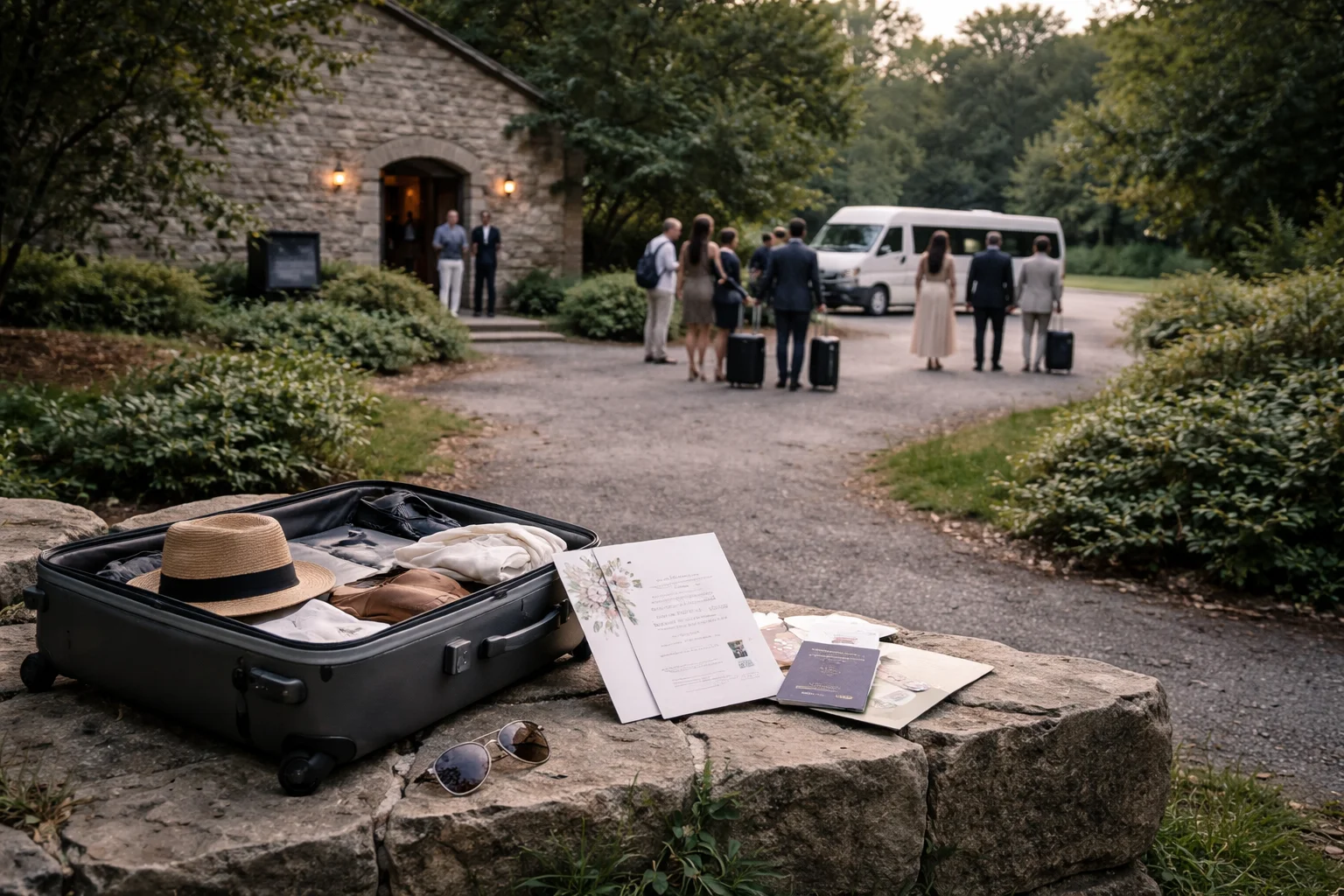
Guests Who Travel Far for the Wedding: What Invitation Means in Practice
A wedding invitation does not mean the same thing to every guest. For people traveling far, it quickly becomes more than a warm gesture. It becomes a practical commitment of time, money, planning, and emotional effort. This article looks at what invitation means in practice when guests come from far away, and why distance reveals the real weight of being included.
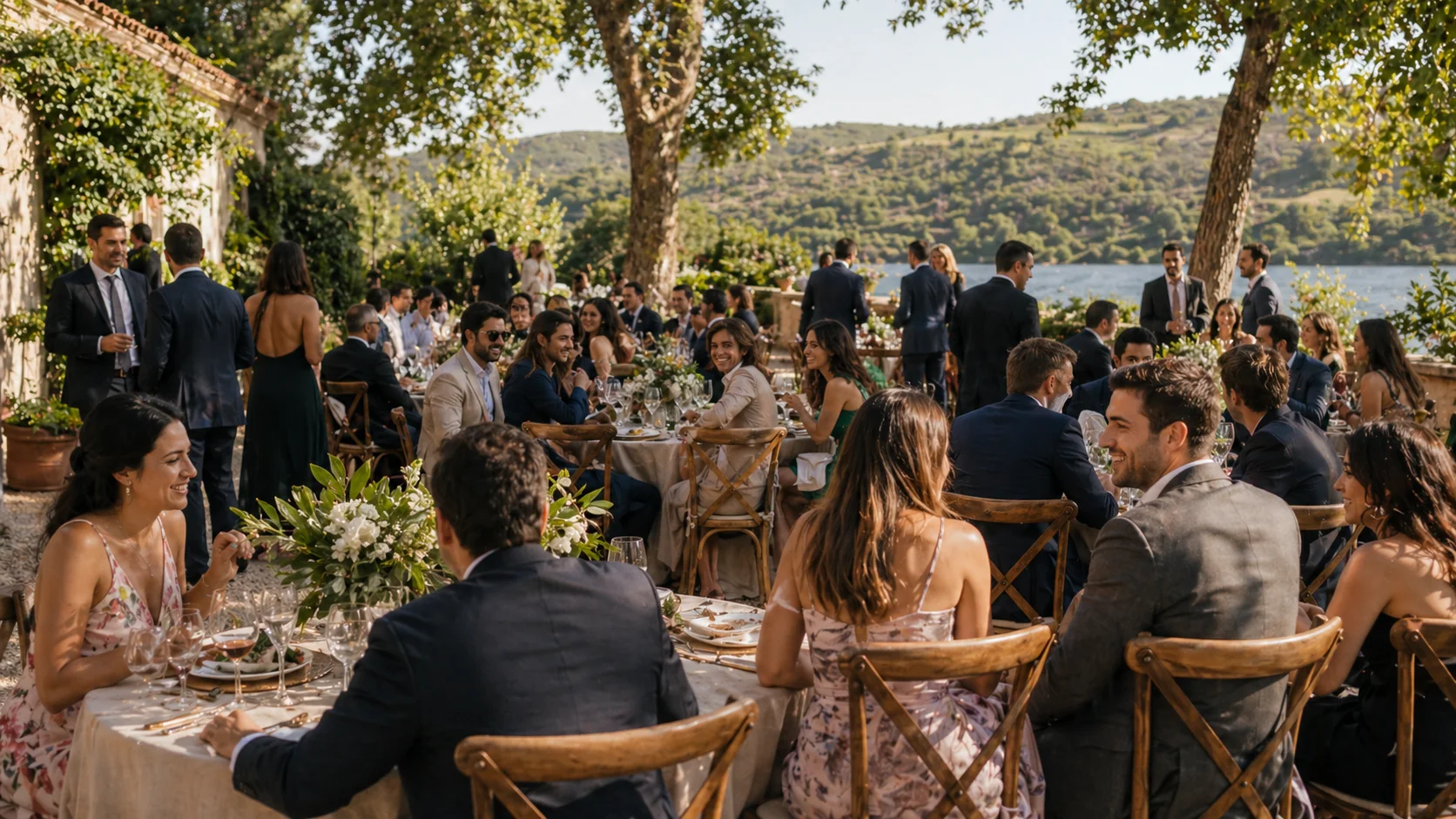
Guest Comfort Checklist: Small Conditions That Change the Entire Atmosphere
Guest comfort at weddings is shaped by small conditions long before anyone complains. This article looks at temperature, seating, sound, waiting areas, access, and quiet spaces of relief that change how the whole room feels.

Guest List Coordination with Families: Typical Situations During Wedding Planning
The guest list rarely develops in isolation. Once families become involved, the list begins to shift. Names appear from old address books, distant relatives, or long standing family friendships. The process is usually quiet and gradual. Conversations happen in small steps. Over time the list starts to reflect not only the couple but also the wider family network.

Thank-You Cards After the Wedding: Tone, Timing, Format
Thank-you cards arrive after the wedding has already shifted into memory, which is exactly why they matter. This article looks at how tone, timing, and format shape the gesture, and why a brief, well-judged card often says more than a longer, more polished one.

What Wedding Colors Become Once the Day Is Over
Wedding colors are often chosen early, sometimes even before the location is final. Palettes are built, combinations tested, fabrics compared. It feels like a visual decision, one that belongs entirely to the day itself.
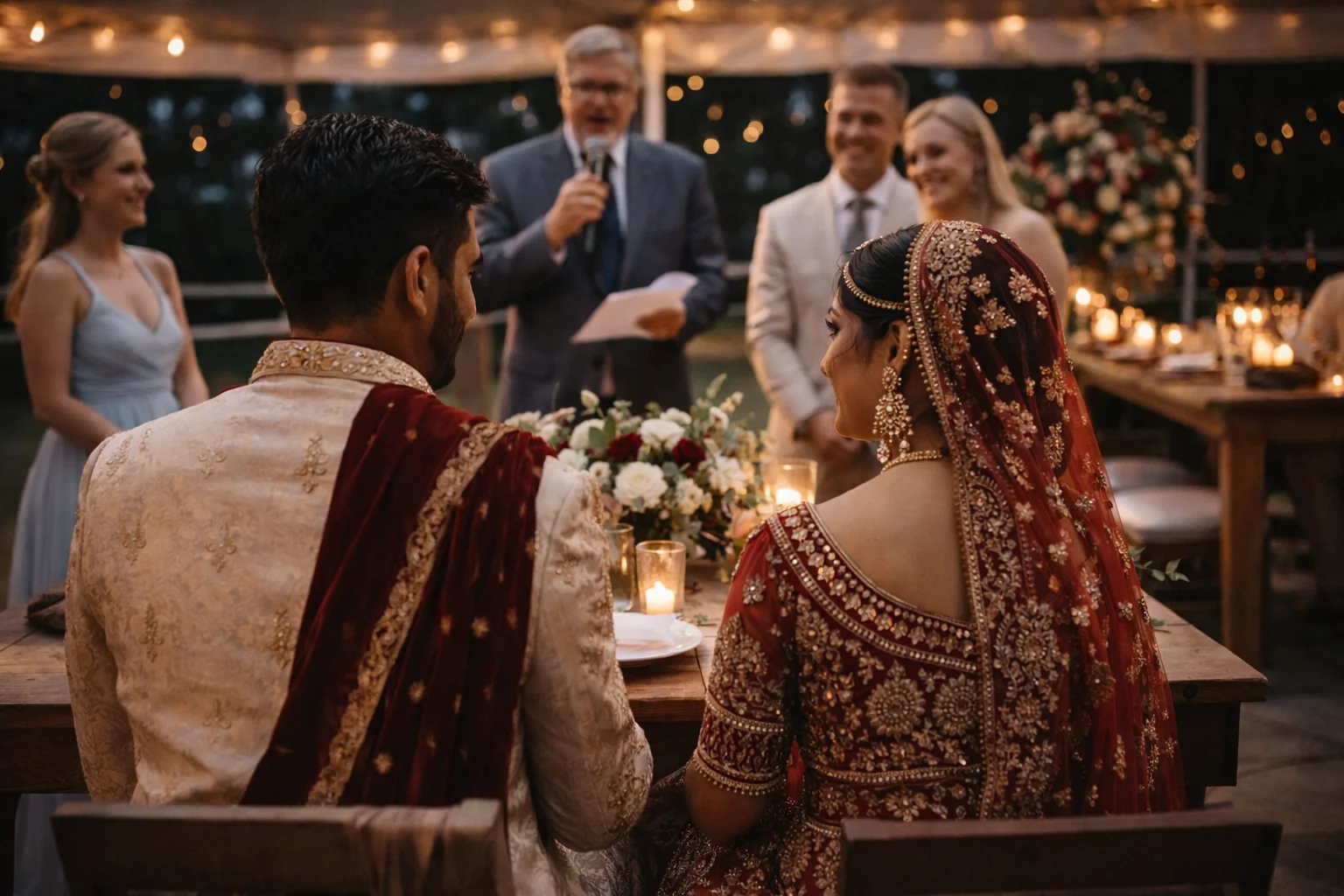
International Weddings and the Meaning of What Is Not Said
An international wedding brings visible complexity, but its deeper challenge often lives in the quiet layer beneath logistics. Between cultures, traditions, and expectations, what remains unspoken can shape the ceremony as much as anything that is formally planned.
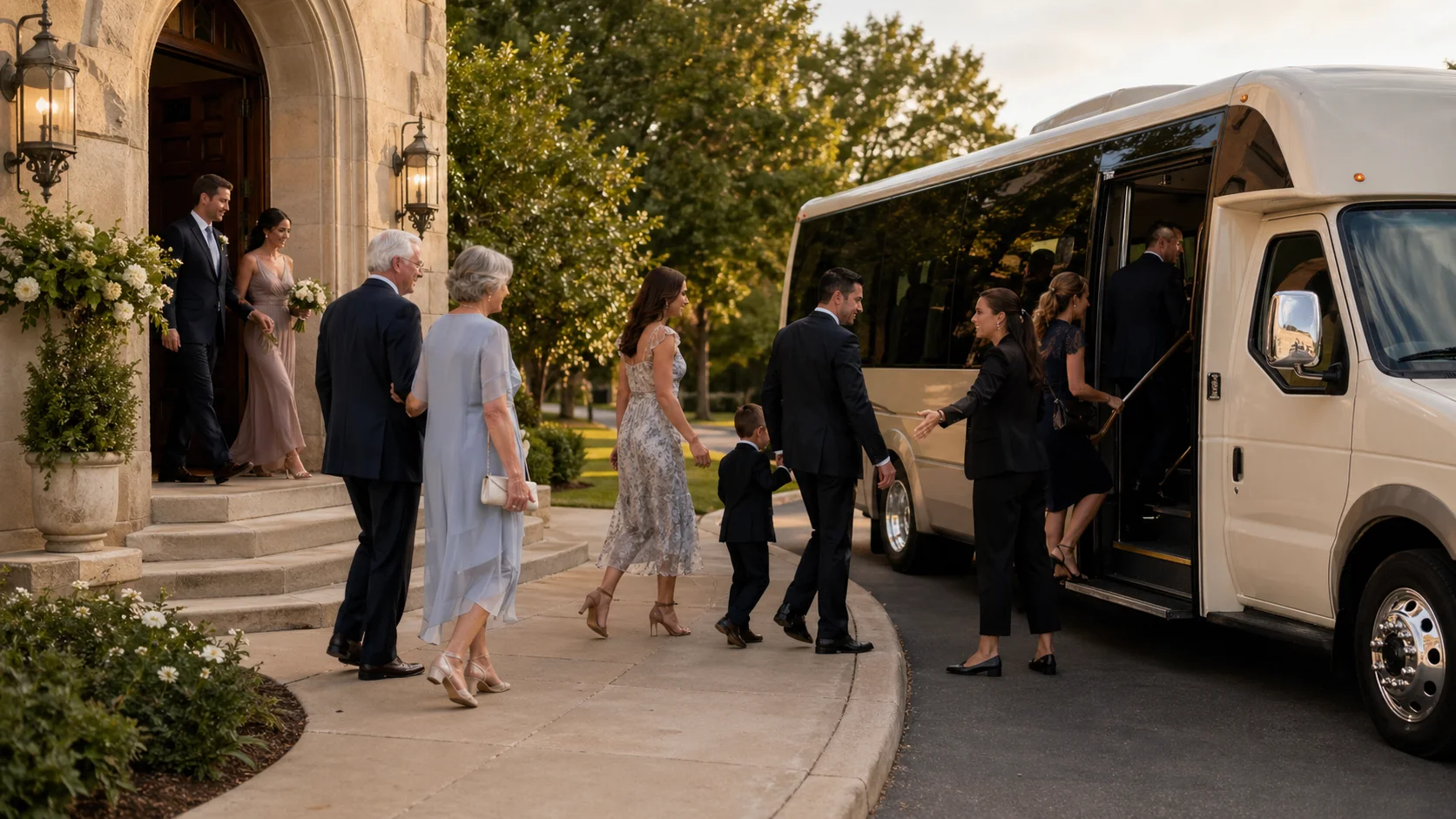
Transportation Checklist: How Not to Lose Time Between Wedding Locations
Wedding transportation is rarely only about the drive. This article looks at pickup points, buffers, driver contacts, guest movement, accessibility, and the pause between locations that either keeps the day together or quietly costs time.
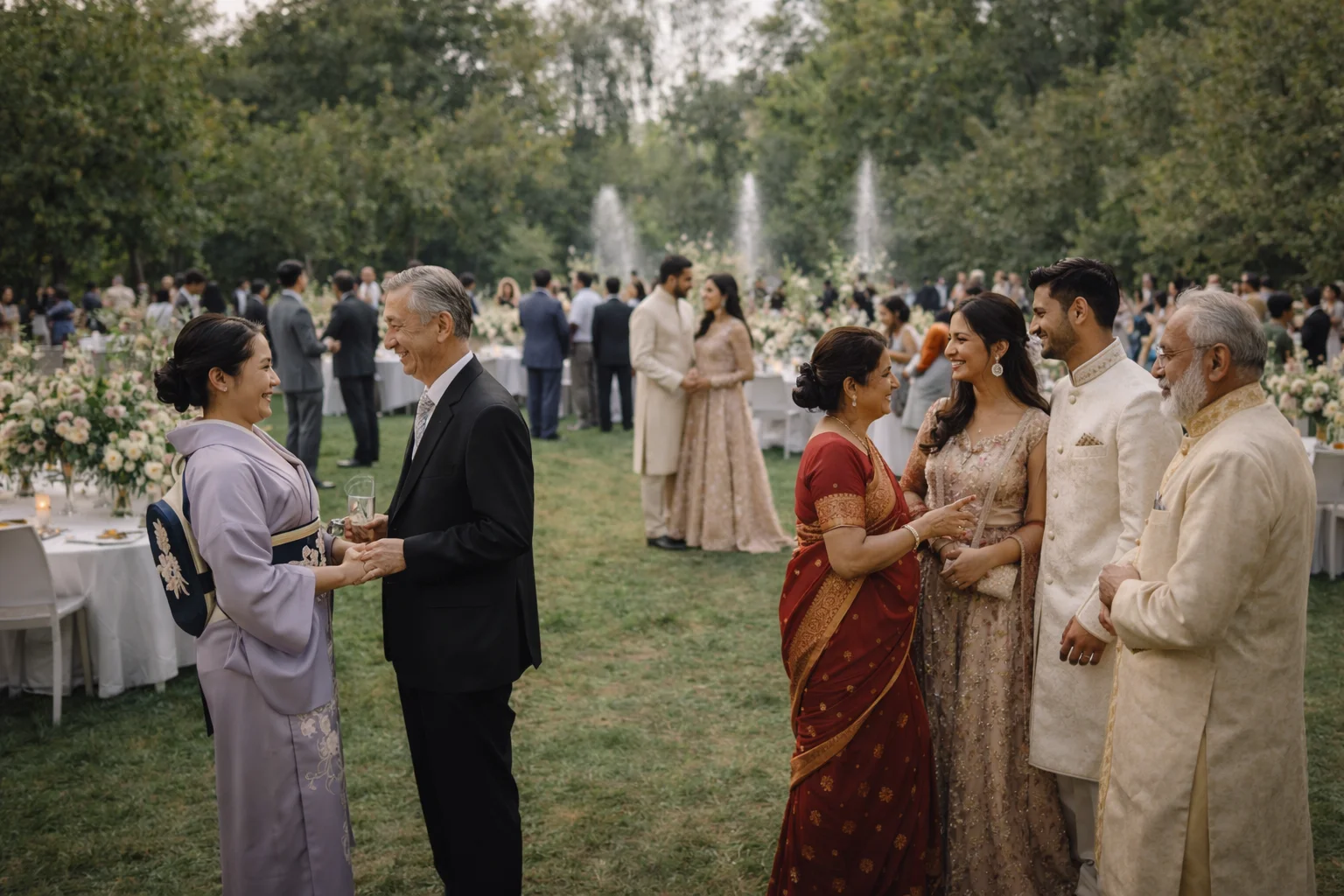
Two Families, Two Cultural Rhythms: How International Weddings Balance Different Social Expectations
International weddings do not only bring together two languages or two traditions. They often bring together two different social rhythms: different ideas of hospitality, family presence, punctuality, emotional expression, ritual weight, and what a wedding is supposed to feel like. This article looks at how couples balance those differences without flattening either side.