
Who Stays in the Room After Everyone Leaves: A Wedding Guest List with the Marriage Beyond It
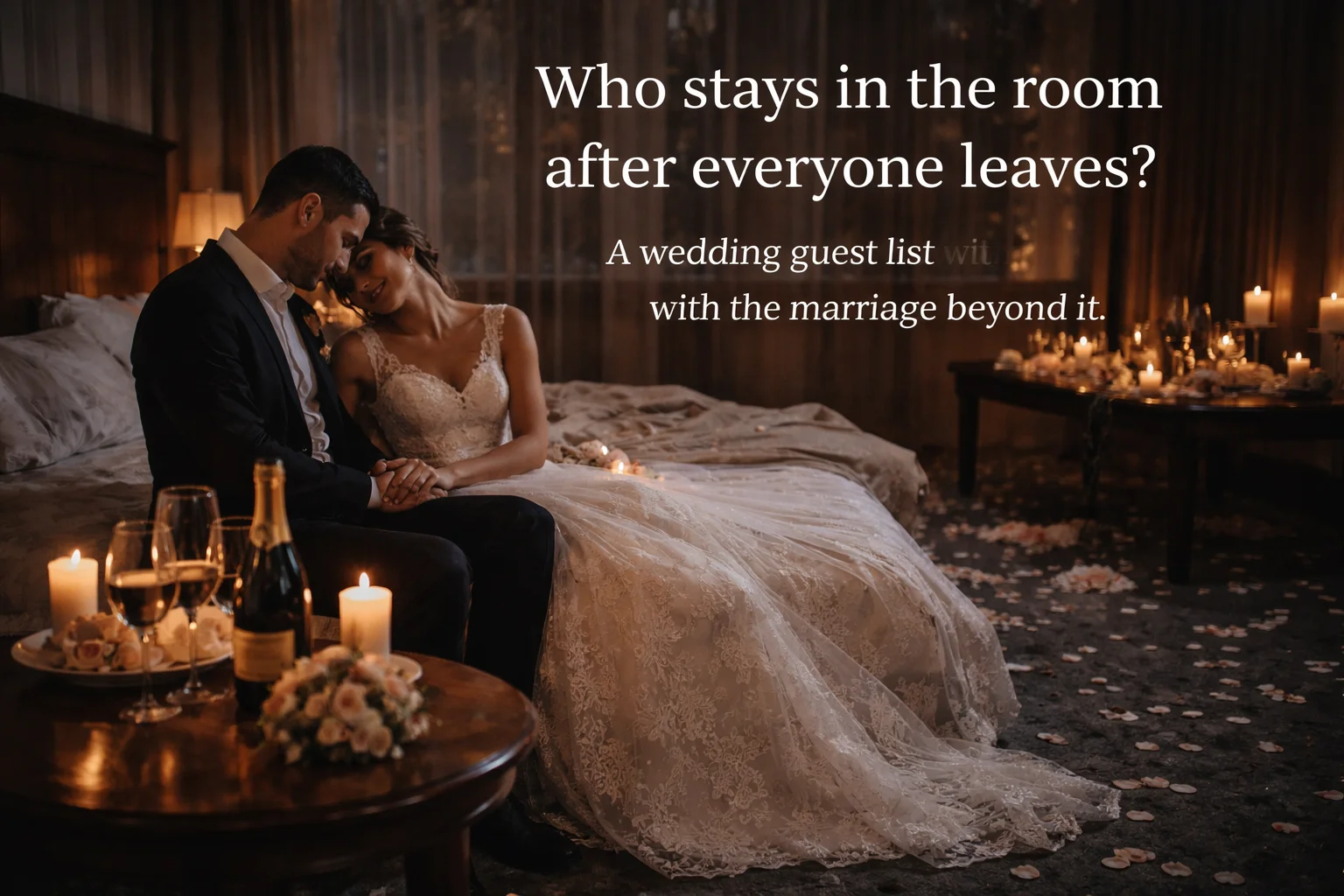
A guest list usually begins as a practical document. Names. Numbers. A venue limit. A rough sense of who belongs where. It may look administrative on screen, but in reality it is one of the more intimate parts of wedding planning. The people invited to witness a marriage do not simply fill chairs. They shape the emotional pressure in the room, the tone around the couple, and sometimes even the first memory the marriage carries forward.
That is why guest list planning is never only about logistics. A wedding always lives on two levels at once. There is the visible event, with its rituals, timing, clothing, meals, and movement. Then there is the life that begins once the ritual is over. Loving Rocks speaks about that second layer in After: the quieter part, where a promise has to survive without an audience.
Guest ListWedding guest list planning, invitations, family coordination, and the atmosphere created by the people you choose to include.
AfterA reflective pillar about what remains once the ritual ends and marriage begins as lived reality.
The guest list is also a theory of closeness
Most couples notice this slowly. At first, the list feels simple enough: immediate family, closest friends, perhaps a few relatives whose presence feels self-evident. Then other names appear. Family friends. Colleagues who became important at the right time. People who matter more emotionally than socially. Others arrive through expectation rather than conviction. The list becomes less about popularity and more about a difficult question: who can stand near a marriage without distorting it?
A well-chosen guest list does not create a perfect wedding. It does something more useful. It protects the emotional temperature of the day. The right people allow a ceremony to remain readable to the couple themselves. They do not demand performance from it. They do not turn every quiet moment into a spectacle.
Why this matters after the ceremony
The wedding day ends quickly. Even long celebrations disappear with surprising speed. Glasses are cleared. Flowers are moved. Messages arrive the next morning. What stays is less visible. This is the territory of After: the part where the marriage has to continue without structure, applause, or ceremonial momentum.
And this is where the guest list returns in a quieter form. Couples often remember not only what was said during the ceremony, but how it felt to be surrounded. Whether the room felt safe. Whether certain presences brought steadiness or tension. Whether the day confirmed intimacy or scattered it. The witnesses do not vanish when the music stops. They remain inside the memory of the marriage.
A practical way to build a list that still feels right later
- Separate obligation from genuine closeness before you begin negotiating numbers.
- Mark the names that make the day feel calmer, not simply fuller.
- Notice which invitations come from family history and which come from present relationship reality.
- Treat venue capacity as a clarifying tool, not only a restriction.
- Ask not just who should be there, but who you want in the memory of the day afterward.
This last question is often the most revealing. Weddings invite social expansion. Marriage usually asks for emotional precision. Those two movements do not always agree.
When family expectations enter the room
Many guest list difficulties are not conflicts in the dramatic sense. They are softer than that. A mother remembers a cousin who was present at every major family occasion. A father mentions a friendship that lasted decades. Someone says, almost casually, that it would mean a lot if a certain person were included. These moments are not trivial. They come from memory, loyalty, gratitude, and sometimes from an older idea of what a wedding is supposed to hold.
Still, a marriage is not strengthened by turning the ceremony into a museum of every past connection. Some guests carry history beautifully. Others bring unfinished tension, hierarchy, or social noise that does not belong at the center of a commitment. Couples do not need to make this judgment harshly. But they do need to make it clearly.
The wedding does not end where the ritual ends
There is a reason post-wedding gestures matter so much. Thank-you notes, follow-up messages, shared photographs, the first quiet conversations after the event — all of this belongs to the emotional architecture of the wedding, not merely to its cleanup. The day keeps settling for a while. It continues in smaller forms.
That settling process becomes easier when the guest list was built with intention. Couples who felt properly accompanied on the day often move into the weeks after it with less internal friction. They are not recovering from social overexposure. They are not replaying unnecessary discomfort. They can begin married life with a clearer sense of what happened and who truly stood near them.
A quieter standard for choosing
Not every invitation has to express deep symbolism. Some people belong because they are part of family structure, and that is reason enough. But if a couple wants a more grounded way to decide, one standard works surprisingly well: invite the people whose presence supports the truth of the marriage rather than the performance of the wedding.
This does not lead automatically to a smaller celebration or a larger one. It leads to a more coherent one. And coherence matters, especially once the day passes into memory. The marriage that follows will not be lived in front of all those guests. It will be lived in ordinary time. Yet the emotional residue of the room can remain for years.
A guest list is often discussed as if it belongs entirely to planning. In truth, it already belongs to marriage. It decides who witnesses the threshold and, quietly, who helps shape the atmosphere that continues once the threshold has been crossed. The wedding may last a day. The after does not.
Related Articles
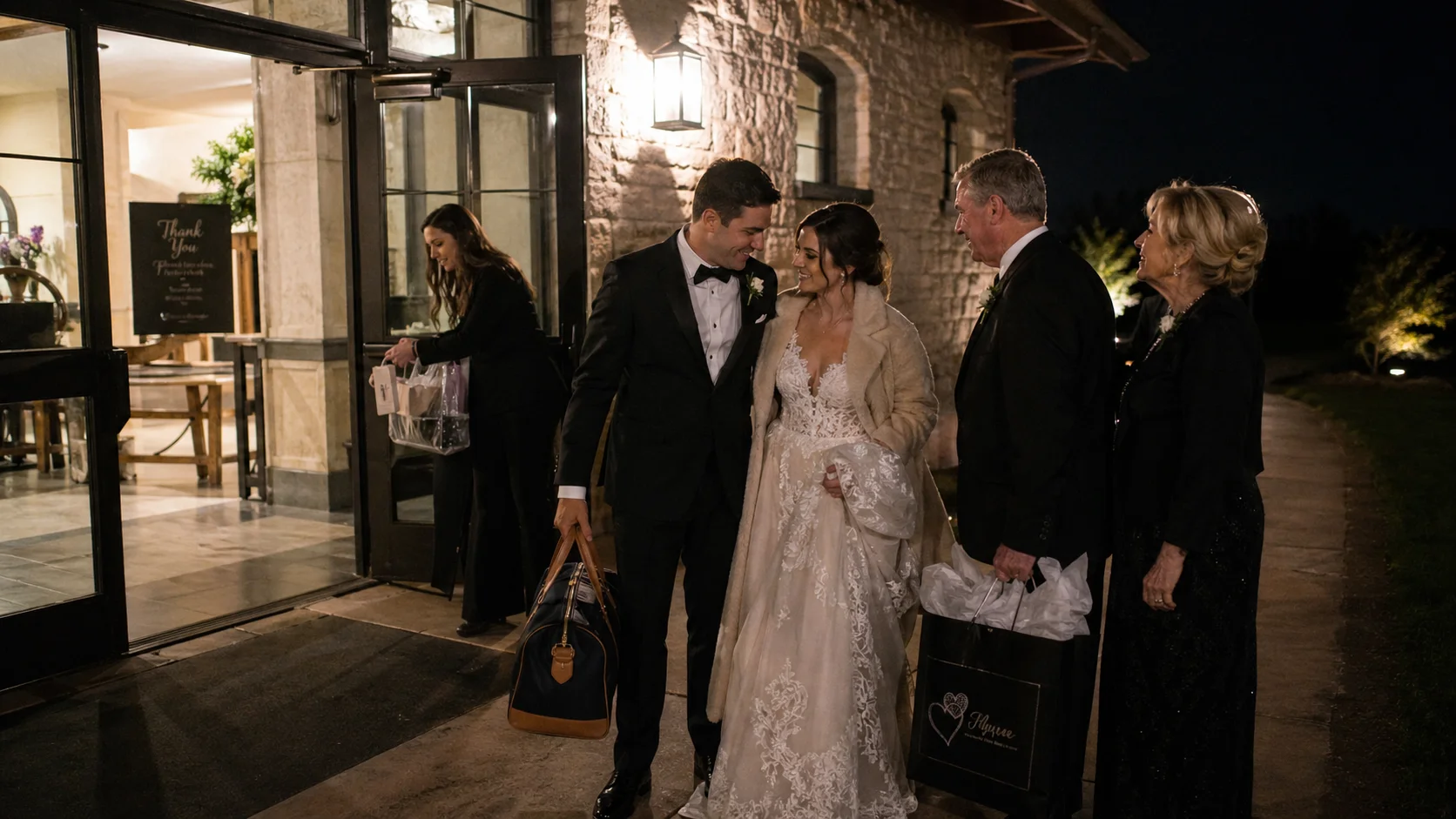
Exit Checklist: What Matters in the Last Thirty Minutes of a Wedding Night
The end of a wedding rarely happens in one clean moment. This article looks at the last thirty minutes of the night, from transport and personal items to final goodbyes, vendor handovers, and the quiet beginning of what comes after.

Guest List Coordination with Families: Typical Situations During Wedding Planning
The guest list rarely develops in isolation. Once families become involved, the list begins to shift. Names appear from old address books, distant relatives, or long standing family friendships. The process is usually quiet and gradual. Conversations happen in small steps. Over time the list starts to reflect not only the couple but also the wider family network.
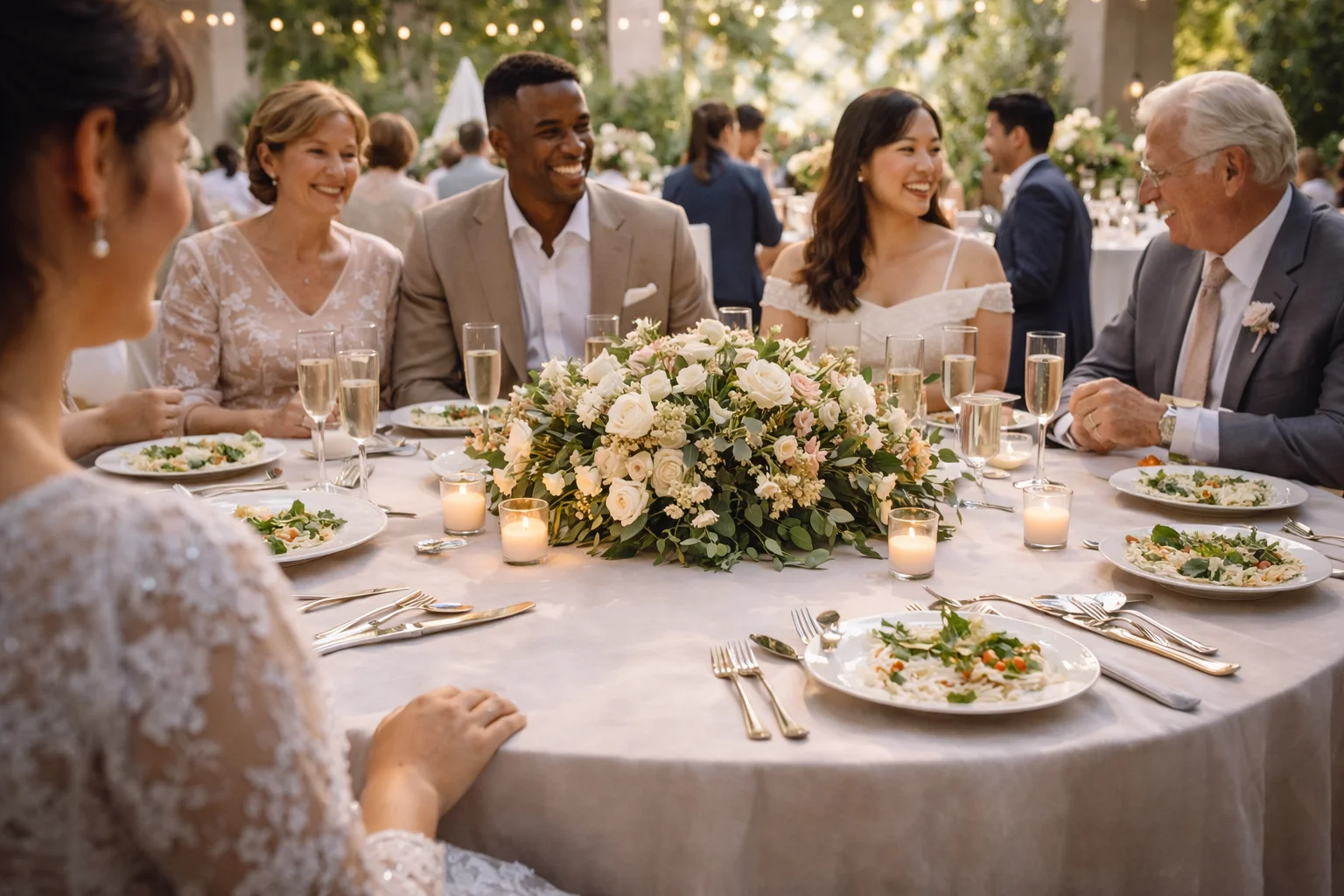
Multilingual Wedding Communication: What Guests Need to Understand Without Constant Explanation
A multilingual wedding does not fail because different languages are present. It becomes difficult when guests are left unsure what they need to understand, what they can simply feel, and what requires translation in the moment. This article looks at how to create clarity in multilingual wedding communication without overexplaining every part of the day.
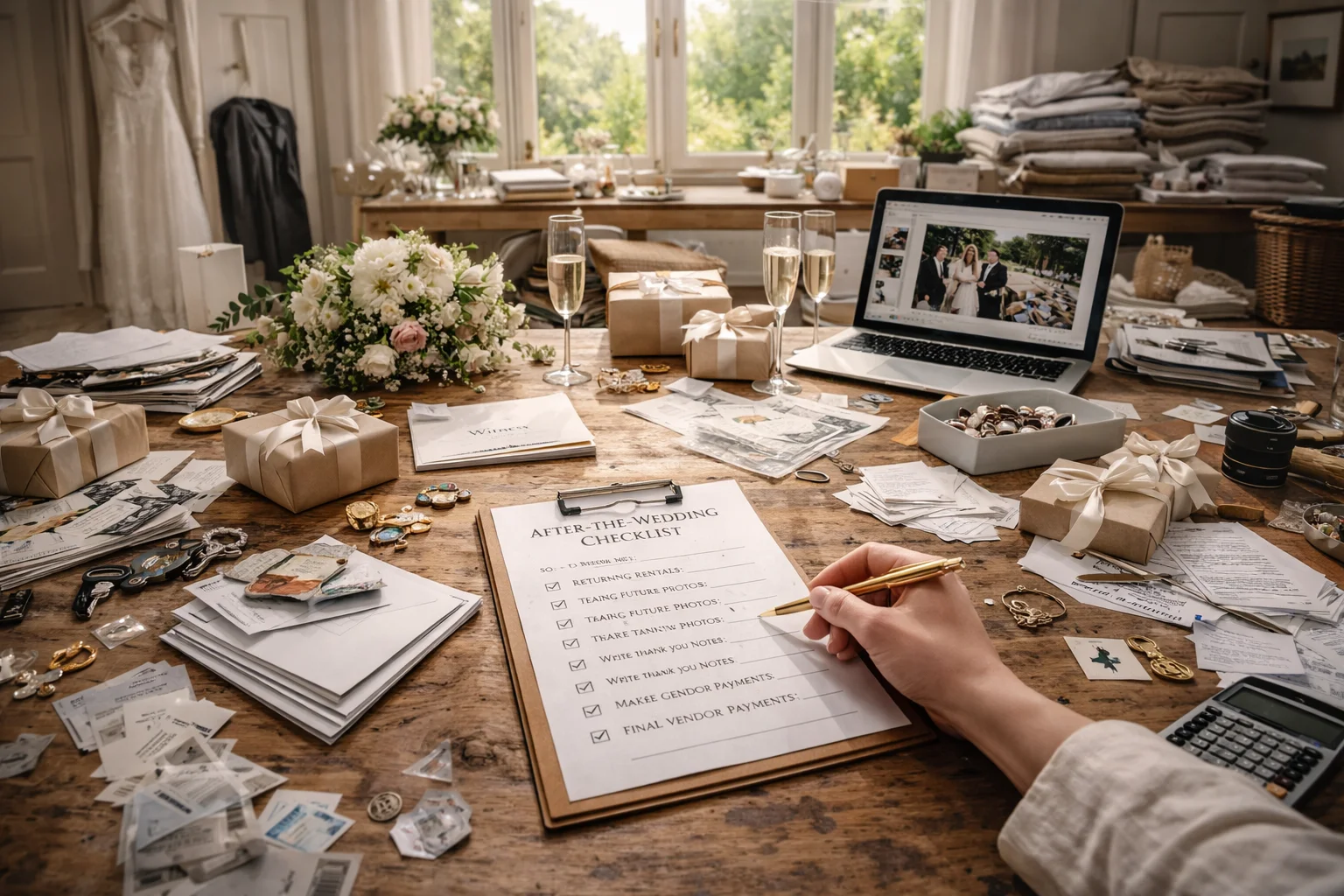
After-the-Wedding Checklist: What Still Needs to Be Returned, Paid, Thanked, or Closed
A wedding rarely ends when the last guest leaves. What follows is quieter, more practical, and often more emotionally mixed than couples expect. This article looks at what still needs to be returned, paid, thanked, or closed after the wedding, and why the days after the celebration are part of the wedding's meaning, not just its cleanup.
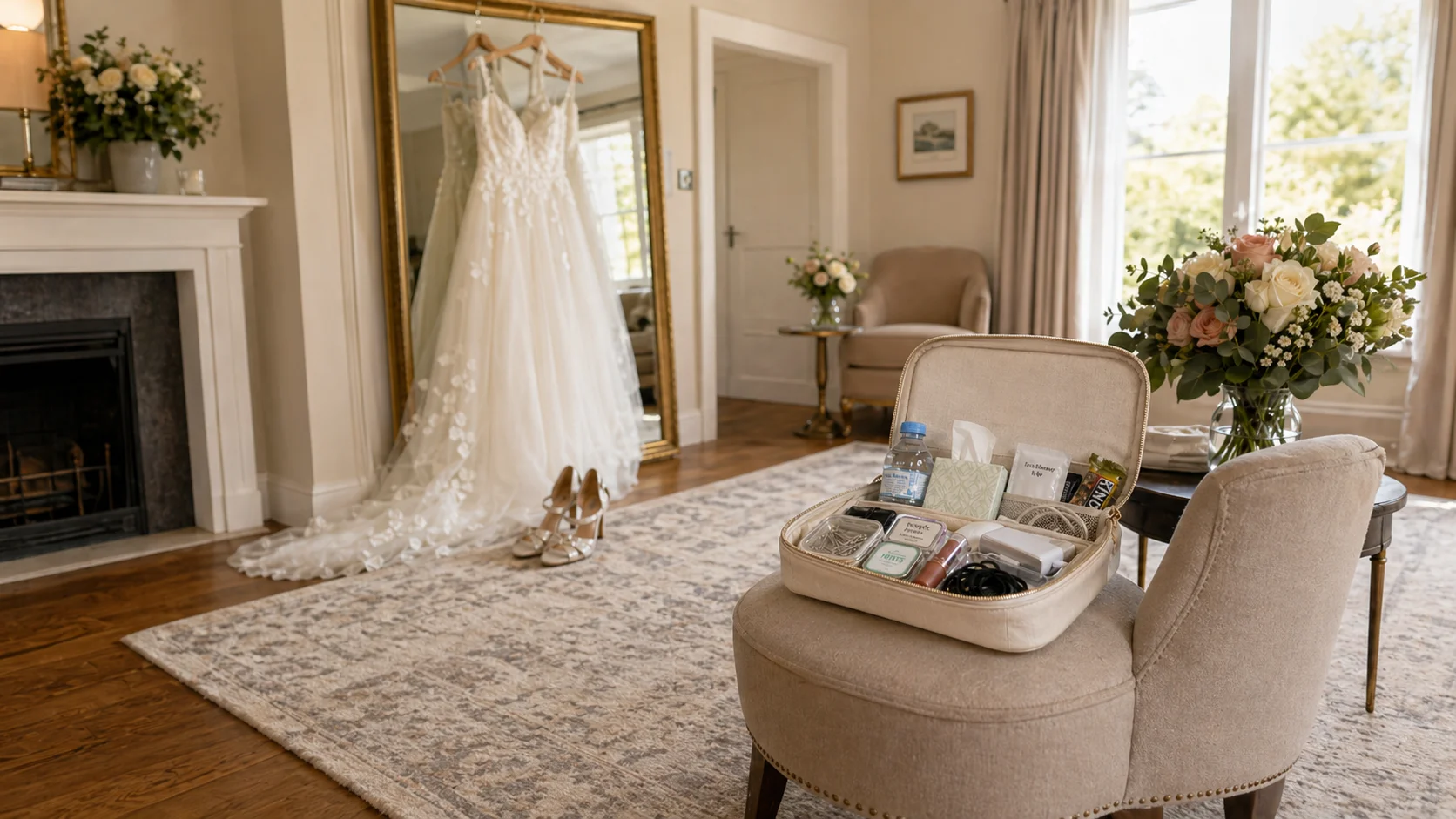
Wedding Bag Checklist: The Small Things That Quietly Save the Day
Wedding bags rarely draw attention, but they often carry the small items that keep the day from tightening around minor problems. This article looks at what to pack, who should hold it, and why the most useful things often matter most only in hindsight.
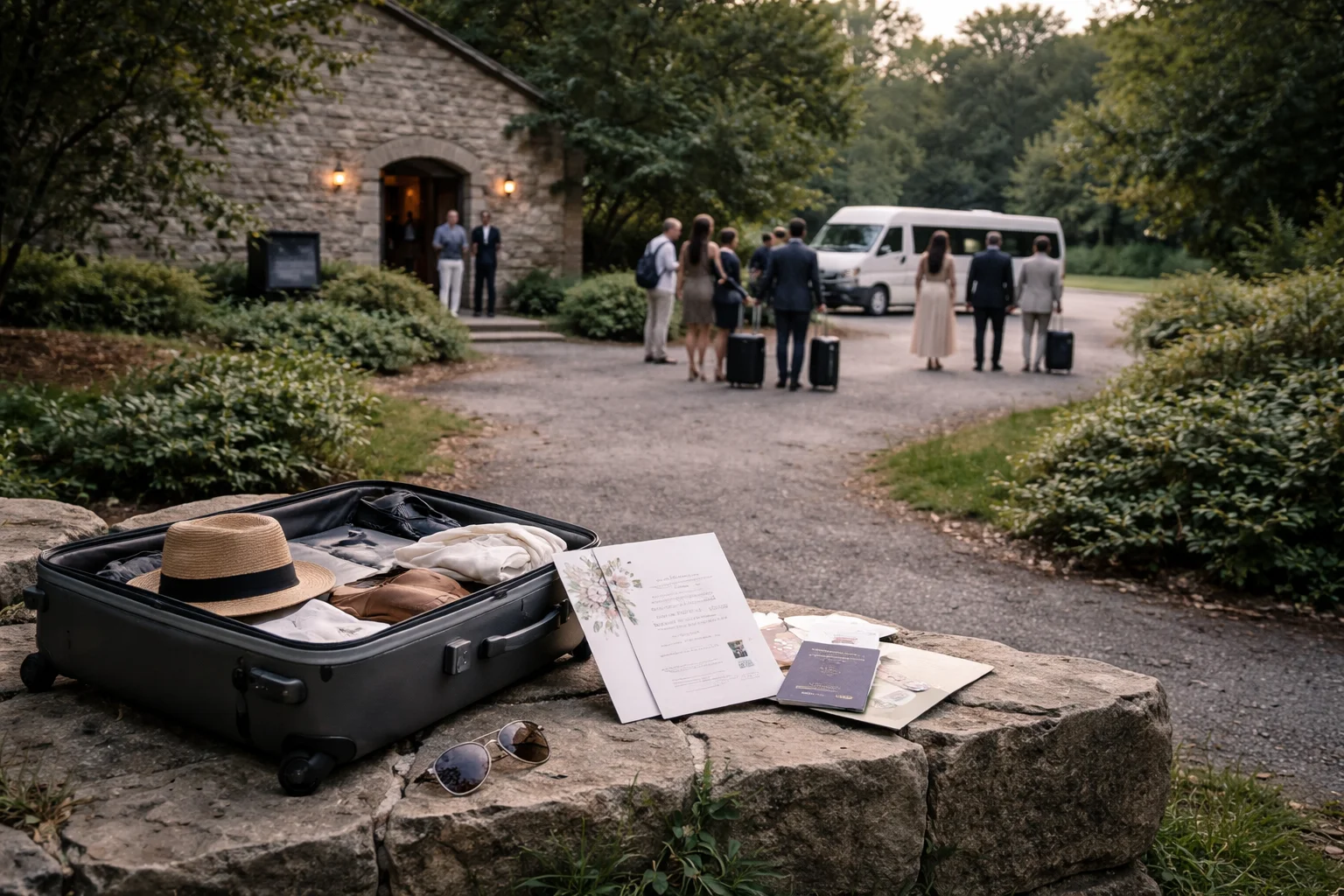
Guests Who Travel Far for the Wedding: What Invitation Means in Practice
A wedding invitation does not mean the same thing to every guest. For people traveling far, it quickly becomes more than a warm gesture. It becomes a practical commitment of time, money, planning, and emotional effort. This article looks at what invitation means in practice when guests come from far away, and why distance reveals the real weight of being included.

Transportation Checklist: How Not to Lose Time Between Wedding Locations
Wedding transportation is rarely only about the drive. This article looks at pickup points, buffers, driver contacts, guest movement, accessibility, and the pause between locations that either keeps the day together or quietly costs time.

The Wedding Guest List and the Quiet Art of Waiting
A guest list is one of the most practical parts of wedding planning, but it is also where uncertainty shows itself most clearly. Decisions about who will stand near the ceremony often unfold slowly, in pauses, hesitations, and unfinished conversations.

After-the-Wedding Checklist: What Needs Attention in the First 48 Hours
The first 48 hours after a wedding are quiet, practical, and easy to underestimate. This article looks at personal items, gifts, clothing, vendor closure, early photos, and the small tasks that help the after feel lighter instead of turning into scattered errands.

Thank-You Cards After the Wedding: Tone, Timing, Format
Thank-you cards arrive after the wedding has already shifted into memory, which is exactly why they matter. This article looks at how tone, timing, and format shape the gesture, and why a brief, well-judged card often says more than a longer, more polished one.
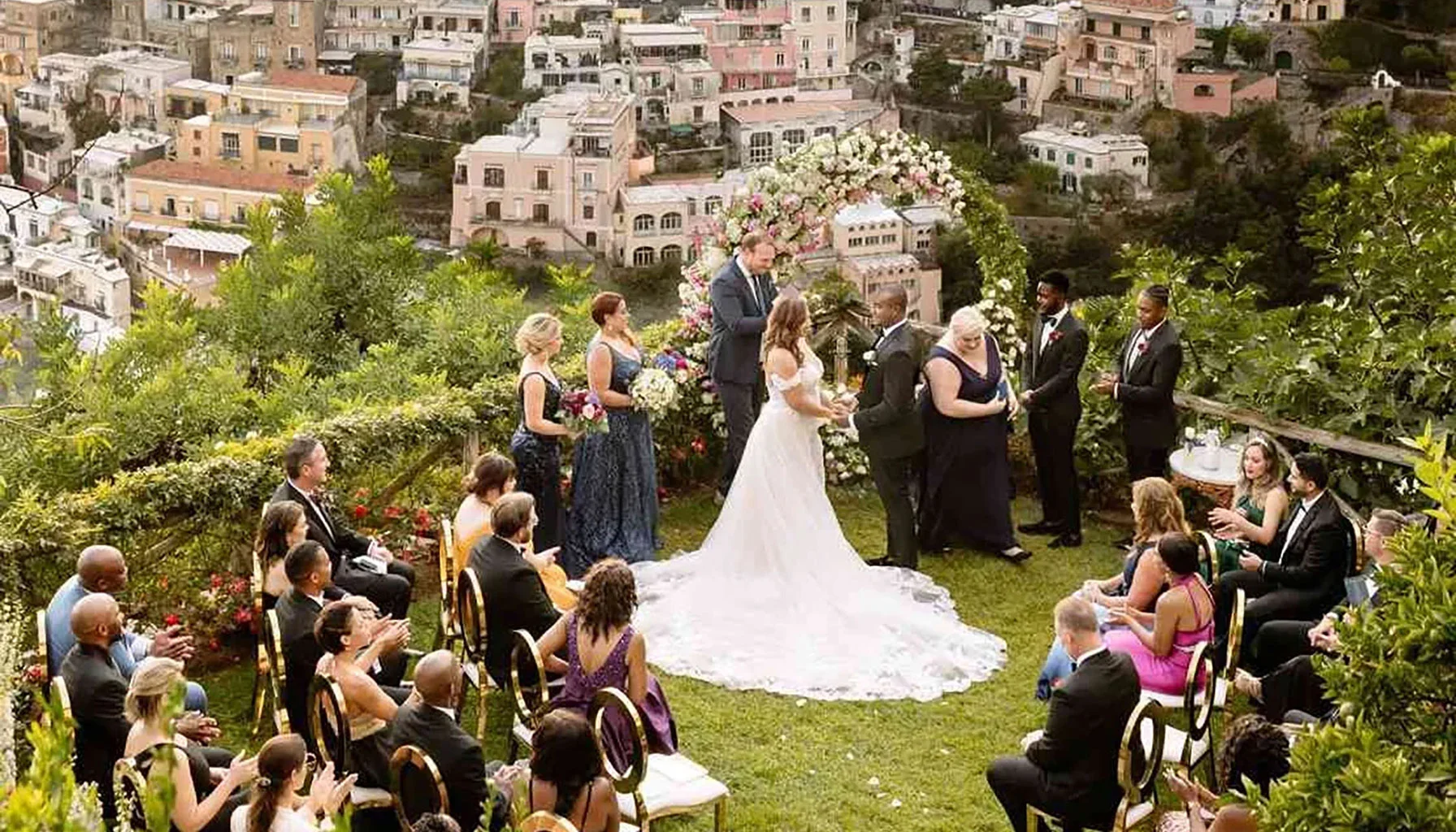
Inviting with Intention: The People Who Accompany the Day
A thoughtfully curated guest list is the foundation of a meaningful and memorable wedding, shaping both the atmosphere and emotional depth of the celebration. By choosing guests with intention and hosting them with care before, during, and after the wedding, couples create an experience rooted in connection, comfort, and genuine appreciation.
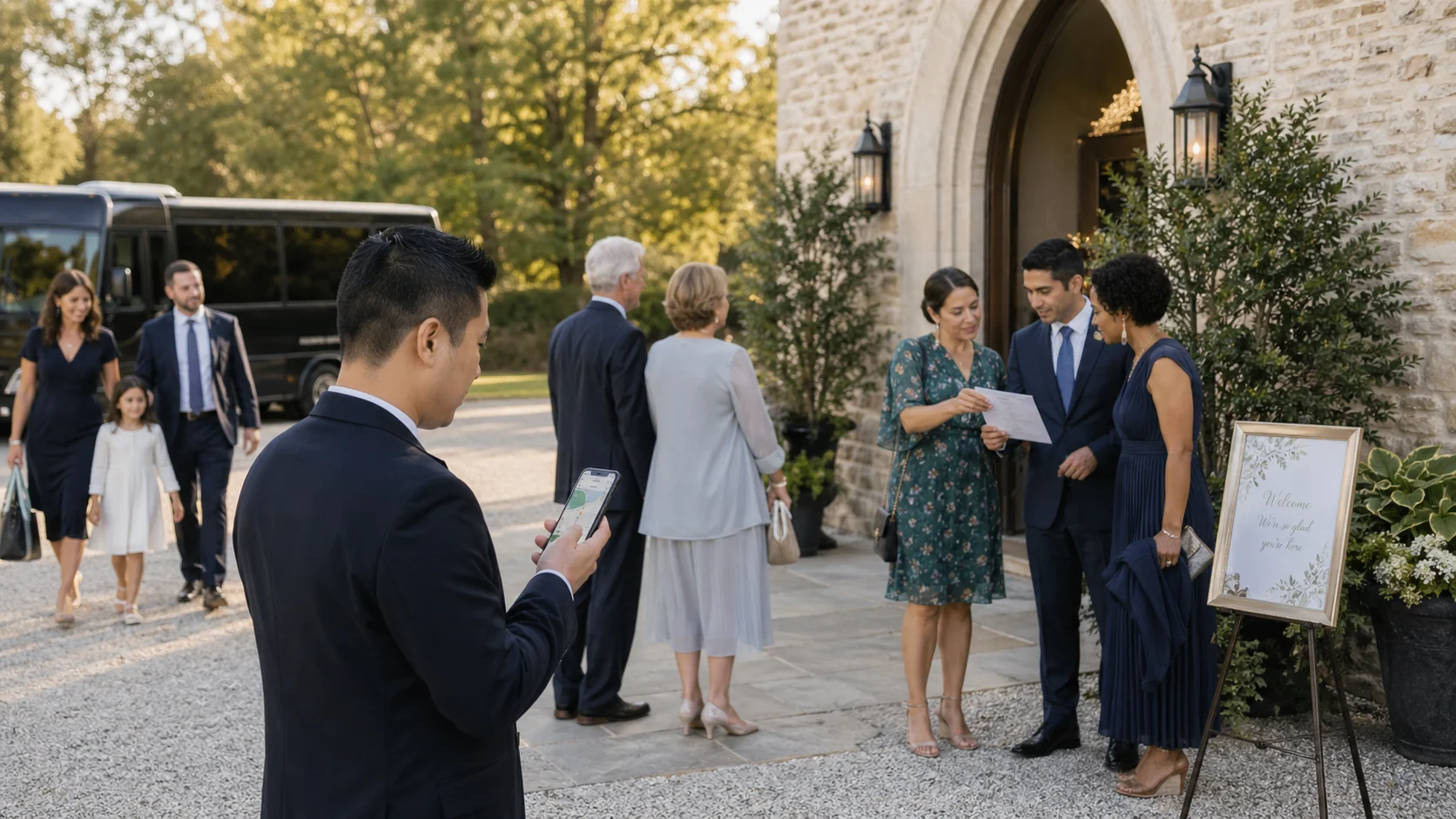
Wedding Website Checklist: What Guests Actually Need, and What They Ignore
Wedding websites work best when they reduce uncertainty instead of filling space. This article looks at what guests actually need to find quickly, what they usually ignore, and which unspoken questions a good website can answer before they become messages to the couple.