
What Flower Shops Really Shape at Weddings
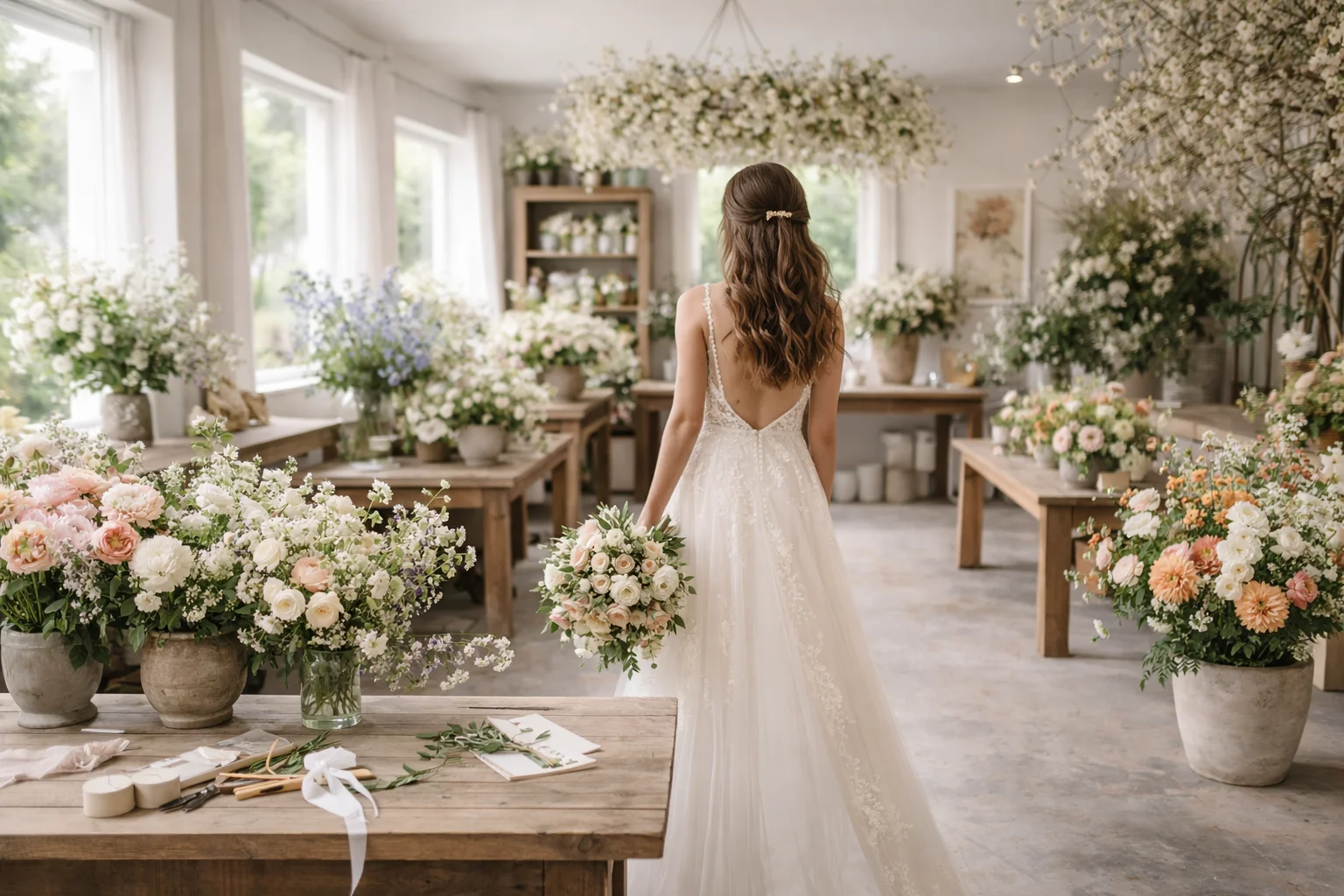
Most couples approach flower shops with a list. Colors, types, inspiration images, maybe a mood board. But what they are really asking for is not a list of flowers. They are asking how the space will feel once everything is in place. A good florist understands that immediately. The work is not only about arranging stems. It is about shaping perception in a way that feels natural and grounded.
There is also a second layer that often goes unnoticed during planning. Flowers do not only exist in the moment of the ceremony. They extend into what follows. Into the quiet after guests leave, into the memory of the room, into the way the day settles emotionally. The presence of flowers changes how a wedding lingers.
Flowers AfterDefinition
A wedding flower shop does more than supply arrangements. It defines spatial rhythm, emotional tone, and visual hierarchy. Through placement, density, and restraint, florists influence how guests move, where they look, and how they remember the ceremony.
Flowers Create Direction
Guests rarely analyze decoration consciously. They follow it. A well placed floral line can guide movement through a space without signage. A single focal installation can anchor attention more effectively than multiple competing elements. Flower shops shape this direction quietly, often without being noticed.
Restraint Matters More Than Volume
It is easy to assume that more flowers create more impact. In practice, the opposite is often true. Too many elements flatten perception. Space disappears. The strongest floral concepts leave room around them. They allow one gesture to carry weight instead of many competing for attention.
Material Changes Emotion
Not all flowers feel the same. Texture, structure, and imperfection influence how a room is experienced. Loose, natural compositions create softness. Structured arrangements create clarity. The florist decides which emotional direction the wedding leans toward.
What Remains After
After the ceremony, when the guests leave and the music fades, flowers stay for a moment longer. They hold the shape of what happened. Even as they begin to fade, they carry memory differently than any other decorative element. This is why their role extends beyond the visible event.
Choosing the Right Flower Shop
The right florist is not defined by catalog variety but by perception. Look for someone who speaks about space, proportion, and feeling, not only about colors and types. The conversation itself reveals whether they design for appearance or for experience.
Conclusion
Flower shops shape more than decoration. They define how a wedding is perceived in the moment and how it remains afterward. When done well, their work is not immediately obvious. It is felt first, understood later, and remembered long after the flowers themselves are gone.
Related Articles
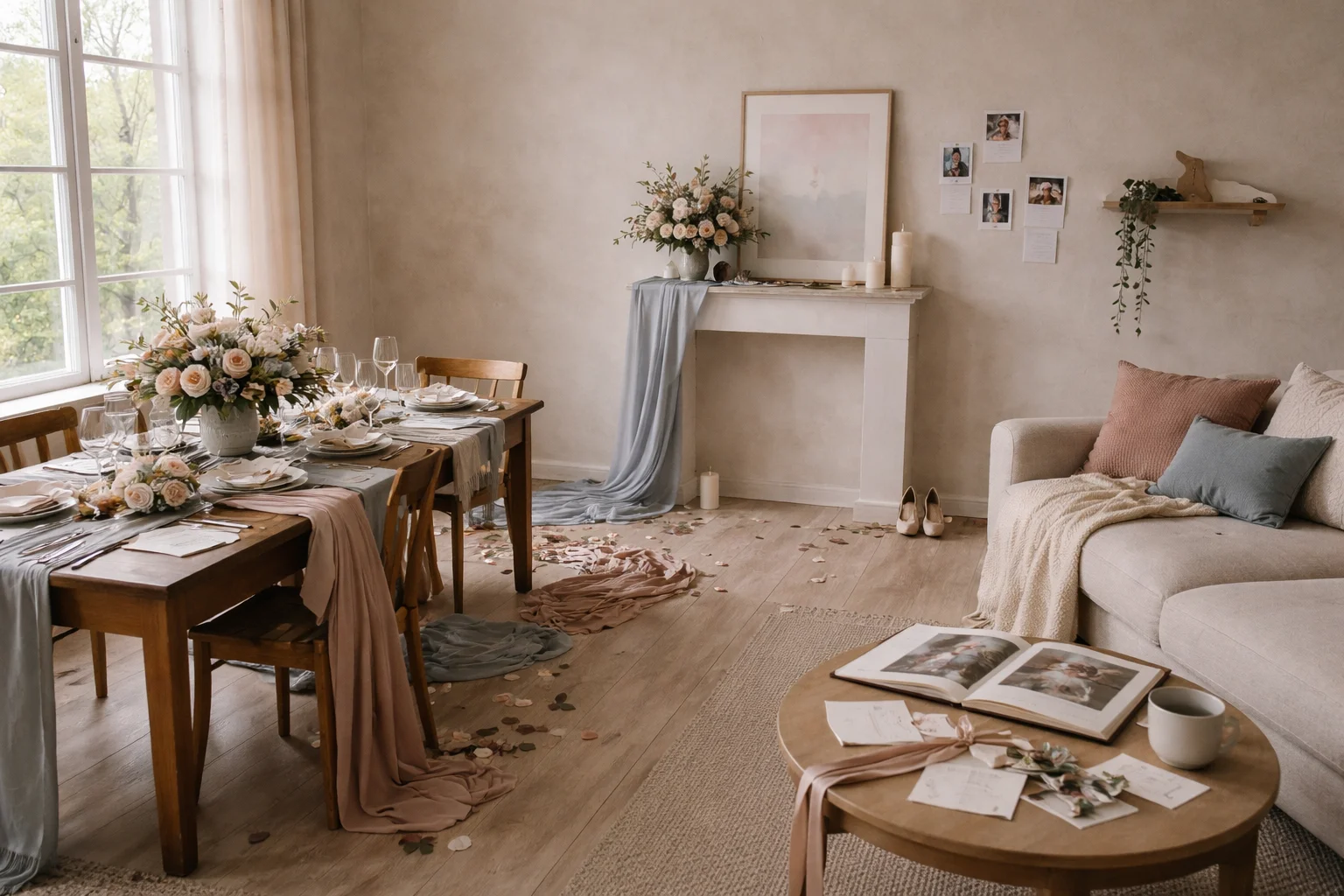
What Wedding Colors Become Once the Day Is Over
Wedding colors are often chosen early, sometimes even before the location is final. Palettes are built, combinations tested, fabrics compared. It feels like a visual decision, one that belongs entirely to the day itself.
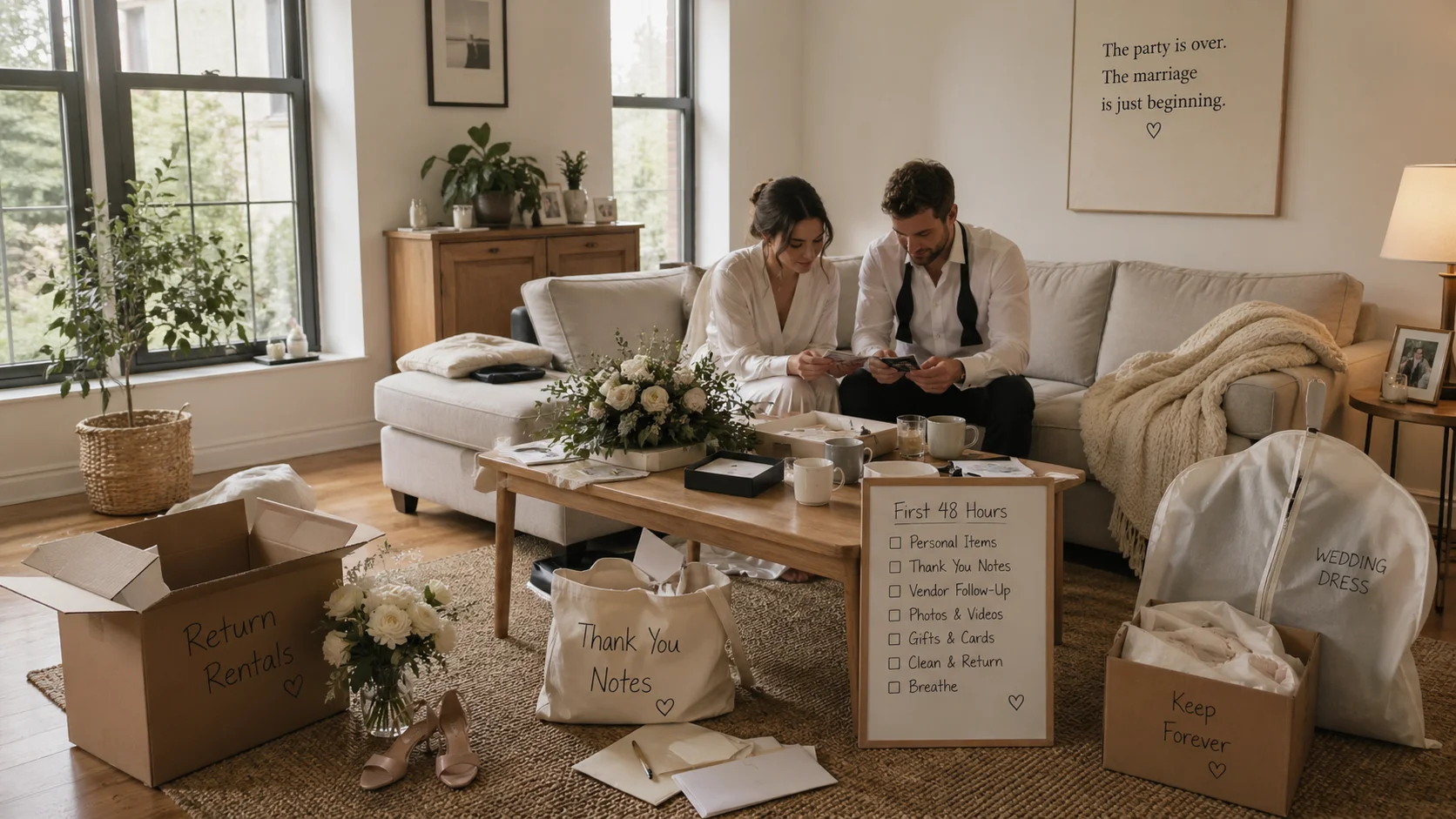
After-the-Wedding Checklist: What Needs Attention in the First 48 Hours
The first 48 hours after a wedding are quiet, practical, and easy to underestimate. This article looks at personal items, gifts, clothing, vendor closure, early photos, and the small tasks that help the after feel lighter instead of turning into scattered errands.
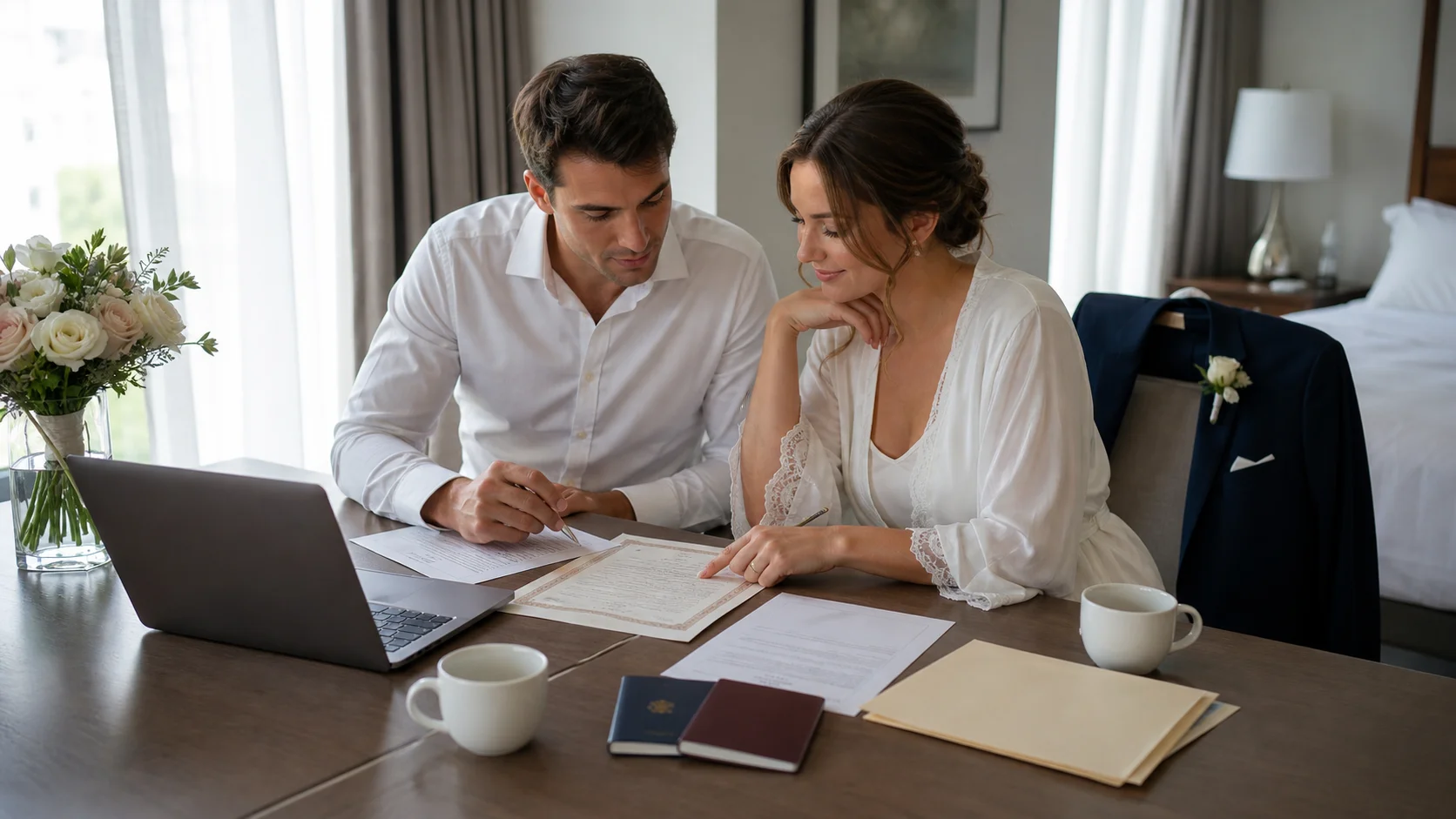
Name Change Checklist: What Couples Should Decide Before the Forms Decide It for Them
A name change after marriage is not only paperwork. This article looks at identity, travel, work, family communication, digital names, and the small everyday places where a new or unchanged name starts to matter after the wedding.
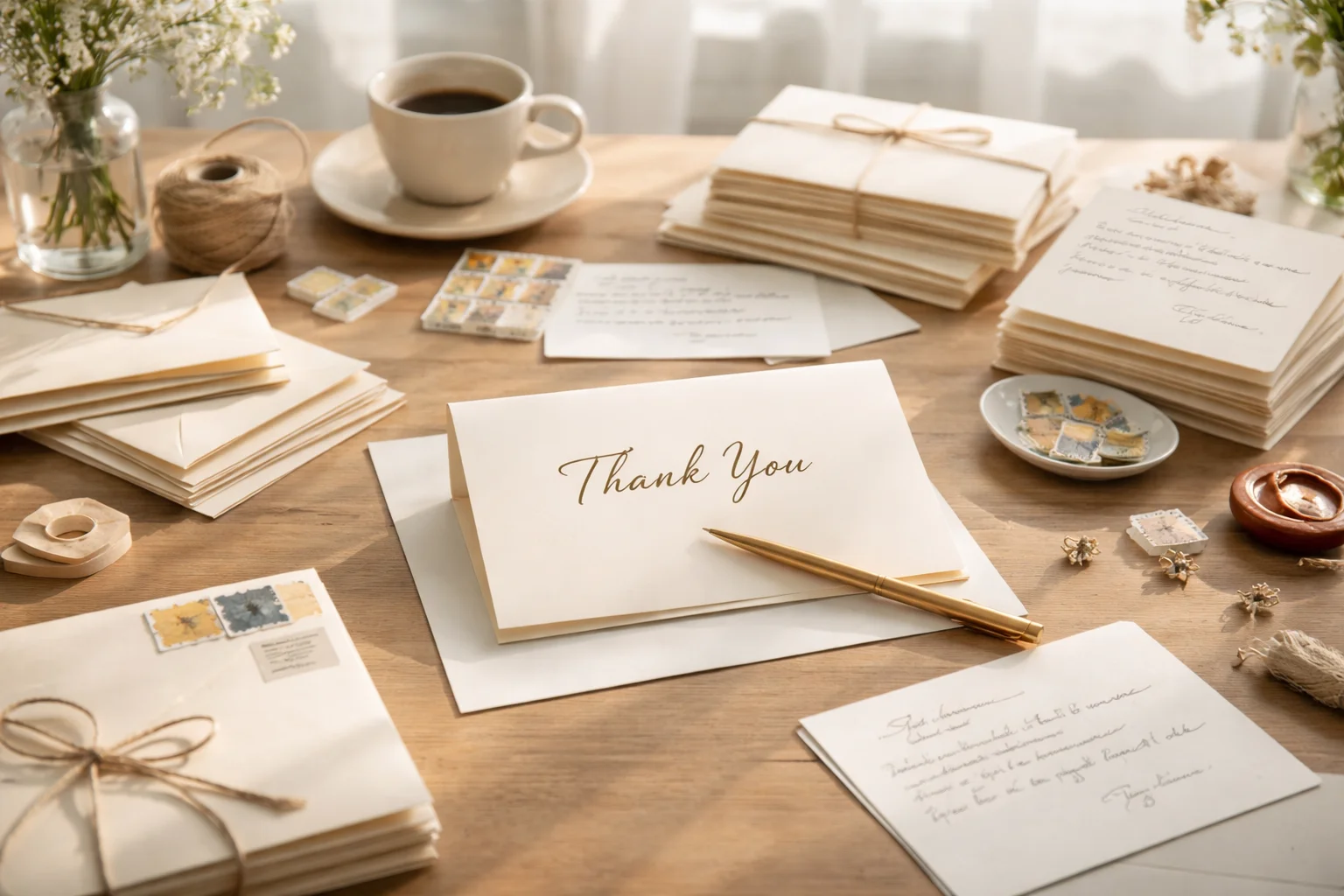
Thank-You Cards After the Wedding: Tone, Timing, Format
Thank-you cards arrive after the wedding has already shifted into memory, which is exactly why they matter. This article looks at how tone, timing, and format shape the gesture, and why a brief, well-judged card often says more than a longer, more polished one.
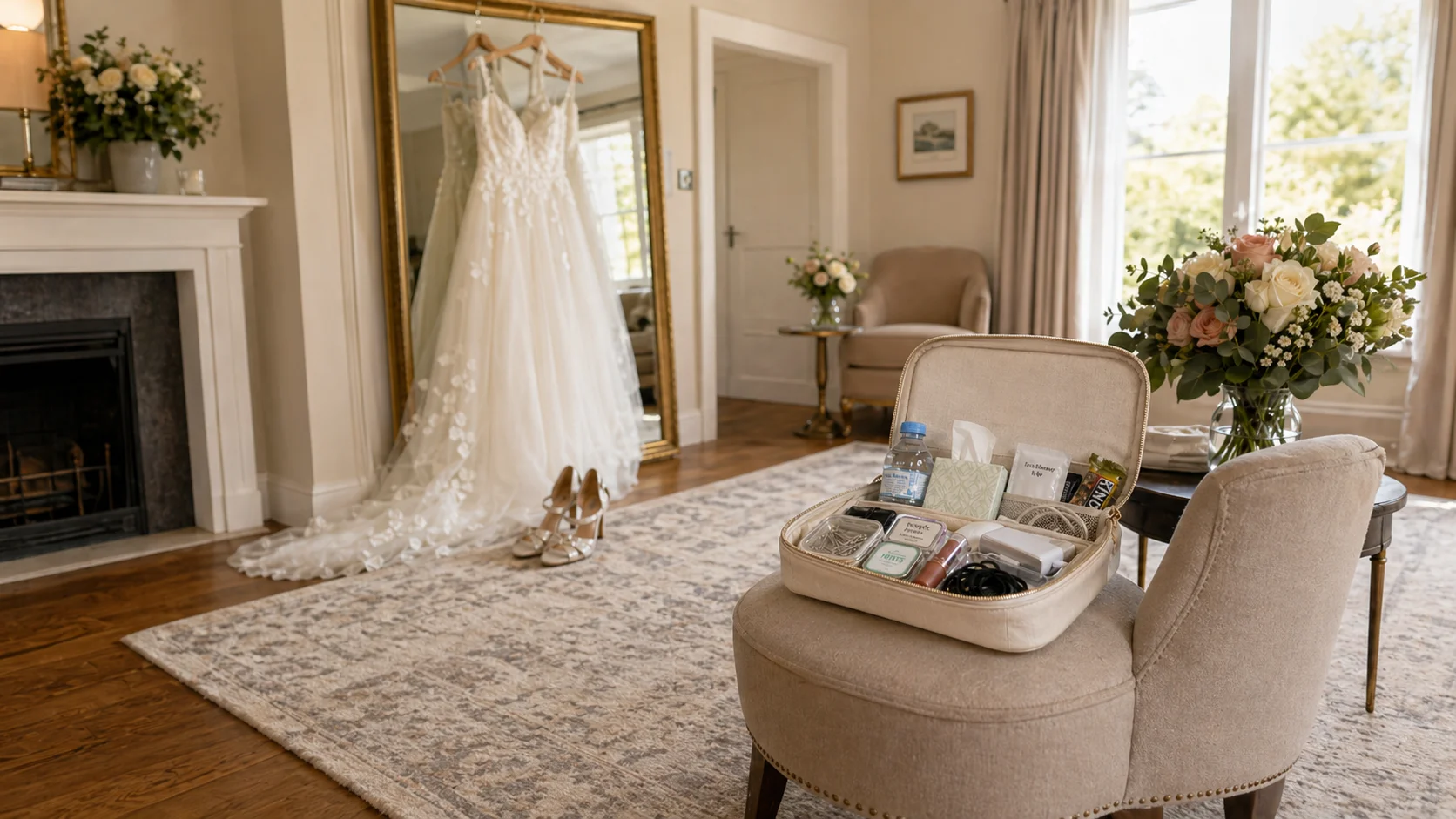
Wedding Bag Checklist: The Small Things That Quietly Save the Day
Wedding bags rarely draw attention, but they often carry the small items that keep the day from tightening around minor problems. This article looks at what to pack, who should hold it, and why the most useful things often matter most only in hindsight.
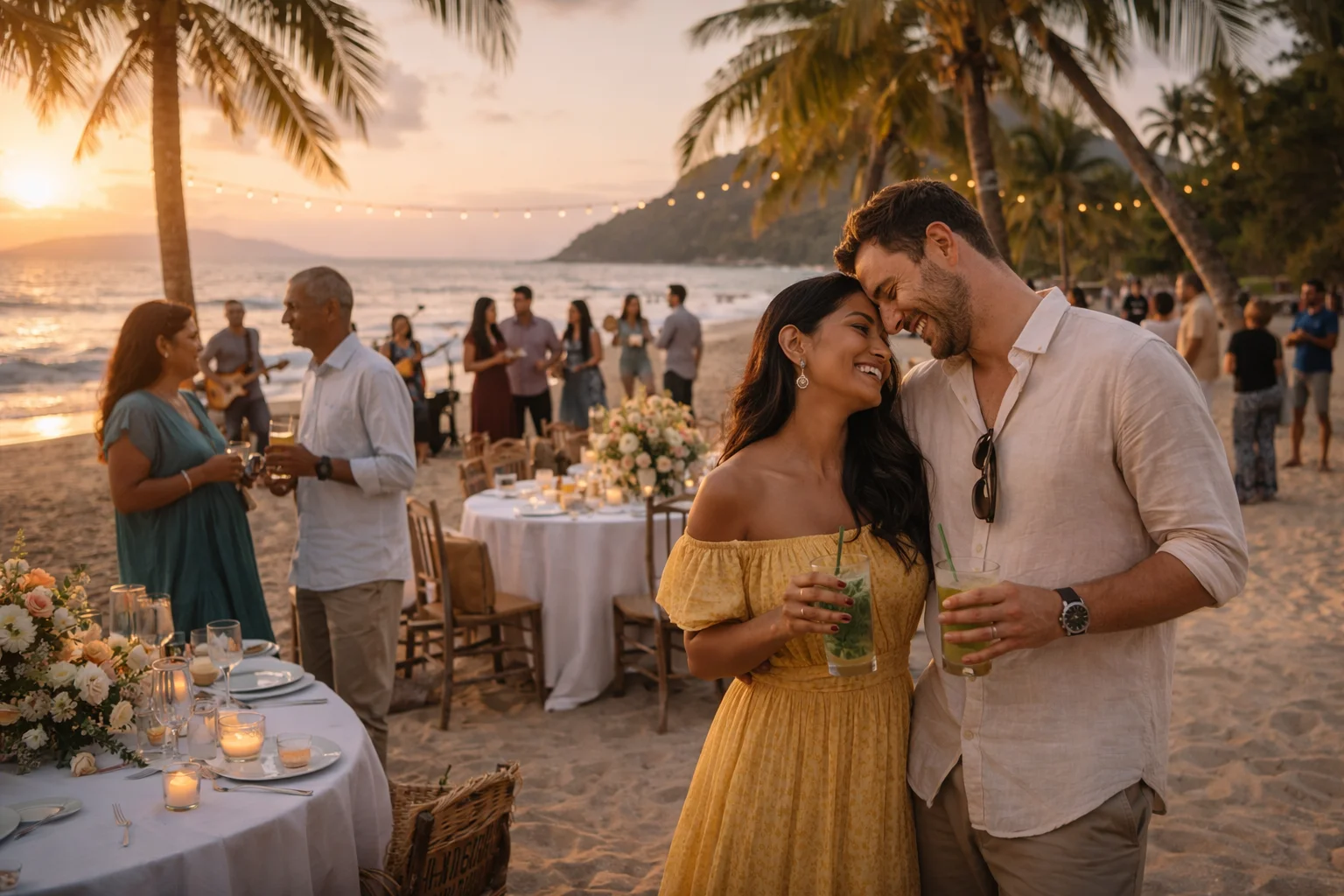
Post-Wedding Gatherings Across Countries: When the Celebration Continues Elsewhere
Some weddings do not end when the official day is over. They continue in another city, another country, another family home, or another social circle that could not be present the first time. This article looks at what post-wedding gatherings across countries actually mean and why they are often less like an encore than a second form of the wedding itself.
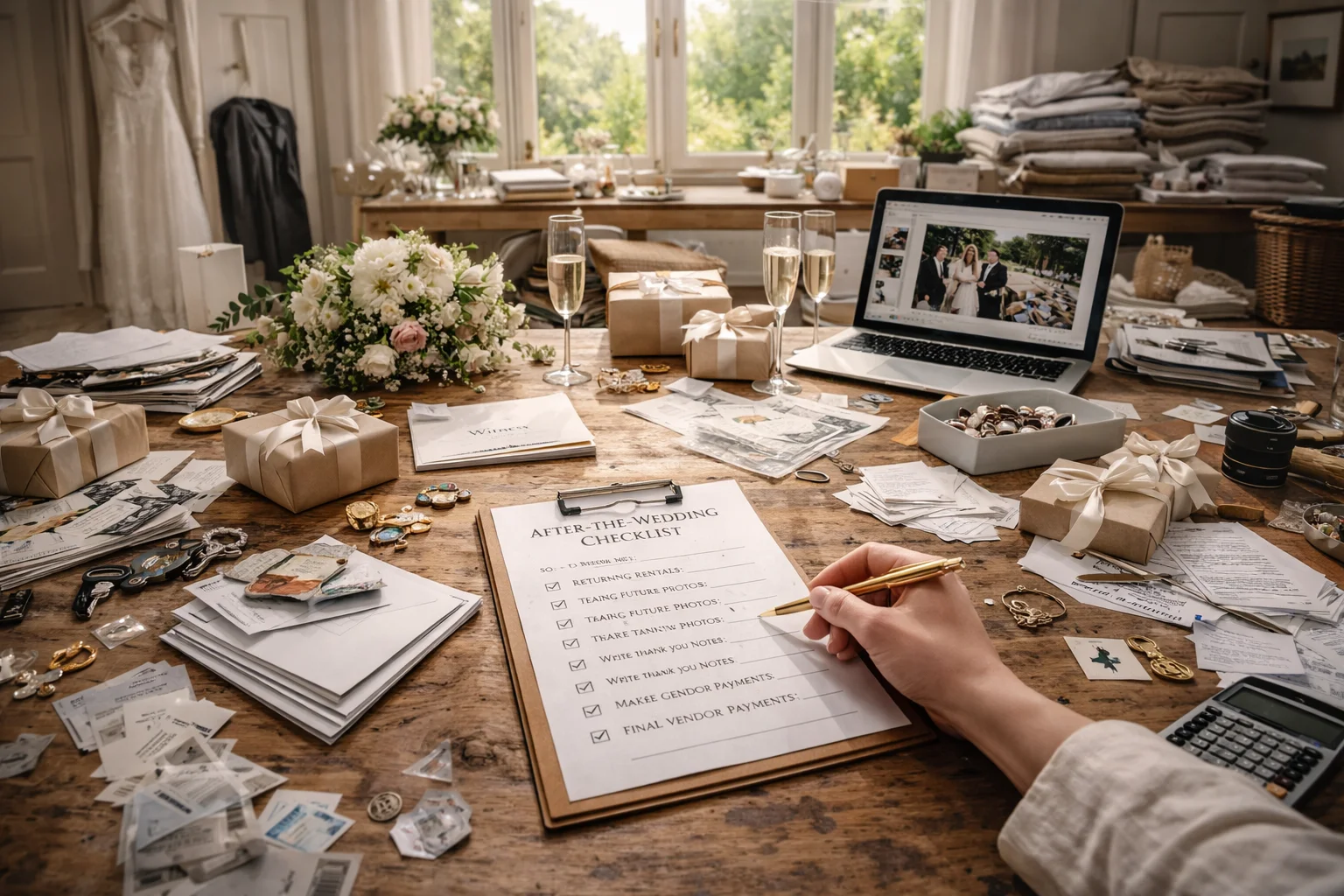
After-the-Wedding Checklist: What Still Needs to Be Returned, Paid, Thanked, or Closed
A wedding rarely ends when the last guest leaves. What follows is quieter, more practical, and often more emotionally mixed than couples expect. This article looks at what still needs to be returned, paid, thanked, or closed after the wedding, and why the days after the celebration are part of the wedding's meaning, not just its cleanup.
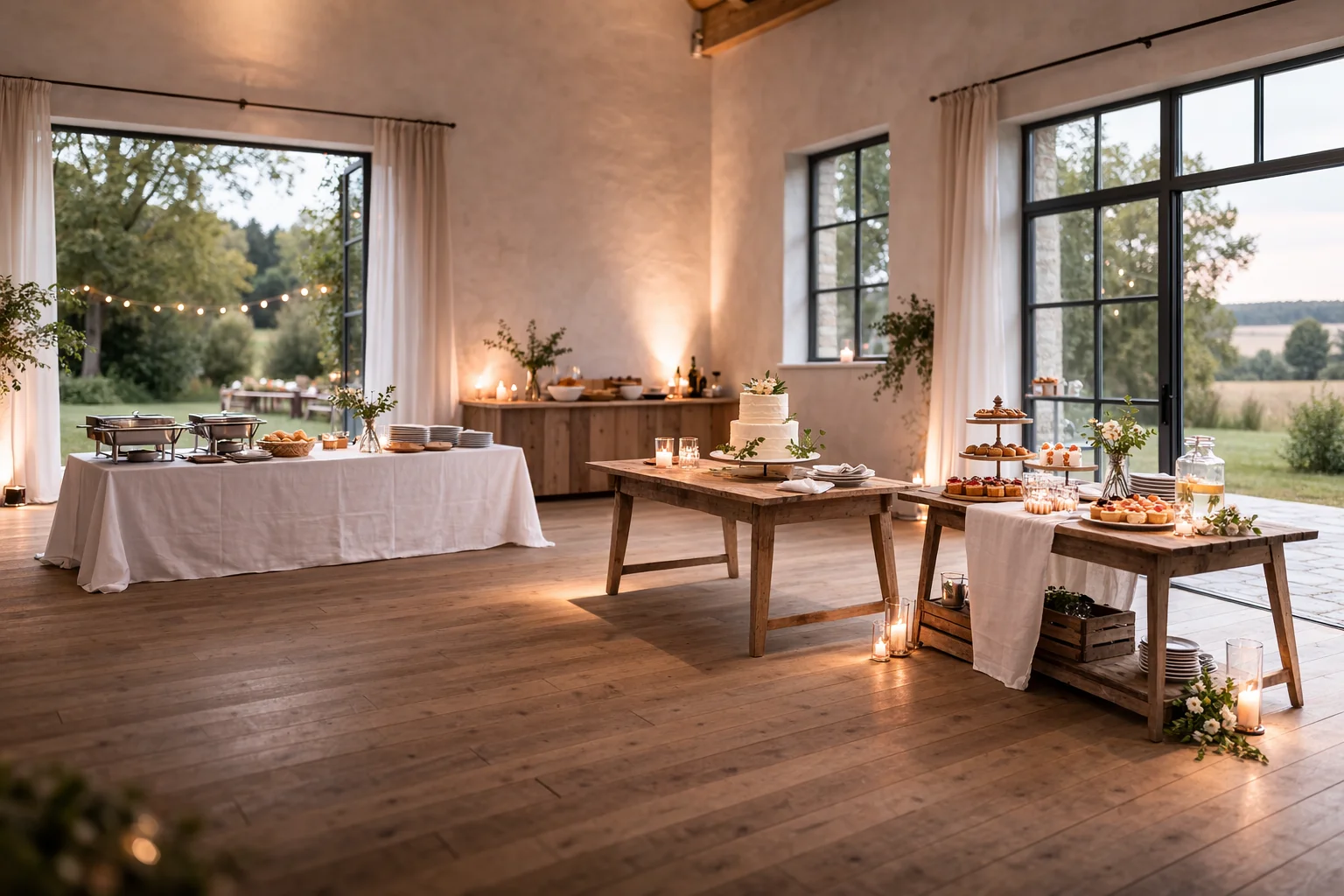
Flowers Near Food at Weddings: Buffet and Dessert Table Placement
Flowers sometimes end up close to food. Not always by clear decision. More because the rest of the room is already filled, and these zones remain. Then something gets added there too. It does not look unusual once it is in place.
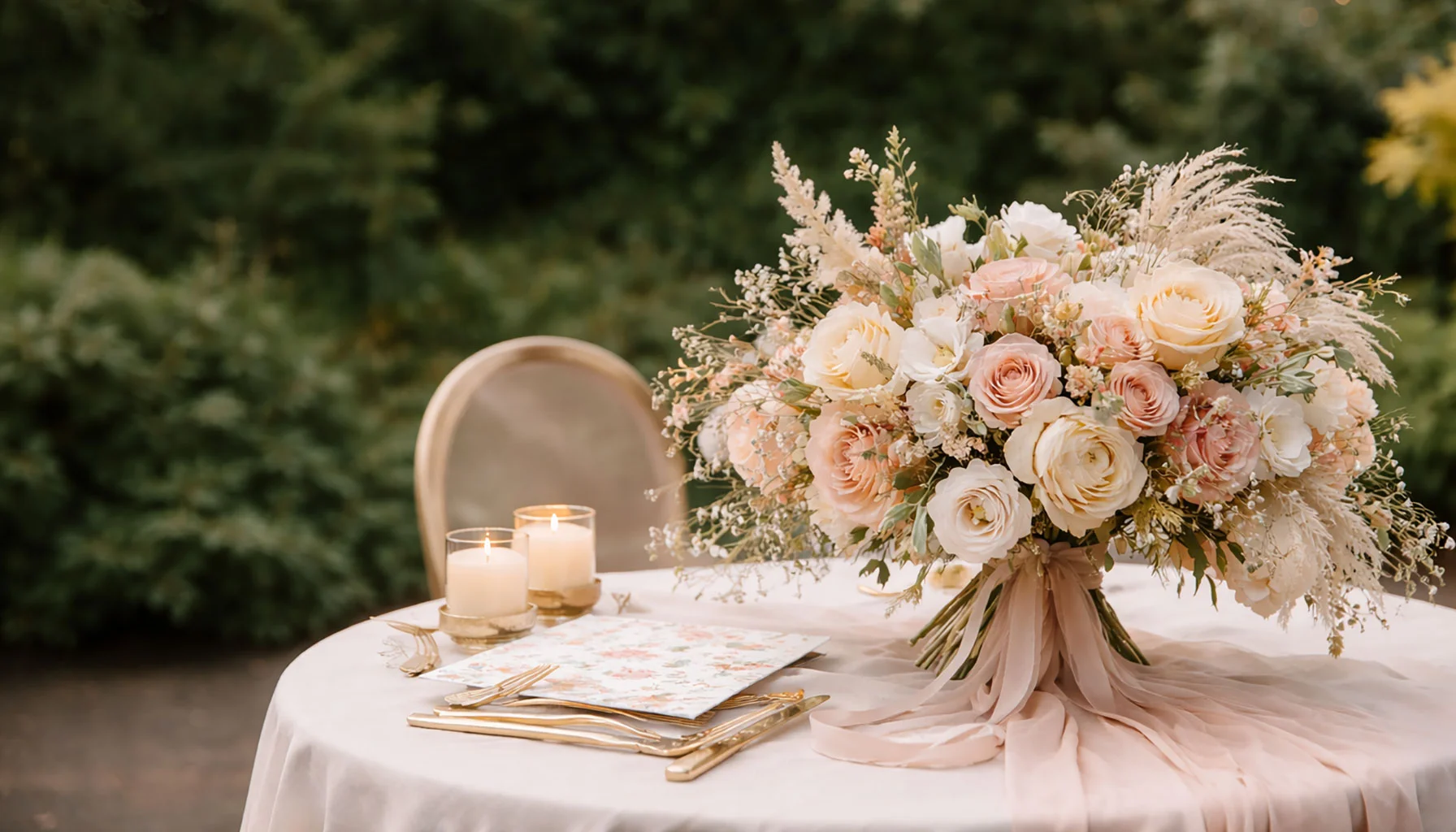
Bloom by Design: Flowers and Florals for a Modern Perfect Wedding
Flowers rarely carry a wedding by themselves. What they do, when chosen well, is quieter and often more lasting. They soften transitions, give rhythm to rooms, and help guests feel oriented without ever being told where to look. This article looks at wedding flowers through atmosphere, restraint, and the silent structure they create across the day.
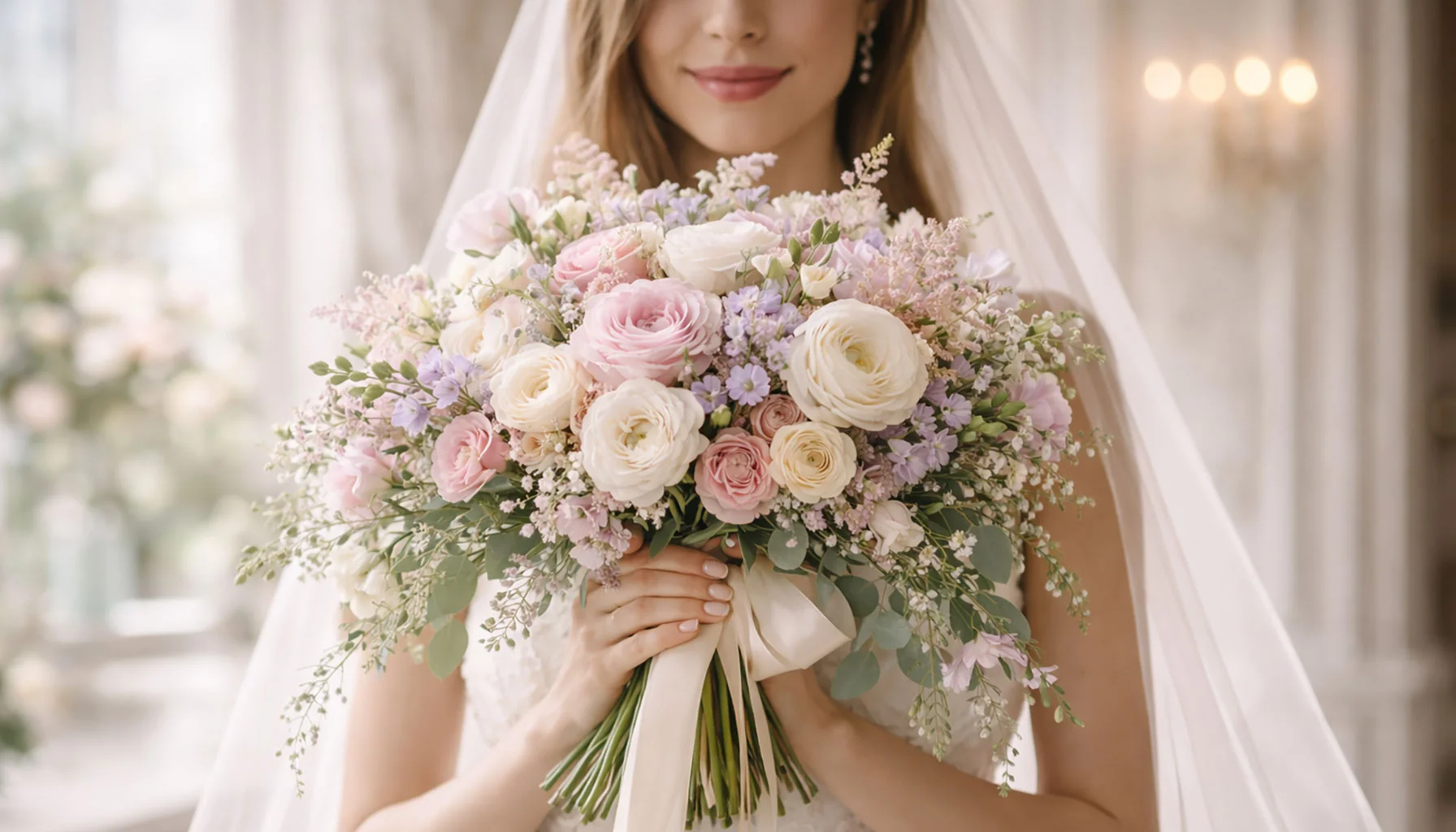
The Bridal Bouquet: A Silent Expression of Love, Style, and Timeless Emotion
The bridal bouquet accompanies the bride throughout the wedding day. It is held, adjusted, set aside, and taken up again. Its impact comes from balance rather than attention. Shape, weight, and color align with movement and appearance and become part of what is remembered.
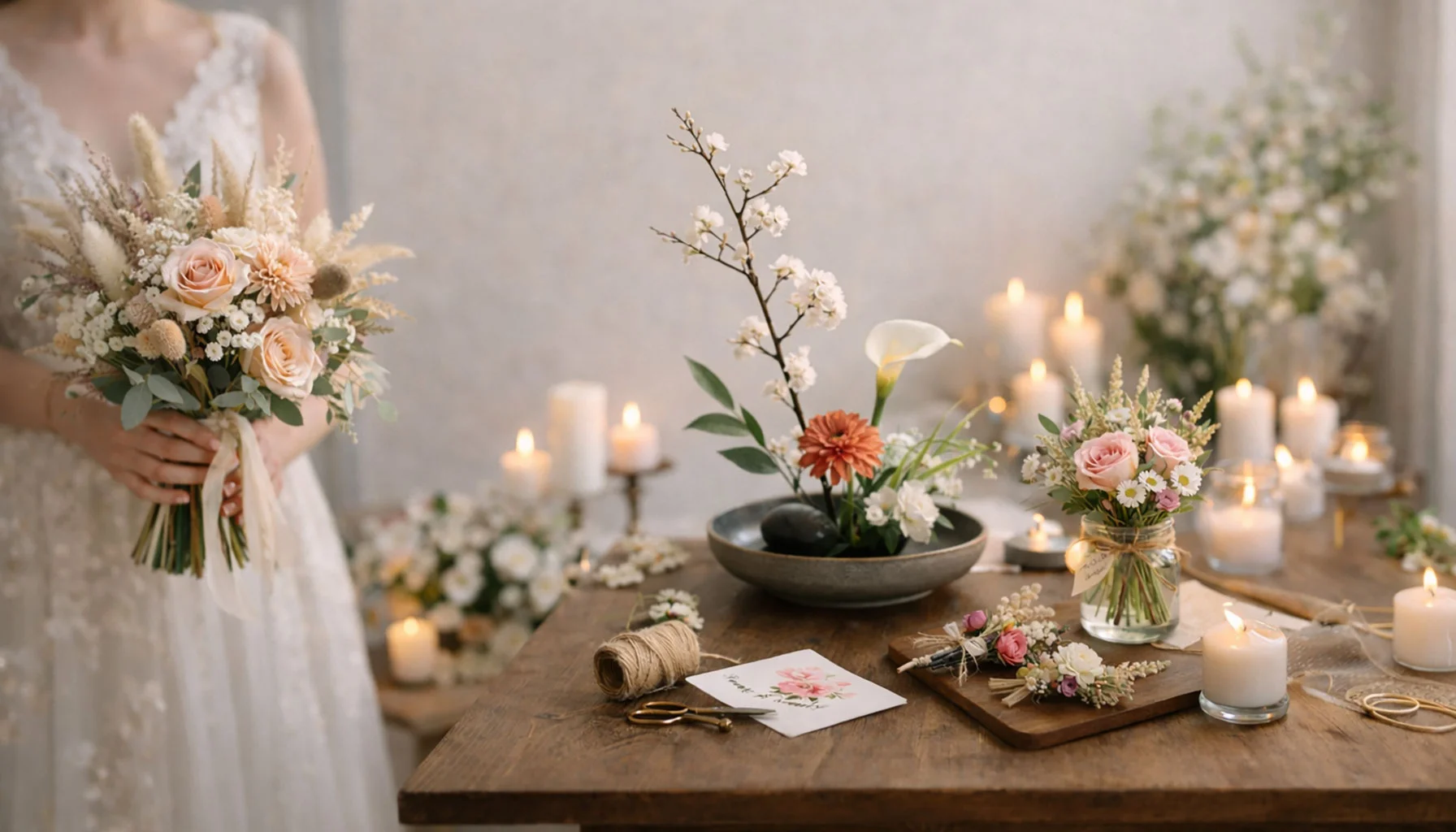
Timeless Blooms & Modern Floral Ideas for Meaningful Wedding Celebrations
Floral design shapes the atmosphere of a wedding more through presence than through display. Small choices, careful timing, and attention to place define how flowers are perceived. When arranged with restraint, they support moments, soften transitions, and remain quietly memorable.
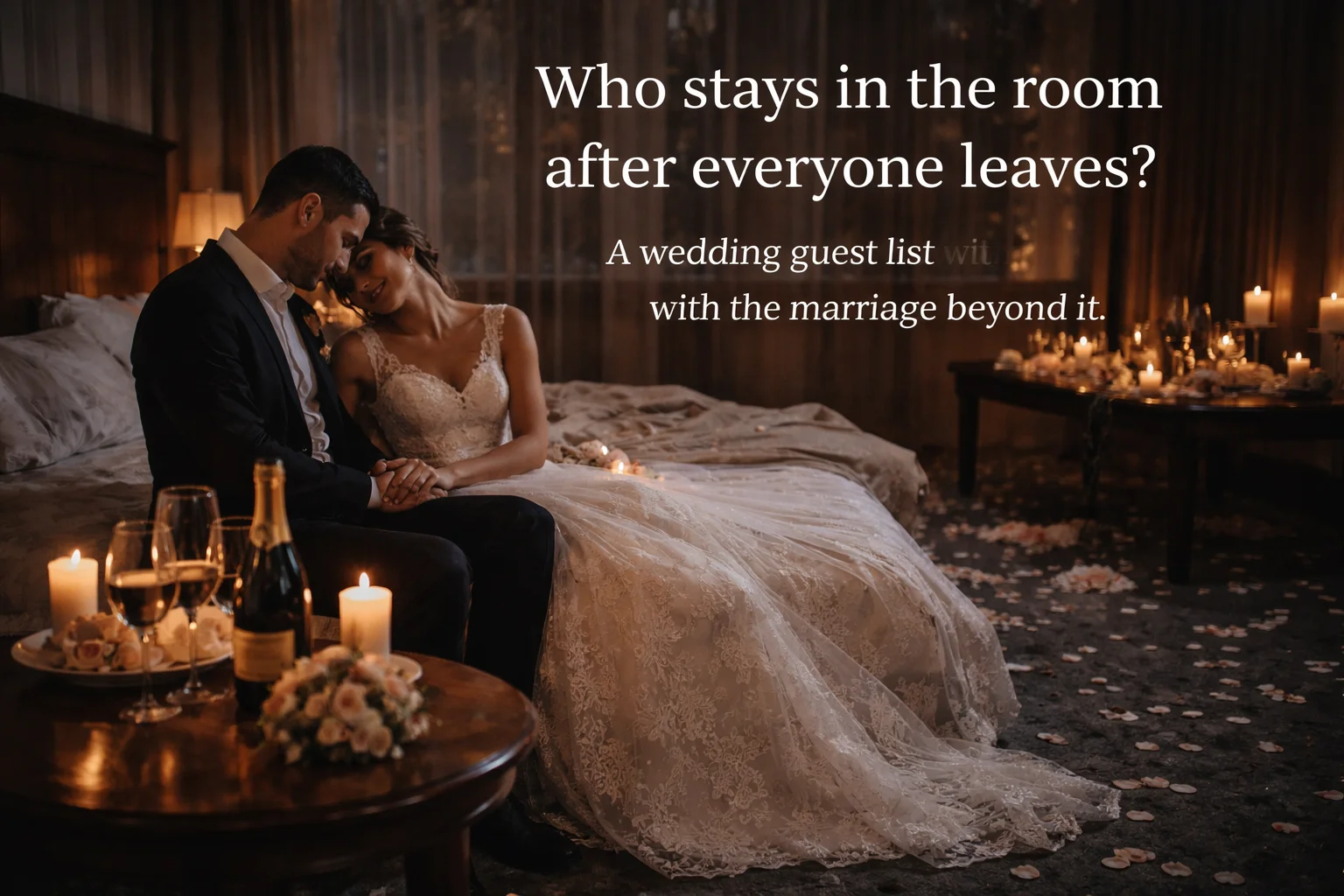
Who Stays in the Room After Everyone Leaves: A Wedding Guest List with the Marriage Beyond It
A wedding guest list is usually treated as a planning tool: numbers, families, tables, obligations. But it also shapes the emotional life that follows the ceremony. This article looks at how choosing who witnesses a marriage influences not only the day itself, but the quieter reality that begins after it.