
Timeless Blooms & Modern Floral Ideas for Meaningful Wedding Celebrations
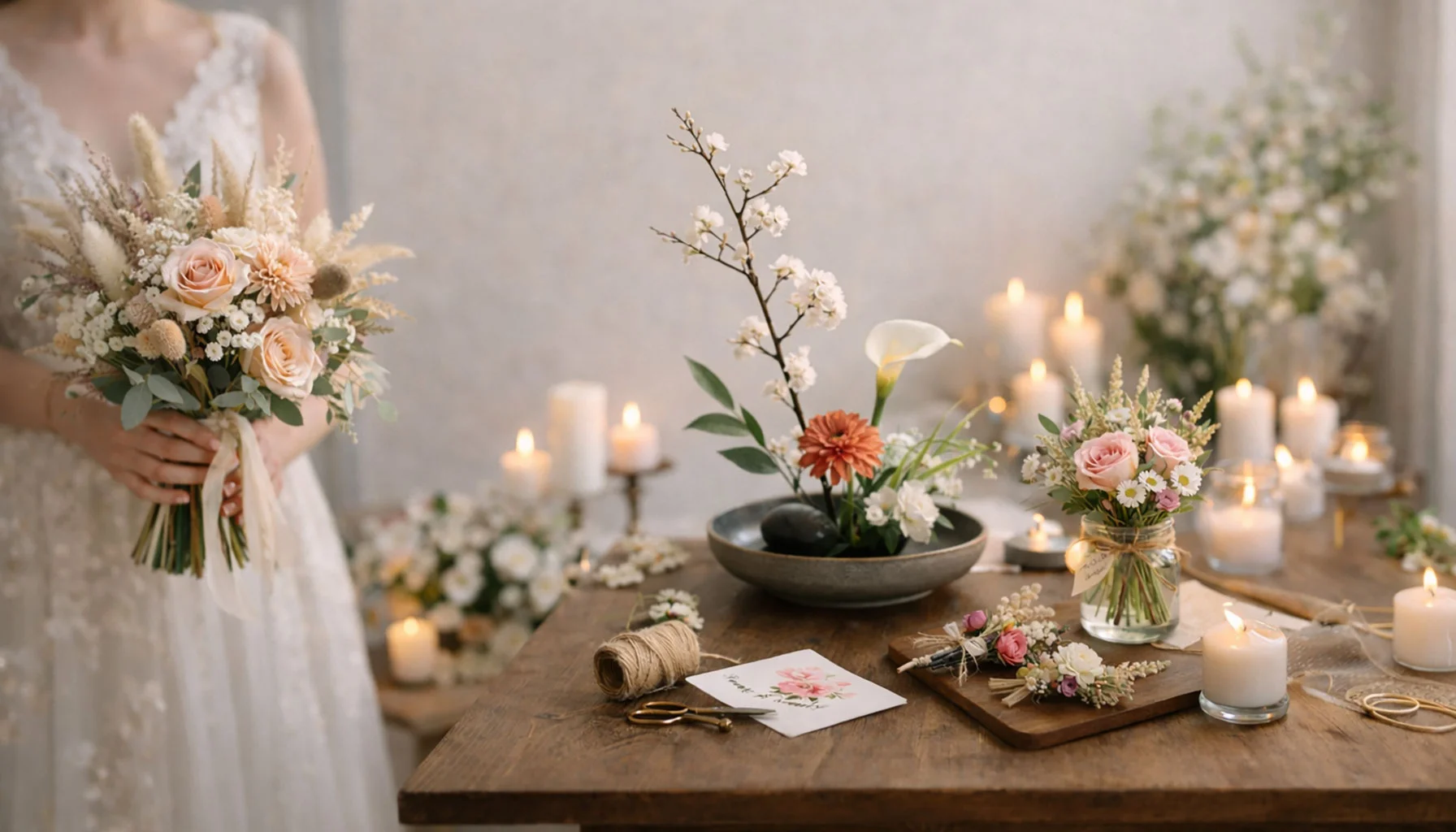
Flowers at Weddings — Observations from Contemporary Celebrations
Floral design at weddings has shifted quietly over the years. It no longer sits at the edge of the celebration. It moves through it. Flowers now signal intention, awareness of place, and a certain care in decision-making. What stands out is not scale, but placement. Not abundance, but timing. Many arrangements are remembered less for how they looked than for when they appeared.
Across different settings, one thing repeats: flowers work best when they seem considered but not staged. They support moments rather than announce themselves. The result feels calm. Attentive. Present.
Beyond the Bridal Bouquet
The bridal bouquet still holds a central role, but it no longer carries the full weight of floral expression. Floristry now appears in smaller gestures throughout the day. These details connect people visually, without forcing uniformity.
- Floral bracelets or small arrangements for close family members
- Hair elements using a few natural stems rather than full crowns
- Boutonnieres that echo the main palette without matching exactly
Arrangements often combine fresh flowers with dried elements or grasses. The contrast adds texture and extends longevity. These combinations feel steady. Less about polish, more about balance.
Minimalism, Ikebana, and Space
Many weddings now draw quietly from Ikebana principles. Not as a theme, but as an attitude. Fewer stems. Clear spacing. Attention to negative space. Each flower placed with intent rather than symmetry.
- Asymmetrical arrangements that feel settled rather than designed
- Handcrafted vessels in ceramic or stone
- Restricted color ranges that allow form to lead
Tables, in particular, have become lighter. Single flowers. Small groupings. Candles doing part of the work. Conversation stays uninterrupted. Sightlines remain open.
Seasonal Choices
Seasonality has moved from a practical concern to a guiding principle. Flowers chosen for their natural timing tend to last longer and feel more settled in their surroundings.
- Spring ceremonies often use meadow flowers and soft, early blooms
- Summer settings favor grasses, sunflowers, and resilient varieties
- Roses, gerbera, and dried flowers appear year-round as anchors
DIY and Small Gestures
Handmade floral elements appear often, especially in smaller weddings. They are rarely perfect. That is part of their strength. These pieces tend to carry memory more than spectacle.
- Mini bouquets given to guests or family members
- Simple table pieces assembled shortly before the ceremony
- Flowers tied to place cards or handwritten notes
Personal floral greetings stand out. A small bouquet handed quietly, paired with a note, often stays present longer than large installations.
Cultural Context
Cultural awareness shapes floral decisions more subtly than before. In Germany, natural and seasonal choices dominate. In the United States, diversity and personal interpretation are common. Serbian weddings often favor strong colors and sunflowers. In Chinese contexts, symbolism guides color and quantity. Southern European weddings lean toward warmth and expressiveness, while Russian traditions place value on generosity and meaning.
Notes from Guests
**“The flowers felt like they belonged to the place, not brought in for effect.”**
**“What stayed with us were the small gestures. One flower, one note.”**
**“Nothing felt excessive. That made everything feel calm.”**
Closing Observations
Floral design at weddings now tends toward restraint and intention. Meaning outweighs scale. Seasonal awareness, cultural understanding, and small personal gestures shape the atmosphere. When flowers are chosen this way, they do not compete for attention. They stay present. Quietly.
Related Articles
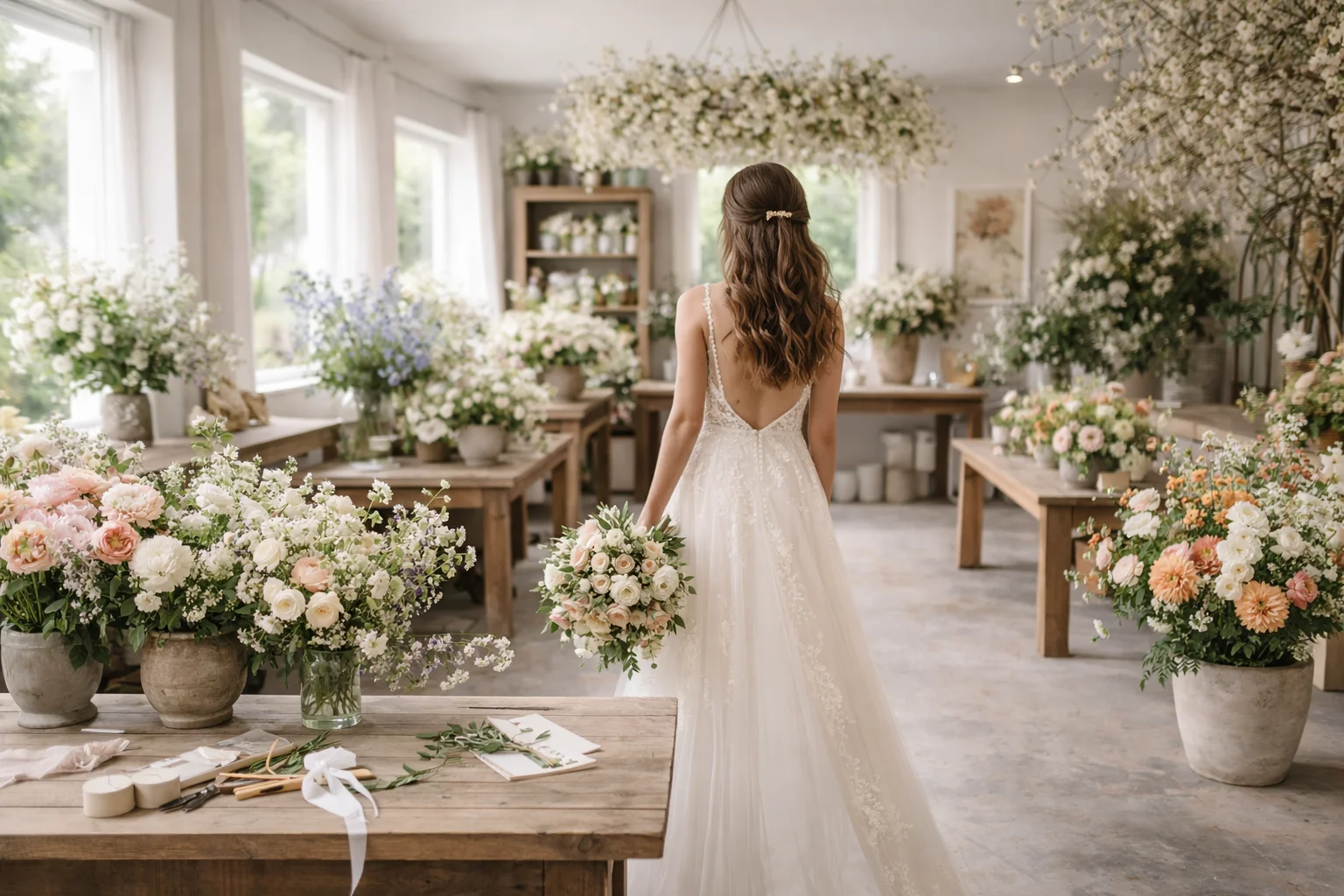
What Flower Shops Really Shape at Weddings
Wedding flowers are often reduced to color palettes and arrangements, but flower shops influence something deeper. They define how a ceremony feels, how space breathes, and what lingers after the moment has passed. This article looks at how florists shape both the visible and the emotional layer of a wedding.
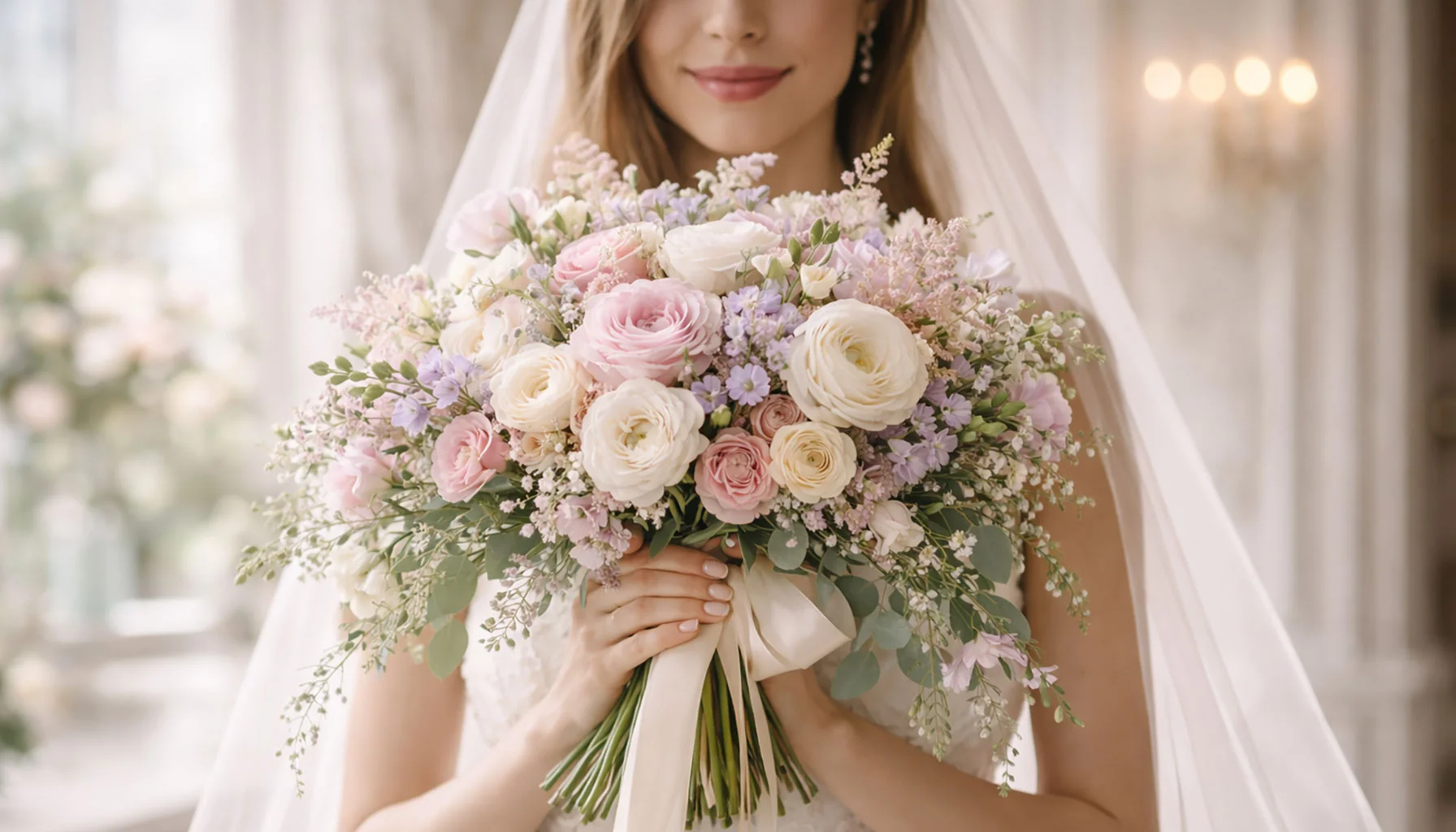
The Bridal Bouquet: A Silent Expression of Love, Style, and Timeless Emotion
The bridal bouquet accompanies the bride throughout the wedding day. It is held, adjusted, set aside, and taken up again. Its impact comes from balance rather than attention. Shape, weight, and color align with movement and appearance and become part of what is remembered.
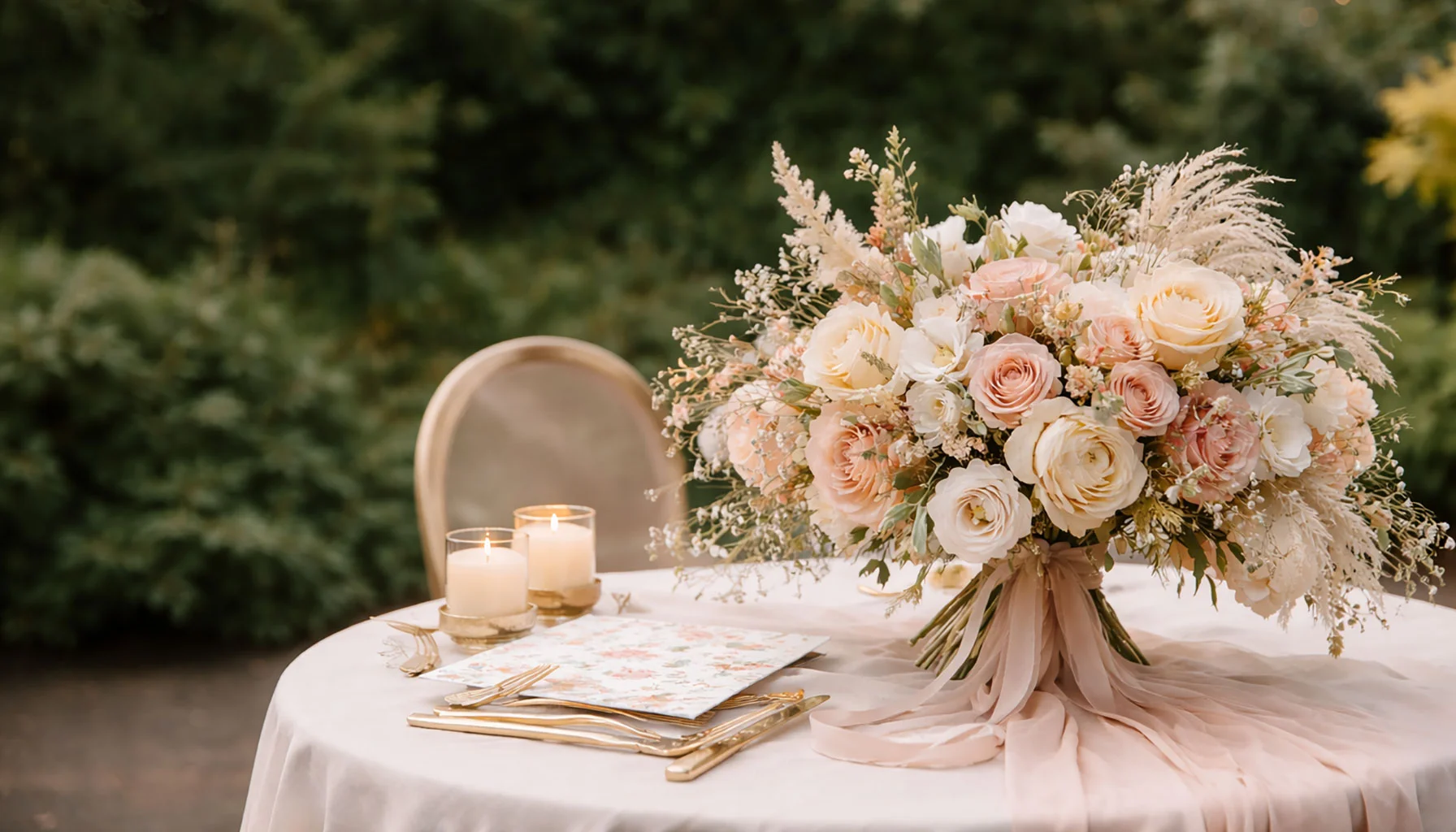
Bloom by Design: Flowers and Florals for a Modern Perfect Wedding
Flowers rarely carry a wedding by themselves. What they do, when chosen well, is quieter and often more lasting. They soften transitions, give rhythm to rooms, and help guests feel oriented without ever being told where to look. This article looks at wedding flowers through atmosphere, restraint, and the silent structure they create across the day.
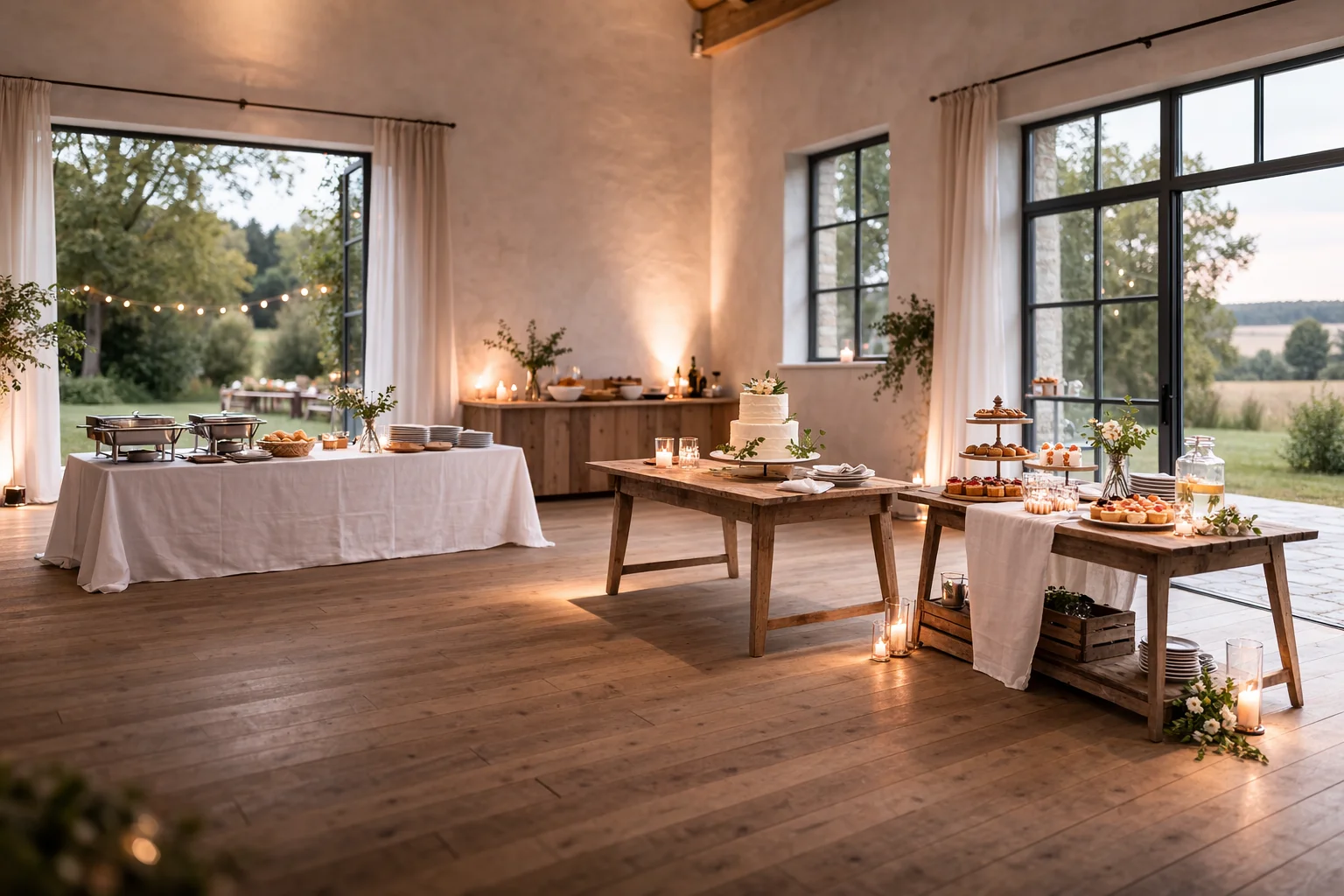
Flowers Near Food at Weddings: Buffet and Dessert Table Placement
Flowers sometimes end up close to food. Not always by clear decision. More because the rest of the room is already filled, and these zones remain. Then something gets added there too. It does not look unusual once it is in place.
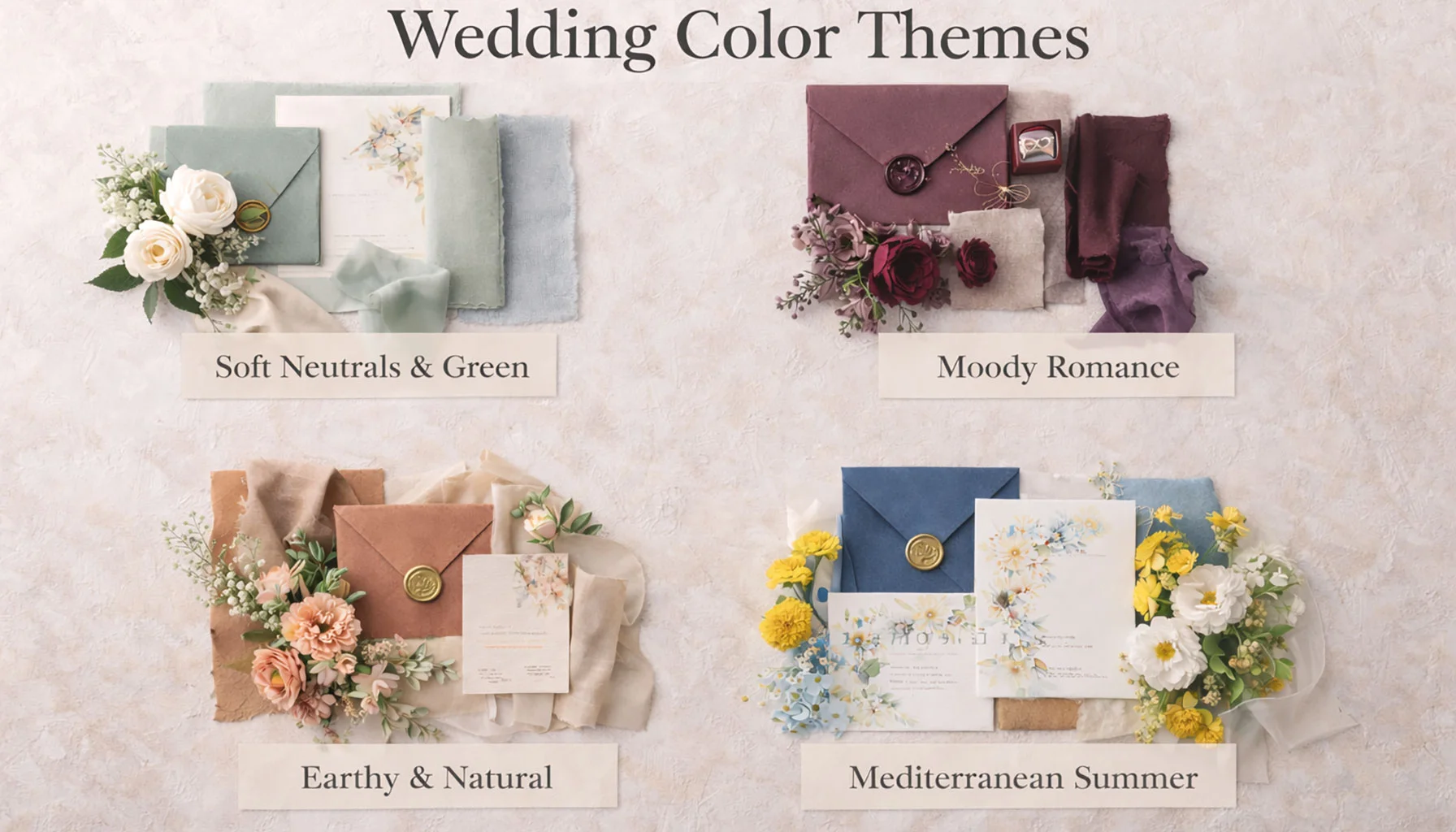
Color Palettes That Hold the Day Together
Color at a wedding is often felt before it is noticed. It settles rooms, links moments, and makes different elements seem as though they belong to one another without needing explanation. This article looks at wedding color not as decoration alone, but as a quiet symbolic structure that helps the day feel coherent.