
Flowers Near Food at Weddings: Buffet and Dessert Table Placement
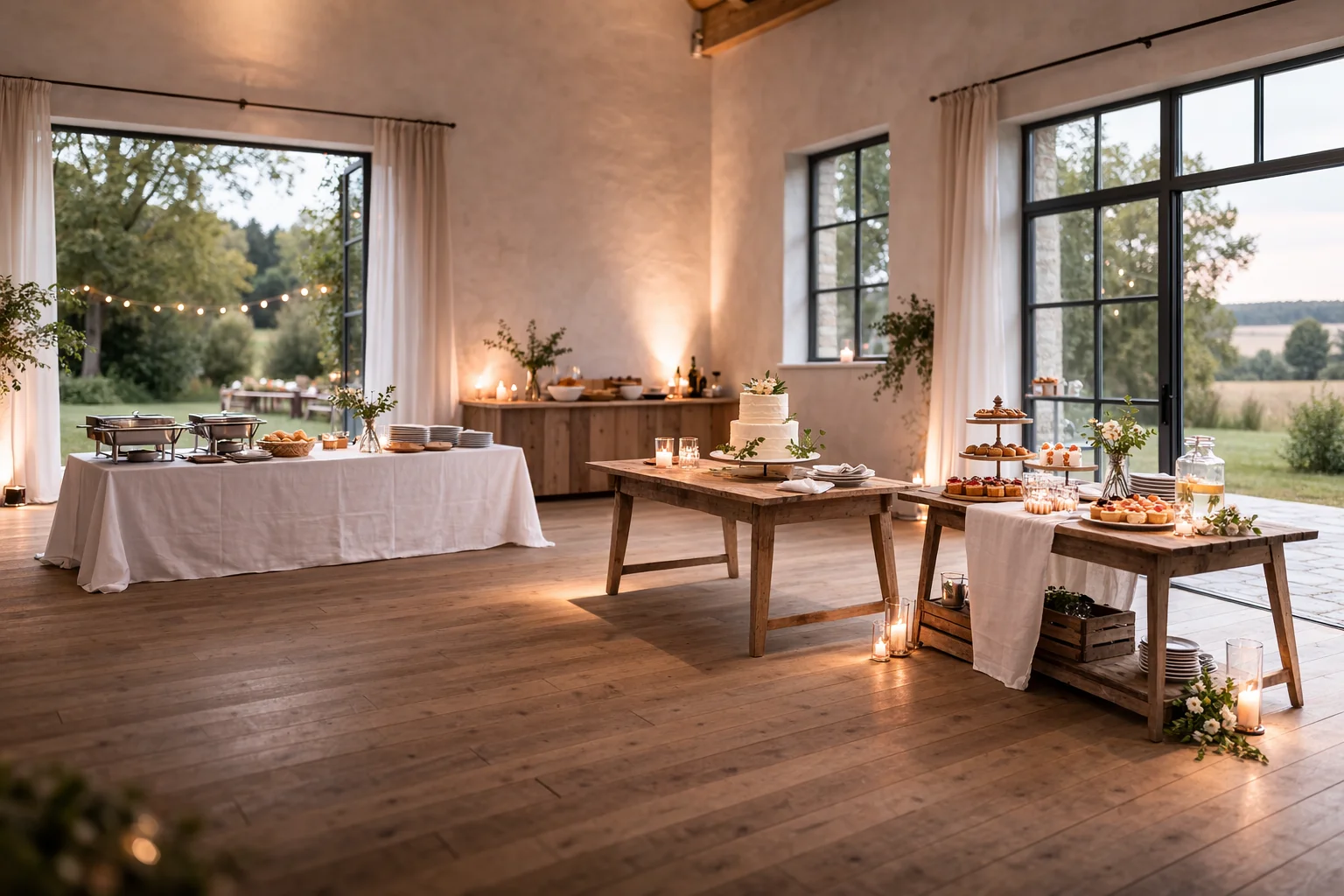
At many weddings, flowers move beyond the guest tables and into the service areas almost without discussion. They appear beside cakes, along buffet edges, near drinks, sometimes close enough to feel like part of the setup even when they are not. The effect is usually subtle. A food station feels more dressed, more continuous with the room, a little less functional in appearance, though not in use.
What makes this placement interesting is the tension inside it. Food areas need access, clarity, and easy movement. Flowers bring softness, shape, scent, and visual interruption. When the balance is right, the station feels considered rather than staged. When it is not, the whole arrangement can start to look crowded in a way no single object is fully responsible for.
Definition
Flowers near food means floral arrangements positioned directly beside buffet tables, dessert stations, or drink setups, often within the same visual and working zone. They do not serve the food, but they shape how that area is approached, perceived, and remembered.
The Border Needs To Stay Clear
The first question is practical rather than decorative. Guests need to see where plates begin, where serving tools sit, and how to move through the station without hesitation. Flowers can sit near food very successfully, but they need a readable edge. A vase tucked too close to a tray or a loose arrangement spilling toward serving space makes people slow down and recalculate. A wedding planner once described the difference simply: guests should notice the flowers after they have served themselves, not while they are still trying to understand where to reach.
Height Changes the Entire Station
Low arrangements tend to feel safer near desserts and buffets because they leave sightlines intact and keep the table readable from a distance. Taller florals can work at the ends of a station or slightly behind it, where they frame the area without interfering with plates, labels, or serving gestures. Florists often notice that the problem is not height itself, but height in the wrong place. A tall piece beside a cake knife or directly at the busiest access point turns beauty into obstruction in a matter of seconds.
Flowers & Florals – CategoryFlowers and florals are an essential part of wedding design, adding emotion, color, and natural beauty to the celebration. From bridal bouquets and table arrangements to ceremony arches and subtle accents, floral elements help define the mood and style of the day. Thoughtfully chosen flowers can highlight seasons, themes, and personal preferences, creating a setting that feels elegant, romantic, and alive.
Flowers Should Support, Not Compete
The strongest floral styling near food usually does less than people expect. It repeats a color, softens a hard table edge, or carries material language from the room into a more functional zone. That is where flowers become useful rather than merely decorative. They help the buffet or dessert table belong to the wedding visually, instead of feeling like a separate catering insert placed at the side of the room. This can be especially effective when the main tables are more restrained and the food stations quietly echo them rather than trying to outshine them.
Scent, Debris, and Small Realities
There are also the practical details people prefer not to mention until something goes wrong. Strong fragrance can compete with food. Pollen and falling petals are beautiful on a dinner table centerpiece, but less convincing beside frosted desserts or open serving dishes. Water-heavy arrangements can leave marks on linens or unstable surfaces if the station becomes crowded. Caterers often read these risks faster than anyone else because they watch how quickly a setup shifts once guests arrive. One pastry chef put it well: the best floral placement near desserts feels intentional at the start and invisible once service begins.
What Is Not Said Still Shapes the Mood
This is also a question of tone. A dessert table can announce itself loudly, or it can draw people in with a quieter kind of attention. Flowers often determine which of those moods takes hold. They signal whether the station is ornamental, abundant, delicate, theatrical, or restrained, often without a single explicit message. That is why the subject belongs naturally beside what is not said. Placement communicates before anyone speaks. Guests read the distance between cake and stems, the restraint of the arrangement, the amount of air left around the plates. The room understands these cues long before it explains them.
Not everything meaningful is spoken. Silence often carries what language cannot hold.
Conclusion
Flowers near food do not have to be avoided at weddings. They simply need a sharper sense of placement than many other floral moments in the room. When the edge is clear, the height is thoughtful, and the styling supports rather than crowds the station, buffets and dessert tables feel more integrated and more refined. The food remains central. The flowers do their quieter work around it. That is usually enough, and often exactly right.
Related Articles
Inviting With Care
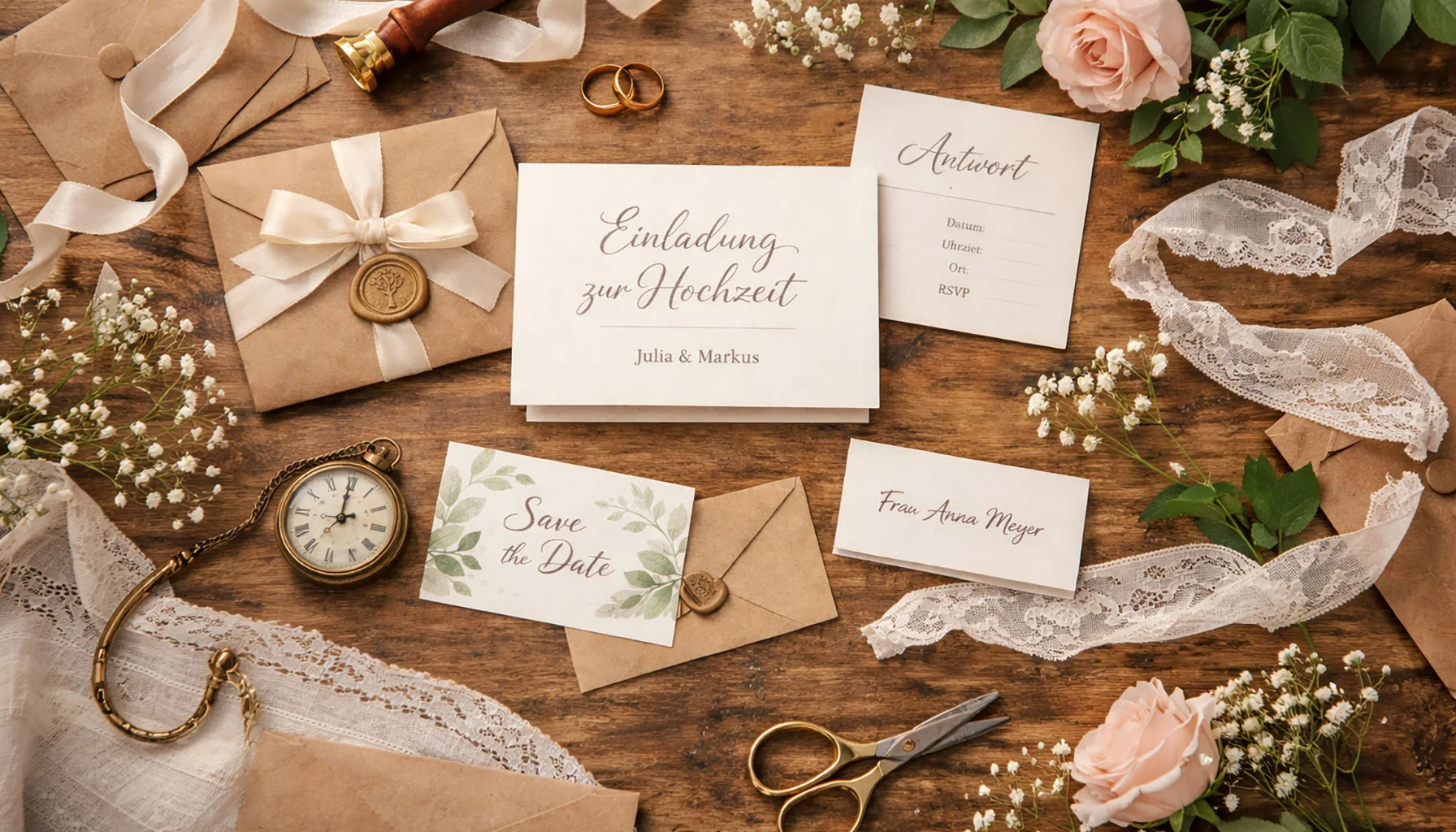
A wedding invitation does more than share a date. It begins shaping tone, expectation, and emotional distance long before anyone arrives. This article looks at invitations as the first quiet threshold of a wedding, where clarity, restraint, and what remains unsaid start doing their work.
Some Things Only Work With Certain Guests
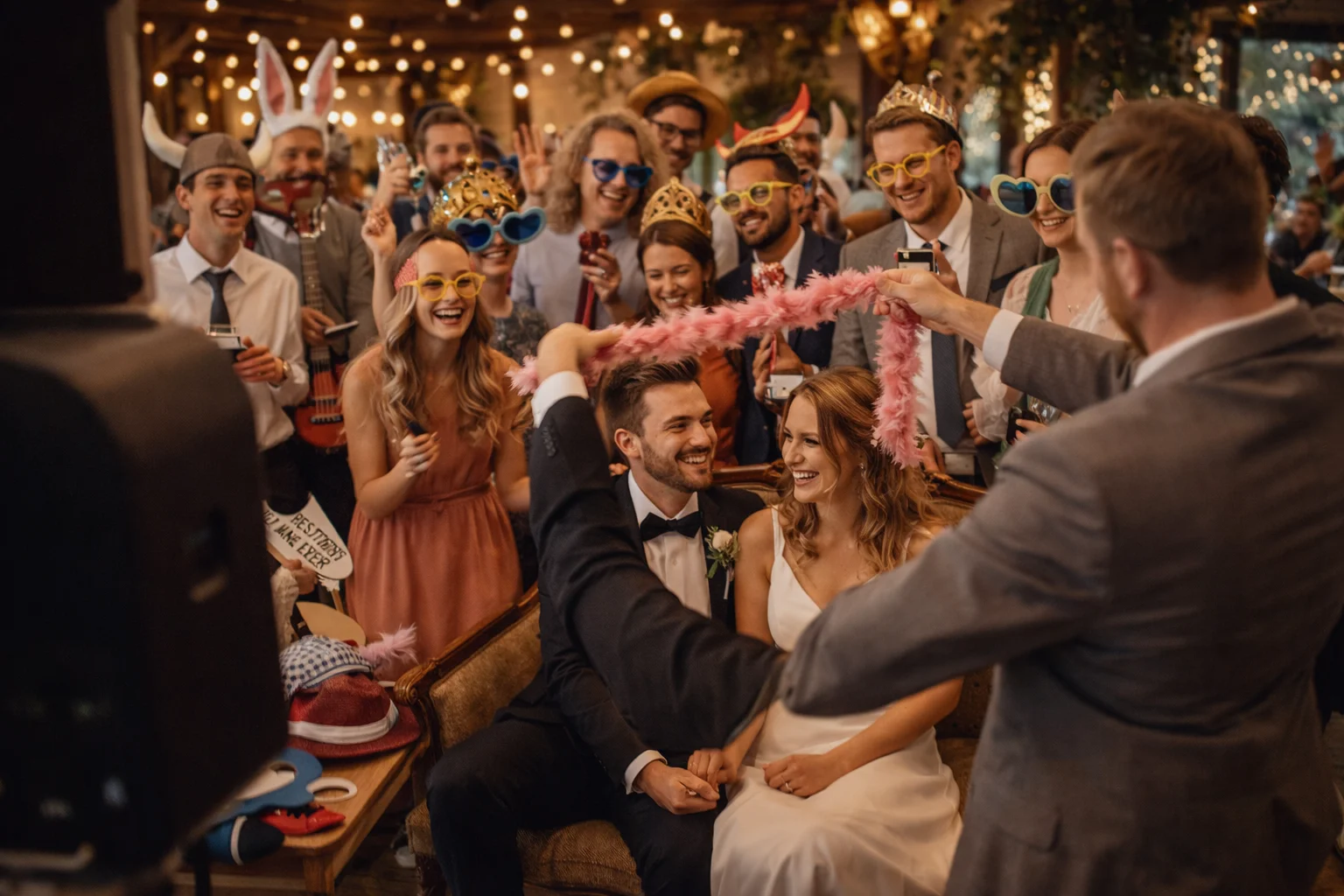
Wedding activities rarely work on format alone. They depend on guest chemistry, timing, shared ease, and the unspoken permissions already moving through the room before anyone fully names them.
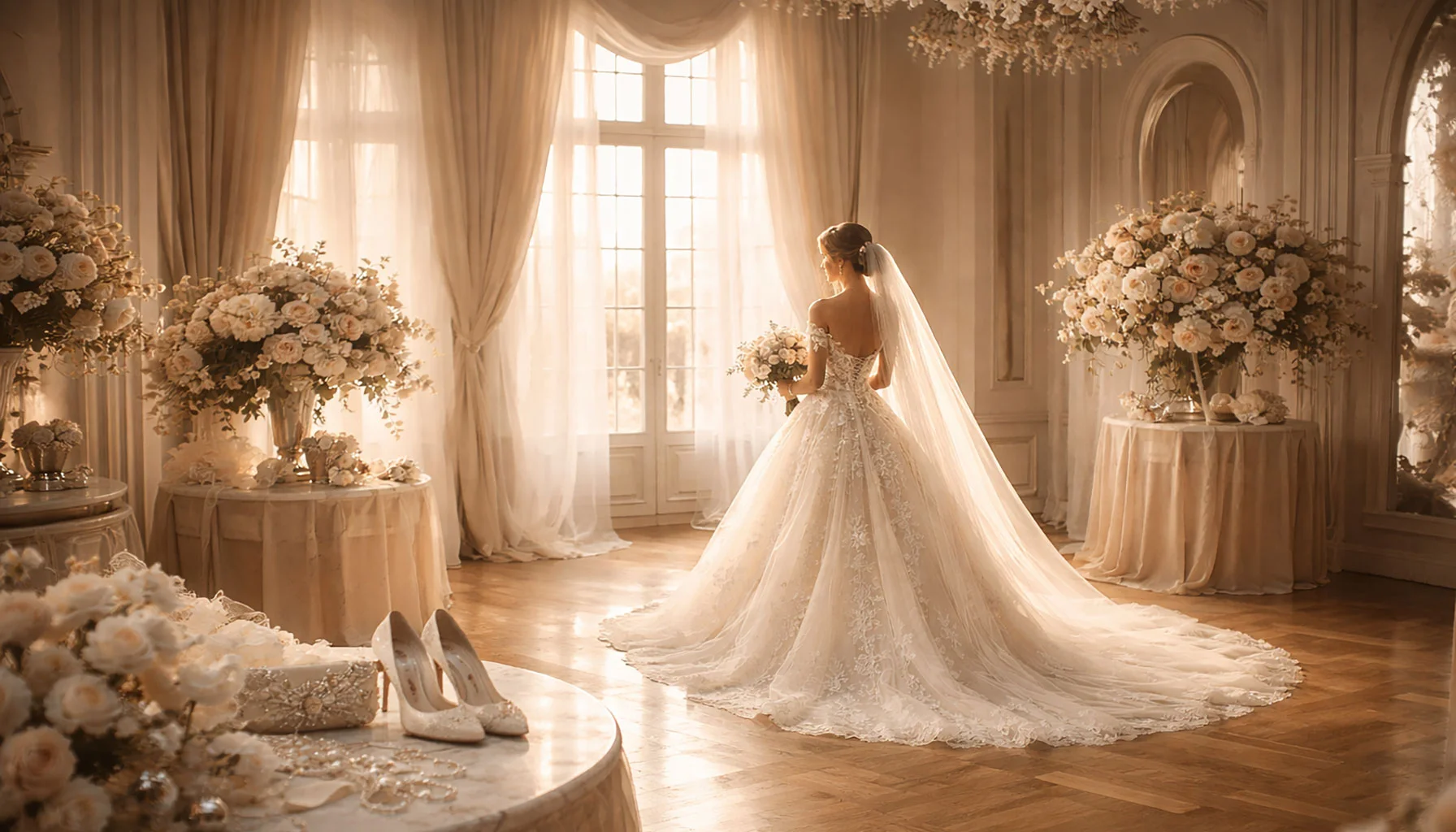
Bridal Fashion and Attire: Timeless Elegance, Modern Trends and the Art of an Unforgettable Bridal Look
Bridal fashion is rarely a single decision. It develops through fittings, conversations, and gradual adjustments until the visible result feels settled rather than assembled. This article looks at bridal fashion as a composed form of presence shaped by dress, styling, material, and the quieter language of what a bridal look communicates without needing to say it aloud.

Who Pays for What? A Wedding Budget Checklist for Couples and Families
When families help pay for a wedding, money can bring generosity, relief, pressure, or quiet control. This checklist helps couples discuss contributions, boundaries, priorities, and expectations before financial support begins shaping the day in unspoken ways.
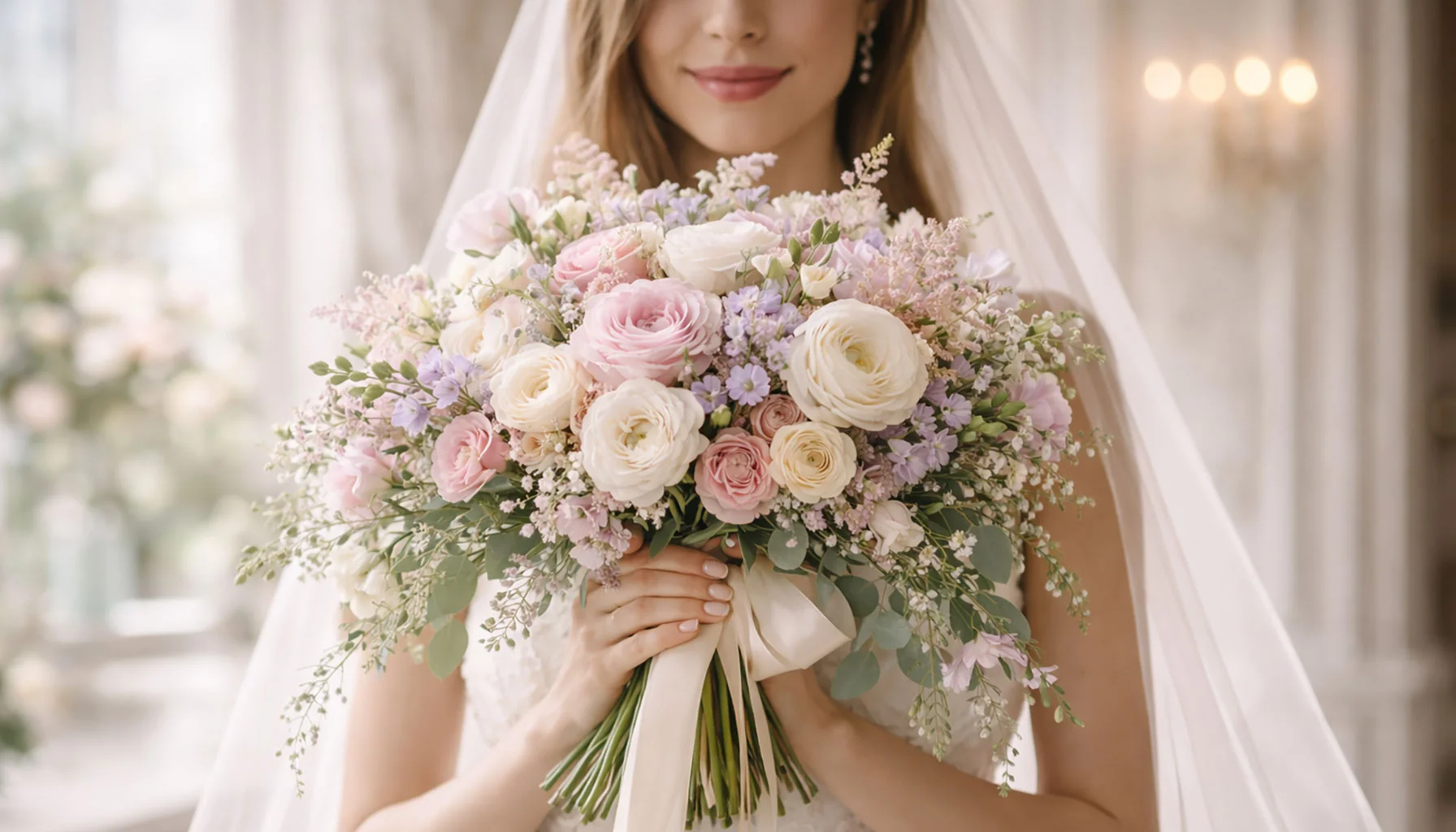
The Bridal Bouquet: A Silent Expression of Love, Style, and Timeless Emotion
The bridal bouquet accompanies the bride throughout the wedding day. It is held, adjusted, set aside, and taken up again. Its impact comes from balance rather than attention. Shape, weight, and color align with movement and appearance and become part of what is remembered.
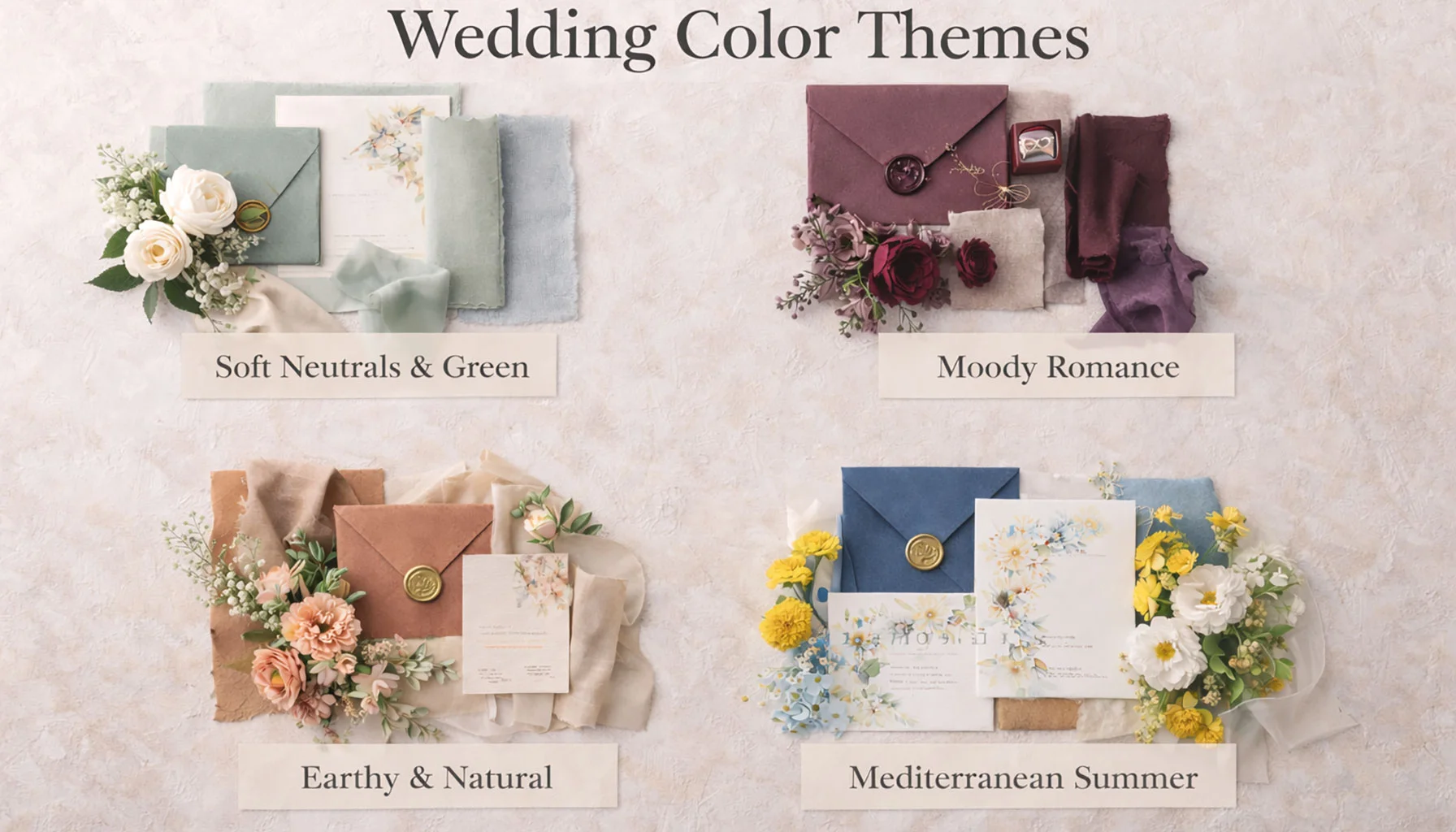
Color Palettes That Hold the Day Together
Color at a wedding is often felt before it is noticed. It settles rooms, links moments, and makes different elements seem as though they belong to one another without needing explanation. This article looks at wedding color not as decoration alone, but as a quiet symbolic structure that helps the day feel coherent.
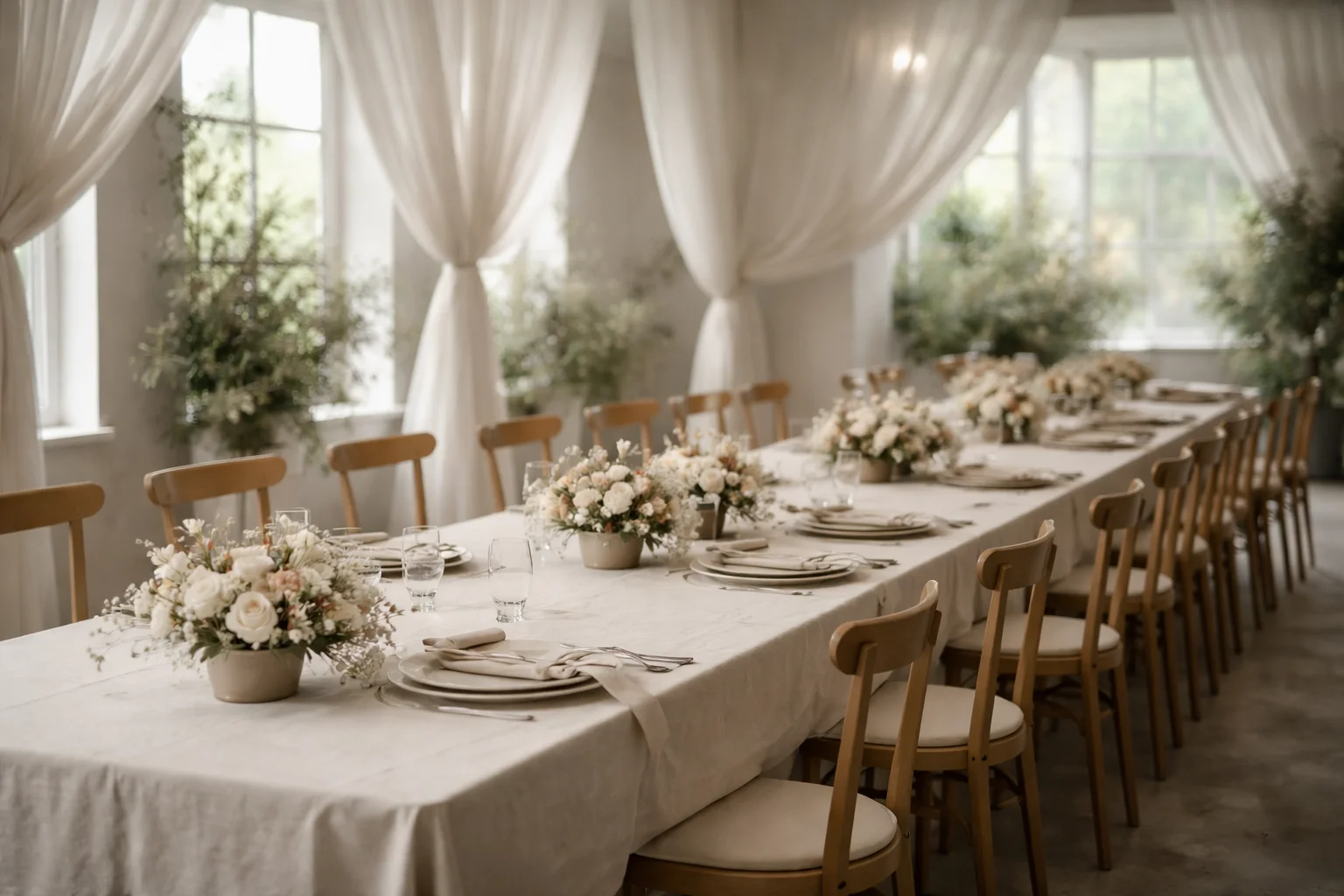
When Wedding Decoration Says What People Leave Unspoken
Wedding decoration is often discussed through color palettes, florals, table settings, and style references. Those things matter, but they are rarely the whole story. The room also carries what has not been fully explained: family tensions handled with grace, private histories that shape a couple's choices, or a shared wish for the day to feel calm rather than spectacular. In that sense, decoration is not only visual. It becomes part of the emotional architecture of the ceremony.
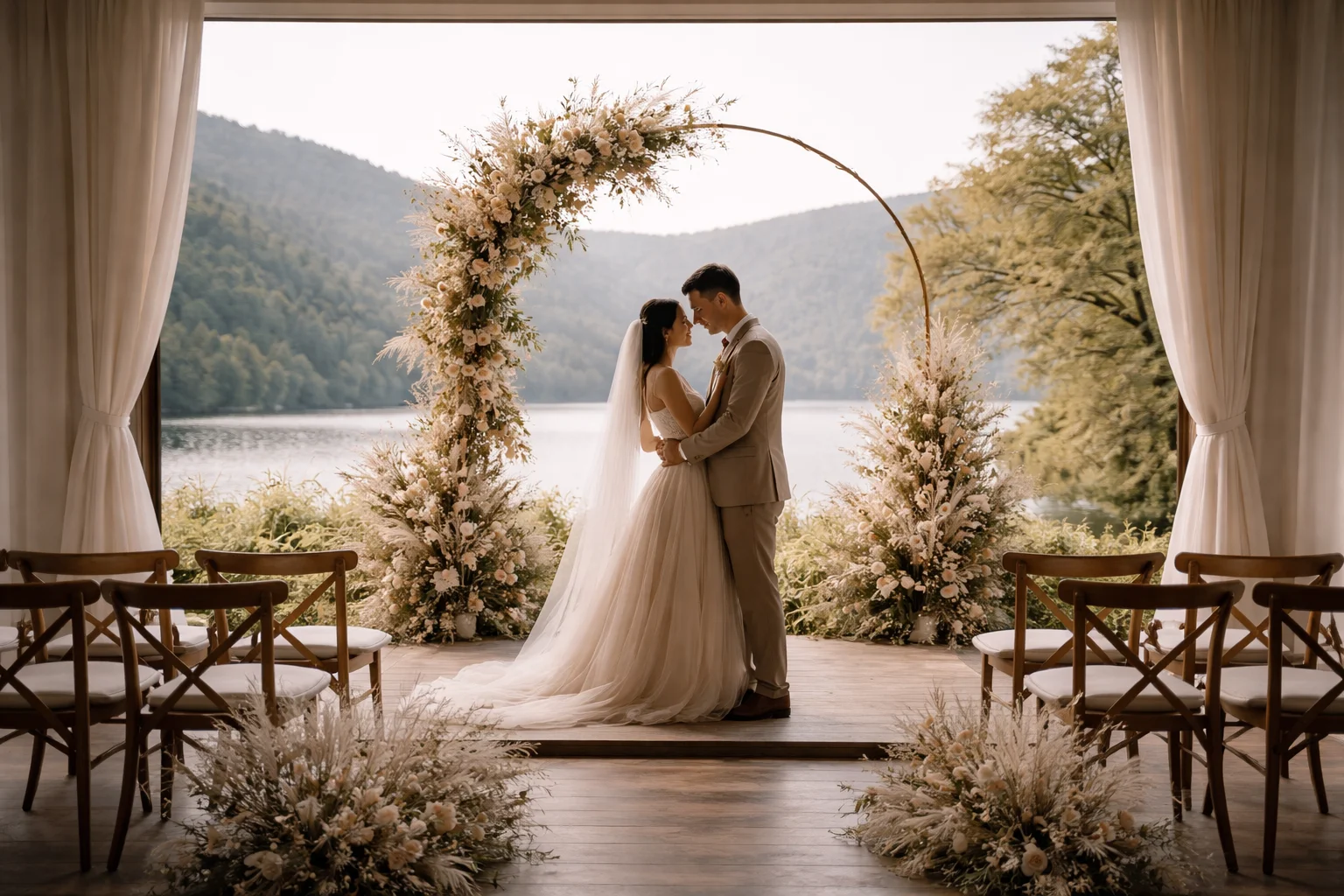
When Wedding Decoration Says More by Saying Less
In wedding planning, decoration is often discussed in visible terms: florals, candles, tables, color, scale. But the rooms people remember are rarely memorable because they were crowded with ideas. They stay with us because the space knew when to pause. A ceremony arch with air around it, a table that holds only what matters, a doorway left almost bare so that the people moving through it become the focus: these choices do more than decorate. They create emotional direction through wedding decoration that feels considered rather than performed.
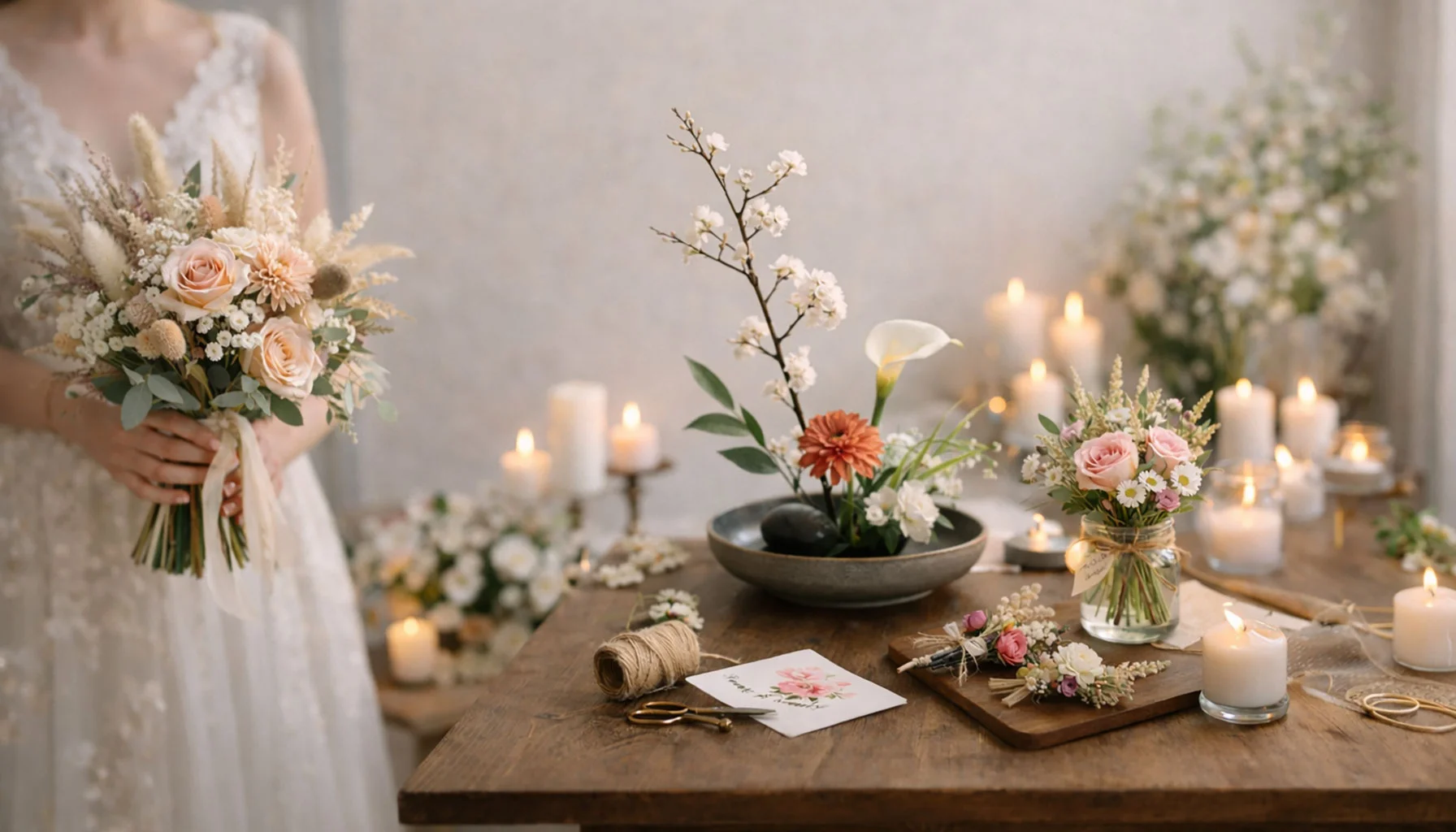
Timeless Blooms & Modern Floral Ideas for Meaningful Wedding Celebrations
Floral design shapes the atmosphere of a wedding more through presence than through display. Small choices, careful timing, and attention to place define how flowers are perceived. When arranged with restraint, they support moments, soften transitions, and remain quietly memorable.
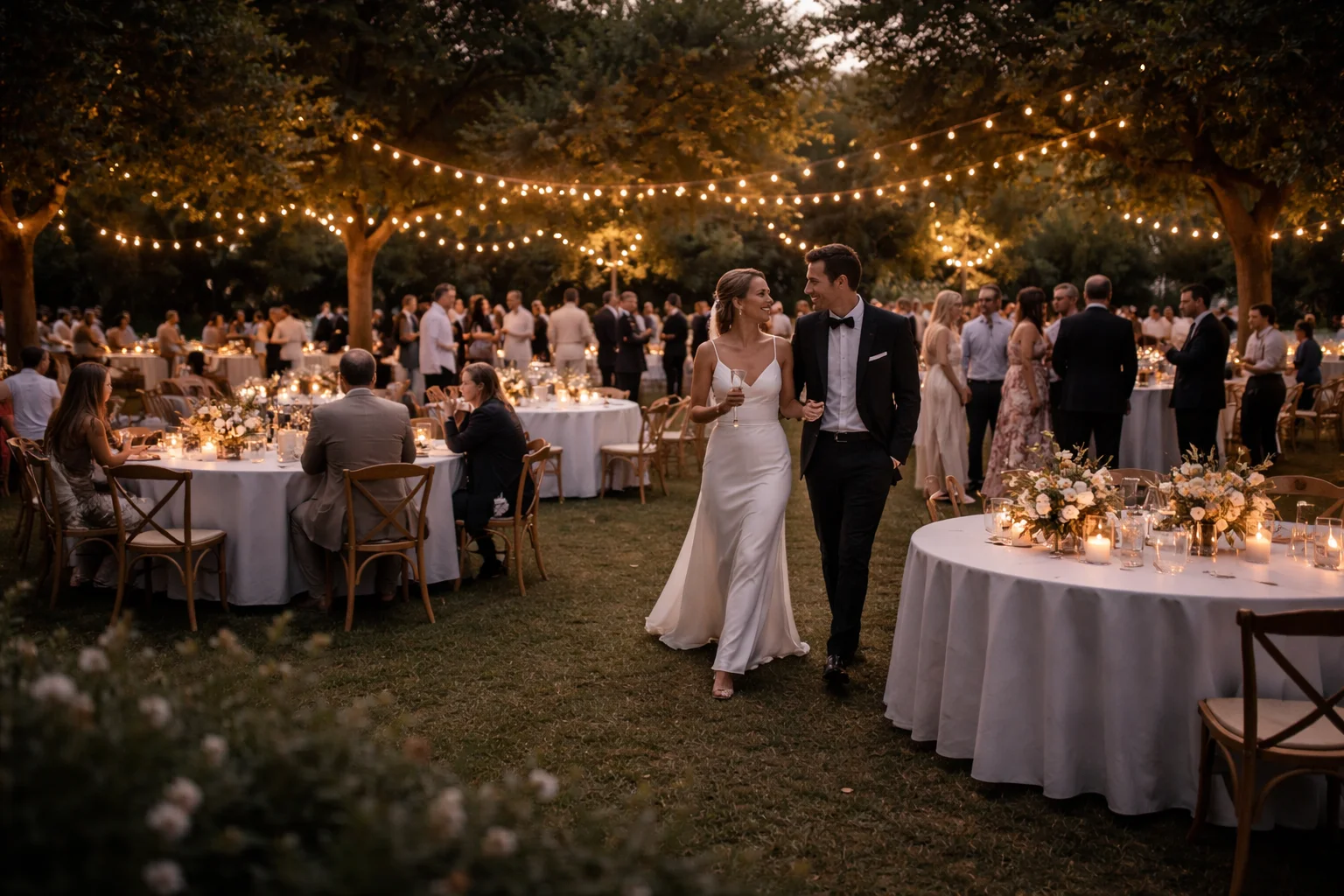
Second Dress for the Wedding Reception
At many weddings the clothing does not stay the same from start to finish. After the ceremony and formal photographs, a quiet shift sometimes happens. The bride disappears for a short time and later returns wearing something different. Guests notice it in small ways. A lighter fabric. Shorter hem. Movement that feels easier during the evening.
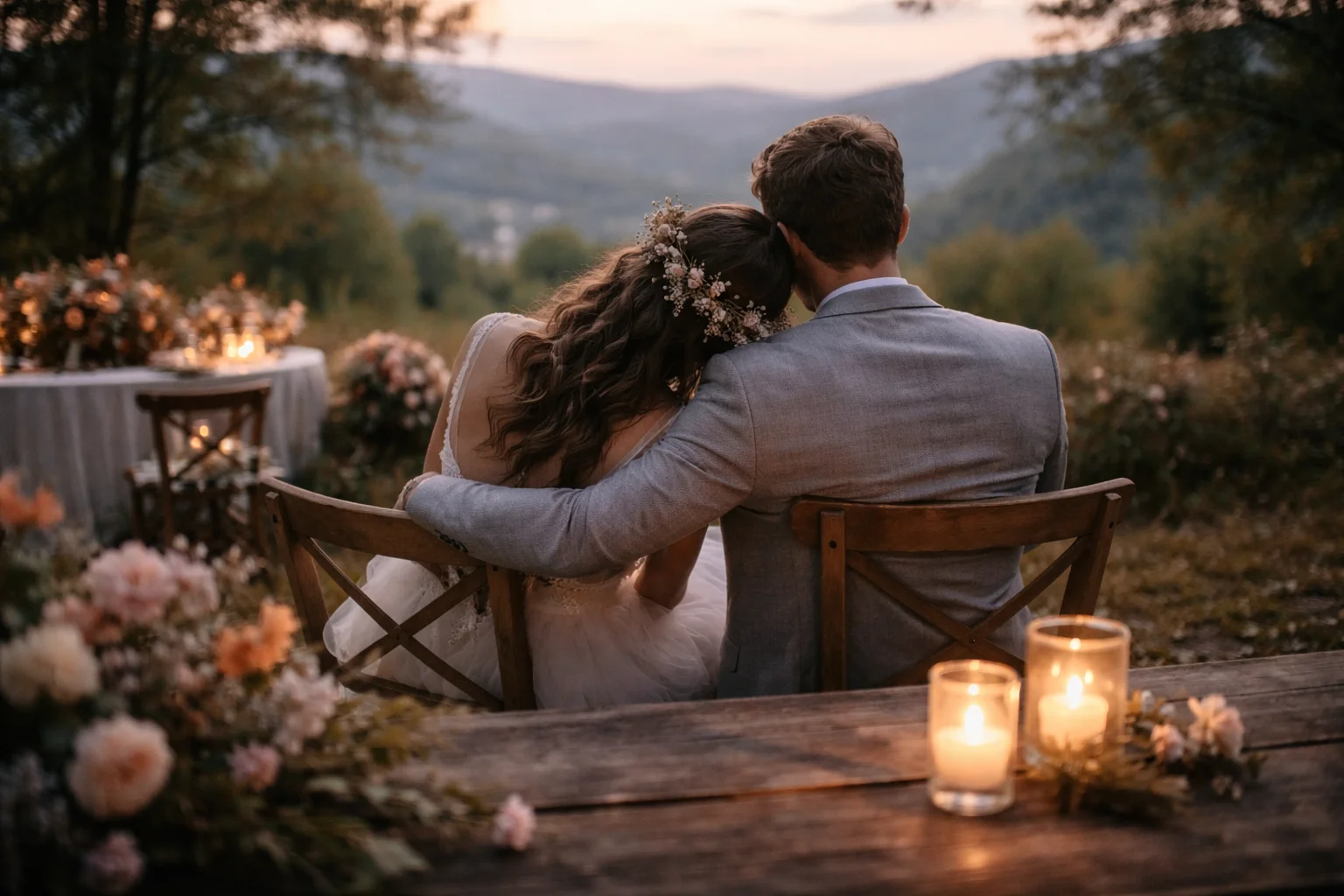
A Timeline Holds the Day, Silence Holds the Meaning
A wedding timeline organizes what happens. But what shapes the experience often lives in the pauses, the unspoken moments, and the space between events.
What Flower Shops Really Shape at Weddings
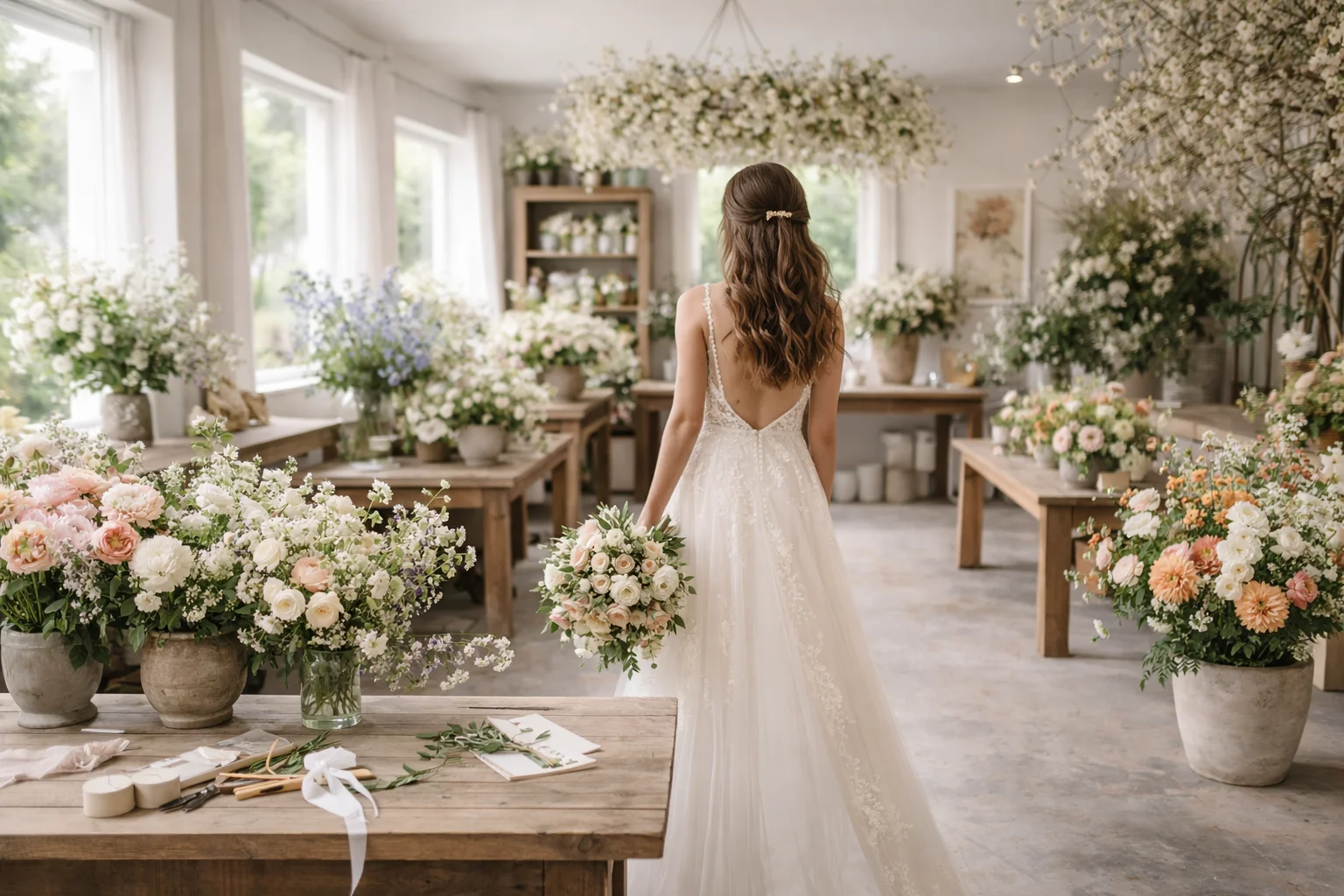
Wedding flowers are often reduced to color palettes and arrangements, but flower shops influence something deeper. They define how a ceremony feels, how space breathes, and what lingers after the moment has passed. This article looks at how florists shape both the visible and the emotional layer of a wedding.