
Inviting With Care
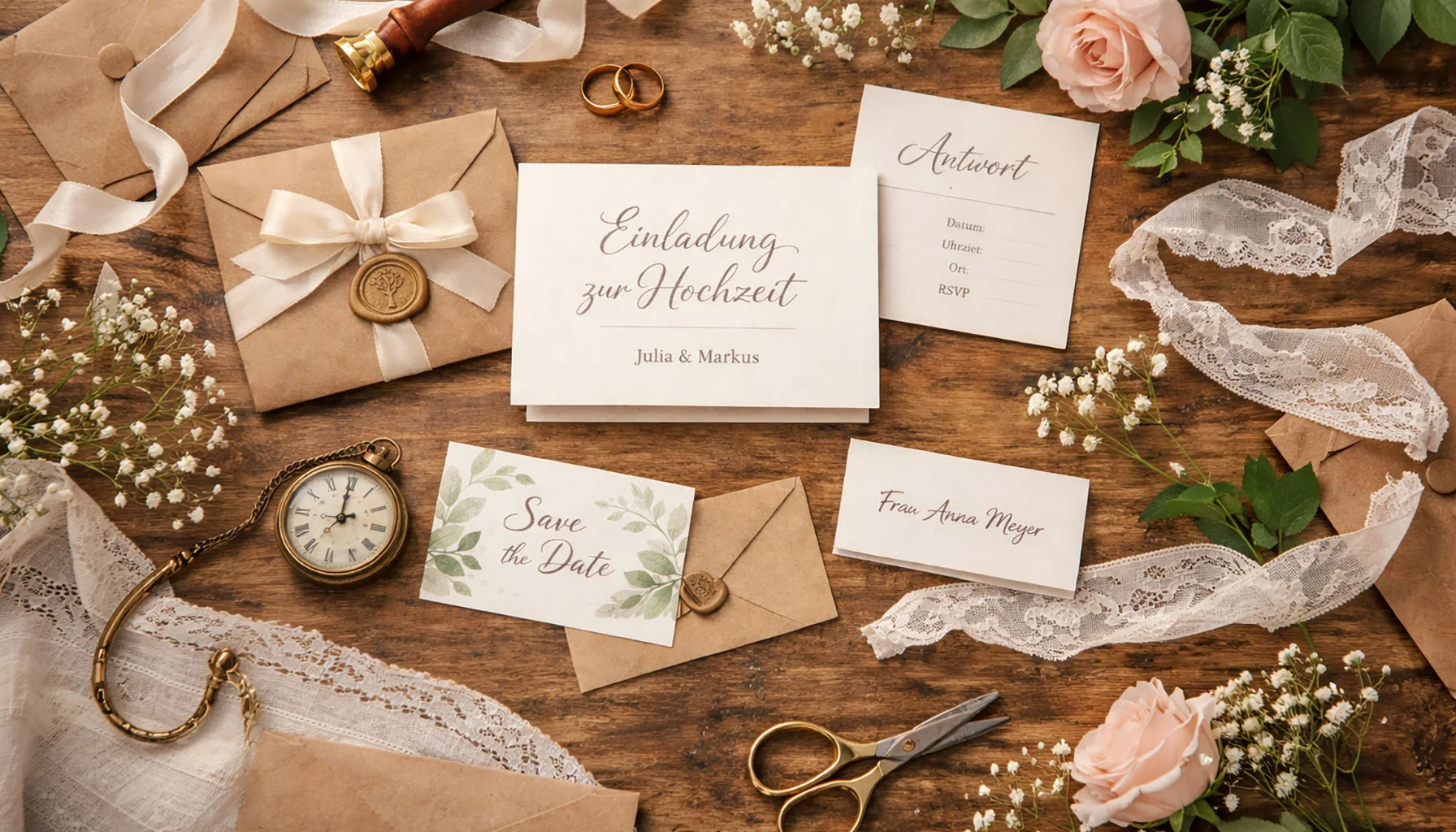
The invitation is often the first thing that stays. It arrives quietly, usually by post. People hold it for a moment longer than they expect. Some place it on the kitchen table. Others pin it to a board and leave it there for weeks. From the outside, it looks like paper. In practice, it starts the wedding early.
This is exactly why the subject belongs so naturally to both small weddings and what is not said. Small weddings on Loving Rocks are framed through intimacy, reduced distance, and a stronger sense of what actually matters, while What Is Not Said describes the quiet layer that shapes tone before it is ever explained openly. An invitation works in that same space. It says enough to orient people, but what it leaves untouched often determines how the day is already being felt.
Small Wedding Ideas – CategorySmall wedding ideas focus on creating meaningful, intimate celebrations that highlight what truly matters. With a smaller guest list, couples can invest in personal details, thoughtful experiences, and a relaxed atmosphere that feels authentic and warm. From cozy venues and simple décor to shared moments with loved ones, small weddings offer endless possibilities for a heartfelt and memorable celebration.
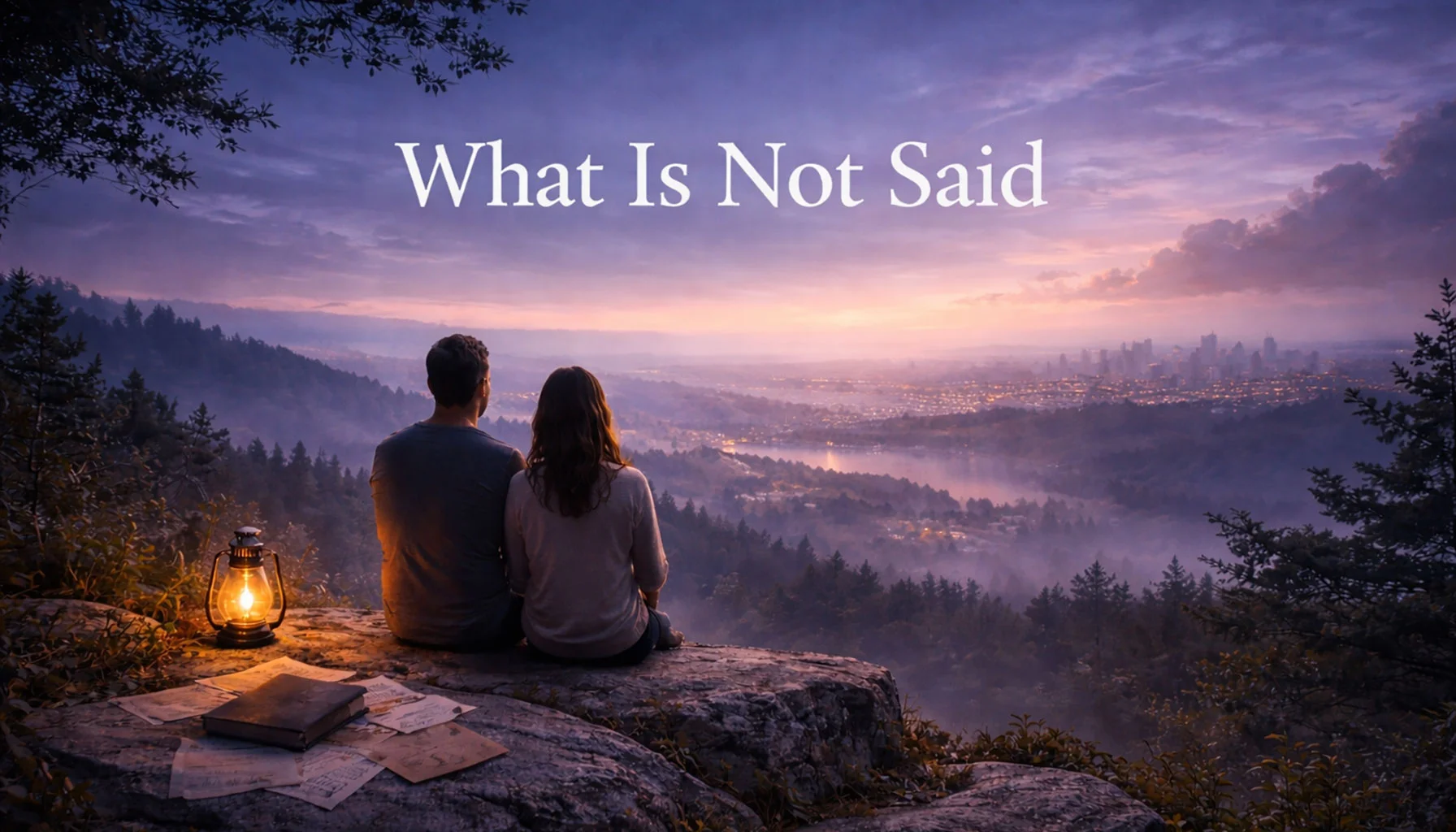
Not everything meaningful is spoken. Silence often carries what language cannot hold.
Definition
A wedding invitation is not only an informational object. It is the first quiet form of the wedding itself. Through tone, design, spacing, and clarity, it gives guests an early sense of scale, atmosphere, and expectation, often without naming any of these things directly.
Begin With a Voice That Sounds Familiar
Invitations work when at least one line feels unmistakably like the people getting married. Sometimes it is just the way a sentence ends. Or a choice of words that friends recognize instantly. Guests notice this. They may not comment on it, but it settles something. The invitation stops feeling generic and begins to feel inhabited, which matters even more in smaller weddings where tone carries further across the whole day.
When we opened it, we knew exactly what kind of day it would be.
Let the Design Reflect the Setting
Design tends to feel calm when it matches the place and the size of the celebration. Large venues support clearer structures. Smaller gatherings often sit better with less decoration. This is not about rules. It is about coherence. Restrained colors, readable type, generous spacing, lighter paper, natural textures, or a more direct visual language all do their work best when they seem to belong to the wedding rather than compete with it.
Choose Details Deliberately and Keep Notes Brief
Details usually speak louder when there are not many of them. A single ribbon. A seal. A certain paper weight. When everything is marked as special, nothing really stands out. The same applies to wording addressed personally to the guest. A short direct line is often enough. It does not need explanation or sentiment. Clear words feel generous because they leave room for the day itself to carry meaning instead of trying to perform it too early.
Make the Practical Parts Obvious
Most guests look for the same information first: date, time, place, and how to respond. When these details are easy to find, people relax. They feel taken care of, even if they never say so. This kind of clarity matters because it removes avoidable friction and leaves the quieter parts of the invitation free to do their work. In other words, what is not said can only feel graceful if what must be said is already clear.
Consistency and Restraint Create Ease
Consistency often carries further than variety. When fonts, colors, and proportions repeat across save-the-date cards, invitations, RSVP pieces, thank-you notes, menus, place cards, or welcome signs, the whole wedding starts to feel settled before it begins. Guests may not consciously notice the repetition. They notice the calm. The invitation becomes memorable not because it announced itself loudly, but because it already knew how to hold its own scale.
It felt like we were already expected, not just invited.
Conclusion
A thoughtful invitation does not announce itself. It does its work quietly. By the time the wedding day arrives, it has already shaped how people enter it. That is why inviting with care matters. Not because invitations must explain everything, but because they begin the atmosphere early through tone, restraint, and the small confidence of saying only what the day can truly carry.
Related Articles
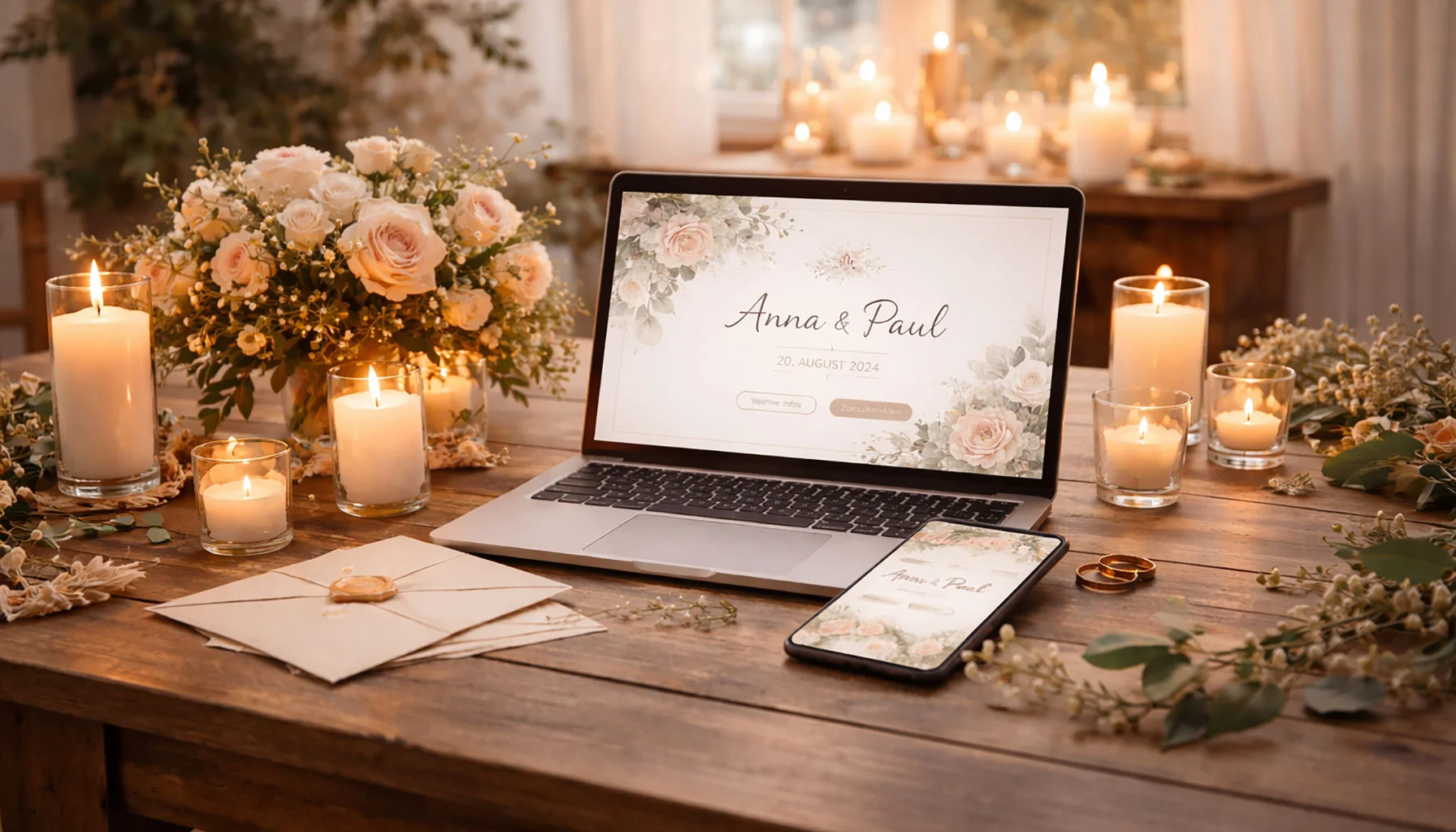
Wedding invitation online – Clearly organized, personally connected
Digital wedding invitations have established themselves in practice as a reliable organizational tool. They consolidate information, facilitate feedback, and connect guests regardless of their location. A wedding website provides clarity, reduces coordination effort, and allows for flexible adjustments to the schedule. Key are clear content, an uncluttered design, and a personal approach. This turns a technical solution into a fitting start for a shared day.
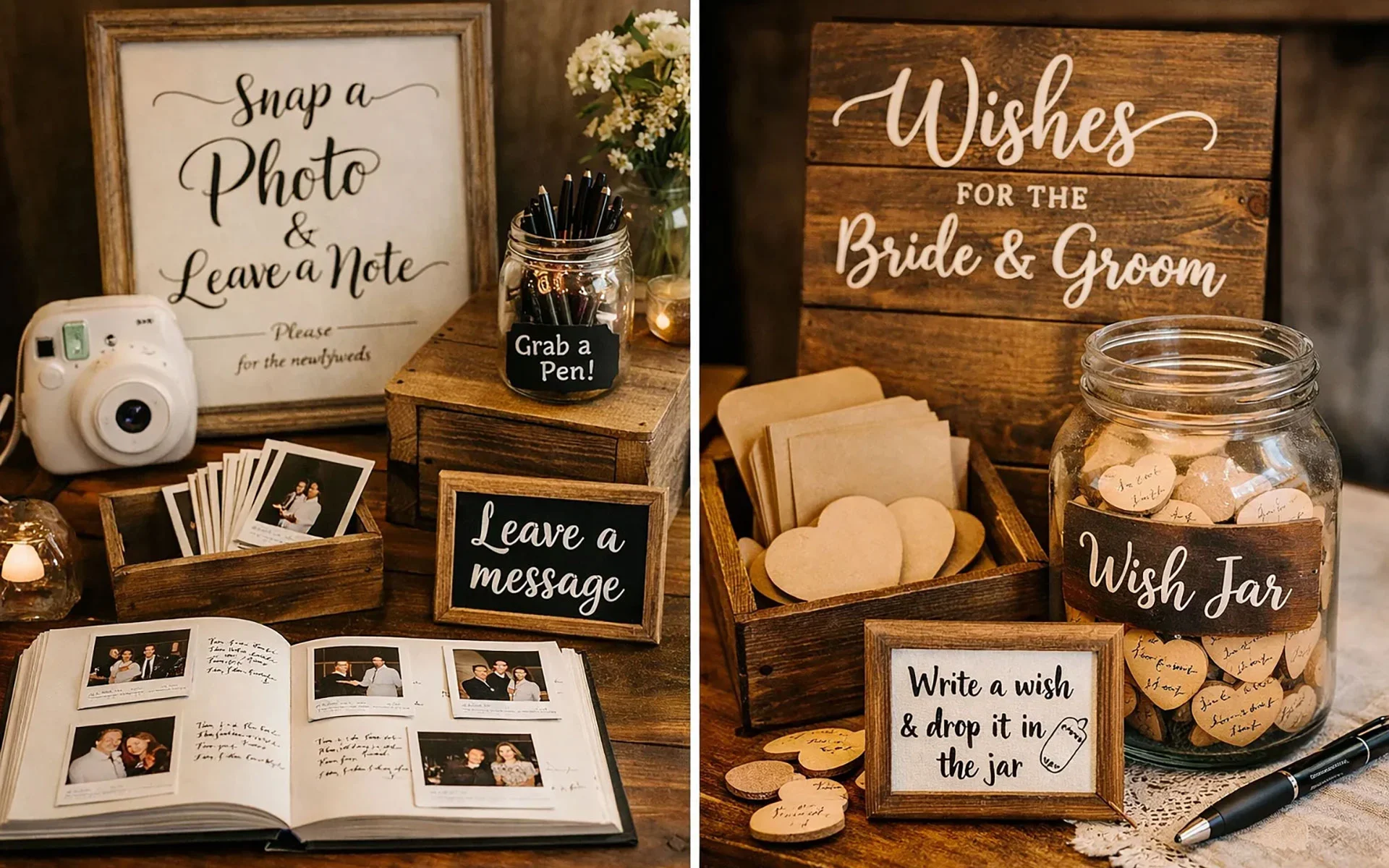
Small Wedding Ideas with Big Impact
The details guests remember from a wedding are rarely the largest ones. More often, they are the quieter things that changed how the room felt, how people moved, or how participation became natural without being managed. This article looks at small wedding ideas that leave a larger trace because they work like subtle rituals inside the day.
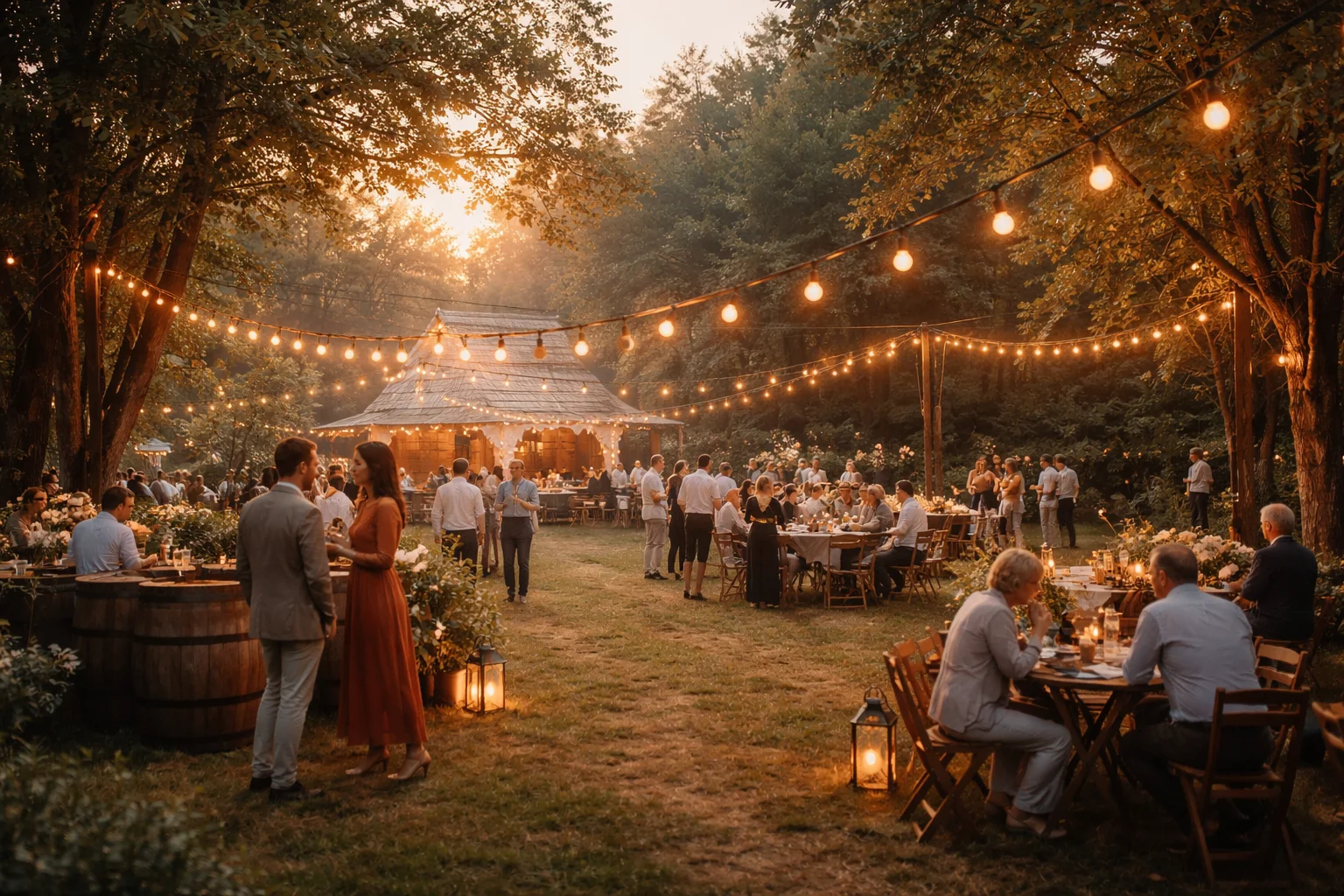
When the Day Builds Itself in Small Moments
Some weddings are held together less by formal program points than by short, unplanned interactions that quietly take over the day. This article looks at how micro-moments shape flow, attention, memory, and atmosphere, especially in smaller celebrations.