
Small Wedding Ideas with Big Impact
I have been at weddings with little decoration and at others where every corner was planned. What people remembered later was rarely the budget or the effort behind it. It was smaller things. How something felt in the hand. A moment that slowed the room down. Details that did not ask for attention but received it anyway.
This is why the subject belongs so naturally to both small weddings and rituals. The ideas below come from observation. From watching guests arrive, settle, talk, and wait. None of them rely on scale. Most work because they leave space. They allow people to take part without instruction, and in that way they behave less like decoration than like small rituals woven into the day.
Small Wedding Ideas – CategorySmall wedding ideas focus on creating meaningful, intimate celebrations that highlight what truly matters. With a smaller guest list, couples can invest in personal details, thoughtful experiences, and a relaxed atmosphere that feels authentic and warm. From cozy venues and simple décor to shared moments with loved ones, small weddings offer endless possibilities for a heartfelt and memorable celebration.

Rituals are the quiet architecture of love: proposals, engagement, wedding symbols, and the transitions that shape what remains. Start here to explore the portal’s foundational paths.
Definition
Small wedding ideas with big impact are details that shape atmosphere, participation, and memory without needing size or spectacle. They matter because they alter how guests move through the day and how the celebration remains present afterward. In practice, they often work by creating soft forms of repetition, pause, and shared attention.
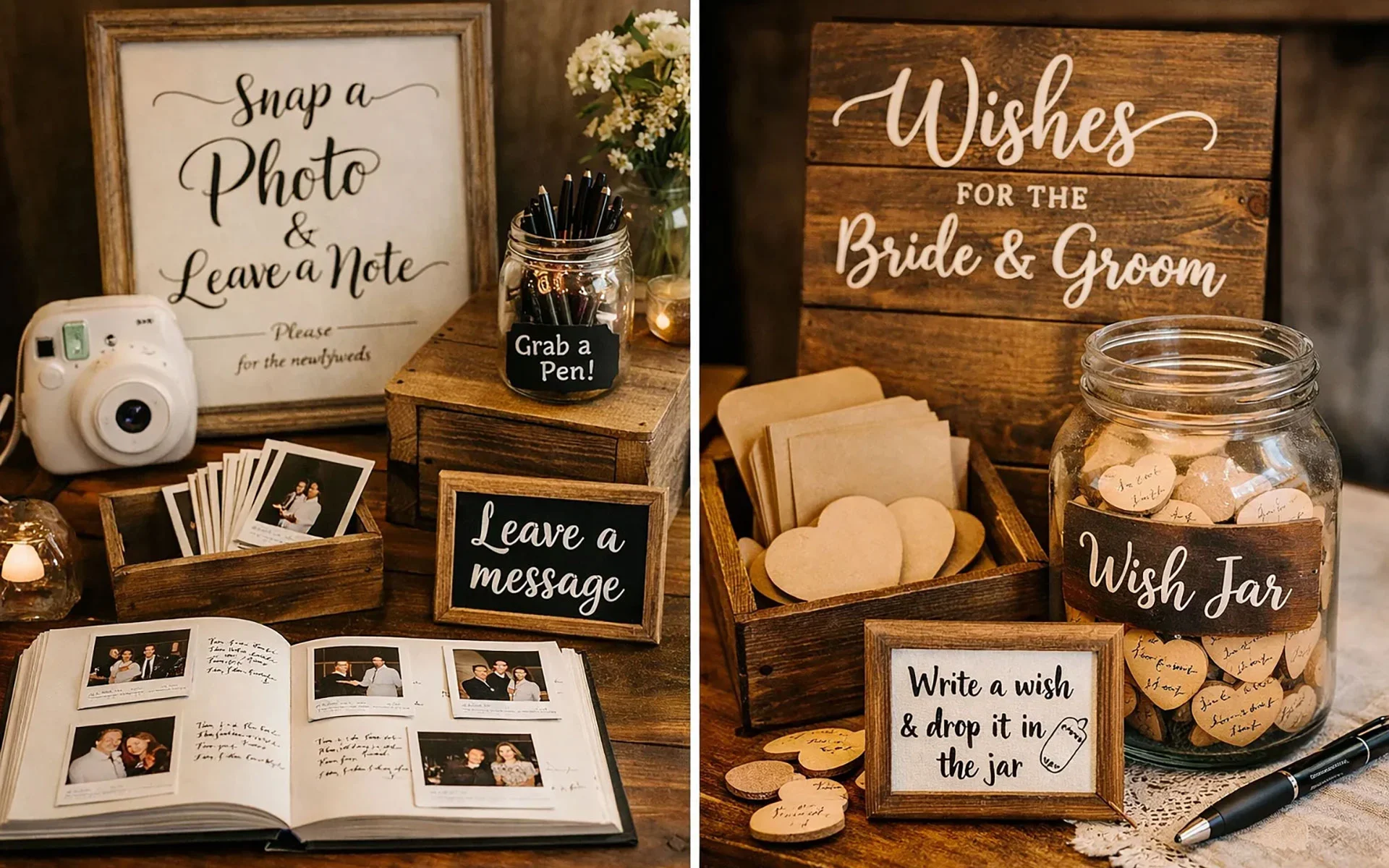
A Guest Book That Encourages Time
When guests are given loose cards or postcards, something changes. They sit down. They think for a moment. The notes tend to be longer, more specific. A bound book moves faster. Both work. The difference shows later, when the messages are read again. The same is true of place cards that feel direct and personal. A handwritten name, a short line, a thank-you at the seat changes the start of dinner because it slows the first contact just enough to make it felt.
We didn’t read them right away. We kept them and opened a few at a time.
Details Feel Stronger When They Look Handled
Handwritten table numbers, jars that do not match, paper with visible folds, a ribbon that feels chosen rather than styled, small sweets people can take without breaking conversation. These things do not look perfect, and that is often their strength. They feel used rather than displayed. Guests respond to that without naming it. Conversations settle. The room becomes easier to inhabit.
It didn’t feel staged. It felt comfortable.
The Best Activities Start Themselves
Some of the most effective details are the ones that need almost no explanation. Sparklers, bubbles, petals in bowls, a table with a few questions, a place to leave a voice note, a camera with tape and a pen nearby. These things work when participation is obvious. One person starts, others follow, and the moment grows on its own. Because the gesture is optional, guests enter it more freely and often come back later to notice what others have left behind.
Light and Music Quietly Change the Whole Room
Candles and soft lights change how people move. Shoulders drop. Photos soften. Corners become usable. It does not need much, only enough to take the edge off the space. Music works similarly when it sounds lived with rather than curated for effect. Songs from everyday moments, drinks with a short story, one or two named choices that guests repeat at the table, a playlist people seem to recognize without thinking. These things make the wedding feel inhabited rather than programmed.
A Quiet Memory Table Can Carry More Than Decoration
Photos from family weddings, a few names, almost nothing crowded. Guests approach slowly and stand there longer than expected. The best versions do not explain themselves. They simply exist. That is often enough. In small weddings especially, a memory table can widen the room without making it louder. It allows guests to feel part of something older than the day itself.
I didn’t know them well, but I felt included.
Conclusion
Small details tend to last because they are close. They do not explain themselves. They do not compete. They allow guests to take part in their own way. At the weddings that stay with people, it is often one quiet detail that shaped the whole day. That is why small wedding ideas can have such large impact. They are not minor extras. They are often the points where the celebration becomes felt rather than merely seen.
Related Articles
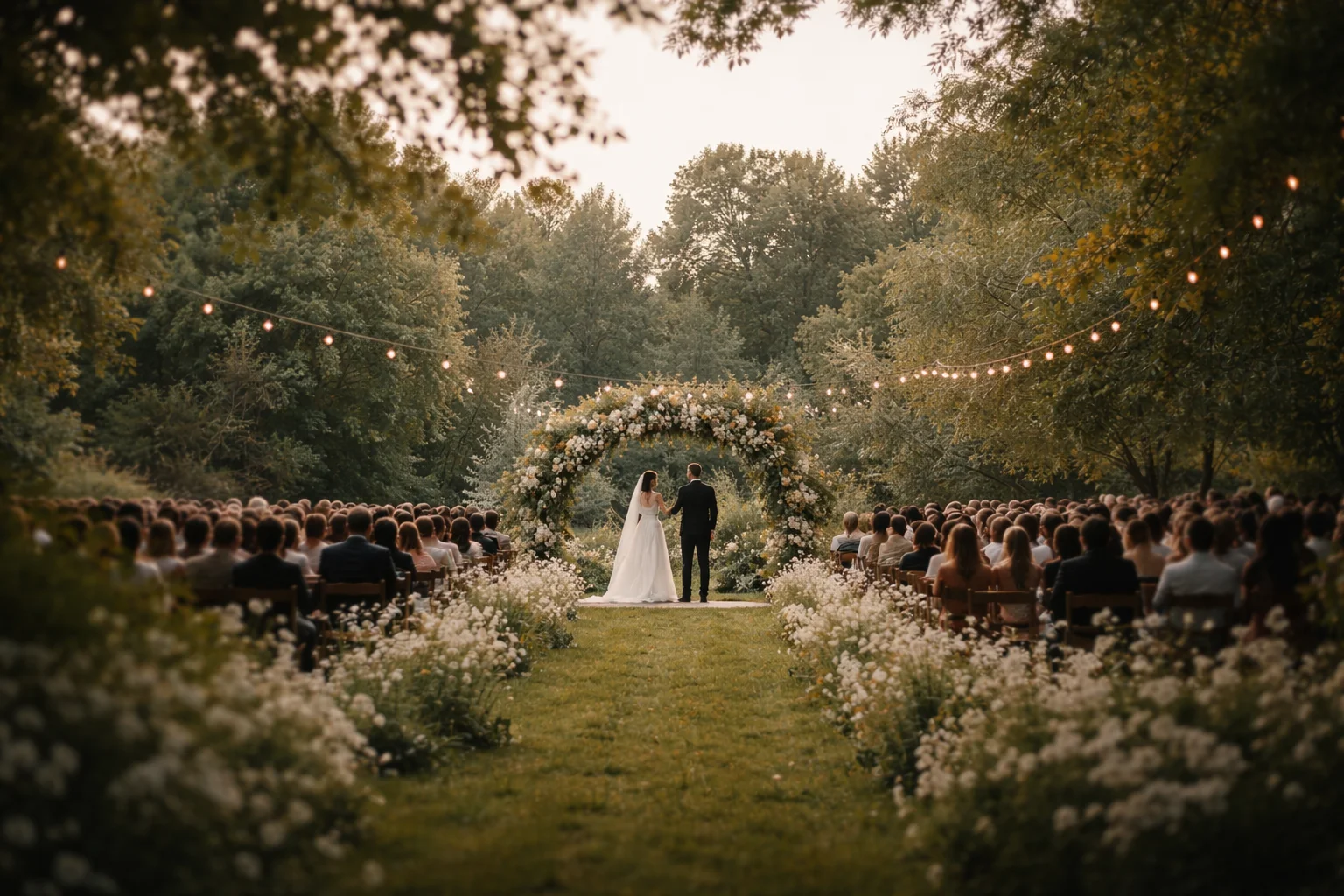
The Quiet Structure of a Wedding: How Checklists Become Rituals
Behind every calm, meaningful wedding lies a structure that no one notices. This piece explores how practical checklists and deeply felt rituals are not opposites, but partners in shaping a ceremony that feels grounded, intentional, and real.
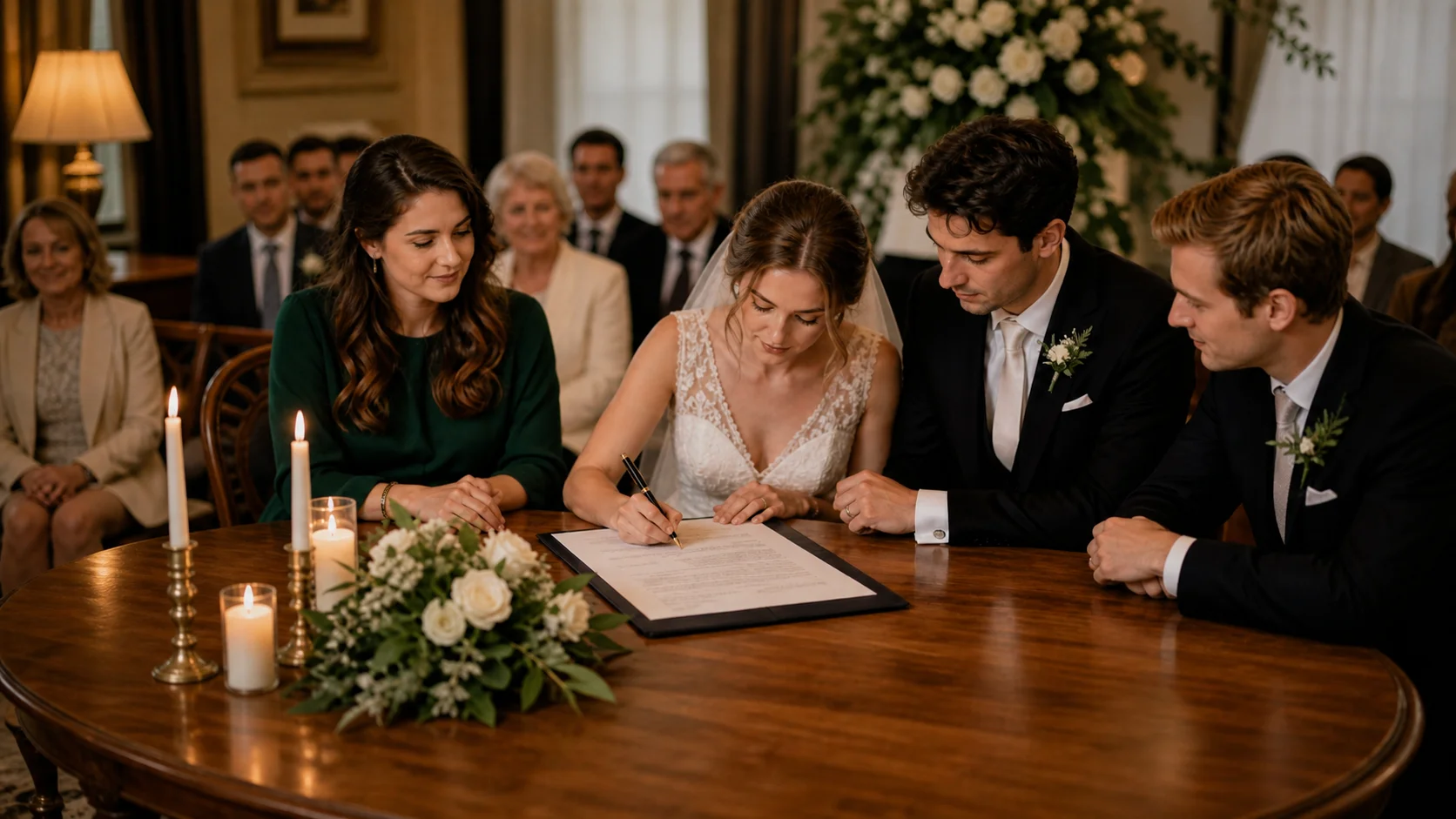
Witnesses and Signatures: The Small Legal Moment Guests Often Misunderstand
The signing moment at a wedding can look like a brief pause, but it carries both legal and symbolic weight. This article looks at witnesses, document requirements, signing tables, visibility, ceremony flow, and how a small official act can quietly become a ritual.
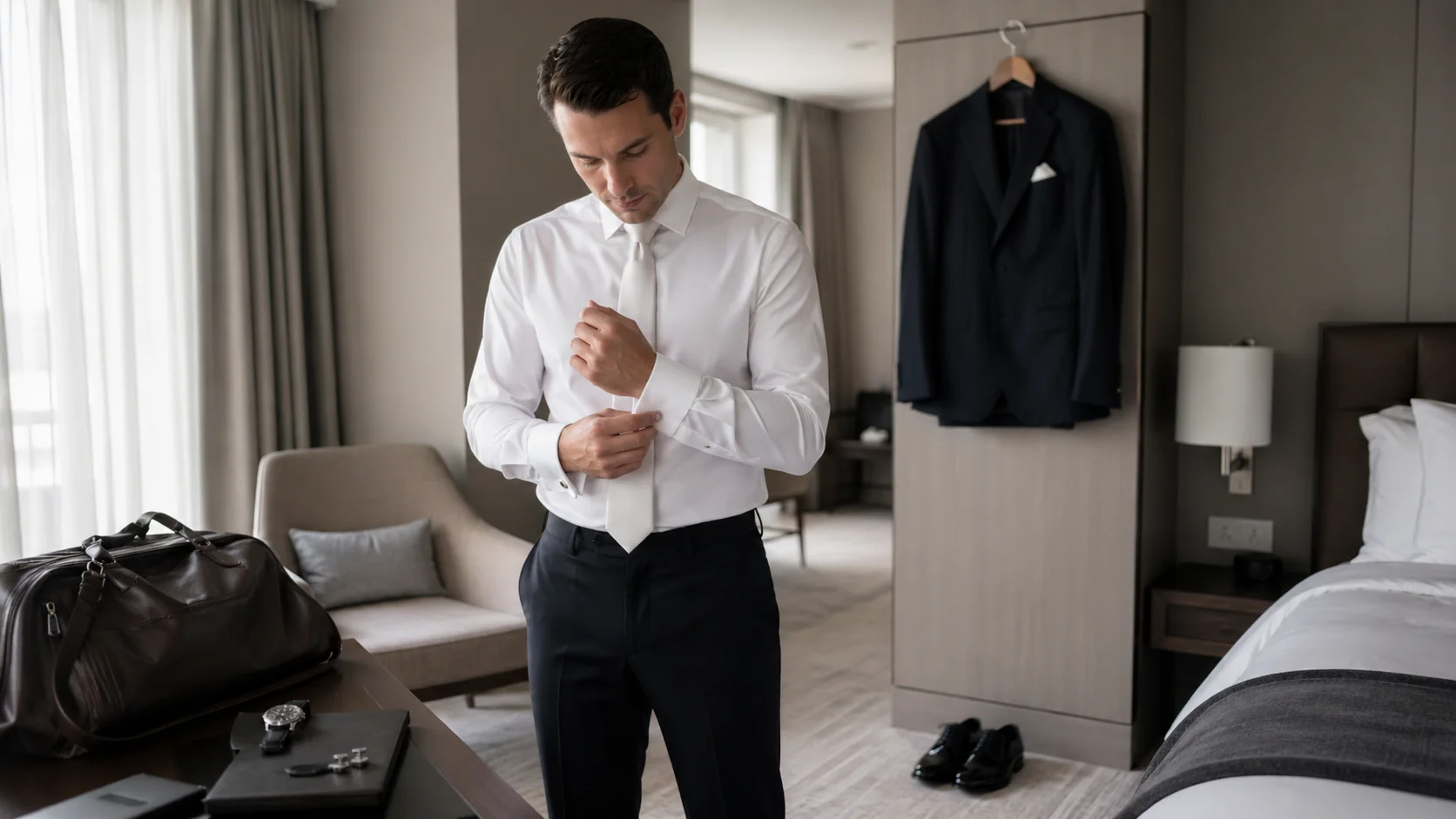
Groom’s Morning Checklist: What Keeps the First Hours Clear and Unforced
The groom’s morning often looks simple from the outside, but it depends on small decisions made early. This article looks at clothing, food, rings, timing, communication, photography, transport, and the quiet rituals that keep the first hours clear without making them feel staged.
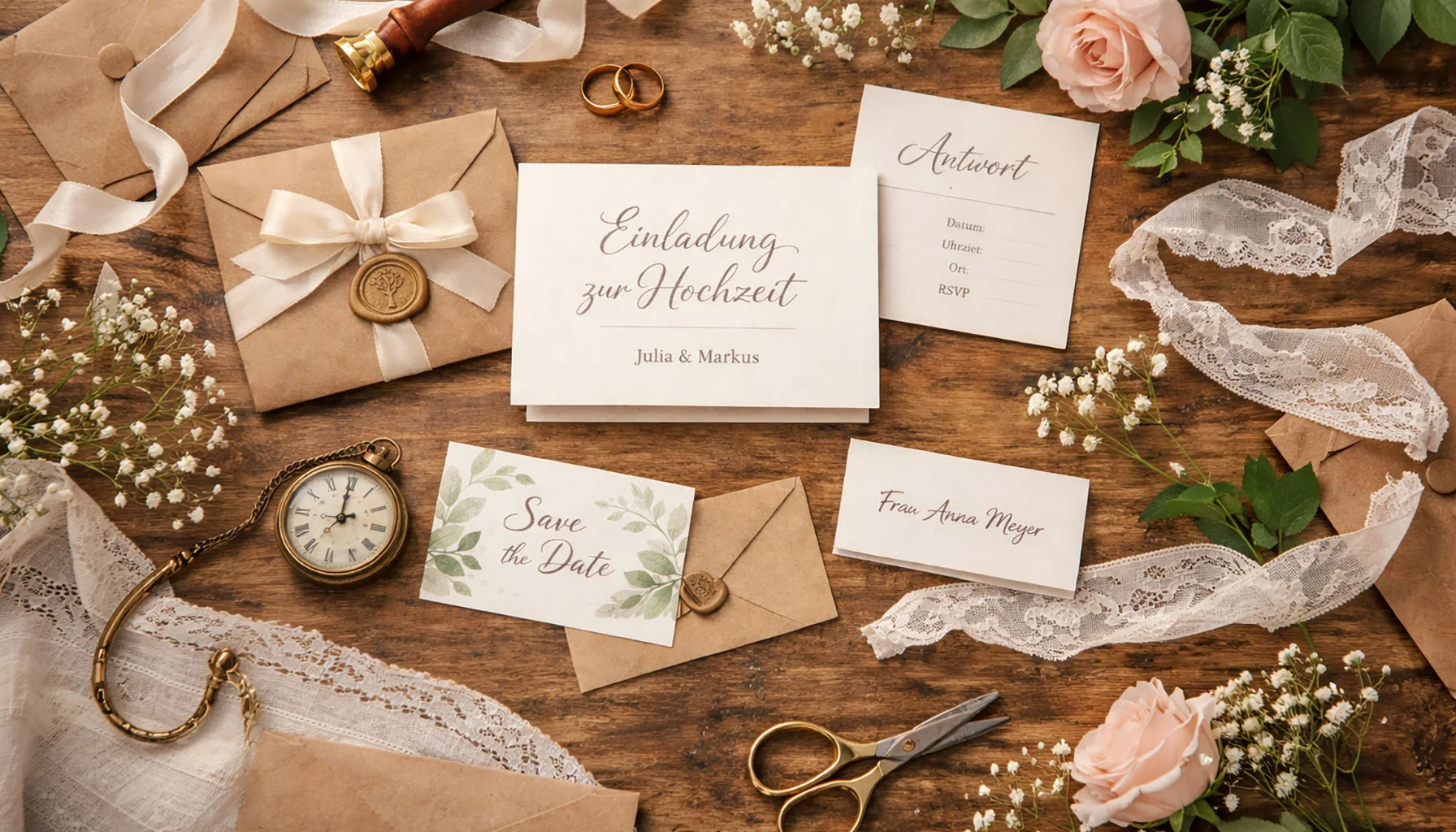
Inviting With Care
A wedding invitation does more than share a date. It begins shaping tone, expectation, and emotional distance long before anyone arrives. This article looks at invitations as the first quiet threshold of a wedding, where clarity, restraint, and what remains unsaid start doing their work.
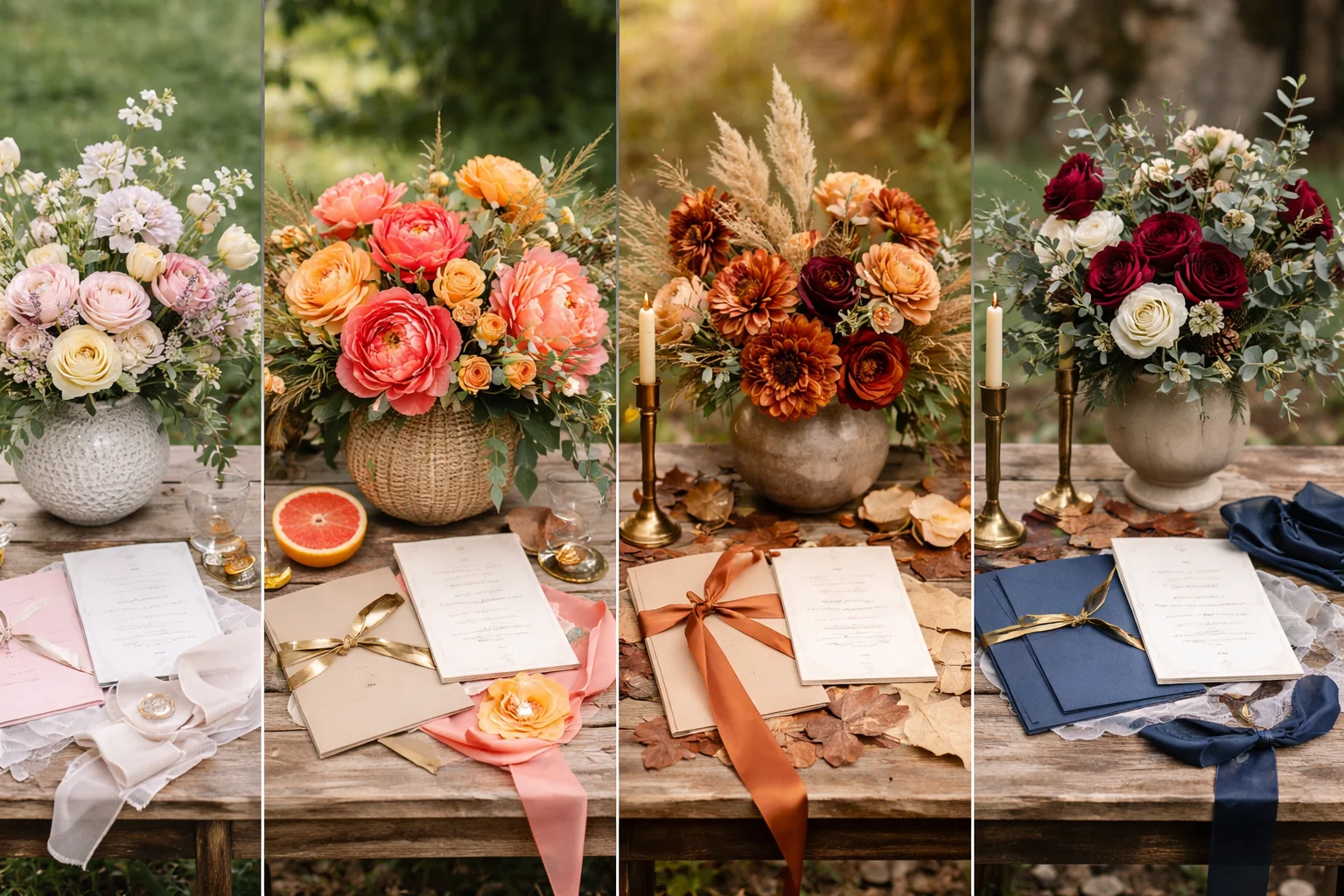
Seasonal Wedding Colors in Practice
Color at weddings often moves with the season. Not strictly planned that way. It just happens when looking across many events over time. A wedding in May rarely looks the same as one in October. The difference sits quietly in the palette.

Before Wedding Planning Takes Over: An Engagement Checklist for the Things That Actually Change
An engagement can turn into a wedding project surprisingly fast. Before venues, guest counts and timelines take over, there are quieter things worth checking together: expectations, family pressure, money, symbols, privacy and what the promise has actually changed between you.
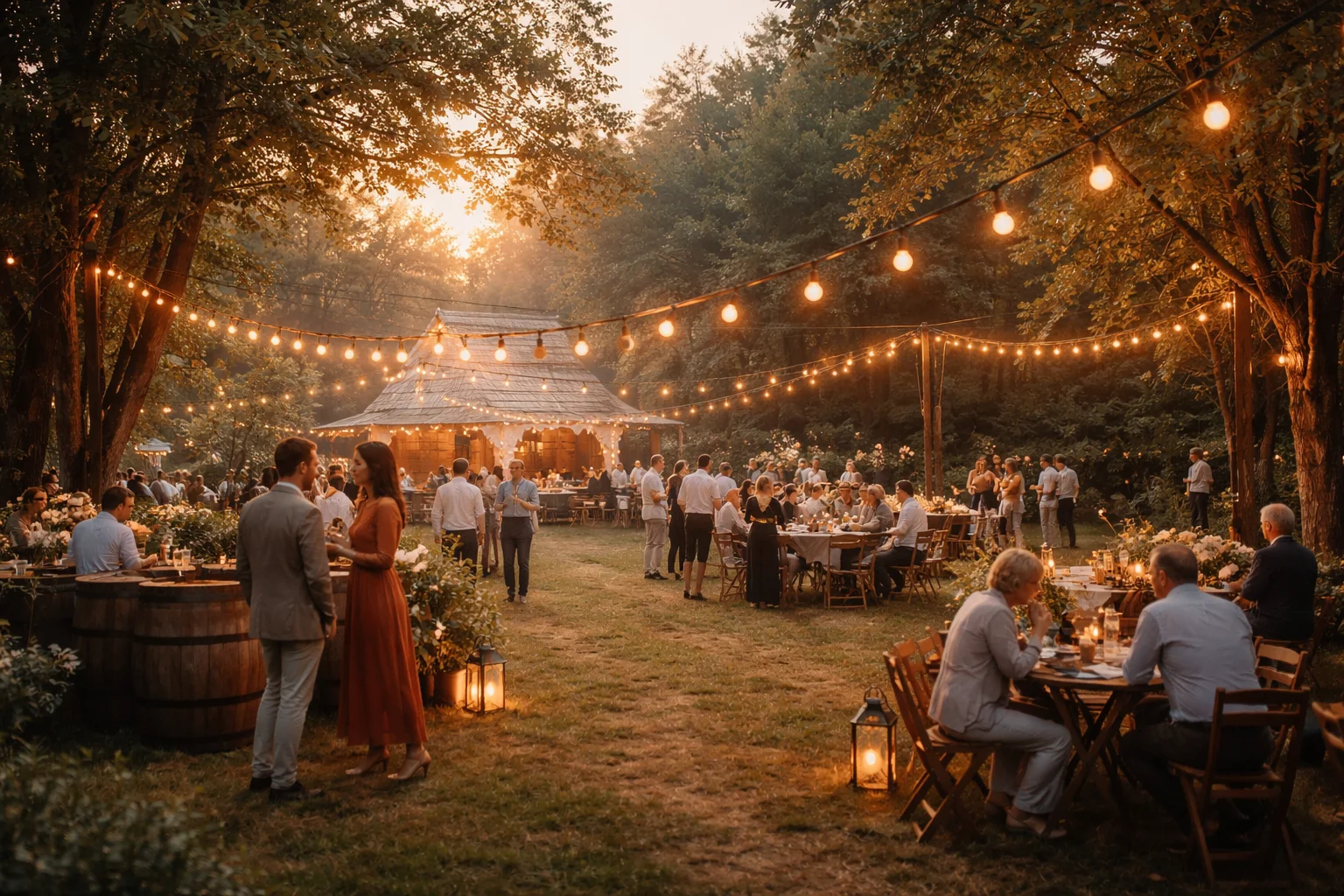
When the Day Builds Itself in Small Moments
Some weddings are held together less by formal program points than by short, unplanned interactions that quietly take over the day. This article looks at how micro-moments shape flow, attention, memory, and atmosphere, especially in smaller celebrations.
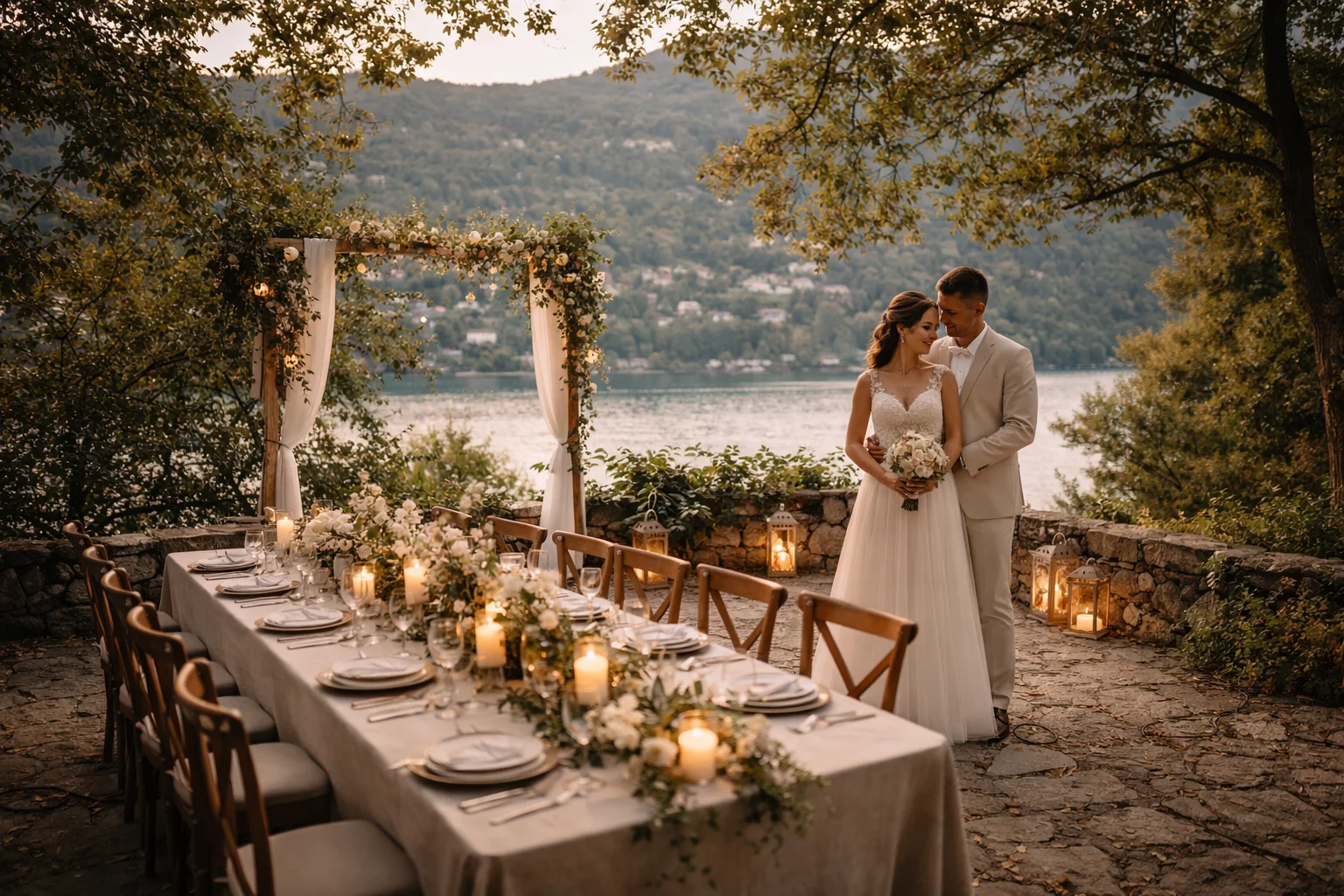
Where Small Weddings Expand Beyond the Ceremony
Small weddings are often described through numbers. Fewer guests, fewer tables, fewer logistical layers. The focus shifts naturally toward what is essential. People arrive, take their places, and the ceremony begins without much distance between those involved and those witnessing it.
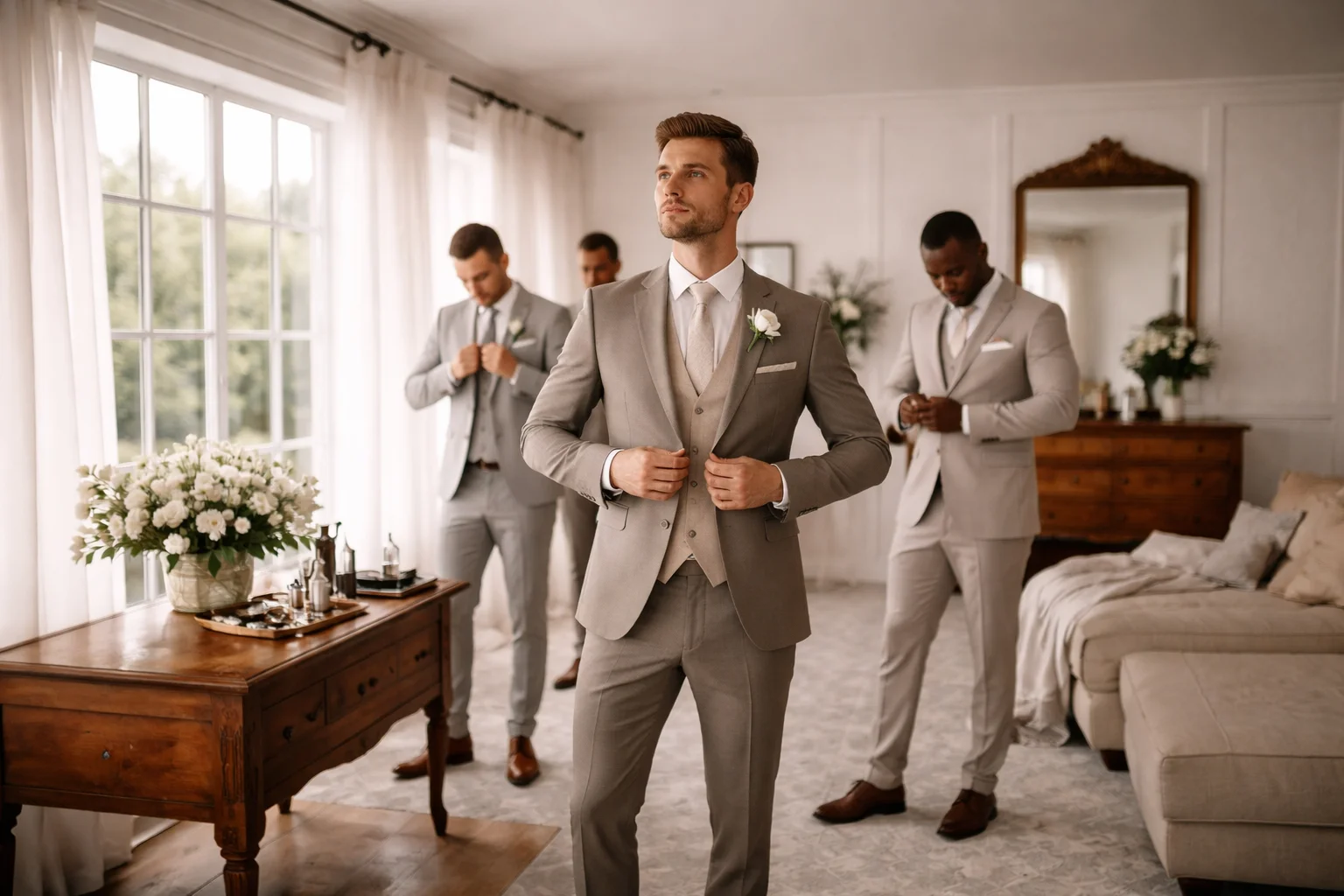
How the Groom Look Becomes Part of the Ceremony
The groom look is often treated as a matter of style. Suit, fabric, fit, color. Decisions that seem practical, sometimes secondary. Yet on the day itself, what the groom wears becomes part of something more structured, more intentional.
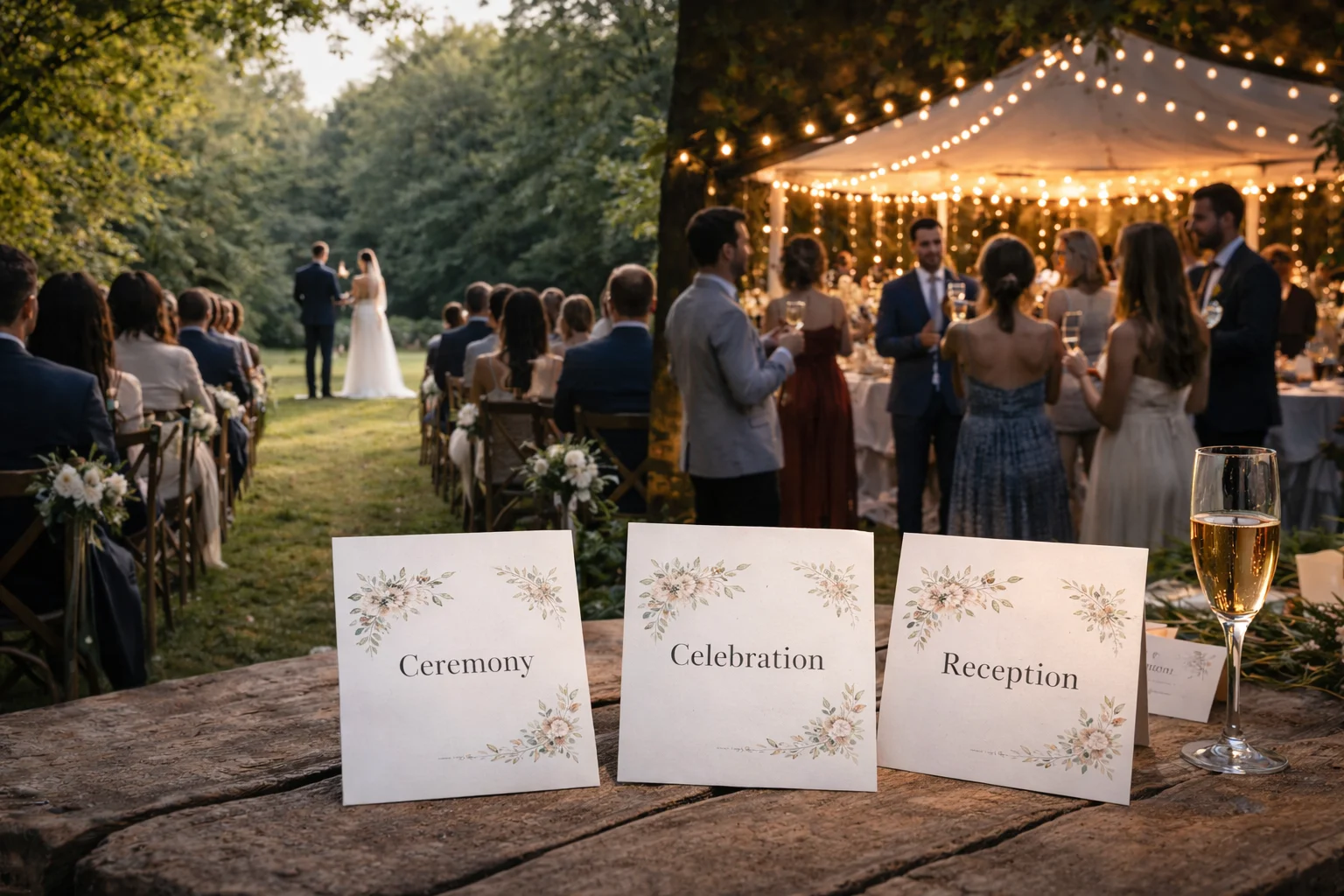
Who Is Invited to the Ceremony and Who Only to the Celebration
Not every wedding invitation has to include every part of the day. But the difference between being invited to the ceremony and being invited only to the celebration carries more meaning than many couples first assume. This article looks at how to make that distinction clearly, gracefully, and in a way that fits both the ritual weight of the ceremony and the social reality of the celebration.