
Where Small Weddings Expand Beyond the Ceremony
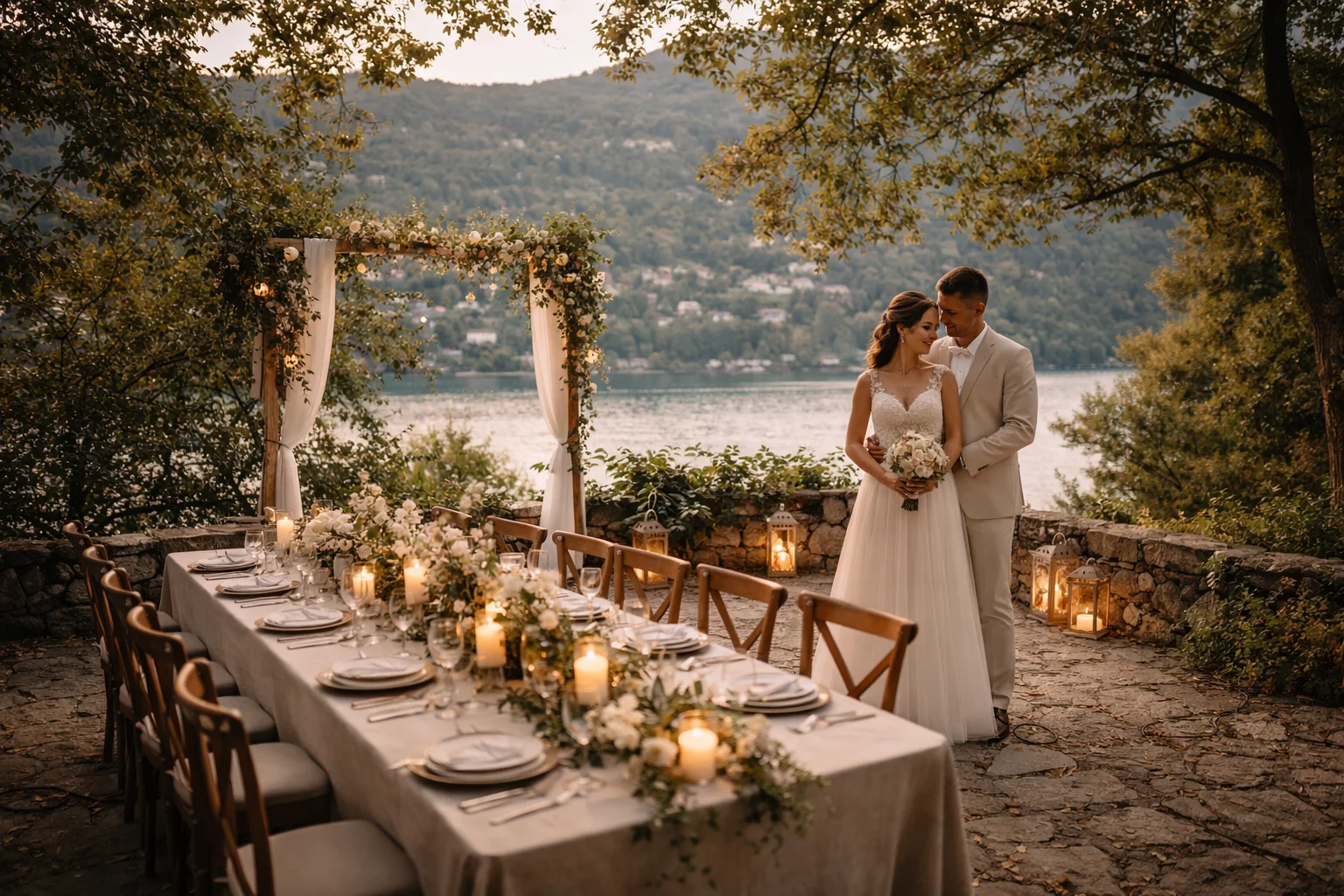
What Happens Around a Small Wedding That Few People Notice
But what defines these weddings is not only what is reduced. It is also what becomes more visible before and after the central ritual. The moments that are usually peripheral begin to carry more weight. They are less structured, sometimes barely planned, yet they shape how the entire day is experienced.
Small WeddingsIdeas and considerations for weddings with fewer guests and a more intimate structure.
Before the Ceremony After the RitualAn exploration of the moments that exist before and after the central wedding ritual.
Definition
A small wedding is typically defined by a limited number of guests, often emphasizing intimacy, direct interaction, and a simplified structure that allows the ceremony to unfold with fewer layers of coordination.
Before the Ceremony Begins
In smaller settings, the time before the ceremony rarely feels like waiting. Guests are already close to the couple, conversations begin naturally, and there is little separation between preparation and presence. These early moments often feel less staged and more revealing.
The Ritual Without Distance
During the ceremony, proximity changes perception. There is no sense of watching from afar. Every gesture, every pause, every shift in tone is directly felt. The ritual itself does not change, but the way it is experienced becomes more immediate.
After the Formal Moment
Once the ceremony ends, the transition into what follows is often seamless. There is no clear boundary between formal and informal. People remain where they are, conversations continue, and the structure softens without needing to be announced.
Planning Around What Is Less Visible
Planning a small wedding involves more than reducing scale. It requires attention to timing, spacing, and flow, especially in the moments that are not formally defined. Without clear transitions, these in-between phases need to be considered more carefully.
What People Actually Remember
In the end, what stays is rarely the structure itself. It is the feeling of being close enough to notice details that might otherwise pass unnoticed. A shared glance, a quiet exchange, the sense that nothing was too far away to be felt directly.
Conclusion
A small wedding does not only reduce scale. It changes where attention goes. By bringing people closer, it allows the moments before and after the ritual to become part of the experience in a more visible and lasting way.
Related Articles
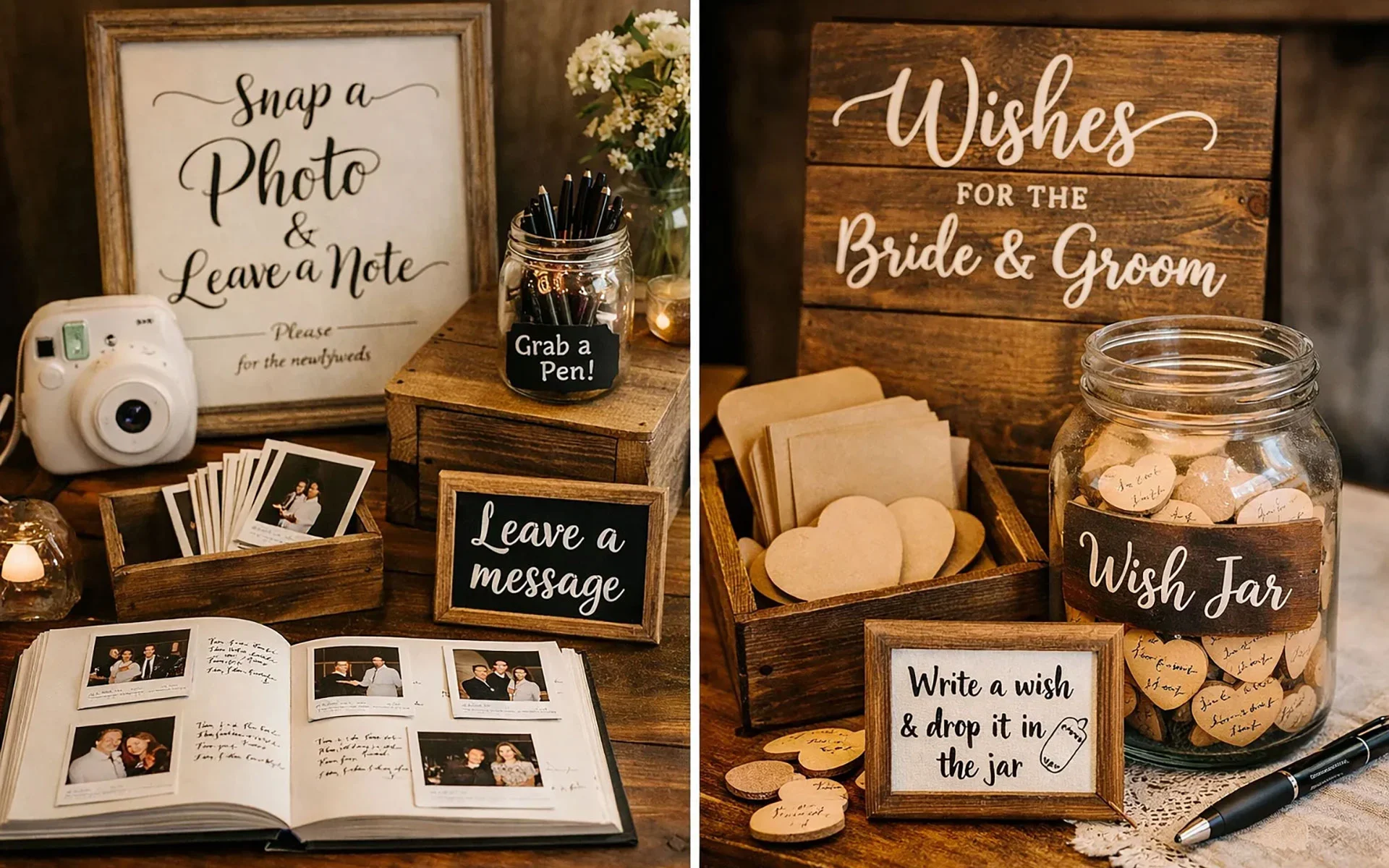
Small Wedding Ideas with Big Impact
The details guests remember from a wedding are rarely the largest ones. More often, they are the quieter things that changed how the room felt, how people moved, or how participation became natural without being managed. This article looks at small wedding ideas that leave a larger trace because they work like subtle rituals inside the day.
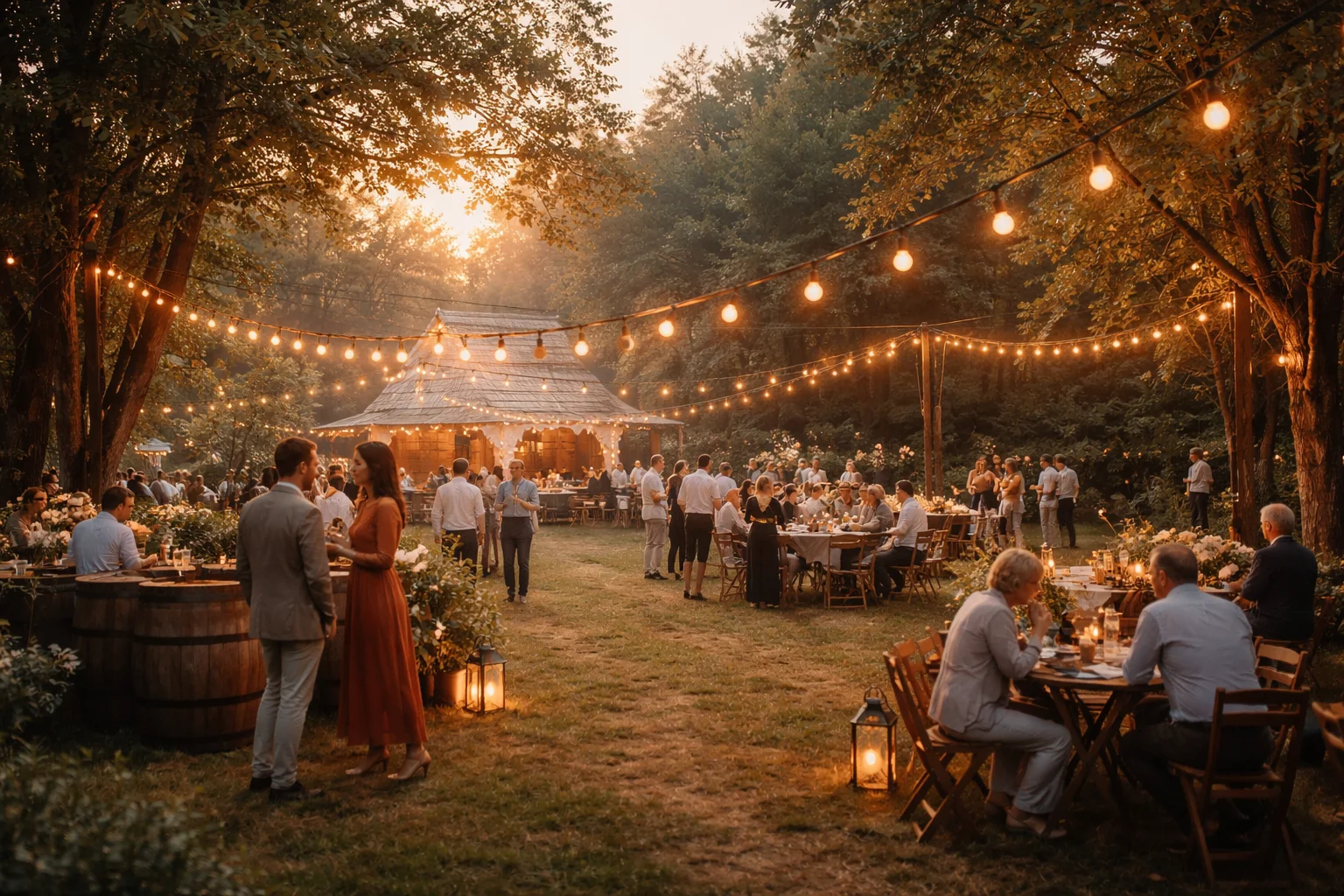
When the Day Builds Itself in Small Moments
Some weddings are held together less by formal program points than by short, unplanned interactions that quietly take over the day. This article looks at how micro-moments shape flow, attention, memory, and atmosphere, especially in smaller celebrations.
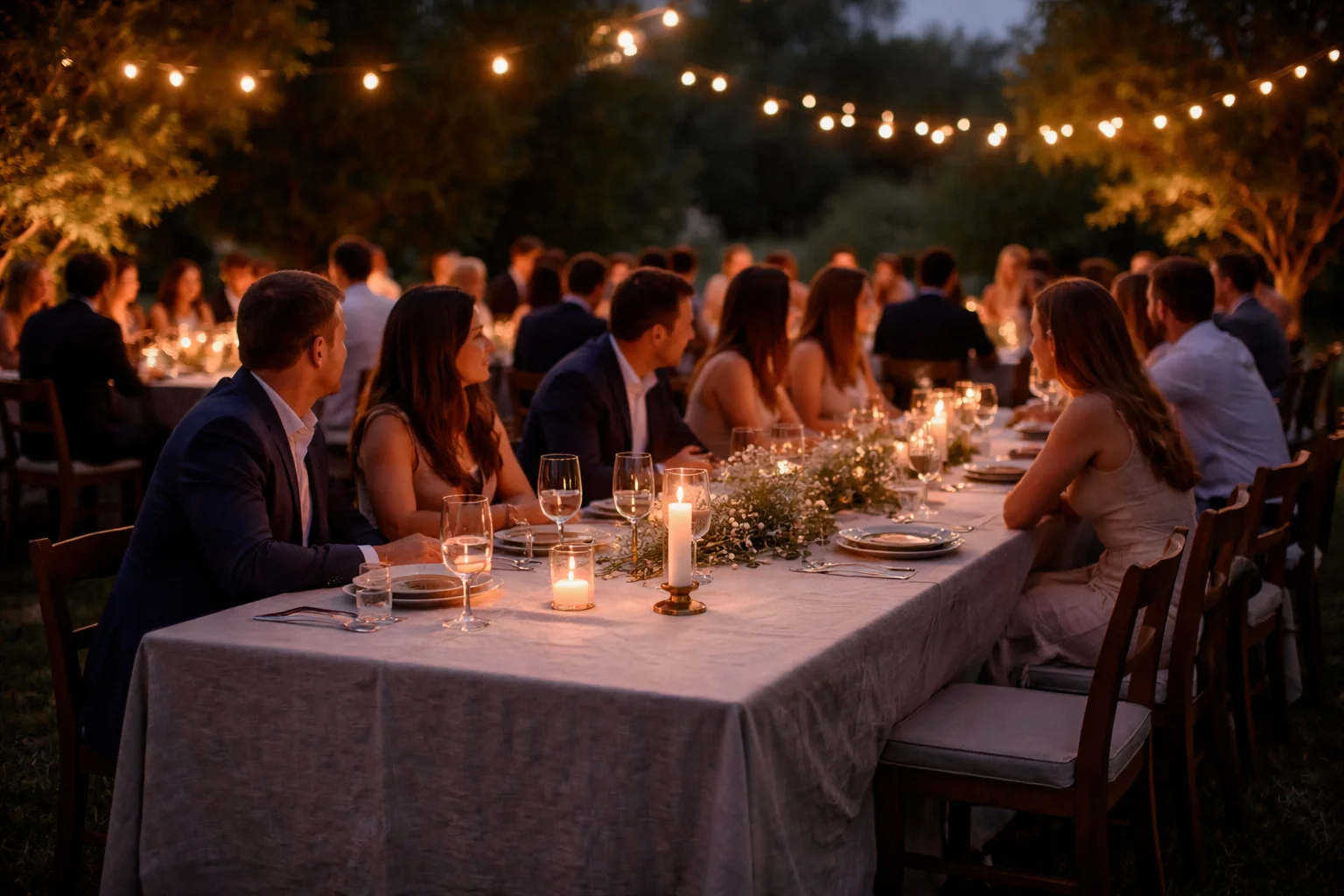
Why Wedding Tables Decide More Than You Think
Wedding tables are often treated as decoration, but they quietly shape how guests experience the entire event. This article explores how tables influence rhythm, perception, and the emotional space before and after key moments.
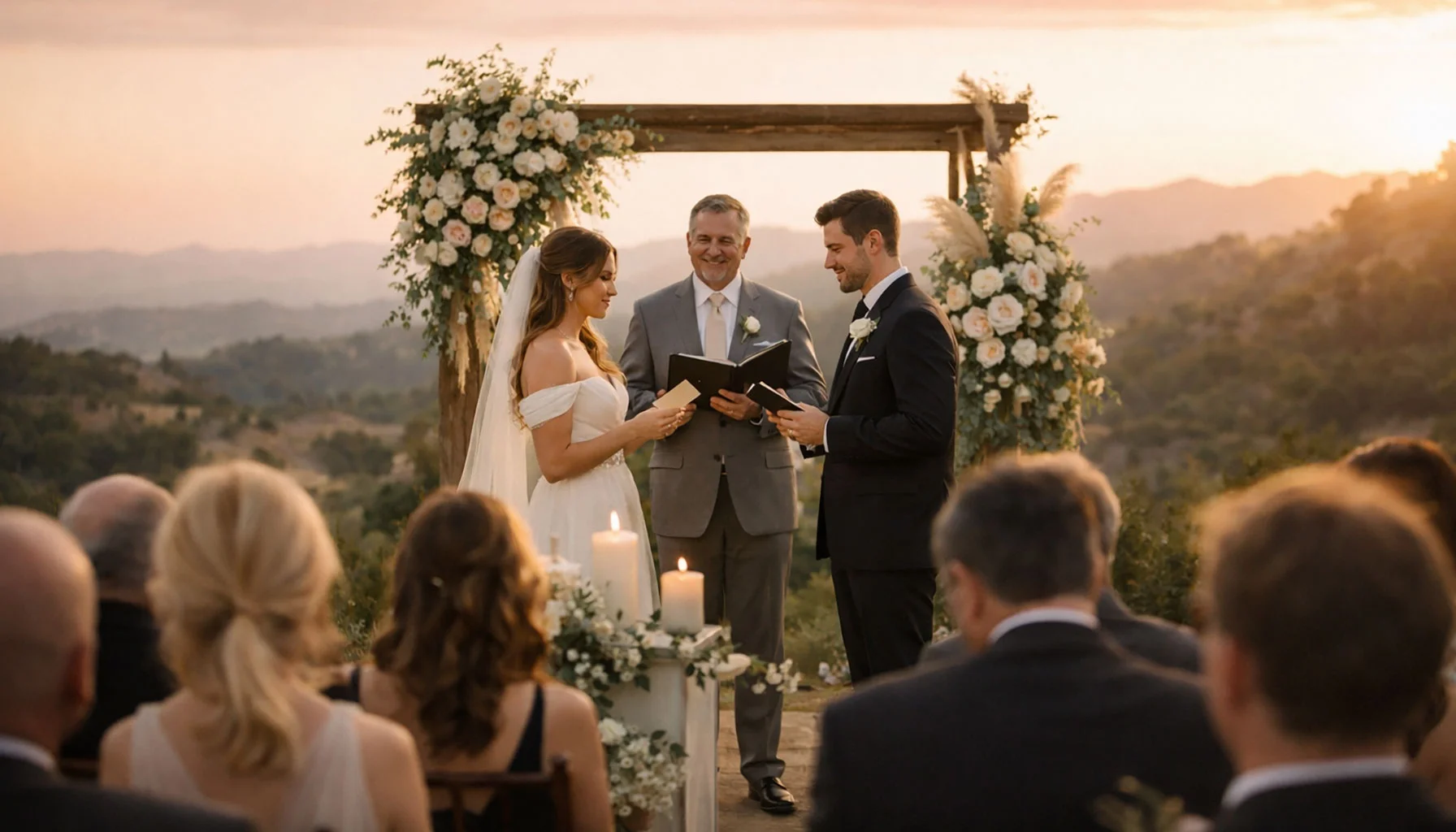
Vows and Scripts for Weddings: Meaning, Structure, Cultural Context and a Complete Ceremony Script
Vows and ceremony scripts are the spoken core of a wedding. They carry meaning for the couple, but they also give the room structure and help guests understand what is happening in real time. This article offers a practical international overview of vows and scripts while connecting them to the emotional space before and after the ritual itself.
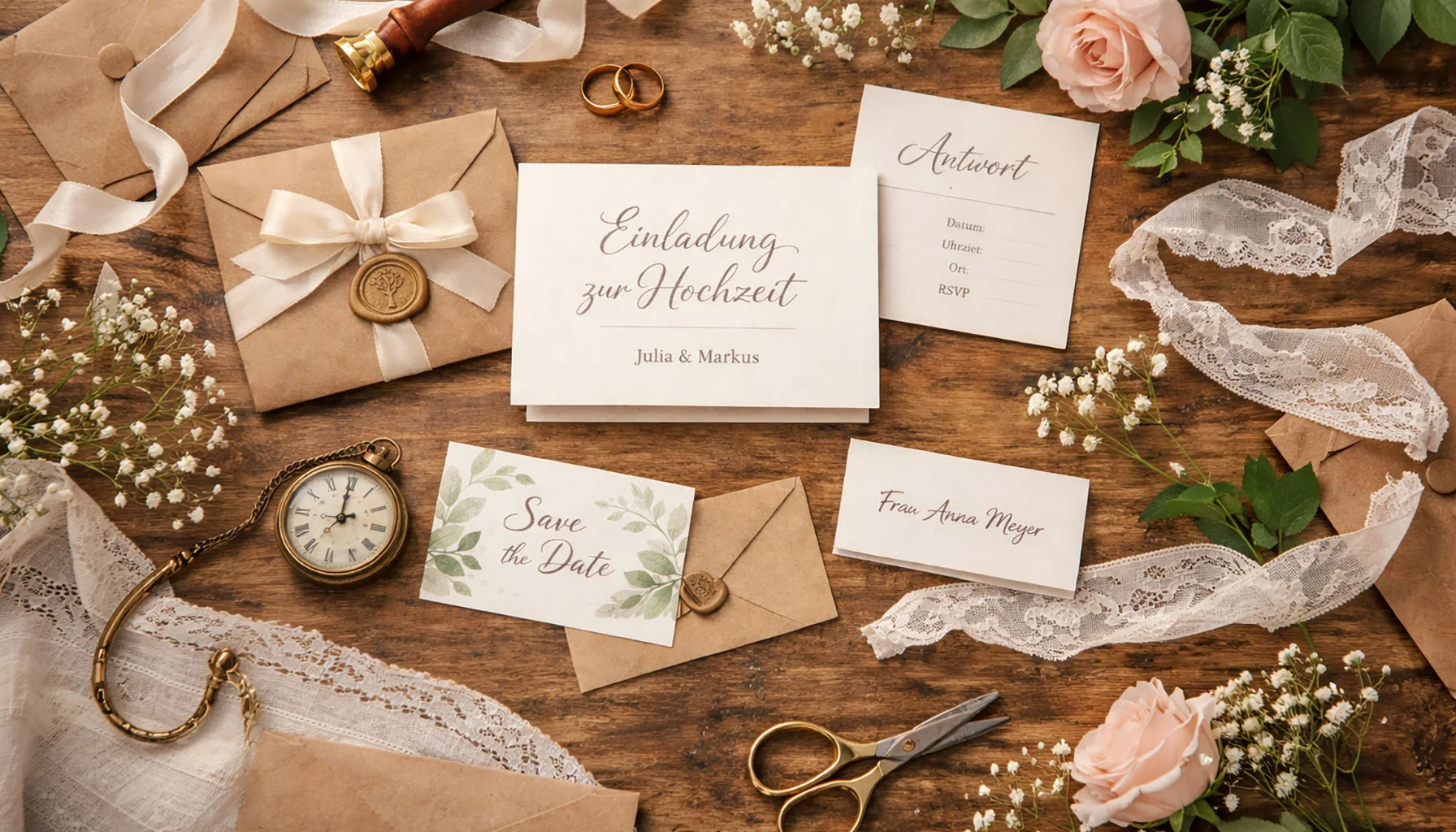
Inviting With Care
A wedding invitation does more than share a date. It begins shaping tone, expectation, and emotional distance long before anyone arrives. This article looks at invitations as the first quiet threshold of a wedding, where clarity, restraint, and what remains unsaid start doing their work.
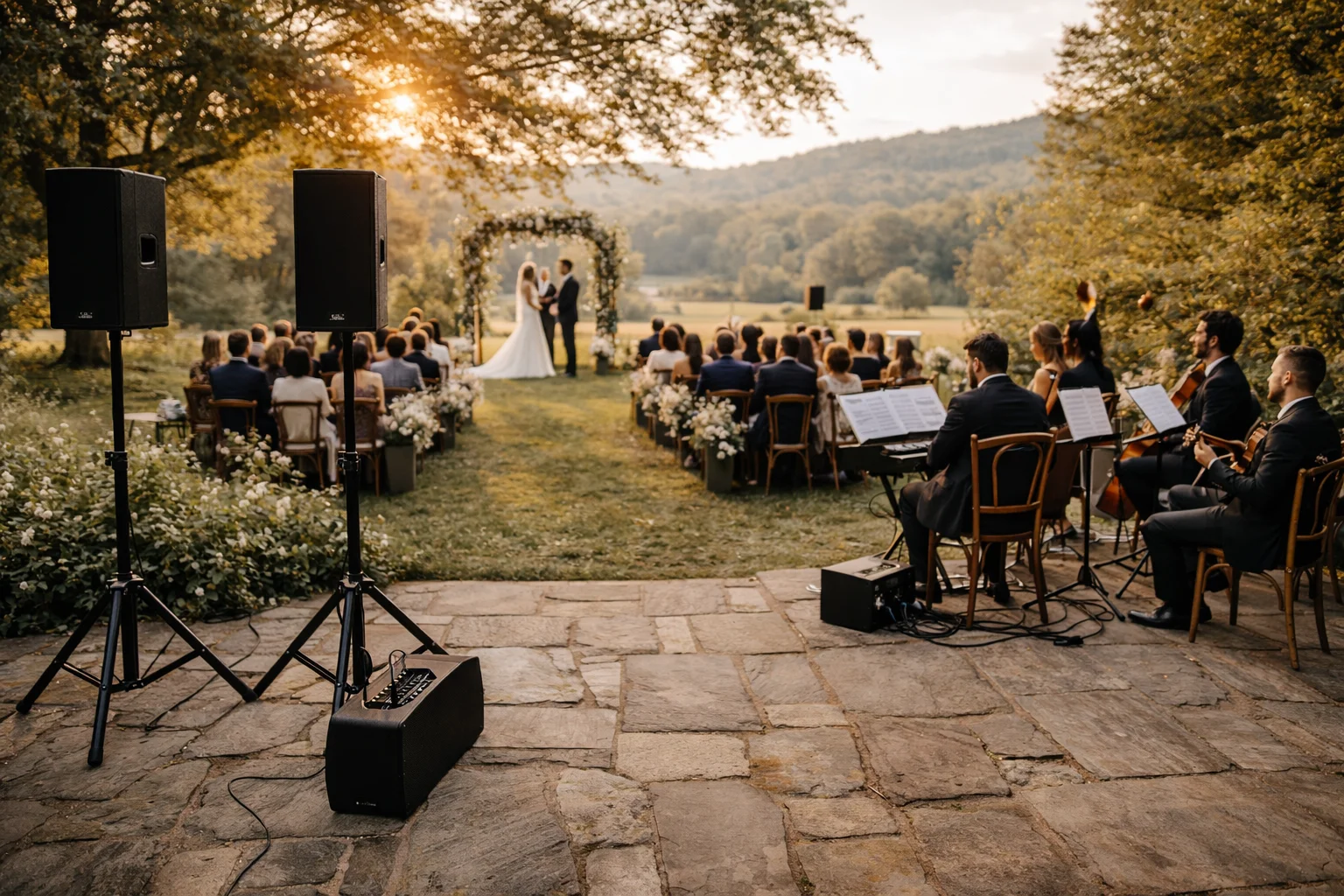
Why Ceremony Music Feels Different Live and Recorded
Ceremony music is often chosen as if the main question were preference. Live or recorded, strings or piano, solo or ensemble. In reality, guests experience something more subtle: scale, breath, distance, timing, and the way music changes the room before the ceremony and after the ritual has already happened. This article looks at what really changes when wedding music is live, recorded, too performed, too thin, or exactly right.
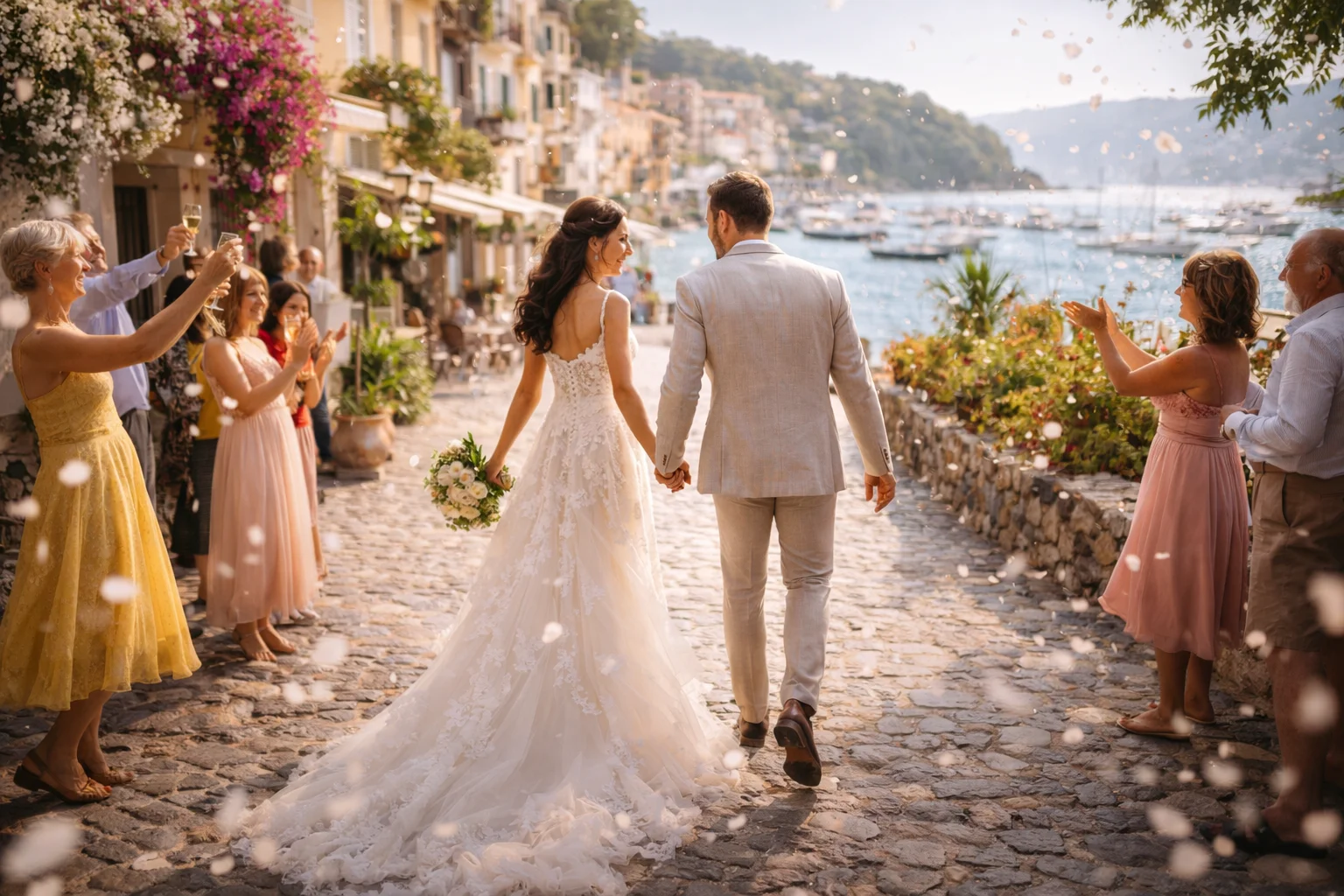
After the Wedding Abroad: A Legal Checklist for What Happens Once the Ceremony Is Over
A wedding may feel complete when the ceremony ends, but legal reality often continues afterward. This checklist helps couples understand what documents, registrations, translations, and confirmations may still matter after a wedding abroad, when the ritual is over but the administrative part has not yet disappeared.