
Groom’s Morning Checklist: What Keeps the First Hours Clear and Unforced

The groom’s morning is often planned with less visible detail than other parts of the wedding day. A suit is ready, someone knows where the rings are, a few friends arrive, and the assumption is that everything will stay simple. Sometimes it does. More often, the simplicity depends on small things being decided before anyone notices them: where the shirt is, who has the cufflinks, when the photographer arrives, whether there is food, who answers vendor calls, and how much quiet is left before leaving for the ceremony.
A good groom’s morning checklist should not make the first hours overly managed. That would miss the point. The morning often works best when it feels clear but not staged, prepared but not tense. Clothes, time, people, transport, and small rituals need enough structure to keep the day moving, while still leaving room for the kind of informal moments that make the morning feel like itself. A laugh over coffee, a quiet minute alone, someone fixing a tie, a father saying very little and still saying enough.
Definition
A groom’s morning checklist covers the practical and emotional conditions that shape the first hours of the wedding day before the ceremony. It includes clothing, grooming, timing, food, rings, documents, transport, communication, photography, privacy, and the small rituals that help the groom move toward the ceremony without feeling rushed or overly performed.
Clothing Should Be Checked Before The Room Gets Busy
The suit rarely causes trouble by itself. The smaller pieces do. Shirt buttons, socks, cufflinks, tie, belt, shoes, watch, pocket square, boutonniere, collar stays, spare shirt, lint roller. These details should be checked before friends arrive and before the room fills with conversation. A practical checklist keeps the first hour from turning into a search. It also prevents the groom from becoming the person everyone asks while he is trying to get ready himself.
The Morning Needs Food, Water, And Less Last-Minute Admin
Grooms often underestimate how long the first part of the day can run before real food appears. A small breakfast, water, coffee that does not replace water, and something easy to eat before leaving make a difference. So does removing administrative work early. Final payments, vendor questions, transport updates, hotel room issues, and family timing should not land directly on the groom in the last hour. One best man described his most useful job as quietly intercepting boring questions. That is exactly right. The morning stays lighter when the groom is not treated as the control desk.
Checklist – CategoryA wedding checklist helps you stay organized and ensures that no important detail is overlooked. From early planning steps to last-minute preparations, it provides a clear overview of what needs to be done and when. With a well-structured checklist, you can plan your wedding with confidence, reduce stress, and enjoy the journey toward your big day.
Rings, Vows, And Documents Need One Calm Route
The important objects should not move through too many hands. Rings, vows, speech notes, ID, ceremony documents, room key, phone, charger, and any gift or letter for the partner need a clear route from room to ceremony. Not a vague agreement. A named person, a pocket, a small bag, or a checked envelope. The point is not drama. It is avoiding the strange late-morning pause when everyone remembers something important at once and no one knows where it went.
Photography Works Better When The Morning Is Not Turned Into A Performance
Groom preparation photos can easily become stiff if the room is only activated when the camera appears. Better images often come from small real movements: shoes being tied, a jacket being brushed, someone adjusting a collar, a glass set down, a quiet look at the time. The room should have enough light and surface space, but it does not need to look artificial. A photographer once said the best groom mornings are the ones where people have something normal to do. That normality matters. It gives the images weight without asking anyone to act.
Small Rituals Give The Morning A Shape Without Making It Formal
The connection to rituals is quiet here. A groom’s morning does not need a ceremony before the ceremony, but small repeated gestures can steady it. Sharing coffee with a parent. Reading a note alone. Giving groomsmen a simple thank-you. Putting on a watch that belonged to someone else. Walking outside for five minutes before leaving. These are not staged moments unless they are forced. They work because they create a small frame around the morning, enough to make it feel held without making it heavy.

Rituals are the quiet architecture of love: proposals, engagement, wedding symbols, and the transitions that shape what remains. Start here to explore the portal’s foundational paths.
Conclusion
A groom’s morning checklist is not about filling the first hours with instructions. It is about removing the small frictions that make the morning feel tighter than it needs to be. Clothing, food, rings, timing, communication, transport, and a few unforced rituals all help the groom reach the ceremony with more clarity. Not perfectly calm. That is not always realistic. But clear enough to feel present before the day begins asking more of him.
Related Articles

After-the-Wedding Checklist: What Needs Attention in the First 48 Hours
The first 48 hours after a wedding are quiet, practical, and easy to underestimate. This article looks at personal items, gifts, clothing, vendor closure, early photos, and the small tasks that help the after feel lighter instead of turning into scattered errands.
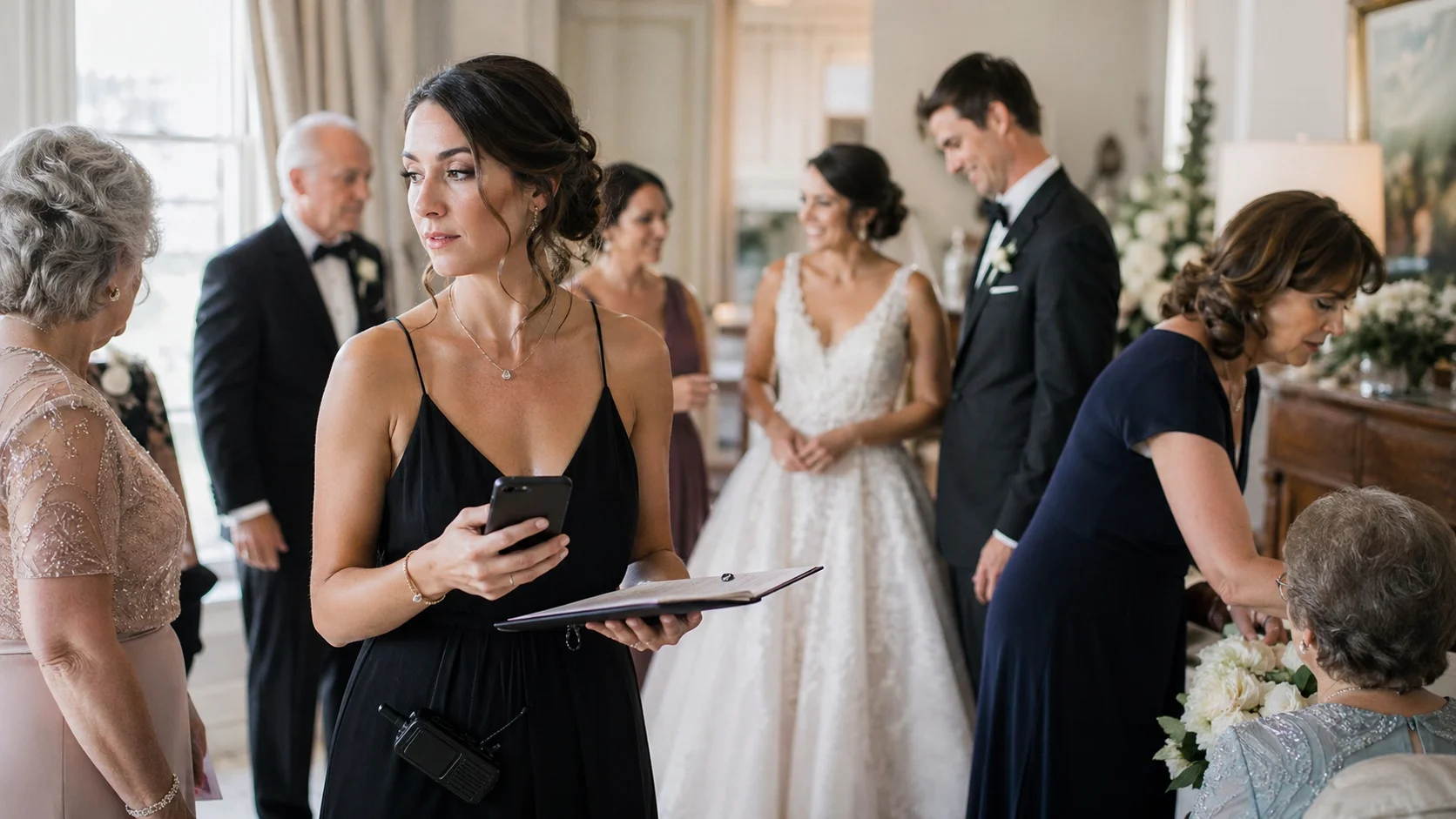
Emotional Load Checklist: Who Carries Too Much, and How to Notice It Early
Emotional load at weddings often hides behind competence. This article looks at who carries invisible responsibility, how to notice early signs of overload, and how to share care before one person quietly holds too much.
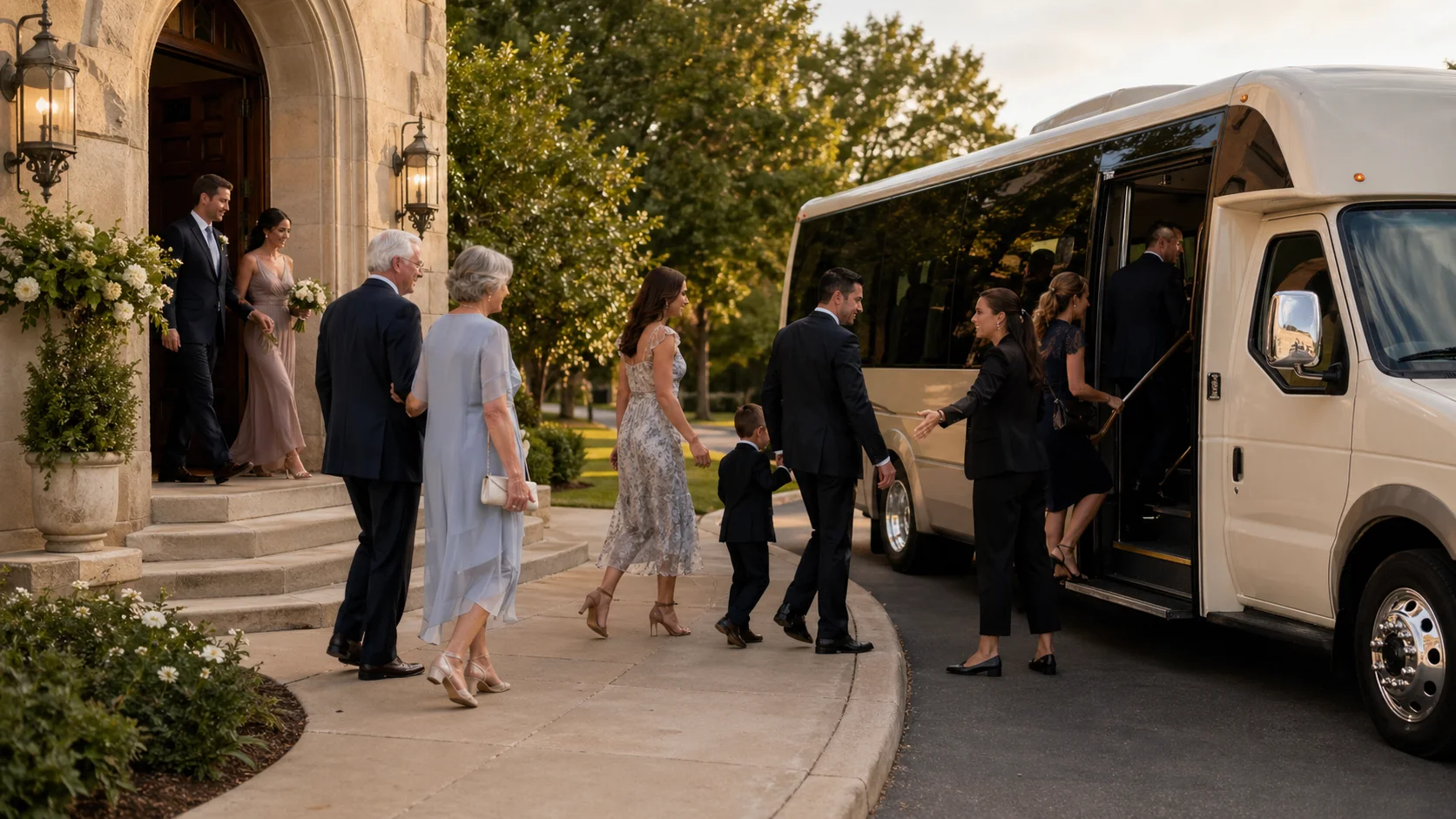
Transportation Checklist: How Not to Lose Time Between Wedding Locations
Wedding transportation is rarely only about the drive. This article looks at pickup points, buffers, driver contacts, guest movement, accessibility, and the pause between locations that either keeps the day together or quietly costs time.
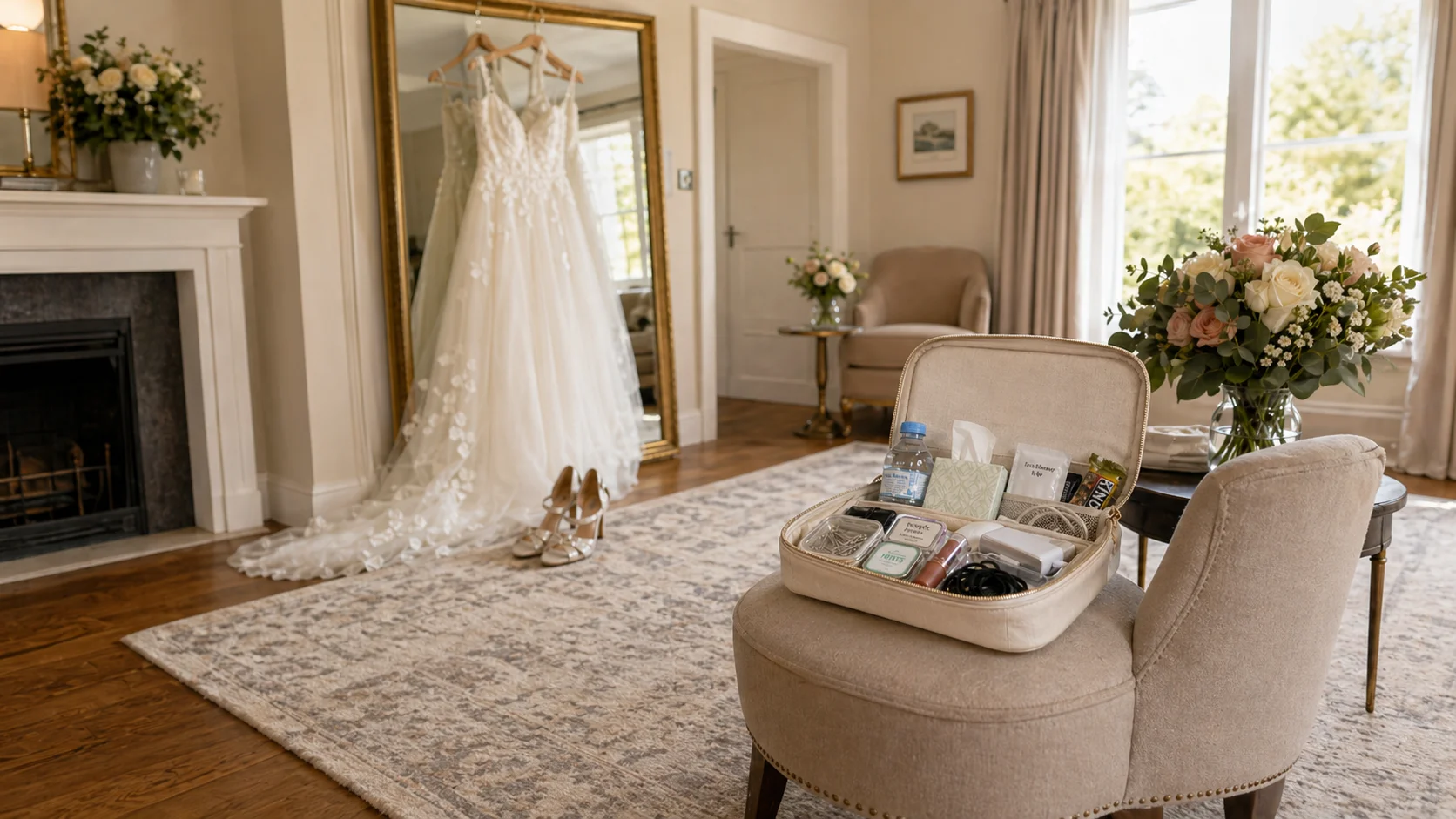
Wedding Bag Checklist: The Small Things That Quietly Save the Day
Wedding bags rarely draw attention, but they often carry the small items that keep the day from tightening around minor problems. This article looks at what to pack, who should hold it, and why the most useful things often matter most only in hindsight.
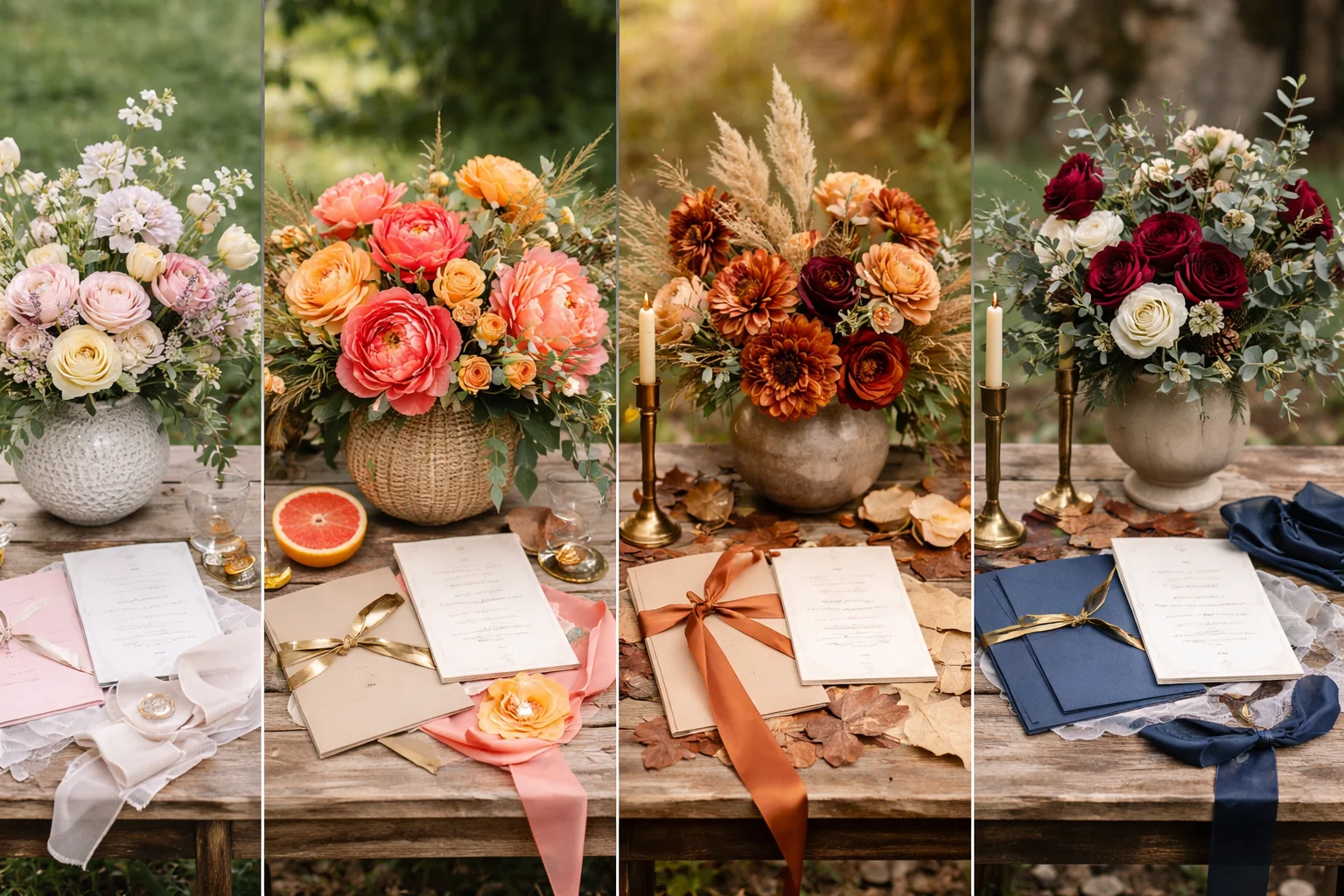
Seasonal Wedding Colors in Practice
Color at weddings often moves with the season. Not strictly planned that way. It just happens when looking across many events over time. A wedding in May rarely looks the same as one in October. The difference sits quietly in the palette.

The Bridal Hairstyle as a Quiet Part of the Whole
A bridal hairstyle supports the entire look. It frames the face, works with the dress, and needs to hold throughout the day. In practice, the most convincing results come from aligning hair texture, proportion, and the flow of the wedding day. Less display. More coherence.

Bachelor Party – A Day Between Everyday Life and Wedding
A bachelor party is not a loud statement, but a quiet transition. People come together who have accompanied them on their journey so far. For a limited period, nothing is on the agenda except shared time. Planning provides stability, openness creates space. Whether for men or women: What's crucial is that the occasion suits the person. Then something unique emerges. Understated. Enduring.

The Groom’s Suit Guide: Planning, Fittings, Trends & Timeline
A wedding suit does not come from a single decision, but from alignment over time. Cut, fabric, and fit develop in relation to occasion, movement, and personality. When these elements settle into place, the suit supports the day quietly and allows the groom to remain fully present.
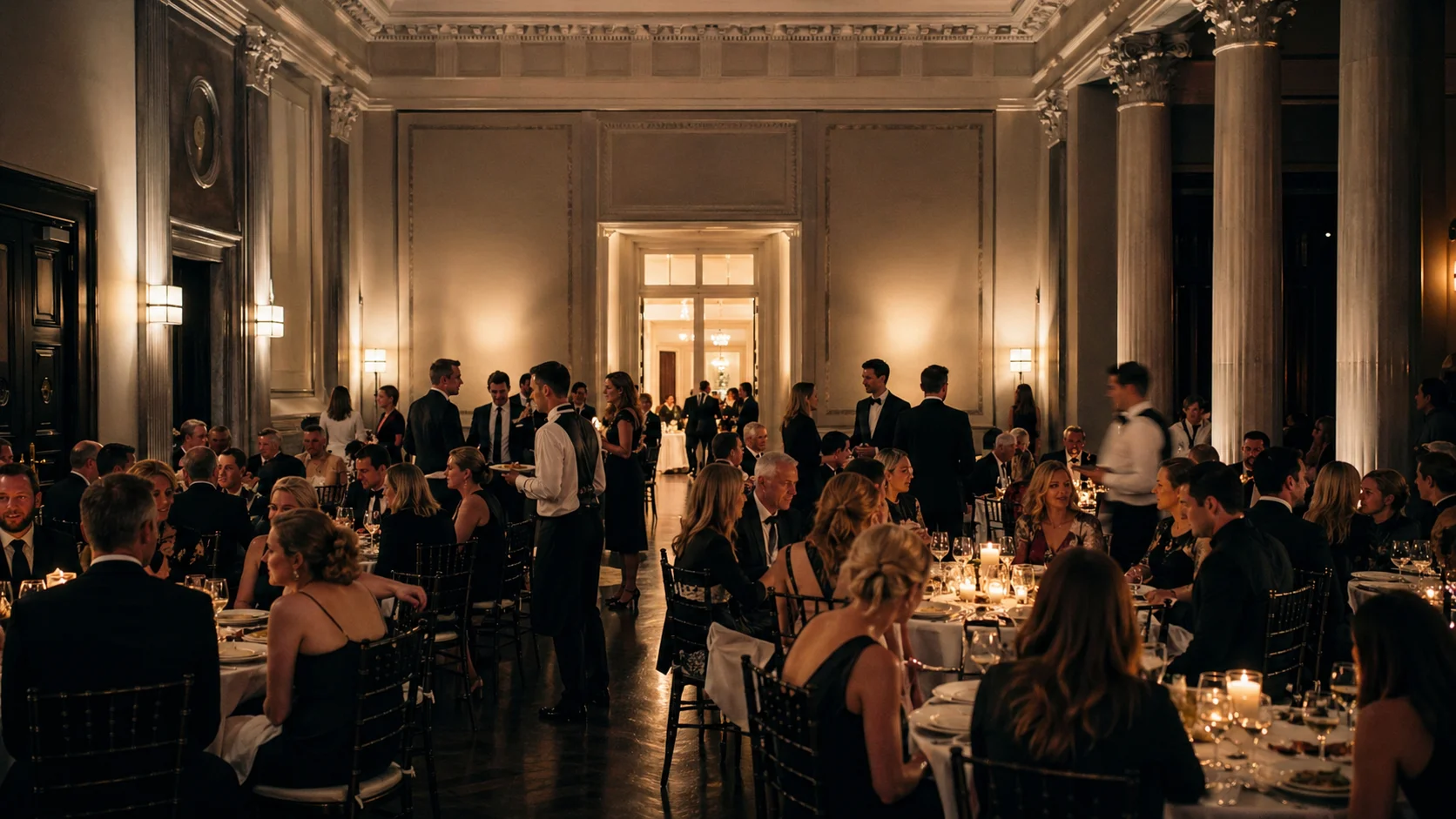
Wedding Dinner Flow Checklist: What Keeps the Room Together Between Courses
Wedding dinners usually drift or hold together in the moments between courses, not during the food itself. This article looks at service rhythm, guest movement, music, speeches, and the small in-between conditions that keep the room socially connected.
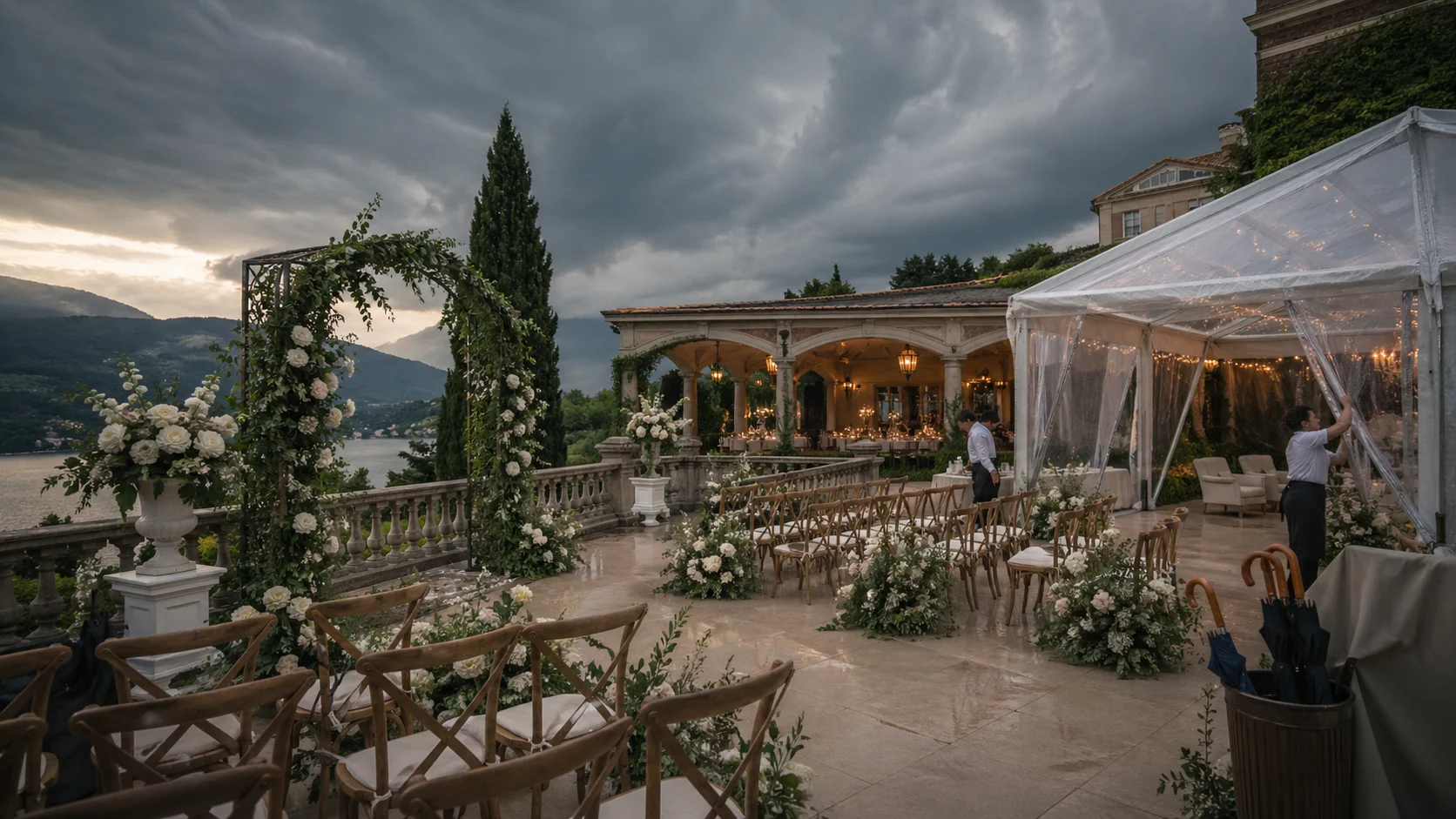
Rain Plan Checklist: What Needs Deciding Before Weather Becomes the Mood
A wedding rain plan is rarely just a backup for logistics. It also shapes whether weather stays manageable or quietly takes over the emotional tone of the day. This article looks at what needs to be decided early, so rain changes the setting without deciding the atmosphere.
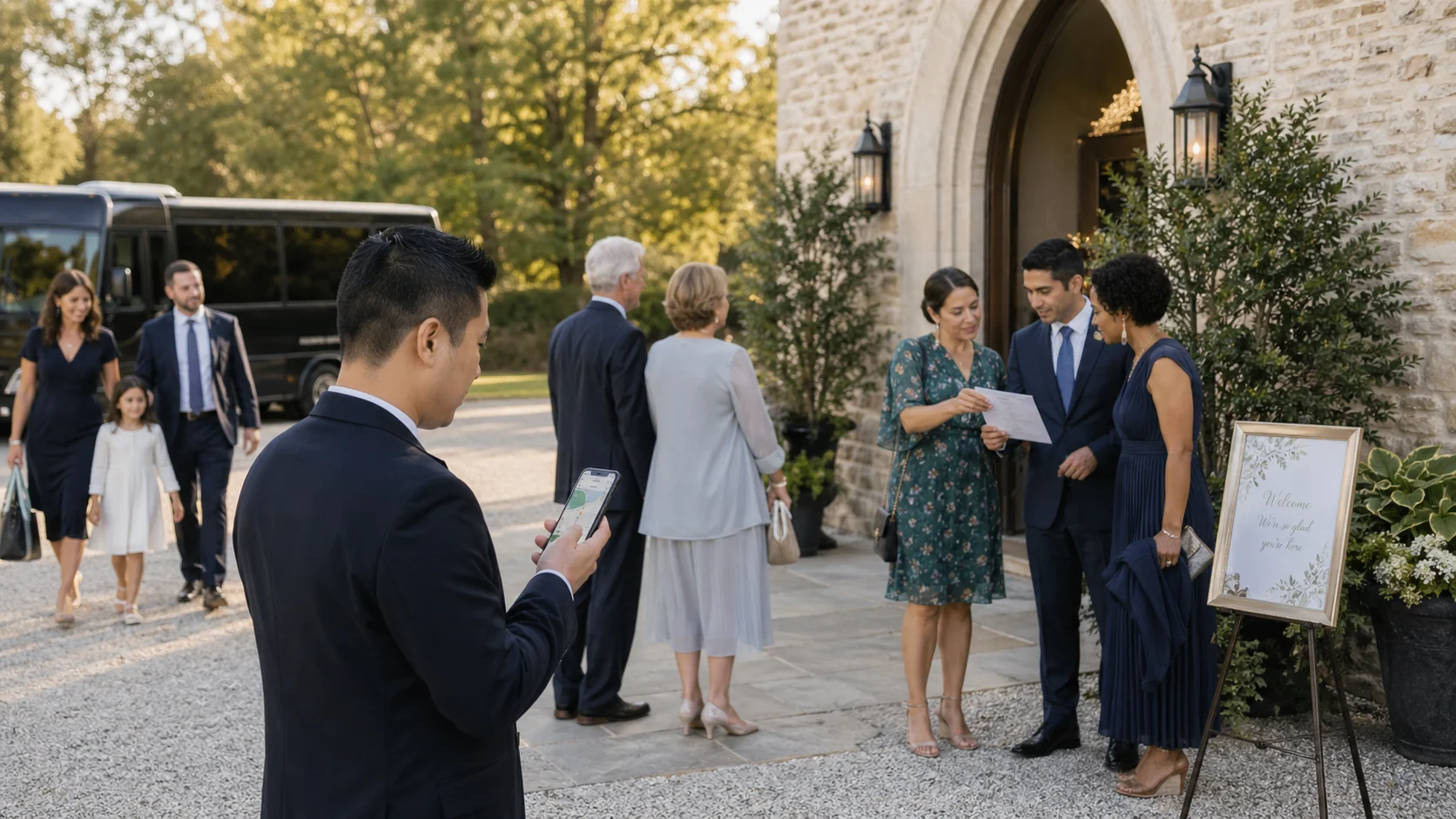
Wedding Website Checklist: What Guests Actually Need, and What They Ignore
Wedding websites work best when they reduce uncertainty instead of filling space. This article looks at what guests actually need to find quickly, what they usually ignore, and which unspoken questions a good website can answer before they become messages to the couple.
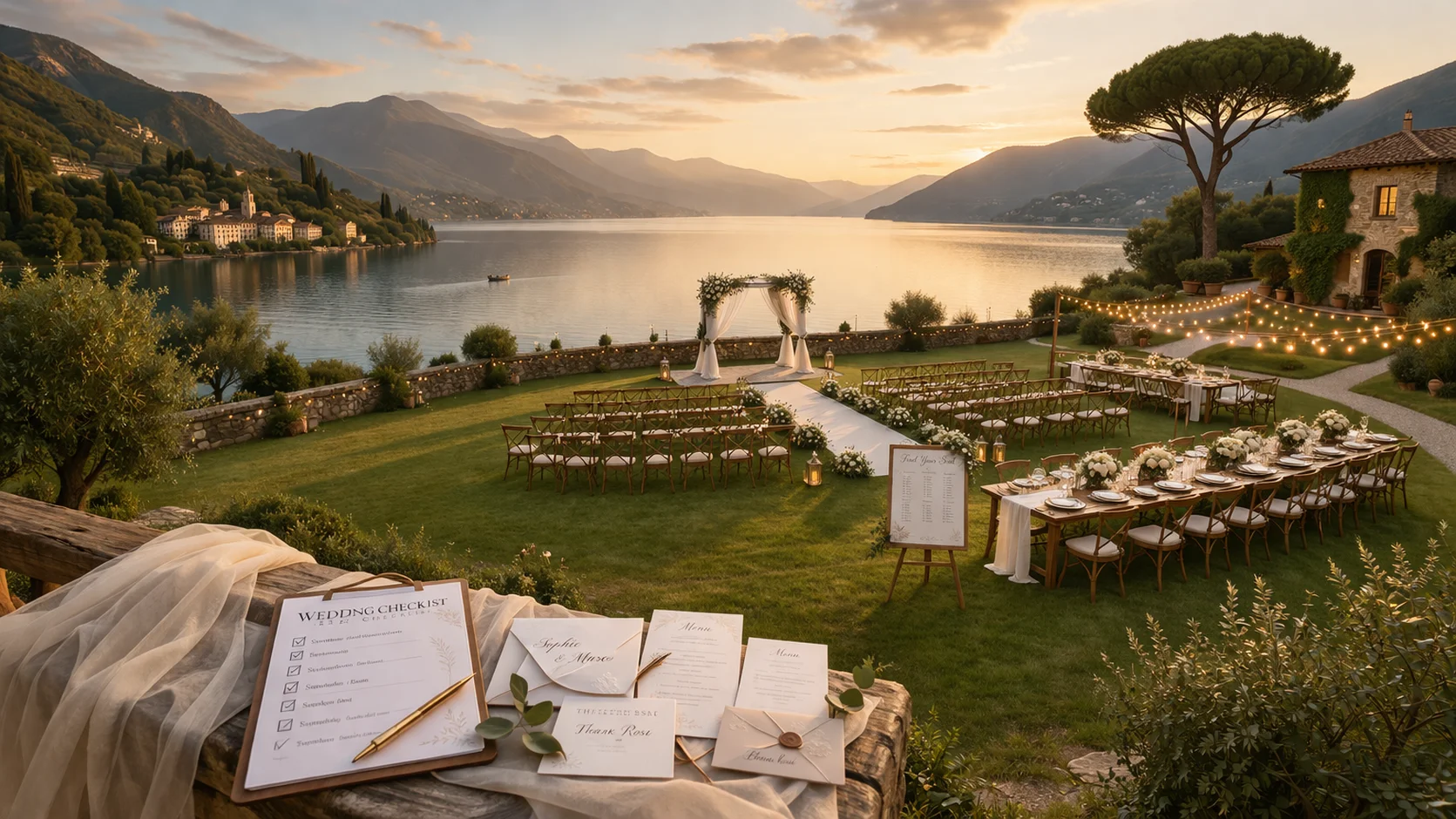
The Wedding Checklist That Grounds You: Turning Planning Into Something Meaningful
A wedding checklist isn’t just about tasks—it’s about clarity, intention, and trust. Here’s how to approach it in a way that feels calm, structured, and truly yours.