
The Quiet Structure of a Wedding: How Checklists Become Rituals
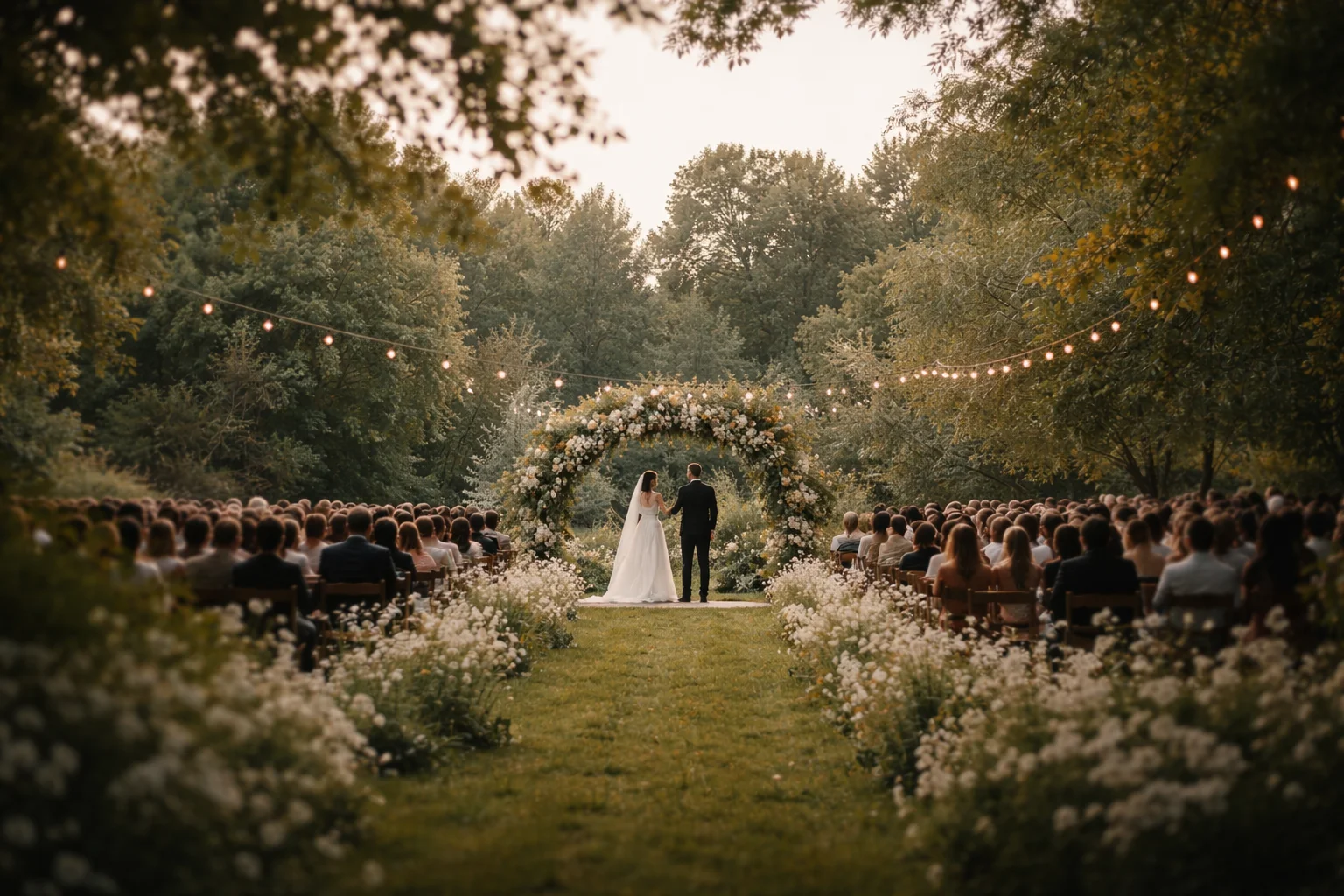
Where Planning Ends and Meaning Begins
Most couples begin with lists. Guest counts, timelines, vendors, fabrics, music. The practical gravity of a wedding pulls everything into order, and for good reason. Without structure, the day dissolves. Yet somewhere between ticking boxes and confirming details, a quieter question often appears: what does all of this actually mean?
The structured clarity of a checklist exists alongside the slower, more reflective world of rituals. At first glance, they seem to belong to different conversations. One organizes the day. The other gives it weight. But in practice, they are inseparable. A wedding that is only planned can feel efficient but hollow. A wedding that is only symbolic can feel beautiful but ungrounded. The real work lies in allowing both to inform each other.
Checklist – CategoryA wedding checklist helps you stay organized and ensures that no important detail is overlooked. From early planning steps to last-minute preparations, it provides a clear overview of what needs to be done and when. With a well-structured checklist, you can plan your wedding with confidence, reduce stress, and enjoy the journey toward your big day.

Rituals are the quiet architecture of love: proposals, engagement, wedding symbols, and the transitions that shape what remains. Start here to explore the portal’s foundational paths.
Definition
A wedding is not simply an event to be executed, nor only a symbolic act to be felt. It is a constructed moment where logistics and meaning meet. Planning provides the frame; ritual fills it with significance. Without one, the other struggles to hold.
The Checklist as a Quiet Backbone
There is something reassuring about a well-made checklist. It reduces uncertainty into steps, turns the overwhelming into the manageable. You know what needs to happen, and roughly when. But beneath its practical surface, a checklist does something more subtle: it creates space. By handling decisions early, it frees attention for what cannot be scheduled so easily.
Rituals Resist Efficiency
Rituals move at a different pace. They are not optimized; they are noticed. A pause before vows. A shared gesture. A moment that feels slightly out of time. These are not items you simply check off. They require presence, and presence cannot be rushed. This is where the language of planning often falls short, and something more intuitive takes over.
When Structure Makes Space for Meaning
The paradox is that rituals need structure to exist at all. A ceremony that runs late, a timeline that collapses, or a sequence that feels chaotic will quietly erode even the most meaningful intentions. Thoughtful planning does not diminish emotional depth; it protects it. It ensures that when a moment arrives, it can actually be experienced.
Small Decisions, Larger Signals
Many couples expect meaning to emerge only in the obvious places: vows, rings, speeches. But often it is embedded in smaller choices. Who walks in first. Where people stand. When silence is allowed. These are logistical decisions on paper, yet they shape how the ceremony is felt. A checklist item can quietly become a ritual, if it is treated with intention.
Letting the Two Worlds Overlap
Instead of separating planning and meaning, it helps to let them overlap. While working through practical steps, ask what each element is actually expressing. While thinking about rituals, consider what they require to unfold properly. This cross-thinking prevents both extremes: the overly mechanical wedding, and the beautifully imagined one that never quite lands.
Conclusion
A wedding comes together through details, but it stays with people because of what those details hold. The checklist gives shape to the day. Rituals give it depth. When both are allowed to inform each other, the result is something that feels not just organized, but quietly complete.
Related Articles
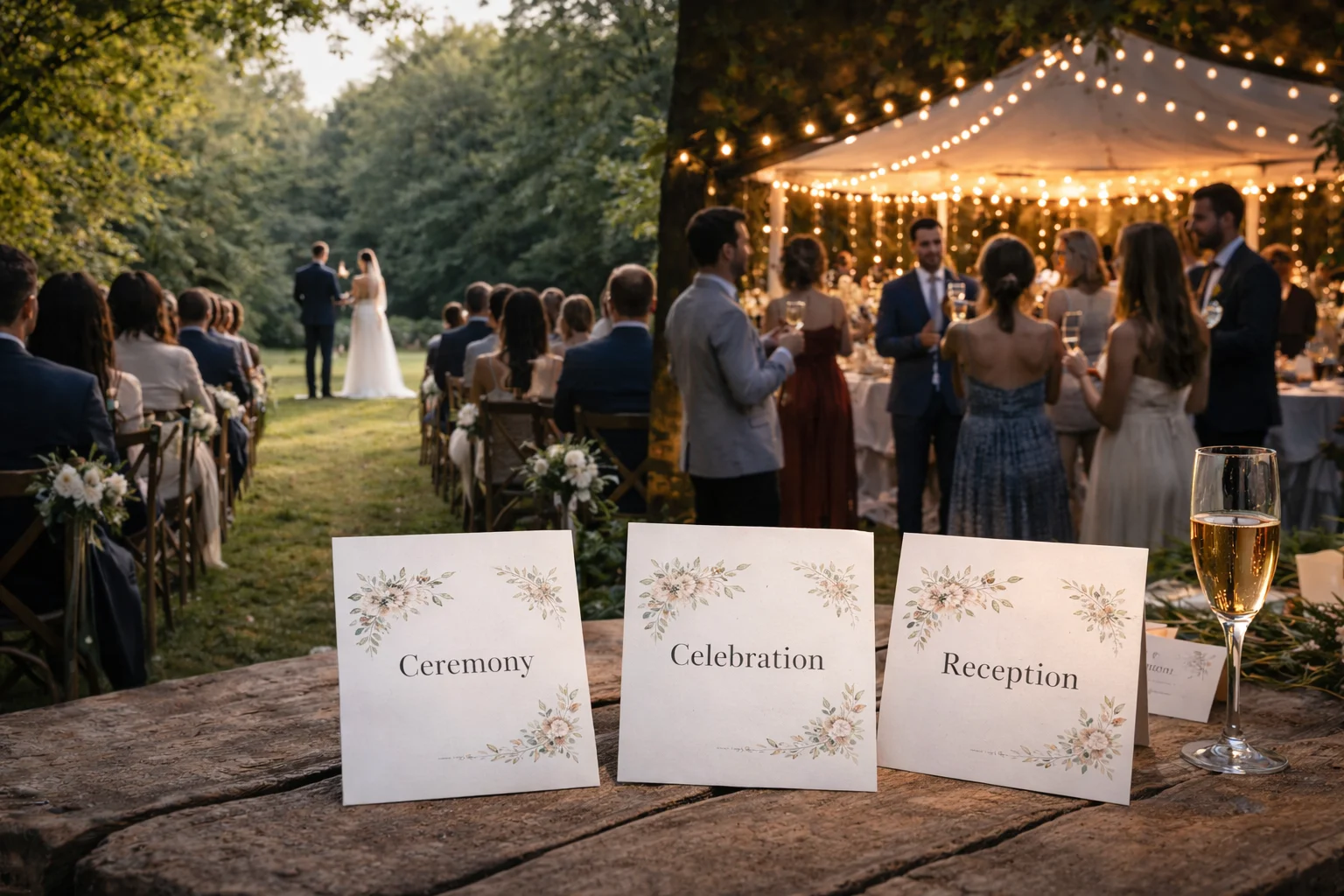
Who Is Invited to the Ceremony and Who Only to the Celebration
Not every wedding invitation has to include every part of the day. But the difference between being invited to the ceremony and being invited only to the celebration carries more meaning than many couples first assume. This article looks at how to make that distinction clearly, gracefully, and in a way that fits both the ritual weight of the ceremony and the social reality of the celebration.
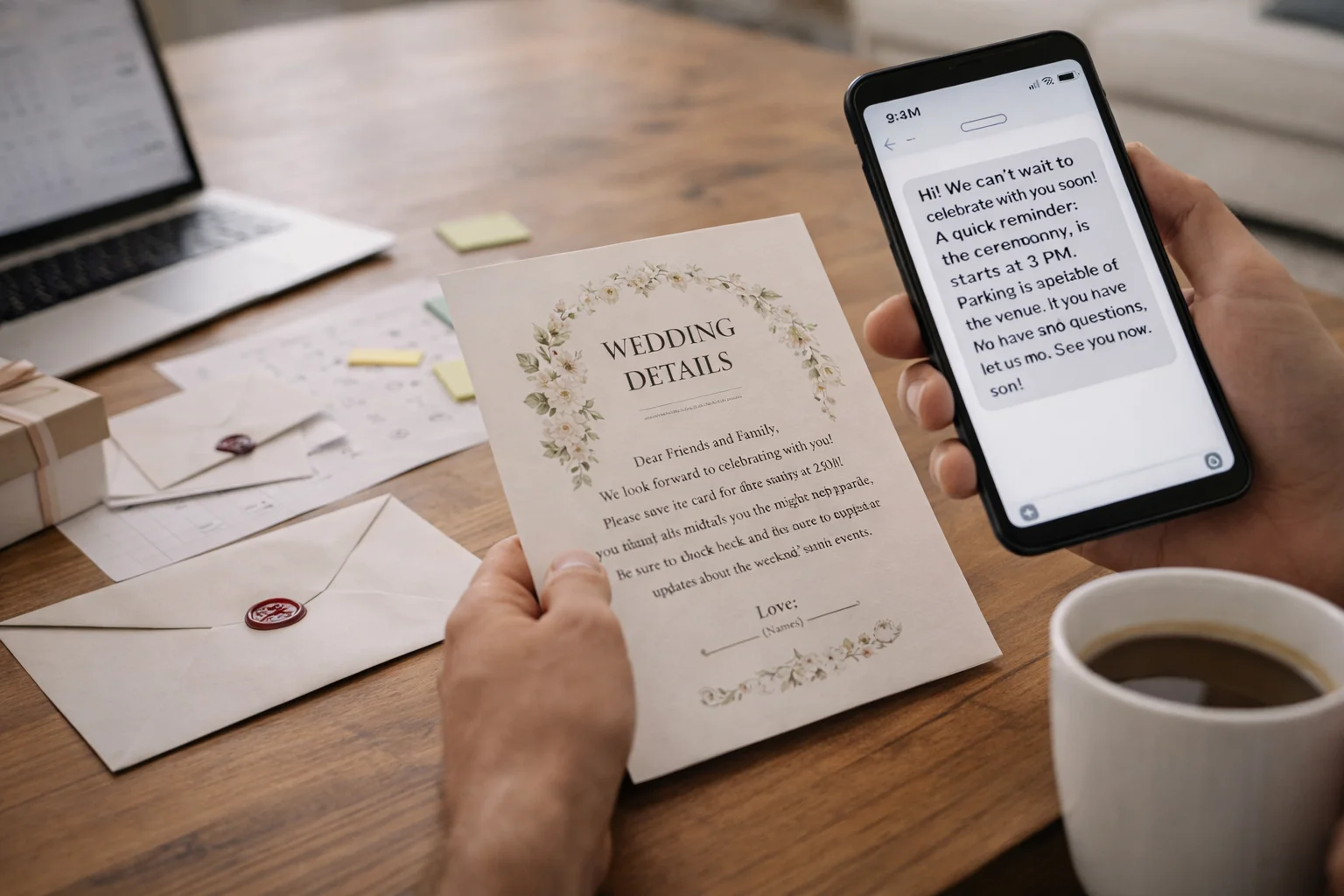
Wedding Guest Communication Checklist: What Guests Need to Know and When
Good wedding communication is not about sending guests everything at once. It is about giving the right information at the right moment, so the day feels clear without becoming overexplained. This article looks at what guests actually need to know, when they need to know it, and why silence still has a place in wedding planning.
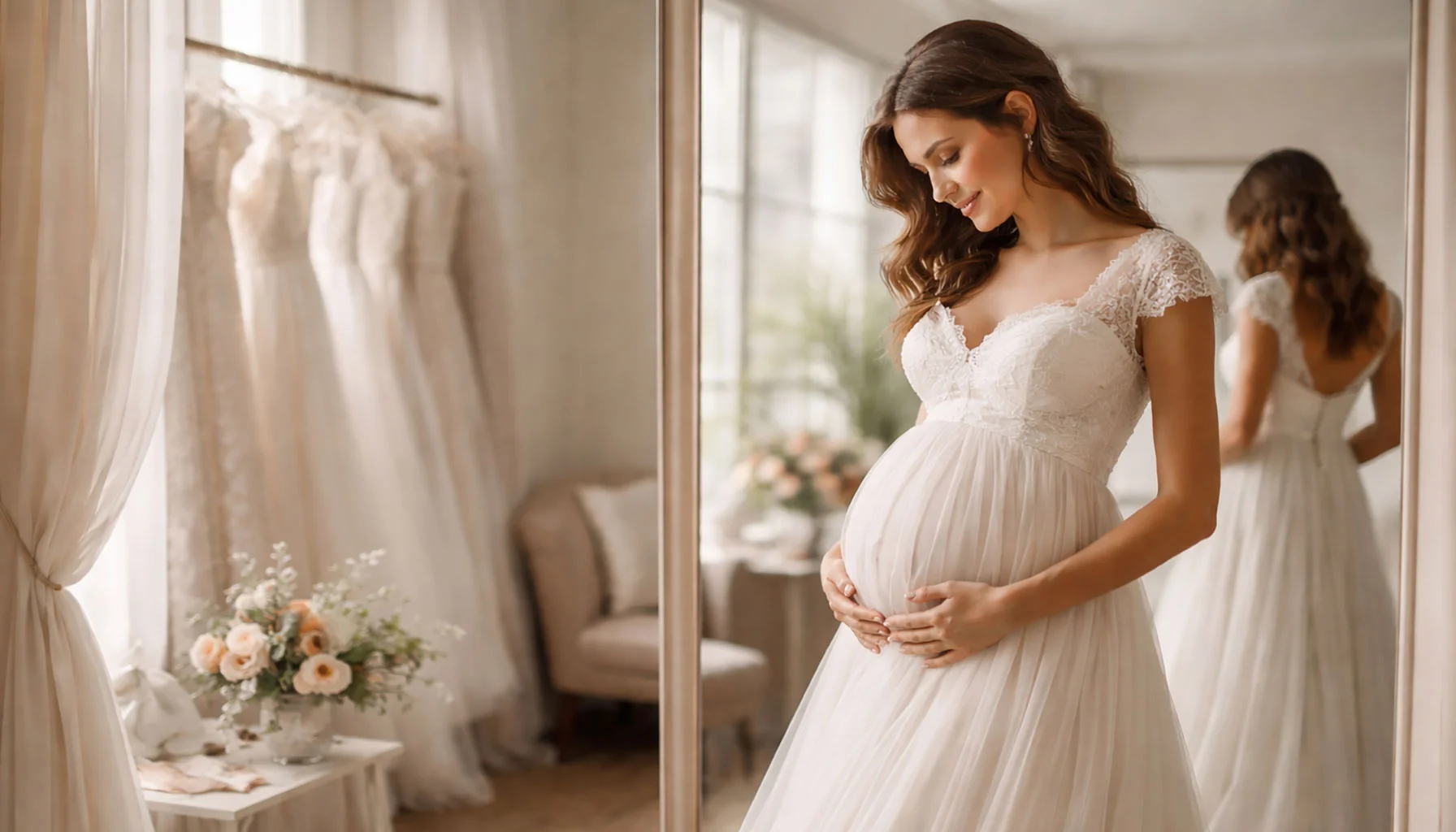
The Wedding Dress During Pregnancy
A wedding dress chosen during pregnancy follows different rules, even when no one names them. The body leads. The day sets limits. Decisions are shaped by comfort, timing, and how the dress behaves over hours rather than moments. This text looks at maternity wedding dresses as they appear in fittings, ceremonies, and recollections afterward. Not as ideals, but as garments that had to work. The focus stays on what proved suitable, calm, and lasting, without dramatizing the process or framing it as exception.
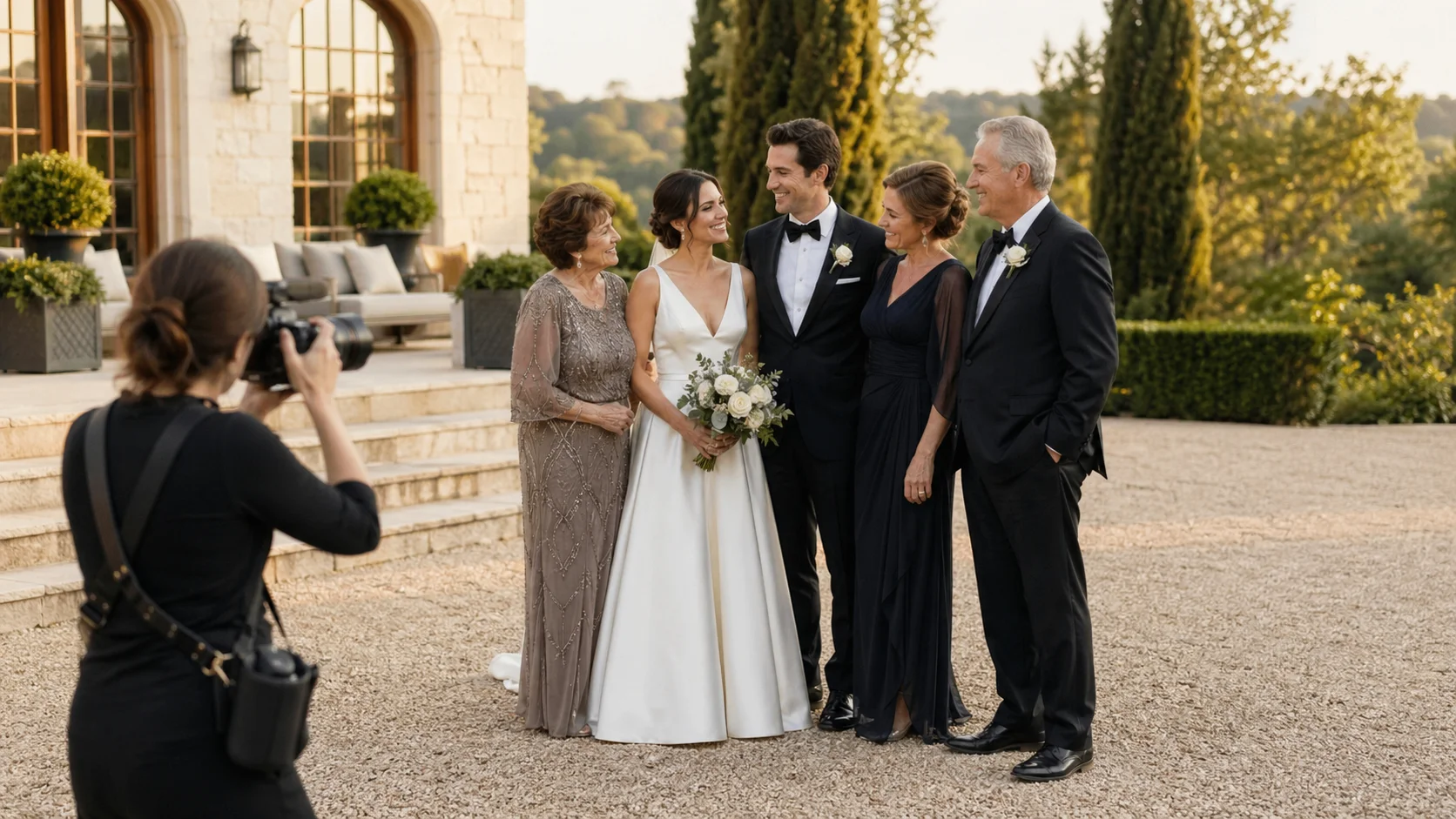
Photographer Coordination Checklist: What Helps Without Overdirecting the Day
Wedding photography needs enough coordination to protect the important images, but not so much direction that the day starts feeling staged. This article looks at shot priorities, family helpers, light windows, access, ceremony limits, and the space photographers need to notice real stories.
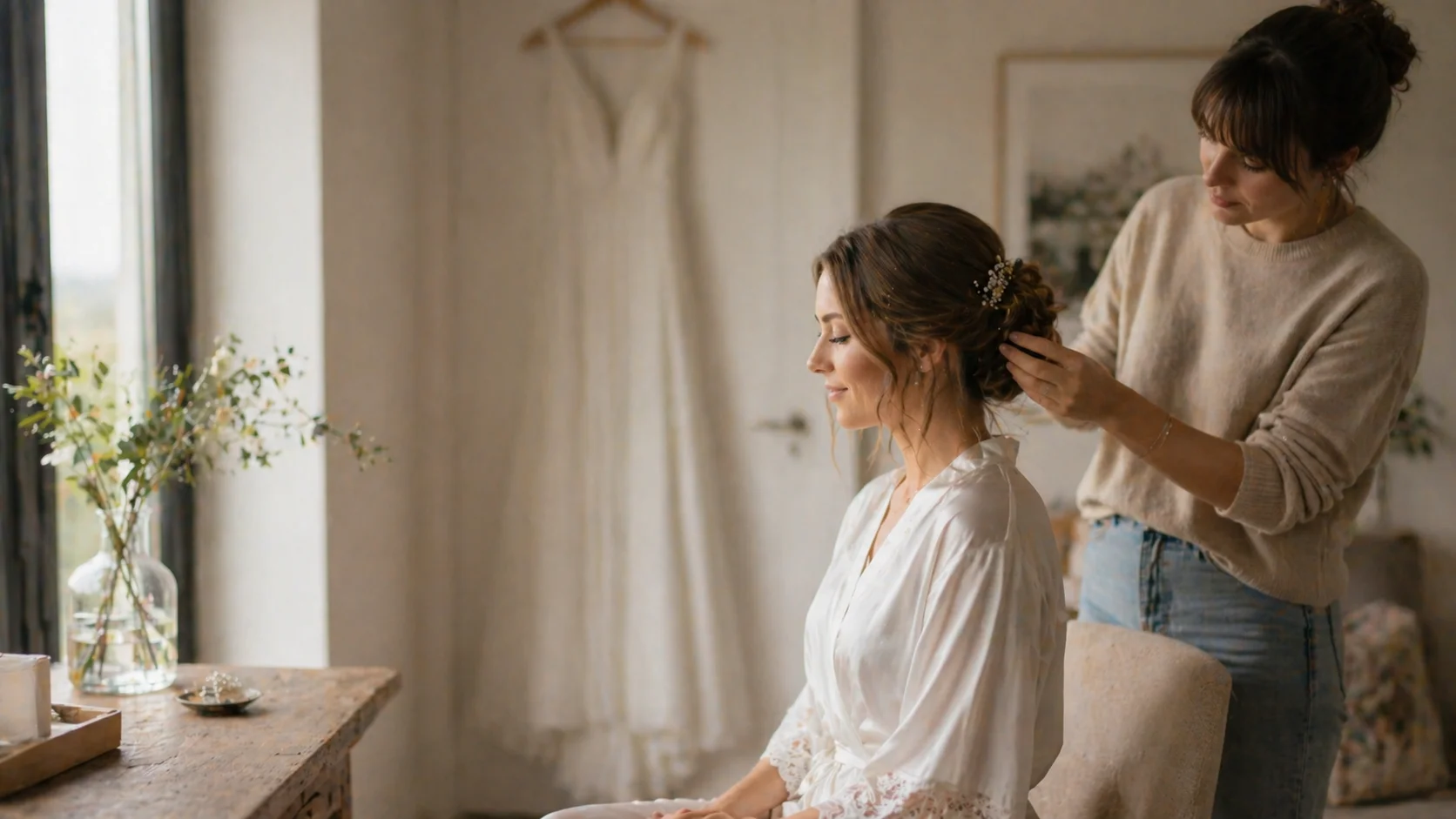
Bridal Getting-Ready Room Checklist: Light, Surfaces, Noise, and Movement
A bridal getting-ready room does more than hold hair, makeup, and dresses. This article looks at light, surfaces, noise, movement, privacy, and the quiet traces the room leaves on the morning before the ceremony.
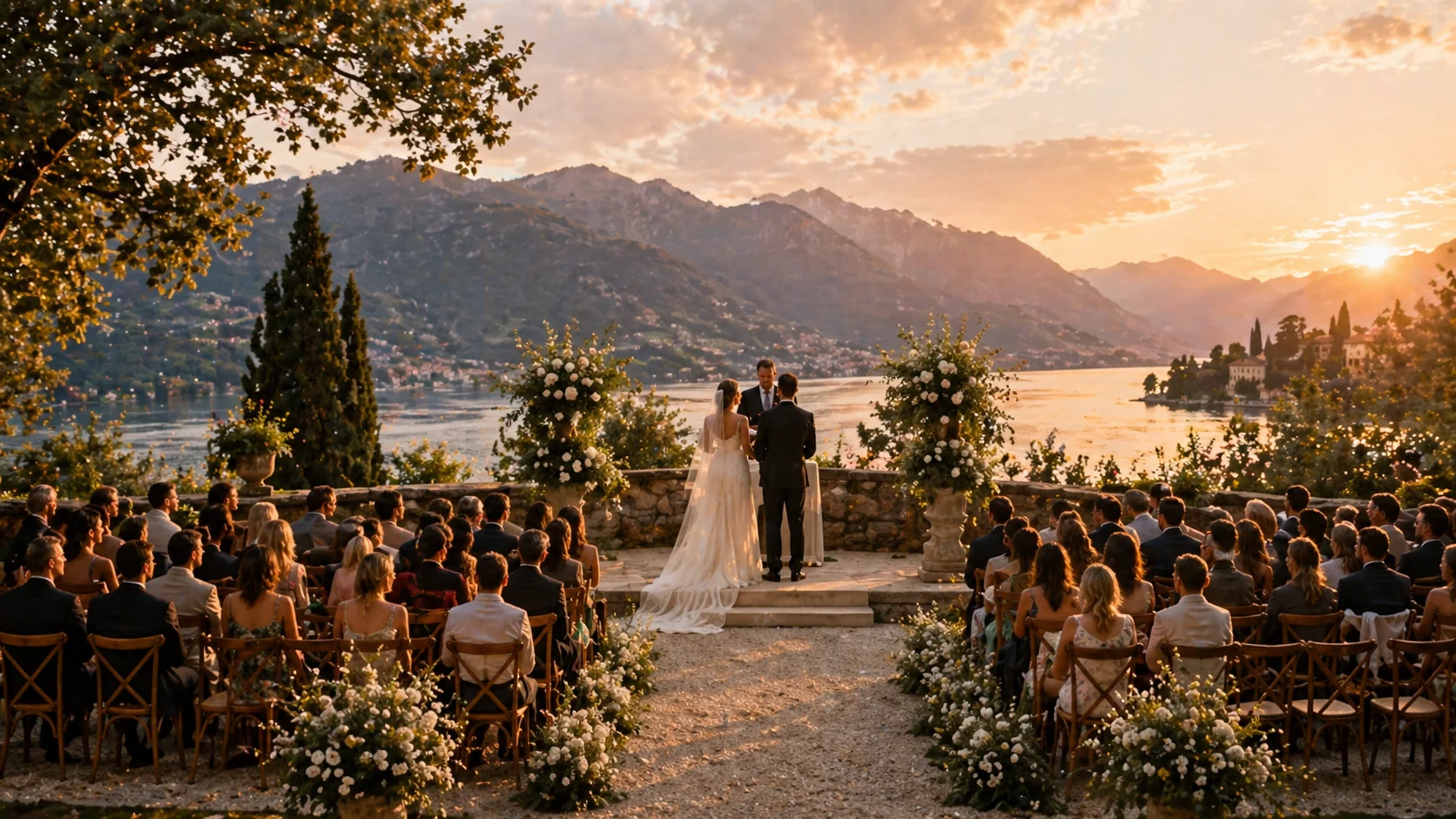
Ceremony Transition Checklist: What Should Be Ready Before Attention Has to Gather
Ceremony transitions often seem brief on paper, but they carry the difficult shift from movement into shared attention. This article looks at what needs to be ready before that moment arrives, from seating and sound to cues, stillness, and the quieter emotional readiness of the room.
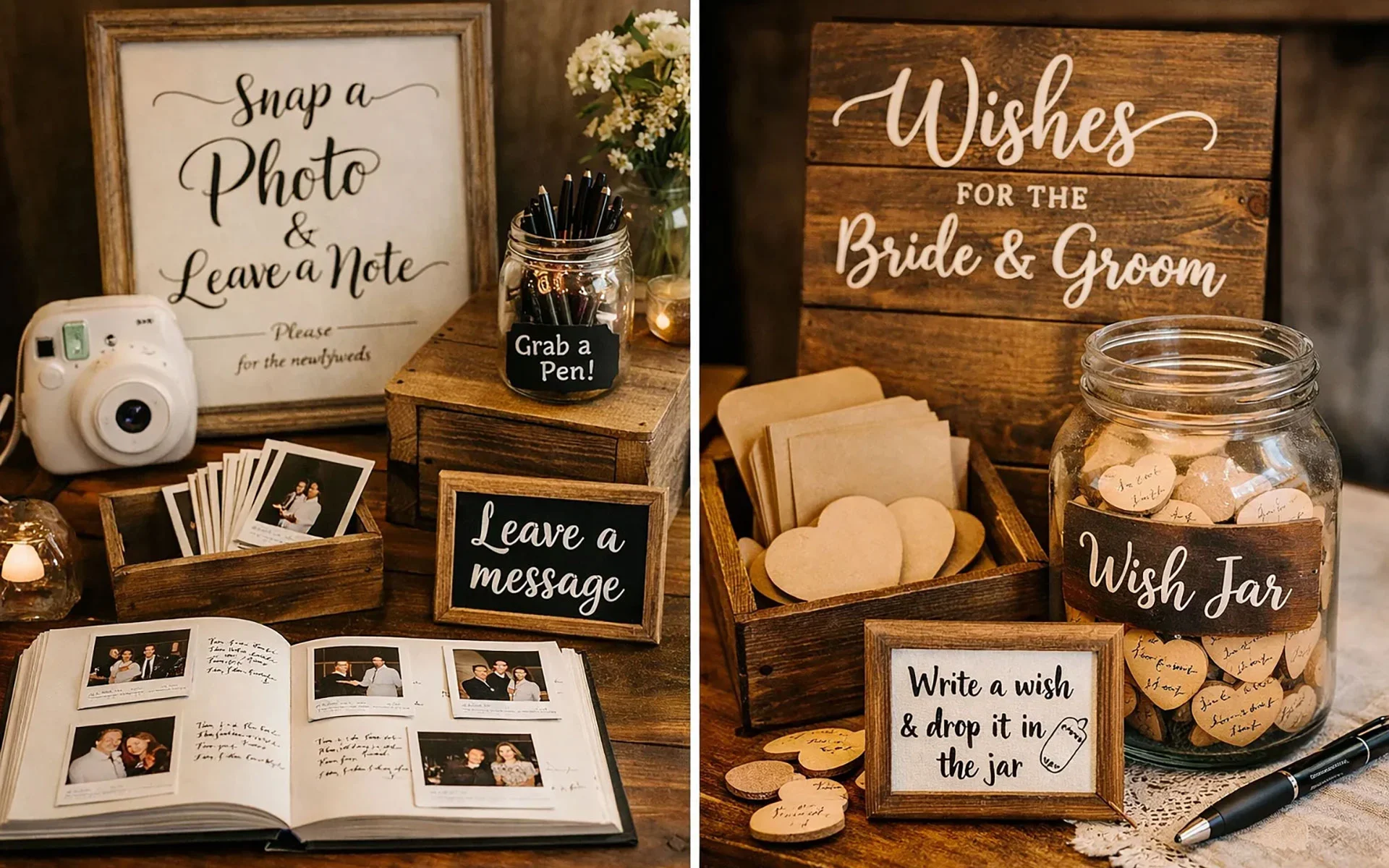
Small Wedding Ideas with Big Impact
The details guests remember from a wedding are rarely the largest ones. More often, they are the quieter things that changed how the room felt, how people moved, or how participation became natural without being managed. This article looks at small wedding ideas that leave a larger trace because they work like subtle rituals inside the day.
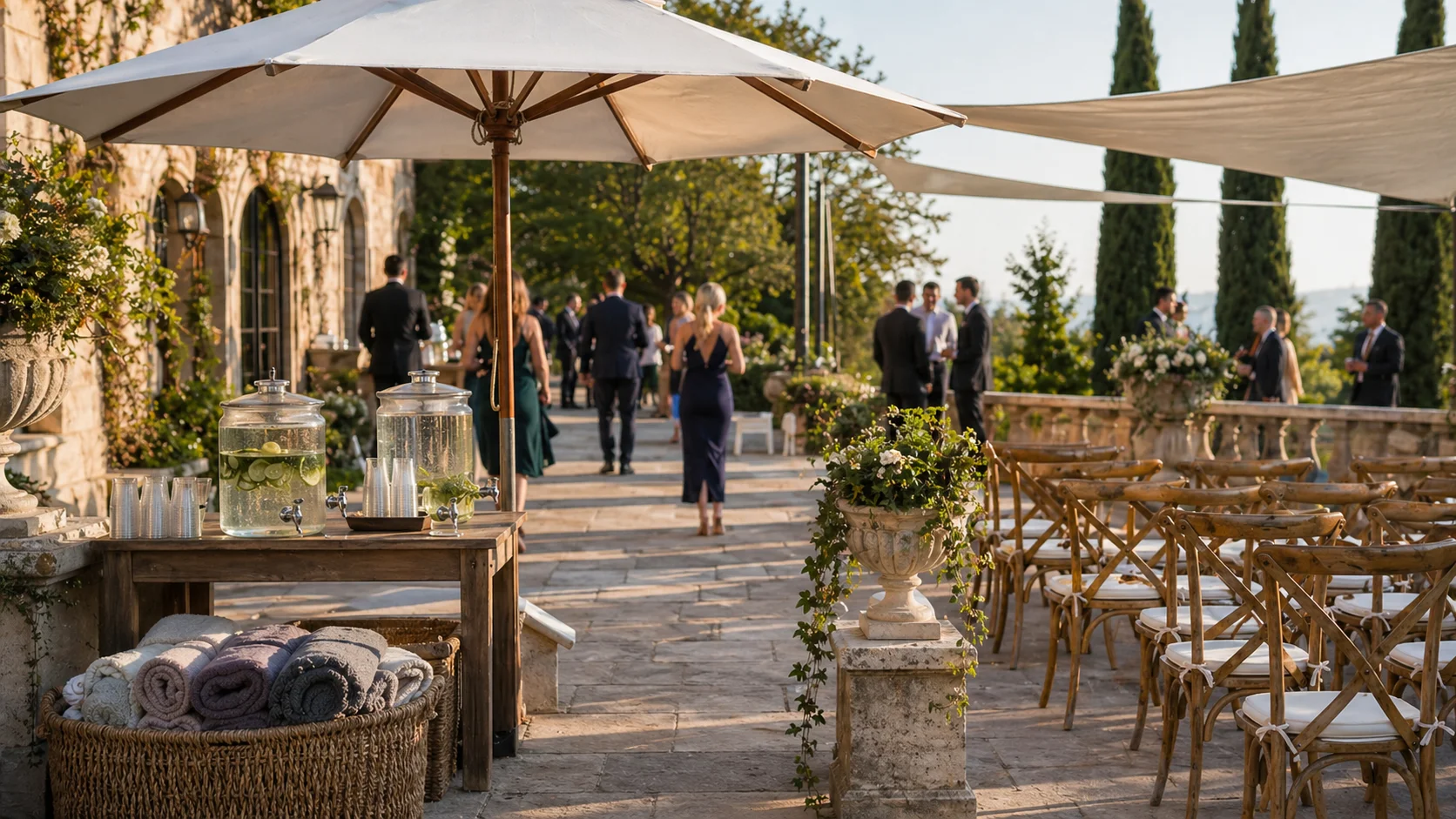
Backup Checklist for Outdoor Weddings: Shade, Wind, Cold, and the Things People Forget
Outdoor wedding backup plans are not only about rain. This article looks at shade, wind, cold, ground conditions, paths, loose details, guest comfort, and the small weather traces that shape how an outdoor celebration is remembered.
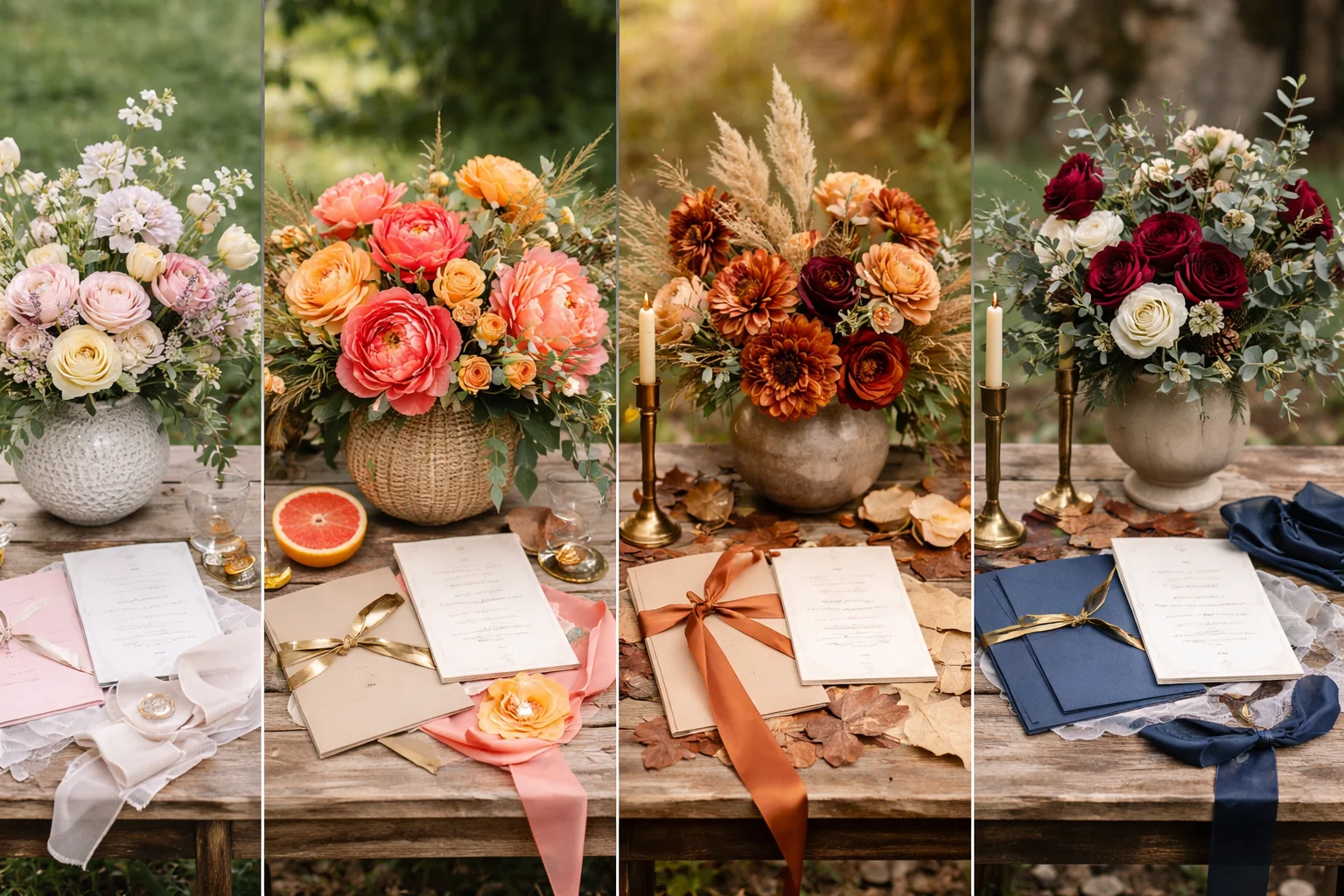
Seasonal Wedding Colors in Practice
Color at weddings often moves with the season. Not strictly planned that way. It just happens when looking across many events over time. A wedding in May rarely looks the same as one in October. The difference sits quietly in the palette.
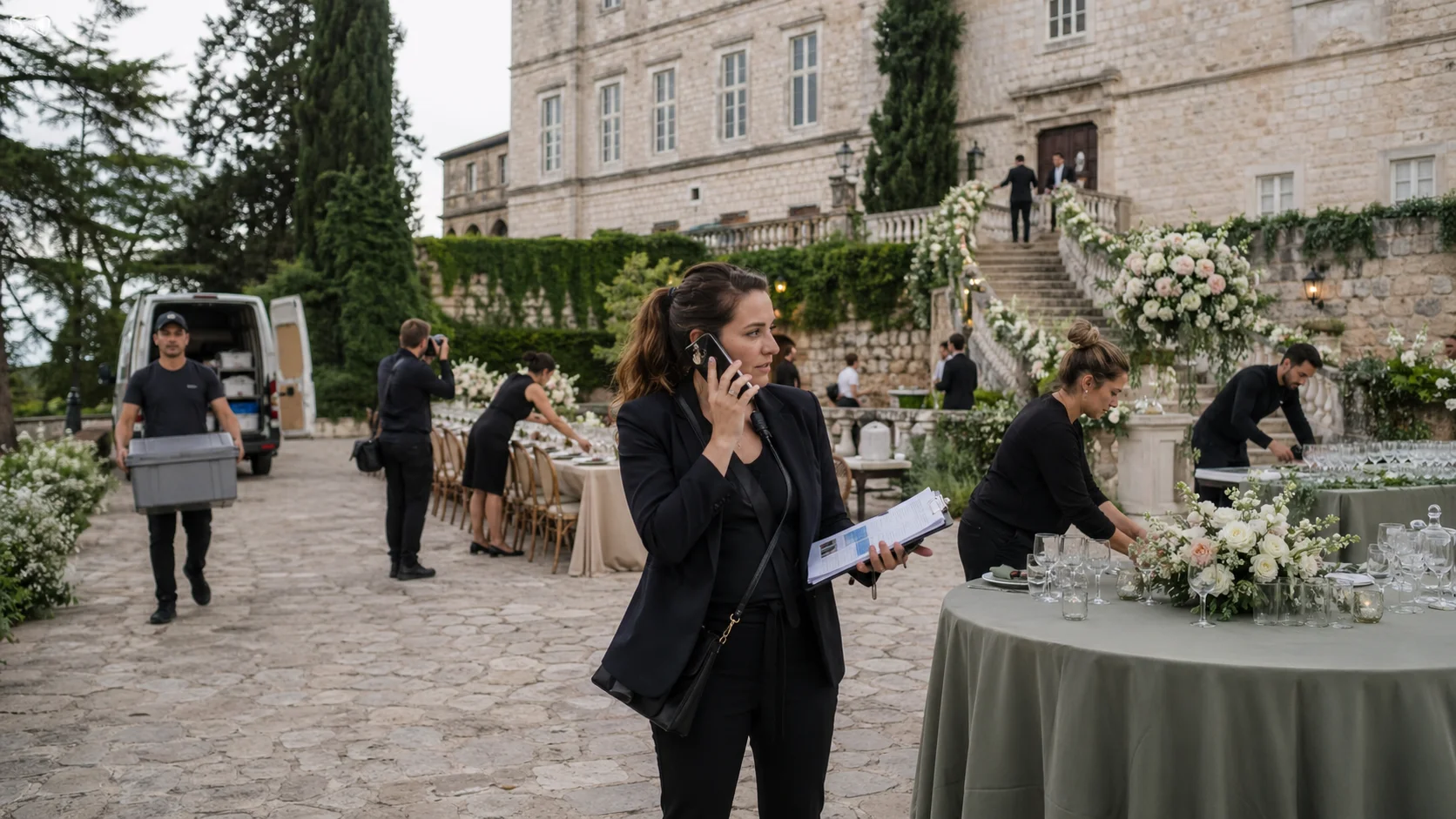
Vendor Contact Checklist: Who Needs to Reach Whom When the Day Starts Moving
A wedding contact list is not the same thing as a wedding communication plan. Once the day starts moving, what matters is not only who is involved, but who should contact whom, for what reason, and at which moment.
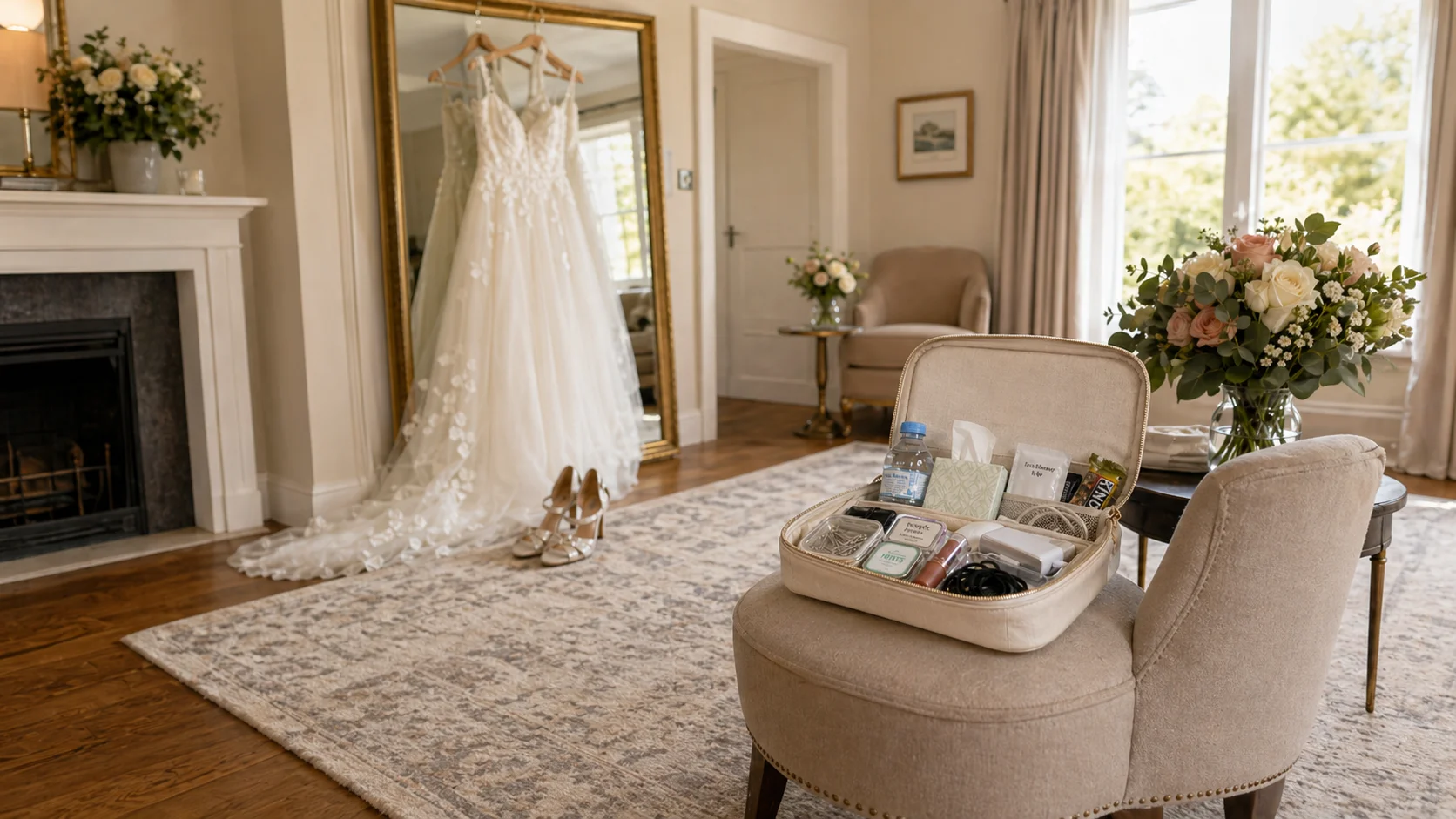
Wedding Bag Checklist: The Small Things That Quietly Save the Day
Wedding bags rarely draw attention, but they often carry the small items that keep the day from tightening around minor problems. This article looks at what to pack, who should hold it, and why the most useful things often matter most only in hindsight.
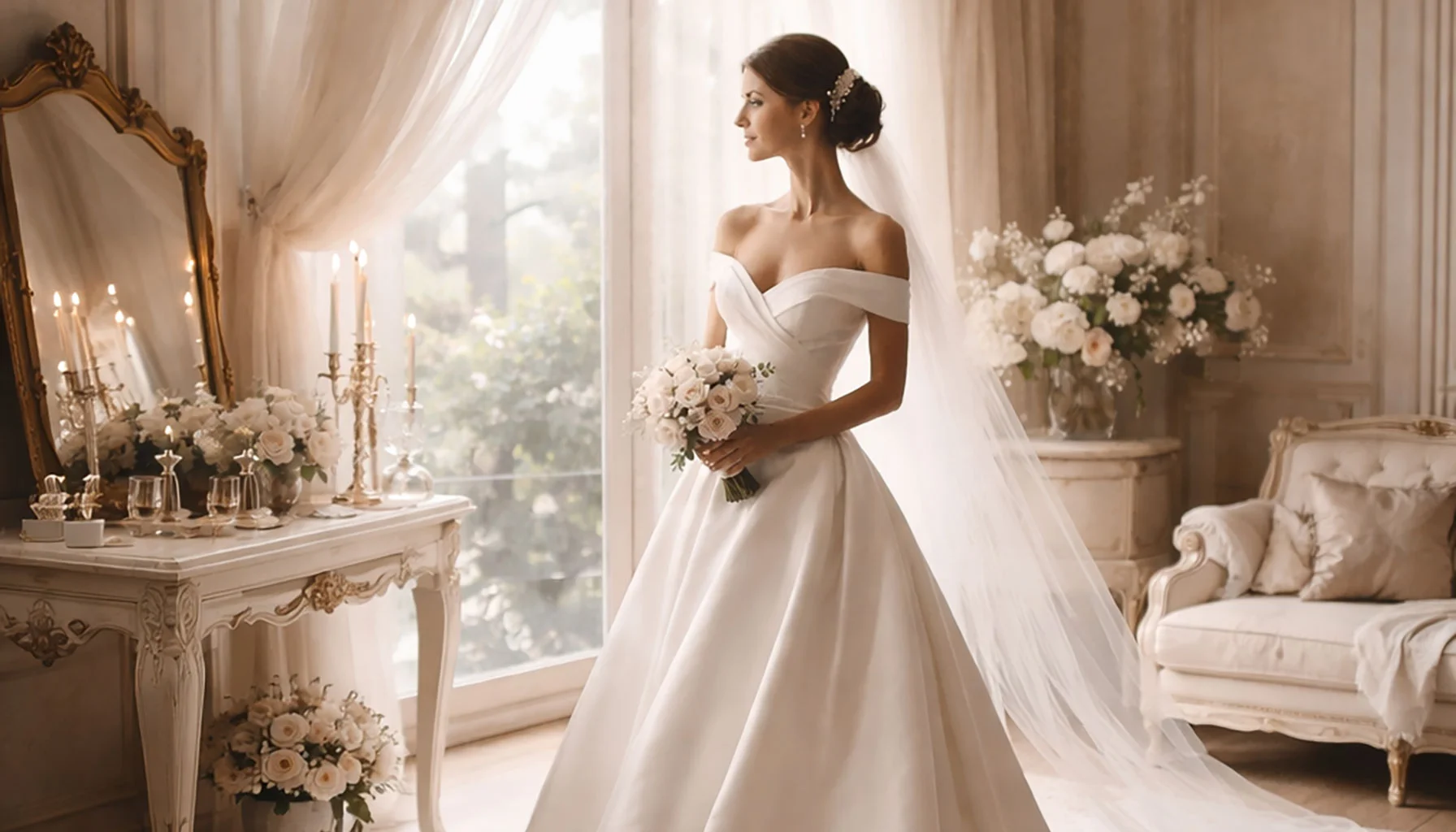
Beyond the Wedding Dress: What Truly Defines the Bridal Look and Experience
The bridal look is shaped long before the wedding day itself. It is created through thoughtful preparation, careful attention to detail, and a sense of inner calm that carries the bride through every moment. When styling, timing, and presence align naturally, beauty feels effortless rather than staged. Hair, makeup, accessories, and posture work together to support the bride rather than overshadow her. Yet what truly defines her appearance is how grounded and supported she feels. A bride who trusts her choices and releases the need for perfection radiates authenticity and quiet confidence. In this balance between outer expression and inner state, the bridal look becomes more than an image. It becomes an atmosphere — one that is felt, remembered, and carried far beyond the day itself.