
Wedding Guest Communication Checklist: What Guests Need to Know and When

Wedding communication often goes wrong in two opposite ways. Either guests are left guessing about practical details that should have been clear, or they are given so much information that the day starts to feel administrated before it has even begun. A good guest communication checklist is not only a list of facts. It is a question of timing, proportion, and tone. The goal is not maximum information. The goal is useful clarity.
This is where communication naturally meets silence. Not everything belongs in every message, and not every uncertainty needs to be pushed outward the moment it appears. Silence in wedding planning is not always avoidance. Sometimes it is structure. It protects what is not settled yet, keeps guests from carrying planning noise that is not theirs, and leaves room for the day to feel human rather than overmanaged. But silence only works when it is deliberate. Otherwise, it quickly turns into confusion.
ChecklistA wedding checklist helps you stay organized and ensures that no important detail is overlooked. From early planning steps to last-minute preparations, it provides a clear overview of what needs to be done and when. With a well-structured checklist, you can plan your wedding with confidence, reduce stress, and enjoy the journey toward your big day.
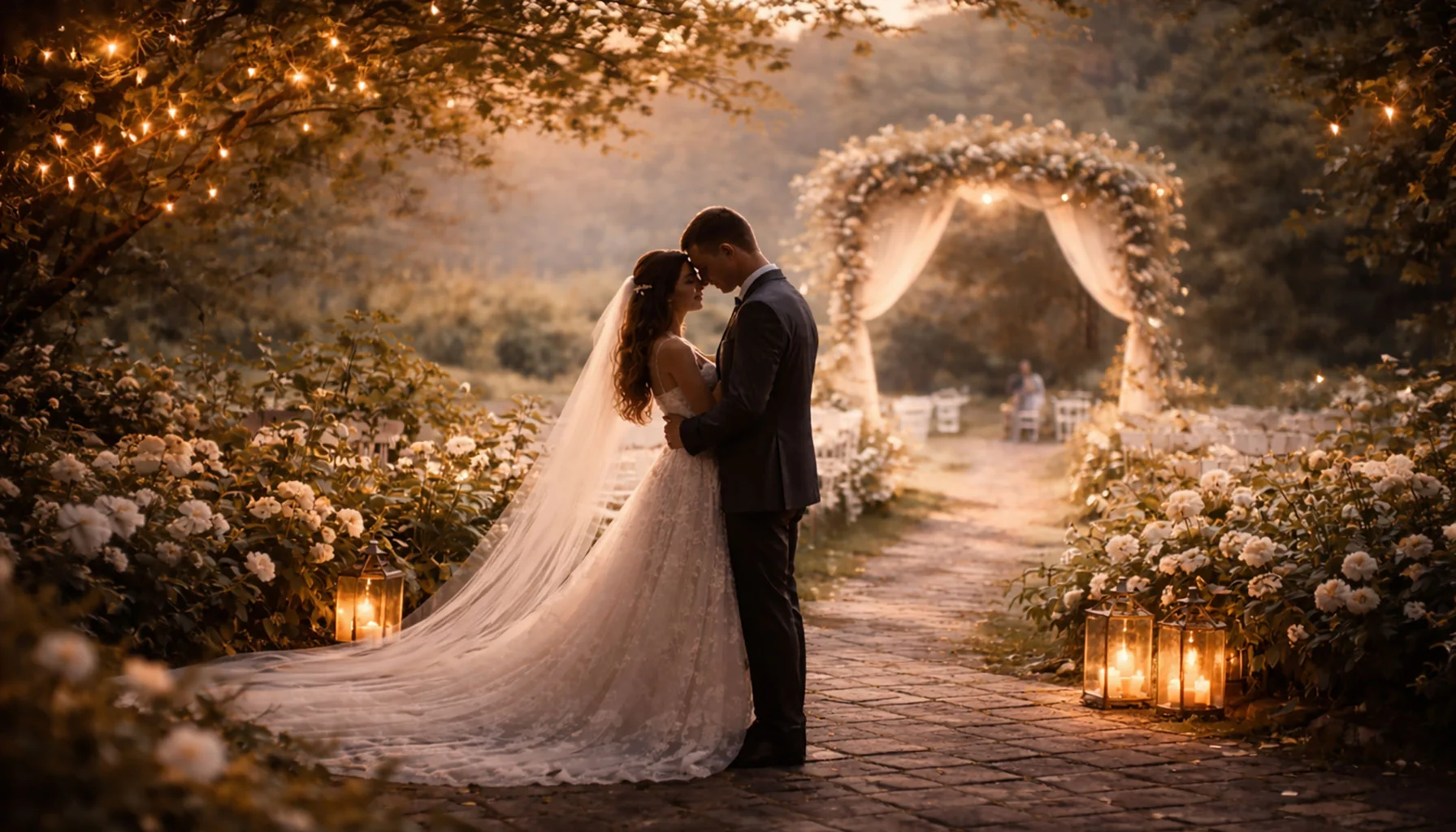
Silence is not absence. It is the space where meaning gathers before words, decisions, and rituals take shape.
Definition
A wedding guest communication checklist is a timing tool for practical clarity. It helps couples decide which information guests need, when they need it, and what does not need to be communicated yet. Its purpose is to reduce uncertainty without turning the wedding into a stream of avoidable updates.
What Guests Need Early
Early communication should cover only the elements that affect planning on the guest side: date, city or general location, expected formality, whether travel or overnight stay is likely, and whether children, plus-ones, or specific scheduling constraints apply. Guests do not need a full emotional concept months in advance. They need enough information to make real-life decisions calmly.
What Belongs Closer to the Day
Closer to the wedding, communication should become more concrete: arrival time, parking or transport, ceremony start, weather-related expectations, venue accessibility, dress guidance if it truly matters, gift preferences if relevant, and one clear contact point for questions. This is also the right time for digital wedding pages or a final guest message. The best version is concise, stable, and easy to scan under pressure.
What Guests Usually Do Not Need to Know
Guests usually do not need to know every internal planning adjustment, family sensitivity, vendor complication, seating uncertainty, or aesthetic revision that arises along the way. Sharing too much can create secondhand stress and invite unnecessary interpretation. A wedding often becomes more legible to guests when communication protects them from planning noise instead of recruiting them into it. That boundary is one of the quiet forms of hospitality.
When Silence Helps and When It Hurts
Silence helps when something is still uncertain, still being negotiated, or simply not relevant to guests yet. It hurts when guests are left guessing about where to go, what time to arrive, whether a ceremony is outdoors, or how formal the setting will be. The difference is practical. Silence should reduce noise, not remove orientation. Guests feel most respected when what matters is clear and what does not concern them remains in the background.
The Final Message Should Calm the Room
A final guest message shortly before the wedding should not sound like one more task. It should steady the day. That means one direct timeline, one reminder of the key logistical points, and one tone that suggests readiness rather than latent panic. Guests often hear emotional state through communication style long before they arrive. A calm final message creates confidence, and that confidence becomes part of the atmosphere before anyone enters the room.
Conclusion
Good wedding guest communication is not a matter of saying everything. It is a matter of saying the right things at the right time, while letting the rest remain quiet until it has a reason to be shared. That is why a strong checklist and a good sense of silence belong together. Clarity gives the day structure, and restraint keeps that structure from becoming noise.
Related Articles

Meaning of Marriage and Love
Marriage and love are not built on constant passion or perfect moments. They survive because two people decide to stay, even when feelings change and life becomes difficult. Real love is quiet, steady, and intentional. It grows through honesty, shared responsibility, and the willingness to choose each other every day—not because it’s easy, but because it matters.

The Groom’s Suit Guide: Planning, Fittings, Trends & Timeline
A wedding suit does not come from a single decision, but from alignment over time. Cut, fabric, and fit develop in relation to occasion, movement, and personality. When these elements settle into place, the suit supports the day quietly and allows the groom to remain fully present.
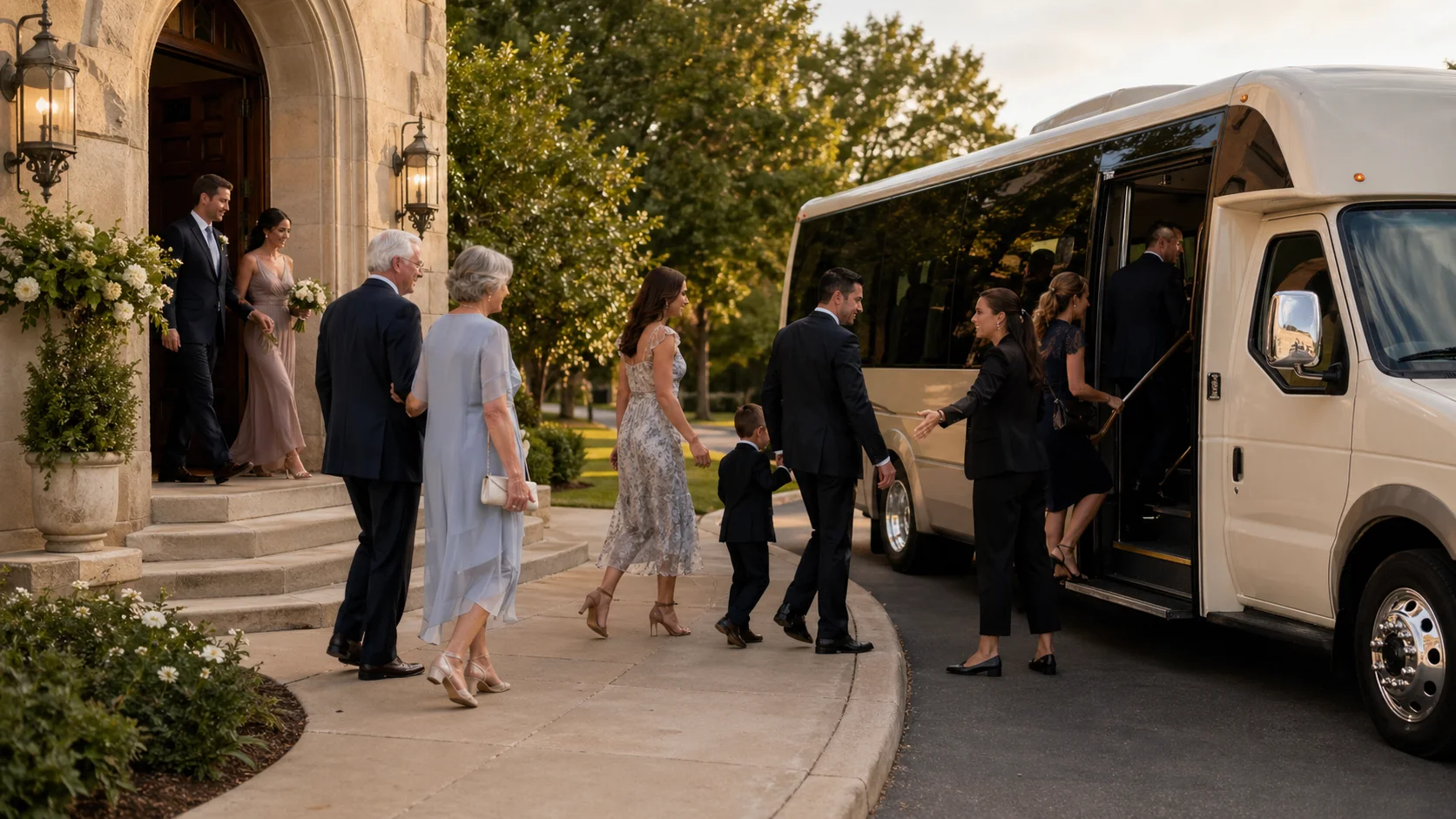
Transportation Checklist: How Not to Lose Time Between Wedding Locations
Wedding transportation is rarely only about the drive. This article looks at pickup points, buffers, driver contacts, guest movement, accessibility, and the pause between locations that either keeps the day together or quietly costs time.
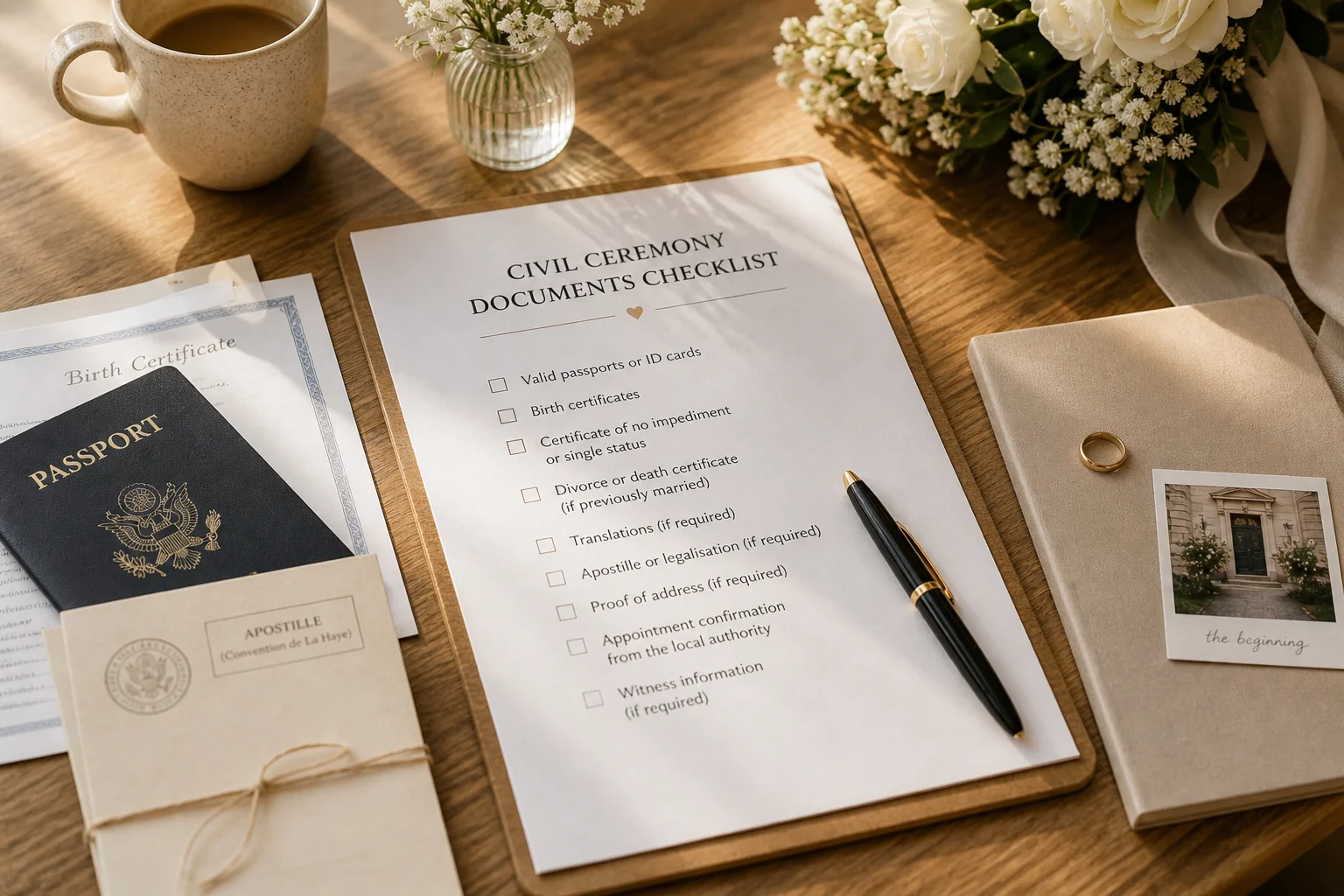
Civil Ceremony Documents Checklist: What Couples Usually Need Before the Wedding Can Happen
A civil ceremony may look simple, but it depends on documents being accepted before the public moment can begin. This article looks at identity records, marital status proof, translations, apostilles, witnesses, appointment rules, and the quiet legal threshold before the ceremony.
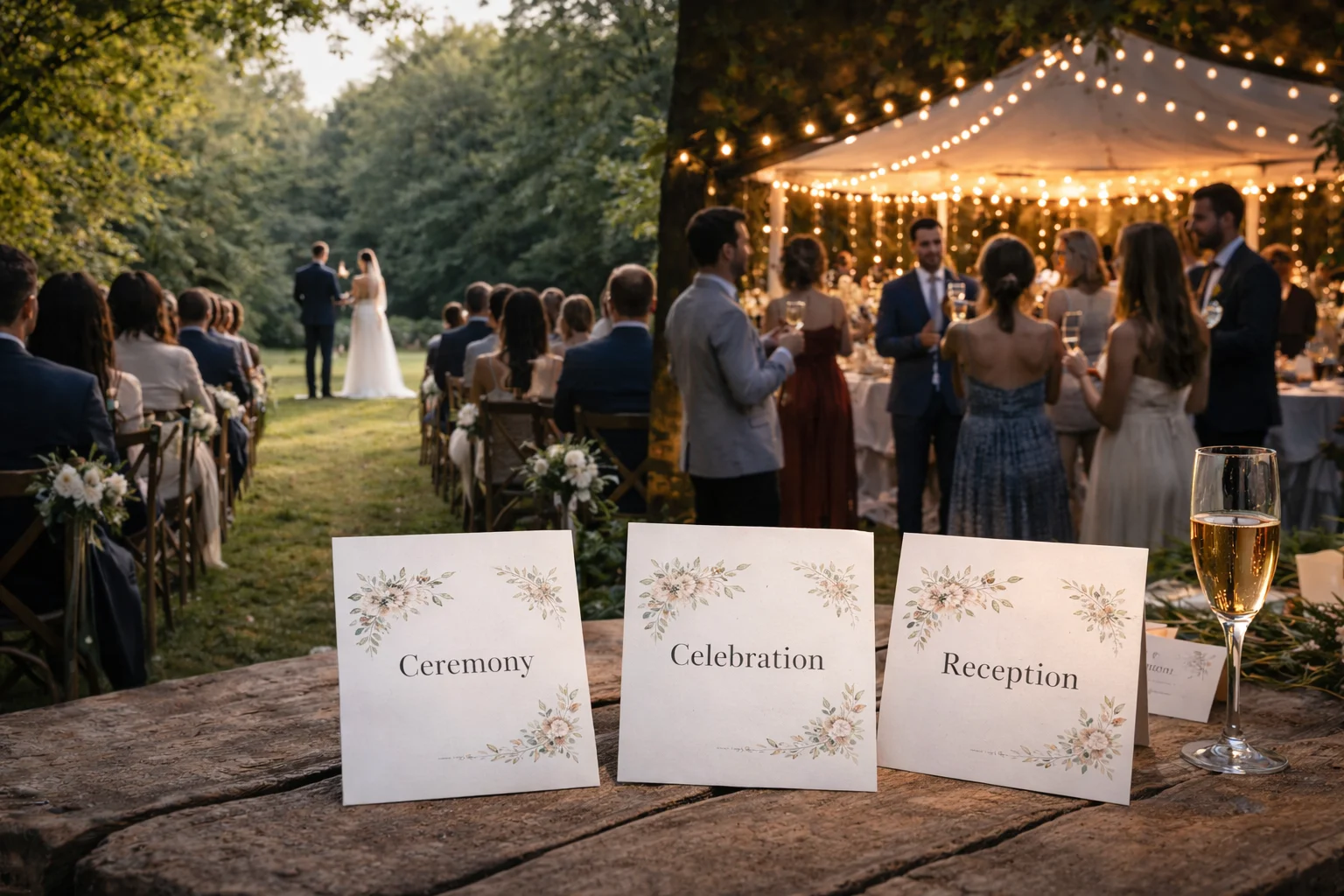
Who Is Invited to the Ceremony and Who Only to the Celebration
Not every wedding invitation has to include every part of the day. But the difference between being invited to the ceremony and being invited only to the celebration carries more meaning than many couples first assume. This article looks at how to make that distinction clearly, gracefully, and in a way that fits both the ritual weight of the ceremony and the social reality of the celebration.
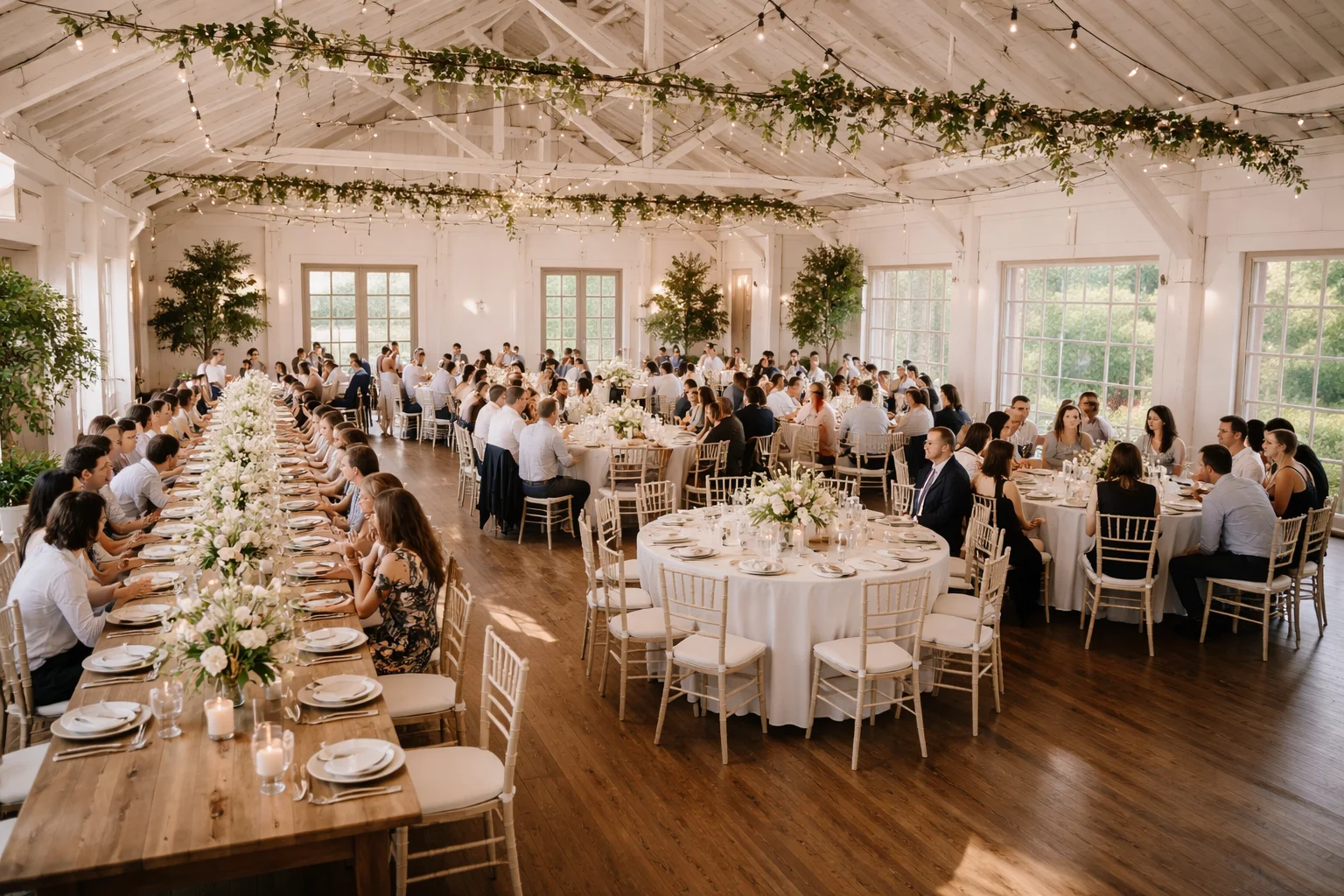
Long Tables vs Round Tables: Observed Use in Wedding Settings
The choice between long and round tables shows up early, often before other details are fixed. It looks like a visual decision at first. In actual setups, it shifts how the room settles once people sit down. Not dramatically, but enough to notice after a short time.
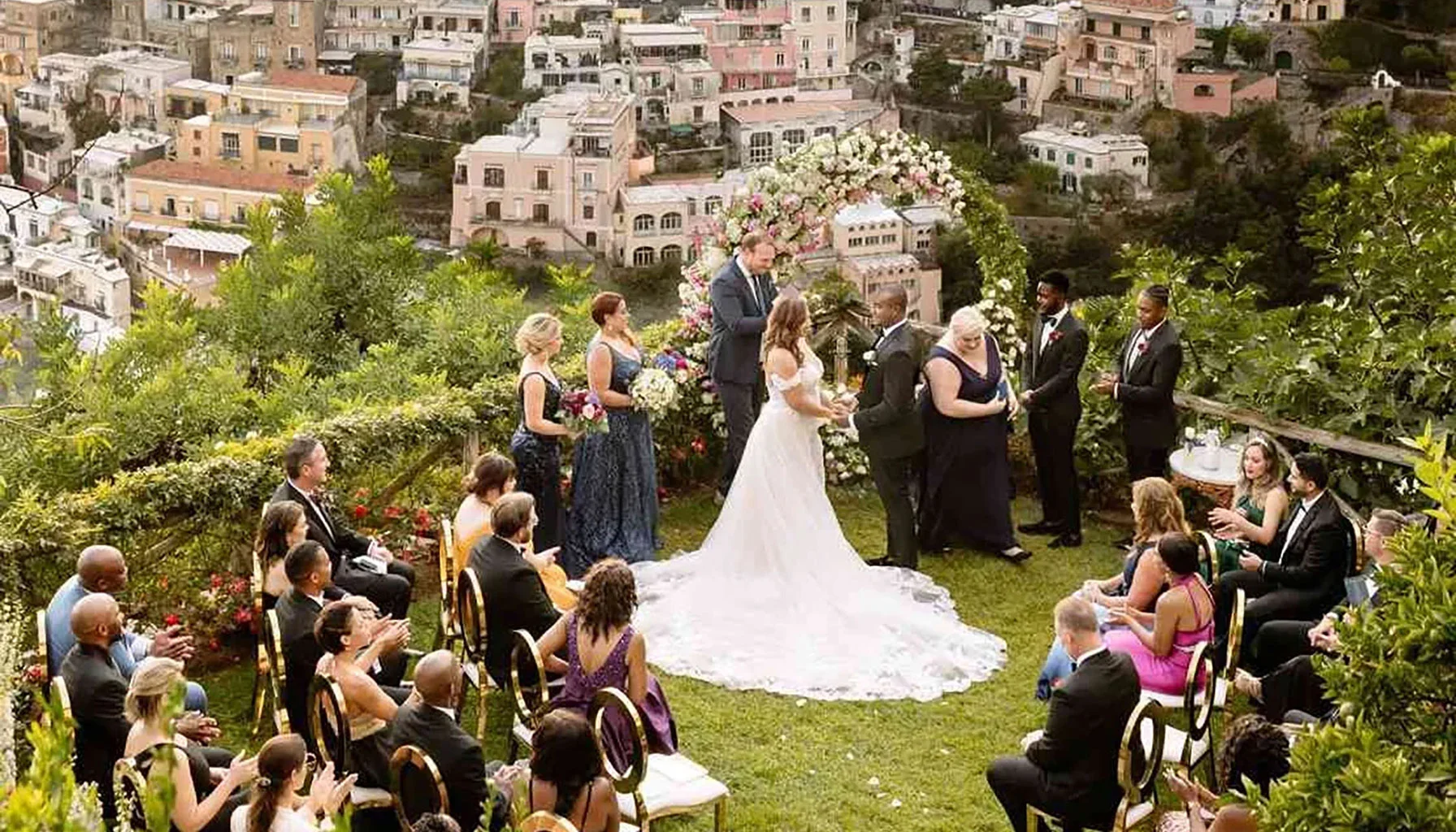
Inviting with Intention: The People Who Accompany the Day
A thoughtfully curated guest list is the foundation of a meaningful and memorable wedding, shaping both the atmosphere and emotional depth of the celebration. By choosing guests with intention and hosting them with care before, during, and after the wedding, couples create an experience rooted in connection, comfort, and genuine appreciation.

Wedding Transport Checklist: Arrivals, Transfers, Parking, and Late-Night Returns
Wedding transport is rarely remembered when it works, but it shapes the day long before the ceremony begins and long after the central moment has passed. This article looks at what still needs to be planned around arrivals, transfers, parking, and late-night returns, and why movement and waiting belong more closely together than many couples expect.
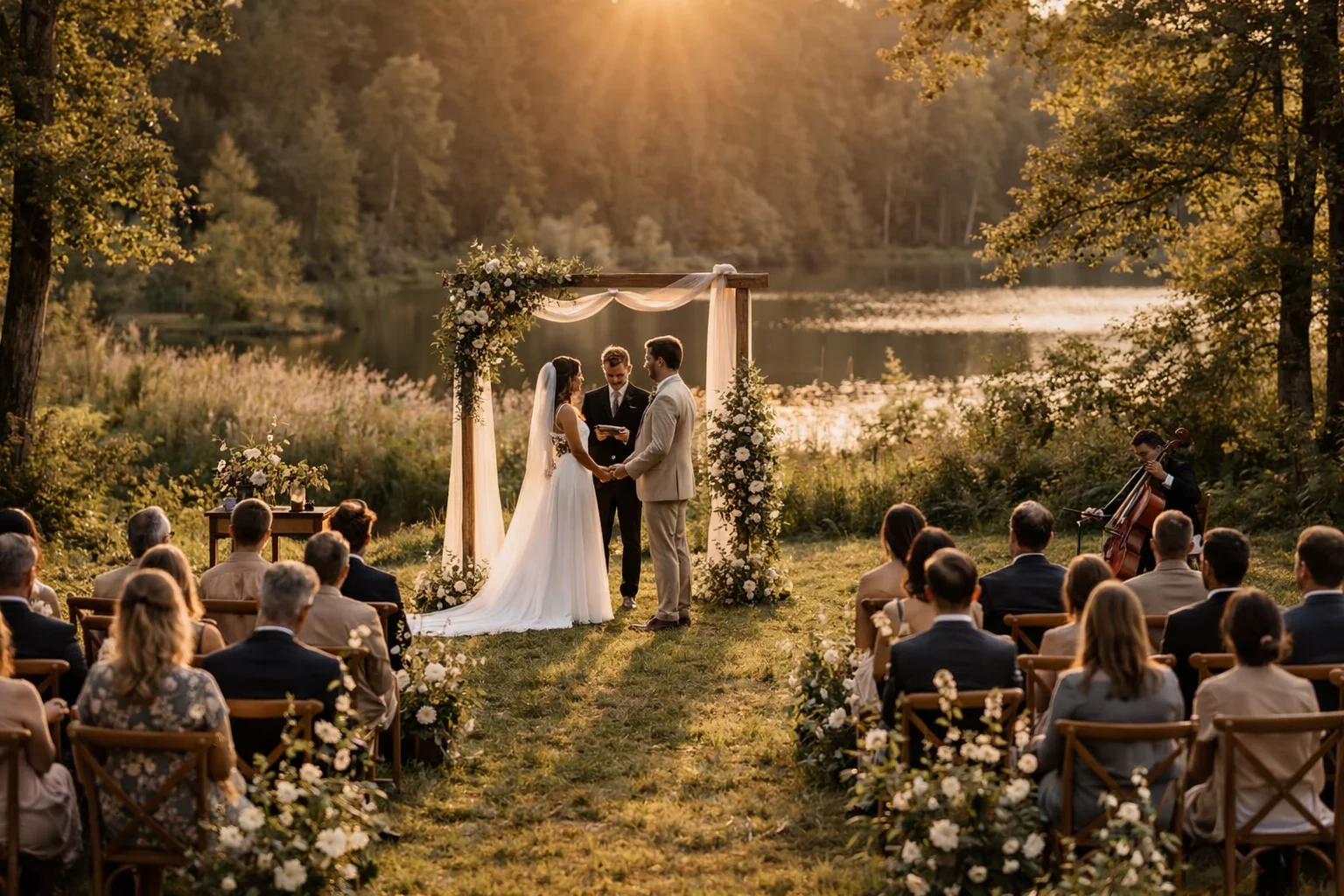
Where an Outdoor Wedding Finds Its Quiet Moments
Outdoor weddings are often chosen for what they seem to promise: openness, air, light, a sense that the ceremony is not confined but allowed to unfold in a wider space. There is movement in everything, from the wind in the trees to the shifting light across the day.
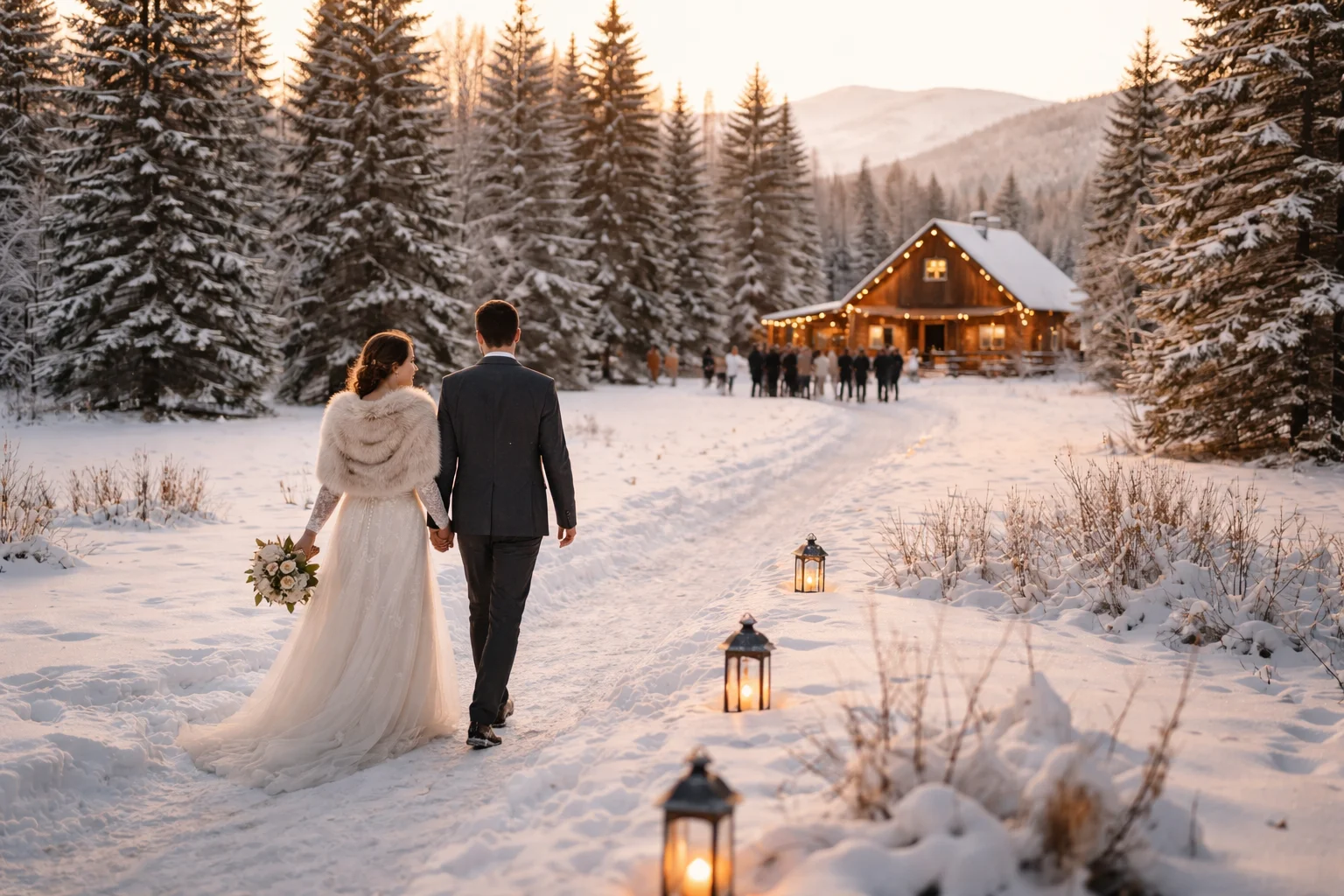
Winter Light and Compressed Timelines in Weddings
Winter weddings are shaped less by one obvious restriction than by a series of quieter adjustments. This article looks at how shorter days, colder air, and earlier shadows compress the timeline, tighten transitions, and give the day a more deliberate rhythm.

Wedding Venue Visit Checklist: What to Observe During a Location Tour
Before a wedding location is booked, couples usually visit the place in person. These visits are often short, sometimes just an hour between other appointments. During that time many practical details appear: distances, lighting, sound, room flow, the way staff answer questions. Notes taken during such visits tend to be uneven. Some things seem obvious on site and disappear from memory later. A checklist helps structure the visit so that small but relevant observations are not lost.

Backup Checklist for Outdoor Weddings: Shade, Wind, Cold, and the Things People Forget
Outdoor wedding backup plans are not only about rain. This article looks at shade, wind, cold, ground conditions, paths, loose details, guest comfort, and the small weather traces that shape how an outdoor celebration is remembered.