
The Wedding Cake – Where Romance, Craftsmanship and Love Meet
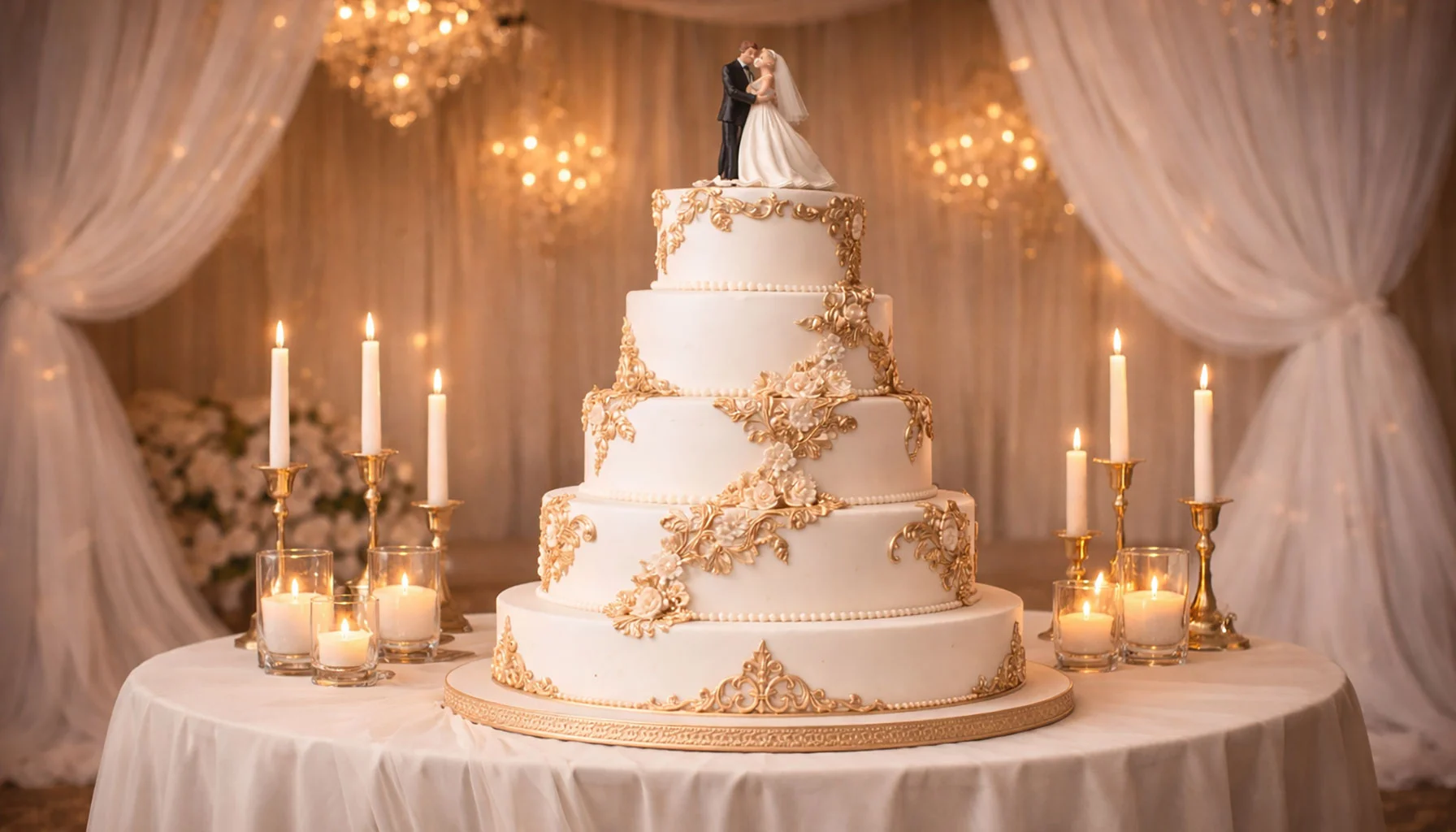
The Wedding Cake: Presence, Craft, and Shared Moment
The wedding cake appears late in the day, yet it holds a steady place in memory. It stands quietly in the room. Guests notice it without being directed to do so. It is not only dessert. It marks a pause. People gather, conversations soften, attention shifts.
In many celebrations, the cake becomes one of the few moments shared by everyone at the same time. Plates are set down. Phones come out, then disappear again. The room settles. What follows is brief, but clearly felt.
Why the Wedding Cake Matters in Practice
Observed across many weddings, the cake works best when it fits naturally into the flow of the evening. It does not interrupt. It does not perform. Its role is quieter than music, less dominant than décor, but still central.
- It creates a shared pause in the reception.
- It brings guests to the same place at the same time.
- It offers a sensory memory that stays longer than speeches.
- It closes the formal part of the celebration gently.
Design and Restraint
Cakes that remain memorable tend to avoid excess. Clear proportions. A readable structure. Nothing competing for attention. The shape is understood at a glance. Decoration feels intentional, not busy.
Many couples choose designs that echo the setting rather than dominate it. Soft finishes in daylight venues. Slightly deeper tones for evening receptions. Floral elements that reference, but do not repeat, the table arrangements.
Taste as Experience
Flavor choices are often remembered more clearly than appearance. Cakes that feel light, balanced, and easy to finish are usually received with quiet appreciation. Guests notice when sweetness is restrained and textures are clean.
- Fine sponge with stable structure.
- Fillings that stay fresh over several hours.
- Flavors that feel familiar, not surprising.
- Portions that invite a second bite without heaviness.
It didn’t feel like a show moment. It felt natural, like it belonged exactly there.— Guest observation
Working with the Cake Designer
Experienced cake designers tend to ask practical questions early. Guest count. Timing. Room temperature. Serving logistics. These details shape the final result more than decoration choices alone.
The strongest collaborations are based on clarity rather than inspiration boards. A shared understanding of atmosphere, pace, and tone leads to calmer decisions later.
We trusted the process. That made the result feel effortless.— Couple feedback
Placement and Timing
Where the cake stands matters. It should be visible, but not blocking movement. Close enough to draw people in. Far enough to keep the room open. Timing follows the same logic. Neither rushed nor delayed.
In well-paced weddings, the cake appears when guests are ready for a shared moment, not when the schedule demands it.
Conclusion
The wedding cake does not need to impress. It needs to fit. When design, taste, and timing align, it becomes part of the rhythm of the day. Quietly present. Clearly remembered.
Related Articles
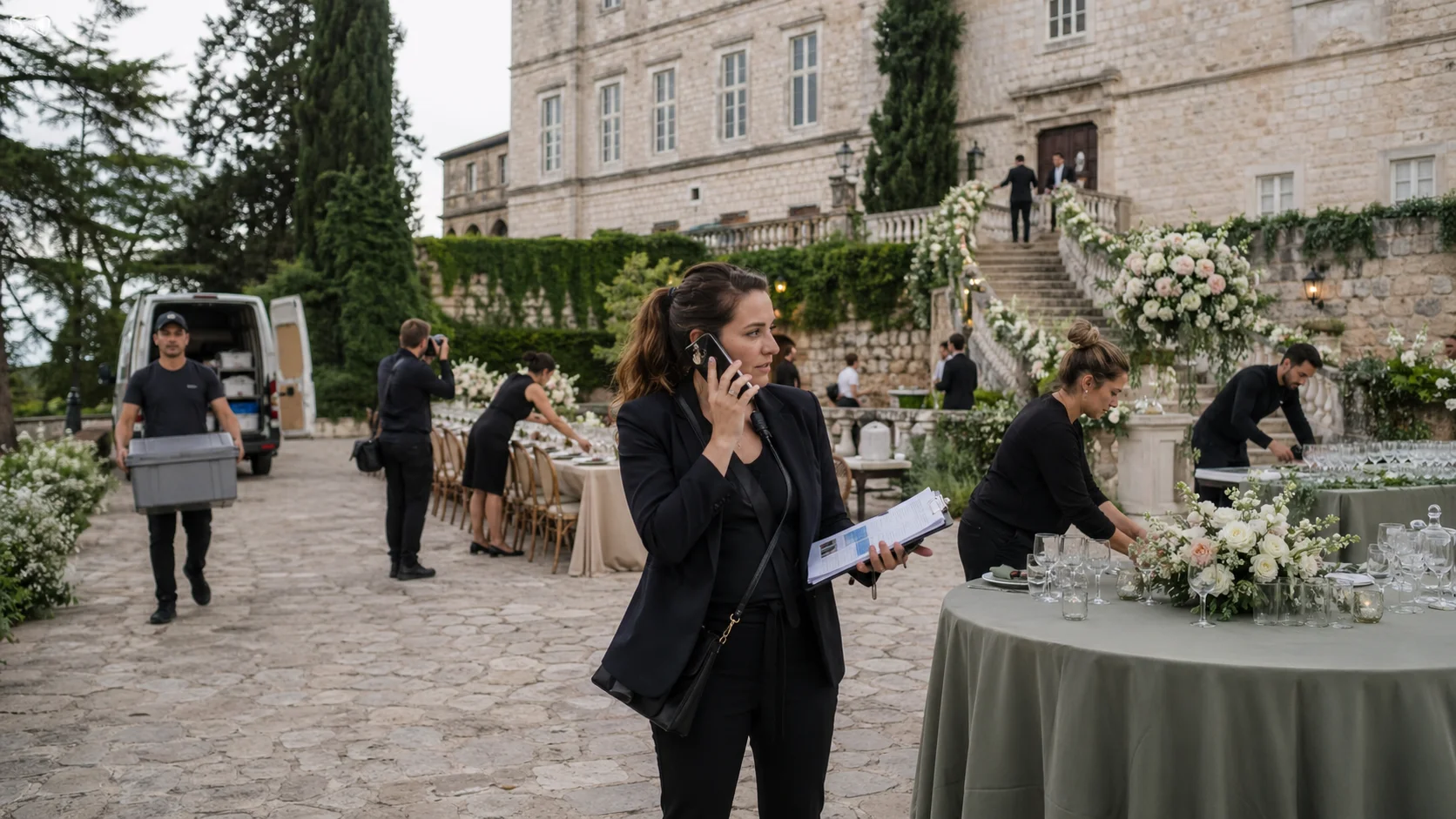
Vendor Contact Checklist: Who Needs to Reach Whom When the Day Starts Moving
A wedding contact list is not the same thing as a wedding communication plan. Once the day starts moving, what matters is not only who is involved, but who should contact whom, for what reason, and at which moment.
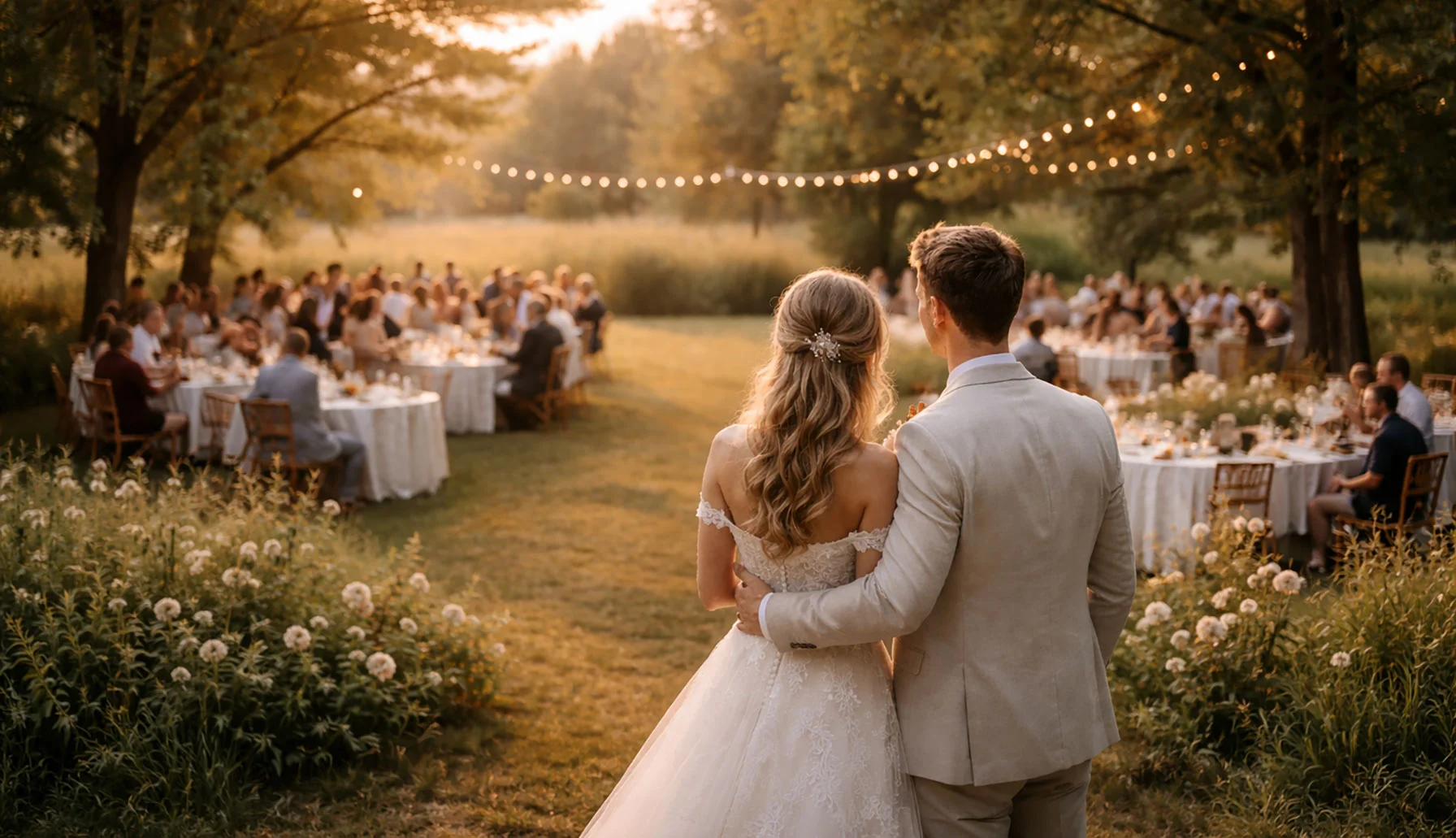
Looking good on the wedding day – quiet preparation, visible effect
A good appearance on the wedding day rarely arises spontaneously. It is the result of time, attention, and recognizability. This text collects observations concerning bride and groom, without ideal images or instructions. It's about skin, hair, and posture, about preparation instead of change. And about what remains when nothing needs to be explained.
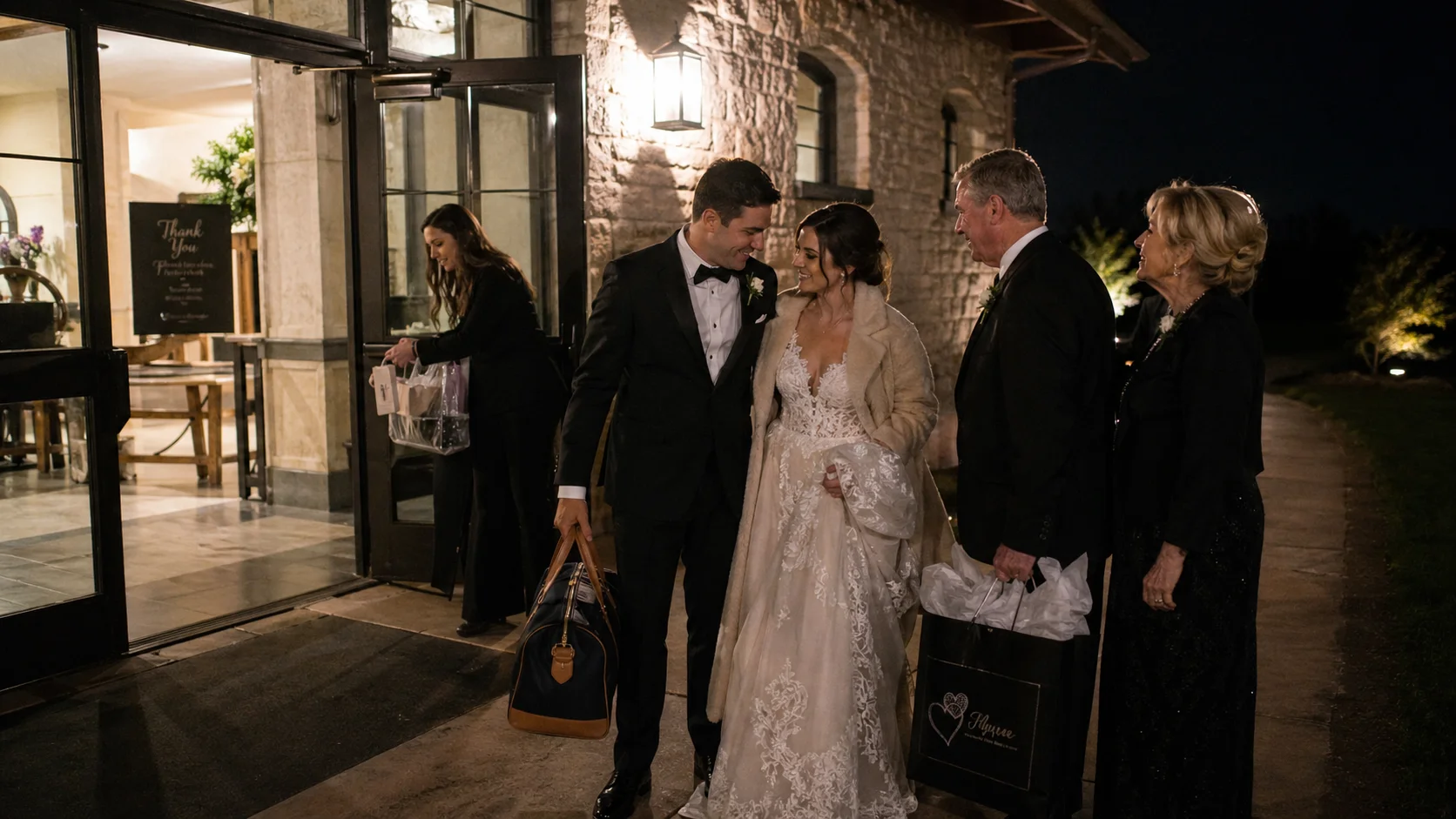
Exit Checklist: What Matters in the Last Thirty Minutes of a Wedding Night
The end of a wedding rarely happens in one clean moment. This article looks at the last thirty minutes of the night, from transport and personal items to final goodbyes, vendor handovers, and the quiet beginning of what comes after.
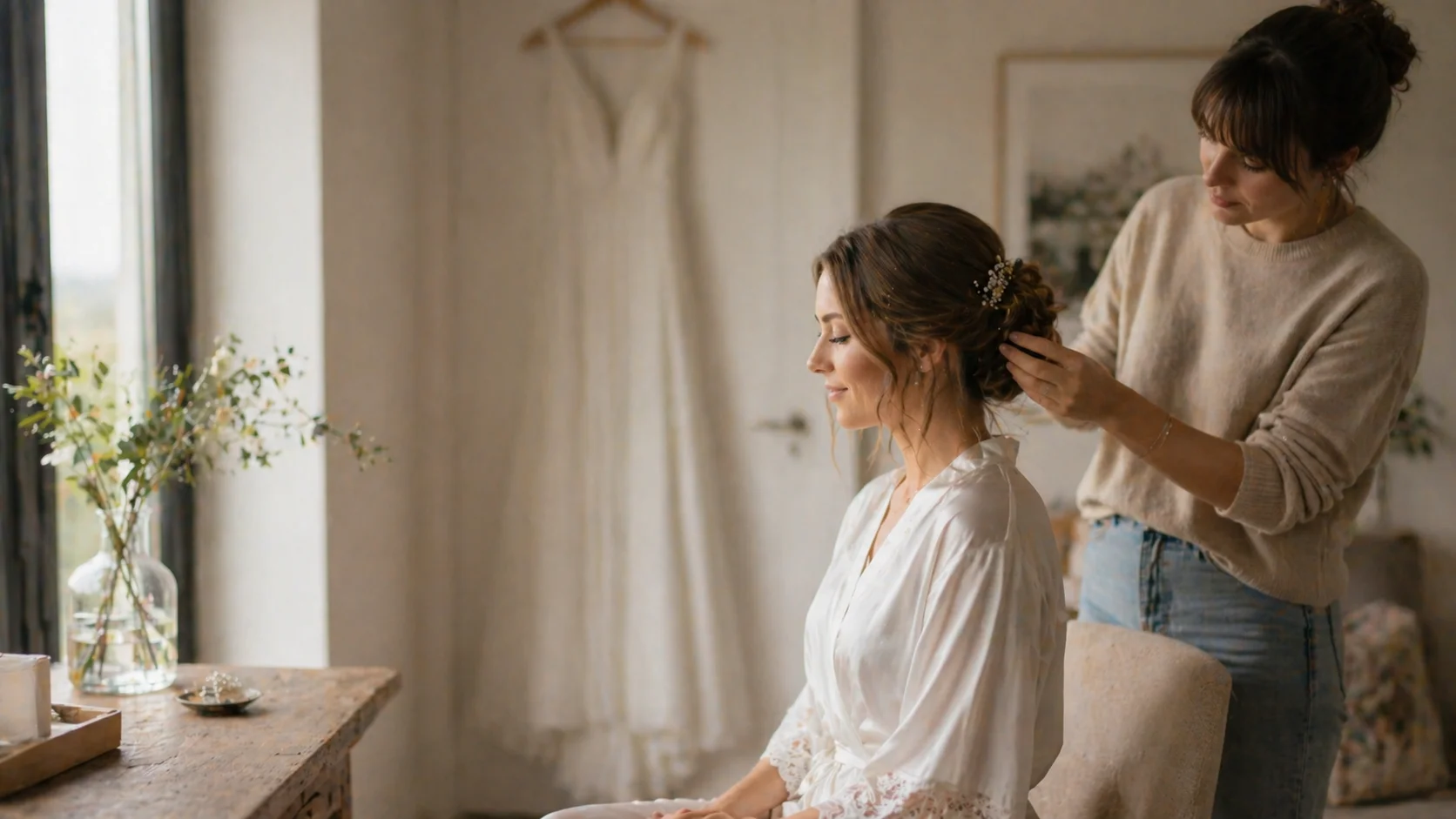
Bridal Getting-Ready Room Checklist: Light, Surfaces, Noise, and Movement
A bridal getting-ready room does more than hold hair, makeup, and dresses. This article looks at light, surfaces, noise, movement, privacy, and the quiet traces the room leaves on the morning before the ceremony.

Conversations Before Marriage – Life Questions That Clarify the Relationship
A marriage is not just about feelings, but also expectations, imprints, and ideas about everyday life. This text compiles central life questions that couples should clarify with each other before saying 'I do': regarding money, family, children, conflicts, division of tasks, and personal values. Grown from observations, objectively considered, and close to lived everyday life. Conversations that make differences visible – and thereby strengthen connection.
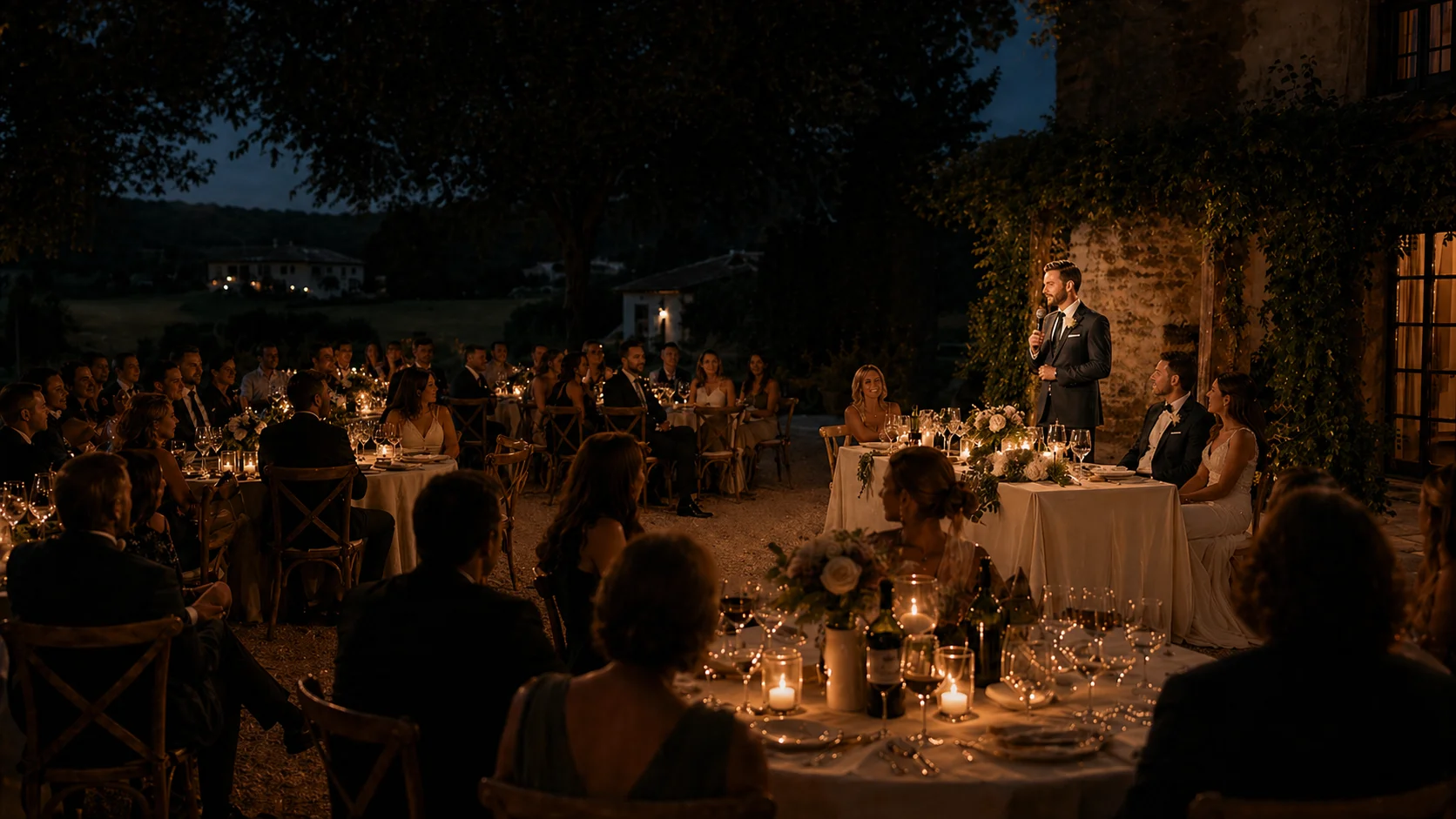
Speech Moment Checklist: What Makes a Toast Feel Held, Not Exposed
A wedding toast depends on more than good writing. It lands differently depending on attention, sound, timing, room tone, and the unspoken signals that tell a speaker whether the moment is carrying them or leaving them alone.
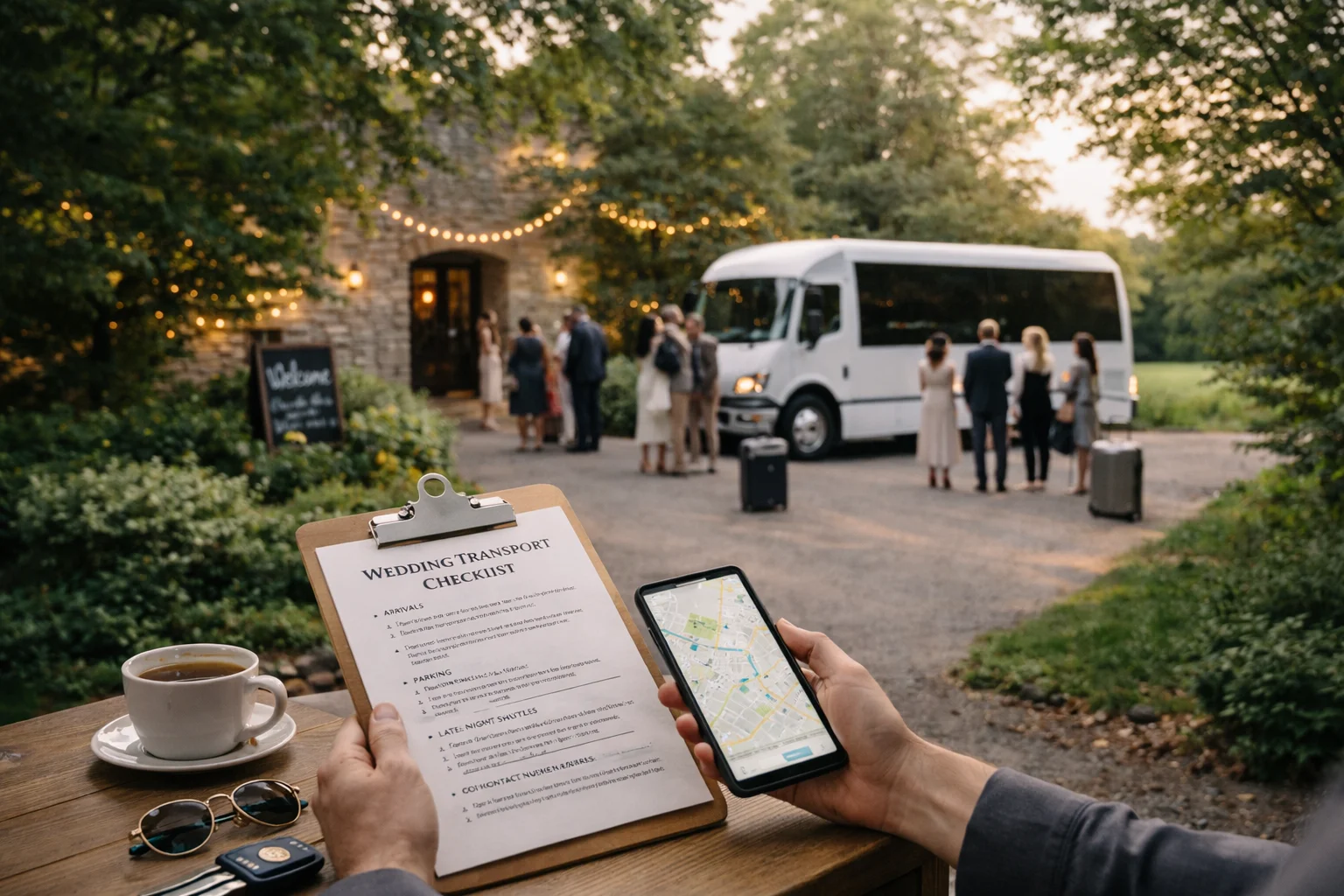
Wedding Transport Checklist: Arrivals, Transfers, Parking, and Late-Night Returns
Wedding transport is rarely remembered when it works, but it shapes the day long before the ceremony begins and long after the central moment has passed. This article looks at what still needs to be planned around arrivals, transfers, parking, and late-night returns, and why movement and waiting belong more closely together than many couples expect.
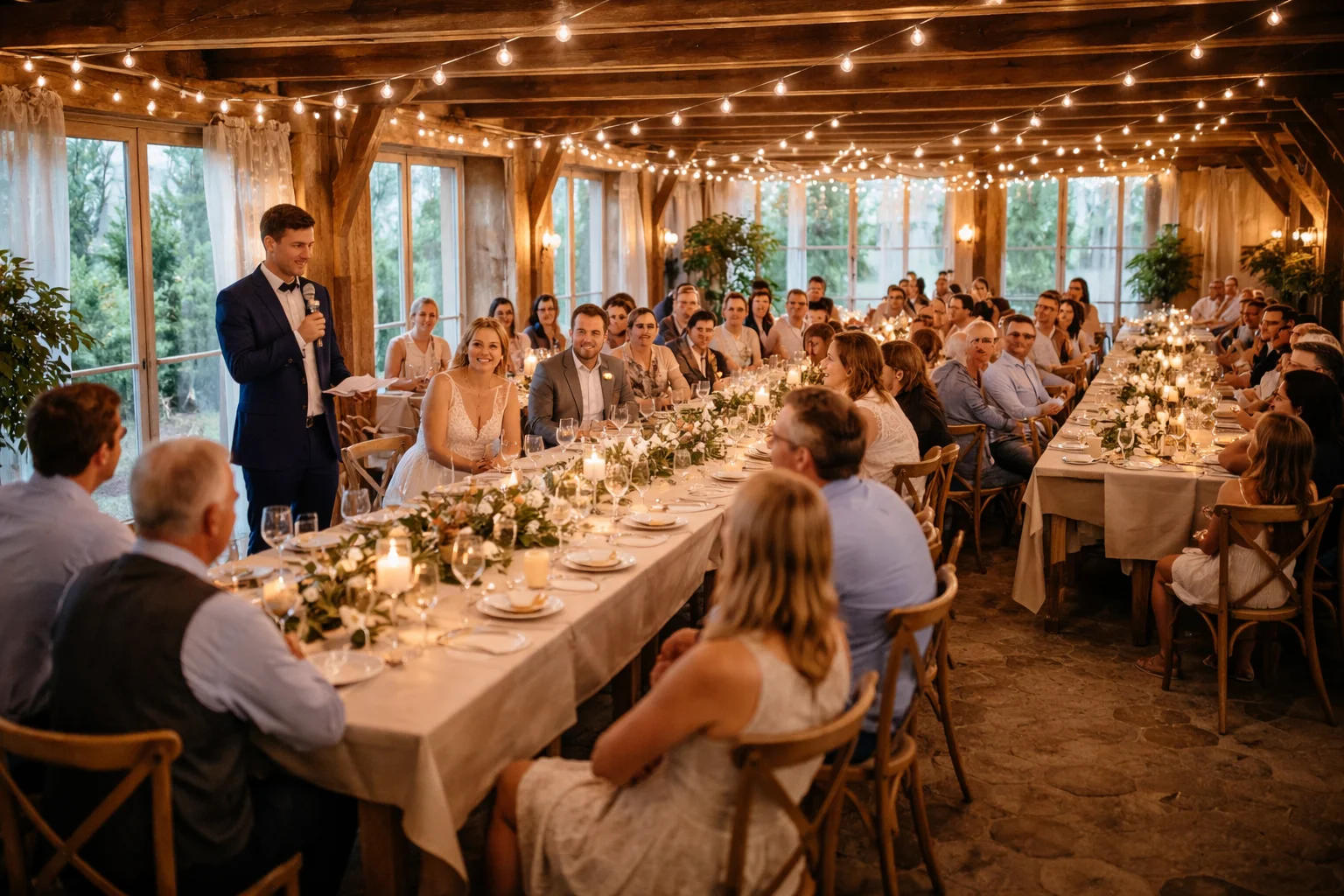
Speech Timeline During the Wedding Reception – Typical Order and Observed Patterns
During a wedding reception, speeches usually appear in small segments rather than as one long program. A few words early in the evening, then dinner continues, later another short speech surfaces between plates being cleared. The sequence looks informal from the guest perspective. Still, over many weddings a similar rhythm can be noticed.
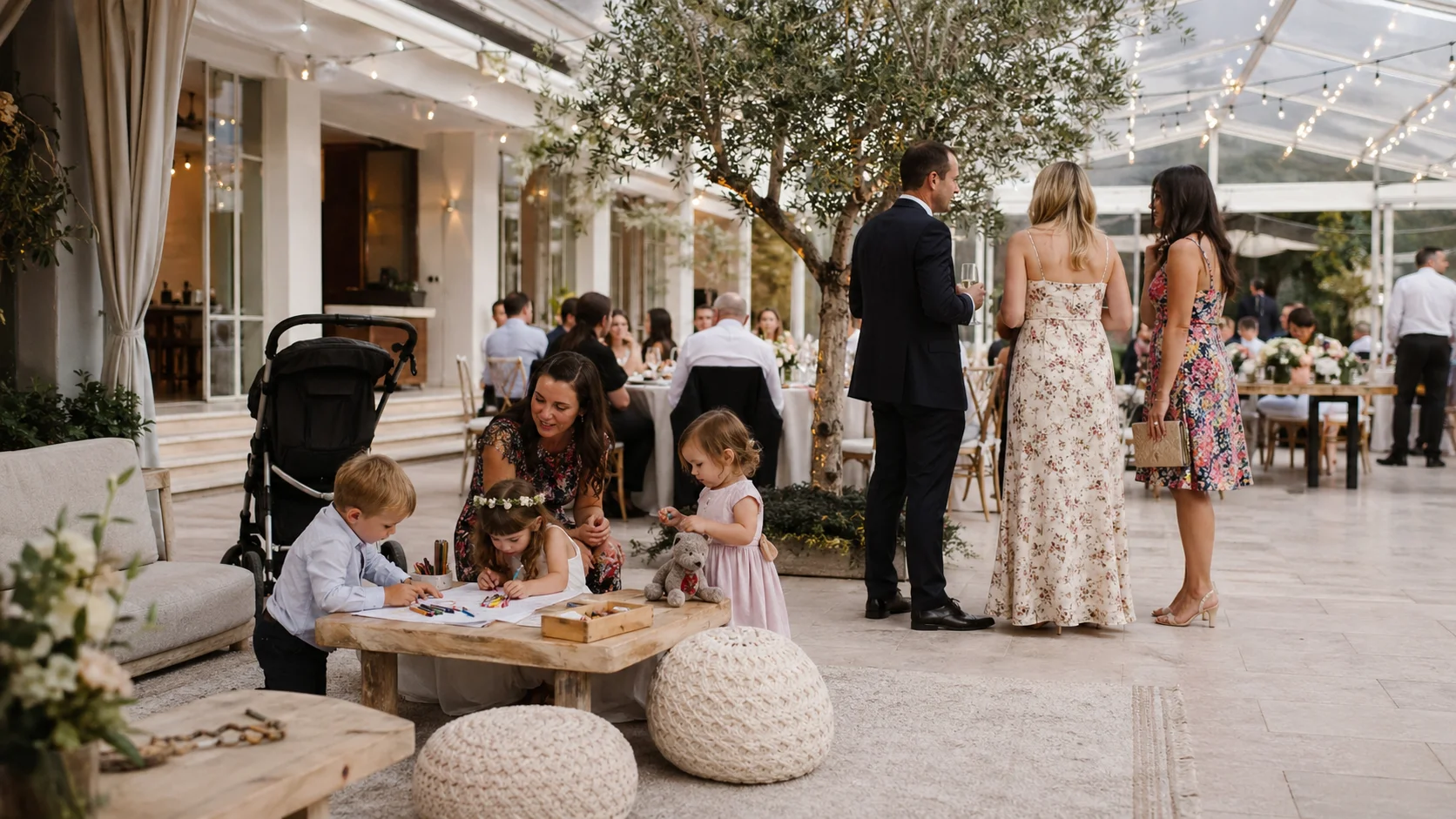
Kids at Weddings Checklist: What Helps Families Stay Longer Without Strain
Families with children usually leave weddings early for a series of small reasons rather than one big one. This article looks at what helps them stay longer with less strain, from food timing and retreat spaces to quieter transitions and the simple need for relief.
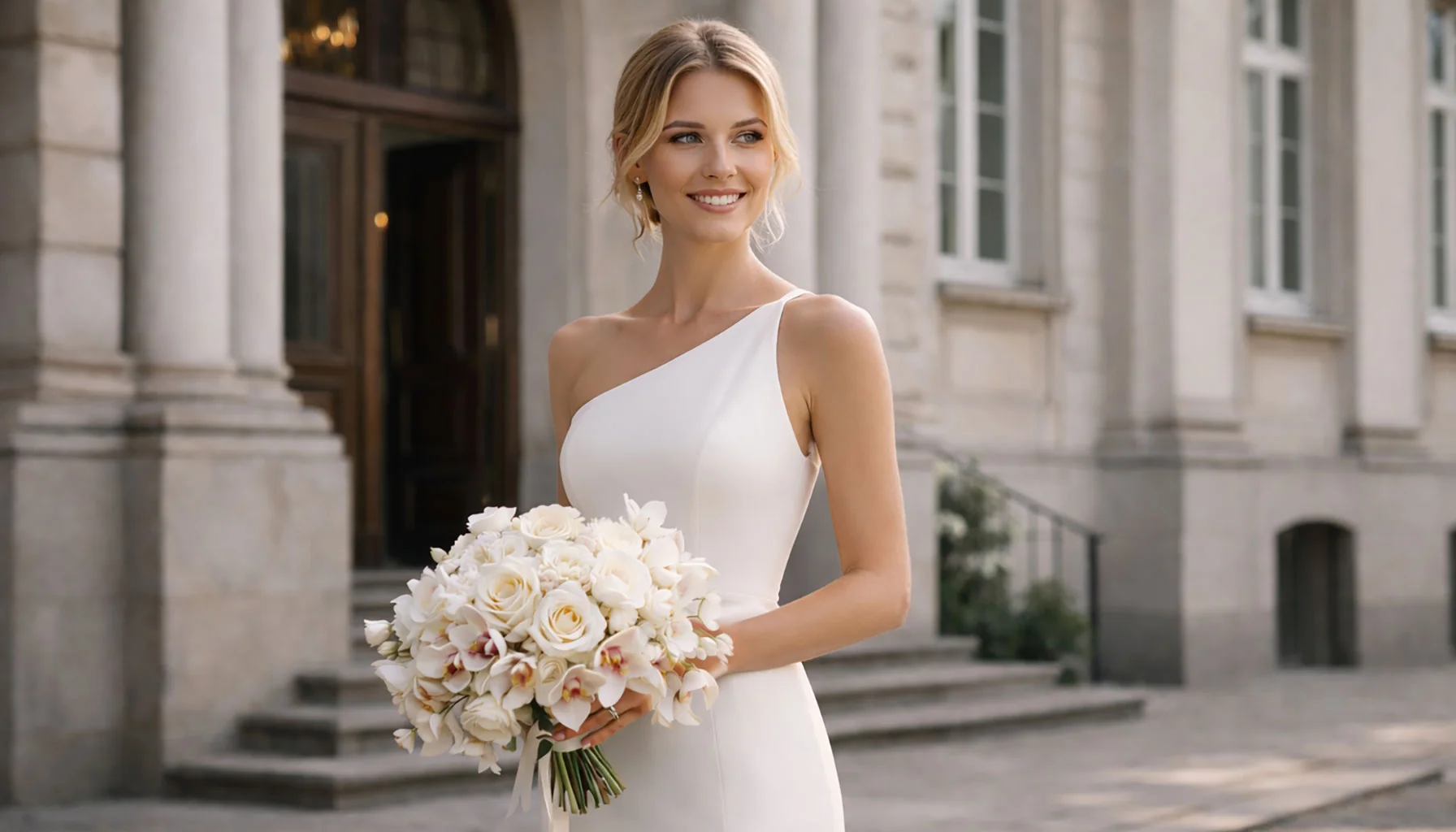
A Love Made Official: A Bridal Look for the Civil Ceremony
Civil ceremonies tend to be focused and quiet. The setting is smaller, the attention sharper. In this context, the bridal look does not perform. It supports. Fabric, cut, and proportion matter more than embellishment. What remains is a look that fits the moment, allows presence, and feels appropriate long after the ceremony ends.
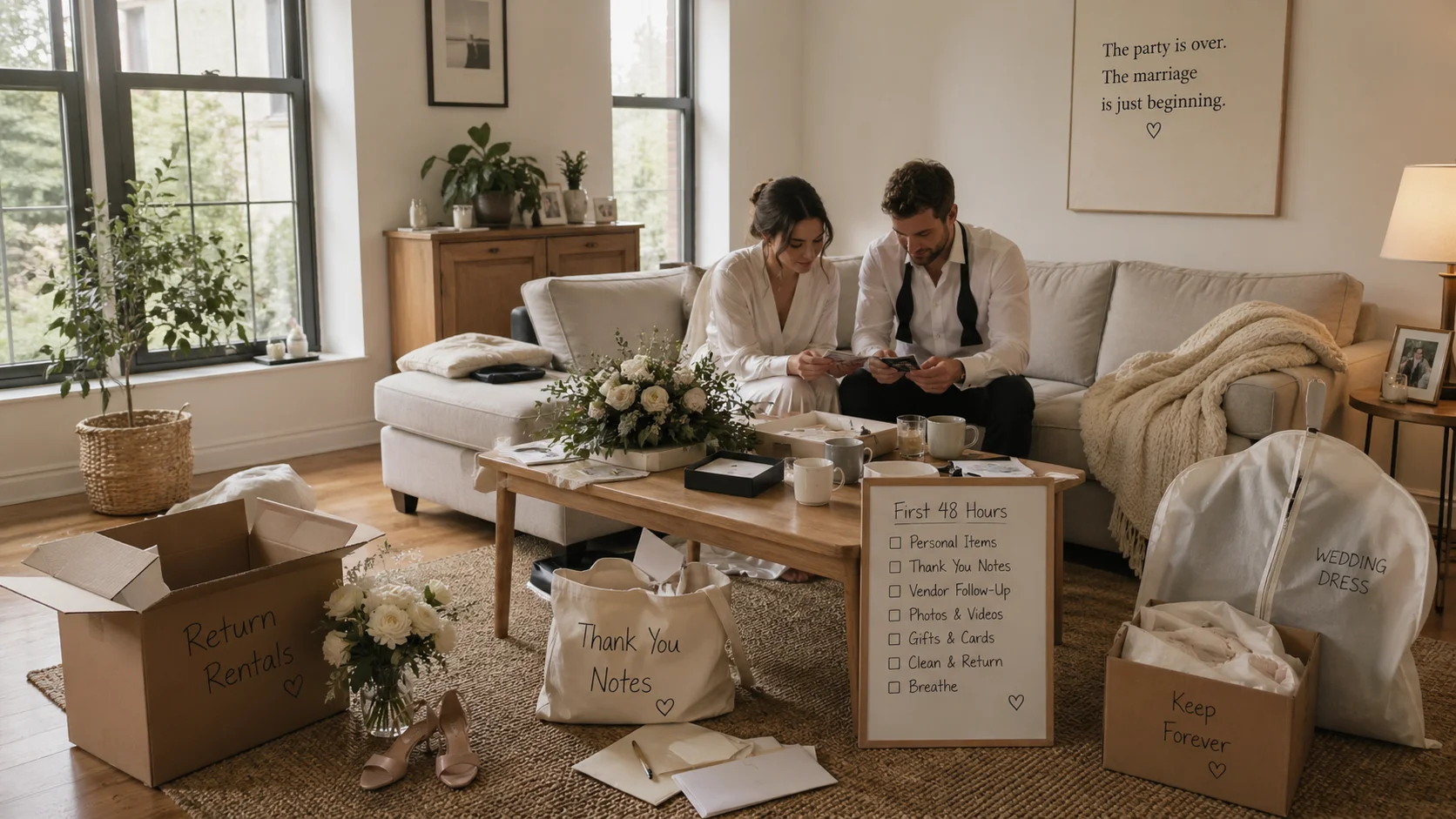
After-the-Wedding Checklist: What Needs Attention in the First 48 Hours
The first 48 hours after a wedding are quiet, practical, and easy to underestimate. This article looks at personal items, gifts, clothing, vendor closure, early photos, and the small tasks that help the after feel lighter instead of turning into scattered errands.
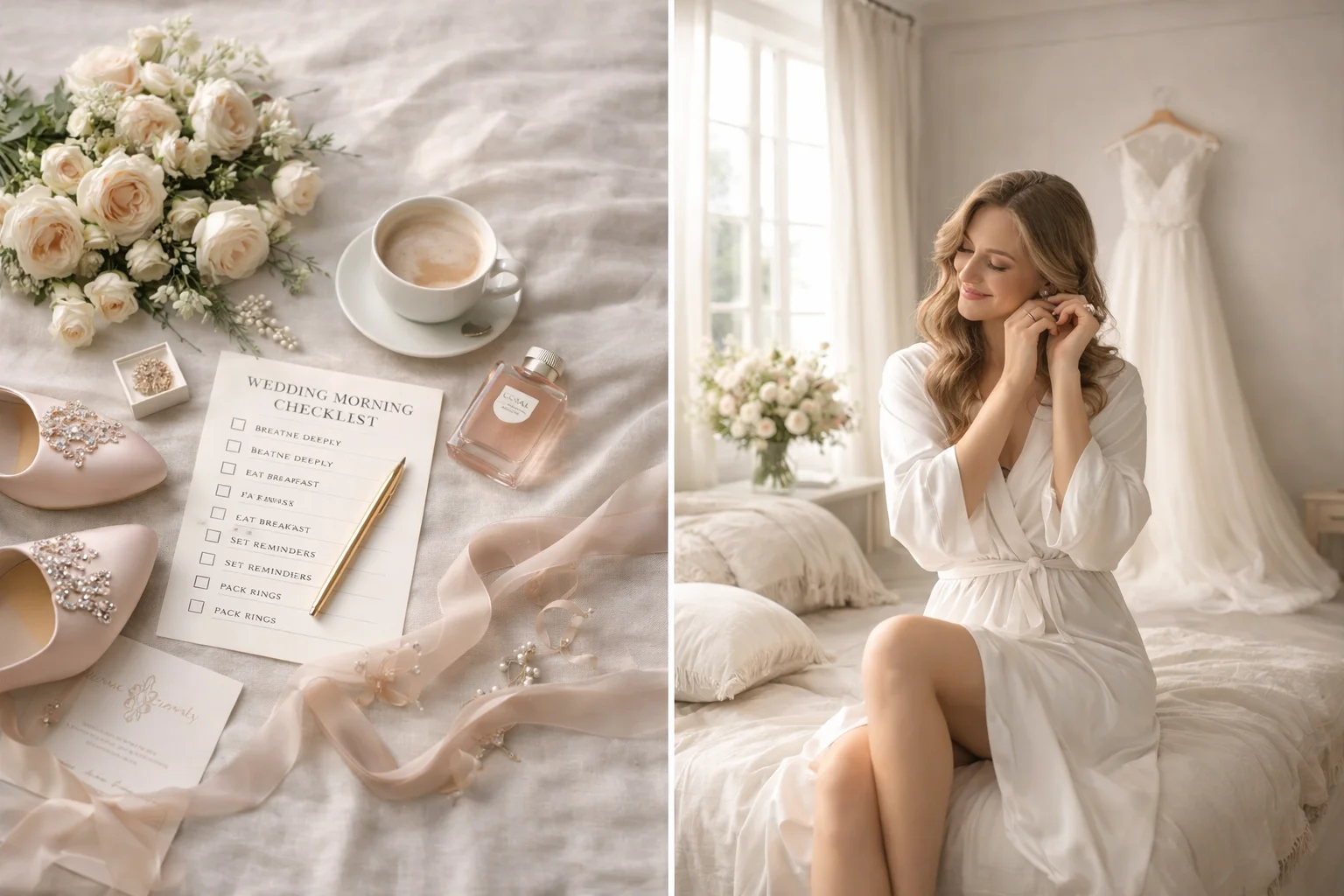
Wedding Morning Checklist: What Helps the First Hours Stay Calm
A wedding morning checklist helps protect the first hours of the day from avoidable stress. It keeps essential items, timing, room atmosphere, and communication clear, while leaving enough space for the morning to still feel calm and human.