
A Structured Wedding Timeline for Thoughtful Hosts

A Comprehensive Wedding Planning Timeline for Hosts (with Digital Tools + Post-Wedding Follow-Up)
Hosting a wedding is not only about organizing an event—it is about creating a calm, welcoming experience where guests feel guided, informed, and cared for. A structured timeline reduces stress, prevents last-minute chaos, and helps you stay present on the day itself. Modern digital tools can simplify communication, coordination, and planning, while a thoughtful post-wedding follow-up strengthens relationships long after the celebration ends.
12–9 Months Before: Vision, Strategy & Digital Foundations
This phase sets the direction of the entire celebration—emotionally and logistically. Prioritize clarity, secure key bookings, and build a digital foundation that makes everything easier later.
Host Tasks
- Define your wedding vision, tone, and hosting priorities (what matters most to you and your guests).
- Set a realistic budget including a contingency buffer (for unexpected costs).
- Create a preliminary guest list and categorize it (family, close friends, colleagues, etc.).
- Choose a date or date range and book your venue(s).
- Decide on ceremony format (civil, religious, symbolic) and general structure of the day.
Digital Setup
- Create a shared cloud folder for contracts, invoices, ideas, and inspiration (organized by vendor/category).
- Start a guest database (name, email, address, plus-one, dietary needs, mobility needs, relationship group).
- Launch a simple wedding website or landing page with date, location (general), and “save-the-date” info.
- Set up a planning dashboard: timeline milestones, budget tracking, and vendor contact sheet.
9–6 Months Before: Guest Communication & Experience Design
Now you shift from big decisions to building an intentional guest experience. Guests should gradually receive clarity: what to expect, how to plan travel, and how the day will feel.
Host Tasks
- Book core vendors (photographer/videographer, catering, music, florist/decor).
- Confirm a realistic guest count range and outline accommodation needs.
- Design the guest journey from arrival to farewell (welcome, ceremony, reception flow, late-night, exits).
- Draft a rough schedule: ceremony time, reception start, dinner, speeches, first dance, party, closing.
Digital Communication
- Send digital save-the-dates (or printed + digital backup) and link to your website.
- Add FAQ: travel tips, nearby hotels, dress code guidance, schedule overview, gift preferences.
- Collect early guest input if helpful (song wishes, dietary notes, accessibility needs).
- Create a single “source of truth” for guests (website page or a well-structured email series).
6–3 Months Before: Detailed Planning & Coordination
This is where the plan becomes precise. Reduce risk by tightening details, confirming expectations, and building a minute-by-minute structure—while keeping the guest experience warm and natural.
Host Tasks
- Send formal invitations (printed, digital, or hybrid) and begin RSVP tracking.
- Plan seating concepts with social dynamics in mind (who will enjoy sitting together, who should not).
- Confirm menu direction and plan for dietary restrictions (clear labels + vendor alignment).
- Define key moments: speeches, rituals, surprises, special acknowledgements, cultural traditions.
- Create a first version of the detailed wedding day timeline (in 15–30 minute blocks).
Digital Coordination
- Use digital RSVP tools to automate confirmations and reminders.
- Keep your guest database updated in real time (especially plus-ones, meal choices, special needs).
- Share a draft timeline with your planner/coordinator and key vendors to spot gaps early.
- Build a centralized vendor contact list (with emergency backups and arrival times).
8–4 Weeks Before: Finalization, Delegation & Calm Systems
At this stage, your goal is stability. Finalize counts, confirm logistics, and delegate responsibilities so you are not the “control center” on the day.
Host Tasks
- Finalize the guest list and confirm the final headcount with venue/catering.
- Finalize the seating plan and table assignments (with a plan for last-minute changes).
- Confirm vendor timing: arrivals, setup, transitions, teardown, payments, and tip plan (if applicable).
- Prepare guest guidance materials: signage, programs, menus, place cards, welcome notes.
- Assign roles to trusted helpers (guest greeting, gift table, vendor questions, family coordination).
Digital Enhancements (Optional but Powerful)
- Create a digital “day-of” contact sheet (PDF) for helpers and vendors.
- Use QR codes for: schedule, menu, photo-sharing, guestbook, transport info (only if it suits your style).
- Set up a private photo upload link or shared album for guest pictures (so nothing gets lost).
- Schedule gentle reminder emails/messages: start time, address, parking/transport, dress code.
2 Weeks Before: Technical Readiness & Emotional Reset
This phase is about reassurance and preparation—not redesign. Lock in what matters, confirm the plan, and shift mentally from planning mode into hosting mode.
Host Tasks
- Reconfirm vendors and deliveries (times, locations, responsibilities).
- Share the final wedding day timeline with all key people (planner, venue, DJ/band, photographer).
- Prepare an emergency kit (comfort items, backups, small fixes, meds, stain remover, chargers).
- Finalize a weather plan if relevant (umbrellas, indoor option, heat/cold comfort).
- Decide what you will personally handle—and what you will not.
Digital Simplification
- Create a “last update” post on your website and reduce further changes.
- Assign one trusted person to handle guest messages/questions close to the wedding.
- Turn off unnecessary notifications and keep only essential communication channels.
Wedding Week & Wedding Day: Presence Over Perfection
When the week arrives, your most important job is emotional leadership. Guests mirror your energy. The more grounded and joyful you are, the more relaxed and happy everyone feels.
Host Priorities
- Avoid making new decisions on the day—trust the plan and the people you delegated to.
- Focus on welcoming guests, connecting, and enjoying the atmosphere.
- Let your coordinator/help team handle vendor questions and timeline details.
- Protect your calm: eat, hydrate, and take short breath moments if needed.
Smart Digital Use (Keep It Minimal)
- Designate one person to manage urgent messages and coordination (not the couple/hosts).
- If using photo sharing, display the QR code once (signage) rather than repeatedly announcing it.
- Avoid constant phone use as hosts—your presence is part of the experience.
After the Wedding: Follow-Up, Gratitude & Relationship Building
A wedding does not end when the music stops. Thoughtful follow-up creates closure, strengthens relationships, and turns the celebration into a lasting memory for everyone involved.
1–2 Weeks After: First Follow-Up & Practical Closure
- Send short thank-you messages promptly (even before formal cards).
- Confirm final vendor payments and close any open logistics (rentals, returns, deposits).
- Collect guest photos in one place and back up all media.
- Send a simple message to guests who traveled far, thanking them for the effort.
Digital Options for Easy Gratitude
- Share a curated “first look” gallery link (a small highlight set) once you have it.
- Send personalized voice notes to closest friends/family (high emotional impact, low effort).
- Create a private online album where guests can download images (clear, respectful access).
1–3 Months After: Formal Thank-Yous & Memory Preservation
- Send formal thank-you cards (personalized and specific: mention the gift, effort, or a shared moment).
- Share the full photo gallery and/or highlight video when ready.
- If you received significant help from certain guests, thank them privately and more deeply.
- Archive all documents, photos, vendor information, and final budgets for future reference.
Ongoing Guest Connection (What “Good Hosting” Looks Like Afterward)
- Follow up naturally: invite guests to a casual dinner, coffee, or message them on anniversaries or milestones.
- For guests who met new people at the wedding, keep that warmth alive by sharing a few “best moments” photos.
- If your wedding brought families together, plan one low-pressure gathering later to continue the connection.
- Remember: post-wedding contact is not about obligation—it’s about gratitude and relationship care.
Conclusion
A calm, joyful wedding is built through phased planning, clear communication, and a host mindset that prioritizes people over perfection. Digital tools reduce friction by keeping information organized and accessible, while strong delegation protects your peace on the day itself. Finally, thoughtful post-wedding follow-up—especially gratitude and photo sharing—turns a beautiful event into a lasting memory and strengthens the relationships that made the celebration meaningful.
Related Articles

A Love Made Official: A Bridal Look for the Civil Ceremony
Civil ceremonies tend to be focused and quiet. The setting is smaller, the attention sharper. In this context, the bridal look does not perform. It supports. Fabric, cut, and proportion matter more than embellishment. What remains is a look that fits the moment, allows presence, and feels appropriate long after the ceremony ends.

Bachelor Party – A Day Between Everyday Life and Wedding
A bachelor party is not a loud statement, but a quiet transition. People come together who have accompanied them on their journey so far. For a limited period, nothing is on the agenda except shared time. Planning provides stability, openness creates space. Whether for men or women: What's crucial is that the occasion suits the person. Then something unique emerges. Understated. Enduring.

A Timeline Holds the Day, Silence Holds the Meaning
A wedding timeline organizes what happens. But what shapes the experience often lives in the pauses, the unspoken moments, and the space between events.

After-the-Wedding Checklist: What Needs Attention in the First 48 Hours
The first 48 hours after a wedding are quiet, practical, and easy to underestimate. This article looks at personal items, gifts, clothing, vendor closure, early photos, and the small tasks that help the after feel lighter instead of turning into scattered errands.

The Wedding Cake – Where Romance, Craftsmanship and Love Meet
The wedding cake is rarely the loudest element of a celebration, yet it often becomes one of the most shared moments. It appears later in the day, when guests have settled, conversations have softened, and attention can gather without effort. More than a dessert, it marks a pause in the rhythm of the wedding. Its presence is quiet, its impact collective. When design, taste, and timing align, the cake becomes part of the experience rather than a separate program point.
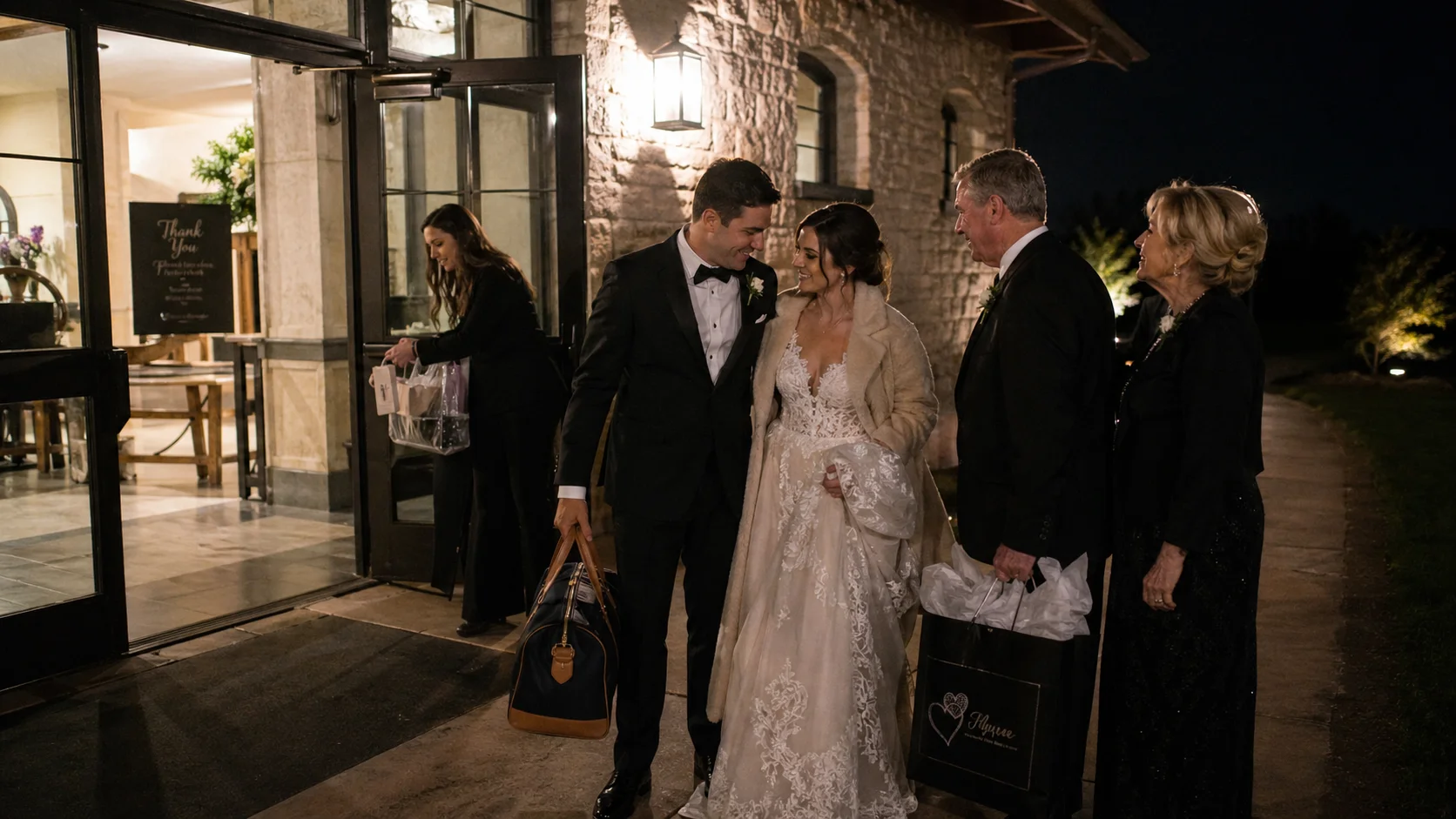
Exit Checklist: What Matters in the Last Thirty Minutes of a Wedding Night
The end of a wedding rarely happens in one clean moment. This article looks at the last thirty minutes of the night, from transport and personal items to final goodbyes, vendor handovers, and the quiet beginning of what comes after.
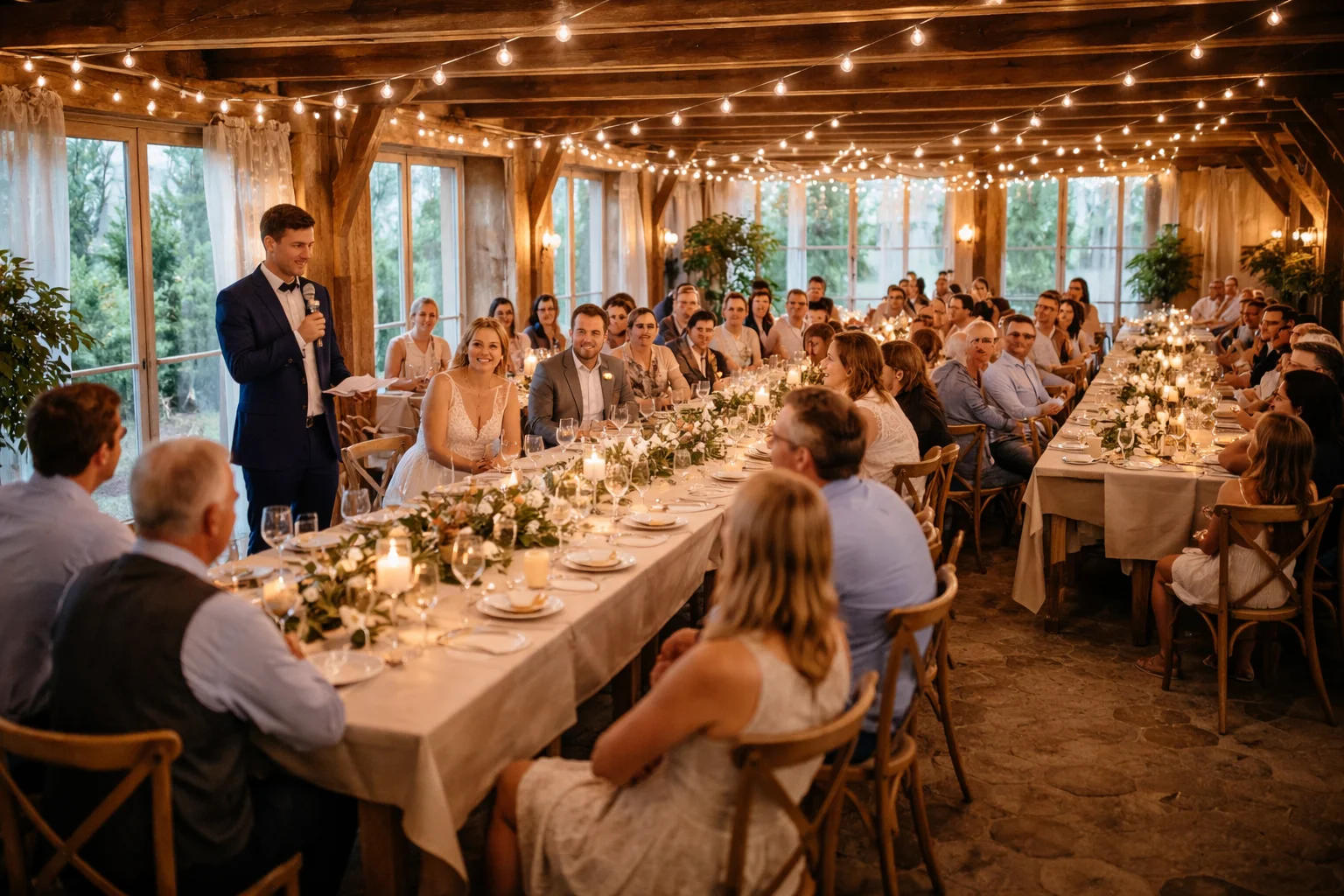
Speech Timeline During the Wedding Reception – Typical Order and Observed Patterns
During a wedding reception, speeches usually appear in small segments rather than as one long program. A few words early in the evening, then dinner continues, later another short speech surfaces between plates being cleared. The sequence looks informal from the guest perspective. Still, over many weddings a similar rhythm can be noticed.

The Bridal Bouquet: A Silent Expression of Love, Style, and Timeless Emotion
The bridal bouquet accompanies the bride throughout the wedding day. It is held, adjusted, set aside, and taken up again. Its impact comes from balance rather than attention. Shape, weight, and color align with movement and appearance and become part of what is remembered.

The Groom’s Suit Guide: Planning, Fittings, Trends & Timeline
A wedding suit does not come from a single decision, but from alignment over time. Cut, fabric, and fit develop in relation to occasion, movement, and personality. When these elements settle into place, the suit supports the day quietly and allows the groom to remain fully present.

Wedding Morning Checklist: What Helps the First Hours Stay Calm
A wedding morning checklist helps protect the first hours of the day from avoidable stress. It keeps essential items, timing, room atmosphere, and communication clear, while leaving enough space for the morning to still feel calm and human.

Beyond the Wedding Dress: What Truly Defines the Bridal Look and Experience
The bridal look is shaped long before the wedding day itself. It is created through thoughtful preparation, careful attention to detail, and a sense of inner calm that carries the bride through every moment. When styling, timing, and presence align naturally, beauty feels effortless rather than staged. Hair, makeup, accessories, and posture work together to support the bride rather than overshadow her. Yet what truly defines her appearance is how grounded and supported she feels. A bride who trusts her choices and releases the need for perfection radiates authenticity and quiet confidence. In this balance between outer expression and inner state, the bridal look becomes more than an image. It becomes an atmosphere — one that is felt, remembered, and carried far beyond the day itself.

The Bridal Dress in Balance
A bridal dress does not come together in a single moment. Selection, fitting, and preparation build on each other over time. When cut, fabric, and movement align, the dress supports the day quietly and allows the bride to remain present and at ease.