
A Timeline Holds the Day, Silence Holds the Meaning
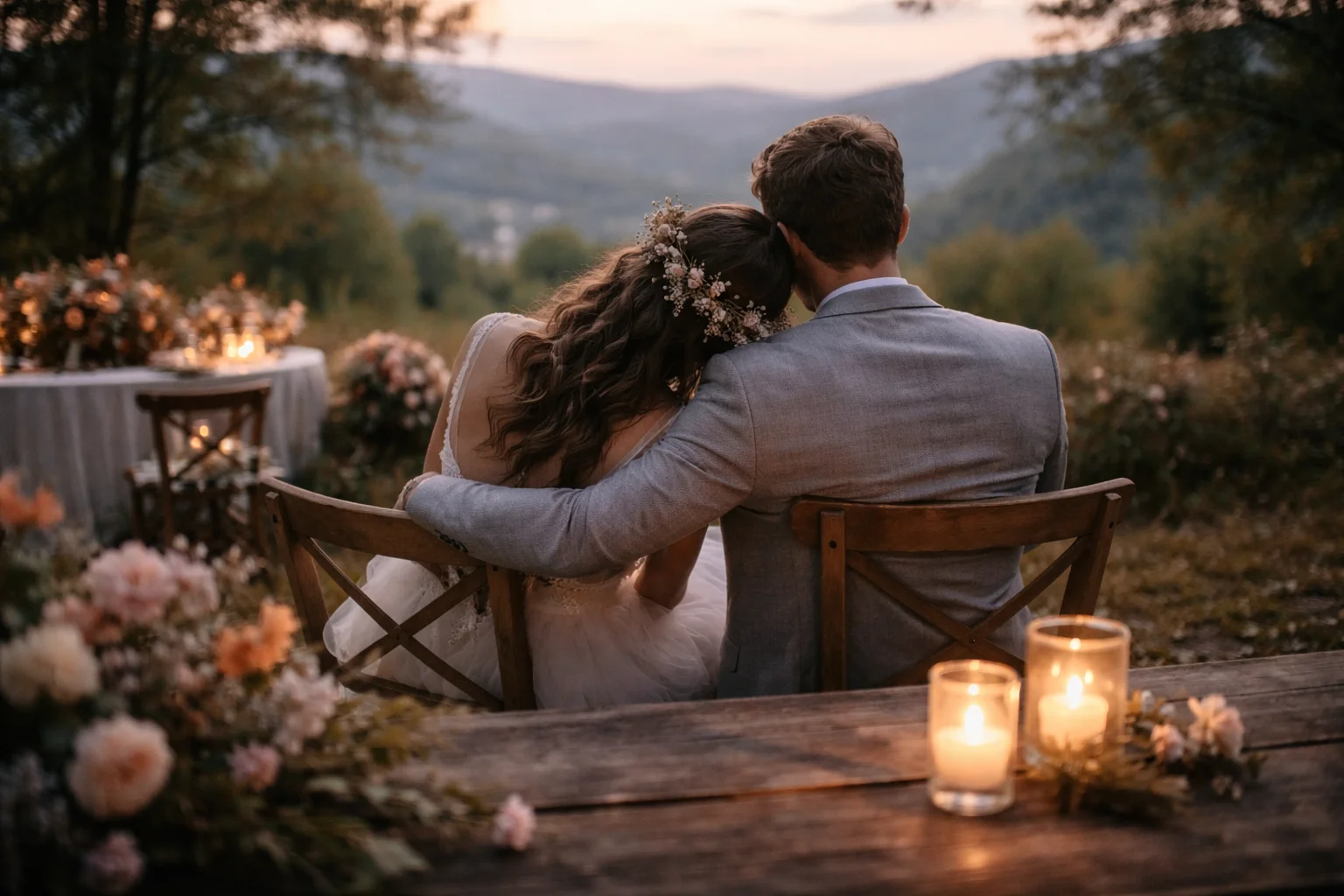
A Timeline Holds the Day, Silence Holds the Meaning
A wedding timeline is usually written weeks before the day itself. It moves from preparation to ceremony, from ceremony to dinner, from dinner to the last quiet departure. Everything has its place, its order, its expected duration. It promises clarity, and often delivers it.
And still, what stays with people rarely follows that structure. It appears in the pauses between transitions, in the seconds before a vow is spoken, or in the silence after a room has emptied. The visible sequence is only one layer. Another unfolds beneath it, less measurable but often more defining.
TimelinePlanning guidance for structuring the wedding day from start to finish.
What Is Not SaidA quieter reflection on the unspoken emotional layers within weddings and relationships.
Definition
A wedding timeline is a structured plan that outlines when each part of the day takes place. It includes preparation, ceremony, transitions, and celebration, helping everyone involved understand where they need to be and when.
Why Structure Matters
Without a clear timeline, a wedding can drift. Delays accumulate, moments overlap, and what should feel intentional becomes improvised. A well-considered structure creates calm. It allows each part of the day to unfold without unnecessary friction.
The Space Between Moments
Yet the most meaningful experiences often happen outside the planned sequence. A glance exchanged before walking in. A brief stillness during the ceremony. These moments are not scheduled, but they are often what people remember with surprising clarity.
Planning for the Unplanned
Good timelines leave room. They do not compress the day into efficiency, but allow for pauses, delays, and breath. This is not a failure of planning. It is a recognition that human experience cannot be fully scheduled.
Silence as Part of the Ceremony
There are moments during a wedding where nothing is said, and yet something essential is communicated. These are not interruptions in the timeline, but part of its deeper rhythm. Silence can hold tension, relief, recognition, and sometimes a kind of quiet certainty.
After the Last Scheduled Moment
Every timeline ends. The final song plays, the last guest leaves, and what remains is not listed anywhere. This is where the day shifts into something else entirely. The structure dissolves, and the relationship continues without markers or timestamps.
Conclusion
A wedding needs both precision and openness. The timeline provides direction, while the unspoken moments give it depth. Together, they create a day that is not only organized, but felt.
Related Articles
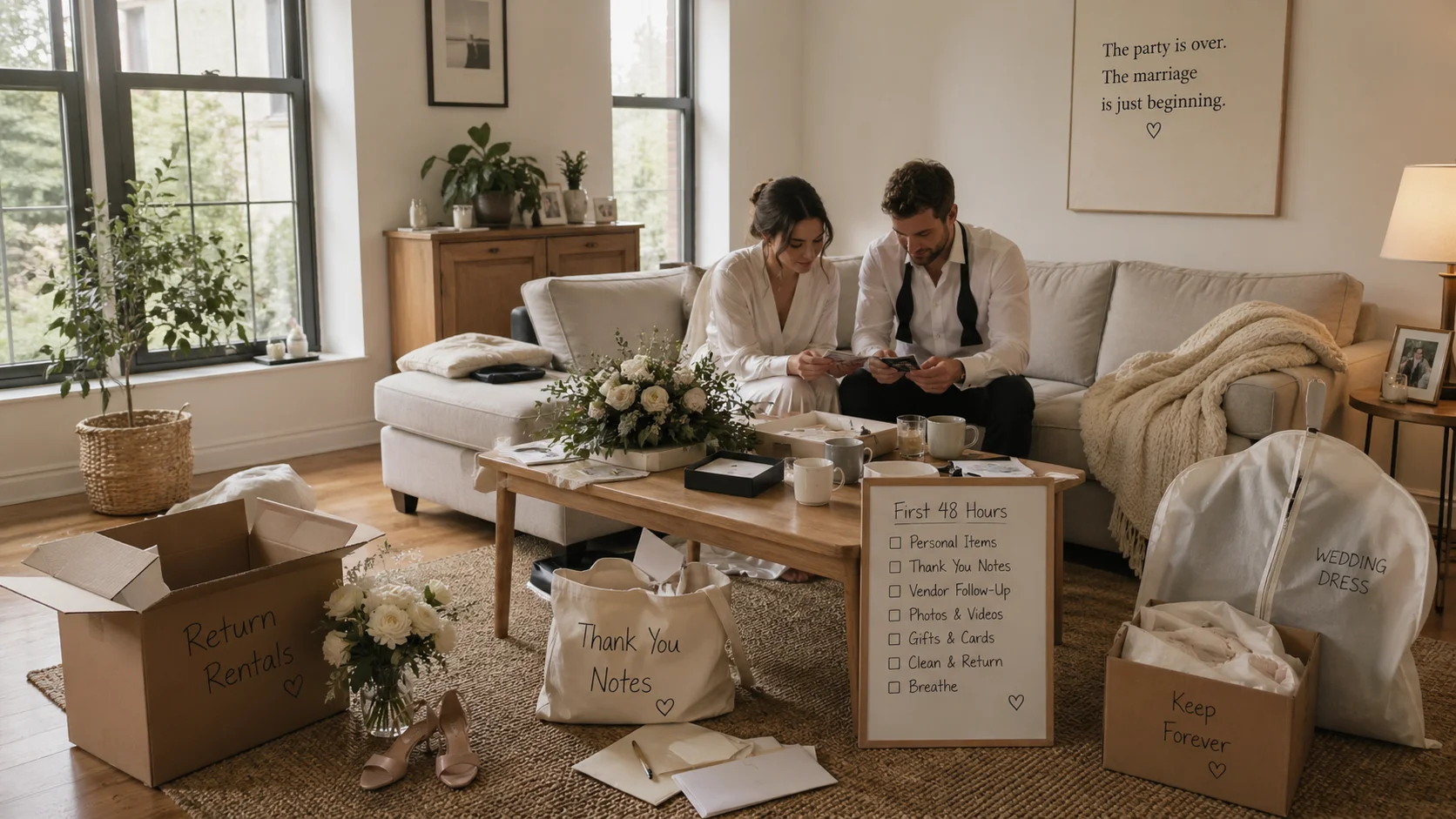
After-the-Wedding Checklist: What Needs Attention in the First 48 Hours
The first 48 hours after a wedding are quiet, practical, and easy to underestimate. This article looks at personal items, gifts, clothing, vendor closure, early photos, and the small tasks that help the after feel lighter instead of turning into scattered errands.
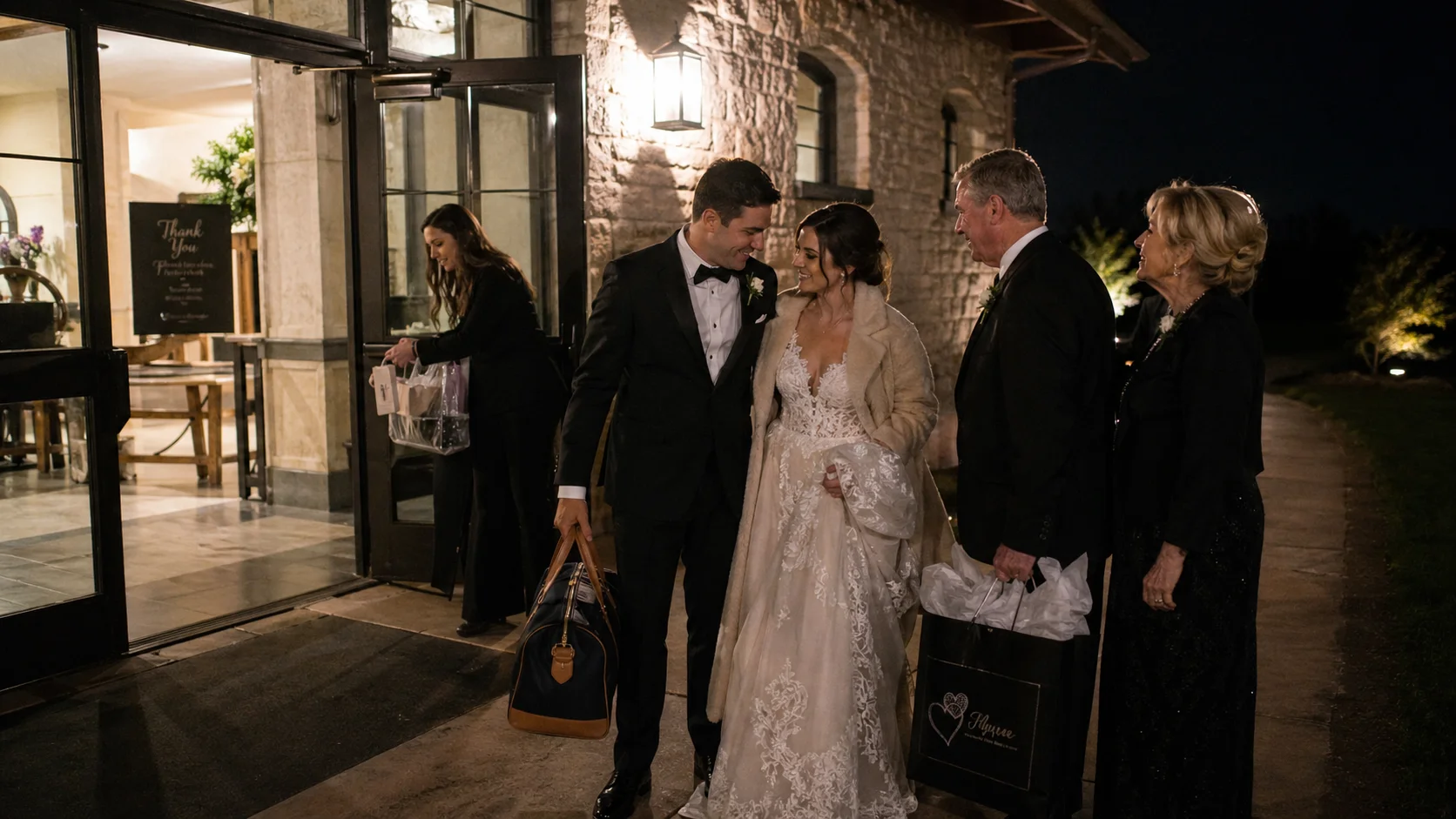
Exit Checklist: What Matters in the Last Thirty Minutes of a Wedding Night
The end of a wedding rarely happens in one clean moment. This article looks at the last thirty minutes of the night, from transport and personal items to final goodbyes, vendor handovers, and the quiet beginning of what comes after.
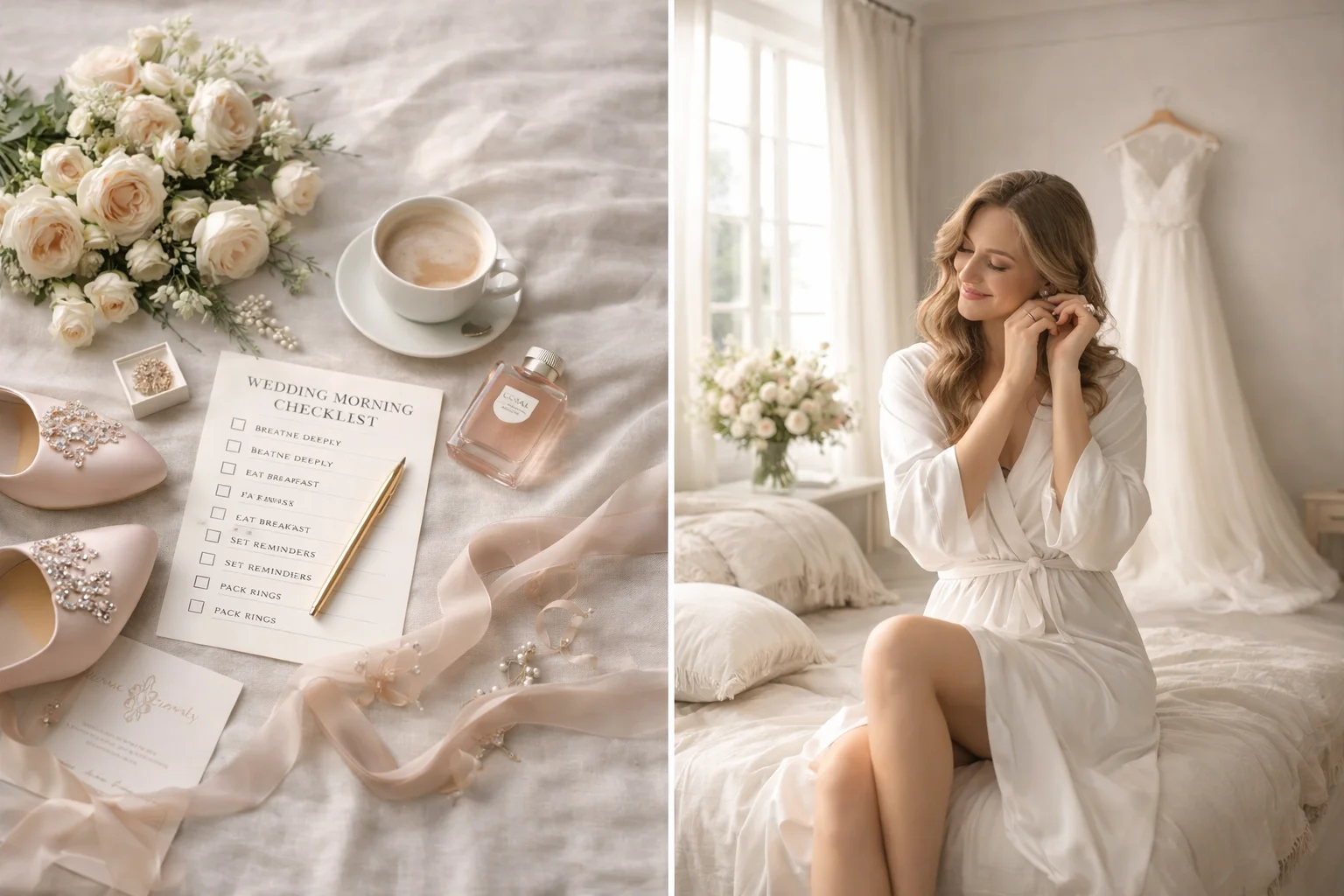
Wedding Morning Checklist: What Helps the First Hours Stay Calm
A wedding morning checklist helps protect the first hours of the day from avoidable stress. It keeps essential items, timing, room atmosphere, and communication clear, while leaving enough space for the morning to still feel calm and human.
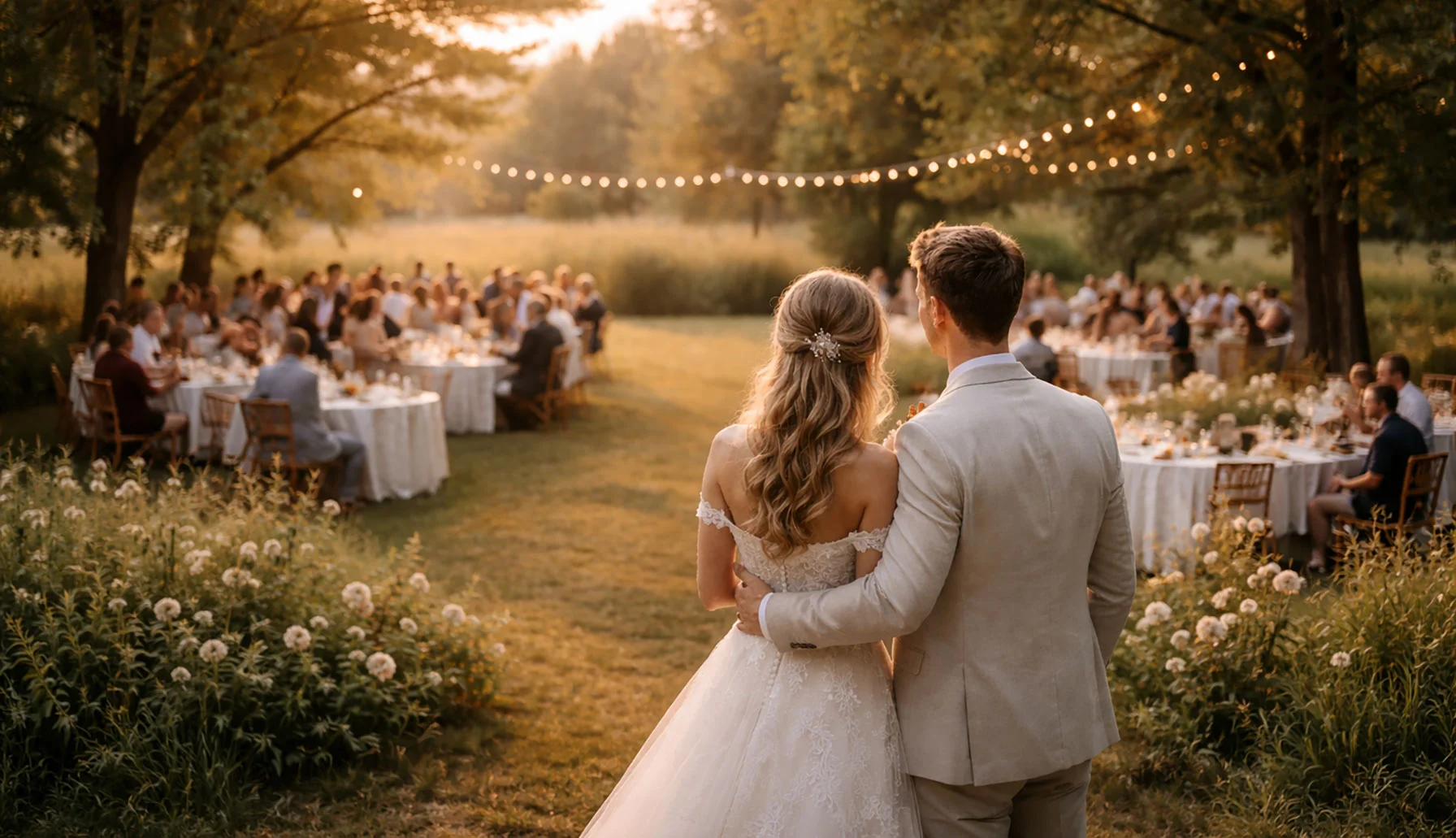
Looking good on the wedding day – quiet preparation, visible effect
A good appearance on the wedding day rarely arises spontaneously. It is the result of time, attention, and recognizability. This text collects observations concerning bride and groom, without ideal images or instructions. It's about skin, hair, and posture, about preparation instead of change. And about what remains when nothing needs to be explained.

Last-Week Wedding Checklist: What Still Needs Attention Shortly Before the Day
The last week before a wedding is rarely about major decisions. It is about clarifying what still has weight, what can no longer be improved by adding more, and what needs to be named before it starts shaping the day in silence. This article looks at what still deserves attention shortly before the wedding and why the unspoken layer often matters most at that stage.

The Wedding Ring – A Quiet Companion in Everyday Life
A wedding ring is not chosen for a single moment, but for daily wear. Shape, material, and comfort determine how naturally it becomes part of life. When chosen with care, it supports routine and movement without asking for attention.
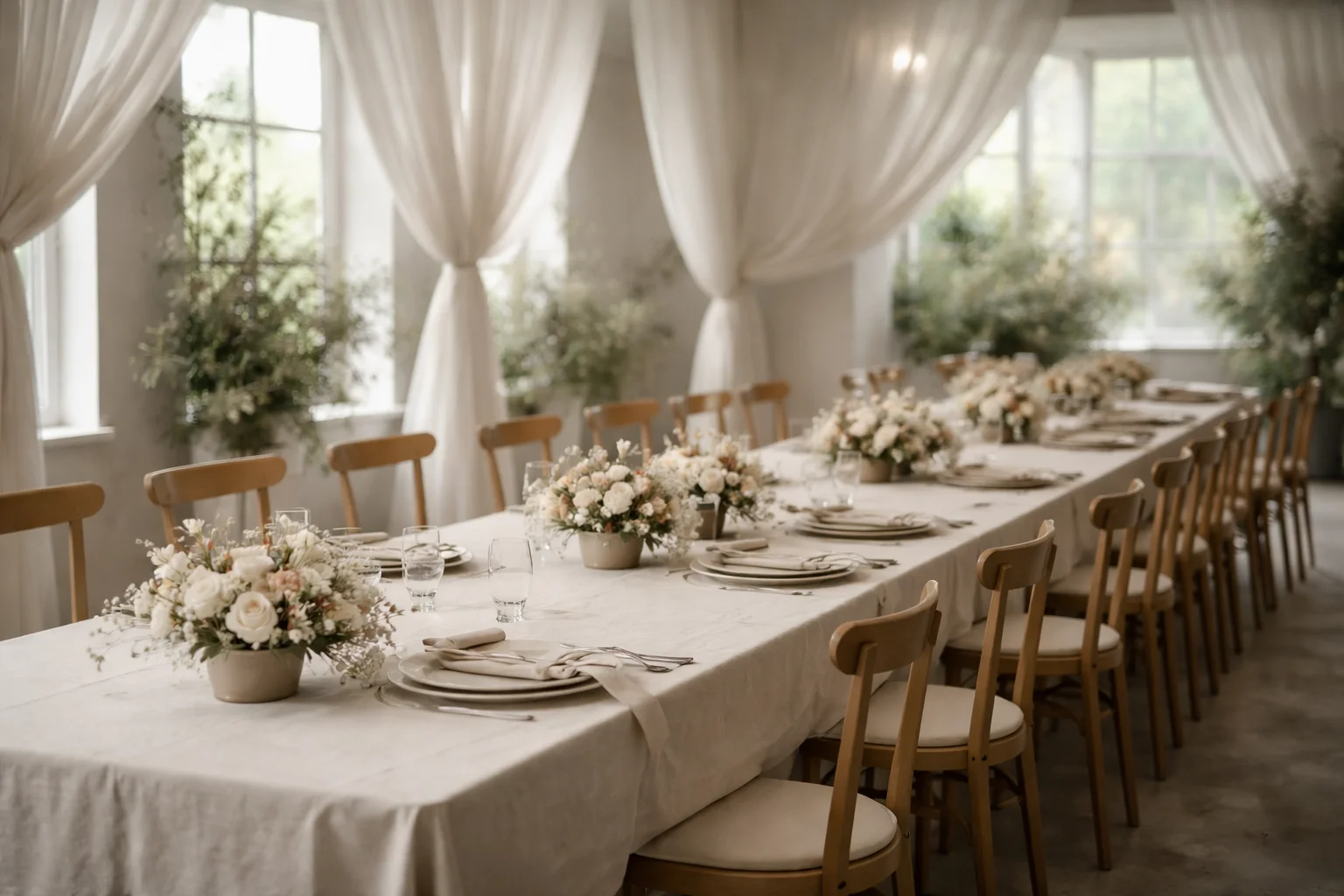
When Wedding Decoration Says What People Leave Unspoken
Wedding decoration is often discussed through color palettes, florals, table settings, and style references. Those things matter, but they are rarely the whole story. The room also carries what has not been fully explained: family tensions handled with grace, private histories that shape a couple's choices, or a shared wish for the day to feel calm rather than spectacular. In that sense, decoration is not only visual. It becomes part of the emotional architecture of the ceremony.
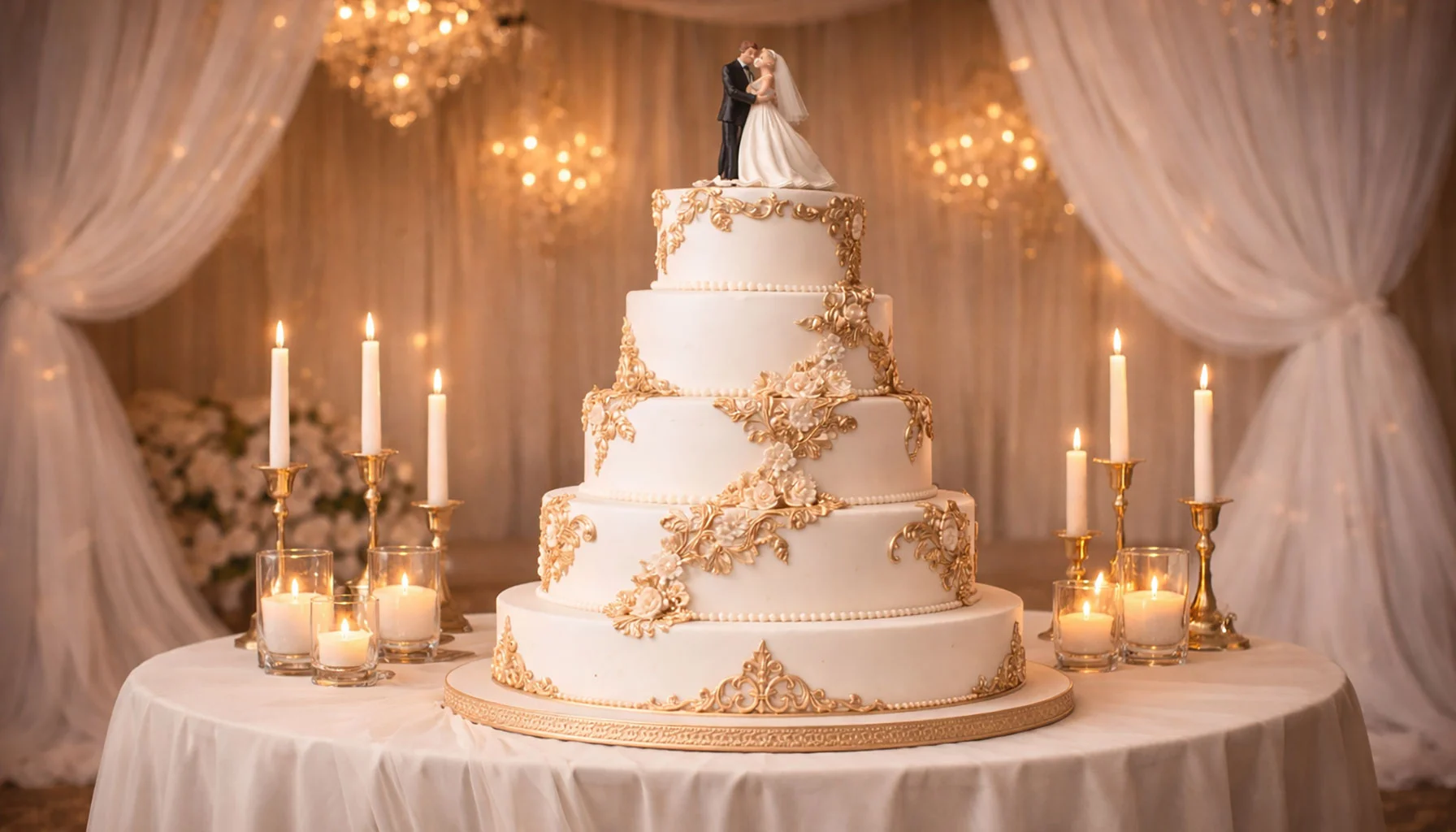
The Wedding Cake – Where Romance, Craftsmanship and Love Meet
The wedding cake is rarely the loudest element of a celebration, yet it often becomes one of the most shared moments. It appears later in the day, when guests have settled, conversations have softened, and attention can gather without effort. More than a dessert, it marks a pause in the rhythm of the wedding. Its presence is quiet, its impact collective. When design, taste, and timing align, the cake becomes part of the experience rather than a separate program point.
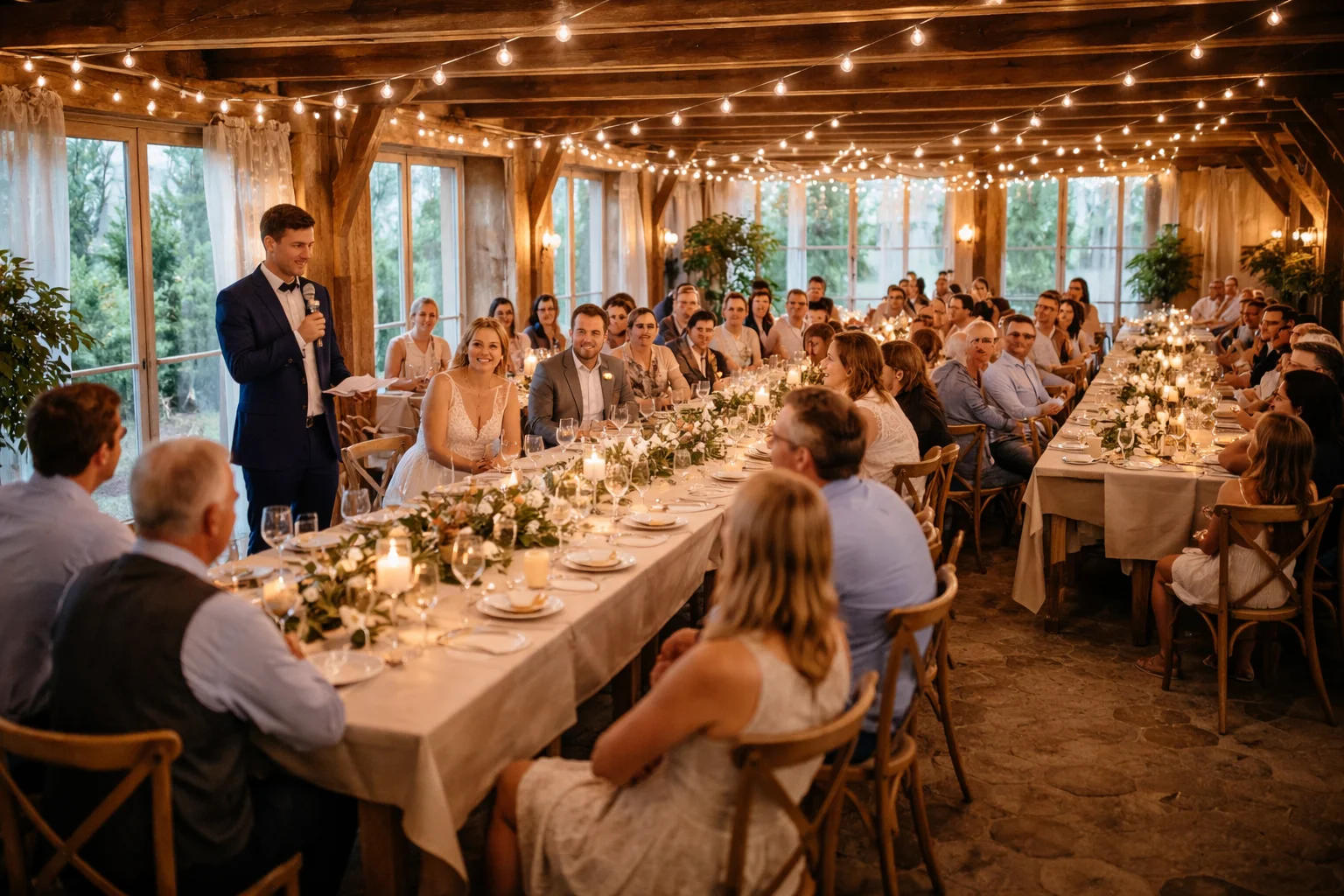
Speech Timeline During the Wedding Reception – Typical Order and Observed Patterns
During a wedding reception, speeches usually appear in small segments rather than as one long program. A few words early in the evening, then dinner continues, later another short speech surfaces between plates being cleared. The sequence looks informal from the guest perspective. Still, over many weddings a similar rhythm can be noticed.
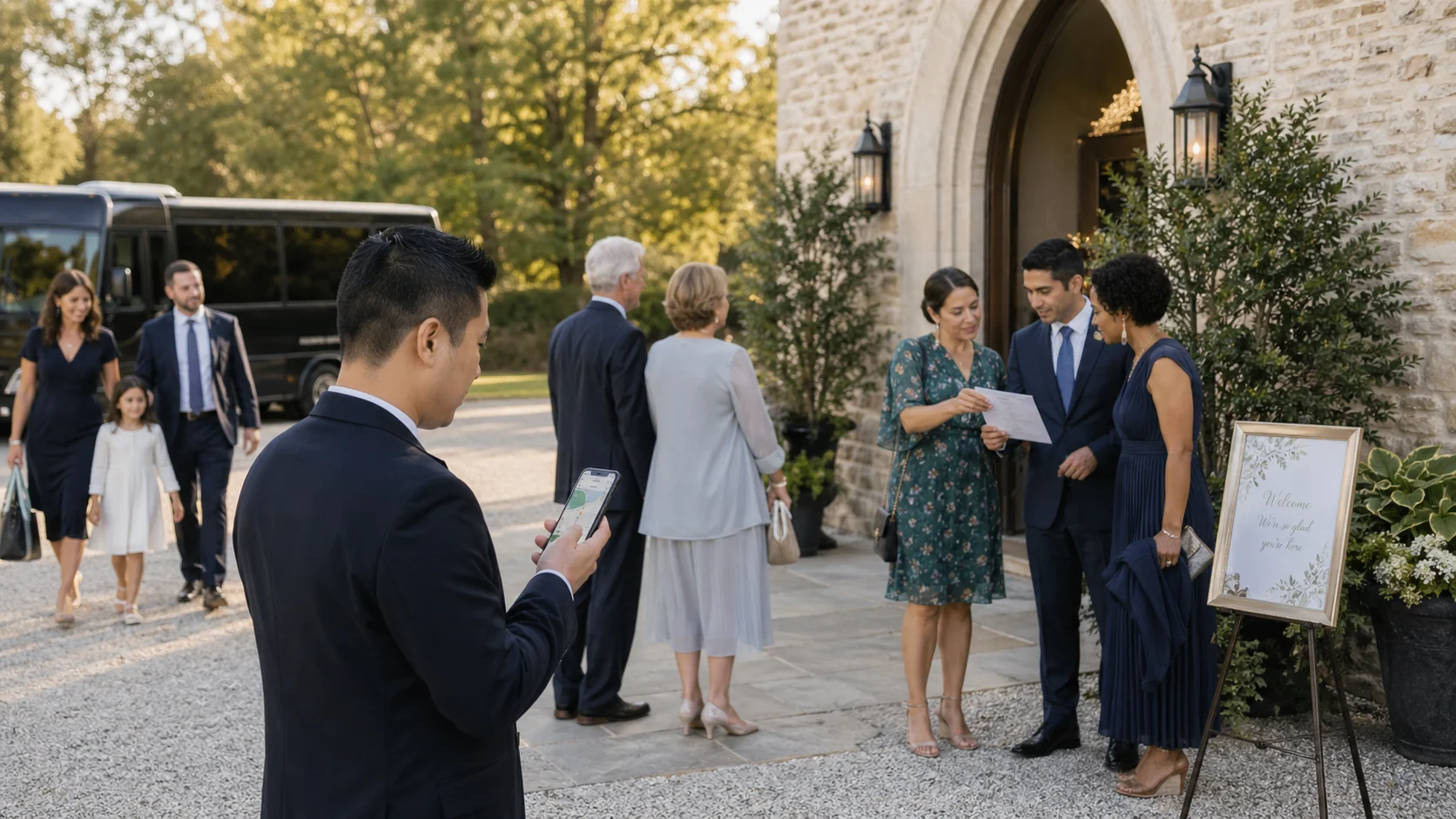
Wedding Website Checklist: What Guests Actually Need, and What They Ignore
Wedding websites work best when they reduce uncertainty instead of filling space. This article looks at what guests actually need to find quickly, what they usually ignore, and which unspoken questions a good website can answer before they become messages to the couple.
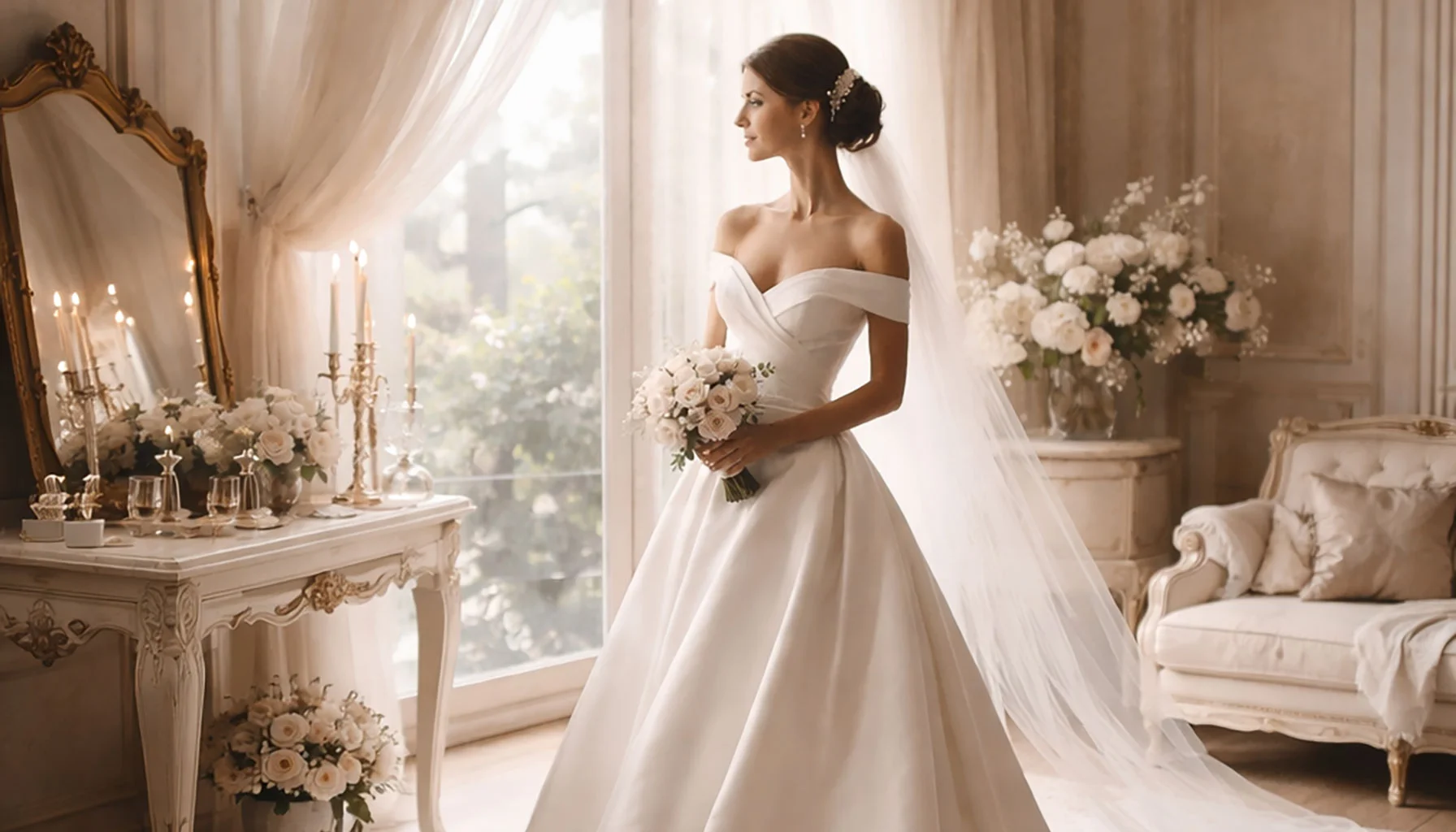
Beyond the Wedding Dress: What Truly Defines the Bridal Look and Experience
The bridal look is shaped long before the wedding day itself. It is created through thoughtful preparation, careful attention to detail, and a sense of inner calm that carries the bride through every moment. When styling, timing, and presence align naturally, beauty feels effortless rather than staged. Hair, makeup, accessories, and posture work together to support the bride rather than overshadow her. Yet what truly defines her appearance is how grounded and supported she feels. A bride who trusts her choices and releases the need for perfection radiates authenticity and quiet confidence. In this balance between outer expression and inner state, the bridal look becomes more than an image. It becomes an atmosphere — one that is felt, remembered, and carried far beyond the day itself.
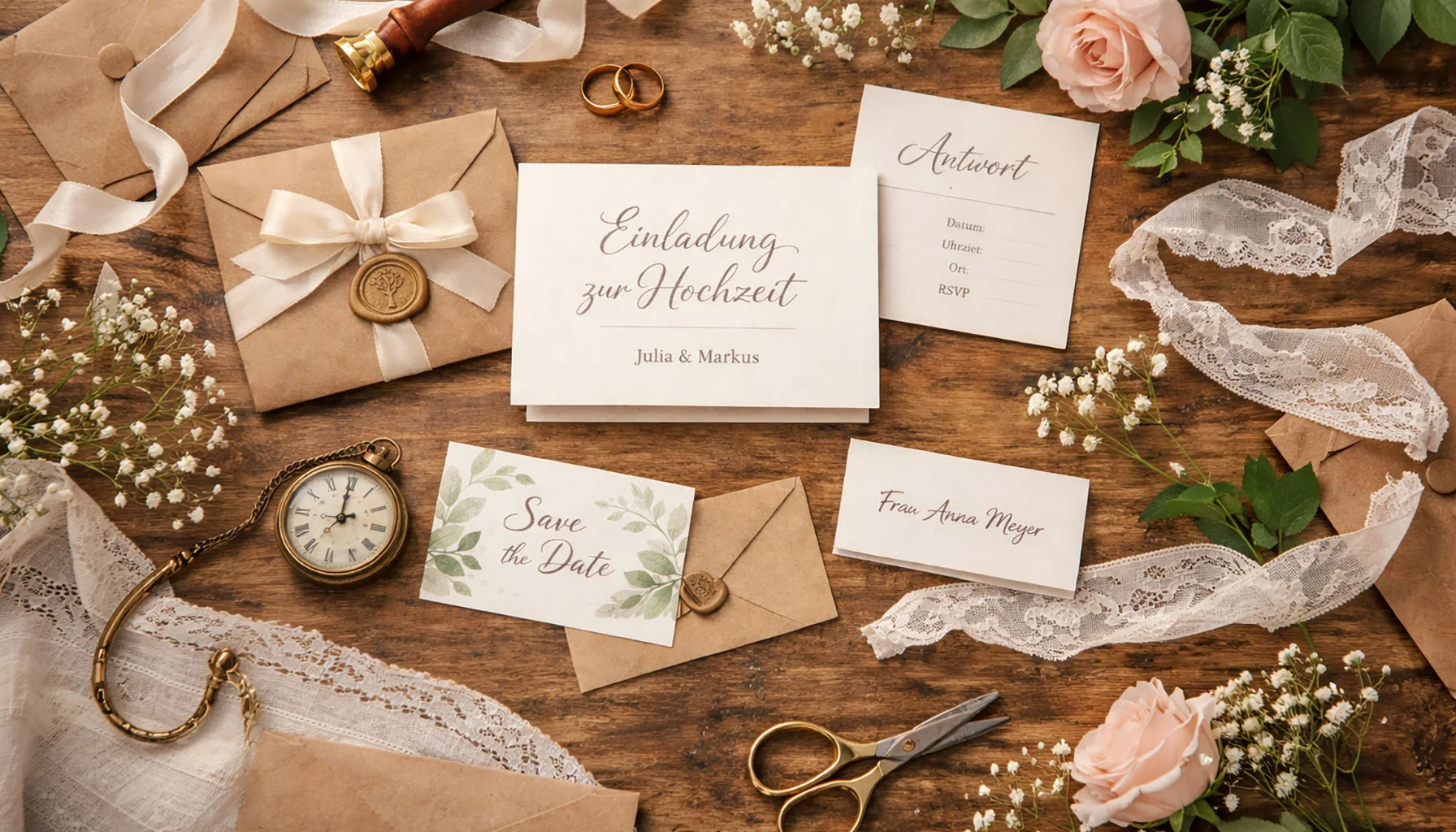
Inviting With Care
A wedding invitation does more than share a date. It begins shaping tone, expectation, and emotional distance long before anyone arrives. This article looks at invitations as the first quiet threshold of a wedding, where clarity, restraint, and what remains unsaid start doing their work.