
Beyond the Wedding Dress: What Truly Defines the Bridal Look and Experience
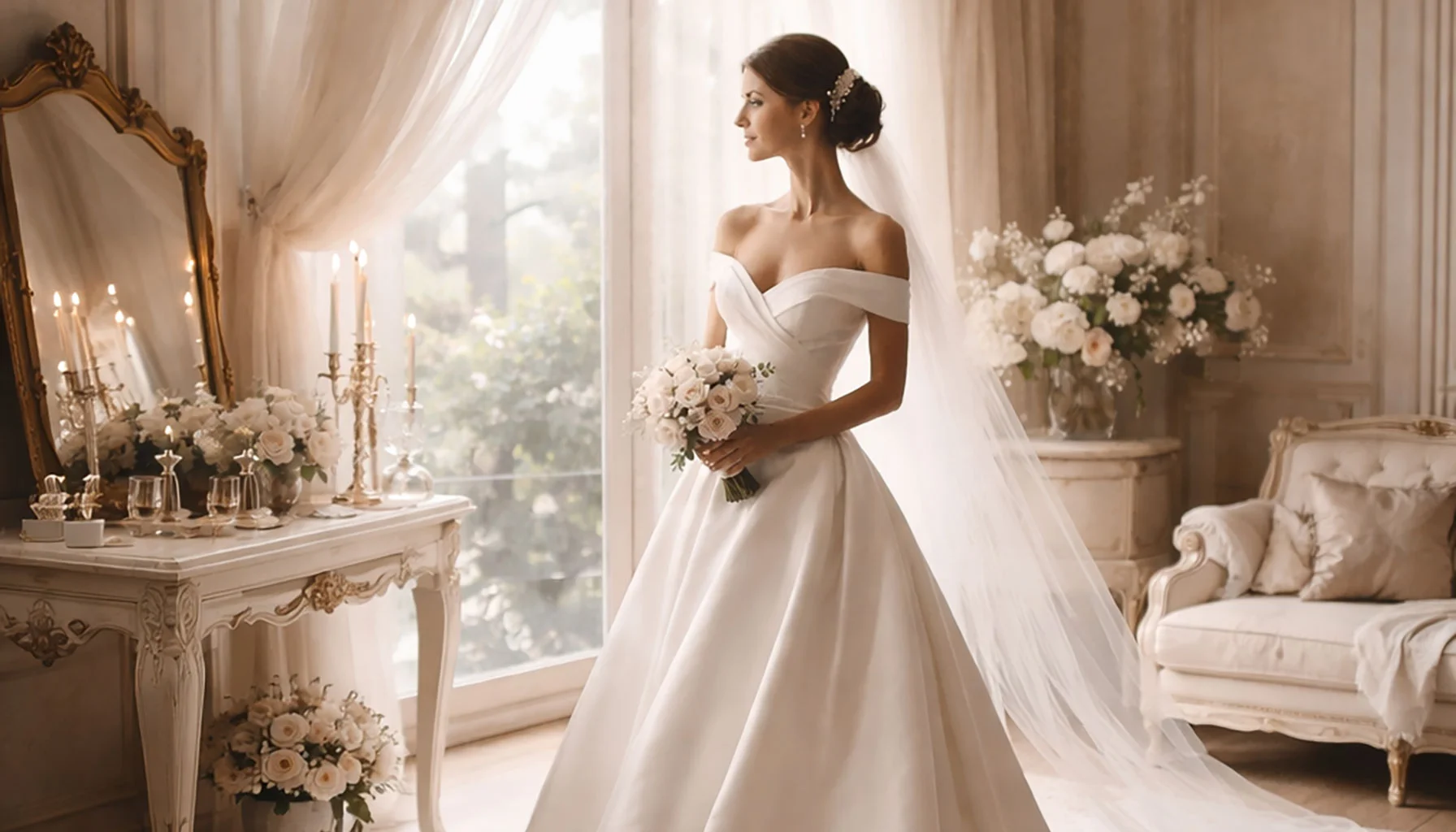
The bridal look is much more than a wedding dress. It is the harmonious combination of appearance, preparation, confidence, and inner calm that makes a bride truly radiant. When all elements work together, the bride does not just look beautiful — she feels secure, present, and confident. This text explores everything that is important beyond the wedding dress, how thoughtful preparation supports a smooth wedding day, how a clear timeline creates ease, and how the right mindset allows the bride to fully enjoy one of the most meaningful days of her life.
1. The Complete Bridal Look: A Harmonious Overall Impression
Hair and Makeup: Enhancing Natural Beauty
Hair and makeup play a central role in the bridal look. They should enhance the bride’s natural features and reflect her personality, ensuring that she feels like herself in the most beautiful version possible.
- The hairstyle should complement the neckline of the dress, the veil, and the overall wedding style.
- Soft waves create a romantic impression, while structured styles express elegance and clarity.
- Makeup should feel comfortable, last throughout the day, and photograph beautifully.
- A well-planned styling routine creates confidence and ease.
Styling trials allow the bride to feel secure in her decisions and ensure that everything works together perfectly on the wedding day.
Skin, Nails, and Grooming: The Foundation of Radiance
Healthy, well-cared-for skin forms the foundation of the bridal look. Consistent care over time supports a fresh and natural glow that enhances the entire appearance.
- A consistent skincare routine supports a smooth and even complexion.
- Nails should be timeless, elegant, and aligned with the overall style.
- Brows and lashes frame the face and subtly emphasize expressions.
- Thoughtful grooming adds to a polished and confident appearance.
Accessories: Completing the Look with Intention
Accessories complete the bridal look and give it individuality. When chosen intentionally, they create a harmonious and balanced impression.
- Jewelry should complement the dress rather than dominate it.
- Shoes should combine elegance with comfort for confident movement.
- Veil, hairpieces, and fragrance contribute subtly to the overall experience.
2. Bridal Presence: Confidence, Calm, and Expression
True bridal beauty is expressed through posture, movement, and energy. A calm and confident presence elevates every photograph and every interaction.
- An upright posture enhances elegance and comfort.
- Calm breathing supports a relaxed and open expression.
- Awareness of movement allows the bride to feel secure and graceful.
3. Timeline: Creating Ease Through Preparation
- 12–9 months before: Choose the dress, define the bridal style, and establish beauty routines.
- 6 months before: Confirm styling concepts and finalize accessories.
- 3 months before: Final fittings, beauty refinements, and movement practice.
- 1 month before: Focus on rest, hydration, and mental clarity.
- Wedding week: Enjoy calming rituals and maintain a relaxed rhythm.
- Wedding day: Begin the day calmly, nourish the body, and stay present.
4. Thoughtful Preparation for a Seamless Experience
When preparation is thoughtful and structured, the wedding day flows naturally. Clear planning allows the bride to focus fully on the experience rather than on details.
Delegating tasks, trusting chosen professionals, and following a clear plan supports a calm and joyful atmosphere.
5. The Most Important Element: The Bride’s Inner Attitude
A positive mindset allows the bride to experience her wedding day with openness and joy. Trusting the process creates emotional freedom and presence.
- Being present in each moment.
- Trusting personal choices.
- Allowing emotions naturally.
- Maintaining inner calm and clarity.
When the bride feels secure within herself, this confidence naturally radiates outward and shapes the entire atmosphere of the day.
6. Key Focus Areas for the Bride
- Consistency in preparation
- Comfort and ease of movement
- Clear and confident decisions
- Emotional presence
- Enjoyment of the moment
Conclusion
A beautiful bridal look is the result of alignment between appearance, preparation, and inner attitude. When the bride feels prepared, confident, and present, her radiance becomes effortless and authentic. By focusing not only on the dress but on the complete experience, the wedding day becomes a harmonious and deeply meaningful celebration — one that is remembered not only for how it looked, but for how it felt.
Related Articles
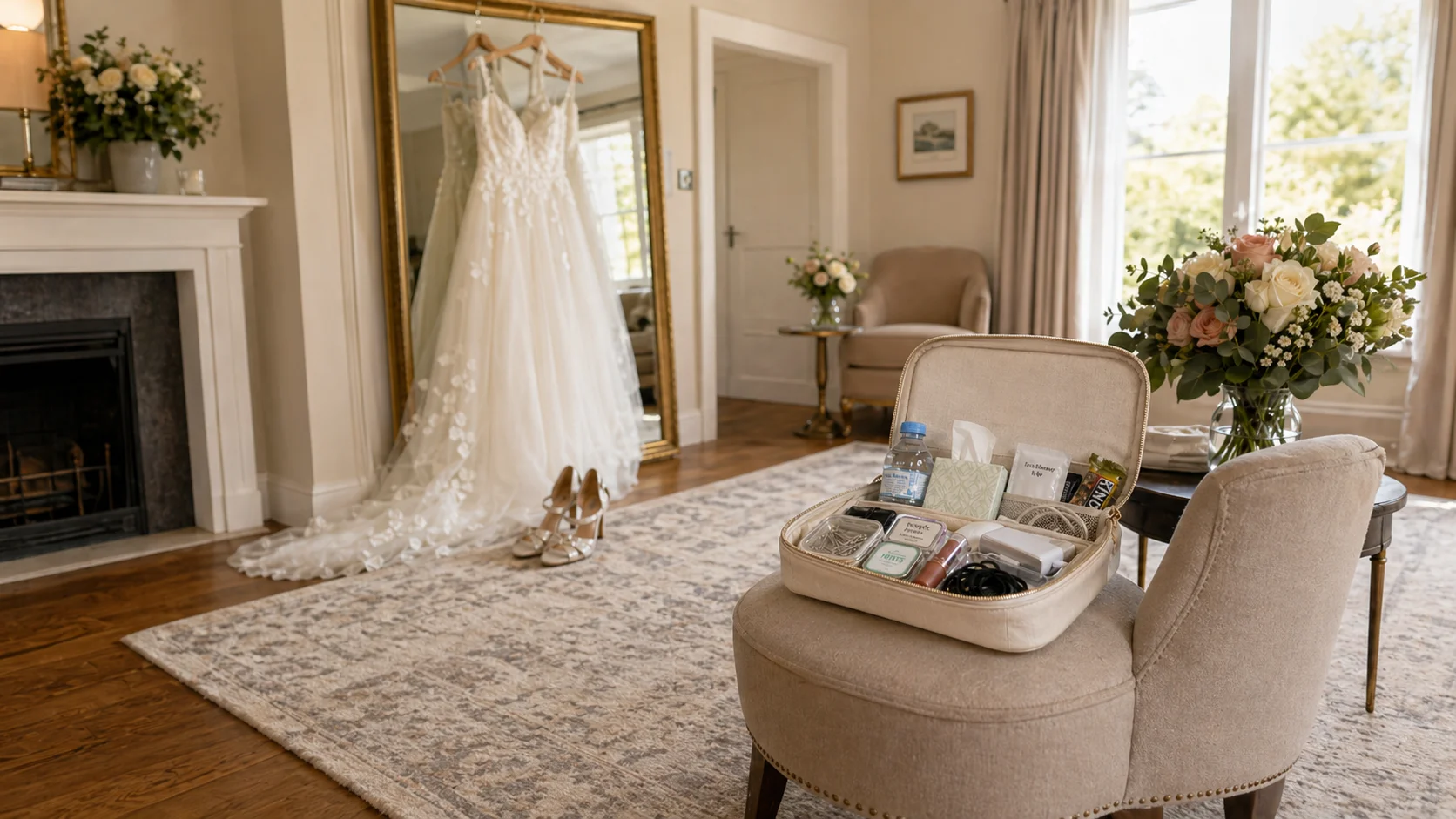
Wedding Bag Checklist: The Small Things That Quietly Save the Day
Wedding bags rarely draw attention, but they often carry the small items that keep the day from tightening around minor problems. This article looks at what to pack, who should hold it, and why the most useful things often matter most only in hindsight.
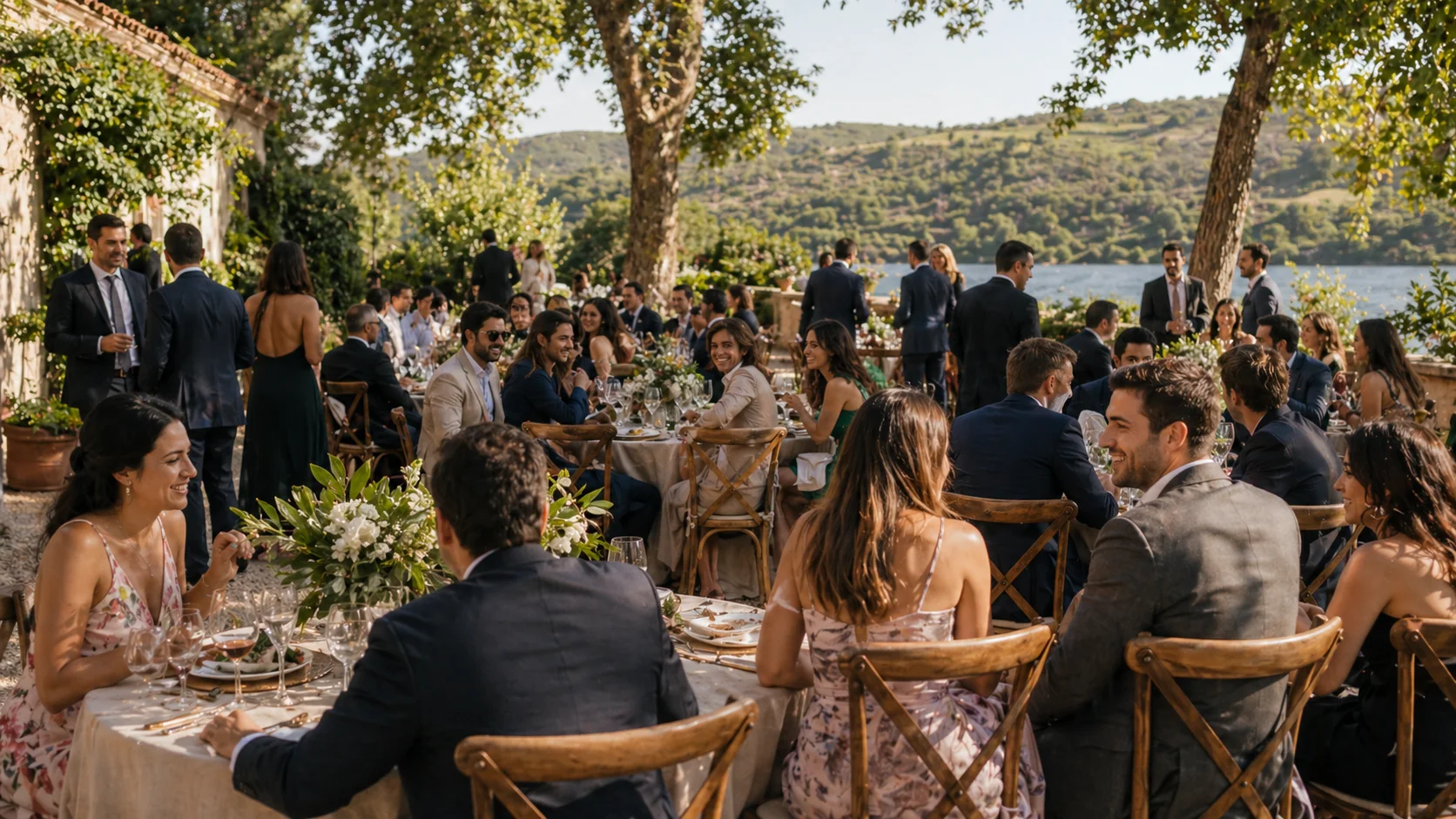
Guest Comfort Checklist: Small Conditions That Change the Entire Atmosphere
Guest comfort at weddings is shaped by small conditions long before anyone complains. This article looks at temperature, seating, sound, waiting areas, access, and quiet spaces of relief that change how the whole room feels.
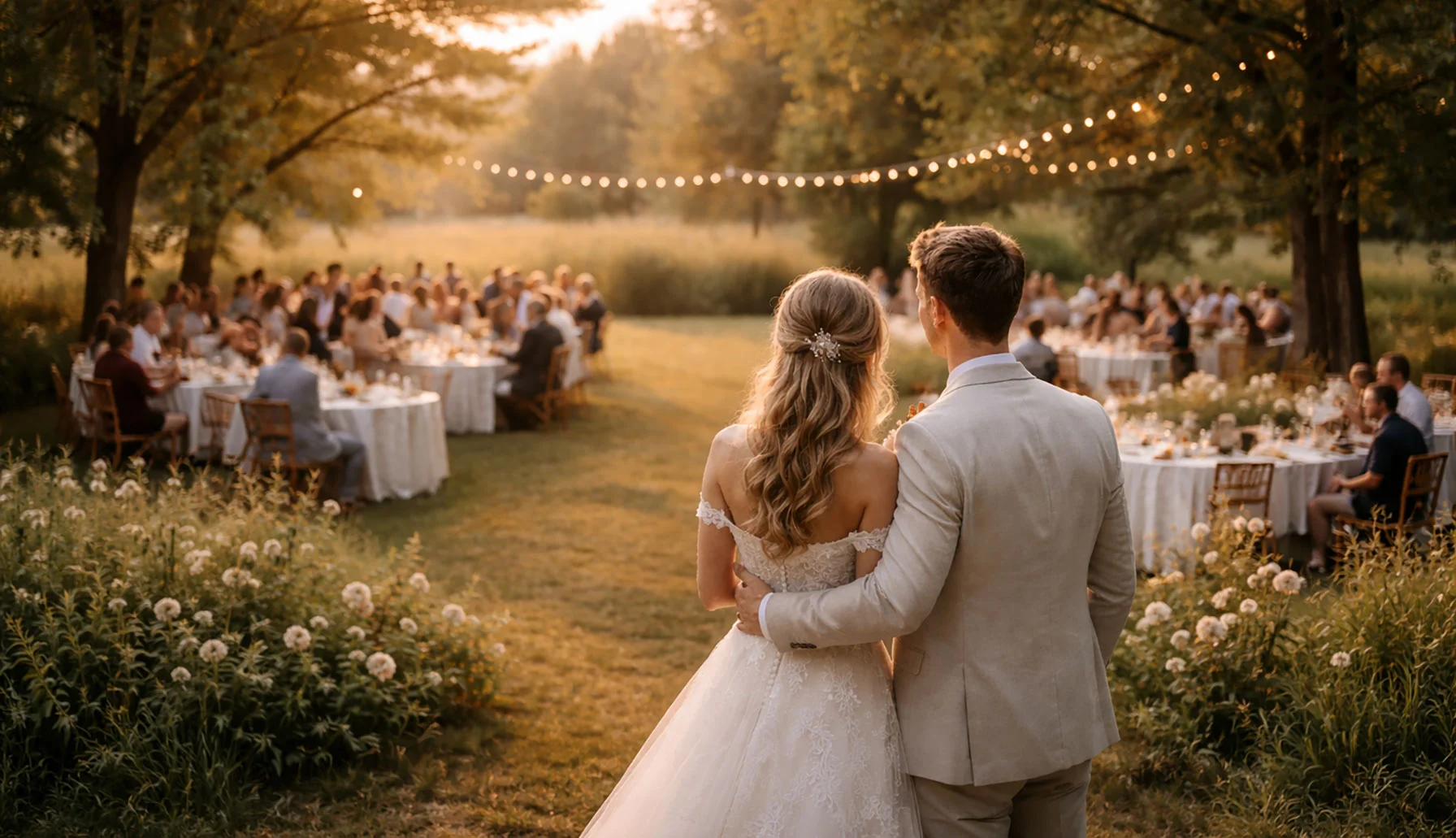
Looking good on the wedding day – quiet preparation, visible effect
A good appearance on the wedding day rarely arises spontaneously. It is the result of time, attention, and recognizability. This text collects observations concerning bride and groom, without ideal images or instructions. It's about skin, hair, and posture, about preparation instead of change. And about what remains when nothing needs to be explained.
The engagement ring as a sign of a decision
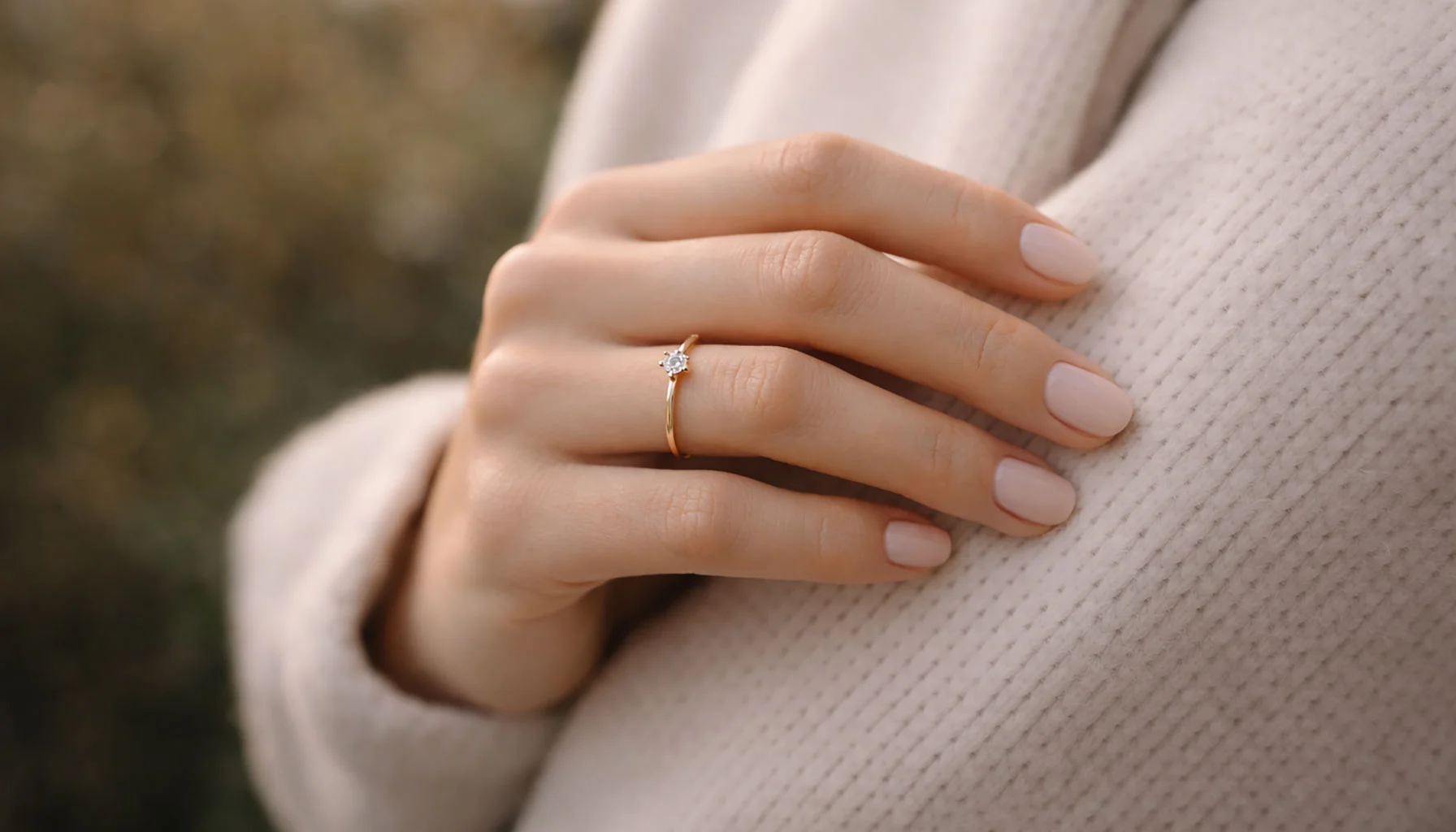
The engagement ring stands on the edge of a big moment and remains present for a long time afterwards. It is part of everyday life, not just a memory of a proposal. This text describes what makes an engagement ring, how it is selected, and why decisions regarding shape, material, ring size, and wearing style mostly arise from observation. It is about common variants, the handling of diamonds and alternatives, as well as developments that have quietly established themselves. In the foreground are experiences, voices from practice, and the question of how a ring fits a person without defining them.
Second Dress for the Wedding Reception
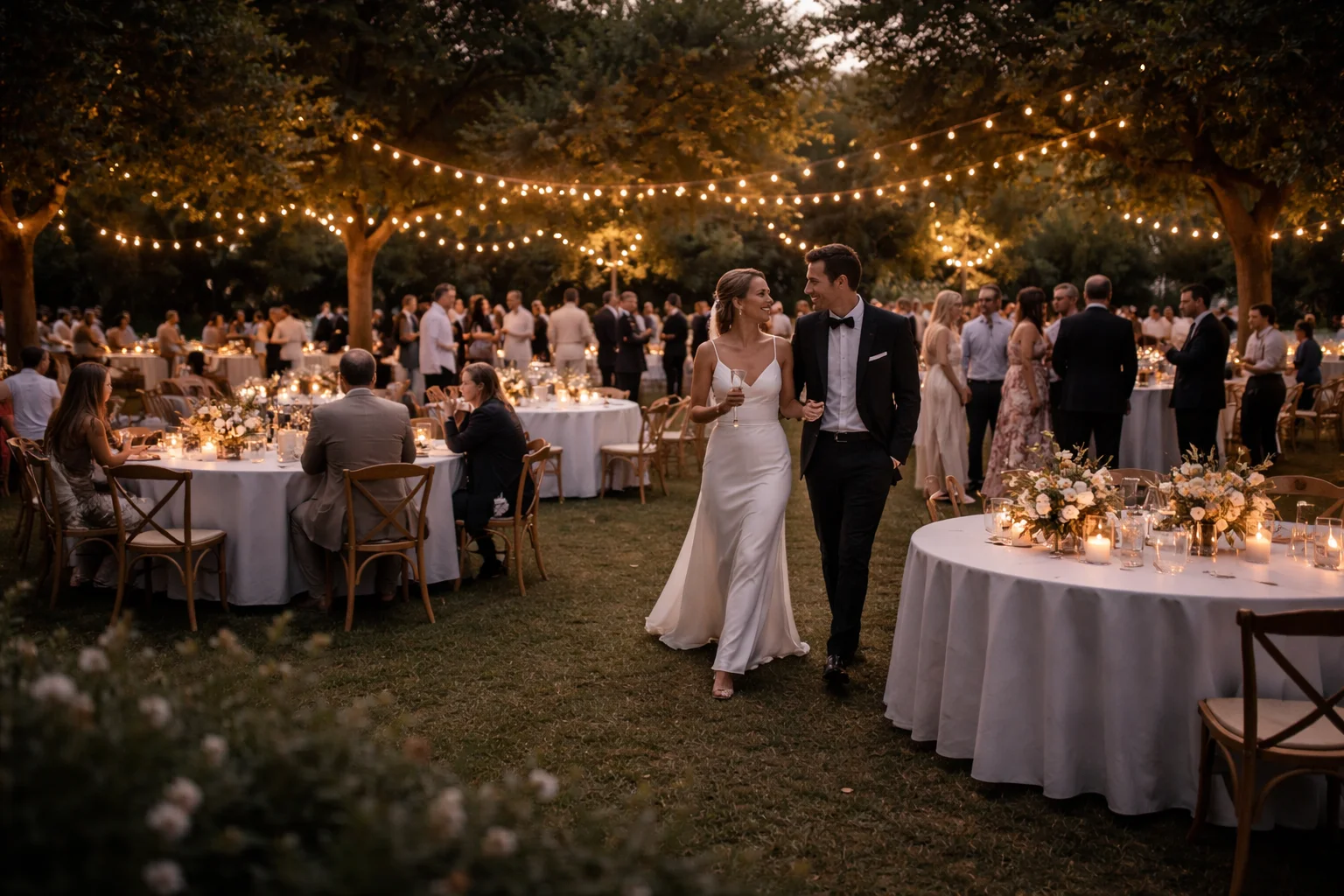
At many weddings the clothing does not stay the same from start to finish. After the ceremony and formal photographs, a quiet shift sometimes happens. The bride disappears for a short time and later returns wearing something different. Guests notice it in small ways. A lighter fabric. Shorter hem. Movement that feels easier during the evening.
Vendor Contact Checklist: Who Needs to Reach Whom When the Day Starts Moving
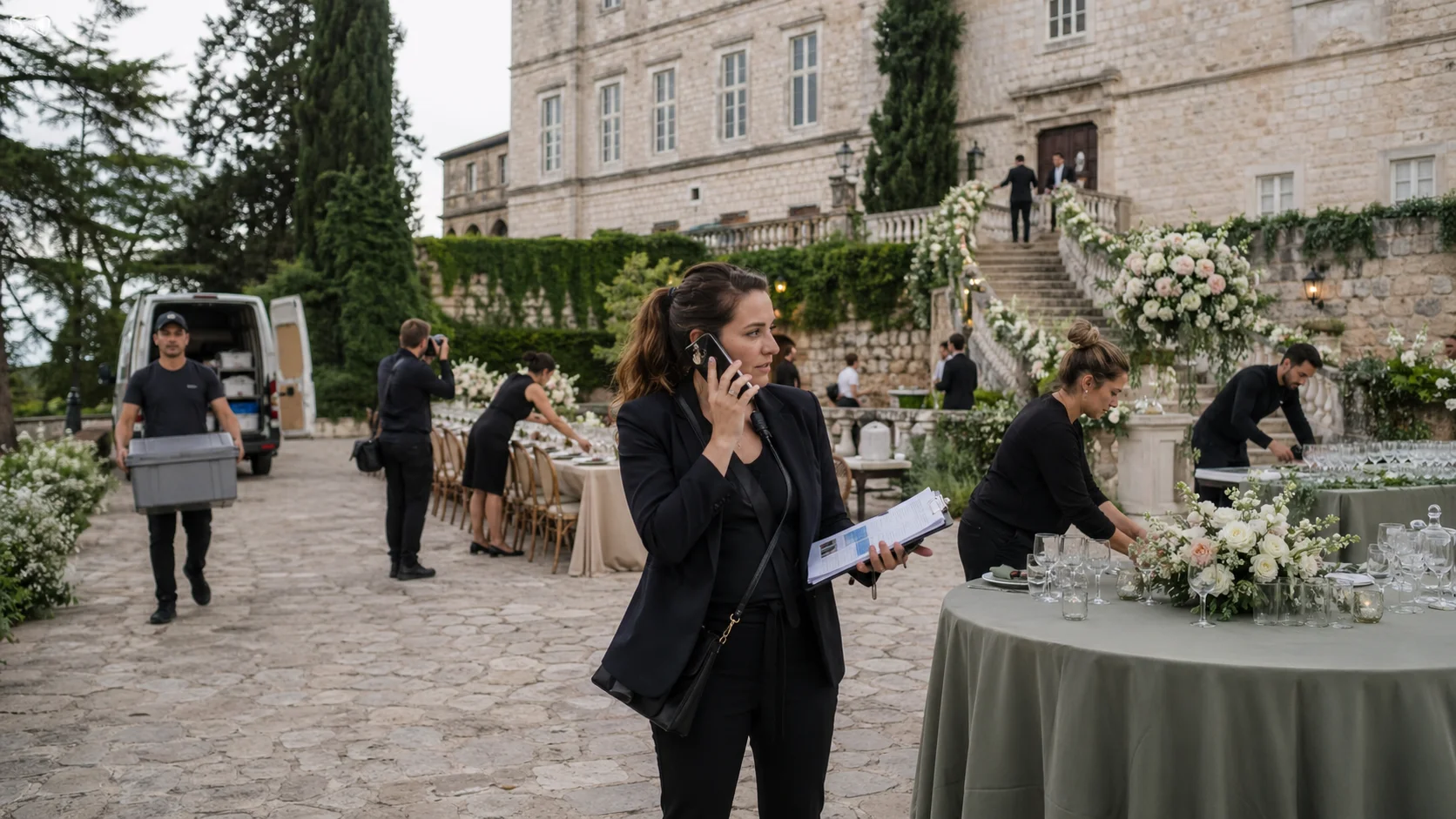
A wedding contact list is not the same thing as a wedding communication plan. Once the day starts moving, what matters is not only who is involved, but who should contact whom, for what reason, and at which moment.
Rain Plan Checklist: What Needs Deciding Before Weather Becomes the Mood
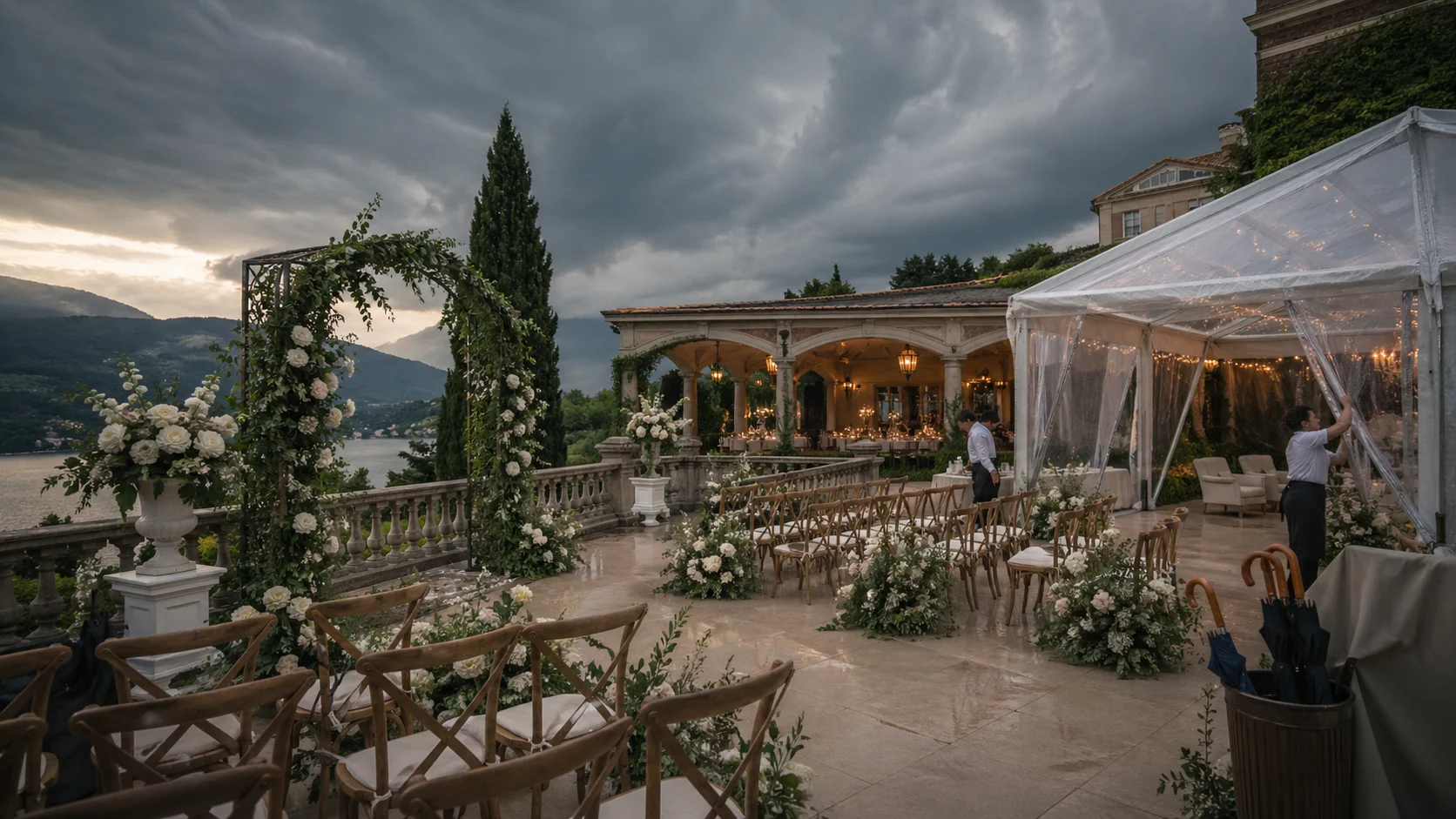
A wedding rain plan is rarely just a backup for logistics. It also shapes whether weather stays manageable or quietly takes over the emotional tone of the day. This article looks at what needs to be decided early, so rain changes the setting without deciding the atmosphere.
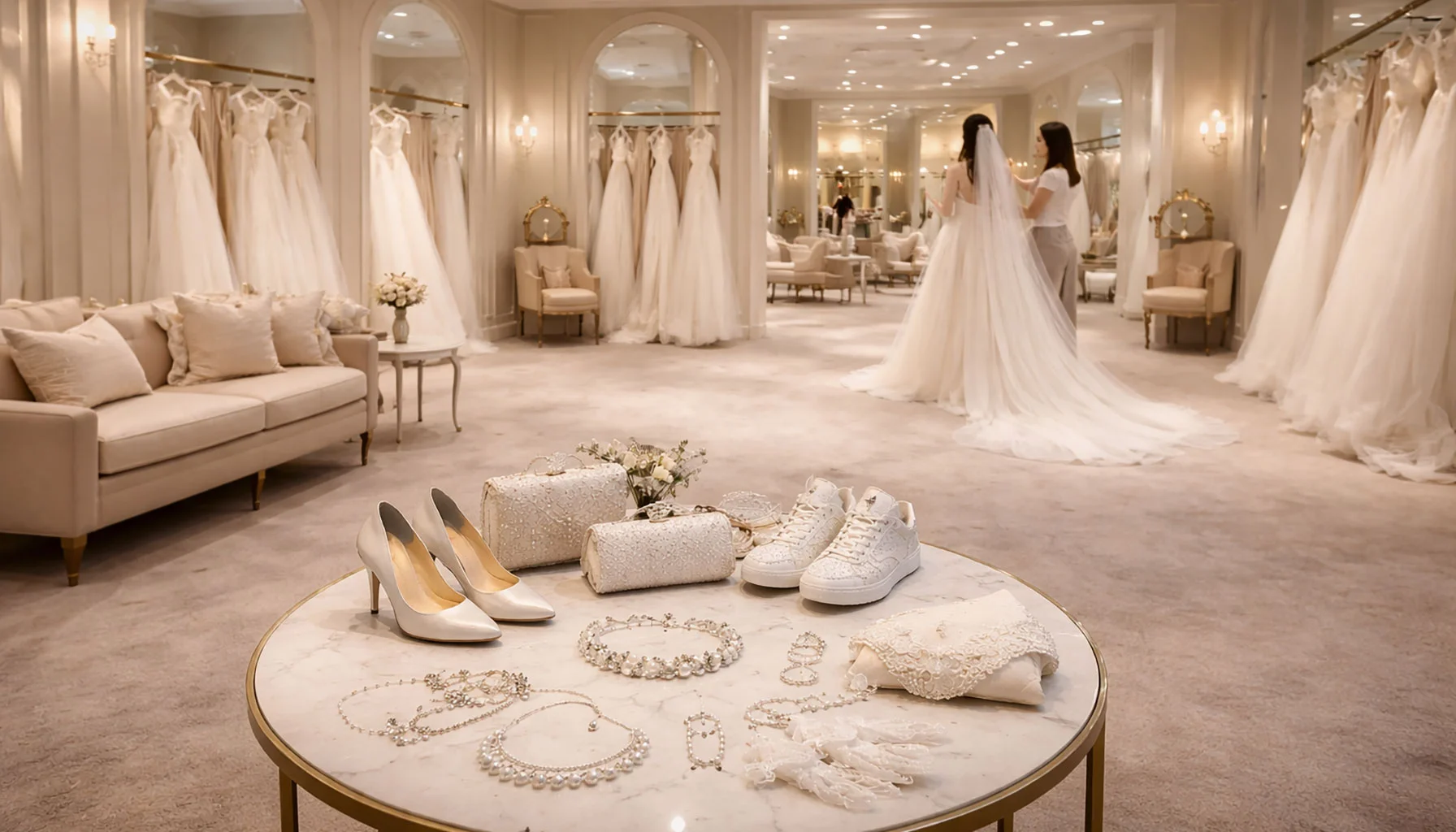
Bridal Accessories in Interplay – A Silent Addition
Accessories for the bride mostly remain in the background. They don't impose themselves and are rarely noticed first. In bridal shops, however, it repeatedly becomes apparent that precisely these pieces structure and round off the overall look. Veils, shoes, jewelry or small accessories do not change the dress, but rather the bride's effect. Observations from practice show how subtle decisions are made and why accessories are often chosen only late – and then stay.
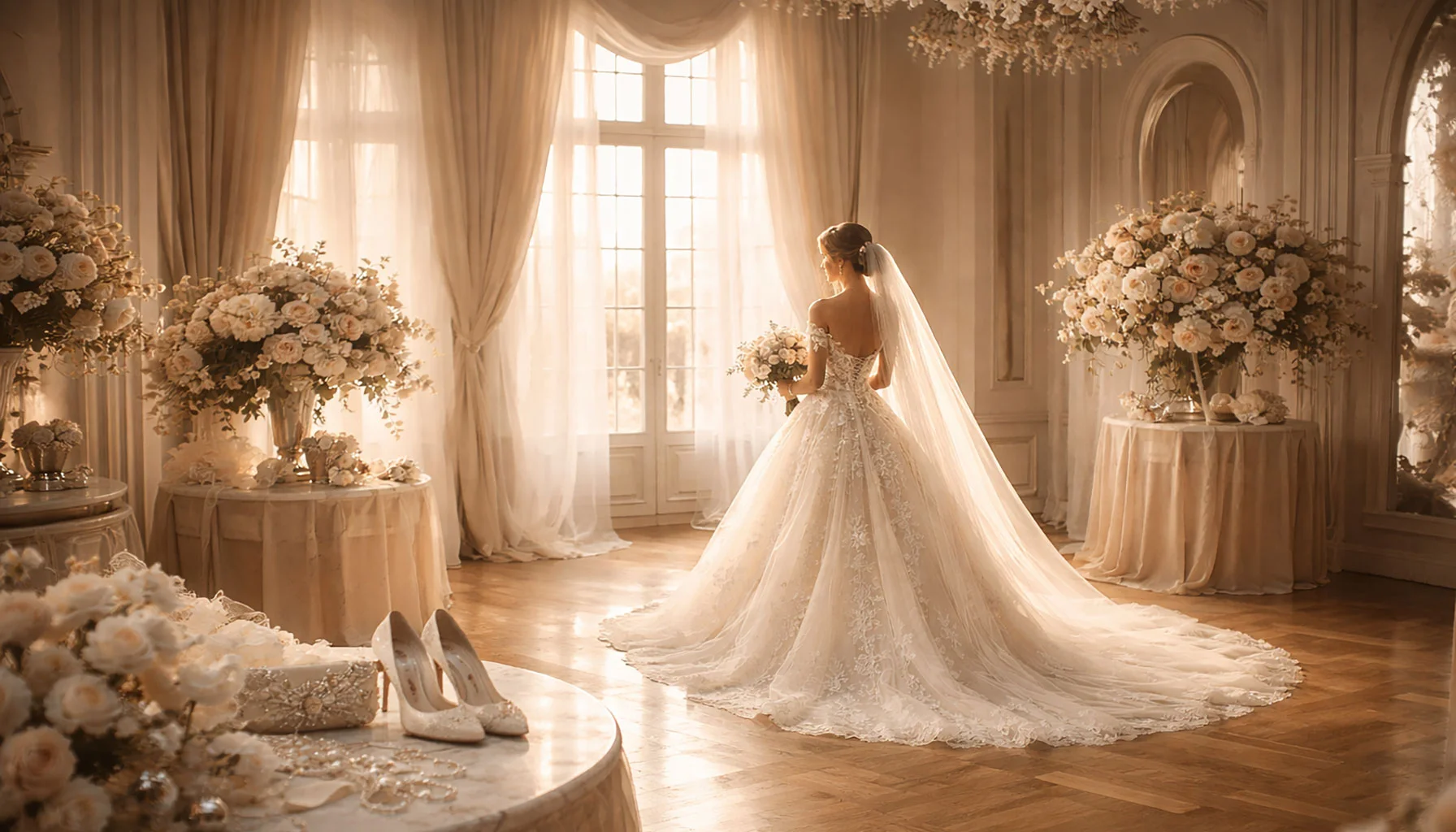
Bridal Fashion and Attire: Timeless Elegance, Modern Trends and the Art of an Unforgettable Bridal Look
Bridal fashion is rarely a single decision. It develops through fittings, conversations, and gradual adjustments until the visible result feels settled rather than assembled. This article looks at bridal fashion as a composed form of presence shaped by dress, styling, material, and the quieter language of what a bridal look communicates without needing to say it aloud.

Before Wedding Planning Takes Over: An Engagement Checklist for the Things That Actually Change
An engagement can turn into a wedding project surprisingly fast. Before venues, guest counts and timelines take over, there are quieter things worth checking together: expectations, family pressure, money, symbols, privacy and what the promise has actually changed between you.

Wedding Guest Communication Checklist: What Guests Need to Know and When
Good wedding communication is not about sending guests everything at once. It is about giving the right information at the right moment, so the day feels clear without becoming overexplained. This article looks at what guests actually need to know, when they need to know it, and why silence still has a place in wedding planning.
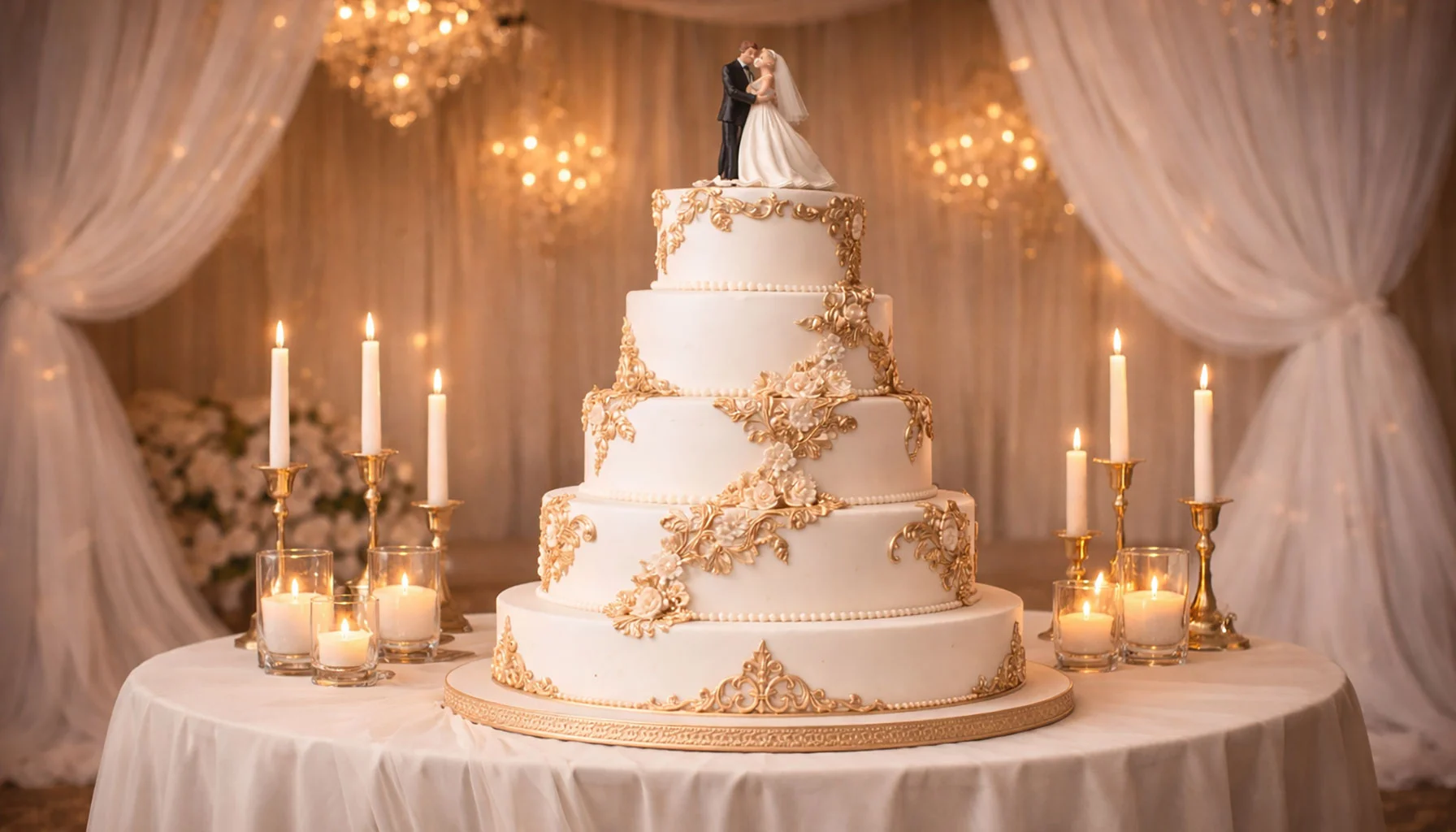
The Wedding Cake – Where Romance, Craftsmanship and Love Meet
The wedding cake is rarely the loudest element of a celebration, yet it often becomes one of the most shared moments. It appears later in the day, when guests have settled, conversations have softened, and attention can gather without effort. More than a dessert, it marks a pause in the rhythm of the wedding. Its presence is quiet, its impact collective. When design, taste, and timing align, the cake becomes part of the experience rather than a separate program point.