
The Bridal Bouquet: A Silent Expression of Love, Style, and Timeless Emotion
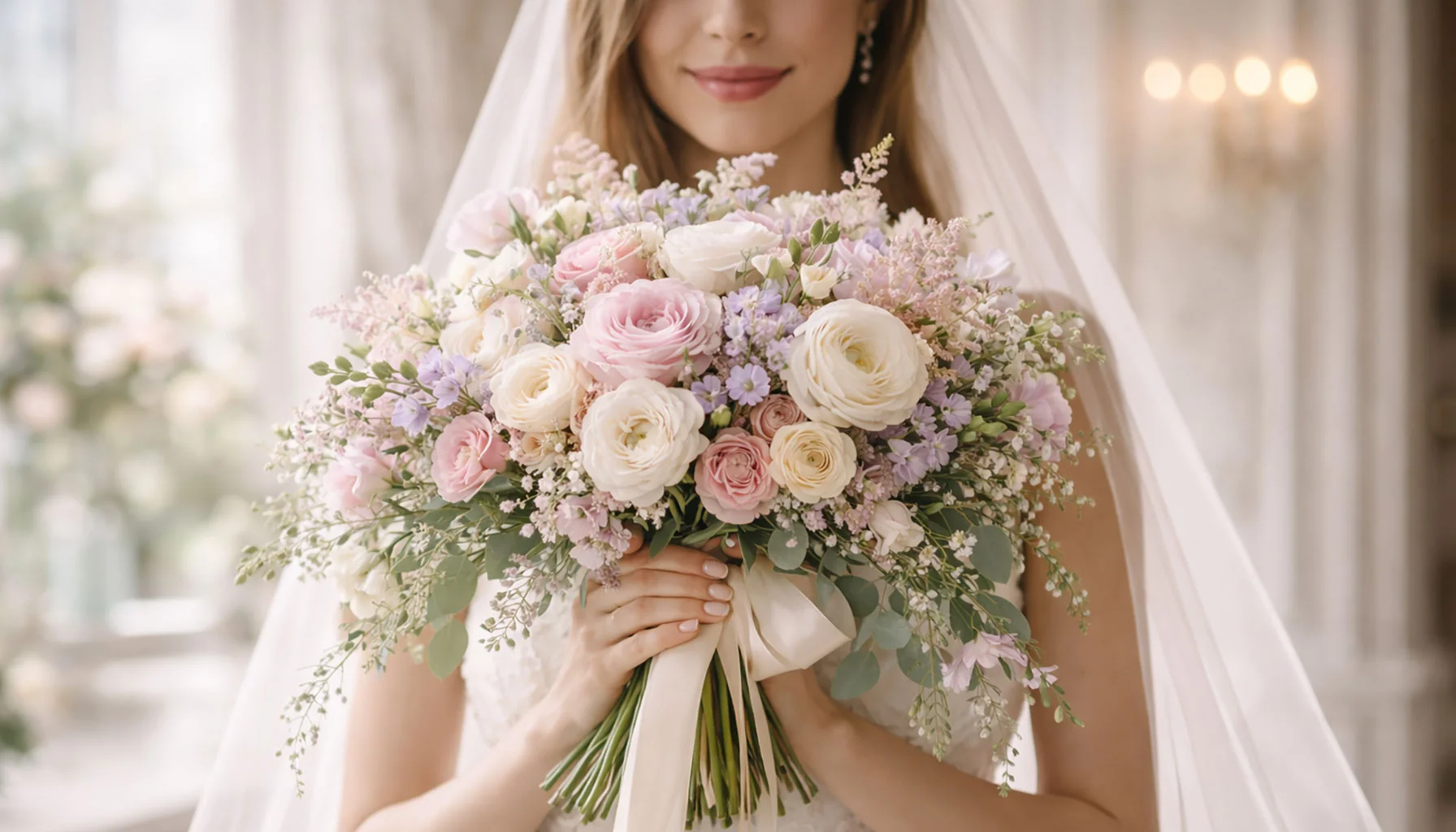
The Bridal Bouquet
The bridal bouquet is not an accessory added at the end. It is present from the first quiet moments of the day and remains close through ceremony, photographs, and long stretches of waiting. It is adjusted, lowered, lifted again. Over time, it becomes familiar in the hand. That familiarity matters.
Bouquets that work well rarely draw attention to themselves. They support posture and movement. They settle into the visual rhythm of the day. Many guests may not describe the bouquet later, yet it shapes how the bride is remembered.
Historical Context and Emotional Weight
For centuries, flowers carried practical and symbolic meaning. Protection, transition, hope. While the context has changed, the gesture remains. The bouquet still marks a passage. It accompanies the bride while something shifts.
Because it appears in the most lasting images of the day, the bouquet becomes part of memory. It connects fabric, gesture, and emotion without explanation.
Why the Bouquet Matters to the Bride
The bouquet balances the silhouette and gives the hands purpose. During emotional moments, it offers something steady to hold. It links dress, hairstyle, and overall setting into one visual language. For many brides, it becomes a quiet anchor.
The bouquet is not chosen only for the ceremony. It is chosen for what remains afterward.
Timing and Planning Rhythm
Bouquets that feel resolved are rarely last-minute decisions. Early phases focus on atmosphere rather than detail. Light, season, and location come first. Shape and color follow later.
Experienced florists tend to work this way naturally. They ask about the dress, the pace of the day, and how long the bouquet will be carried. Decisions arrive gradually.
Working with the Florist
Strong bouquets are created through dialogue. Florists who work regularly with weddings understand proportion, seasonality, and handling. They guide without imposing. Trust plays a larger role than trend awareness.
Consistency and reliability matter more than spectacle. The best results come from shared understanding rather than rigid direction.
Bouquet Forms and Visual Effect
Round bouquets remain close to the body. They feel calm and controlled and work well with clean silhouettes. Structured bouquets introduce texture and depth. Cascading forms extend the line of the gown and require steadier posture.
No form is inherently better. Proportion decides. Height, dress volume, and the way the bouquet is held shape the result.
Flowers and Material Character
Some flowers remain central because they age well throughout the day. Roses hold structure. Orchids stay composed. Hydrangeas create quiet volume. Lighter flowers add softness and movement when used with restraint.
Material choice influences weight, durability, and how the bouquet behaves over time.
Color and Atmosphere
Color works best when it echoes rather than competes. Skin tone, dress fabric, and surrounding light influence perception more than trend cycles. Soft palettes tend to photograph consistently across changing conditions.
Brighter tones can work when used deliberately and anchored by neutrals.
Current Tendencies in Bridal Bouquets
Recent years show a shift toward restraint. Fewer varieties. Clear structure. Natural textures. Matte finishes. Private details rather than visible statements.
What feels current tends to be what lasts quietly rather than what stands out briefly.
Practical Considerations
Weight matters. Grip matters. A bouquet is carried for hours, often without pause. Well-prepared bouquets remain stable, fresh, and comfortable from ceremony to evening.
Careful preparation allows the bouquet to disappear into the flow of the day.
I stopped thinking about the bouquet after the ceremony. It just stayed with me.— Bride
Conclusion
A bridal bouquet succeeds when it feels settled. Not impressive. Not demanding attention. Simply present. Chosen with time and shaped with care, it becomes part of how the day is carried and later remembered.
Related Articles
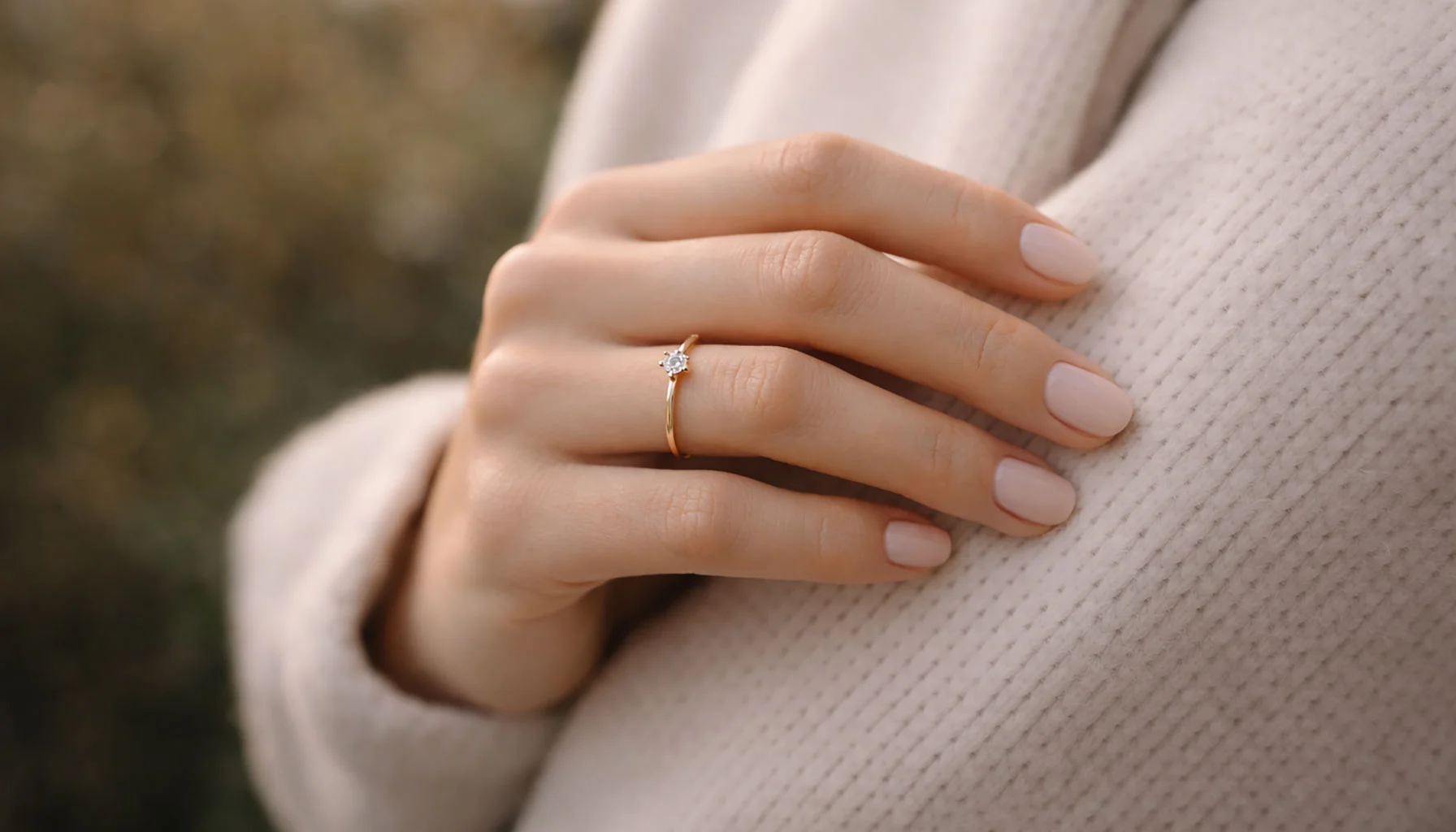
The engagement ring as a sign of a decision
The engagement ring stands on the edge of a big moment and remains present for a long time afterwards. It is part of everyday life, not just a memory of a proposal. This text describes what makes an engagement ring, how it is selected, and why decisions regarding shape, material, ring size, and wearing style mostly arise from observation. It is about common variants, the handling of diamonds and alternatives, as well as developments that have quietly established themselves. In the foreground are experiences, voices from practice, and the question of how a ring fits a person without defining them.
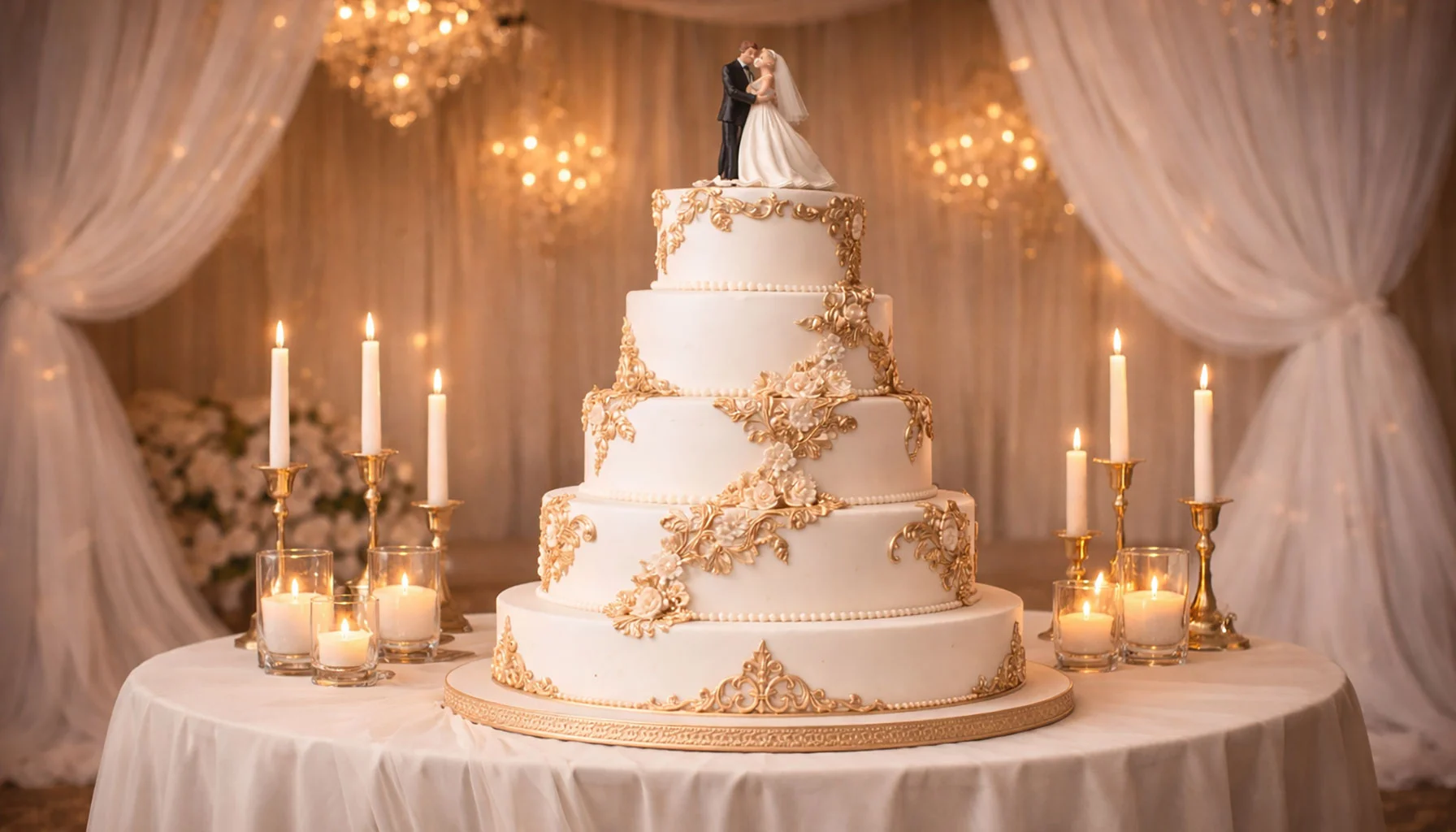
The Wedding Cake – Where Romance, Craftsmanship and Love Meet
The wedding cake is rarely the loudest element of a celebration, yet it often becomes one of the most shared moments. It appears later in the day, when guests have settled, conversations have softened, and attention can gather without effort. More than a dessert, it marks a pause in the rhythm of the wedding. Its presence is quiet, its impact collective. When design, taste, and timing align, the cake becomes part of the experience rather than a separate program point.
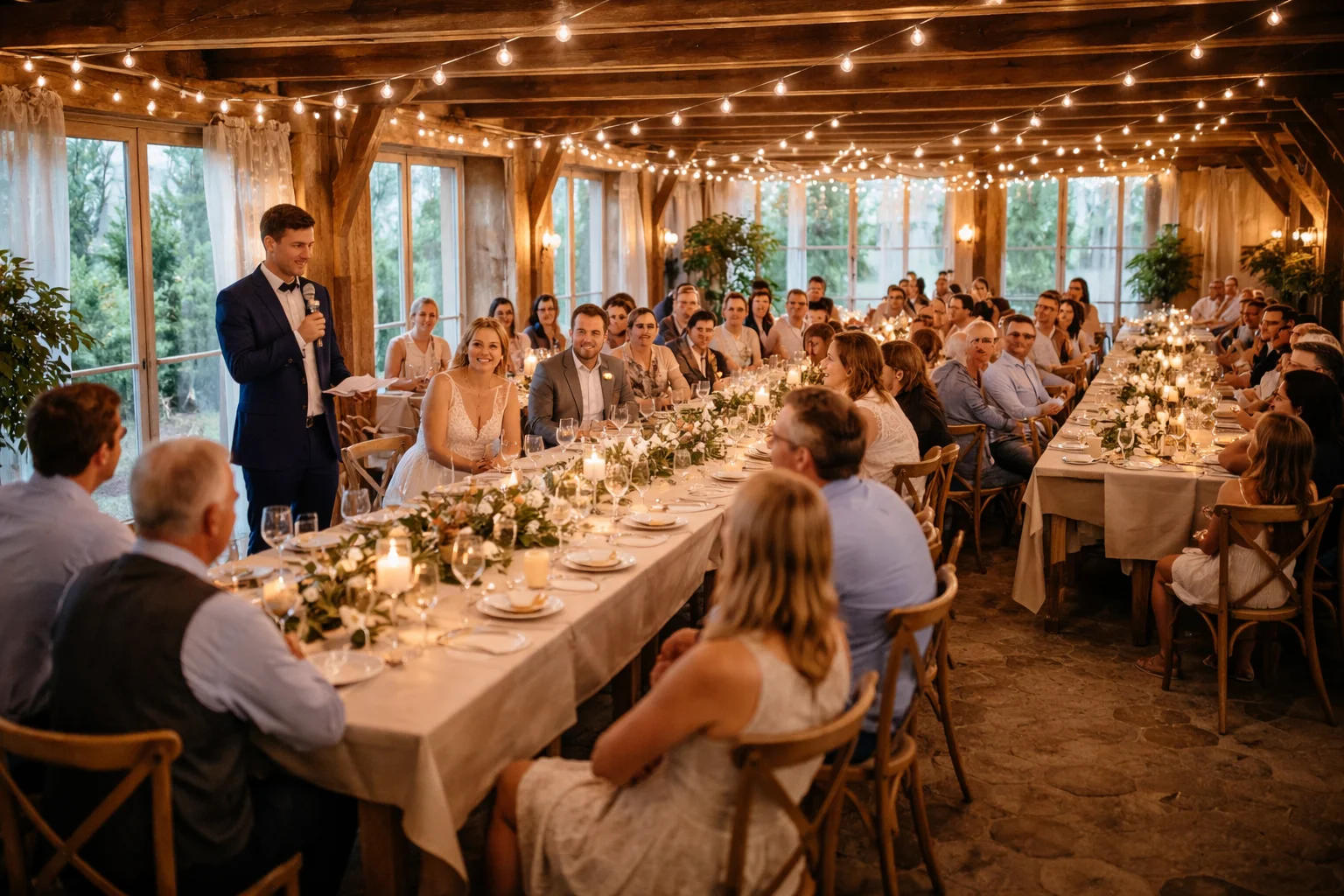
Speech Timeline During the Wedding Reception – Typical Order and Observed Patterns
During a wedding reception, speeches usually appear in small segments rather than as one long program. A few words early in the evening, then dinner continues, later another short speech surfaces between plates being cleared. The sequence looks informal from the guest perspective. Still, over many weddings a similar rhythm can be noticed.

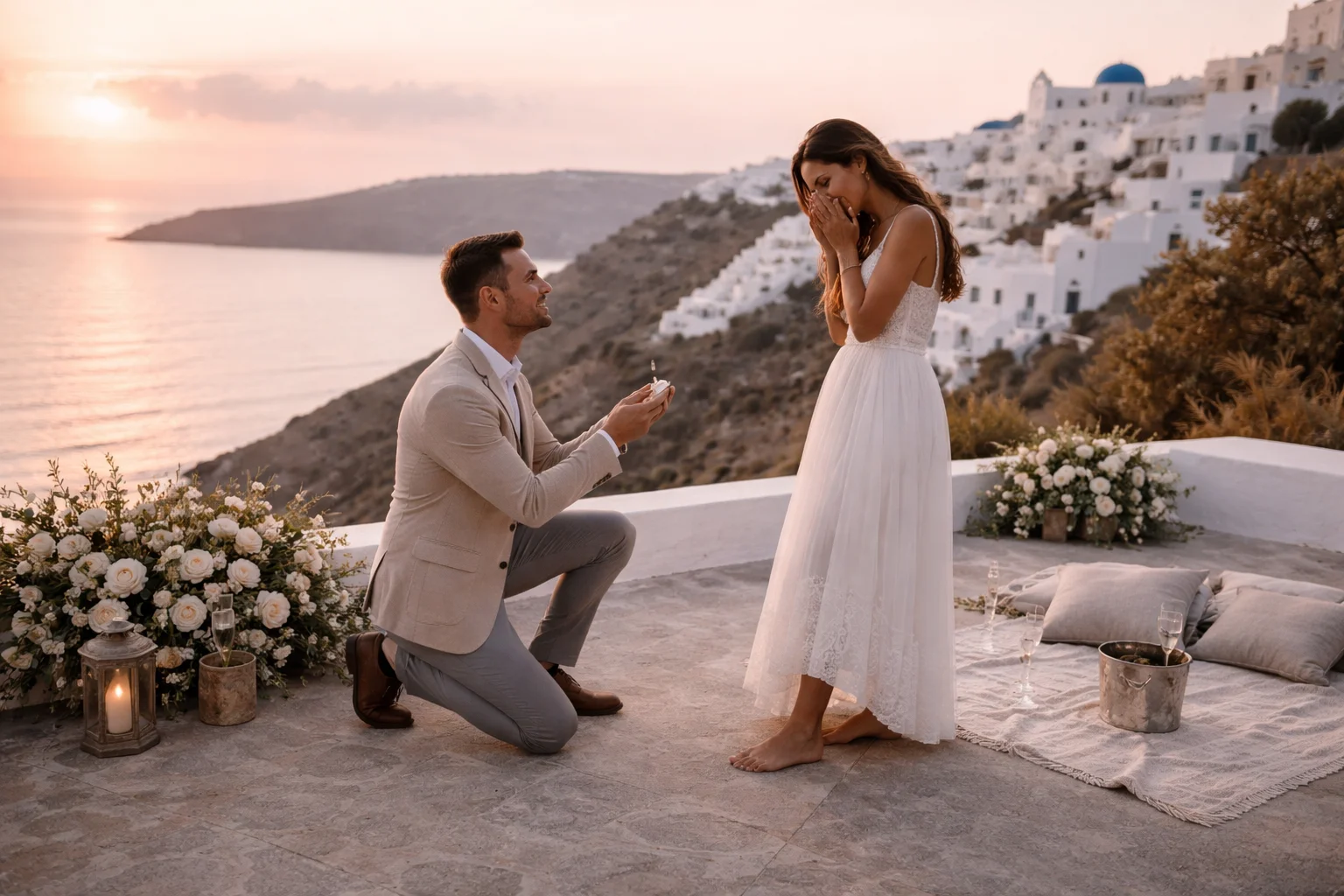
The Marriage Proposal: A Moment between Decision and Trust
A marriage proposal is rarely only a surprise. More often, it gathers what has already grown in conversations, decisions, and quiet alignment. This article looks at the proposal as a visible threshold between decision and trust, while keeping close to lived experience, ring choice, gesture, timing, and the open reality of what may follow.

The Groom’s Suit Guide: Planning, Fittings, Trends & Timeline
A wedding suit does not come from a single decision, but from alignment over time. Cut, fabric, and fit develop in relation to occasion, movement, and personality. When these elements settle into place, the suit supports the day quietly and allows the groom to remain fully present.

A Structured Wedding Timeline for Thoughtful Hosts
A wedding rarely feels calm by chance. It is shaped by preparation, clear structure, and a hosting mindset that offers guidance without pressure. A well-built timeline helps organize decisions and keeps planning transparent. Digital tools support this process quietly in the background. When responsibilities are shared and information flows clearly, space opens up for presence. That is where the celebration truly begins.
The Bride Look Begins Long Before the Dress
The bride look is often discussed as a final decision. A dress, a hairstyle, a set of details chosen close to the wedding day. It appears as something visual, something assembled. But in practice, it rarely starts there.
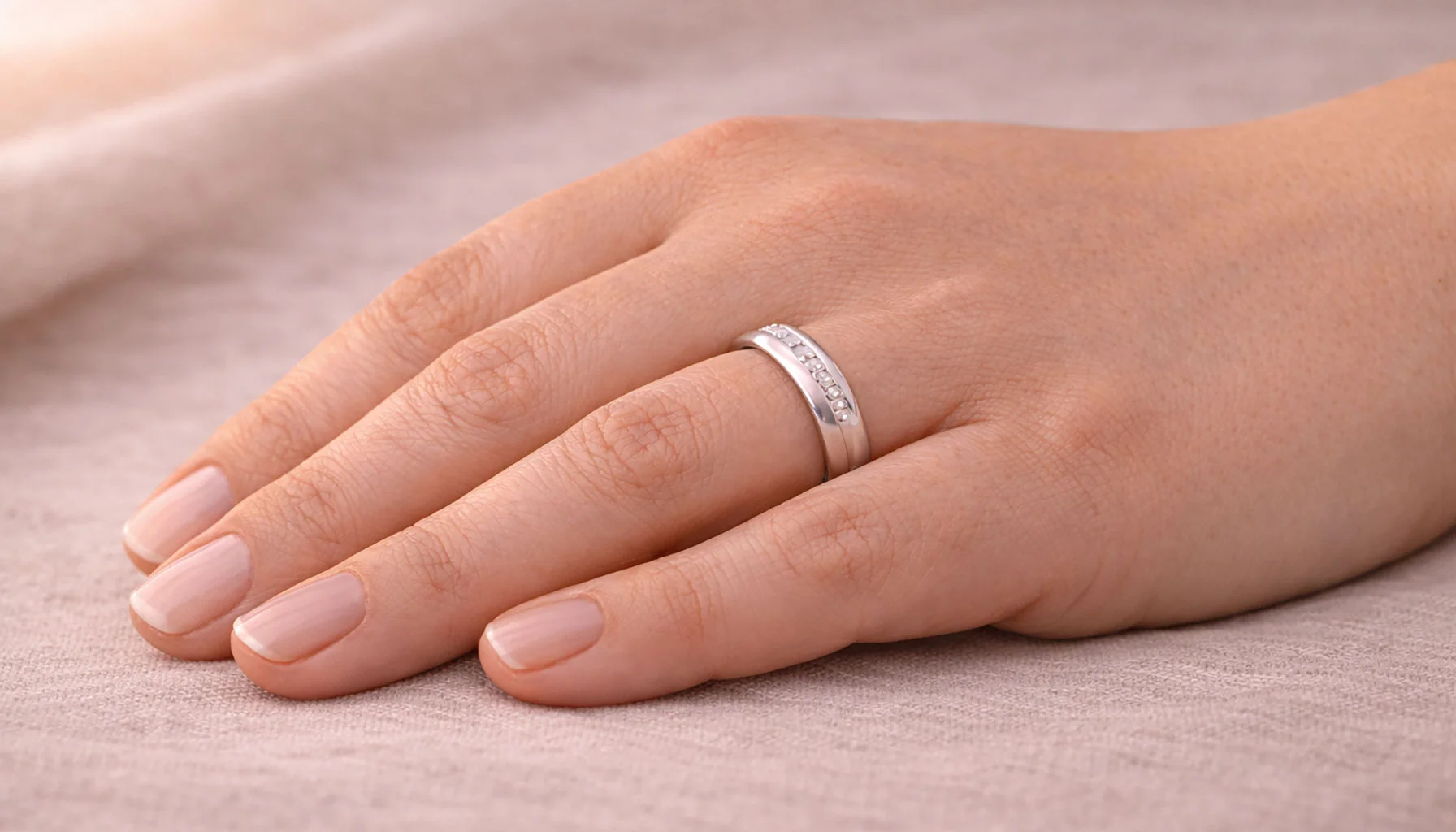
The Wedding Ring – A Quiet Companion in Everyday Life
A wedding ring is not chosen for a single moment, but for daily wear. Shape, material, and comfort determine how naturally it becomes part of life. When chosen with care, it supports routine and movement without asking for attention.
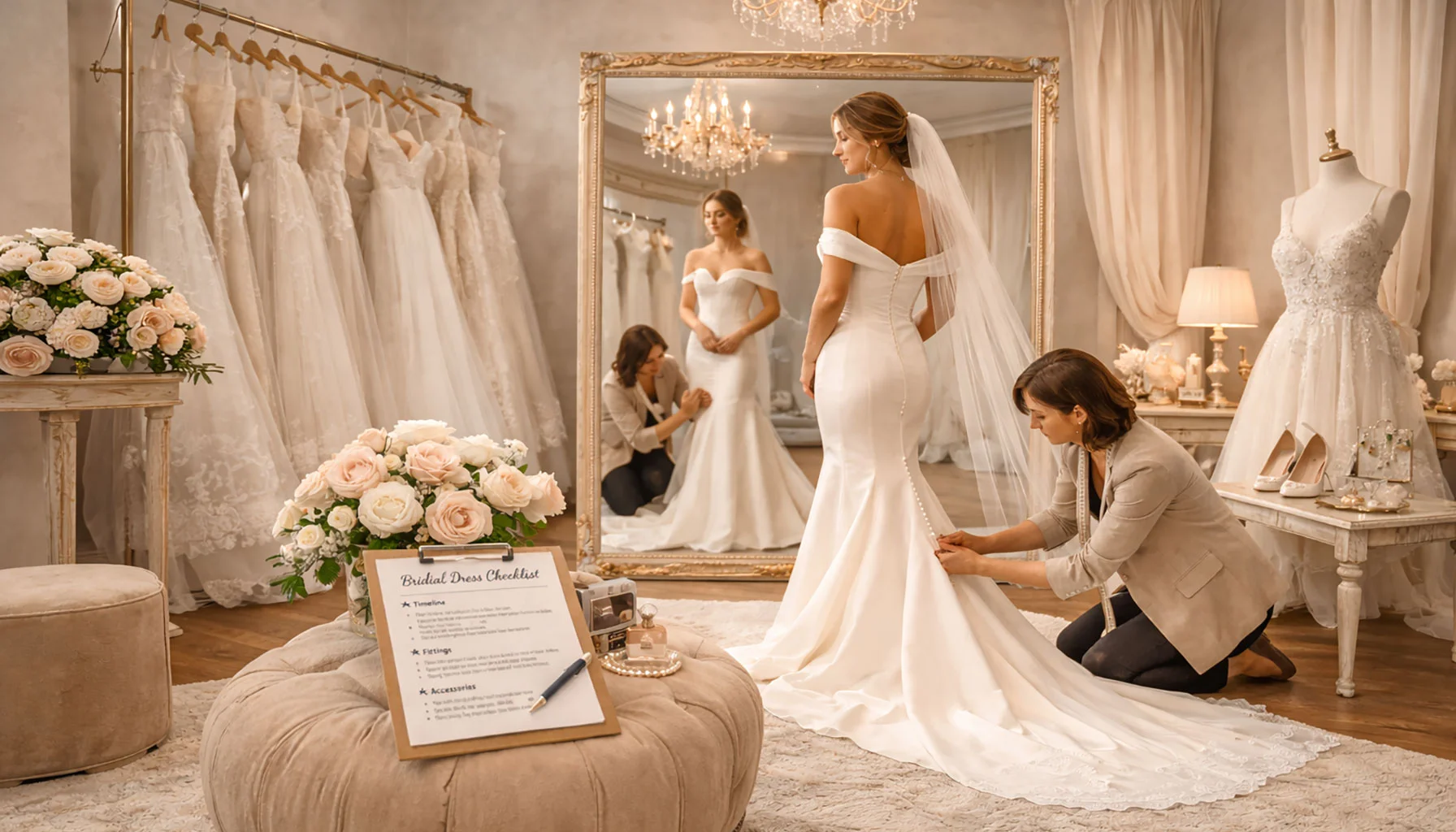
The Bridal Dress in Balance
A bridal dress does not come together in a single moment. Selection, fitting, and preparation build on each other over time. When cut, fabric, and movement align, the dress supports the day quietly and allows the bride to remain present and at ease.
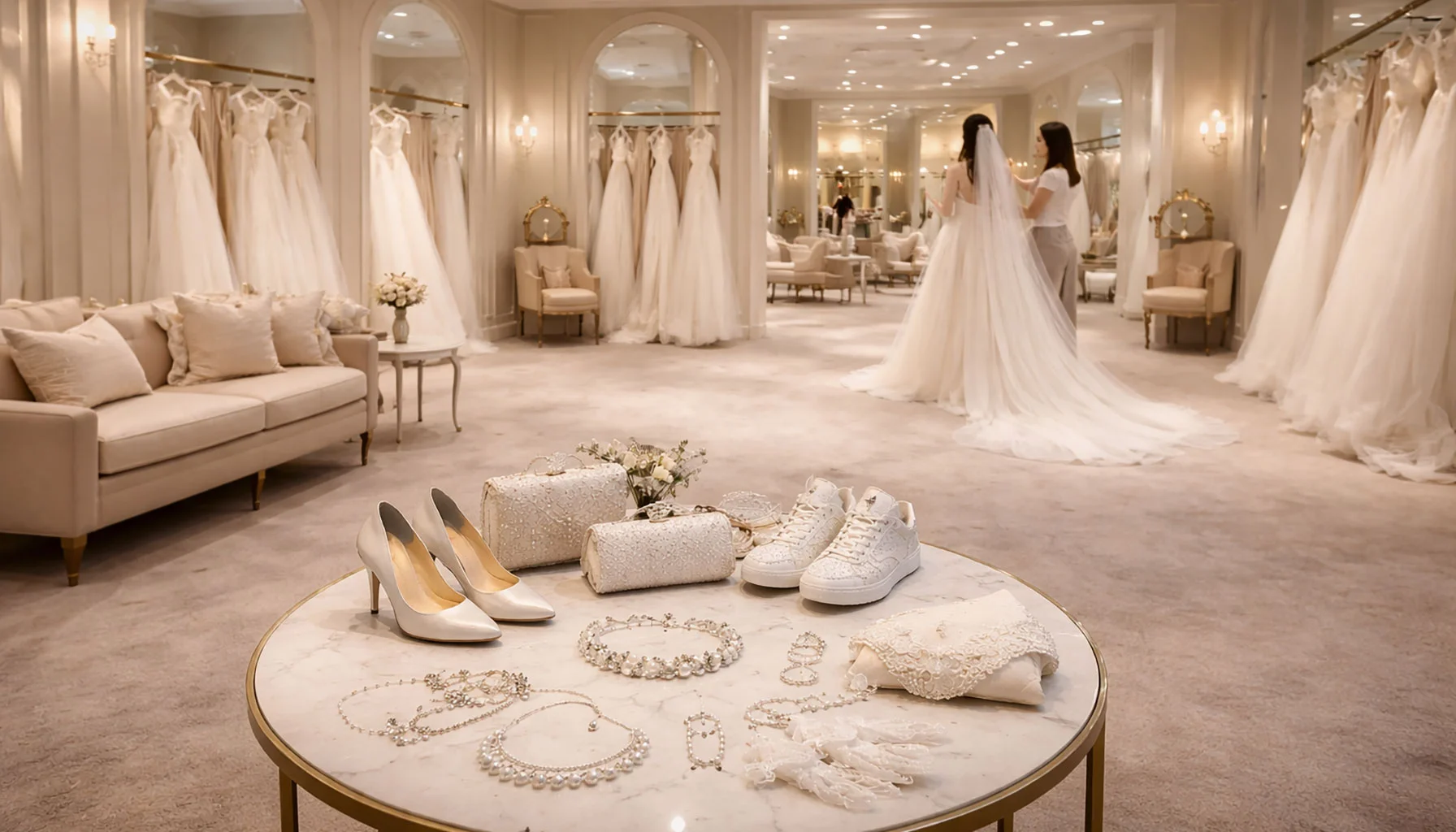
Bridal Accessories in Interplay – A Silent Addition
Accessories for the bride mostly remain in the background. They don't impose themselves and are rarely noticed first. In bridal shops, however, it repeatedly becomes apparent that precisely these pieces structure and round off the overall look. Veils, shoes, jewelry or small accessories do not change the dress, but rather the bride's effect. Observations from practice show how subtle decisions are made and why accessories are often chosen only late – and then stay.
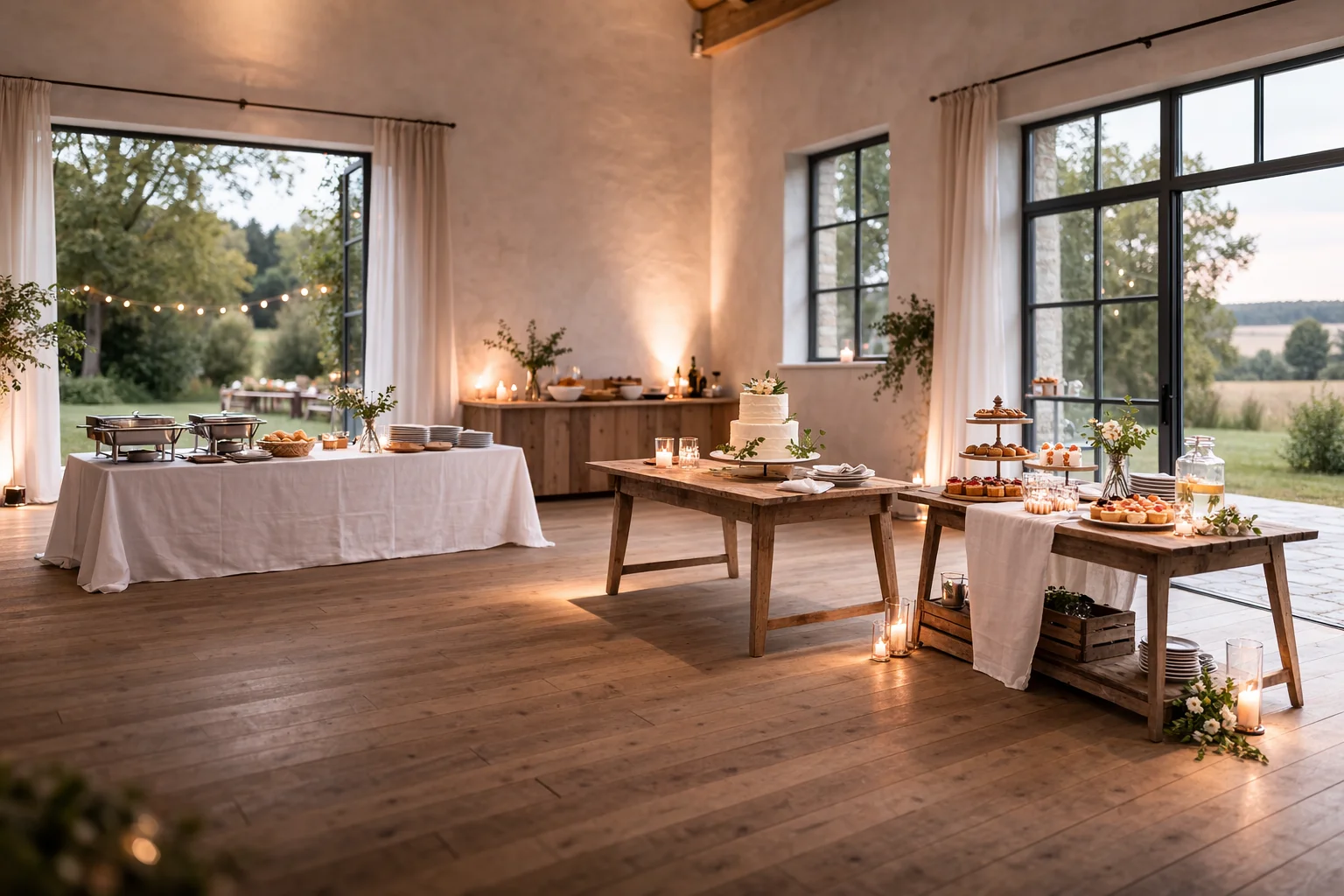
Flowers Near Food at Weddings: Buffet and Dessert Table Placement
Flowers sometimes end up close to food. Not always by clear decision. More because the rest of the room is already filled, and these zones remain. Then something gets added there too. It does not look unusual once it is in place.
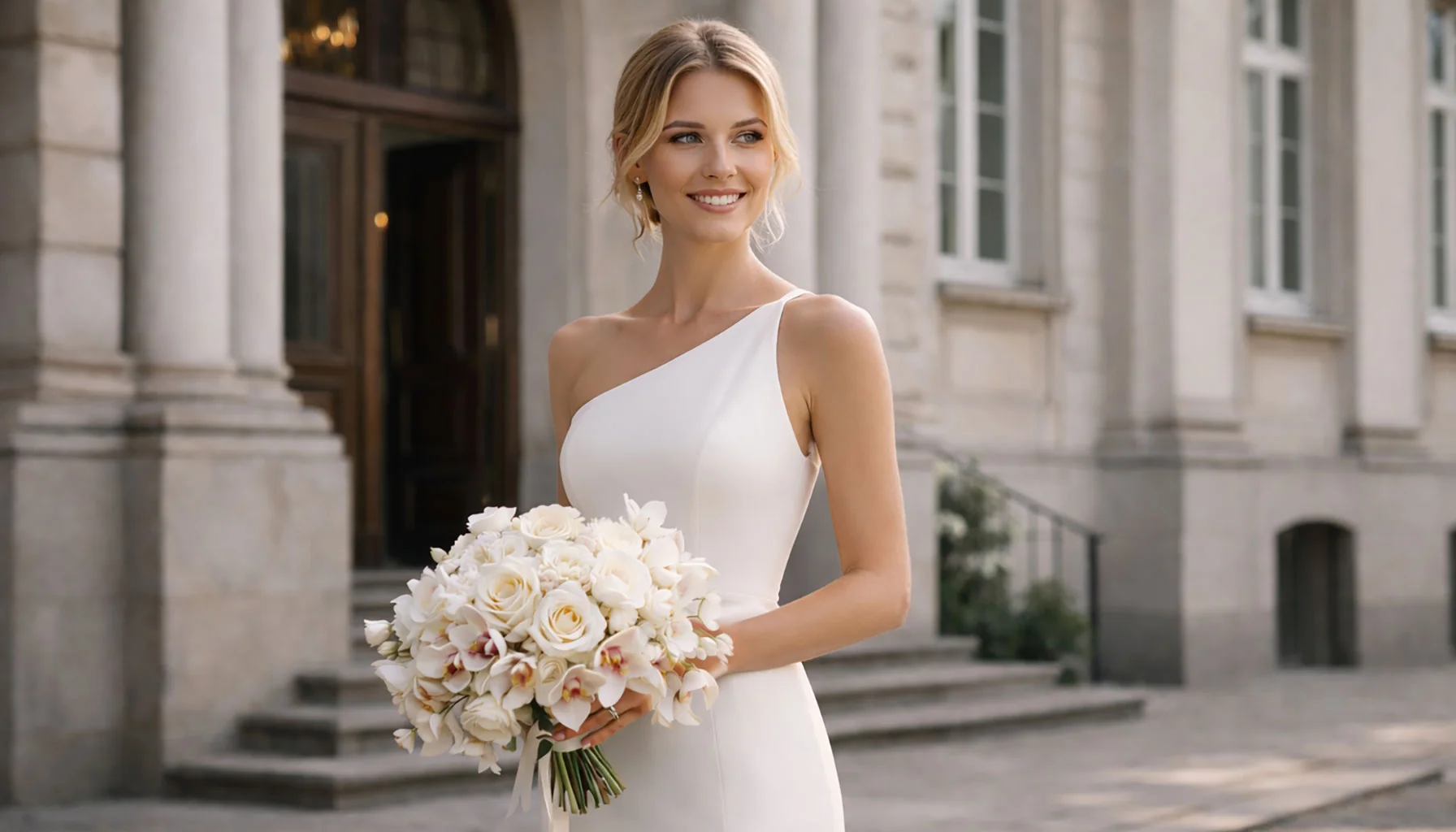
A Love Made Official: A Bridal Look for the Civil Ceremony
Civil ceremonies tend to be focused and quiet. The setting is smaller, the attention sharper. In this context, the bridal look does not perform. It supports. Fabric, cut, and proportion matter more than embellishment. What remains is a look that fits the moment, allows presence, and feels appropriate long after the ceremony ends.