
Photographer Coordination Checklist: What Helps Without Overdirecting the Day
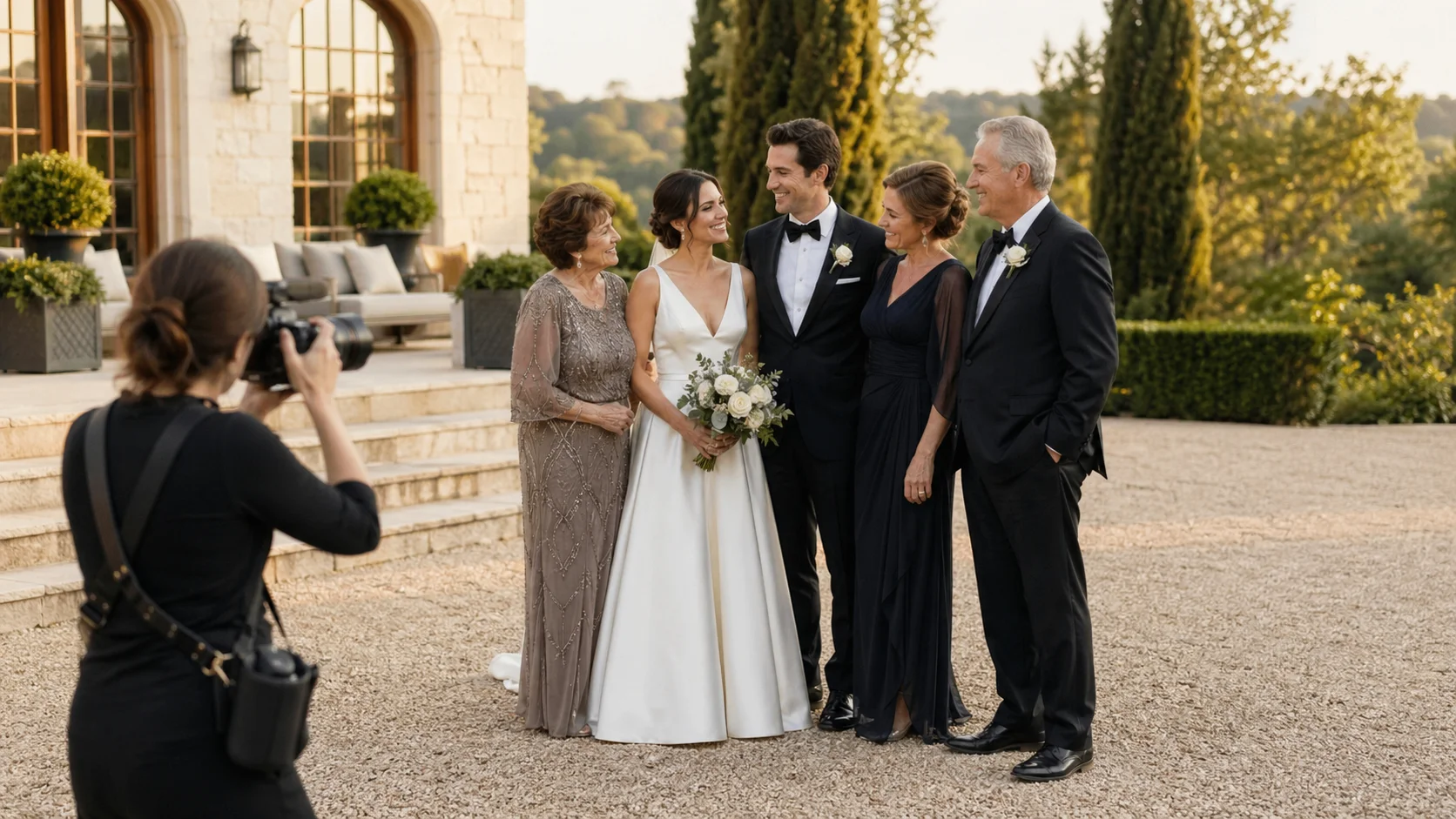
Wedding photography needs coordination, but not constant direction. That balance is easy to miss. Couples want the important people photographed, the right moments covered, the light used well, and the day remembered honestly. At the same time, no one wants the wedding to feel like it is being stopped every few minutes for another instruction. The best coordination usually happens quietly before the photographer has to ask for it in the middle of the day.
A helpful photography plan does not turn the celebration into a shoot. It gives the photographer enough structure to move confidently and enough freedom to notice what was not planned. The family group list, the timeline, the room access, the transport timing, the ceremony rules, and the names of key people all matter. But so do the unscripted parts: a hand on a shoulder, guests finding shade, a child watching from under a table, someone laughing before a speech begins. Too much control can flatten these things before they have time to appear.
Definition
A photographer coordination checklist is a practical guide for giving the wedding photographer the information, access, timing, and contacts they need without overdirecting the day. It covers shot priorities, family groupings, light, movement, ceremony limits, venue logistics, key people, and the space needed for natural observation.
Priorities Should Be Clear, Not Endless
A useful checklist does not list every possible photograph. It names what truly matters. Parents. Siblings. Grandparents. A friend who travelled far. A quiet portrait before the ceremony. The old car. The table setting before guests sit down. When everything is marked as important, nothing is. Photographers work better when the priorities are honest and limited, because then they can protect those images without losing the rhythm of the wedding.
Family Photos Need A Person Who Knows The Families
Family photographs often cost more time than expected because the photographer does not know who is missing. The fix is simple and usually overlooked: assign one person from each side who knows the names, faces, separations, sensitivities, and mobility needs. This person should not be the couple. A photographer can arrange people, but they cannot guess family history. One wedding planner described the best helper as someone who can find Uncle Martin without making it a public announcement. That kind of help keeps the formal part short and less awkward.
Checklist – CategoryA wedding checklist helps you stay organized and ensures that no important detail is overlooked. From early planning steps to last-minute preparations, it provides a clear overview of what needs to be done and when. With a well-structured checklist, you can plan your wedding with confidence, reduce stress, and enjoy the journey toward your big day.
Light Windows Should Be Protected Without Taking Over Dinner
Good light rarely waits politely for the schedule. Portraits may need ten minutes during cocktail hour, five minutes before sunset, or a short escape between courses. These windows should be discussed early, but not treated as a reason to pull the couple away from the wedding repeatedly. The better plan is usually one or two protected moments, clearly placed, with someone ready to help gather what is needed. The photographer gets usable light. The couple still gets to belong to the room.
Access Matters More Than Constant Instructions
Photographers often need less direction than access. A place to put equipment. Permission to move during the ceremony, or a clear boundary if movement is limited. A meal served at the right time. Knowledge of where the couple will enter, where speeches happen, whether confetti is allowed, and which door opens toward the exit. Small logistical details save the photographer from interrupting people later. They also reduce the number of visible corrections during the day. Good coordination is often just information arriving before the moment needs it.
The Best Stories Are Often Found Outside The Shot List
The connection to stories is where coordination has to know when to stop. A wedding story is not made only from planned images. It comes from pauses, reactions, side rooms, half-finished jokes, shoes kicked off under a table, a parent watching quietly, a friend fixing a veil without being asked. If the photographer is too tightly managed, these pieces become harder to see. The checklist should protect the essentials, then leave room for the day to show itself. That is where many of the photographs people keep returning to are found.

Stories are where ideals meet reality. They do not explain love — they show how it is lived, carried, tested, and remembered over time.
Conclusion
A photographer coordination checklist should make the day easier to photograph, not harder to live. Clear priorities, family helpers, protected light, venue access, ceremony boundaries, and simple contact routes give the photographer enough support to work without pulling the wedding apart. The rest should stay loose enough for real moments to happen. A well-coordinated day does not look directed from the outside. It simply leaves fewer good things to chance.
Related Articles
Ceremony Transition Checklist: What Should Be Ready Before Attention Has to Gather
Ceremony transitions often seem brief on paper, but they carry the difficult shift from movement into shared attention. This article looks at what needs to be ready before that moment arrives, from seating and sound to cues, stillness, and the quieter emotional readiness of the room.

The Wedding Dress During Pregnancy
A wedding dress chosen during pregnancy follows different rules, even when no one names them. The body leads. The day sets limits. Decisions are shaped by comfort, timing, and how the dress behaves over hours rather than moments. This text looks at maternity wedding dresses as they appear in fittings, ceremonies, and recollections afterward. Not as ideals, but as garments that had to work. The focus stays on what proved suitable, calm, and lasting, without dramatizing the process or framing it as exception.
Free Wedding Ceremonies Explained: Meaning, Planning, Legal Context and Global Perspectives
Free wedding ceremonies are symbolic, non-religious ceremonies that do not create a legal marriage and do not depend on religious authority. Yet for many couples, they become the central moment of the day. This article explains how free ceremonies work in practice, where their meaning comes from, and how they relate to legal marriage and traditional wedding symbols.
Overnight Stay Checklist: What Couples and Guests Often Realize Too Late
Overnight stays around weddings often seem solved once rooms are booked. This article looks at room access, bags, keys, transport, breakfast, checkout, and the late-night waiting moments couples and guests usually notice too late.
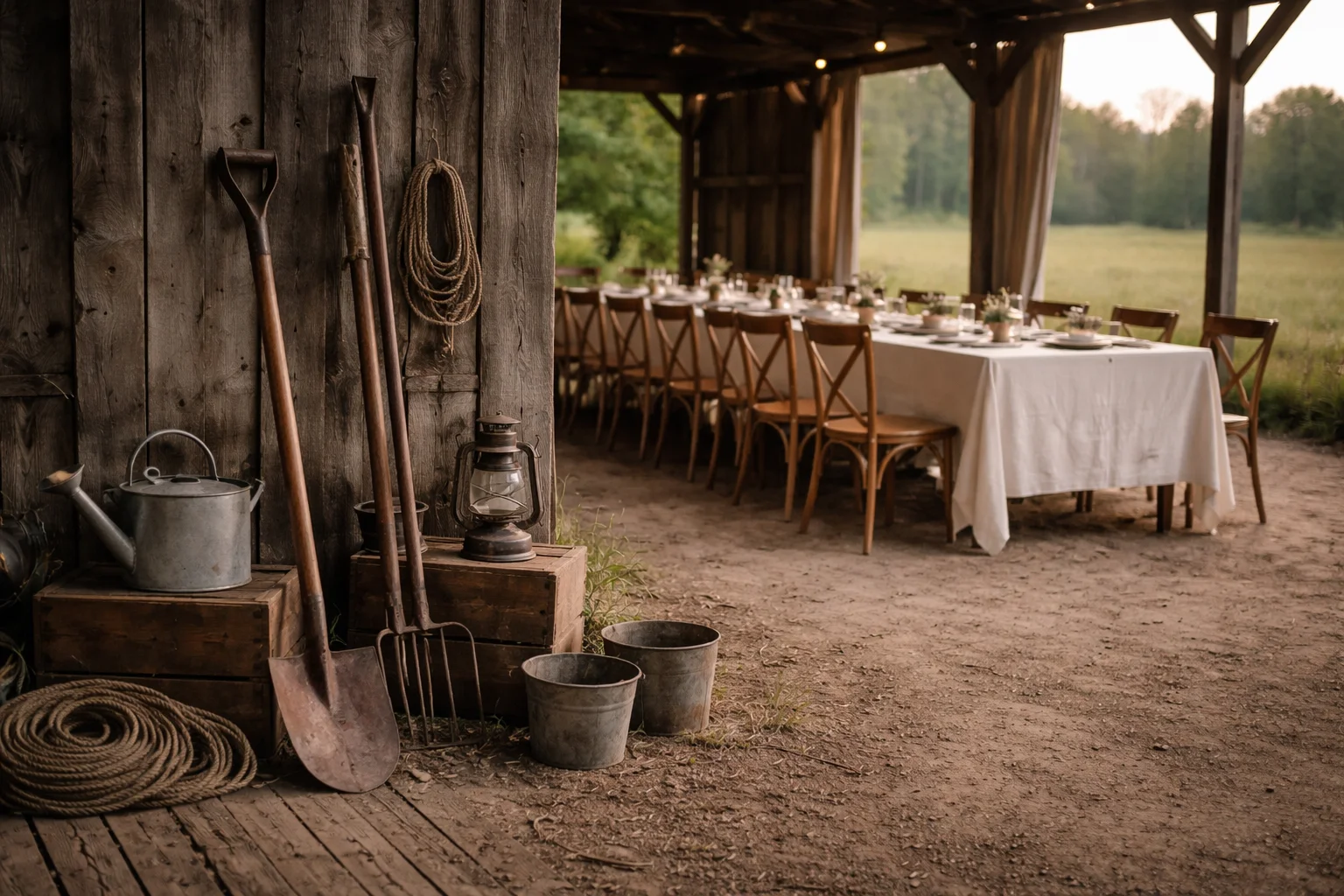
Vintage Tools as Static Objects in Rustic Weddings
Old tools can strengthen a rustic wedding space without ever becoming formal decor. This article looks at how leaving them quiet, slightly uneven, and largely untouched can preserve the character of a venue while adding depth, history, and a more believable sense of place.

Last-Week Wedding Checklist: What Still Needs Attention Shortly Before the Day
The last week before a wedding is rarely about major decisions. It is about clarifying what still has weight, what can no longer be improved by adding more, and what needs to be named before it starts shaping the day in silence. This article looks at what still deserves attention shortly before the wedding and why the unspoken layer often matters most at that stage.
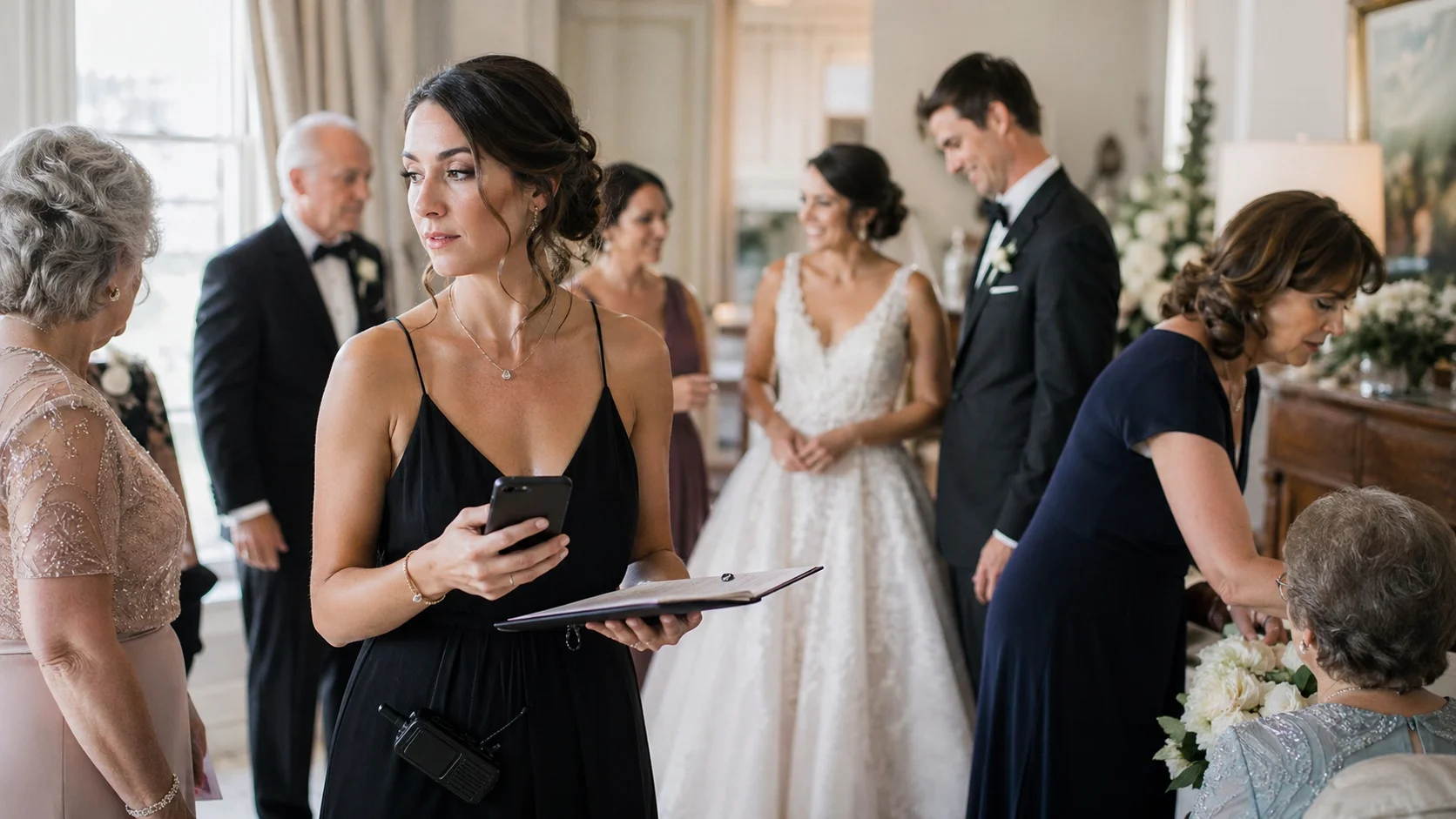
Emotional Load Checklist: Who Carries Too Much, and How to Notice It Early
Emotional load at weddings often hides behind competence. This article looks at who carries invisible responsibility, how to notice early signs of overload, and how to share care before one person quietly holds too much.
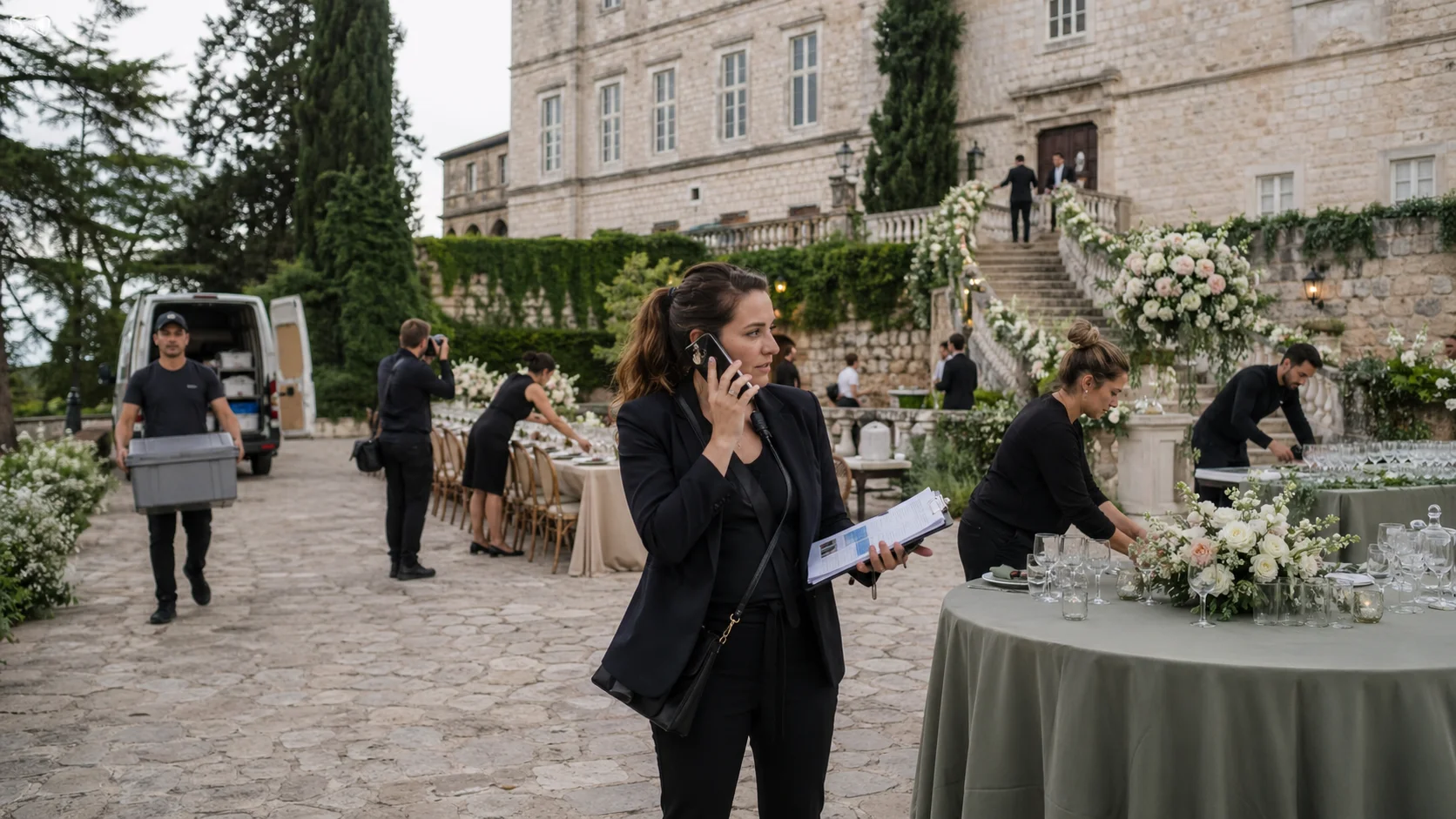
Vendor Contact Checklist: Who Needs to Reach Whom When the Day Starts Moving
A wedding contact list is not the same thing as a wedding communication plan. Once the day starts moving, what matters is not only who is involved, but who should contact whom, for what reason, and at which moment.
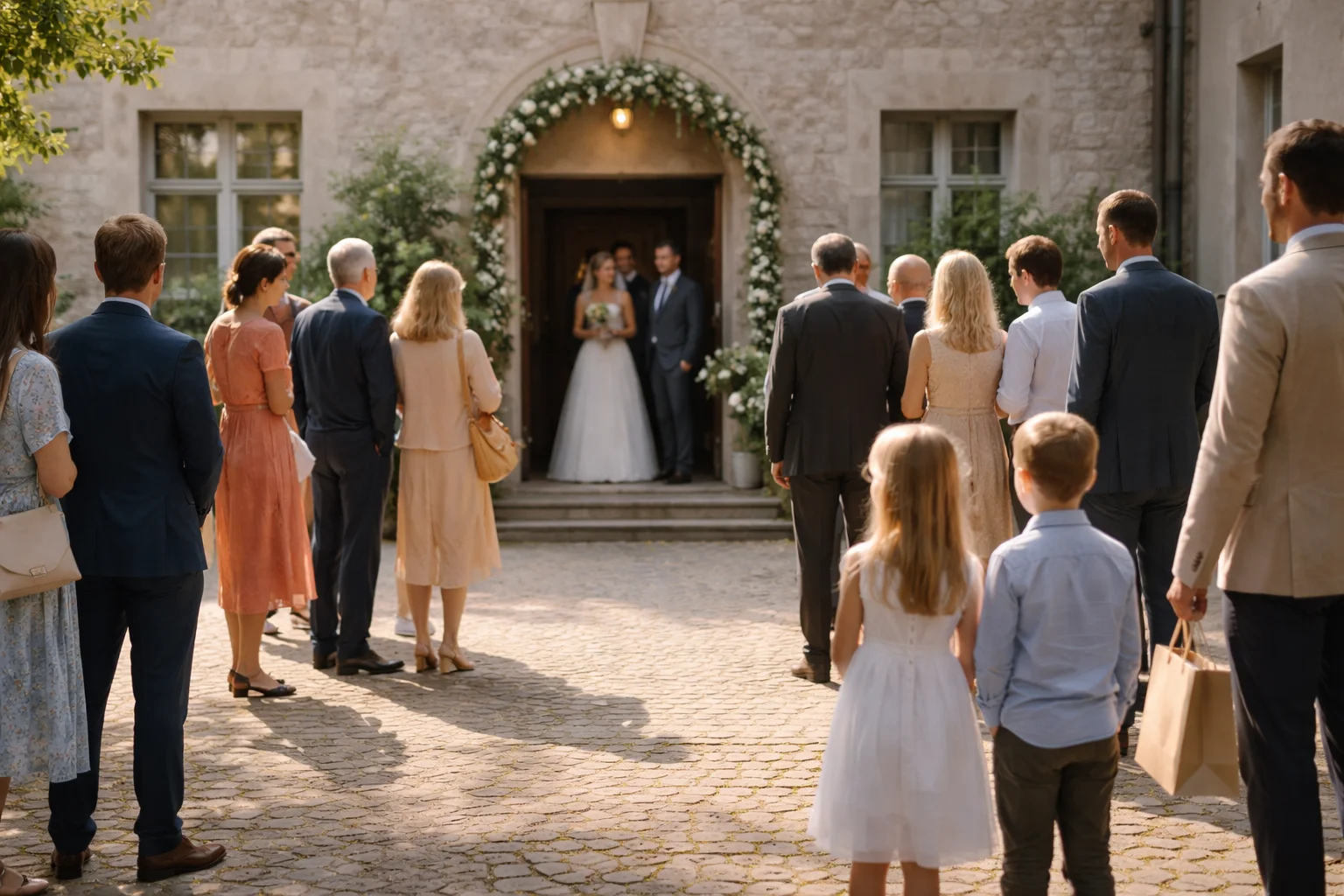
Arrival Before the Ceremony: How Guests Find Their Place Without Being Told
Arrival does not really start at one point. It leaks into the day. Some people are early without meaning to be. Others arrive exactly on time but still end up waiting. The space fills in patches. A few stand close to the entrance, others keep distance. No one explains it. It still settles somehow.
How a Free Ceremony Creates Meaning From the First Minute
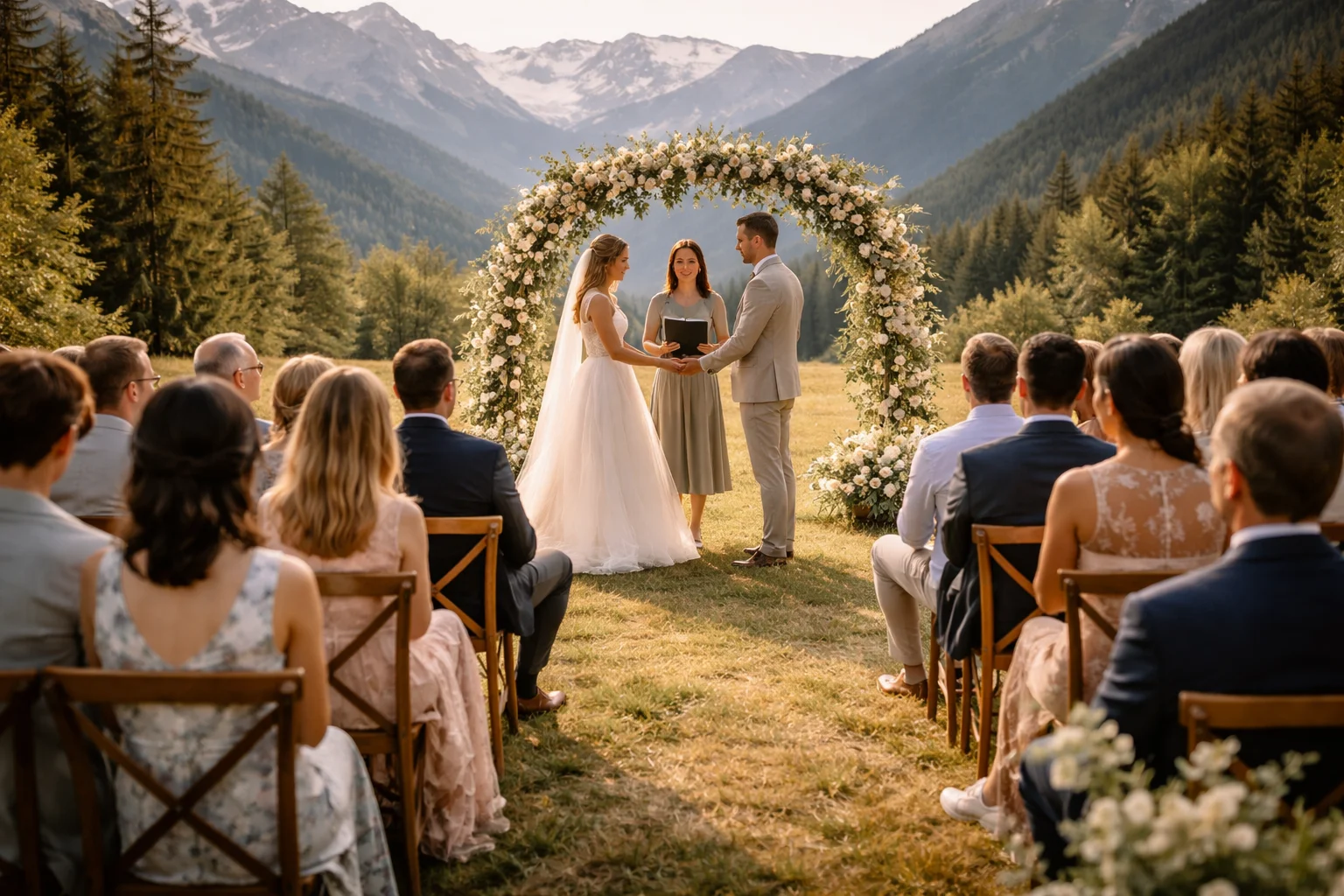
A free ceremony is often described as flexible, personal, and less bound by formal rules. But that freedom only works when the ceremony has real structure, emotional direction, and a clear sense of what belongs in the moment. This article looks at how a free ceremony begins, why it carries weight, how guests understand it, and what makes it feel meaningful rather than vague.
Backup Checklist for Outdoor Weddings: Shade, Wind, Cold, and the Things People Forget
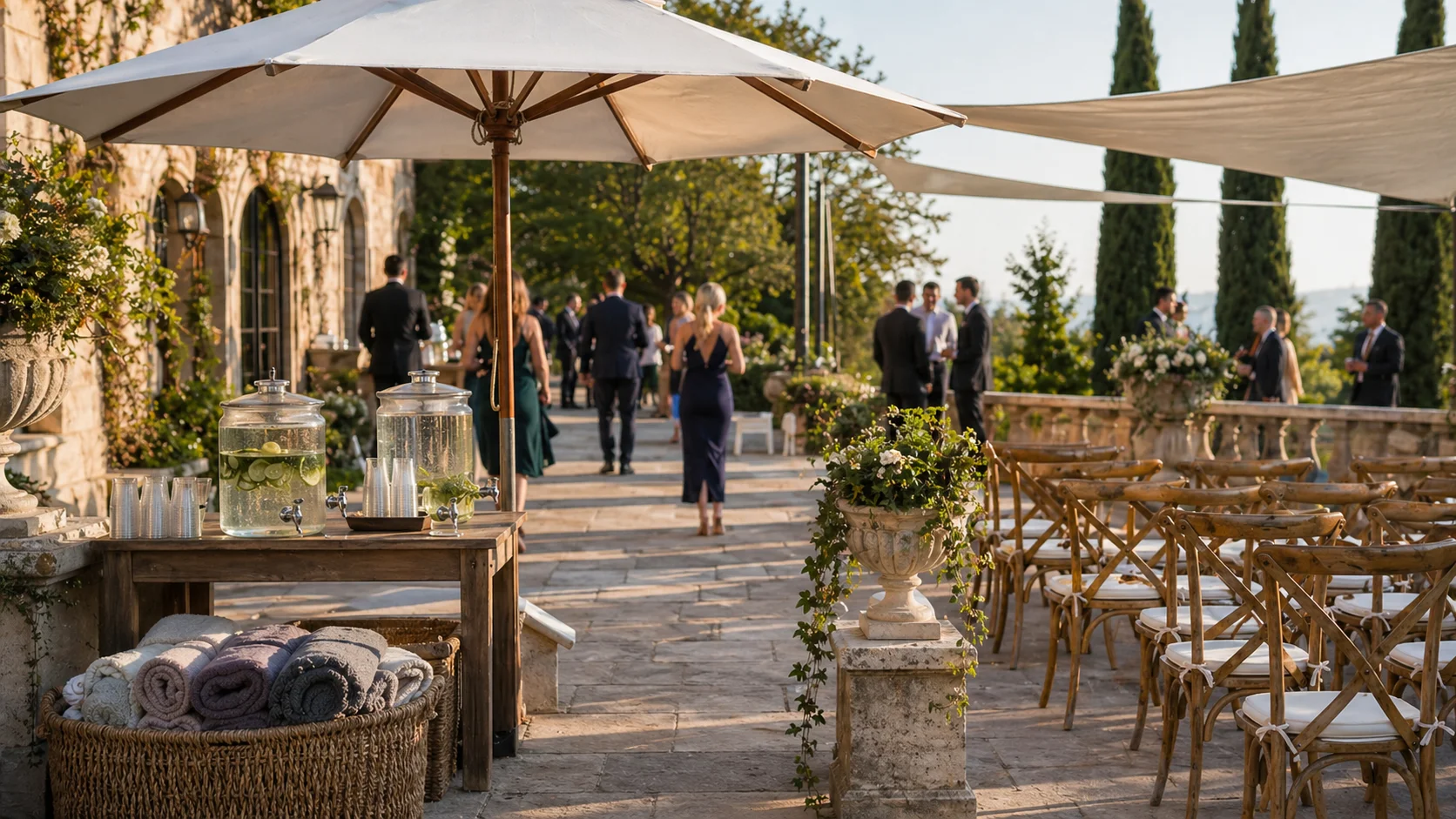
Outdoor wedding backup plans are not only about rain. This article looks at shade, wind, cold, ground conditions, paths, loose details, guest comfort, and the small weather traces that shape how an outdoor celebration is remembered.
Wedding Dinner Flow Checklist: What Keeps the Room Together Between Courses
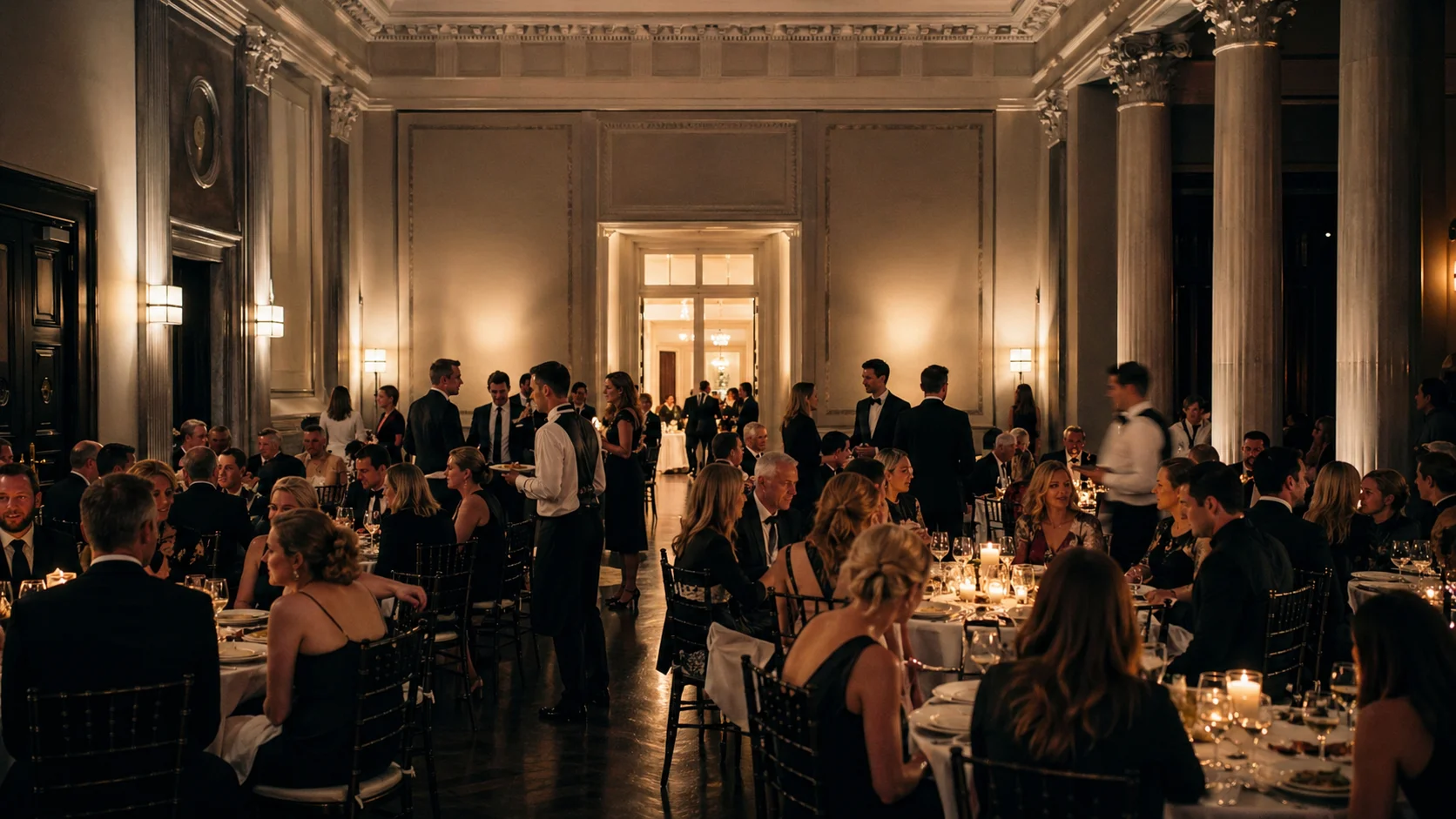
Wedding dinners usually drift or hold together in the moments between courses, not during the food itself. This article looks at service rhythm, guest movement, music, speeches, and the small in-between conditions that keep the room socially connected.