
What Legal Documents Know, and What Marriage Learns Later
What Legal Documents Know, and What Marriage Learns Later
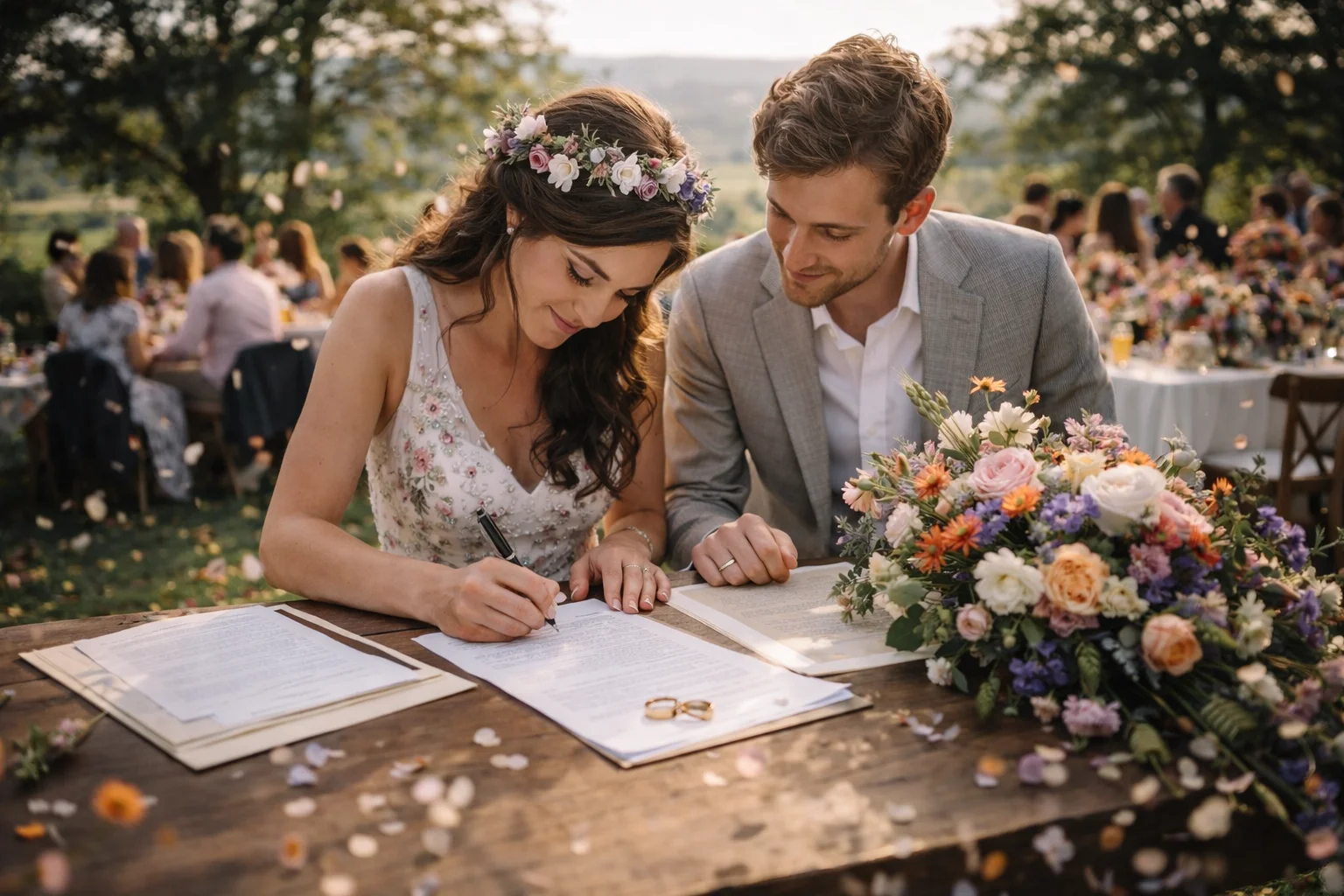
Weddings are full of visible moments, but some of the most decisive parts happen almost quietly. A signature is added, a form is stamped, a certificate is issued. None of this feels especially cinematic, yet it changes how two people are recognized long after the flowers are gone and the room has been reset.
That is why the practical world of legal documents belongs closer to the emotional world of stories than it first appears. The papers gathered through marriage planning create one kind of certainty. The life that follows creates another. One is formal, exact, and necessary. The other is lived sentence by sentence, often without anyone noticing when it has begun.
Legal DocumentsPractical guidance on the documents couples may need before and after the wedding ceremony.
StoriesA quieter space for the lived, remembered, and emotional side of marriage and ceremony.
Definition
Wedding legal documents are the official records and forms that make a marriage legible to institutions. They may include licenses, certificates, registrations, name-change paperwork, and other documents that turn a private commitment into a recognized legal reality.
Paperwork Often Arrives Without Drama
Part of what makes legal paperwork easy to neglect is that it rarely feels meaningful in the same way vows or family rituals do. It is administrative by nature. Still, couples ignore it at their own inconvenience. These documents affect travel, identification, property, insurance, and all the ordinary structures that quietly shape married life.
A Certificate Is Not the Whole Story
No certificate can say much about the actual texture of a marriage. It does not record the long conversation after the reception, the first compromise over where to live, or the private relief of realizing that the day is over and something steadier can begin. Legal proof matters, but it remains only one language among several.
Why the Practical and the Personal Belong Together
Wedding planning sometimes separates practical tasks from emotional ones, as if one were bureaucracy and the other meaning. In reality, they depend on each other. Clear legal groundwork reduces uncertainty. It allows the relationship to move forward without preventable confusion, which is another way of caring for the life being built.
The First Chapter After the Ceremony
Many couples discover that marriage becomes real not only in the ceremony, but in the week that follows. There are forms to submit, names to confirm, records to update. These tasks may look unromantic, yet they belong to the threshold between event and life. They are part of how a public promise settles into daily fact.
Stories Keep What Documents Cannot
Over time, the formal record stays mostly unchanged, while the story keeps moving. It gathers tenderness, routine, disappointment, repair, humor, and the kind of knowledge that can only come from staying. This is why stories matter beside documents. They hold what the official version leaves out, and without them the picture is accurate but incomplete.
Conclusion
Marriage begins in more than one register at once. It is documented, witnessed, and entered into systems, but it is also felt, remembered, and slowly understood. Legal documents make the union valid in the eyes of the world. The story that follows is what makes it recognizable to the people living inside it.
Related Articles
Witnesses and Signatures: The Small Legal Moment Guests Often Misunderstand
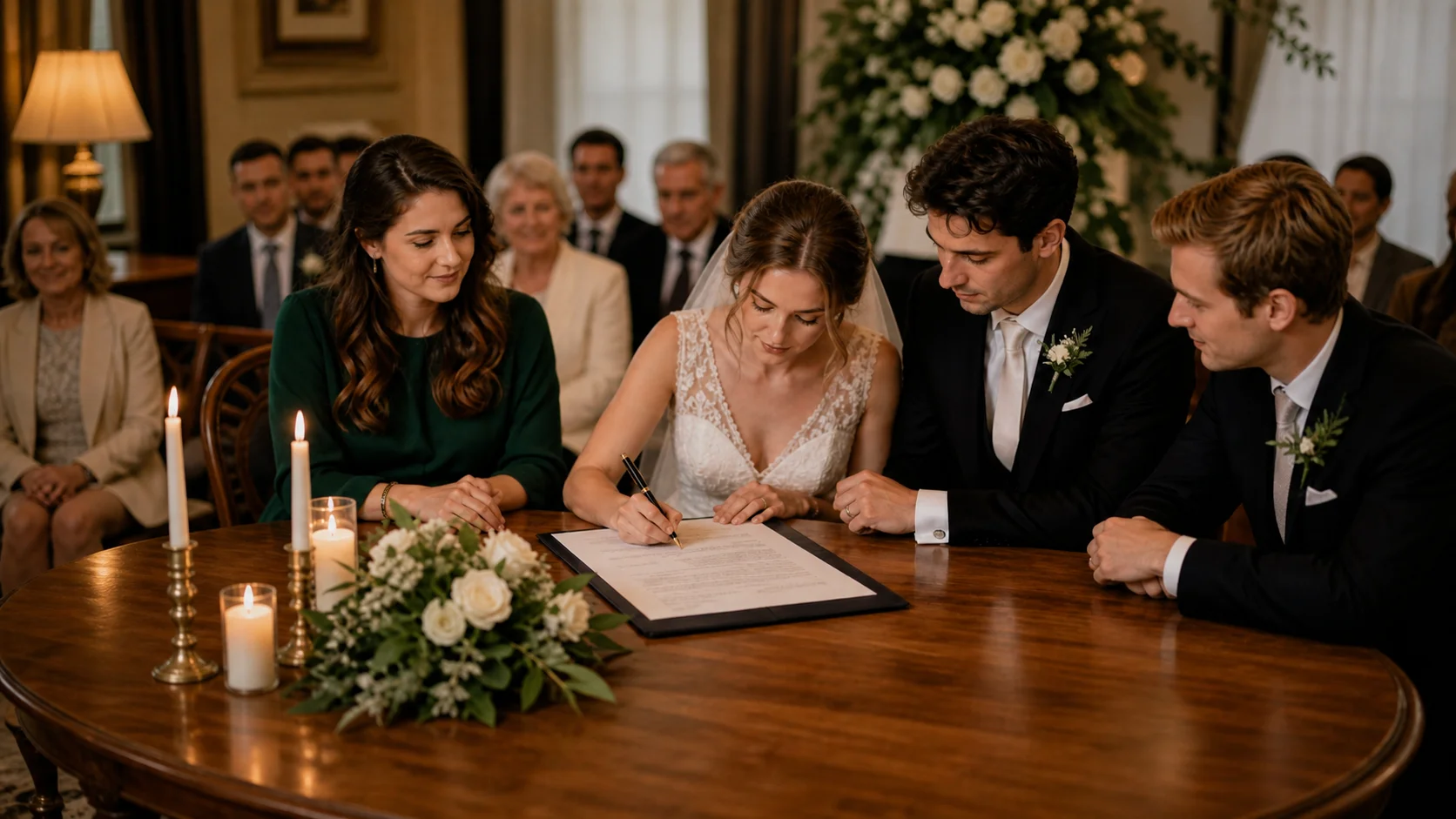
The signing moment at a wedding can look like a brief pause, but it carries both legal and symbolic weight. This article looks at witnesses, document requirements, signing tables, visibility, ceremony flow, and how a small official act can quietly become a ritual.

After the Wedding Abroad – Registering a Marriage in the Home Country
Many weddings take place outside the couple's home country. Civil ceremonies in small town halls. Beach weddings organized by local planners. Quiet registry offices during travel. After returning home the administrative part appears again. The celebration is finished, the paperwork is not.
Quiet Wedding Activities for Introverted Guests
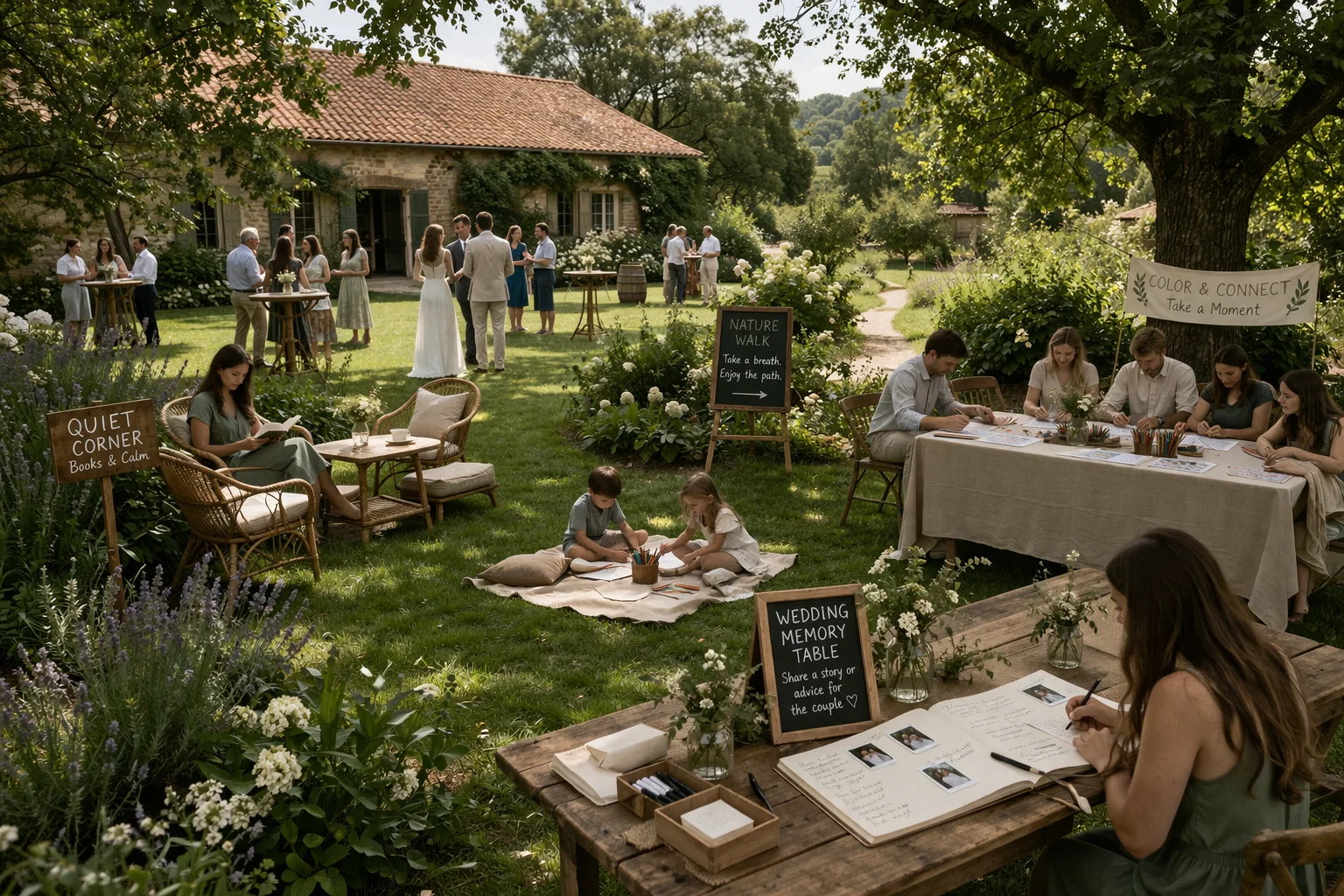
Not every wedding guest wants to fill the room with energy. Some feel most present in quieter moments, smaller conversations, and activities that do not demand performance. This article explores thoughtful wedding activities for introverted guests and why those quieter choices often create the most lasting stories.
Marriage Certificate Checklist: Why One Document Keeps Returning After the Wedding
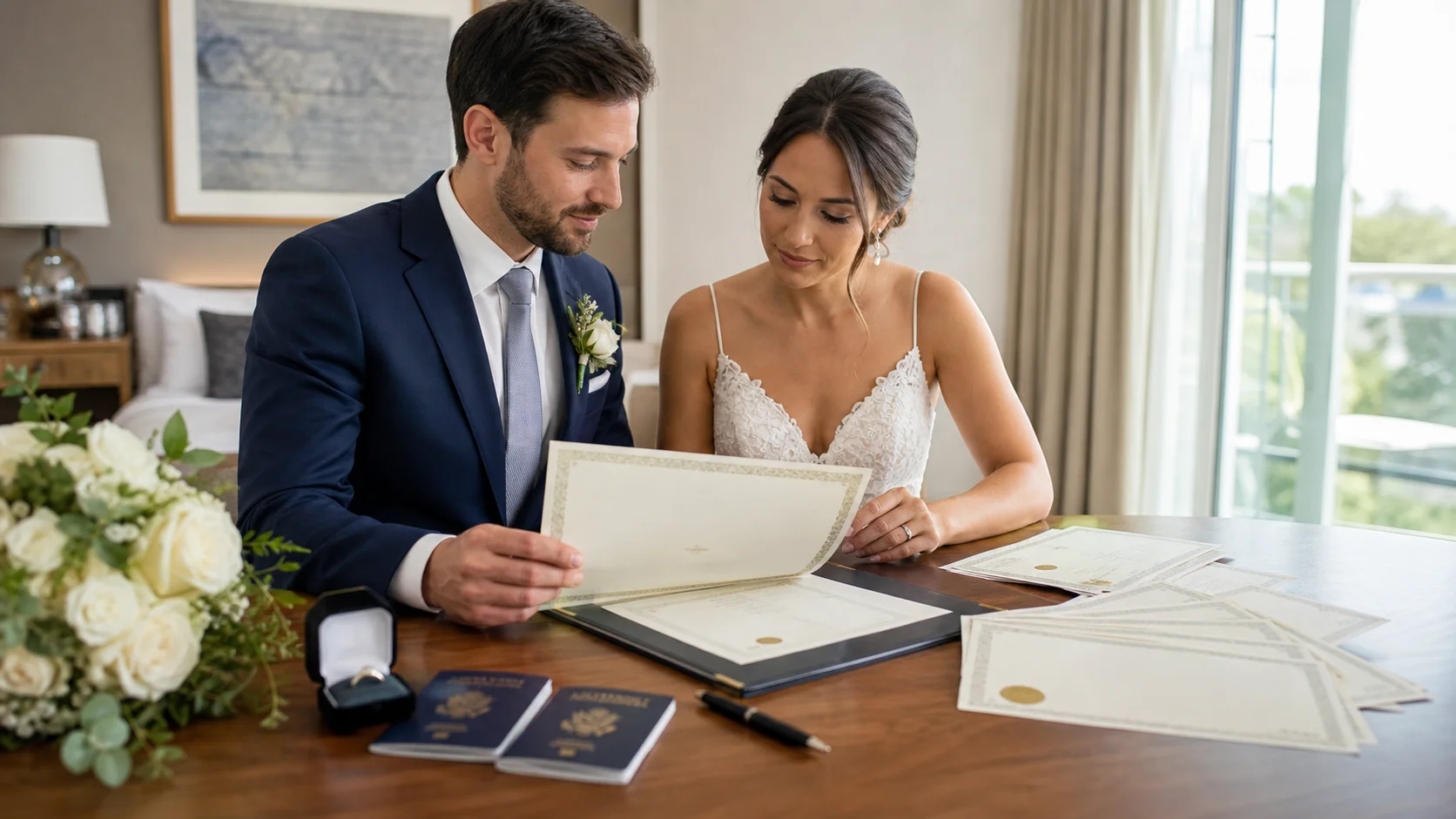
A marriage certificate often feels like the final paper of the wedding, but it keeps returning in ordinary life. This article looks at certified copies, scans, translations, apostilles, name changes, travel, banking, insurance, and the quiet imprint one document leaves after the celebration.
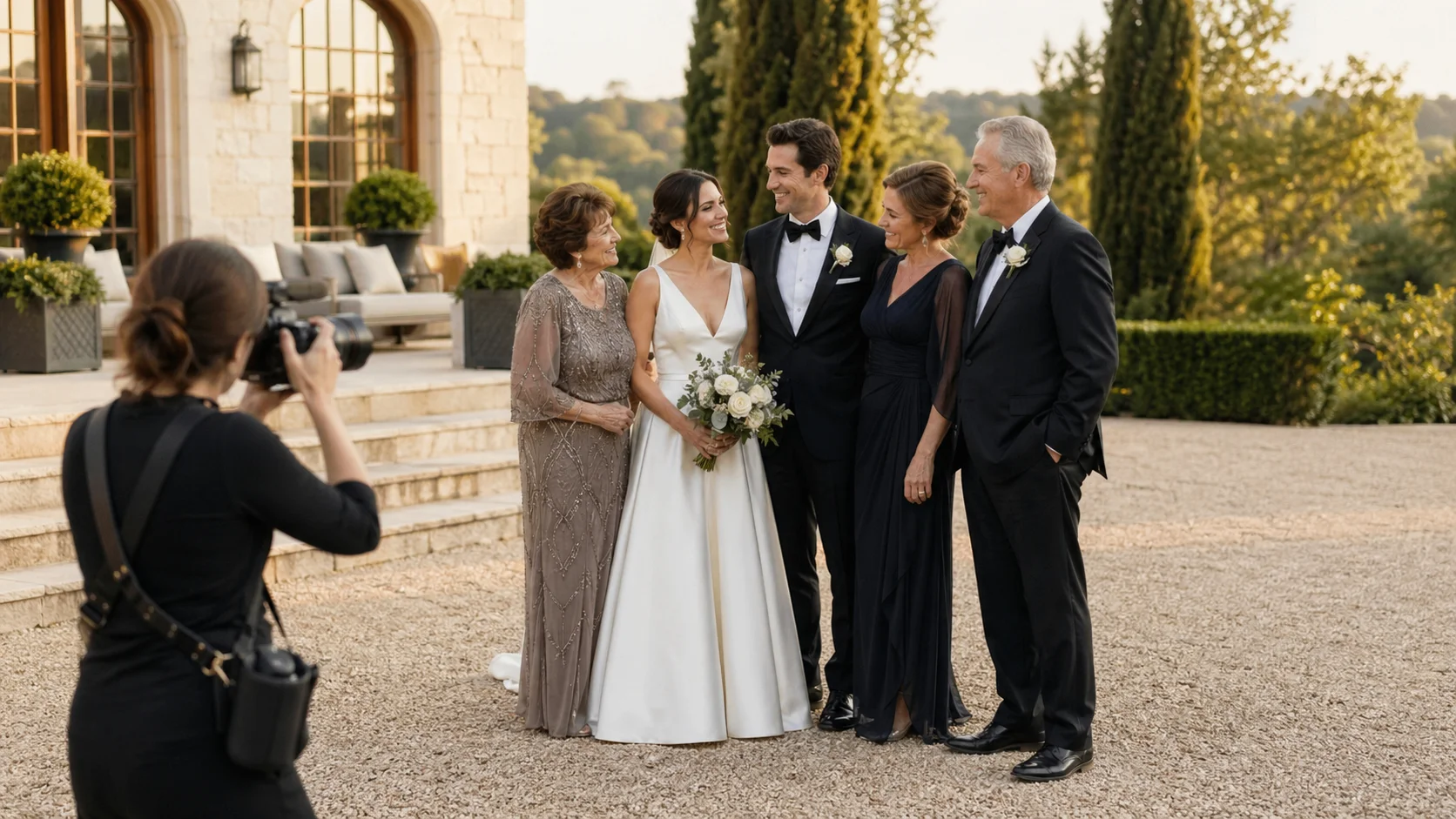
Photographer Coordination Checklist: What Helps Without Overdirecting the Day
Wedding photography needs enough coordination to protect the important images, but not so much direction that the day starts feeling staged. This article looks at shot priorities, family helpers, light windows, access, ceremony limits, and the space photographers need to notice real stories.

After the Wedding Abroad: A Legal Checklist for What Happens Once the Ceremony Is Over
A wedding may feel complete when the ceremony ends, but legal reality often continues afterward. This checklist helps couples understand what documents, registrations, translations, and confirmations may still matter after a wedding abroad, when the ritual is over but the administrative part has not yet disappeared.
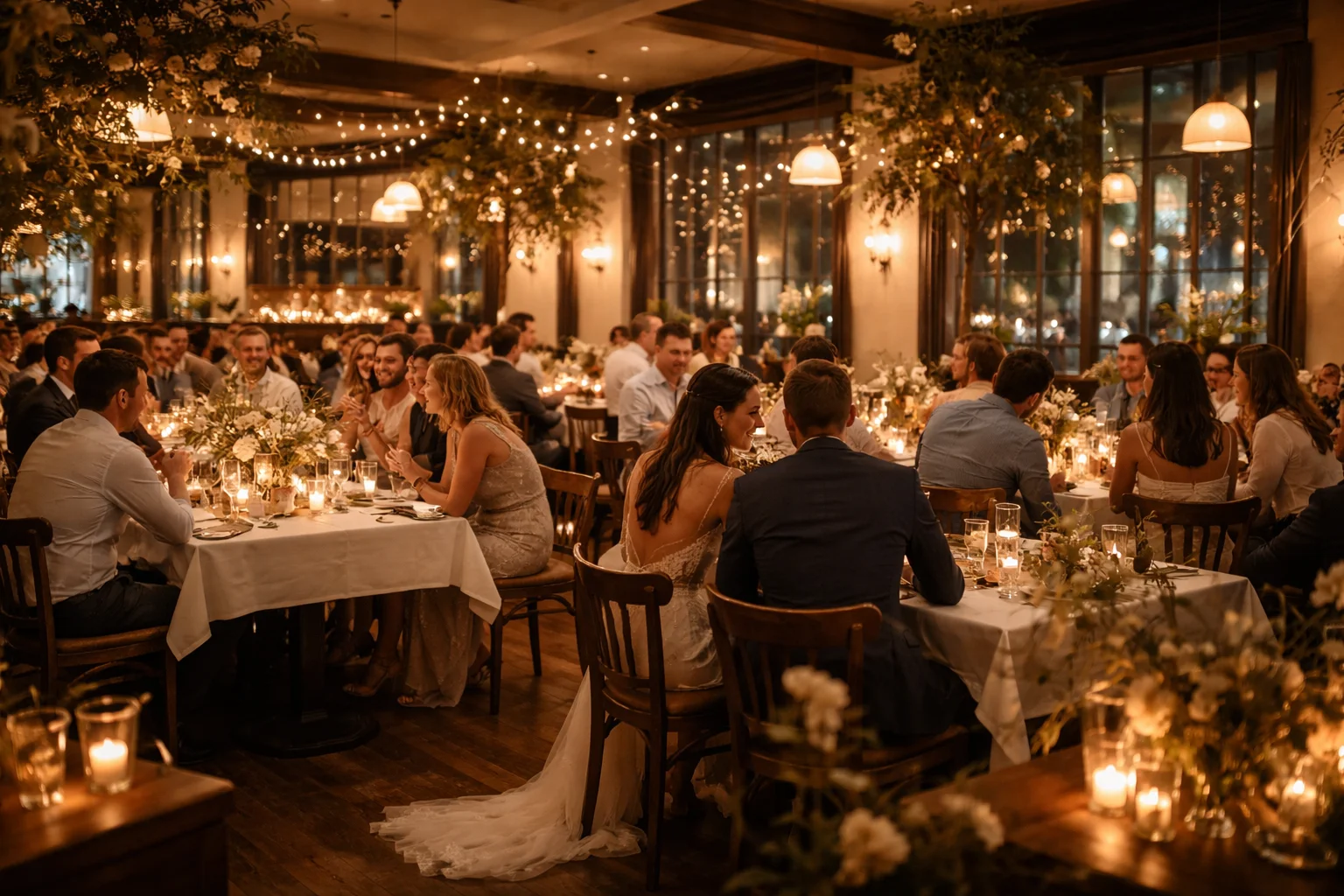
Restaurant Weddings: Why Some Rooms Feel Social Without Much Effort
Restaurant weddings often feel warmer more quickly than larger, more neutral venues. This article looks at why certain dining rooms support conversation, movement, and shared atmosphere so naturally, and how that ease turns into the small social scenes people later remember.

Prenup Conversations Before the Wedding: What Should Be Said Early, Calmly, and Clearly
Prenup conversations are rarely only about money. This article looks at timing, fairness, family history, debt, business ownership, inheritance, legal advice, and the quiet concerns couples should name before paperwork begins.
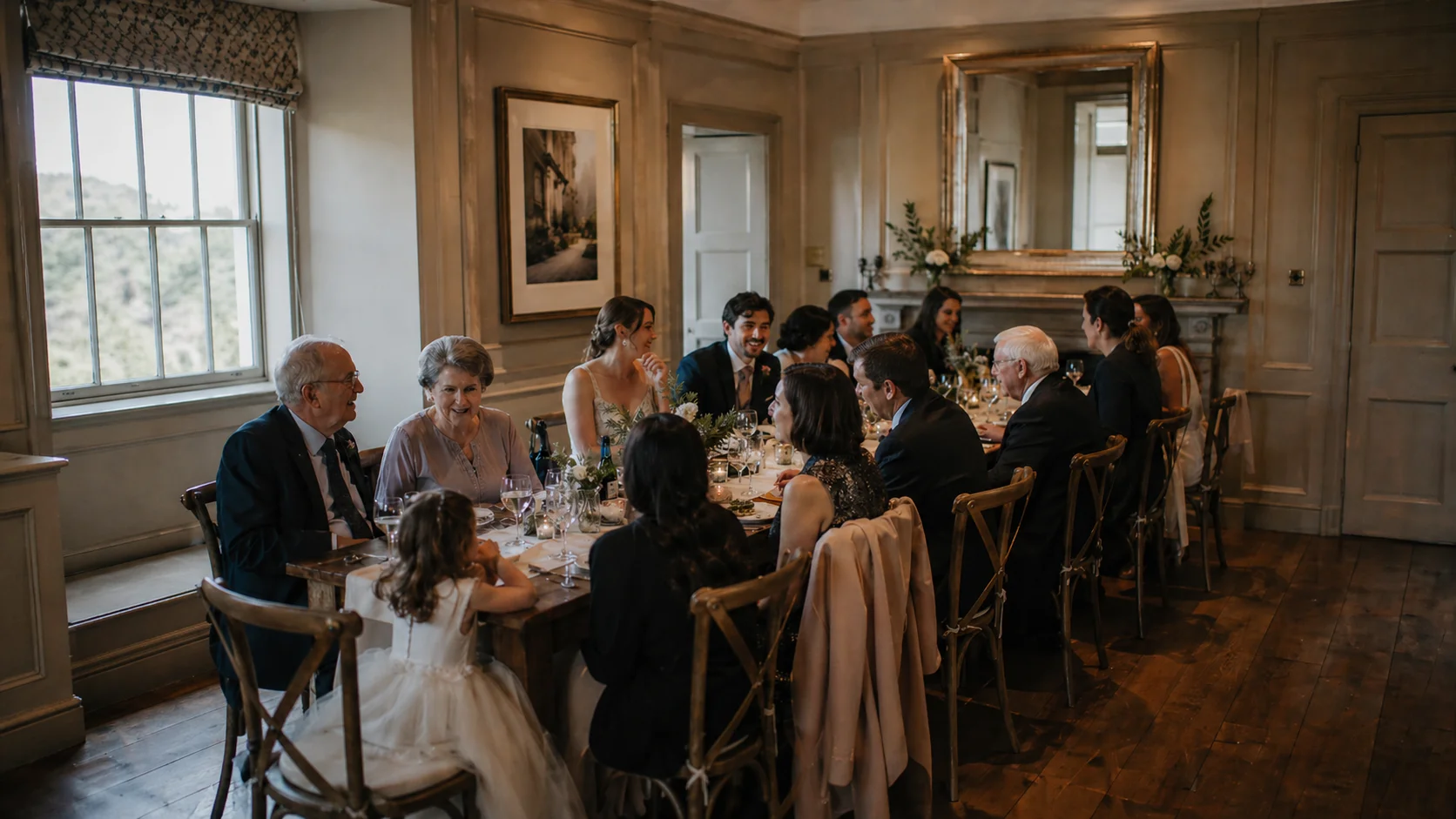
Family Table Checklist: What Helps Mixed Generations Sit More Easily Together
Family tables at weddings rarely depend on seating order alone. They work better when physical comfort, conversational balance, newer relationships, and older family stories are all considered before dinner begins.
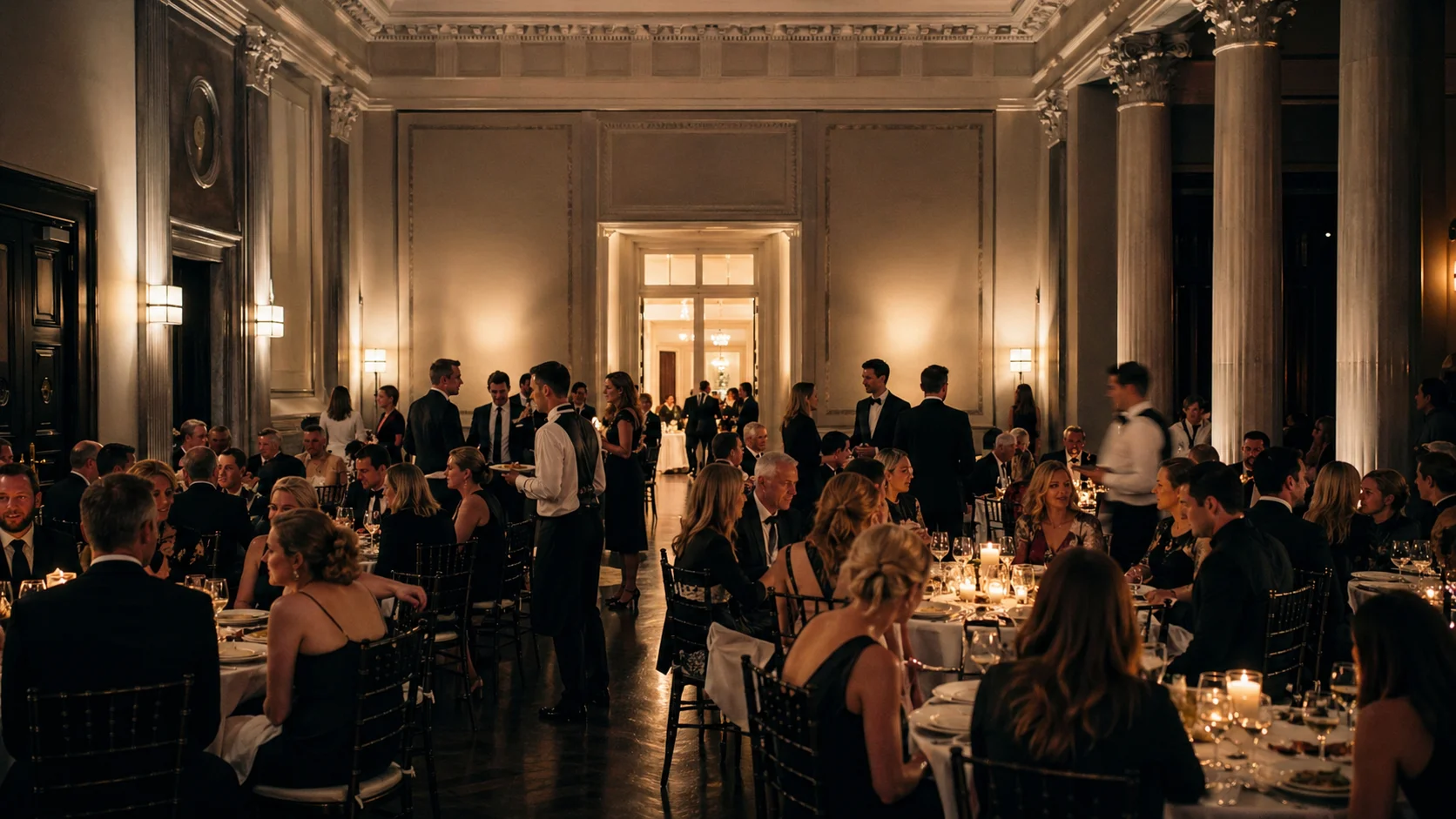
Wedding Dinner Flow Checklist: What Keeps the Room Together Between Courses
Wedding dinners usually drift or hold together in the moments between courses, not during the food itself. This article looks at service rhythm, guest movement, music, speeches, and the small in-between conditions that keep the room socially connected.

Name Change Checklist: What Couples Should Decide Before the Forms Decide It for Them
A name change after marriage is not only paperwork. This article looks at identity, travel, work, family communication, digital names, and the small everyday places where a new or unchanged name starts to matter after the wedding.
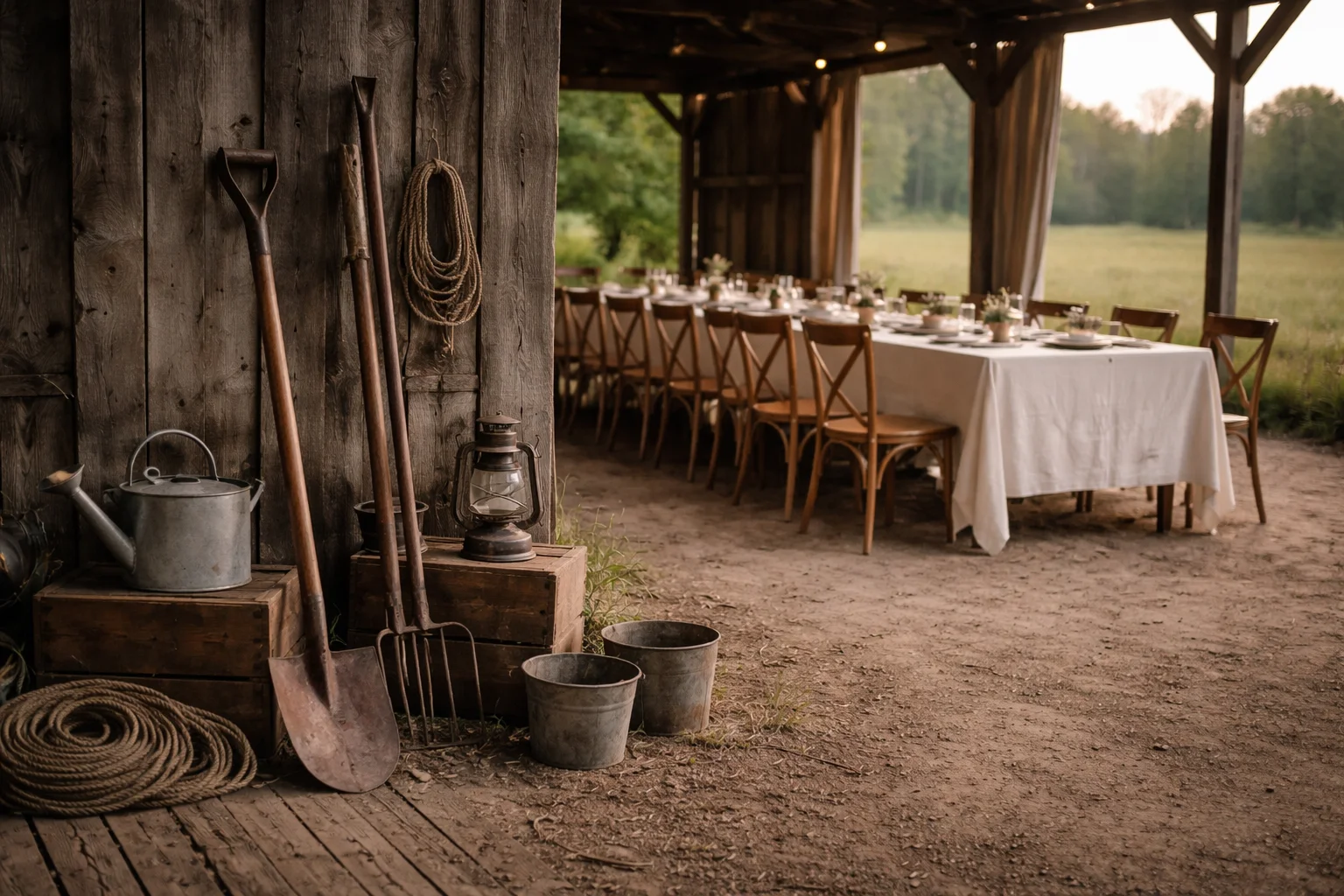
Vintage Tools as Static Objects in Rustic Weddings
Old tools can strengthen a rustic wedding space without ever becoming formal decor. This article looks at how leaving them quiet, slightly uneven, and largely untouched can preserve the character of a venue while adding depth, history, and a more believable sense of place.