
Rain Plan Checklist: What Needs Deciding Before Weather Becomes the Mood
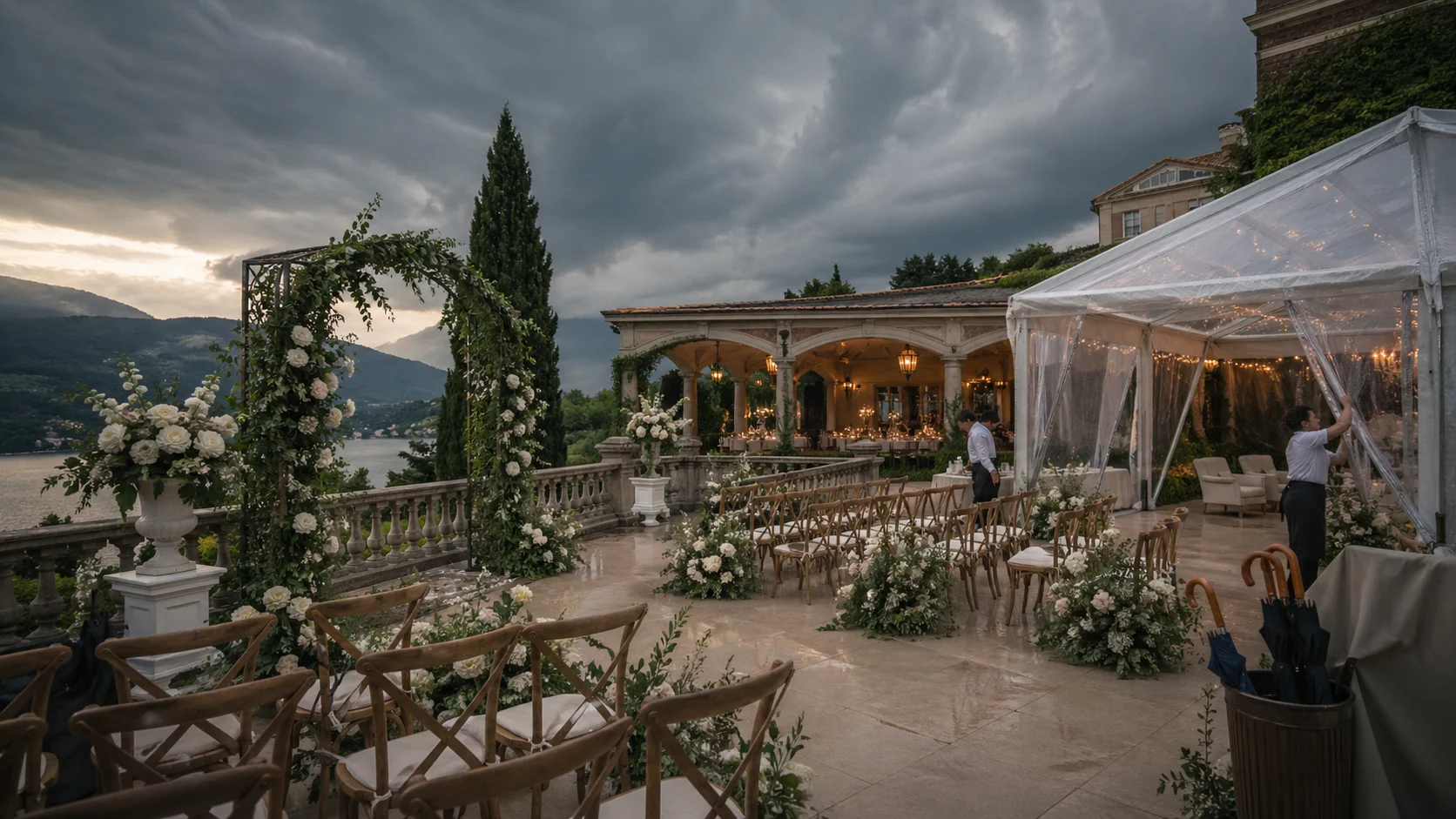
Rain plans are often treated as technical backup. A tent, an indoor room, extra umbrellas, a revised timeline. All of that matters, but it is only part of the real question. What couples usually feel when weather turns is not just inconvenience. It is the sudden shift in tone that rain can bring if too much is still undecided when the sky begins to change.
That is why a strong rain checklist needs to begin before anyone is nervously checking the forecast on the wedding morning. The goal is not to control the weather. It is to decide enough in advance that weather does not take over the emotional atmosphere of the day. When that preparation is missing, even light rain can start shaping people’s faces, movements, and expectations. When it is present, the same rain often becomes part of the wedding rather than a threat around it.
Definition
A rain plan checklist covers the practical and atmospheric decisions that need to be made before weather becomes active in the wedding. It includes location shifts, timing, guest movement, surfaces, clothing, photography, and communication, but also the quieter task of preventing uncertainty from becoming the dominant mood.
The Threshold For Switching Plans Should Already Be Named
One of the weakest points in many wedding rain plans is not the backup itself, but the missing decision threshold. Couples know there is an indoor option or covered version, yet no one has clearly defined when the switch actually happens or who makes it. That leaves too much emotional weather inside the planning. A good checklist should identify the cutoff point, the responsible person, and the latest realistic moment for changing direction. Without that, the rain plan exists but still does not calm anyone.
Movement Changes First, Even Before The Rain Properly Arrives
Guests react to weather before weather fully lands. People begin carrying jackets differently, looking upward more often, gathering near edges, hesitating at open distances, or moving more quickly between spaces. This means the practical rain plan has to think beyond shelter alone. Routes, umbrellas, signage, covered waiting points, entrance surfaces, and where guests pause between transitions matter just as much. A venue manager once said that rain is often first felt in the way people start walking, not in the first drop itself.
Checklist – CategoryA wedding checklist helps you stay organized and ensures that no important detail is overlooked. From early planning steps to last-minute preparations, it provides a clear overview of what needs to be done and when. With a well-structured checklist, you can plan your wedding with confidence, reduce stress, and enjoy the journey toward your big day.
The Backup Space Has To Feel Chosen, Not Merely Available
A backup room or covered ceremony area only works well when it feels socially and visually ready to receive the wedding. If it reads as the place people have been pushed into, the emotional cost of the weather rises immediately. Chairs feel temporary, sound feels harder, movement becomes hesitant, and the room starts carrying disappointment rather than celebration. This is why strong rain planning includes light, layout, entry sequence, sound, and ceremony focus in the secondary space, not just dryness.
Clothing, Surfaces, and Photography Need Their Own Decisions
Rain plans often stay too general until they hit the details that actually shape the lived experience of the day. Which shoes become unrealistic on wet ground. Whether dresses drag safely. Whether elderly guests can cross certain surfaces. Whether portraits move under cover, into a different room, or into a shorter time slot between showers. A photographer once described rainy weddings as very beautiful once everyone stops improvising the same five decisions repeatedly. That is exactly the point: small practical clarity protects both mood and memory.
What Rain Leaves Behind Is Often More Distinct Than Expected
The quieter link to imprints is here. Weather does not only alter logistics. It leaves a trace. Guests remember damp stone, softened light, the sound on canvas, the closeness under umbrellas, the slightly changed tone of voices when everyone moves inside together. These are not neutral details. They become part of what the wedding feels like in hindsight. Rain does not always damage the atmosphere. But if the surrounding decisions are unclear, it imprints uncertainty. If they are calm, it often imprints intimacy instead.

Some moments do not pass. They settle. Imprints are the emotional traces left by rituals, decisions, and answers that continue shaping relationships long after the moment is gone.
Conclusion
A rain plan checklist is not really about fighting the weather. It is about deciding enough, early enough, that weather cannot quietly become the strongest decision-maker in the room. When the switch point is clear, the backup space feels real, guest movement is considered, and the practical details have already been thought through, rain changes the wedding less than people fear. It may still alter the day. But it no longer has to define its emotional tone.
Related Articles
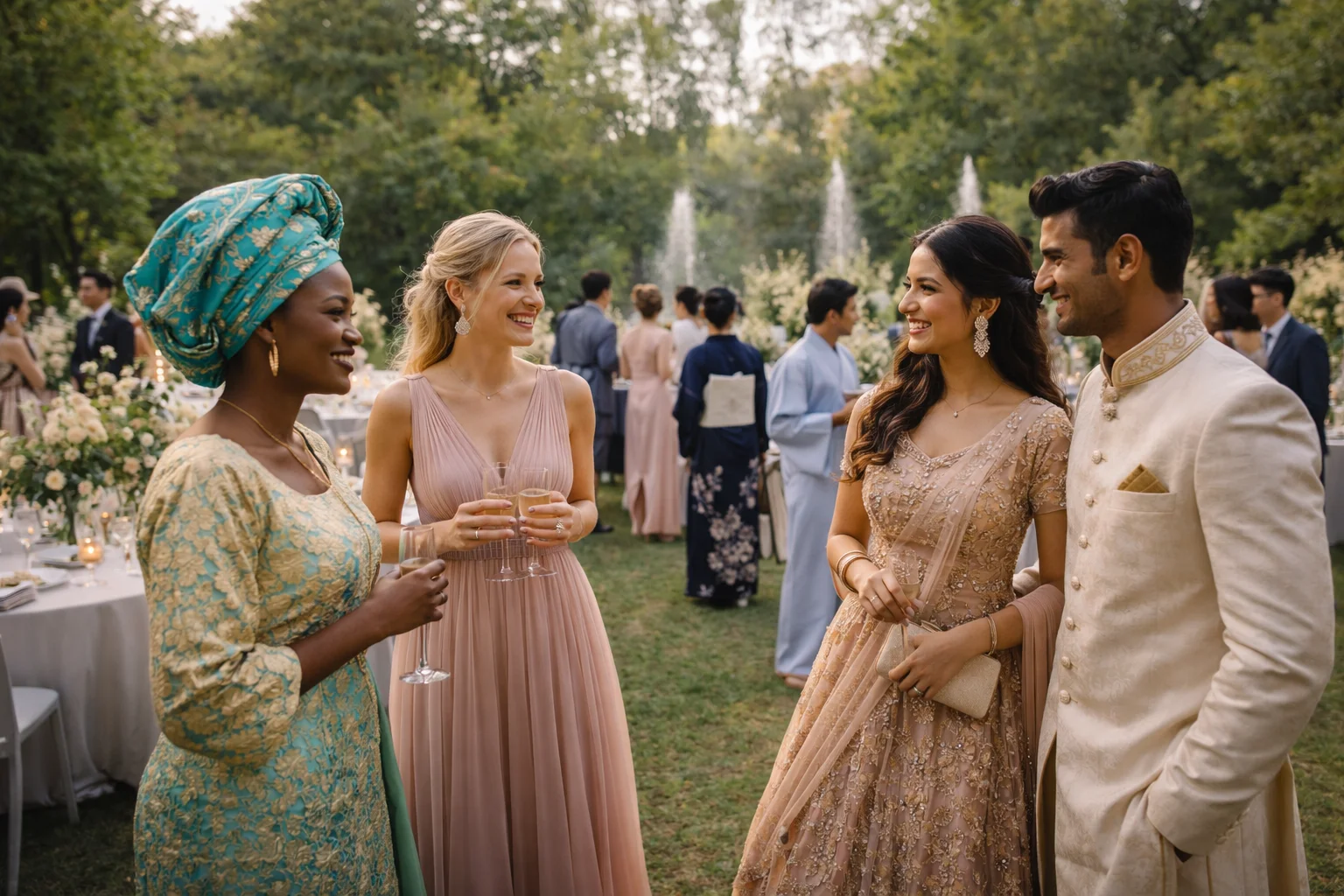
Dress Expectations at International Weddings: What Guests May Read Differently
Dress codes at international weddings are rarely just about clothing. Guests interpret formality, respect, family signals, and cultural meaning differently. This article looks at how attire is understood across contexts and why what seems obvious to one guest can feel unclear to another.
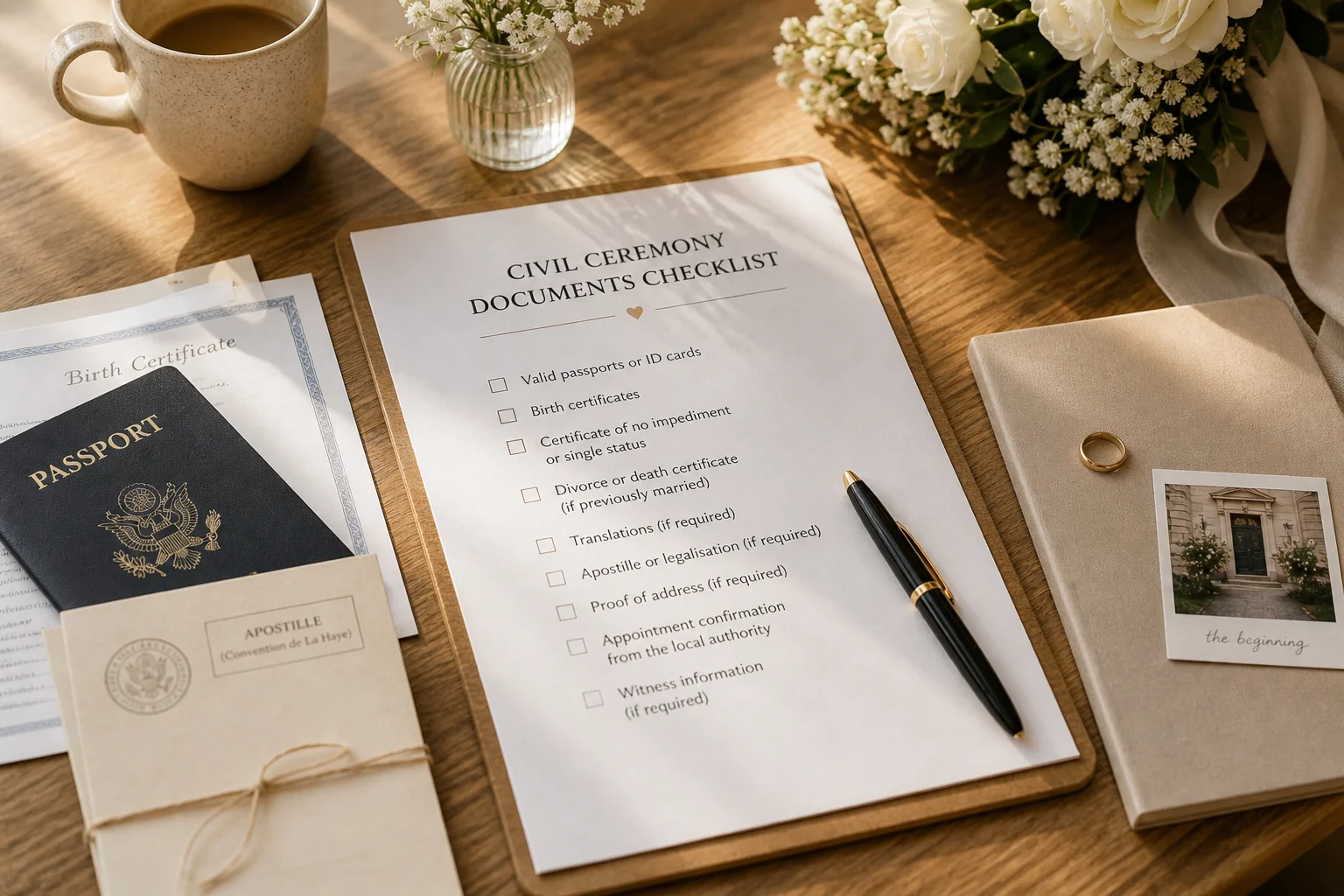
Civil Ceremony Documents Checklist: What Couples Usually Need Before the Wedding Can Happen
A civil ceremony may look simple, but it depends on documents being accepted before the public moment can begin. This article looks at identity records, marital status proof, translations, apostilles, witnesses, appointment rules, and the quiet legal threshold before the ceremony.
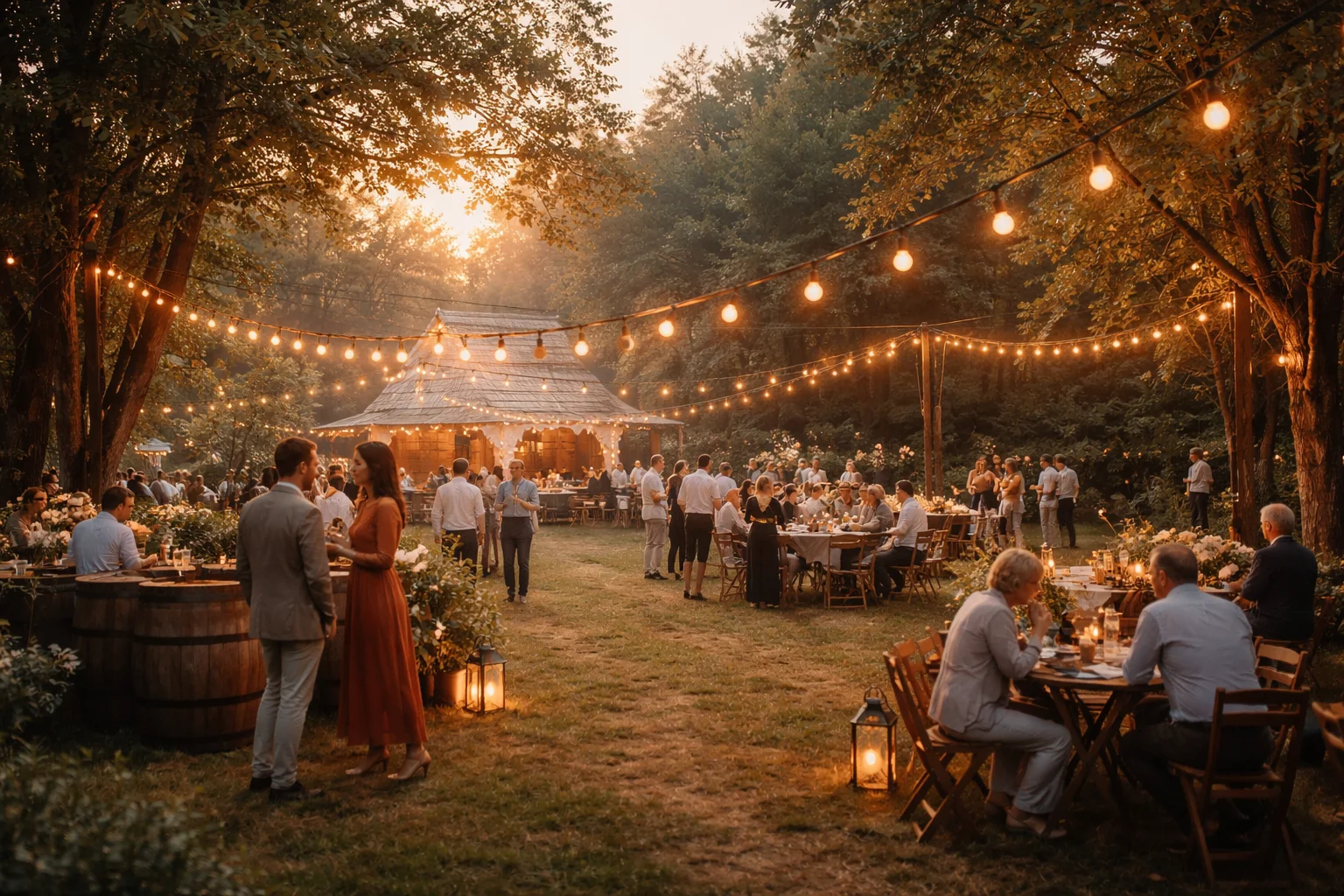
When the Day Builds Itself in Small Moments
Some weddings are held together less by formal program points than by short, unplanned interactions that quietly take over the day. This article looks at how micro-moments shape flow, attention, memory, and atmosphere, especially in smaller celebrations.

The Wedding Cake – Where Romance, Craftsmanship and Love Meet
The wedding cake is rarely the loudest element of a celebration, yet it often becomes one of the most shared moments. It appears later in the day, when guests have settled, conversations have softened, and attention can gather without effort. More than a dessert, it marks a pause in the rhythm of the wedding. Its presence is quiet, its impact collective. When design, taste, and timing align, the cake becomes part of the experience rather than a separate program point.
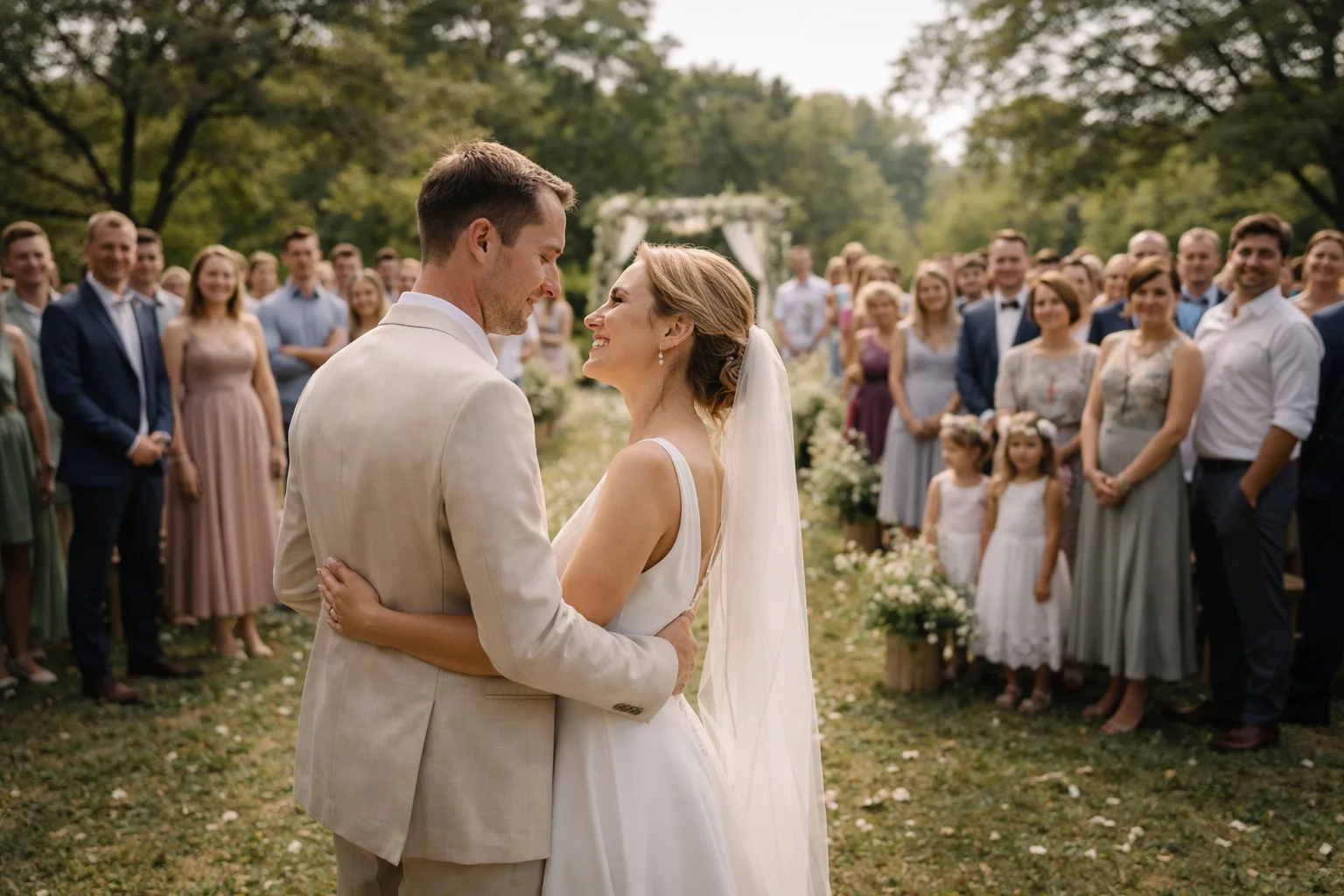
How Kids Change Formal Wedding Moments — and How to Plan for It
hildren change the atmosphere of formal wedding moments faster than most adults expect. They redirect attention, alter pacing, and reveal whether a ceremony, photo setup, or seating plan is flexible enough to hold real life. This article looks at how children affect formal wedding situations and how couples can plan for those shifts without losing the tone of the day.

Guest Comfort Checklist: Small Conditions That Change the Entire Atmosphere
Guest comfort at weddings is shaped by small conditions long before anyone complains. This article looks at temperature, seating, sound, waiting areas, access, and quiet spaces of relief that change how the whole room feels.
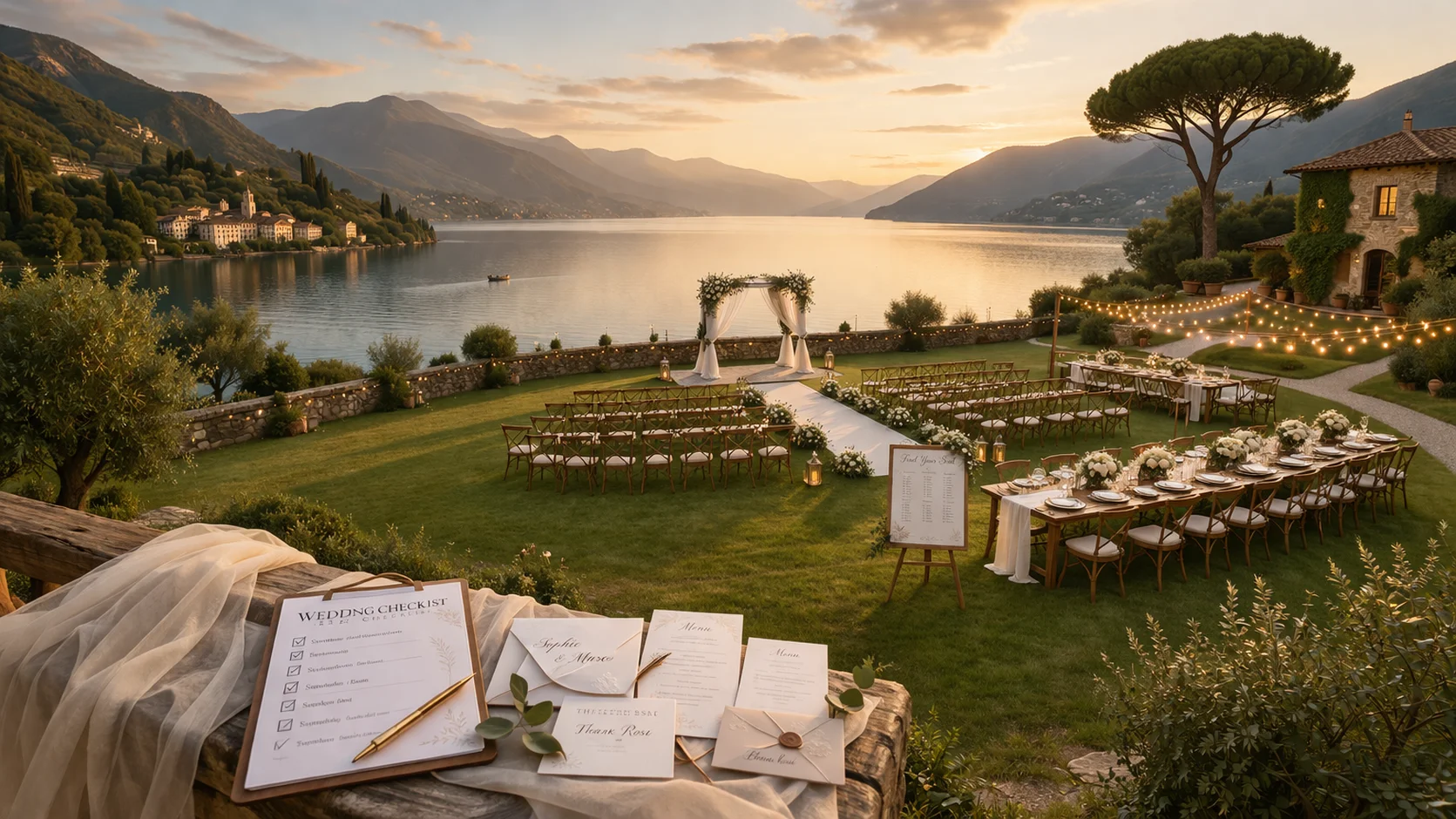
The Wedding Checklist That Grounds You: Turning Planning Into Something Meaningful
A wedding checklist isn’t just about tasks—it’s about clarity, intention, and trust. Here’s how to approach it in a way that feels calm, structured, and truly yours.

Conversations Before Marriage – Life Questions That Clarify the Relationship
A marriage is not just about feelings, but also expectations, imprints, and ideas about everyday life. This text compiles central life questions that couples should clarify with each other before saying 'I do': regarding money, family, children, conflicts, division of tasks, and personal values. Grown from observations, objectively considered, and close to lived everyday life. Conversations that make differences visible – and thereby strengthen connection.

Wedding Guest Communication Checklist: What Guests Need to Know and When
Good wedding communication is not about sending guests everything at once. It is about giving the right information at the right moment, so the day feels clear without becoming overexplained. This article looks at what guests actually need to know, when they need to know it, and why silence still has a place in wedding planning.
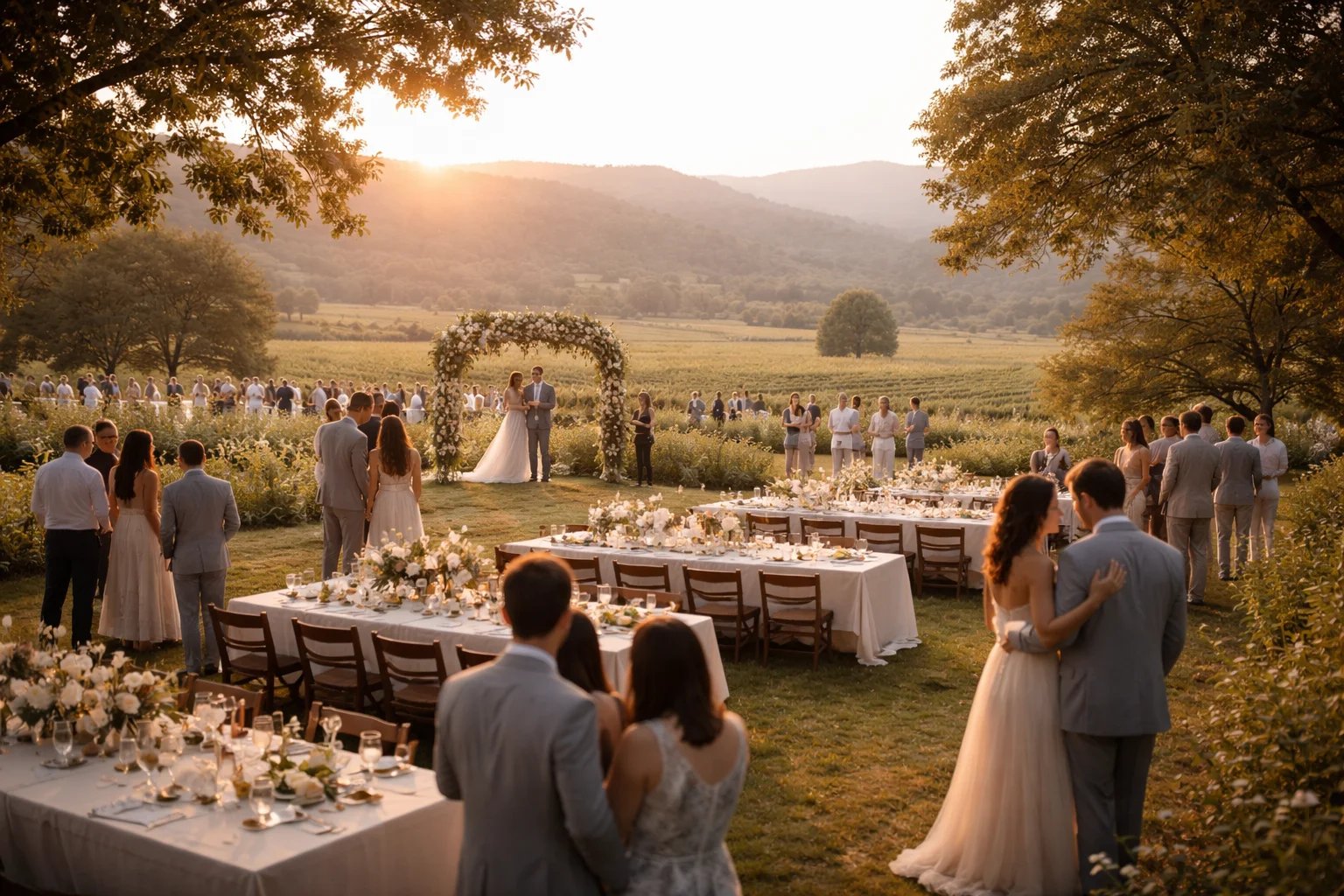
Light and Time at Weddings: How Daylight Subtly Shifts Flow and Perception
Daylight changes more than the look of a wedding. It shifts pacing, delays transitions, draws guests toward or away from certain spaces, and leaves behind some of the strongest visual impressions of the day.
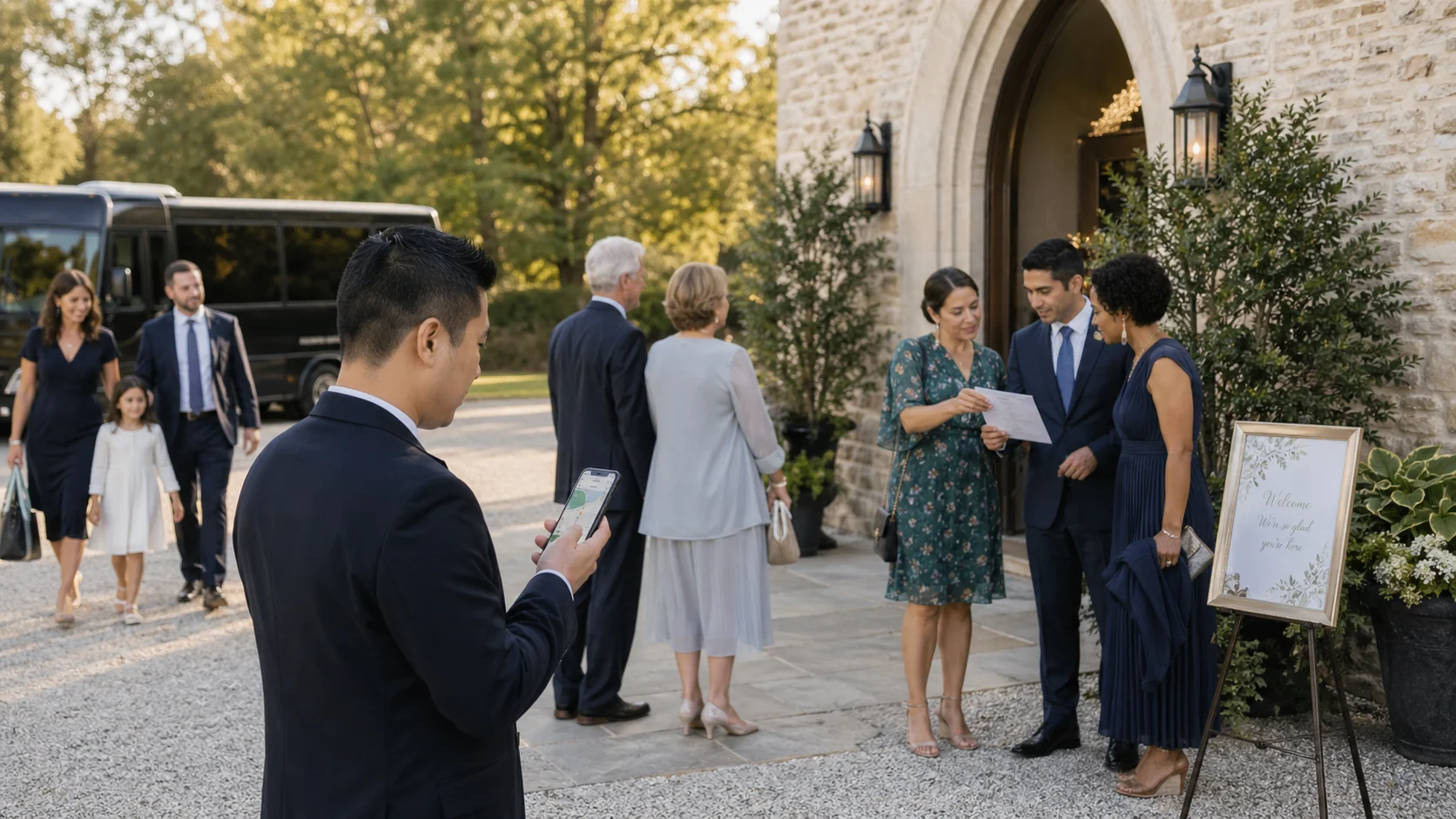
Wedding Website Checklist: What Guests Actually Need, and What They Ignore
Wedding websites work best when they reduce uncertainty instead of filling space. This article looks at what guests actually need to find quickly, what they usually ignore, and which unspoken questions a good website can answer before they become messages to the couple.
What Wedding Colors Leave Behind
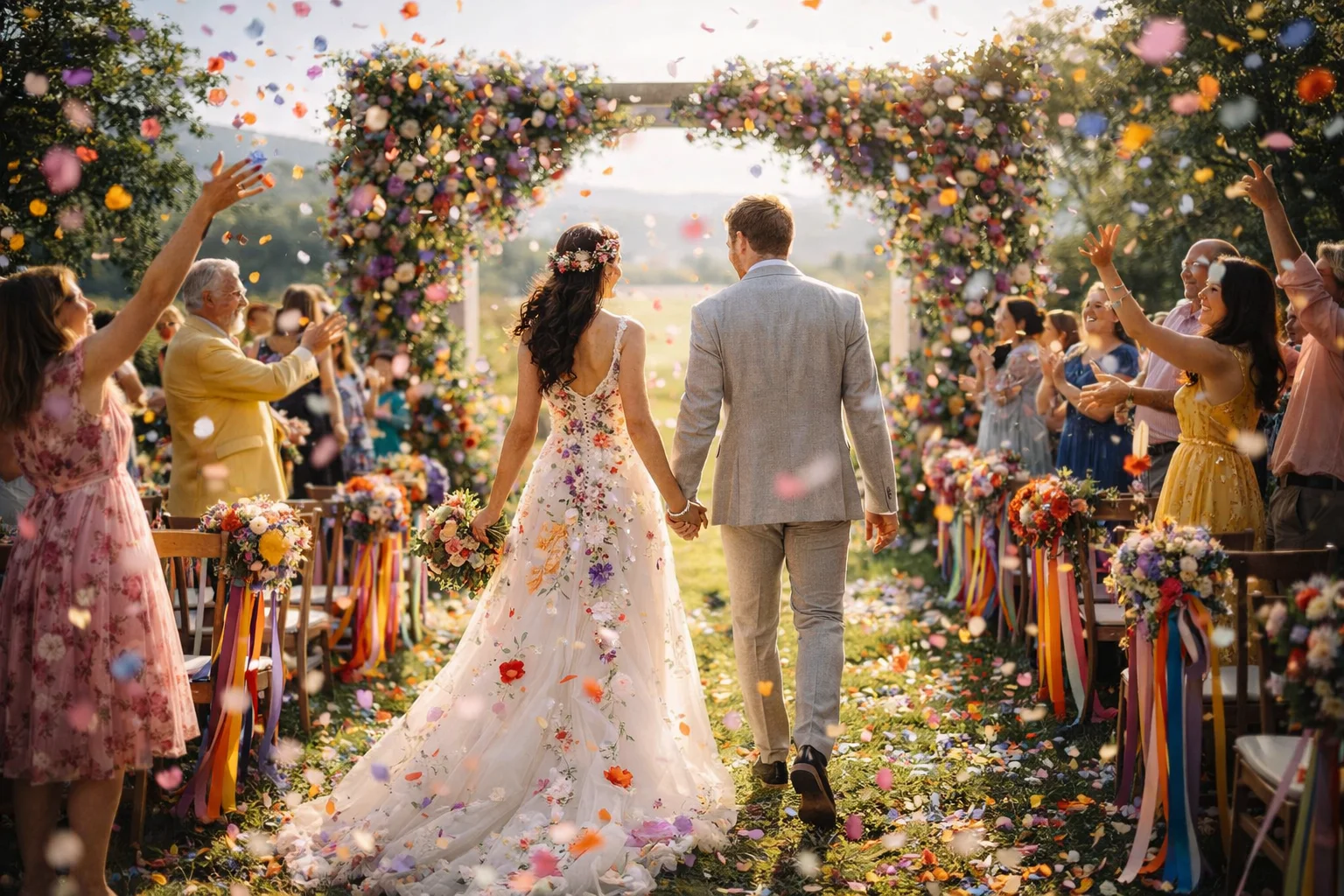
Wedding colors are usually chosen for beauty, balance, or season. But they also leave a trace. Long after flowers fade and fabrics are packed away, certain tones remain attached to a promise, a room, a feeling. This article looks at wedding color not only as styling, but as part of the emotional imprint a ceremony leaves behind.