
What Wedding Colors Leave Behind
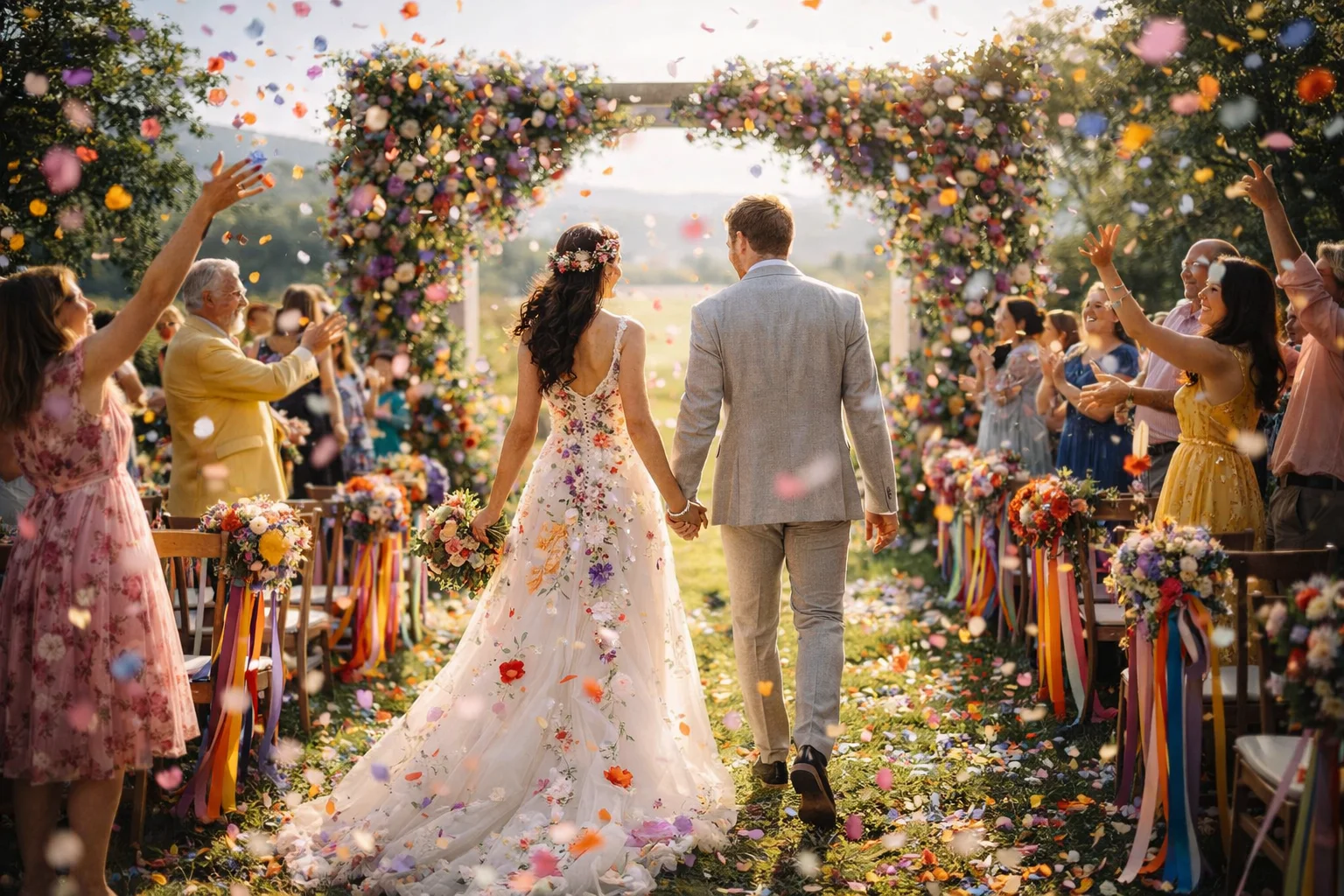
Wedding colors are often discussed in practical terms. A palette should work with the season, flatter the setting, support the flowers, make the table design feel coherent. All of that matters. And yet color does something more subtle than decoration. It enters the emotional memory of the day. Certain shades stay attached to a promise long after nobody remembers the exact menu or the shape of the seating plan.
That is why wedding colors deserve more attention than trend language usually gives them. On Loving Rocks, color already appears as something that quietly holds a celebration together. The question is what remains once the visual decisions have stopped being visual. That is where Imprints becomes relevant: not as design theory, but as a way of understanding how rituals leave traces inside a relationship.
Color ThemesA category about wedding color palettes, seasonal tones, and the visual choices that shape the atmosphere of a celebration.
ImprintsA reflective pillar about the emotional traces left by rituals, decisions, and moments that continue shaping what comes after.
Color is rarely neutral at a wedding
Even couples who say they do not care much about color usually care once examples become concrete. A muted green feels different from a pale blue. Cream behaves differently from white. Deep red can make a room feel ceremonial, while butter yellow can make the same room feel open and almost domestic. None of this is abstract. Color changes the emotional temperature of space before a single word is spoken.
This matters because weddings are rituals of concentrated attention. People notice more than they think they do. They may not name the palette afterward, but they carry its atmosphere with them. A quiet arrangement of stone, linen, and soft leaf tones can make a ceremony feel grounded. A sharper combination with black accents, glossy surfaces, or strong contrast can make it feel deliberate, modern, perhaps slightly guarded. Both can be beautiful. Neither is meaningless.
Why visual choices leave emotional traces
The idea behind Imprints is simple and precise: some moments do not disappear when they end. They remain active. Not as perfect memories, but as emotional residues that continue shaping closeness, expectation, and recognition. Wedding color belongs to this more than couples sometimes expect.
A ceremony is not remembered only through vows or photographs. It is also remembered through light on fabric, the shade of paper in the hand, the color of flowers against skin, the way the room held stillness or warmth. These things can become part of what the marriage feels like in memory. Years later, a particular tone may bring back not only the event, but the atmosphere of being chosen, witnessed, or safe.
A more useful way to choose a wedding palette
- Start with emotional tone before color names: calm, luminous, restrained, warm, ceremonial, modern.
- Look at the space honestly. Some venues ask for softness, others can carry stronger contrast.
- Choose colors that support faces, fabric, and flowers rather than competing with them.
- Test the palette in natural light and evening light, because weddings rarely live in only one condition.
- Ask what kind of trace you want the day to leave: quiet reassurance, vivid intensity, tenderness, clarity.
This last question often changes everything. It moves color away from performance and closer to meaning. Not symbolic in an overly explained sense. Just honest. A wedding does not need a concept statement. But it benefits from inner coherence.
Seasonal color is not only a trend issue
Season matters, but not because every spring wedding should be pale and every autumn wedding should be dark. The more interesting point is that seasons already carry emotional imprints of their own. Early spring can feel tentative and clear. High summer often invites saturation and abundance. Autumn tends to hold depth, ripeness, even a kind of permission for richer contrast. Winter can make restraint feel ceremonial rather than minimal.
A good palette does not imitate the season literally. It listens to it. When couples do this well, the wedding feels less decorated and more placed. That difference is subtle, but guests notice it in the body before they find words for it.
What stays after the flowers are gone
The practical materials disappear quickly. Flowers wilt. Candles burn out. Ribbons are folded away. Digital galleries flatten everything into screens. But the visual world of the ceremony does not vanish as cleanly as the objects do. It often remains as an imprint: the room as it felt, the table as it glowed at dusk, the bouquet against a jacket sleeve, the color of the invitation card held before the ceremony began.
This is one reason wedding aesthetics should not be treated as shallow. Visual choices become part of relational memory. They can reinforce what the ceremony was trying to say. If the day felt calm, clear, and emotionally true, the palette can help preserve that truth. If the styling felt disconnected from the couple, too borrowed, too performative, that dissonance can remain as well.
Color as part of the vow’s atmosphere
Not every couple wants to speak in symbols, and they do not have to. Still, color often becomes one of the quietest forms of symbolic language available. It says something without declaring it. It can suggest steadiness, fragility, gravity, openness, intimacy, or renewal. That suggestion matters because vows are not heard in isolation. They are heard inside an atmosphere.
A well-chosen palette does not steal attention from the ceremony. It gives the ceremony a believable emotional setting. That is enough. More than enough, in fact. Many of the strongest wedding choices work precisely because they do not insist on being noticed.
Wedding colors are sometimes treated as the most surface-level decision in planning. In reality, they belong to the deeper architecture of the day. They shape how a promise is seen, felt, and later remembered. And when a ritual leaves an imprint, it rarely leaves one through words alone.
Related Articles
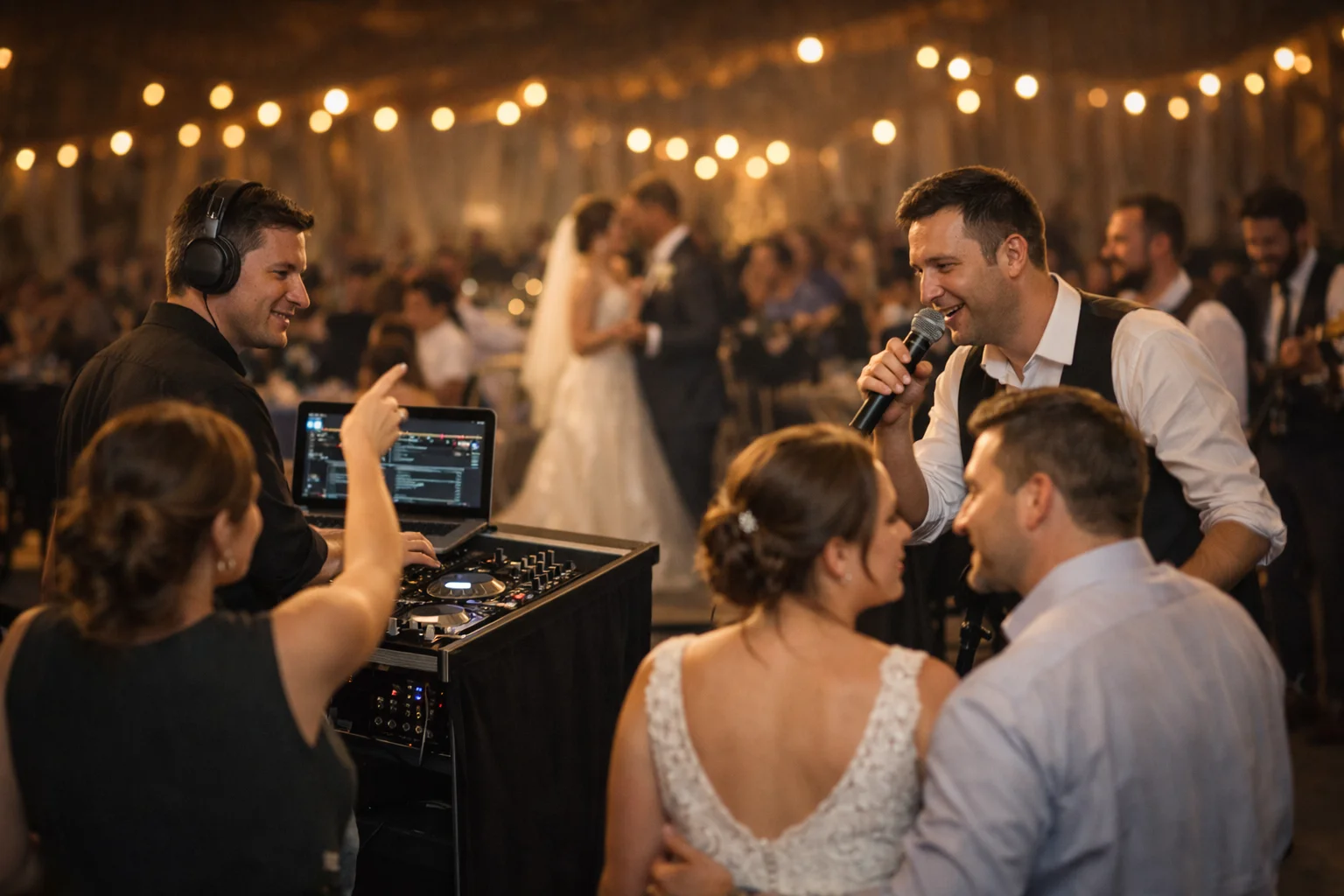
How Requests Move Through a Wedding Night
Music requests at weddings are rarely just about songs. They move through timing, confidence, mood, and the different logic of DJs and live bands, shaping the social texture of the night as much as the playlist itself.
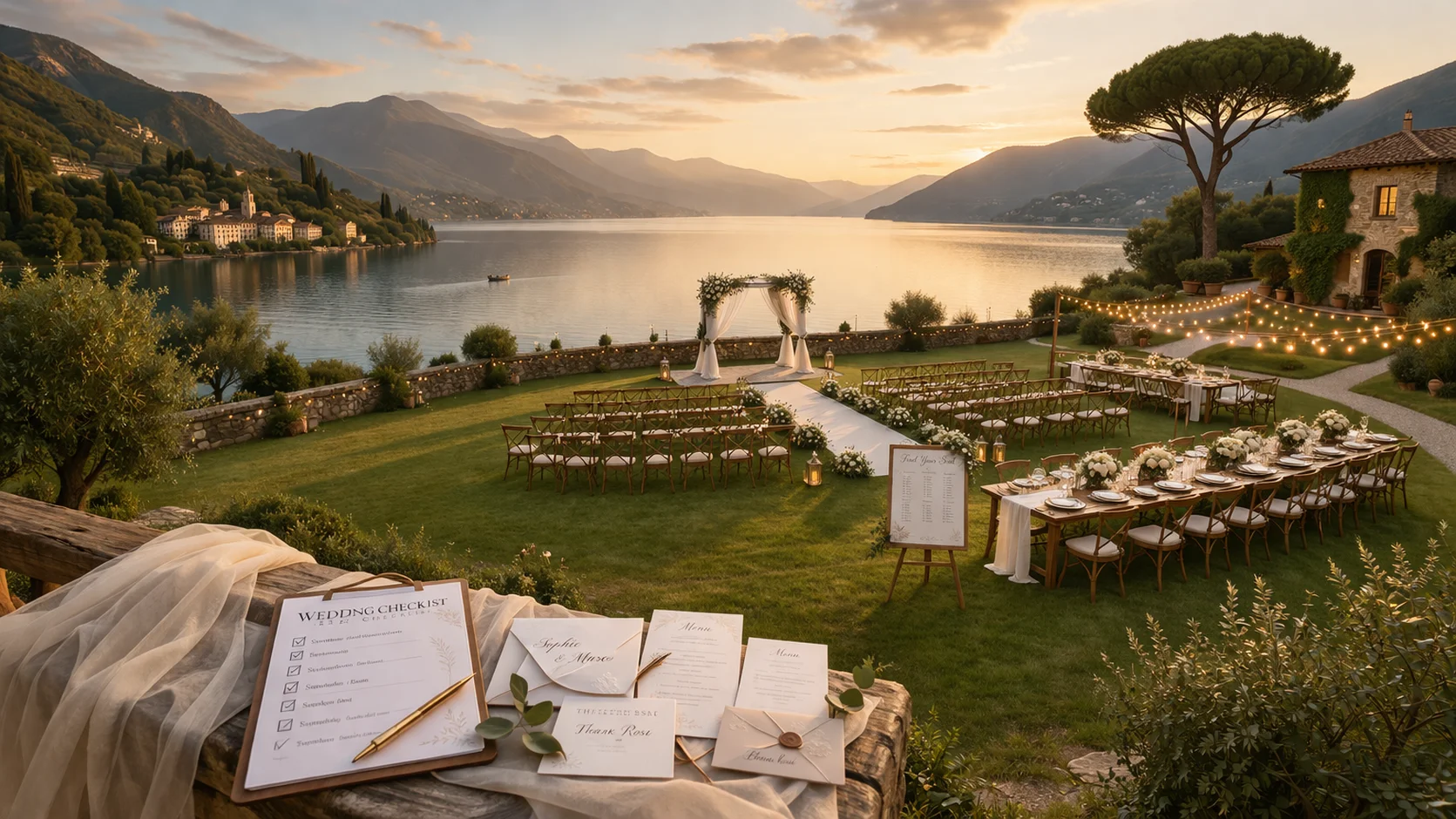
The Wedding Checklist That Grounds You: Turning Planning Into Something Meaningful
A wedding checklist isn’t just about tasks—it’s about clarity, intention, and trust. Here’s how to approach it in a way that feels calm, structured, and truly yours.
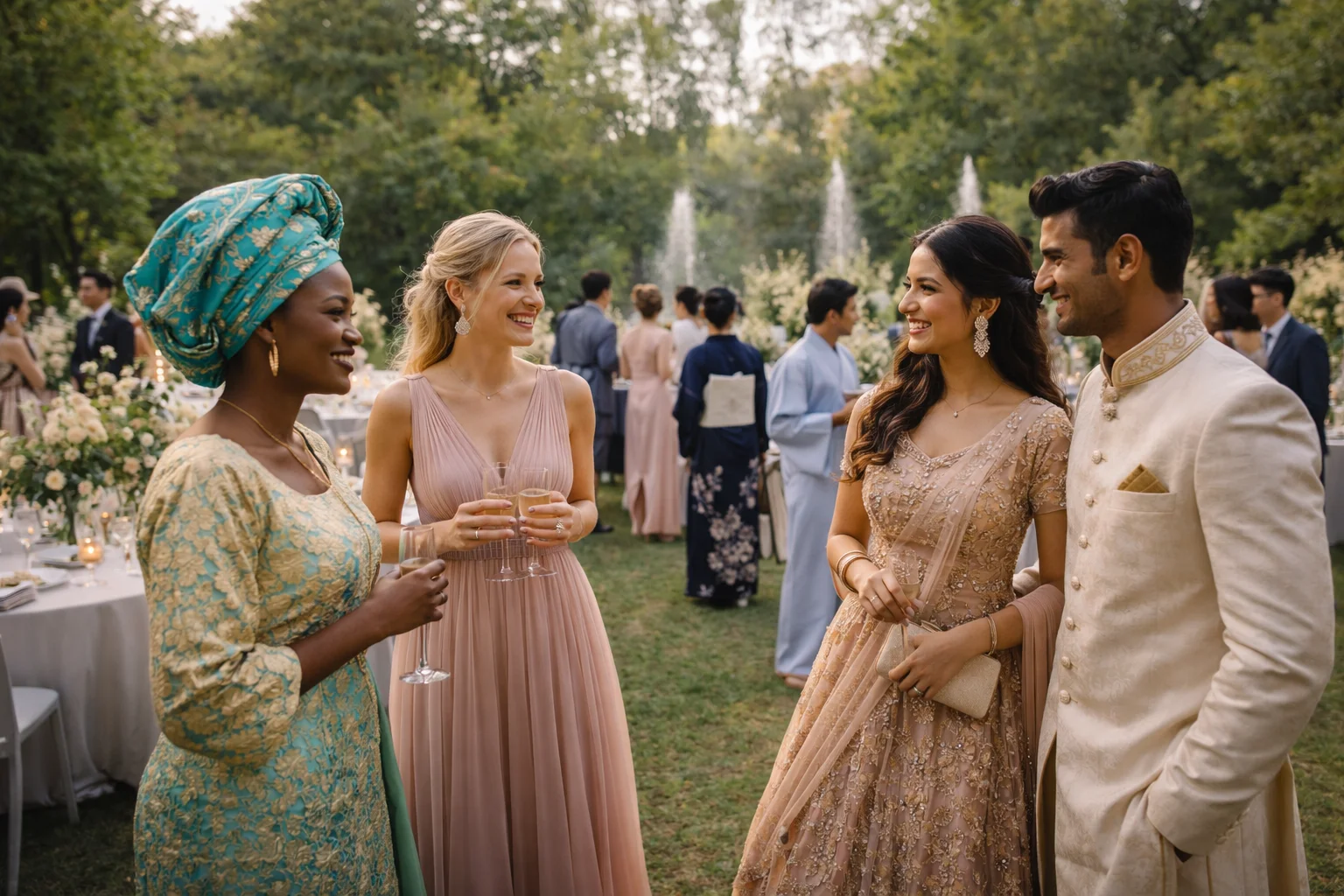
Dress Expectations at International Weddings: What Guests May Read Differently
Dress codes at international weddings are rarely just about clothing. Guests interpret formality, respect, family signals, and cultural meaning differently. This article looks at how attire is understood across contexts and why what seems obvious to one guest can feel unclear to another.
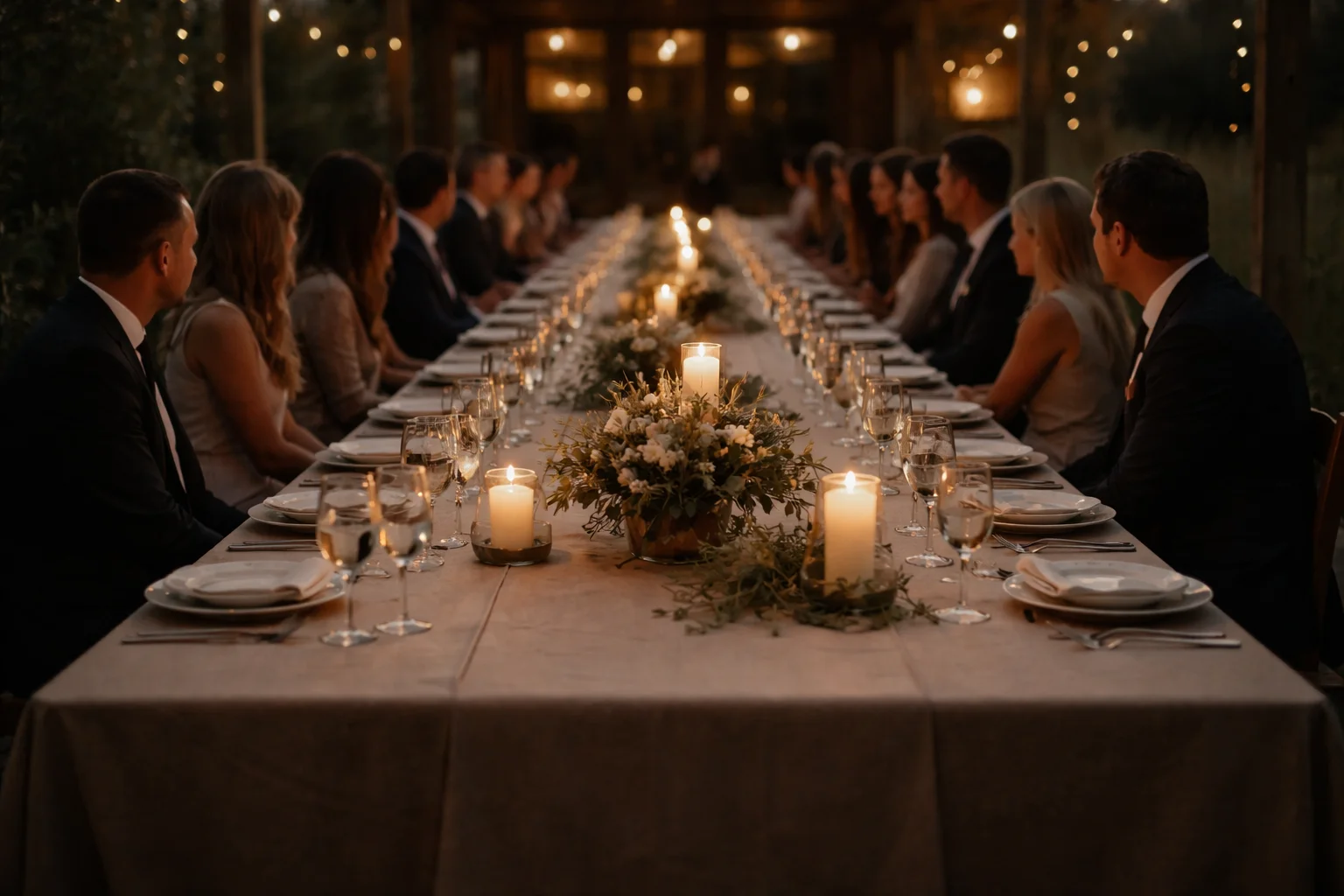
Candlelight at Wedding Tables: Local Light Zones
Candlelight at wedding tables rarely behaves as one smooth glow. It gathers in small zones, shifts across faces and objects, and leaves behind a more fragmentary, memorable atmosphere than even lighting ever could.
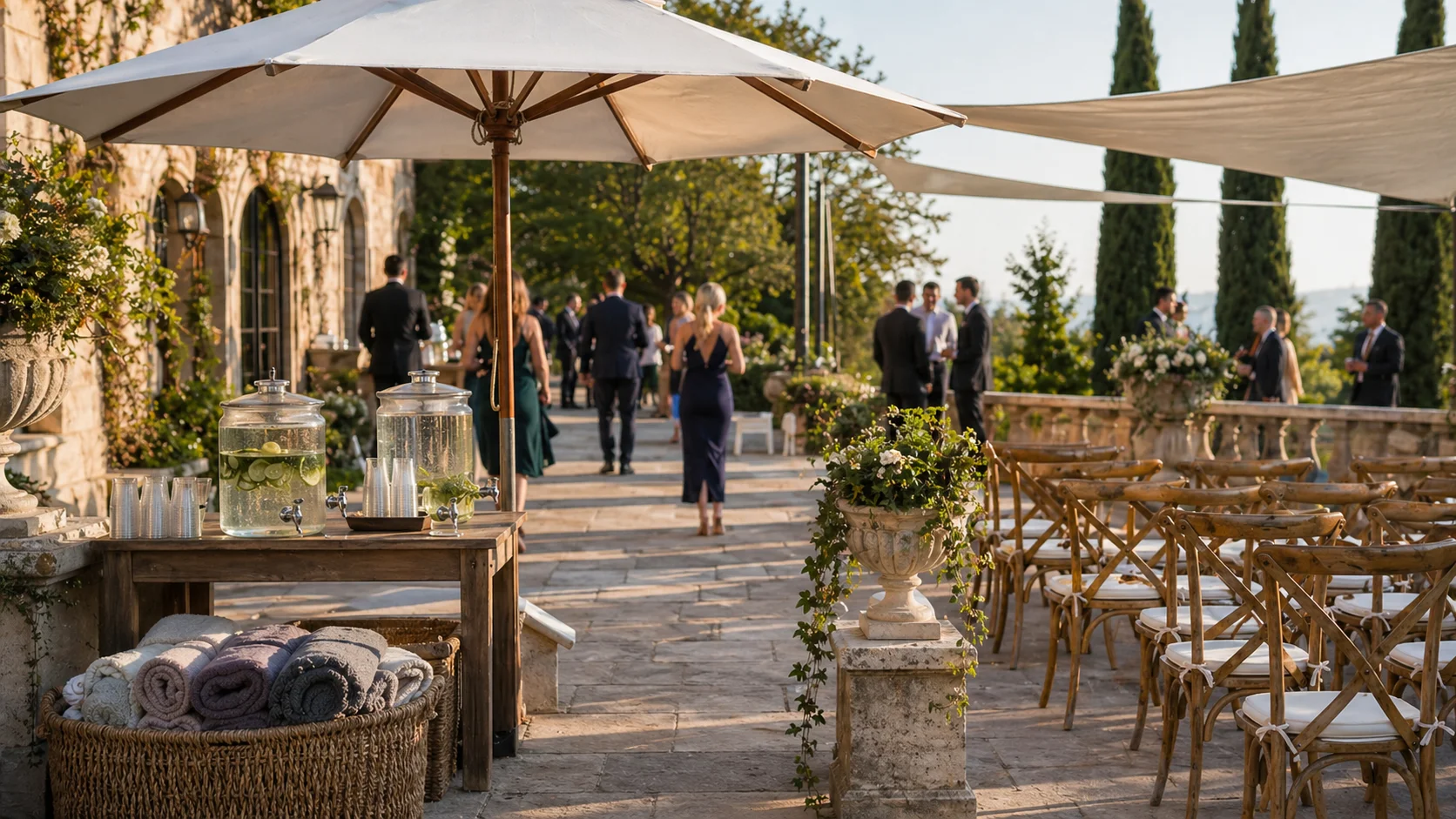
Backup Checklist for Outdoor Weddings: Shade, Wind, Cold, and the Things People Forget
Outdoor wedding backup plans are not only about rain. This article looks at shade, wind, cold, ground conditions, paths, loose details, guest comfort, and the small weather traces that shape how an outdoor celebration is remembered.
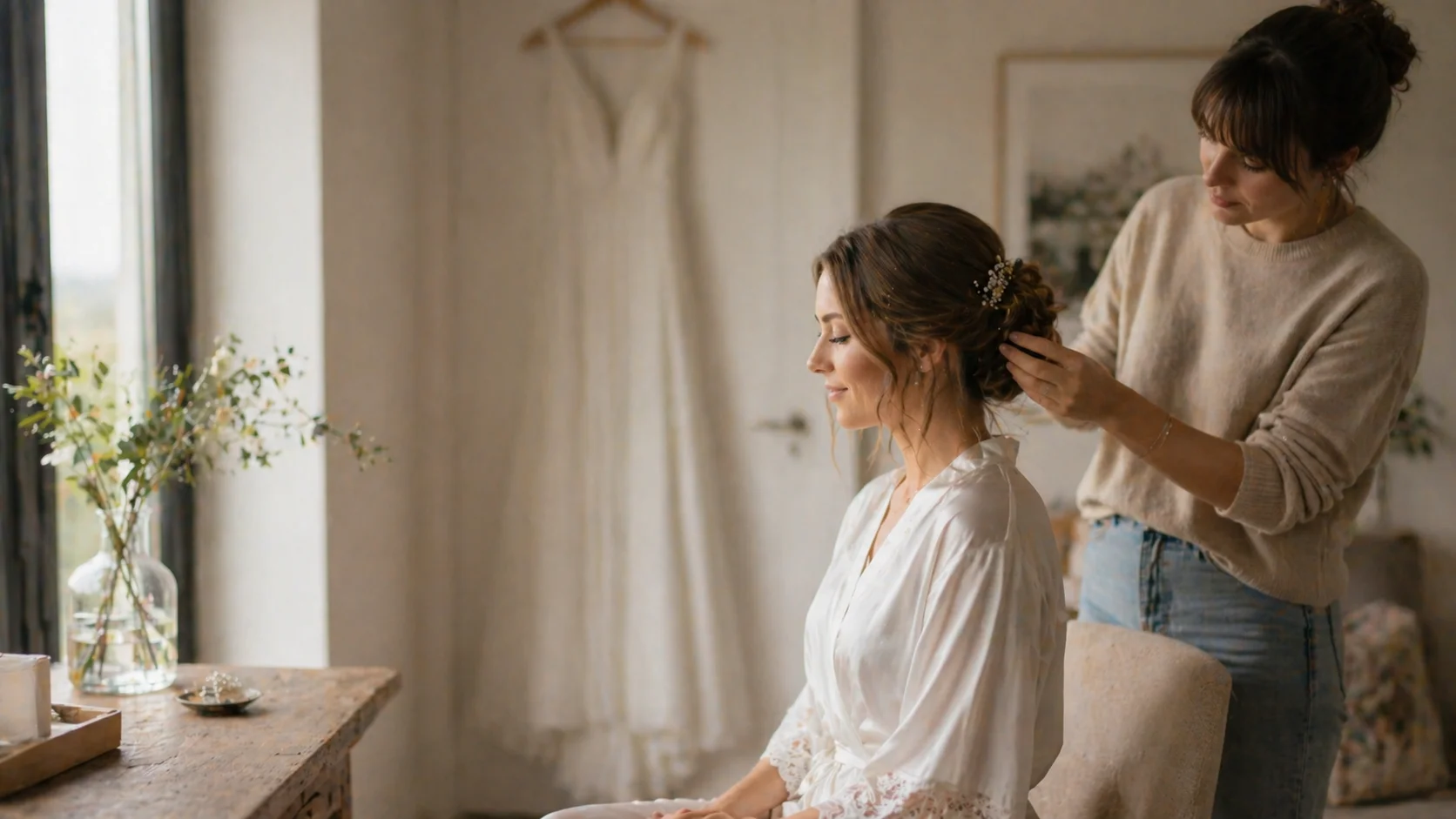
Bridal Getting-Ready Room Checklist: Light, Surfaces, Noise, and Movement
A bridal getting-ready room does more than hold hair, makeup, and dresses. This article looks at light, surfaces, noise, movement, privacy, and the quiet traces the room leaves on the morning before the ceremony.
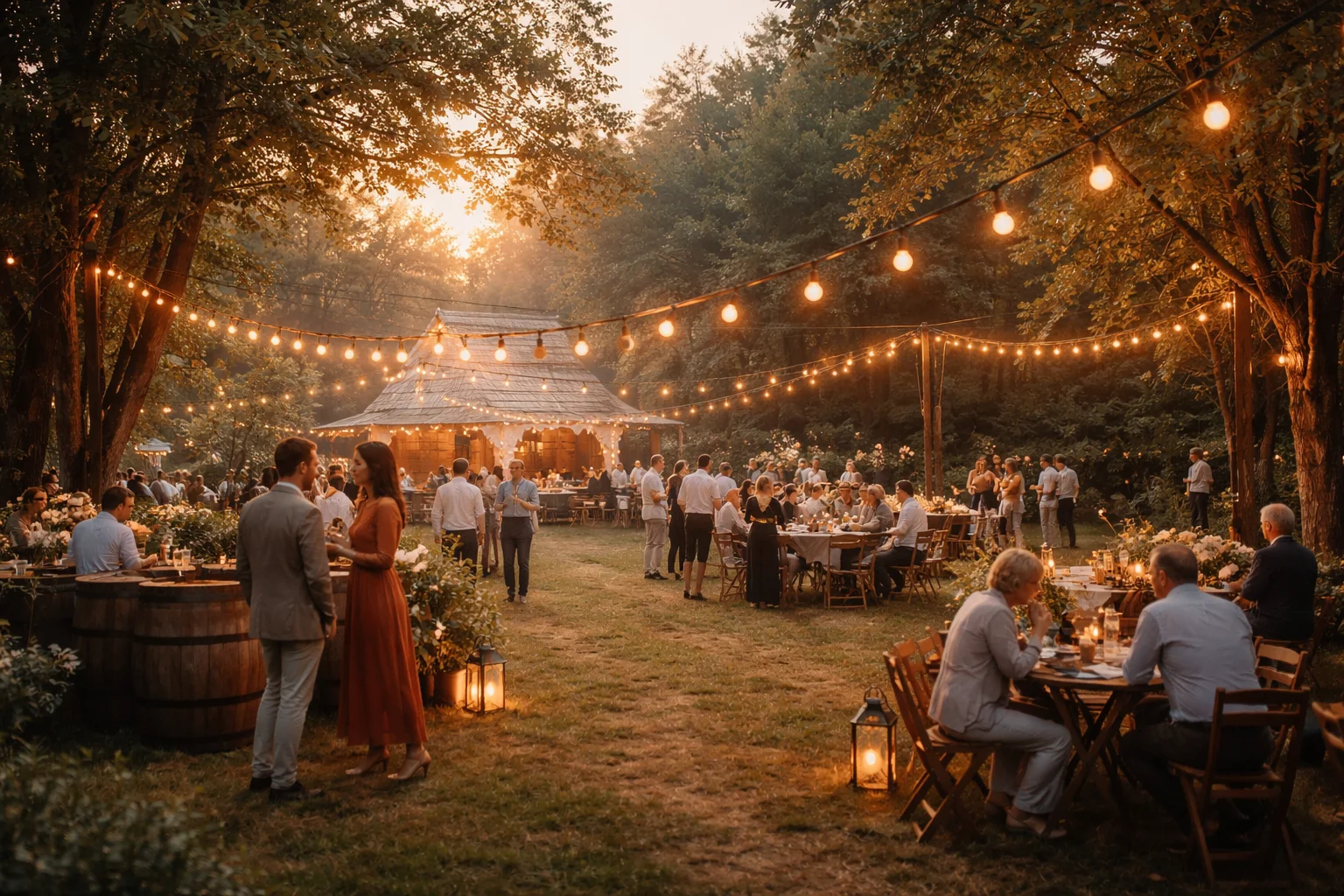
When the Day Builds Itself in Small Moments
Some weddings are held together less by formal program points than by short, unplanned interactions that quietly take over the day. This article looks at how micro-moments shape flow, attention, memory, and atmosphere, especially in smaller celebrations.
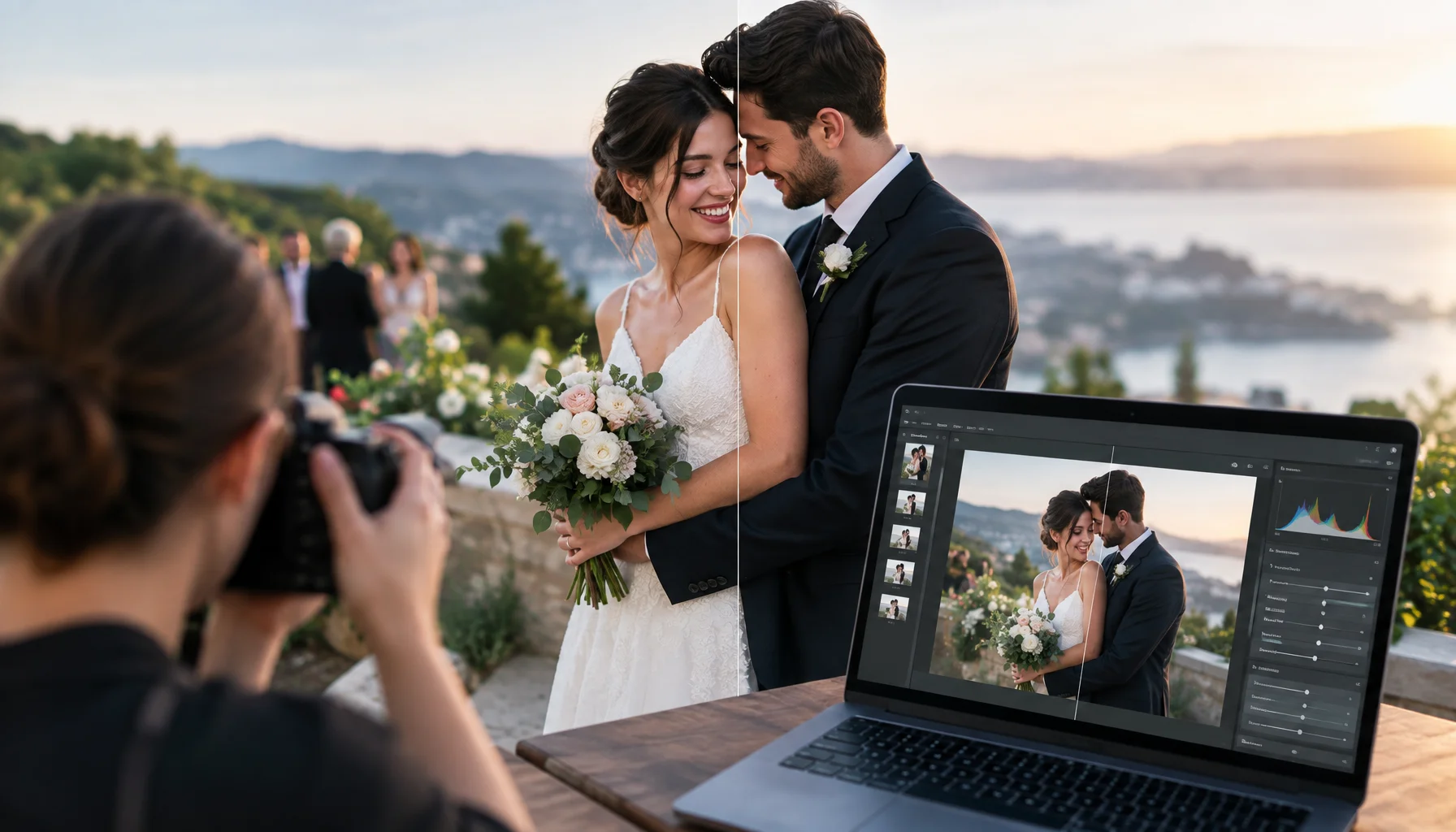
AI-Edited Wedding Photos in 2026: Where Should the Documentary Boundary Be?
Generative AI can now remove people, reconstruct missing details, replace backgrounds and create wedding images that look completely photographic. This guide helps couples decide which edits are normal photography, which cross into factual alteration, and what to agree with the photographer before the wedding.
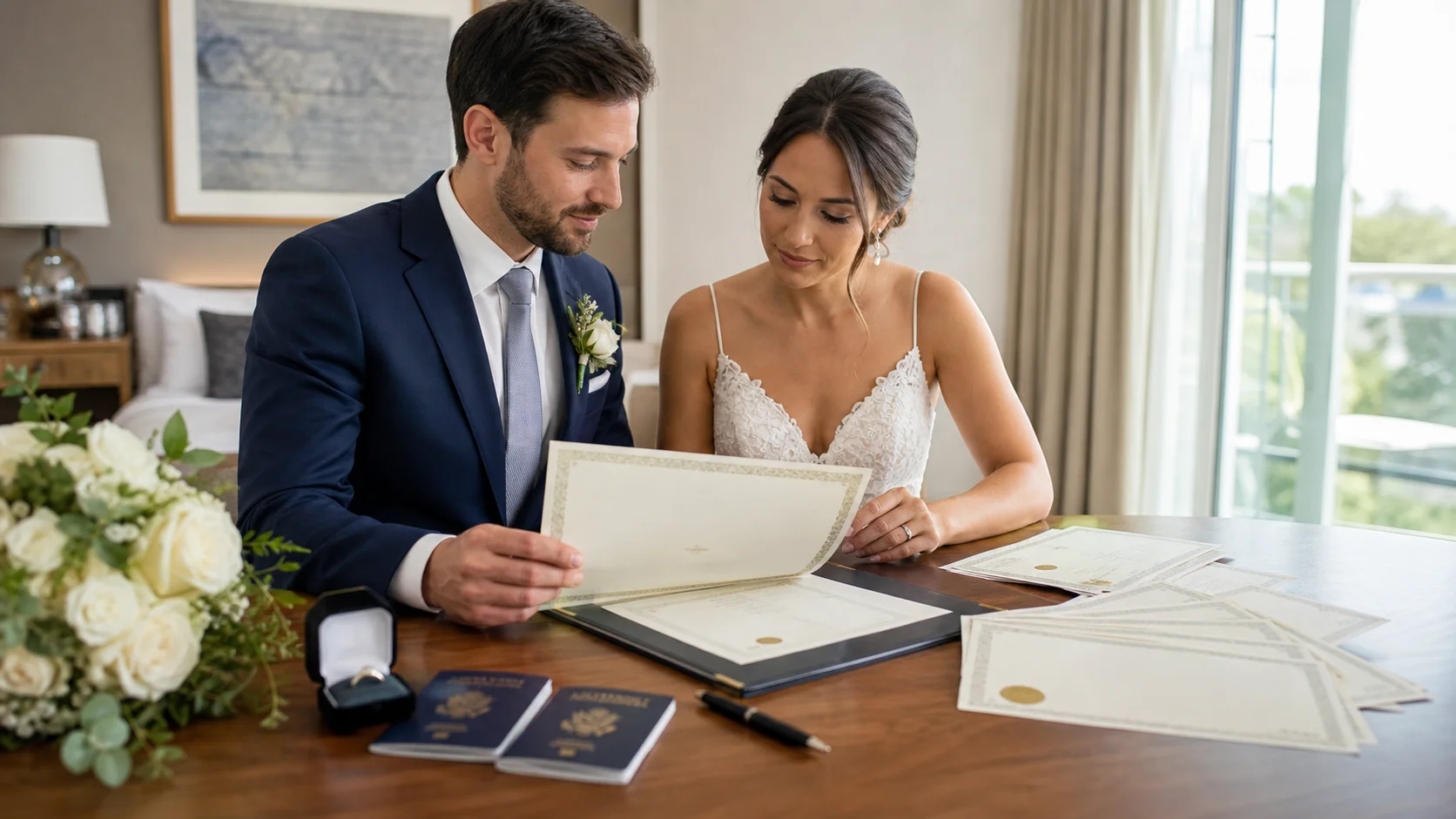
Marriage Certificate Checklist: Why One Document Keeps Returning After the Wedding
A marriage certificate often feels like the final paper of the wedding, but it keeps returning in ordinary life. This article looks at certified copies, scans, translations, apostilles, name changes, travel, banking, insurance, and the quiet imprint one document leaves after the celebration.
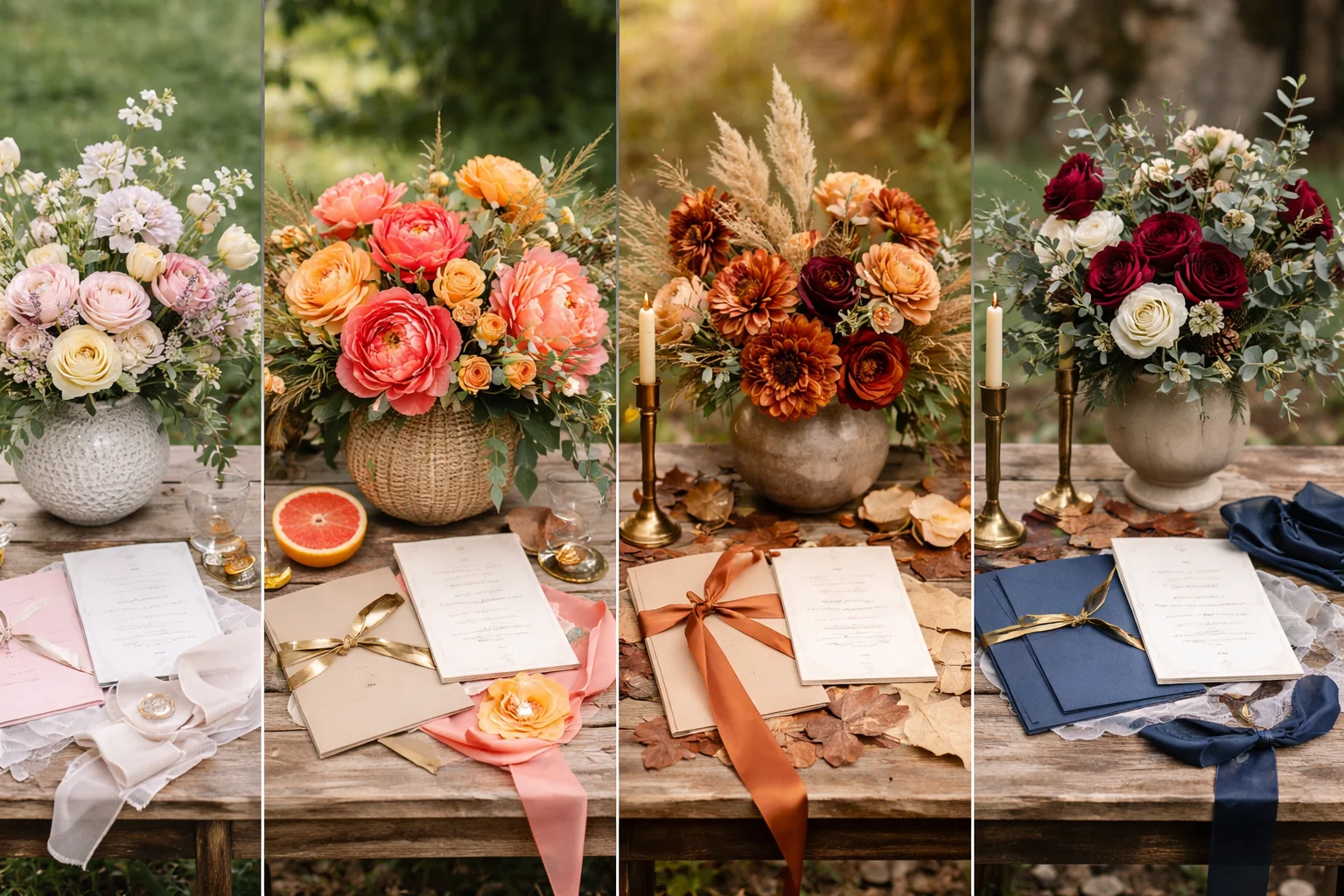
Seasonal Wedding Colors in Practice
Color at weddings often moves with the season. Not strictly planned that way. It just happens when looking across many events over time. A wedding in May rarely looks the same as one in October. The difference sits quietly in the palette.
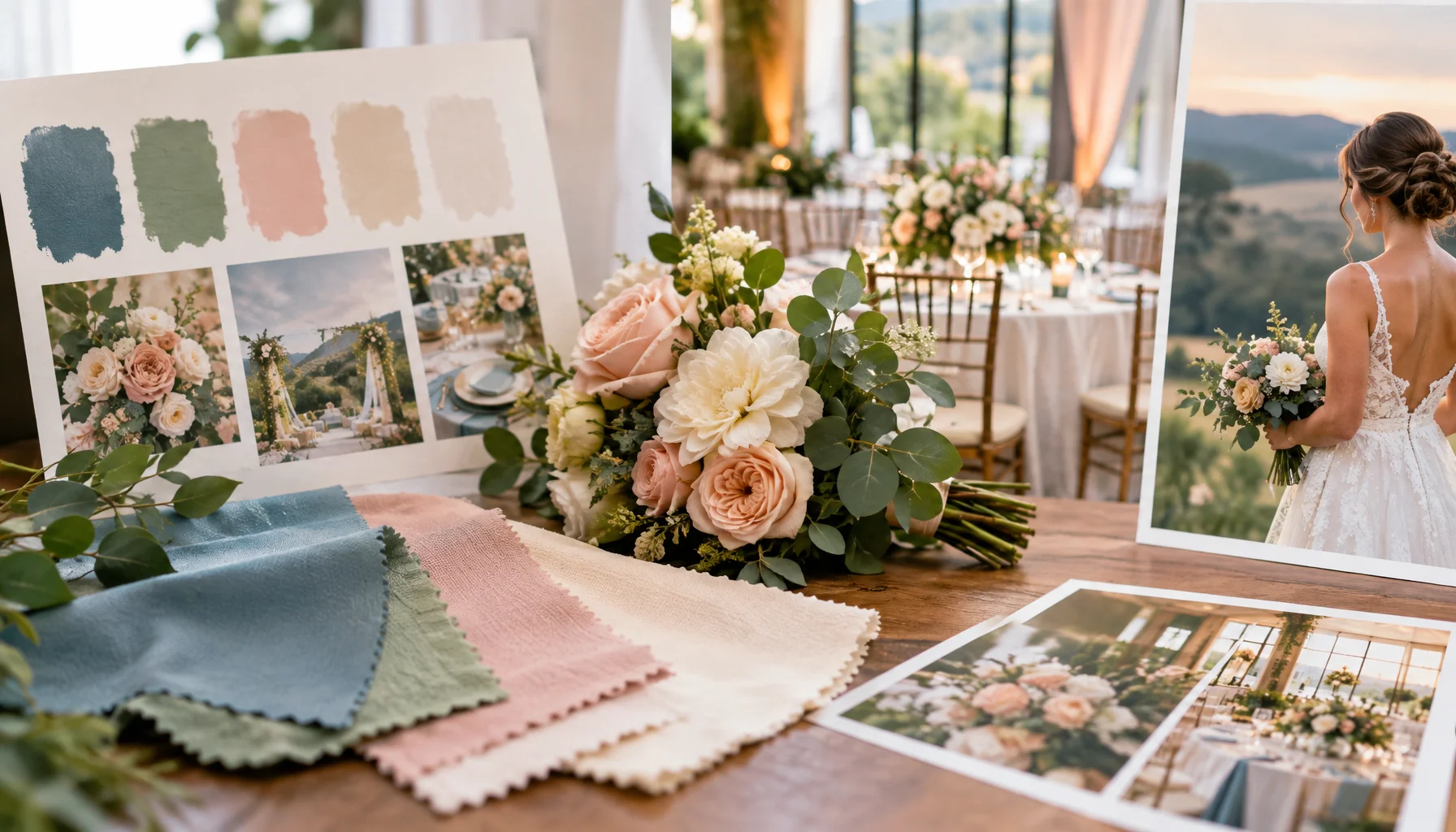
Will Your Wedding Colors Actually Photograph the Way You Imagine?
Wedding colors do not travel unchanged from a mood board to fabric, flowers, venue lighting and finished photographs. This guide explains why colors shift and gives couples a practical way to test whether their palette will remain recognizably itself throughout the day.
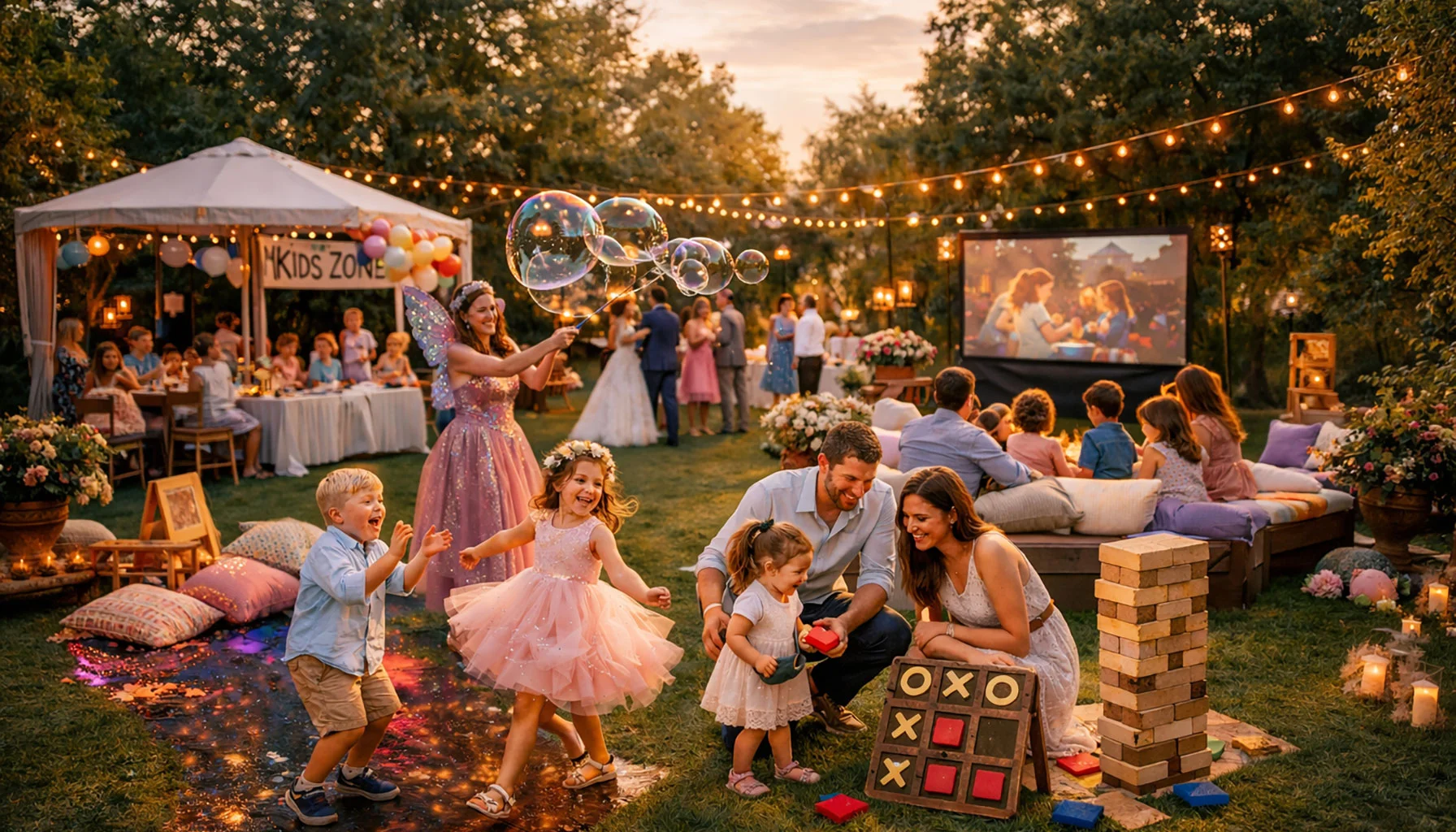
Creating Magical Moments for All Ages: Children and Family Entertainment at Modern Weddings
At weddings with children, the question is rarely whether entertainment exists. It emerges on its own the moment formal structure loosens. This article looks at family entertainment not as a side program, but as a quiet system of options that helps the day remain steady, generous, and memorable for guests of different ages.