
Bridal Getting-Ready Room Checklist: Light, Surfaces, Noise, and Movement
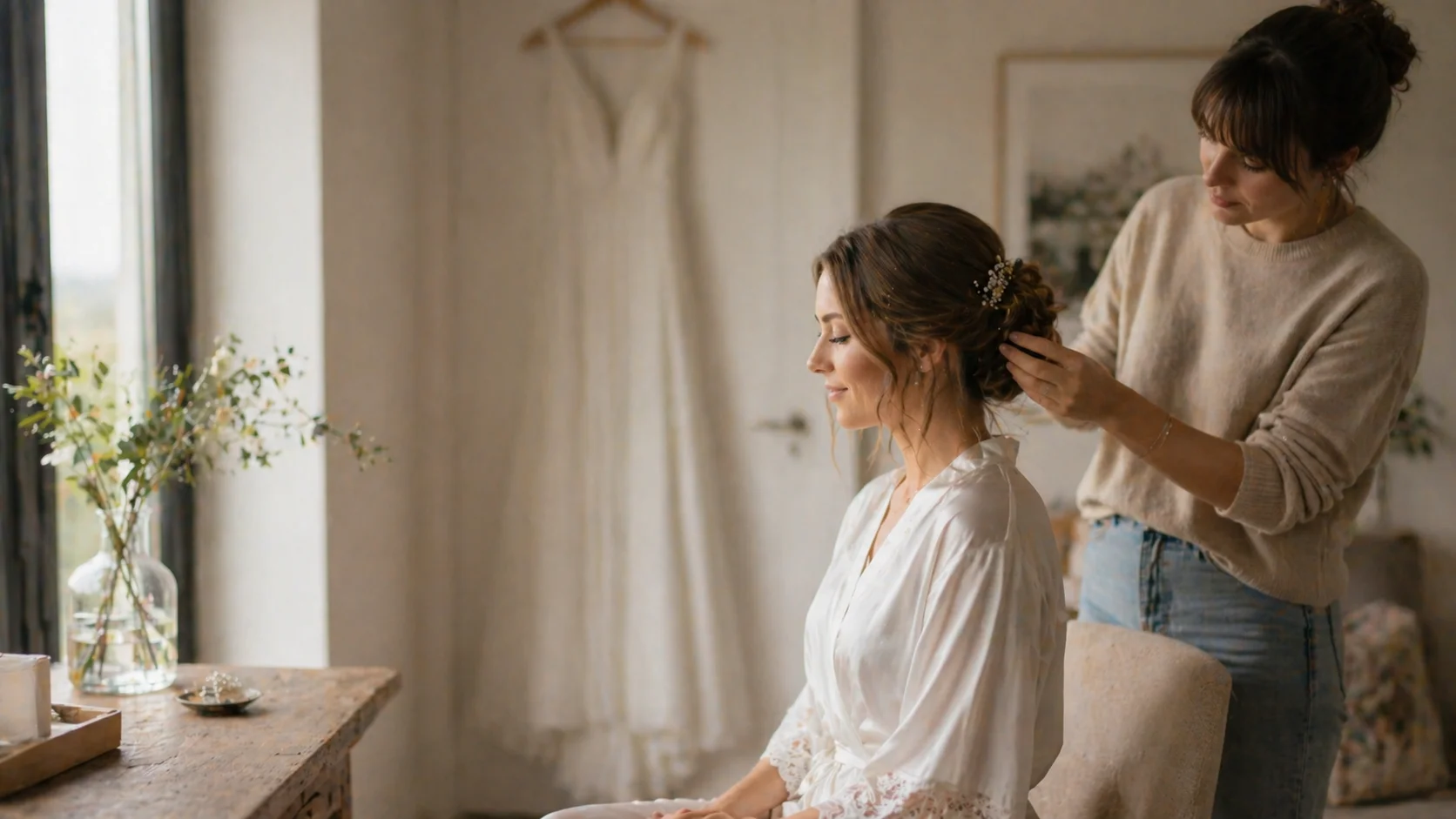
The getting-ready room is often chosen for convenience first. It is close to the venue, available early, large enough on paper, maybe pretty in one corner. Then the morning begins and the room becomes something else: steam from dresses, makeup bags open on every surface, coffee cups near jewelry, phones charging in strange places, people entering with questions, someone looking for scissors, someone else trying to keep the dress away from the floor. The room starts holding more than preparation. It holds nerves, timing, objects, voices, and the first visible texture of the wedding day.
A useful bridal getting-ready room checklist is not only about making the space look calm for photographs. It is about making the room usable while several things happen at once. Hair, makeup, dressing, eating, packing, family visits, photographer movement, last messages, and quiet moments do not need the same conditions. They just need not to trip over each other. When the room works, the morning feels less interrupted. When it does not, the strain is usually small at first, then everywhere.
Definition
A bridal getting-ready room checklist covers the practical room conditions that shape the wedding morning before the ceremony begins. It includes light, mirrors, surfaces, outlets, seating, noise, privacy, movement routes, storage, food, ventilation, and the small traces the room leaves in memory and photography.
Light Should Be Useful Before It Is Beautiful
Good light in a getting-ready room is not just a photographer’s preference. Makeup needs it. Hair needs it. Buttons, hooks, veils, earrings, and last-minute checks need it too. A room with one pretty window can still fail if everyone has to crowd around it. A strong checklist asks where the natural light falls in the morning, whether mirrors sit near it, whether artificial light changes skin tones too much, and whether the dressing area can be seen clearly without turning the whole room into a stage. Useful light keeps people from guessing. Beautiful light can follow.
Surfaces Decide Whether The Room Feels Calm Or Scattered
Most getting-ready rooms run out of surfaces before they run out of space. The bed becomes a staging area, chairs hold garment bags, windowsills collect makeup, and the one clean table disappears under flowers, phones, tissue packets, perfume, and half-open envelopes. It helps to divide surfaces before the morning begins: one for hair and makeup, one for food and drinks, one for photography details, one for bags, one that stays clear no matter what. This does not make the room rigid. It stops every object from becoming a search.
Checklist – CategoryA wedding checklist helps you stay organized and ensures that no important detail is overlooked. From early planning steps to last-minute preparations, it provides a clear overview of what needs to be done and when. With a well-structured checklist, you can plan your wedding with confidence, reduce stress, and enjoy the journey toward your big day.
Noise Builds Faster Than People Expect
Getting-ready noise is rarely loud in one obvious way. It layers. Hair dryers, music, a vendor call on speaker, family arriving, a zipper problem, someone asking where the bouquets are, someone laughing too close to the person having eyeliner applied. A makeup artist once said the room changes when the bride has to answer questions while sitting still. That is usually the moment noise becomes work. The simplest fix is not total quiet. It is deciding who filters questions, where calls happen, and when the room needs a lower volume for ten minutes.
Movement Needs Routes, Not Just Space
A large room can still move badly. People cross in front of mirrors, step over garment bags, block the door, or stand exactly where the photographer needs to pass. The dress may need a clean route from hanging point to dressing area. The person steaming gowns needs ventilation and distance. Family members need a place to enter without landing in the middle of everything. A room works better when movement has quiet lanes: door to bags, mirror to chair, dress to window, photographer to detail table. No one has to announce these lanes if the room is arranged clearly enough.
The Room Leaves Imprints Before The Ceremony Begins
The connection to imprints starts here, earlier than many couples expect. The getting-ready room leaves marks on the day: the light in the first photographs, the wrinkle avoided or not avoided, the cup moved out of frame, the hand holding the veil, the short silence before stepping into the dress, the small clutter visible behind a smile. These are not always problems. Some traces make the morning feel real. But the room should not leave accidental stress as its strongest imprint. Its best traces are usually quiet ones: enough light, enough surface, enough privacy, enough room to breathe.

Some moments do not pass. They settle. Imprints are the emotional traces left by rituals, decisions, and answers that continue shaping relationships long after the moment is gone.
Conclusion
A bridal getting-ready room checklist is not about making the morning overly managed. It is about protecting the part of the day where small conditions become emotional quickly. Light, surfaces, noise, movement, privacy, outlets, and storage all shape how the room feels before anyone walks toward the ceremony. When those things are considered early, the room can stay practical without losing softness. It can hold the morning, rather than becoming one more thing to handle.
Related Articles

Wedding Guest Activities That Create Lasting Memories
The wedding activities guests remember most are rarely the loudest. They are the ones that give people something gentle to enter, something quiet to touch, and something small to carry away afterward. This article looks at which kinds of wedding guest activities tend to stay with people and why they often leave a deeper imprint than more spectacular entertainment.
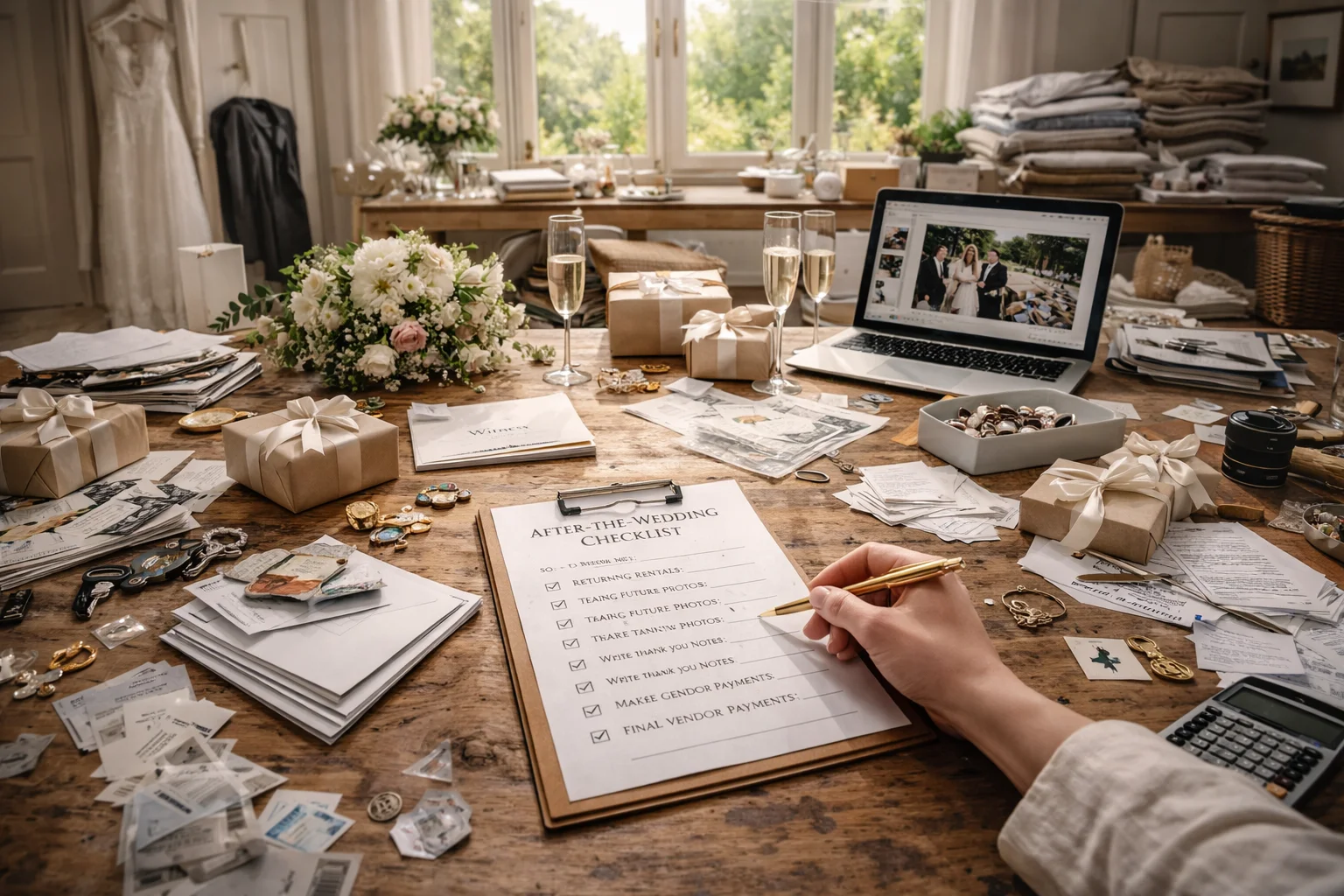
After-the-Wedding Checklist: What Still Needs to Be Returned, Paid, Thanked, or Closed
A wedding rarely ends when the last guest leaves. What follows is quieter, more practical, and often more emotionally mixed than couples expect. This article looks at what still needs to be returned, paid, thanked, or closed after the wedding, and why the days after the celebration are part of the wedding's meaning, not just its cleanup.

The Marriage Proposal: A Moment between Decision and Trust
A marriage proposal is rarely only a surprise. More often, it gathers what has already grown in conversations, decisions, and quiet alignment. This article looks at the proposal as a visible threshold between decision and trust, while keeping close to lived experience, ring choice, gesture, timing, and the open reality of what may follow.

The Bride Look Begins Long Before the Dress
The bride look is often discussed as a final decision. A dress, a hairstyle, a set of details chosen close to the wedding day. It appears as something visual, something assembled. But in practice, it rarely starts there.

The Bridal Bouquet: A Silent Expression of Love, Style, and Timeless Emotion
The bridal bouquet accompanies the bride throughout the wedding day. It is held, adjusted, set aside, and taken up again. Its impact comes from balance rather than attention. Shape, weight, and color align with movement and appearance and become part of what is remembered.

The Wedding Cake – Where Romance, Craftsmanship and Love Meet
The wedding cake is rarely the loudest element of a celebration, yet it often becomes one of the most shared moments. It appears later in the day, when guests have settled, conversations have softened, and attention can gather without effort. More than a dessert, it marks a pause in the rhythm of the wedding. Its presence is quiet, its impact collective. When design, taste, and timing align, the cake becomes part of the experience rather than a separate program point.

Last-Week Wedding Checklist: What Still Needs Attention Shortly Before the Day
The last week before a wedding is rarely about major decisions. It is about clarifying what still has weight, what can no longer be improved by adding more, and what needs to be named before it starts shaping the day in silence. This article looks at what still deserves attention shortly before the wedding and why the unspoken layer often matters most at that stage.
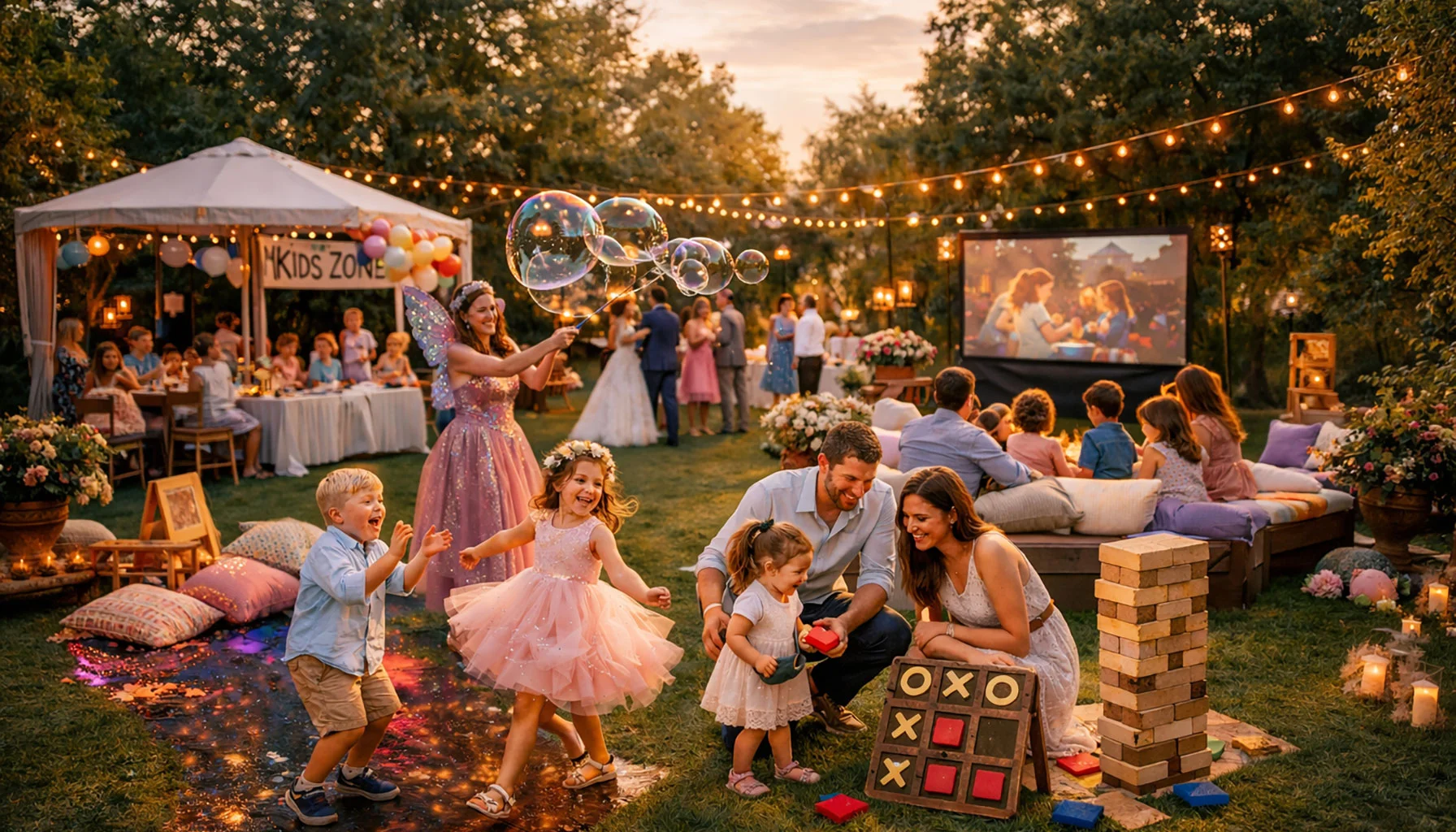
Creating Magical Moments for All Ages: Children and Family Entertainment at Modern Weddings
At weddings with children, the question is rarely whether entertainment exists. It emerges on its own the moment formal structure loosens. This article looks at family entertainment not as a side program, but as a quiet system of options that helps the day remain steady, generous, and memorable for guests of different ages.
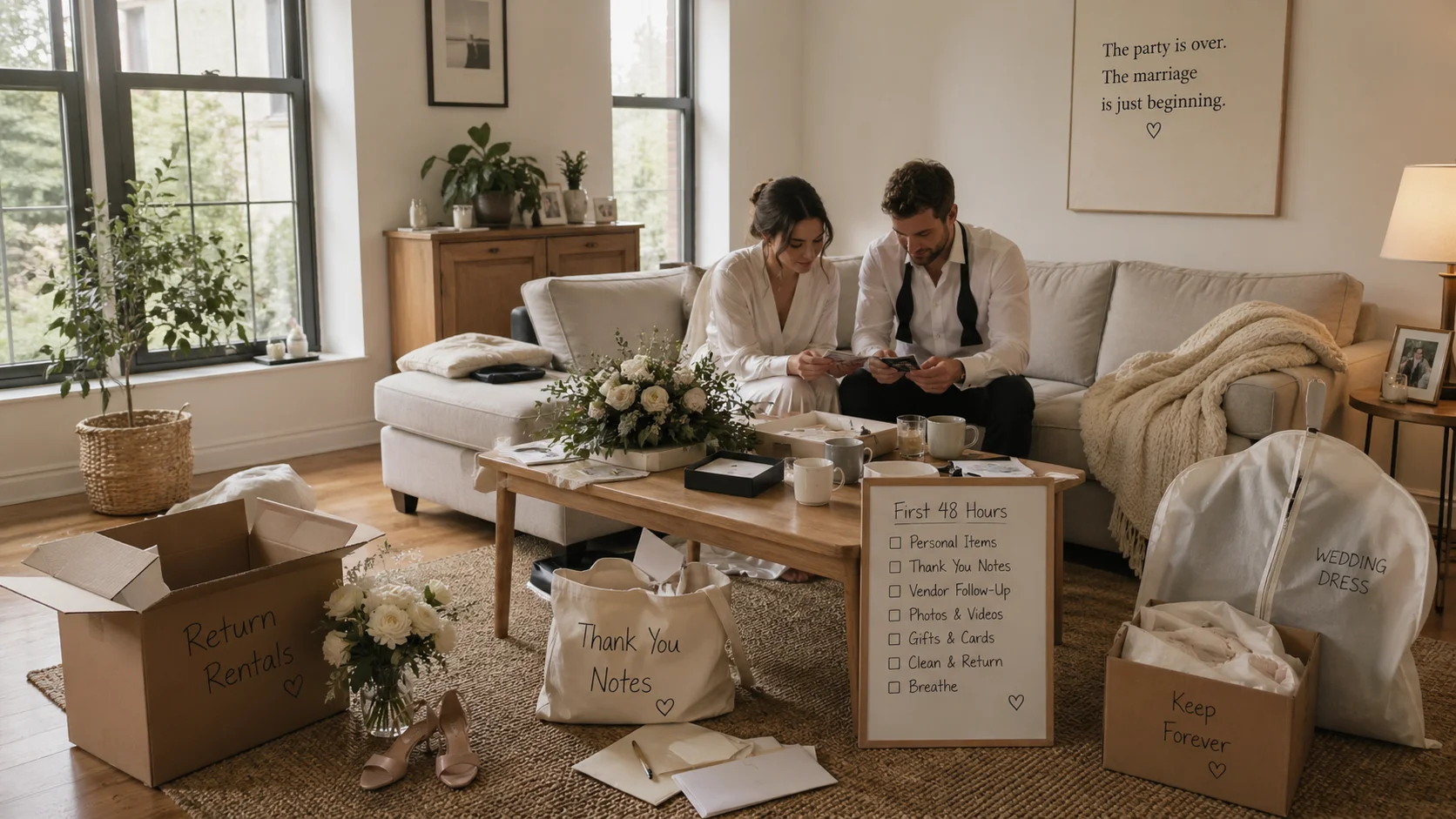
After-the-Wedding Checklist: What Needs Attention in the First 48 Hours
The first 48 hours after a wedding are quiet, practical, and easy to underestimate. This article looks at personal items, gifts, clothing, vendor closure, early photos, and the small tasks that help the after feel lighter instead of turning into scattered errands.
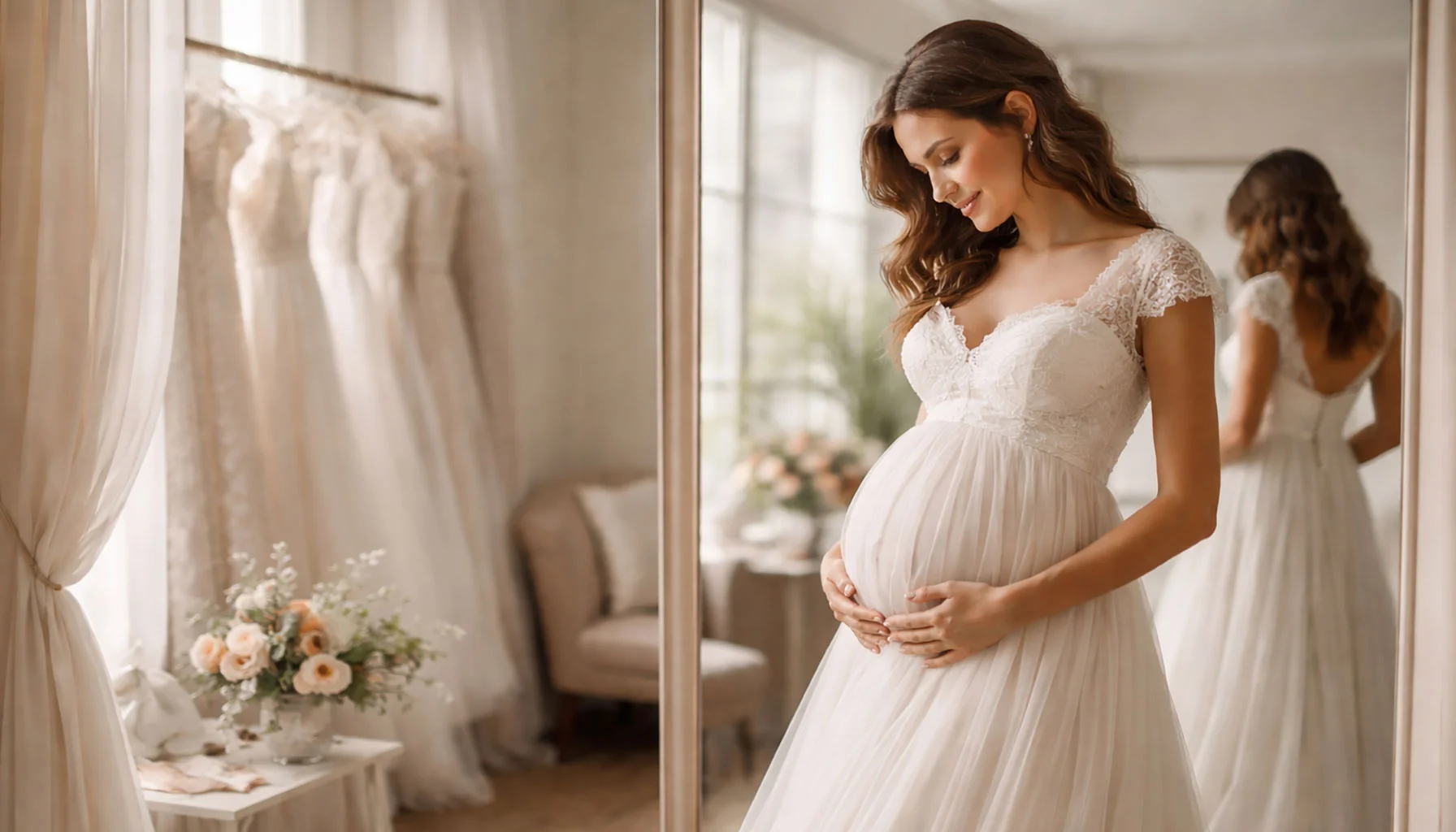
The Wedding Dress During Pregnancy
A wedding dress chosen during pregnancy follows different rules, even when no one names them. The body leads. The day sets limits. Decisions are shaped by comfort, timing, and how the dress behaves over hours rather than moments. This text looks at maternity wedding dresses as they appear in fittings, ceremonies, and recollections afterward. Not as ideals, but as garments that had to work. The focus stays on what proved suitable, calm, and lasting, without dramatizing the process or framing it as exception.
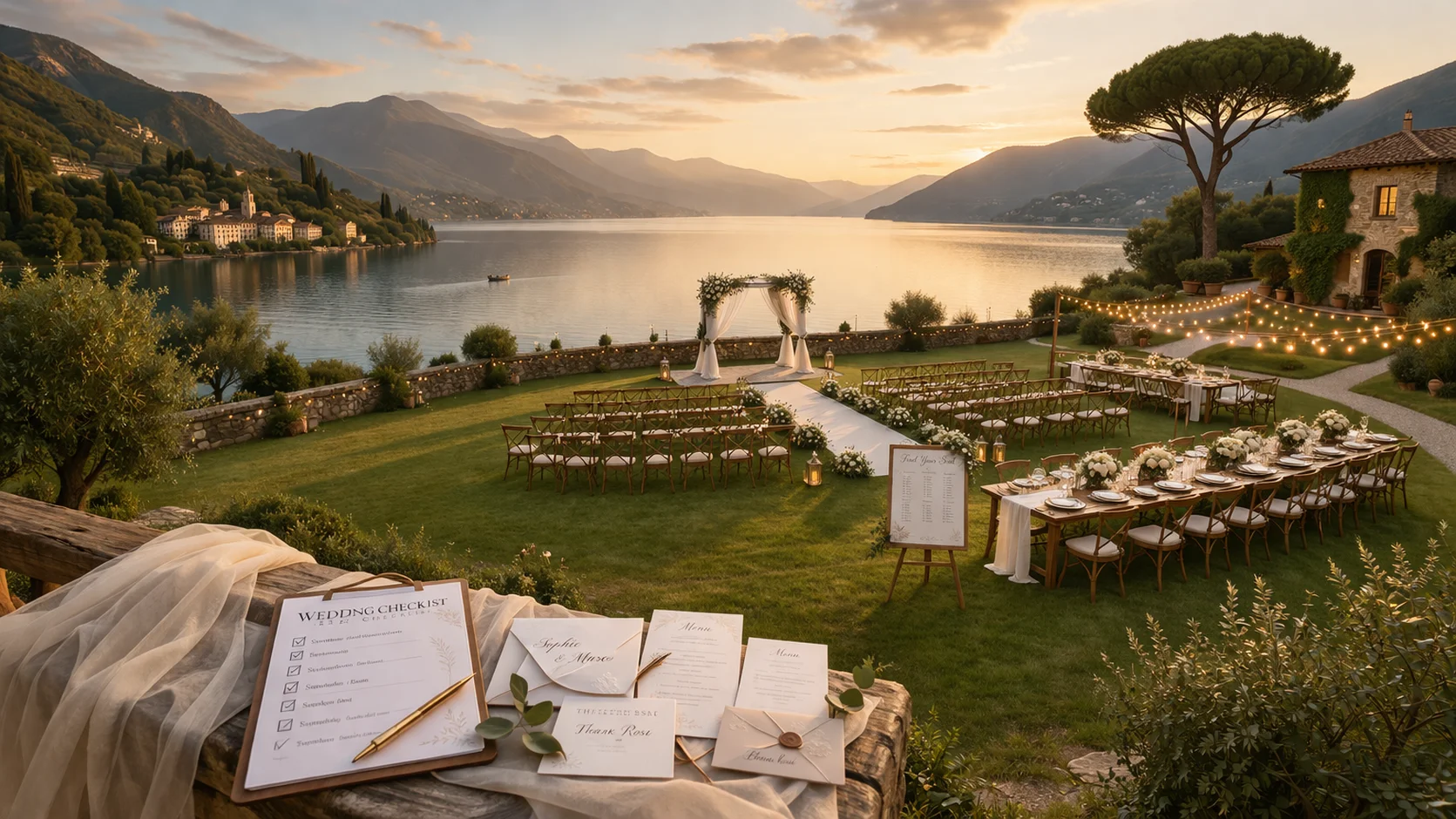
The Wedding Checklist That Grounds You: Turning Planning Into Something Meaningful
A wedding checklist isn’t just about tasks—it’s about clarity, intention, and trust. Here’s how to approach it in a way that feels calm, structured, and truly yours.
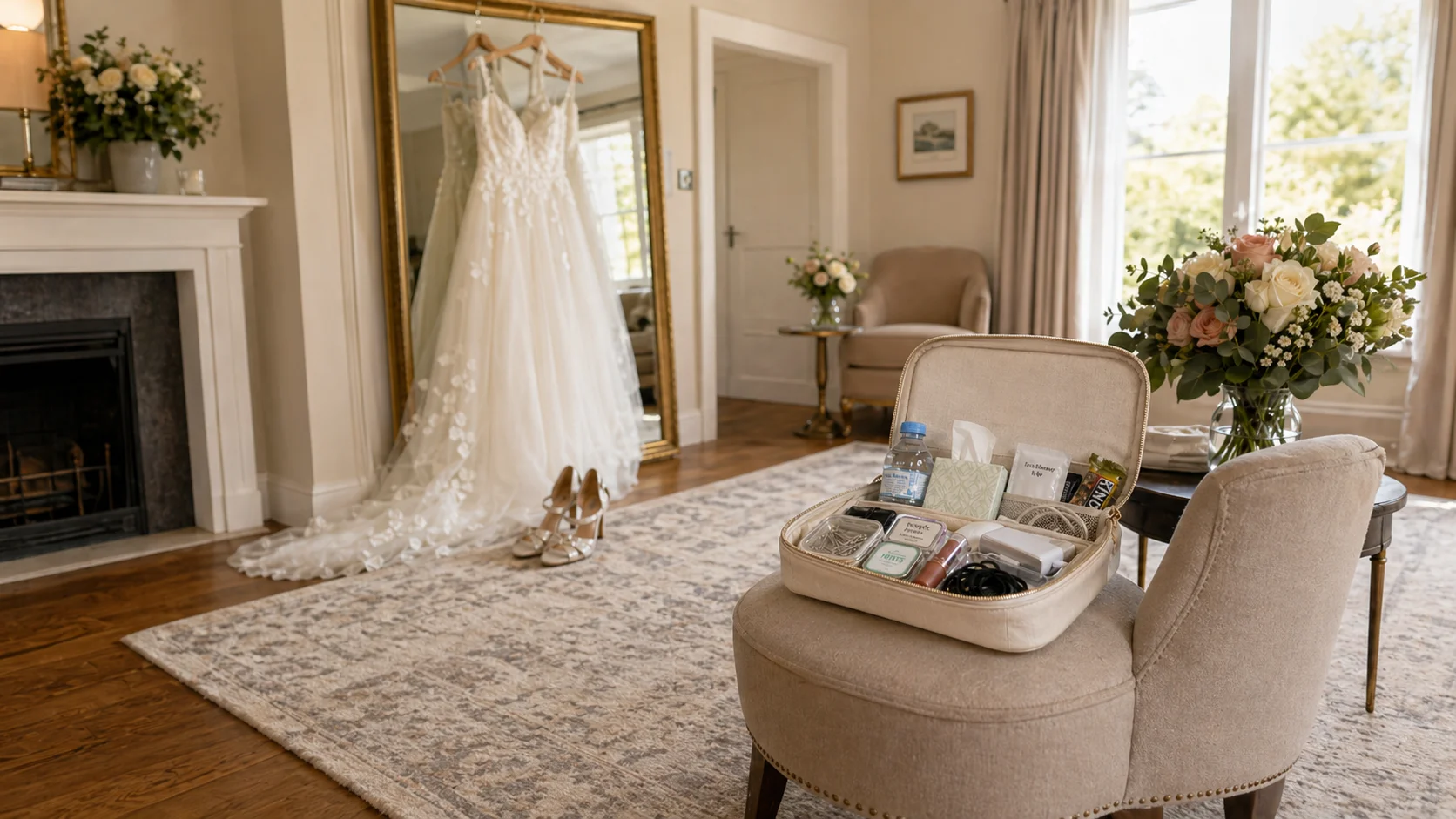
Wedding Bag Checklist: The Small Things That Quietly Save the Day
Wedding bags rarely draw attention, but they often carry the small items that keep the day from tightening around minor problems. This article looks at what to pack, who should hold it, and why the most useful things often matter most only in hindsight.