
Overnight Stay Checklist: What Couples and Guests Often Realize Too Late
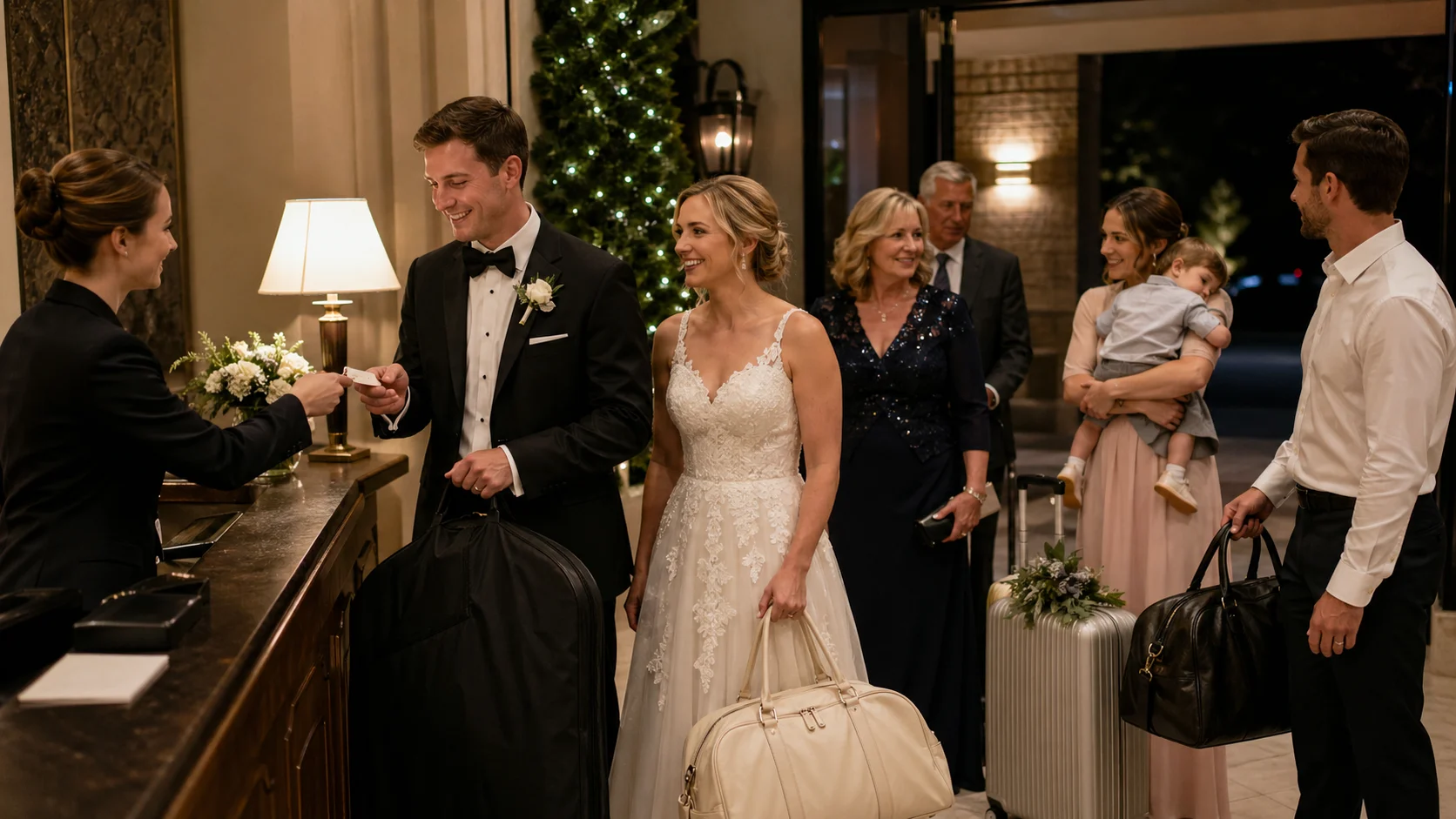
Overnight stays around weddings often seem solved once rooms are booked. A hotel block is reserved, a few relatives share cars, the couple has a suite, and guests know where they are sleeping. Then the wedding night gets late. Someone cannot find the room key. A bag is still at the venue. The shuttle has left with half the coats. A child is asleep in a stroller while parents are still waiting for check-in details. Breakfast times suddenly matter. So does whether anyone can get back into the venue in the morning.
An overnight stay checklist is less about hospitality polish and more about preventing tired confusion. The end of a wedding changes how people process information. Instructions that seemed obvious at noon become harder after midnight. Guests do not want a complicated system. They want to know where their things are, how they get to their room, what happens in the morning, and who to ask if something small goes wrong. Those details feel ordinary until they are missing.
Definition
An overnight stay checklist covers the practical arrangements that help couples and guests move from the wedding celebration into the night and the next morning. It includes room access, bags, keys, transport, late arrivals, children, older guests, breakfast, venue pickup, checkout times, and the waiting moments that appear when everyone is tired.
Room Access Should Be Clear Before The Party Starts
Room access sounds like a hotel detail, but at weddings it becomes part of the flow. Guests need to know whether they should check in before the ceremony, after dinner, or at the very end of the night. The couple needs their room ready early enough for personal items, not just sleeping. A practical checklist should cover who holds spare keys, whether reception stays open late, how guests get in after midnight, and what happens if a room is under another family member’s name. These are small questions until a guest is standing in formal clothes at a closed desk.
Bags Need A Route, Not A Guess
Overnight bags often move badly because no one thinks of them as part of the wedding plan. They sit in cars, cloakrooms, getting-ready rooms, hotel lobbies, or behind reception desks. By the time people need them, the person who knows where they are may already be asleep or on the dance floor. Decide early where bags go, who transports the couple’s essentials, where medication or children’s items are kept, and whether valuables should stay with guests rather than in a shared storage area. A clear bag route removes a surprising amount of late-night friction.
Checklist – CategoryA wedding checklist helps you stay organized and ensures that no important detail is overlooked. From early planning steps to last-minute preparations, it provides a clear overview of what needs to be done and when. With a well-structured checklist, you can plan your wedding with confidence, reduce stress, and enjoy the journey toward your big day.
Late-Night Transport Still Matters Even When Guests Sleep Nearby
An overnight stay does not remove transport questions. It just changes them. Some guests may sleep on-site while others need taxis, shuttles, lifts to nearby hotels, or a safe walk through a dark property. Older guests may want to leave before the last song. Parents may need to get children to bed earlier than expected. The final shuttle should not be a vague idea. It should have a time, a place, and someone checking whether the people who planned to use it are actually there. Otherwise, the night ends with small groups waiting in separate places, each assuming someone else knows the plan.
The Morning After Needs Less Romance And More Practical Kindness
The morning after a wedding is often imagined as easy, but it has its own small pressures. Checkout times, breakfast windows, room charges, leftover decor, gifts, forgotten jackets, rental returns, and family goodbyes all arrive while people are slower than usual. Couples do not need a full schedule, but they do need to know what must happen before noon and what can wait. Guests appreciate simple information too: breakfast location, checkout time, pickup arrangements, and whether there is a relaxed goodbye or no formal gathering at all. Clear expectations make the morning softer.
Waiting Feels Different When Everyone Is Tired
The connection to waiting becomes strongest after the party. Waiting for keys, taxis, luggage, elevators, late-night food, room access, or a ride back from the venue does not feel neutral once guests are tired. It can make the end of the wedding feel loose in the wrong way. A good overnight plan gives those waiting points somewhere to sit, someone to ask, and enough information to keep people from feeling forgotten. The quiet after the wedding should not begin with people standing around unsure of what happens next.

Waiting is not inactivity. It is the emotional state of knowing that something will happen, without knowing when or how.
Conclusion
An overnight stay checklist is not about managing every hour after the wedding. It is about removing the small late-night and morning problems that couples and guests often realize too late. Room access, bags, keys, transport, children, older guests, breakfast, checkout, and venue pickup all matter more when everyone is tired. When these details are handled quietly, the night can close without becoming another task. Guests sleep where they are meant to sleep. The couple wakes up with fewer loose ends. That is enough.
Related Articles
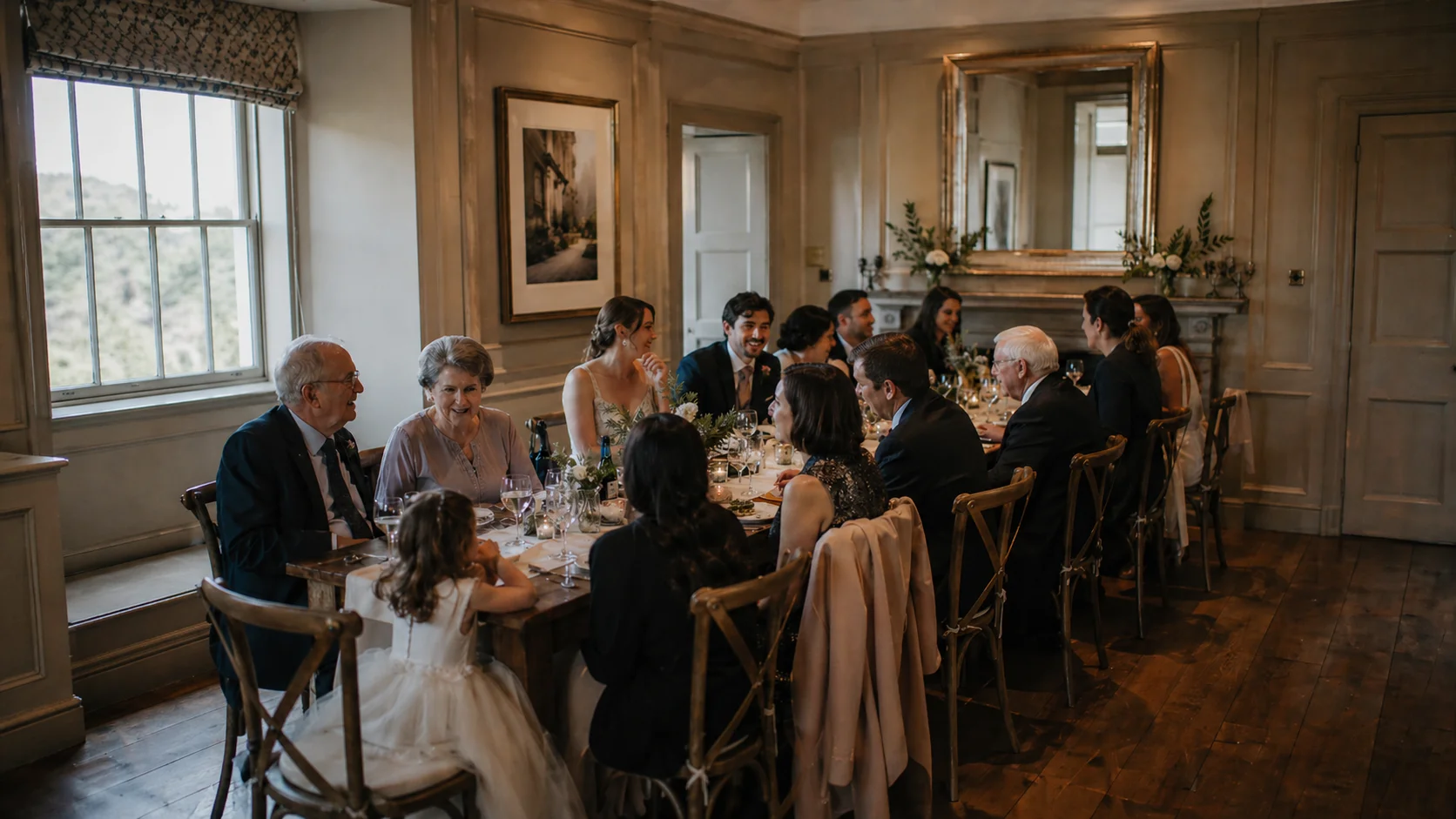
Family Table Checklist: What Helps Mixed Generations Sit More Easily Together
Family tables at weddings rarely depend on seating order alone. They work better when physical comfort, conversational balance, newer relationships, and older family stories are all considered before dinner begins.

What a Budget Decides, What a Ring Still Means
A wedding budget is built on numbers, but its direction is often set much earlier. The engagement ring carries a meaning that quietly shapes how couples think about value, cost, and what is truly worth keeping as they begin planning.

Bridal Getting-Ready Room Checklist: Light, Surfaces, Noise, and Movement
A bridal getting-ready room does more than hold hair, makeup, and dresses. This article looks at light, surfaces, noise, movement, privacy, and the quiet traces the room leaves on the morning before the ceremony.
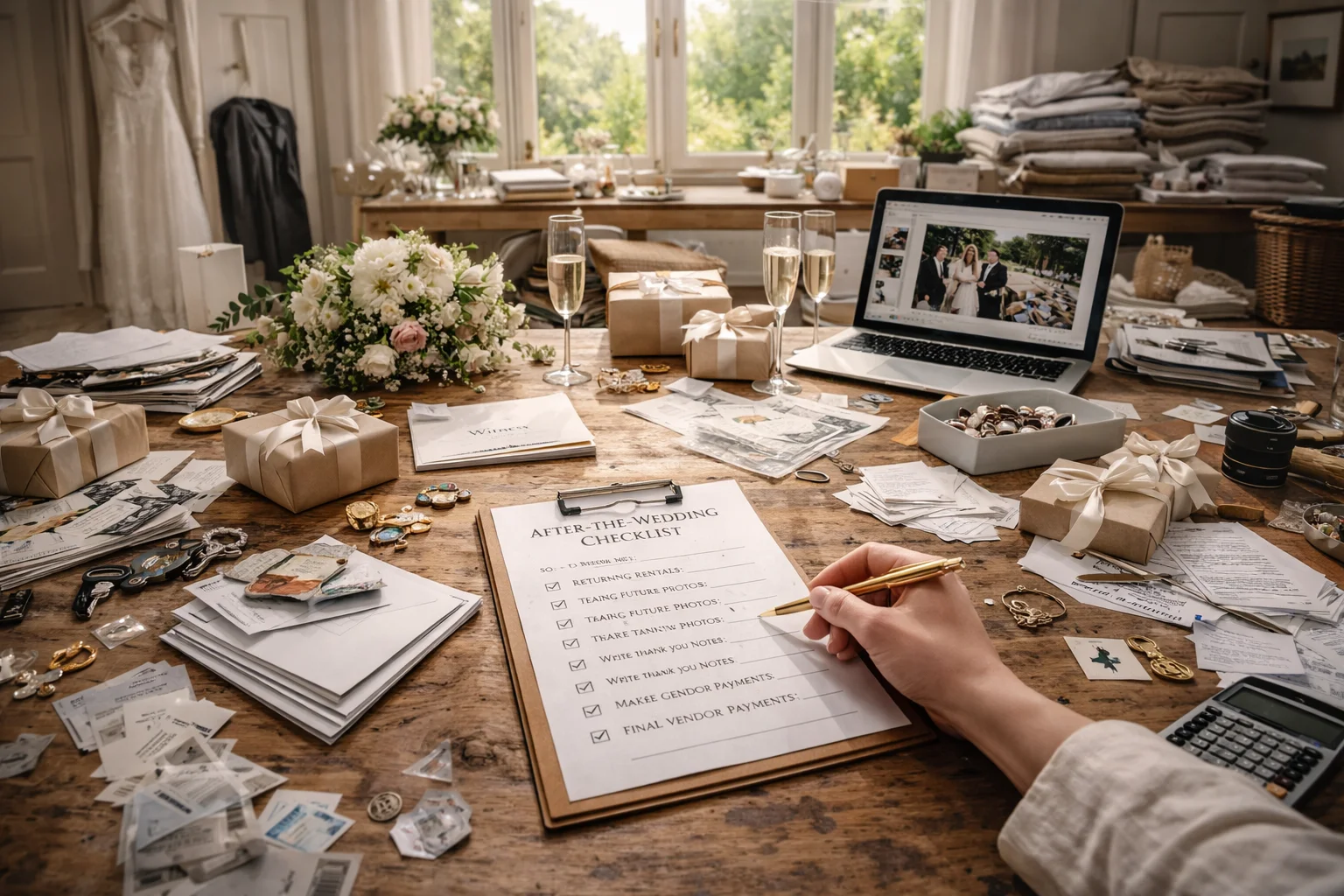
After-the-Wedding Checklist: What Still Needs to Be Returned, Paid, Thanked, or Closed
A wedding rarely ends when the last guest leaves. What follows is quieter, more practical, and often more emotionally mixed than couples expect. This article looks at what still needs to be returned, paid, thanked, or closed after the wedding, and why the days after the celebration are part of the wedding's meaning, not just its cleanup.
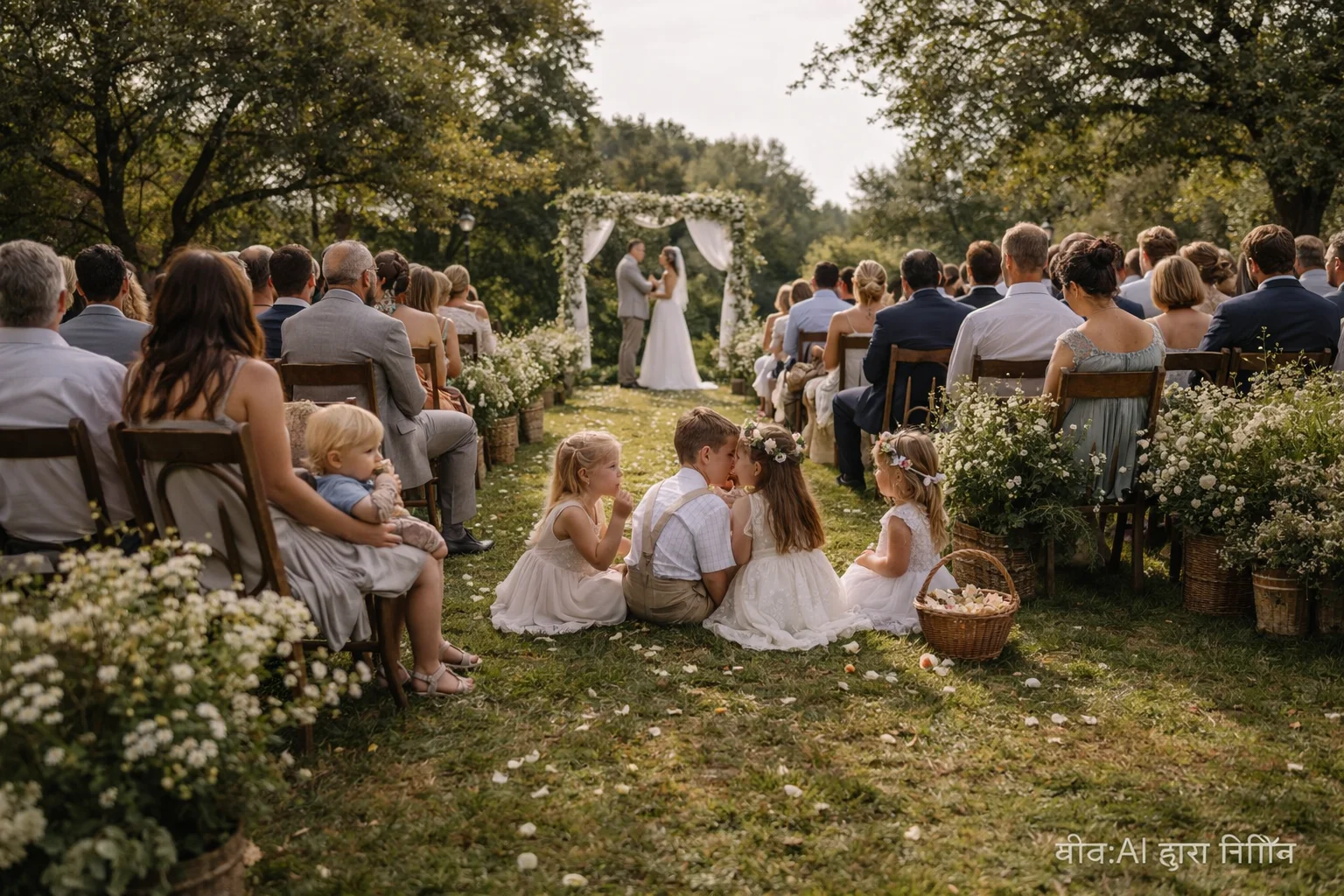
Children During the Ceremony: What Helps in the Exact Moment
Children do not disturb a wedding ceremony by default. They react to pressure, duration, unfamiliar rules, and adult tension. This article looks at what happens in the actual moment, when things begin to tip, how space and sequence can support children better, and how parents can stay part of the celebration without spending the ceremony in crisis control.
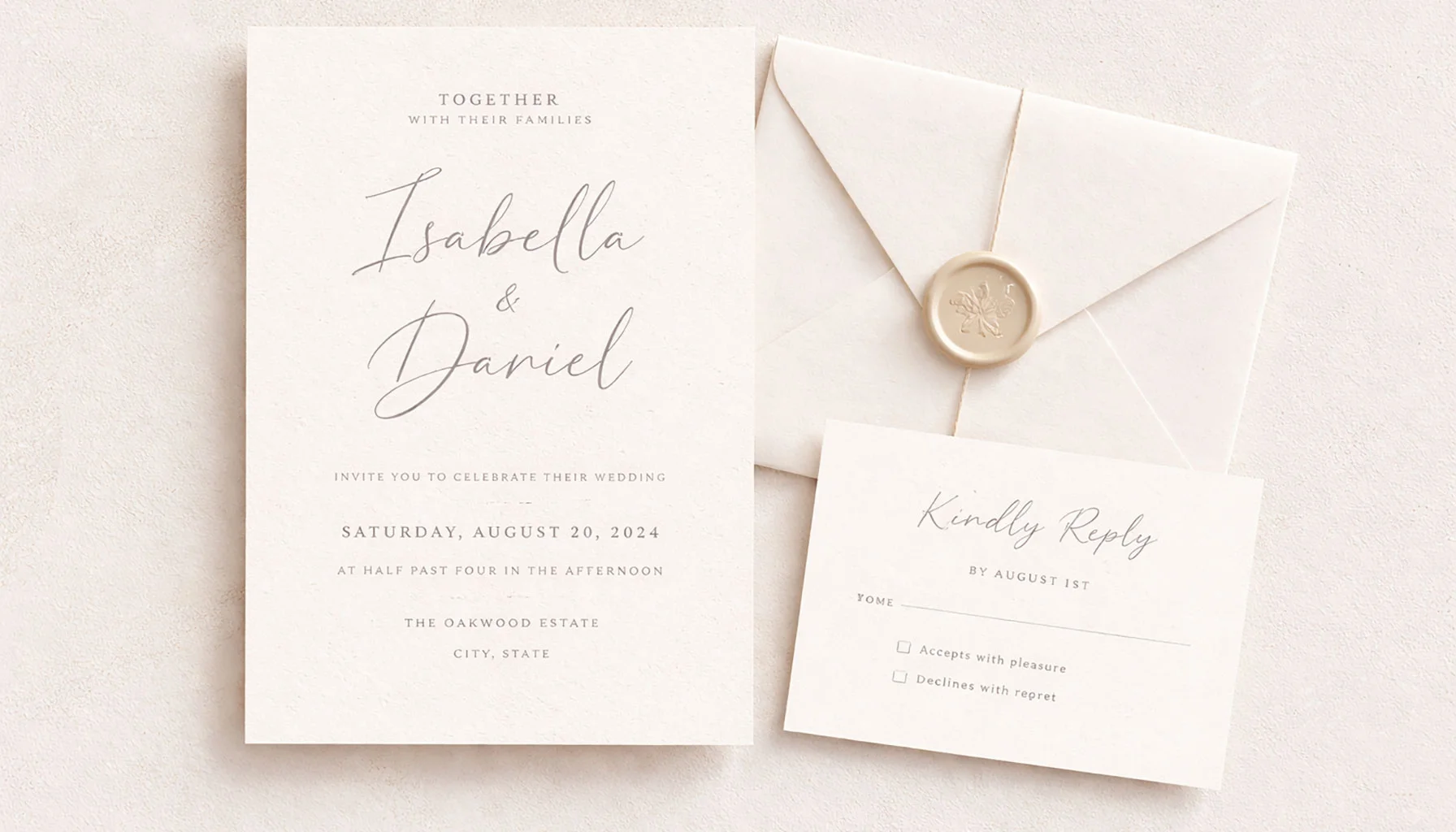
An Invitation to Remember: Creating Wedding Invitations That Set the Tone and Last Forever
A wedding invitation does more than announce a date. It begins shaping expectation, tone, and emotional distance long before anyone arrives. This article looks at invitations as the first quiet threshold of a wedding, where material, wording, and timing begin preparing guests for the day ahead.

A Wedding Shaped by Quiet Alignment
This wedding was defined not by individual highlights, but by its steady flow. Planning, design, and service worked together without drawing attention to themselves. For guests, the day unfolded naturally and remained consistent, carried by a sense of calm, closeness, and continuity throughout.

Rain Plan Checklist: What Needs Deciding Before Weather Becomes the Mood
A wedding rain plan is rarely just a backup for logistics. It also shapes whether weather stays manageable or quietly takes over the emotional tone of the day. This article looks at what needs to be decided early, so rain changes the setting without deciding the atmosphere.
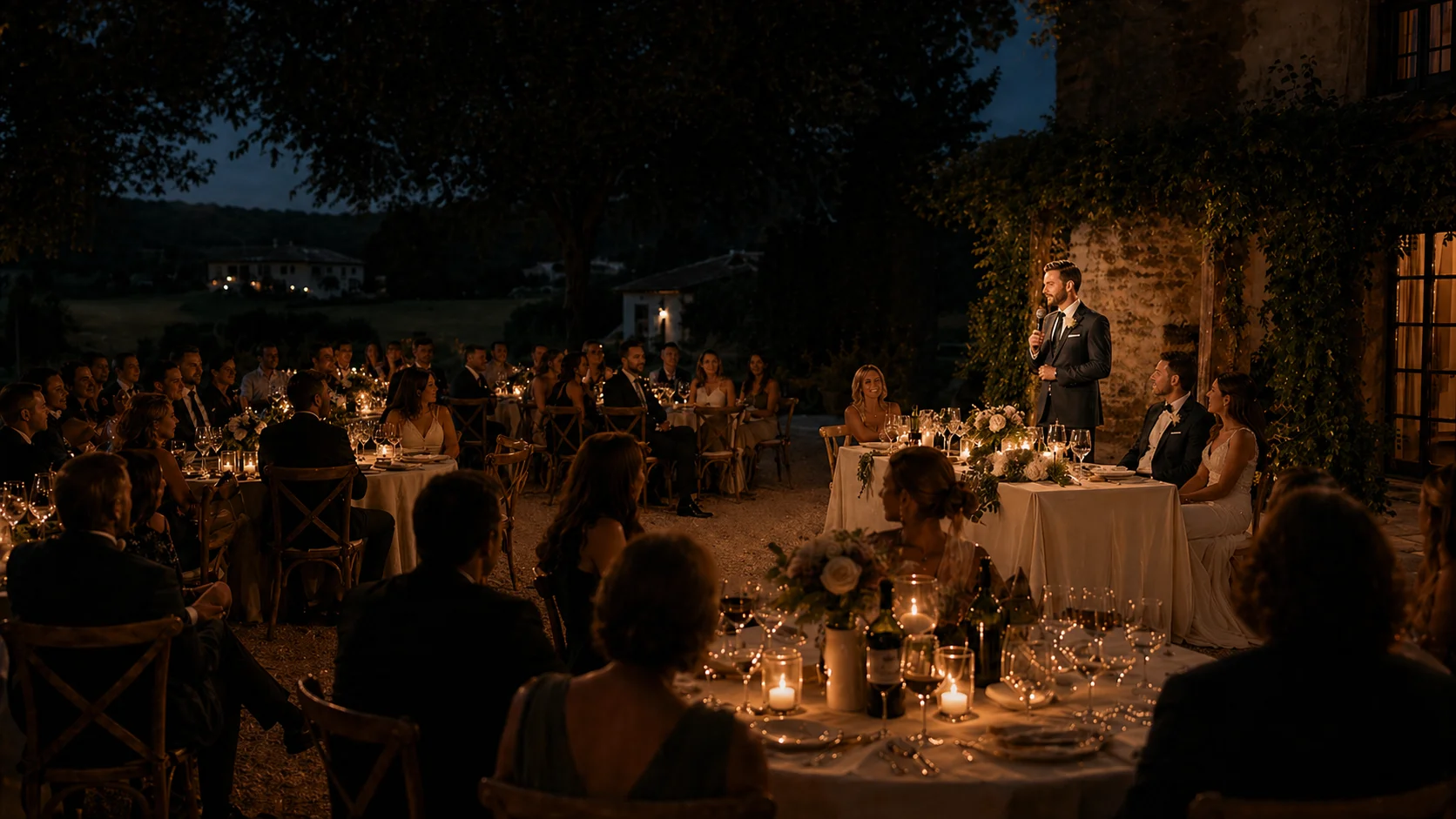
Speech Moment Checklist: What Makes a Toast Feel Held, Not Exposed
A wedding toast depends on more than good writing. It lands differently depending on attention, sound, timing, room tone, and the unspoken signals that tell a speaker whether the moment is carrying them or leaving them alone.

The Bridal Dress in Balance
A bridal dress does not come together in a single moment. Selection, fitting, and preparation build on each other over time. When cut, fabric, and movement align, the dress supports the day quietly and allows the bride to remain present and at ease.

Some Things Only Work With Certain Guests
Wedding activities rarely work on format alone. They depend on guest chemistry, timing, shared ease, and the unspoken permissions already moving through the room before anyone fully names them.

Wedding Morning Checklist: What Helps the First Hours Stay Calm
A wedding morning checklist helps protect the first hours of the day from avoidable stress. It keeps essential items, timing, room atmosphere, and communication clear, while leaving enough space for the morning to still feel calm and human.