
Ceremony Transition Checklist: What Should Be Ready Before Attention Has to Gather
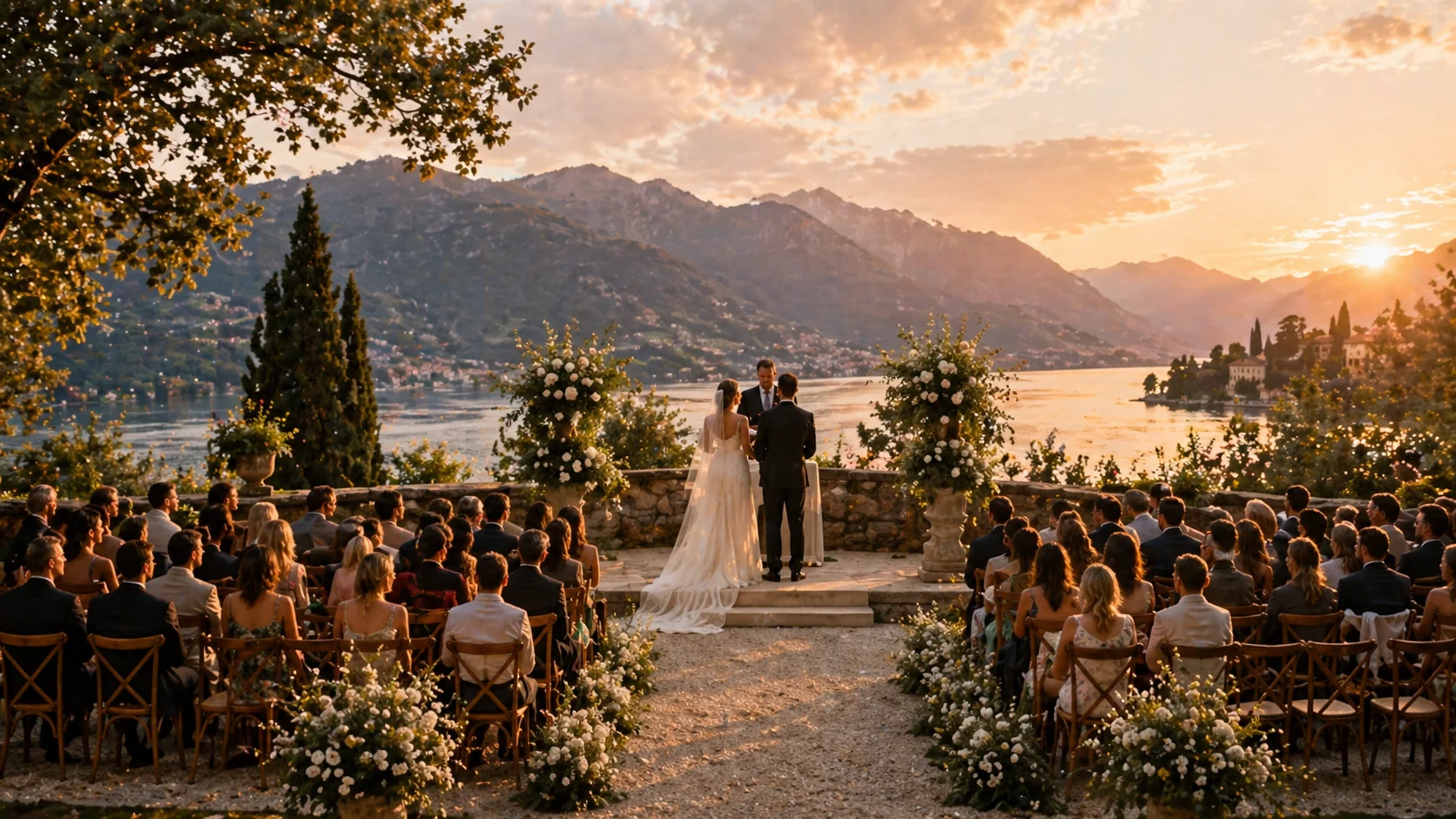
Ceremony transitions are often treated as a short logistical bridge between one part of the wedding and the next. In practice, they carry much more weight than that. This is the moment when guests stop moving as scattered individuals and begin turning into one attentive group. If the transition works, that shift feels natural. If it does not, the ceremony starts while the room is still socially somewhere else.
That is why a good ceremony checklist should begin slightly earlier than most couples expect. Not at the first spoken word, not when the music starts, and not when someone is already asking guests to take their seats. The important work happens just before attention gathers, in the quieter minutes when the structure is not yet visible but needs to be fully ready. This is where planning becomes atmosphere.
Definition
A ceremony transition checklist covers the practical and atmospheric conditions that need to be in place before guests are expected to shift into collective attention. It includes movement, seating, sound, visual cues, timing, and the quieter emotional readiness of the room, all of which shape whether the ceremony begins with calm coherence or low-level friction.
The Route Into Attention Should Already Be Clear
Before guests can focus, they need to understand how to arrive. That sounds obvious, but it is one of the most common weak points in ceremony transitions. People need a visible path, readable seating logic, and a clear sense of where the ceremony actually begins. A venue coordinator once described it simply: if guests are still solving the room, they are not yet available for the ceremony. This is why strong checklist thinking starts with orientation, not sentiment.
The Sound Shift Has To Happen Before The First Words Matter
One of the quietest signs of a well-managed ceremony transition is that the room becomes more listenable before anyone formally asks it to. Background music lowers or changes tone. Staff movement reduces. Glasses stop being collected at the wrong edge of the moment. Conversations begin closing themselves. None of this needs to feel theatrical. It simply needs to happen early enough that the first meaningful words do not arrive while the room is still acoustically elsewhere.
Checklist – CategoryA wedding checklist helps you stay organized and ensures that no important detail is overlooked. From early planning steps to last-minute preparations, it provides a clear overview of what needs to be done and when. With a well-structured checklist, you can plan your wedding with confidence, reduce stress, and enjoy the journey toward your big day.
Someone Has To Carry The Cue, Even If No One Announces It Loudly
Ceremony transitions rarely succeed on infrastructure alone. They usually depend on one or two people quietly carrying the cue into the room. That may be a planner, officiant, musician, venue manager, or trusted friend. The role is not to control guests harshly, but to hold the threshold between movement and attention. Weddings often become awkward here when everyone assumes someone else is doing it. A soft cue is enough. The important thing is that it belongs to someone.
The Pause Before The Ceremony Needs Its Own Conditions
The few minutes before a ceremony are often treated as empty time, but they are not empty at all. They are a real phase of the wedding, and they need their own support. Guests should not still be balancing drinks, relocating chairs, looking for relatives, or wondering whether this is the moment to sit down. The link to the pause lives exactly here. A ceremony begins better when the room has already been allowed to become still enough to receive it. That stillness does not appear automatically. It has to be protected lightly, but on purpose.
Emotional Readiness Matters As Much As Timing
A ceremony can be technically on time and still start too early for the room. Guests may still be greeting late arrivals. Parents may still be settling children. The couple may need one additional minute that no printed schedule can justify but everyone can feel. A celebrant once said that the best ceremonies do not start at the exact planned second. They start when the room and the couple are no longer resisting the beginning. That is not vague. It is often the difference between a ceremony that lands and one that merely proceeds.
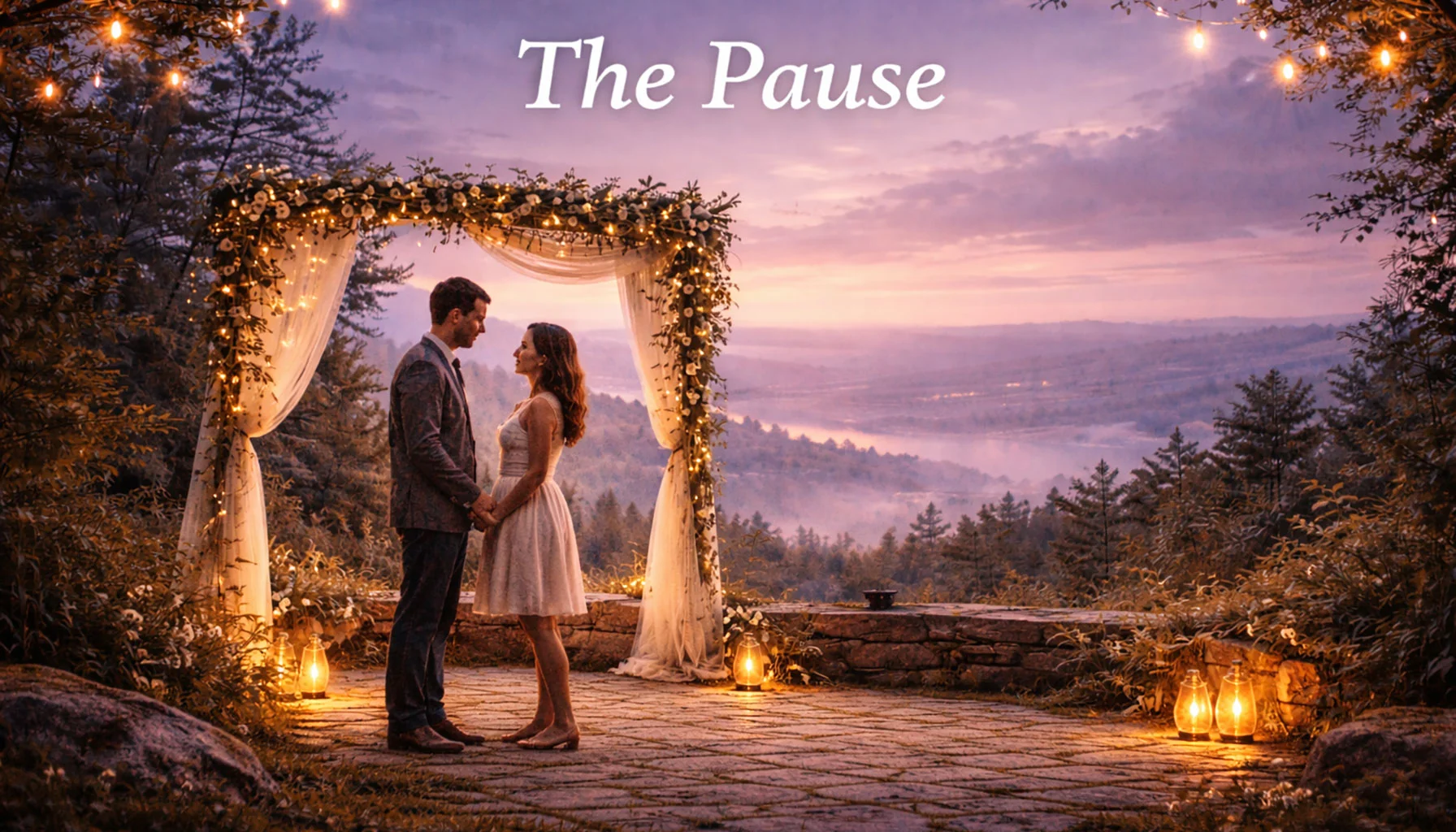
A pause is a moment suspended between intention and action. It is where choice becomes visible.
Conclusion
A ceremony transition checklist is not only about preventing disorder. It is about making sure attention does not have to be forced once it is needed. When the route is clear, the sound has softened, the cue is held, and the pause before the beginning is treated as real time rather than dead time, the ceremony gathers people more naturally. That is usually what couples are hoping for, even if they describe it in simpler terms: that the room feels ready before love has to speak into it.
Related Articles

The Bridal Hairstyle as a Quiet Part of the Whole
A bridal hairstyle supports the entire look. It frames the face, works with the dress, and needs to hold throughout the day. In practice, the most convincing results come from aligning hair texture, proportion, and the flow of the wedding day. Less display. More coherence.

Bridal Getting-Ready Room Checklist: Light, Surfaces, Noise, and Movement
A bridal getting-ready room does more than hold hair, makeup, and dresses. This article looks at light, surfaces, noise, movement, privacy, and the quiet traces the room leaves on the morning before the ceremony.

Groom’s Morning Checklist: What Keeps the First Hours Clear and Unforced
The groom’s morning often looks simple from the outside, but it depends on small decisions made early. This article looks at clothing, food, rings, timing, communication, photography, transport, and the quiet rituals that keep the first hours clear without making them feel staged.
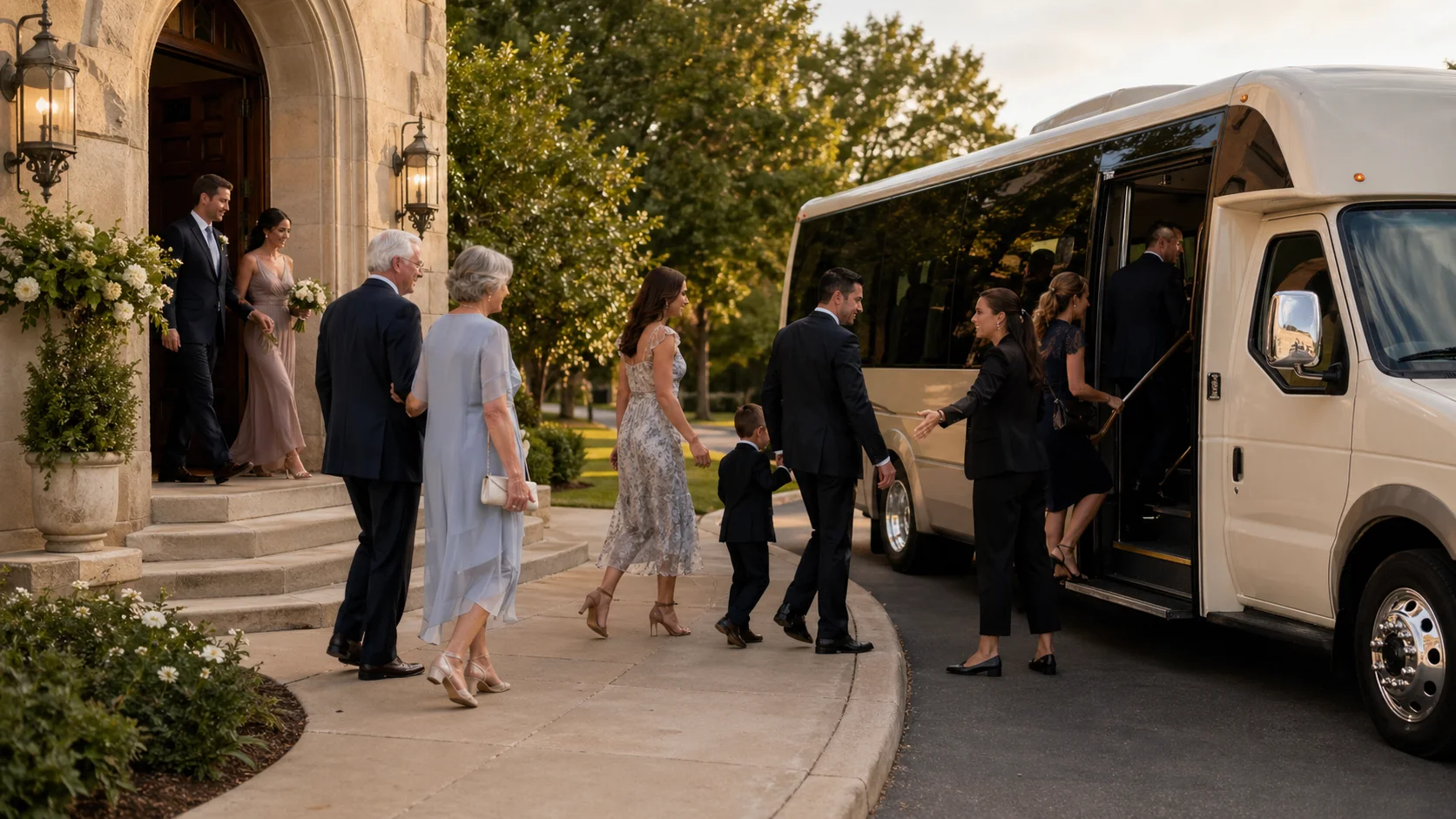
Transportation Checklist: How Not to Lose Time Between Wedding Locations
Wedding transportation is rarely only about the drive. This article looks at pickup points, buffers, driver contacts, guest movement, accessibility, and the pause between locations that either keeps the day together or quietly costs time.

Wedding Guest Communication Checklist: What Guests Need to Know and When
Good wedding communication is not about sending guests everything at once. It is about giving the right information at the right moment, so the day feels clear without becoming overexplained. This article looks at what guests actually need to know, when they need to know it, and why silence still has a place in wedding planning.

A Wedding Shaped by Quiet Alignment
This wedding was defined not by individual highlights, but by its steady flow. Planning, design, and service worked together without drawing attention to themselves. For guests, the day unfolded naturally and remained consistent, carried by a sense of calm, closeness, and continuity throughout.
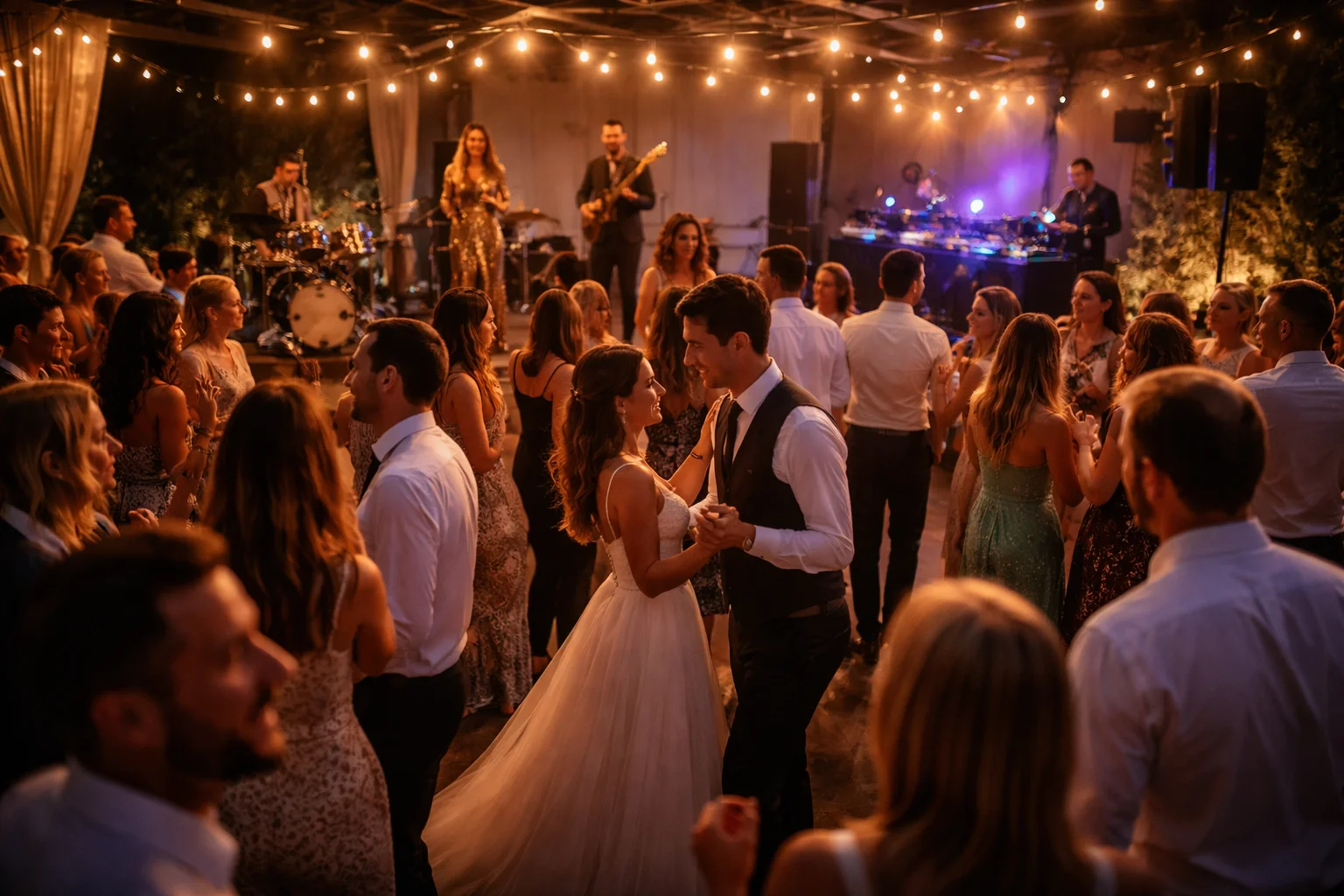
DJ or Live Band: What Actually Fills a Wedding Dance Floor
The choice between DJ and live band is often framed as a style decision, but at weddings it changes timing, energy, and how guests move through the night. This article looks at what really fills a dance floor, what guests actually want, and why the most important musical choice often happens before the first song begins.
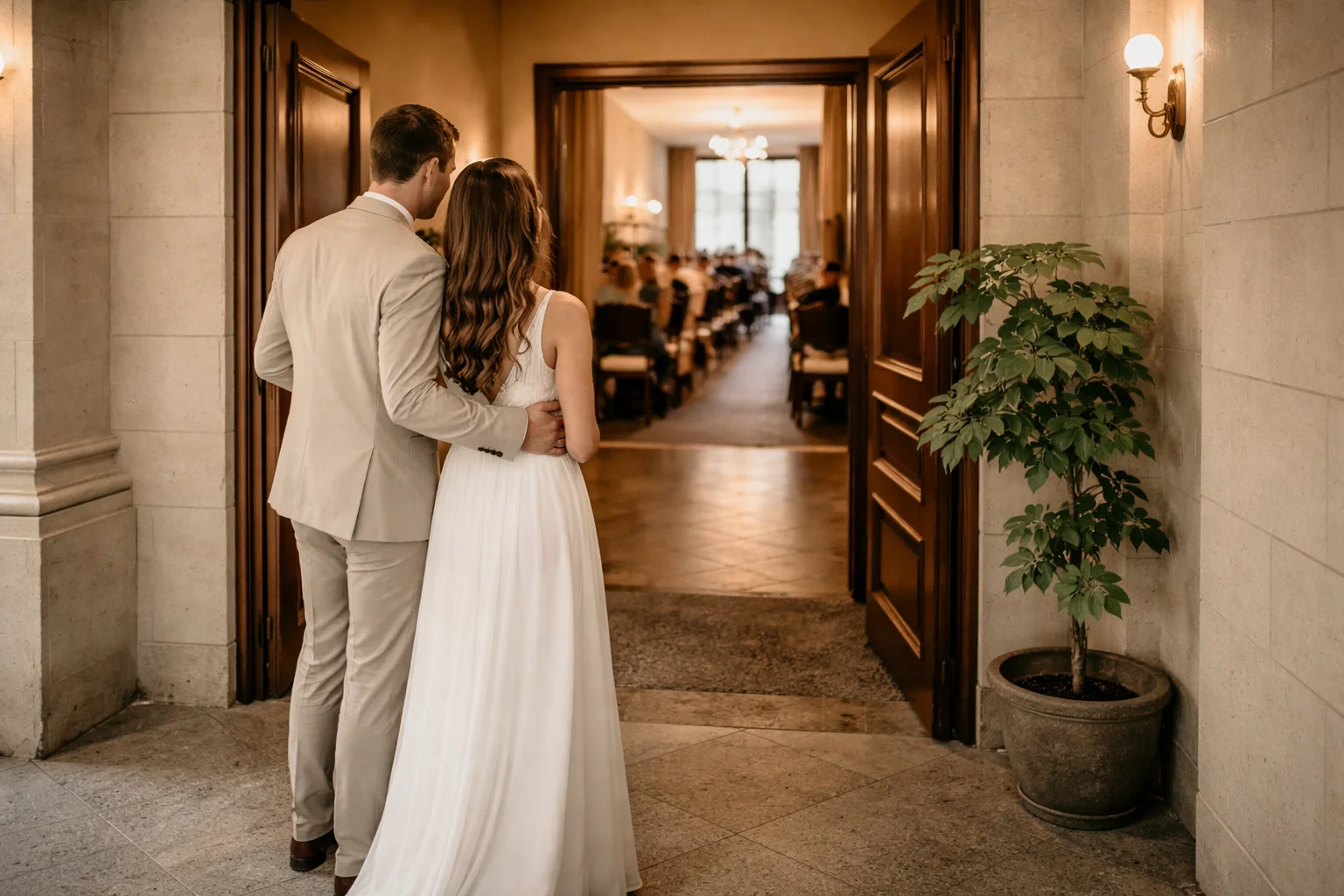
Waiting Before the Civil Ceremony: What the Minutes Outside the Room Actually Feel Like
Civil ceremonies are often described as brief, simple, and administrative. But anyone who has stood outside the room knows that the minutes before they begin can feel strangely dense. This article looks at what those minutes actually do to time, attention, behavior, and emotion, and how the legal ceremony becomes a real threshold between engagement and wedding.

Civil Ceremonies Worldwide: Legal Requirements, Processes, Costs, and Cultural Differences
Civil ceremonies are rarely dramatic, yet they often carry one of the most decisive thresholds in a wedding journey. This article looks at civil marriage across countries through legal requirements, observed processes, cost ranges, and the quieter atmosphere that often surrounds the moment a marriage becomes official.
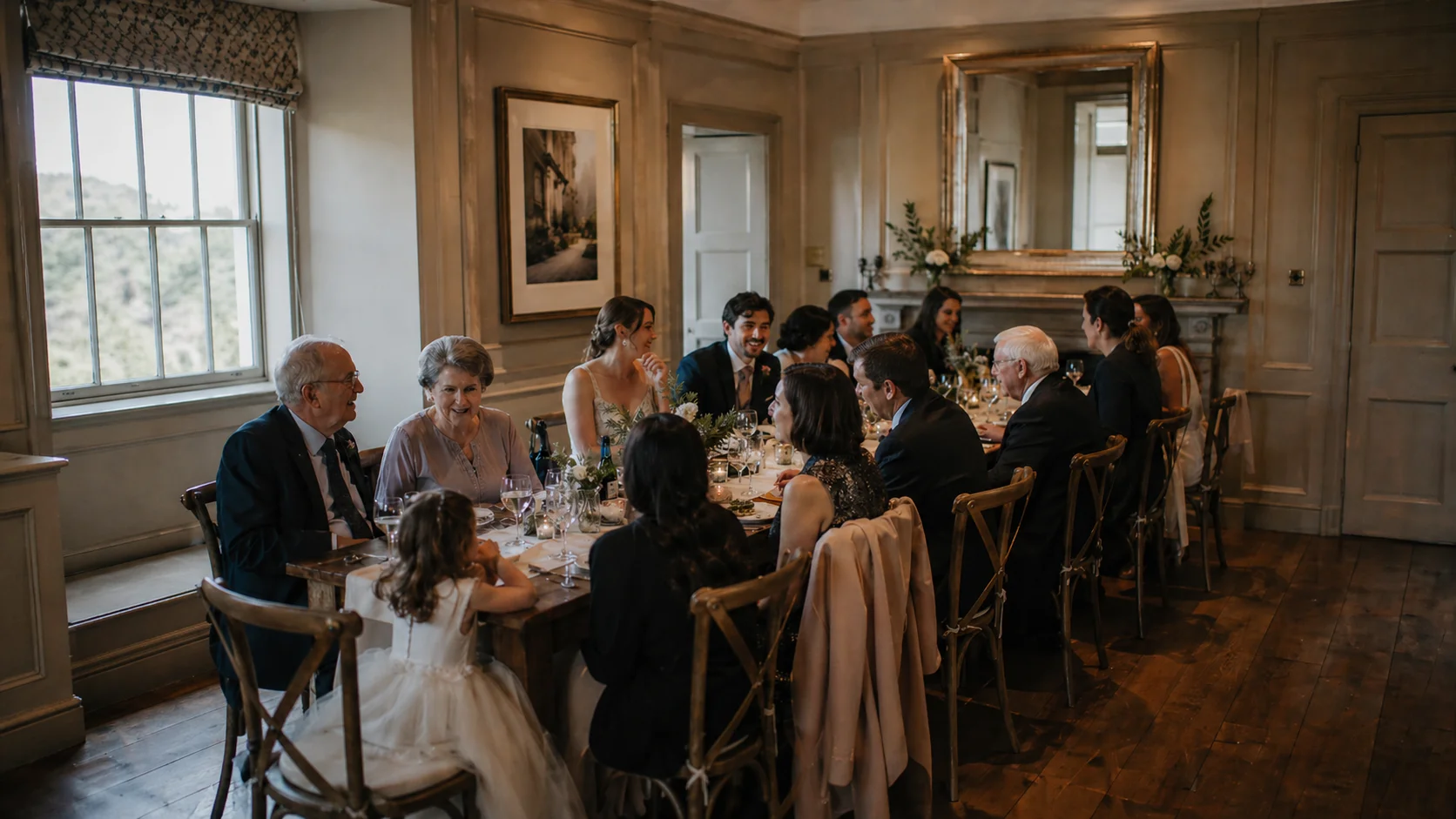
Family Table Checklist: What Helps Mixed Generations Sit More Easily Together
Family tables at weddings rarely depend on seating order alone. They work better when physical comfort, conversational balance, newer relationships, and older family stories are all considered before dinner begins.
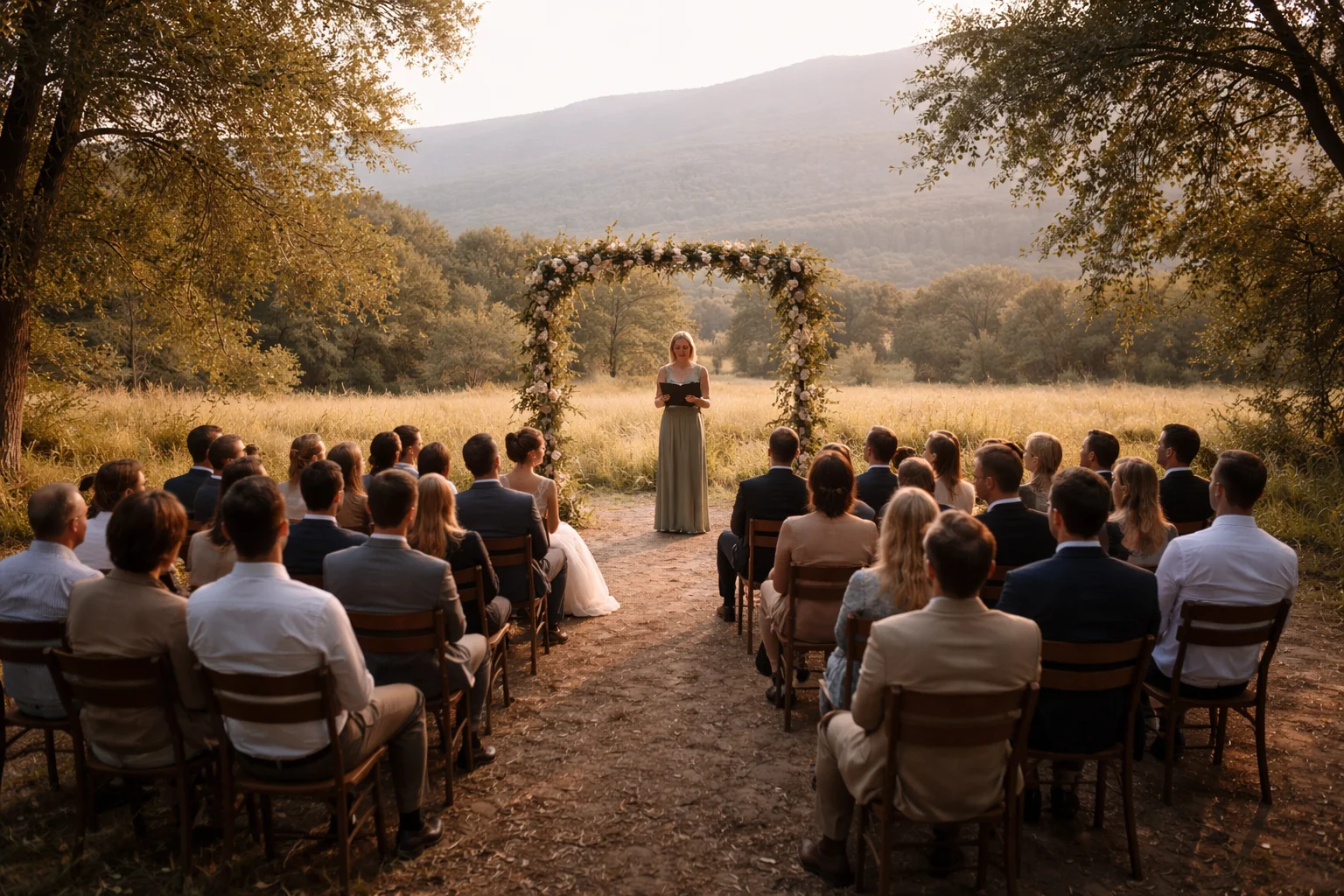
Free Ceremony Officiants: Presence, Voice, and the Shape of Attention
In a free ceremony, the officiant cannot lean on inherited authority or a structure everyone already recognizes. What carries the moment instead is subtler: presence, voice, timing, and the ability to hold attention without gripping it too tightly. This article looks at how officiants shape free ceremonies through the smallest visible forms of guidance.
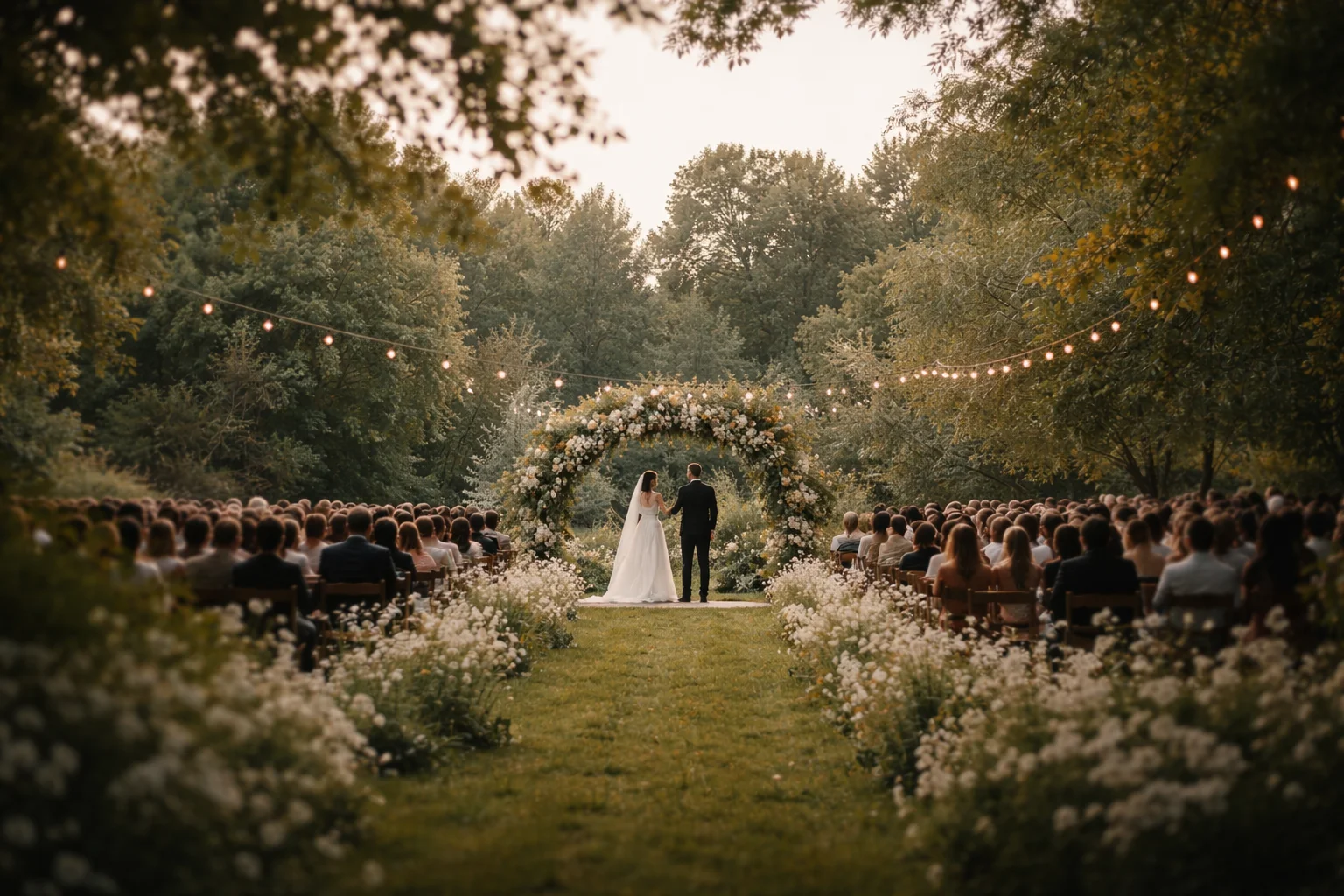
The Quiet Structure of a Wedding: How Checklists Become Rituals
Behind every calm, meaningful wedding lies a structure that no one notices. This piece explores how practical checklists and deeply felt rituals are not opposites, but partners in shaping a ceremony that feels grounded, intentional, and real.