
A Calm Structure for Wedding Planning
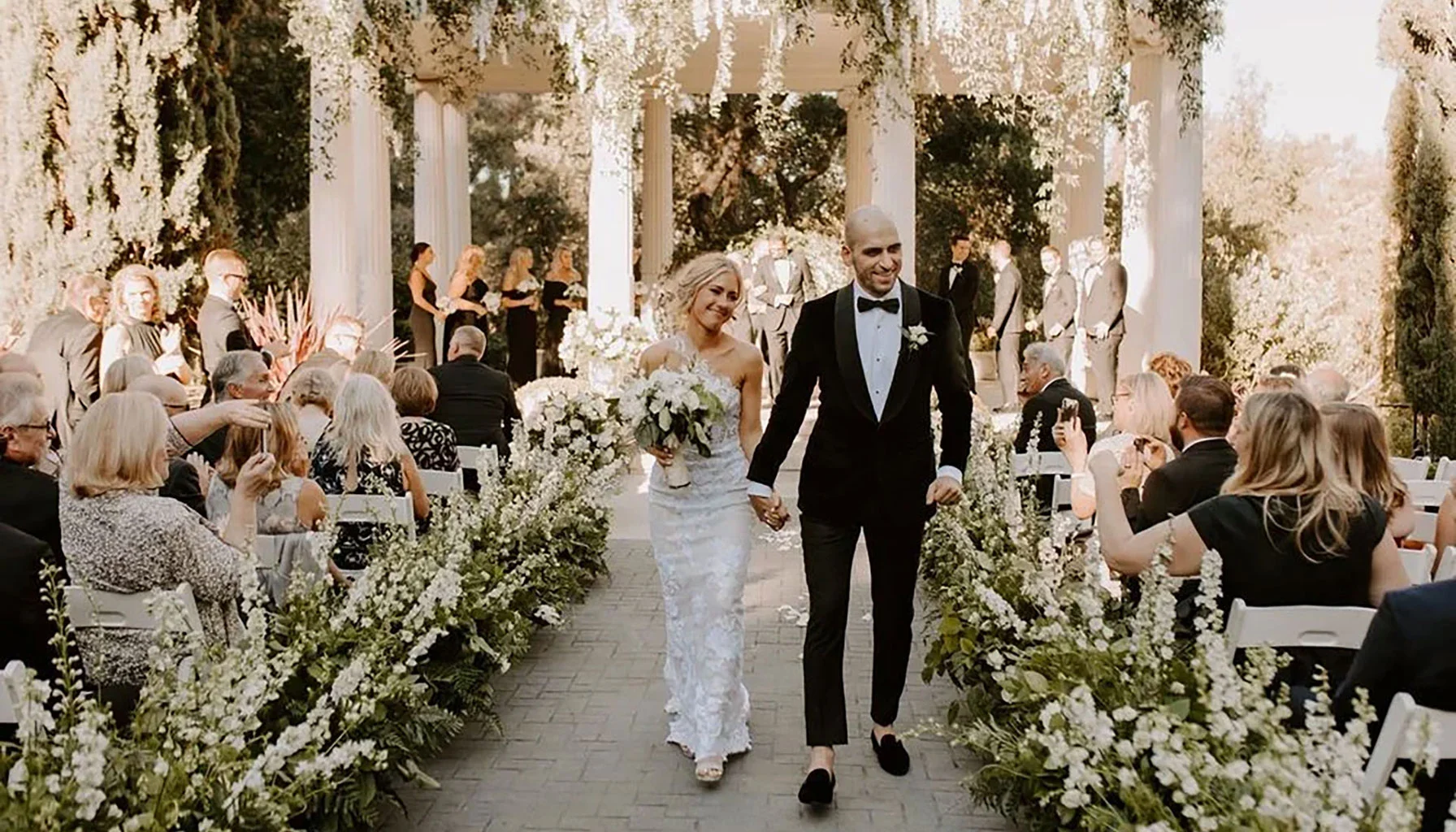
A Practical Wedding Checklist
Introduction
Wedding planning often begins quietly. A conversation in the evening. A shared note on a phone. Over time, more decisions appear. Some feel clear right away. Others take longer. This checklist grew out of observation rather than theory. It reflects how planning usually unfolds when people stay close to what feels workable, not ideal. It leaves room for changes. And for moments when things suddenly align.
Timeline & Checklist
12–18 Months Before the Wedding
- Talk openly about the kind of day you want to spend together
- Set a budget that feels steady, knowing it may shift
- Write an initial guest list without treating it as final
- Look at dates through availability rather than preference
- Visit venues and decide once something feels usable and calm
- Clarify what kind of ceremony is legally and personally needed
- Reach out to key vendors early and allow time for replies
- Consider whether outside coordination would feel supportive
9–12 Months Before the Wedding
- Confirm vendors that shape the structure of the day
- Decide who, if anyone, will stand close during the ceremony
- Begin looking at attire with realistic timelines in mind
- Check accommodation options if guests are traveling
- Think through how people will arrive and move between places
- Create a shared place for information if it feels helpful
6–9 Months Before the Wedding
- Order attire with space for later adjustments
- Decide how personal the ceremony should feel
- Choose colors and materials that are easy to work with
- Book florals and rentals once guest numbers settle
- Taste menus if possible, or review options with care
- Send save-the-dates if guests need time to plan
- Begin thinking about time away after the wedding
3–6 Months Before the Wedding
- Send invitations with clear and simple RSVP details
- Finalize menu and drinks with the venue
- Sketch a seating plan, knowing it will evolve
- Confirm hair and makeup arrangements
- Choose rings in a way that feels unforced
- Arrange transport where distance matters
- Draft a timeline that leaves breathing room
- Complete legal paperwork early if possible
1–3 Months Before the Wedding
- Track responses and follow up personally when needed
- Settle the seating plan close to the deadline
- Write vows and speeches without aiming for polish
- Confirm all details with vendors in writing
- Prepare music lists if they are part of the plan
- Plan the rehearsal with only those involved
- Decide calmly about favors
- Put together a small essentials kit
1–2 Weeks Before the Wedding
- Share final guest numbers with venue and catering
- Attend last fittings
- Prepare payments and handover notes
- Print only what will be used
- Collect essentials for the day in one place
- Check the weather and adjust lightly if needed
- Let planning slow down
Wedding Day
- Eat something early
- Allow the schedule to breathe
- Let one trusted person handle questions
- Stay present during the ceremony
- Notice what unfolds
After the Wedding
- Return rentals in a timely way
- Send thank-you notes over time
- Sort photos and documents gradually
- Handle name changes when it feels right
- Leave reflections once the experience settles
- Give the day space to land
Conclusion
Most weddings do not feel smooth while they are happening. Still, the structure holds. Earlier decisions create calm later on. This checklist is not a rulebook. It is a shape that many couples recognize afterward. One couple said, “It gave us something to lean on, without telling us what the day had to be.”
Related Articles
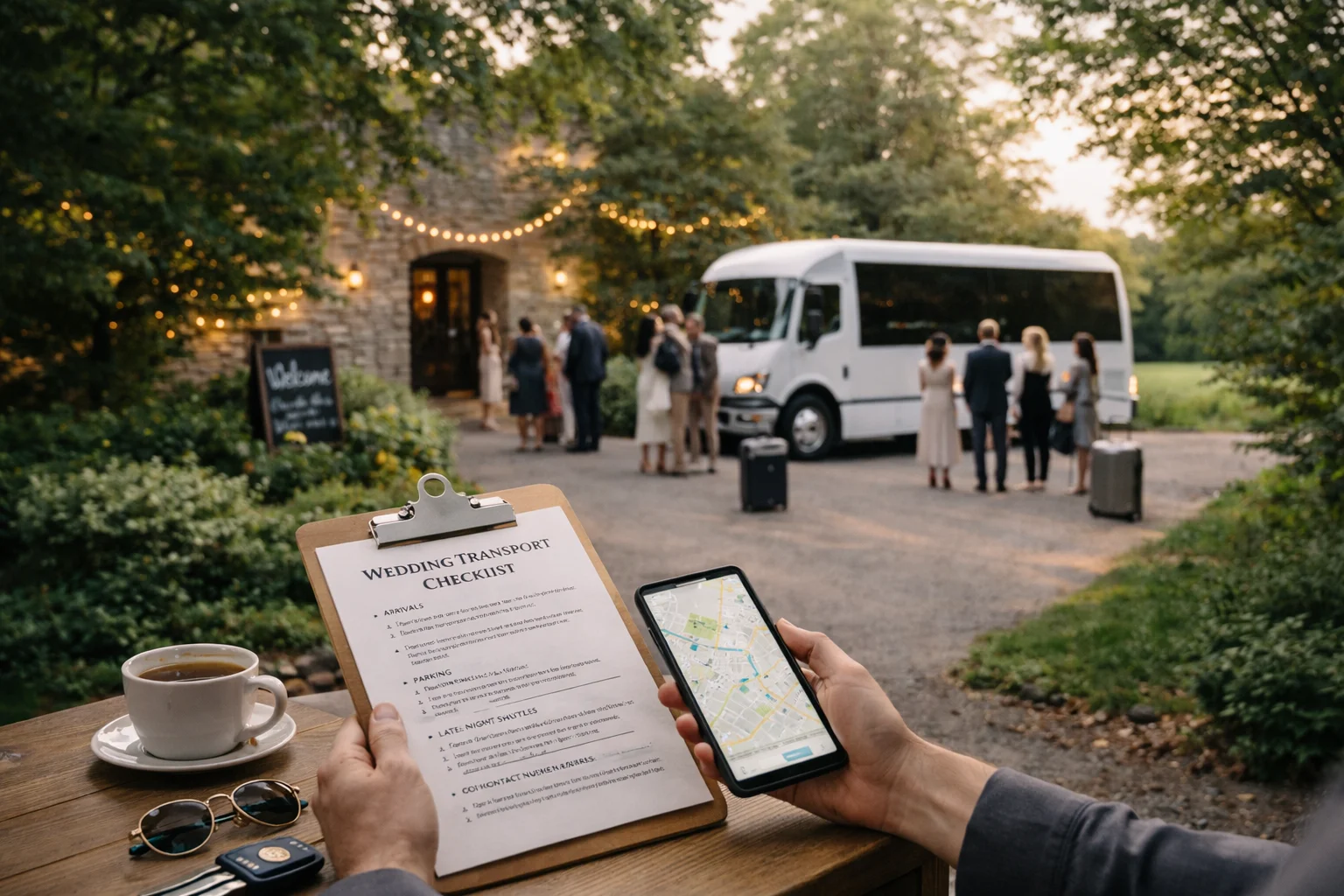
Wedding Transport Checklist: Arrivals, Transfers, Parking, and Late-Night Returns
Wedding transport is rarely remembered when it works, but it shapes the day long before the ceremony begins and long after the central moment has passed. This article looks at what still needs to be planned around arrivals, transfers, parking, and late-night returns, and why movement and waiting belong more closely together than many couples expect.
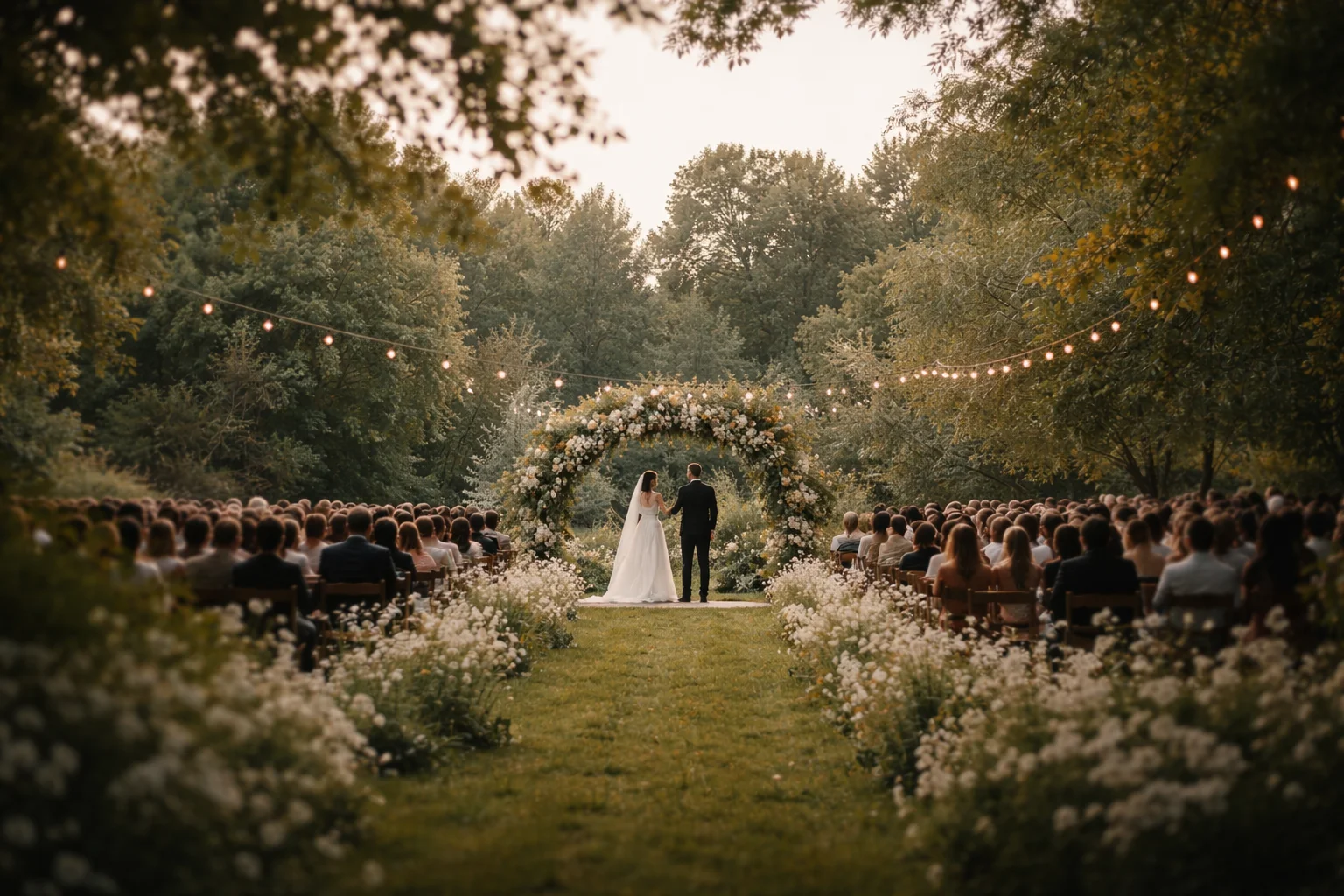
The Quiet Structure of a Wedding: How Checklists Become Rituals
Behind every calm, meaningful wedding lies a structure that no one notices. This piece explores how practical checklists and deeply felt rituals are not opposites, but partners in shaping a ceremony that feels grounded, intentional, and real.

Before Wedding Planning Takes Over: An Engagement Checklist for the Things That Actually Change
An engagement can turn into a wedding project surprisingly fast. Before venues, guest counts and timelines take over, there are quieter things worth checking together: expectations, family pressure, money, symbols, privacy and what the promise has actually changed between you.

Conversations Before Marriage – Life Questions That Clarify the Relationship
A marriage is not just about feelings, but also expectations, imprints, and ideas about everyday life. This text compiles central life questions that couples should clarify with each other before saying 'I do': regarding money, family, children, conflicts, division of tasks, and personal values. Grown from observations, objectively considered, and close to lived everyday life. Conversations that make differences visible – and thereby strengthen connection.
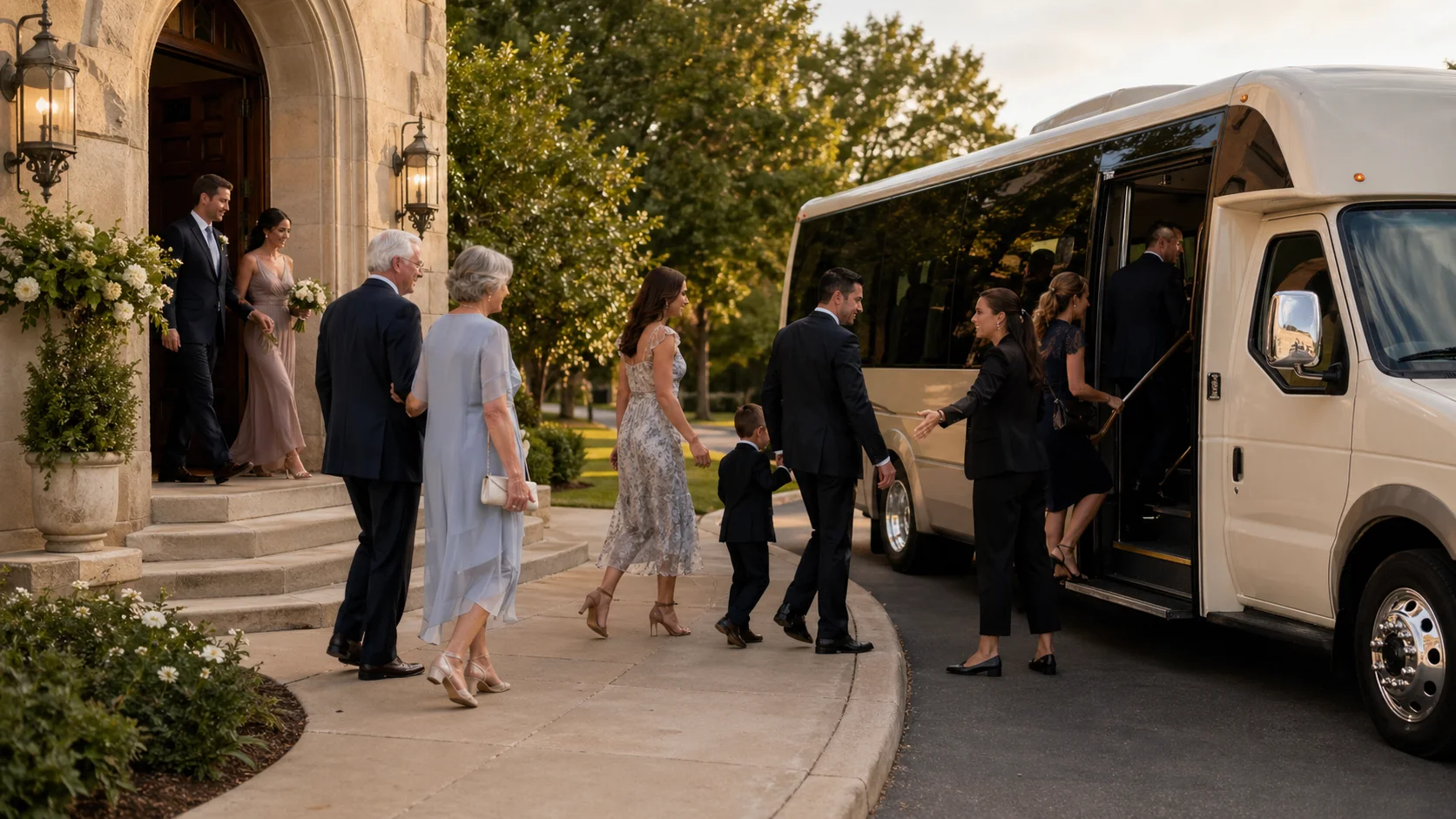
Transportation Checklist: How Not to Lose Time Between Wedding Locations
Wedding transportation is rarely only about the drive. This article looks at pickup points, buffers, driver contacts, guest movement, accessibility, and the pause between locations that either keeps the day together or quietly costs time.
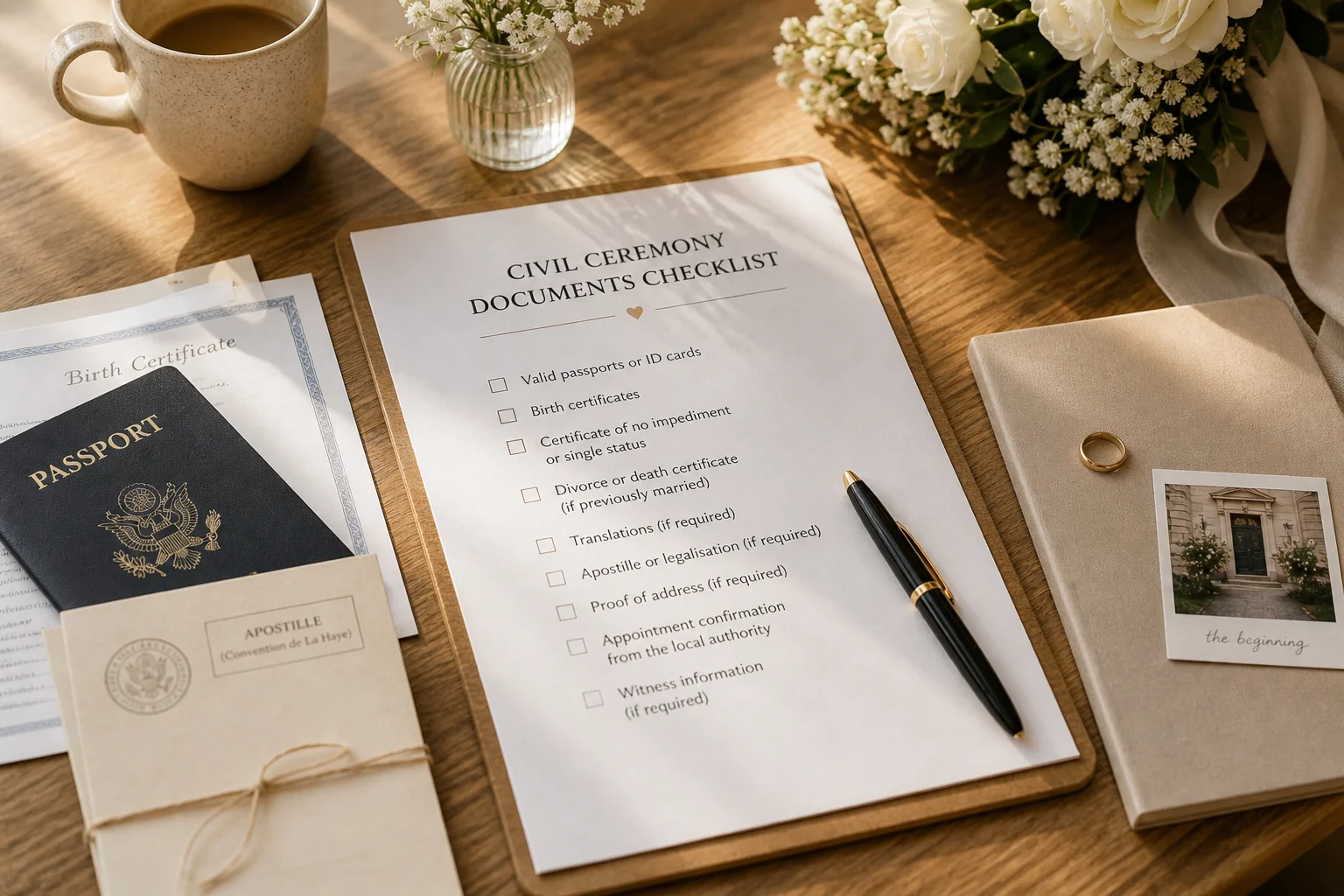
Civil Ceremony Documents Checklist: What Couples Usually Need Before the Wedding Can Happen
A civil ceremony may look simple, but it depends on documents being accepted before the public moment can begin. This article looks at identity records, marital status proof, translations, apostilles, witnesses, appointment rules, and the quiet legal threshold before the ceremony.

Last-Week Wedding Checklist: What Still Needs Attention Shortly Before the Day
The last week before a wedding is rarely about major decisions. It is about clarifying what still has weight, what can no longer be improved by adding more, and what needs to be named before it starts shaping the day in silence. This article looks at what still deserves attention shortly before the wedding and why the unspoken layer often matters most at that stage.

Bridal Getting-Ready Room Checklist: Light, Surfaces, Noise, and Movement
A bridal getting-ready room does more than hold hair, makeup, and dresses. This article looks at light, surfaces, noise, movement, privacy, and the quiet traces the room leaves on the morning before the ceremony.
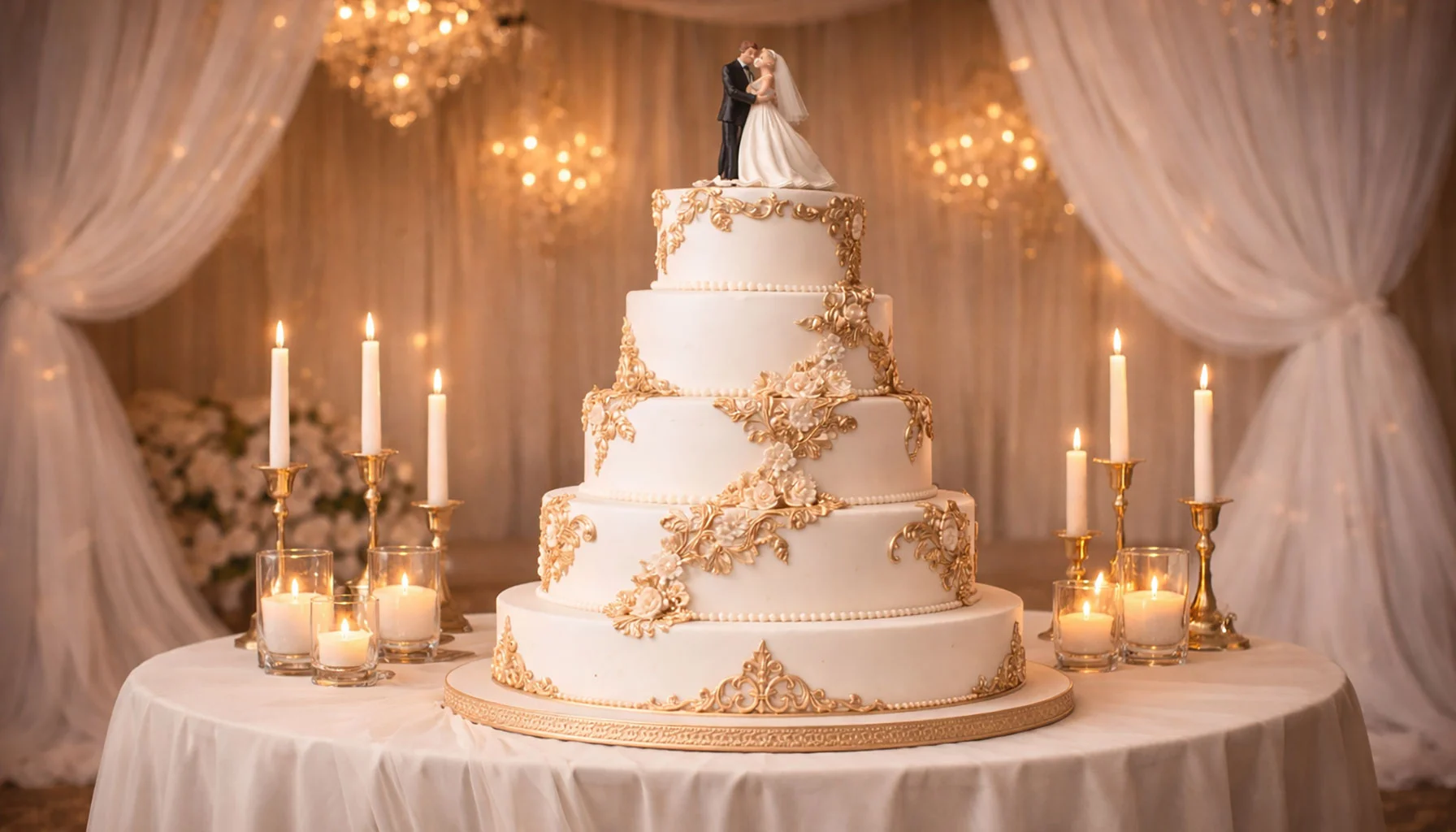
The Wedding Cake – Where Romance, Craftsmanship and Love Meet
The wedding cake is rarely the loudest element of a celebration, yet it often becomes one of the most shared moments. It appears later in the day, when guests have settled, conversations have softened, and attention can gather without effort. More than a dessert, it marks a pause in the rhythm of the wedding. Its presence is quiet, its impact collective. When design, taste, and timing align, the cake becomes part of the experience rather than a separate program point.

Wedding Guest Communication Checklist: What Guests Need to Know and When
Good wedding communication is not about sending guests everything at once. It is about giving the right information at the right moment, so the day feels clear without becoming overexplained. This article looks at what guests actually need to know, when they need to know it, and why silence still has a place in wedding planning.
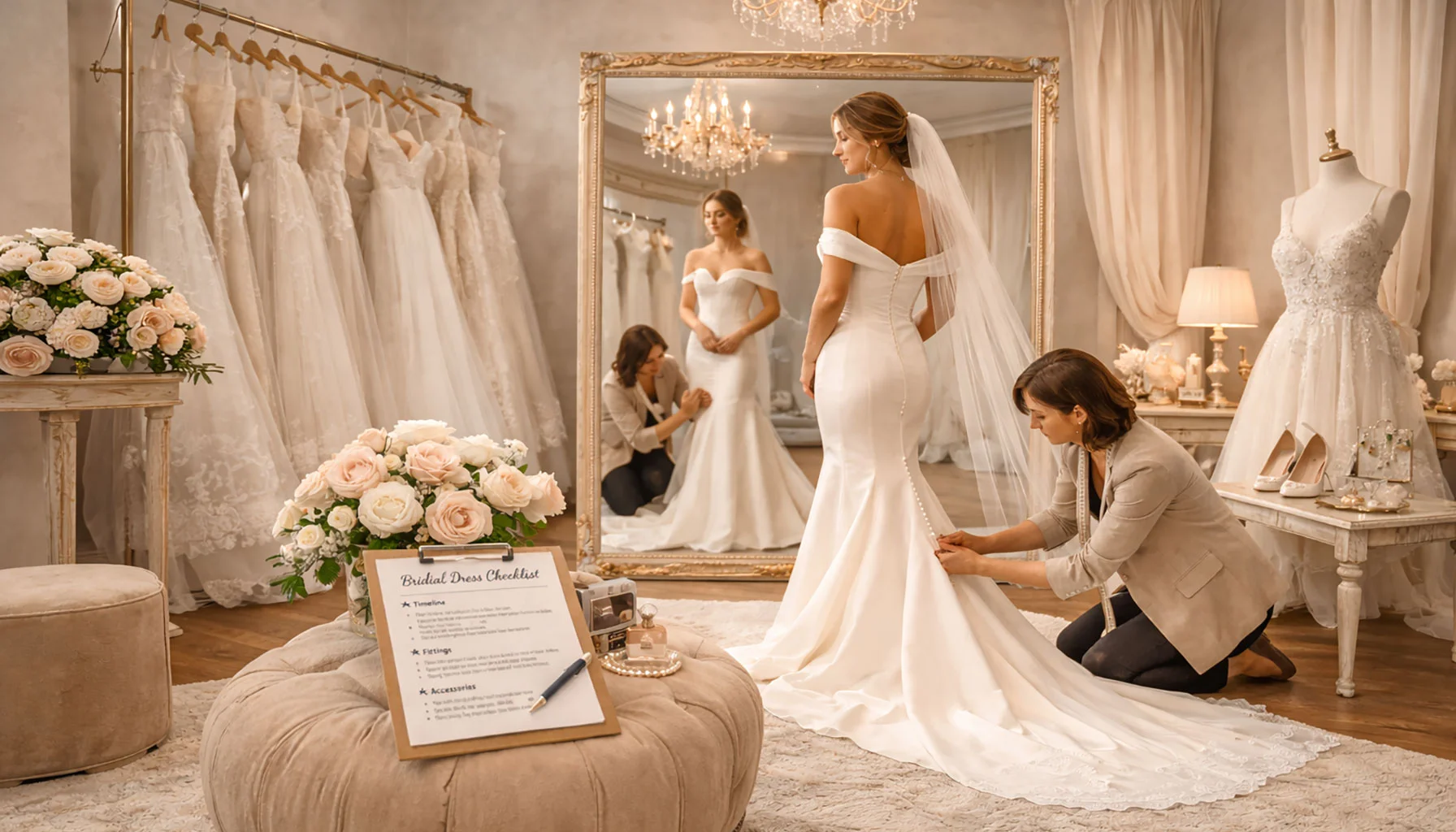
The Bridal Dress in Balance
A bridal dress does not come together in a single moment. Selection, fitting, and preparation build on each other over time. When cut, fabric, and movement align, the dress supports the day quietly and allows the bride to remain present and at ease.
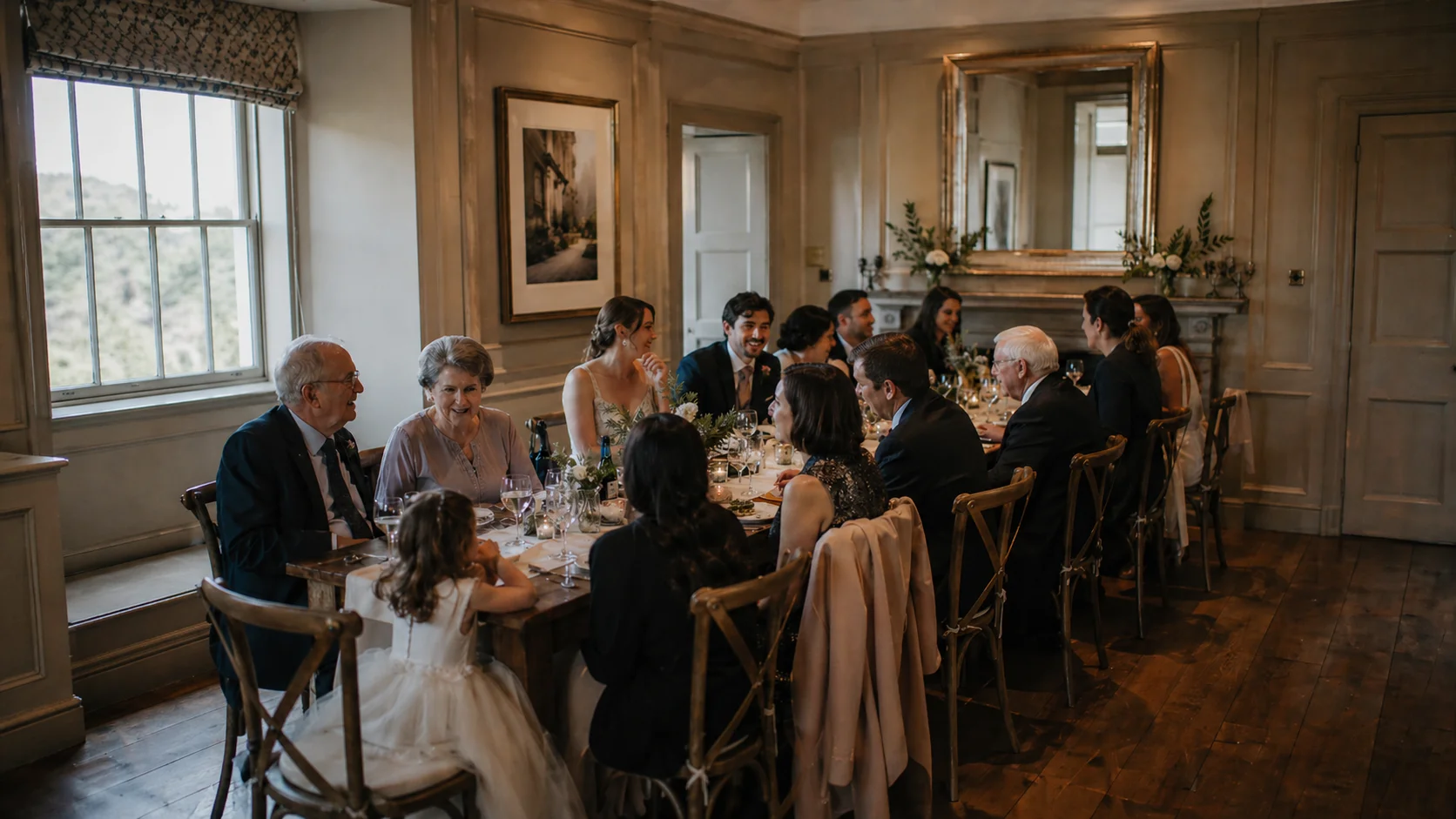
Family Table Checklist: What Helps Mixed Generations Sit More Easily Together
Family tables at weddings rarely depend on seating order alone. They work better when physical comfort, conversational balance, newer relationships, and older family stories are all considered before dinner begins.