
Wedding Bag Checklist: The Small Things That Quietly Save the Day
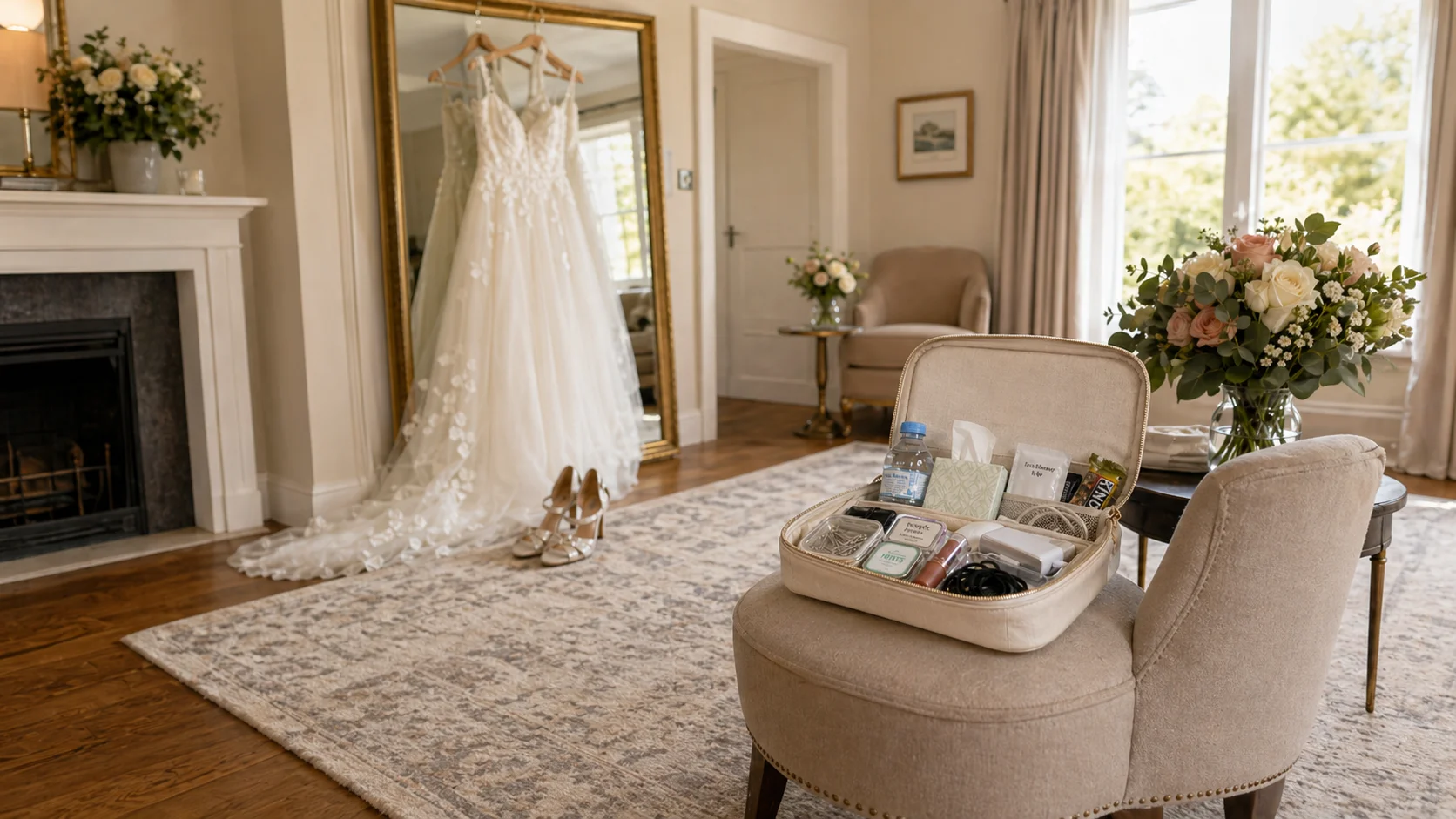
Wedding bags are rarely glamorous. They sit under chairs, travel in car trunks, stay half-open in getting-ready rooms, or follow the day from one location to the next without ever becoming part of the visible design. Still, they often carry the items that keep the wedding from tightening around small avoidable problems. A missing pin, a blister, a sudden headache, an unexpected tear, a phone running out of battery, a child needing a snack right now rather than later. None of these things define a wedding, but they can quietly change how the day is lived.
That is why a useful wedding bag checklist is not really about packing more. It is about packing the right kind of smallness. The objects that matter most are usually not dramatic emergency items. They are modest, specific things that restore ease quickly and let the day continue without drawing too much attention to the interruption. In that sense, a wedding bag is less a backup system than a container for quiet continuity.
Definition
A wedding bag checklist covers the small practical items that help couples, attendants, family members, or planners respond quickly to minor disruptions across the day. It is not meant to anticipate every possible scenario, but to carry the most likely and most quietly useful things so the wedding can keep moving with less friction.
Pack For Recovery, Not For Catastrophe
The most effective wedding bags are built around quick recovery rather than worst-case fantasy. Safety pins, tissues, blotting paper, plasters, pain relief, mints, a small sewing kit, stain wipes, fashion tape, hair ties, and a charger or power bank will usually do more real work than a bag filled with bulky just-in-case items. One planner described it well: most wedding problems are not disasters, they are tiny losses of ease. A strong checklist helps ease return fast enough that the moment does not grow larger than it needs to.
Different Parts Of The Day Need Different Small Things
A useful wedding bag often works best when it reflects the sequence of the day instead of treating the whole event as one flat block of time. The getting-ready phase may need steam-release items such as water, snacks, tissues, makeup touch-up basics, and chargers. Ceremony hours may depend more on rings, vow printouts, handkerchiefs, heel protectors, or umbrellas. Later in the evening, comfort items begin to matter differently: flats, medication, lip balm, snack bars, childcare basics, transport details, or the room key that no one wants to start searching for after midnight.
Checklist – CategoryA wedding checklist helps you stay organized and ensures that no important detail is overlooked. From early planning steps to last-minute preparations, it provides a clear overview of what needs to be done and when. With a well-structured checklist, you can plan your wedding with confidence, reduce stress, and enjoy the journey toward your big day.
The Bag Should Belong To Someone, Not To Everyone
One of the smallest but most common failures is that the bag exists, but no one really owns it. Couples assume a witness has it. A sibling assumes the planner has it. A planner assumes it stayed in the bridal room. Then the item that would have solved something in twenty seconds becomes unavailable precisely when needed. Wedding bags work best when they are attached to a person, not just a location. That person does not need to carry emotional responsibility for the whole day, but they do need to know where the bag is and what is inside it.
Some Of The Most Useful Items Are Not For The Couple
Couples often imagine the wedding bag as something that protects their own experience, but in practice it often ends up helping other people. A grandparent who needs tissues or a mint. A child who suddenly needs a familiar snack. A parent asking for wipes. A friend whose shoe has become impossible. A vendor who needs a printed phone number because the signal is weak. This is one reason good wedding bags feel more communal than personal. They support the atmosphere of the day by making care portable.
What Saved The Day Often Becomes Visible Only Afterwards
The deeper connection to after sits here. Many of the things that truly hold a wedding together are barely noticed in the moment. They become visible later, in retelling. The tissue handed over before tears became awkward. The blister patch that meant someone stayed for another hour. The spare shirt button, the stain wipe, the charger in the car, the snack before the speech. These are not highlight moments. But afterwards, people often remember them with surprising tenderness because they carried the day back toward ease without demanding attention for themselves.

After the ritual ends, life begins again. What remains is not ceremony, but habit, memory, and the quiet work of living with what was promised.
Conclusion
A good wedding bag checklist is not about over-preparing for everything that could go wrong. It is about understanding what small things most often interrupt comfort, timing, or confidence, and keeping the right answer close by. When the bag is thoughtfully packed, attached to the right person, and built around quick recovery instead of panic, it tends to do its best work quietly. That is usually enough. In weddings, small continuity often matters more than visible control.
Related Articles

The Wedding Dress During Pregnancy
A wedding dress chosen during pregnancy follows different rules, even when no one names them. The body leads. The day sets limits. Decisions are shaped by comfort, timing, and how the dress behaves over hours rather than moments. This text looks at maternity wedding dresses as they appear in fittings, ceremonies, and recollections afterward. Not as ideals, but as garments that had to work. The focus stays on what proved suitable, calm, and lasting, without dramatizing the process or framing it as exception.

The Bridal Hairstyle as a Quiet Part of the Whole
A bridal hairstyle supports the entire look. It frames the face, works with the dress, and needs to hold throughout the day. In practice, the most convincing results come from aligning hair texture, proportion, and the flow of the wedding day. Less display. More coherence.

The Wedding Checklist That Grounds You: Turning Planning Into Something Meaningful
A wedding checklist isn’t just about tasks—it’s about clarity, intention, and trust. Here’s how to approach it in a way that feels calm, structured, and truly yours.
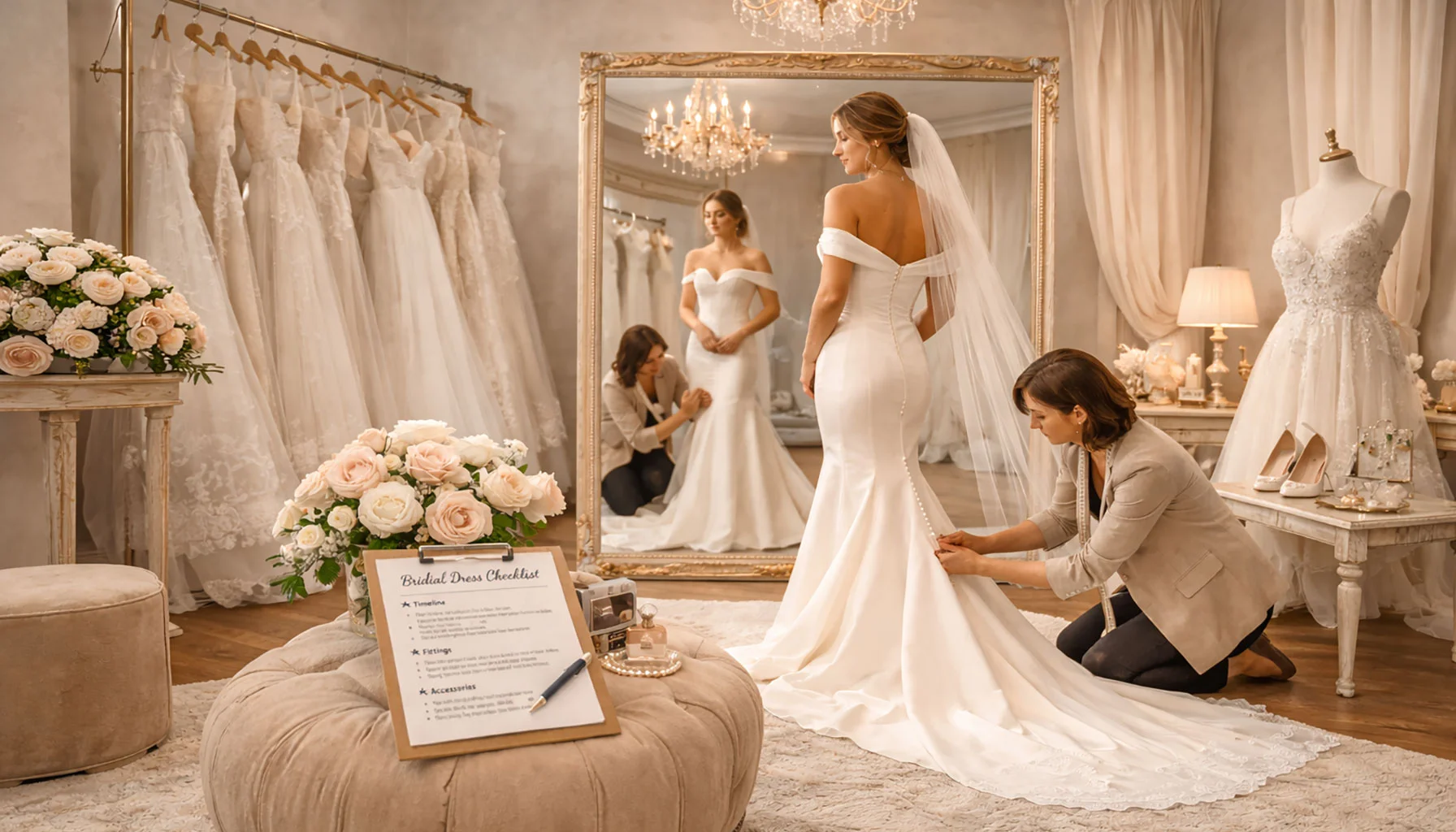
The Bridal Dress in Balance
A bridal dress does not come together in a single moment. Selection, fitting, and preparation build on each other over time. When cut, fabric, and movement align, the dress supports the day quietly and allows the bride to remain present and at ease.
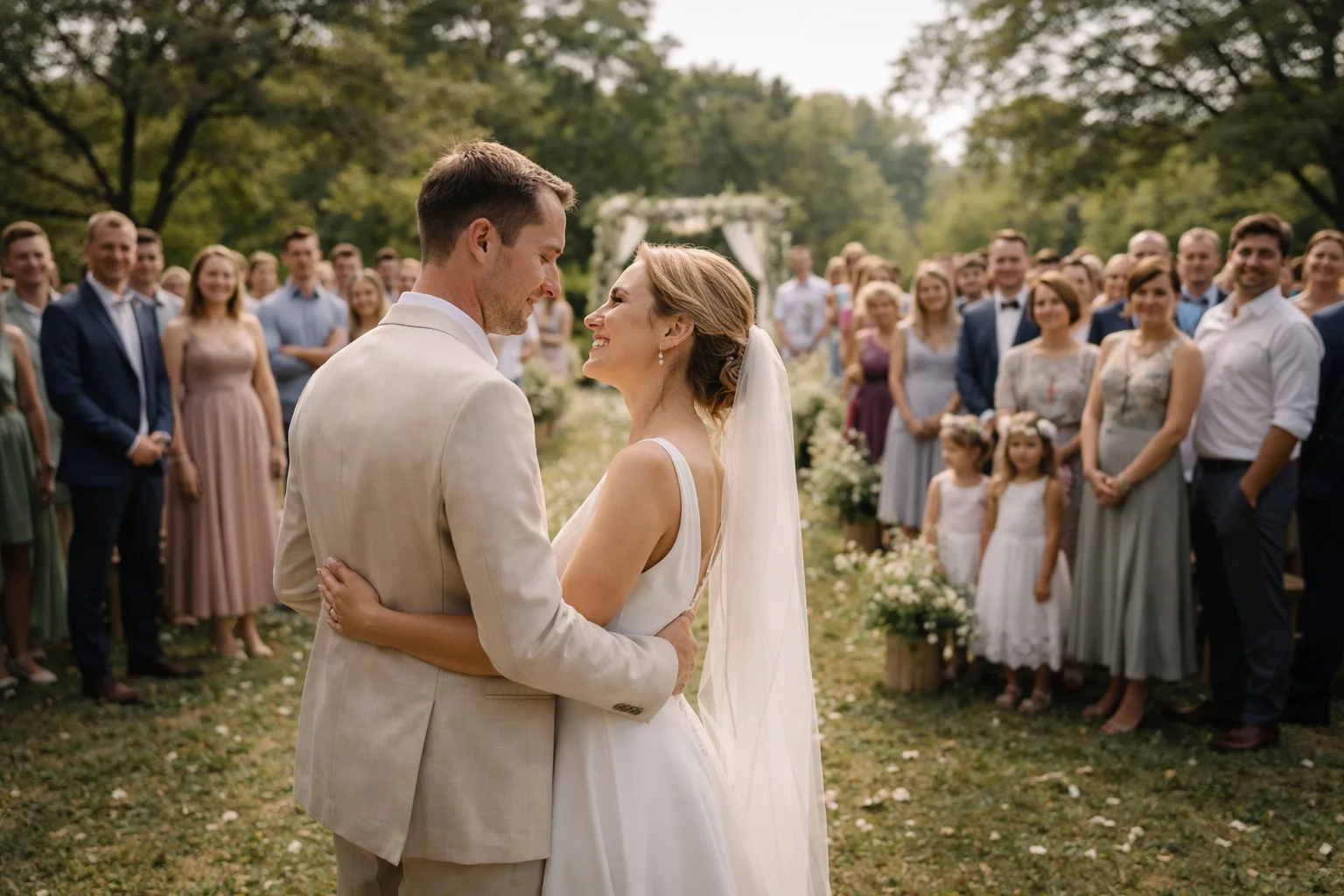
How Kids Change Formal Wedding Moments — and How to Plan for It
hildren change the atmosphere of formal wedding moments faster than most adults expect. They redirect attention, alter pacing, and reveal whether a ceremony, photo setup, or seating plan is flexible enough to hold real life. This article looks at how children affect formal wedding situations and how couples can plan for those shifts without losing the tone of the day.

Backup Checklist for Outdoor Weddings: Shade, Wind, Cold, and the Things People Forget
Outdoor wedding backup plans are not only about rain. This article looks at shade, wind, cold, ground conditions, paths, loose details, guest comfort, and the small weather traces that shape how an outdoor celebration is remembered.
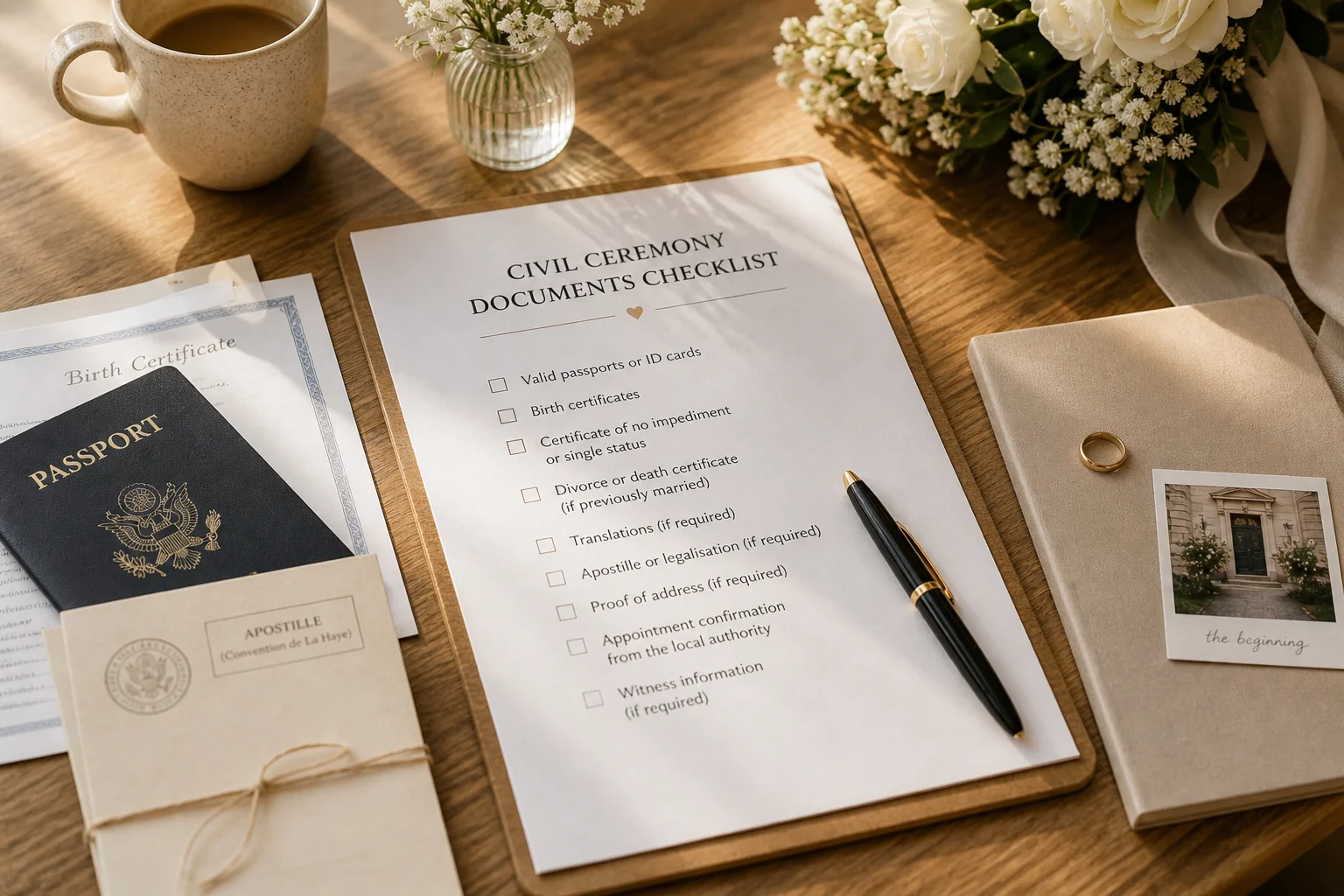
Civil Ceremony Documents Checklist: What Couples Usually Need Before the Wedding Can Happen
A civil ceremony may look simple, but it depends on documents being accepted before the public moment can begin. This article looks at identity records, marital status proof, translations, apostilles, witnesses, appointment rules, and the quiet legal threshold before the ceremony.

Wedding Website Checklist: What Guests Actually Need, and What They Ignore
Wedding websites work best when they reduce uncertainty instead of filling space. This article looks at what guests actually need to find quickly, what they usually ignore, and which unspoken questions a good website can answer before they become messages to the couple.

Guest Comfort Checklist: Small Conditions That Change the Entire Atmosphere
Guest comfort at weddings is shaped by small conditions long before anyone complains. This article looks at temperature, seating, sound, waiting areas, access, and quiet spaces of relief that change how the whole room feels.

Name Change Checklist: What Couples Should Decide Before the Forms Decide It for Them
A name change after marriage is not only paperwork. This article looks at identity, travel, work, family communication, digital names, and the small everyday places where a new or unchanged name starts to matter after the wedding.
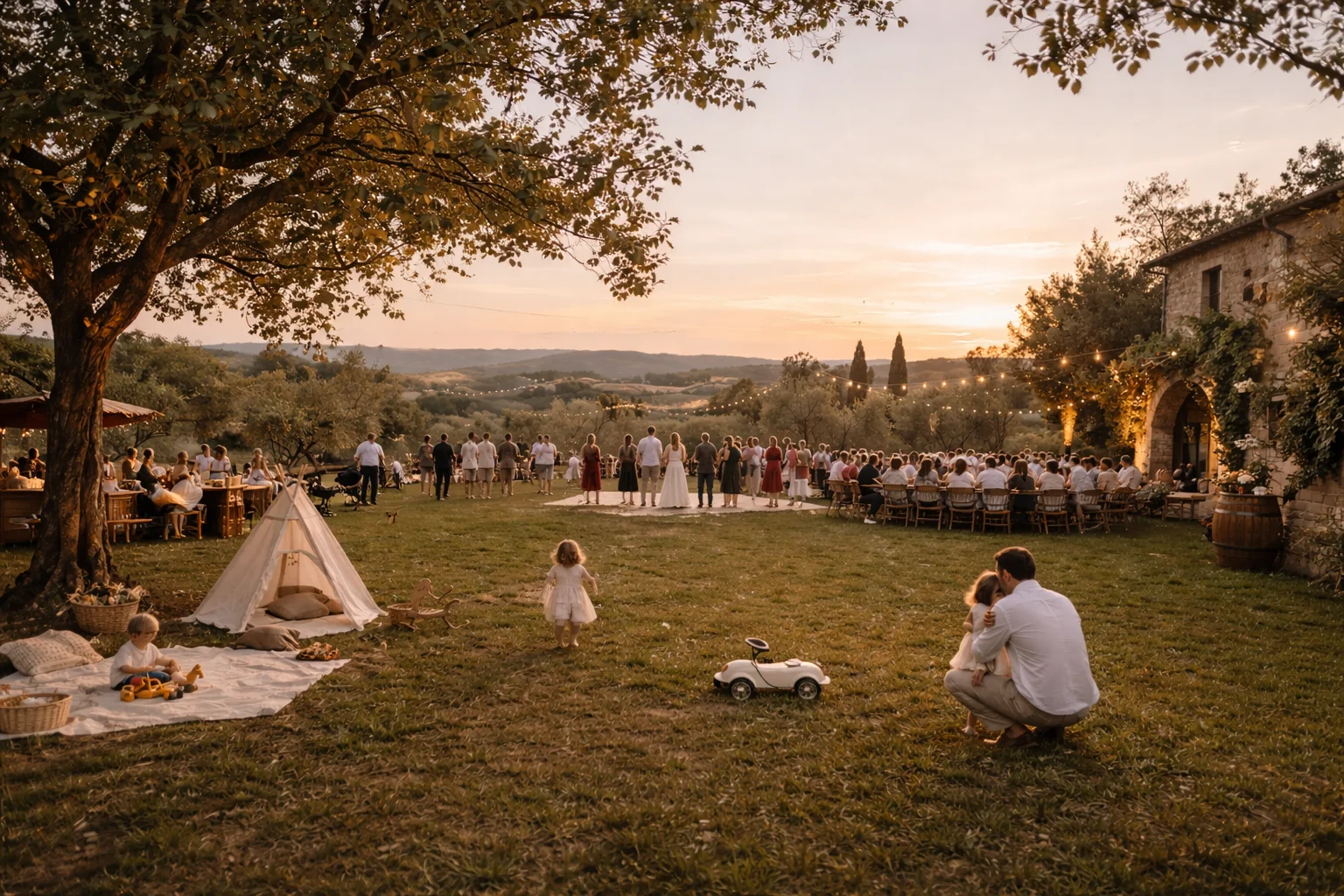
Nap Times, Early Goodbyes, and the Hidden Rhythm of Weddings With Small Children
Weddings with small children often follow two timelines at once: the visible schedule of ceremony, dinner, and dancing, and the quieter rhythm of naps, tiredness, comfort, and early departures. This article looks at how those hidden shifts shape the day in practical and emotional ways.

Thank-You Cards After the Wedding: Tone, Timing, Format
Thank-you cards arrive after the wedding has already shifted into memory, which is exactly why they matter. This article looks at how tone, timing, and format shape the gesture, and why a brief, well-judged card often says more than a longer, more polished one.