
Emotional Load Checklist: Who Carries Too Much, and How to Notice It Early
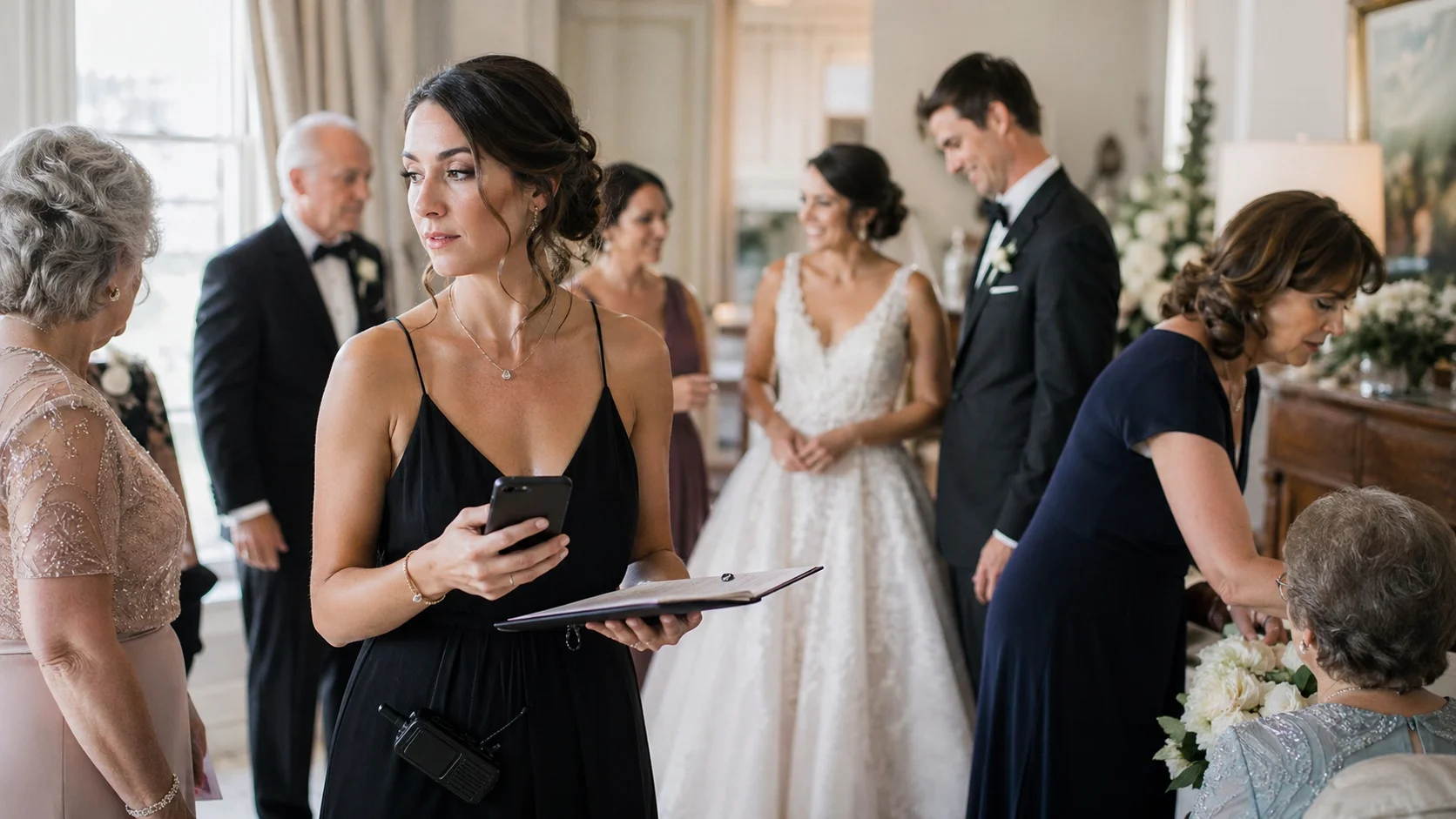
Emotional load at weddings rarely looks like one person breaking down. More often, it looks like someone answering every small question before anyone else hears it. Someone remembering who cannot sit near whom. Someone watching the time while smiling. Someone checking whether the flowers arrived, whether a parent feels included, whether a child is tired, whether the couple has eaten, whether the speech might land badly, whether the photographer knows about the grandmother who does not stand easily. From the outside, this can look like competence. Inside it, the day can become very heavy.
A wedding checklist for emotional load is not about making feelings into a task list. It is about noticing where responsibility is quietly collecting before it becomes too much. The person carrying the load may be the bride, the groom, a parent, a sibling, a planner, a witness, or a friend who somehow becomes the soft place everyone leans on. The problem is not care. Weddings need care. The problem is when care has no edges, no backup, and no one else can see how much one person is holding.
Definition
Emotional load in a wedding context describes the invisible work of anticipating needs, managing tension, remembering sensitivities, absorbing questions, smoothing transitions, and protecting other people’s comfort before and during the celebration. An emotional load checklist helps identify who is carrying that work, where it can be shared, and which signs show that one person is carrying too much.
Watch Who Everyone Automatically Asks
The clearest sign of emotional load is often traffic. Who receives the texts? Who gets pulled aside at the venue visit? Who knows the real reason one table arrangement changed? Who is asked about transport, allergies, family timing, children, speeches, clothing, and whether someone will be offended? A practical checklist should name these contact routes before the wedding week. If every soft or difficult question naturally finds the same person, that person is already carrying more than the timeline shows.
Family Sensitivities Need Shared Context, Not One Private Keeper
Many weddings have delicate family information that cannot be handled casually. Divorced parents, grief, illness, estrangement, old conflict, new partners, seating discomfort, or someone who needs extra support. This context should not sit with one person alone if it affects the day. It can be shared carefully with a planner, witness, MC, or venue lead in a limited and respectful way. The point is not exposing private history. It is making sure the person who knows everything is not also the only person preventing discomfort from surfacing.
Checklist – CategoryA wedding checklist helps you stay organized and ensures that no important detail is overlooked. From early planning steps to last-minute preparations, it provides a clear overview of what needs to be done and when. With a well-structured checklist, you can plan your wedding with confidence, reduce stress, and enjoy the journey toward your big day.
The Couple Should Not Be The Emotional Help Desk
Couples often become the place where everyone deposits uncertainty. A guest asks about dress code. A parent asks whether a relative is upset. A vendor needs a decision. A friend wants reassurance about a speech. These questions may be loving, but they still take space. On the wedding day, the couple should not have to absorb every emotional ripple in the room. Assigning a calm point person for logistics, another for family questions, and another for vendor contact can protect the couple from becoming available to everything at once.
Early Signs Are Usually Physical, Not Dramatic
Someone carrying too much may not say so. They may stop eating, answer messages while getting dressed, keep checking doors, become unusually quiet, snap at a harmless question, or disappear for five minutes and return as if nothing happened. A planner once described emotional overload as the moment someone starts listening to three conversations at the same time. That is often accurate. The early signs are small because the person is still trying to hold the day together. Noticing them early is kinder than praising them for coping.
Silence Often Hides The Heaviest Work
The connection to silence is direct here. Emotional load often lives in what is not said out loud. The bride who does not mention she is worried about her mother. The groom who keeps checking whether guests are comfortable. The sibling who knows which joke should not be made. The friend who notices a parent sitting alone. Silence is not always peaceful. Sometimes it is a form of holding. A good emotional load checklist gives some of that silent work a visible structure, so care can be shared without turning every feeling into an announcement.
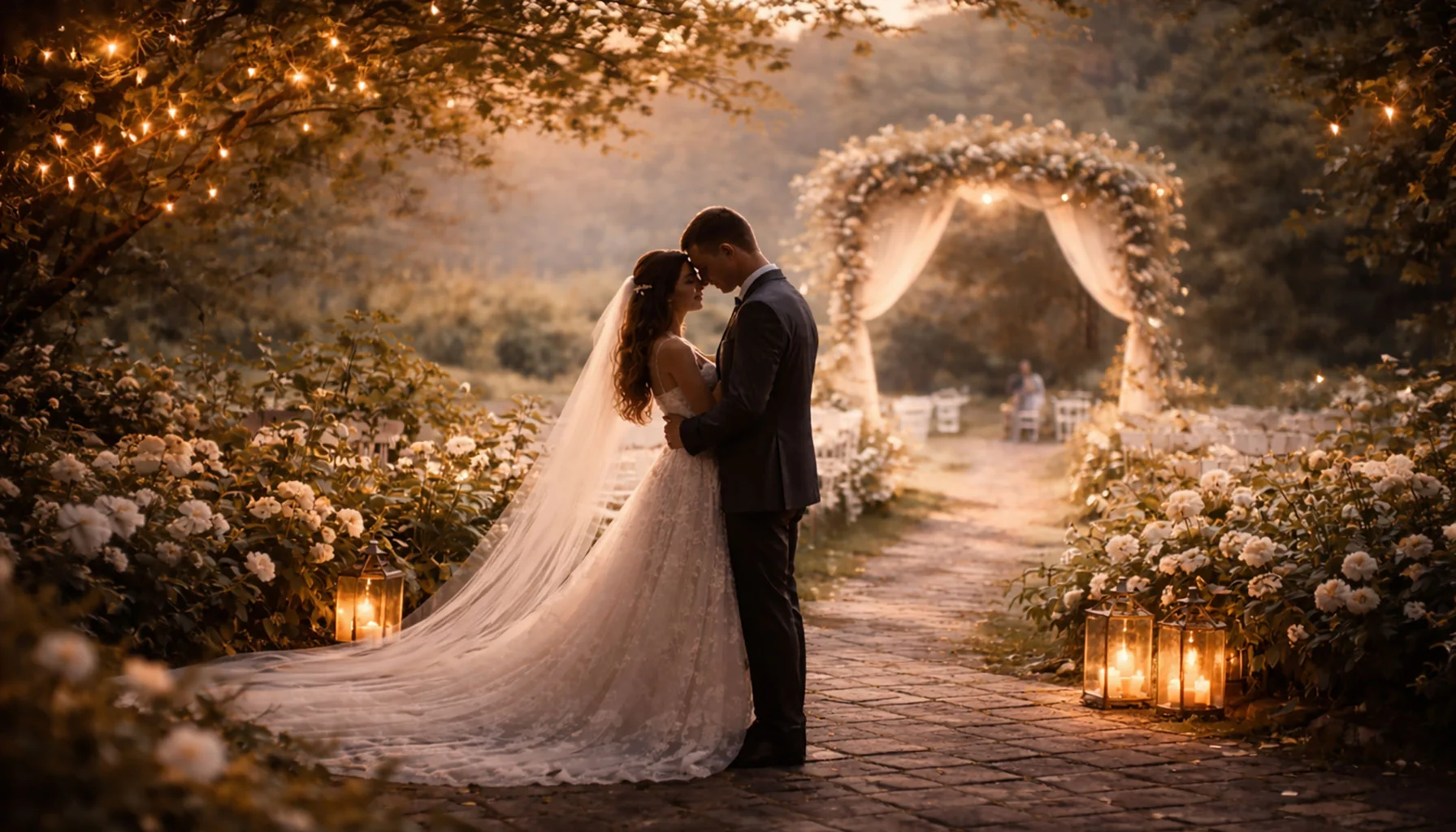
Silence is not absence. It is the space where meaning gathers before words, decisions, and rituals take shape.
Conclusion
An emotional load checklist does not remove feeling from a wedding. It makes care easier to carry. When contact routes are clear, family context is shared carefully, the couple is protected from becoming the emotional help desk, and early signs of overload are taken seriously, the day has more room to breathe. Someone will always hold parts of a wedding emotionally. That is normal. The important thing is that no one has to hold too much alone while everyone else mistakes it for calm.
Related Articles
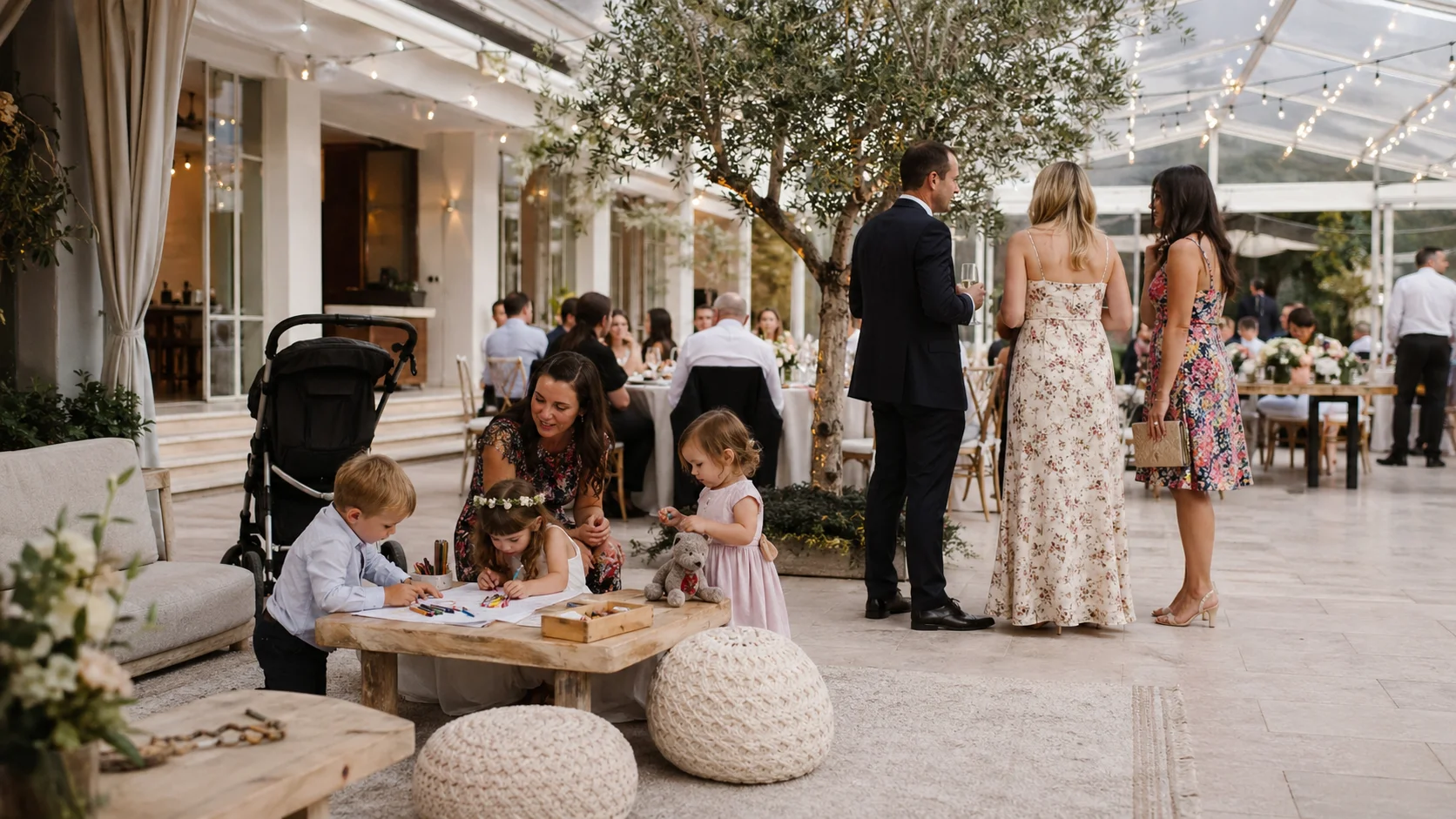
Kids at Weddings Checklist: What Helps Families Stay Longer Without Strain
Families with children usually leave weddings early for a series of small reasons rather than one big one. This article looks at what helps them stay longer with less strain, from food timing and retreat spaces to quieter transitions and the simple need for relief.

Wedding invitation online – Clearly organized, personally connected
Digital wedding invitations have established themselves in practice as a reliable organizational tool. They consolidate information, facilitate feedback, and connect guests regardless of their location. A wedding website provides clarity, reduces coordination effort, and allows for flexible adjustments to the schedule. Key are clear content, an uncluttered design, and a personal approach. This turns a technical solution into a fitting start for a shared day.
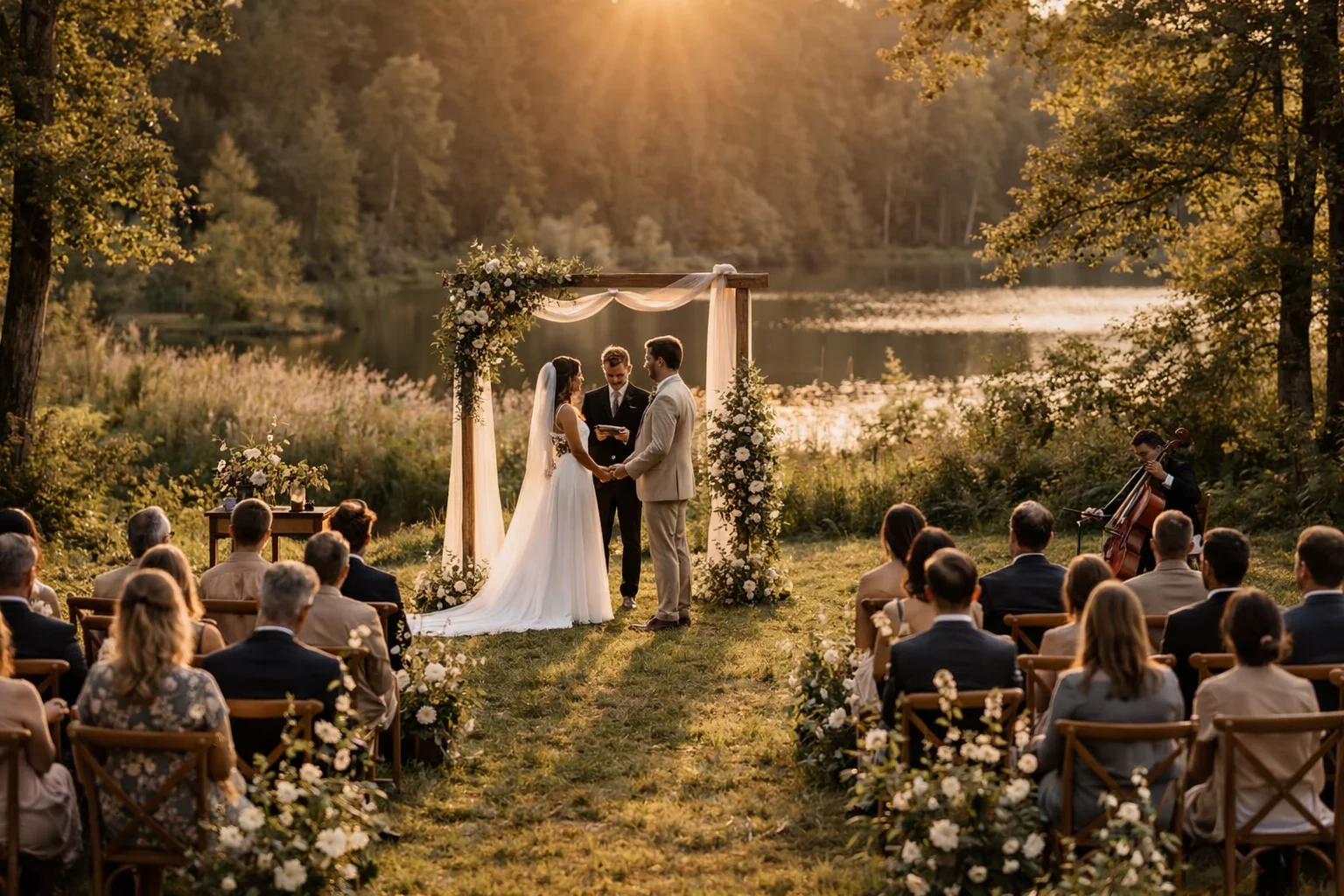
Where an Outdoor Wedding Finds Its Quiet Moments
Outdoor weddings are often chosen for what they seem to promise: openness, air, light, a sense that the ceremony is not confined but allowed to unfold in a wider space. There is movement in everything, from the wind in the trees to the shifting light across the day.
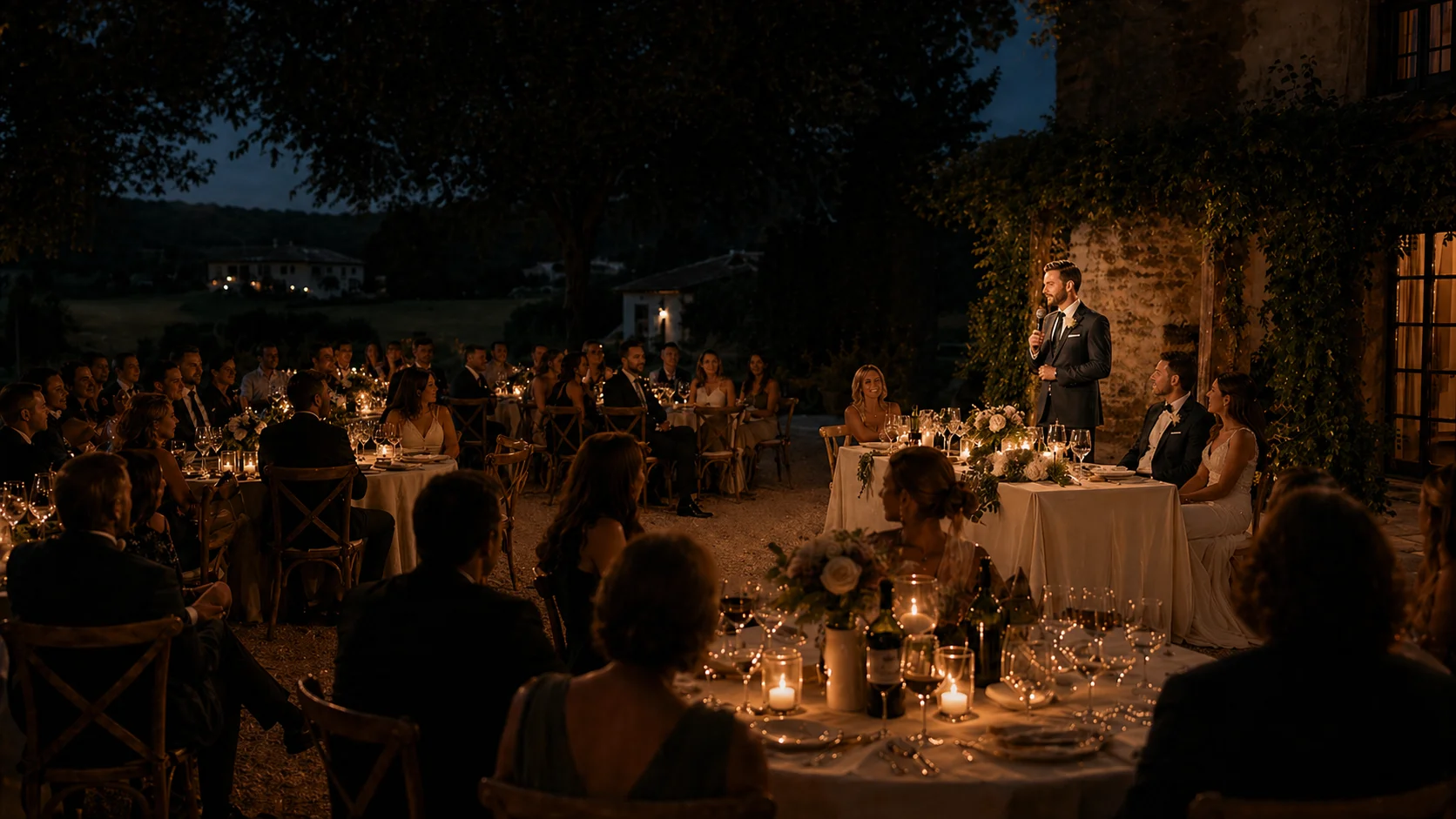
Speech Moment Checklist: What Makes a Toast Feel Held, Not Exposed
A wedding toast depends on more than good writing. It lands differently depending on attention, sound, timing, room tone, and the unspoken signals that tell a speaker whether the moment is carrying them or leaving them alone.

Bridal Getting-Ready Room Checklist: Light, Surfaces, Noise, and Movement
A bridal getting-ready room does more than hold hair, makeup, and dresses. This article looks at light, surfaces, noise, movement, privacy, and the quiet traces the room leaves on the morning before the ceremony.

Rain Plan Checklist: What Needs Deciding Before Weather Becomes the Mood
A wedding rain plan is rarely just a backup for logistics. It also shapes whether weather stays manageable or quietly takes over the emotional tone of the day. This article looks at what needs to be decided early, so rain changes the setting without deciding the atmosphere.

Last-Week Wedding Checklist: What Still Needs Attention Shortly Before the Day
The last week before a wedding is rarely about major decisions. It is about clarifying what still has weight, what can no longer be improved by adding more, and what needs to be named before it starts shaping the day in silence. This article looks at what still deserves attention shortly before the wedding and why the unspoken layer often matters most at that stage.
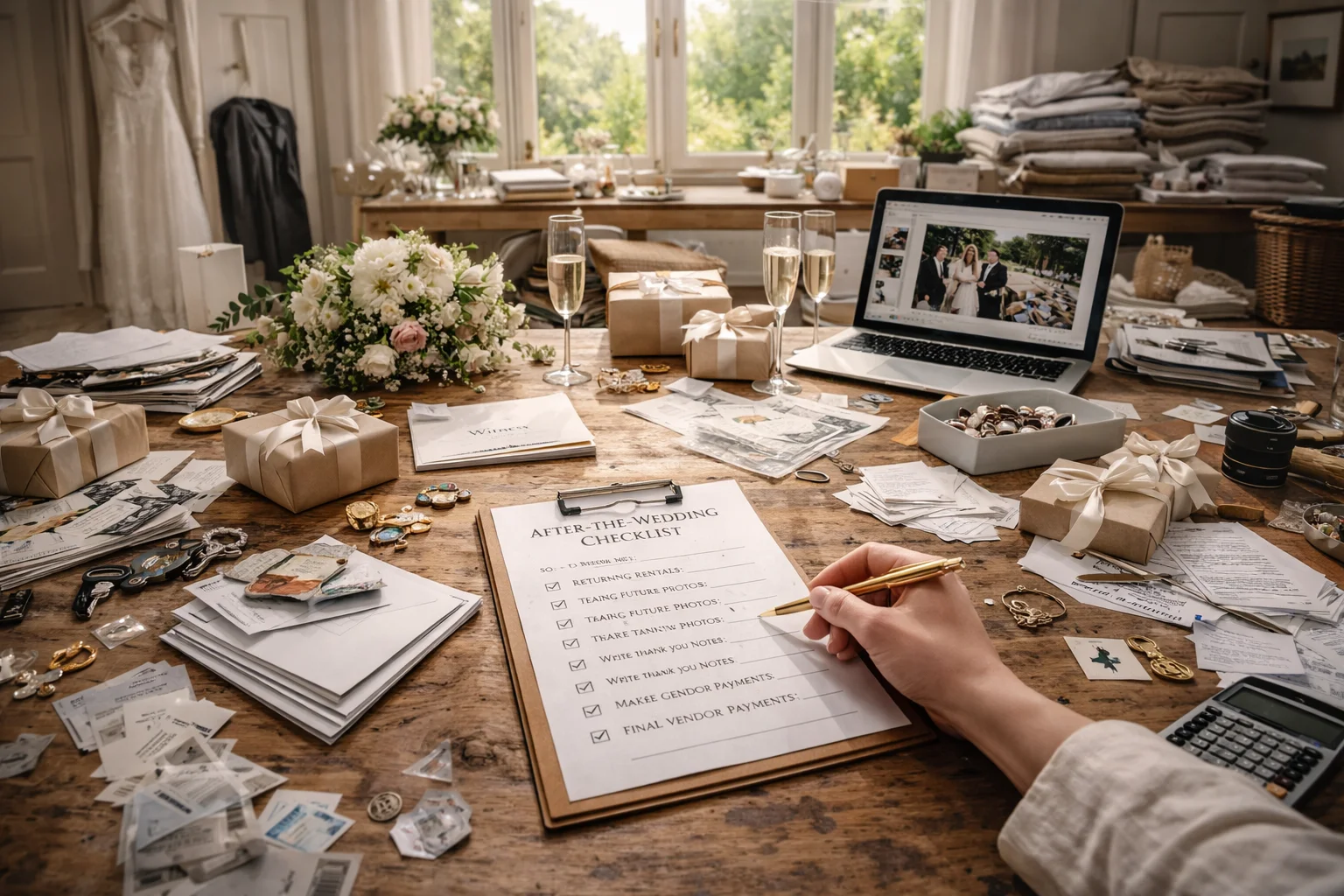
After-the-Wedding Checklist: What Still Needs to Be Returned, Paid, Thanked, or Closed
A wedding rarely ends when the last guest leaves. What follows is quieter, more practical, and often more emotionally mixed than couples expect. This article looks at what still needs to be returned, paid, thanked, or closed after the wedding, and why the days after the celebration are part of the wedding's meaning, not just its cleanup.
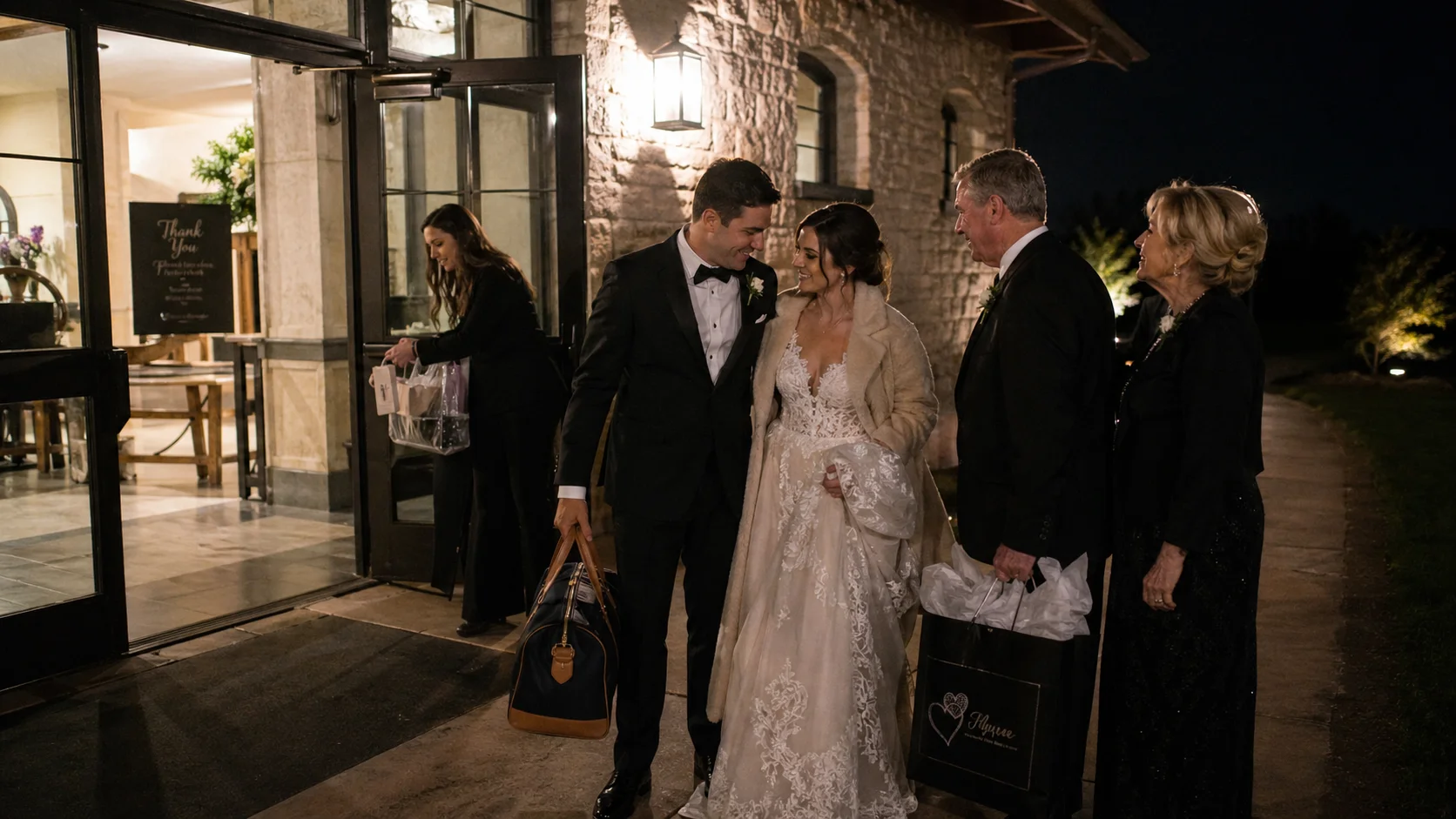
Exit Checklist: What Matters in the Last Thirty Minutes of a Wedding Night
The end of a wedding rarely happens in one clean moment. This article looks at the last thirty minutes of the night, from transport and personal items to final goodbyes, vendor handovers, and the quiet beginning of what comes after.

Wedding Transport Checklist: Arrivals, Transfers, Parking, and Late-Night Returns
Wedding transport is rarely remembered when it works, but it shapes the day long before the ceremony begins and long after the central moment has passed. This article looks at what still needs to be planned around arrivals, transfers, parking, and late-night returns, and why movement and waiting belong more closely together than many couples expect.

The Bridal Hairstyle as a Quiet Part of the Whole
A bridal hairstyle supports the entire look. It frames the face, works with the dress, and needs to hold throughout the day. In practice, the most convincing results come from aligning hair texture, proportion, and the flow of the wedding day. Less display. More coherence.

Backup Checklist for Outdoor Weddings: Shade, Wind, Cold, and the Things People Forget
Outdoor wedding backup plans are not only about rain. This article looks at shade, wind, cold, ground conditions, paths, loose details, guest comfort, and the small weather traces that shape how an outdoor celebration is remembered.