
Nap Times, Early Goodbyes, and the Hidden Rhythm of Weddings With Small Children
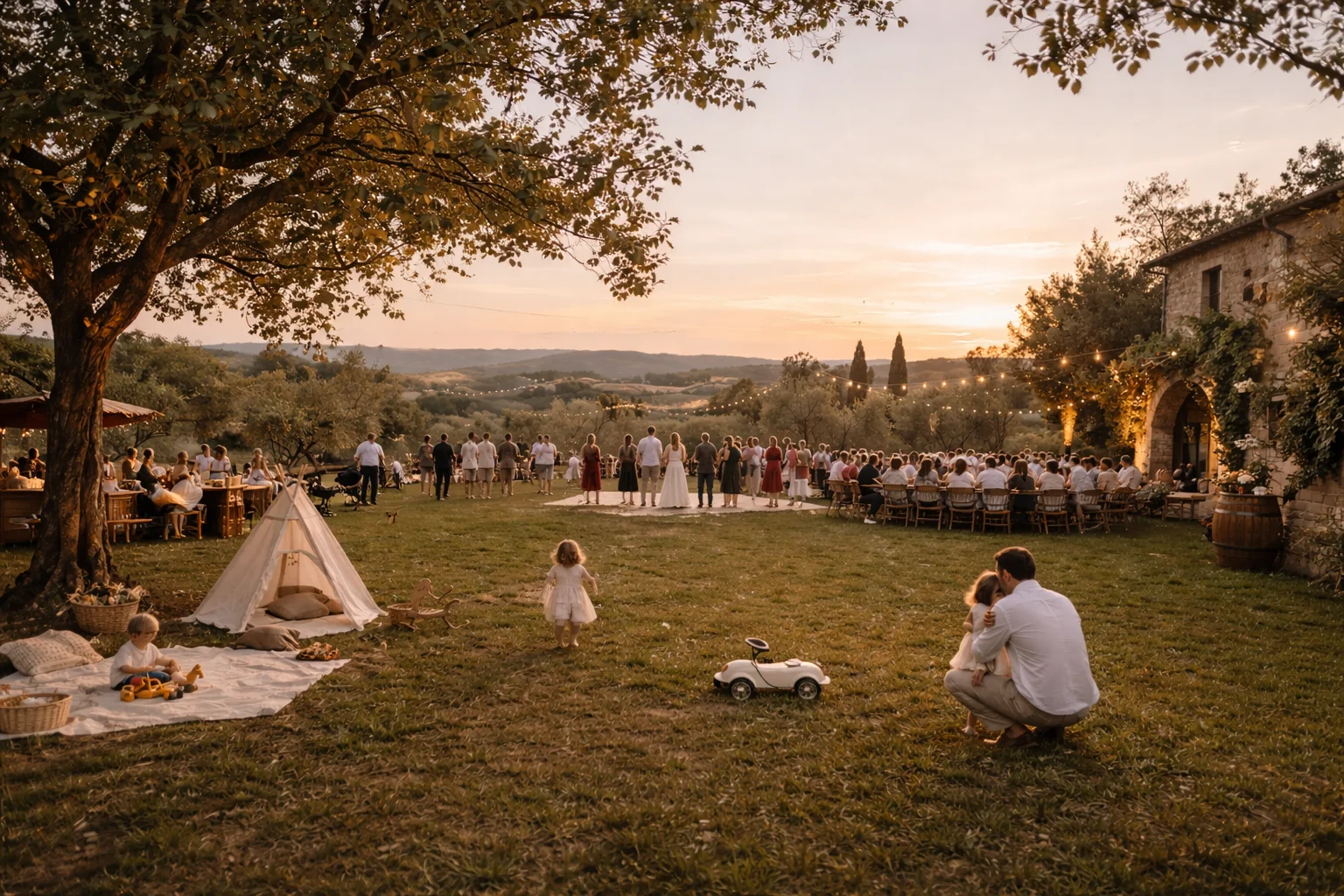
Weddings with small children rarely move in one continuous social rhythm. Alongside the visible structure of the day, another timetable runs quietly underneath it: naps, snacks, overstimulation, brief recoveries, sudden tears, second winds, and departures that happen long before the dance floor has properly formed. None of this usually looks dramatic from the outside. Still, it changes how the day breathes.
This hidden rhythm often matters more than couples expect. A ceremony may be timed perfectly on paper, yet one tired toddler can shift how a parent hears the vows. Dinner may begin beautifully, while one family is already calculating how long a child can remain at the table before everything turns. An early goodbye may look like a small logistical detail, but it can also carry tenderness, disappointment, relief, and quiet care all at once. Weddings with young children are full of these layered moments.
Definition
The hidden rhythm of weddings with small children describes the less visible timing that shapes the day around sleep, hunger, overstimulation, comfort, and early departures. It sits beneath the official schedule and influences how families move through the celebration, often without needing to be formally acknowledged.
Nap Times Do Not Follow The Wedding Timeline
One of the most practical truths about weddings with very young children is that sleep does not rearrange itself politely around the event. Some children skip naps and seem fine until they are suddenly not. Others sleep at exactly the wrong moment from an adult point of view and wake calmer for it. Parents often spend much of the day making quiet decisions around this, weighing presence against regulation. In weddings where kids are treated as real participants rather than decorative additions, these decisions tend to be met with more softness and less pressure.
Early Goodbyes Can Be Part Of The Day, Not A Failure Of It
Families with small children often leave earlier than the emotional logic of the wedding would otherwise suggest. This can feel abrupt when the evening is only just beginning to loosen, but it is rarely a sign of disengagement. More often it reflects the simple reality that a child has reached their limit before the adult version of the celebration has reached its peak. A mother of two once described leaving a wedding at dusk as carrying two endings at once: the child’s need for home, and the adult sense that the night was still opening. That tension is common, and it deserves to be understood rather than smoothed over.
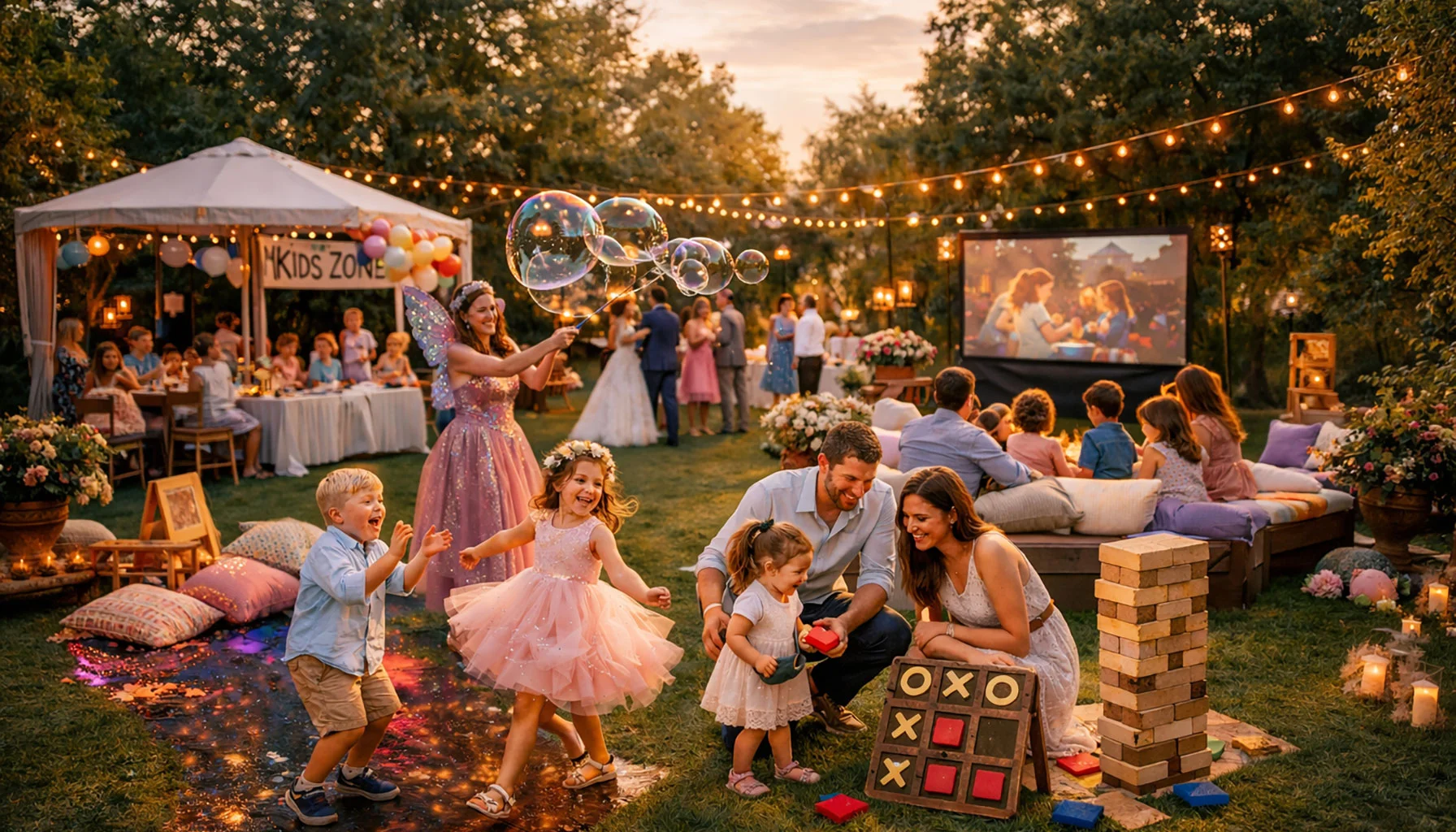
Kids & Family – CategoryThoughtful entertainment helps families of all ages enjoy a wedding celebration together. Child-friendly activities, quiet play areas, and interactive moments allow younger guests to feel included while adults can relax and celebrate. Well-planned family entertainment creates a warm, welcoming atmosphere and ensures everyone feels comfortable throughout the day.
Small Children Create Quiet Thresholds Throughout The Celebration
With small children present, weddings often develop more thresholds than adults initially notice. A parent steps outside for ten minutes and returns. A child falls asleep in arms during speeches. A buggy becomes a temporary room of its own near the edge of dinner. A family withdraws from the dance floor before it grows loud, then reappears later for a calmer moment. These small departures and returns do not interrupt the wedding so much as add another pace to it. The event keeps going, but not everyone is living it in the same sequence.
What Looks Like Quiet Logistics Often Holds Real Emotion
There is an easy tendency to treat these rhythms as purely practical: nap schedules, bedtime routines, transport, familiar food, spare clothes, the stroller, the emergency toy. All of that matters. But underneath it sits something more emotional. Parents are often moving between participation and care without wanting either role to cancel the other. Couples may feel grateful that children are there and also aware that some guests can only give part of the day. Grandparents may be pulled between celebration and support. These are not administrative details. They are part of how family life actually appears inside a wedding.
Silence Often Enters Through The Smallest Exits
This is where the connection to silence becomes especially clear. The hidden rhythm of weddings with small children is rarely announced. It moves through quieter gestures: a parent rocking a child at the edge of the room, a family slipping away without wanting to pull focus, a sudden calm after one table has emptied early, the hush that follows a tired child finally falling asleep. Silence here is not the absence of life. It is the gentler form that care sometimes takes when the celebration continues around it.
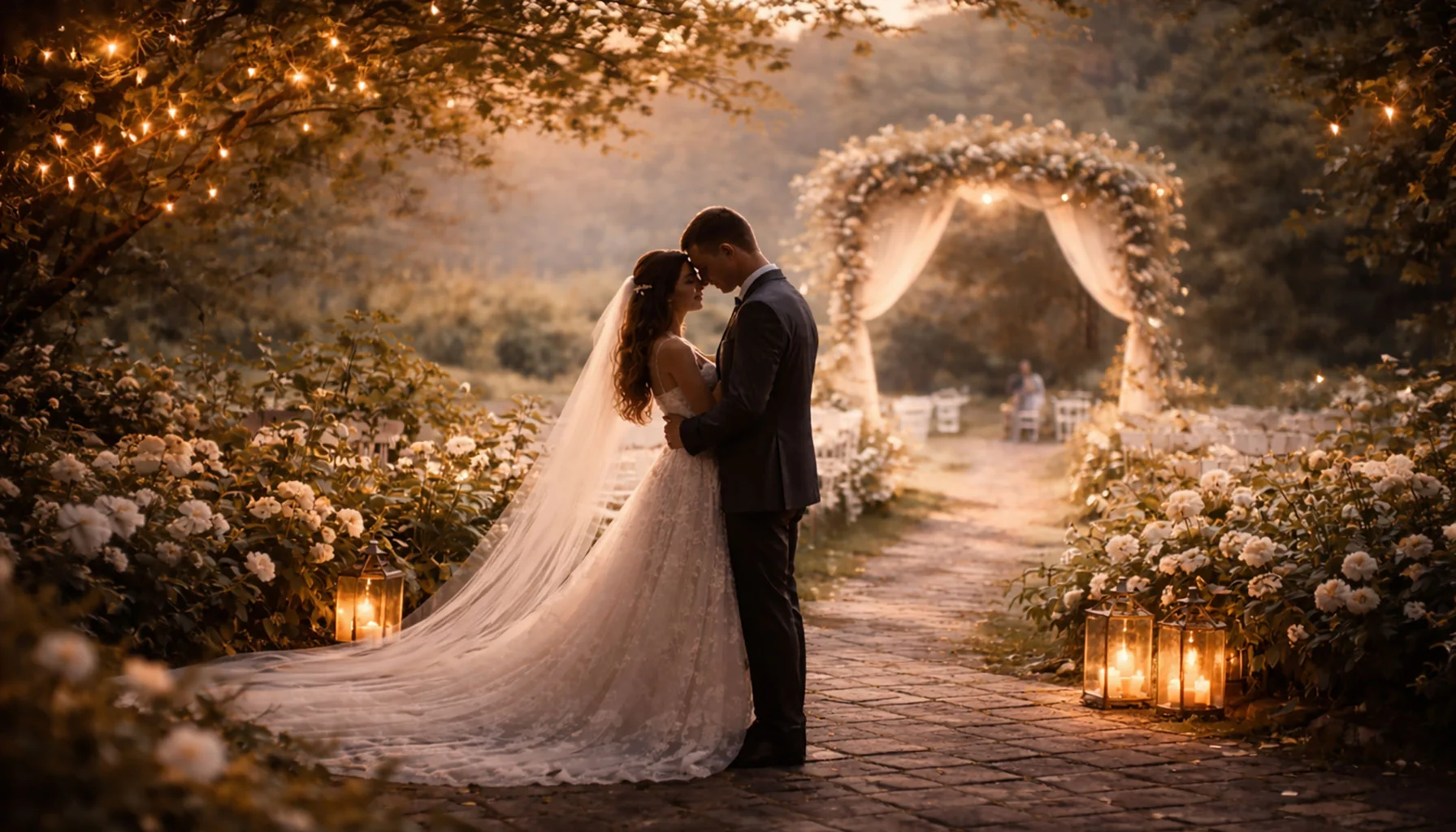
Silence is not absence. It is the space where meaning gathers before words, decisions, and rituals take shape.
Conclusion
Weddings with small children are not simply louder, messier, or earlier-ending versions of adult celebrations. They follow a second rhythm underneath the visible one, shaped by sleep, comfort, overstimulation, and the need to leave before the night has fully become itself. When couples and guests understand that rhythm as part of the day rather than a complication around it, the wedding usually feels more generous, more human, and more true to the families who inhabit it.
Related Articles
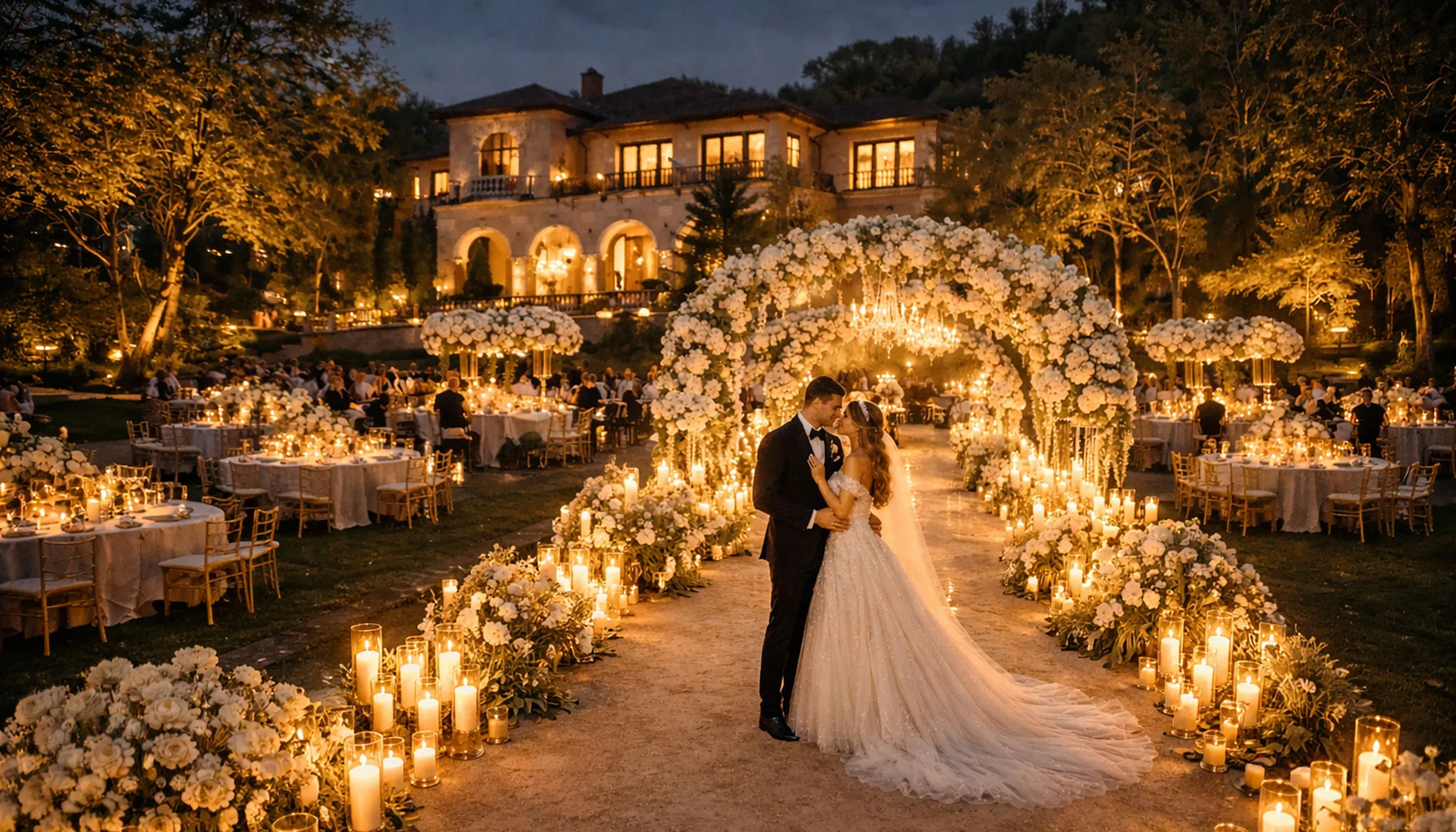
A day, carried by closeness
This wedding thrived on closeness and attention. Everything quietly intertwined and created a framework in which guests felt safe, welcome, and connected. From arrival to departure, a shared flow emerged that left room for conversations, laughter, and quiet togetherness. What remained was a feeling of warmth and cohesion that outlasted the day.
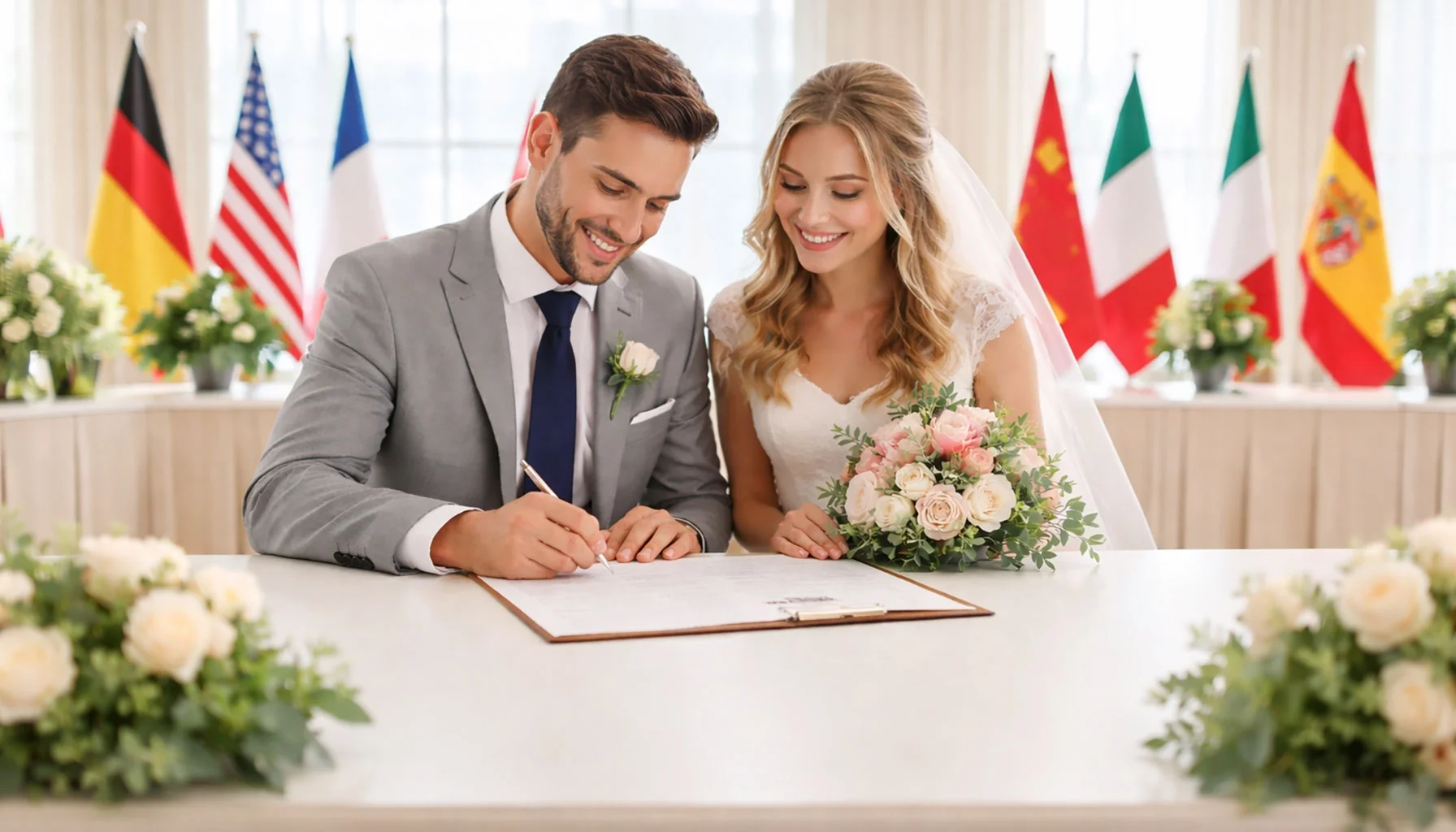
Civil Ceremonies Worldwide: Legal Requirements, Processes, Costs, and Cultural Differences
Civil ceremonies are rarely dramatic, yet they often carry one of the most decisive thresholds in a wedding journey. This article looks at civil marriage across countries through legal requirements, observed processes, cost ranges, and the quieter atmosphere that often surrounds the moment a marriage becomes official.
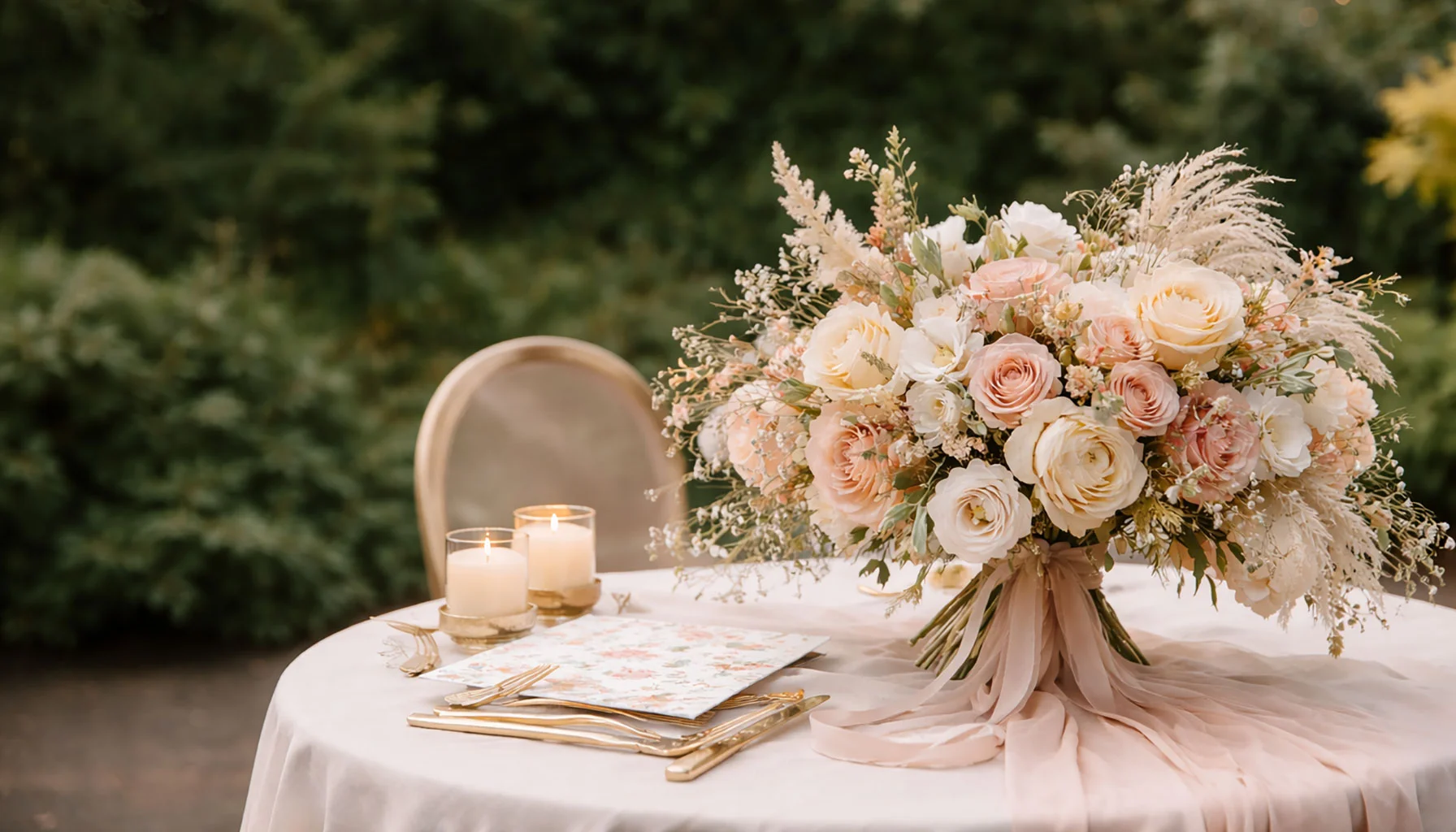
Bloom by Design: Flowers and Florals for a Modern Perfect Wedding
Flowers rarely carry a wedding by themselves. What they do, when chosen well, is quieter and often more lasting. They soften transitions, give rhythm to rooms, and help guests feel oriented without ever being told where to look. This article looks at wedding flowers through atmosphere, restraint, and the silent structure they create across the day.
Multilingual Wedding Communication: What Guests Need to Understand Without Constant Explanation
A multilingual wedding does not fail because different languages are present. It becomes difficult when guests are left unsure what they need to understand, what they can simply feel, and what requires translation in the moment. This article looks at how to create clarity in multilingual wedding communication without overexplaining every part of the day.
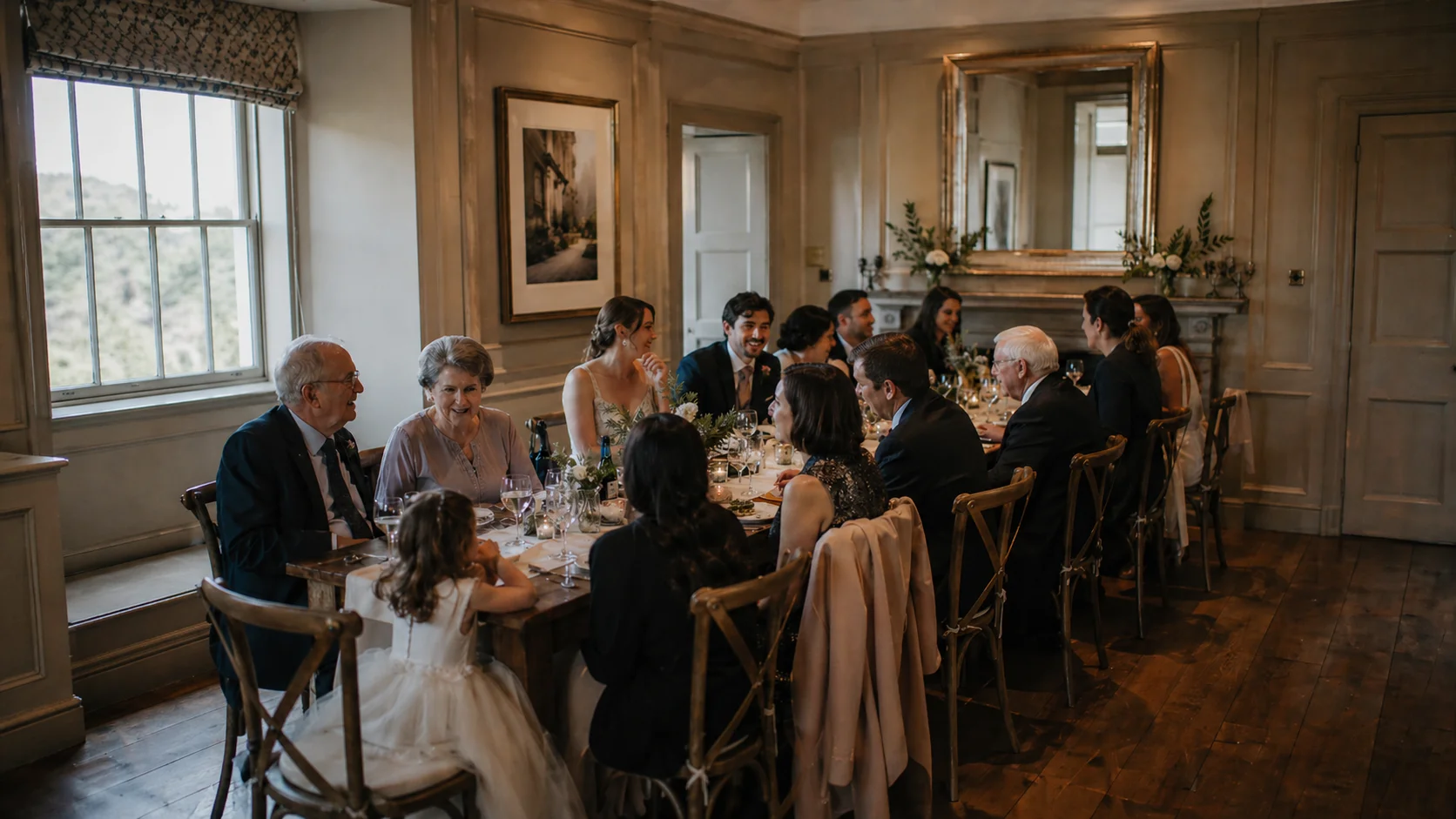
Family Table Checklist: What Helps Mixed Generations Sit More Easily Together
Family tables at weddings rarely depend on seating order alone. They work better when physical comfort, conversational balance, newer relationships, and older family stories are all considered before dinner begins.
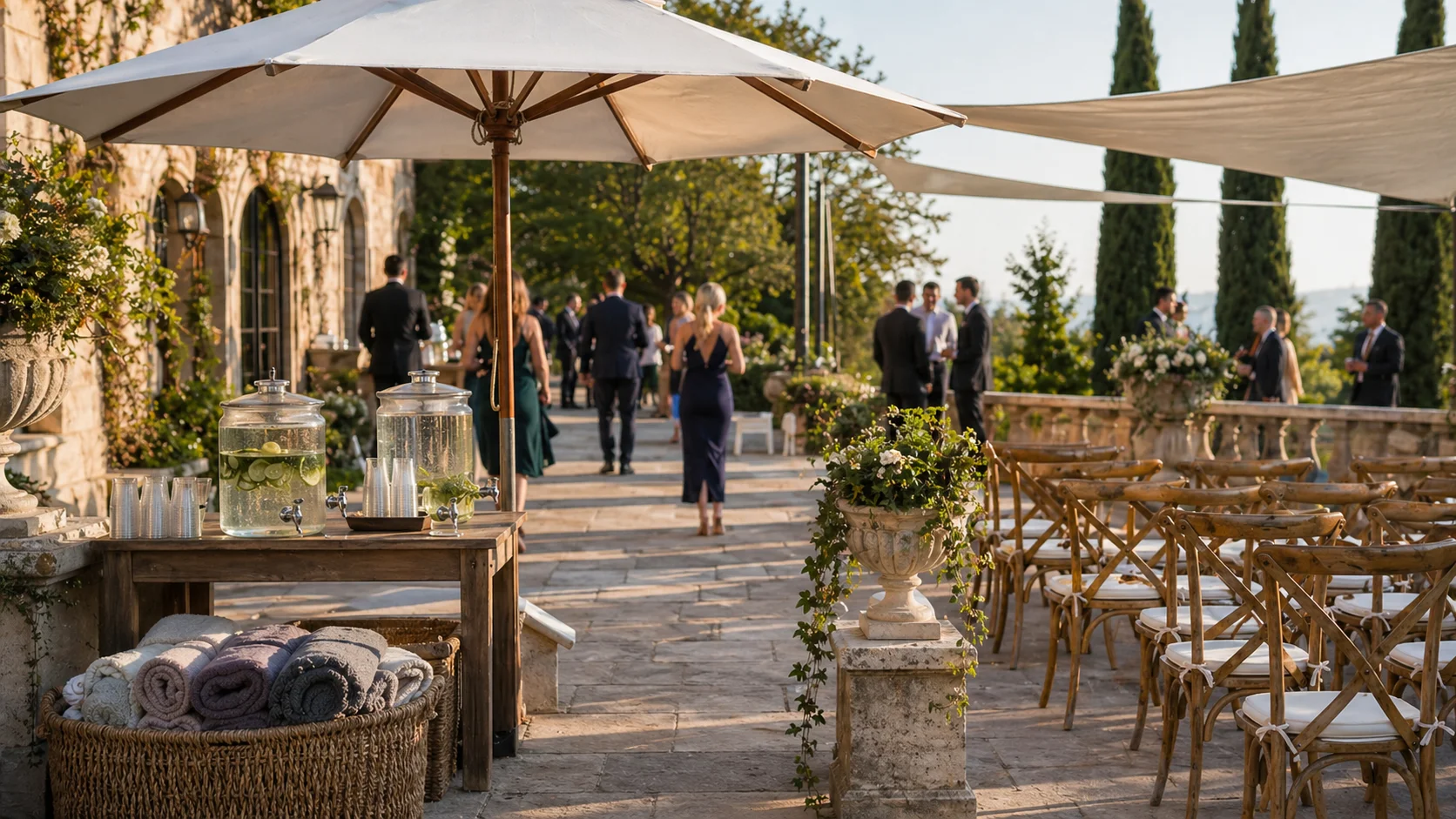
Backup Checklist for Outdoor Weddings: Shade, Wind, Cold, and the Things People Forget
Outdoor wedding backup plans are not only about rain. This article looks at shade, wind, cold, ground conditions, paths, loose details, guest comfort, and the small weather traces that shape how an outdoor celebration is remembered.
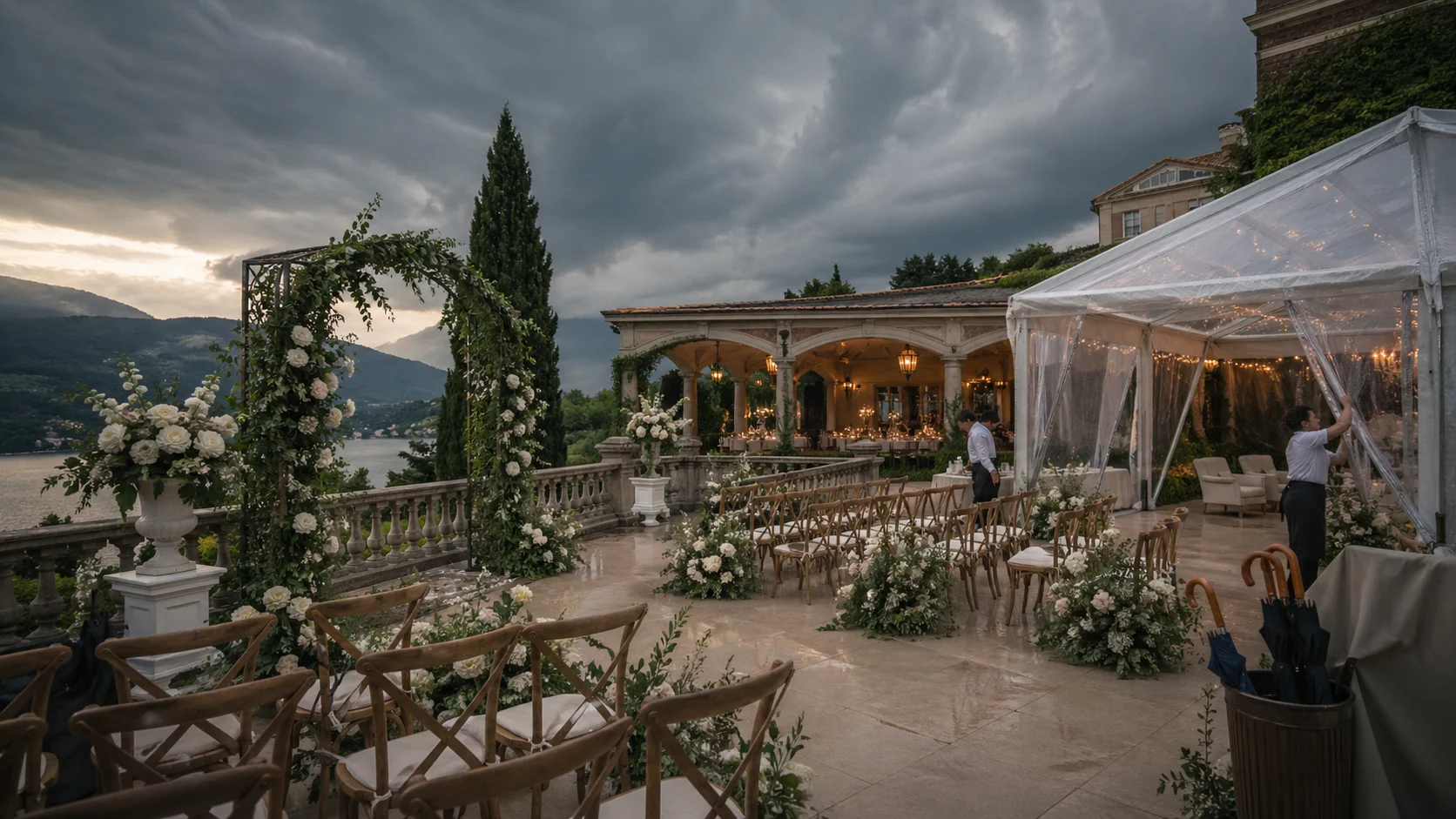
Rain Plan Checklist: What Needs Deciding Before Weather Becomes the Mood
A wedding rain plan is rarely just a backup for logistics. It also shapes whether weather stays manageable or quietly takes over the emotional tone of the day. This article looks at what needs to be decided early, so rain changes the setting without deciding the atmosphere.
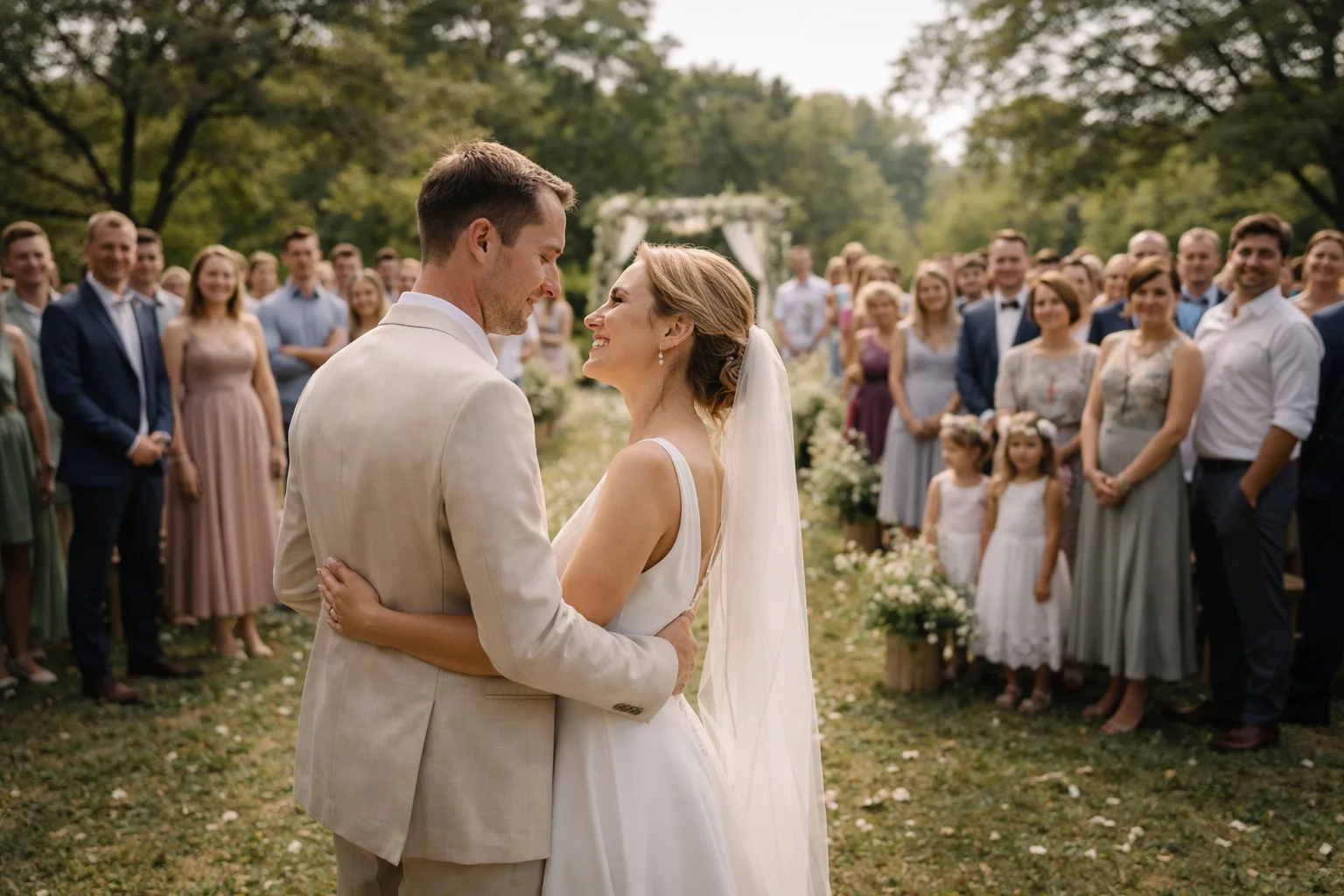
How Kids Change Formal Wedding Moments — and How to Plan for It
hildren change the atmosphere of formal wedding moments faster than most adults expect. They redirect attention, alter pacing, and reveal whether a ceremony, photo setup, or seating plan is flexible enough to hold real life. This article looks at how children affect formal wedding situations and how couples can plan for those shifts without losing the tone of the day.
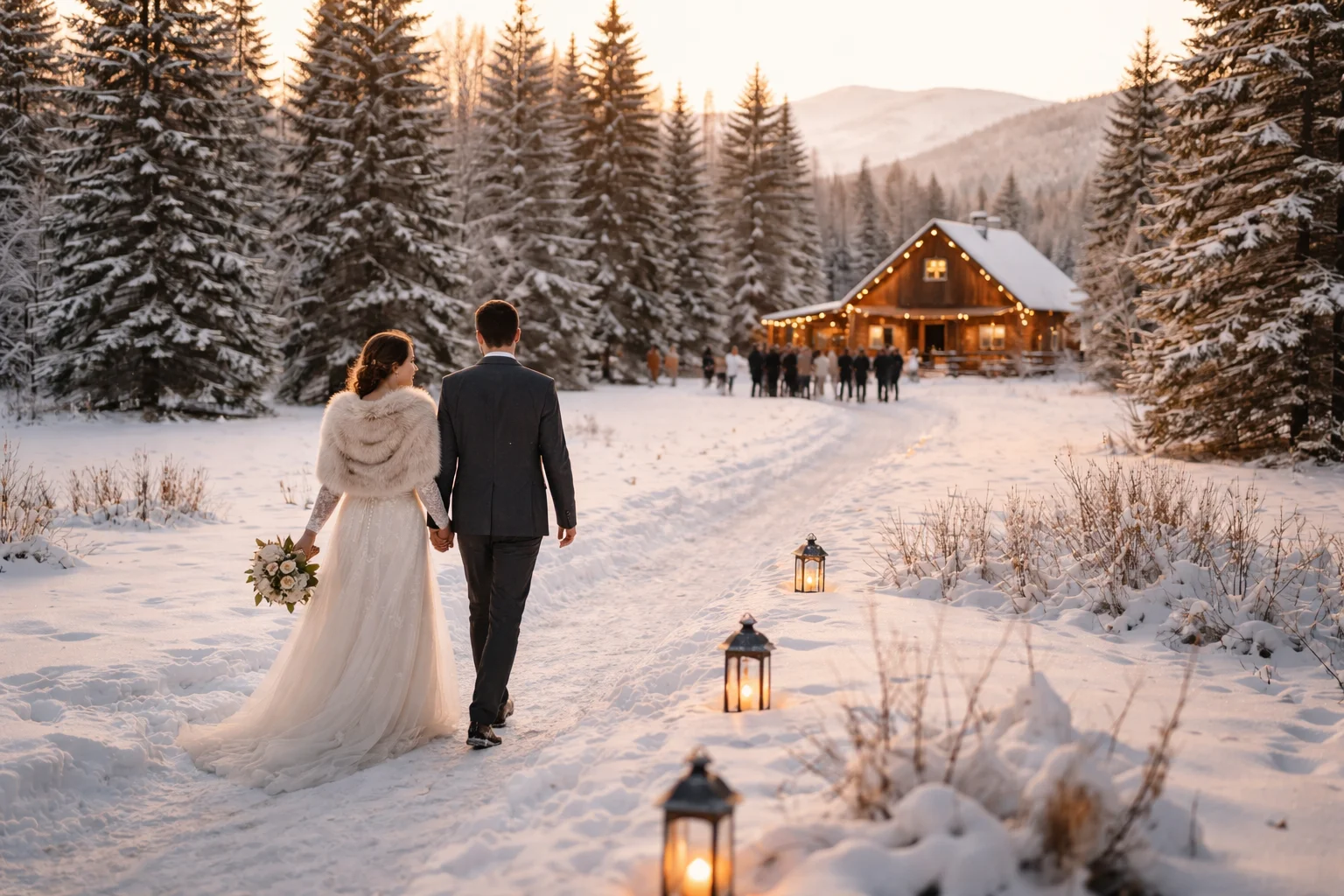
Winter Light and Compressed Timelines in Weddings
Winter weddings are shaped less by one obvious restriction than by a series of quieter adjustments. This article looks at how shorter days, colder air, and earlier shadows compress the timeline, tighten transitions, and give the day a more deliberate rhythm.
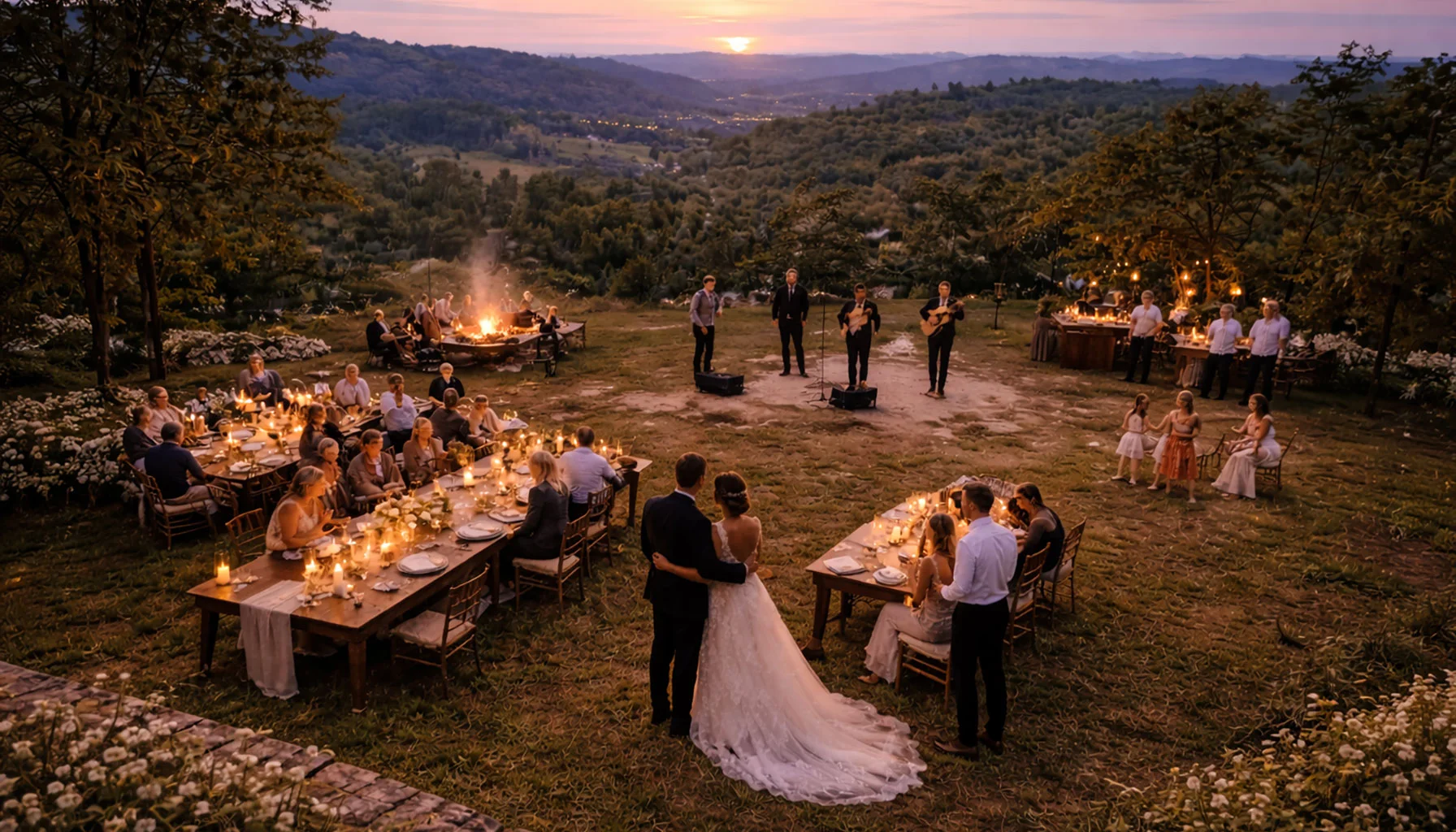
If love belonged to everyone
This wedding was experienced as a shared moment, not as a staged event. From arrival to departure, closeness, openness, and a calm rhythm shaped the day. Guests felt involved, not invited in the formal sense. The celebration thrived on genuine encounters, shared conversations, and an atmosphere that carried throughout the entire day. What remained was the feeling of having been part of something organic – borne of connection and quiet joy.
Creating Magical Moments for All Ages: Children and Family Entertainment at Modern Weddings
At weddings with children, the question is rarely whether entertainment exists. It emerges on its own the moment formal structure loosens. This article looks at family entertainment not as a side program, but as a quiet system of options that helps the day remain steady, generous, and memorable for guests of different ages.
When Attention Shifts: Kids in Formal Wedding Situations
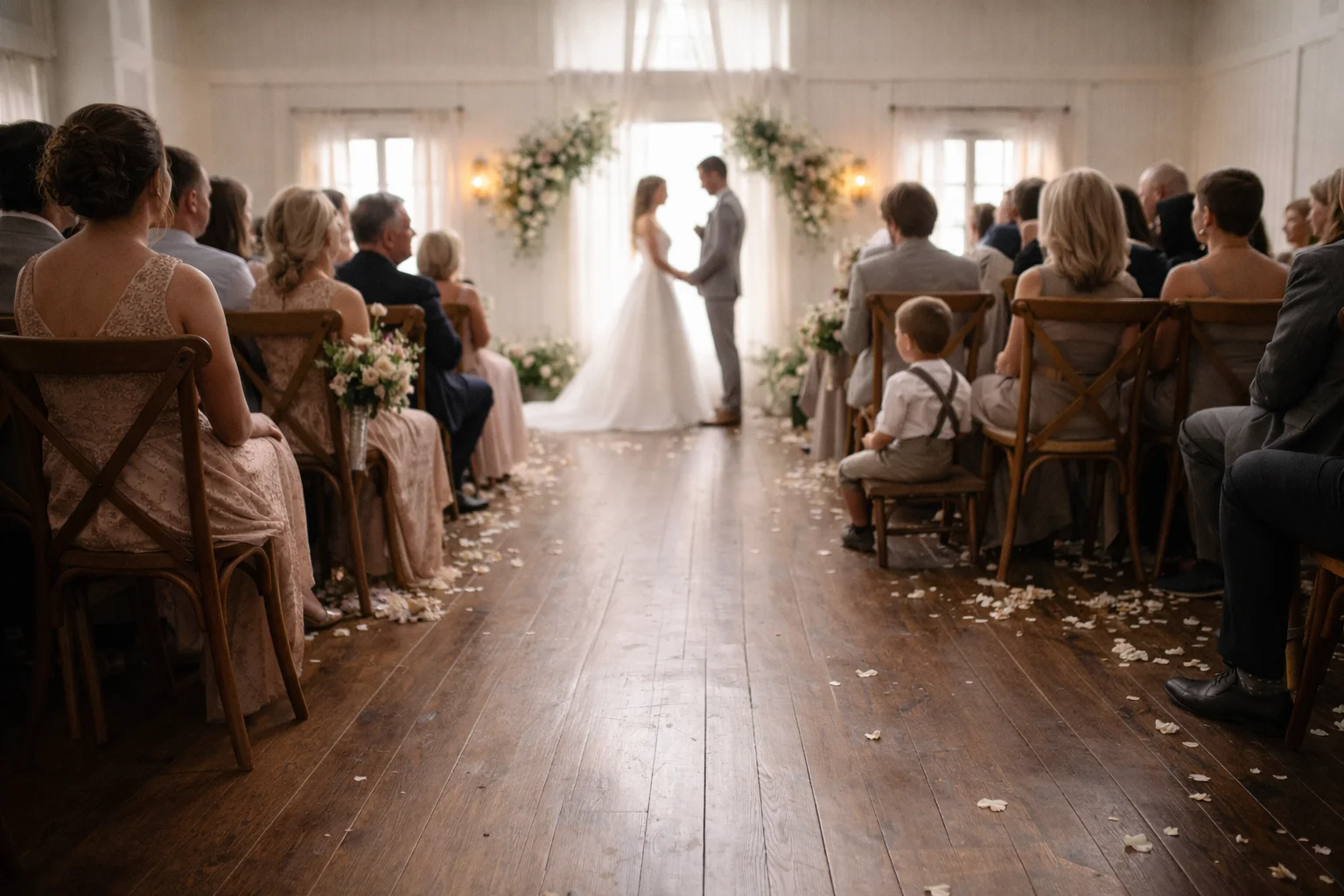
Children rarely stop a formal wedding moment outright, but they often redirect attention for a few seconds in ways adults immediately notice. This article looks at how those shifts happen, why they usually matter less than feared, and how weddings absorb different rhythms without losing their structure.