
How Kids Change Formal Wedding Moments — and How to Plan for It
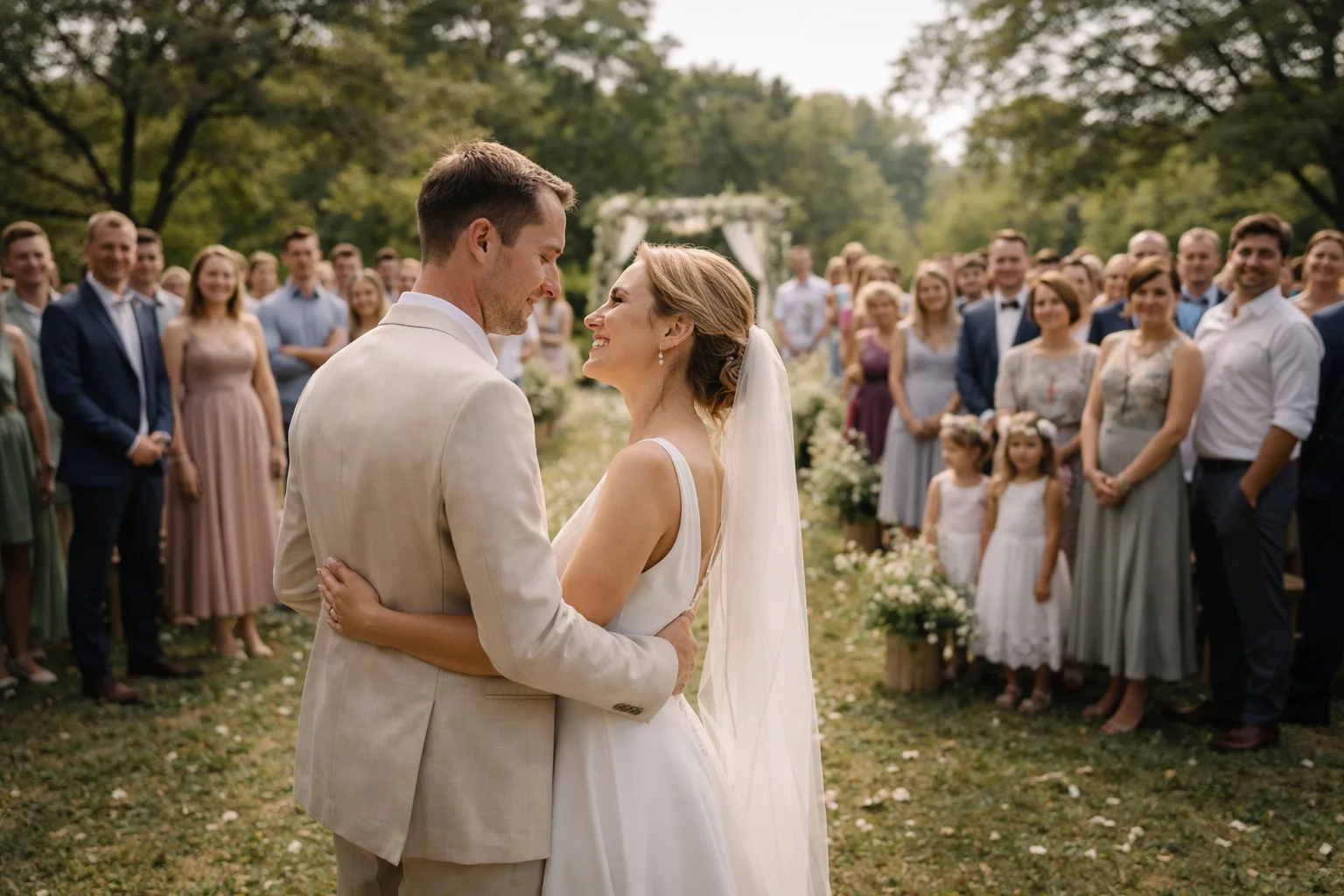
Formal wedding moments often rely on a shared fiction. Everyone is expected to look in the same direction, hold the same tone, and move at the same emotional speed. Children rarely agree to that fiction for long. They look elsewhere, react honestly, lose patience, become curious, cling to the wrong person, or suddenly turn a composed moment into a very human one. That is exactly why they shift attention so powerfully in weddings.
This is not a side issue. It belongs to the larger movement from engagement to wedding, because the wedding is where private relationships become public and symbolic. Children expose that transition with unusual clarity. They make visible whether the day has been planned only as a formal image or as a lived ritual with room for real people inside it. In that sense, kids do not interrupt the structure. They test whether the structure can actually hold.
Kids From Engagement to WeddingDefinition
Kids in formal wedding situations are not only guests or accessories. They are active participants in the emotional atmosphere of the day. Their behavior affects attention, timing, visual order, and the social pressure felt by adults around them. Good planning does not try to erase that influence. It works with it.
Ceremony: The Shift Usually Starts Before It Shows
In ceremonies, attention rarely breaks in one dramatic second. It usually starts earlier, when children have waited too long, sat too still, or sensed adult tension rising. By the time a child speaks loudly, wriggles out of place, or needs to leave, the actual tipping point has already passed. The ceremony works better when exits are easy, expectations are light, and children are not seated in positions that turn every small reaction into a public event.
Roles: A Role Has to Fit the Child, Not the Image
Flower girl, ring bearer, page, junior attendant, these roles only work when they fit the actual child. Weddings often assign roles symbolically and then hope performance will follow. Usually the opposite is safer. Start with the child's rhythm, confidence, and tolerance for visibility. A small, simple task done comfortably creates more grace than a larger role that collapses under pressure.
Photos: Formal Images Break Fast Around Tired Children
Photo situations are often where adult expectations become most rigid. Children feel that immediately. Long lineup times, repeated instructions, heat, hunger, and multiple camera resets can turn a small child from cooperative to unreachable in minutes. The practical fix is simple: photograph children earlier, shorten the setup, reduce the number of combinations, and let one imperfect frame count instead of chasing control too long.
Tables: Attention Moves Sideways at Dinner
At tables, attention does not stay centered for long when children are present. It moves sideways, toward dropped cutlery, spilled drinks, sudden questions, food refusal, boredom, and bursts of energy. That is not necessarily negative. It simply means table planning has to acknowledge children's pace. Shorter visual clutter, faster service for young guests, room to get up, and seating that does not trap parents all make the table feel less like a test.
Parents Stay in the Fest When Backup Is Visible
Parents remain part of the wedding when they are not the only emergency plan. A quiet side space, one agreed helper, simple child activities, accessible snacks, and a clear route for stepping out and back in can change the whole emotional tone. The point is not to separate children from the wedding. It is to make sure one difficult moment does not remove a parent from the celebration for an hour.
Conclusion
When attention shifts toward children in formal wedding situations, the real question is not whether the child behaved correctly. The real question is whether the wedding was built to absorb human variation without losing itself. Ceremonies, roles, photos, and tables all work better when they allow for movement, timing, and reality. That does not weaken the formality of the day. It makes it believable.
Related Articles
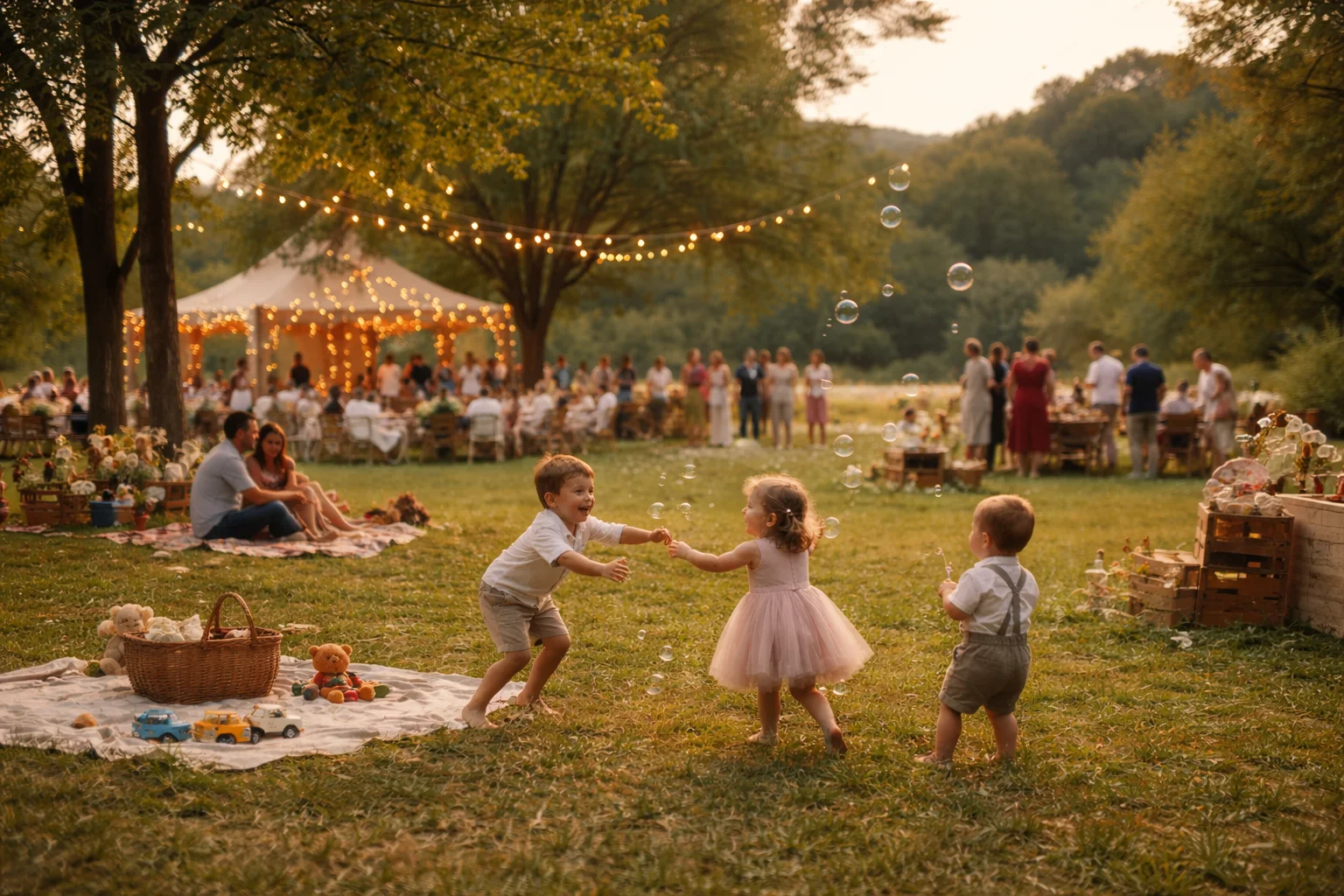
Outdoor Weddings With Children: Freedom, Boundaries, and Attention
Outdoor weddings often feel easier with children because there is more room to move, but that same openness changes how boundaries work and how attention is held. This article looks at how freedom, supervision, fatigue, and small shifting moments shape child-friendly outdoor celebrations.
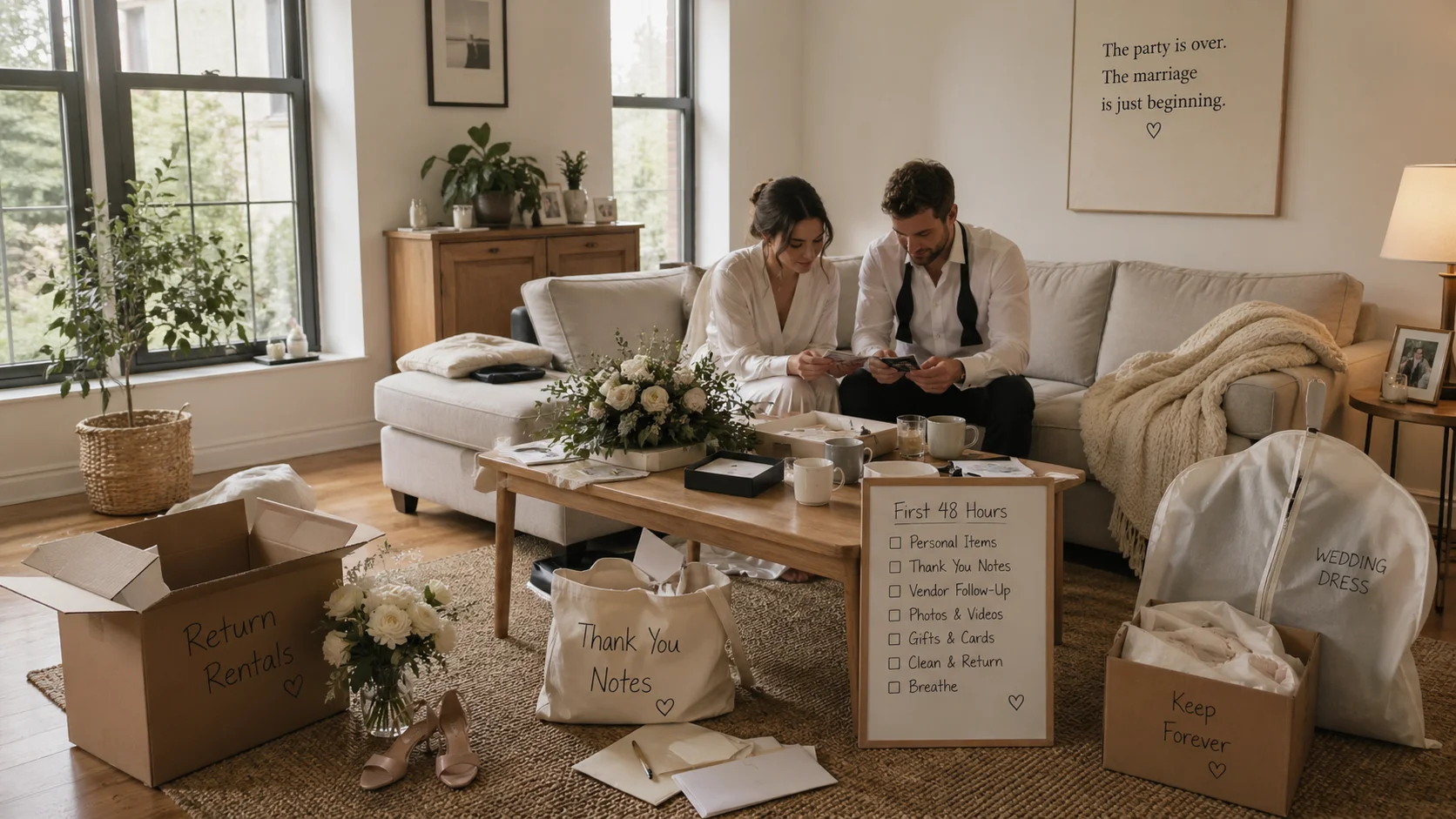
After-the-Wedding Checklist: What Needs Attention in the First 48 Hours
The first 48 hours after a wedding are quiet, practical, and easy to underestimate. This article looks at personal items, gifts, clothing, vendor closure, early photos, and the small tasks that help the after feel lighter instead of turning into scattered errands.
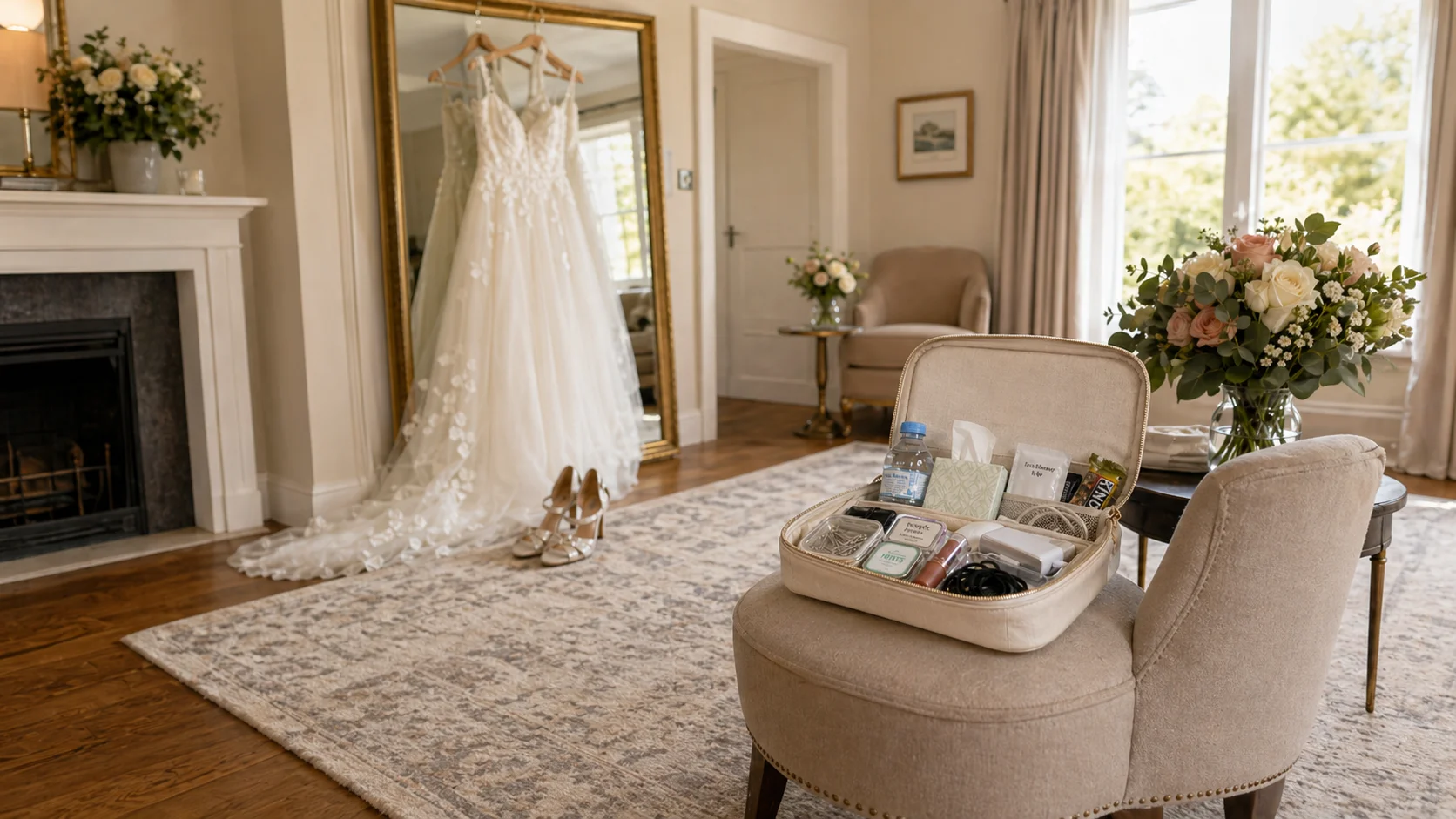
Wedding Bag Checklist: The Small Things That Quietly Save the Day
Wedding bags rarely draw attention, but they often carry the small items that keep the day from tightening around minor problems. This article looks at what to pack, who should hold it, and why the most useful things often matter most only in hindsight.
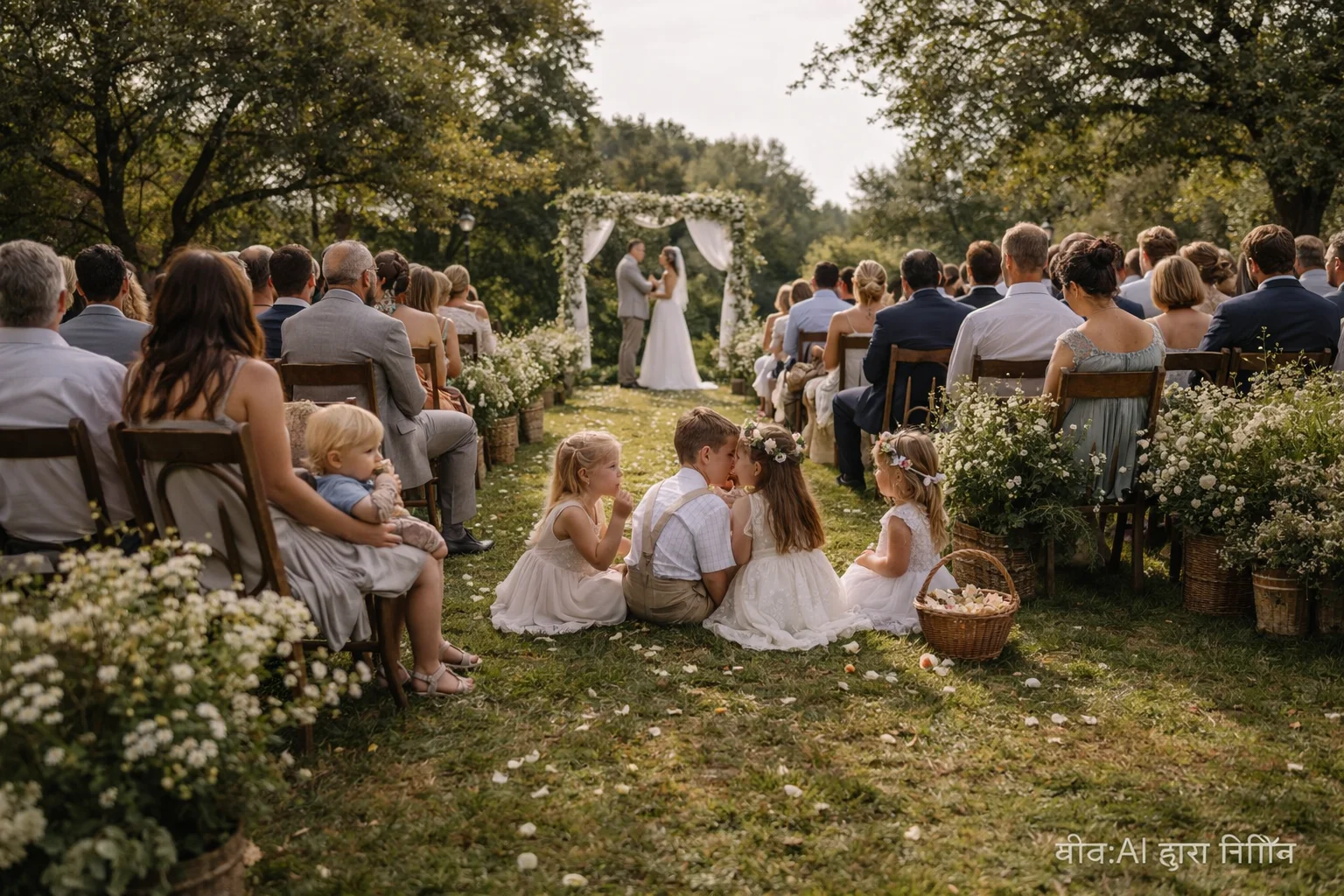
Children During the Ceremony: What Helps in the Exact Moment
Children do not disturb a wedding ceremony by default. They react to pressure, duration, unfamiliar rules, and adult tension. This article looks at what happens in the actual moment, when things begin to tip, how space and sequence can support children better, and how parents can stay part of the celebration without spending the ceremony in crisis control.
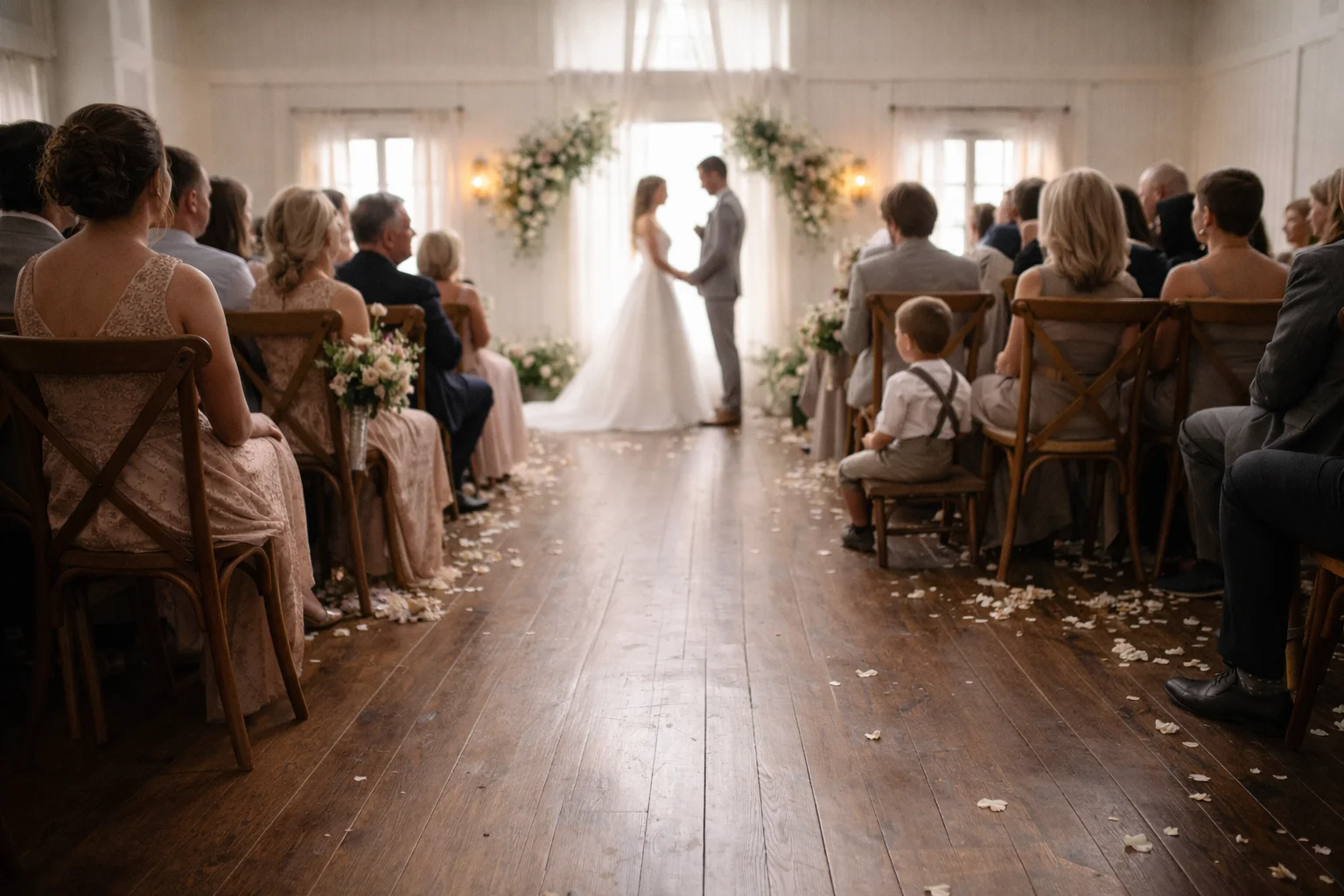
When Attention Shifts: Kids in Formal Wedding Situations
Children rarely stop a formal wedding moment outright, but they often redirect attention for a few seconds in ways adults immediately notice. This article looks at how those shifts happen, why they usually matter less than feared, and how weddings absorb different rhythms without losing their structure.
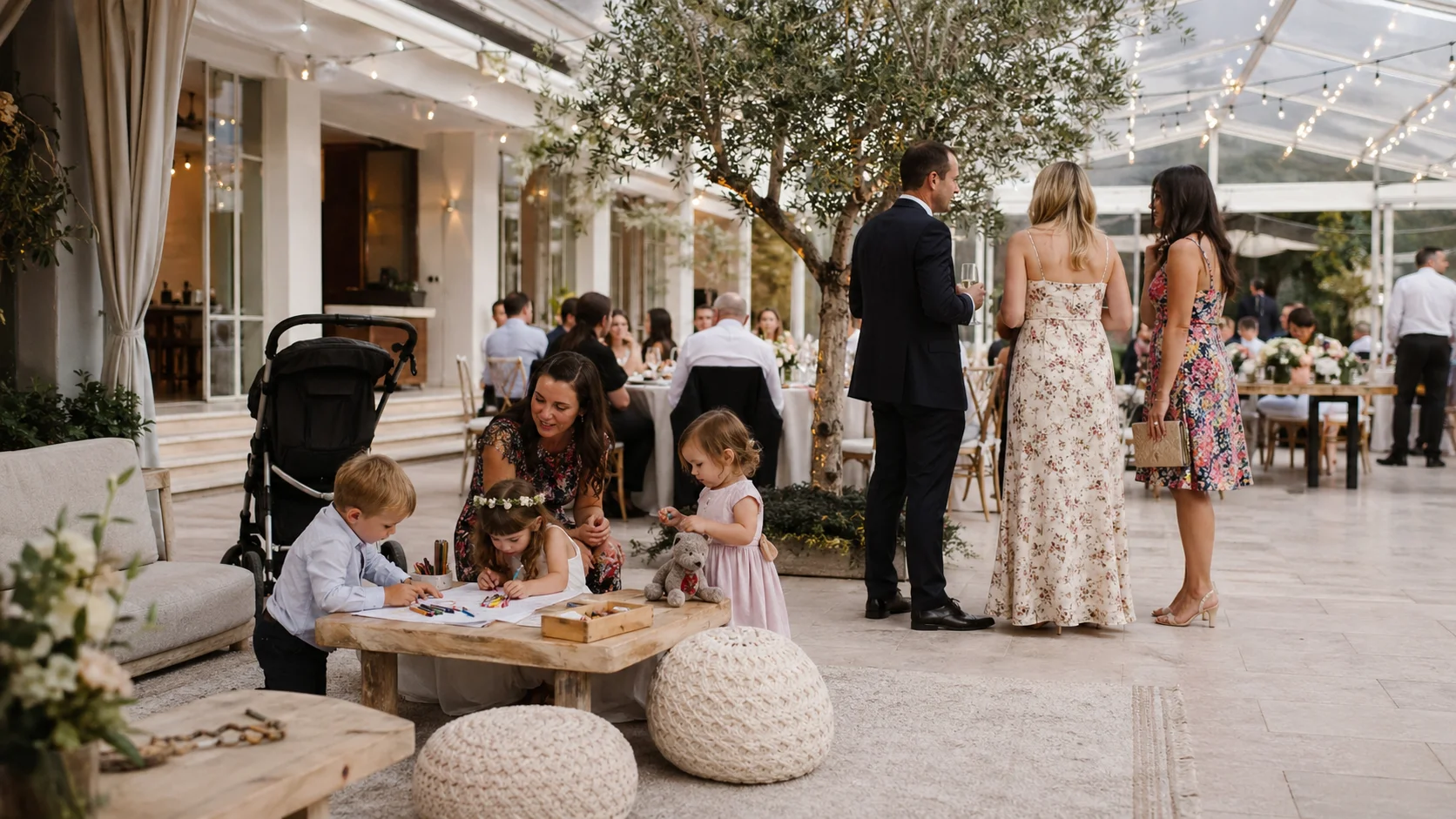
Kids at Weddings Checklist: What Helps Families Stay Longer Without Strain
Families with children usually leave weddings early for a series of small reasons rather than one big one. This article looks at what helps them stay longer with less strain, from food timing and retreat spaces to quieter transitions and the simple need for relief.
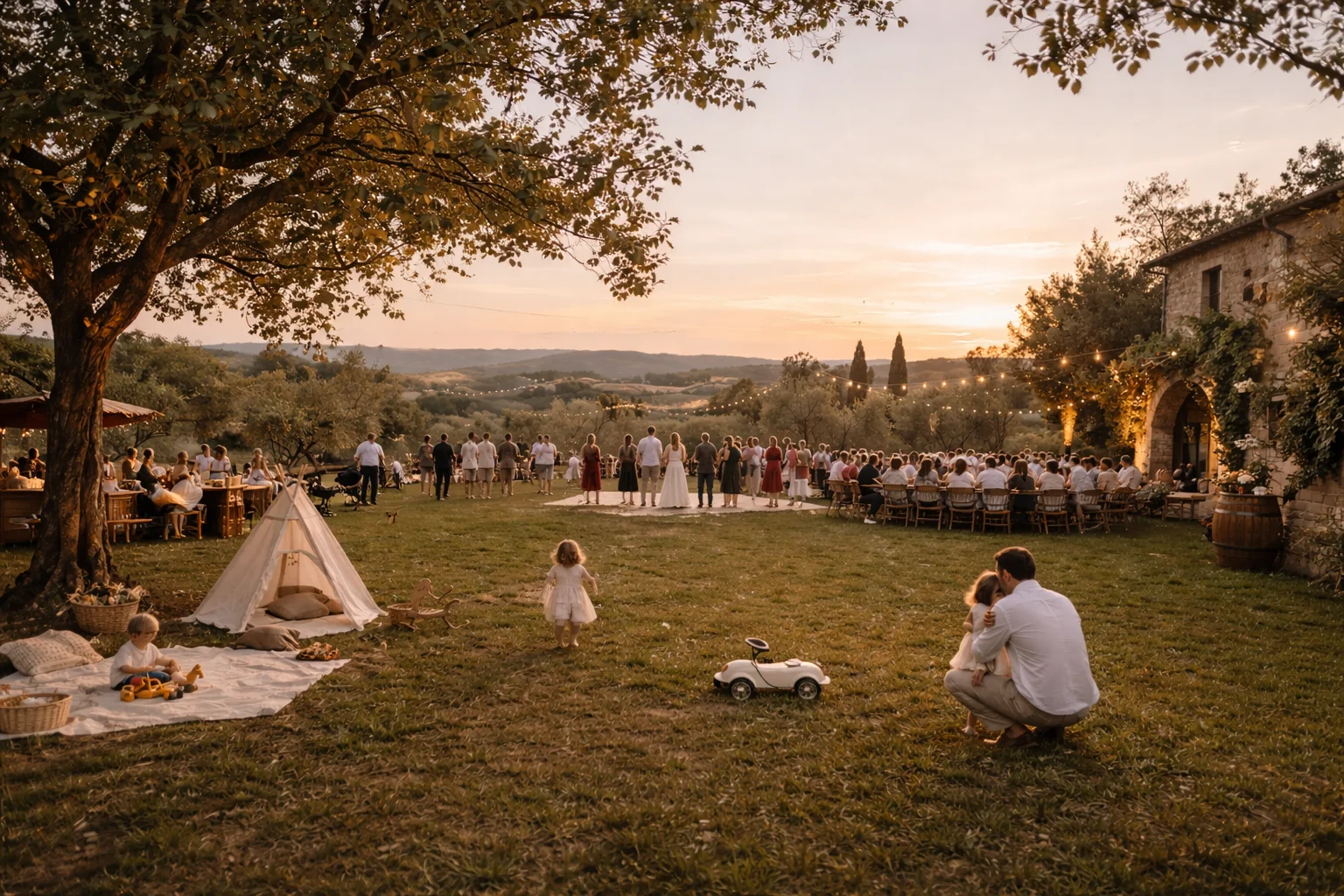
Nap Times, Early Goodbyes, and the Hidden Rhythm of Weddings With Small Children
Weddings with small children often follow two timelines at once: the visible schedule of ceremony, dinner, and dancing, and the quieter rhythm of naps, tiredness, comfort, and early departures. This article looks at how those hidden shifts shape the day in practical and emotional ways.
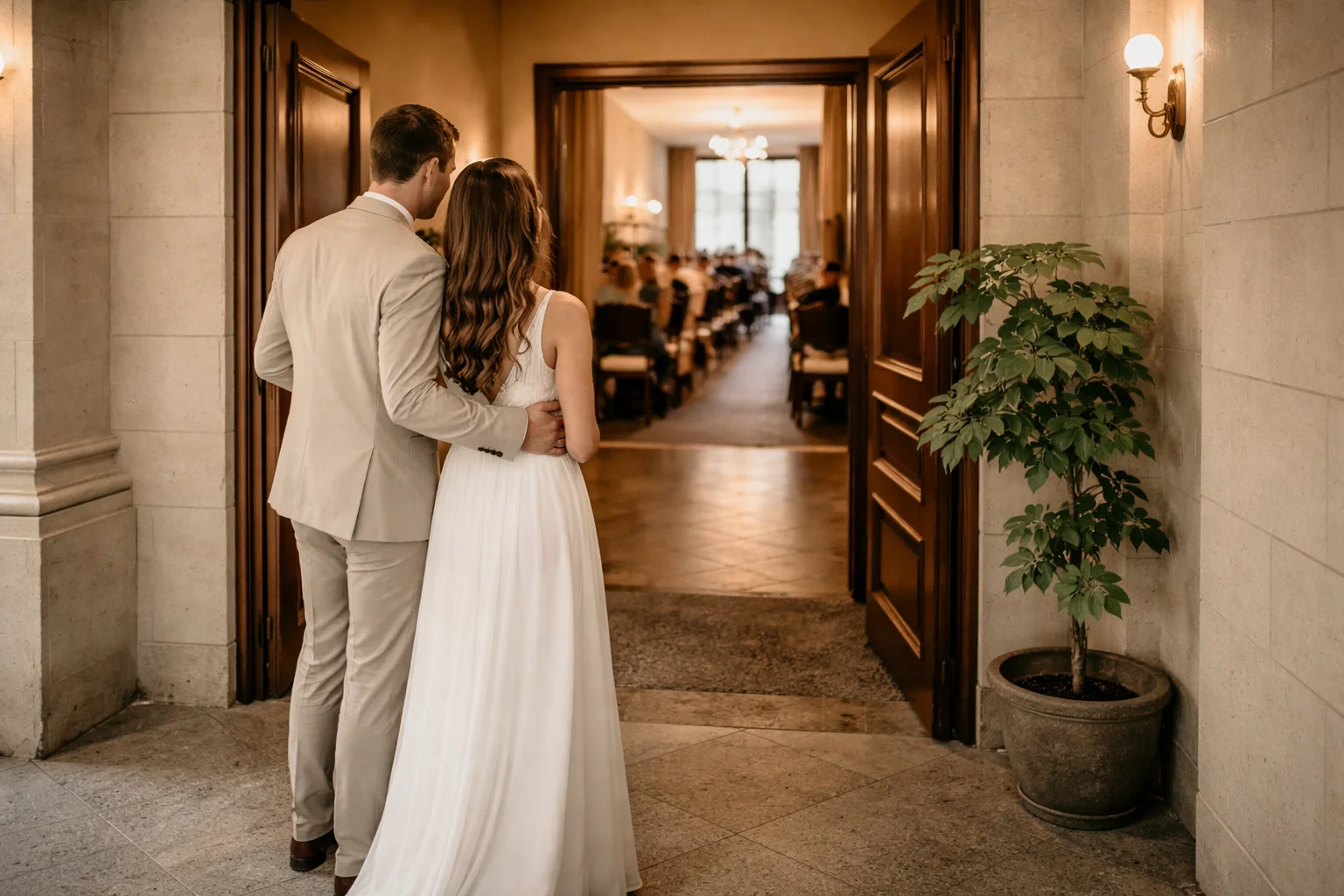
Waiting Before the Civil Ceremony: What the Minutes Outside the Room Actually Feel Like
Civil ceremonies are often described as brief, simple, and administrative. But anyone who has stood outside the room knows that the minutes before they begin can feel strangely dense. This article looks at what those minutes actually do to time, attention, behavior, and emotion, and how the legal ceremony becomes a real threshold between engagement and wedding.
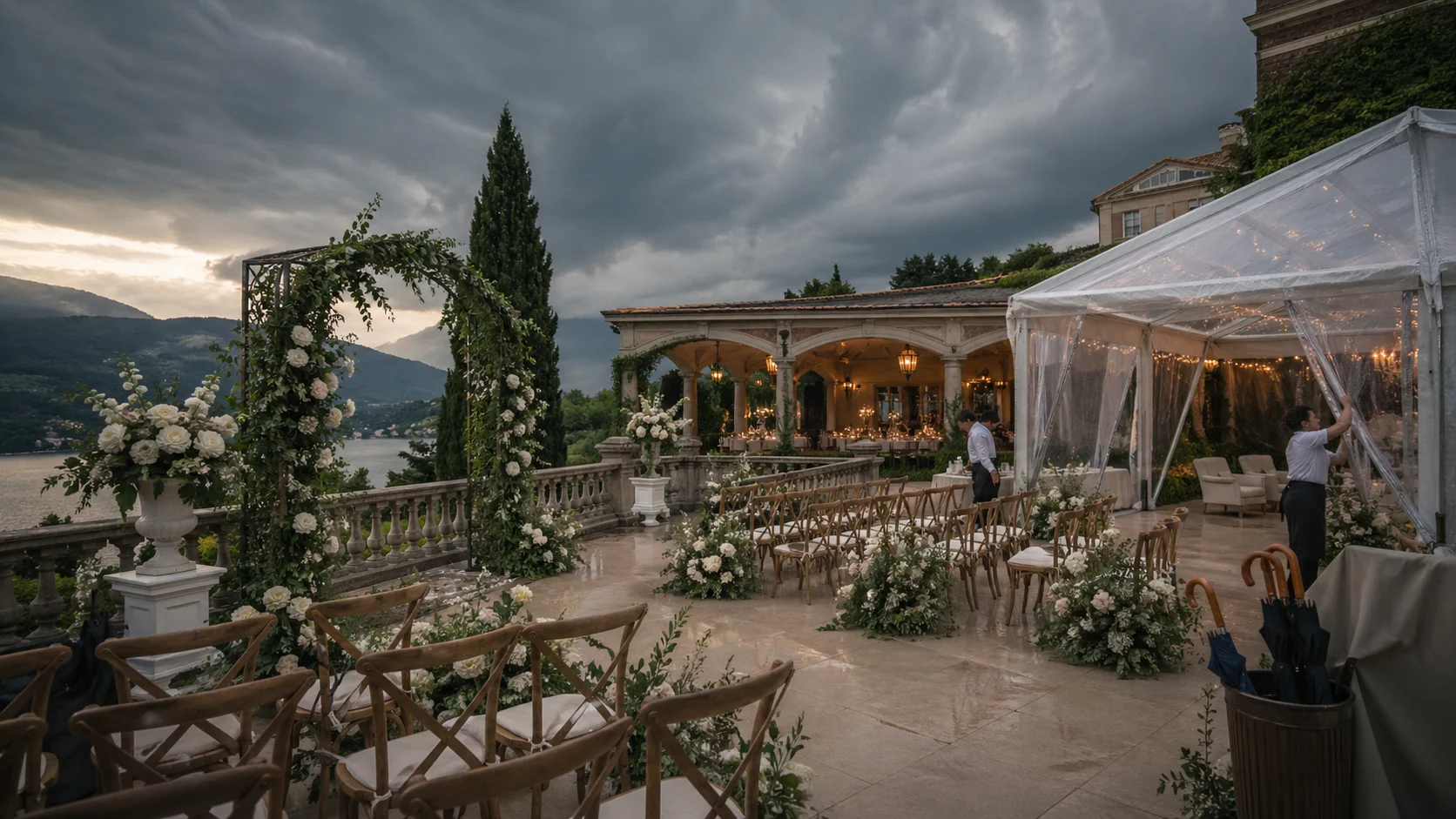
Rain Plan Checklist: What Needs Deciding Before Weather Becomes the Mood
A wedding rain plan is rarely just a backup for logistics. It also shapes whether weather stays manageable or quietly takes over the emotional tone of the day. This article looks at what needs to be decided early, so rain changes the setting without deciding the atmosphere.
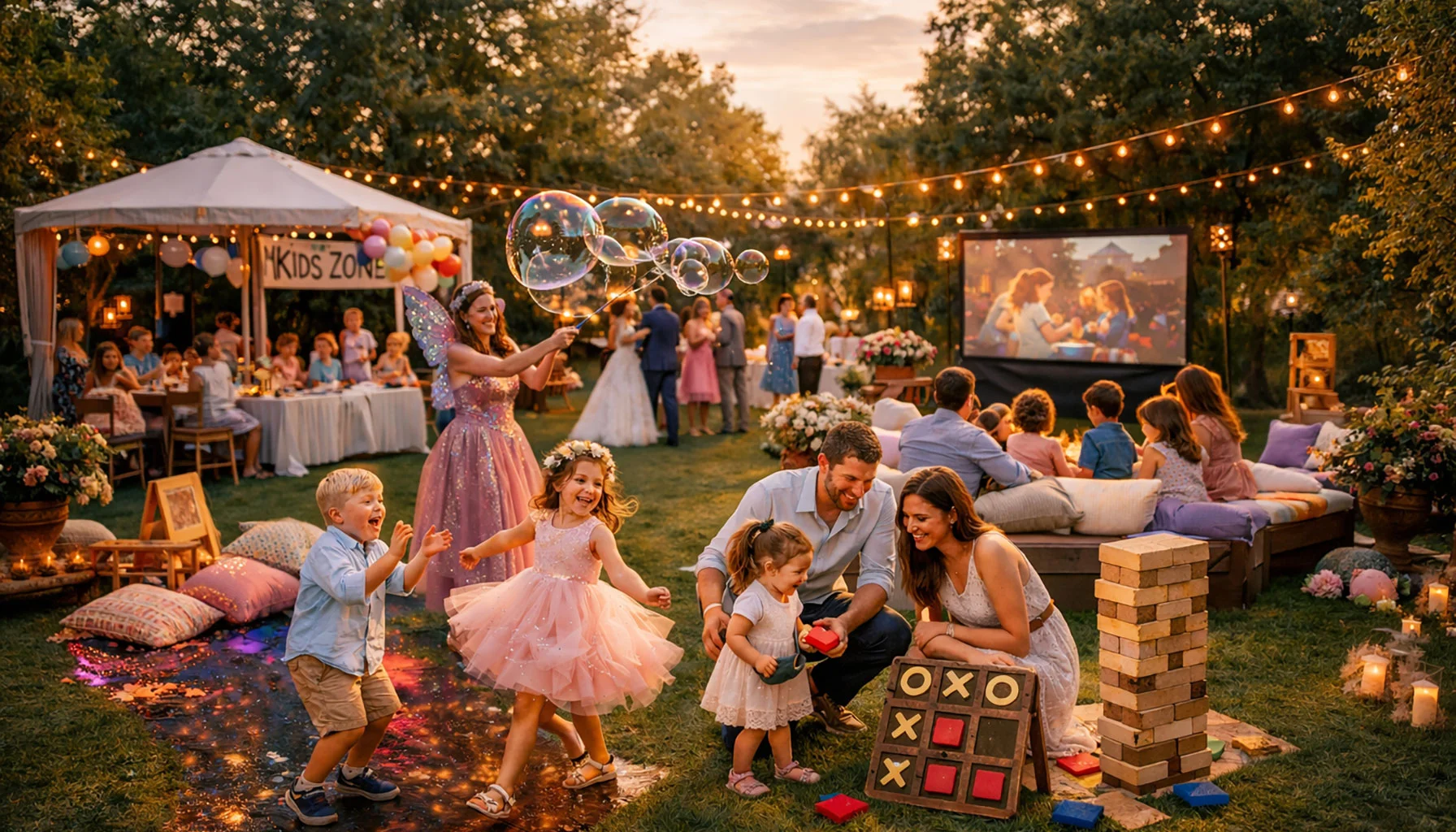
Creating Magical Moments for All Ages: Children and Family Entertainment at Modern Weddings
At weddings with children, the question is rarely whether entertainment exists. It emerges on its own the moment formal structure loosens. This article looks at family entertainment not as a side program, but as a quiet system of options that helps the day remain steady, generous, and memorable for guests of different ages.
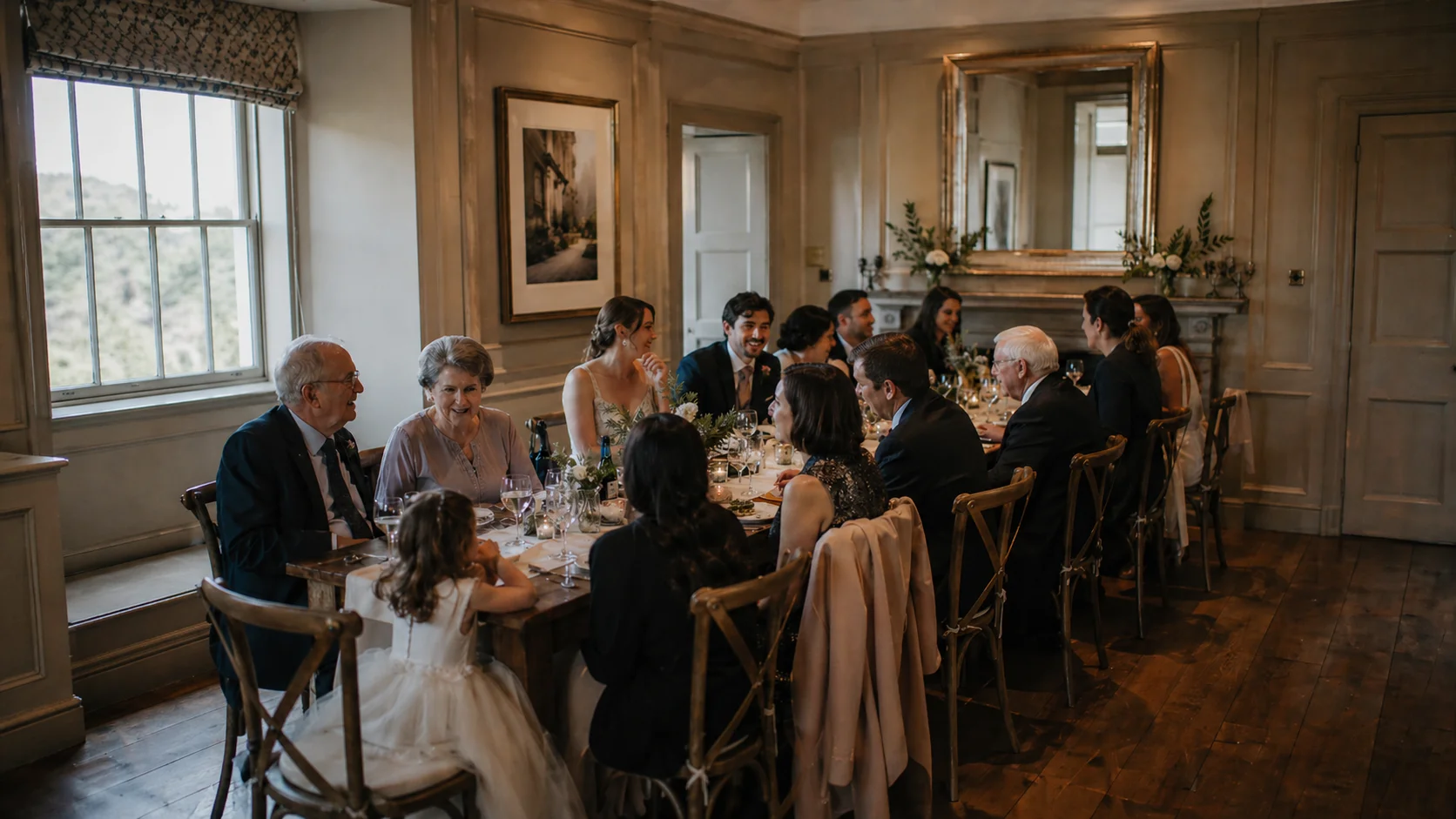
Family Table Checklist: What Helps Mixed Generations Sit More Easily Together
Family tables at weddings rarely depend on seating order alone. They work better when physical comfort, conversational balance, newer relationships, and older family stories are all considered before dinner begins.