
Kids & Family
Thoughtful entertainment helps families of all ages enjoy a wedding celebration together. Child-friendly activities, quiet play areas, and interactive moments allow younger guests to feel included while adults can relax and celebrate. Well-planned family entertainment creates a warm, welcoming atmosphere and ensures everyone feels comfortable throughout the day.
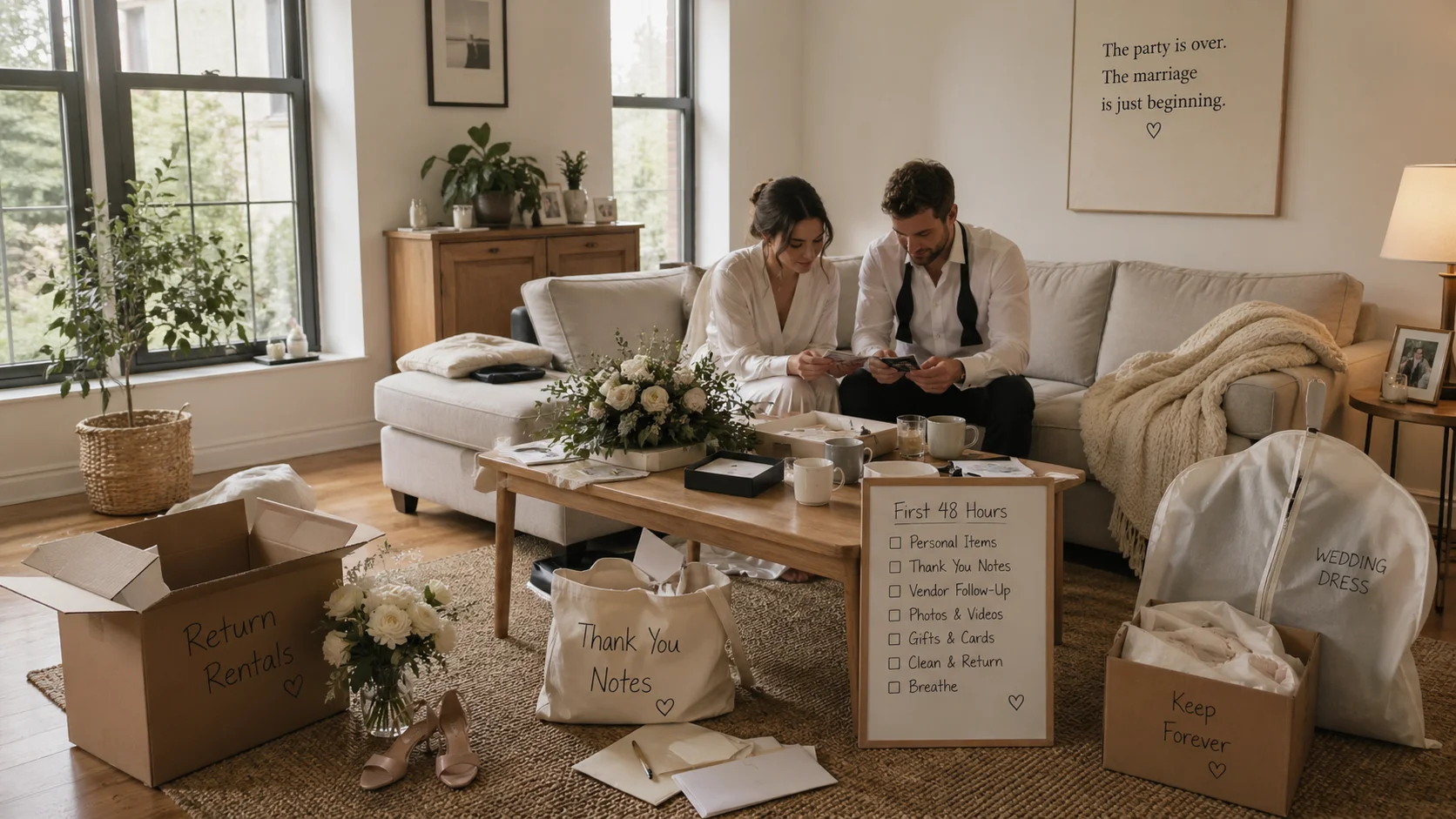
After-the-Wedding Checklist: What Needs Attention in the First 48 Hours
The first 48 hours after a wedding are quiet, practical, and easy to underestimate. This article looks at personal items, gifts, clothing, vendor closure, early photos, and the small tasks that help the after feel lighter instead of turning into scattered errands.
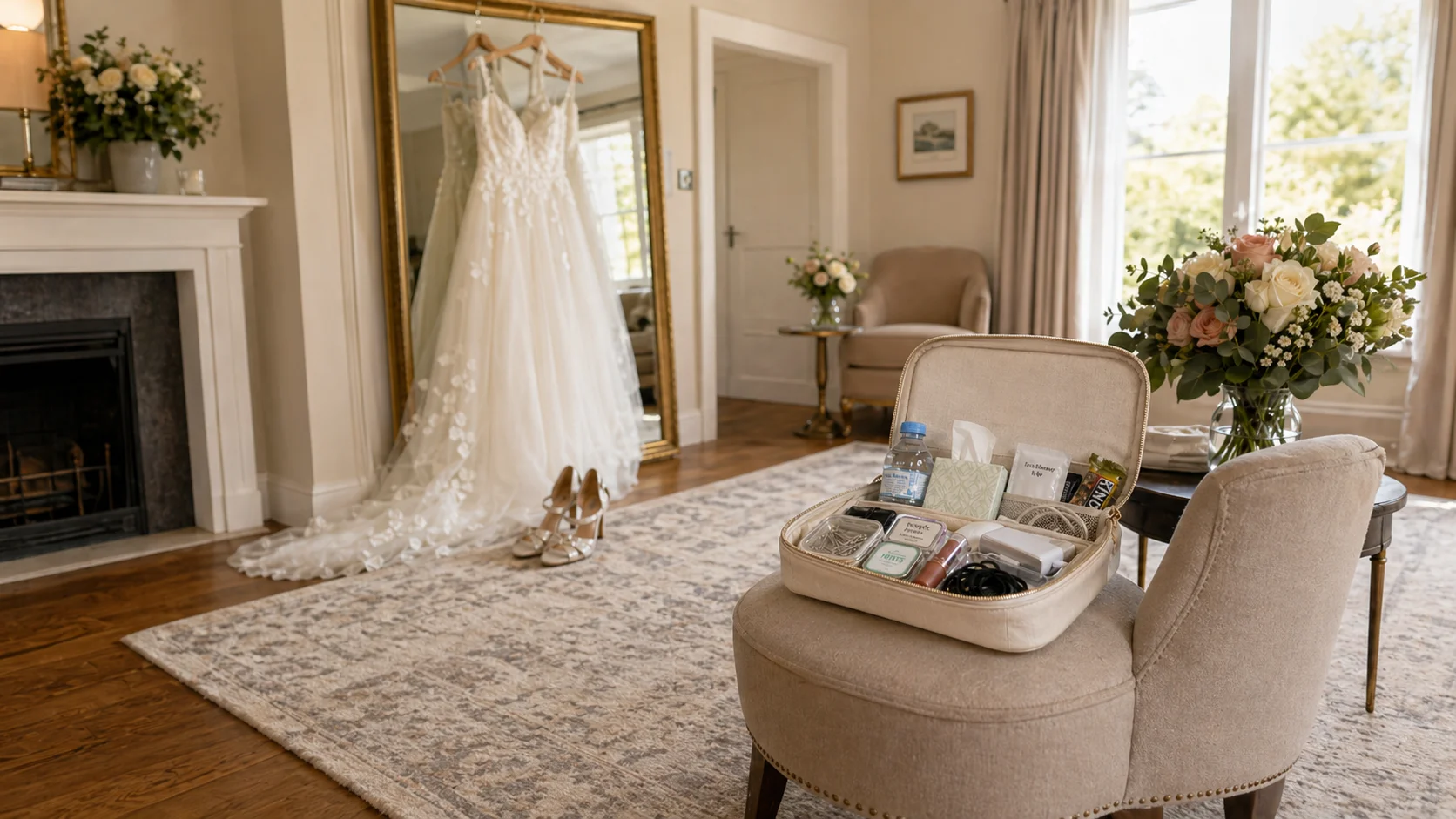
Wedding Bag Checklist: The Small Things That Quietly Save the Day
Wedding bags rarely draw attention, but they often carry the small items that keep the day from tightening around minor problems. This article looks at what to pack, who should hold it, and why the most useful things often matter most only in hindsight.
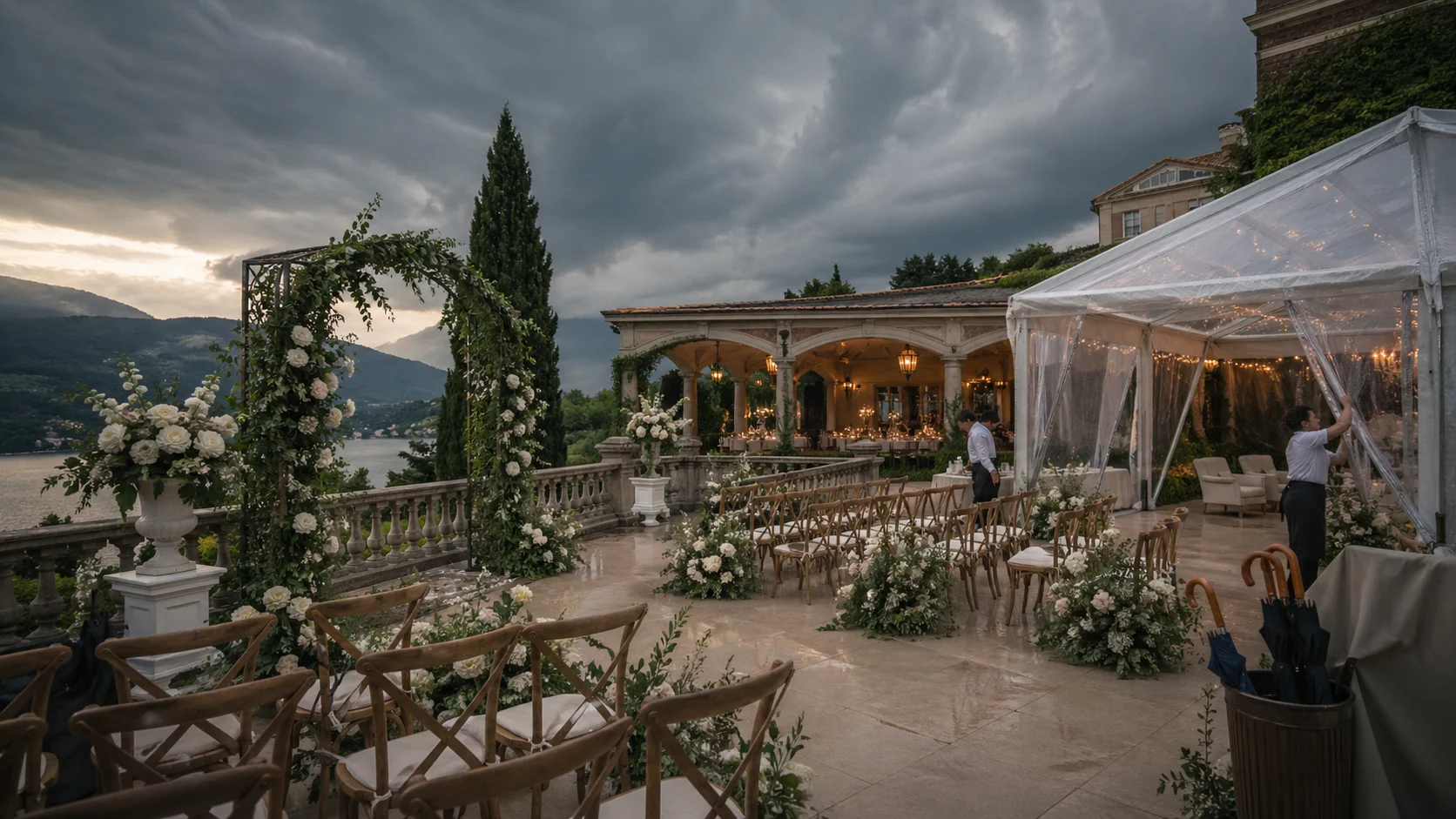
Rain Plan Checklist: What Needs Deciding Before Weather Becomes the Mood
A wedding rain plan is rarely just a backup for logistics. It also shapes whether weather stays manageable or quietly takes over the emotional tone of the day. This article looks at what needs to be decided early, so rain changes the setting without deciding the atmosphere.
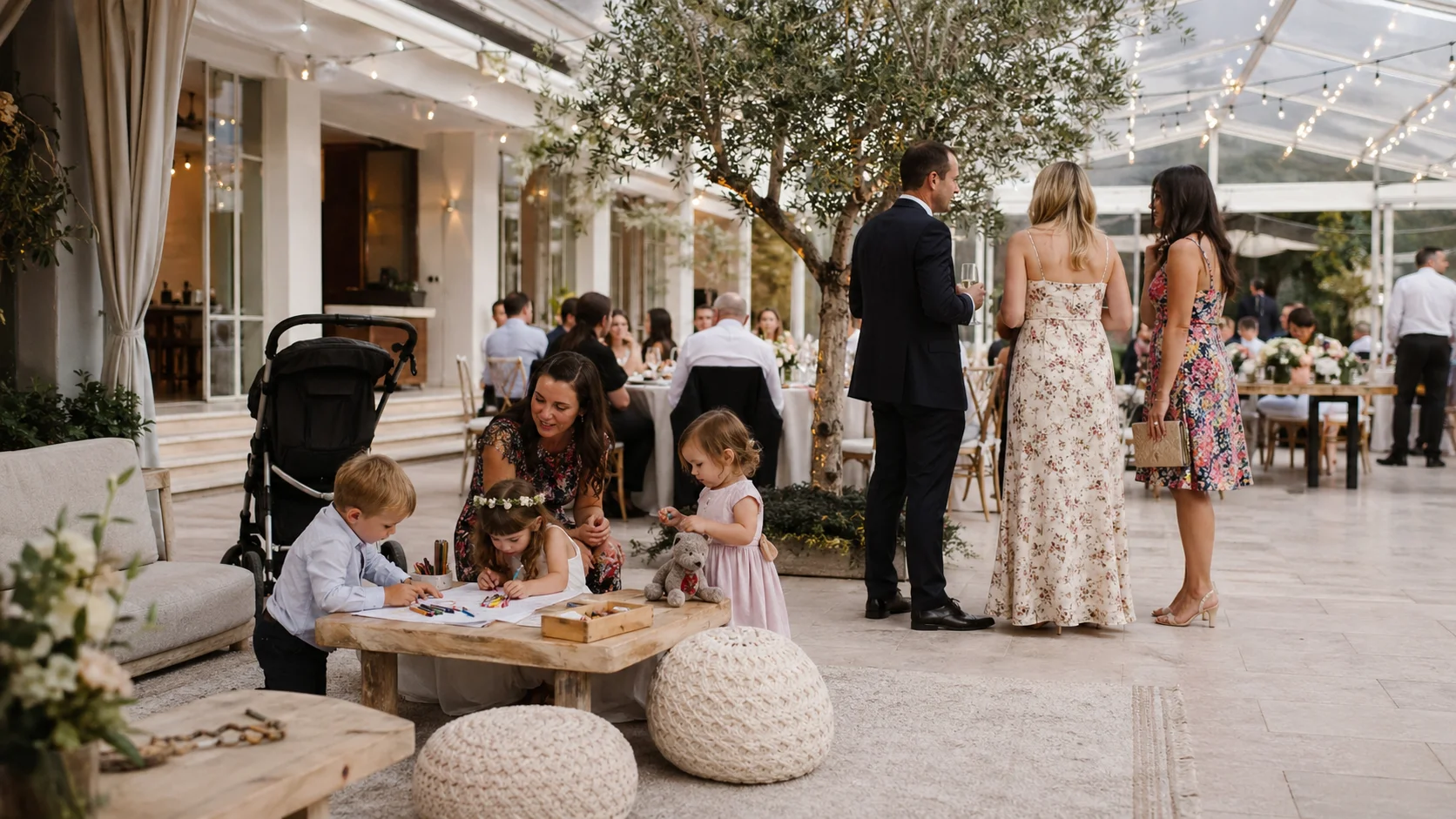
Kids at Weddings Checklist: What Helps Families Stay Longer Without Strain
Families with children usually leave weddings early for a series of small reasons rather than one big one. This article looks at what helps them stay longer with less strain, from food timing and retreat spaces to quieter transitions and the simple need for relief.
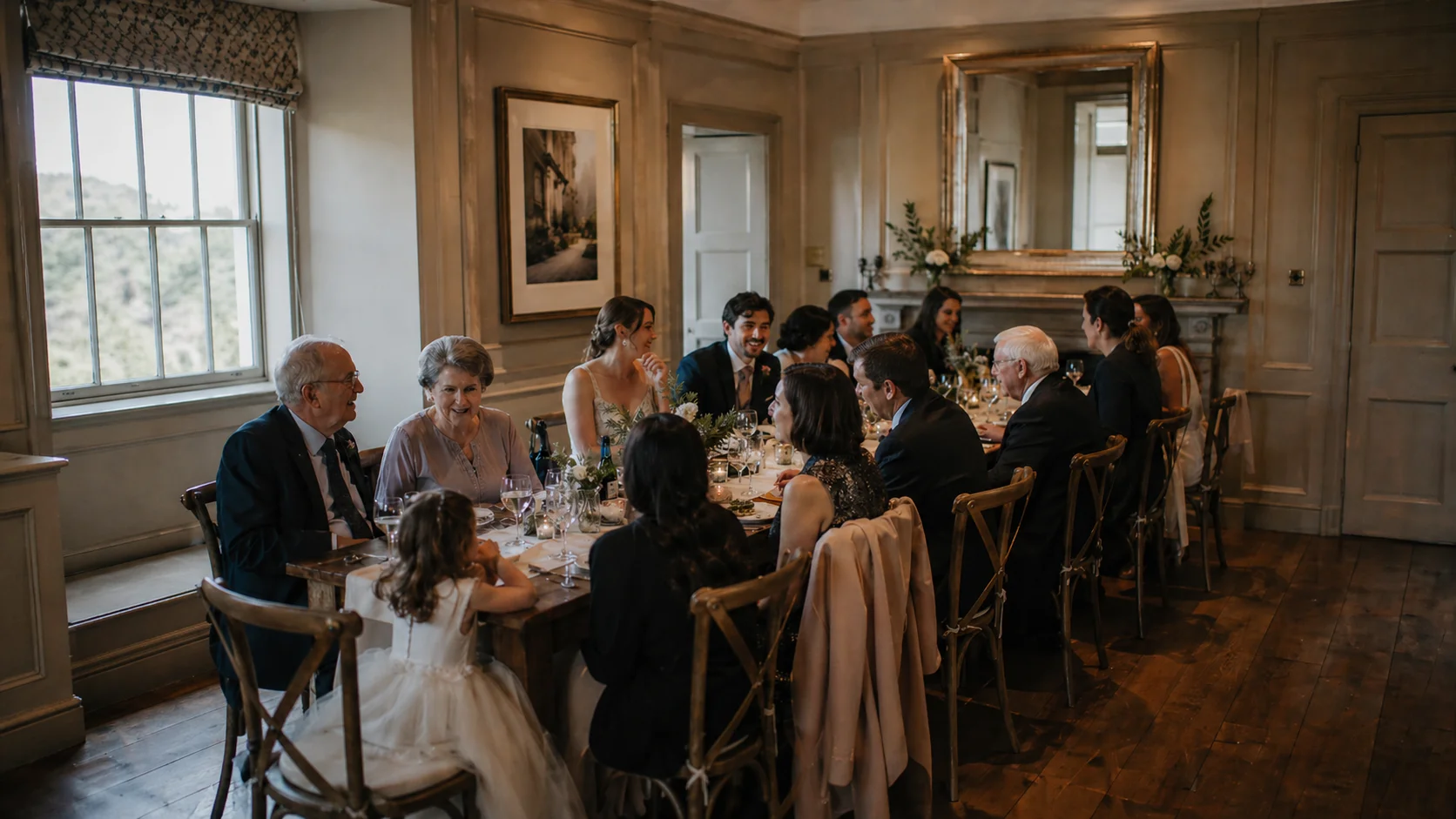
Family Table Checklist: What Helps Mixed Generations Sit More Easily Together
Family tables at weddings rarely depend on seating order alone. They work better when physical comfort, conversational balance, newer relationships, and older family stories are all considered before dinner begins.
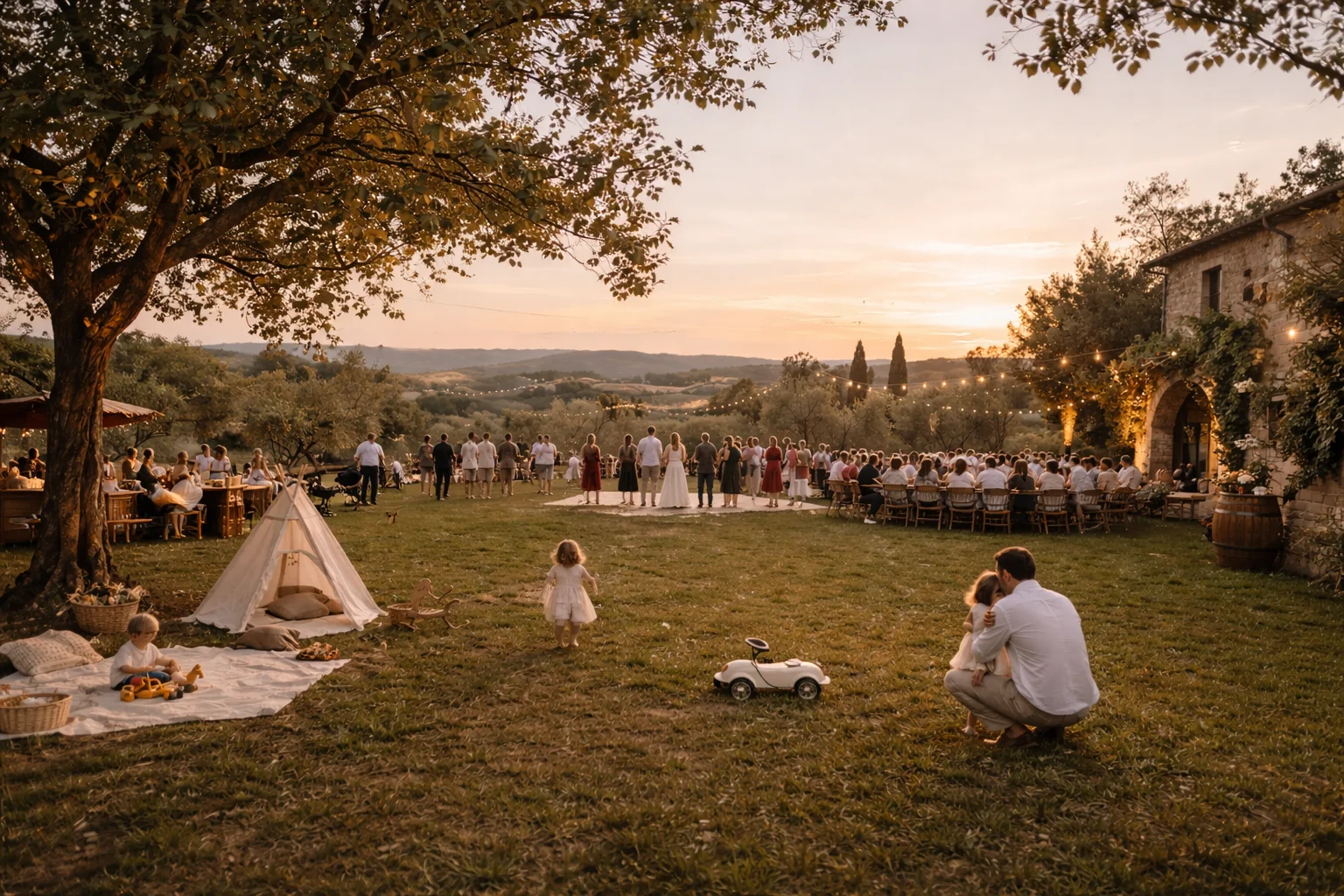
Nap Times, Early Goodbyes, and the Hidden Rhythm of Weddings With Small Children
Weddings with small children often follow two timelines at once: the visible schedule of ceremony, dinner, and dancing, and the quieter rhythm of naps, tiredness, comfort, and early departures. This article looks at how those hidden shifts shape the day in practical and emotional ways.
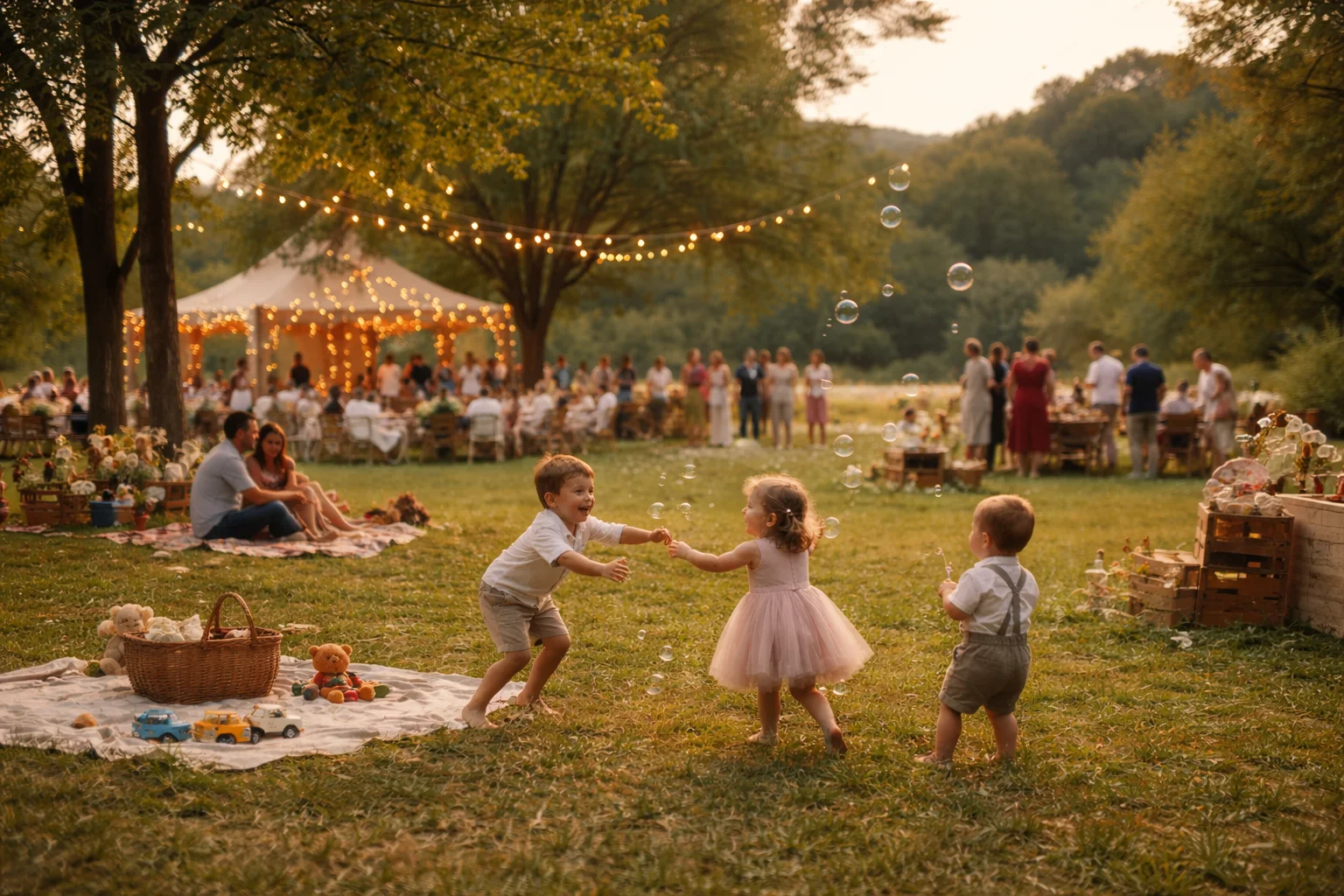
Outdoor Weddings With Children: Freedom, Boundaries, and Attention
Outdoor weddings often feel easier with children because there is more room to move, but that same openness changes how boundaries work and how attention is held. This article looks at how freedom, supervision, fatigue, and small shifting moments shape child-friendly outdoor celebrations.
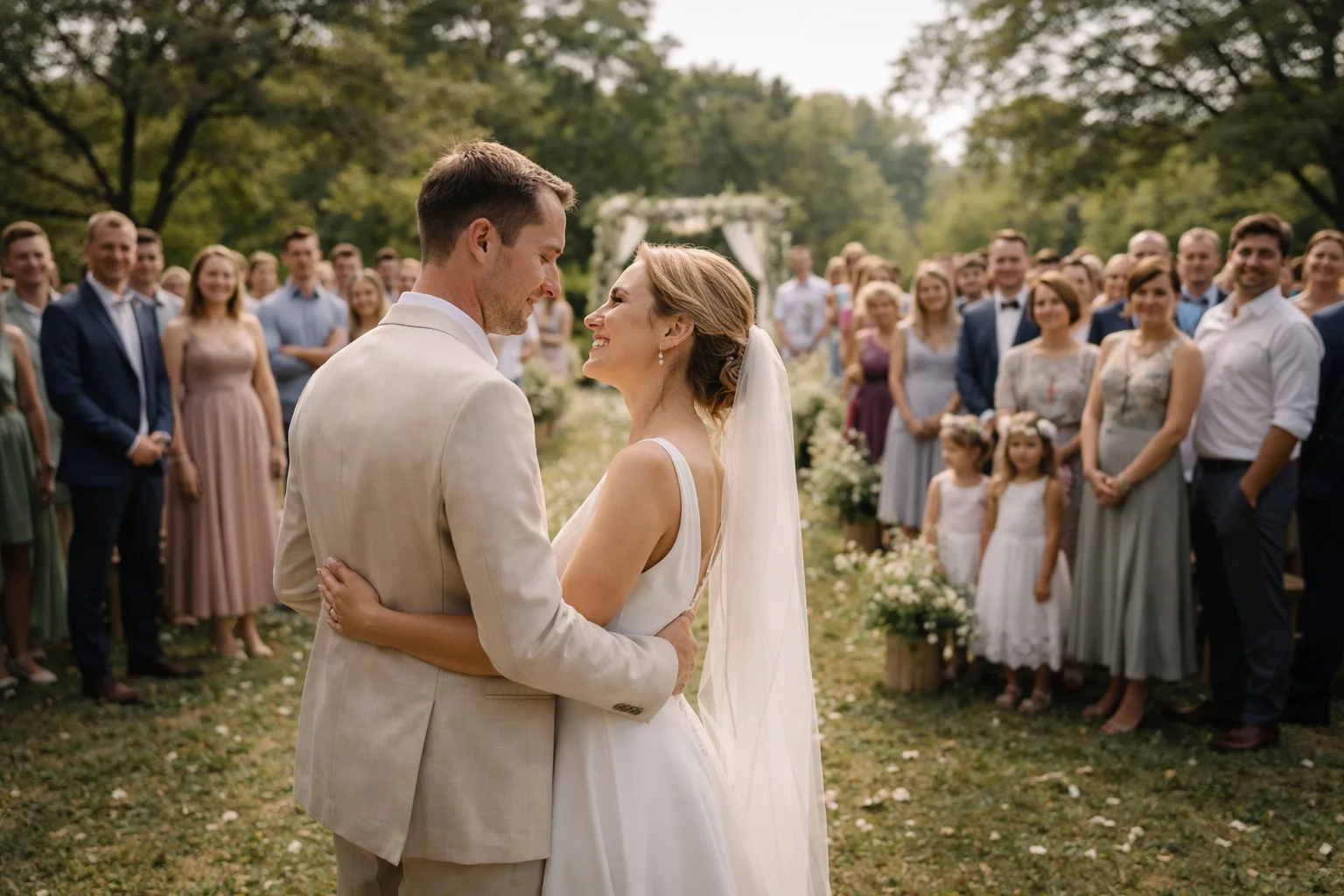
How Kids Change Formal Wedding Moments — and How to Plan for It
hildren change the atmosphere of formal wedding moments faster than most adults expect. They redirect attention, alter pacing, and reveal whether a ceremony, photo setup, or seating plan is flexible enough to hold real life. This article looks at how children affect formal wedding situations and how couples can plan for those shifts without losing the tone of the day.
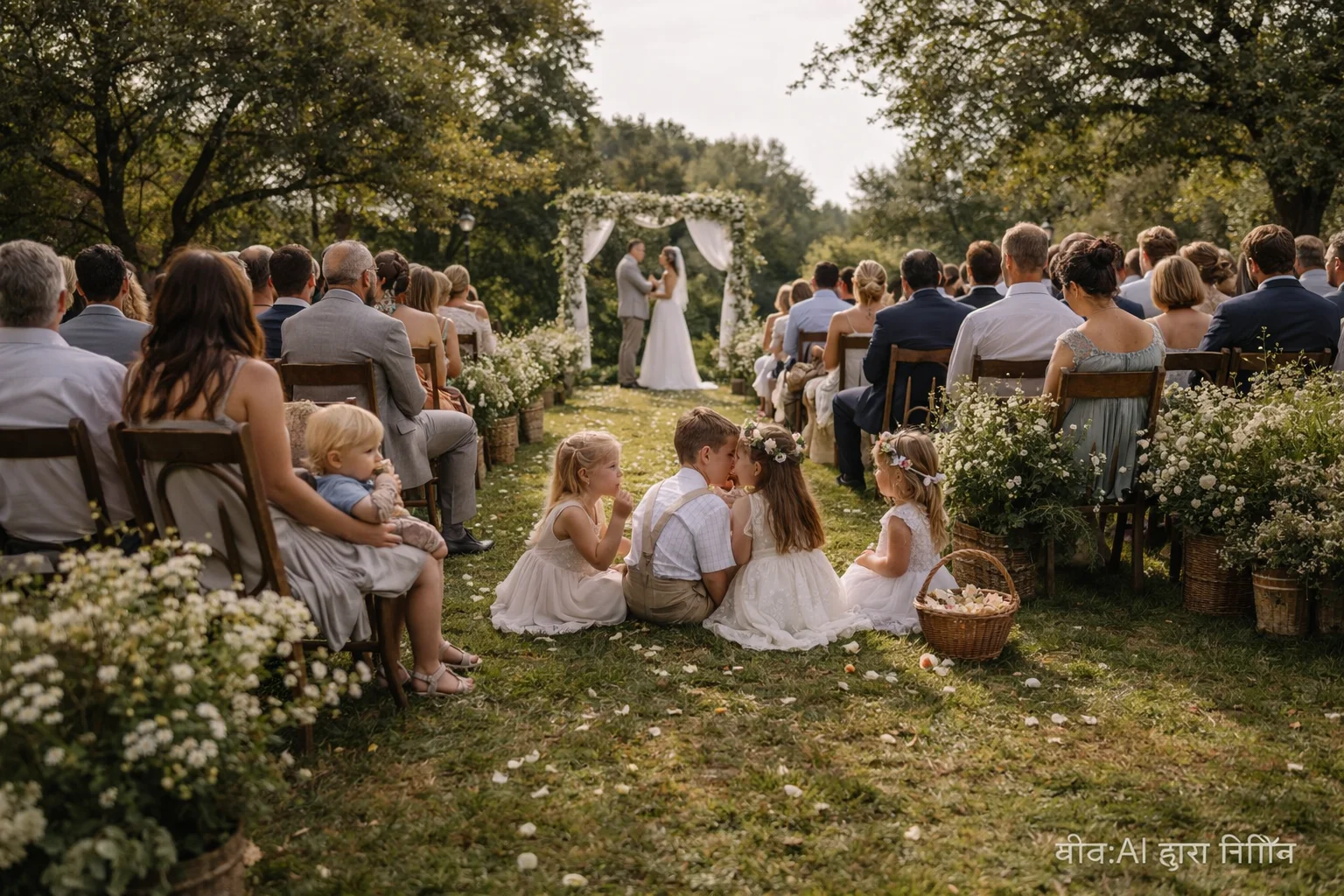
Children During the Ceremony: What Helps in the Exact Moment
Children do not disturb a wedding ceremony by default. They react to pressure, duration, unfamiliar rules, and adult tension. This article looks at what happens in the actual moment, when things begin to tip, how space and sequence can support children better, and how parents can stay part of the celebration without spending the ceremony in crisis control.
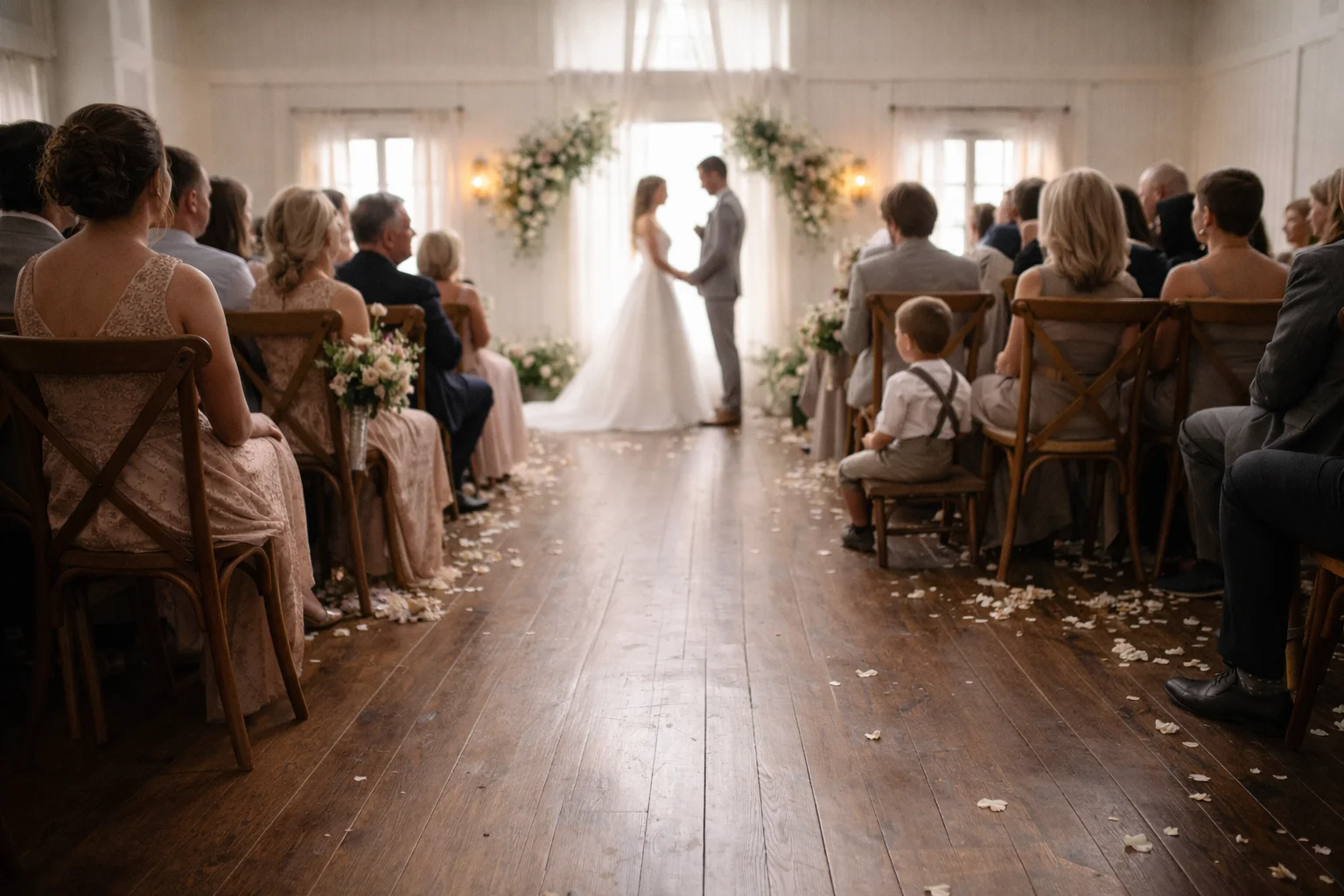
When Attention Shifts: Kids in Formal Wedding Situations
Children rarely stop a formal wedding moment outright, but they often redirect attention for a few seconds in ways adults immediately notice. This article looks at how those shifts happen, why they usually matter less than feared, and how weddings absorb different rhythms without losing their structure.
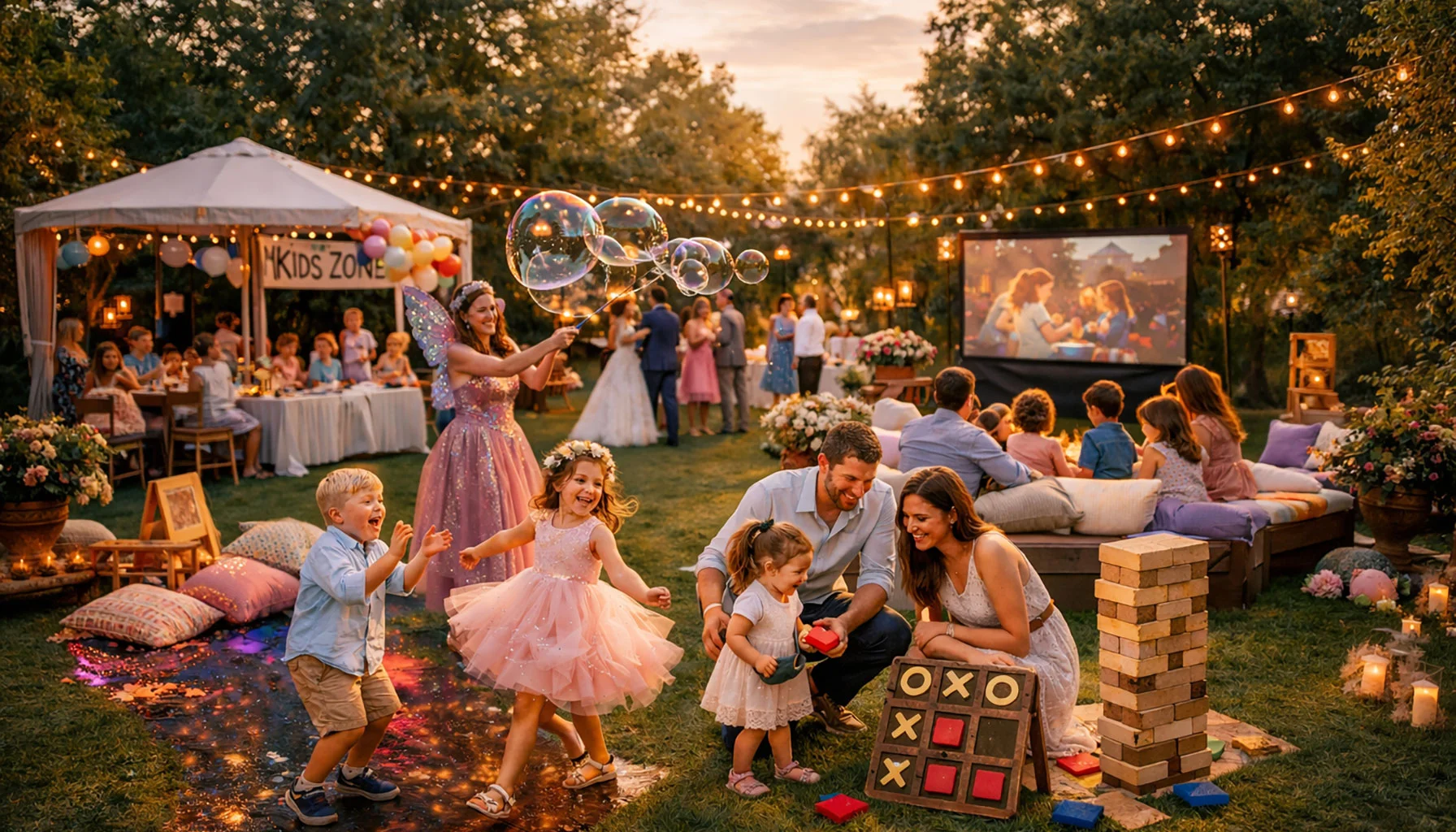
Creating Magical Moments for All Ages: Children and Family Entertainment at Modern Weddings
At weddings with children, the question is rarely whether entertainment exists. It emerges on its own the moment formal structure loosens. This article looks at family entertainment not as a side program, but as a quiet system of options that helps the day remain steady, generous, and memorable for guests of different ages.