Silence

Silence

Silence is not absence. It is the space where meaning gathers before words, decisions, and rituals take shape.

Silence is often misunderstood as emptiness. In reality, it is a space. A space where meaning gathers before it becomes language, action, or ritual.

In relationships, silence appears at moments that matter: before a question is asked, after an answer is given, when words feel insufficient or dangerous.

Silence before decisions

Before every important decision, there is a pause. A moment where options exist but none are chosen yet. Silence holds this uncertainty.

This pause is not passive. It is active tension — the awareness that something will change once words are spoken.

What remains unspoken

Not everything meaningful is said. Some experiences resist language, others are held back by fear, timing, or care.

Silence can protect what is fragile. It can also conceal what needs attention. The difference lies in awareness.

Silence and intimacy

Shared silence can deepen intimacy. Being quiet together without discomfort signals trust.

But silence can also widen distance when it replaces communication rather than supporting it.

Why silence matters in this portal

This portal speaks about rituals, decisions, and what remains after them. Silence connects all of these. It is the space before commitment, between words, and after ceremonies end.

Silence is not nothing. It is what holds everything before it becomes visible.— Loving Rocks

Continue exploring silence

Silence appears throughout the portal in different forms. These paths explore it further:

  • Rituals — where silence precedes structure.
  • Imprints — when silence becomes memory.
  • After — the quiet that follows ceremony.
  • Stories — moments where silence speaks louder than words.

Articles

Wedding Transport Checklist: Arrivals, Transfers, Parking, and Late-Night Returns

Wedding Transport Checklist: Arrivals, Transfers, Parking, and Late-Night Returns

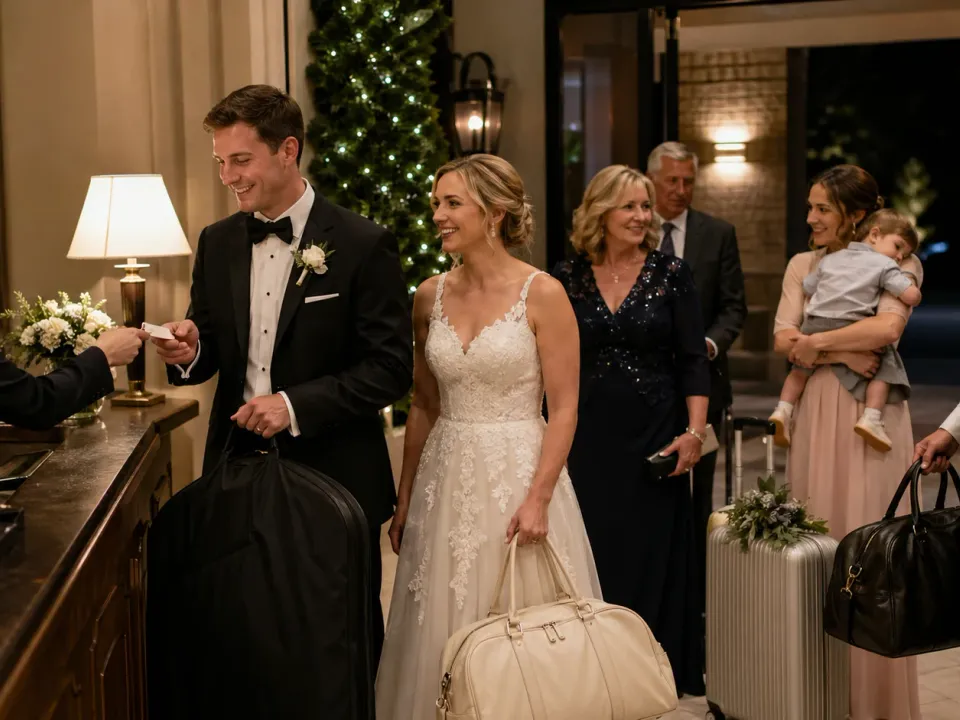
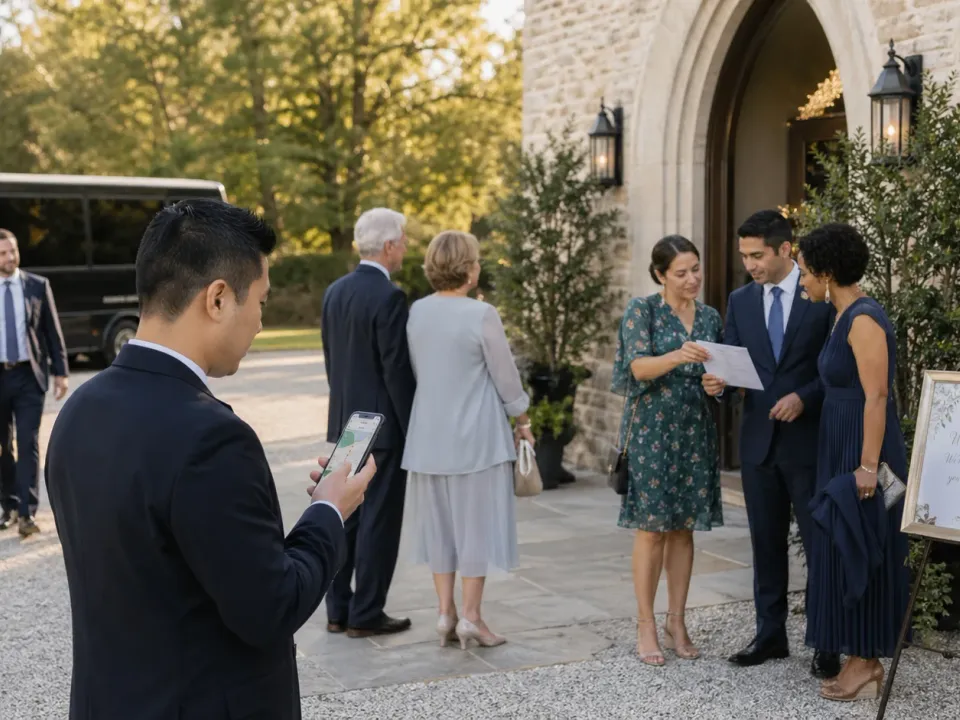
Wedding transport is rarely remembered when it works, but it shapes the day long before the ceremony begins and long after the central moment has passed. This article looks at what still needs to be planned around arrivals, transfers, parking, and late-night returns, and why movement and waiting belong more closely together than many couples expect.
Wedding Guest Communication Checklist: What Guests Need to Know and When

Wedding Guest Communication Checklist: What Guests Need to Know and When

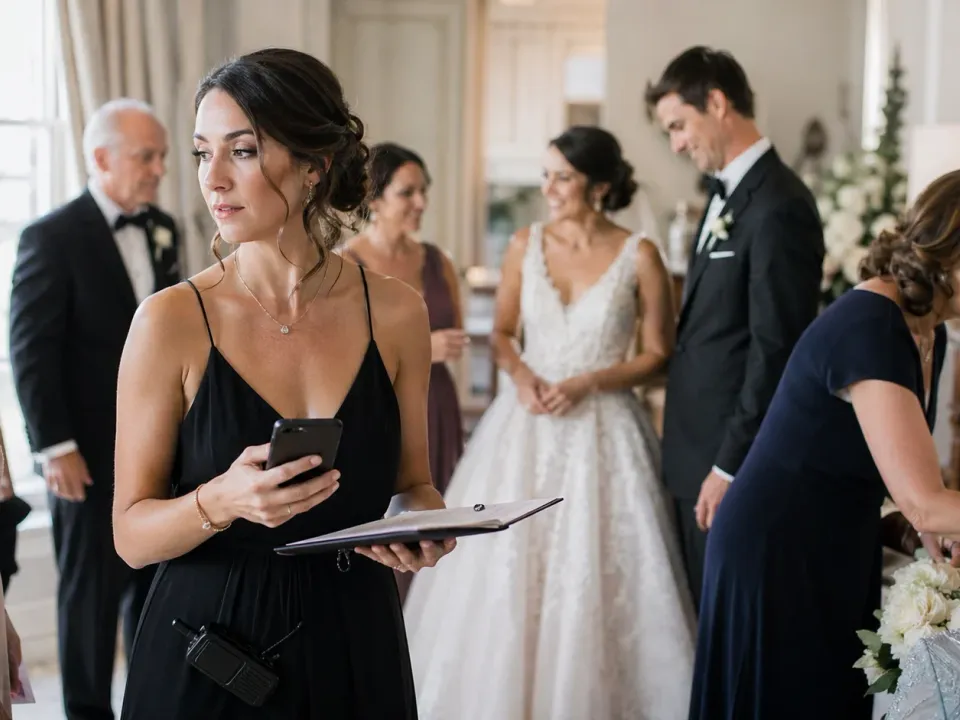
Good wedding communication is not about sending guests everything at once. It is about giving the right information at the right moment, so the day feels clear without becoming overexplained. This article looks at what guests actually need to know, when they need to know it, and why silence still has a place in wedding planning.
Last-Week Wedding Checklist: What Still Needs Attention Shortly Before the Day

Last-Week Wedding Checklist: What Still Needs Attention Shortly Before the Day

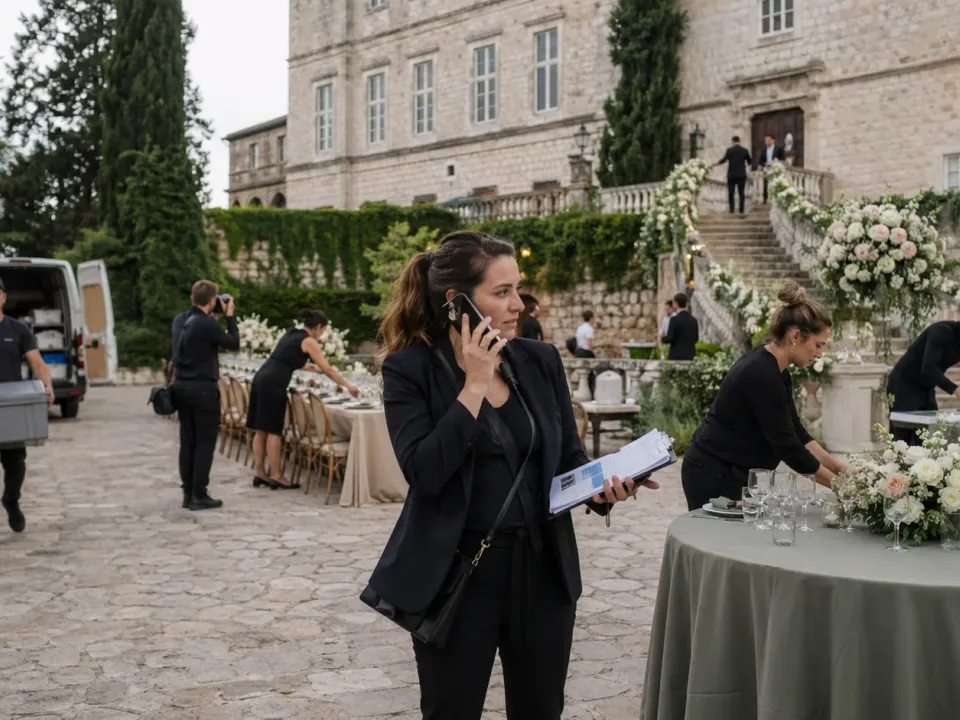
The last week before a wedding is rarely about major decisions. It is about clarifying what still has weight, what can no longer be improved by adding more, and what needs to be named before it starts shaping the day in silence. This article looks at what still deserves attention shortly before the wedding and why the unspoken layer often matters most at that stage.
DJ or Live Band: What Actually Fills a Wedding Dance Floor

DJ or Live Band: What Actually Fills a Wedding Dance Floor

The choice between DJ and live band is often framed as a style decision, but at weddings it changes timing, energy, and how guests move through the night. This article looks at what really fills a dance floor, what guests actually want, and why the most important musical choice often happens before the first song begins.
Why Notebooks Matter More Than You Think at Weddings

Why Notebooks Matter More Than You Think at Weddings

Notebooks at weddings are often treated as simple guest books, but their role goes deeper. They capture pauses, unfinished thoughts, and quiet moments that rarely surface in spoken form. This article explores how notebooks connect the visible ritual of a wedding with the invisible space of silence.
When Wedding Decoration Says More by Saying Less

When Wedding Decoration Says More by Saying Less

In wedding planning, decoration is often discussed in visible terms: florals, candles, tables, color, scale. But the rooms people remember are rarely memorable because they were crowded with ideas. They stay with us because the space knew when to pause. A ceremony arch with air around it, a table that holds only what matters, a doorway left almost bare so that the people moving through it become the focus: these choices do more than decorate. They create emotional direction through wedding decoration that feels considered rather than performed.
When Wedding Decoration Says What People Leave Unspoken

When Wedding Decoration Says What People Leave Unspoken

Wedding decoration is often discussed through color palettes, florals, table settings, and style references. Those things matter, but they are rarely the whole story. The room also carries what has not been fully explained: family tensions handled with grace, private histories that shape a couple's choices, or a shared wish for the day to feel calm rather than spectacular. In that sense, decoration is not only visual. It becomes part of the emotional architecture of the ceremony.
What Guests Notice First in Wedding Decoration — and Why

What Guests Notice First in Wedding Decoration — and Why

Guests rarely notice wedding decoration in the order planners imagine. They register proportion, spacing, light, and the calm or tension of a room long before they name a flower or a fabric. This is why the visual intelligence of luxury cars offers an unexpectedly useful lens: both rely on line, restraint, material confidence, and the power of a well-held pause.
1 / 4