
Creating Magical Moments for All Ages: Children and Family Entertainment at Modern Weddings
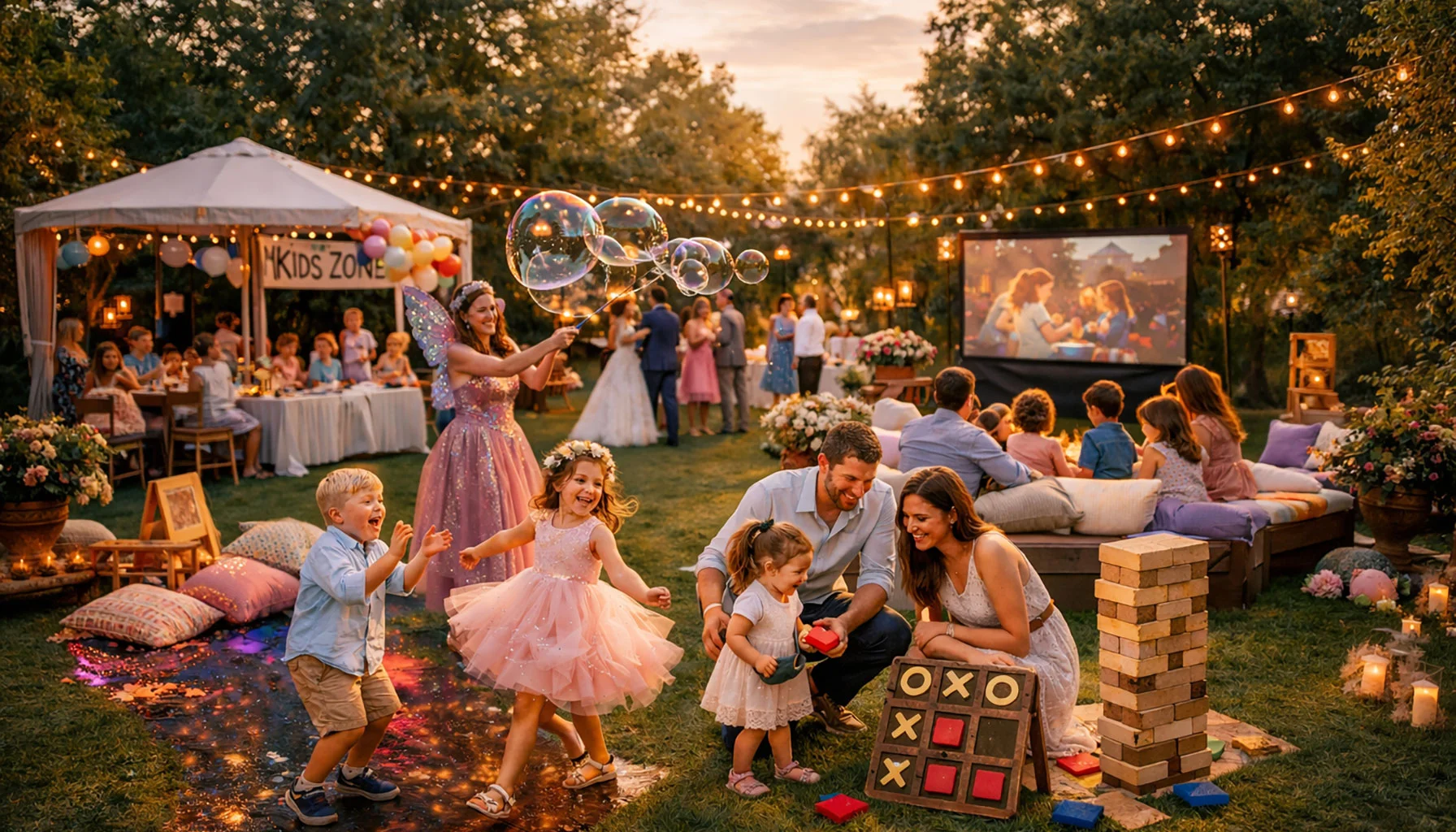
At many weddings, a clear shift appears once the formal parts ease. Children begin to move. They circle the room, return to the same places, and test what is allowed. When entertainment responds to this behavior rather than correcting it, the day often feels steadier. Parents stay longer at the table. Conversations continue.
This is why the subject belongs naturally to both Kids and Family and Imprints. Family entertainment rarely works as a fixed program. It works better as a set of options placed into the flow of the day. Some are used briefly. Others remain quietly present for hours. What people remember later is often not one big activity, but the feeling that families were able to stay part of the celebration without strain.
Kids & FamilyThoughtful entertainment helps families of all ages enjoy a wedding celebration together. Child-friendly activities, quiet play areas, and interactive moments allow younger guests to feel included while adults can relax and celebrate. Well-planned family entertainment creates a warm, welcoming atmosphere and ensures everyone feels comfortable throughout the day.

Some moments do not pass. They settle. Imprints are the emotional traces left by rituals, decisions, and answers that continue shaping relationships long after the moment is gone.
Definition
Children and family entertainment at a wedding is not only about keeping younger guests occupied. It is the arrangement of activities, spaces, and moments that allow families of different ages to remain present in the celebration without strain. Its success is measured less by spectacle than by whether the day continues to feel easy and shared.
Shared Moments Early in the Celebration
Earlier in the reception, shared activities often work best. Music is familiar. Movements are simple. Children gather, then disperse again. At one wedding, a short childrens dance set took place just after the ceremony. Three songs. Simple movements. When it ended, the children ran outside. The room settled. Dinner followed without interruption. One parent later said it felt timed just right, with enough energy and then space again.
Creative and Sensory Corners
Creative tables tend to attract children repeatedly rather than all at once. The activity remains the same, but engagement changes over time. At a long dinner, a table with paper, flowers, and simple materials stayed in one corner of the room. Children returned to it throughout the evening. Some stayed for minutes. One child sat there for nearly an hour, quietly working. A guest later said that table carried the evening for them because their child was content and they could listen.
Performers and Shared Attention
Live performers sometimes create rare moments in which age differences briefly fall away. These moments are usually short, and their clarity matters more than their length. During one reception, a storyteller appeared without announcement. The story lasted only a short while. Adults stopped talking. Children sat on the floor. When it ended, applause was brief and conversation resumed. One guest recalled that everyone was watching the same thing, and that this felt rare that day.
Games at the Edge of the Event
Games placed slightly outside the main space often work better than those placed at the center. They invite movement without pulling focus. At an outdoor wedding, simple lawn games were placed near the path between reception and garden. Children moved between them and the dance floor. Adults joined briefly, then left again. A guest later said that this was where conversations started, not planned, just happening.
Quiet Retreats Later in the Day
As the celebration continues, some children look for distance rather than activity. These spaces are rarely crowded. Their value lies in being available. At one wedding, a small room with cushions and soft light remained open throughout the evening. Children entered alone or with a parent. No schedule. No instruction. One parent reflected afterward that they stayed much longer than expected because there was somewhere to slow down.
Conclusion
When entertainment responds to how children actually move through a wedding, the day tends to hold together. Nothing dominates. Options remain. Families stay present. What remains afterward is rarely one spectacular moment. More often it is a sense of ease. That is why children and family entertainment matters. It leaves behind the feeling that all ages were genuinely able to belong there.
Related Articles
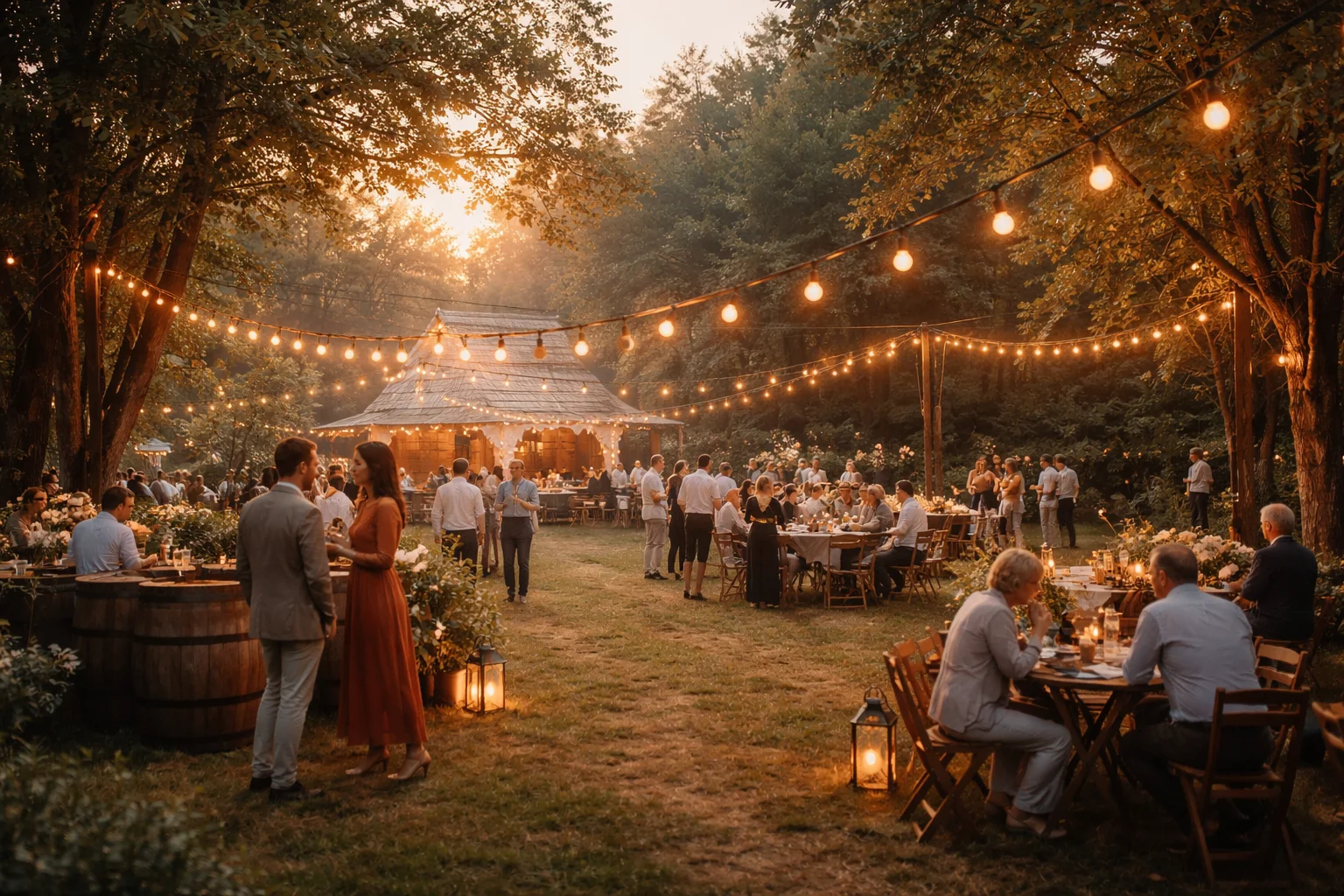
When the Day Builds Itself in Small Moments
Some weddings are held together less by formal program points than by short, unplanned interactions that quietly take over the day. This article looks at how micro-moments shape flow, attention, memory, and atmosphere, especially in smaller celebrations.
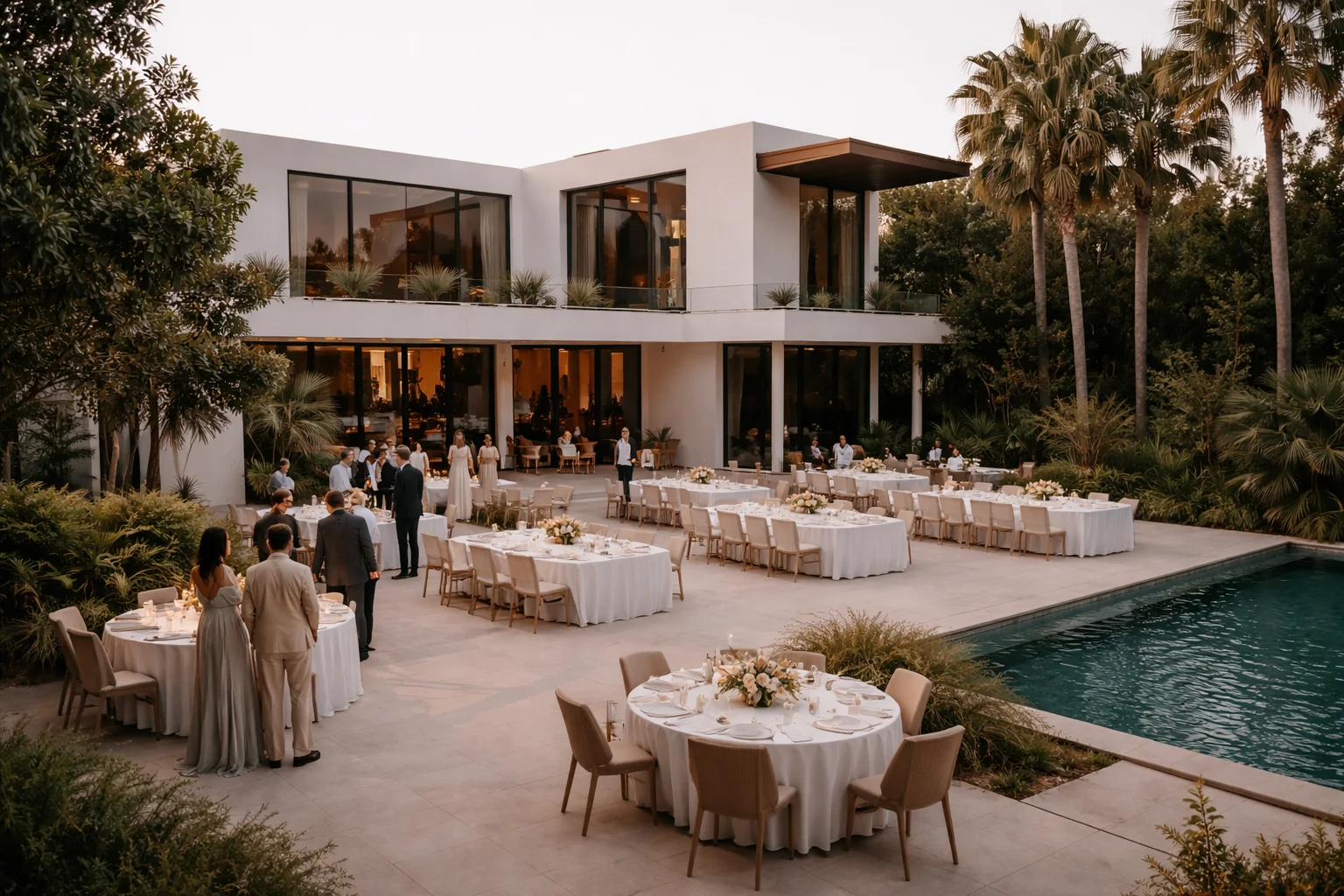
Venues & Concepts in Weddings
Wedding venues and wedding concepts are often treated as separate decisions. In practice, they rarely stay separate for long. The place changes the idea, the idea changes the place, and somewhere between the two an atmosphere begins to form that guests later remember more clearly than the plan itself.
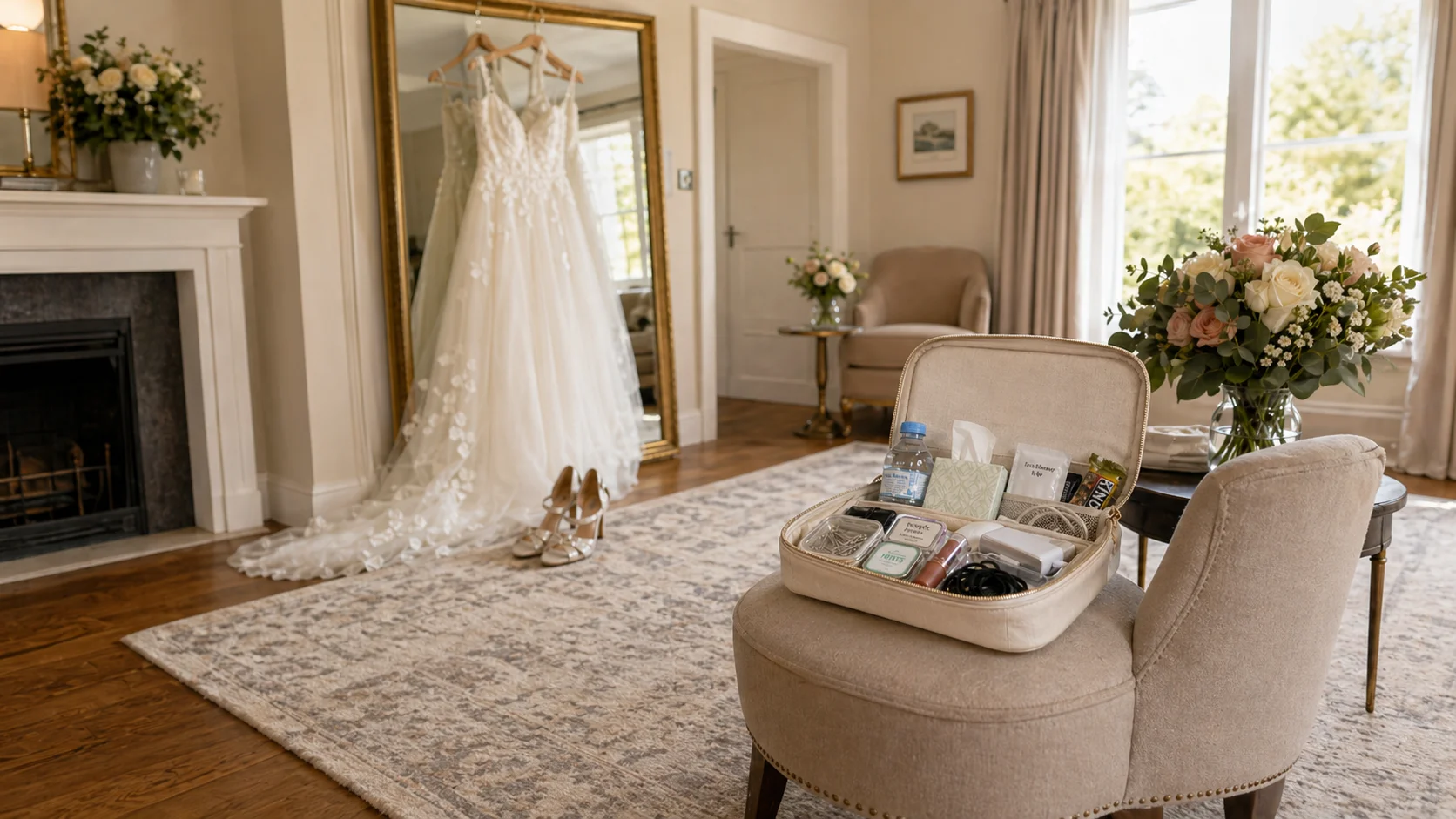
Wedding Bag Checklist: The Small Things That Quietly Save the Day
Wedding bags rarely draw attention, but they often carry the small items that keep the day from tightening around minor problems. This article looks at what to pack, who should hold it, and why the most useful things often matter most only in hindsight.
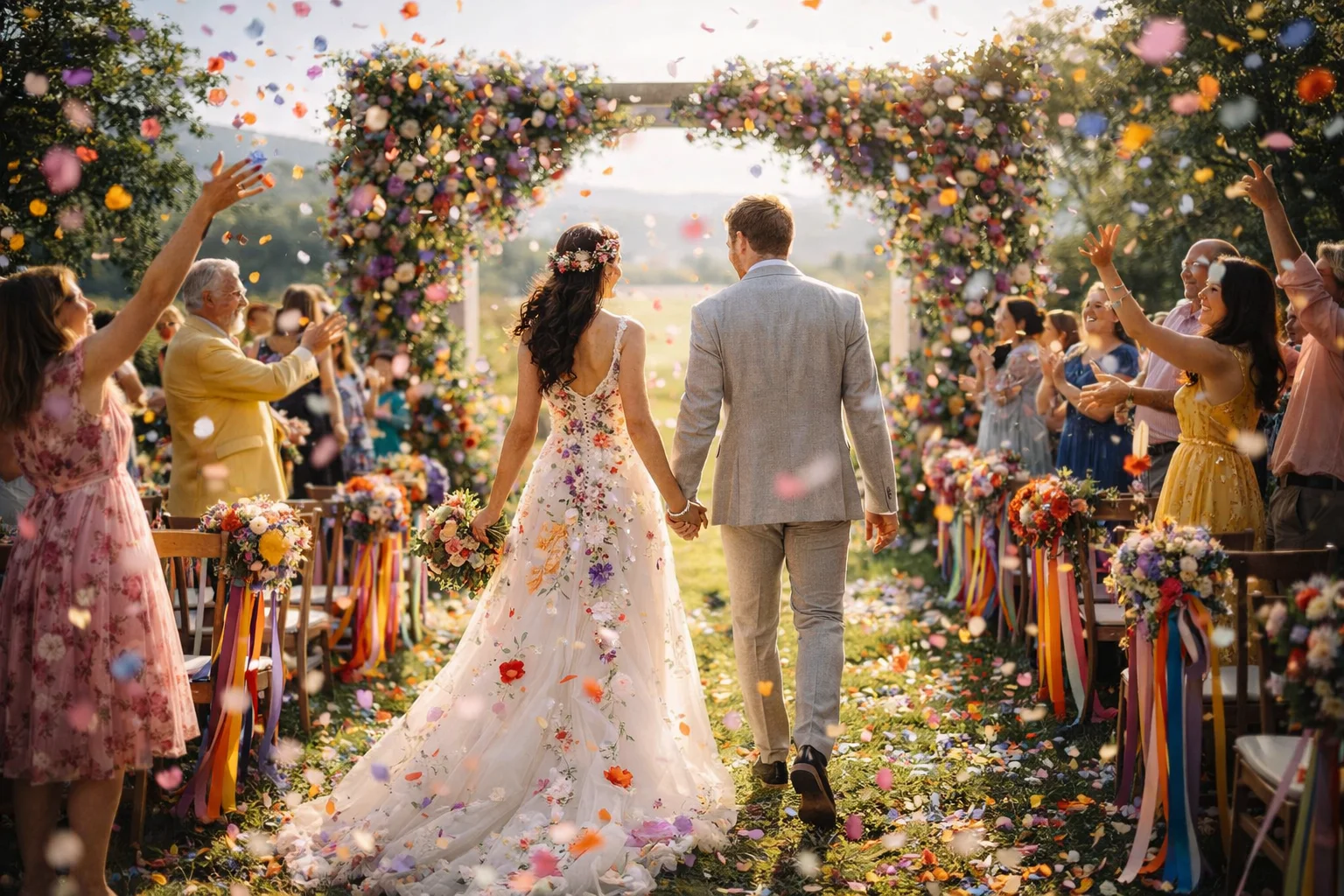
What Wedding Colors Leave Behind
Wedding colors are usually chosen for beauty, balance, or season. But they also leave a trace. Long after flowers fade and fabrics are packed away, certain tones remain attached to a promise, a room, a feeling. This article looks at wedding color not only as styling, but as part of the emotional imprint a ceremony leaves behind.
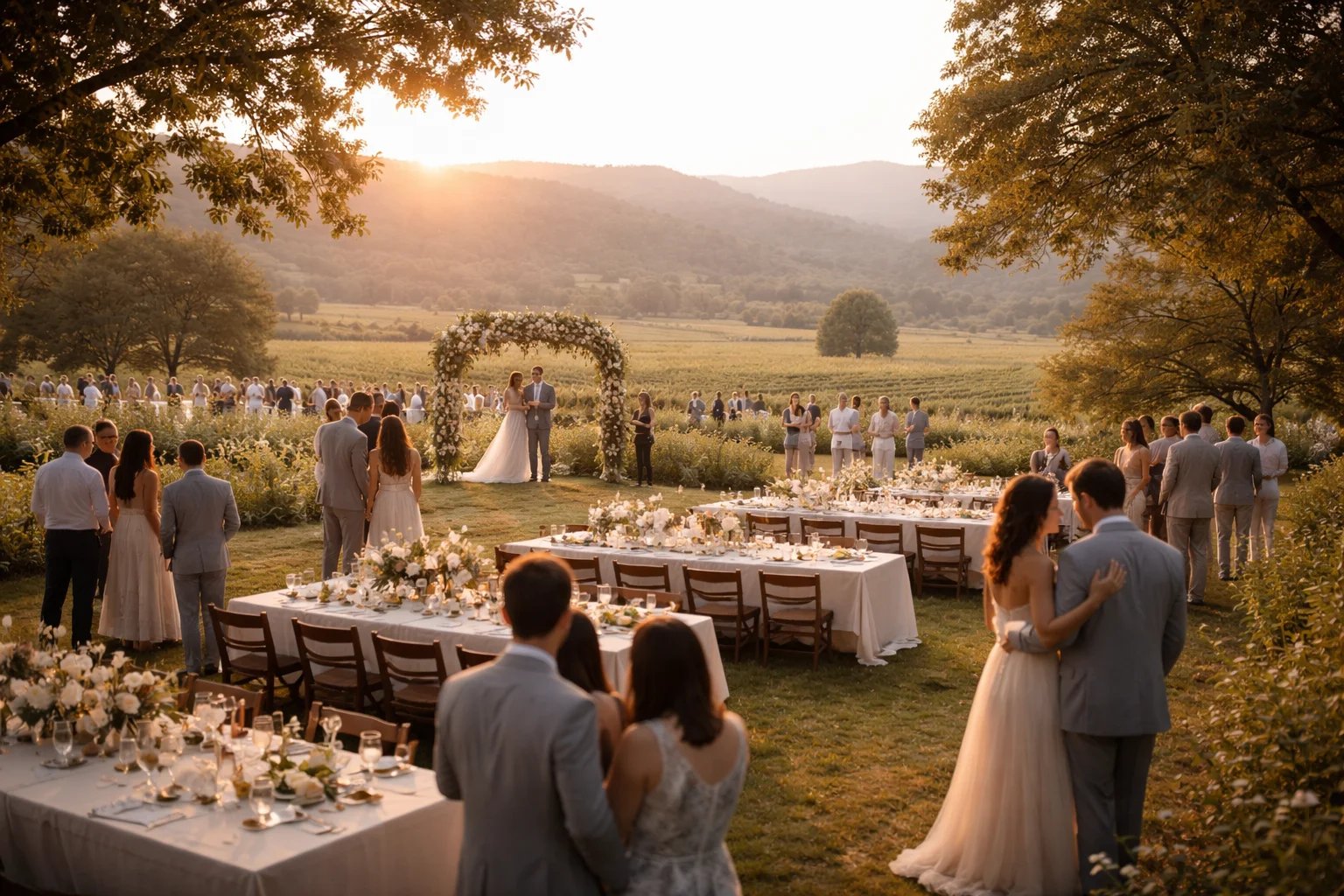
Light and Time at Weddings: How Daylight Subtly Shifts Flow and Perception
Daylight changes more than the look of a wedding. It shifts pacing, delays transitions, draws guests toward or away from certain spaces, and leaves behind some of the strongest visual impressions of the day.
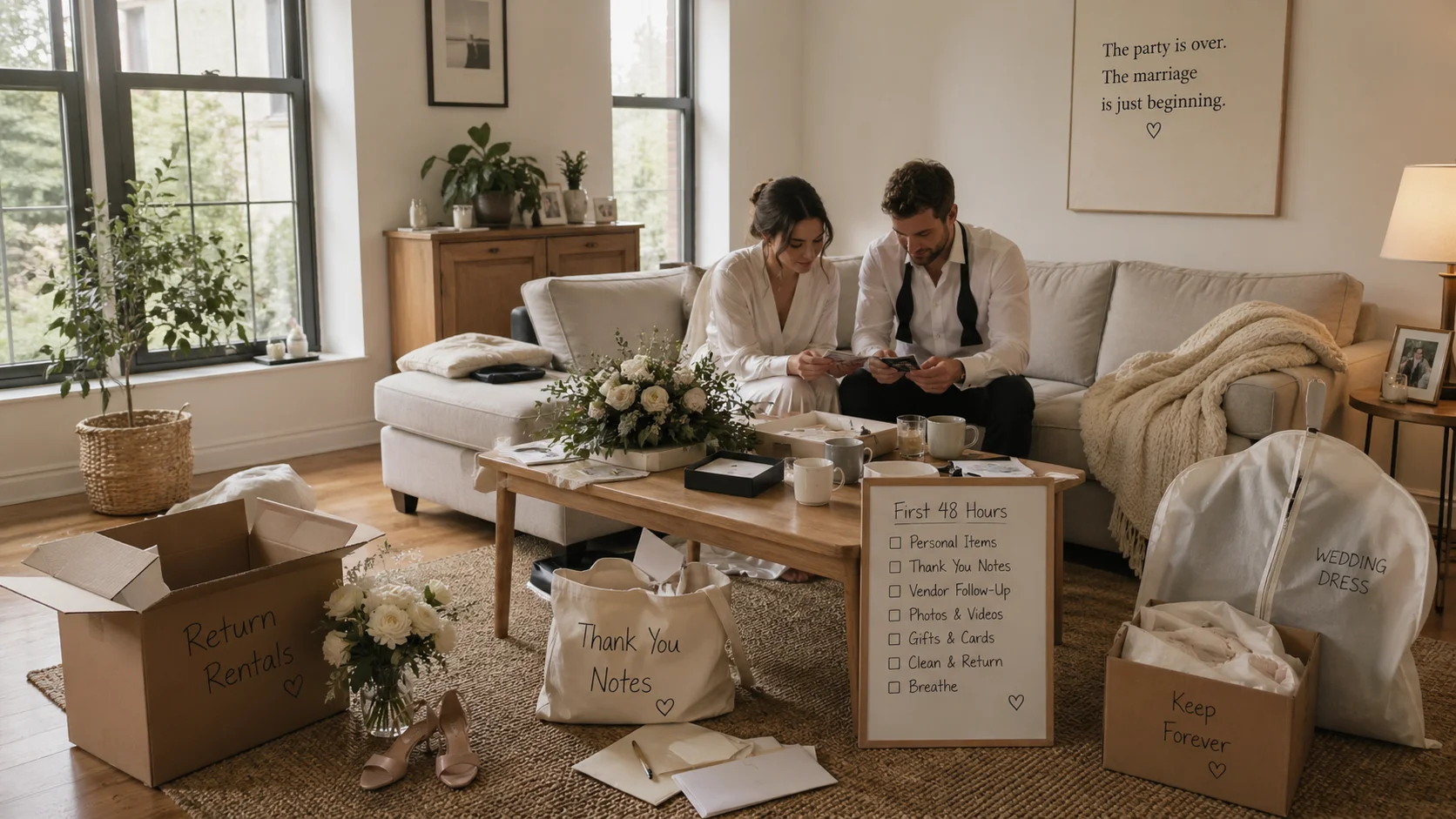
After-the-Wedding Checklist: What Needs Attention in the First 48 Hours
The first 48 hours after a wedding are quiet, practical, and easy to underestimate. This article looks at personal items, gifts, clothing, vendor closure, early photos, and the small tasks that help the after feel lighter instead of turning into scattered errands.
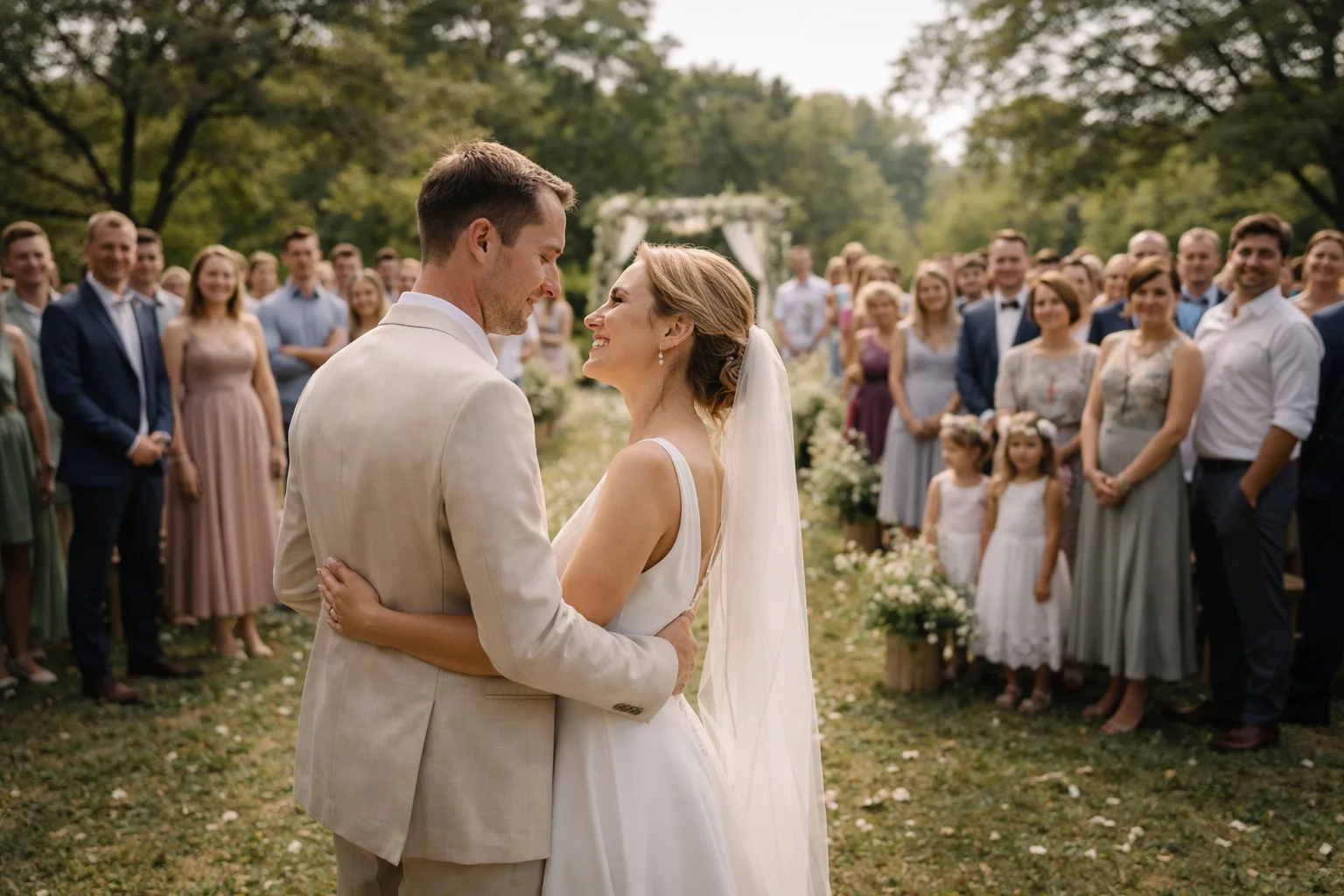
How Kids Change Formal Wedding Moments — and How to Plan for It
hildren change the atmosphere of formal wedding moments faster than most adults expect. They redirect attention, alter pacing, and reveal whether a ceremony, photo setup, or seating plan is flexible enough to hold real life. This article looks at how children affect formal wedding situations and how couples can plan for those shifts without losing the tone of the day.
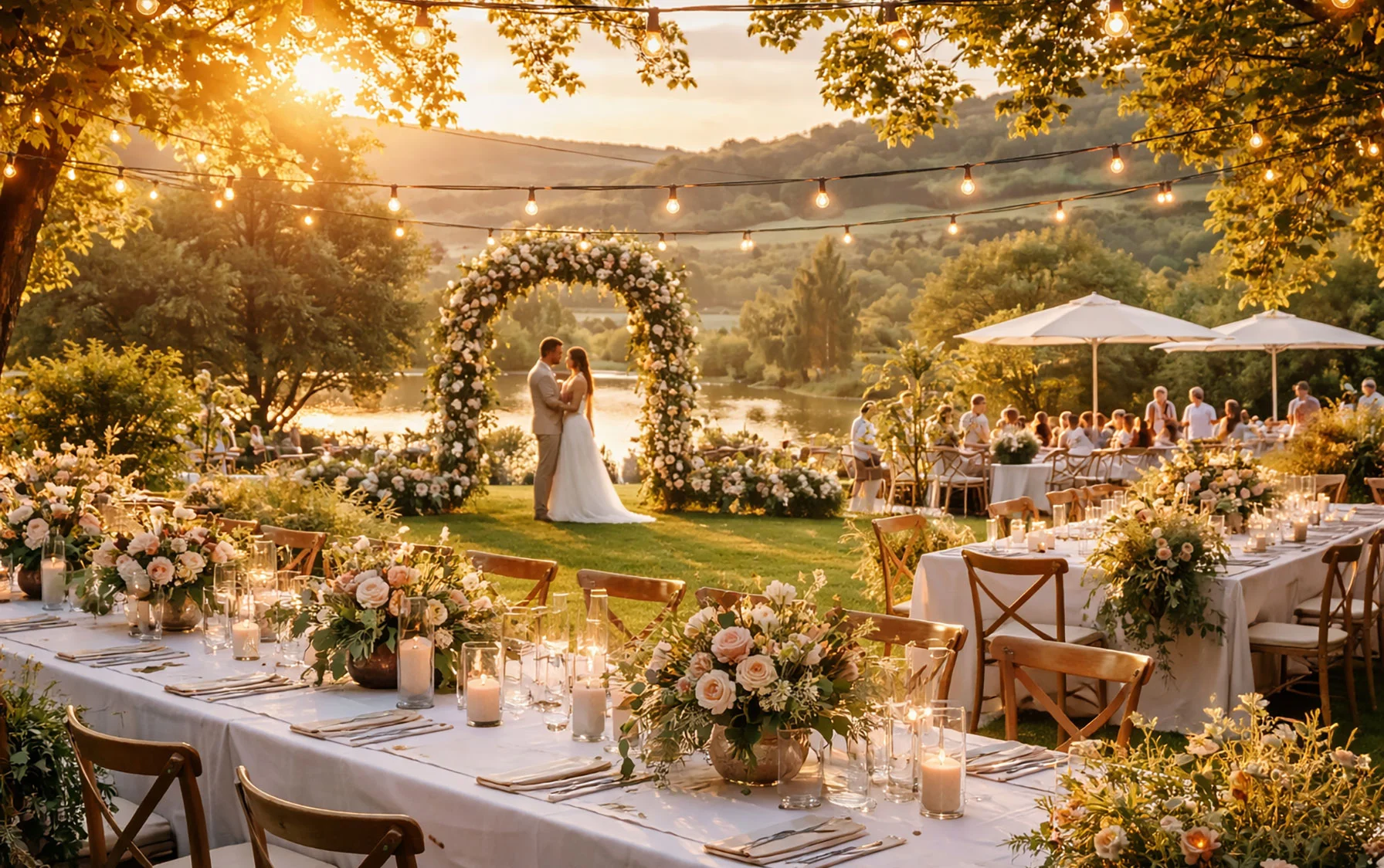
Sun-Kissed Celebrations: How to Plan a Beautiful Summer Wedding
Summer weddings often feel open before they feel formal. Light lasts longer, movement spreads outward, and the day seems able to hold more air, more time, and more ease. This article looks at summer weddings not only as a season of beauty, but as a form of celebration shaped by rhythm, weather, and the emotional trace a sunlit day leaves behind.
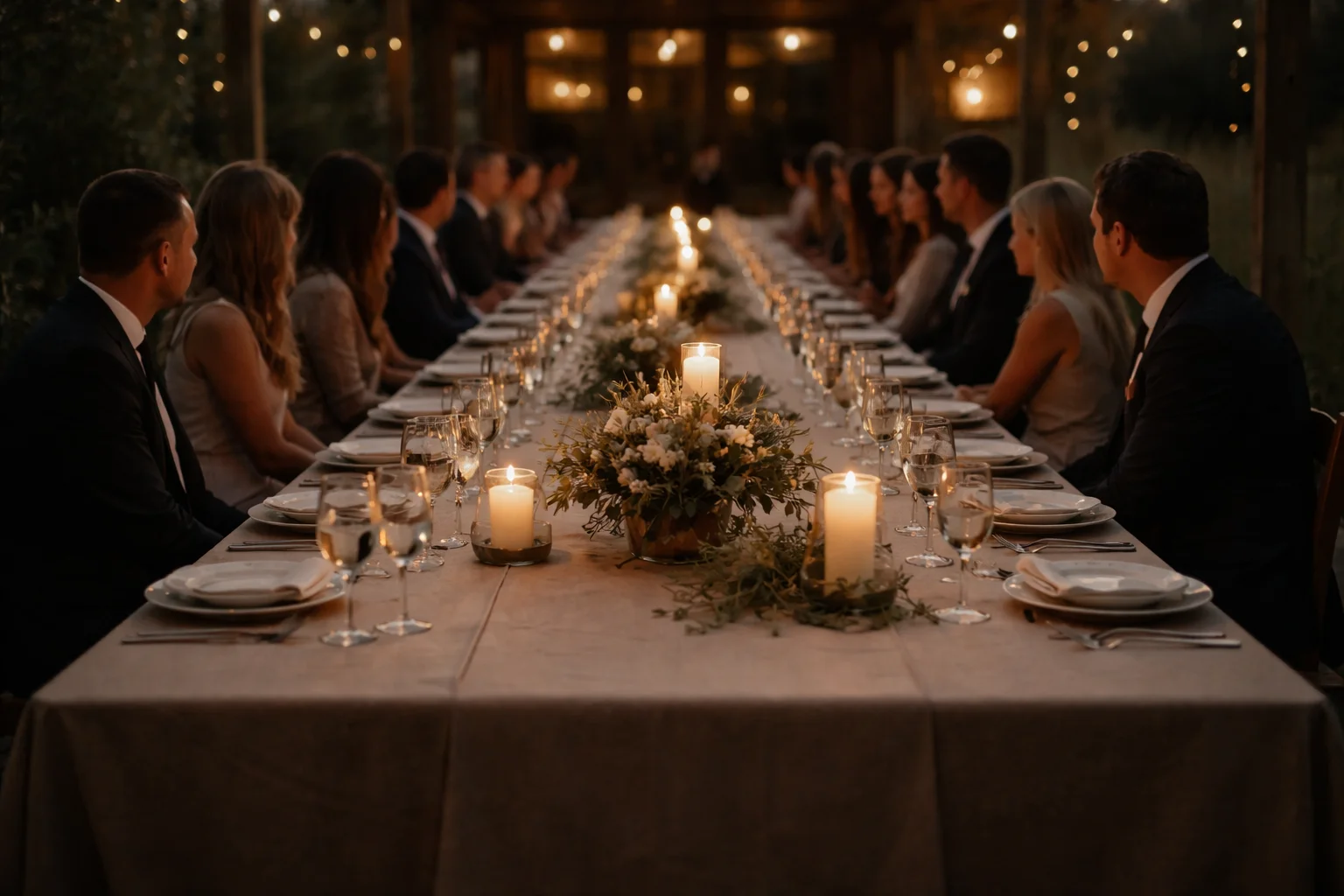
Candlelight at Wedding Tables: Local Light Zones
Candlelight at wedding tables rarely behaves as one smooth glow. It gathers in small zones, shifts across faces and objects, and leaves behind a more fragmentary, memorable atmosphere than even lighting ever could.
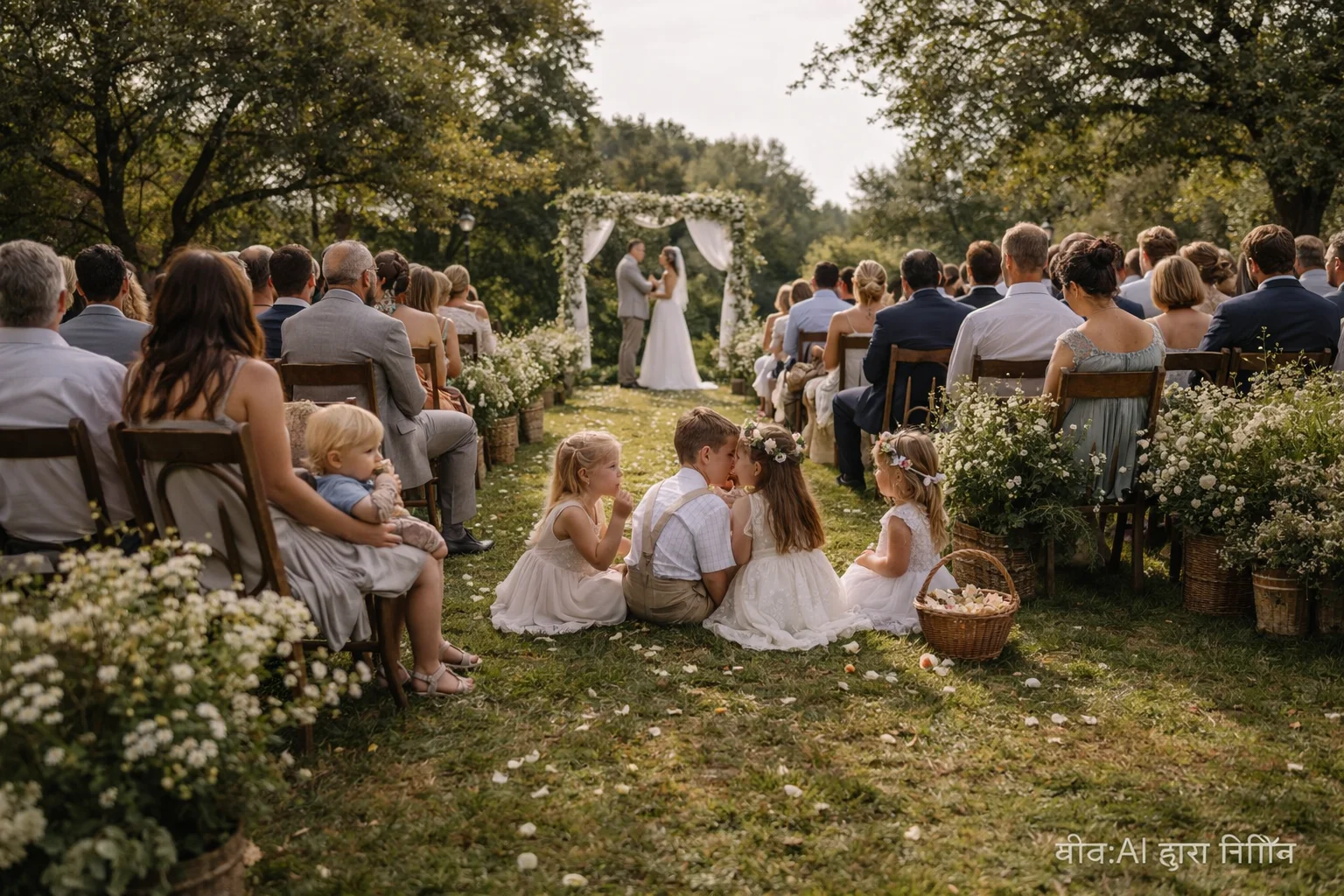
Children During the Ceremony: What Helps in the Exact Moment
Children do not disturb a wedding ceremony by default. They react to pressure, duration, unfamiliar rules, and adult tension. This article looks at what happens in the actual moment, when things begin to tip, how space and sequence can support children better, and how parents can stay part of the celebration without spending the ceremony in crisis control.
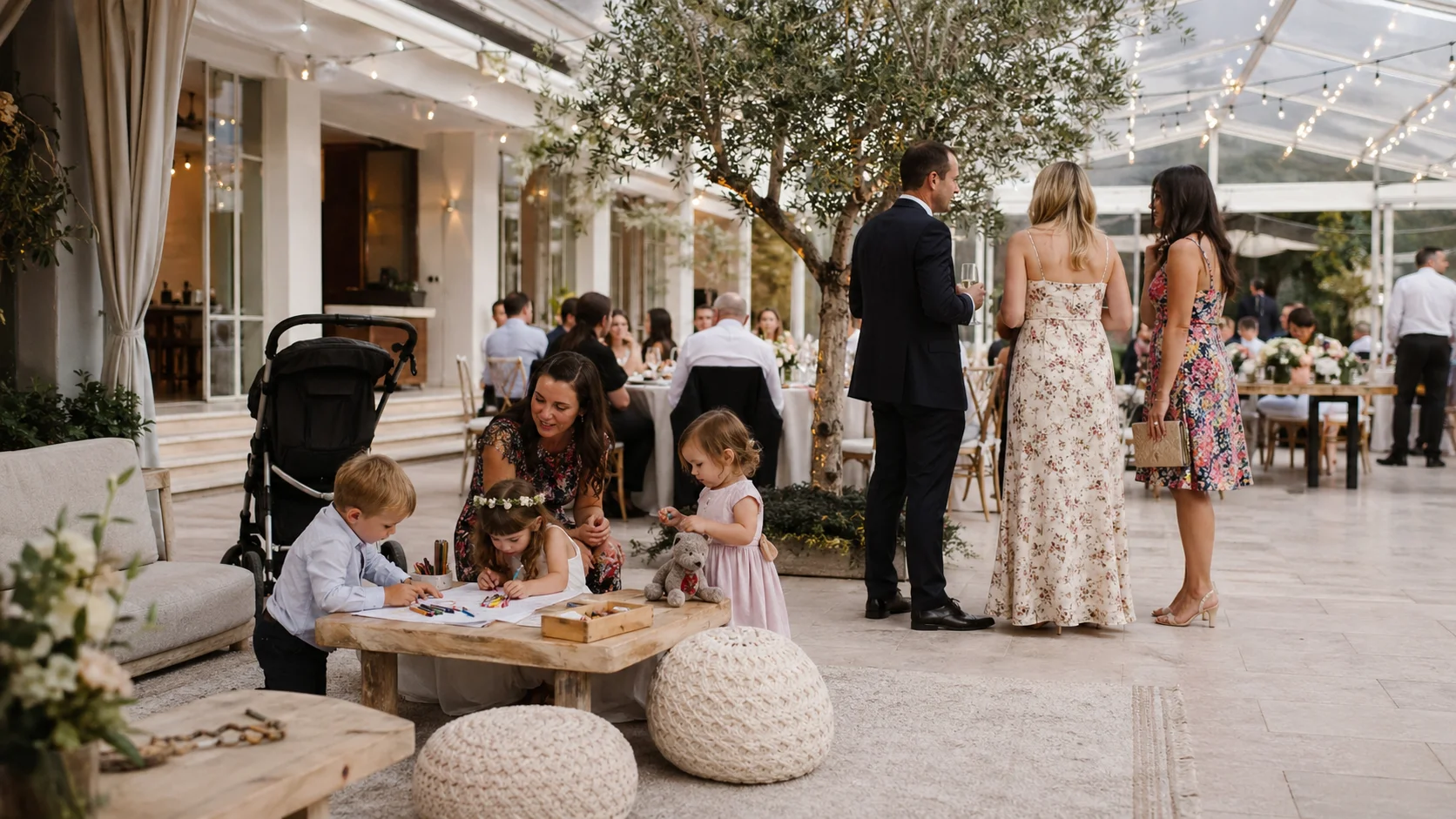
Kids at Weddings Checklist: What Helps Families Stay Longer Without Strain
Families with children usually leave weddings early for a series of small reasons rather than one big one. This article looks at what helps them stay longer with less strain, from food timing and retreat spaces to quieter transitions and the simple need for relief.
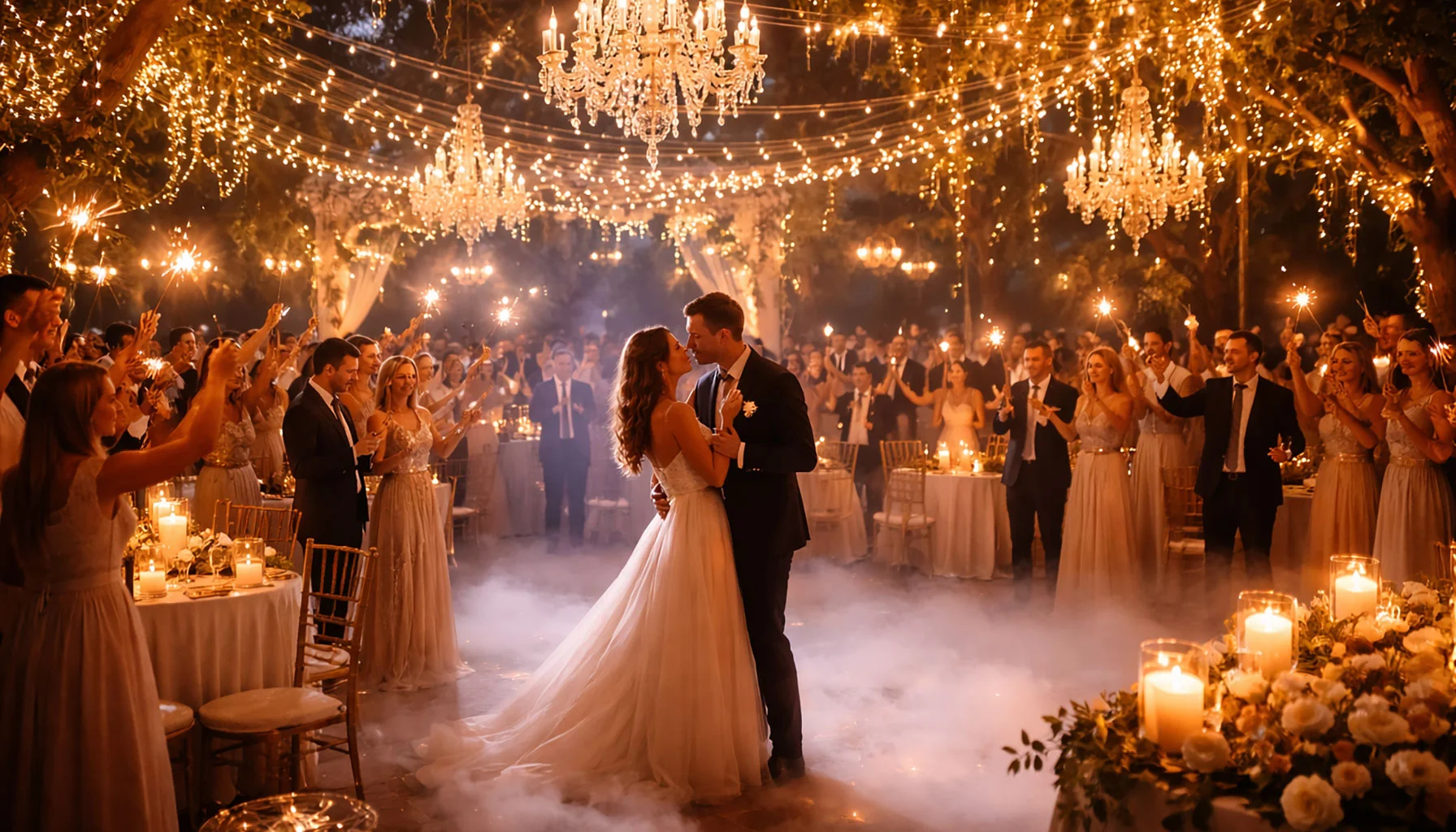
Wedding Lighting: Creating Atmosphere That Lasts
Wedding lighting is rarely remembered as equipment. What remains is how a room felt when people entered it, how the evening softened, and how different parts of the celebration seemed to belong together without visible effort. This article looks at wedding lighting as a quiet structure that shapes atmosphere and leaves a lasting imprint.