
Sun-Kissed Celebrations: How to Plan a Beautiful Summer Wedding
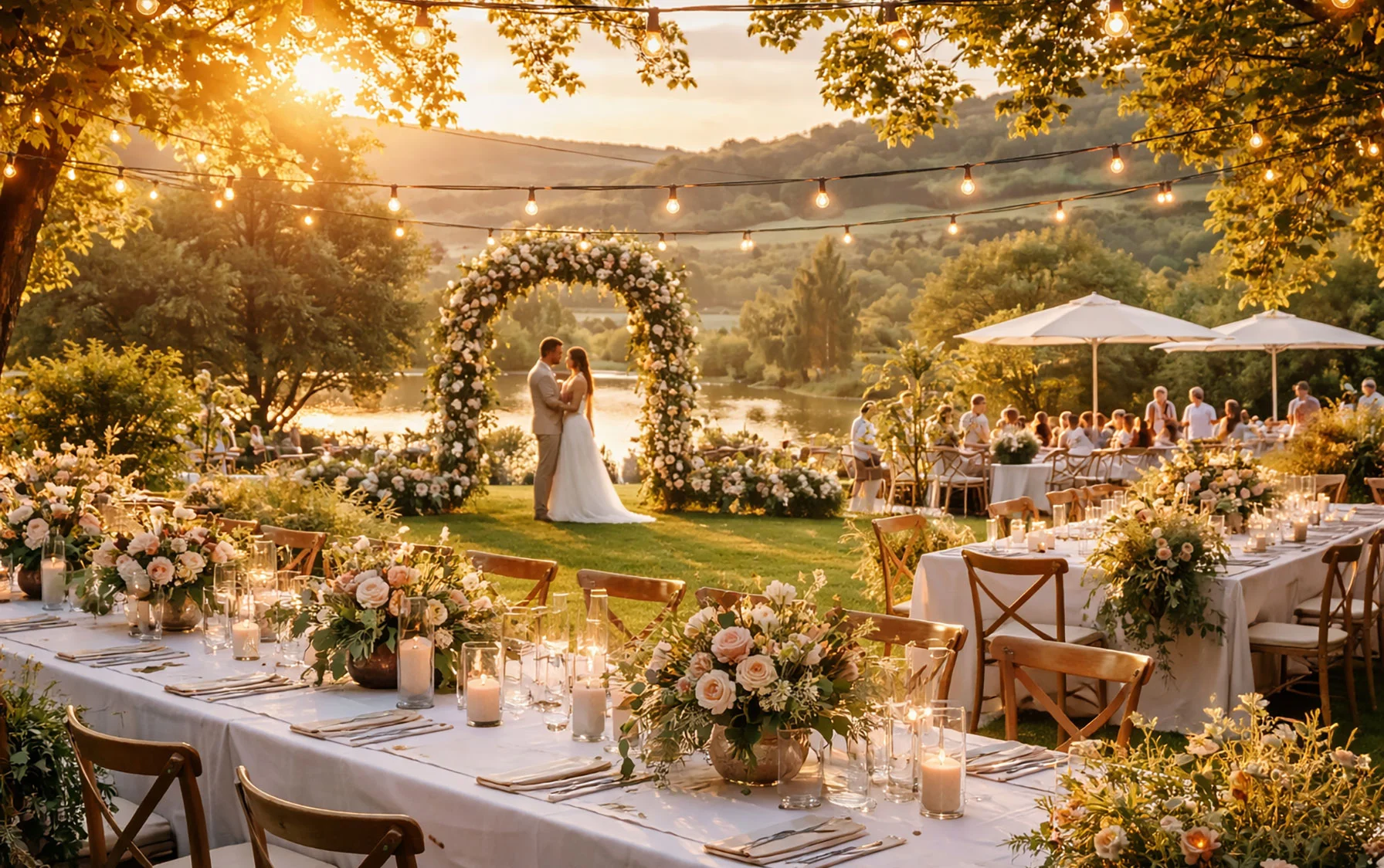
Weddings held in late spring or summer often follow a lighter rhythm. Temperatures are mild to warm, days are long, surroundings feel active. Celebrations during this season tend to feel open and in motion while still remaining relaxed. For that balance to hold, decisions need to be clear. Location, timing, and comfort depend on each other more visibly in summer than in many other seasons. A summer wedding works best when atmosphere, practicality, and shared time are carefully aligned.
This is why the subject belongs naturally to both summer weddings and imprints. On Loving Rocks, summer weddings are already described through openness, light, and long flowing movement, while imprints are the emotional traces that remain active after a meaningful event has ended. A summer celebration often leaves exactly that kind of trace. Guests may not remember every practical adjustment for shade, timing, or hydration, but they remember the feeling of long light, easy movement, and a day that seemed to widen around them.
Summer WeddingSummer weddings are filled with light, warmth, and a joyful sense of celebration. Long days, natural surroundings, and vibrant colors create the perfect setting for a relaxed and lively wedding atmosphere. With thoughtful planning around weather, timing, and guest comfort, summer weddings can feel effortless, romantic, and full of unforgettable moments.

Some moments do not pass. They settle. Imprints are the emotional traces left by rituals, decisions, and answers that continue shaping relationships long after the moment is gone.
Definition
A summer wedding is not only a wedding held in warm weather. It is a celebration shaped by longer daylight, outdoor movement, lighter transitions, seasonal food and clothing, and the practical need to balance openness with comfort. Its character comes from the way summer expands time and space while asking the planning to remain quietly disciplined.
Summer Changes the Rhythm of the Day
During warmer months, timing shapes the entire day. Late spring and early summer bring moderate temperatures and fresh greenery. Mid-summer benefits from long evenings and extended daylight. Many couples choose an afternoon ceremony not only to avoid peak heat, but because summer allows guests to arrive gradually and settle without the day feeling compressed. The celebration has more room to breathe, which can make it feel less staged and more naturally inhabited.
The Best Summer Locations Support Movement and Rest
Summer allows for locations that feel more personal and less formal: vineyards, wineries, lakesides, riverbanks, forest clearings, botanical gardens, courtyards, historic villas, olive groves, barns, pavilions, rooftops, farmhouses, country homes, and private gardens. What these spaces share is not style alone, but their ability to support both movement and pause. Good summer venues allow guests to circulate, cool down, sit in shade, and return again without the celebration ever feeling broken apart.
Planning Summer Means Planning Comfort Quietly
Preparing for summer weather is essential, but the strongest weddings do not make those preparations feel heavy. Shaded areas, parasols, fans, water stations, sunscreen, chilled towels, light coverings, clear circulation, nearby accommodation, and comfortable timing all change how the day feels. The same is true of food and clothing. Light menus, cooling drinks, breathable fabrics, and suitable footwear help maintain energy over many hours. These are practical choices first, yet they shape atmosphere almost immediately because guests feel them in the body.
Light Does More Than Beautify a Summer Wedding
Summer light is one of the season's strongest influences because it changes how long things seem possible. Late daylight softens transitions, makes outdoor dinners feel natural, and allows the celebration to move into evening without a sharp break. Candles, lanterns, and softer lighting later on do not replace the day so much as extend it. That continuity is one reason summer weddings often feel open and lasting rather than segmented.
Why Summer Weddings Leave Their Own Imprint
Summer weddings often leave strong imprints because the season expands experience rather than compressing it. People remember the warmth of a late afternoon, the feeling of staying outside longer than expected, the ease of moving between groups, the slight slowdown that arrives with evening air, and the impression that the wedding was less enclosed by schedule than carried by light. These things are rarely listed in planning documents, yet they are often what remain active afterward.
Conclusion
A summer wedding emerges from coordination. Place, time, weather, and people all have to support one another. When balance is respected, the season's rhythm used, and guest comfort handled with care, the celebration feels light and lasting. Not loud, but present. That is why summer weddings can stay with people so strongly. They do not only look beautiful in the moment. They remain as a feeling of openness afterward.
Related Articles
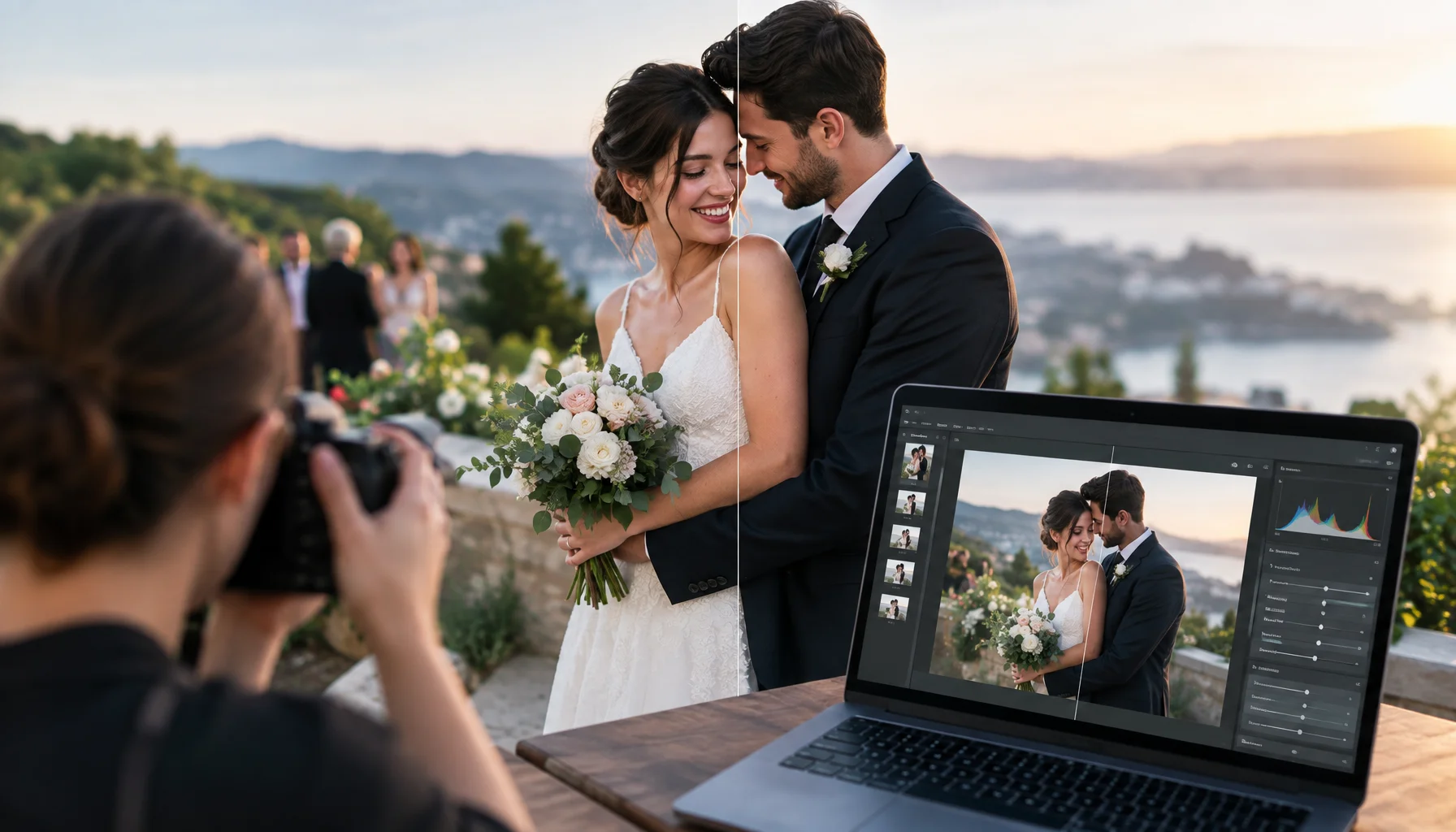
AI-Edited Wedding Photos in 2026: Where Should the Documentary Boundary Be?
Generative AI can now remove people, reconstruct missing details, replace backgrounds and create wedding images that look completely photographic. This guide helps couples decide which edits are normal photography, which cross into factual alteration, and what to agree with the photographer before the wedding.
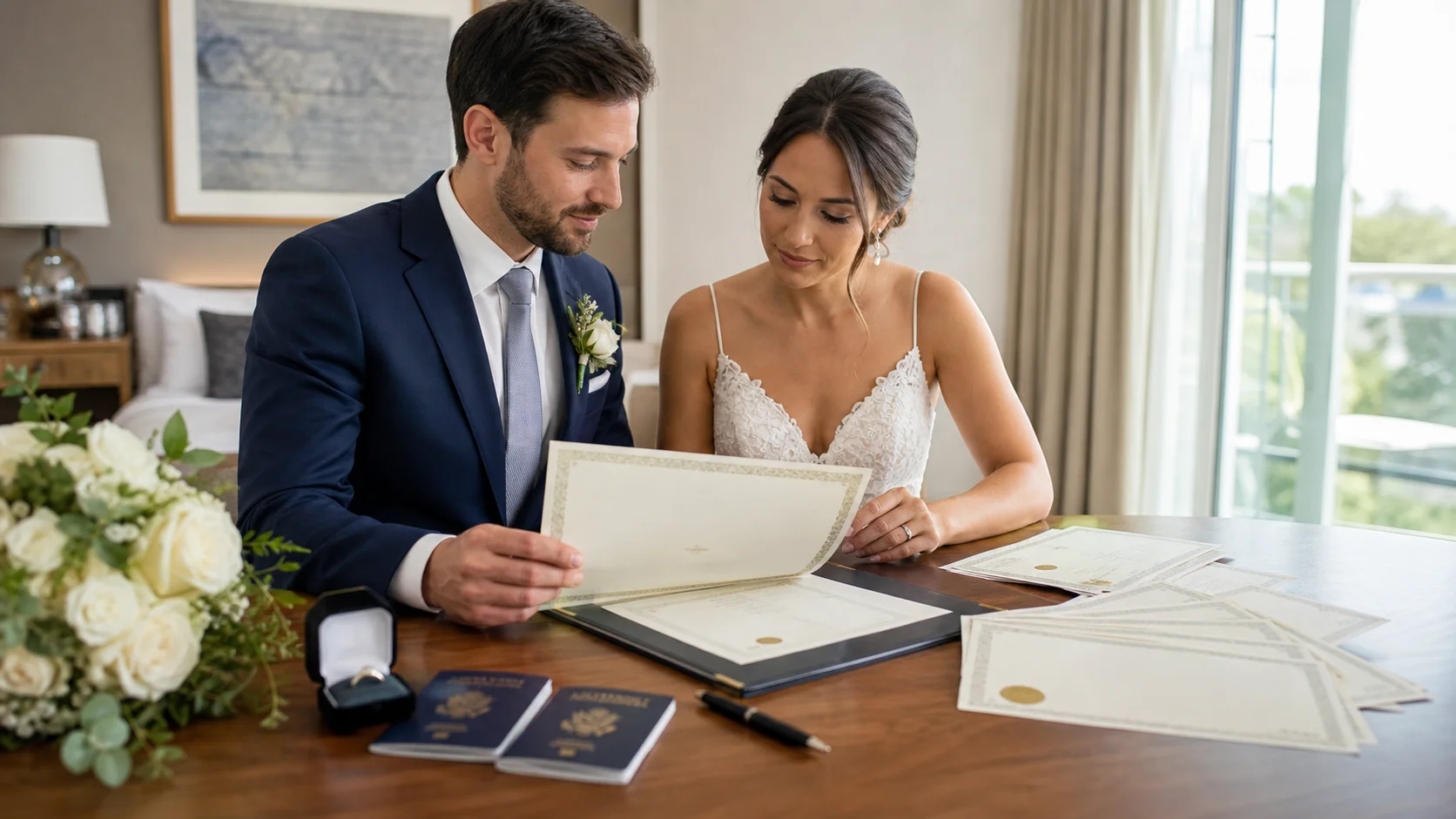
Marriage Certificate Checklist: Why One Document Keeps Returning After the Wedding
A marriage certificate often feels like the final paper of the wedding, but it keeps returning in ordinary life. This article looks at certified copies, scans, translations, apostilles, name changes, travel, banking, insurance, and the quiet imprint one document leaves after the celebration.
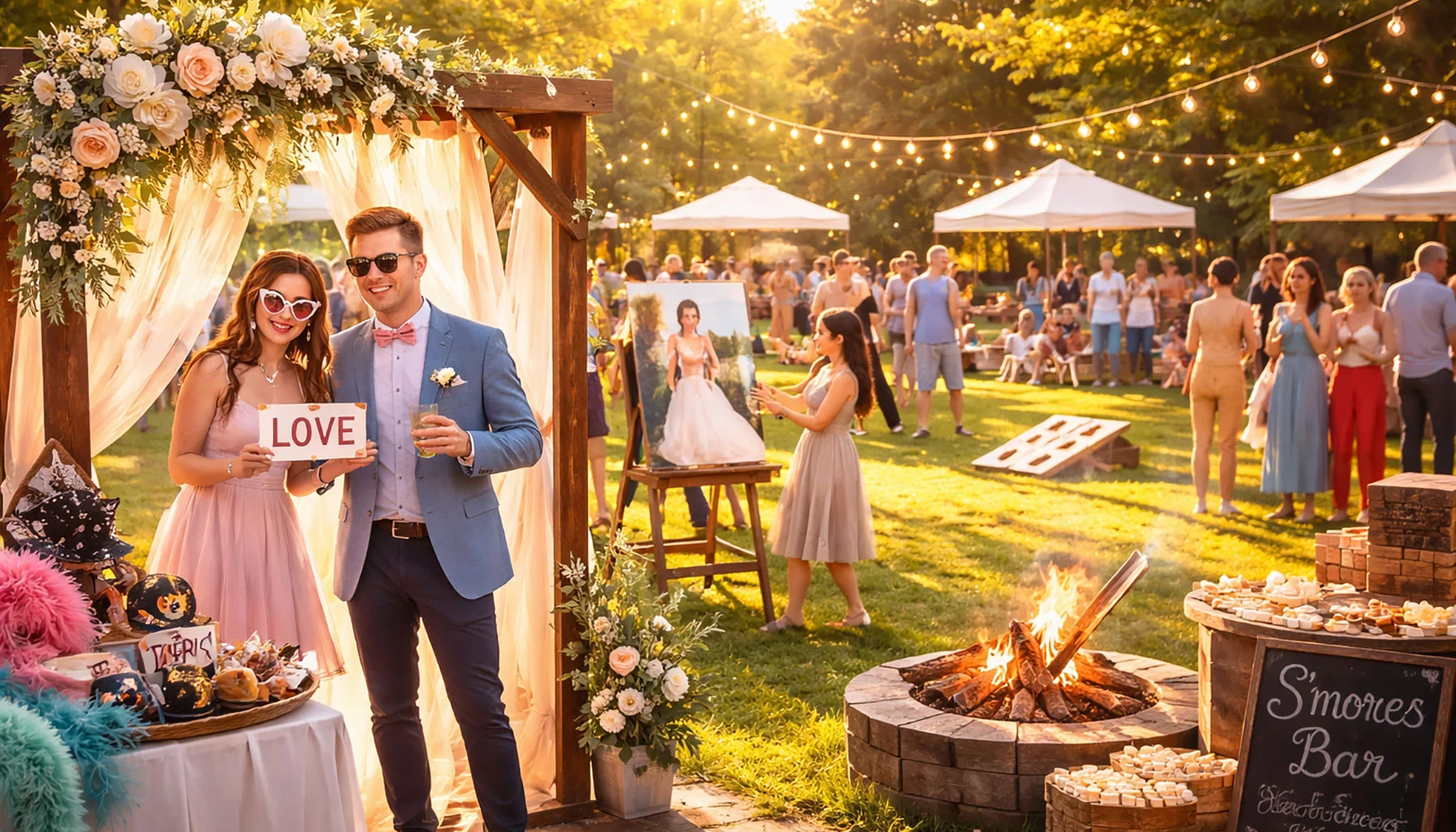
Wedding Guest Activities That Create Lasting Memories
The wedding activities guests remember most are rarely the loudest. They are the ones that give people something gentle to enter, something quiet to touch, and something small to carry away afterward. This article looks at which kinds of wedding guest activities tend to stay with people and why they often leave a deeper imprint than more spectacular entertainment.
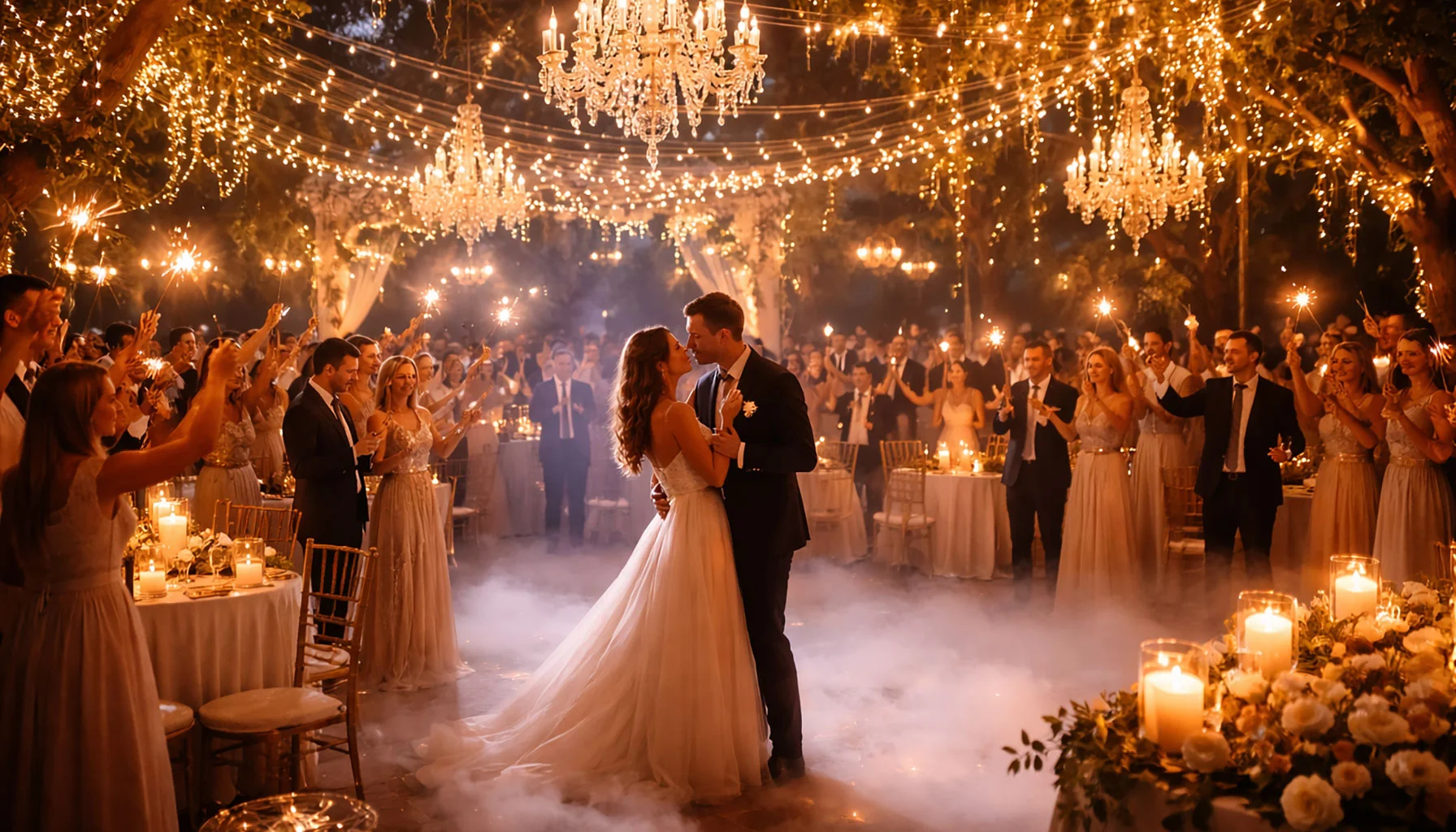
Wedding Lighting: Creating Atmosphere That Lasts
Wedding lighting is rarely remembered as equipment. What remains is how a room felt when people entered it, how the evening softened, and how different parts of the celebration seemed to belong together without visible effort. This article looks at wedding lighting as a quiet structure that shapes atmosphere and leaves a lasting imprint.
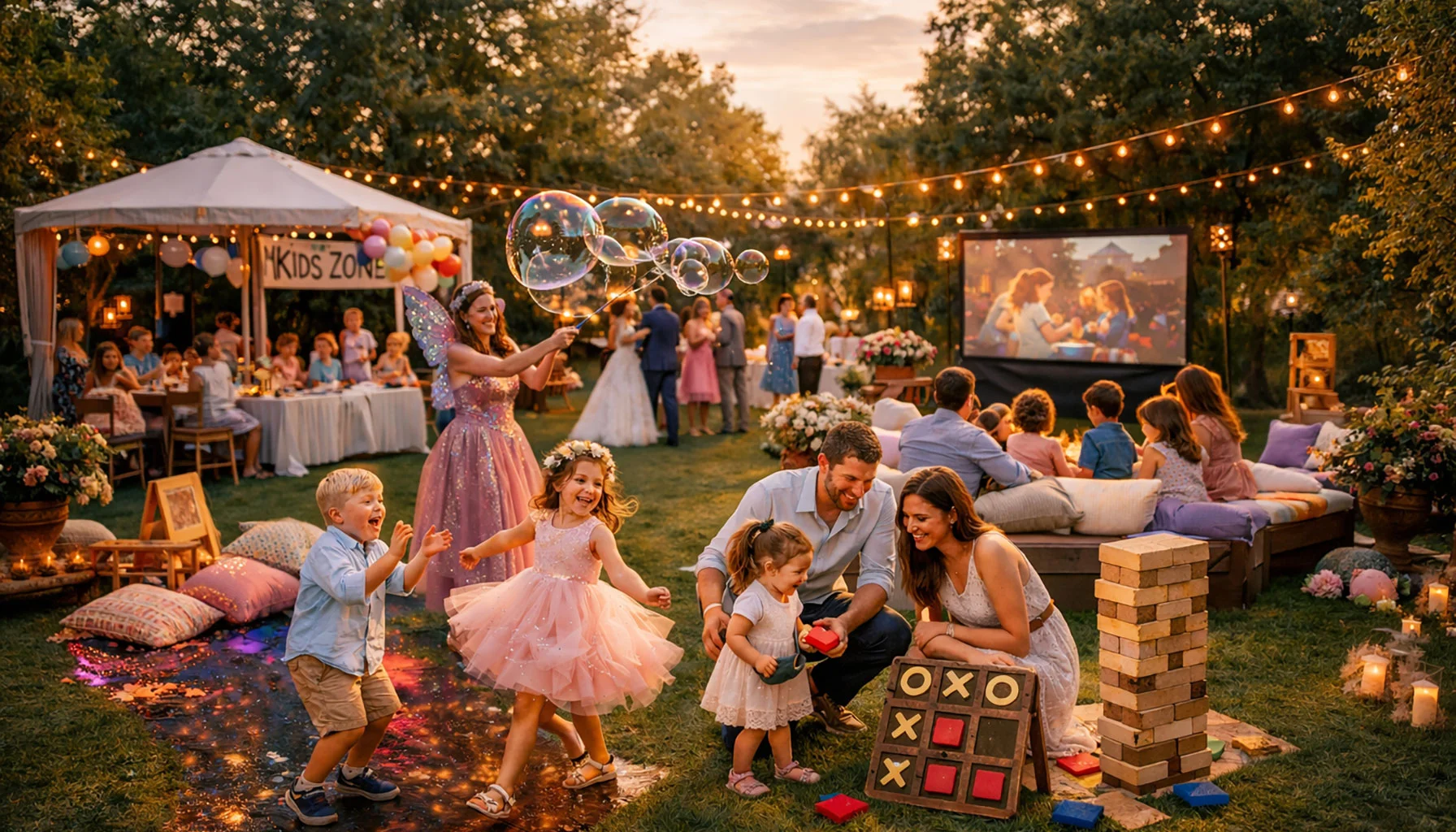
Creating Magical Moments for All Ages: Children and Family Entertainment at Modern Weddings
At weddings with children, the question is rarely whether entertainment exists. It emerges on its own the moment formal structure loosens. This article looks at family entertainment not as a side program, but as a quiet system of options that helps the day remain steady, generous, and memorable for guests of different ages.
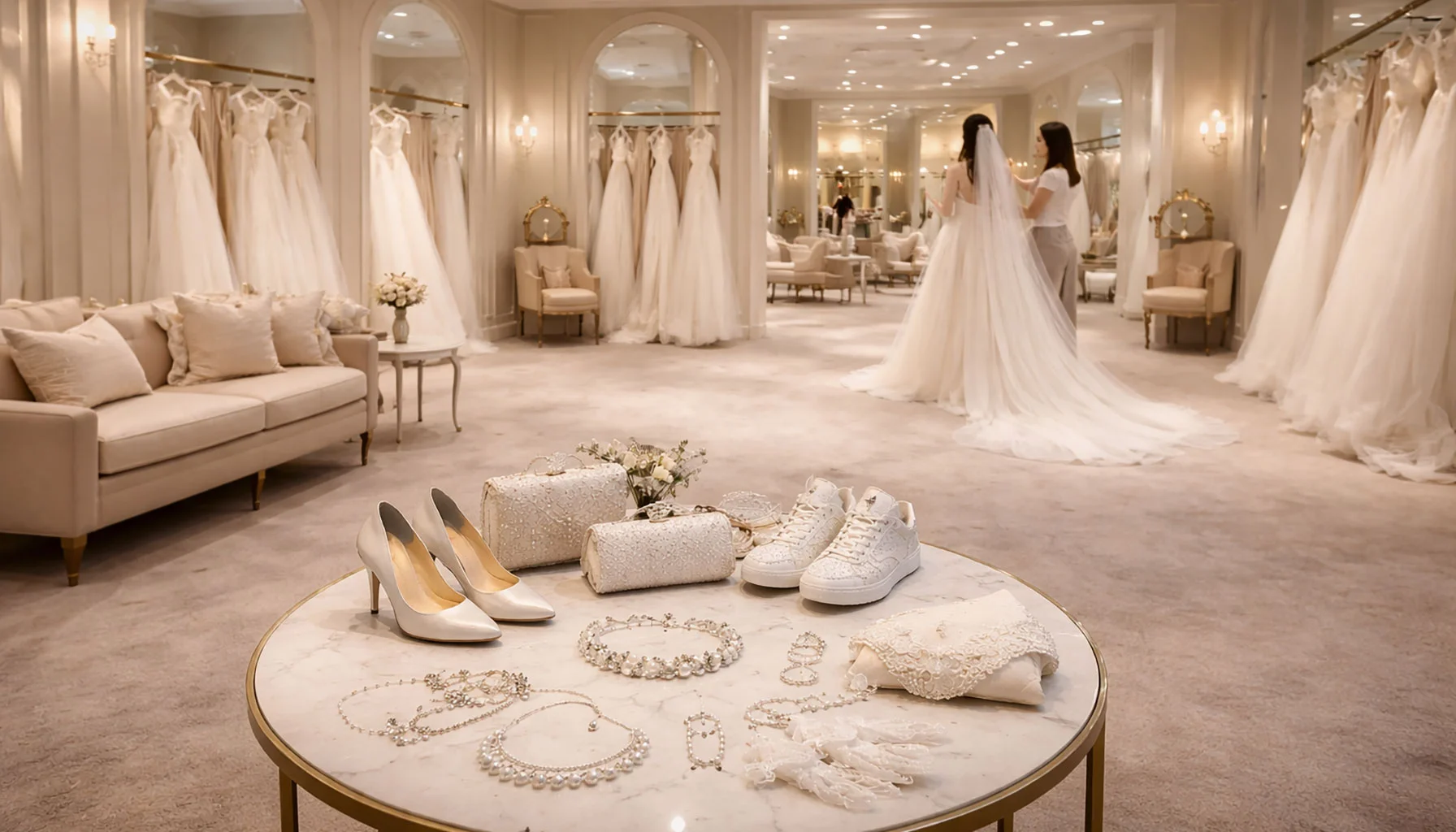
Bridal Accessories in Interplay – A Silent Addition
Accessories for the bride mostly remain in the background. They don't impose themselves and are rarely noticed first. In bridal shops, however, it repeatedly becomes apparent that precisely these pieces structure and round off the overall look. Veils, shoes, jewelry or small accessories do not change the dress, but rather the bride's effect. Observations from practice show how subtle decisions are made and why accessories are often chosen only late – and then stay.
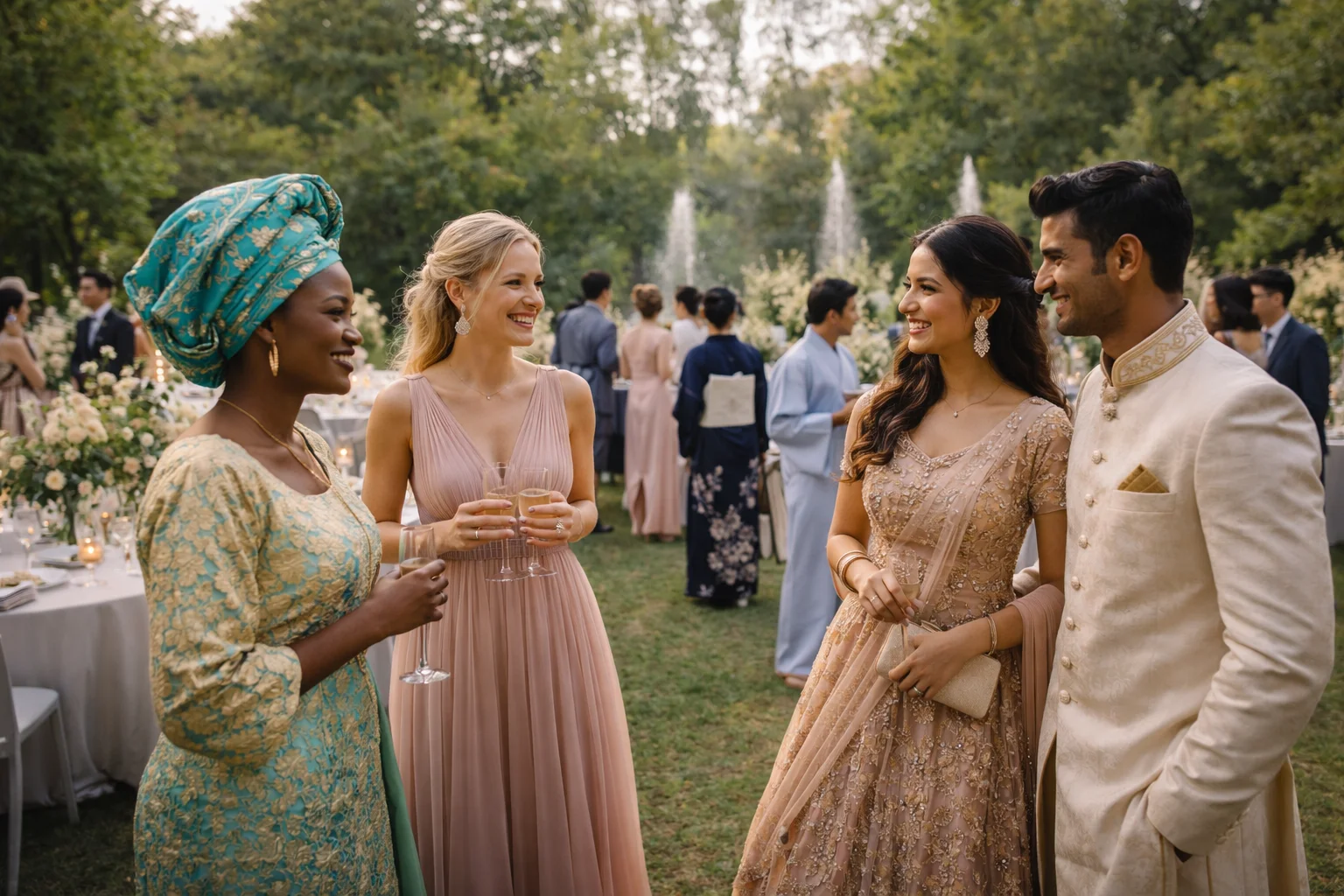
Dress Expectations at International Weddings: What Guests May Read Differently
Dress codes at international weddings are rarely just about clothing. Guests interpret formality, respect, family signals, and cultural meaning differently. This article looks at how attire is understood across contexts and why what seems obvious to one guest can feel unclear to another.
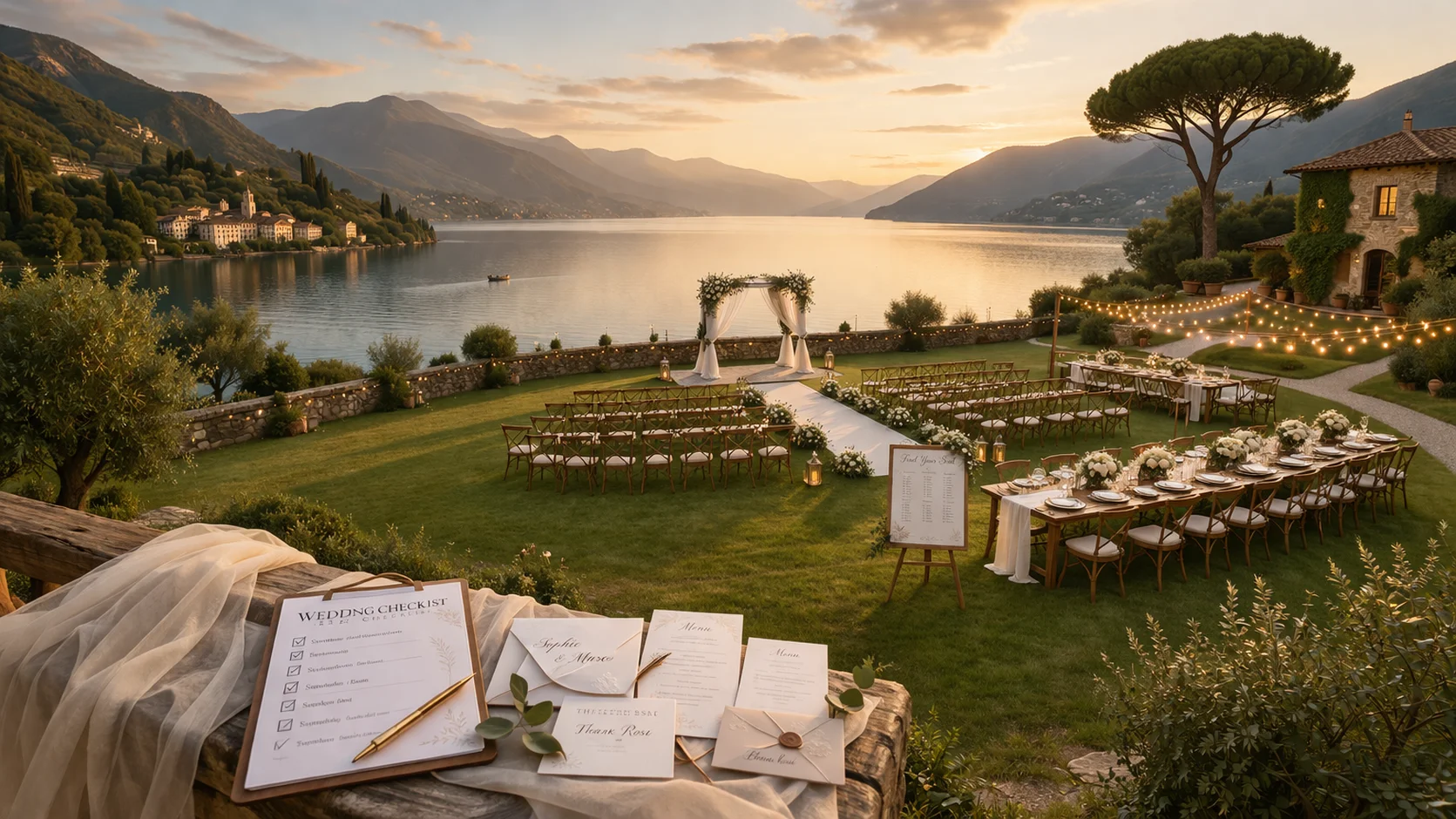
The Wedding Checklist That Grounds You: Turning Planning Into Something Meaningful
A wedding checklist isn’t just about tasks—it’s about clarity, intention, and trust. Here’s how to approach it in a way that feels calm, structured, and truly yours.
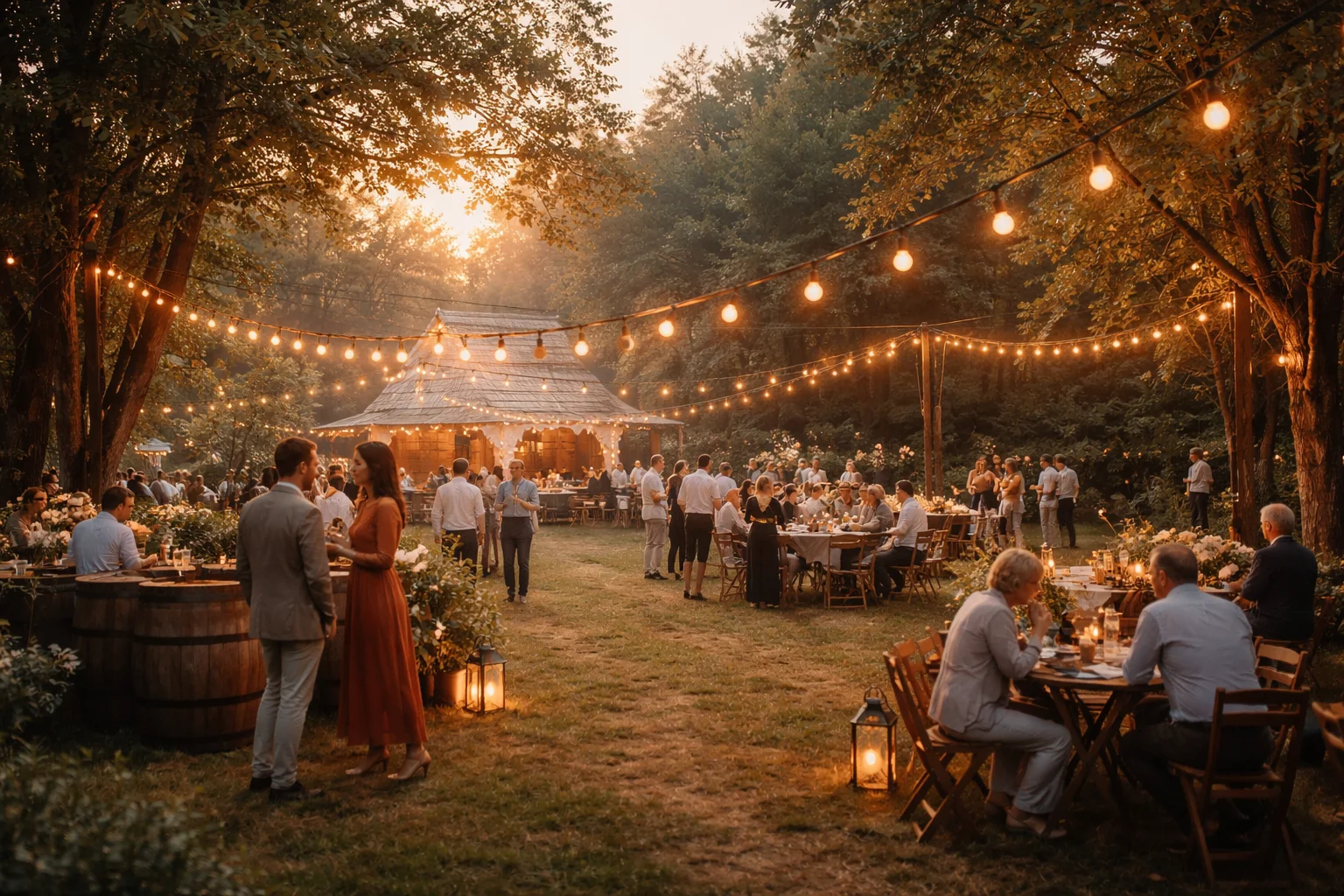
When the Day Builds Itself in Small Moments
Some weddings are held together less by formal program points than by short, unplanned interactions that quietly take over the day. This article looks at how micro-moments shape flow, attention, memory, and atmosphere, especially in smaller celebrations.
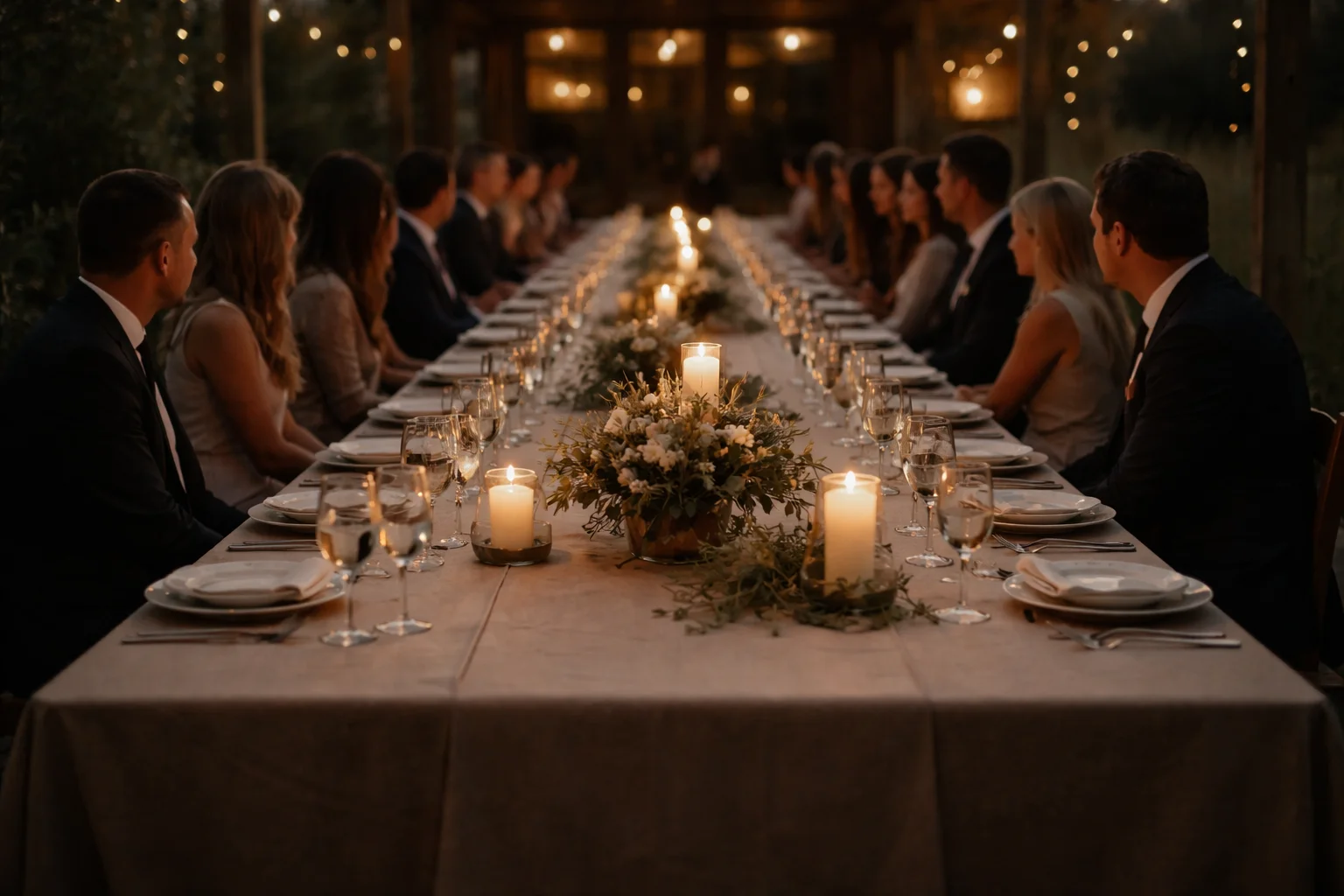
Candlelight at Wedding Tables: Local Light Zones
Candlelight at wedding tables rarely behaves as one smooth glow. It gathers in small zones, shifts across faces and objects, and leaves behind a more fragmentary, memorable atmosphere than even lighting ever could.
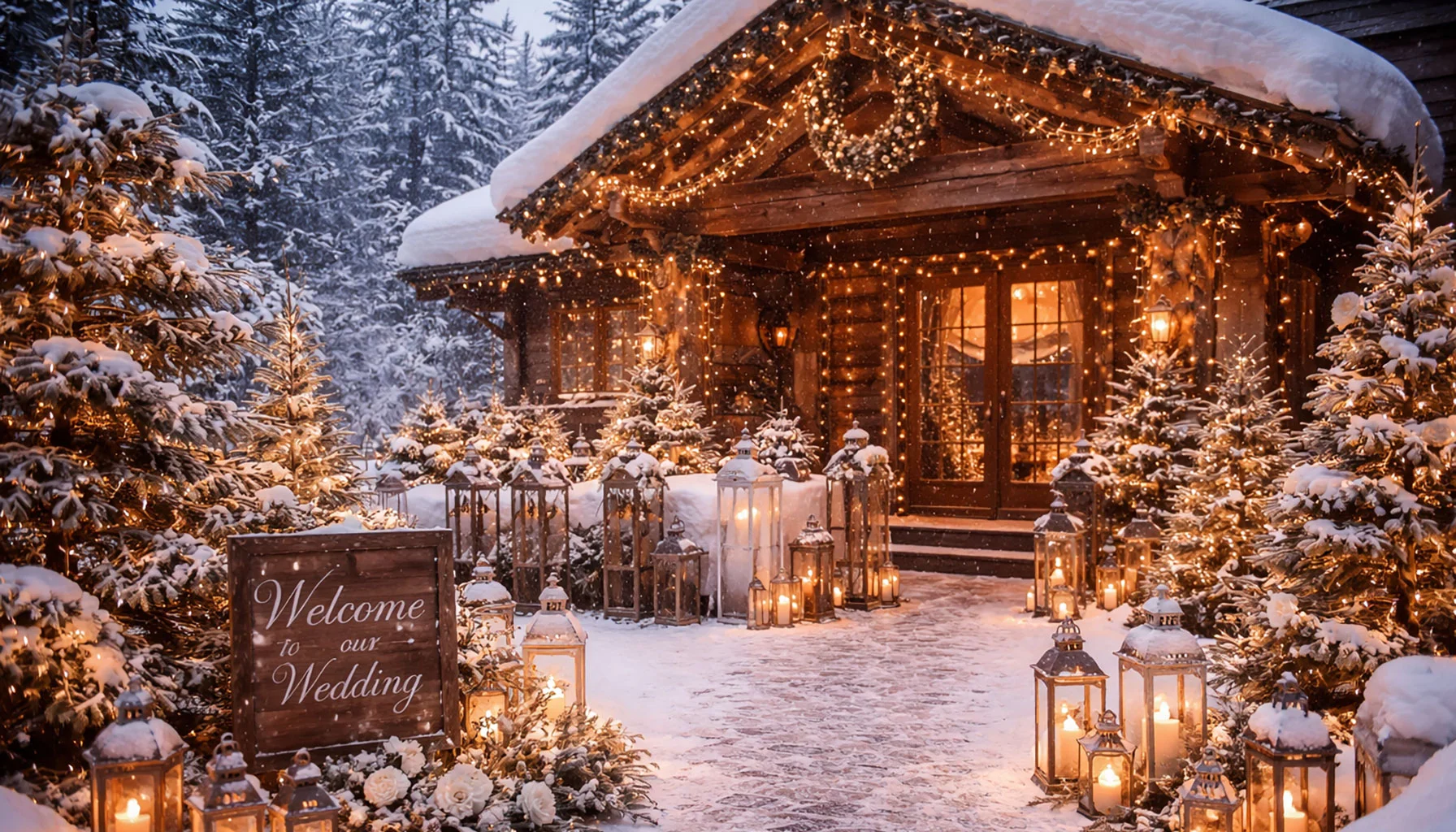
Winter Weddings: Beautiful Locations, Planning Tips and Ideas
Winter weddings move by a different clock. Light shortens, rooms gather people more closely, and warmth becomes part of the structure of the day. This article looks at winter weddings not only as a seasonal style, but as a form of celebration shaped by atmosphere, containment, and the emotional trace a winter setting leaves behind.
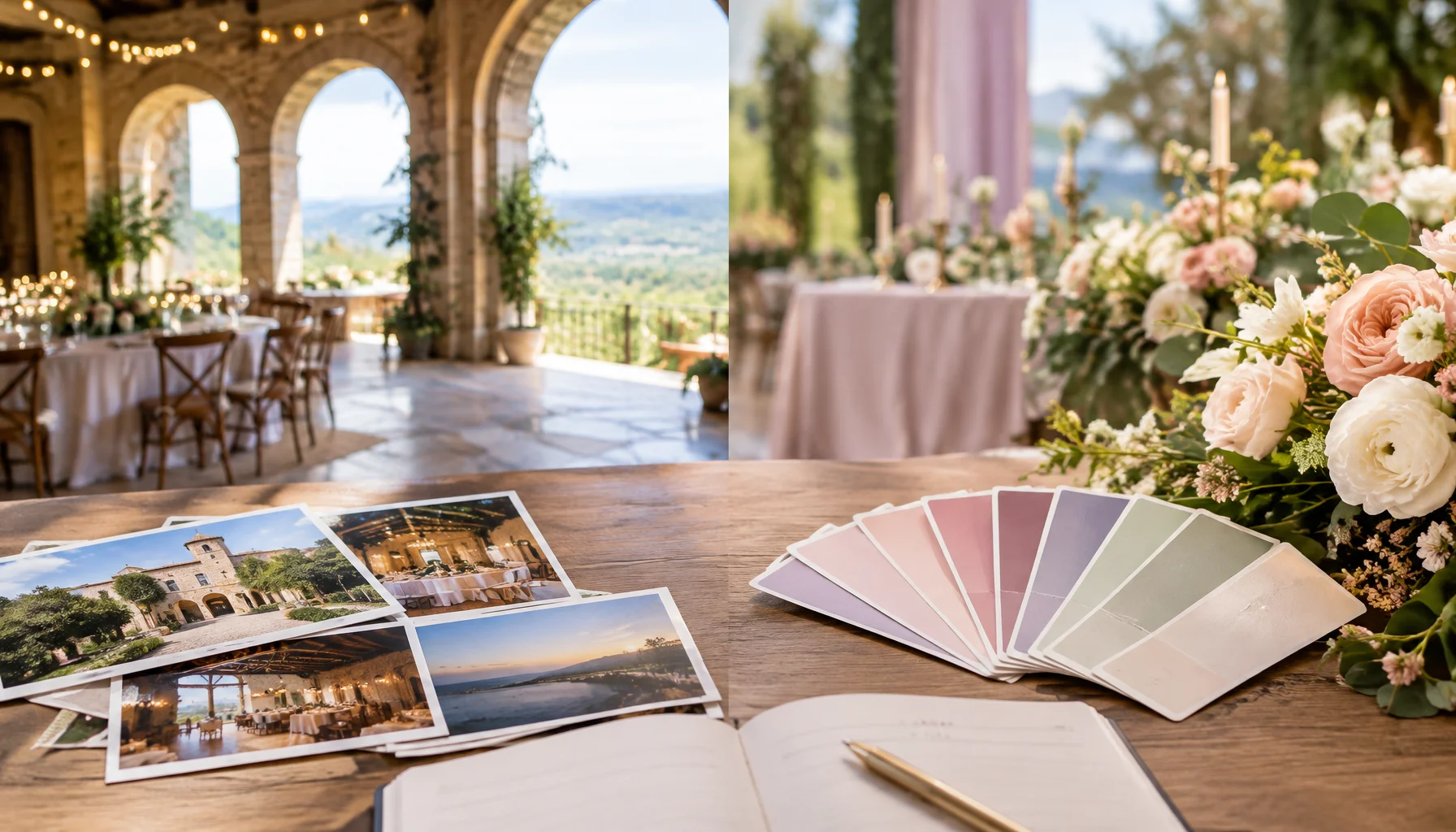
Choose the Venue or the Wedding Colors First? A Decision Method
Your venue already has a color palette before you add a single flower. This guide shows when the venue should shape your wedding colors, when the palette should come first, and how to test the decision against lighting, photography, meaning, and real-world constraints.