
When the Day Builds Itself in Small Moments
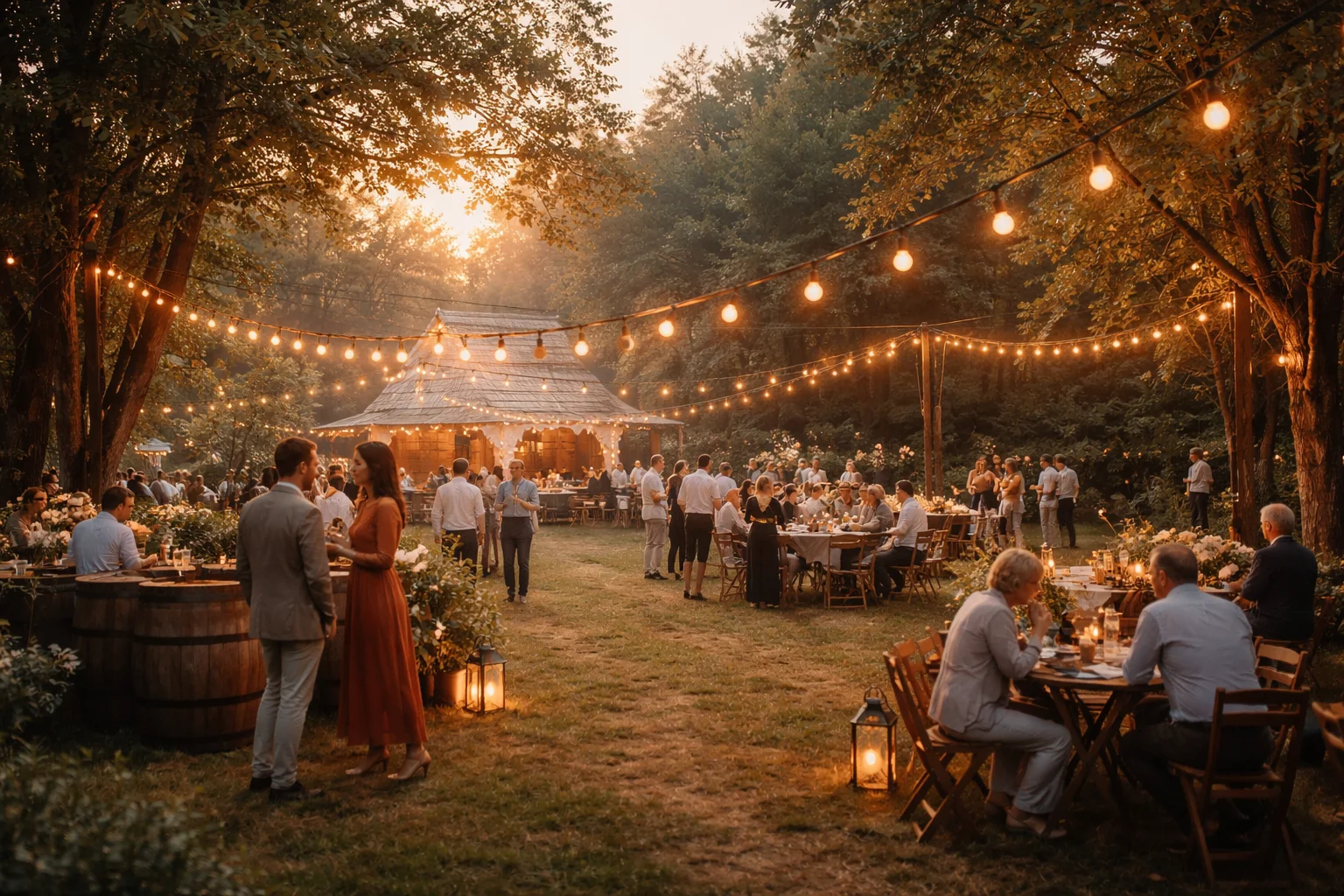
Not every wedding needs to move from one clearly announced point to the next. Some days hold together differently. They build through short exchanges, small shifts in attention, people joining one another without being called, and moments that do not look important while they are happening. Nothing dramatic takes over. The structure simply starts to live in smaller units.
This is especially visible in more intimate celebrations, where guests do not need a strong program to feel connected to the day. A conversation near the drinks table can matter as much as a formal transition. Someone steps outside with an older relative. Two friends continue talking after everyone else has moved on. The wedding keeps moving, even when no single moment asks to be treated as the center of it.
Definition
Micro-moments at weddings are brief, unscheduled interactions that happen between guests, couples, and the setting itself. They are not announced, staged, or formalized, yet through repetition they begin to shape the tone, rhythm, and memory of the day more strongly than some larger program points.
Less Program Can Create More Real Movement
When a wedding is not tightly divided into speeches, entrances, activities, and repeated announcements, time starts to behave a little differently. It stretches in some places and closes in others. That does not automatically create disorder. In well-shaped small weddings, it often creates responsiveness instead. Guests look around, sense where attention has gathered, and join what already exists rather than waiting for the next cue. The day becomes less about being guided and more about being carried.
Attention Can Move Without A Single Center
One of the clearest differences in these weddings is that focus does not stay fixed. There may be no dominant stage, no obvious front, no recurring moment where everyone is expected to look the same way at once. Attention travels instead. It gathers around a table, then outside near a doorway, then around a short exchange no one planned. This movement makes the room feel softer and often more human. It allows the day to breathe without needing to constantly prove that something important is happening.
Small Wedding Ideas – CategorySmall wedding ideas focus on creating meaningful, intimate celebrations that highlight what truly matters. With a smaller guest list, couples can invest in personal details, thoughtful experiences, and a relaxed atmosphere that feels authentic and warm. From cozy venues and simple décor to shared moments with loved ones, small weddings offer endless possibilities for a heartfelt and memorable celebration.
Small Interactions Often Carry Enough Weight On Their Own
A wedding does not always need to build toward a large visible highlight in order to feel complete. Sometimes the emotional substance of the day sits in smaller scenes that are already finished in themselves: a brief conversation at the edge of dinner, a glance across a table, someone quietly helping another guest with a coat, a few people staying behind for one more minute after everyone else has drifted onward. These are not lesser moments because they are small. They are often the parts of the day that feel least performed.
Ease Usually Depends On Quiet Background Structure
For this kind of wedding to work, the lack of visible program still needs support underneath. Food appears at the right time, music changes without friction, seating remains legible, and people can move without obstacles or uncertainty. That support should stay mostly invisible. If it fails, the absence of structure suddenly becomes noticeable in the wrong way. But when it works, guests experience the day as natural rather than managed, even though careful coordination is still holding the edges together.
What Remains Later Is Often Fragmentary
This is where the connection to imprints becomes strongest. Weddings built from micro-moments are often remembered less as a sequence of formal highlights and more as fragments that stay unusually clear. A sentence, a face turning in the light, the feeling of crossing the room at a certain hour, a quiet exchange no one else fully noticed. These memories do not always sit neatly in order. Still, they remain. The day leaves its mark through accumulation rather than spectacle.

Some moments do not pass. They settle. Imprints are the emotional traces left by rituals, decisions, and answers that continue shaping relationships long after the moment is gone.
Conclusion
When a wedding day builds itself in small moments, it does not become structureless. It becomes differently structured. Larger program points step back, while attention, movement, and connection begin to gather in shorter, quieter scenes. For intimate weddings in particular, that can make the day feel less declared and more lived. What holds it together is not a sequence everyone is told to follow, but a series of moments that keep finding one another until the day is complete.
Related Articles
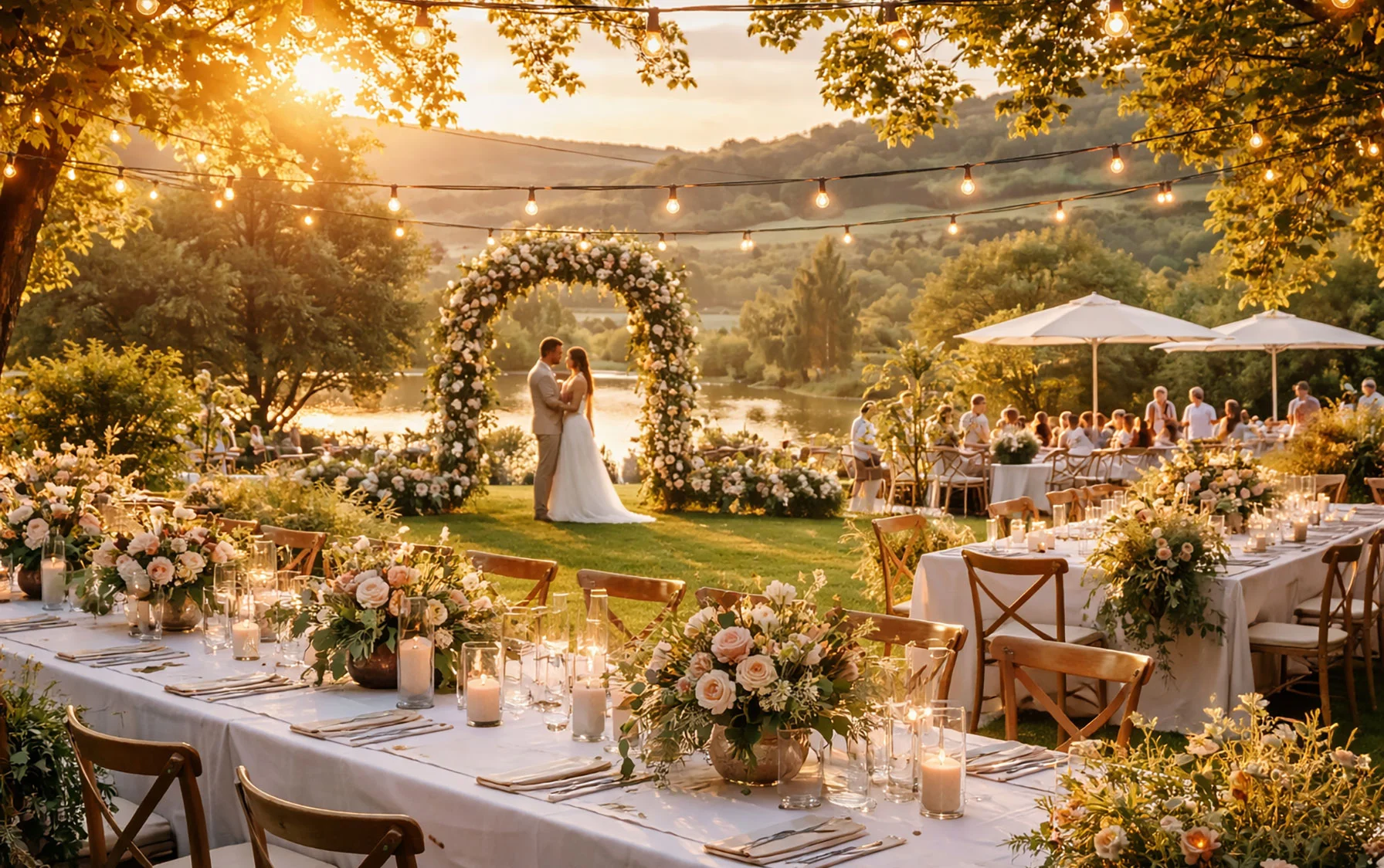
Sun-Kissed Celebrations: How to Plan a Beautiful Summer Wedding
Summer weddings often feel open before they feel formal. Light lasts longer, movement spreads outward, and the day seems able to hold more air, more time, and more ease. This article looks at summer weddings not only as a season of beauty, but as a form of celebration shaped by rhythm, weather, and the emotional trace a sunlit day leaves behind.
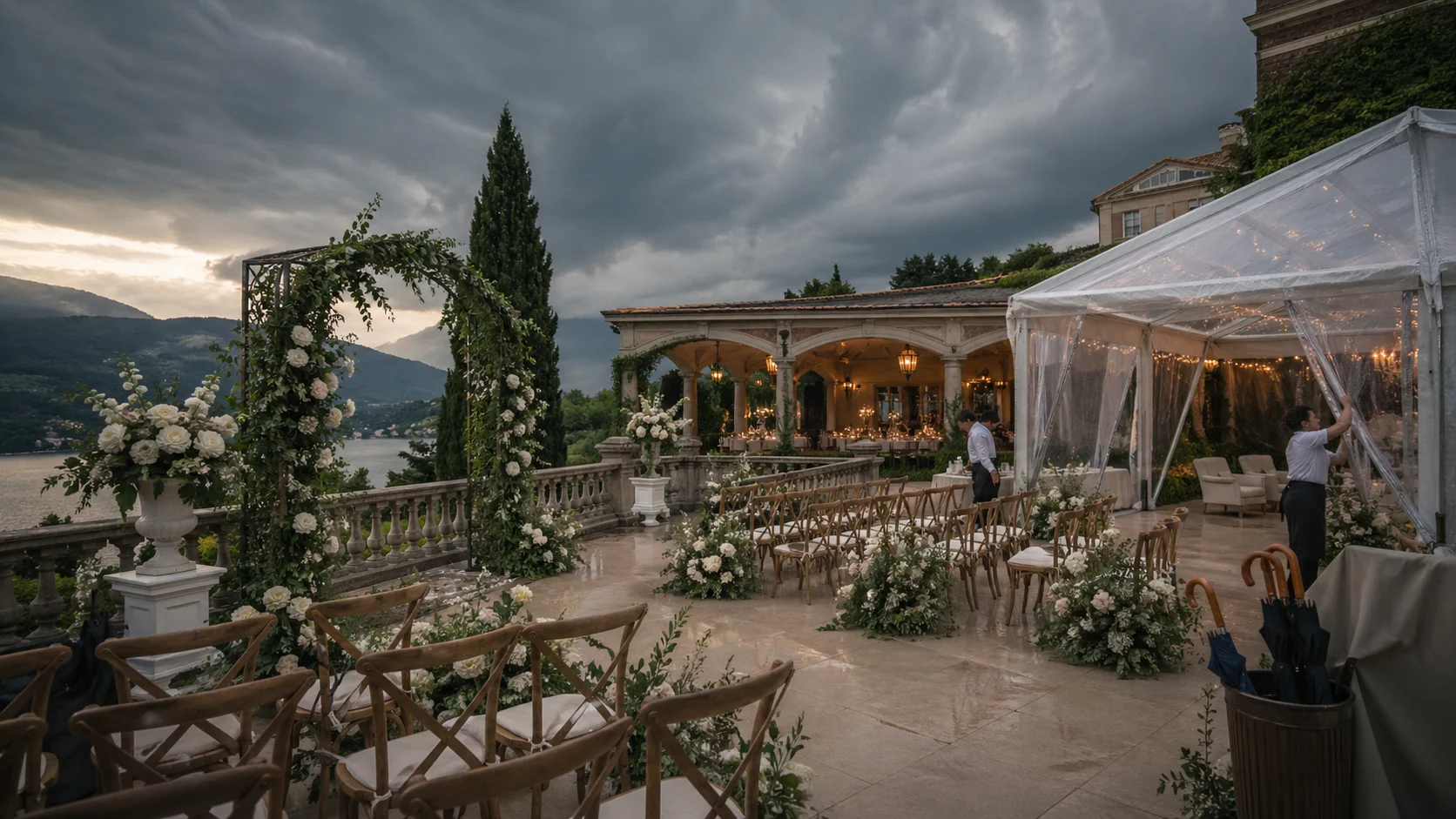
Rain Plan Checklist: What Needs Deciding Before Weather Becomes the Mood
A wedding rain plan is rarely just a backup for logistics. It also shapes whether weather stays manageable or quietly takes over the emotional tone of the day. This article looks at what needs to be decided early, so rain changes the setting without deciding the atmosphere.
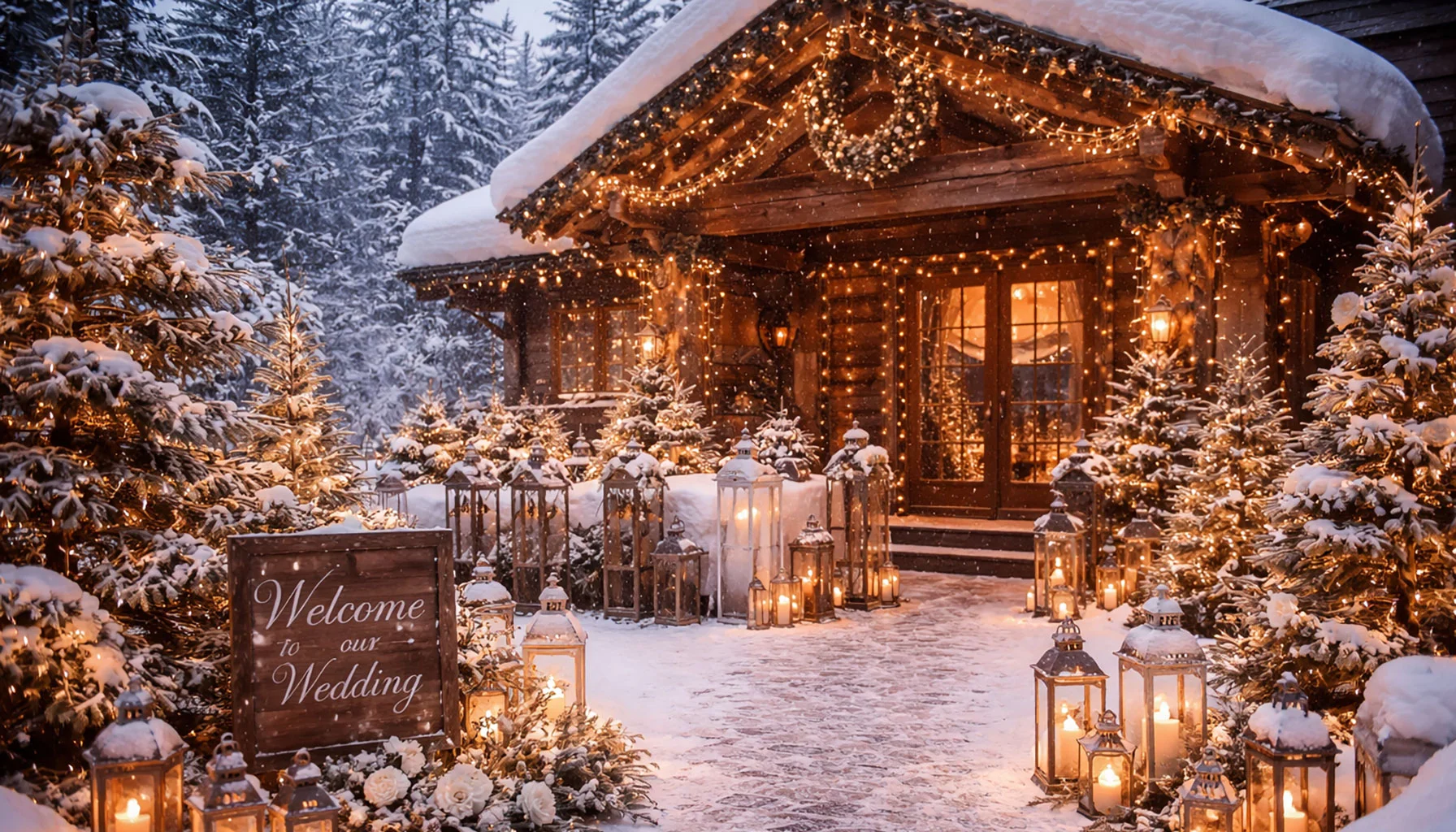
Winter Weddings: Beautiful Locations, Planning Tips and Ideas
Winter weddings move by a different clock. Light shortens, rooms gather people more closely, and warmth becomes part of the structure of the day. This article looks at winter weddings not only as a seasonal style, but as a form of celebration shaped by atmosphere, containment, and the emotional trace a winter setting leaves behind.
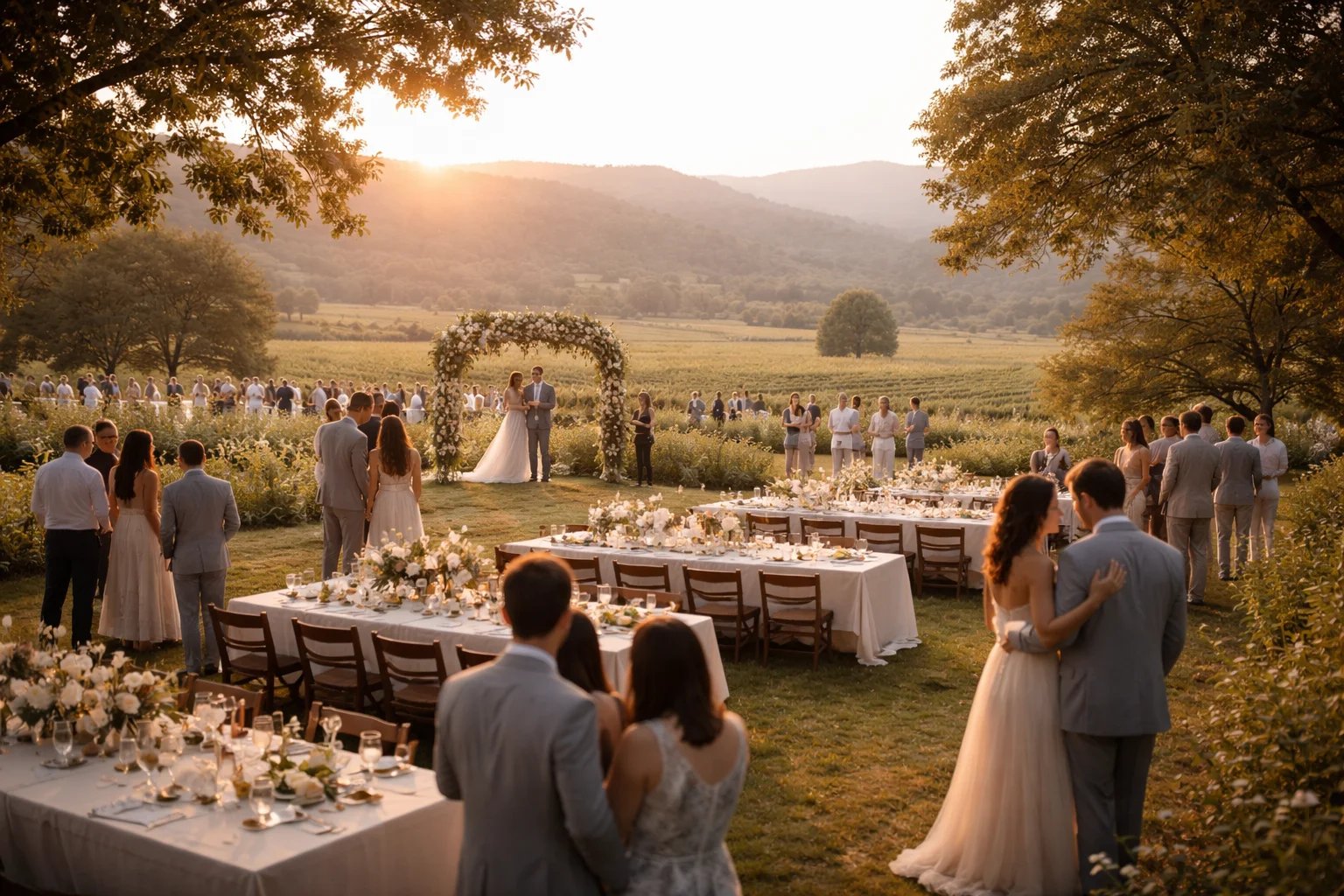
Light and Time at Weddings: How Daylight Subtly Shifts Flow and Perception
Daylight changes more than the look of a wedding. It shifts pacing, delays transitions, draws guests toward or away from certain spaces, and leaves behind some of the strongest visual impressions of the day.
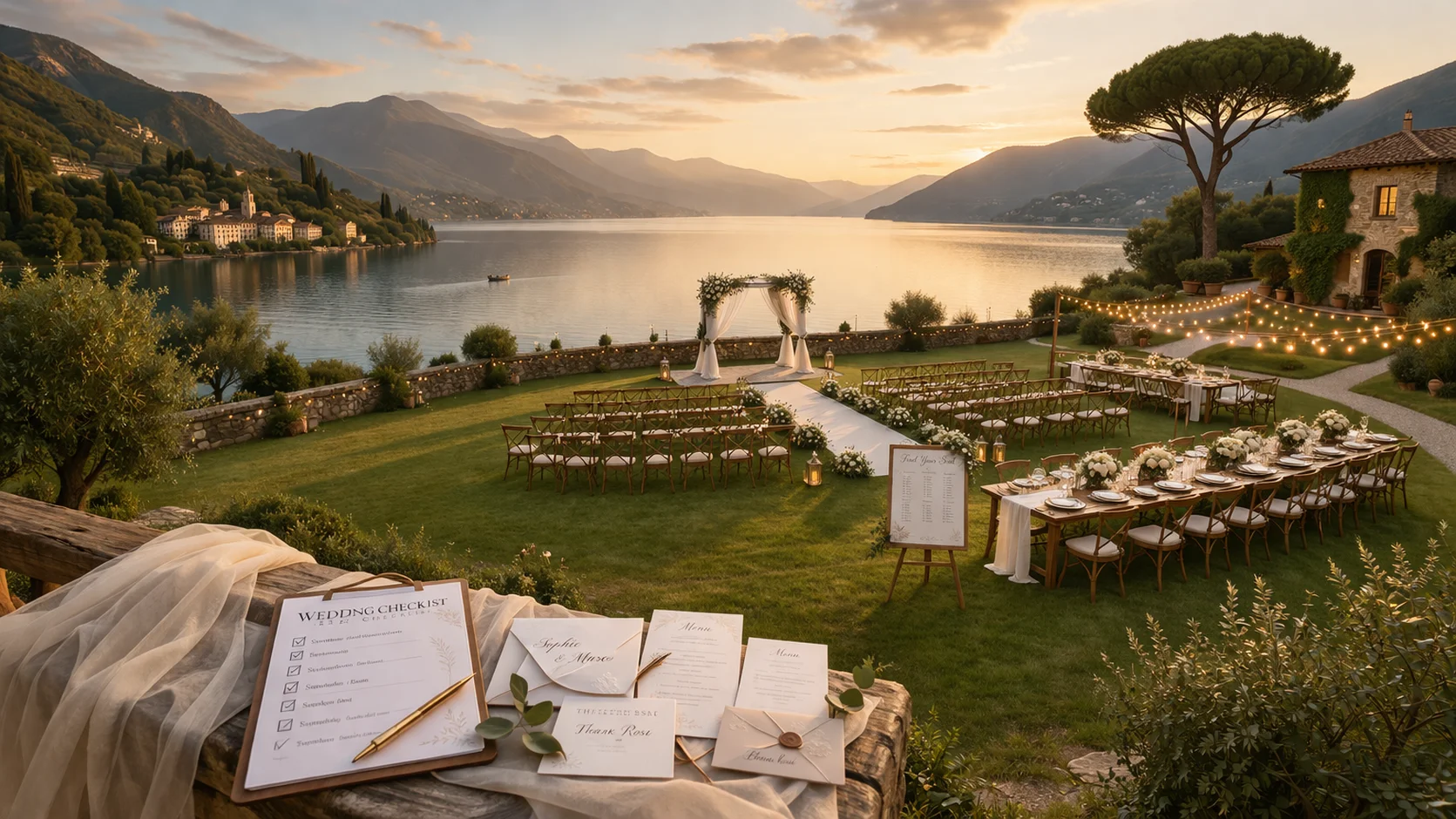
The Wedding Checklist That Grounds You: Turning Planning Into Something Meaningful
A wedding checklist isn’t just about tasks—it’s about clarity, intention, and trust. Here’s how to approach it in a way that feels calm, structured, and truly yours.
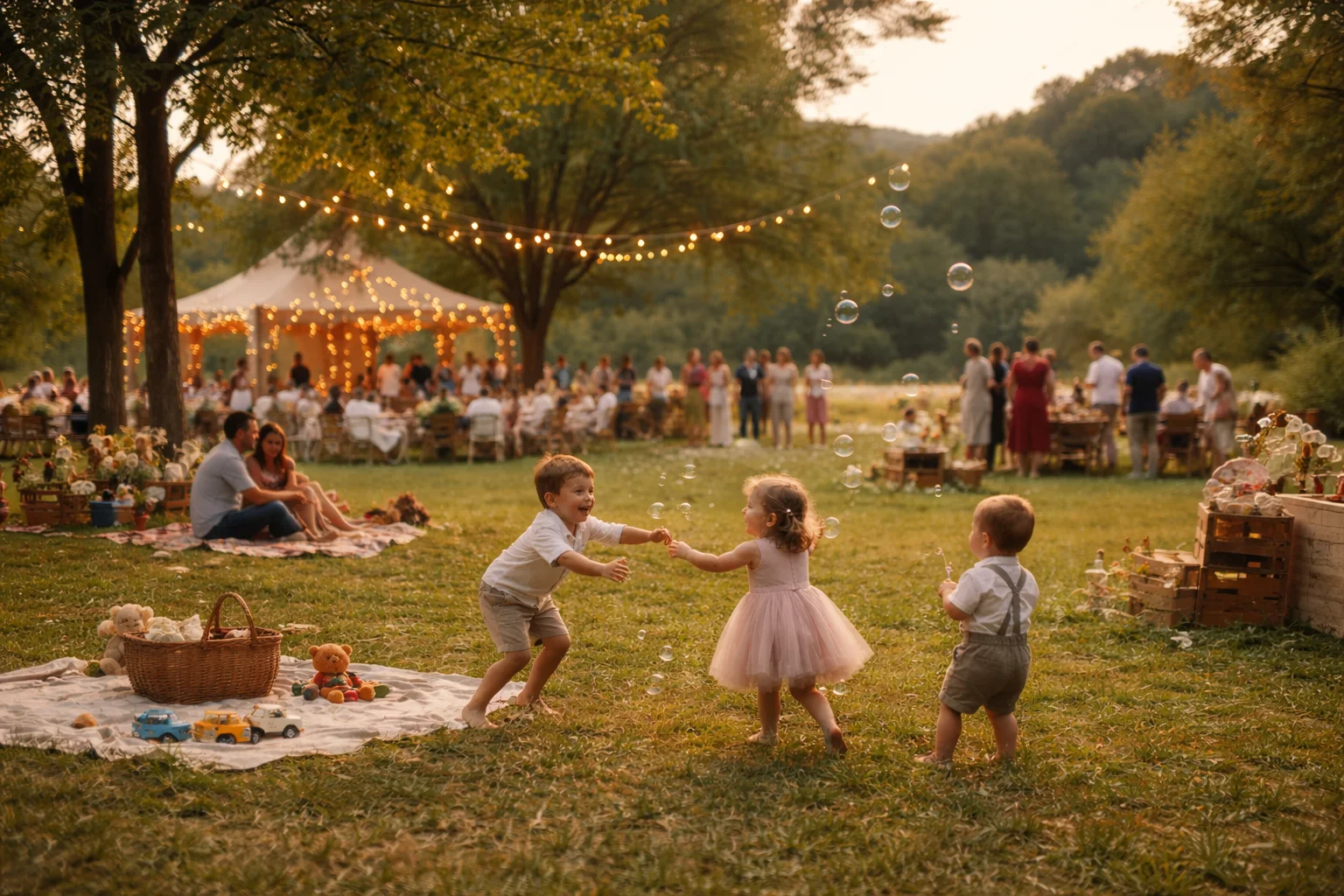
Outdoor Weddings With Children: Freedom, Boundaries, and Attention
Outdoor weddings often feel easier with children because there is more room to move, but that same openness changes how boundaries work and how attention is held. This article looks at how freedom, supervision, fatigue, and small shifting moments shape child-friendly outdoor celebrations.
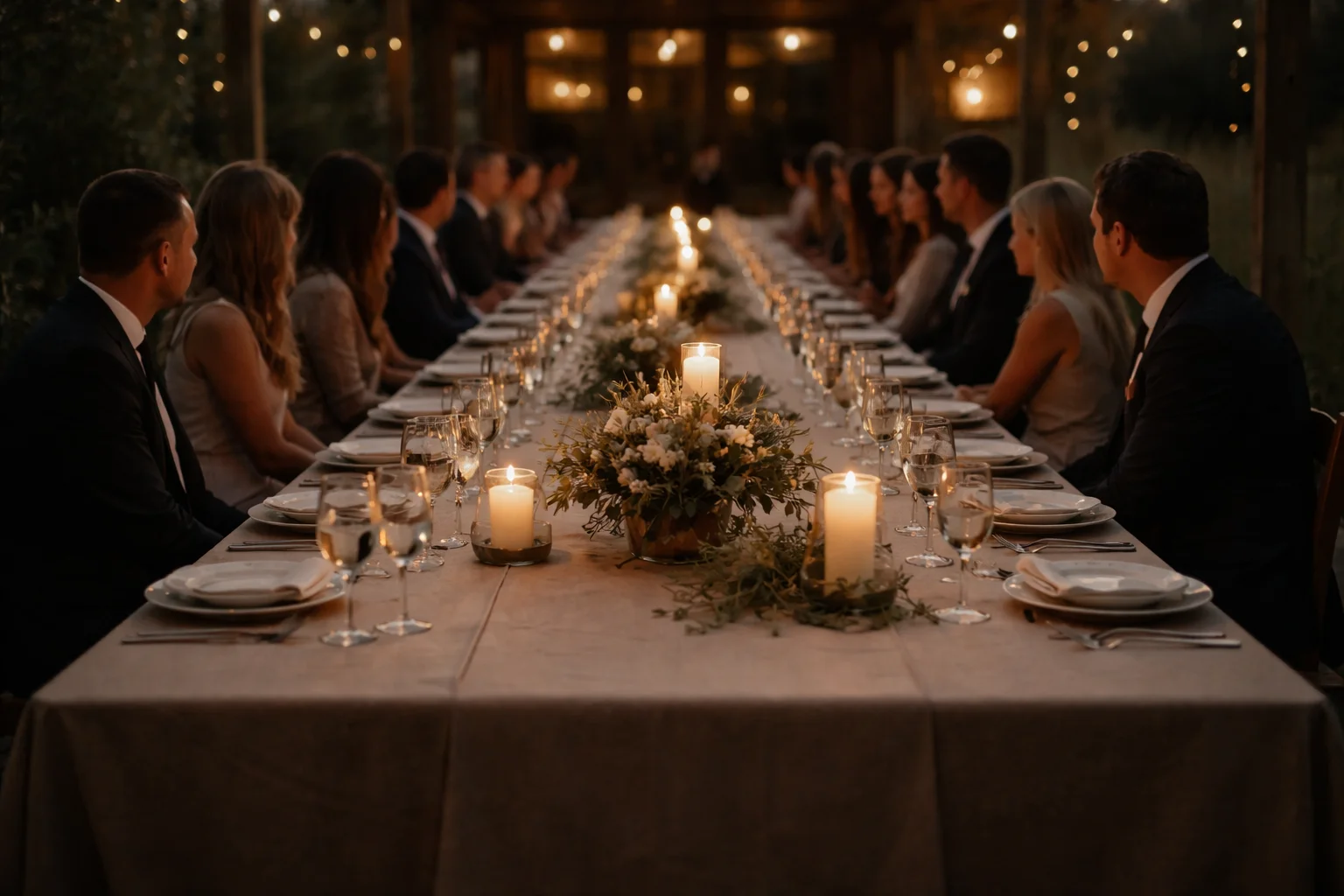
Candlelight at Wedding Tables: Local Light Zones
Candlelight at wedding tables rarely behaves as one smooth glow. It gathers in small zones, shifts across faces and objects, and leaves behind a more fragmentary, memorable atmosphere than even lighting ever could.
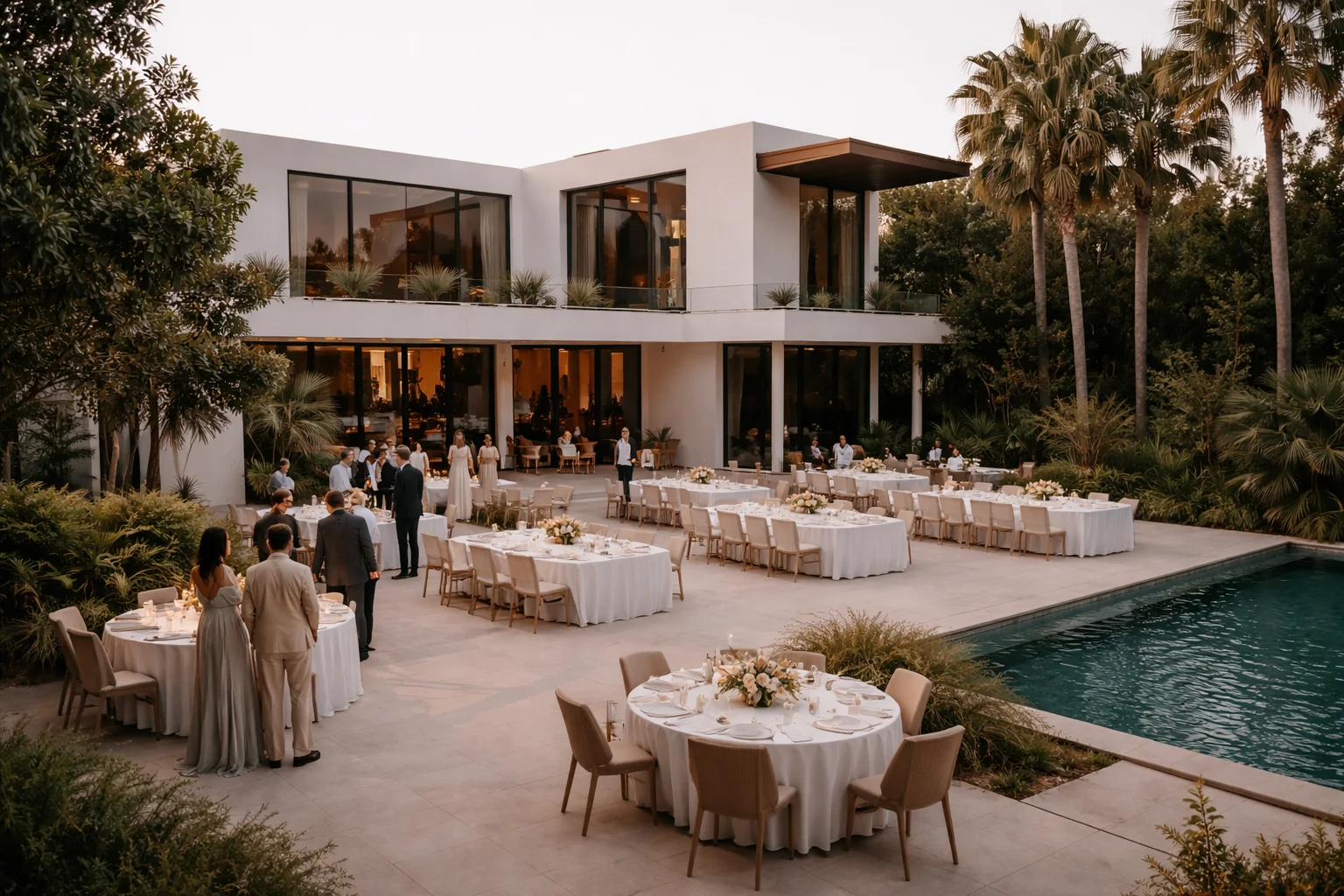
Venues & Concepts in Weddings
Wedding venues and wedding concepts are often treated as separate decisions. In practice, they rarely stay separate for long. The place changes the idea, the idea changes the place, and somewhere between the two an atmosphere begins to form that guests later remember more clearly than the plan itself.
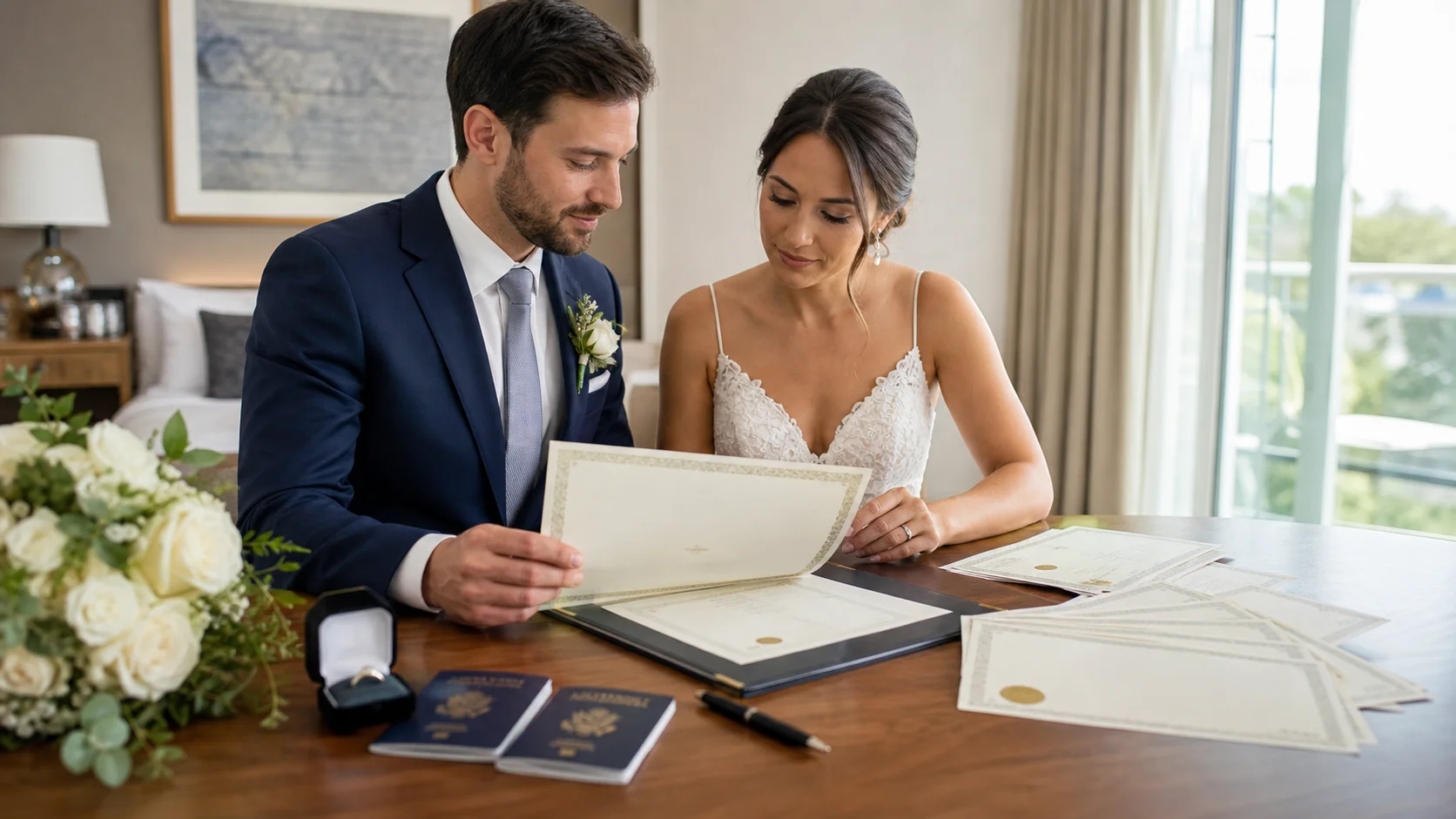
Marriage Certificate Checklist: Why One Document Keeps Returning After the Wedding
A marriage certificate often feels like the final paper of the wedding, but it keeps returning in ordinary life. This article looks at certified copies, scans, translations, apostilles, name changes, travel, banking, insurance, and the quiet imprint one document leaves after the celebration.
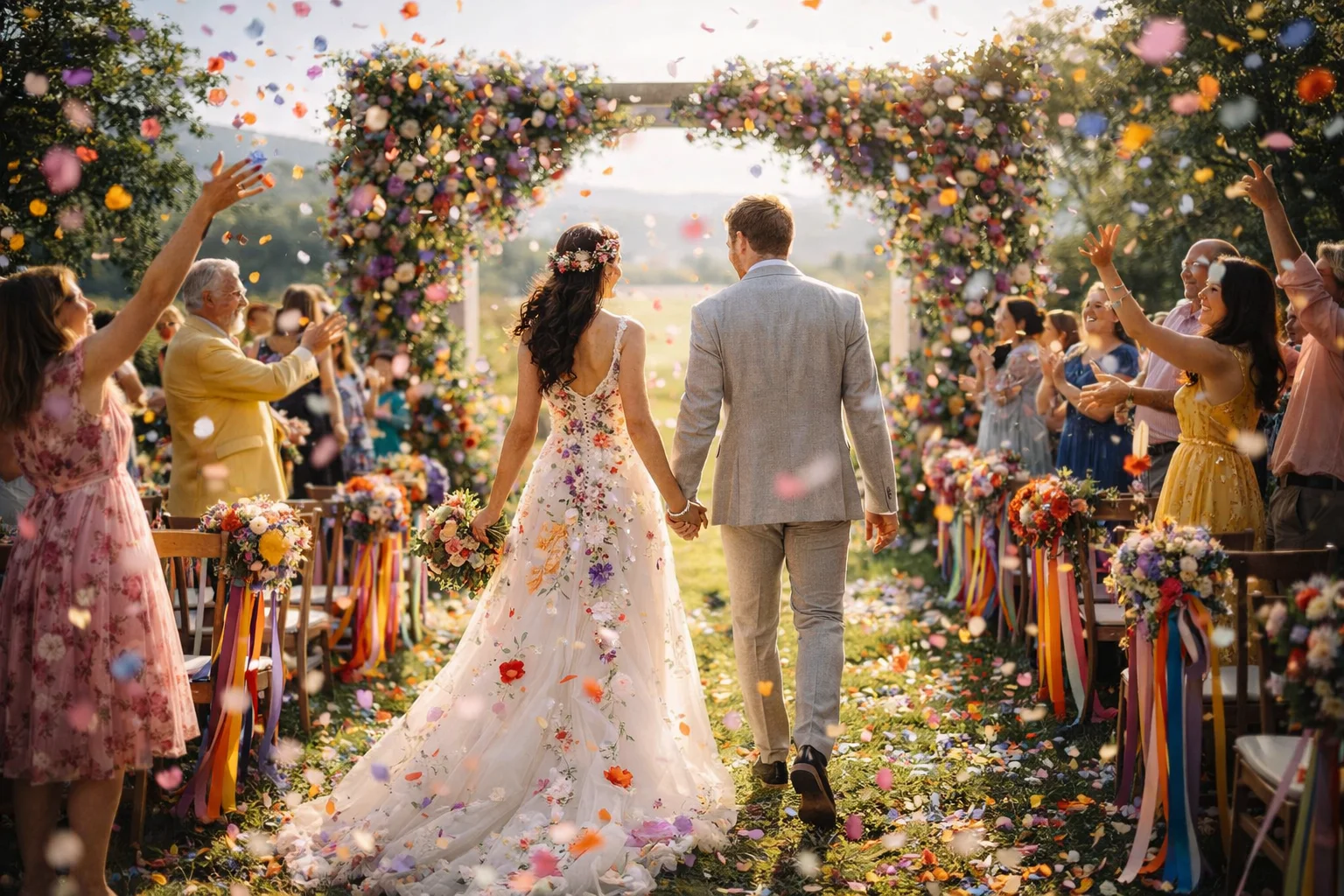
What Wedding Colors Leave Behind
Wedding colors are usually chosen for beauty, balance, or season. But they also leave a trace. Long after flowers fade and fabrics are packed away, certain tones remain attached to a promise, a room, a feeling. This article looks at wedding color not only as styling, but as part of the emotional imprint a ceremony leaves behind.
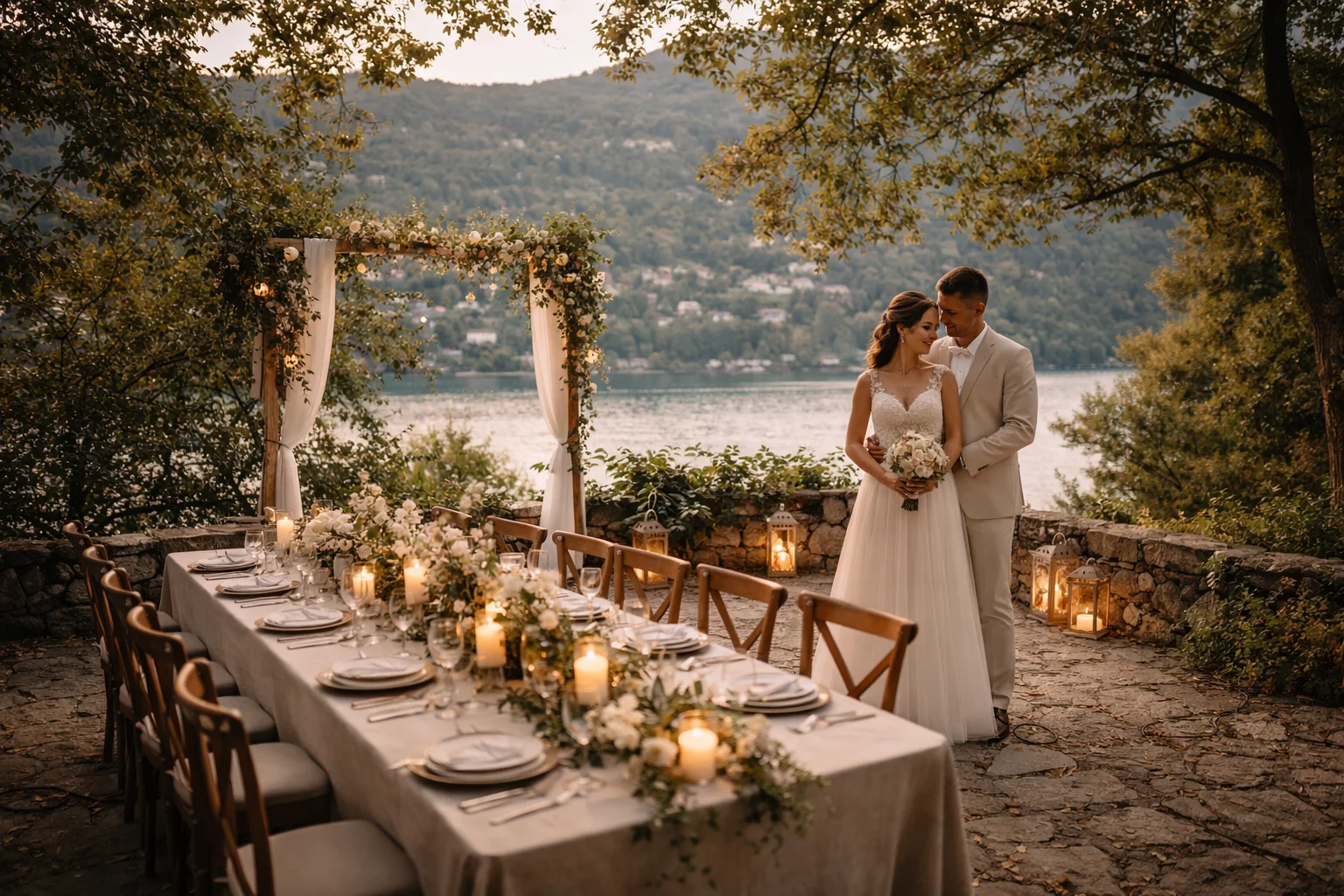
Where Small Weddings Expand Beyond the Ceremony
Small weddings are often described through numbers. Fewer guests, fewer tables, fewer logistical layers. The focus shifts naturally toward what is essential. People arrive, take their places, and the ceremony begins without much distance between those involved and those witnessing it.
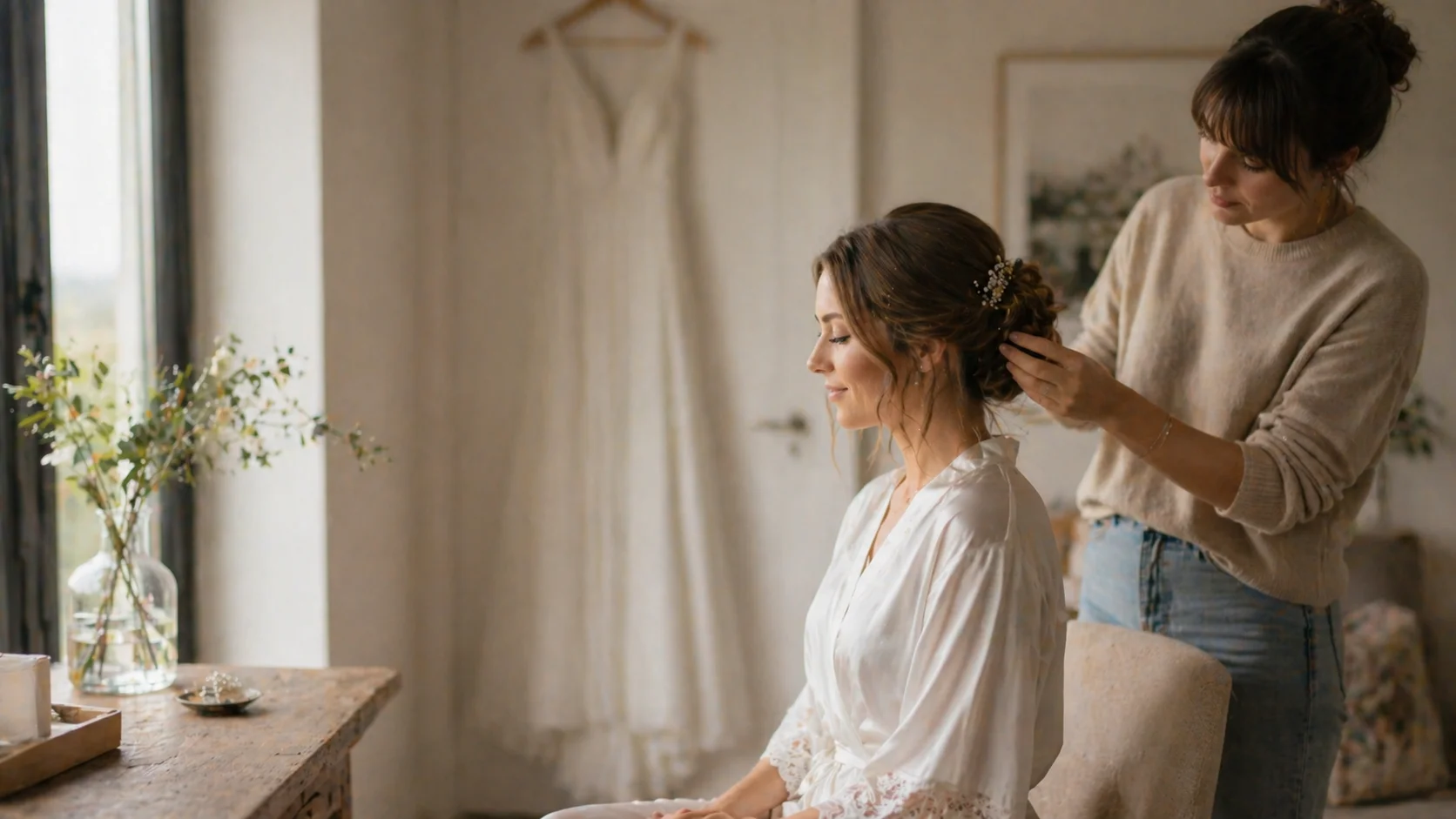
Bridal Getting-Ready Room Checklist: Light, Surfaces, Noise, and Movement
A bridal getting-ready room does more than hold hair, makeup, and dresses. This article looks at light, surfaces, noise, movement, privacy, and the quiet traces the room leaves on the morning before the ceremony.