
The Wedding Checklist That Grounds You: Turning Planning Into Something Meaningful
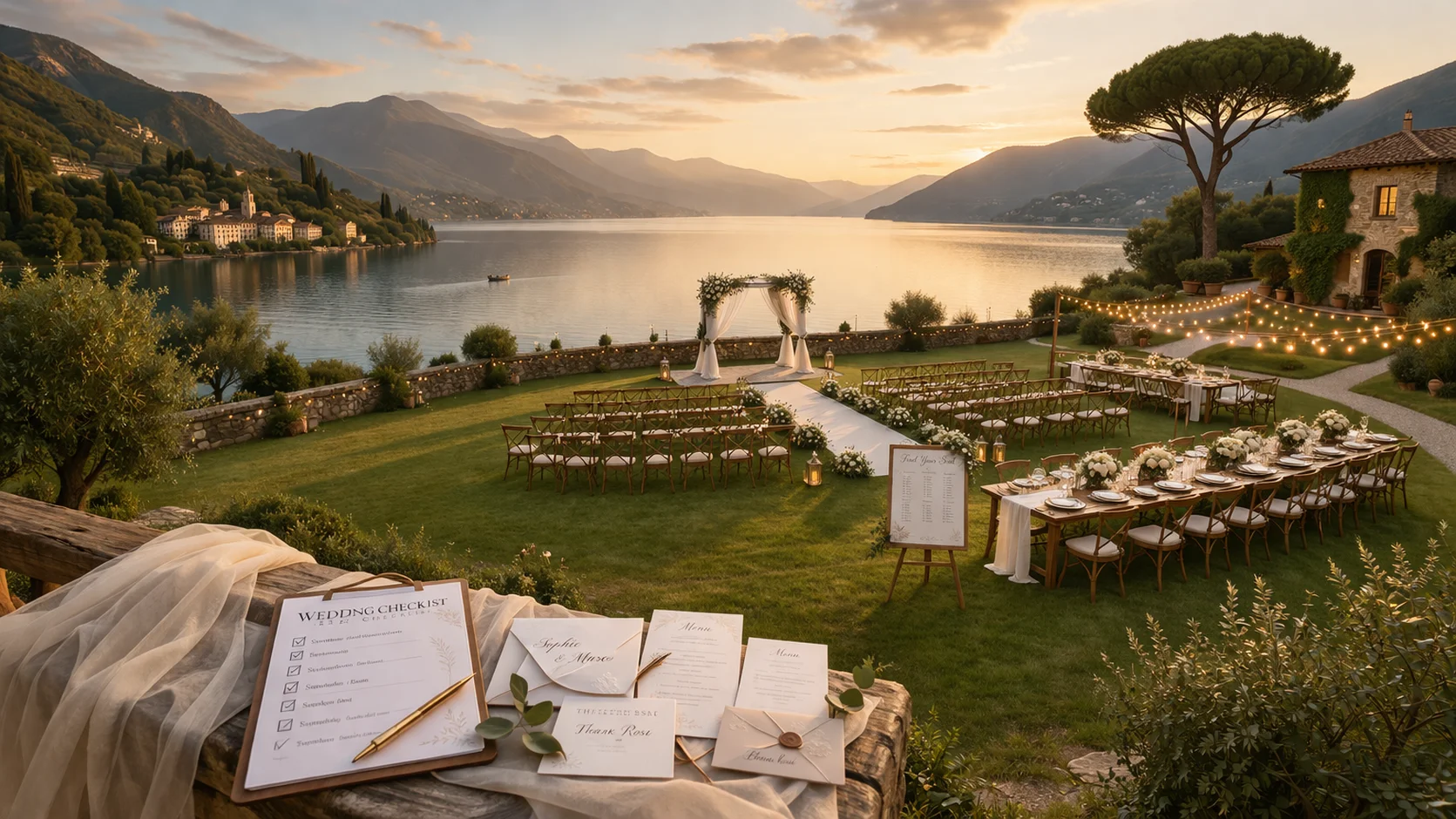
A Wedding Checklist That Actually Helps You Breathe
A wedding checklist is often seen as a practical tool—a structured list of tasks that need to be completed before the big day. But in reality, it can be something much deeper. It can become a framework that brings clarity, calm, and a sense of direction into a process that might otherwise feel overwhelming.
When approached with intention, a checklist doesn’t just organize your planning—it anchors it. It allows you to focus on what matters, to move step by step, and to trust that nothing essential is being overlooked.
What a Wedding Checklist Really Is
At its core, a wedding checklist is not about control—it’s about support. It translates a complex, emotional process into manageable steps. It gives structure without taking away freedom.
Instead of asking yourself "What am I forgetting?" you begin to ask "What feels right to do next?" That subtle shift changes everything.
1. Starting Without Pressure
The beginning is often the most overwhelming part. There are endless decisions, countless opinions, and a constant sense that you should already know what to do.
A well-structured checklist removes that pressure. It doesn’t demand perfection—it simply shows you where to begin. One small step becomes the next, and suddenly the process feels approachable.
If you want a clear starting point, you can explore a structured overview here:
Checklist – CategoryA wedding checklist helps you stay organized and ensures that no important detail is overlooked. From early planning steps to last-minute preparations, it provides a clear overview of what needs to be done and when. With a well-structured checklist, you can plan your wedding with confidence, reduce stress, and enjoy the journey toward your big day.
2. Creating Clarity in Decisions
Every wedding involves decisions—some small, some deeply personal. Without structure, they can quickly blur together and create mental noise.
A checklist separates these decisions into clear moments. It allows you to focus on one thing at a time, instead of everything at once. This clarity not only reduces stress, it improves the quality of your choices.
You begin to decide with intention rather than urgency.
3. Building Trust in the Process
One of the most underestimated benefits of a checklist is trust. Not just trust in the plan—but trust in yourself.
When you know that each step has its place, you stop second-guessing. You stop worrying about what might be missing. Instead, you move forward with quiet confidence.
This sense of trust is what transforms planning from stressful to steady.
4. Staying Flexible, Not Rigid
A checklist should never feel like a strict set of rules. It’s a guide—not a limitation.
Some steps will happen earlier, others later. Some might not apply to you at all. That’s not a failure of the checklist—it’s a reflection of your individuality.
The goal is not to follow it perfectly, but to use it in a way that supports your own rhythm.
5. Connecting Planning With Meaning
Beyond logistics, a wedding always carries meaning. It marks a transition, a commitment, a moment that becomes part of your story.
Even something as practical as a checklist can reflect that meaning—when it’s grounded in intention. Every task becomes part of something larger, rather than just another obligation.
If you're interested in the deeper structure behind how such elements are presented and framed, you can take a look here:

Some moments do not pass. They settle. Imprints are the emotional traces left by rituals, decisions, and answers that continue shaping relationships long after the moment is gone.
Conclusion: A Checklist That Supports, Not Controls
In the end, a wedding checklist is not about ticking boxes. It’s about creating space—space to think clearly, to decide calmly, and to experience the process without constant pressure.
When used well, it becomes something quiet but powerful: a steady companion that keeps you grounded while everything else evolves.
Related Articles

Conversations Before Marriage – Life Questions That Clarify the Relationship
A marriage is not just about feelings, but also expectations, imprints, and ideas about everyday life. This text compiles central life questions that couples should clarify with each other before saying 'I do': regarding money, family, children, conflicts, division of tasks, and personal values. Grown from observations, objectively considered, and close to lived everyday life. Conversations that make differences visible – and thereby strengthen connection.
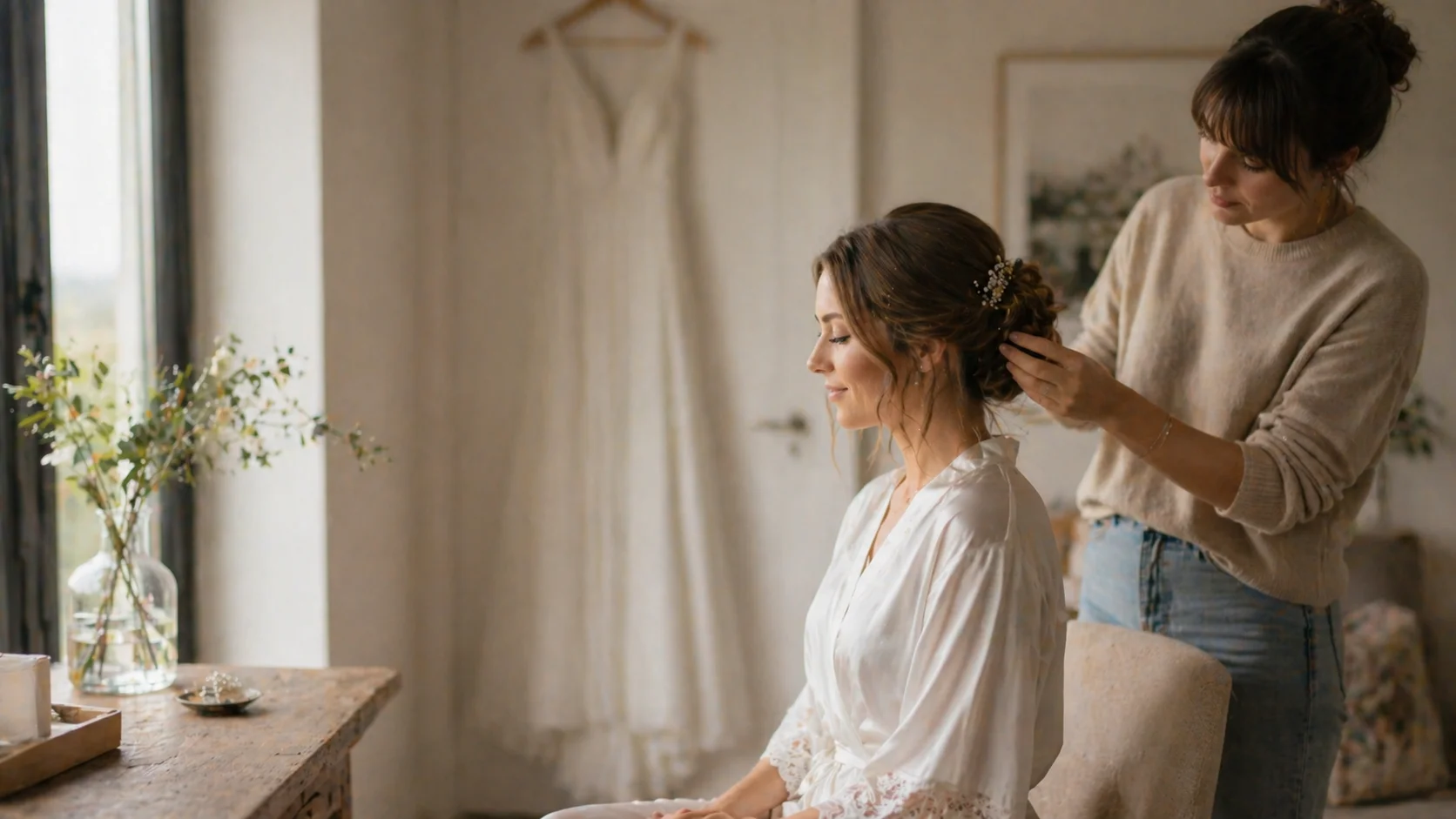
Bridal Getting-Ready Room Checklist: Light, Surfaces, Noise, and Movement
A bridal getting-ready room does more than hold hair, makeup, and dresses. This article looks at light, surfaces, noise, movement, privacy, and the quiet traces the room leaves on the morning before the ceremony.
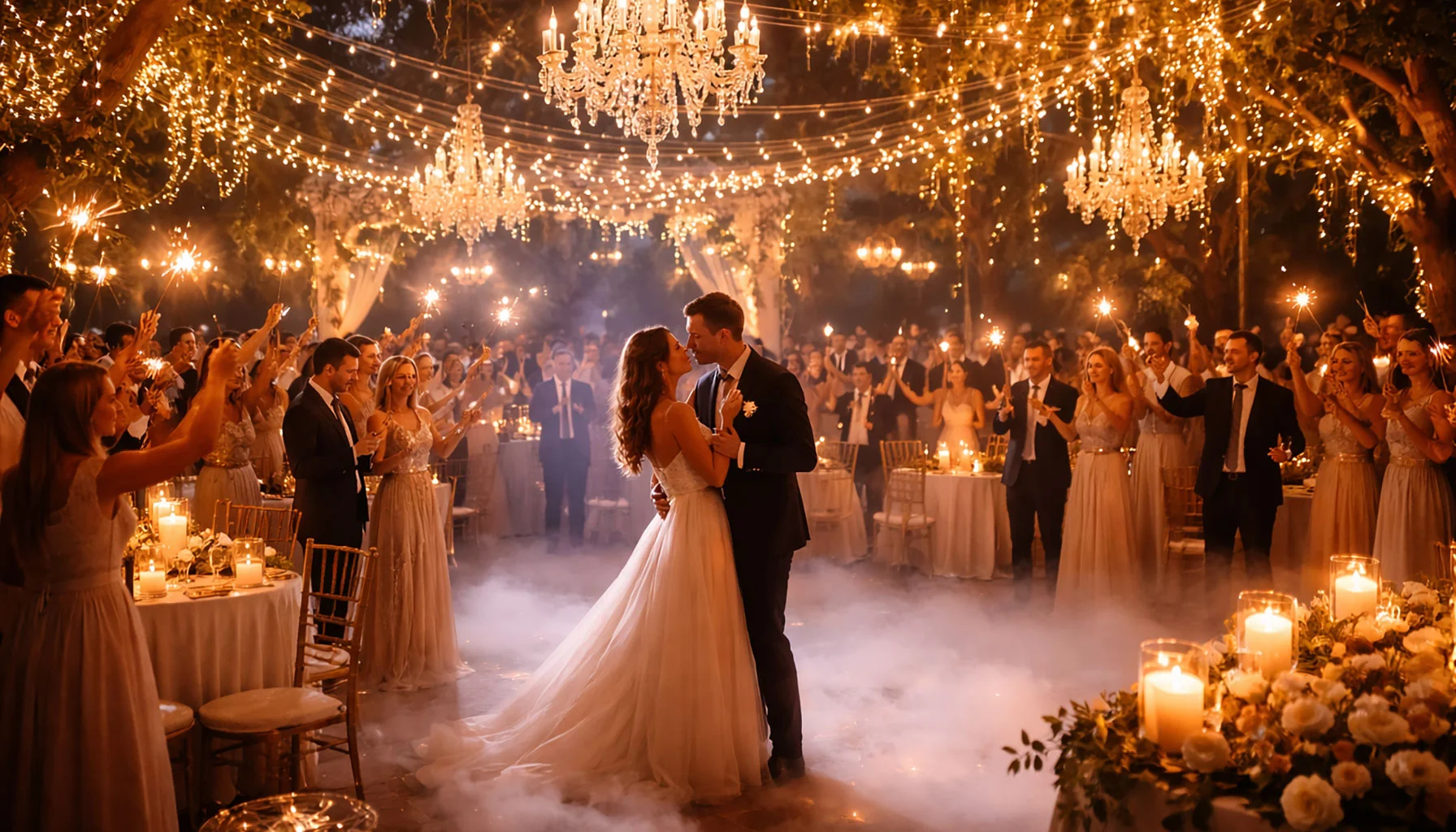
Wedding Lighting: Creating Atmosphere That Lasts
Wedding lighting is rarely remembered as equipment. What remains is how a room felt when people entered it, how the evening softened, and how different parts of the celebration seemed to belong together without visible effort. This article looks at wedding lighting as a quiet structure that shapes atmosphere and leaves a lasting imprint.
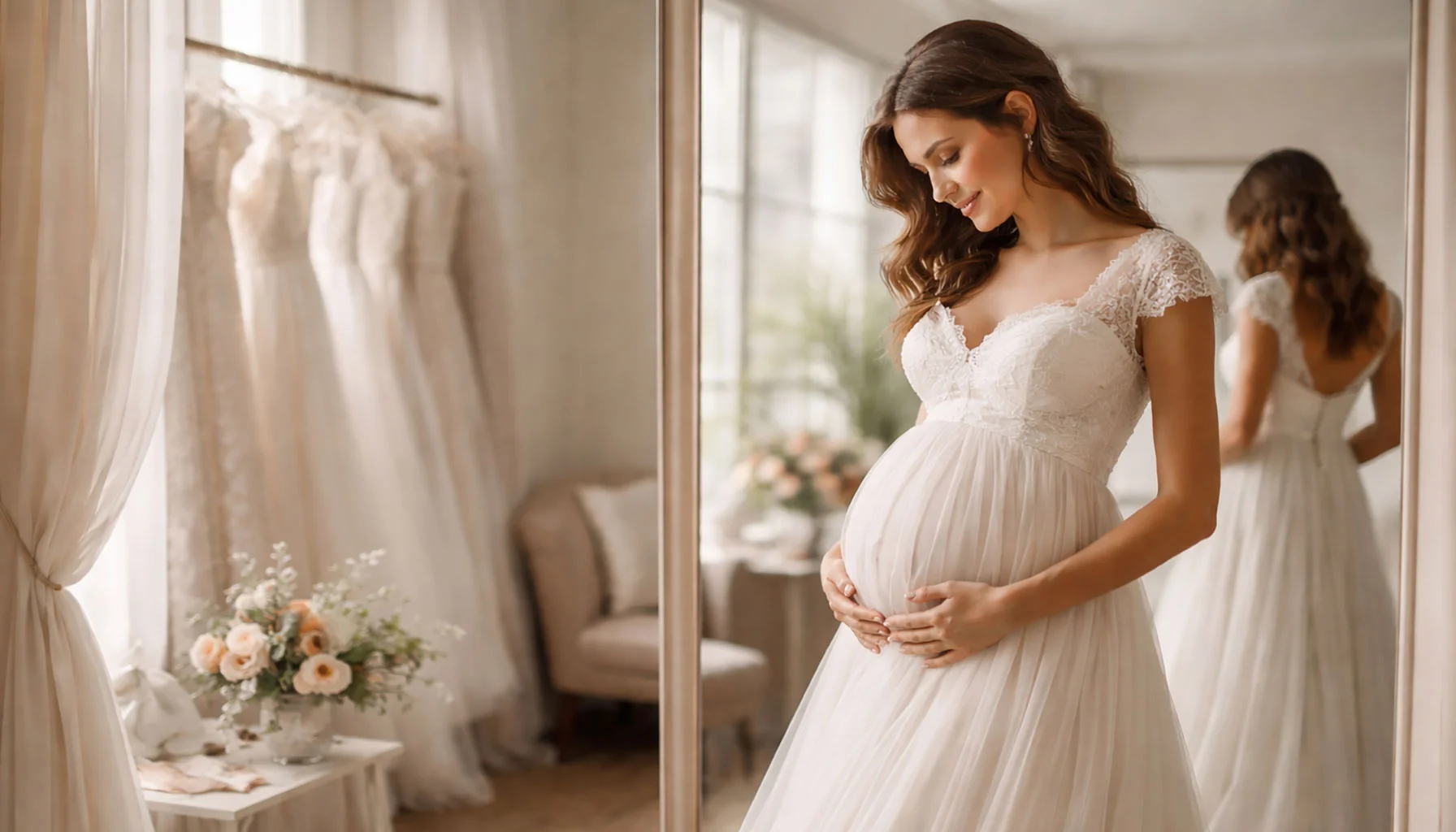
The Wedding Dress During Pregnancy
A wedding dress chosen during pregnancy follows different rules, even when no one names them. The body leads. The day sets limits. Decisions are shaped by comfort, timing, and how the dress behaves over hours rather than moments. This text looks at maternity wedding dresses as they appear in fittings, ceremonies, and recollections afterward. Not as ideals, but as garments that had to work. The focus stays on what proved suitable, calm, and lasting, without dramatizing the process or framing it as exception.
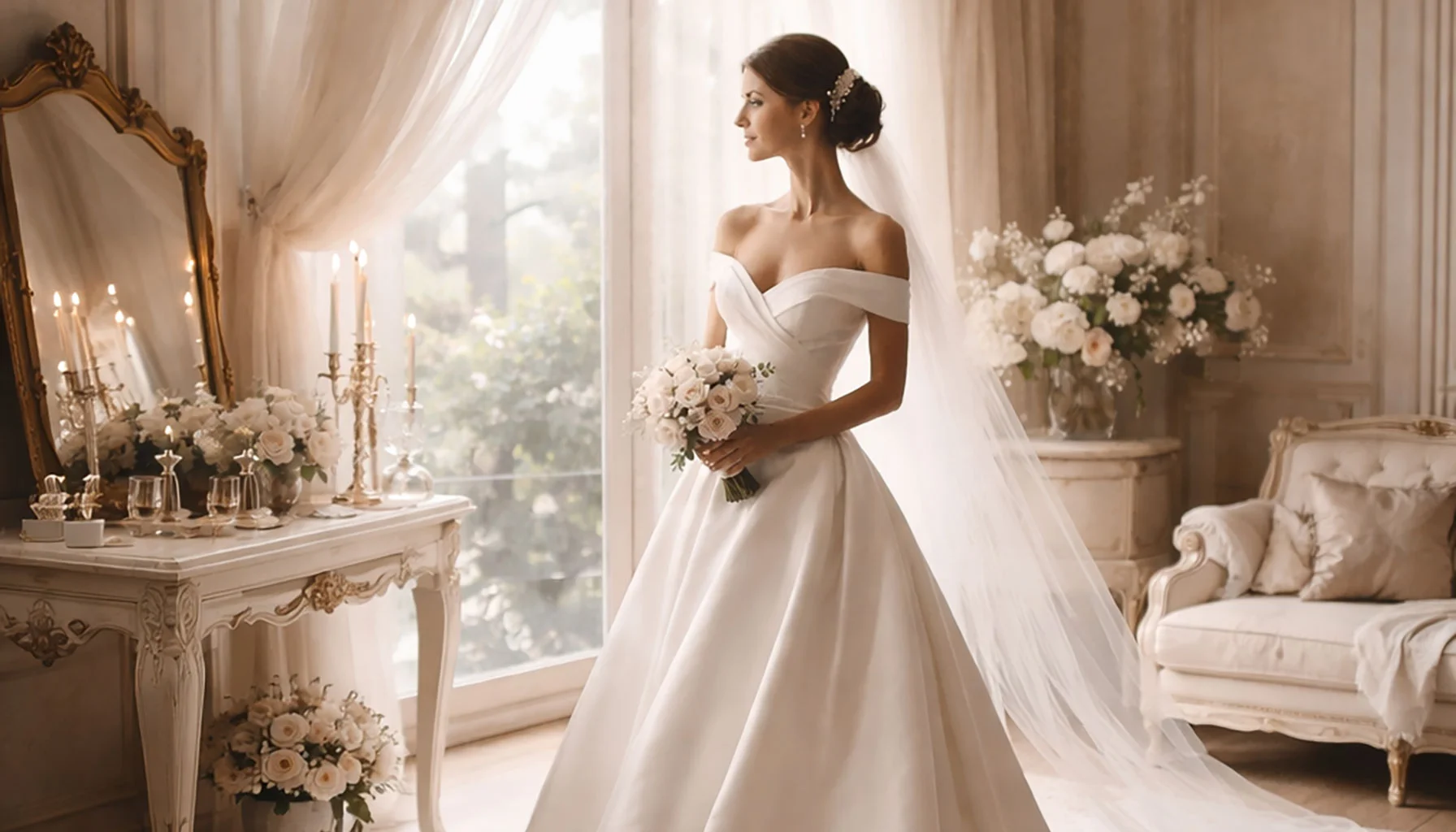
Beyond the Wedding Dress: What Truly Defines the Bridal Look and Experience
The bridal look is shaped long before the wedding day itself. It is created through thoughtful preparation, careful attention to detail, and a sense of inner calm that carries the bride through every moment. When styling, timing, and presence align naturally, beauty feels effortless rather than staged. Hair, makeup, accessories, and posture work together to support the bride rather than overshadow her. Yet what truly defines her appearance is how grounded and supported she feels. A bride who trusts her choices and releases the need for perfection radiates authenticity and quiet confidence. In this balance between outer expression and inner state, the bridal look becomes more than an image. It becomes an atmosphere — one that is felt, remembered, and carried far beyond the day itself.
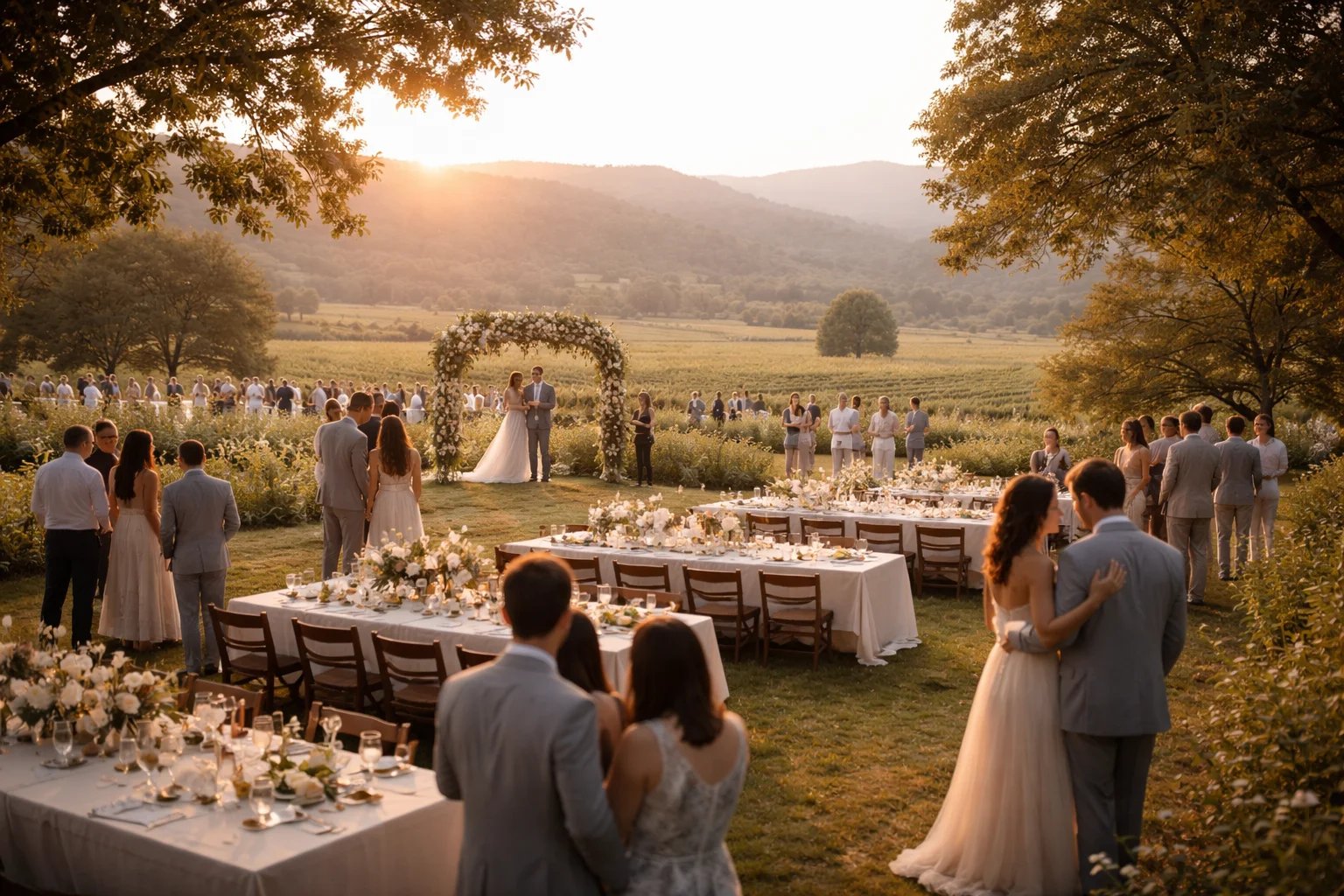
Light and Time at Weddings: How Daylight Subtly Shifts Flow and Perception
Daylight changes more than the look of a wedding. It shifts pacing, delays transitions, draws guests toward or away from certain spaces, and leaves behind some of the strongest visual impressions of the day.
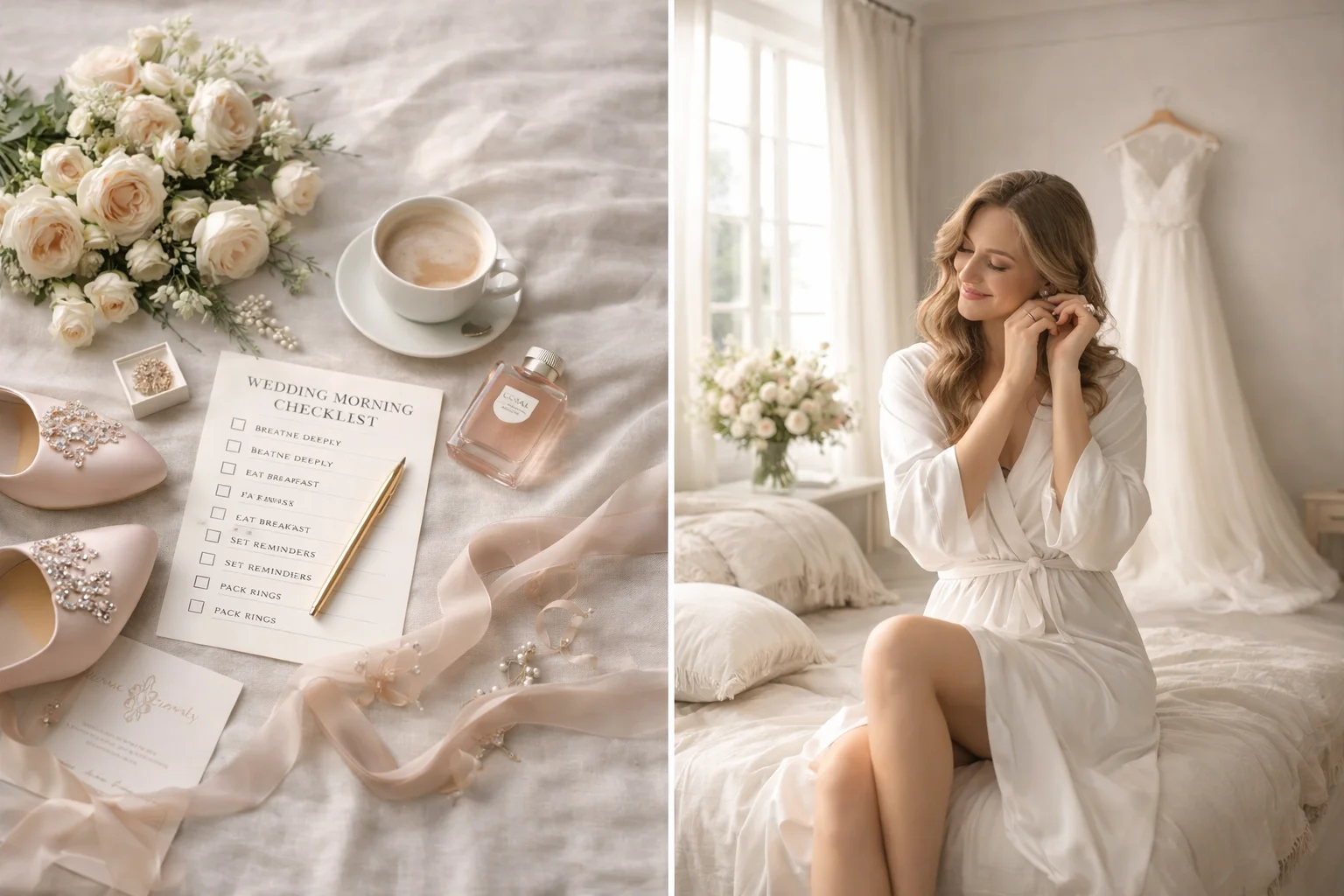
Wedding Morning Checklist: What Helps the First Hours Stay Calm
A wedding morning checklist helps protect the first hours of the day from avoidable stress. It keeps essential items, timing, room atmosphere, and communication clear, while leaving enough space for the morning to still feel calm and human.
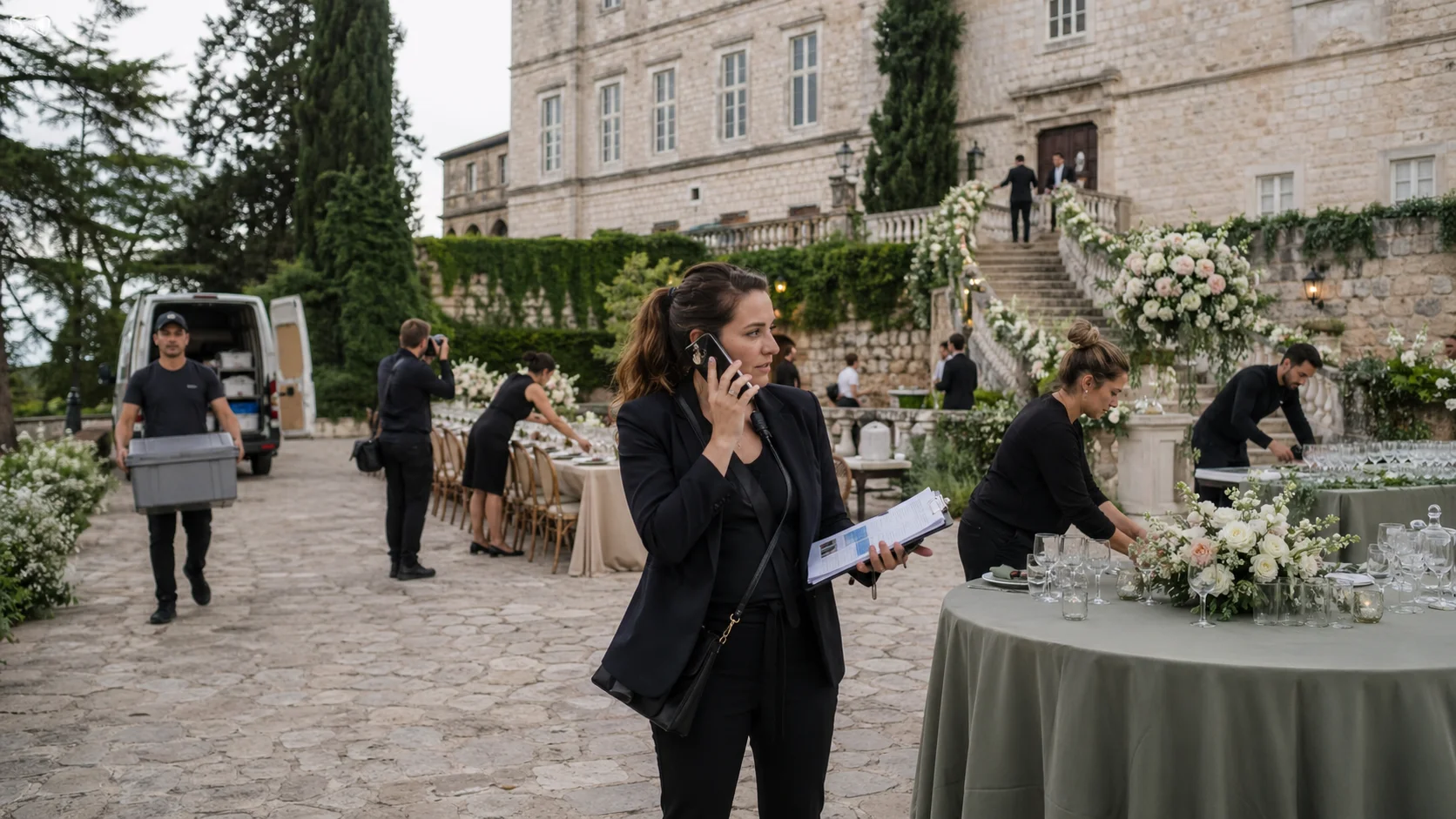
Vendor Contact Checklist: Who Needs to Reach Whom When the Day Starts Moving
A wedding contact list is not the same thing as a wedding communication plan. Once the day starts moving, what matters is not only who is involved, but who should contact whom, for what reason, and at which moment.
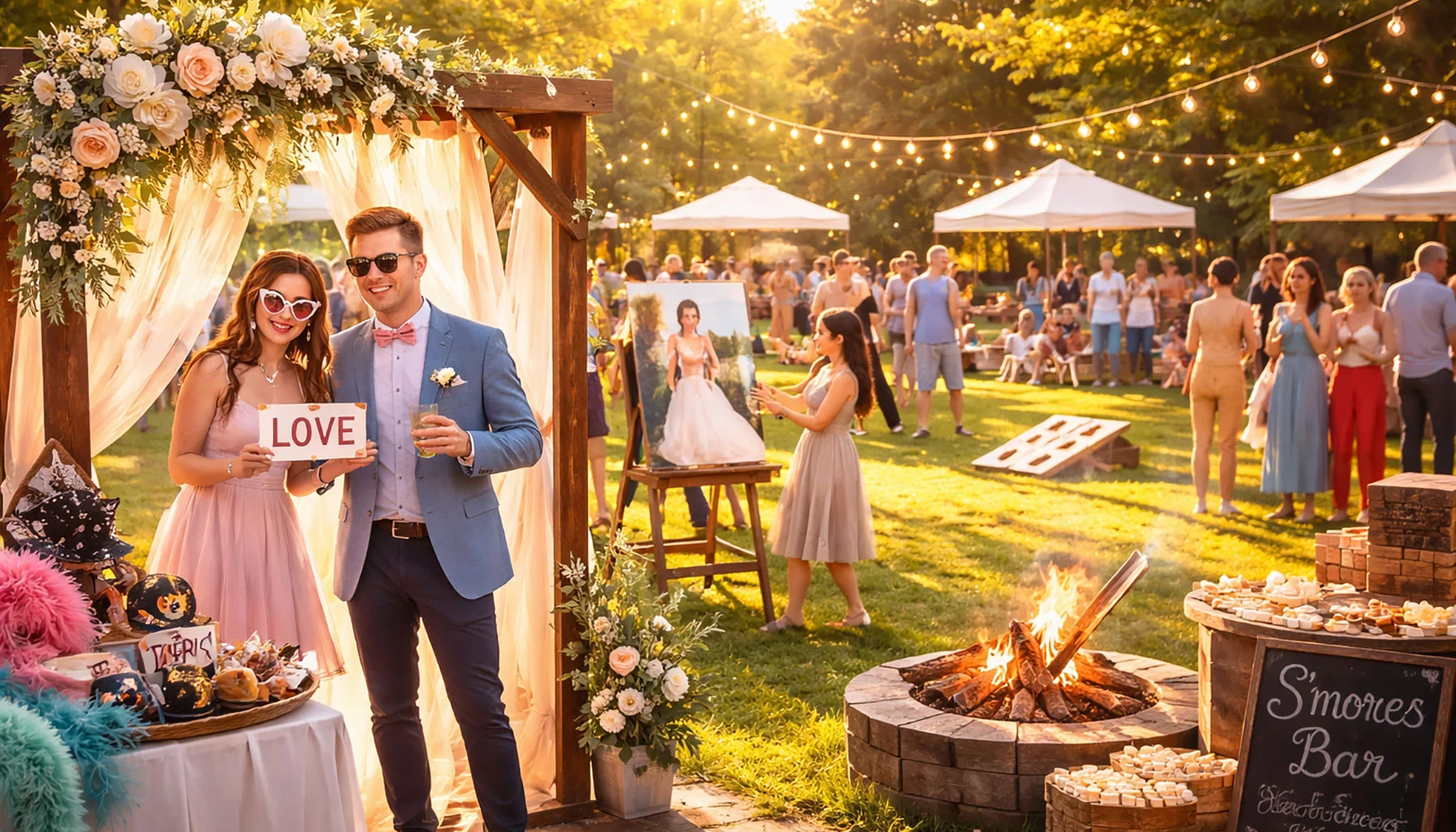
Wedding Guest Activities That Create Lasting Memories
The wedding activities guests remember most are rarely the loudest. They are the ones that give people something gentle to enter, something quiet to touch, and something small to carry away afterward. This article looks at which kinds of wedding guest activities tend to stay with people and why they often leave a deeper imprint than more spectacular entertainment.
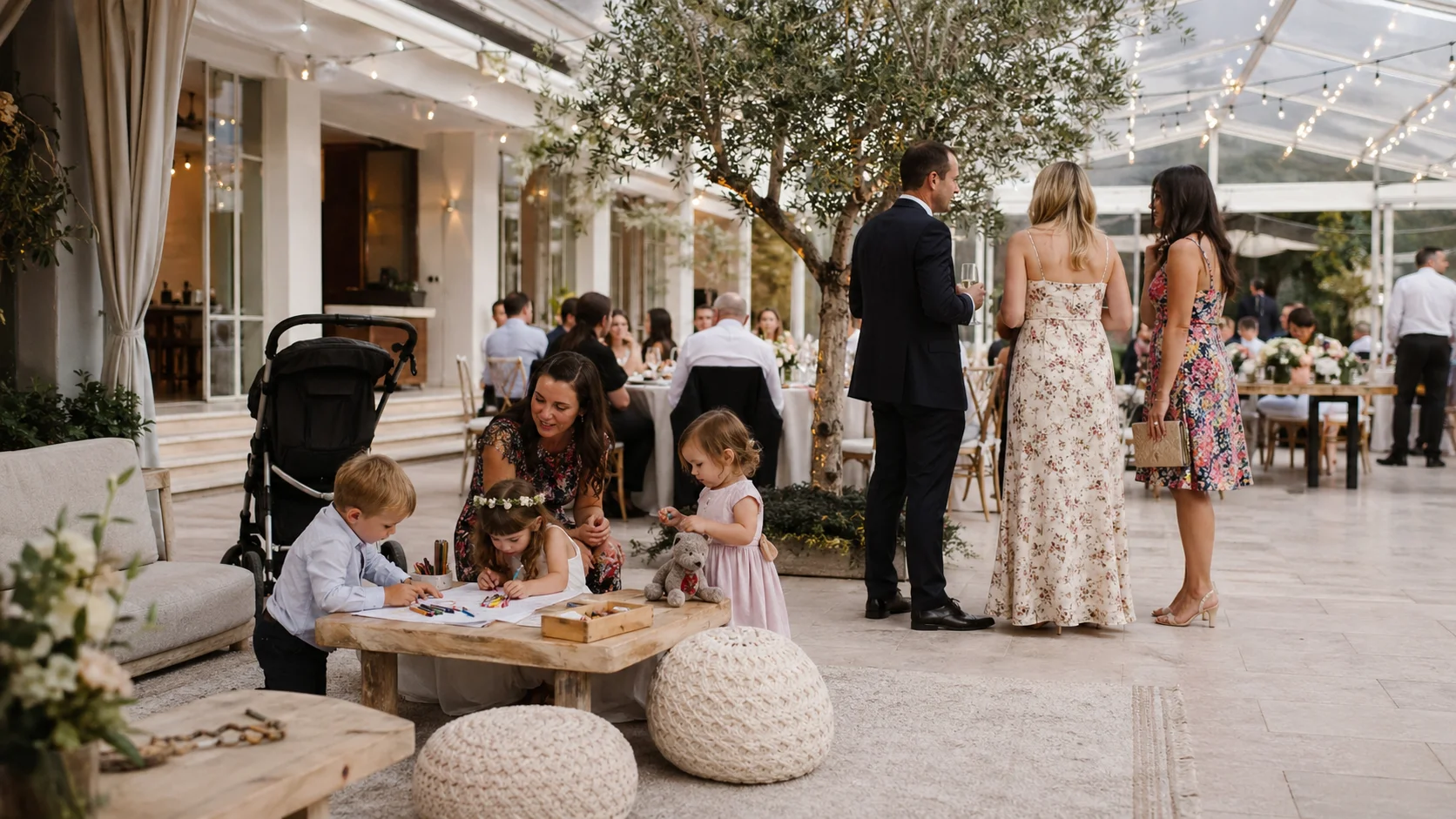
Kids at Weddings Checklist: What Helps Families Stay Longer Without Strain
Families with children usually leave weddings early for a series of small reasons rather than one big one. This article looks at what helps them stay longer with less strain, from food timing and retreat spaces to quieter transitions and the simple need for relief.

The Groom’s Suit Guide: Planning, Fittings, Trends & Timeline
A wedding suit does not come from a single decision, but from alignment over time. Cut, fabric, and fit develop in relation to occasion, movement, and personality. When these elements settle into place, the suit supports the day quietly and allows the groom to remain fully present.
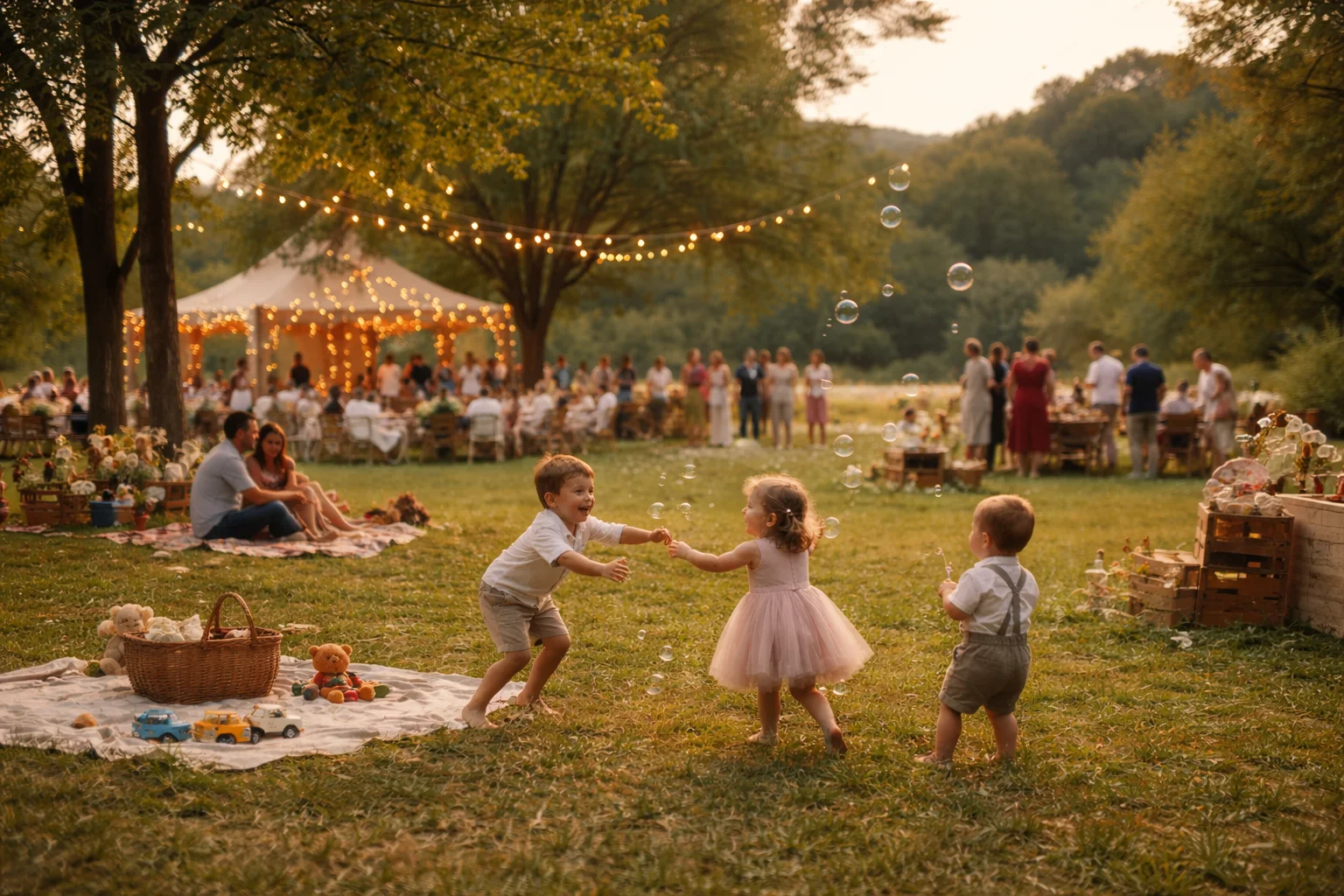
Outdoor Weddings With Children: Freedom, Boundaries, and Attention
Outdoor weddings often feel easier with children because there is more room to move, but that same openness changes how boundaries work and how attention is held. This article looks at how freedom, supervision, fatigue, and small shifting moments shape child-friendly outdoor celebrations.