
Civil Ceremony Documents Checklist: What Couples Usually Need Before the Wedding Can Happen
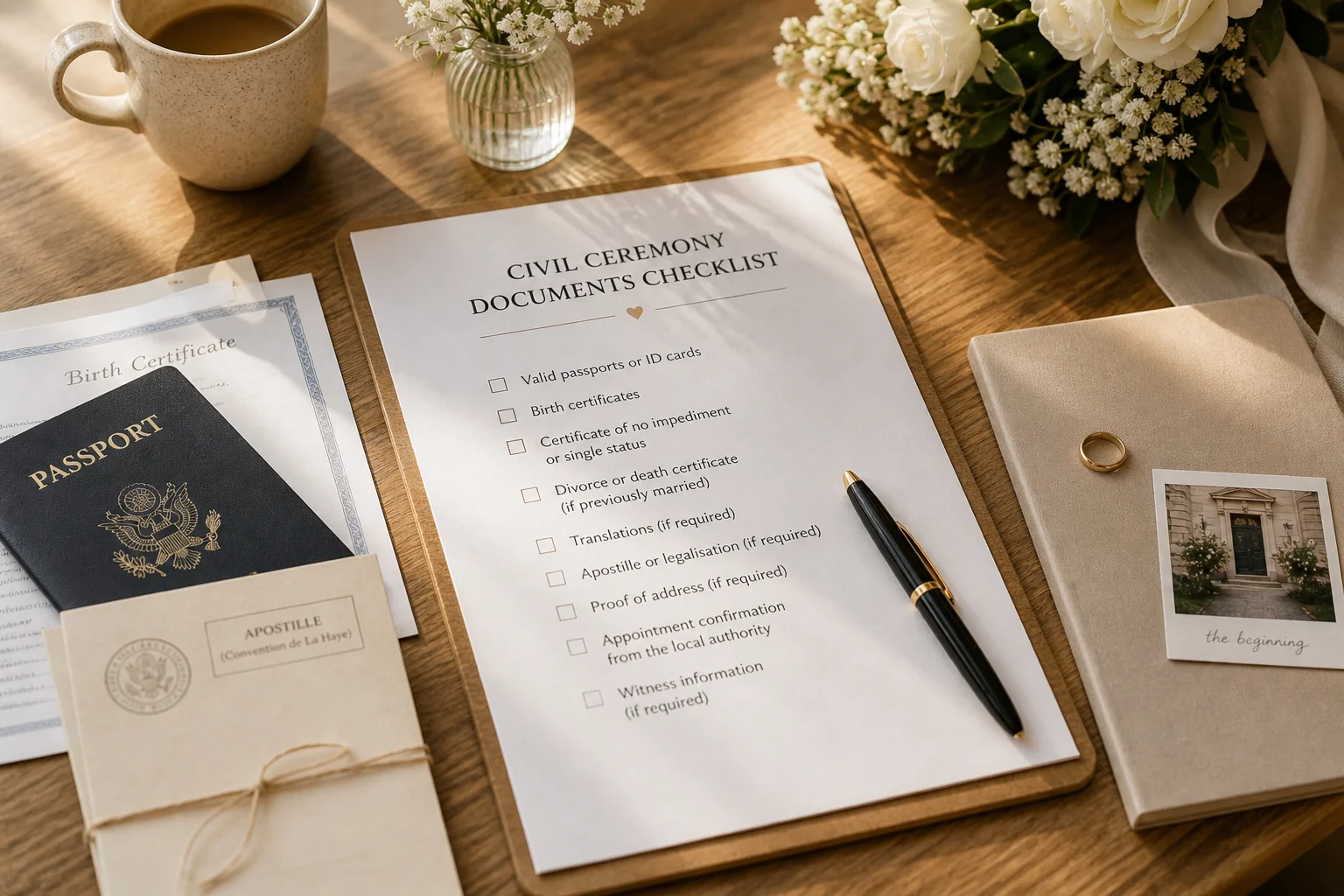
A civil ceremony can feel simple from a distance. Two people, an appointment, a registrar or official, a few signatures, perhaps witnesses, perhaps a small room with flowers brought in by hand. Before that moment can happen, though, the ceremony usually has to pass through a quieter layer of proof. Identity has to be shown. Family status has to be clear. Previous marriages, foreign documents, translations, residence details, and appointment deadlines may all need attention before anyone speaks the words that guests later remember.
A civil ceremony documents checklist is useful because the legal side of marriage rarely feels emotional until something is missing. A birth certificate is in the wrong format. A passport expires too soon. A divorce document needs recognition. A translated paper has no official stamp. A name spelling does not match across records. None of this has the beauty of the ceremony itself, but it decides whether the ceremony can take place as planned. The practical work comes first, so the public moment can feel light.
Definition
A civil ceremony documents checklist helps couples prepare the official papers usually needed before a legally recognized wedding ceremony can happen. Exact requirements vary by country, region, nationality, residence status, and personal history, but the checklist commonly includes proof of identity, birth records, proof of marital status, residence information, divorce or death certificates where relevant, translations, apostilles, witnesses, deadlines, and appointment confirmations.
Identity Documents Should Match Before Anything Else Moves
Passports, national IDs, residence permits, birth certificates, and official registrations should tell the same story. Full names, middle names, accents, hyphens, birth dates, places of birth, and current addresses can matter more than couples expect. A useful legal documents checklist starts with comparison, not collection. Put the documents next to each other and look for mismatches before the appointment. It is easier to correct a spelling issue early than to discover it while an official is deciding whether the file is complete.
Proof Of Marital Status Is Often The Part Couples Underestimate
Many civil ceremony offices need to know that both people are legally free to marry. For couples who have never been married, this may be straightforward. For anyone previously married, widowed, or married abroad before, it can require more time. Divorce decrees, death certificates, annulment records, or recognition of foreign decisions may be needed, and the acceptable format can be specific. This part should never be left to the final weeks. It may involve older files, foreign authorities, family memories, and documents no one expected to open again before a new wedding.
Legal & Documents (Info) – CategoryLegal matters and required documents are an important part of wedding planning. Depending on where you get married, different legal requirements, paperwork, and official registrations may apply. Taking care of these aspects early helps avoid delays, ensures your marriage is legally valid, and allows you to focus on the joyful parts of your celebration. With the right preparation and information, handling legal and administrative tasks can be a smooth part of the planning process.
Translations And Apostilles Need More Time Than The Couple Wants Them To Need
International couples often learn that having the right document is not the same as having an acceptable document. A birth certificate, divorce record, or certificate of no impediment may need a certified translation, apostille, legalization, or a newer issue date. The rules depend on the place of marriage and the authority reviewing the file, so couples should check official sources early. A planner who works with cross-border weddings once said the document delay is usually not the document itself. It is the second step attached to it: the stamp, the translation, the recognition, the appointment you cannot get tomorrow.
Witnesses, Signatures, And Appointment Rules Belong In The Same Checklist
Civil ceremony planning is not finished when the couple has gathered papers. The ceremony may also require witnesses, identification for those witnesses, a specific arrival time, original documents rather than copies, payment confirmation, name declaration forms, or a pre-ceremony interview. These details are small enough to be missed and important enough to interrupt the day. The safest approach is to treat the appointment as part of the ceremony, not as a separate administrative errand. What happens at the desk makes the moment in the room possible.
The Ceremony Begins Before Guests See It
The connection to ceremony is stronger than it first appears. A civil wedding is not only the visible exchange of words. It also includes the threshold before it: the folder carried carefully, the official checking names, the witness waiting with ID, the couple sitting together while someone confirms that everything is in order. These moments may not feel ceremonial in a traditional sense, but they hold the legal doorway. Once the documents are accepted, the ceremony can stop negotiating with paperwork and become a public act.
CeremonyWelcome to the Ceremony section of Loving.Rocks, where emotion, meaning, and personal expression come together at the heart of your wedding day. This space is dedicated to inspiring you with ideas that help shape a ceremony that feels genuine and deeply personal. Explore thoughtful guidance on vows, rituals, music, structure, and symbolic details that bring your story to life. Whether your vision is rooted in tradition, shaped by modern elements, or inspired by different cultures, Loving.Rocks offers inspiration to help you design a ceremony that feels intentional, memorable, and perfectly aligned with the moment you say “I do.”
Conclusion
A civil ceremony documents checklist is not there to make the wedding feel bureaucratic. It is there to keep bureaucracy from entering the ceremony at the wrong moment. Identity records, marital status proof, translations, apostilles, witness details, appointment rules, and official deadlines all deserve attention before the day begins to feel close. Requirements should always be checked with the relevant local authority, because they vary. But the deeper principle is steady: the papers need to be ready so the ceremony can feel like a ceremony, not a problem waiting to be solved.
Related Articles
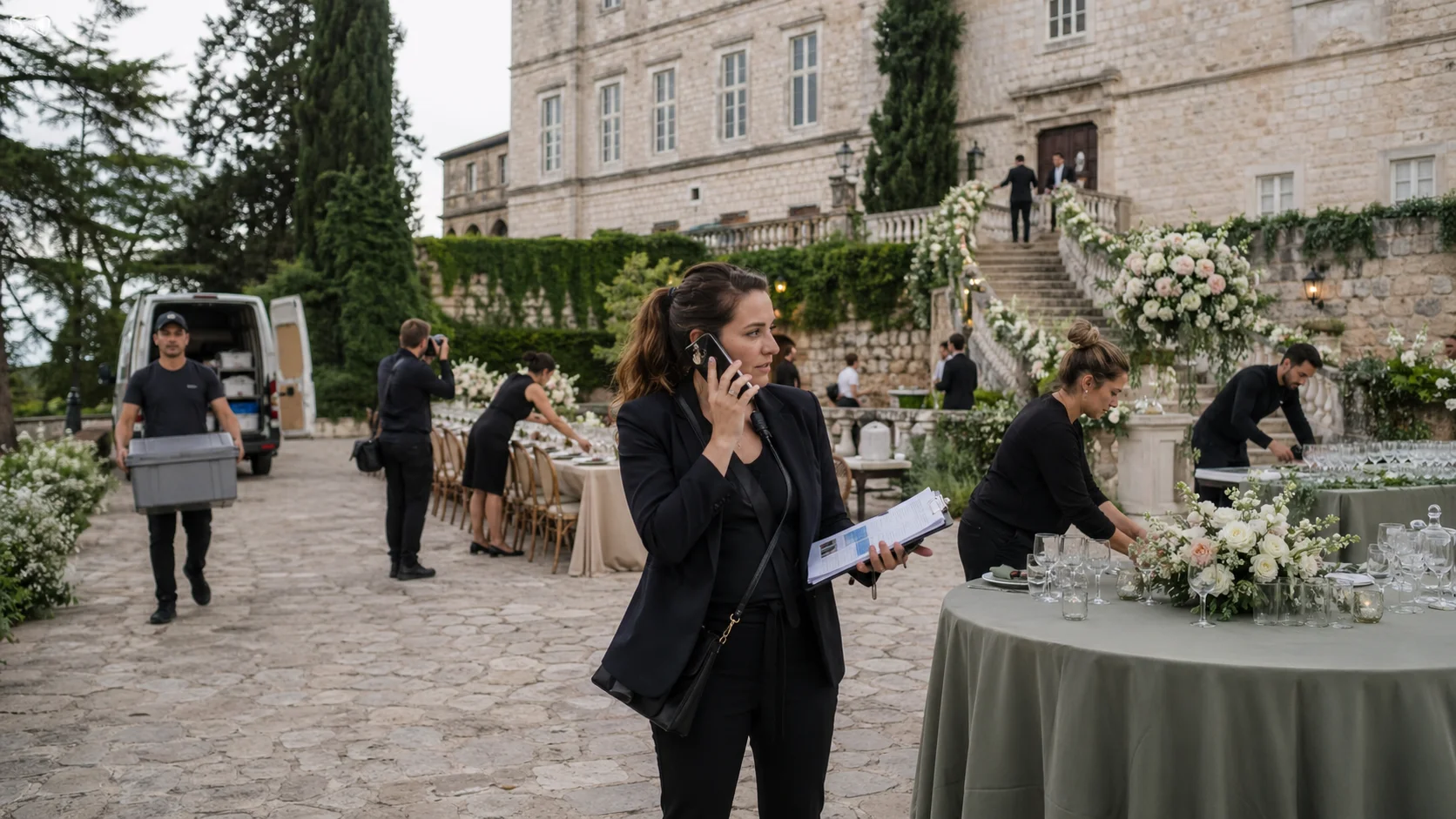
Vendor Contact Checklist: Who Needs to Reach Whom When the Day Starts Moving
A wedding contact list is not the same thing as a wedding communication plan. Once the day starts moving, what matters is not only who is involved, but who should contact whom, for what reason, and at which moment.

After the Wedding Abroad – Registering a Marriage in the Home Country
Many weddings take place outside the couple's home country. Civil ceremonies in small town halls. Beach weddings organized by local planners. Quiet registry offices during travel. After returning home the administrative part appears again. The celebration is finished, the paperwork is not.
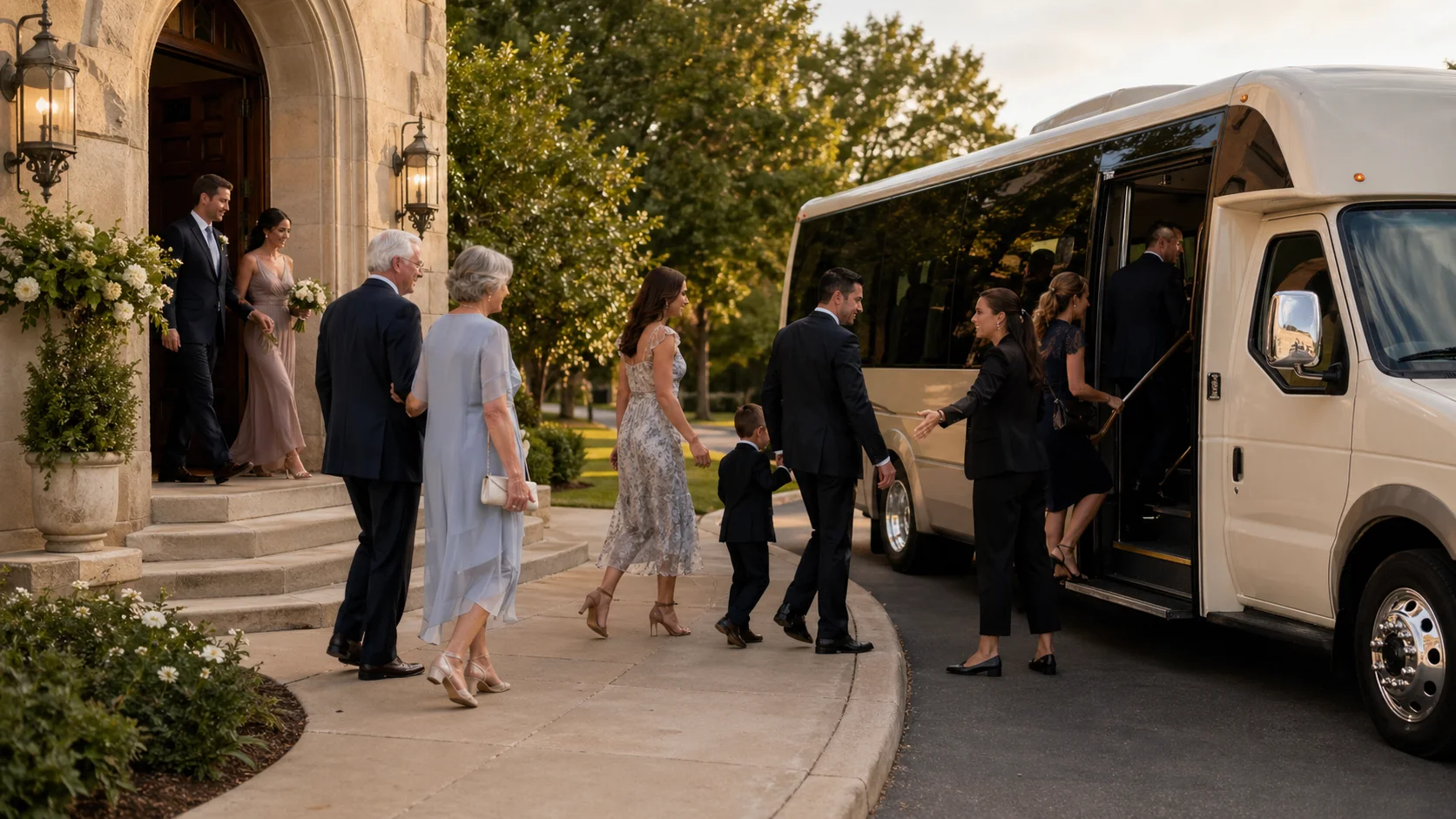
Transportation Checklist: How Not to Lose Time Between Wedding Locations
Wedding transportation is rarely only about the drive. This article looks at pickup points, buffers, driver contacts, guest movement, accessibility, and the pause between locations that either keeps the day together or quietly costs time.
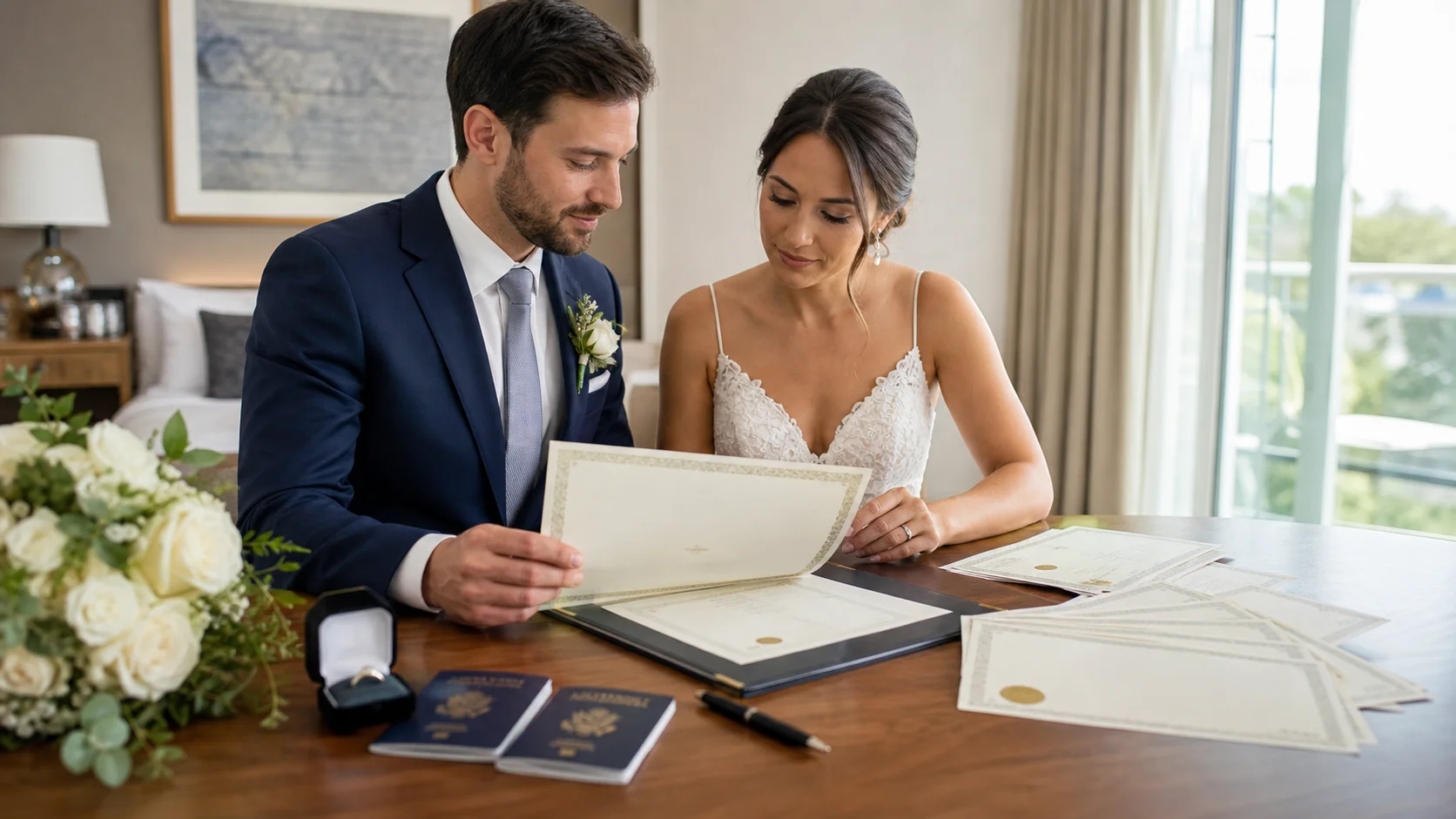
Marriage Certificate Checklist: Why One Document Keeps Returning After the Wedding
A marriage certificate often feels like the final paper of the wedding, but it keeps returning in ordinary life. This article looks at certified copies, scans, translations, apostilles, name changes, travel, banking, insurance, and the quiet imprint one document leaves after the celebration.

Wedding invitation online – Clearly organized, personally connected
Digital wedding invitations have established themselves in practice as a reliable organizational tool. They consolidate information, facilitate feedback, and connect guests regardless of their location. A wedding website provides clarity, reduces coordination effort, and allows for flexible adjustments to the schedule. Key are clear content, an uncluttered design, and a personal approach. This turns a technical solution into a fitting start for a shared day.
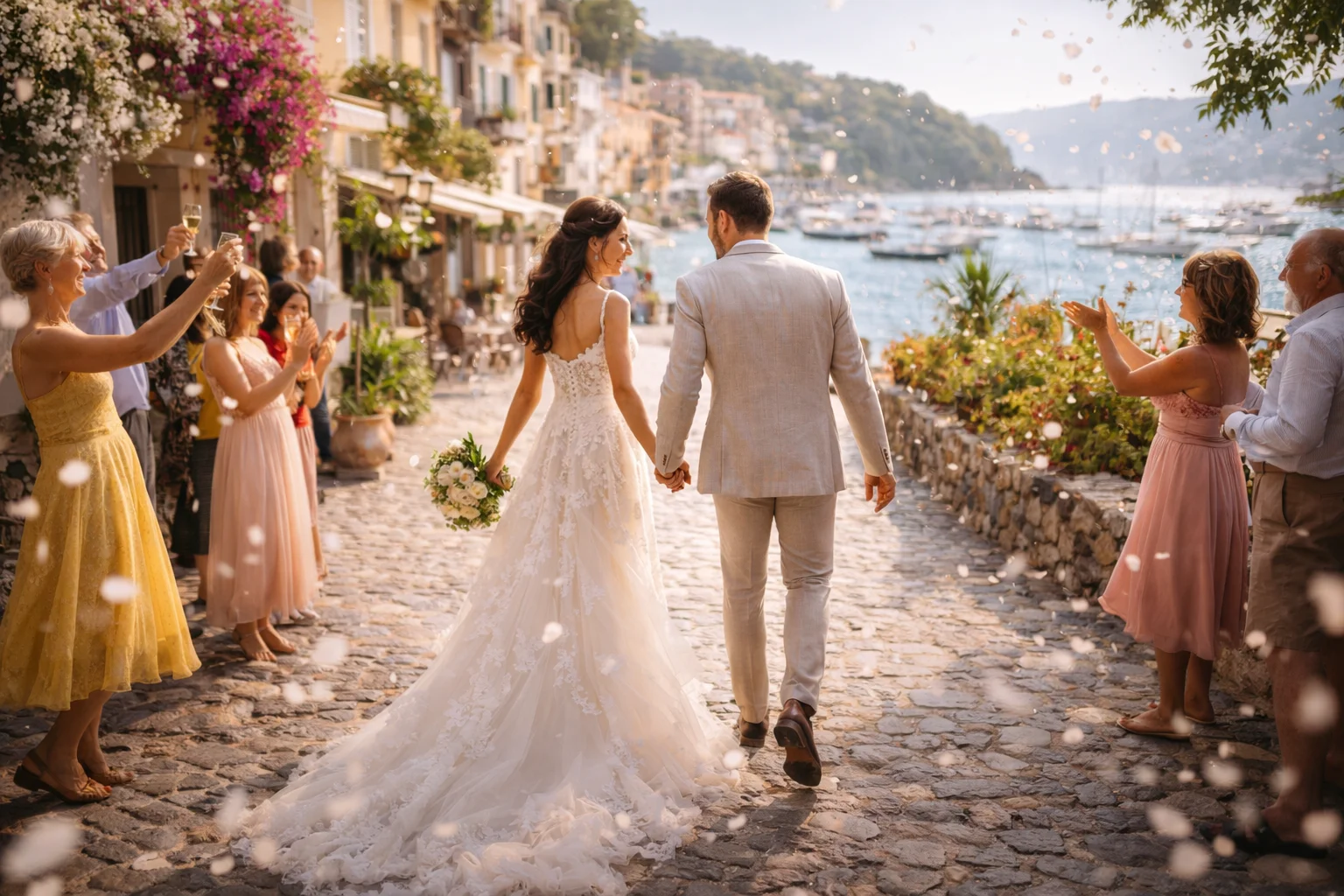
After the Wedding Abroad: A Legal Checklist for What Happens Once the Ceremony Is Over
A wedding may feel complete when the ceremony ends, but legal reality often continues afterward. This checklist helps couples understand what documents, registrations, translations, and confirmations may still matter after a wedding abroad, when the ritual is over but the administrative part has not yet disappeared.
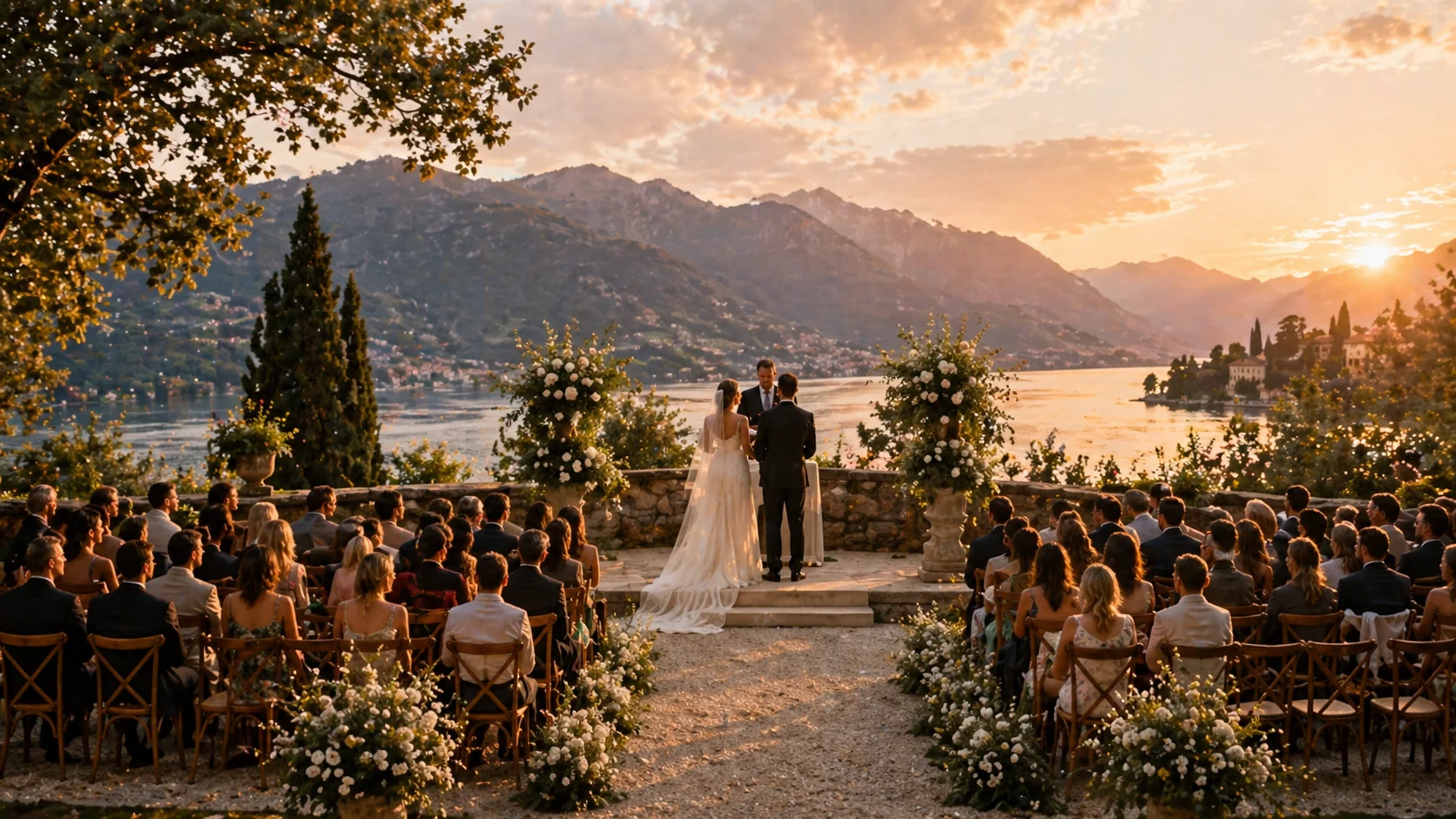
Ceremony Transition Checklist: What Should Be Ready Before Attention Has to Gather
Ceremony transitions often seem brief on paper, but they carry the difficult shift from movement into shared attention. This article looks at what needs to be ready before that moment arrives, from seating and sound to cues, stillness, and the quieter emotional readiness of the room.
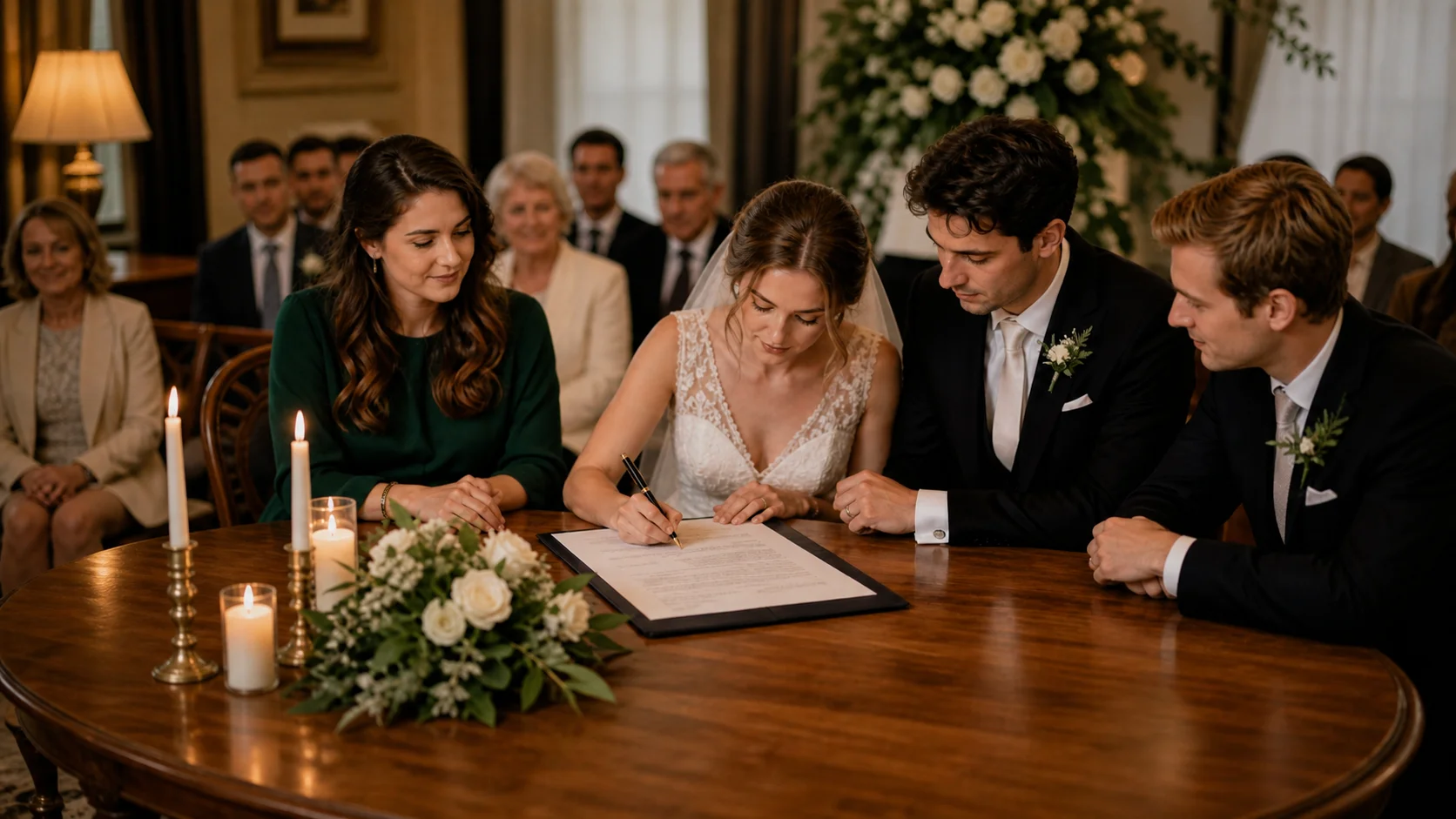
Witnesses and Signatures: The Small Legal Moment Guests Often Misunderstand
The signing moment at a wedding can look like a brief pause, but it carries both legal and symbolic weight. This article looks at witnesses, document requirements, signing tables, visibility, ceremony flow, and how a small official act can quietly become a ritual.
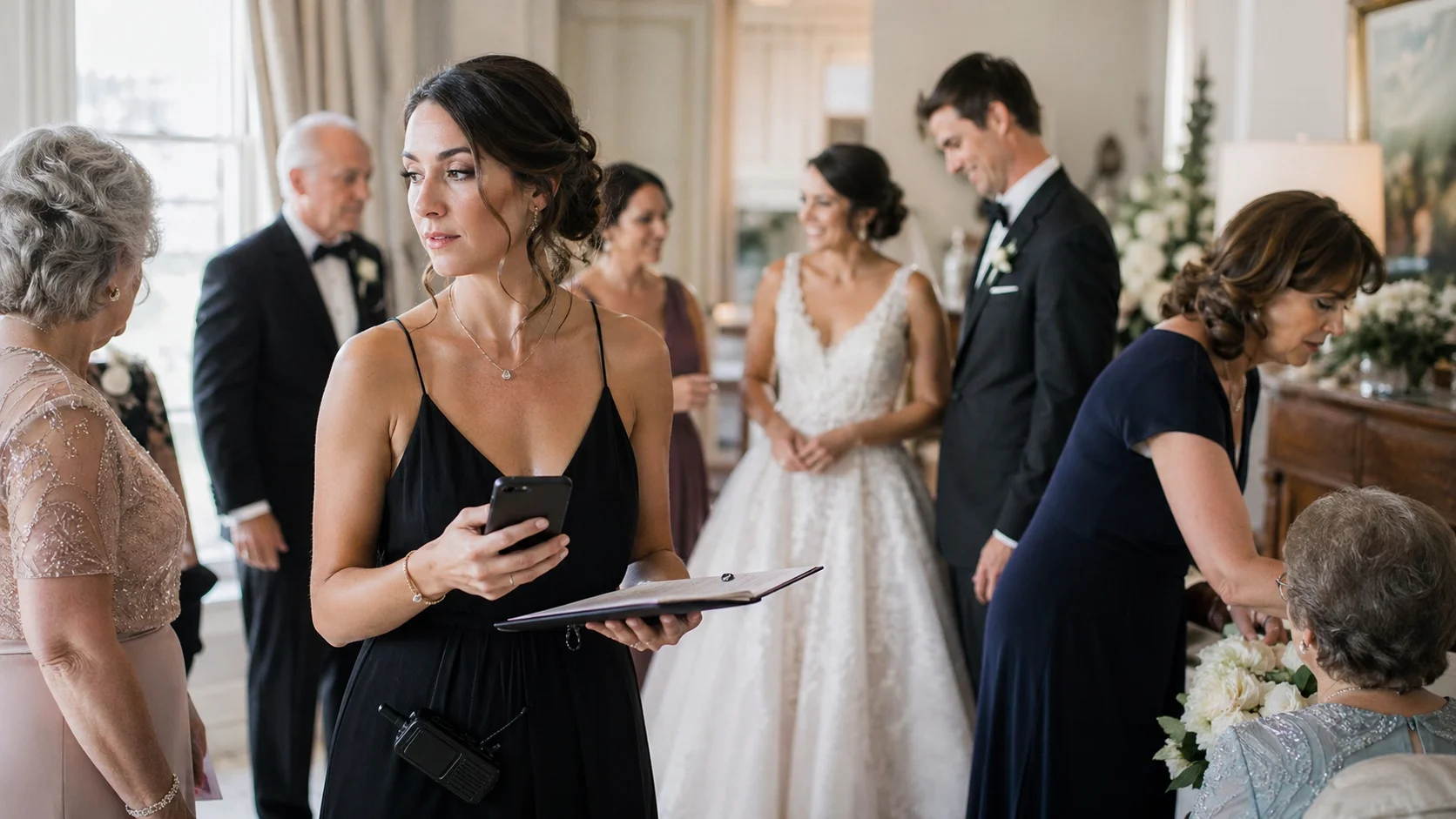
Emotional Load Checklist: Who Carries Too Much, and How to Notice It Early
Emotional load at weddings often hides behind competence. This article looks at who carries invisible responsibility, how to notice early signs of overload, and how to share care before one person quietly holds too much.
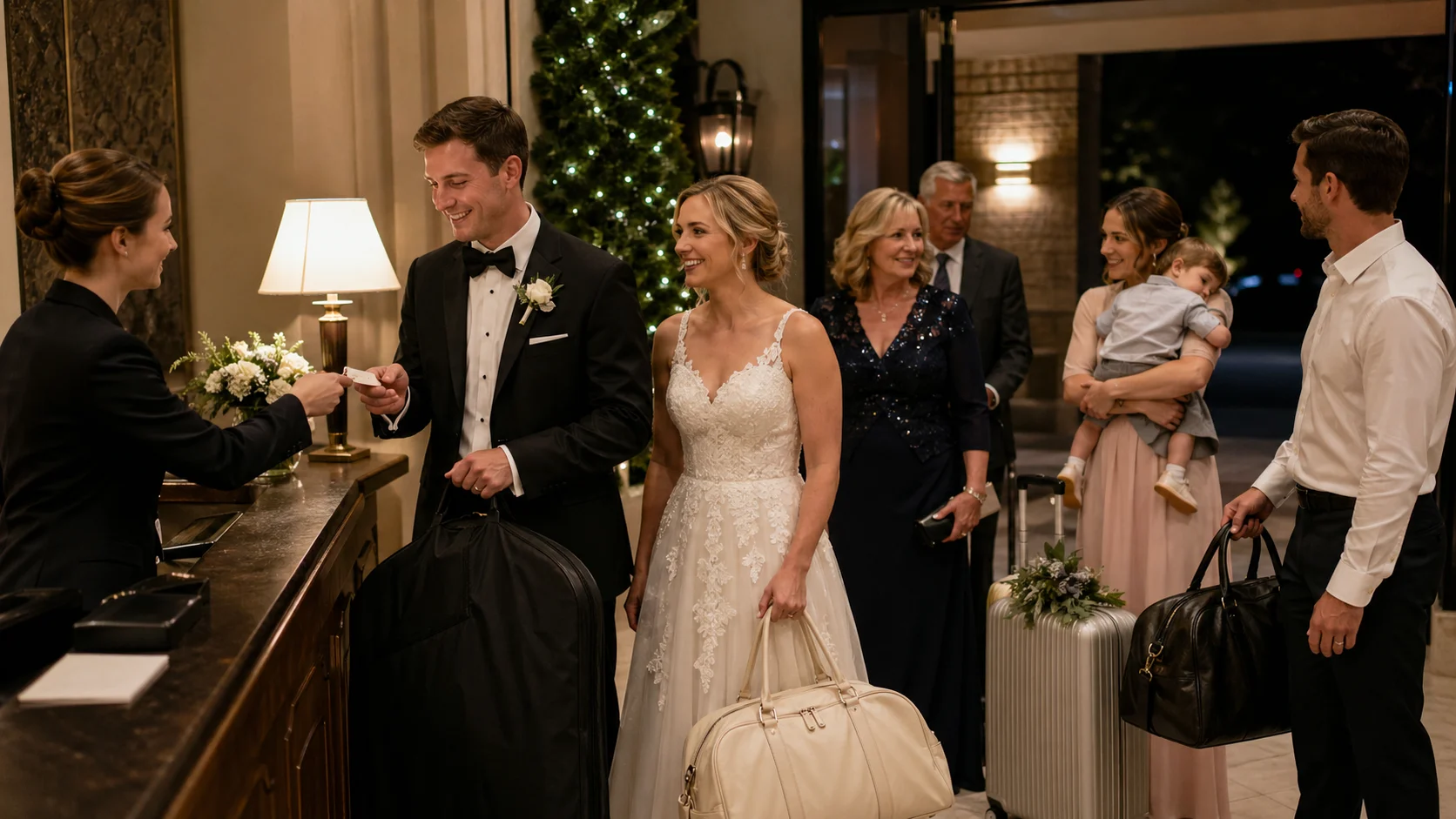
Overnight Stay Checklist: What Couples and Guests Often Realize Too Late
Overnight stays around weddings often seem solved once rooms are booked. This article looks at room access, bags, keys, transport, breakfast, checkout, and the late-night waiting moments couples and guests usually notice too late.

Wedding Morning Checklist: What Helps the First Hours Stay Calm
A wedding morning checklist helps protect the first hours of the day from avoidable stress. It keeps essential items, timing, room atmosphere, and communication clear, while leaving enough space for the morning to still feel calm and human.
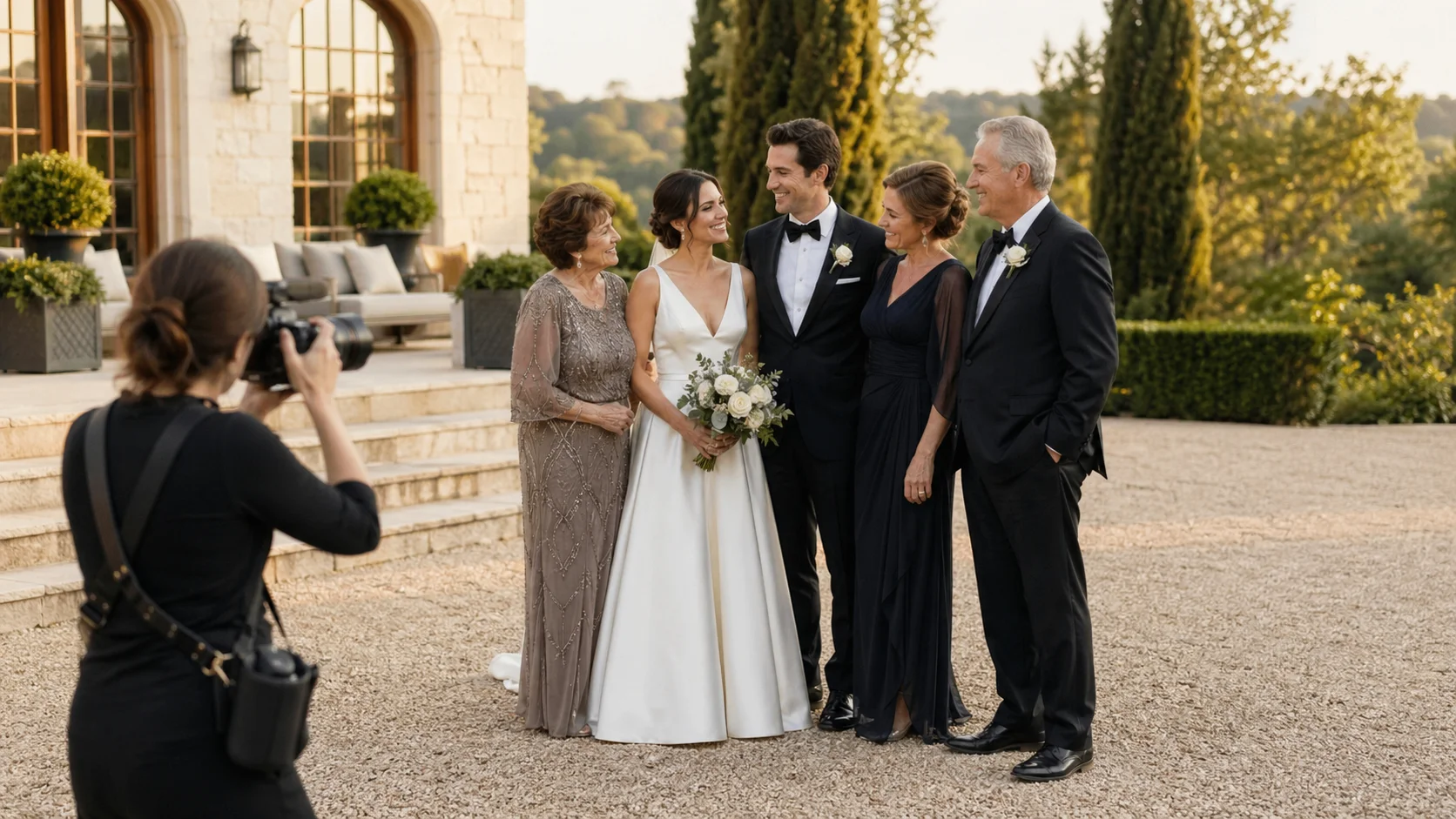
Photographer Coordination Checklist: What Helps Without Overdirecting the Day
Wedding photography needs enough coordination to protect the important images, but not so much direction that the day starts feeling staged. This article looks at shot priorities, family helpers, light windows, access, ceremony limits, and the space photographers need to notice real stories.