
Family Table Checklist: What Helps Mixed Generations Sit More Easily Together
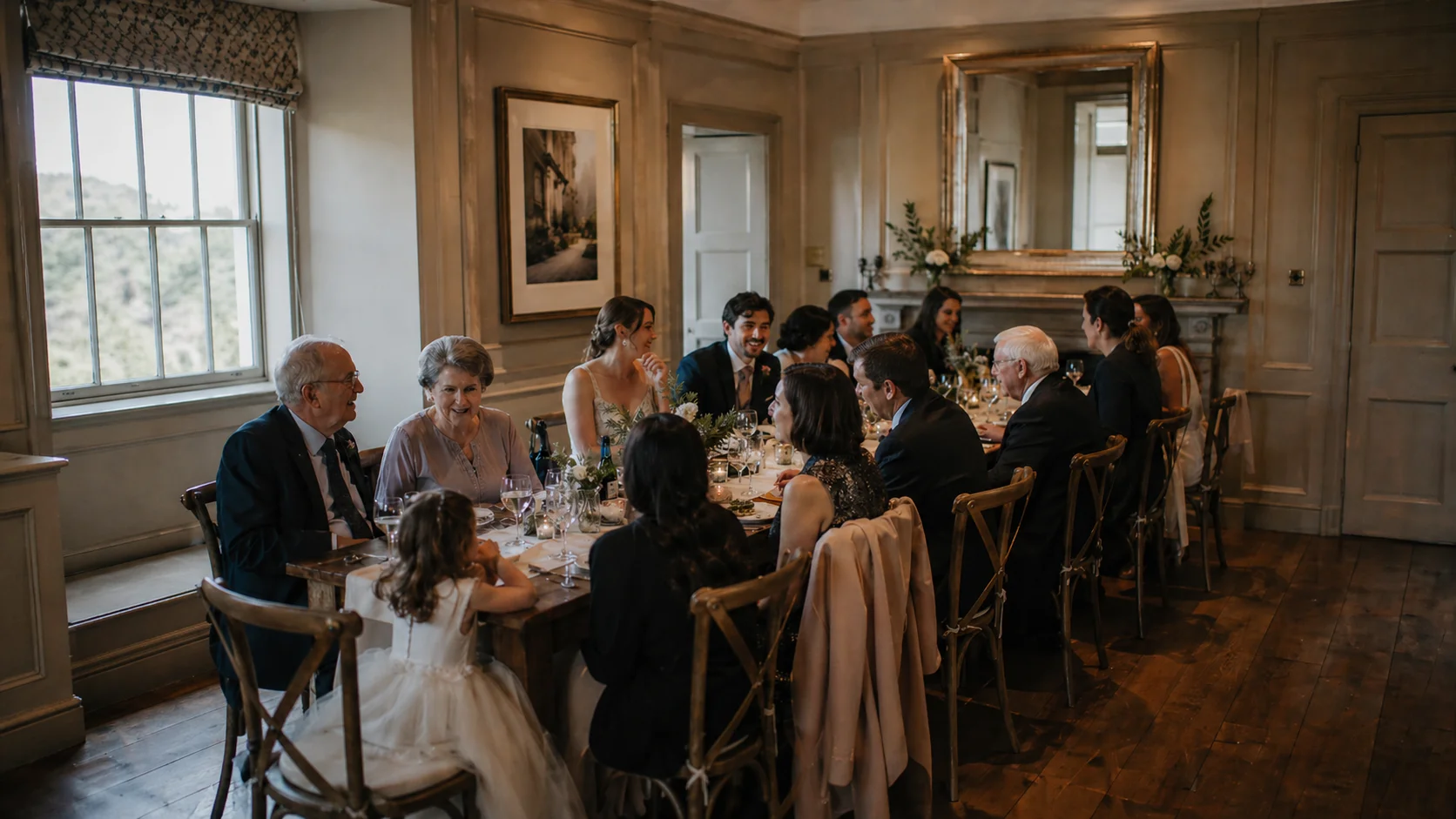
Family tables are often treated as a simple seating question. Put close relatives together, balance the generations, leave enough chairs, and the rest will follow. In practice, these tables carry more than names and place cards. They hold old loyalties, newer partners, different hearing ranges, uneven energy levels, familiar jokes, unresolved habits, and the quiet pressure of being one visible part of the wedding that is supposed to feel naturally together.
That does not mean family tables are fragile by definition. Many work beautifully. But they tend to work because someone has thought a little further than kinship logic alone. Good family seating is rarely about creating perfection. It is about reducing avoidable friction, giving conversation more than one possible route, and making sure no one has to carry the whole emotional atmosphere of the table by themselves.
Definition
A family table checklist is a practical way of deciding what mixed-generation seating needs before the wedding begins. It covers not only who sits where, but also conversational balance, physical comfort, mobility, hearing, emotional history, and the small structural choices that help relatives share a table more easily for several hours.
Do Not Seat Only By Category
One of the most common mistakes in wedding seating is building a family table entirely by role: parents together, grandparents together, siblings together, partners added at the edges. It looks tidy from above and can feel static in practice. A stronger checklist asks who actually helps conversation move. Sometimes that means mixing one easier talker into a quieter branch of the family, placing a newer partner beside someone warm rather than merely age-adjacent, or avoiding pairings that share history but not comfort. Family tables need social oxygen, not just genealogical order.
Physical Ease Matters More Than People Admit
Mixed generations do not experience a table in the same way. Older relatives may need easier access, more stable chairs, lower sound pressure, better sightlines, and less twisting to follow conversation. Younger adults may stand and sit more often. Children may move in and out. A planner who works many family-heavy weddings once said that discomfort often gets misread as emotional distance. Sometimes the problem is simpler than that: one guest cannot hear, another cannot get up easily, and the table starts feeling strained for reasons no one names.
Checklist – CategoryA wedding checklist helps you stay organized and ensures that no important detail is overlooked. From early planning steps to last-minute preparations, it provides a clear overview of what needs to be done and when. With a well-structured checklist, you can plan your wedding with confidence, reduce stress, and enjoy the journey toward your big day.
Do Not Ignore Emotional Labor At The Table
Some family tables work outwardly because one person is quietly holding them together. It may be a sister who fills every silence, a mother who keeps switching topics before tension settles, or a partner who performs warmth for people they barely know yet. Seating should not assume that these people will absorb the whole social burden of the meal. If one chair placement depends on someone managing everyone else, the arrangement is weaker than it looks. Good planning spreads the work of ease more fairly across the table.
Leave Room For Newer Relationships To Enter Naturally
Weddings often bring together people who are technically family, but not yet socially easy with one another. New partners, step-relatives, divorced parents with changed constellations, relatives meeting after a long time, younger adults returning in a different life stage. These people usually need seating that allows them to enter the table gently rather than perform instant closeness. That may mean giving them one familiar anchor nearby, avoiding over-symbolic placements, and making sure the table can support more than one conversation at once.
Every Family Table Already Carries A Story Before Dinner Starts
The deeper connection to stories lies here. Family tables are never neutral surfaces. They are places where memory arrives before the first course does. Certain chairs feel loaded. Certain seatings repeat old patterns. Certain absences are visible even when no one mentions them. That is why seating plans for mixed generations should not aim for symbolic perfection. They should aim for liveability. A family story does not disappear because of a place card, but a better arrangement can keep that story from hardening into the whole atmosphere of the table.

Stories are where ideals meet reality. They do not explain love — they show how it is lived, carried, tested, and remembered over time.
Conclusion
A good family table checklist does not try to erase complexity. It decides what can be made easier before people ever sit down. When seating goes beyond role labels, takes physical reality seriously, avoids overloading one person with social maintenance, and respects the stories already present in the room, mixed generations usually settle more naturally together. That is often enough. Family tables do not need to be flawless. They need to be possible in a humane way.
Related Articles
A Calm Structure for Wedding Planning
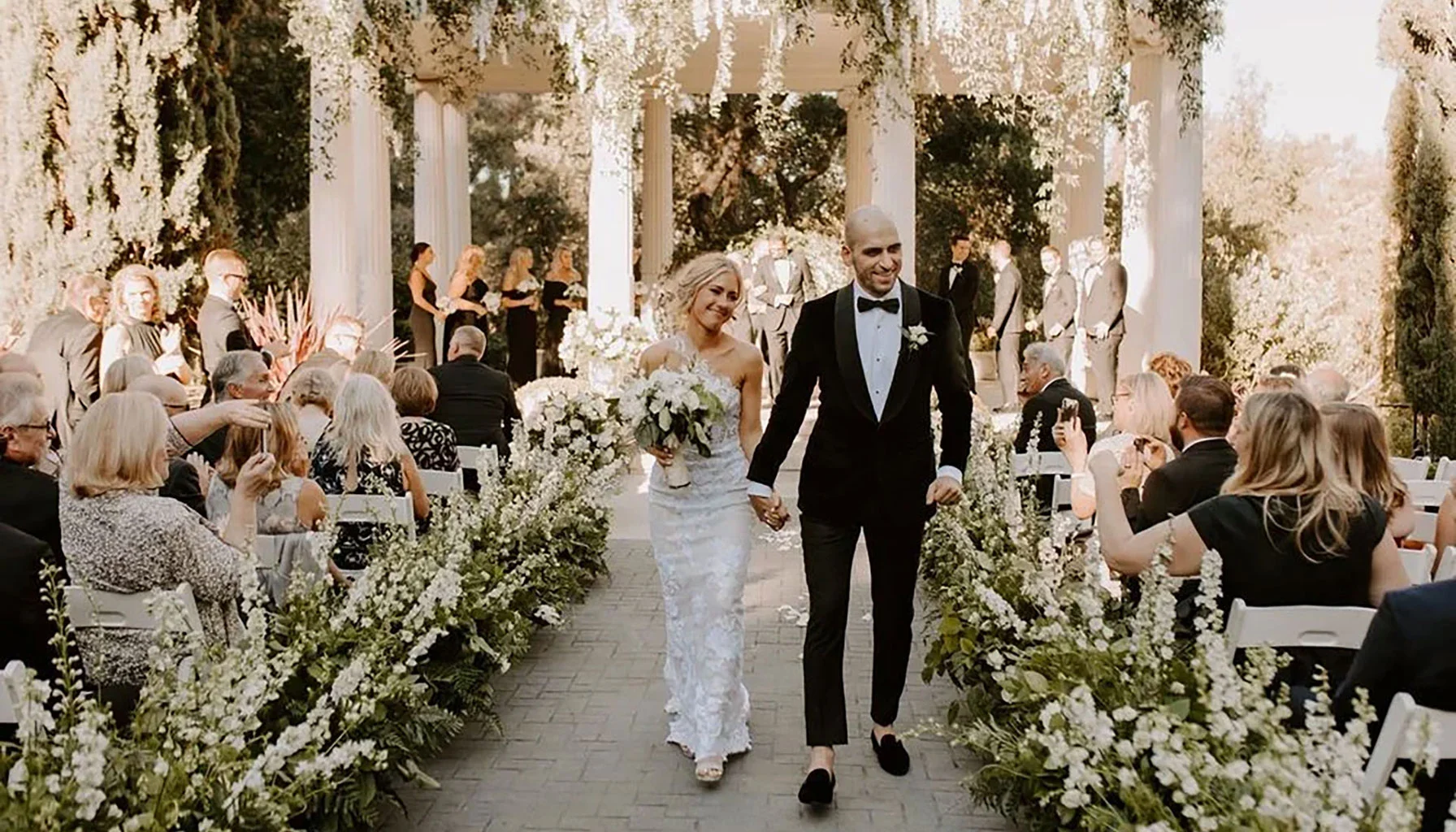
The text follows wedding planning as it usually takes shape. Not in a straight line, but with continuity. Decisions emerge, shift, and settle. The overview provides a calm structure that supports the process without directing it, leaving room for individual choices.
What Legal Documents Know, and What Marriage Learns Later
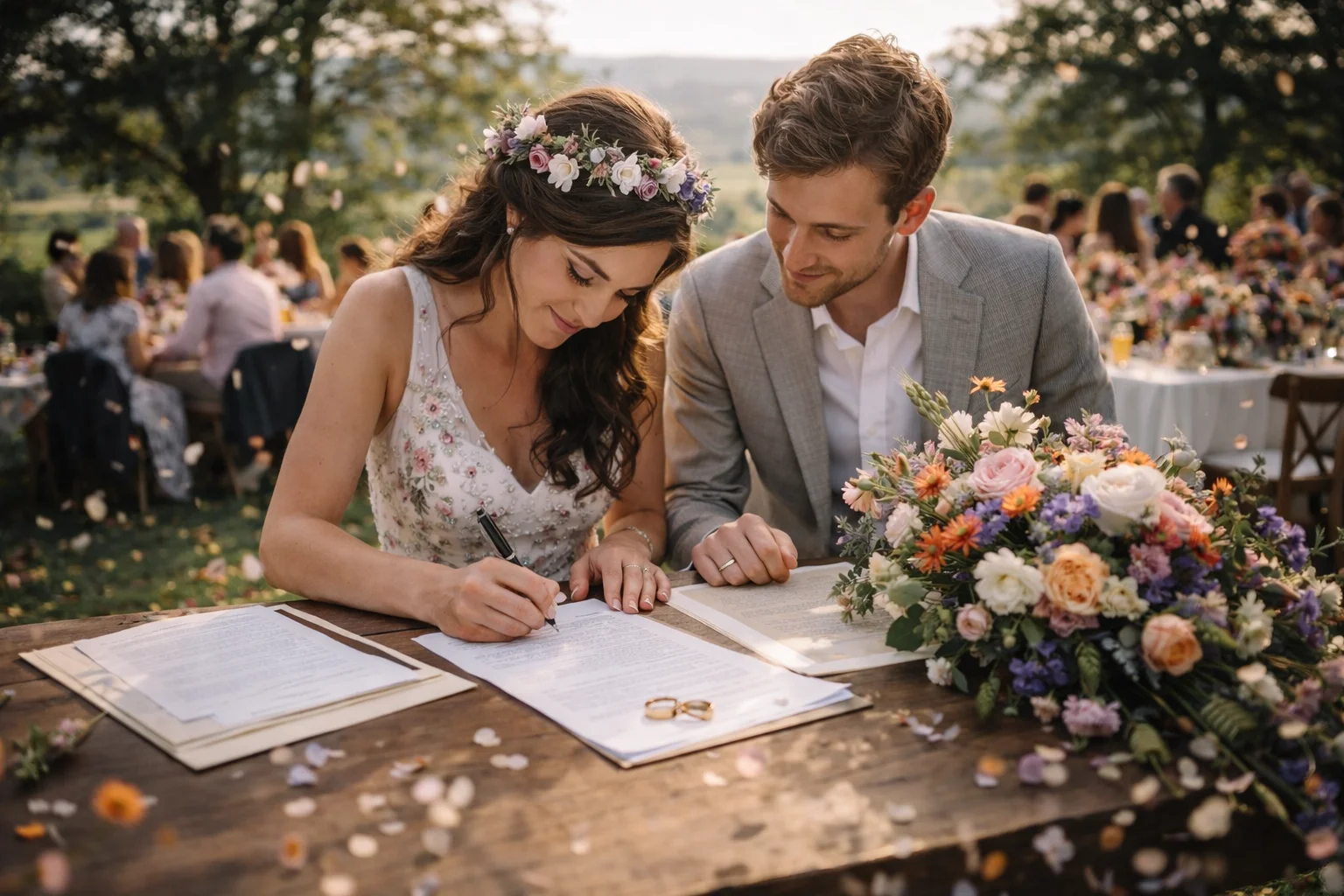
A wedding can be filed, certified, and recorded, but that is only one version of what has happened. The legal documents matter because they give the marriage standing in the world, while the story begins in the quieter space that no form can fully describe.
Wedding Dinner Flow Checklist: What Keeps the Room Together Between Courses
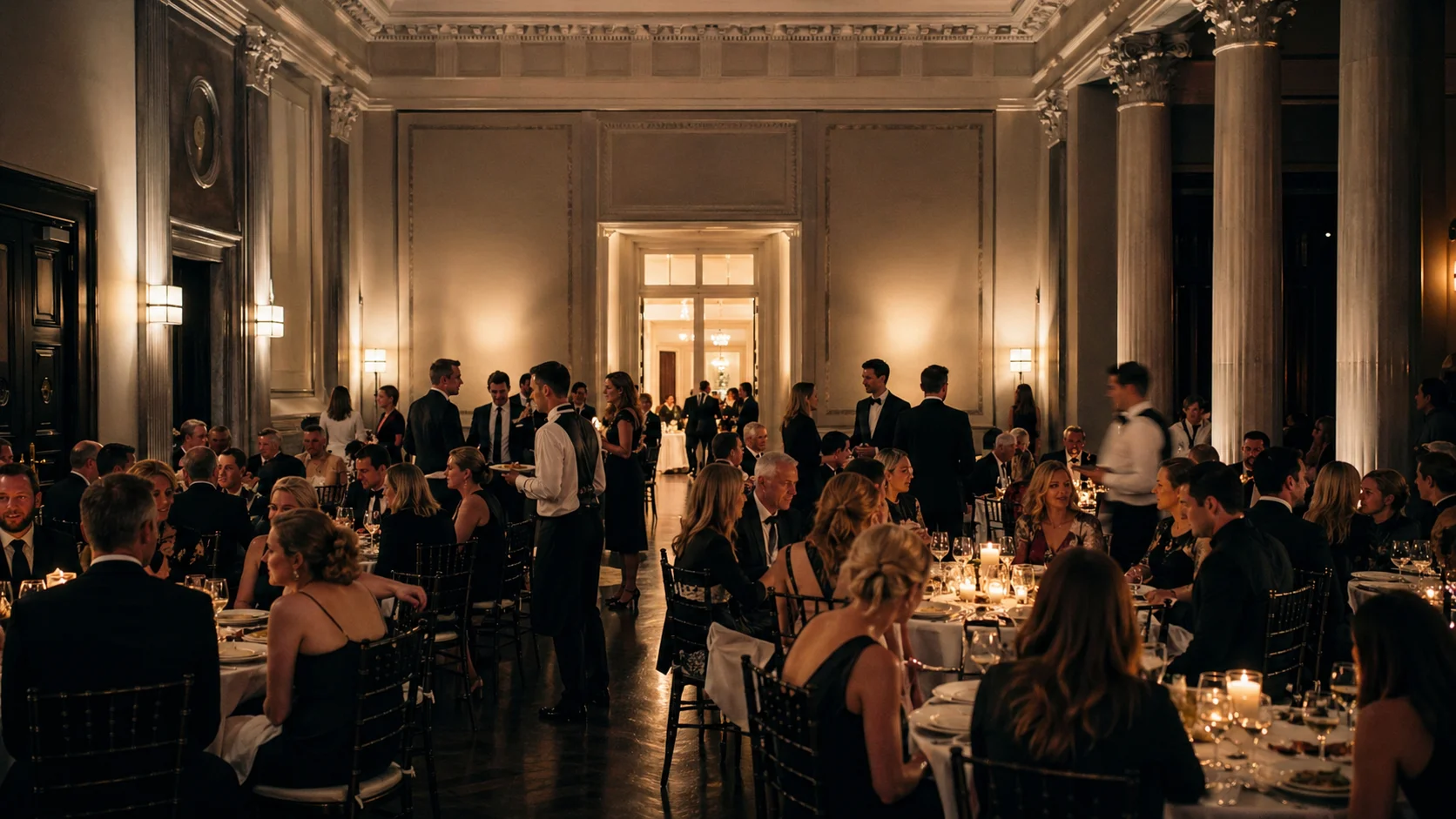
Wedding dinners usually drift or hold together in the moments between courses, not during the food itself. This article looks at service rhythm, guest movement, music, speeches, and the small in-between conditions that keep the room socially connected.
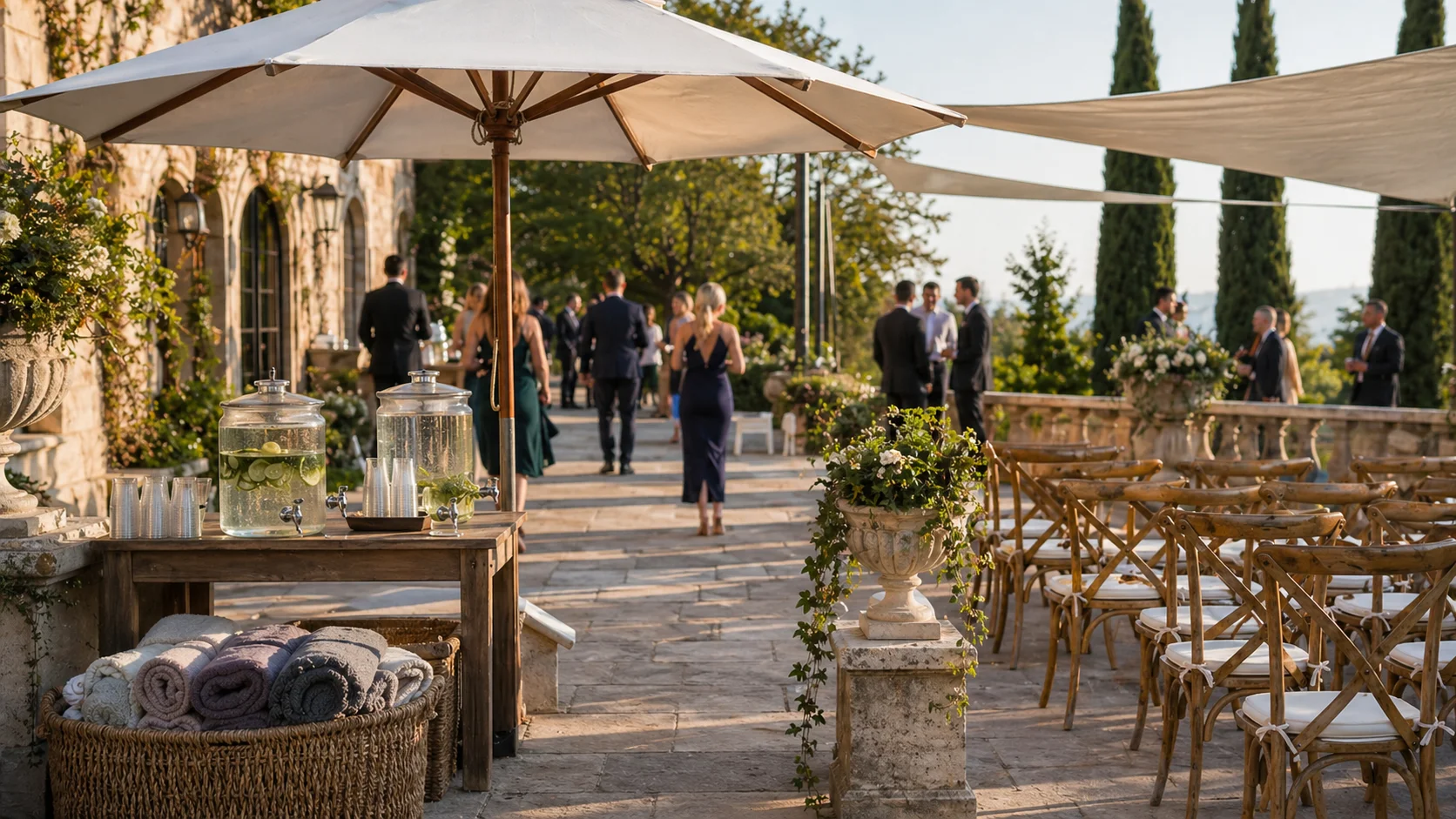
Backup Checklist for Outdoor Weddings: Shade, Wind, Cold, and the Things People Forget
Outdoor wedding backup plans are not only about rain. This article looks at shade, wind, cold, ground conditions, paths, loose details, guest comfort, and the small weather traces that shape how an outdoor celebration is remembered.
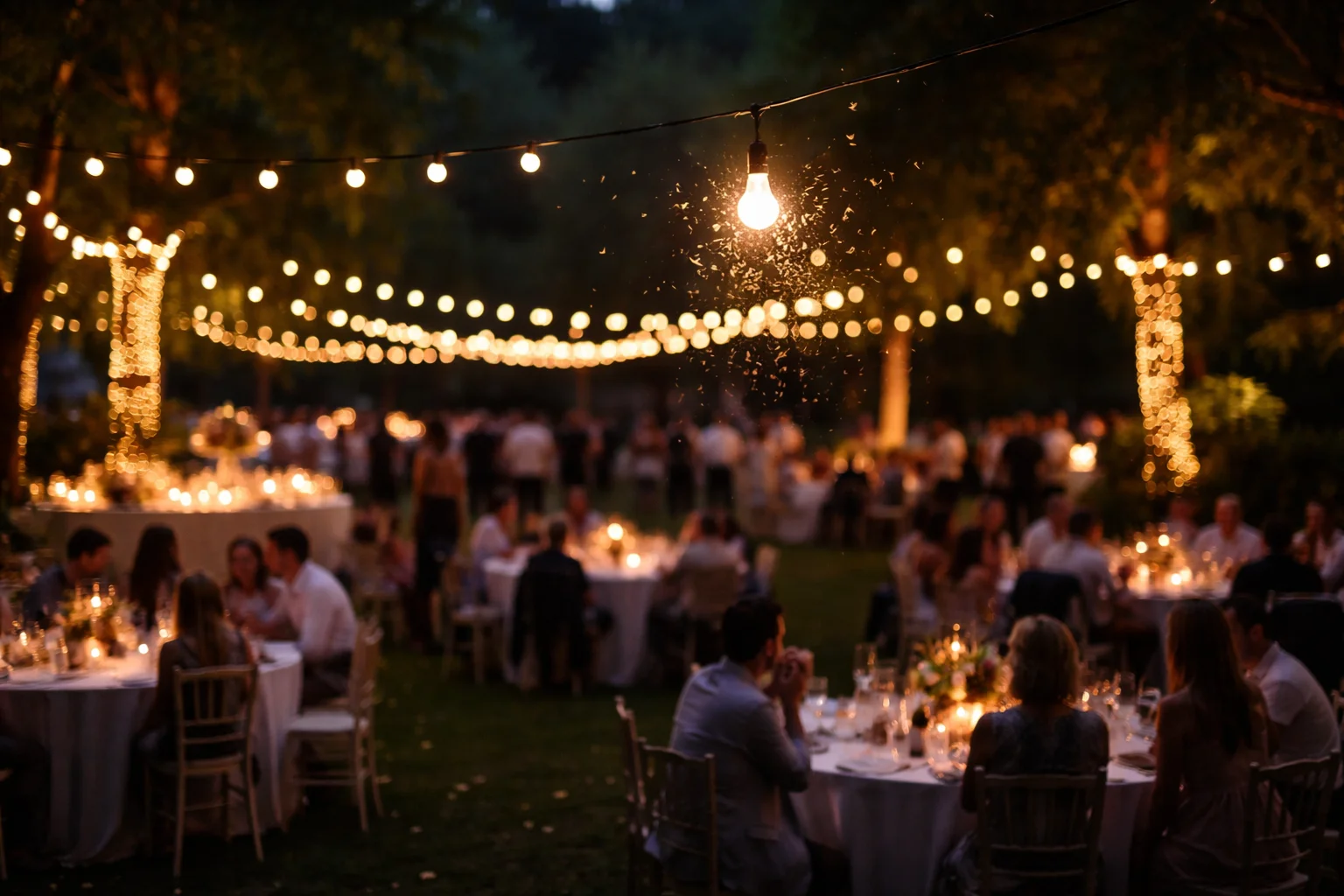
Insects Around Light Sources at Weddings
Outdoor weddings shift once the light fades. What looked calm in late afternoon starts to move differently. Lamps switch on, strings of bulbs hum a bit, faces turn toward brighter spots. And then, slowly, insects begin to show up. Not all at once. Just a few at first, easy to miss.
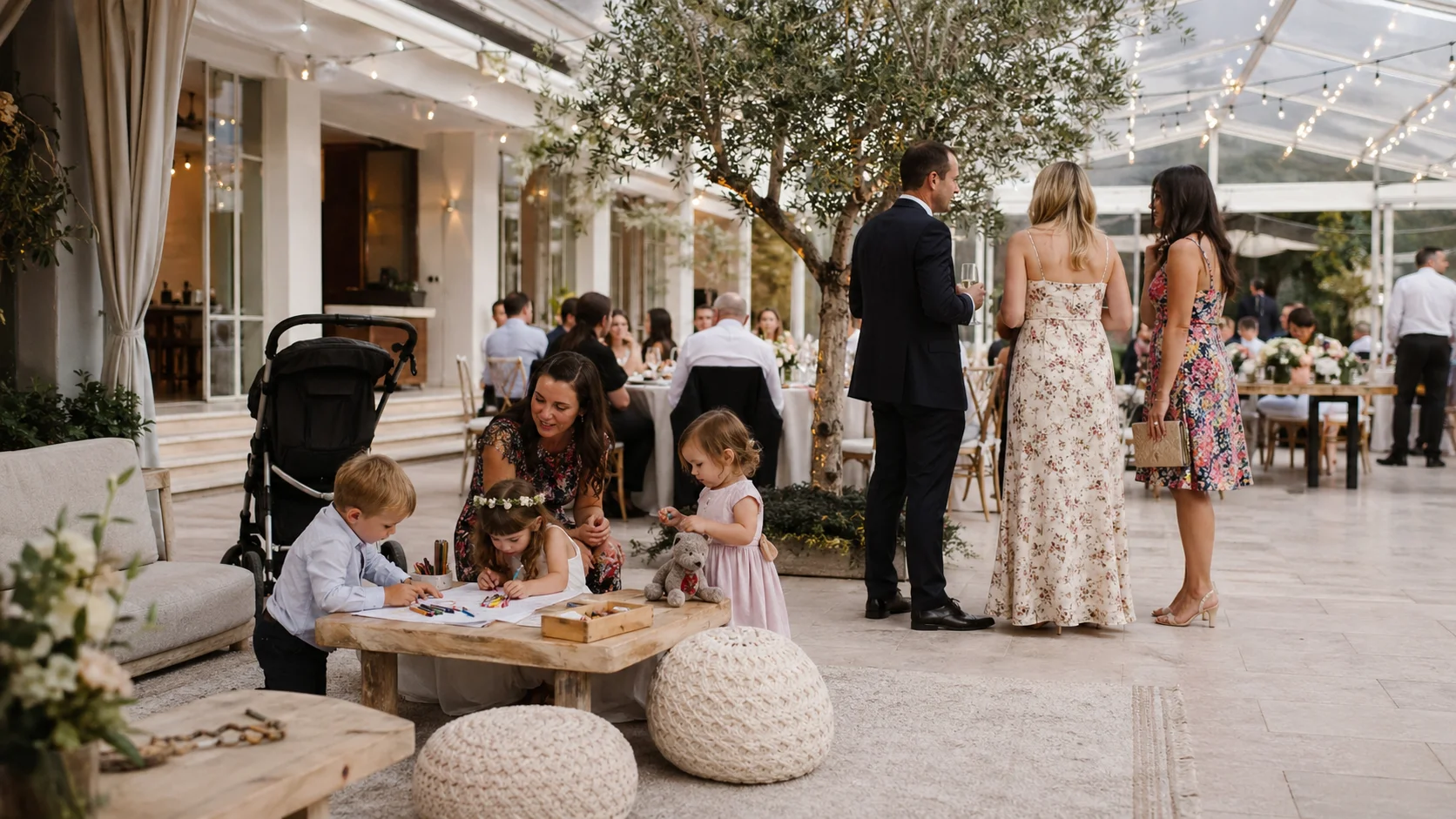
Kids at Weddings Checklist: What Helps Families Stay Longer Without Strain
Families with children usually leave weddings early for a series of small reasons rather than one big one. This article looks at what helps them stay longer with less strain, from food timing and retreat spaces to quieter transitions and the simple need for relief.
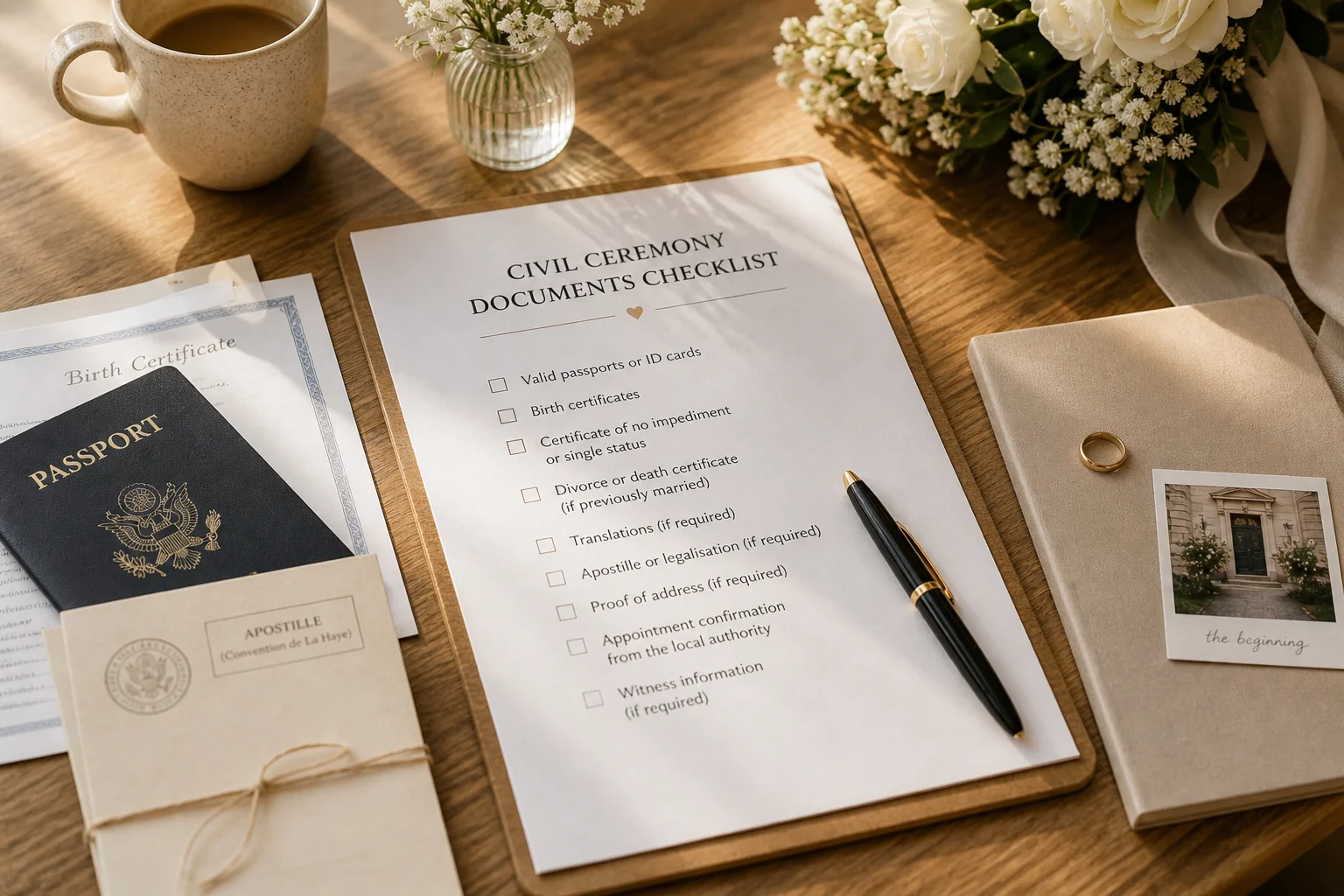
Civil Ceremony Documents Checklist: What Couples Usually Need Before the Wedding Can Happen
A civil ceremony may look simple, but it depends on documents being accepted before the public moment can begin. This article looks at identity records, marital status proof, translations, apostilles, witnesses, appointment rules, and the quiet legal threshold before the ceremony.
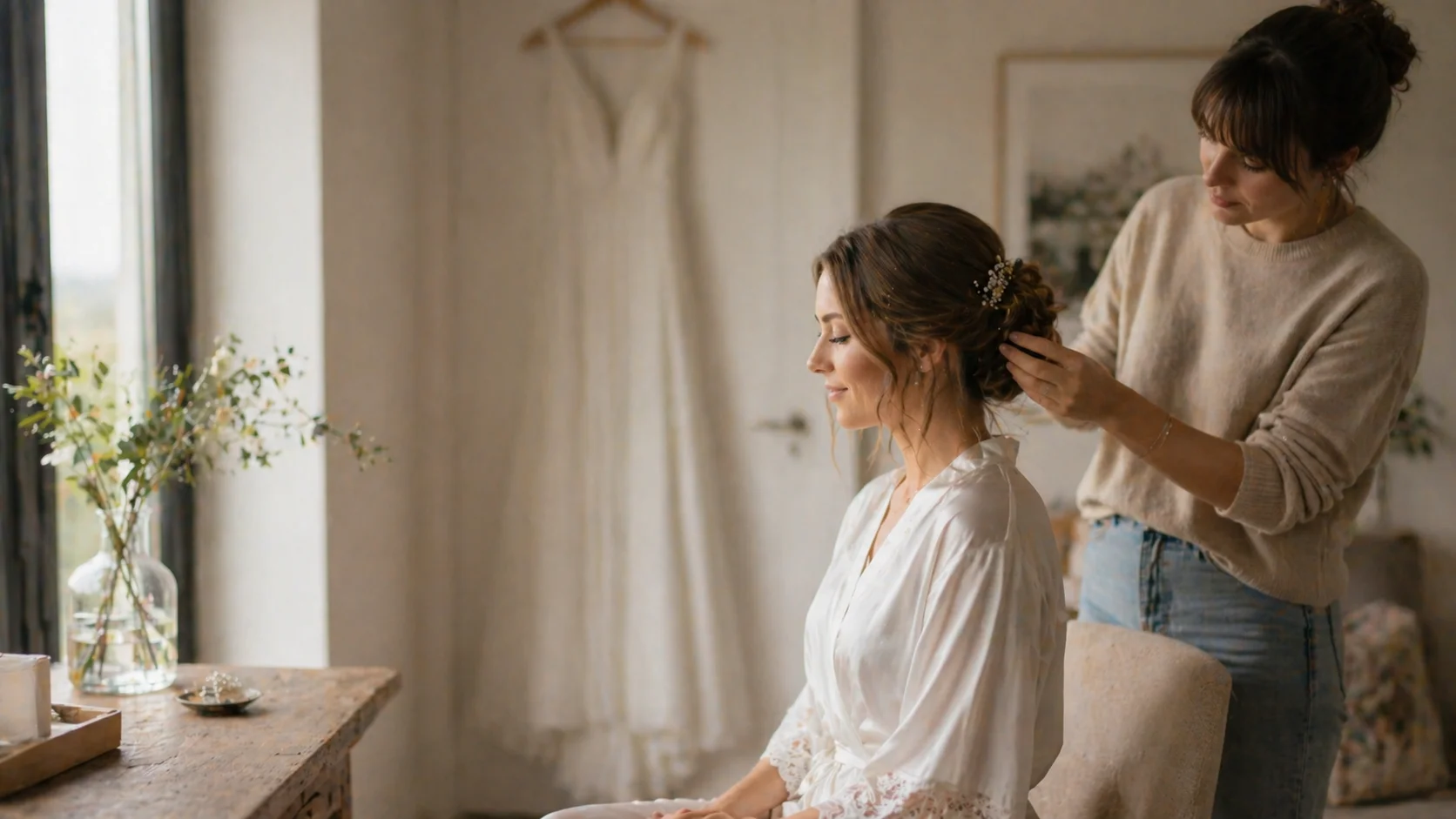
Bridal Getting-Ready Room Checklist: Light, Surfaces, Noise, and Movement
A bridal getting-ready room does more than hold hair, makeup, and dresses. This article looks at light, surfaces, noise, movement, privacy, and the quiet traces the room leaves on the morning before the ceremony.

Wedding invitation online – Clearly organized, personally connected
Digital wedding invitations have established themselves in practice as a reliable organizational tool. They consolidate information, facilitate feedback, and connect guests regardless of their location. A wedding website provides clarity, reduces coordination effort, and allows for flexible adjustments to the schedule. Key are clear content, an uncluttered design, and a personal approach. This turns a technical solution into a fitting start for a shared day.
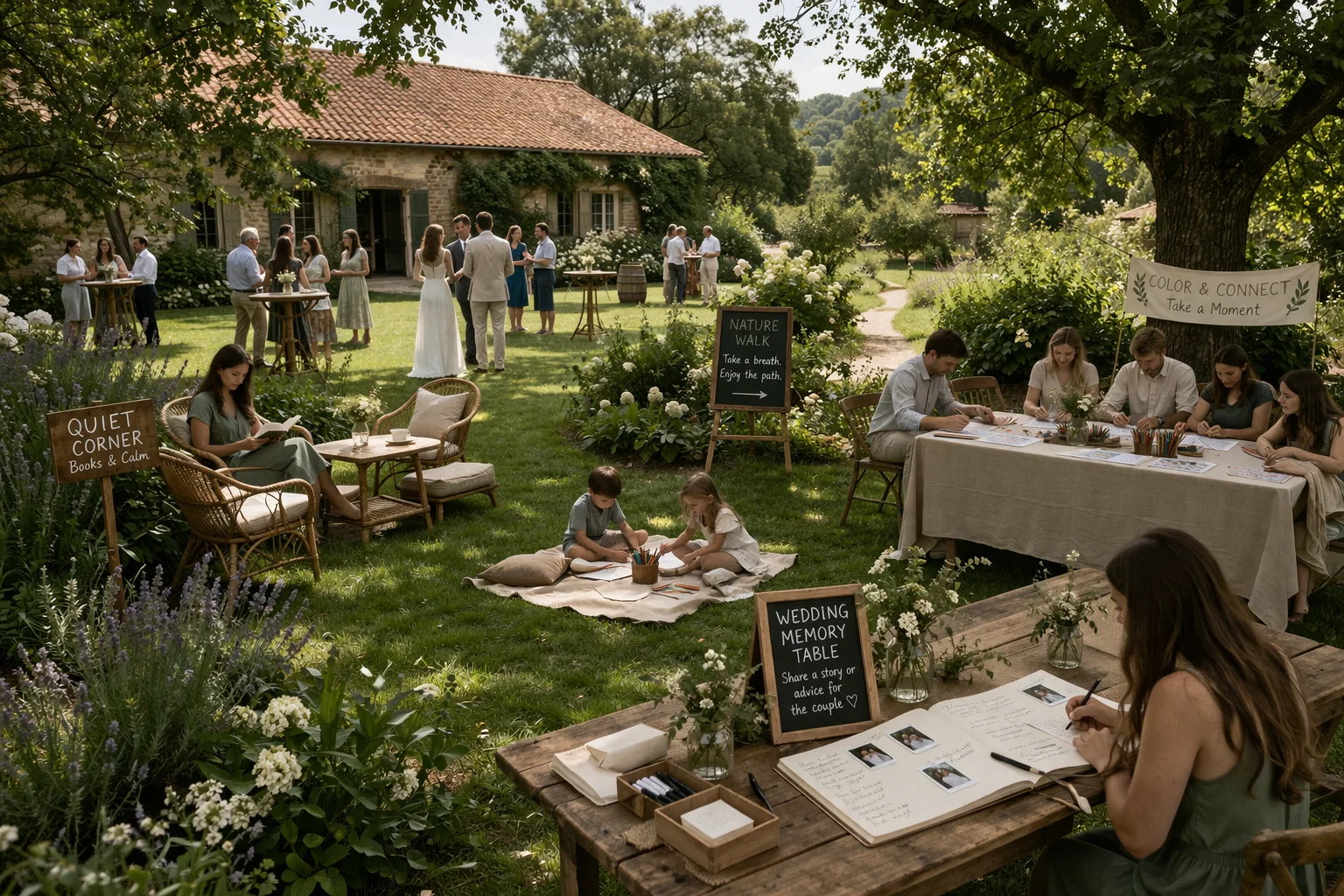
Quiet Wedding Activities for Introverted Guests
Not every wedding guest wants to fill the room with energy. Some feel most present in quieter moments, smaller conversations, and activities that do not demand performance. This article explores thoughtful wedding activities for introverted guests and why those quieter choices often create the most lasting stories.
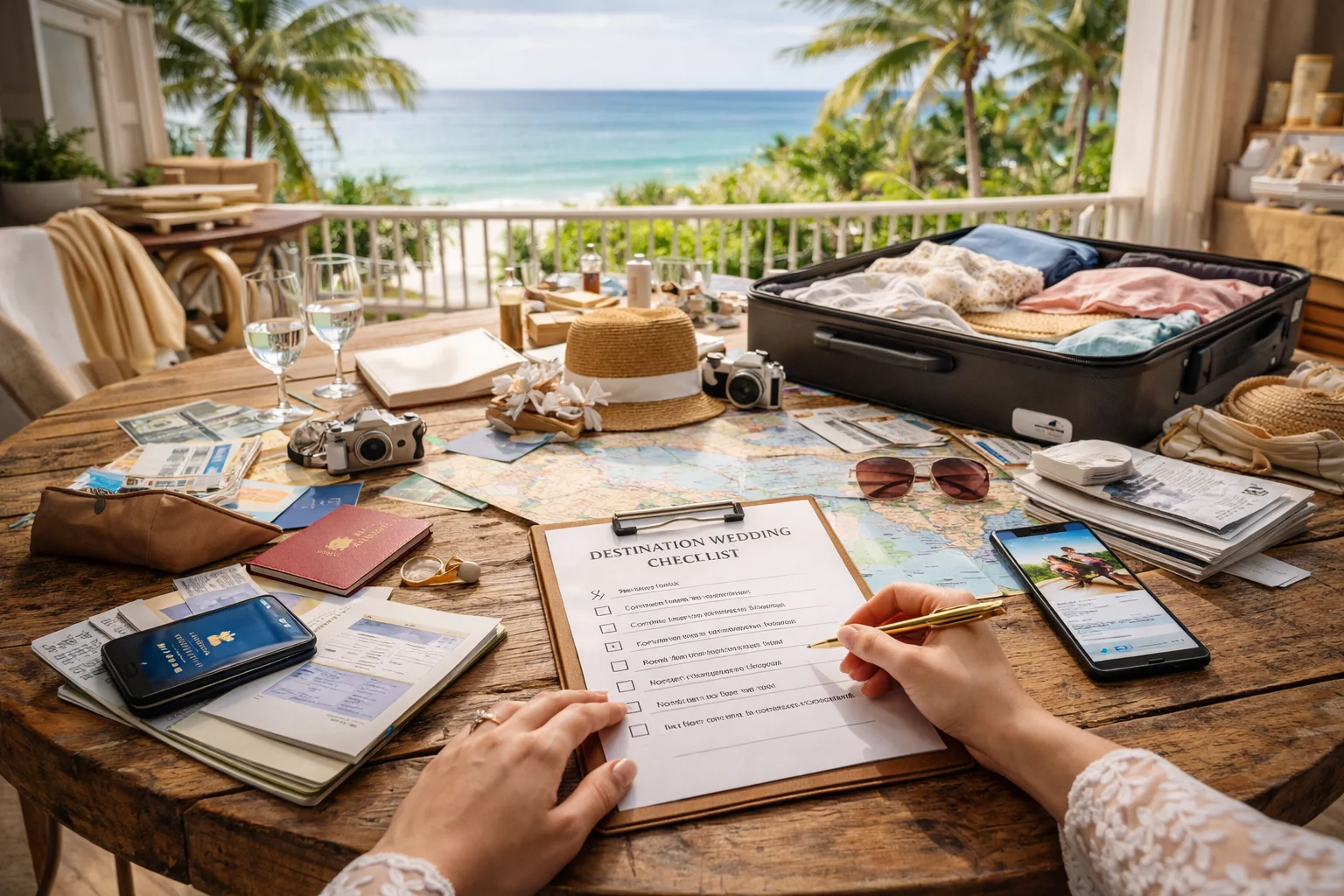
Destination Wedding Checklist: What Changes When Travel Becomes Part of the Plan
A destination wedding is never only a wedding in another place. The moment travel becomes part of the plan, the guest list, the schedule, the budget, the emotional pressure, and even the meaning of attendance begin to change. This article looks at what a destination wedding checklist really needs to cover and why travel turns a wedding into a lived story long before the ceremony begins.
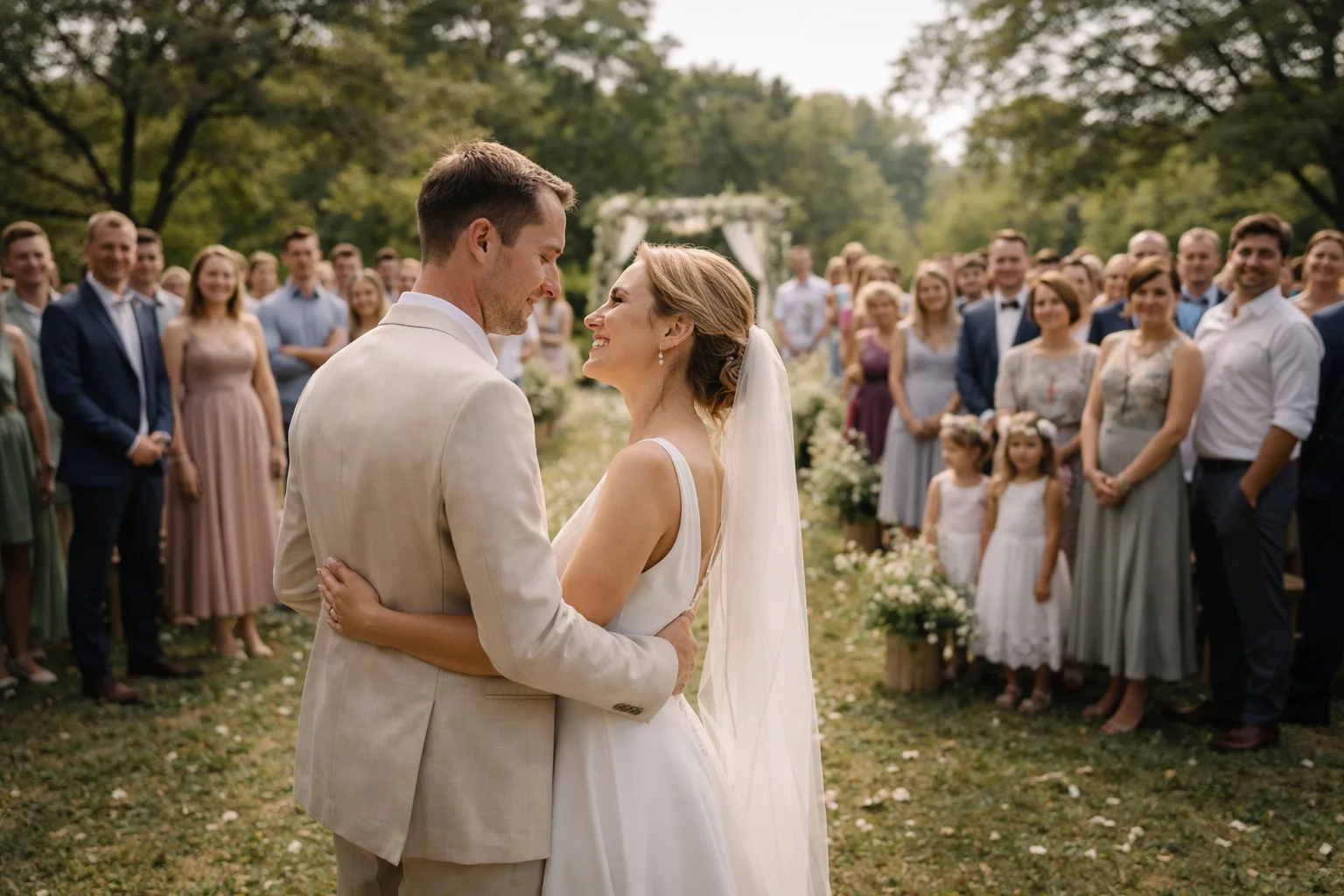
How Kids Change Formal Wedding Moments — and How to Plan for It
hildren change the atmosphere of formal wedding moments faster than most adults expect. They redirect attention, alter pacing, and reveal whether a ceremony, photo setup, or seating plan is flexible enough to hold real life. This article looks at how children affect formal wedding situations and how couples can plan for those shifts without losing the tone of the day.