
How to Make Wedding Lighting Feel Warmer and More Intentional
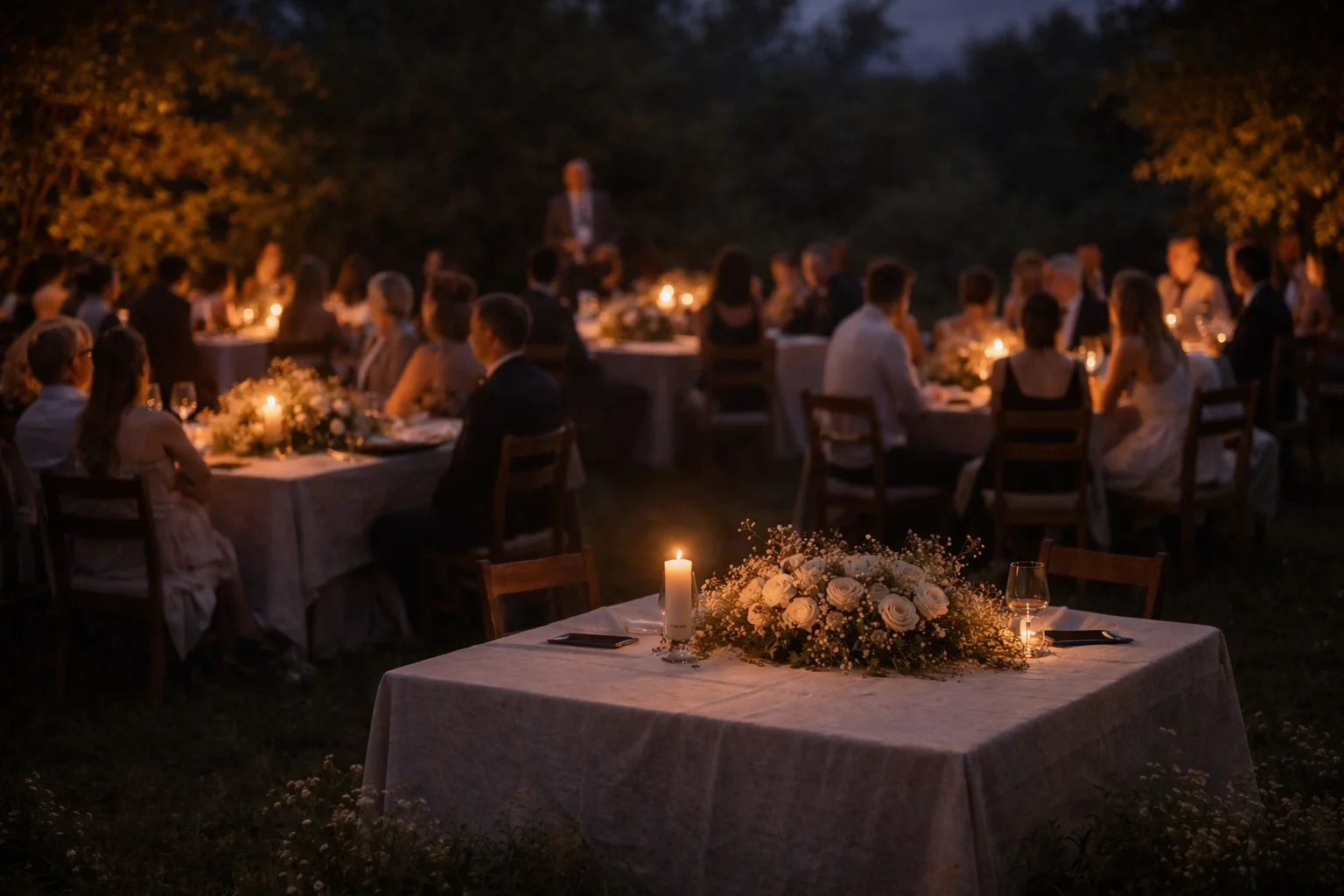
Lighting is usually one of the last elements couples think about, yet it is often the first thing guests feel when they enter a space. Before details are noticed, light has already defined the atmosphere. It decides whether a room feels open or contained, calm or overstimulated. This is why thoughtful wedding lighting is less about brightness and more about control.
There is also a quieter dimension to light. The most effective setups do not draw attention to themselves. They shape perception without being directly seen. This is where lighting connects to what is not said. It creates a background that influences emotion without explanation, allowing the ceremony to unfold without visual noise.
Lighting What Is Not SaidDefinition
Cozy wedding lighting is not defined by low brightness alone. It is created through controlled intensity, warm color temperature, and careful placement. The goal is to reduce visual stress while maintaining clarity and focus.
Lower the Contrast, Not Just the Light
A common mistake is simply dimming everything. This often creates flatness rather than warmth. What matters more is contrast. Soft transitions between light and shadow make a space feel calm. Harsh differences create tension. Indirect lighting and layered sources help smooth these transitions.
Use Warm Tones With Restraint
Warm light is essential, but too much can feel heavy or artificial. The goal is balance. A slightly warm tone combined with neutral surroundings feels more natural than extreme amber tones. Subtlety creates trust in the space.
Light the Space, Not the Objects
Focusing only on objects like tables or decorations often leads to fragmented lighting. Instead, think in terms of zones. Light should define areas, not isolate elements. When the space itself is readable, individual details feel more intentional.
Allow Areas of Quiet
Not every corner needs to be illuminated. Slightly darker areas give the eye a place to rest. This creates depth and makes brighter areas feel more meaningful. It also supports a slower, more grounded atmosphere.
Test From the Guest Perspective
Stand at the entrance and observe the space without context. Where does the eye go first. What feels too bright or too flat. Adjust from that perspective. Lighting decisions should be based on perception, not technical setup.
Conclusion
Warm and comfortable lighting is not created by adding more elements but by reducing unnecessary intensity. When light becomes quieter, the entire wedding feels more intentional. What guests remember is rarely the source of the light, but the feeling it created.
Related Articles
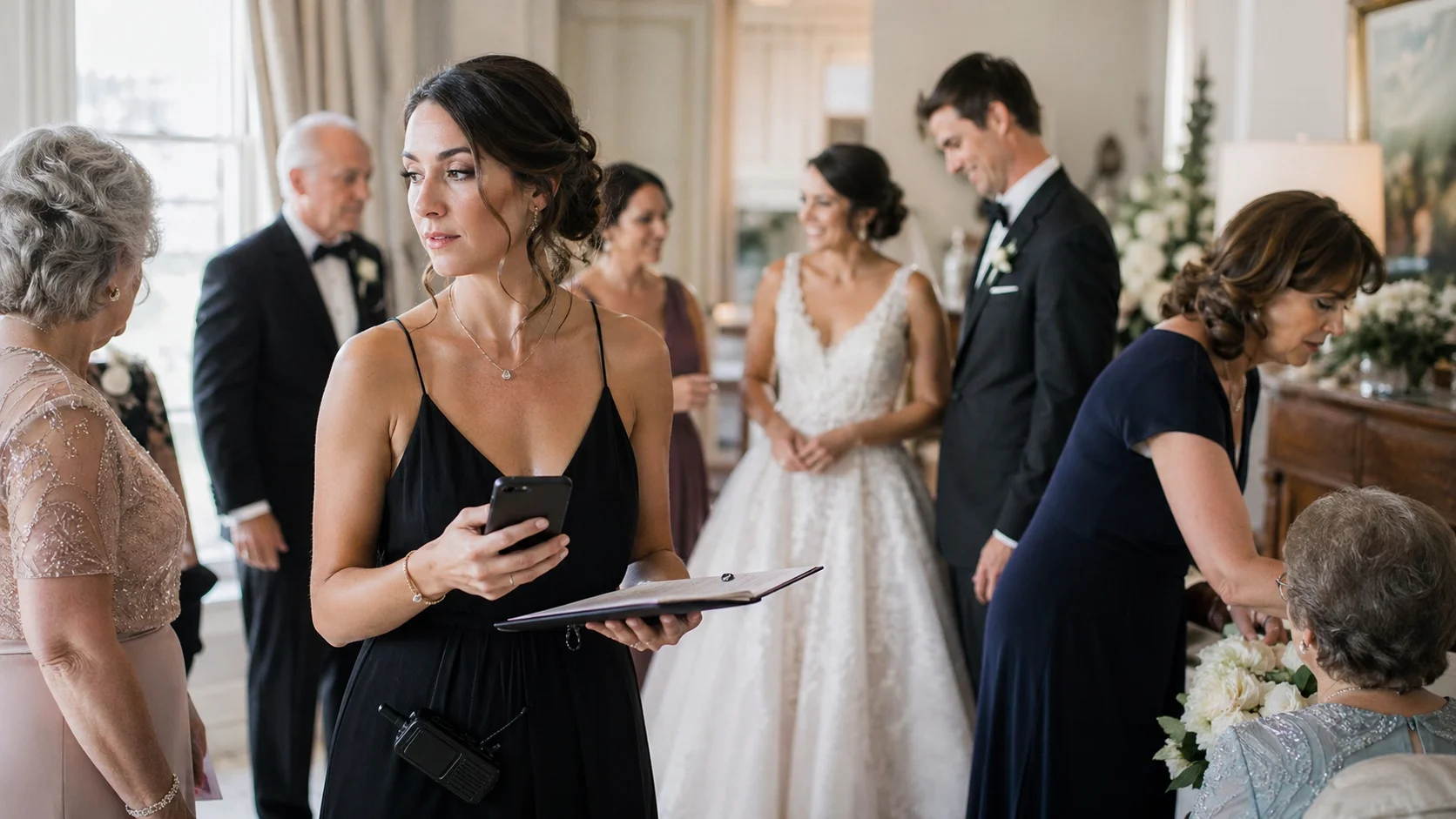
Emotional Load Checklist: Who Carries Too Much, and How to Notice It Early
Emotional load at weddings often hides behind competence. This article looks at who carries invisible responsibility, how to notice early signs of overload, and how to share care before one person quietly holds too much.
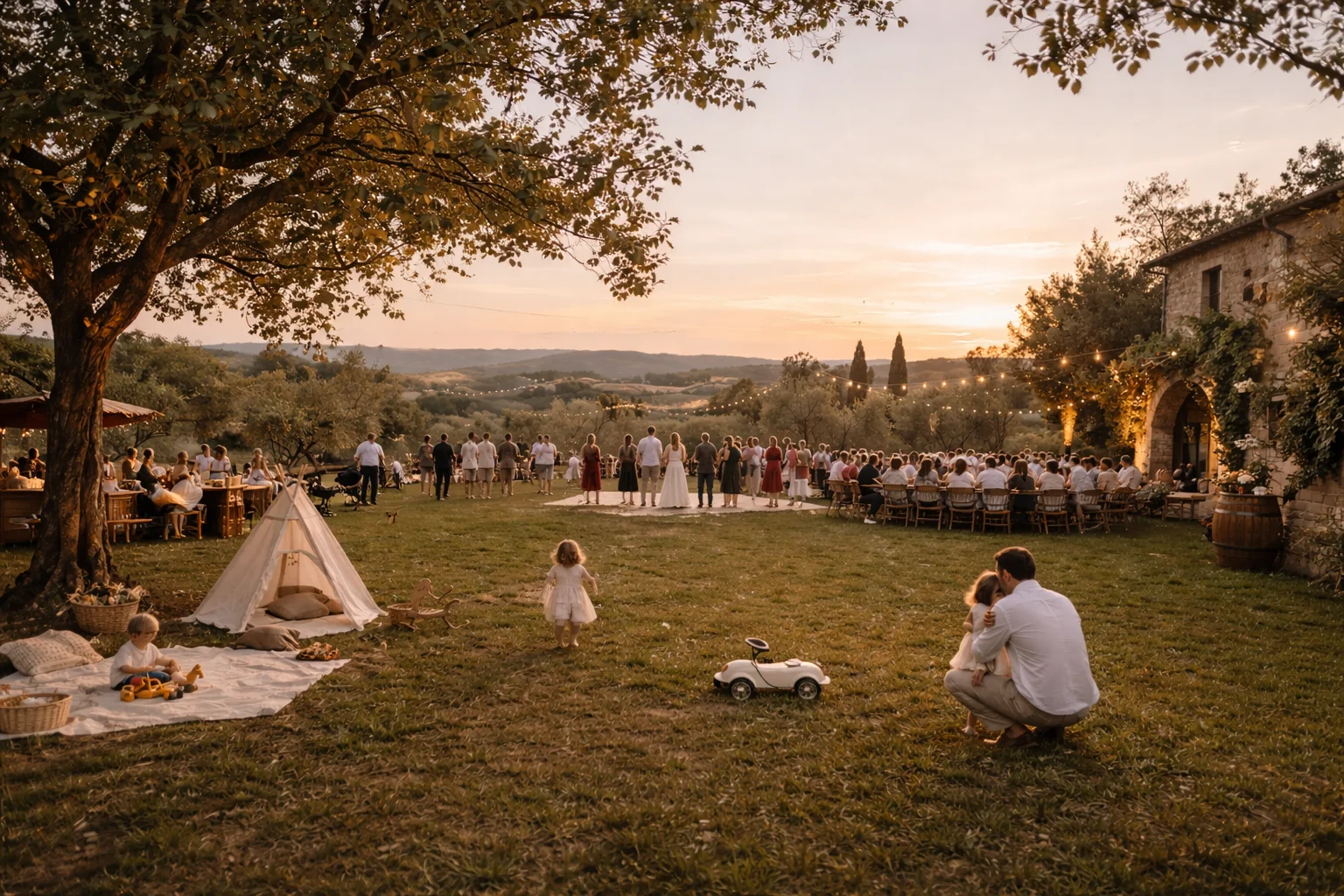
Nap Times, Early Goodbyes, and the Hidden Rhythm of Weddings With Small Children
Weddings with small children often follow two timelines at once: the visible schedule of ceremony, dinner, and dancing, and the quieter rhythm of naps, tiredness, comfort, and early departures. This article looks at how those hidden shifts shape the day in practical and emotional ways.
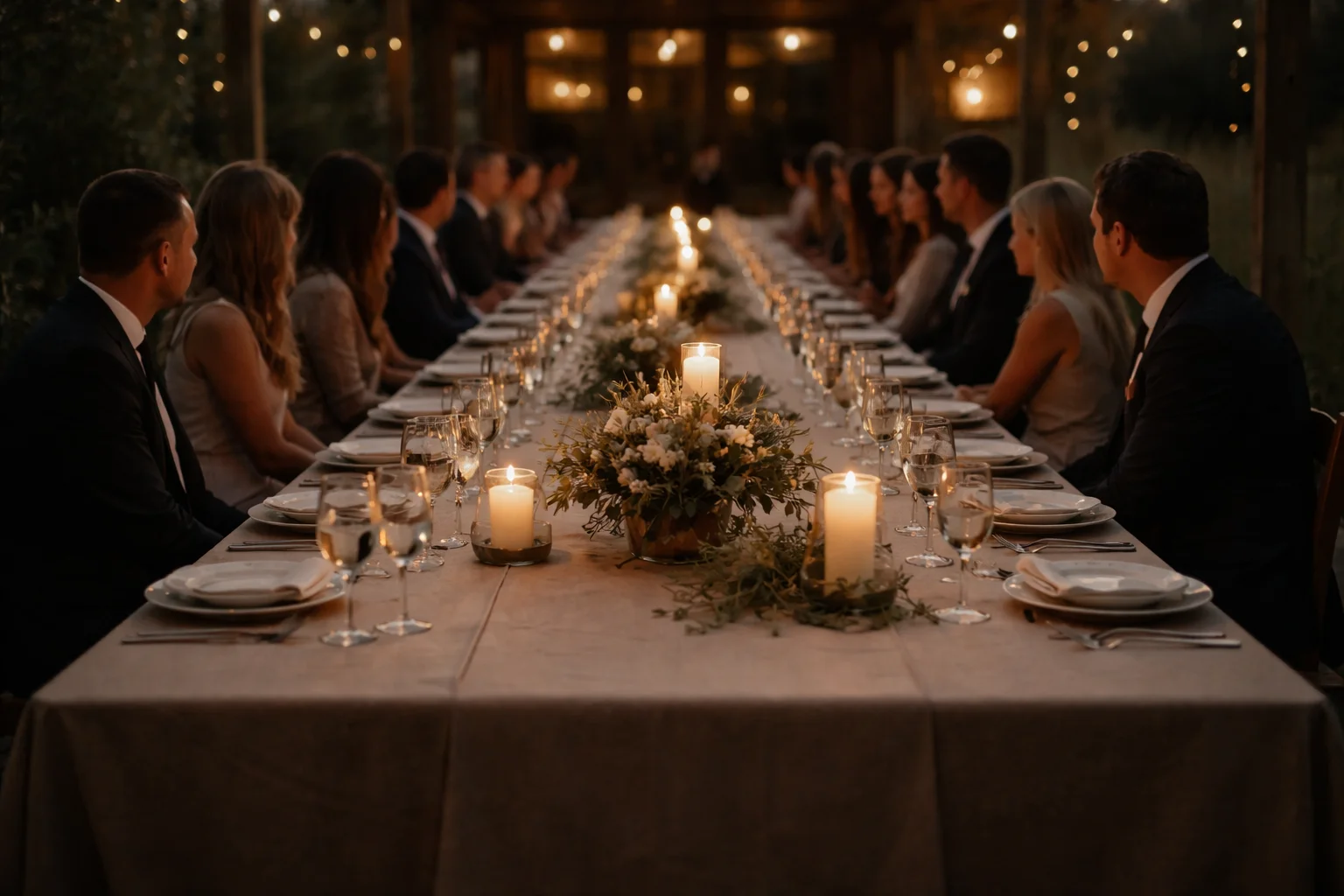
Candlelight at Wedding Tables: Local Light Zones
Candlelight at wedding tables rarely behaves as one smooth glow. It gathers in small zones, shifts across faces and objects, and leaves behind a more fragmentary, memorable atmosphere than even lighting ever could.
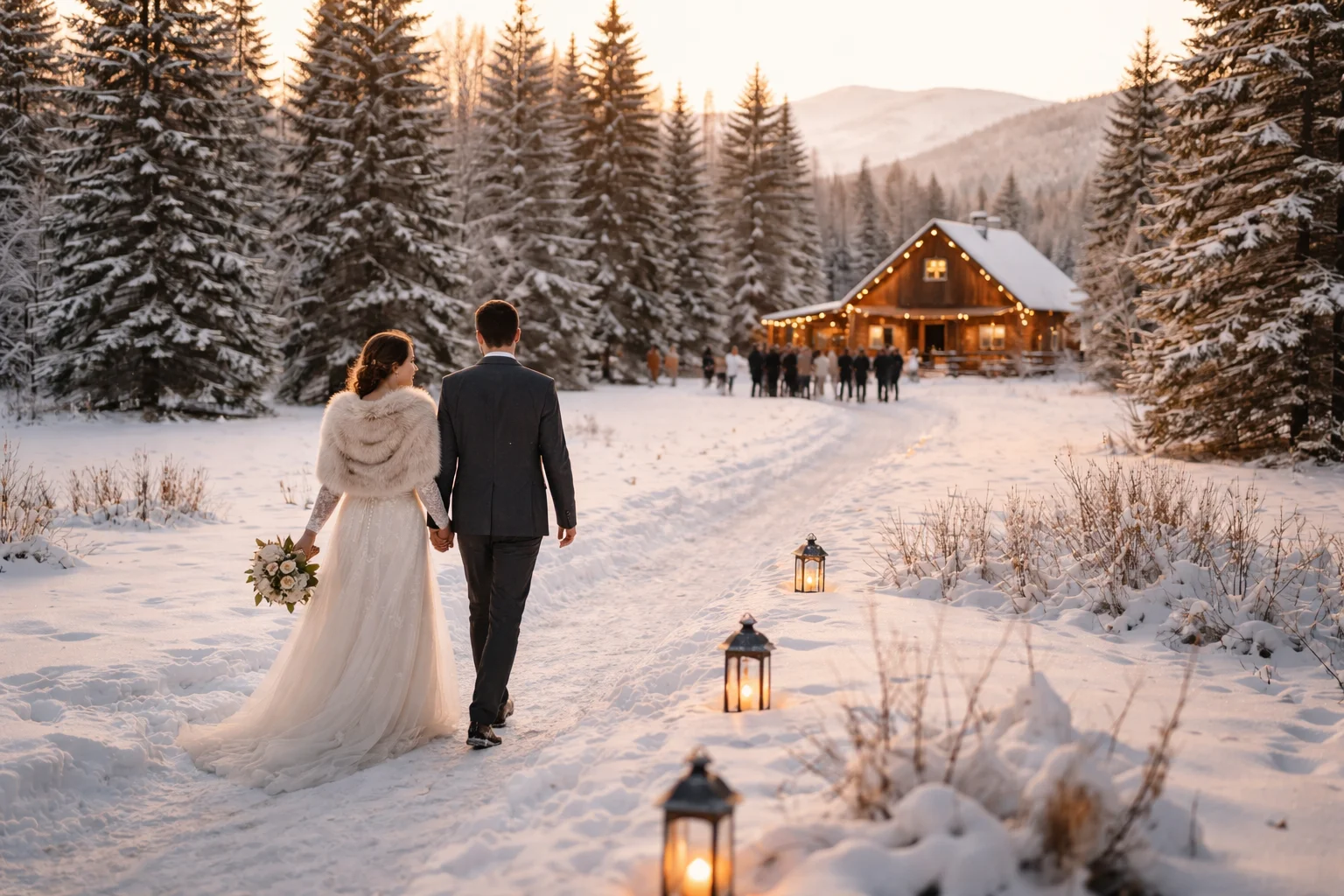
Winter Light and Compressed Timelines in Weddings
Winter weddings are shaped less by one obvious restriction than by a series of quieter adjustments. This article looks at how shorter days, colder air, and earlier shadows compress the timeline, tighten transitions, and give the day a more deliberate rhythm.
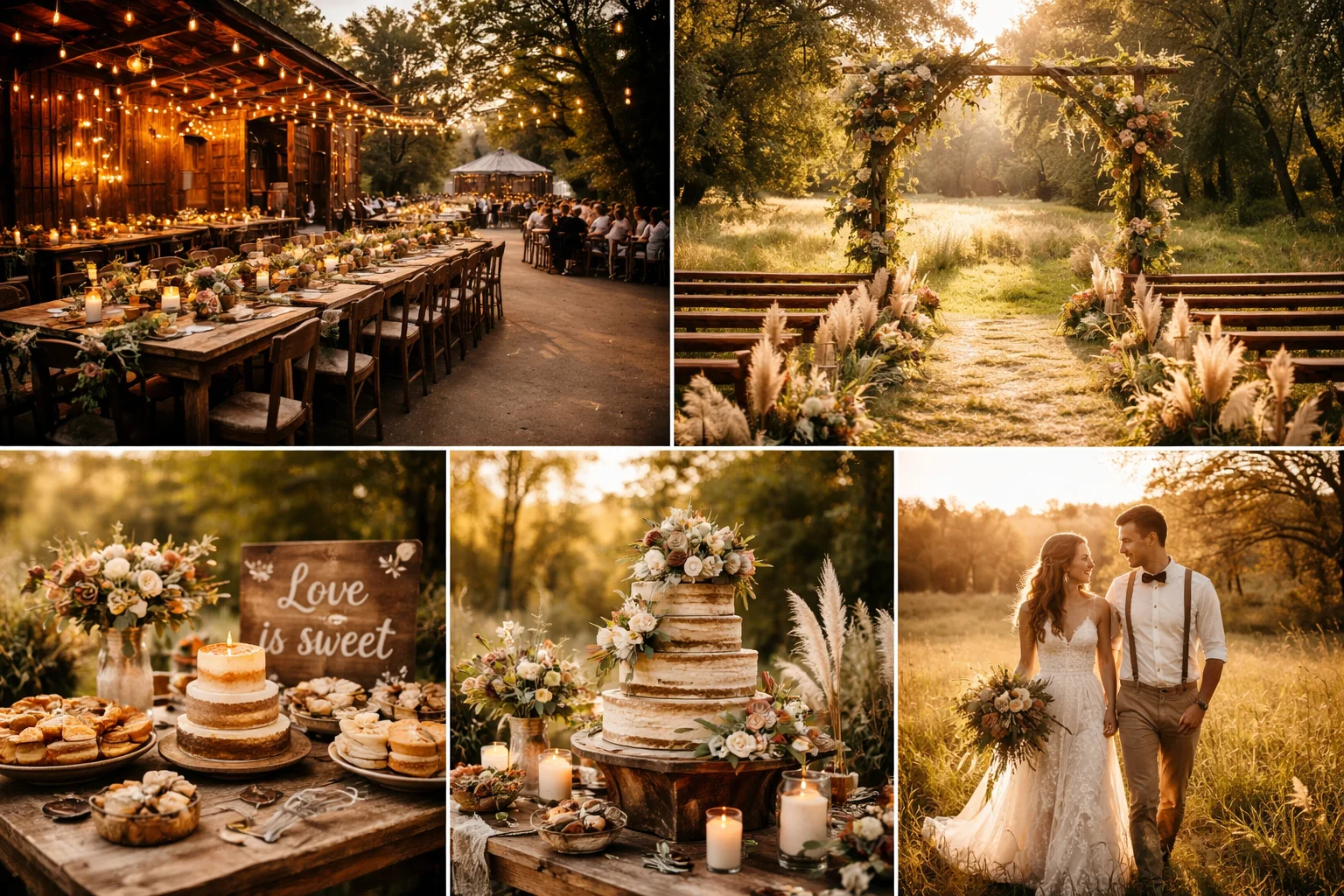
Rustic and Natural Wedding Celebrations: Timeless Love in Harmony with Nature
Rustic and natural weddings are often remembered less for decoration than for the way they let people settle. Wood, air, grass, uneven ground, soft light, and slower movement create a kind of calm that feels almost familiar from the start. This article looks at how rustic wedding settings shape atmosphere through simplicity, material honesty, and the quiet logic of place.
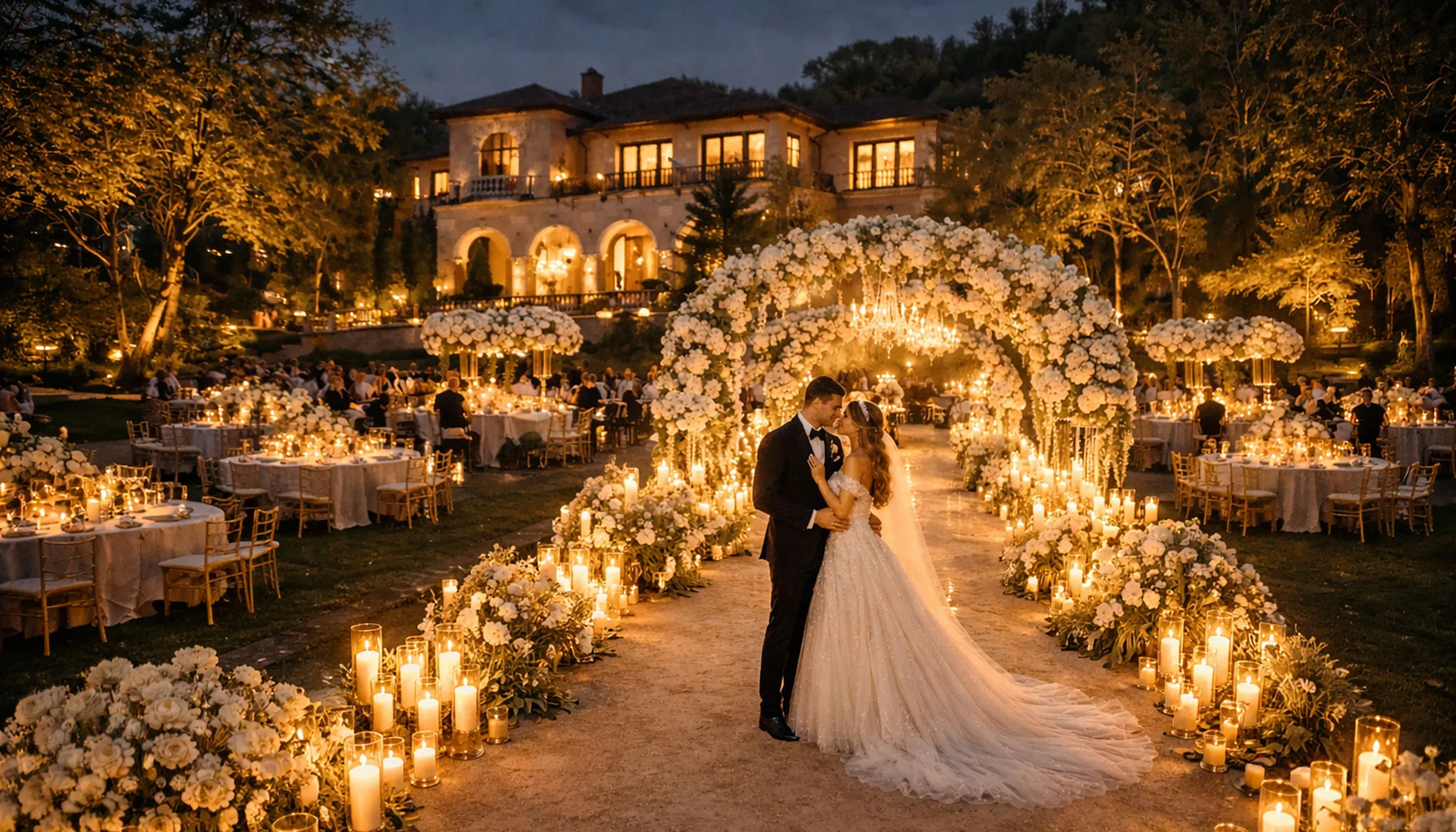
A day, carried by closeness
This wedding thrived on closeness and attention. Everything quietly intertwined and created a framework in which guests felt safe, welcome, and connected. From arrival to departure, a shared flow emerged that left room for conversations, laughter, and quiet togetherness. What remained was a feeling of warmth and cohesion that outlasted the day.
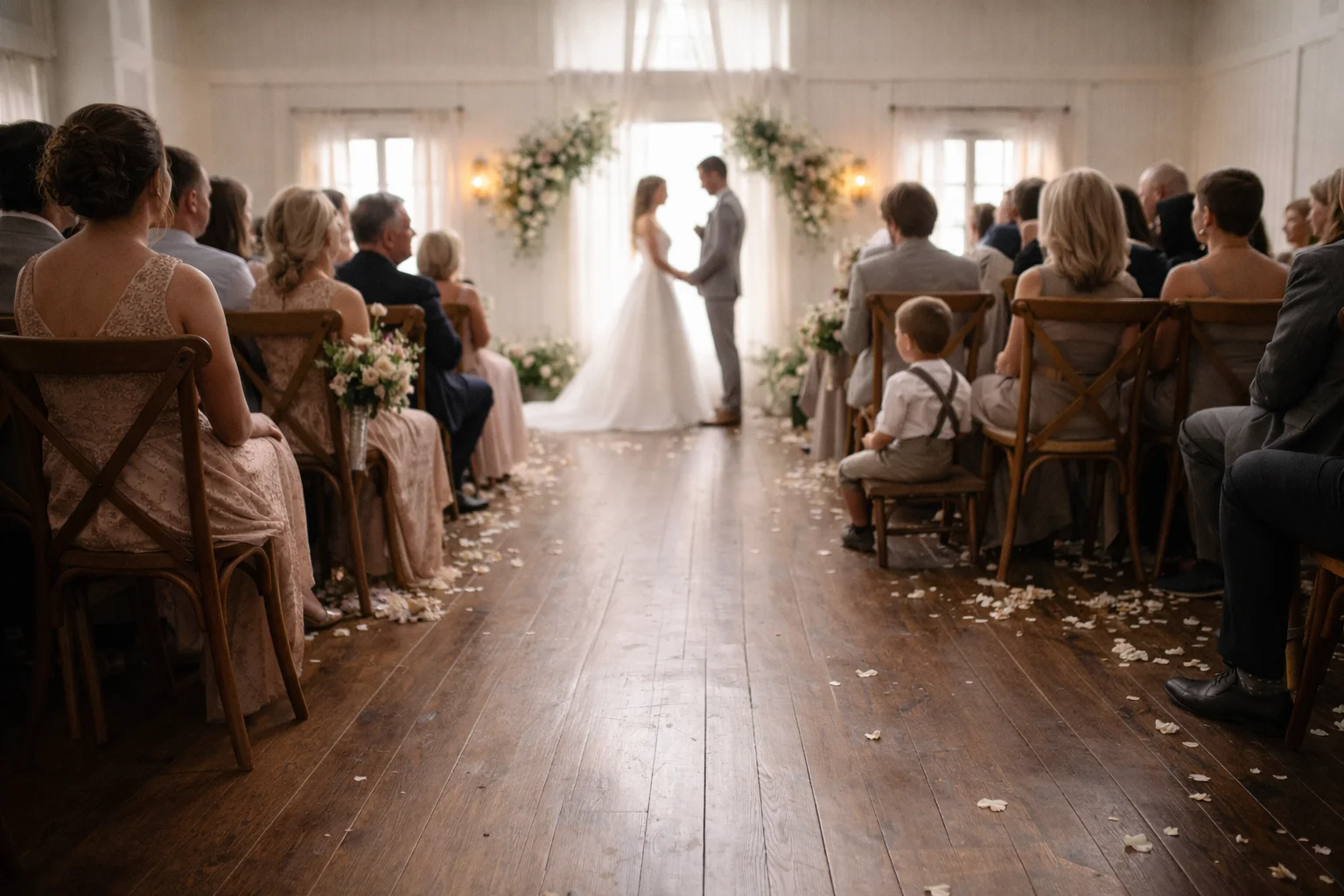
When Attention Shifts: Kids in Formal Wedding Situations
Children rarely stop a formal wedding moment outright, but they often redirect attention for a few seconds in ways adults immediately notice. This article looks at how those shifts happen, why they usually matter less than feared, and how weddings absorb different rhythms without losing their structure.

Guest Comfort Checklist: Small Conditions That Change the Entire Atmosphere
Guest comfort at weddings is shaped by small conditions long before anyone complains. This article looks at temperature, seating, sound, waiting areas, access, and quiet spaces of relief that change how the whole room feels.

Meaning of Marriage and Love
Marriage and love are not built on constant passion or perfect moments. They survive because two people decide to stay, even when feelings change and life becomes difficult. Real love is quiet, steady, and intentional. It grows through honesty, shared responsibility, and the willingness to choose each other every day—not because it’s easy, but because it matters.

Why Notebooks Matter More Than You Think at Weddings
Notebooks at weddings are often treated as simple guest books, but their role goes deeper. They capture pauses, unfinished thoughts, and quiet moments that rarely surface in spoken form. This article explores how notebooks connect the visible ritual of a wedding with the invisible space of silence.
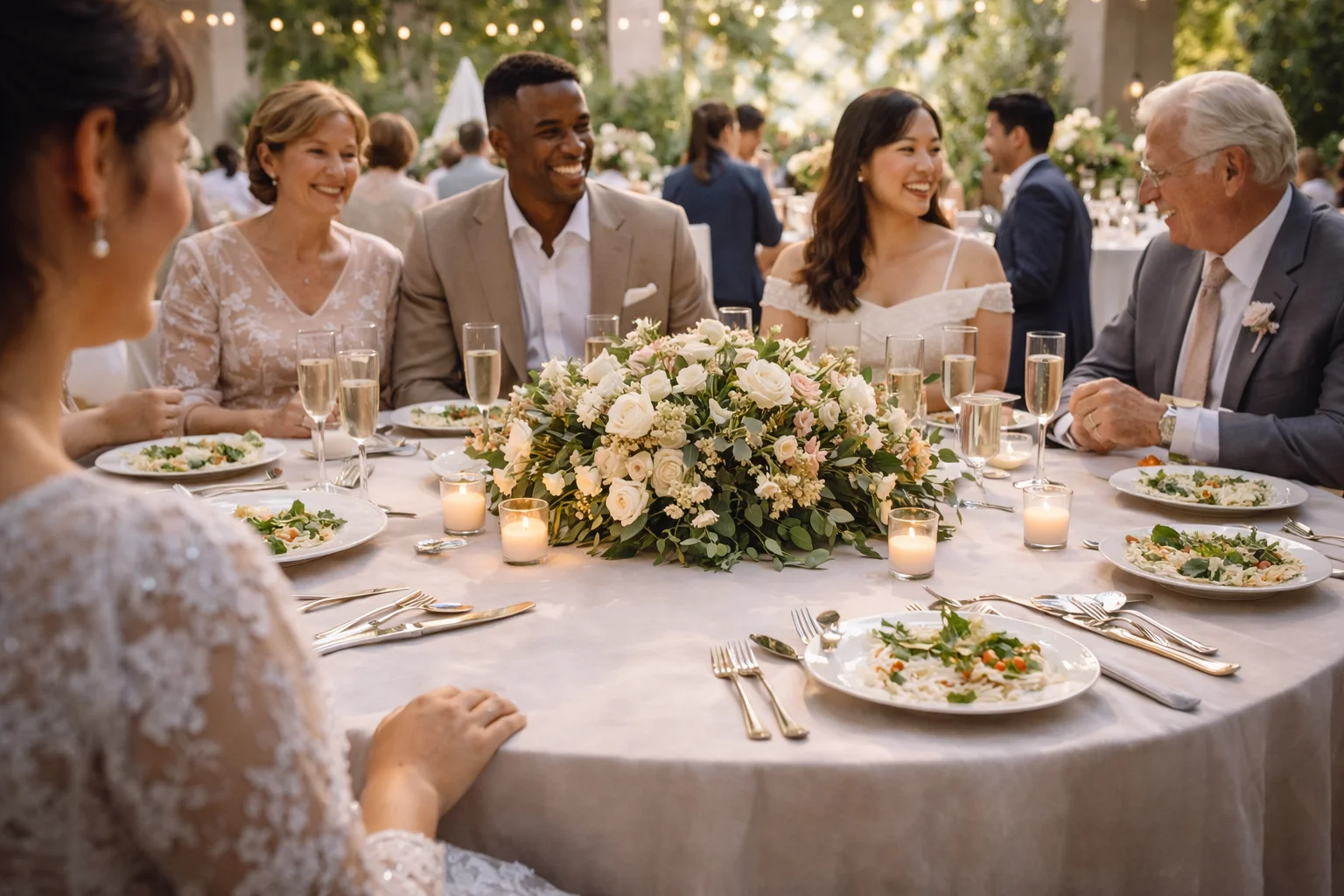
Multilingual Wedding Communication: What Guests Need to Understand Without Constant Explanation
A multilingual wedding does not fail because different languages are present. It becomes difficult when guests are left unsure what they need to understand, what they can simply feel, and what requires translation in the moment. This article looks at how to create clarity in multilingual wedding communication without overexplaining every part of the day.
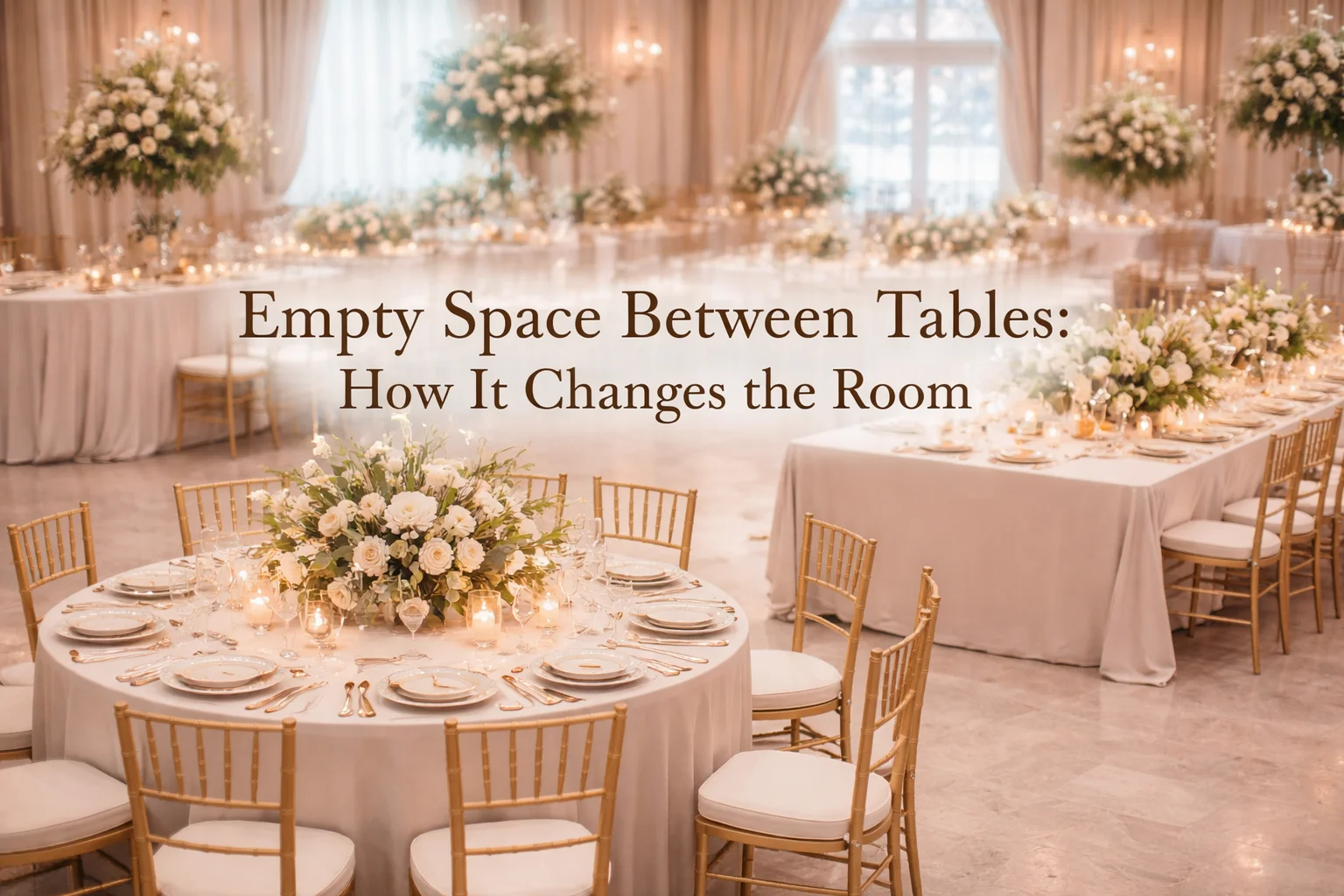
Empty Space Between Tables and How It Shapes the Room
Most layouts start with the tables themselves. Size, shape, how many fit. The areas in between are often adjusted at the end, sometimes just to make things work on paper. In the actual room, though, those leftover spaces do something. Not in a designed way. More like they shift how people move without anyone really pointing at it.