
Meaning of Marriage and Love
Meaning of Marriage and Love
Marriage and love are often talked about, rarely understood, and even more rarely lived the way they were meant to be. I’m Jason, a romance editor, and this isn’t a poetic fantasy or a motivational quote. This is about what actually holds two people together when emotions fade, problems arrive, and life stops being polite.
Love Is a Decision, Not a Feeling
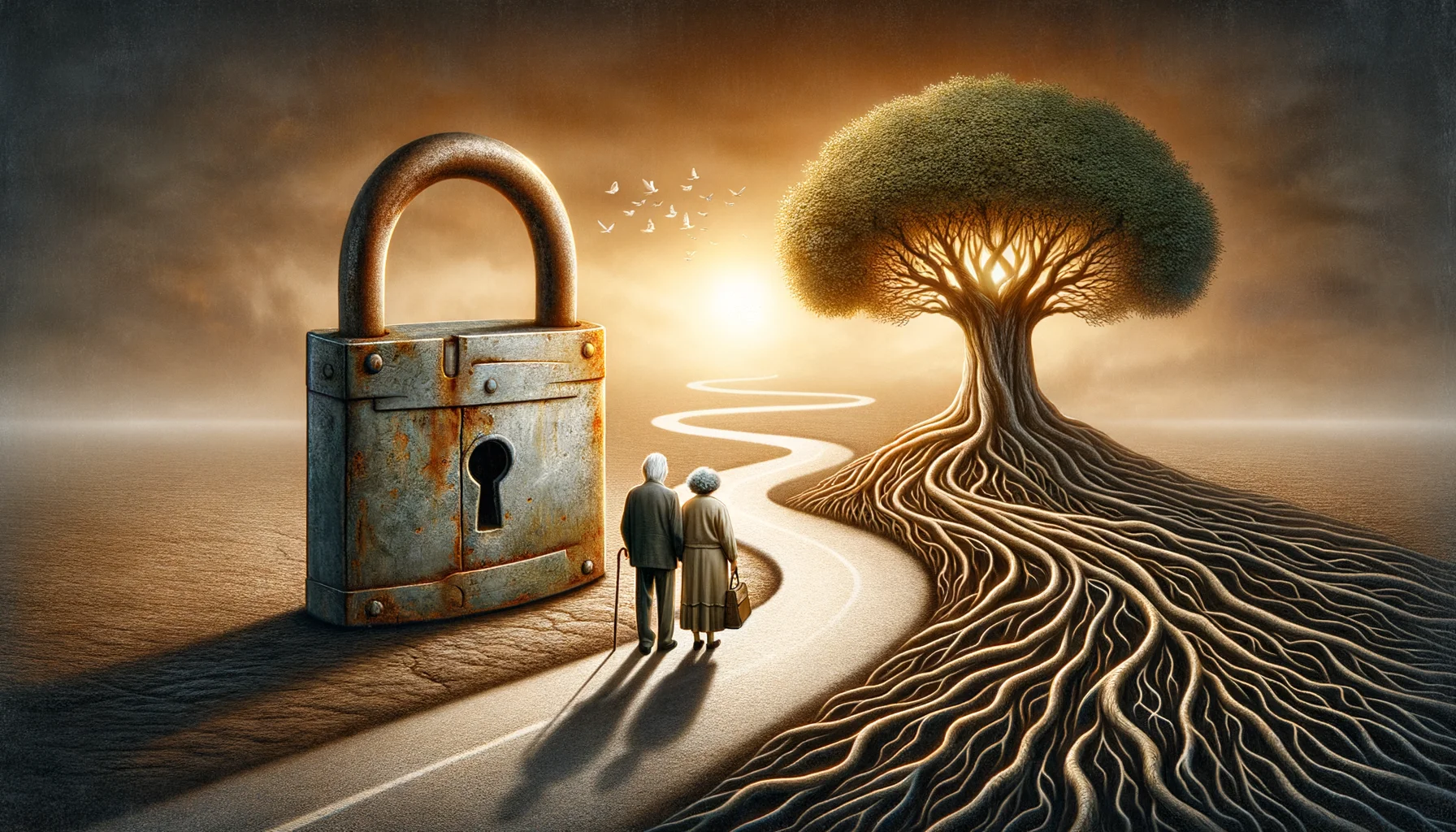
Real love doesn’t start when your heart races. It starts when you choose someone even on days when your heart stays quiet. Attraction opens the door, but commitment is what keeps the house standing. Love is choosing respect, honesty, and loyalty when walking away would be easier.
Marriage Is a Partnership, Not a Performance
Marriage isn’t about showing the world how perfect you look together. It’s about building something stable when nobody is watching. Two people working as one unit, sharing responsibility, protecting each other’s weaknesses, and growing through conflict instead of escaping it.
Why Marriage Still Matters Today
In a world built on instant pleasure and quick exits, marriage stands for long-term value. It creates trust, structure, and emotional security. When done right, it’s not a cage — it’s an anchor. And people who understand this don’t fear commitment; they use it to grow stronger.
Love That Lasts Is Built, Not Found
The strongest couples aren’t lucky. They’re intentional. They communicate, they set boundaries, and they invest time and effort even when it’s uncomfortable. Love that lasts isn’t dramatic — it’s consistent.
Marriage and love are not about perfection. They’re about commitment, growth, and choosing each other again and again. That’s the difference between relationships that survive and relationships that sell an illusion.
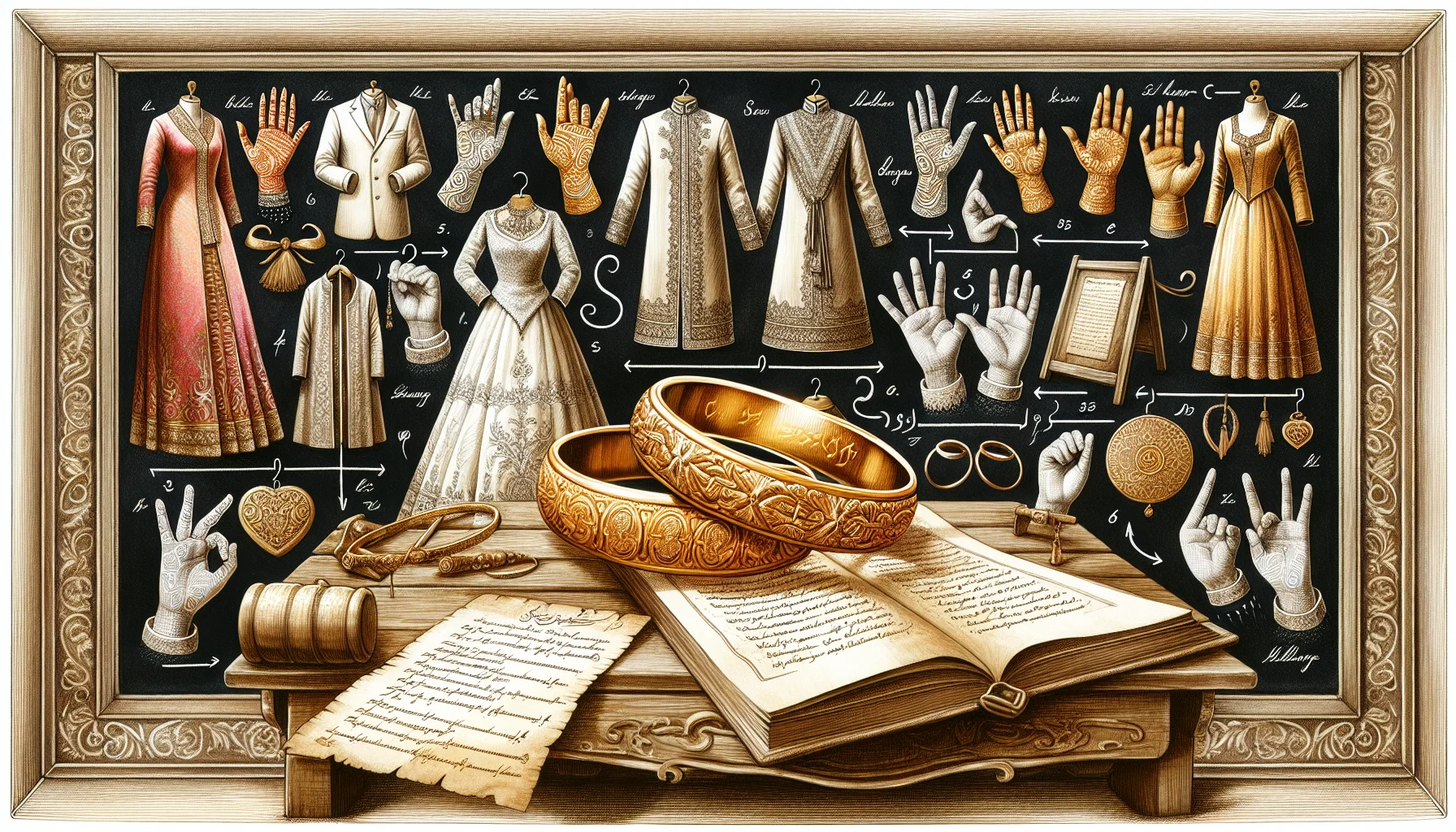
Traditional wedding symbols carry meanings that existed long before any couple arrived. Rings, vows, clothing, and gestures attempt to stabilize love by giving it a recognizable form.
Traditional Wedding Symbols
Related Articles
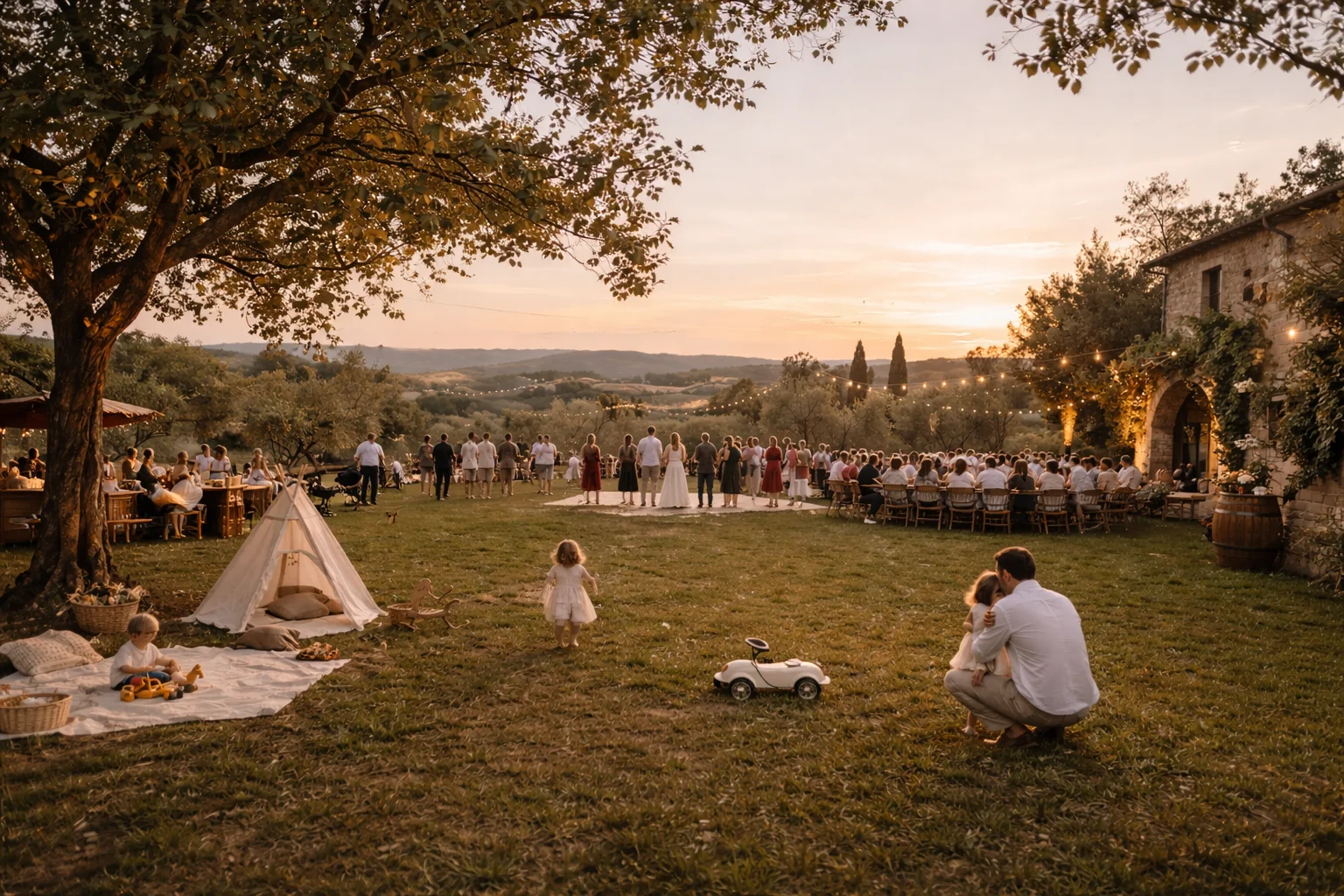
Nap Times, Early Goodbyes, and the Hidden Rhythm of Weddings With Small Children
Weddings with small children often follow two timelines at once: the visible schedule of ceremony, dinner, and dancing, and the quieter rhythm of naps, tiredness, comfort, and early departures. This article looks at how those hidden shifts shape the day in practical and emotional ways.
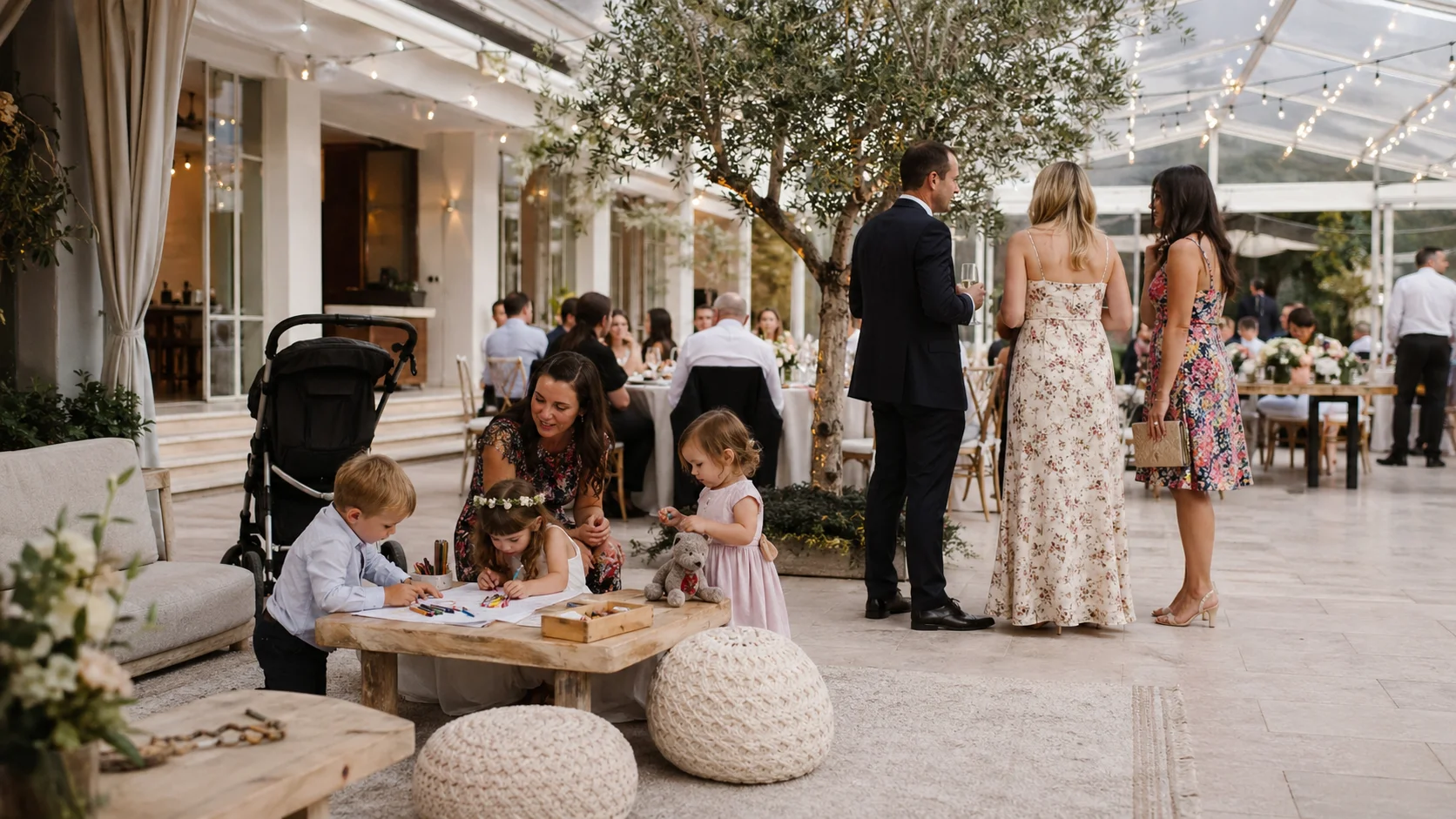
Kids at Weddings Checklist: What Helps Families Stay Longer Without Strain
Families with children usually leave weddings early for a series of small reasons rather than one big one. This article looks at what helps them stay longer with less strain, from food timing and retreat spaces to quieter transitions and the simple need for relief.
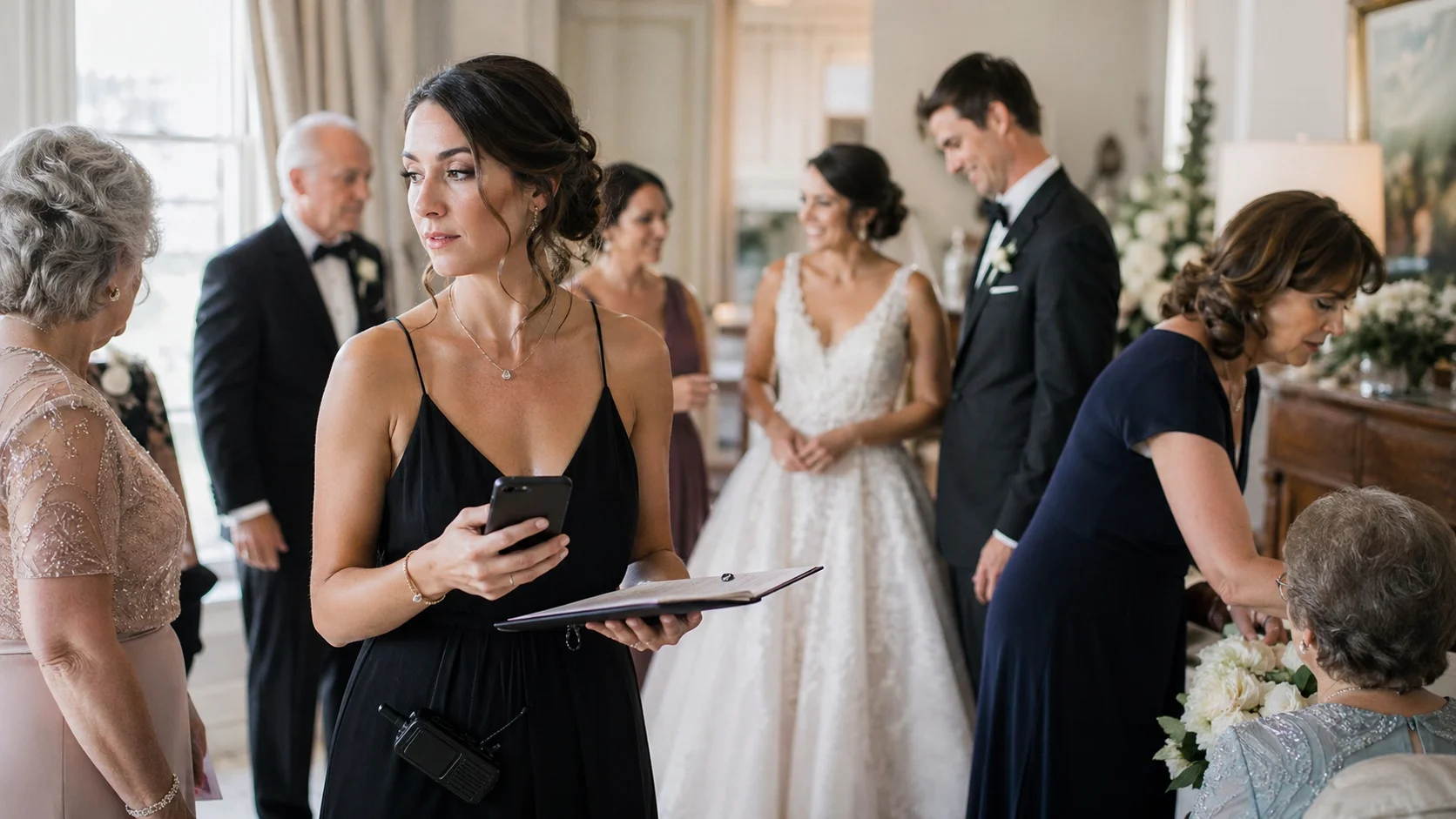
Emotional Load Checklist: Who Carries Too Much, and How to Notice It Early
Emotional load at weddings often hides behind competence. This article looks at who carries invisible responsibility, how to notice early signs of overload, and how to share care before one person quietly holds too much.
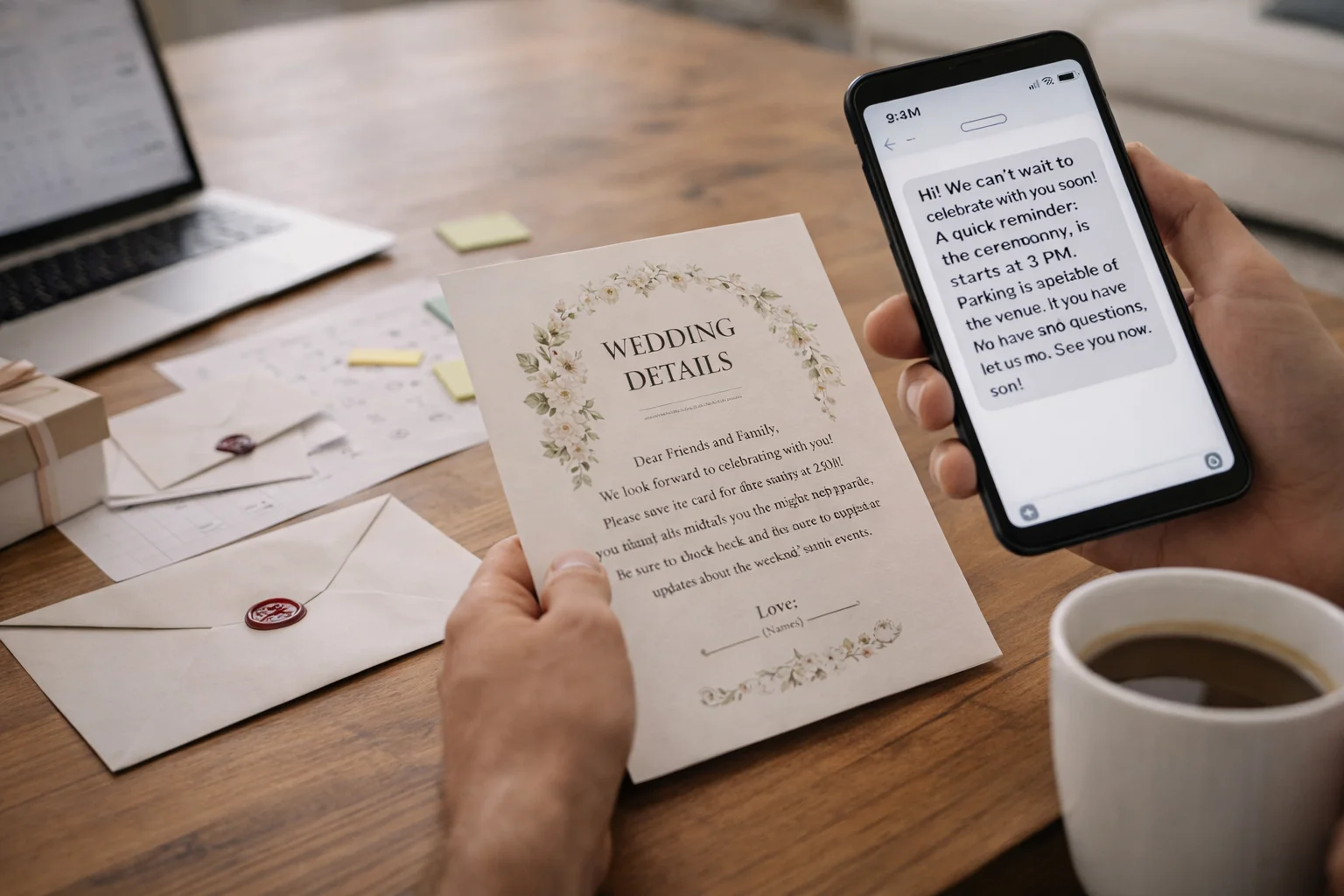
Wedding Guest Communication Checklist: What Guests Need to Know and When
Good wedding communication is not about sending guests everything at once. It is about giving the right information at the right moment, so the day feels clear without becoming overexplained. This article looks at what guests actually need to know, when they need to know it, and why silence still has a place in wedding planning.
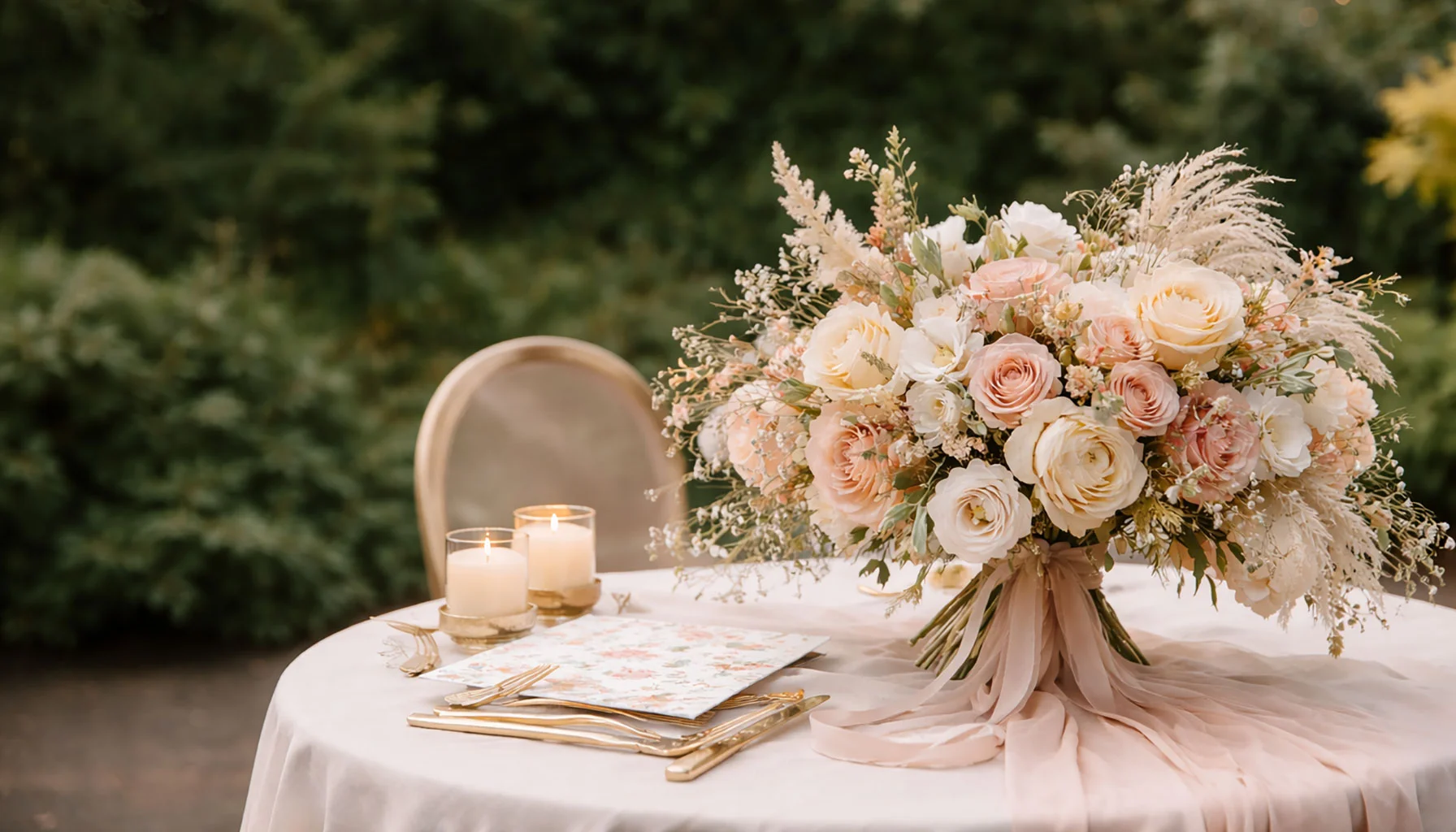
Bloom by Design: Flowers and Florals for a Modern Perfect Wedding
Flowers rarely carry a wedding by themselves. What they do, when chosen well, is quieter and often more lasting. They soften transitions, give rhythm to rooms, and help guests feel oriented without ever being told where to look. This article looks at wedding flowers through atmosphere, restraint, and the silent structure they create across the day.
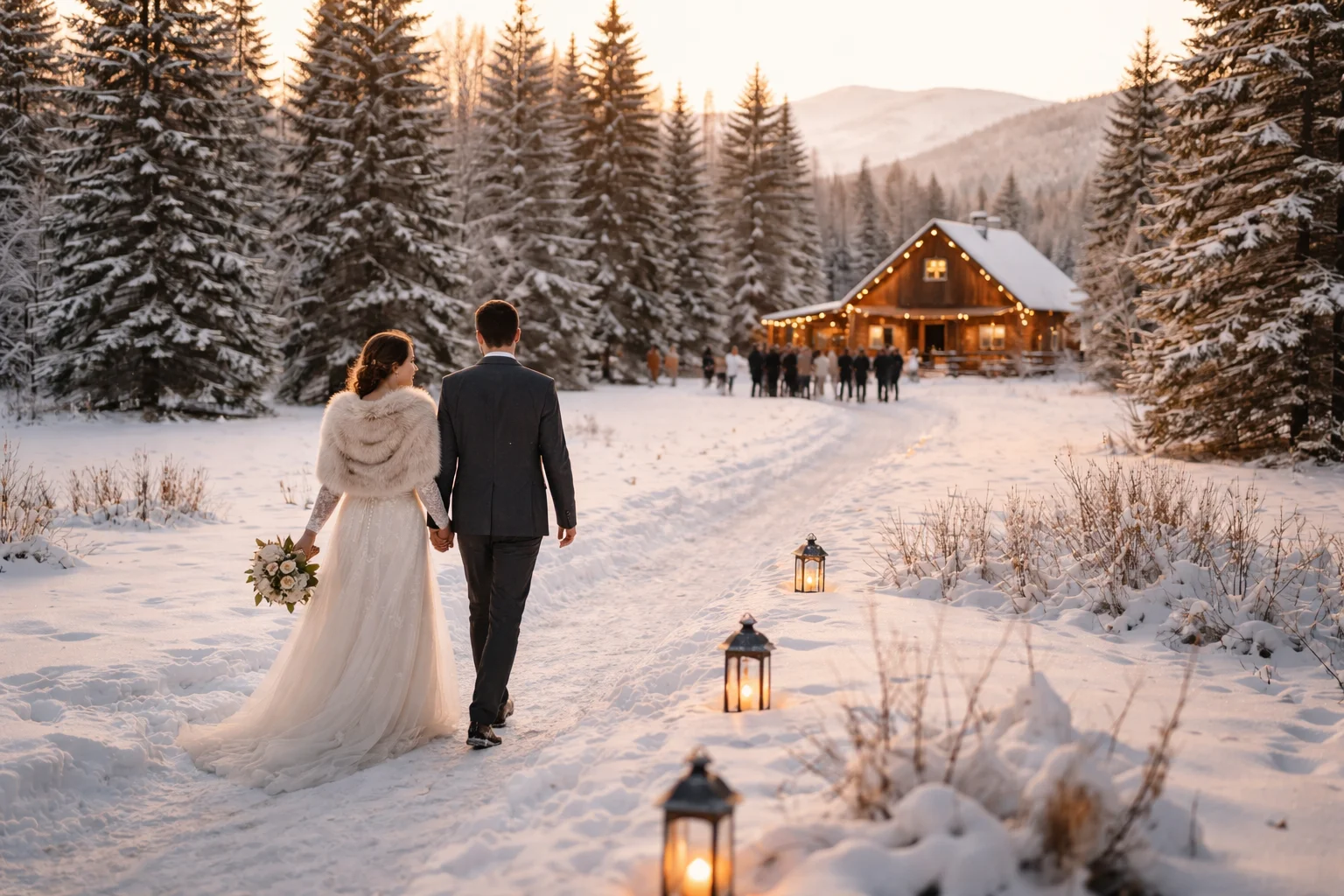
Winter Light and Compressed Timelines in Weddings
Winter weddings are shaped less by one obvious restriction than by a series of quieter adjustments. This article looks at how shorter days, colder air, and earlier shadows compress the timeline, tighten transitions, and give the day a more deliberate rhythm.
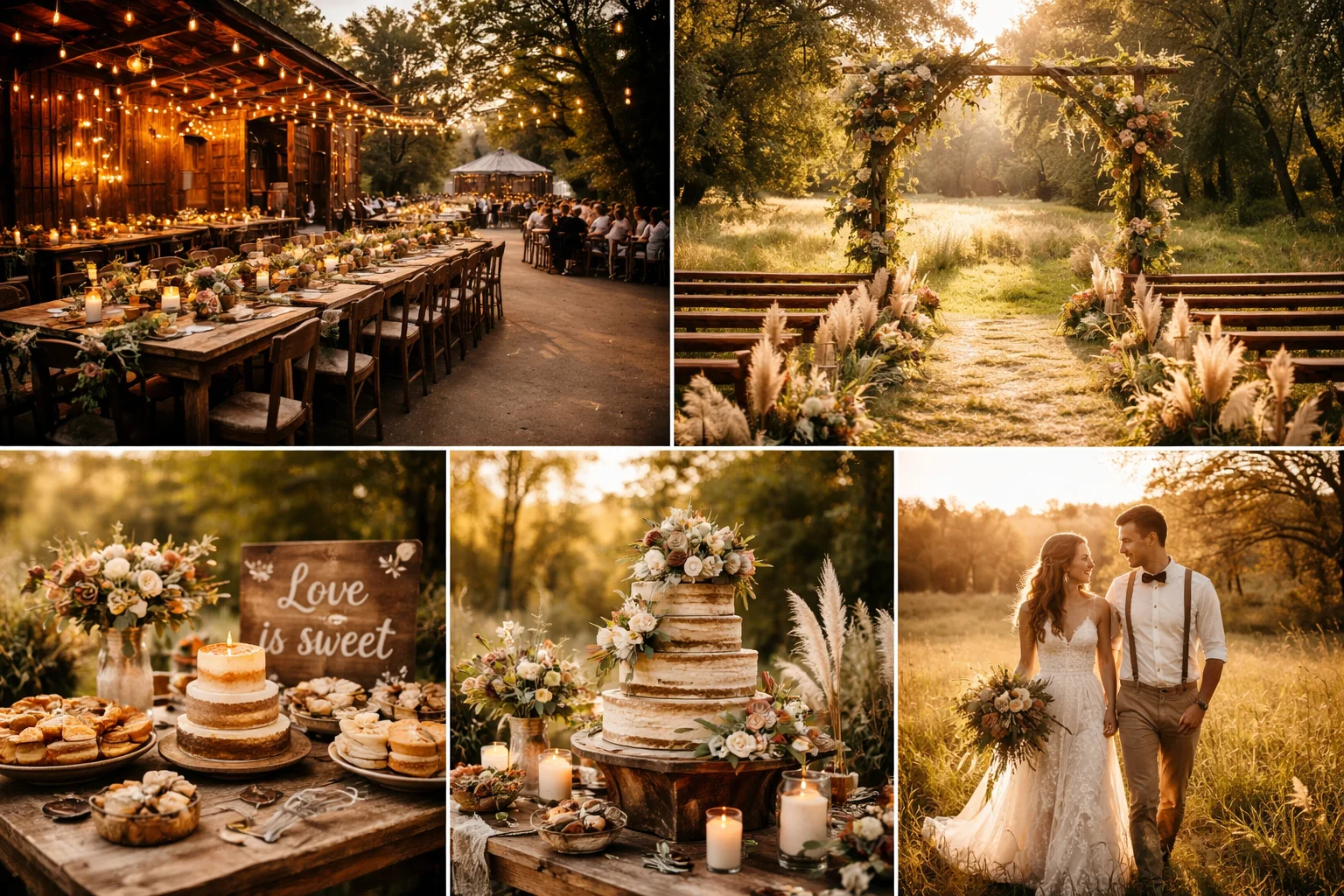
Rustic and Natural Wedding Celebrations: Timeless Love in Harmony with Nature
Rustic and natural weddings are often remembered less for decoration than for the way they let people settle. Wood, air, grass, uneven ground, soft light, and slower movement create a kind of calm that feels almost familiar from the start. This article looks at how rustic wedding settings shape atmosphere through simplicity, material honesty, and the quiet logic of place.
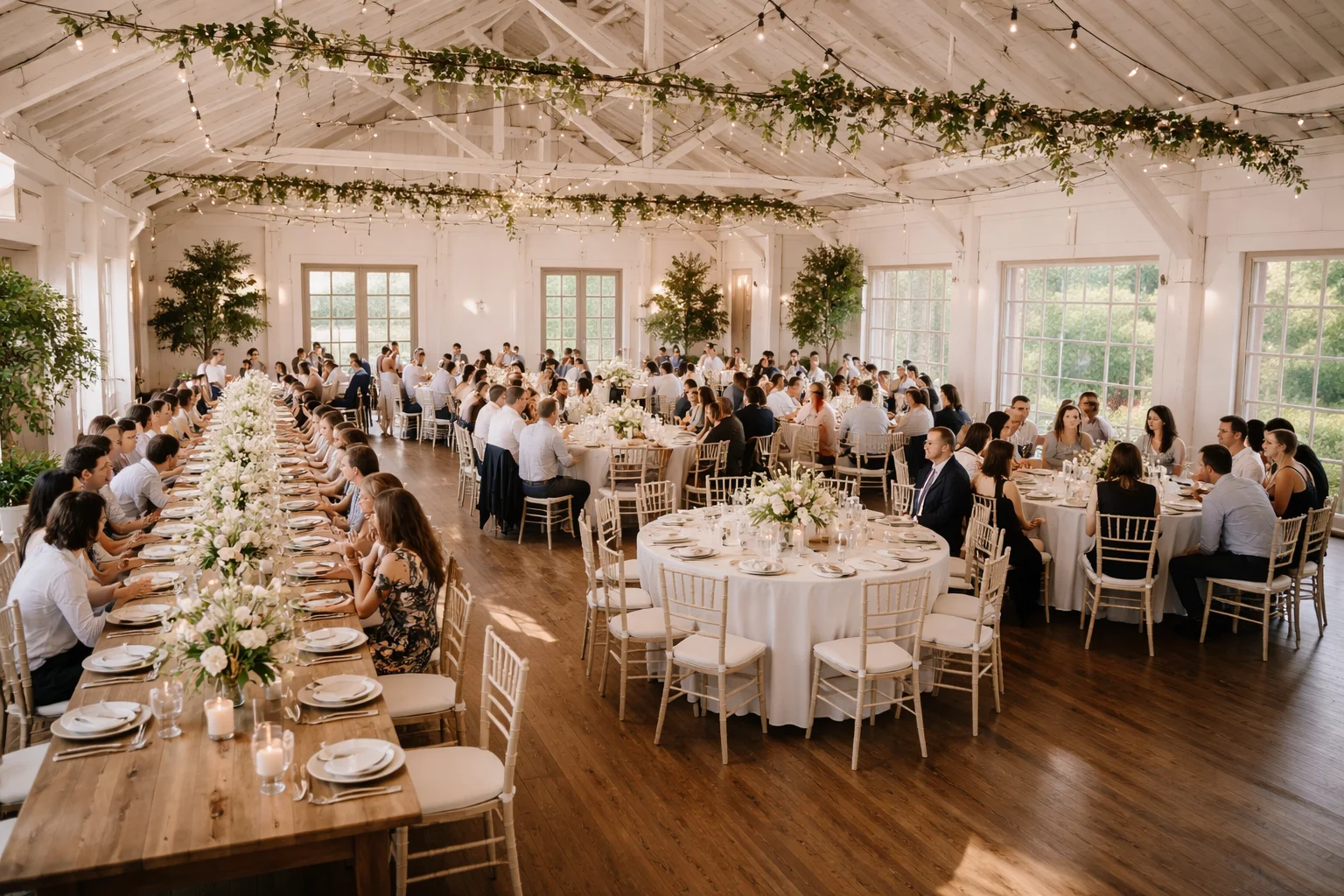
Long Tables vs Round Tables: Observed Use in Wedding Settings
The choice between long and round tables shows up early, often before other details are fixed. It looks like a visual decision at first. In actual setups, it shifts how the room settles once people sit down. Not dramatically, but enough to notice after a short time.
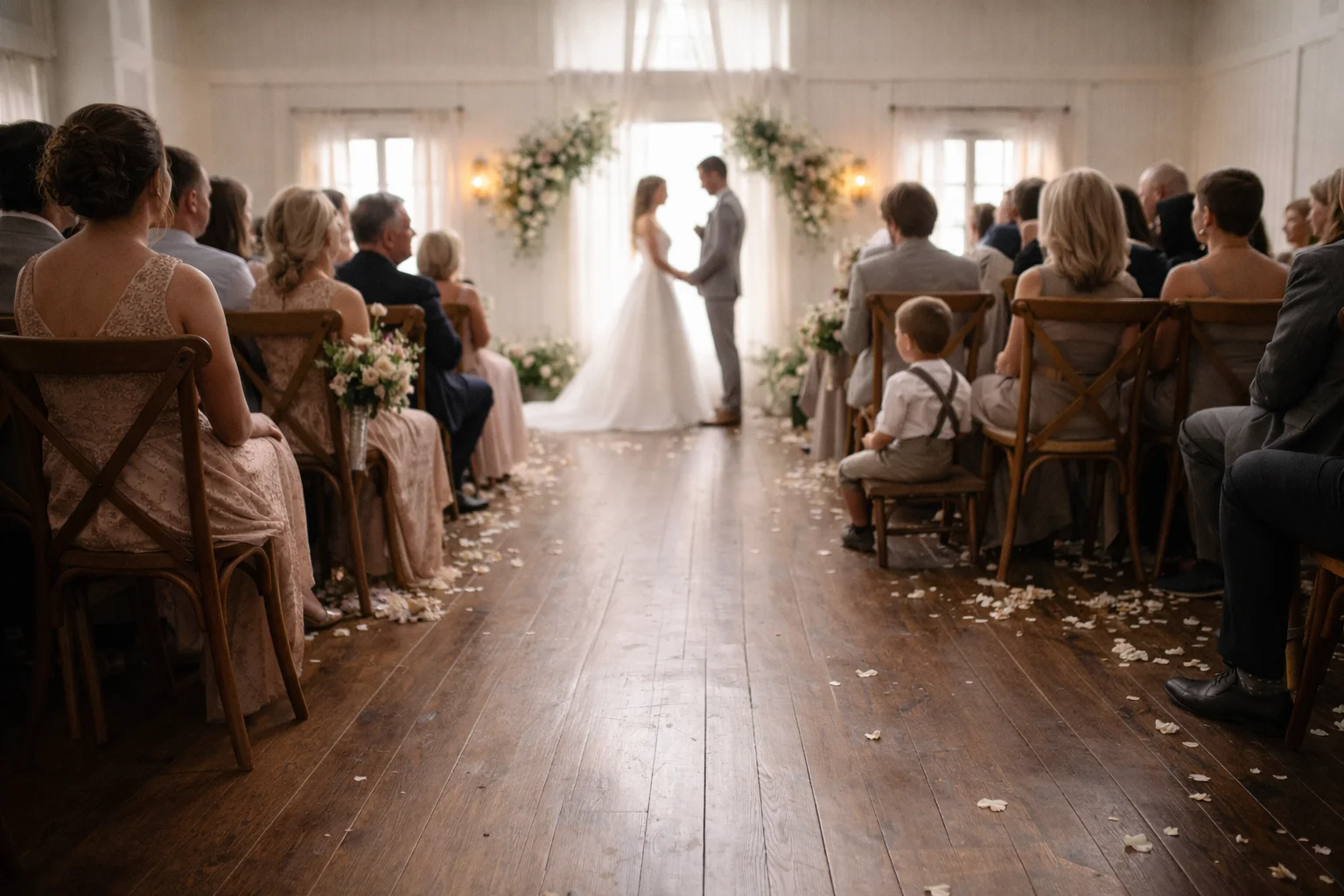
When Attention Shifts: Kids in Formal Wedding Situations
Children rarely stop a formal wedding moment outright, but they often redirect attention for a few seconds in ways adults immediately notice. This article looks at how those shifts happen, why they usually matter less than feared, and how weddings absorb different rhythms without losing their structure.
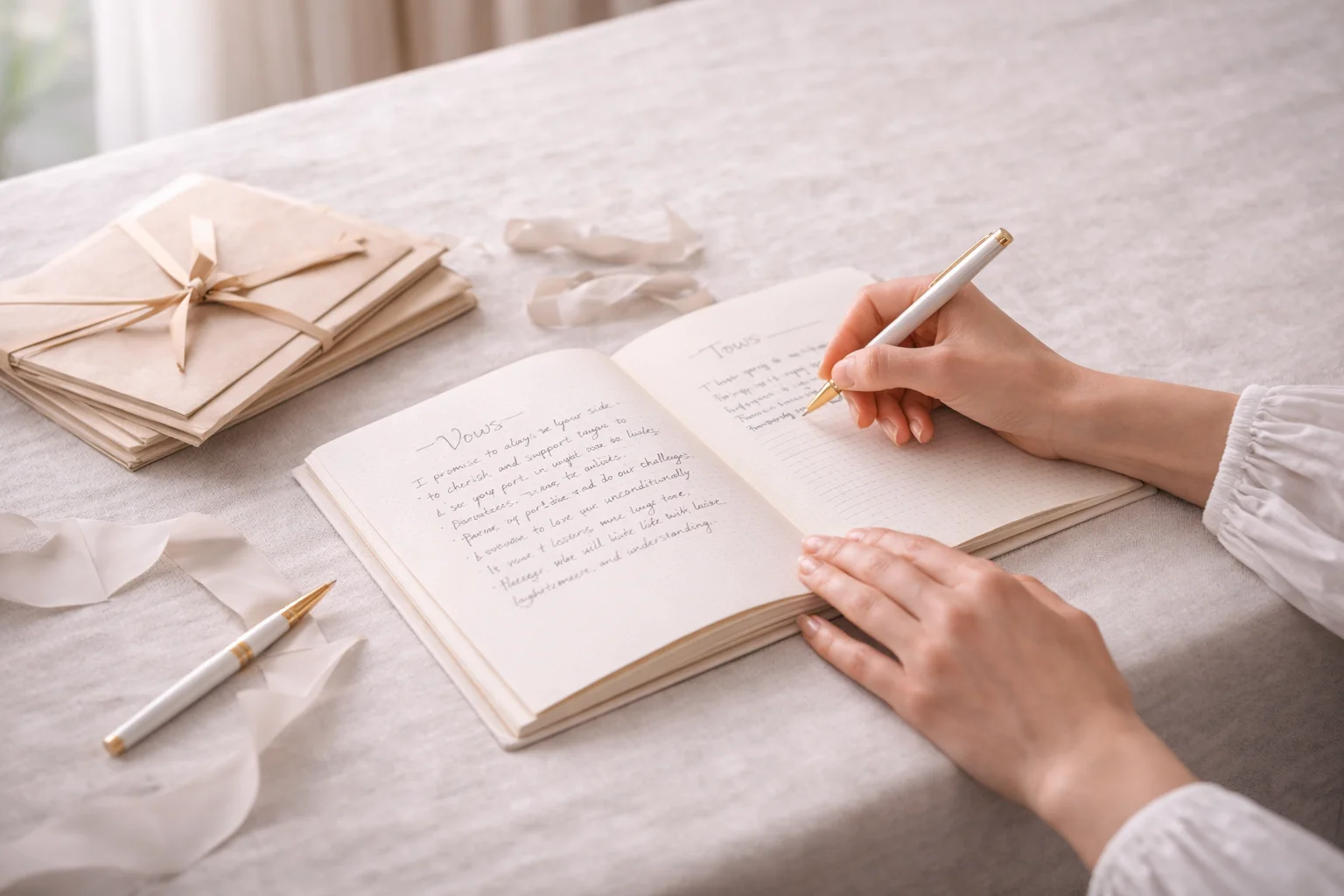
Why Notebooks Matter More Than You Think at Weddings
Notebooks at weddings are often treated as simple guest books, but their role goes deeper. They capture pauses, unfinished thoughts, and quiet moments that rarely surface in spoken form. This article explores how notebooks connect the visible ritual of a wedding with the invisible space of silence.
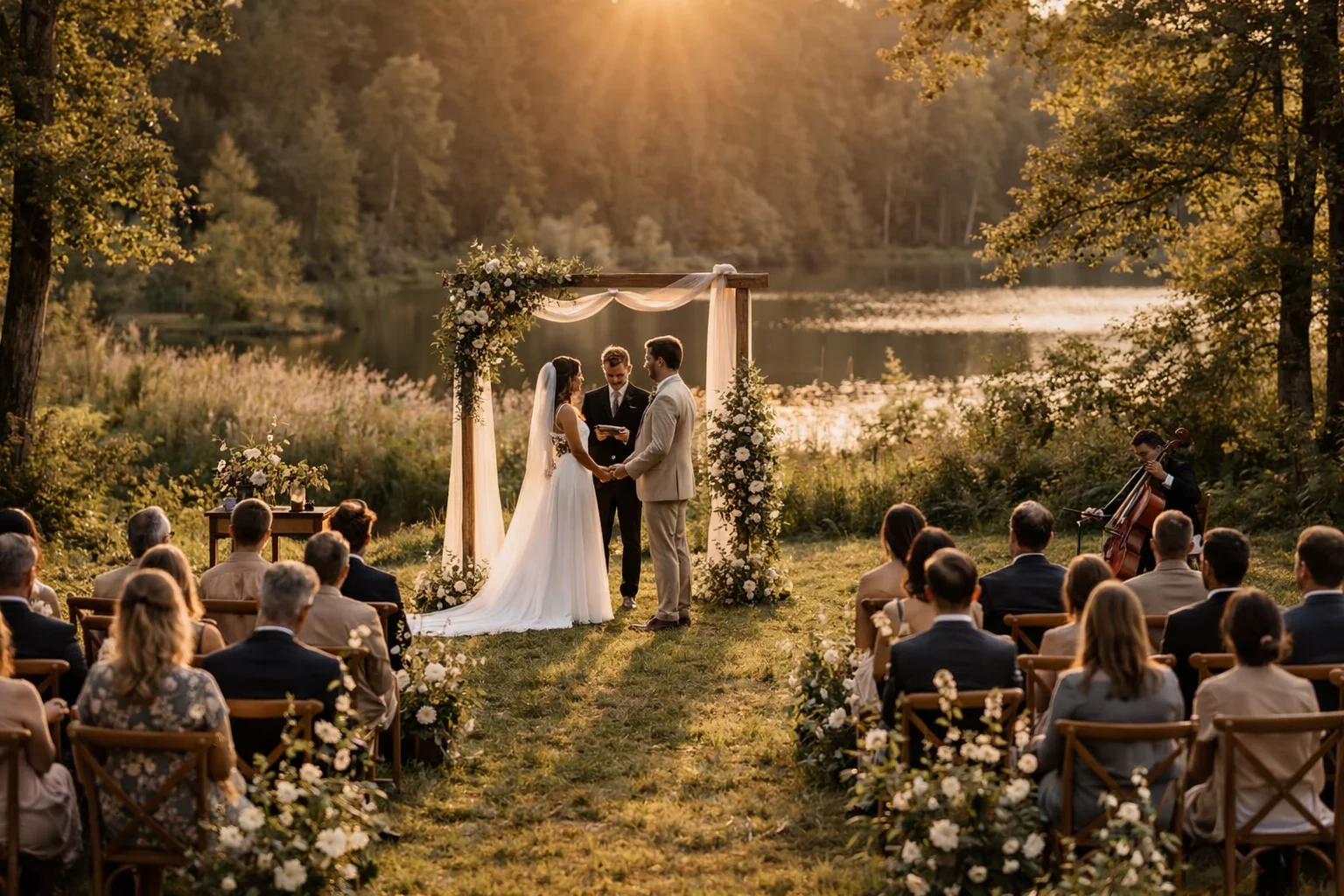
Where an Outdoor Wedding Finds Its Quiet Moments
Outdoor weddings are often chosen for what they seem to promise: openness, air, light, a sense that the ceremony is not confined but allowed to unfold in a wider space. There is movement in everything, from the wind in the trees to the shifting light across the day.
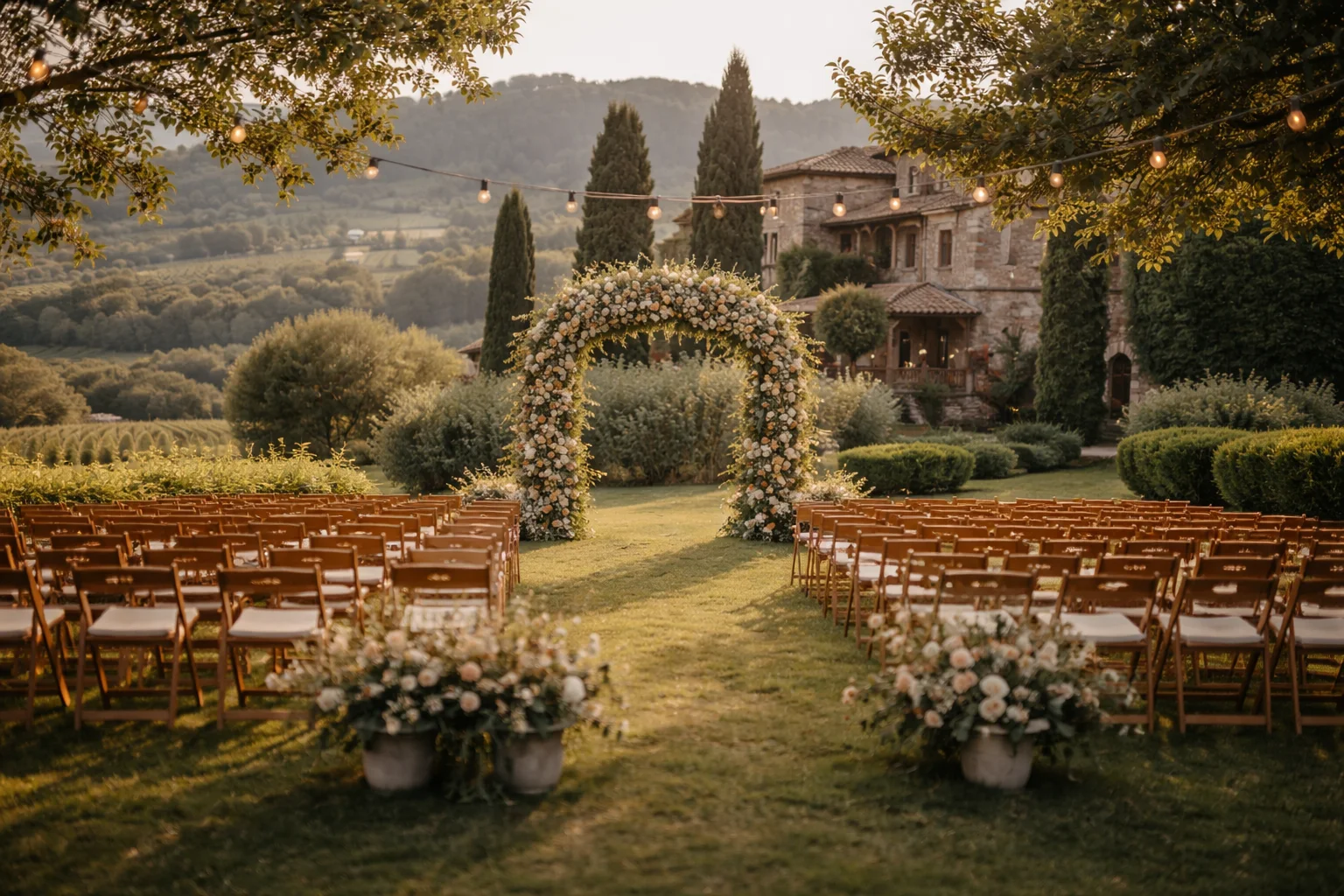
Quiet Observations on Wedding Locations and Gathering Spaces
Discussions about wedding venues often circle around style or decoration. In practice the location itself shapes the event long before flowers or lighting appear. The way guests arrive, how rooms connect, how sound travels in an old hall or across a garden terrace. These things quietly determine the rhythm of the day.