
Bloom by Design: Flowers and Florals for a Modern Perfect Wedding
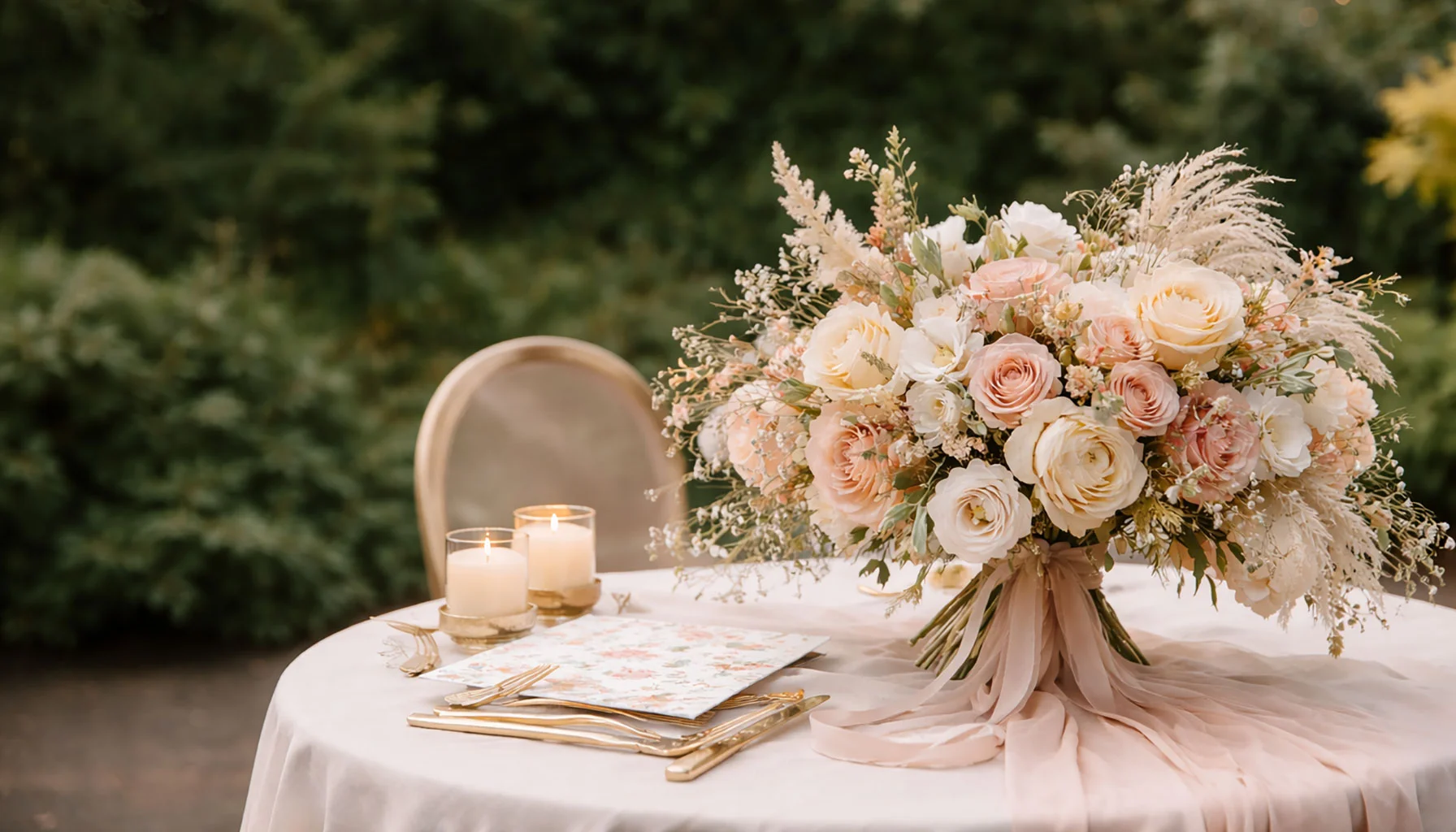
Flowers are among the elements that quietly shape a wedding day. They influence how a space feels, how moments connect, and how the celebration holds together visually. From the ceremony to the tables, flowers create continuity. Not through volume, but through intention. A well considered wedding does not rely on flowers alone, but on the interaction between fresh blooms and the room around them. When chosen with care, floristry becomes part of the day's rhythm rather than a separate statement.
This is why the subject belongs naturally to both Flowers and Florals and Silence. Loving Rocks describes flowers as part of the emotional and visual layer of a wedding, while Silence is the space where meaning gathers before words, decisions, and rituals take full shape. Wedding flowers often do exactly that kind of work. They do not usually explain anything. They prepare the room, soften movement, and help a celebration feel held before people can fully name why.
Flowers and Florals SilenceDefinition
Wedding flowers and florals are not only decorative additions. They are part of the visual and emotional structure of the day. Through placement, scale, texture, and repetition, they shape how spaces are read, how transitions are felt, and how atmosphere settles across ceremony, dinner, and evening.
Flowers Work Best When They Support Rather Than Compete
A cohesive floral concept begins with clarity. Flowers tend to work best when they follow the overall design direction instead of competing with it. They should complement architecture, surroundings, light, textiles, and the actual scale of the venue. Larger spaces usually need fewer, better placed arrangements. Smaller settings often become stronger through restraint. Guests rarely remember abundance by itself. They remember whether the room felt settled.
The Bouquet Sits Between Presence and Emotion
The bridal bouquet often sits between fashion and feeling. Its role is visible, but not isolated. When aligned with the wedding's overall concept, it feels like a natural extension rather than a focal interruption. Looser shapes, monochrome tones, silk ribbons, dried elements, herbs, branches, or preserved flowers can all work when they seem connected to the person carrying them instead of chosen only for effect.
Florals Quietly Connect the Whole Wedding
In well balanced wedding design, flowers appear across different layers of the day. Ceremony arches or ground based arrangements frame without overwhelming. Reception tables combine florals with candles, ceramics, and textured surfaces. Overhead installations can define space when used sparingly. Printed floral references on menus or seating plans, wearable florals, and small repeated botanical details often matter because they create coherence rather than spectacle.
Silence Is Part of What Makes Flowers Work
Flowers often succeed because they do not insist on being understood. They work through placement, scent kept under control, color relationships, and the quiet repetition of living material in a room. This is where they come close to the logic of silence. Their meaning gathers through presence rather than explanation. A floral concept becomes stronger when it leaves enough air around itself for people to notice it gradually instead of all at once.
The Best Floral Ideas Leave Room for Guests
In some weddings, guests are invited gently into the floral atmosphere through single stem contributions, optional flower bars, small arranging moments, botanical prints in attire, or short notes attached to floral elements. These ideas work best when participation remains light and unforced. Flowers become more memorable when they do not only decorate the wedding, but help guests feel quietly included inside its visual language.
Conclusion
Flowers rarely demand attention when they are chosen well. They support atmosphere, soften transitions, and connect visual elements across the day. A considered floral concept is not about abundance, but about alignment. When flowers reflect the space, the people, and the pace of the celebration, they become part of a shared memory that feels coherent and lasting.
Related Articles

Wedding Guest Communication Checklist: What Guests Need to Know and When
Good wedding communication is not about sending guests everything at once. It is about giving the right information at the right moment, so the day feels clear without becoming overexplained. This article looks at what guests actually need to know, when they need to know it, and why silence still has a place in wedding planning.
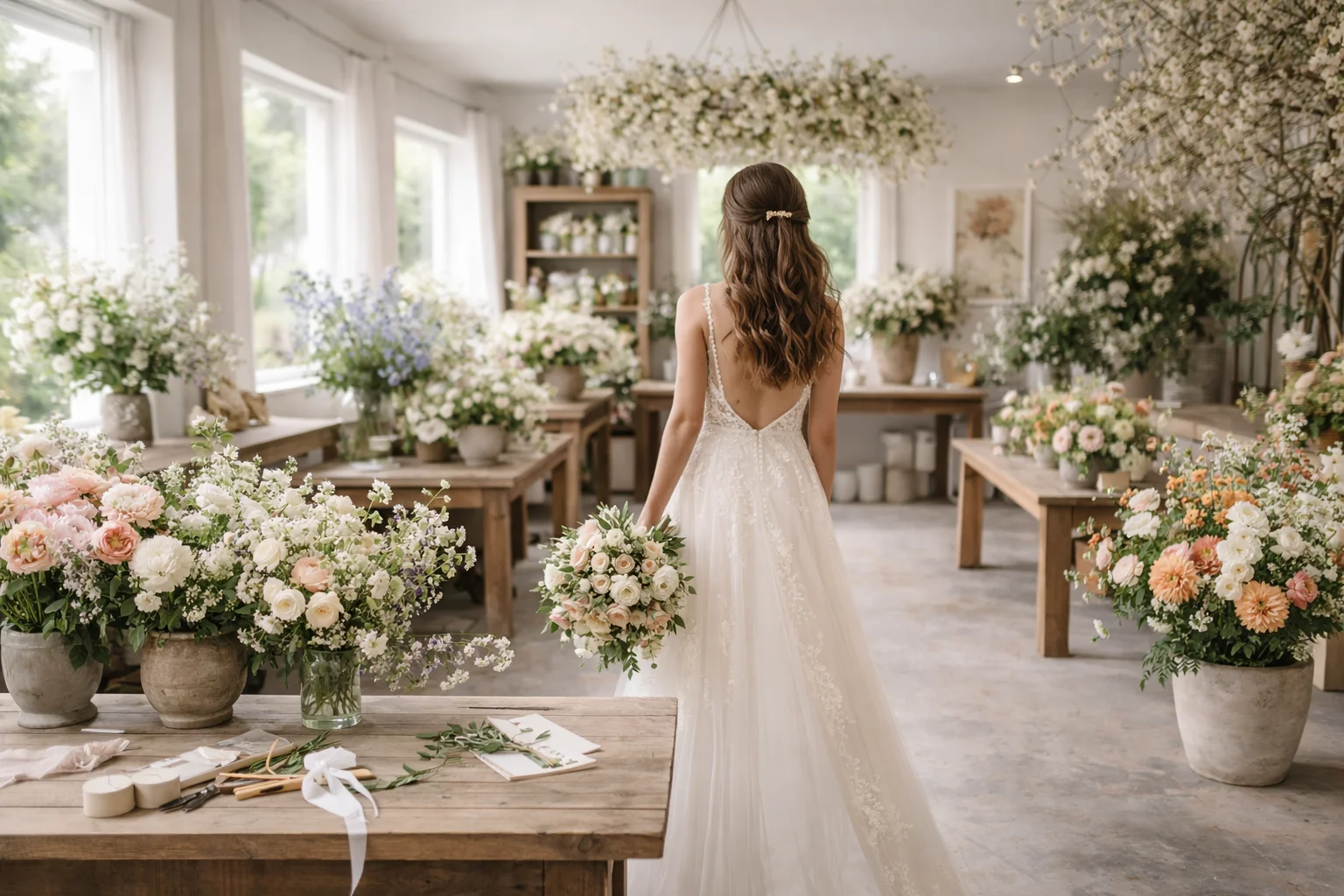
What Flower Shops Really Shape at Weddings
Wedding flowers are often reduced to color palettes and arrangements, but flower shops influence something deeper. They define how a ceremony feels, how space breathes, and what lingers after the moment has passed. This article looks at how florists shape both the visible and the emotional layer of a wedding.
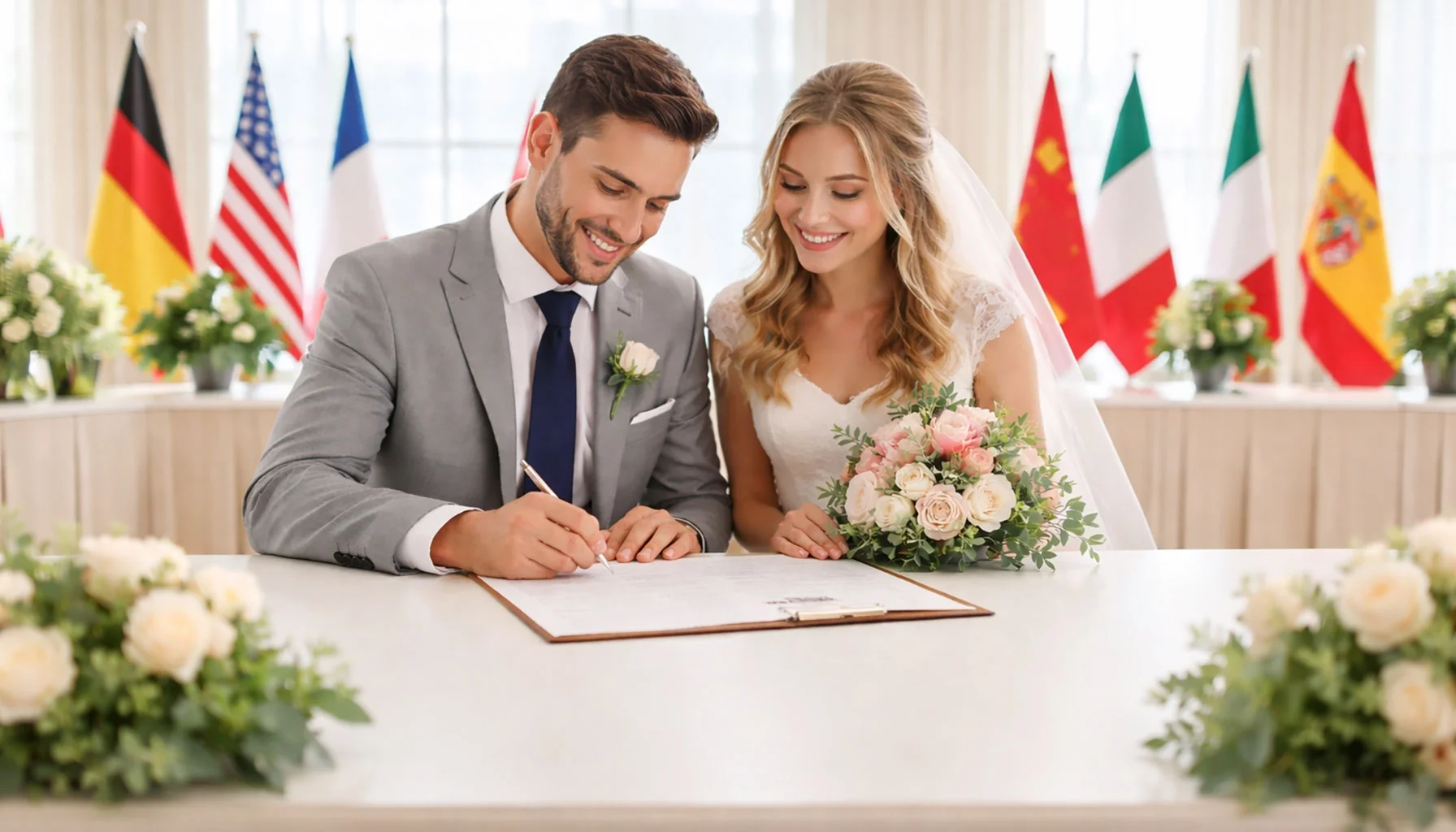
Civil Ceremonies Worldwide: Legal Requirements, Processes, Costs, and Cultural Differences
Civil ceremonies are rarely dramatic, yet they often carry one of the most decisive thresholds in a wedding journey. This article looks at civil marriage across countries through legal requirements, observed processes, cost ranges, and the quieter atmosphere that often surrounds the moment a marriage becomes official.
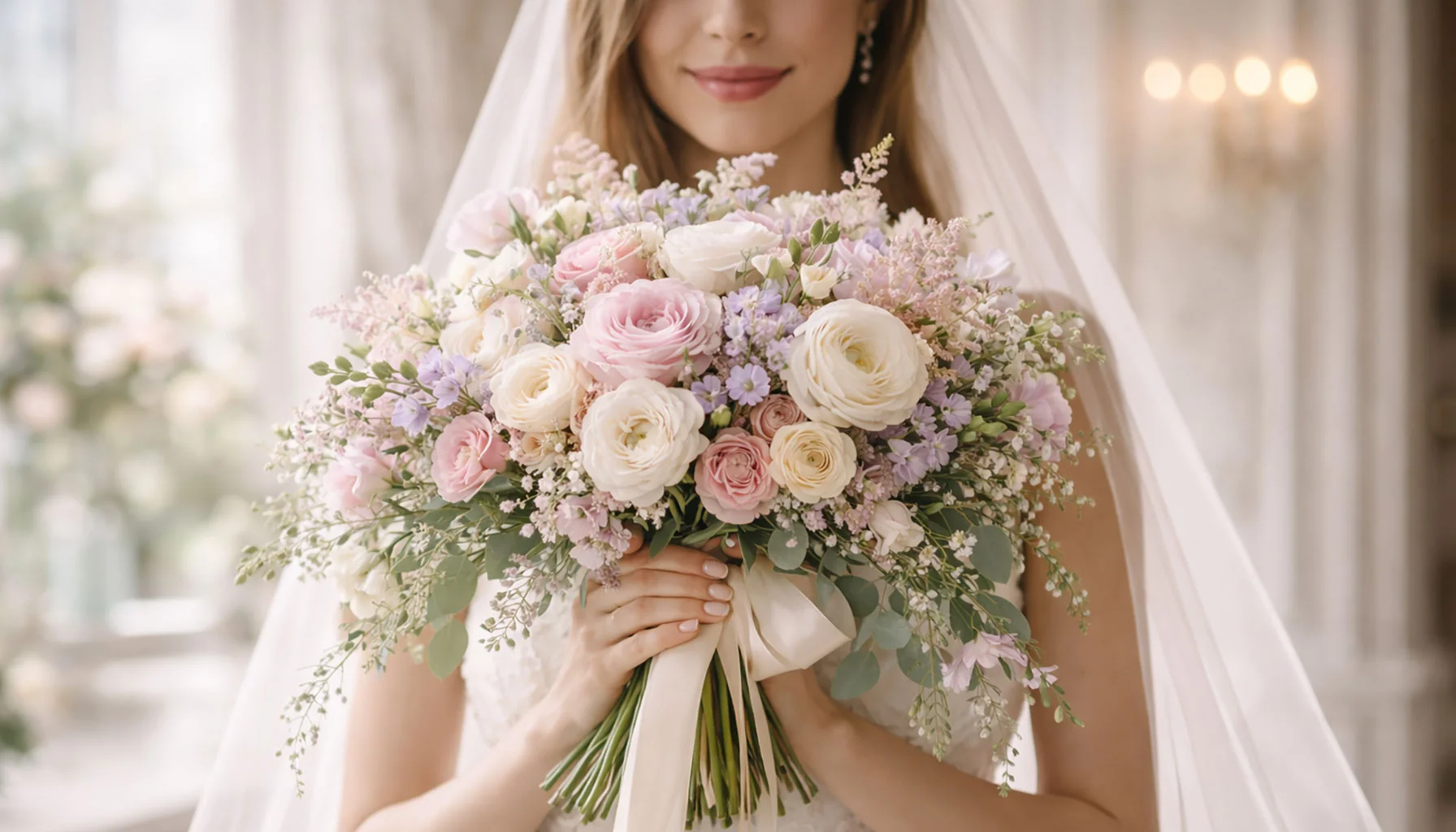
The Bridal Bouquet: A Silent Expression of Love, Style, and Timeless Emotion
The bridal bouquet accompanies the bride throughout the wedding day. It is held, adjusted, set aside, and taken up again. Its impact comes from balance rather than attention. Shape, weight, and color align with movement and appearance and become part of what is remembered.
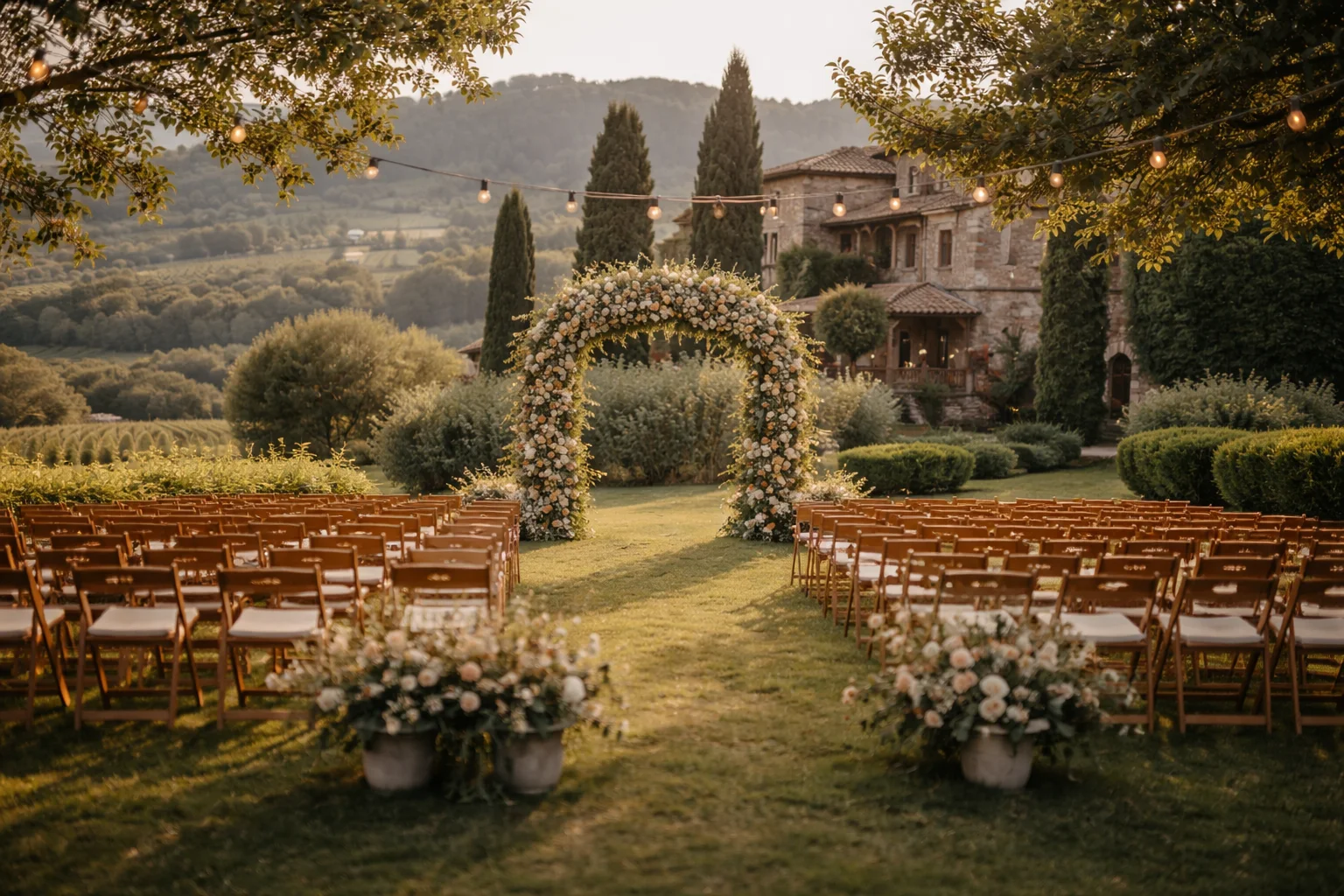
Quiet Observations on Wedding Locations and Gathering Spaces
Discussions about wedding venues often circle around style or decoration. In practice the location itself shapes the event long before flowers or lighting appear. The way guests arrive, how rooms connect, how sound travels in an old hall or across a garden terrace. These things quietly determine the rhythm of the day.
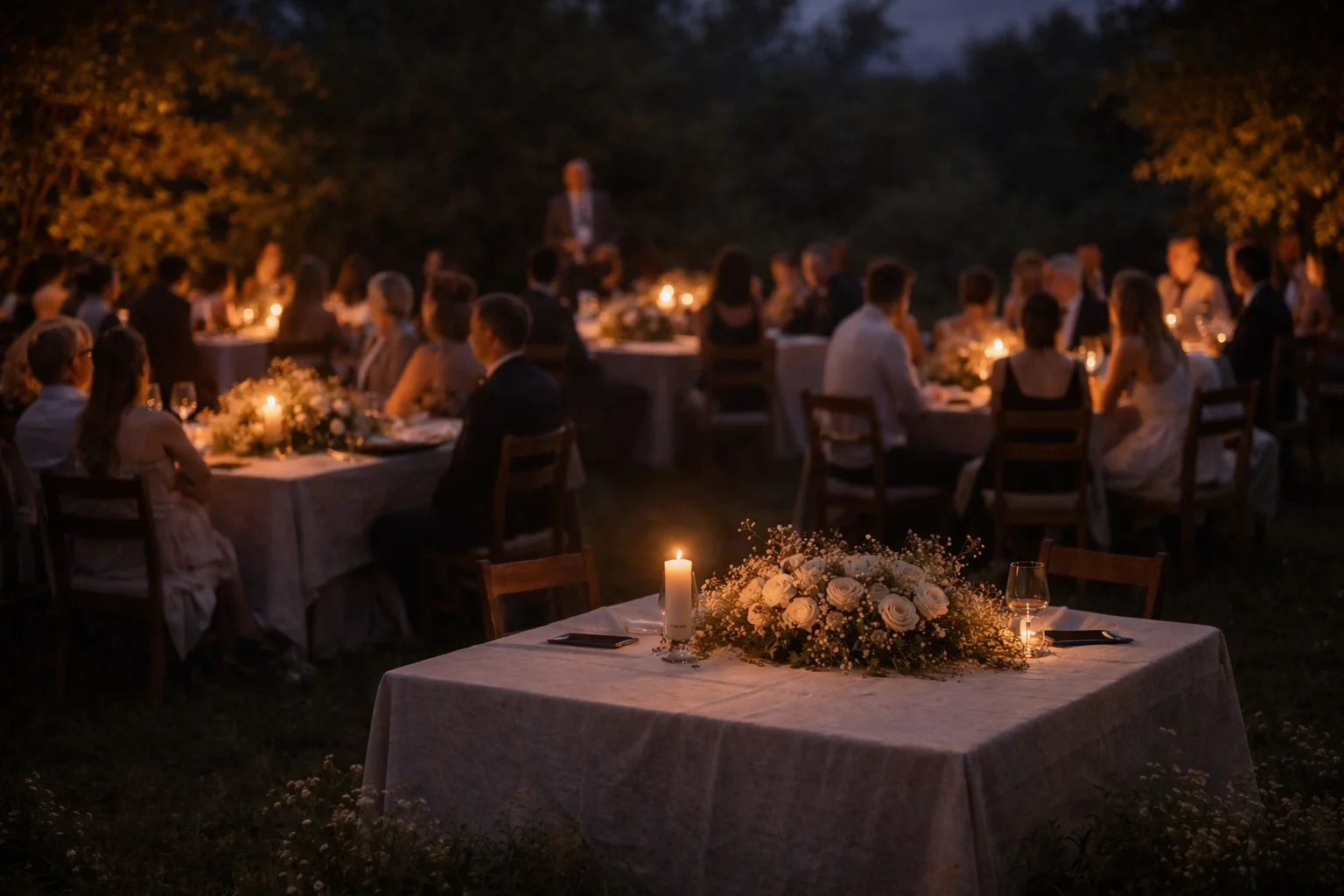
How to Make Wedding Lighting Feel Warmer and More Intentional
Lighting at weddings is often treated as a technical detail, but it defines how a space is felt before anything else is noticed. This article explores how to make light softer, calmer, and more intentional, and why what is not directly seen often matters most.
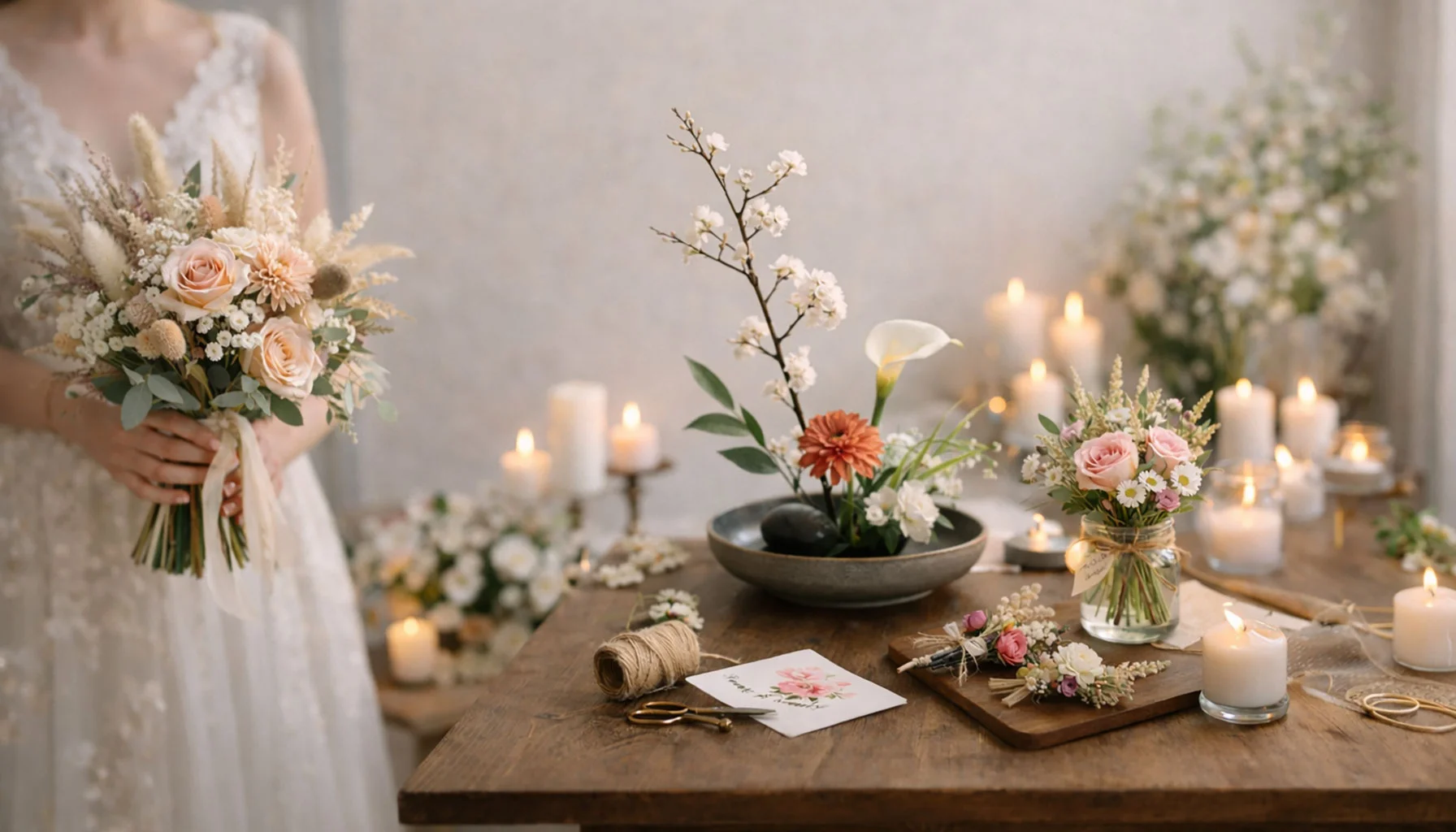
Timeless Blooms & Modern Floral Ideas for Meaningful Wedding Celebrations
Floral design shapes the atmosphere of a wedding more through presence than through display. Small choices, careful timing, and attention to place define how flowers are perceived. When arranged with restraint, they support moments, soften transitions, and remain quietly memorable.
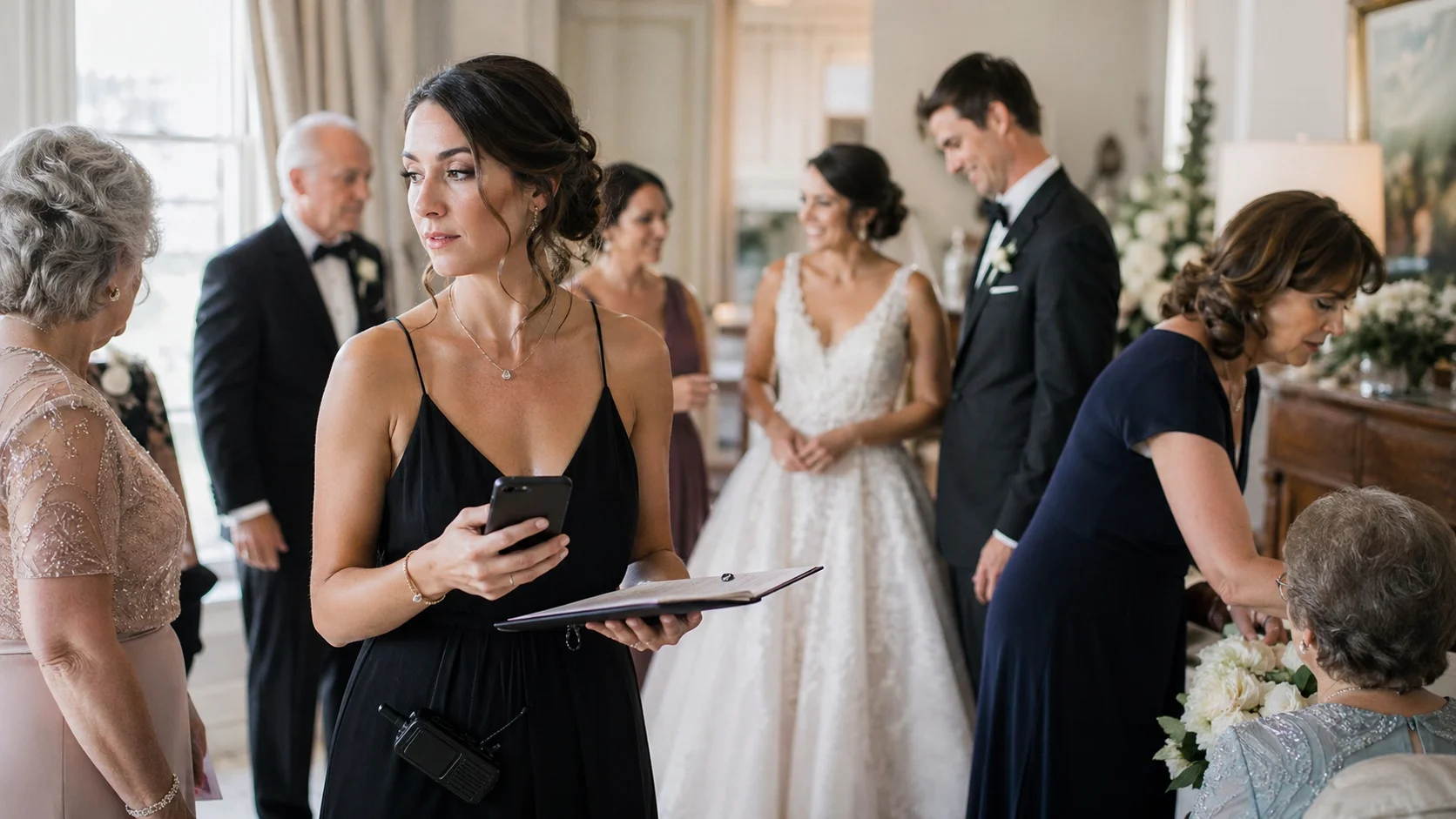
Emotional Load Checklist: Who Carries Too Much, and How to Notice It Early
Emotional load at weddings often hides behind competence. This article looks at who carries invisible responsibility, how to notice early signs of overload, and how to share care before one person quietly holds too much.
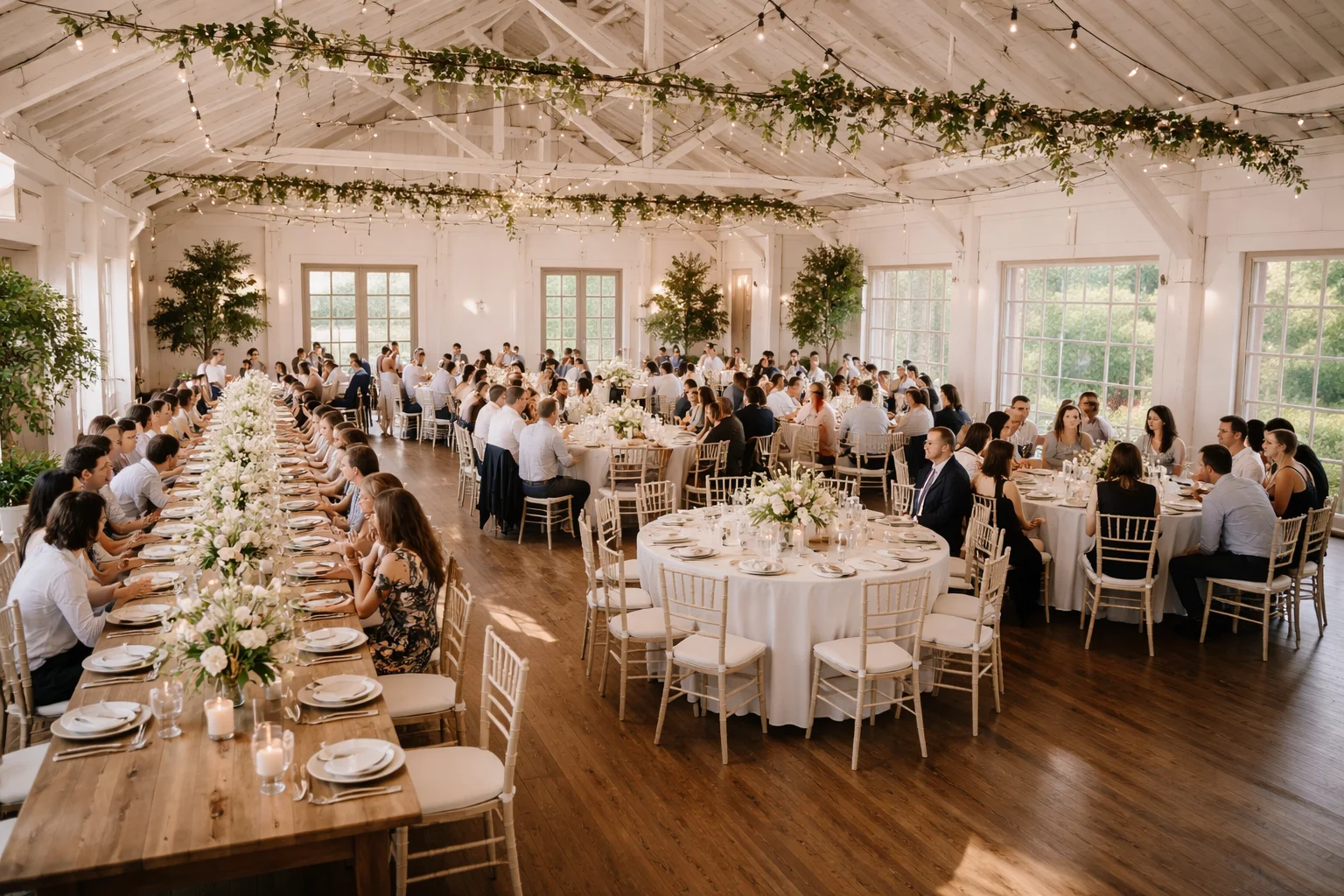
Long Tables vs Round Tables: Observed Use in Wedding Settings
The choice between long and round tables shows up early, often before other details are fixed. It looks like a visual decision at first. In actual setups, it shifts how the room settles once people sit down. Not dramatically, but enough to notice after a short time.
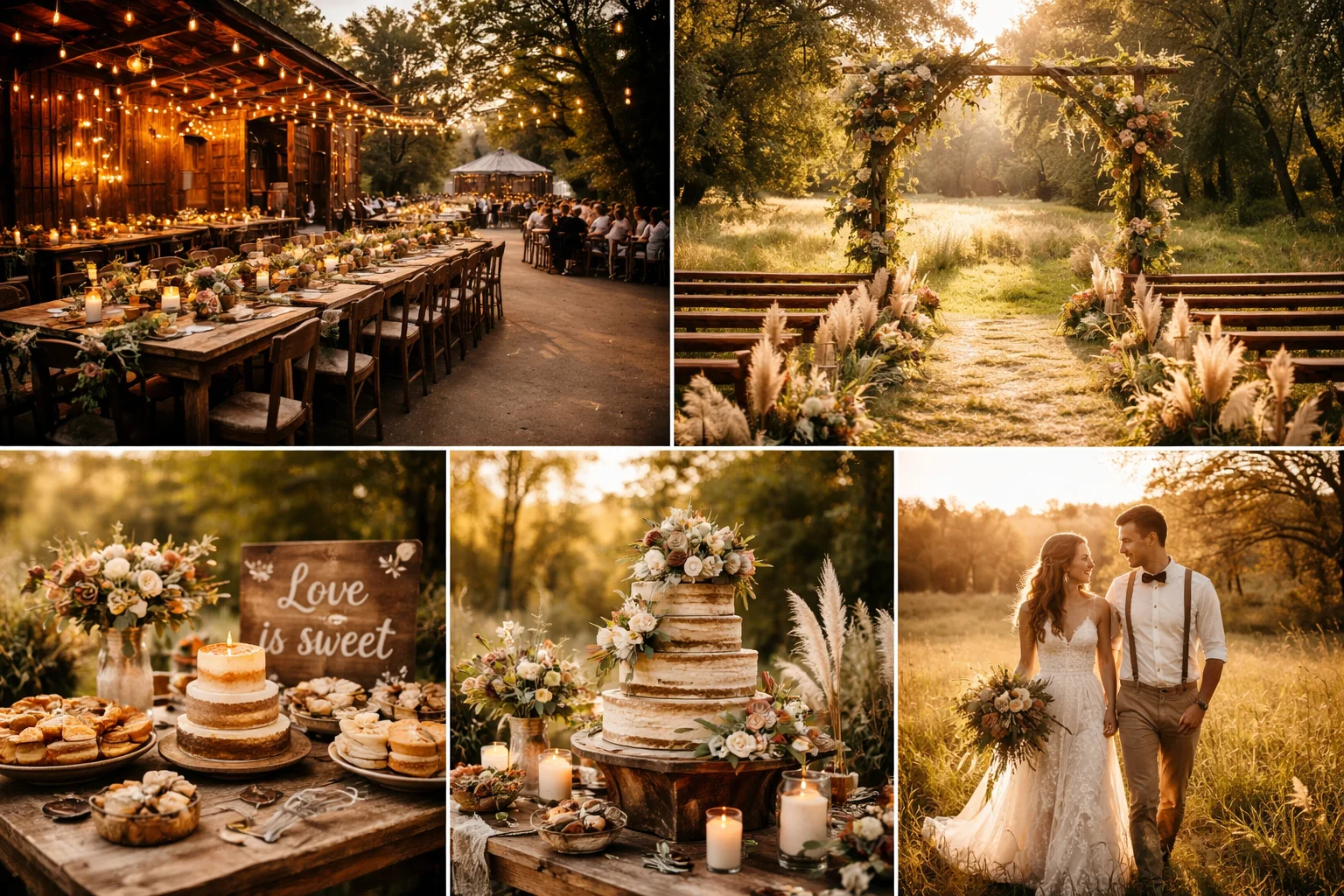
Rustic and Natural Wedding Celebrations: Timeless Love in Harmony with Nature
Rustic and natural weddings are often remembered less for decoration than for the way they let people settle. Wood, air, grass, uneven ground, soft light, and slower movement create a kind of calm that feels almost familiar from the start. This article looks at how rustic wedding settings shape atmosphere through simplicity, material honesty, and the quiet logic of place.
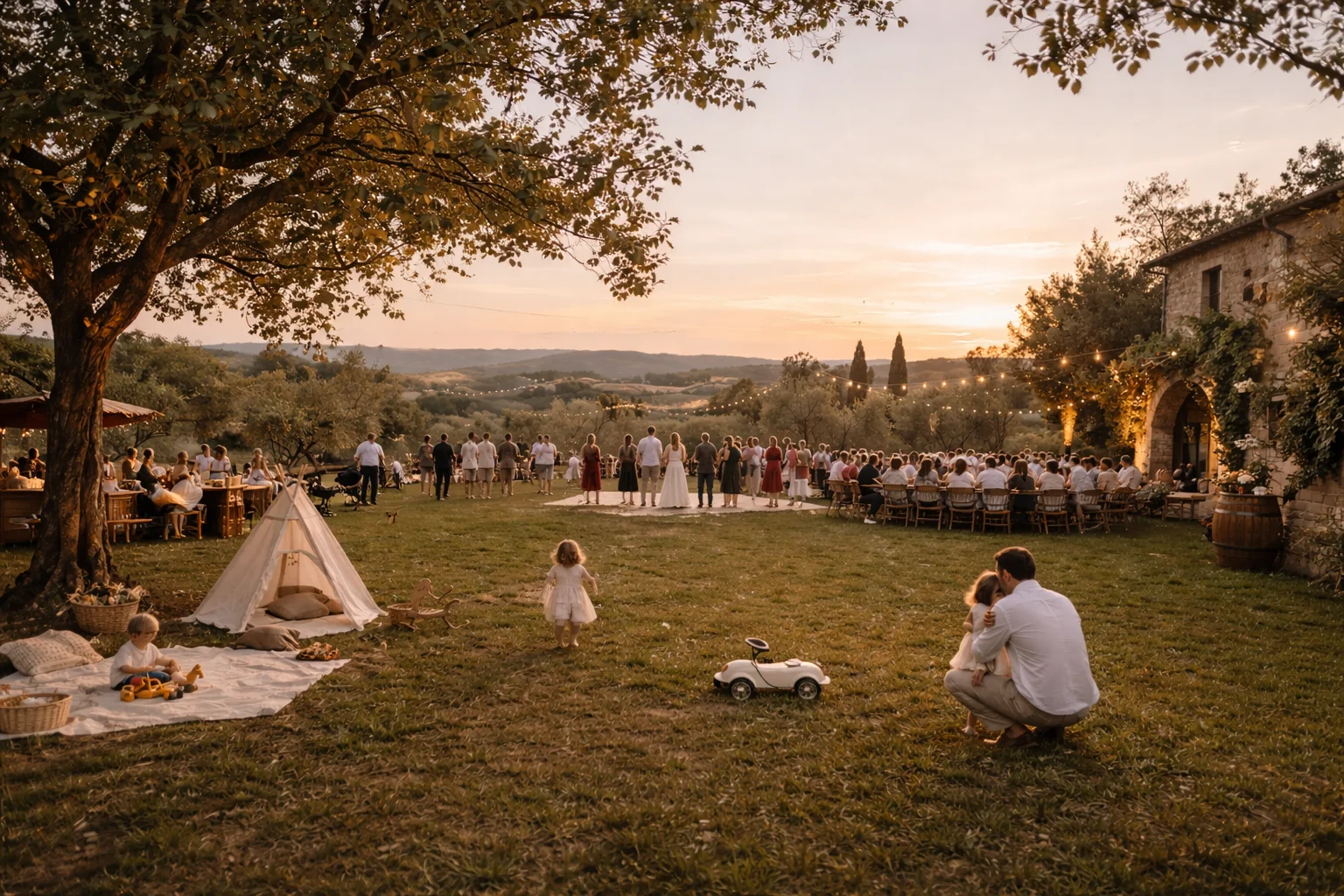
Nap Times, Early Goodbyes, and the Hidden Rhythm of Weddings With Small Children
Weddings with small children often follow two timelines at once: the visible schedule of ceremony, dinner, and dancing, and the quieter rhythm of naps, tiredness, comfort, and early departures. This article looks at how those hidden shifts shape the day in practical and emotional ways.
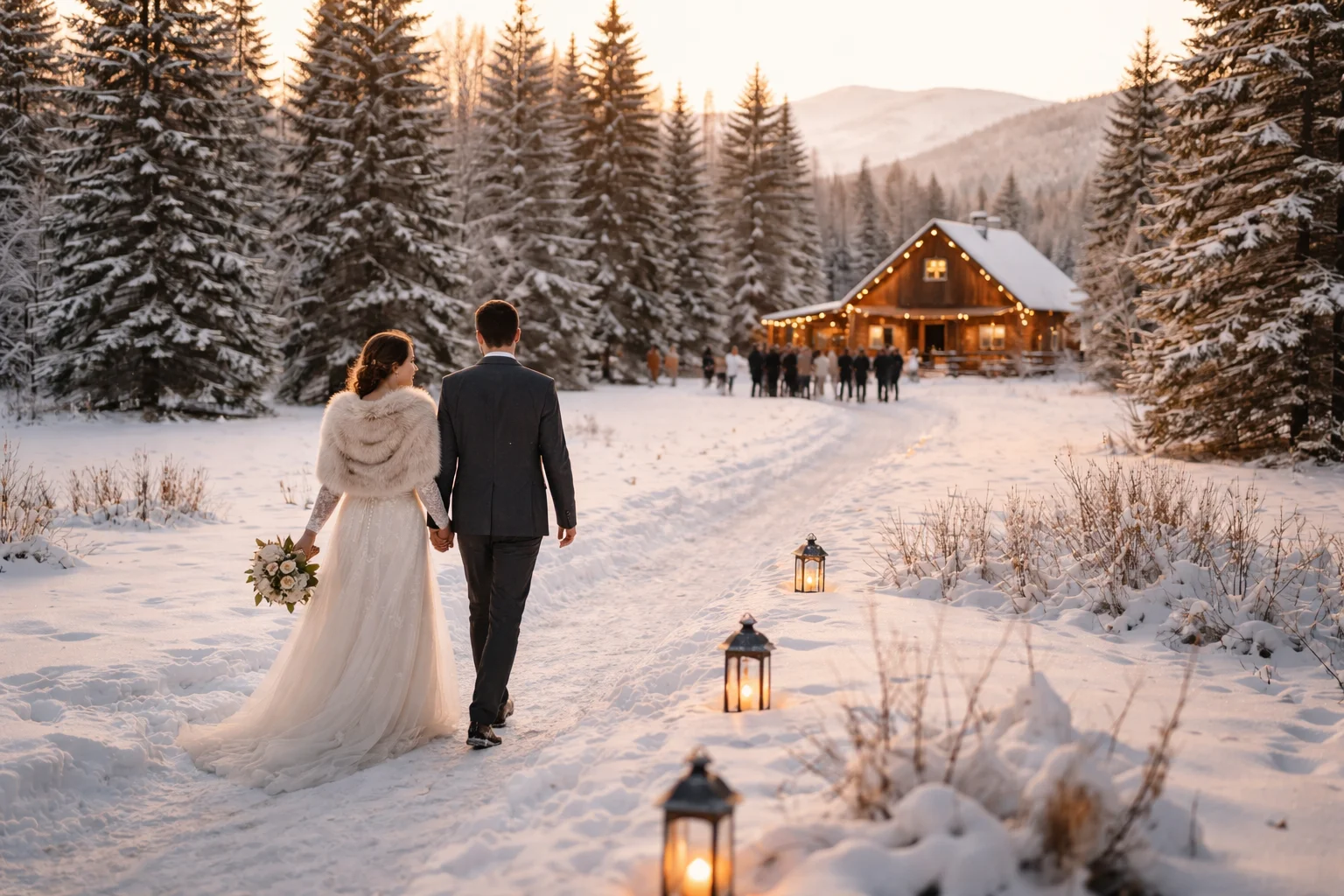
Winter Light and Compressed Timelines in Weddings
Winter weddings are shaped less by one obvious restriction than by a series of quieter adjustments. This article looks at how shorter days, colder air, and earlier shadows compress the timeline, tighten transitions, and give the day a more deliberate rhythm.