
Where an Outdoor Wedding Finds Its Quiet Moments
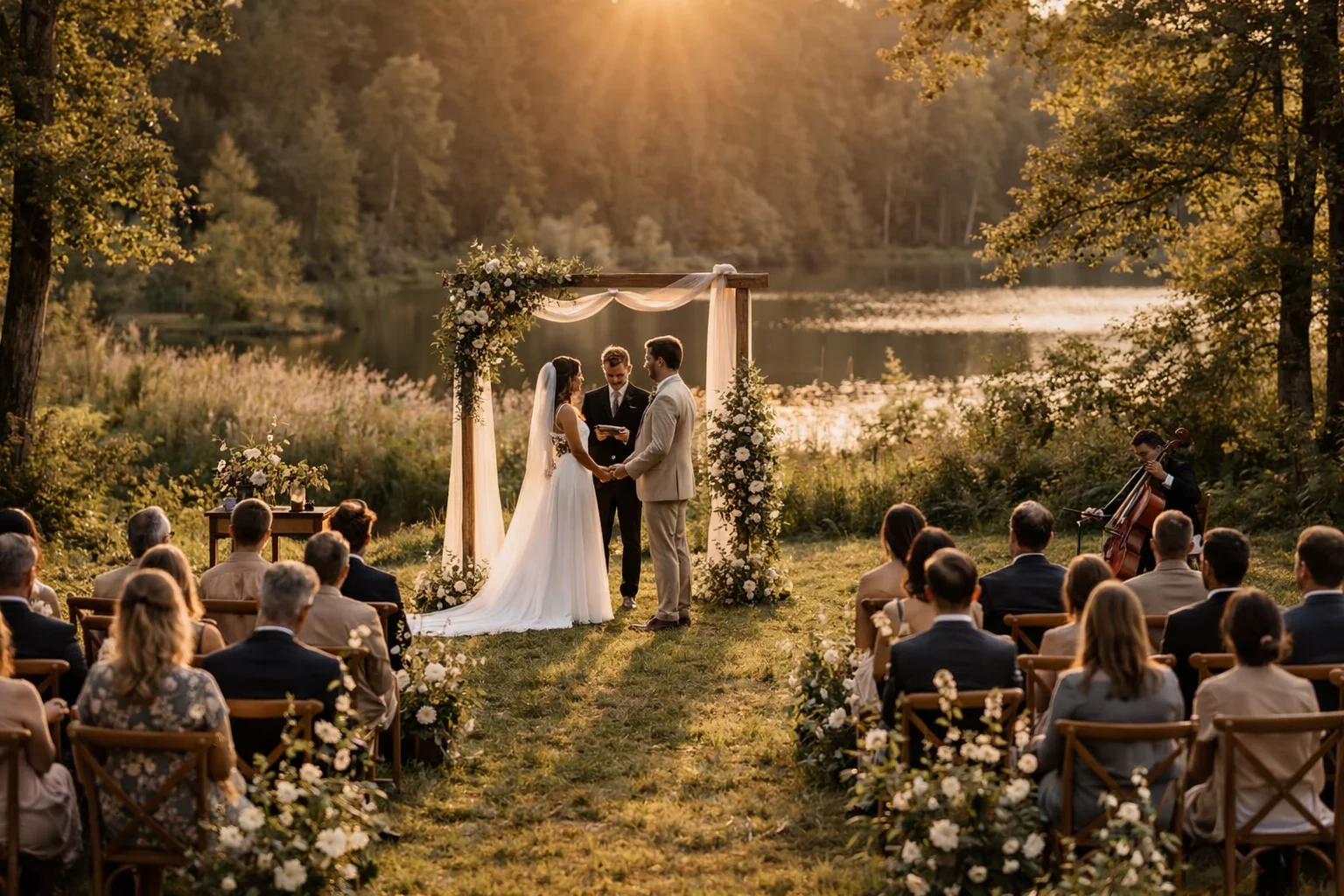
An Outdoor Wedding Is Never Completely Quiet
And yet, within that openness, something quieter becomes noticeable. Not silence in the literal sense, but a different kind of attention. A pause that feels less constructed than indoors, as if the surroundings themselves are holding space for what is happening.
Outdoor WeddingAn outdoor wedding offers a unique and natural setting that creates an unforgettable atmosphere. Surrounded by nature, fresh air, and open skies, couples can design a celebration that feels relaxed, romantic, and deeply personal. From choosing the right location and season to planning weather alternatives and logistics, thoughtful preparation ensures that an outdoor wedding is both beautiful and stress-free.
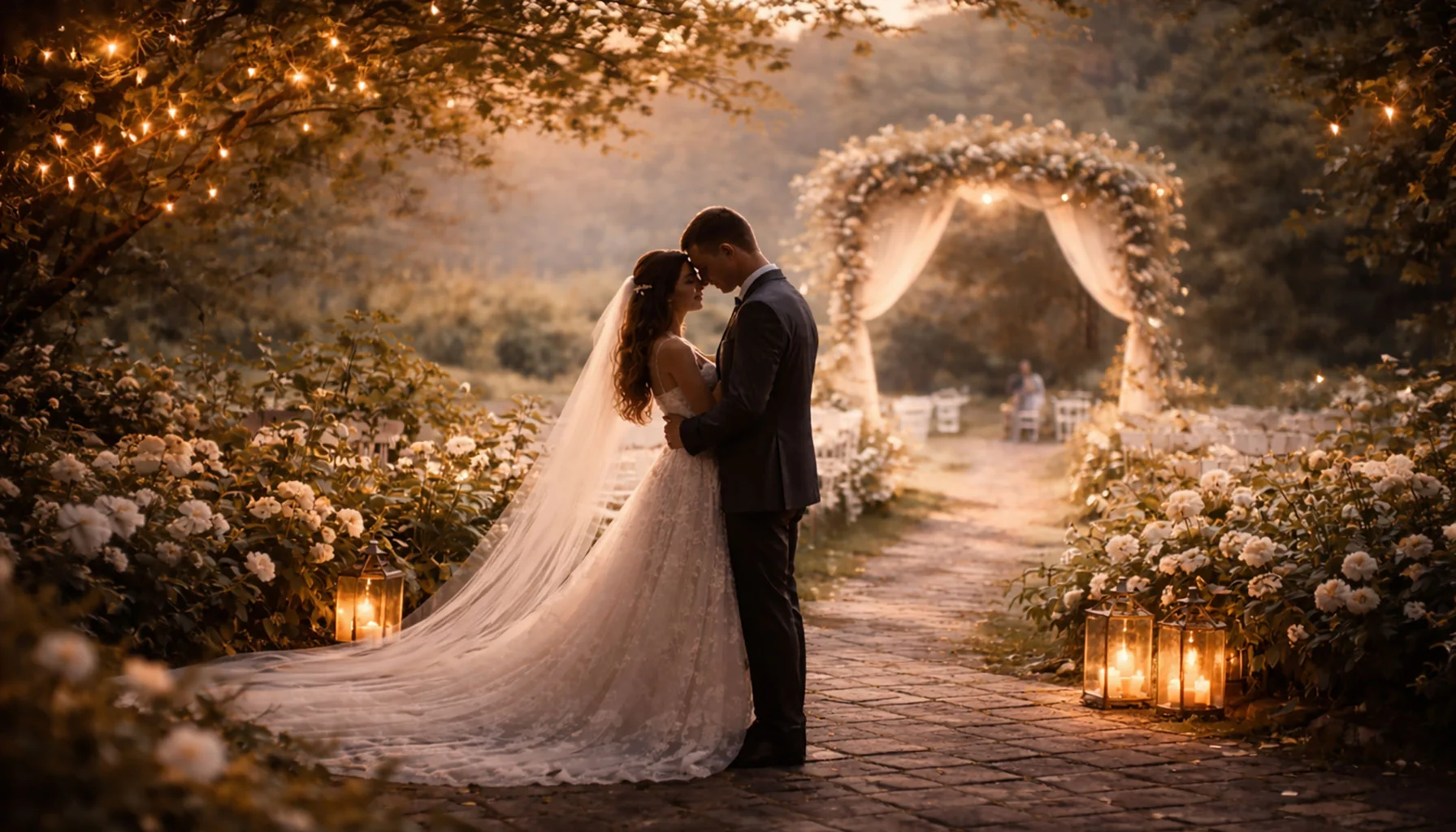
Silence is not absence. It is the space where meaning gathers before words, decisions, and rituals take shape.
Definition
An outdoor wedding takes place in a natural or open-air setting rather than a traditional indoor venue. It involves additional planning considerations such as weather, light, sound, and spatial flow, all of which influence how the ceremony is experienced.
Nature Does Not Follow a Script
Unlike indoor spaces, outdoor environments cannot be fully controlled. Wind may interrupt, light may shift, sounds may appear unexpectedly. Rather than being disruptions, these elements often make the ceremony feel more grounded. They remind everyone present that not everything needs to be perfectly managed to feel complete.
Silence Is Different Outside
Silence outdoors is rarely absolute. It carries layers, distant sounds, subtle movement, a sense of depth. In a wedding, this kind of silence does not erase what is happening. It surrounds it. It allows moments to settle without forcing them into constant expression.
Planning for What Cannot Be Controlled
Good outdoor planning accepts uncertainty rather than trying to eliminate it. Timelines include flexibility, layouts consider natural flow, and expectations shift slightly. This does not weaken the structure. It makes it more responsive to what the setting naturally brings.
Moments That Stay Without Being Announced
Some of the most memorable parts of an outdoor wedding are not formally marked. A quiet exchange before the ceremony begins. A pause where nothing is said, but something is understood. These are not written into any plan, yet they often remain long after the day itself.
The Setting Holds Part of the Meaning
In an outdoor setting, the environment becomes part of the ceremony. It does not just frame the event, it participates in it. This can make the experience feel less staged and more continuous, as if the moment belongs not only to those present but to the place itself.
Conclusion
An outdoor wedding is not simply a change of location. It shifts how the day is felt. Structure still matters, but it shares space with something less defined. Between movement and stillness, between sound and quiet, the ceremony finds a balance that cannot be fully planned, only experienced.
Related Articles
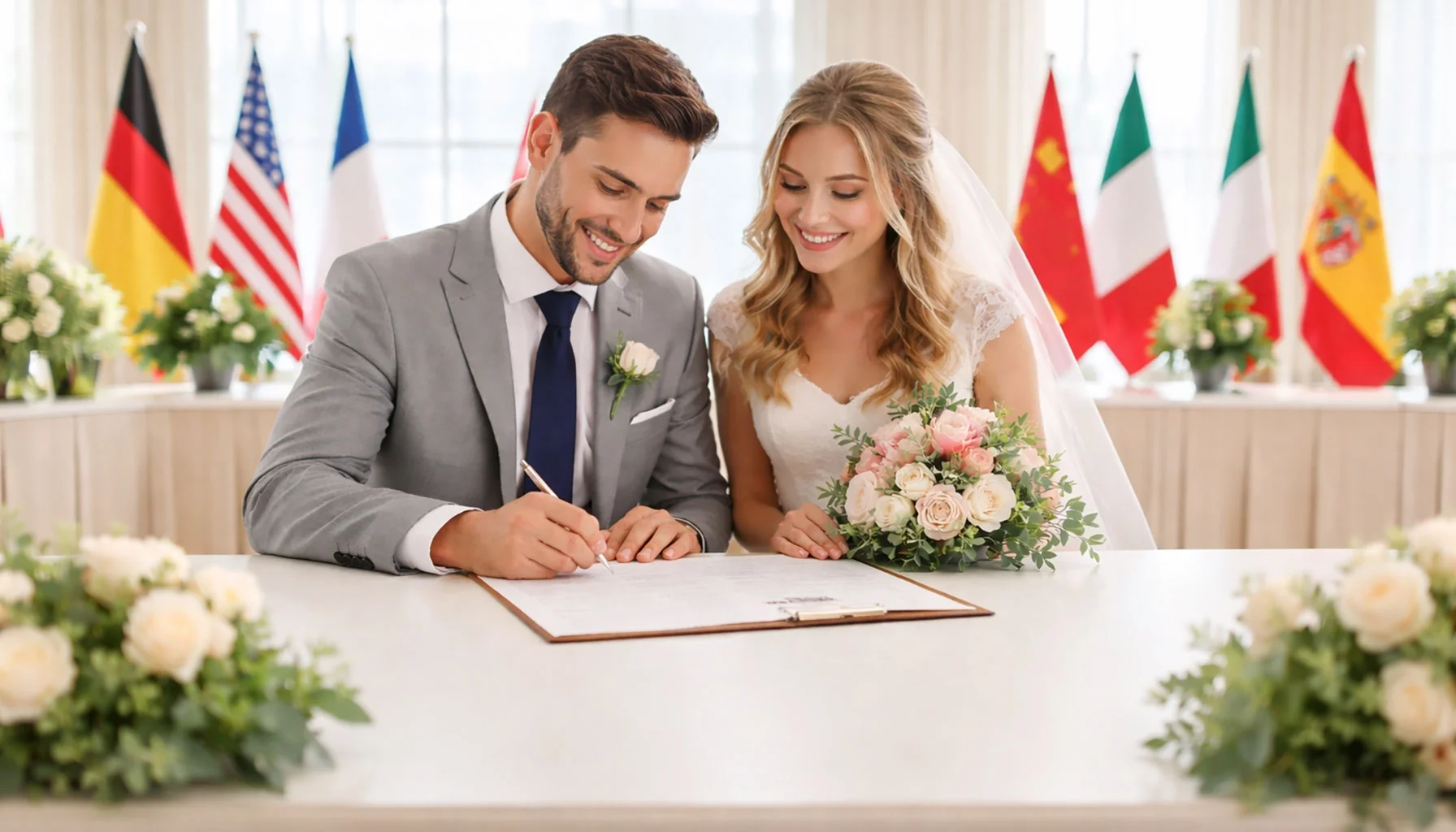
Civil Ceremonies Worldwide: Legal Requirements, Processes, Costs, and Cultural Differences
Civil ceremonies are rarely dramatic, yet they often carry one of the most decisive thresholds in a wedding journey. This article looks at civil marriage across countries through legal requirements, observed processes, cost ranges, and the quieter atmosphere that often surrounds the moment a marriage becomes official.
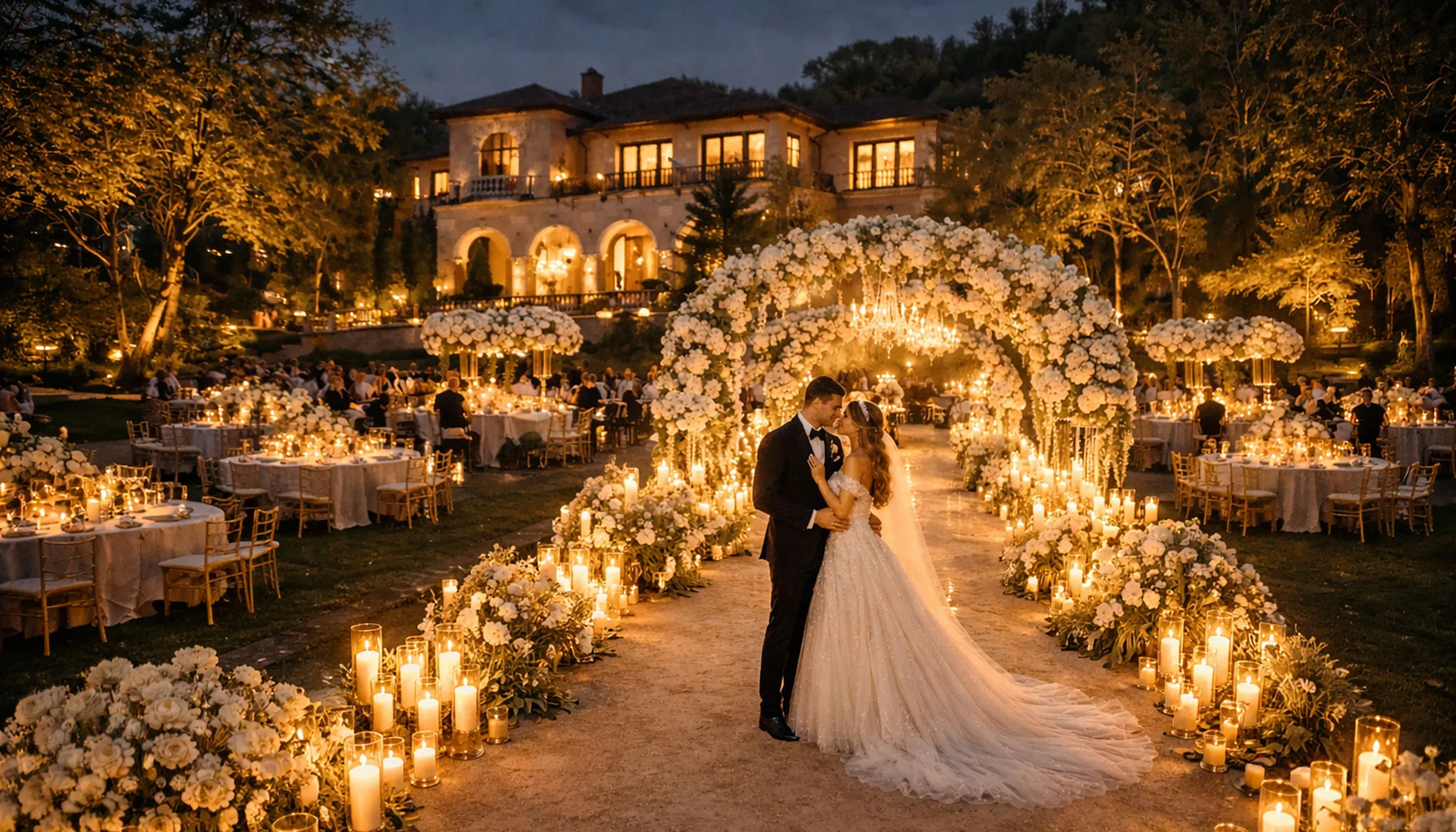
A day, carried by closeness
This wedding thrived on closeness and attention. Everything quietly intertwined and created a framework in which guests felt safe, welcome, and connected. From arrival to departure, a shared flow emerged that left room for conversations, laughter, and quiet togetherness. What remained was a feeling of warmth and cohesion that outlasted the day.

Meaning of Marriage and Love
Marriage and love are not built on constant passion or perfect moments. They survive because two people decide to stay, even when feelings change and life becomes difficult. Real love is quiet, steady, and intentional. It grows through honesty, shared responsibility, and the willingness to choose each other every day—not because it’s easy, but because it matters.
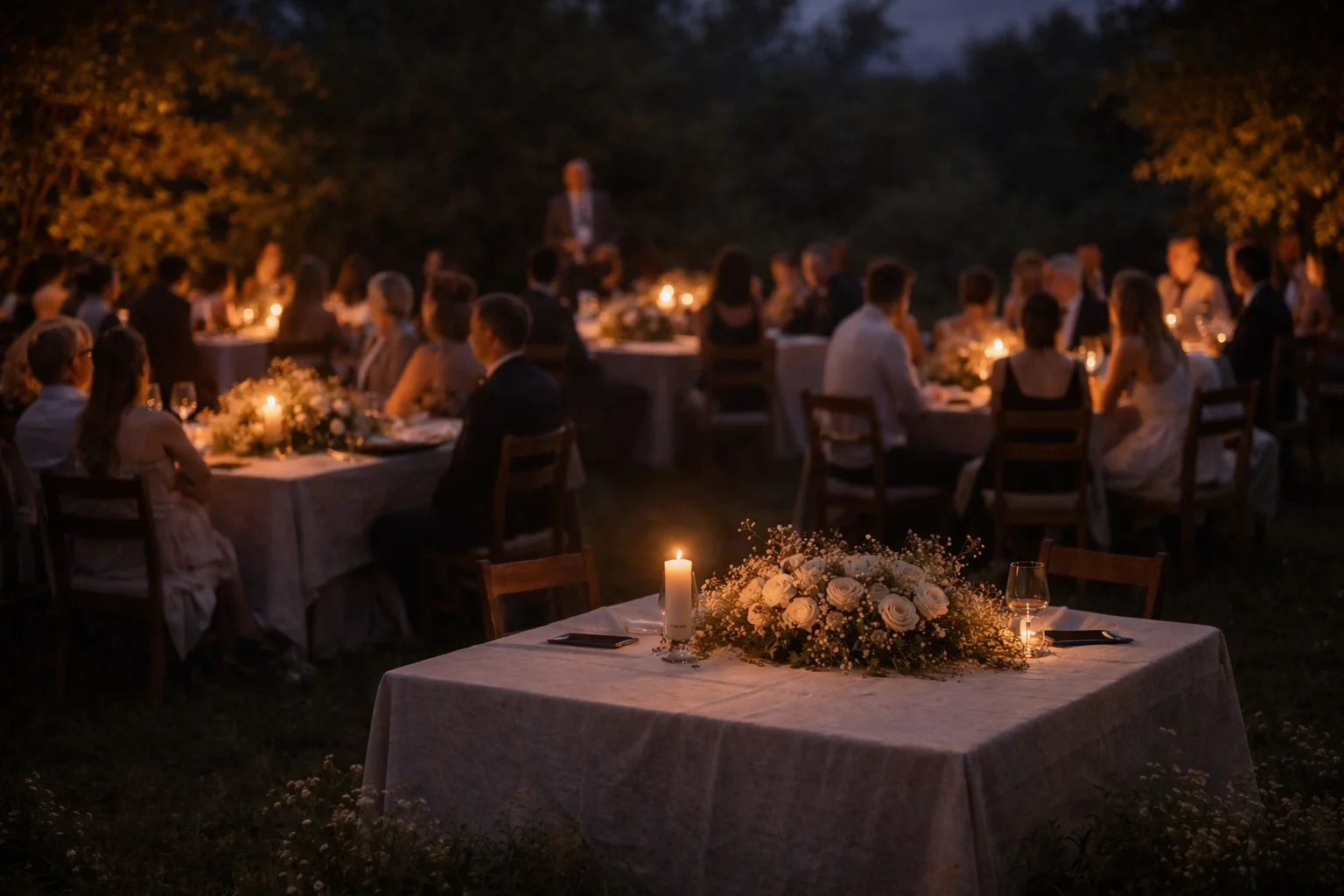
How to Make Wedding Lighting Feel Warmer and More Intentional
Lighting at weddings is often treated as a technical detail, but it defines how a space is felt before anything else is noticed. This article explores how to make light softer, calmer, and more intentional, and why what is not directly seen often matters most.
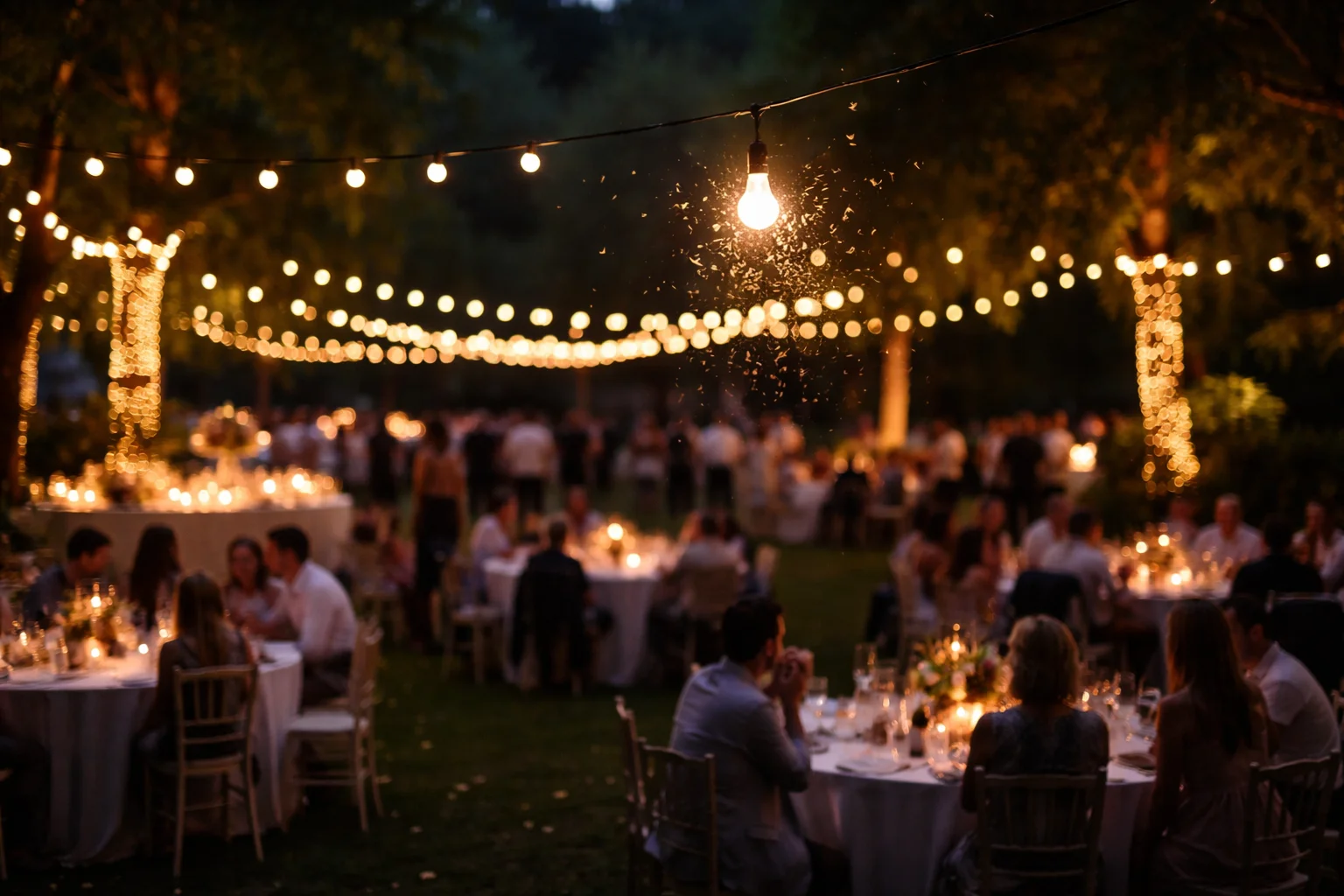
Insects Around Light Sources at Weddings
Outdoor weddings shift once the light fades. What looked calm in late afternoon starts to move differently. Lamps switch on, strings of bulbs hum a bit, faces turn toward brighter spots. And then, slowly, insects begin to show up. Not all at once. Just a few at first, easy to miss.

Why Notebooks Matter More Than You Think at Weddings
Notebooks at weddings are often treated as simple guest books, but their role goes deeper. They capture pauses, unfinished thoughts, and quiet moments that rarely surface in spoken form. This article explores how notebooks connect the visible ritual of a wedding with the invisible space of silence.
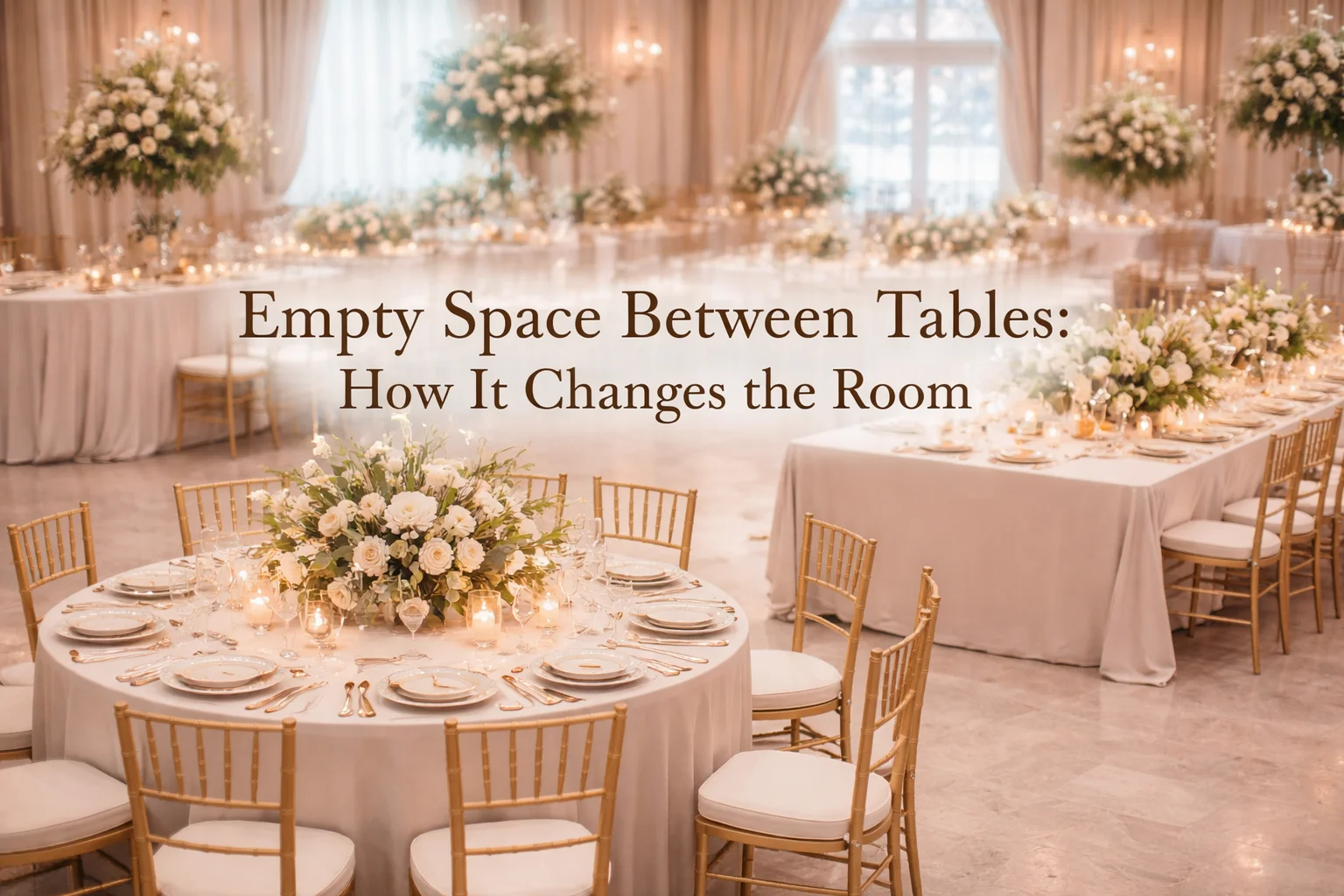
Empty Space Between Tables and How It Shapes the Room
Most layouts start with the tables themselves. Size, shape, how many fit. The areas in between are often adjusted at the end, sometimes just to make things work on paper. In the actual room, though, those leftover spaces do something. Not in a designed way. More like they shift how people move without anyone really pointing at it.
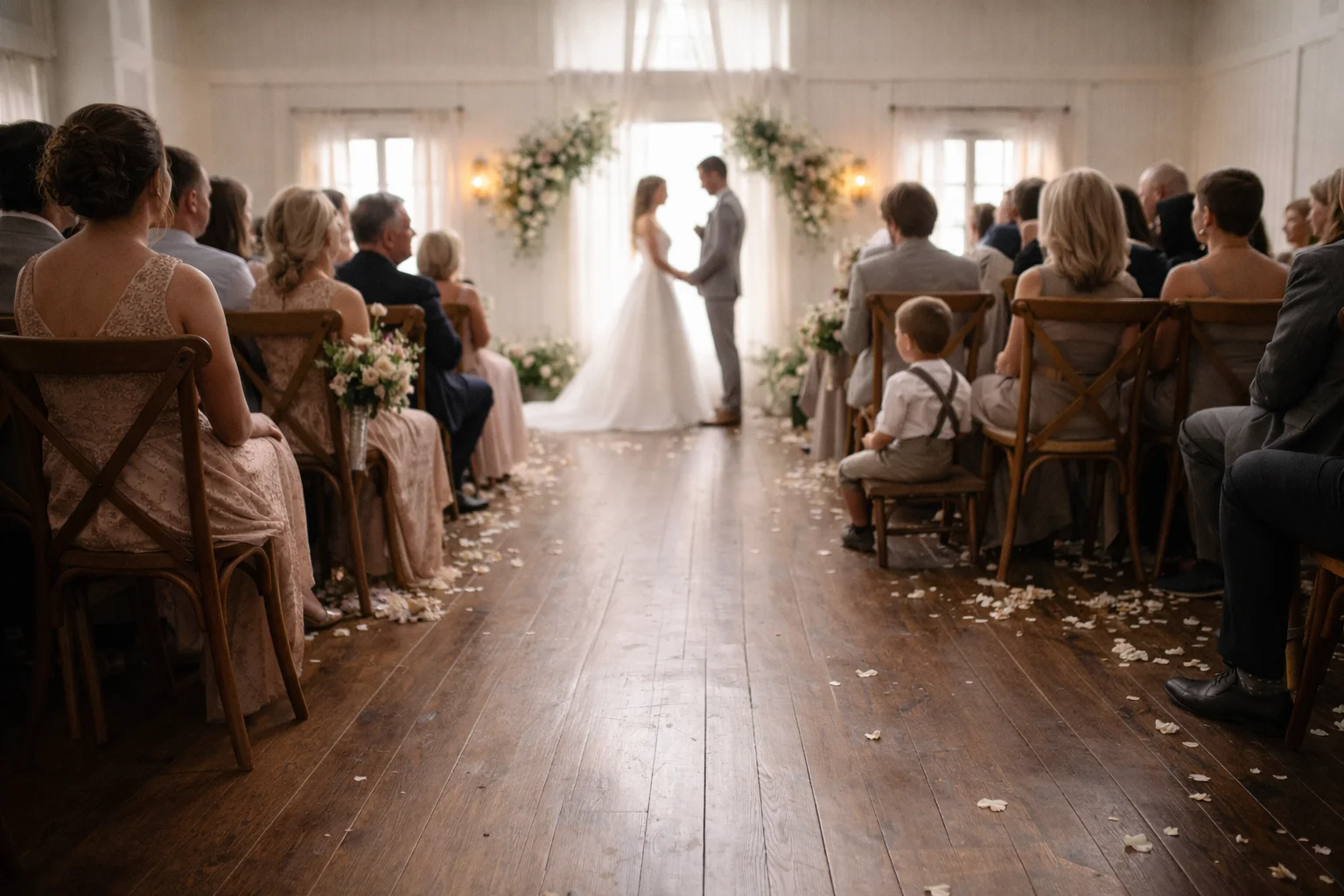
When Attention Shifts: Kids in Formal Wedding Situations
Children rarely stop a formal wedding moment outright, but they often redirect attention for a few seconds in ways adults immediately notice. This article looks at how those shifts happen, why they usually matter less than feared, and how weddings absorb different rhythms without losing their structure.
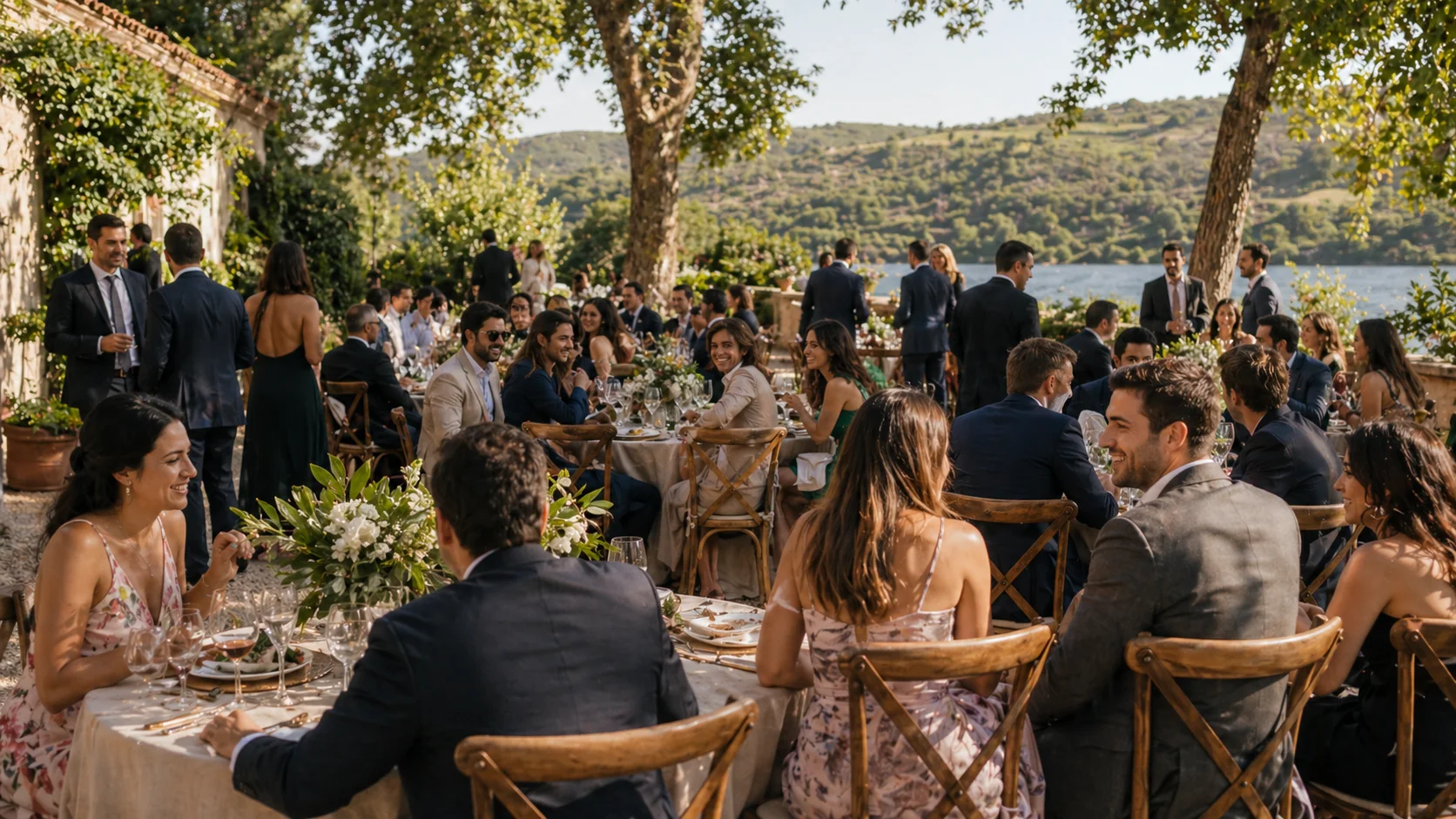
Guest Comfort Checklist: Small Conditions That Change the Entire Atmosphere
Guest comfort at weddings is shaped by small conditions long before anyone complains. This article looks at temperature, seating, sound, waiting areas, access, and quiet spaces of relief that change how the whole room feels.

Wedding Guest Communication Checklist: What Guests Need to Know and When
Good wedding communication is not about sending guests everything at once. It is about giving the right information at the right moment, so the day feels clear without becoming overexplained. This article looks at what guests actually need to know, when they need to know it, and why silence still has a place in wedding planning.
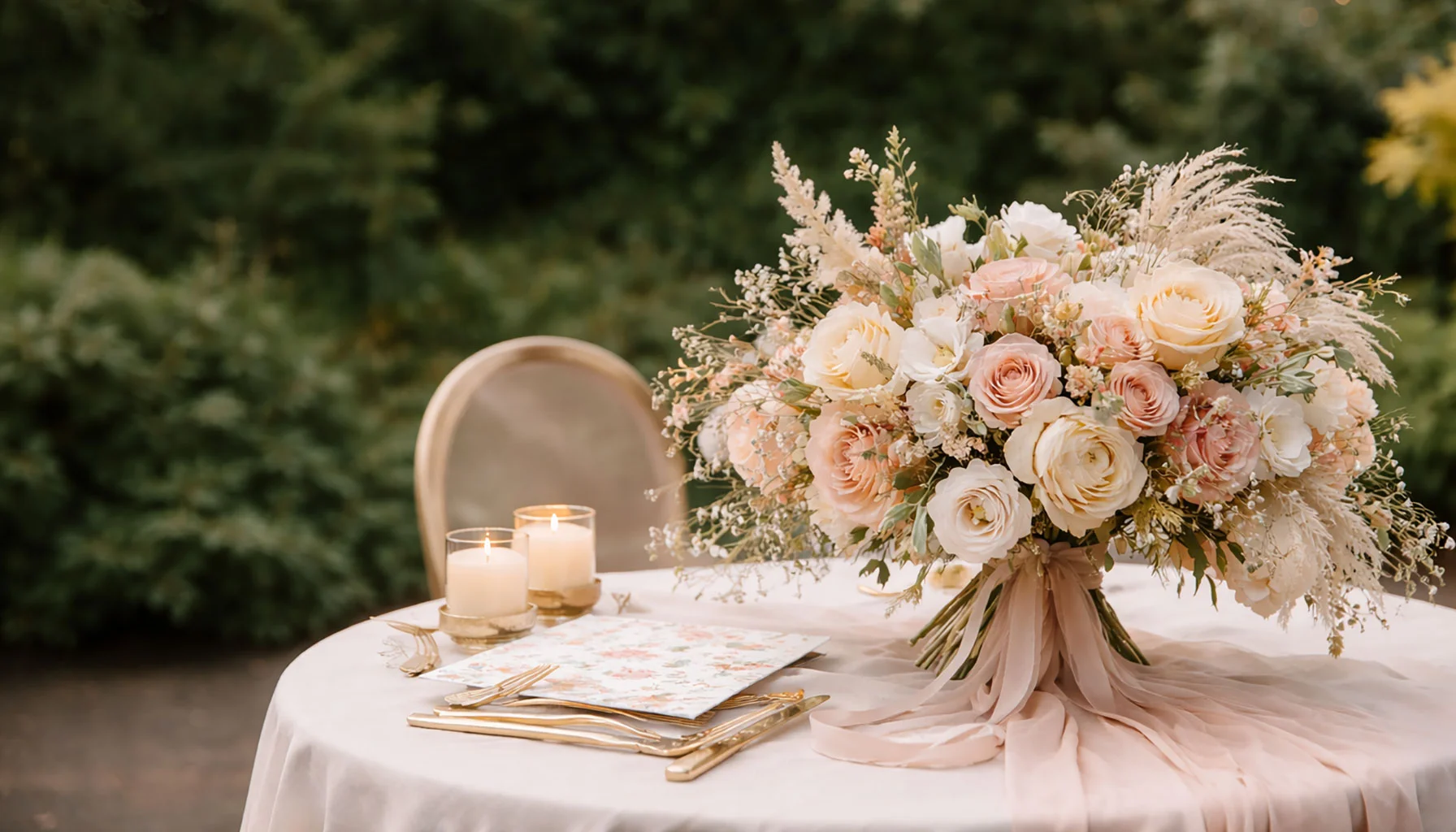
Bloom by Design: Flowers and Florals for a Modern Perfect Wedding
Flowers rarely carry a wedding by themselves. What they do, when chosen well, is quieter and often more lasting. They soften transitions, give rhythm to rooms, and help guests feel oriented without ever being told where to look. This article looks at wedding flowers through atmosphere, restraint, and the silent structure they create across the day.
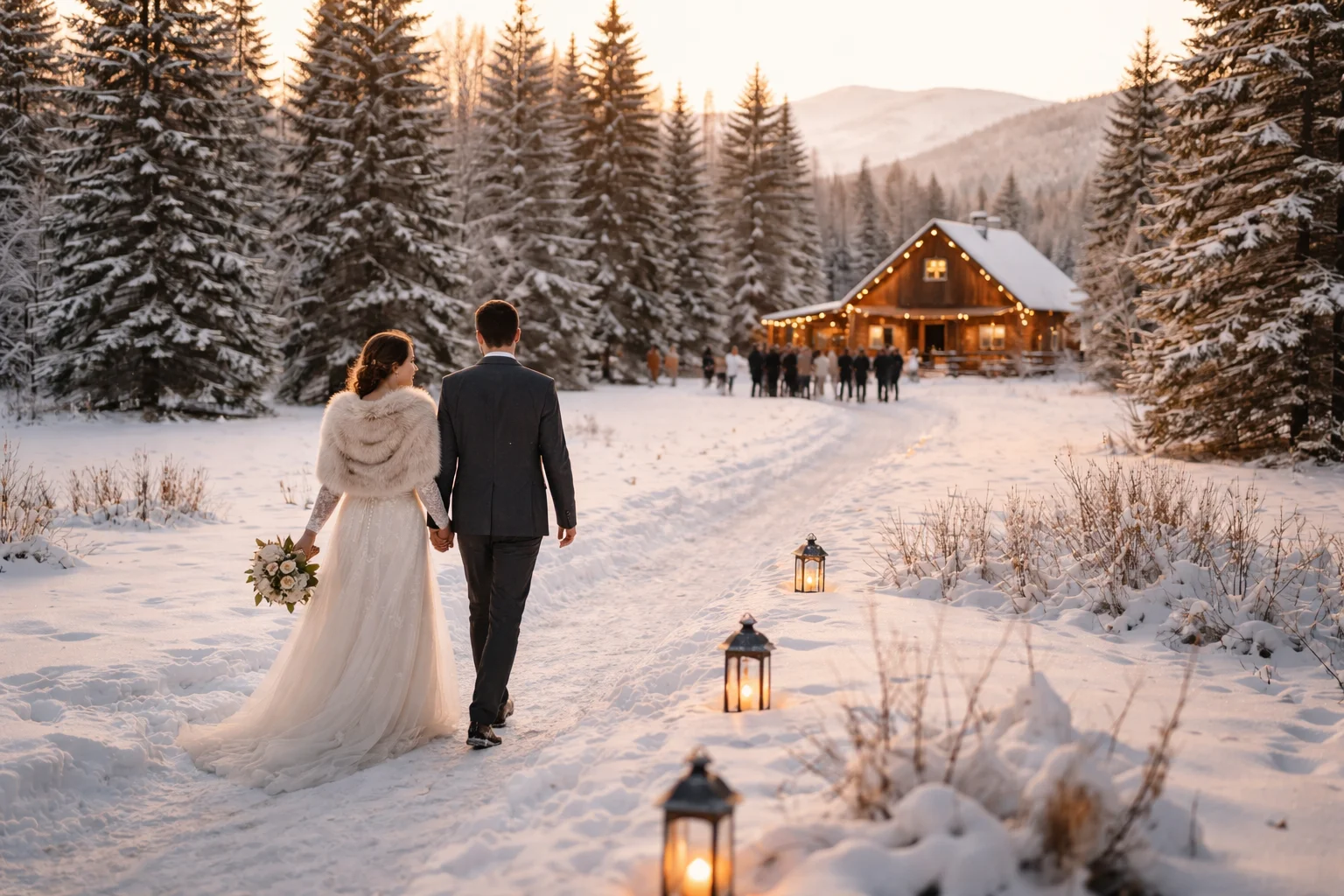
Winter Light and Compressed Timelines in Weddings
Winter weddings are shaped less by one obvious restriction than by a series of quieter adjustments. This article looks at how shorter days, colder air, and earlier shadows compress the timeline, tighten transitions, and give the day a more deliberate rhythm.