
Witnesses and Signatures: The Small Legal Moment Guests Often Misunderstand
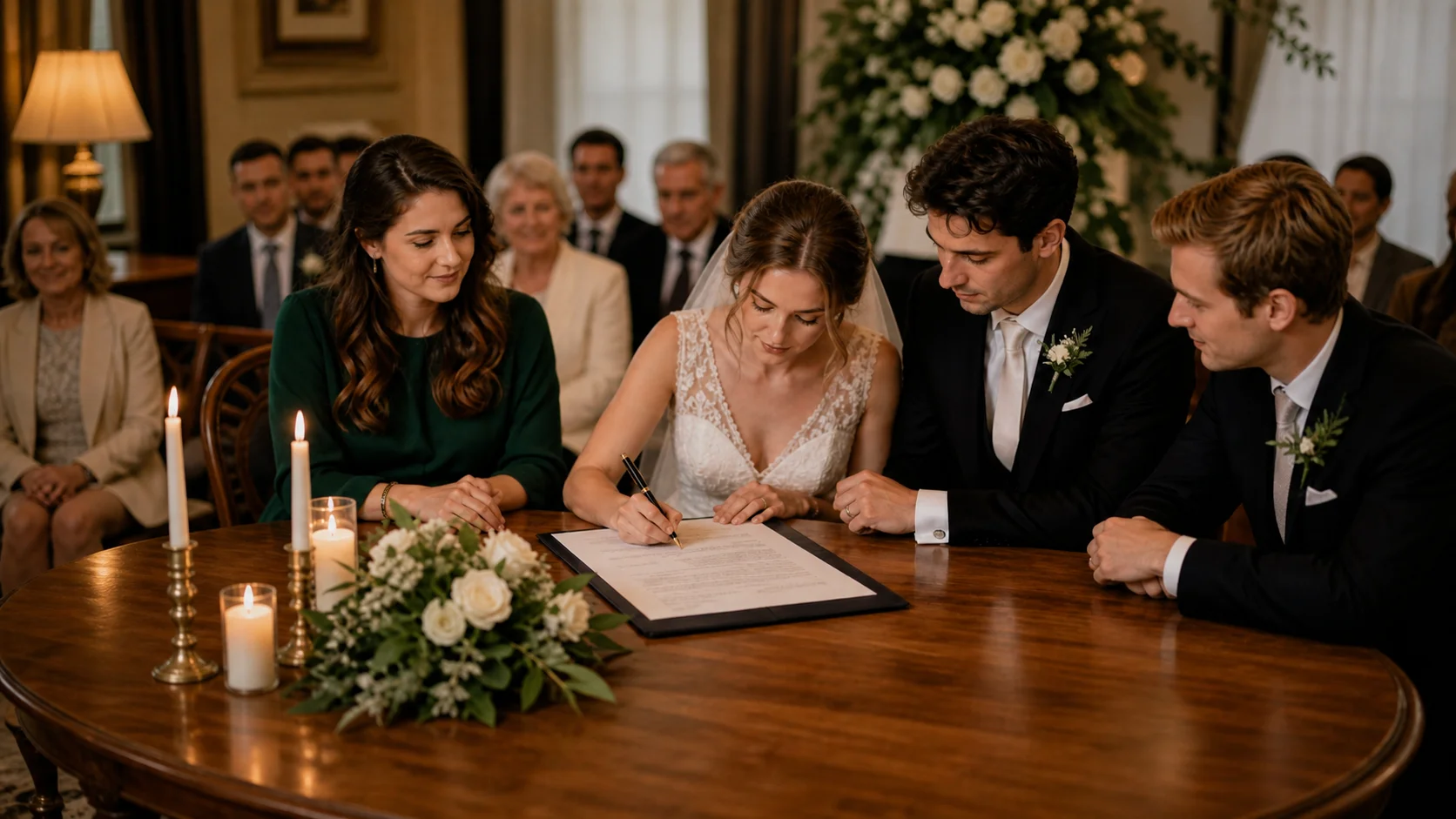
The signing moment at a wedding is easy to underestimate because it often looks so small. A table is brought forward, a pen appears, two people stand close, someone signs carefully, someone else checks the line twice, and within a few minutes the ceremony moves on. Guests may see it as a pause, a photo opportunity, or a formal detail that belongs to the officiant. In reality, the witnesses and signatures carry a quieter weight. They connect the public promise to the legal record.
This small legal moment can also carry more emotion than expected. The people asked to witness are not simply standing nearby. They are being trusted to be present at the point where the marriage becomes formally recognized. That does not make the moment heavy or theatrical, but it does deserve a little more attention than many couples give it. A signature is practical. It can also be a gesture of closeness, memory, and responsibility.
Definition
Witnesses and signatures in a wedding context refer to the people and formal signing process required to confirm that a marriage ceremony or legal marriage act has taken place. Requirements vary by country, region, and ceremony type, but the moment usually combines legal confirmation with a visible ritual of trust, presence, and recognition.
Witnesses Are Not Always The Same As Honor Roles
A common misunderstanding is that witnesses automatically have to be the maid of honor, best man, parents, or the most visible people in the wedding party. In some weddings that fits perfectly. In others, the right witnesses are quieter figures: a sibling who has seen the relationship grow, a grandparent, a close friend, or someone who understands the seriousness of the moment without needing attention. A useful legal documents checklist should separate ceremonial honor from legal function. They may overlap, but they do not have to.
The Legal Requirements Should Be Checked Before The Ceremony Feels Final
Witness rules are not universal. Some places require a certain number of witnesses, some have age requirements, some require identification, and some ceremony types handle signatures before or after the visible celebration. Couples should check the local authority, registrar, officiant, or venue process early instead of assuming the signing will be simple because it looks simple. The risk is rarely dramatic. It is usually a small administrative problem at exactly the wrong moment.
Legal & Documents (Info) – CategoryLegal matters and required documents are an important part of wedding planning. Depending on where you get married, different legal requirements, paperwork, and official registrations may apply. Taking care of these aspects early helps avoid delays, ensures your marriage is legally valid, and allows you to focus on the joyful parts of your celebration. With the right preparation and information, handling legal and administrative tasks can be a smooth part of the planning process.
The Signing Table Needs More Planning Than It Seems
The signing itself can become awkward when no one has thought through the physical moment. Where is the table? Is the document protected from wind? Is the pen reliable? Can the witnesses reach the table easily? Is the photographer allowed close enough? Are guests waiting in silence, listening to music, or watching? A registrar once said that the signing moment works best when nobody has to search for anything. That is exactly the point. The smoother the practical setup, the more naturally the moment can hold its meaning.
Not Every Signature Moment Needs To Be Performed For Guests
Some couples want the signing to be visible and photographed. Others prefer it to happen quietly to the side, or in a separate legal appointment before a symbolic ceremony. Both can be right. The important question is what the signing is meant to do inside the ceremony. If it is a public witness moment, it needs space and attention. If it is mainly administrative, it can be kept brief and calm. Problems appear when the couple expects intimacy, but the room treats the moment like an intermission.
A Signature Can Be A Ritual Without Becoming Dramatic
The connection to rituals is clear because signing is one of the few wedding gestures that is both official and visible. It is not a vow, not a ring exchange, not a speech. Still, it marks something. The hand moves across the page. A witness leans in. The couple waits for a second before the next name is written. These gestures are small, but they can stay in memory because they show the marriage entering the record. The ritual is not in making it grand. It is in letting the moment be noticed.

Rituals are the quiet architecture of love: proposals, engagement, wedding symbols, and the transitions that shape what remains. Start here to explore the portal’s foundational paths.
Conclusion
Witnesses and signatures are easy to treat as a brief legal pause inside the wedding. They are more than that. The choice of witnesses, the document requirements, the physical setup, and the visibility of the signing all shape how the moment feels. When handled well, it does not interrupt the ceremony. It gives the legal side of marriage a small human form: someone present, a name written, a record made, and the wedding continuing with one quiet fact changed.
Related Articles
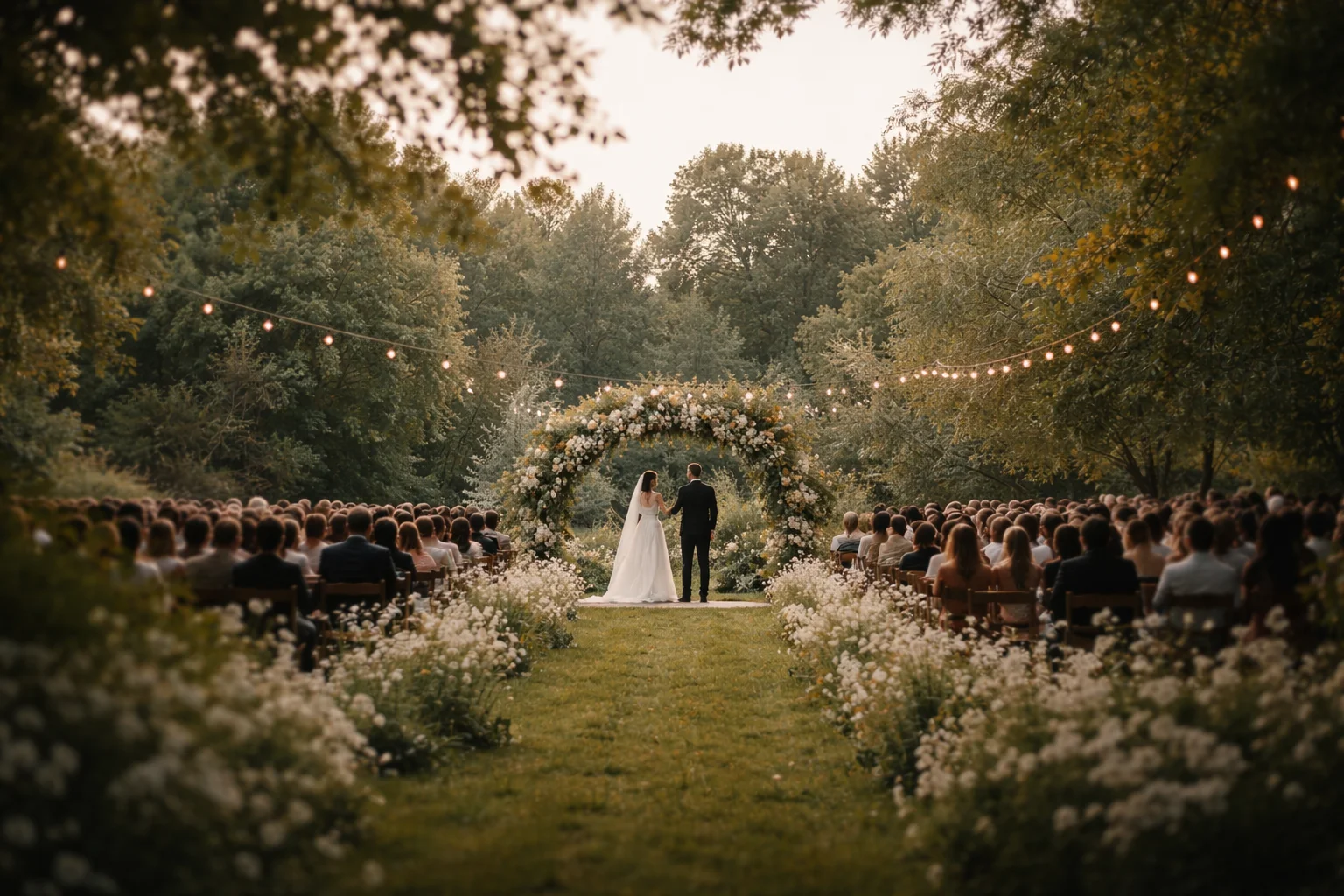
The Quiet Structure of a Wedding: How Checklists Become Rituals
Behind every calm, meaningful wedding lies a structure that no one notices. This piece explores how practical checklists and deeply felt rituals are not opposites, but partners in shaping a ceremony that feels grounded, intentional, and real.
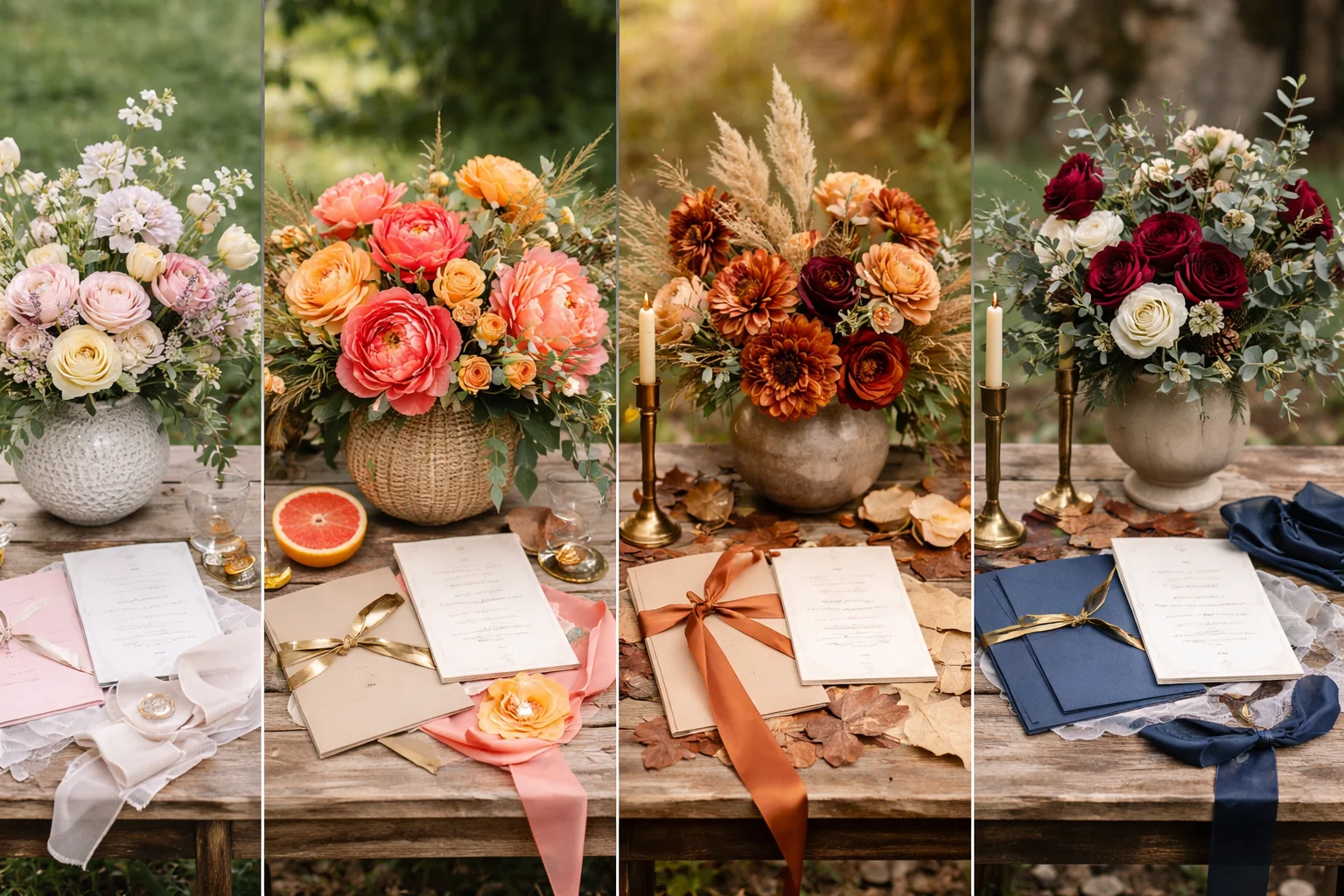
Seasonal Wedding Colors in Practice
Color at weddings often moves with the season. Not strictly planned that way. It just happens when looking across many events over time. A wedding in May rarely looks the same as one in October. The difference sits quietly in the palette.

Before Wedding Planning Takes Over: An Engagement Checklist for the Things That Actually Change
An engagement can turn into a wedding project surprisingly fast. Before venues, guest counts and timelines take over, there are quieter things worth checking together: expectations, family pressure, money, symbols, privacy and what the promise has actually changed between you.

Prenup Conversations Before the Wedding: What Should Be Said Early, Calmly, and Clearly
Prenup conversations are rarely only about money. This article looks at timing, fairness, family history, debt, business ownership, inheritance, legal advice, and the quiet concerns couples should name before paperwork begins.
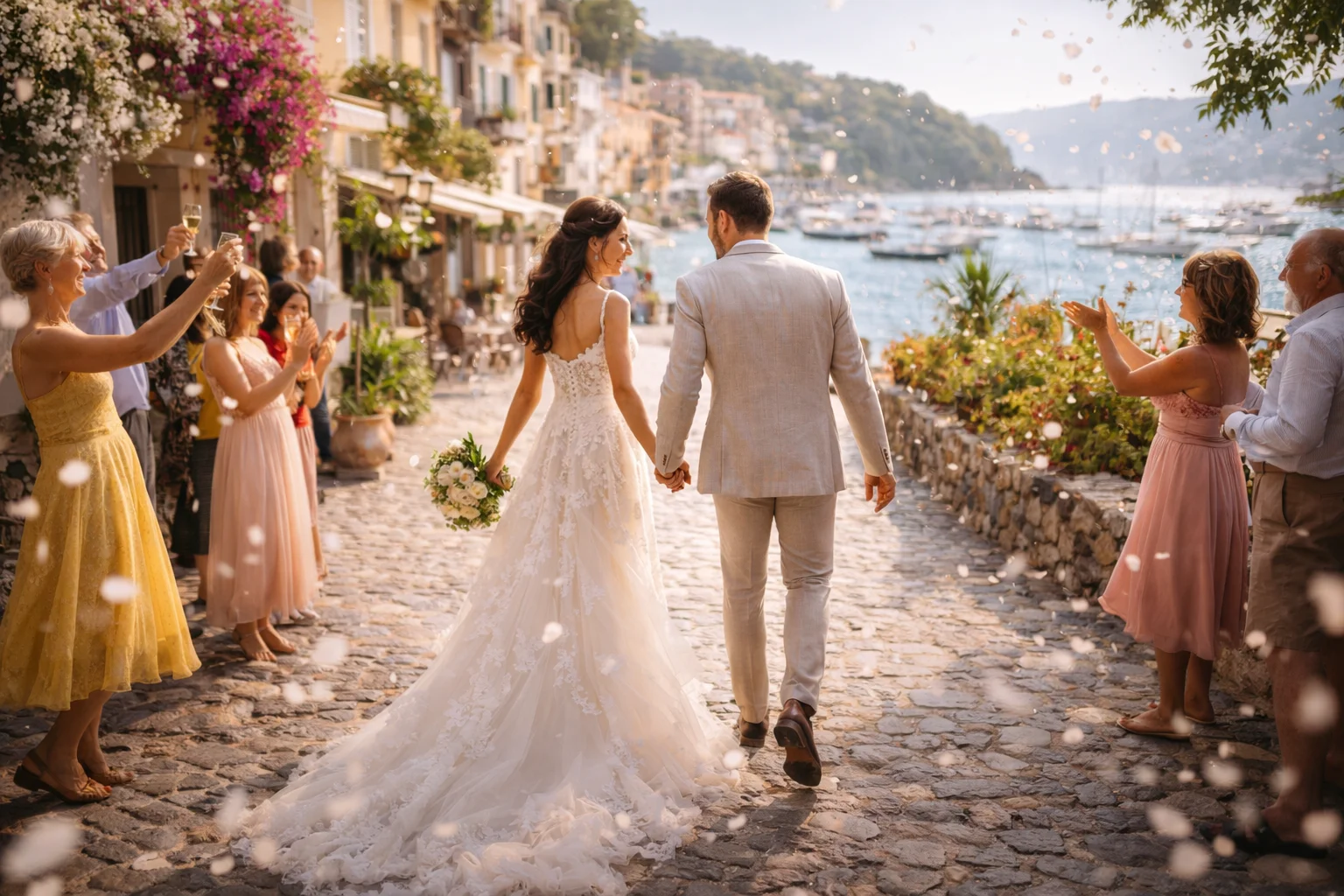
After the Wedding Abroad: A Legal Checklist for What Happens Once the Ceremony Is Over
A wedding may feel complete when the ceremony ends, but legal reality often continues afterward. This checklist helps couples understand what documents, registrations, translations, and confirmations may still matter after a wedding abroad, when the ritual is over but the administrative part has not yet disappeared.
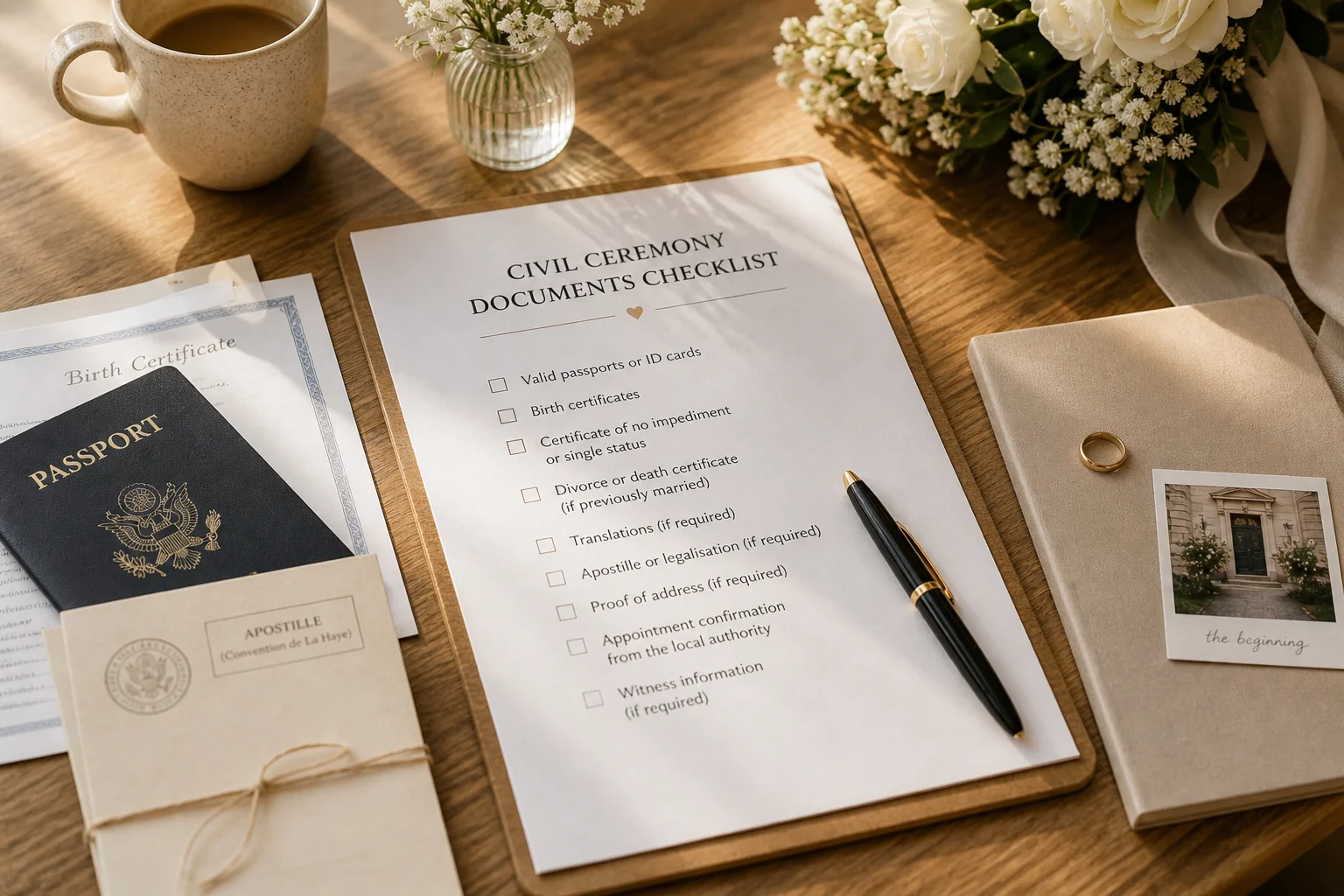
Civil Ceremony Documents Checklist: What Couples Usually Need Before the Wedding Can Happen
A civil ceremony may look simple, but it depends on documents being accepted before the public moment can begin. This article looks at identity records, marital status proof, translations, apostilles, witnesses, appointment rules, and the quiet legal threshold before the ceremony.
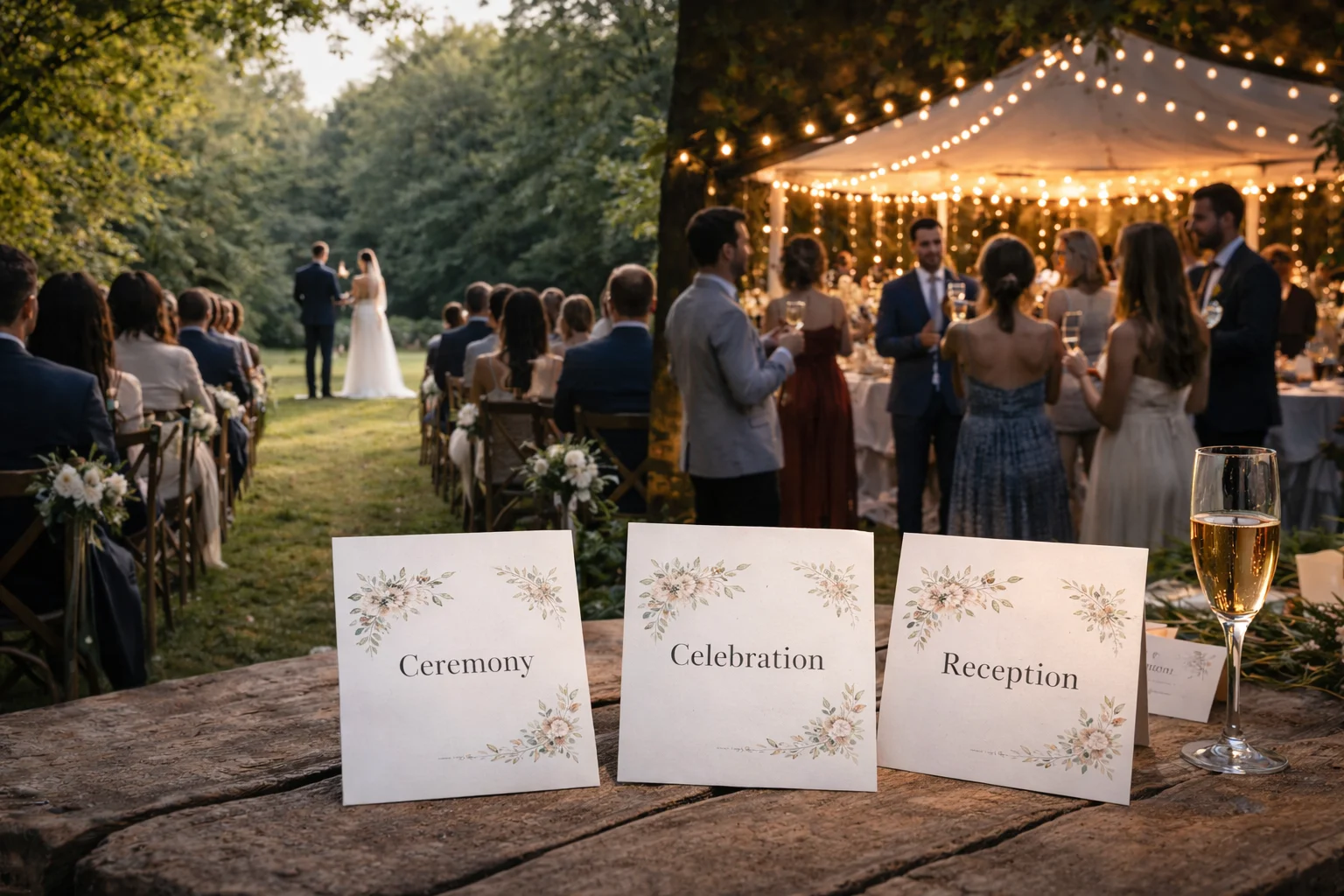
Who Is Invited to the Ceremony and Who Only to the Celebration
Not every wedding invitation has to include every part of the day. But the difference between being invited to the ceremony and being invited only to the celebration carries more meaning than many couples first assume. This article looks at how to make that distinction clearly, gracefully, and in a way that fits both the ritual weight of the ceremony and the social reality of the celebration.
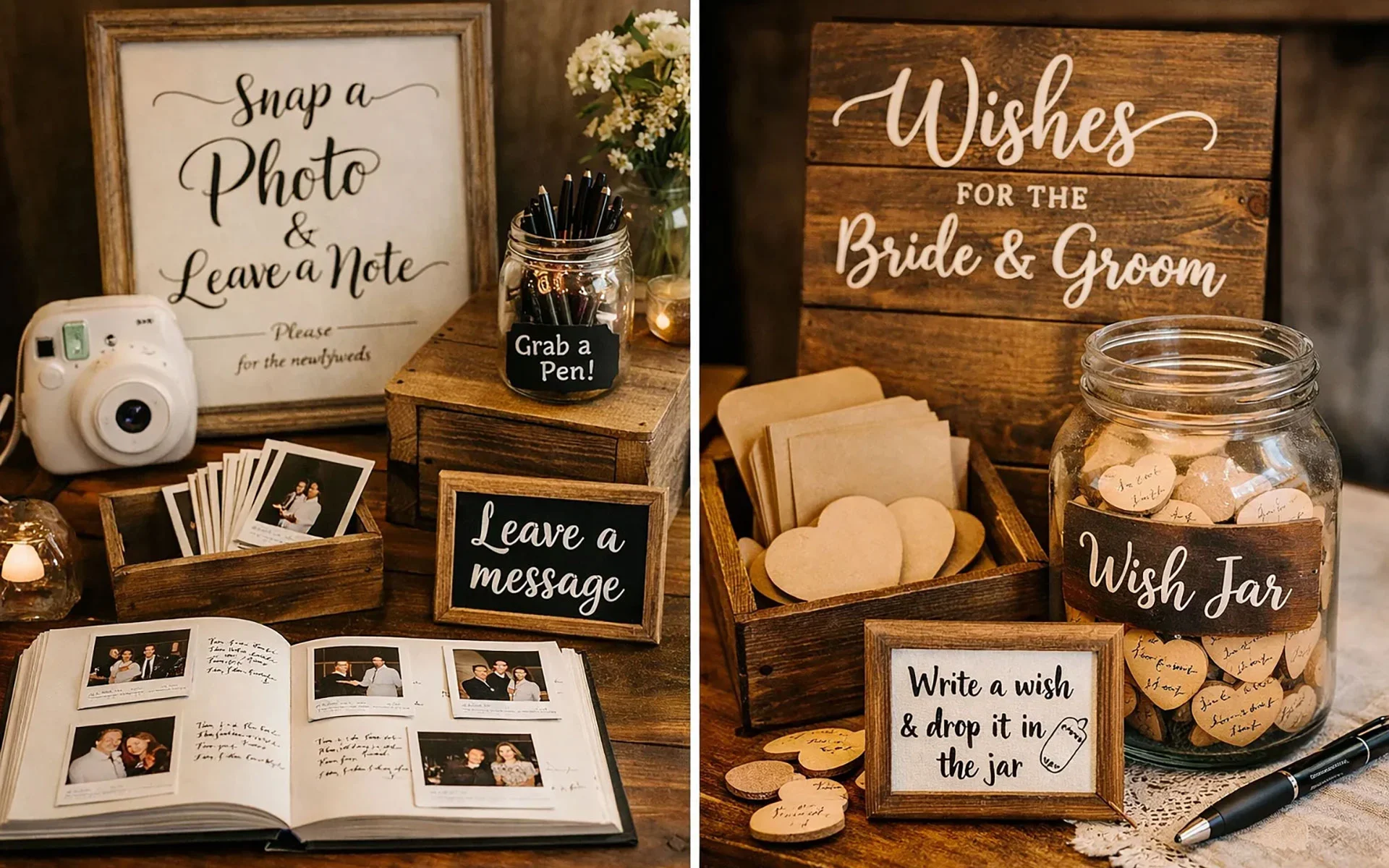
Small Wedding Ideas with Big Impact
The details guests remember from a wedding are rarely the largest ones. More often, they are the quieter things that changed how the room felt, how people moved, or how participation became natural without being managed. This article looks at small wedding ideas that leave a larger trace because they work like subtle rituals inside the day.
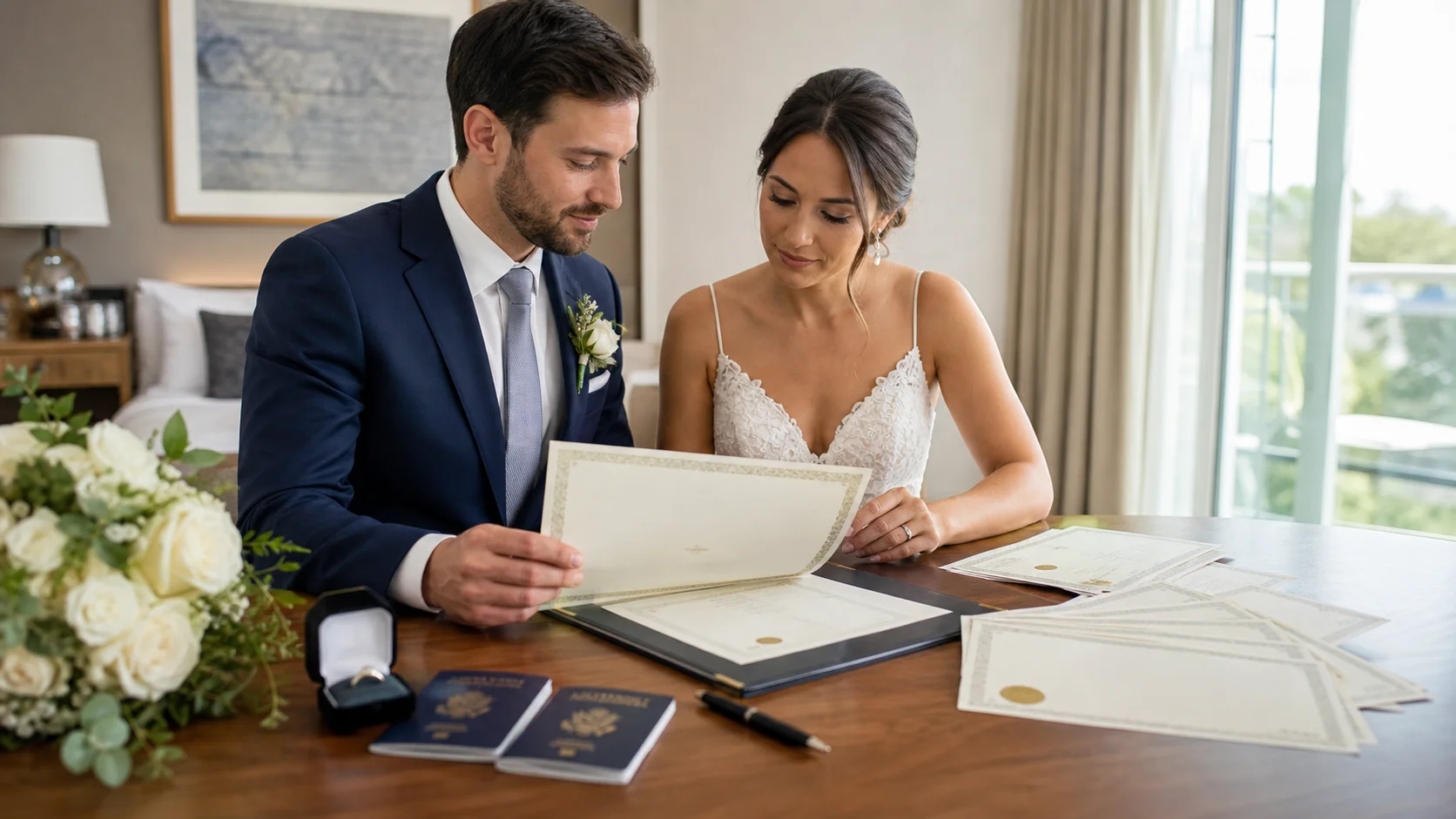
Marriage Certificate Checklist: Why One Document Keeps Returning After the Wedding
A marriage certificate often feels like the final paper of the wedding, but it keeps returning in ordinary life. This article looks at certified copies, scans, translations, apostilles, name changes, travel, banking, insurance, and the quiet imprint one document leaves after the celebration.
Legal Basics for Weddings Abroad
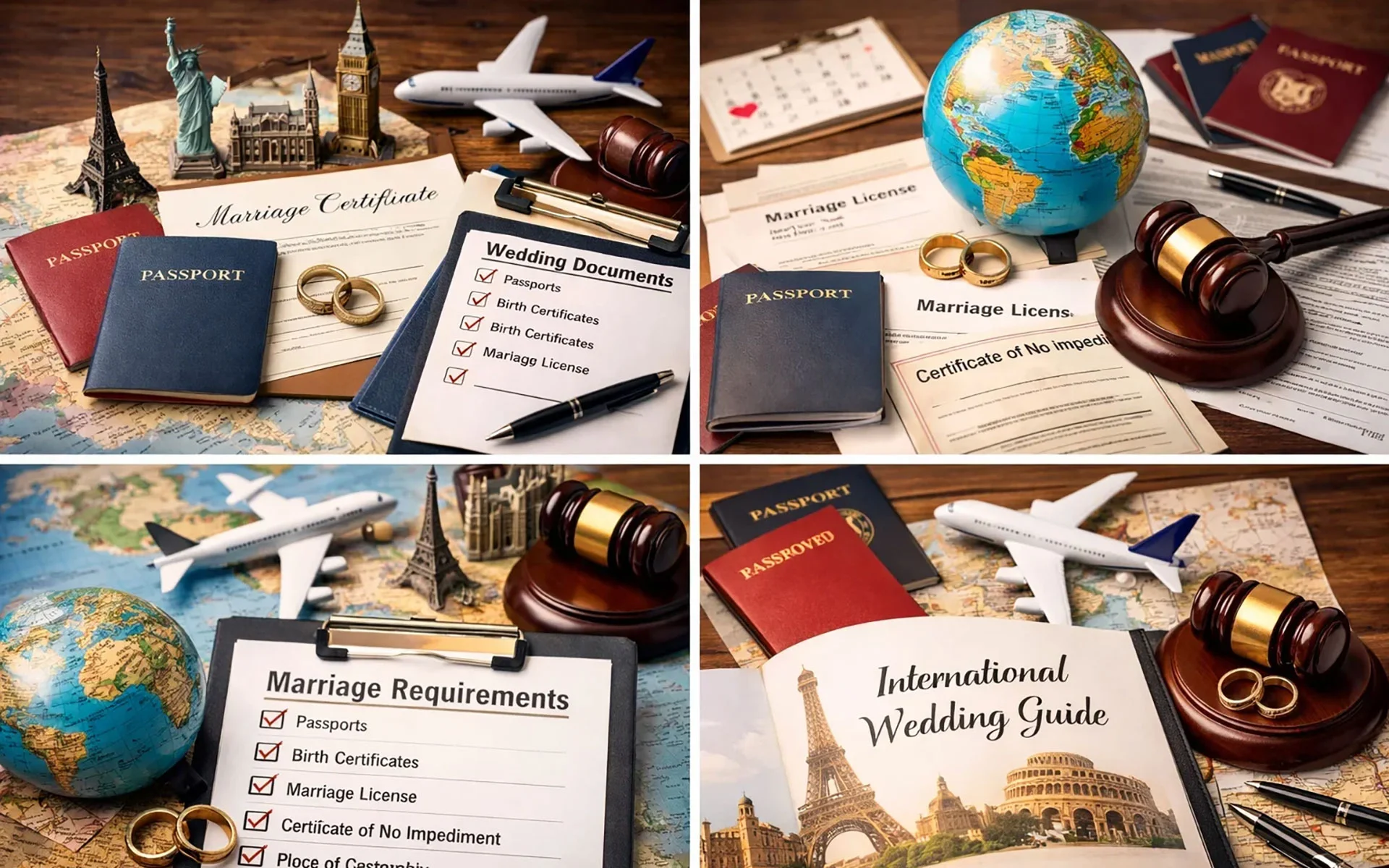
Getting married in another country involves more paperwork than many expect. Rules differ by location, and details matter. Couples who check requirements early and confirm them locally usually avoid delays and last-minute problems.

Groom’s Morning Checklist: What Keeps the First Hours Clear and Unforced
The groom’s morning often looks simple from the outside, but it depends on small decisions made early. This article looks at clothing, food, rings, timing, communication, photography, transport, and the quiet rituals that keep the first hours clear without making them feel staged.

Name Change Checklist: What Couples Should Decide Before the Forms Decide It for Them
A name change after marriage is not only paperwork. This article looks at identity, travel, work, family communication, digital names, and the small everyday places where a new or unchanged name starts to matter after the wedding.