
Seasonal Wedding Colors in Practice
Couples sometimes talk about colors early in planning, but the final look usually forms slowly. Flowers that are available that week. Linen options at the venue. The tone of the room. Even the light during dinner. Bit by bit the palette settles into something that feels natural for that moment of the year.
That is also why the subject belongs naturally to both Color Themes and Rituals. Color may seem decorative at first, yet in practice it helps a wedding ritual become visible. It sets the emotional temperature of the room, supports the pace of the day, and gives symbolic moments a visual atmosphere without needing to explain them. The season does part of this work quietly, long before anyone names a palette.
Color Themes – CategoryThe choice of colors sets the tone for the entire wedding celebration. A thoughtfully selected palette connects décor, flowers, stationery, and styling into a cohesive visual story. Whether soft and romantic or bold and modern, the right color combinations create harmony and give the wedding a clear and memorable identity.
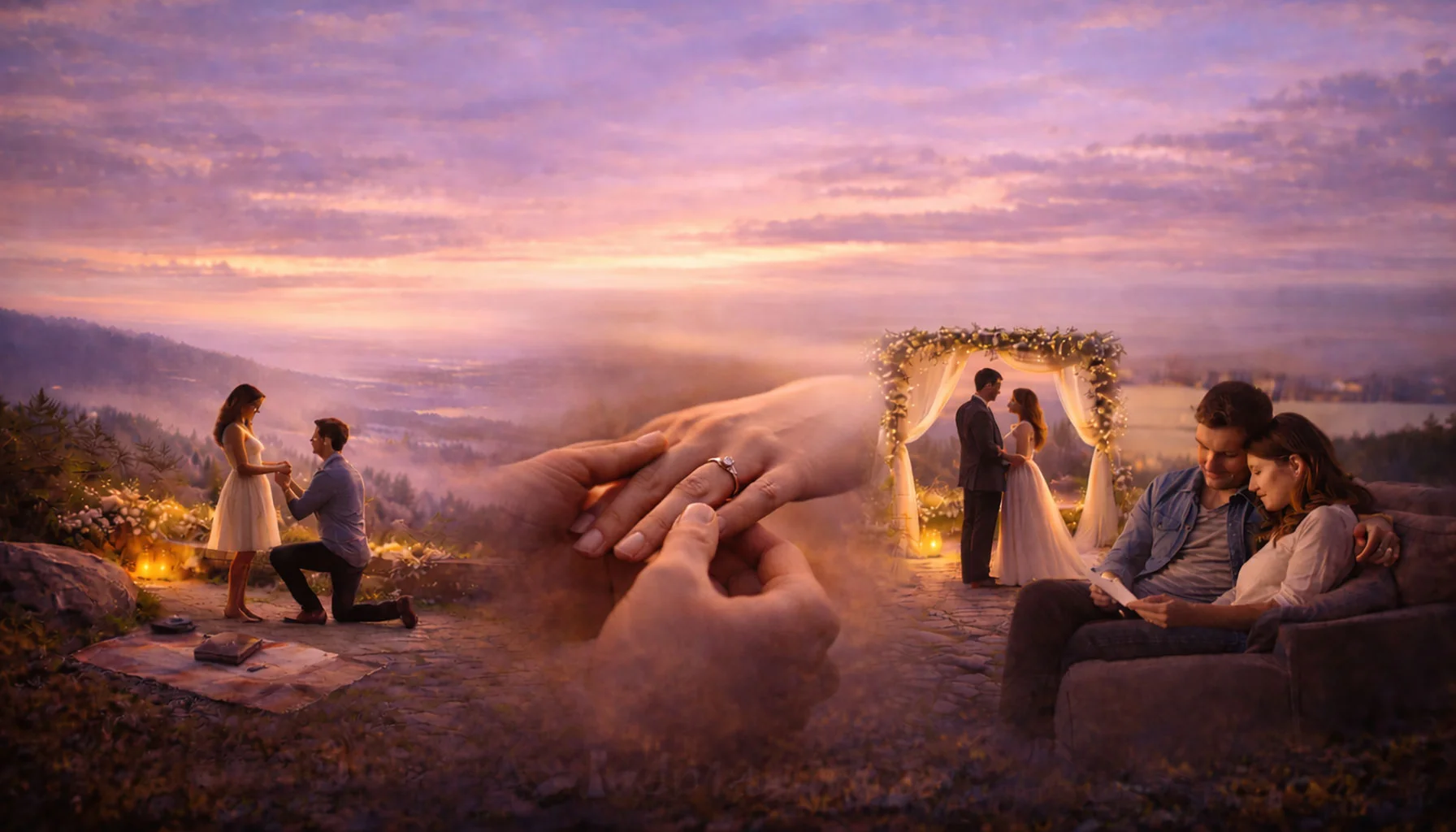
Rituals are the quiet architecture of love: proposals, engagement, wedding symbols, and the transitions that shape what remains. Start here to explore the portal’s foundational paths.
Definition
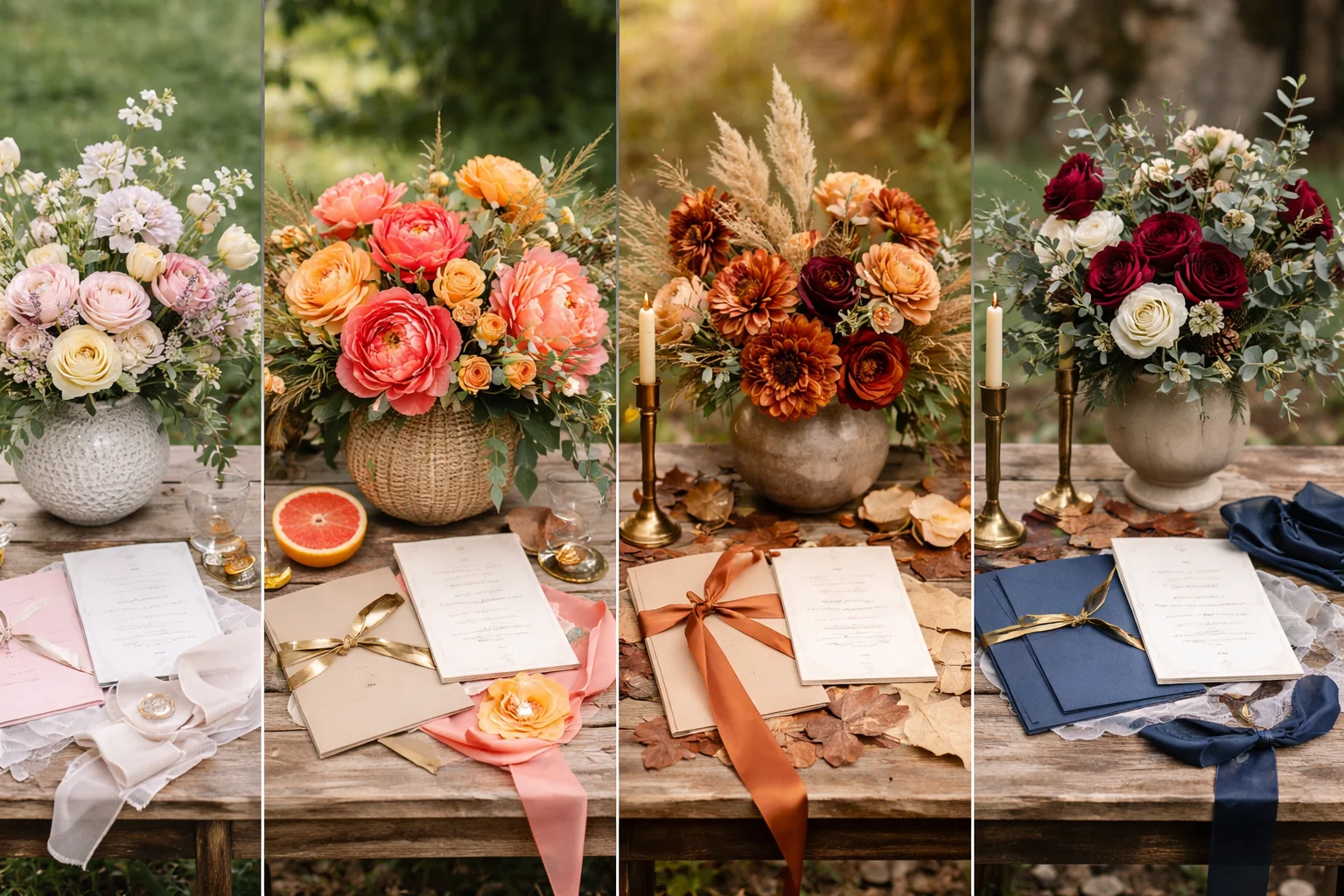
Seasonal wedding colors describe color palettes that tend to appear more frequently during certain parts of the year. The idea is simple. Weddings reflect their surroundings. Flowers, fabrics, natural light and landscapes shift with the seasons, and the visual choices around a wedding often follow that shift.
Spring
Spring weddings often lean toward lighter tones. Soft pinks appear a lot. Pale greens as well. Lavender shows up here and there. Tables tend to stay bright, sometimes almost minimal. Early flowers quietly shape most of the palette without much discussion. In ritual terms, spring color often supports beginnings without overstating them.
Summer
Summer weddings move in several directions. Some celebrations bring stronger color. Coral, warm peach, clear blue tones. Others stay calm with neutrals like sand, cream or light beige. Outdoor ceremonies influence things heavily. Green landscapes and long daylight already provide much of the atmosphere. Because summer light is generous, the palette often needs less help than couples first assume.
Autumn
Autumn weddings often carry warmer shades. Terracotta appears often. Rust, deeper reds, olive tones. Decorations rarely feel forced because the surrounding landscape already holds similar colors. Wooden tables, darker stationery, candlelight beginning earlier in the evening. In many weddings, this is the season where color and ritual atmosphere seem to align most effortlessly.
Winter
Winter weddings usually gather color more tightly. Dark green, burgundy, navy. Sometimes combined with simple whites or quiet metallic accents. Indoor spaces matter more in this season. Light becomes softer, fabrics heavier, and the palette often follows that mood. Winter color rarely spreads outward. It tends to collect around the ceremony and hold it closer.
How These Palettes Actually Form
In reality, seasonal palettes rarely start as strict plans. They grow out of small practical decisions. Flower availability. What the florist has that week. The color of the venue walls. The linen inventory. By the time everything comes together, the season has quietly left its mark on the whole setting. This is where wedding color becomes more than styling. It becomes part of how the day is felt.
Conclusion
Seasonal wedding colors are less a system and more a rhythm that repeats across the year. Certain tones appear again and again in certain months, mostly because they sit comfortably in that environment. Weddings continue to vary, of course. Still, the season almost always leaves a trace in the final palette. And when that trace is allowed to remain natural, color helps the ritual feel grounded rather than arranged.
Related Articles
How the Groom Look Becomes Part of the Ceremony
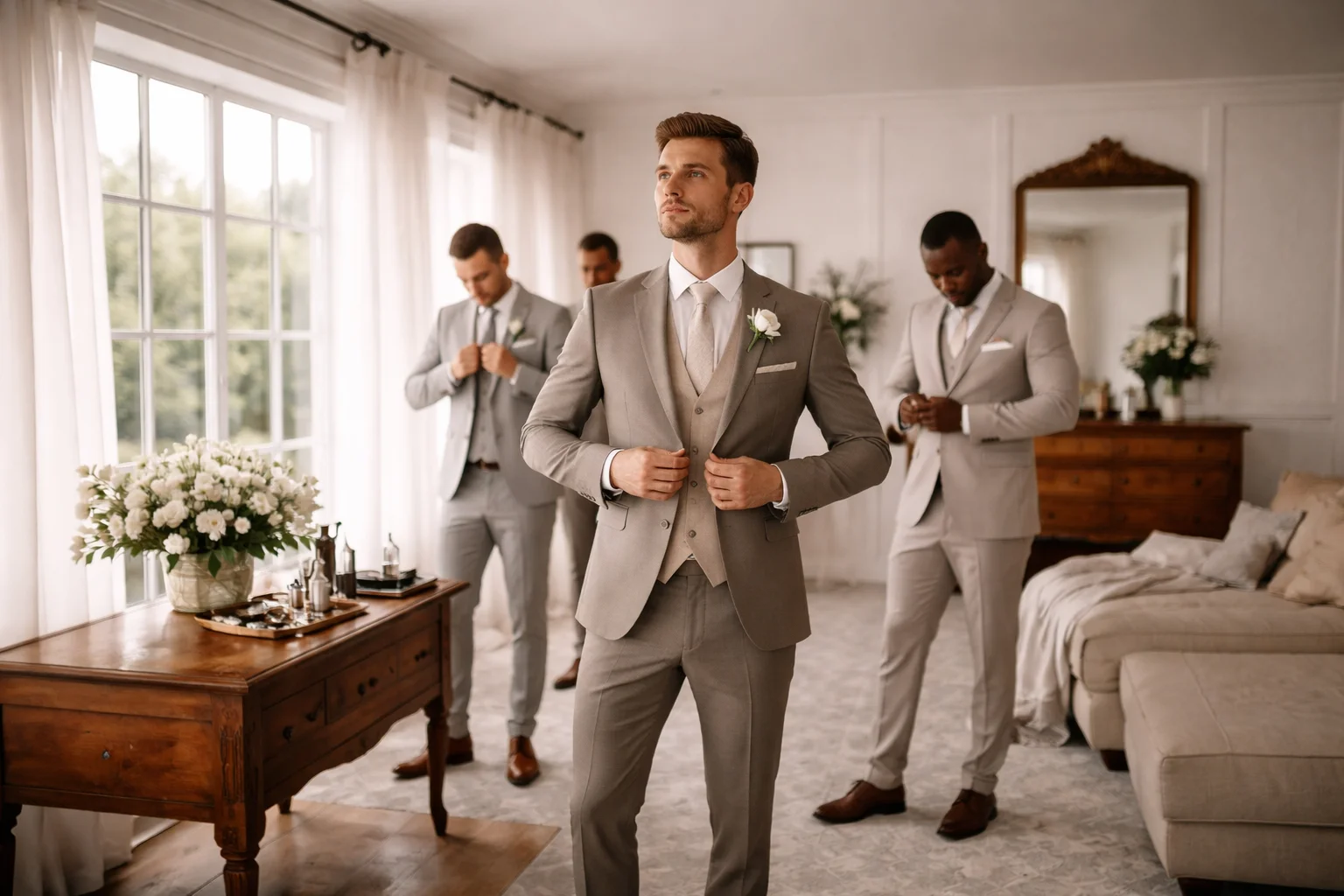
The groom look is often treated as a matter of style. Suit, fabric, fit, color. Decisions that seem practical, sometimes secondary. Yet on the day itself, what the groom wears becomes part of something more structured, more intentional.
Small Wedding Ideas with Big Impact
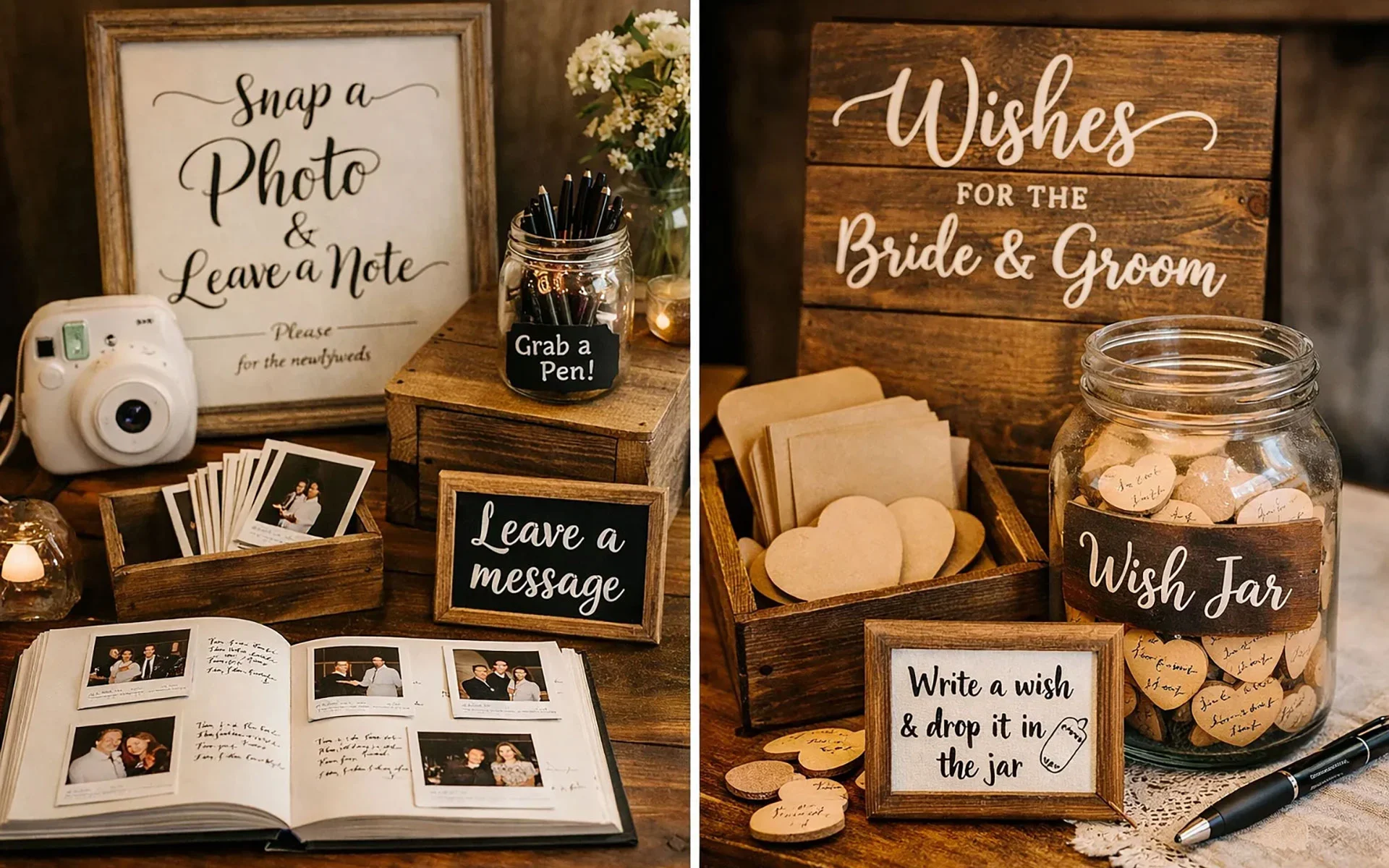
The details guests remember from a wedding are rarely the largest ones. More often, they are the quieter things that changed how the room felt, how people moved, or how participation became natural without being managed. This article looks at small wedding ideas that leave a larger trace because they work like subtle rituals inside the day.

Before Wedding Planning Takes Over: An Engagement Checklist for the Things That Actually Change
An engagement can turn into a wedding project surprisingly fast. Before venues, guest counts and timelines take over, there are quieter things worth checking together: expectations, family pressure, money, symbols, privacy and what the promise has actually changed between you.
Witnesses and Signatures: The Small Legal Moment Guests Often Misunderstand
The signing moment at a wedding can look like a brief pause, but it carries both legal and symbolic weight. This article looks at witnesses, document requirements, signing tables, visibility, ceremony flow, and how a small official act can quietly become a ritual.
The Quiet Structure of a Wedding: How Checklists Become Rituals
Behind every calm, meaningful wedding lies a structure that no one notices. This piece explores how practical checklists and deeply felt rituals are not opposites, but partners in shaping a ceremony that feels grounded, intentional, and real.
What Wedding Colors Leave Behind
Wedding colors are usually chosen for beauty, balance, or season. But they also leave a trace. Long after flowers fade and fabrics are packed away, certain tones remain attached to a promise, a room, a feeling. This article looks at wedding color not only as styling, but as part of the emotional imprint a ceremony leaves behind.
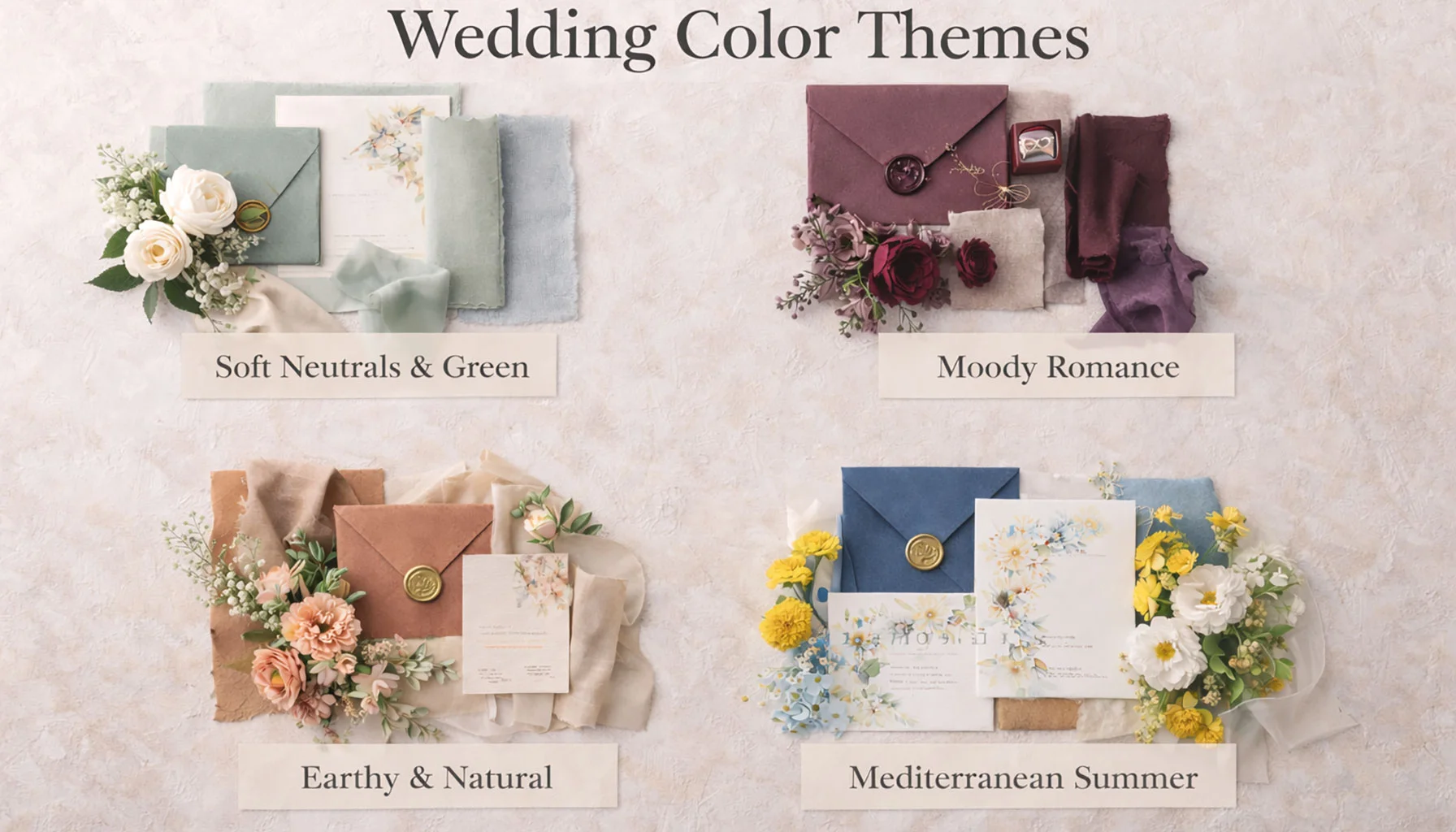
Color Palettes That Hold the Day Together
Color at a wedding is often felt before it is noticed. It settles rooms, links moments, and makes different elements seem as though they belong to one another without needing explanation. This article looks at wedding color not as decoration alone, but as a quiet symbolic structure that helps the day feel coherent.
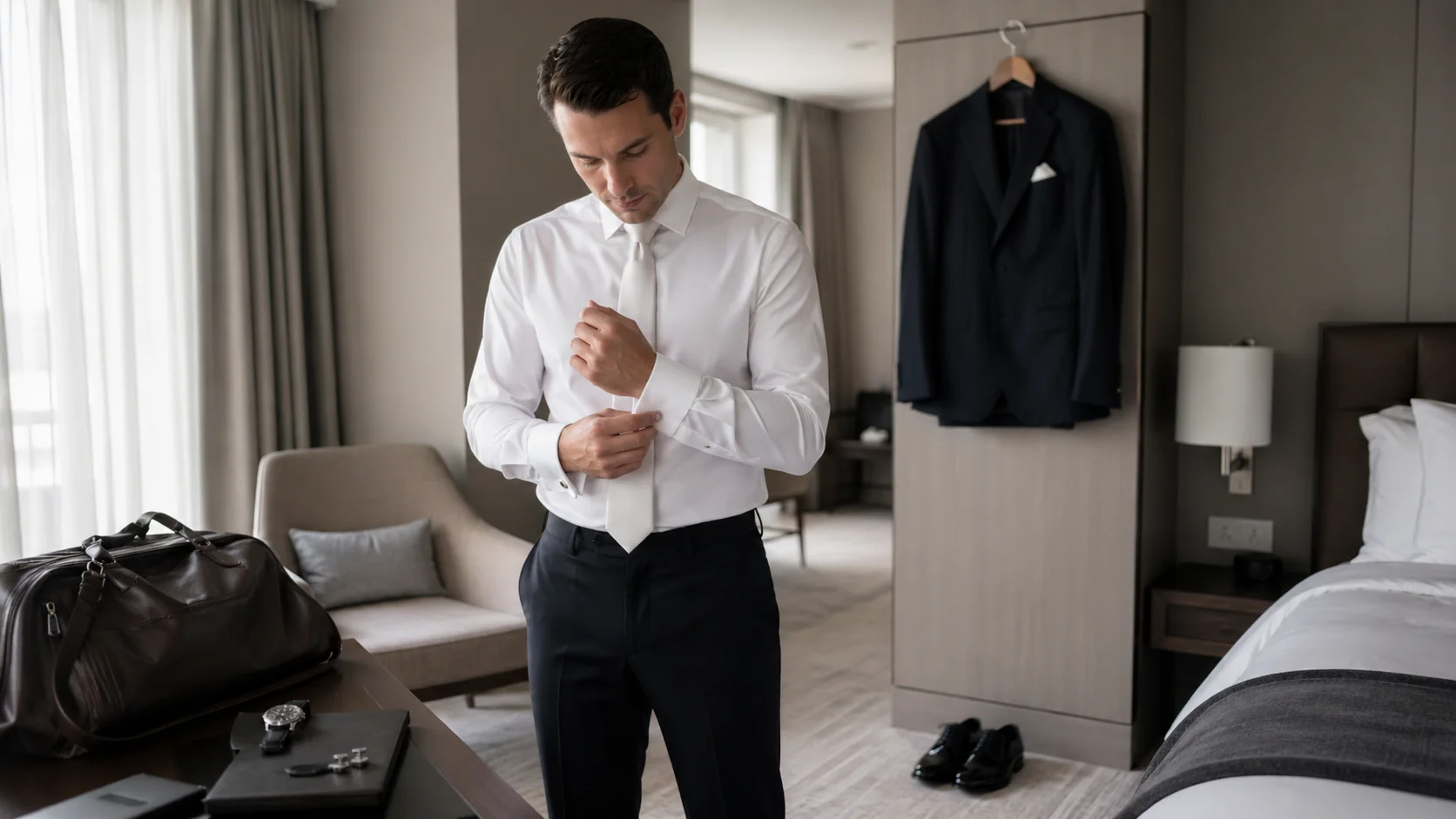
Groom’s Morning Checklist: What Keeps the First Hours Clear and Unforced
The groom’s morning often looks simple from the outside, but it depends on small decisions made early. This article looks at clothing, food, rings, timing, communication, photography, transport, and the quiet rituals that keep the first hours clear without making them feel staged.
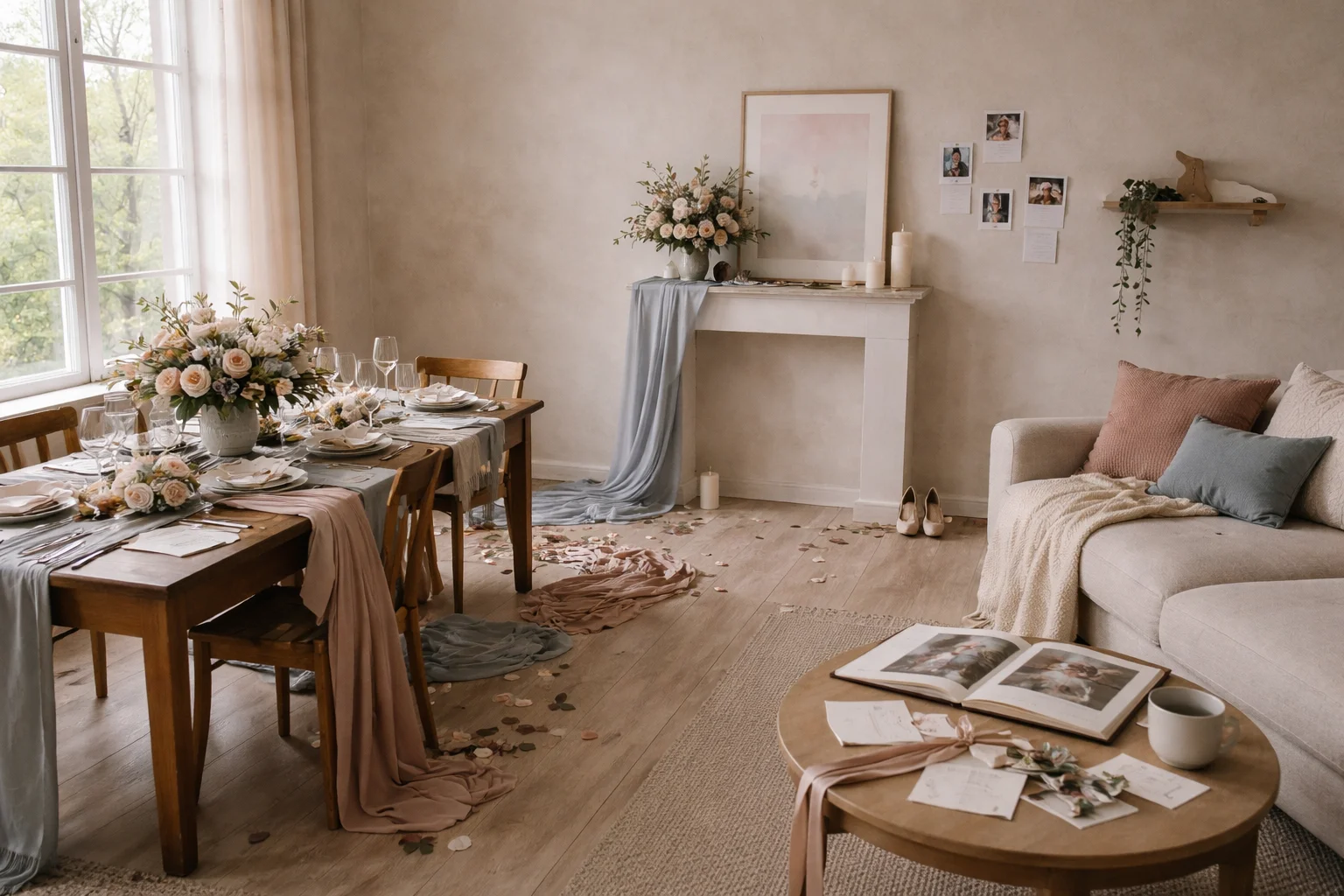
What Wedding Colors Become Once the Day Is Over
Wedding colors are often chosen early, sometimes even before the location is final. Palettes are built, combinations tested, fabrics compared. It feels like a visual decision, one that belongs entirely to the day itself.
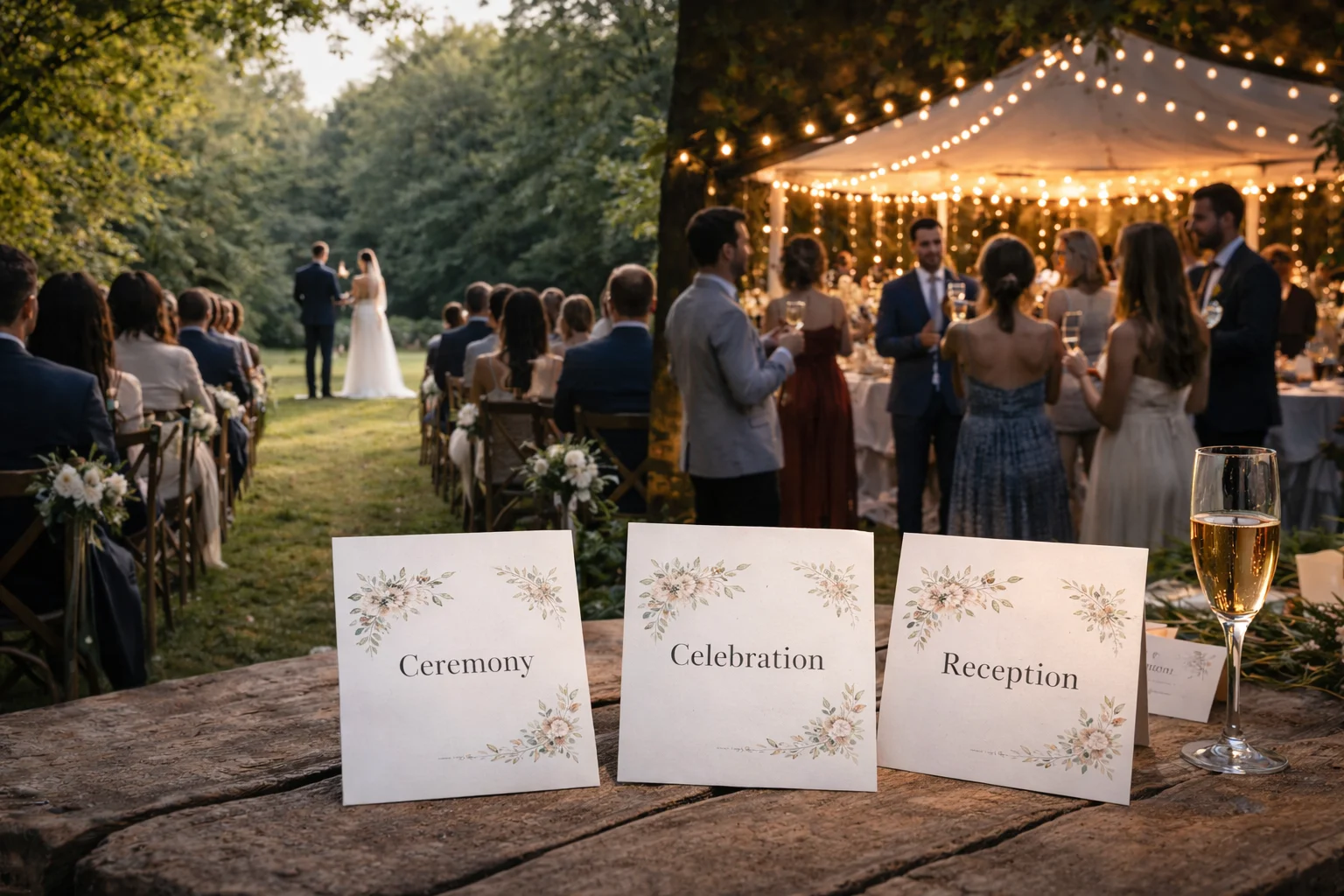
Who Is Invited to the Ceremony and Who Only to the Celebration
Not every wedding invitation has to include every part of the day. But the difference between being invited to the ceremony and being invited only to the celebration carries more meaning than many couples first assume. This article looks at how to make that distinction clearly, gracefully, and in a way that fits both the ritual weight of the ceremony and the social reality of the celebration.