
Flowers & Florals
Flowers and florals are an essential part of wedding design, adding emotion, color, and natural beauty to the celebration. From bridal bouquets and table arrangements to ceremony arches and subtle accents, floral elements help define the mood and style of the day. Thoughtfully chosen flowers can highlight seasons, themes, and personal preferences, creating a setting that feels elegant, romantic, and alive.
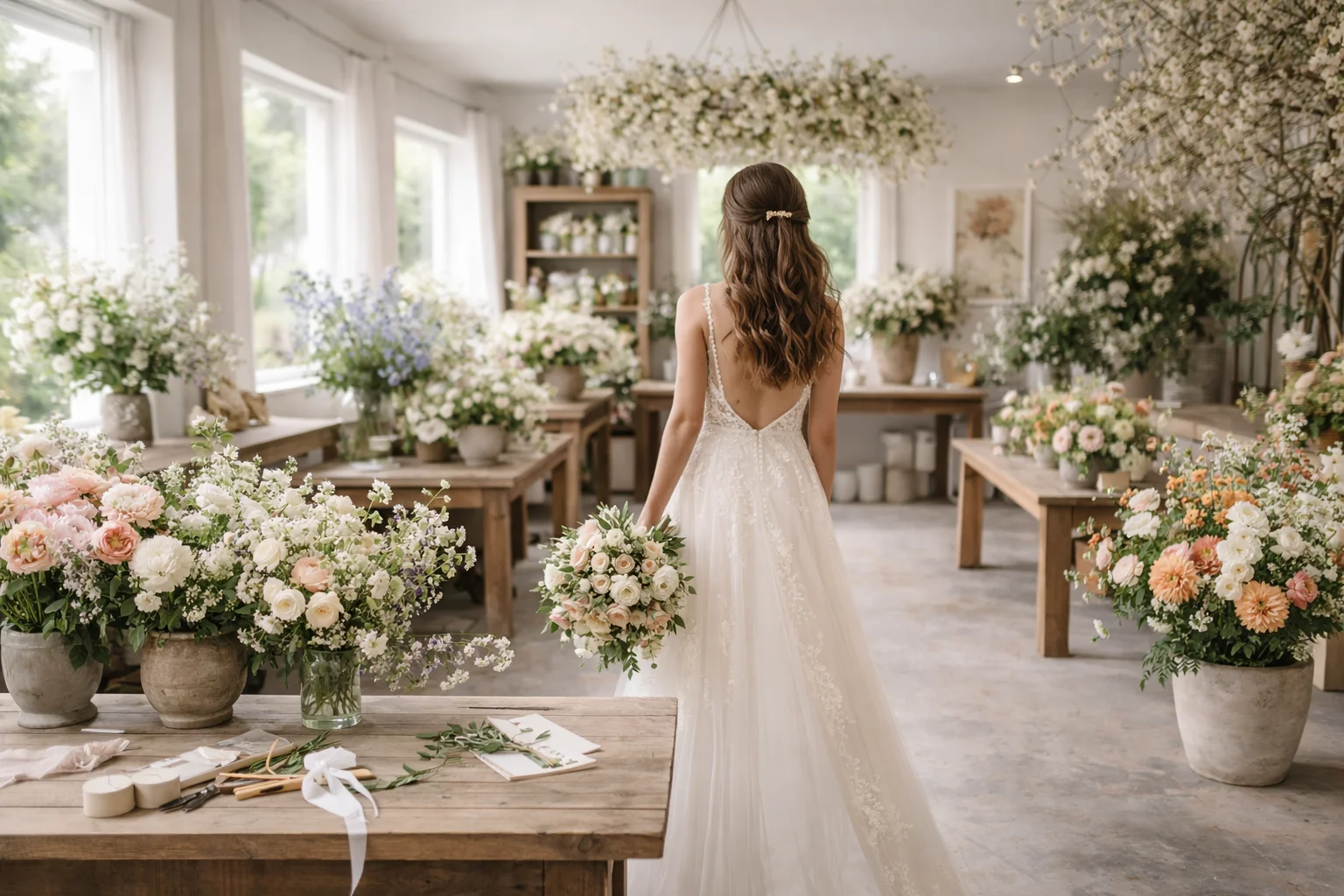
What Flower Shops Really Shape at Weddings
Wedding flowers are often reduced to color palettes and arrangements, but flower shops influence something deeper. They define how a ceremony feels, how space breathes, and what lingers after the moment has passed. This article looks at how florists shape both the visible and the emotional layer of a wedding.
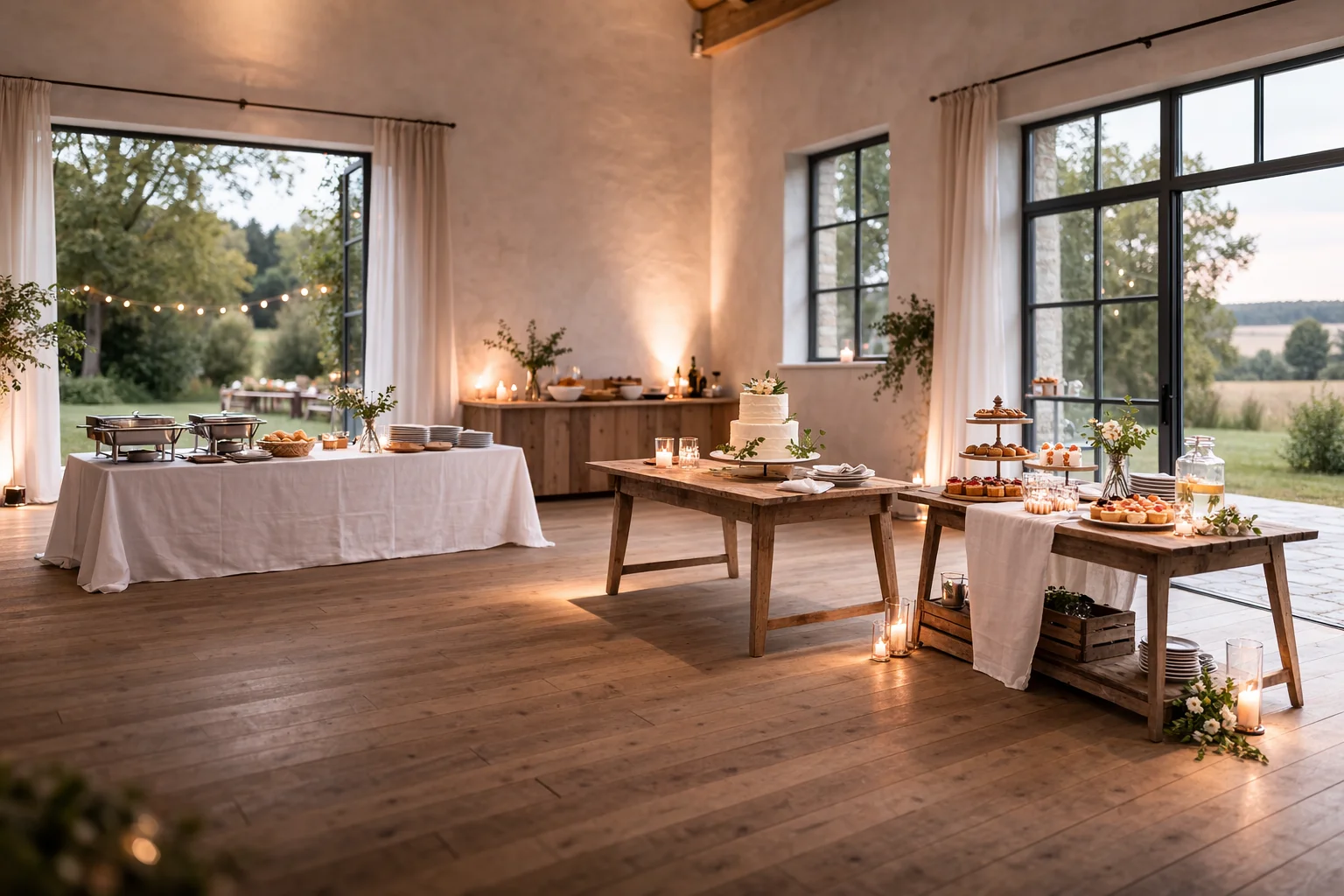
Flowers Near Food at Weddings: Buffet and Dessert Table Placement
Flowers sometimes end up close to food. Not always by clear decision. More because the rest of the room is already filled, and these zones remain. Then something gets added there too. It does not look unusual once it is in place.
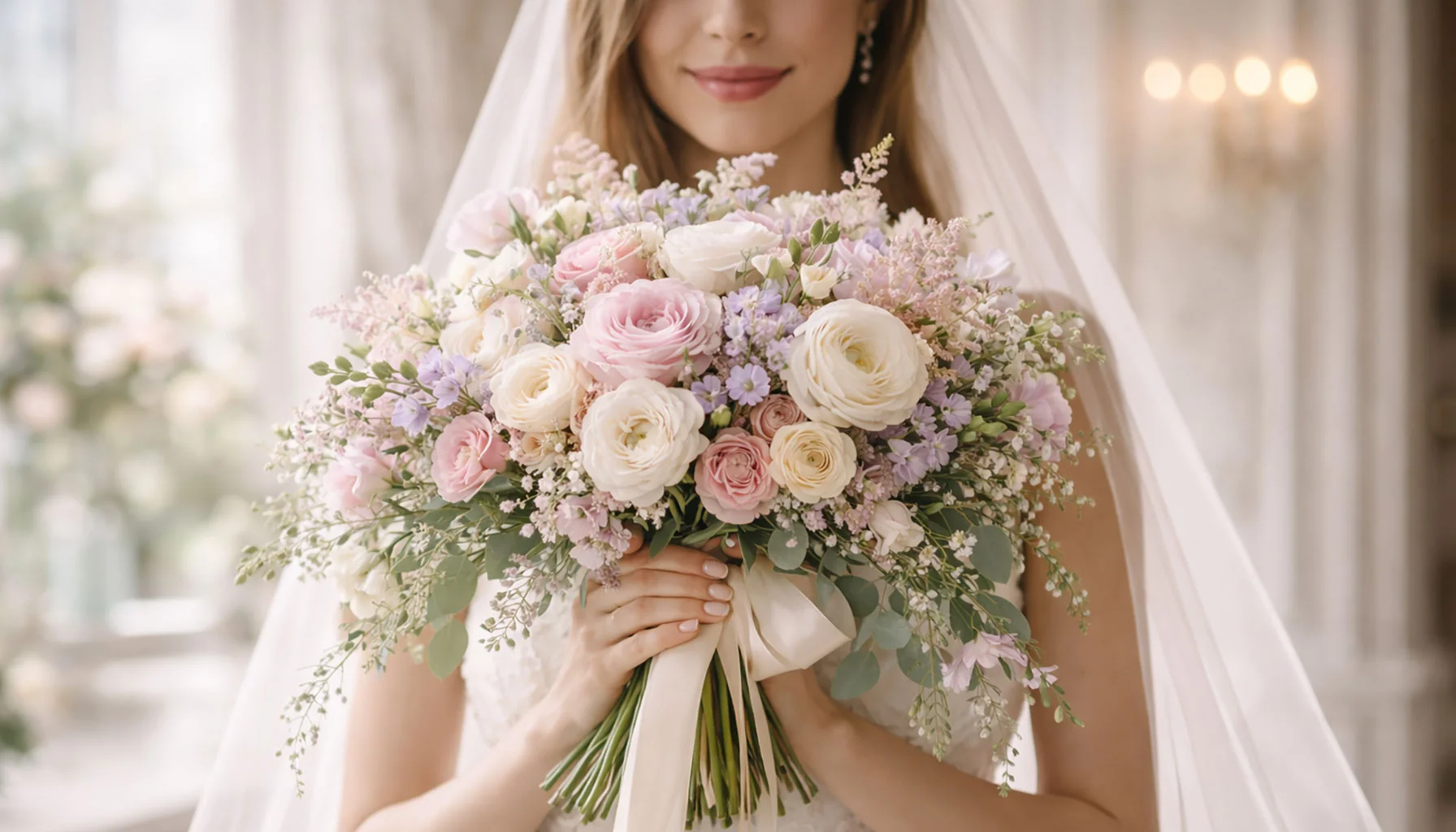
The Bridal Bouquet: A Silent Expression of Love, Style, and Timeless Emotion
The bridal bouquet accompanies the bride throughout the wedding day. It is held, adjusted, set aside, and taken up again. Its impact comes from balance rather than attention. Shape, weight, and color align with movement and appearance and become part of what is remembered.
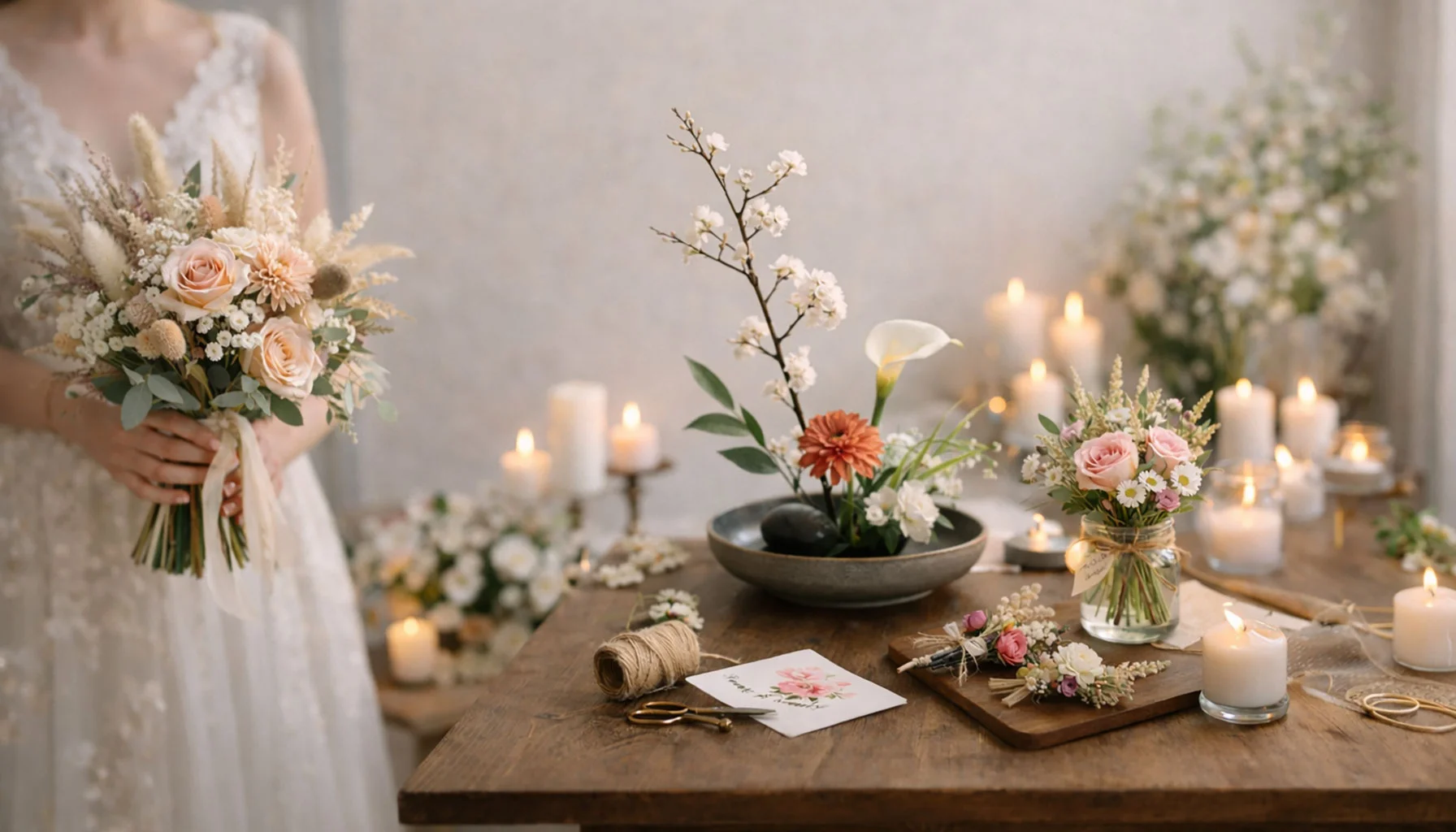
Timeless Blooms & Modern Floral Ideas for Meaningful Wedding Celebrations
Floral design shapes the atmosphere of a wedding more through presence than through display. Small choices, careful timing, and attention to place define how flowers are perceived. When arranged with restraint, they support moments, soften transitions, and remain quietly memorable.
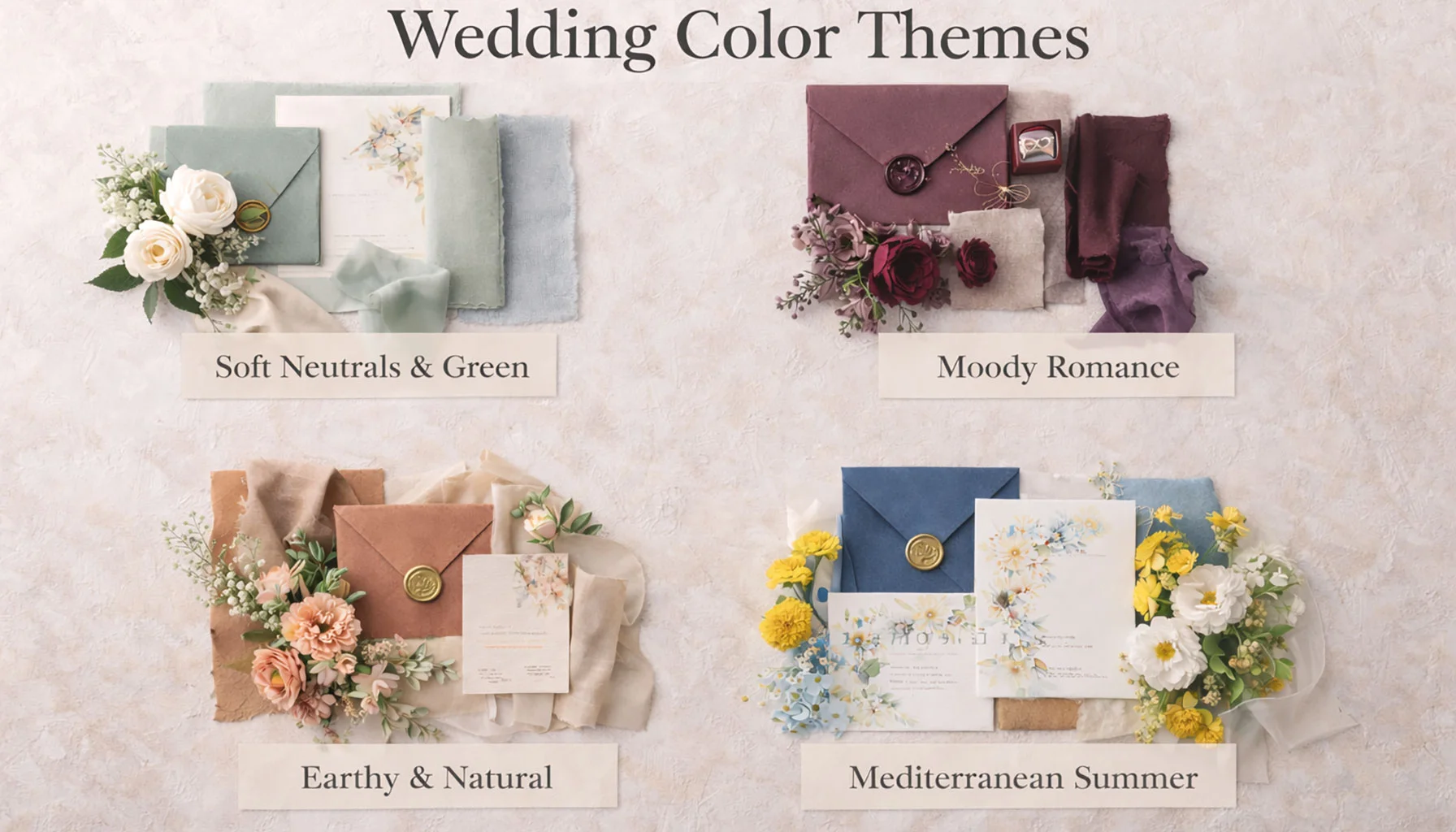
Color Palettes That Hold the Day Together
Color at a wedding is often felt before it is noticed. It settles rooms, links moments, and makes different elements seem as though they belong to one another without needing explanation. This article looks at wedding color not as decoration alone, but as a quiet symbolic structure that helps the day feel coherent.
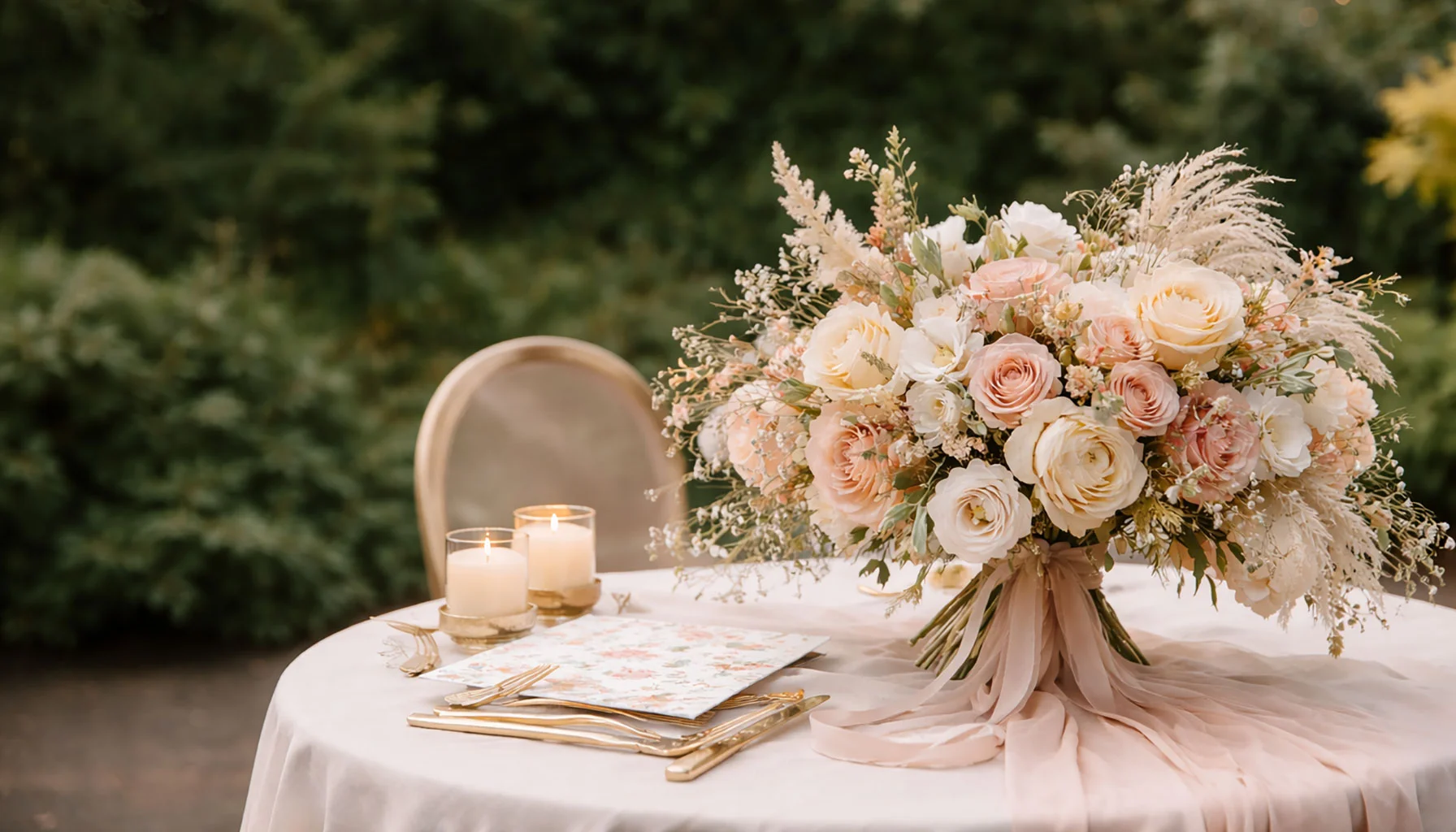
Bloom by Design: Flowers and Florals for a Modern Perfect Wedding
Flowers rarely carry a wedding by themselves. What they do, when chosen well, is quieter and often more lasting. They soften transitions, give rhythm to rooms, and help guests feel oriented without ever being told where to look. This article looks at wedding flowers through atmosphere, restraint, and the silent structure they create across the day.